Dealer Plate Guy Compares Dealer Pricing with the Aftermarket
About this episode
Austin Conroy, better known as Dealer Plate Guy, joins Jeff to talk about life inside dealership service and how his background in sales, finance, and management shaped his perspective. They dig into the tension between dealer pricing and aftermarket shops, why advisors often overpromise, and how technicians can be better connected to customers. The conversation also covers leadership, building a technician career path, and the value of hospitality skills in automotive service.
Like the show? Show your support by using our sponsors.
Promotive can help you find your dream job. Touch HERE to see open jobs.
Need to update your shop systems and software? Try Tekmetric HERE
Launch your tool game to the next level with Launch Tech USA! HERE
In this episode, Jeff sits down with Dealer Plate Guy (Austin Conroy), who has a HUGE following on social media. Austin shares his unconventional career path from sales to service manager, emphasizing the importance of building customer and employee relationships in the dealership environment. They also talk about the most common misconceptions about dealership pricing compared to independent shops and the crucial role of technician career development and mentorship programs in addressing the ongoing technician shortage.
Timestamps:
00:00 International Connections: Jeff & Dealer Plate Guy Meet
02:05 Growing Up Near Purdue & Serving College Town Clients
03:17 From Car Sales to Multi-Store Manager: Austin’s Journey
05:00 First Day as Service Manager: No Wrenching Background Needed
07:10 COVID Resets the Department – Building New Structures
08:53 Why Techs Should Talk To Customers (and Break Out of the Funk)
10:10 Handling Difficult Customers & Flipping the Script
13:36 The Unseen Cost of Long Test Drives & Flat Rate Frustrations
16:28 Why Relationships Matter: Dealer vs. Independent Shop Service
18:31 Career-Oriented Advisors & Building Repeat Business
20:44 Managing Pay, Hours, & Mentality in Service Departments
24:01 Changing Flat Rate Times: Pushback & Tracking Results
29:12 Dealer vs. Aftermarket Parts Pricing: The Real Story
33:43 Should Dealers Offer Aftermarket Parts? Educating Customers
35:16 The Independent Shop Advantage in “Impossible” Diagnostics
38:41 The 20-Minute Battery Draw: Stories From the Bay
42:58 Why Dealers Still Need Flat Rate—With Real Solutions
44:38 Feeding Your Best Techs: Who Should Get The Gravy Work?
46:56 The Reality of Used Car Work, PDI, and Technician Dispatch
49:28 Overpromising Service Times: Collision vs. Dealer Mentality
52:16 Developing the Tech Career Path: Retaining Talent
57:06 Mapping Out Progression Steps & Regular 1-on-1s With Techs
1:02:45 Multi-Point Inspections: Making Video Pay Off
1:09:29 How Social Media Skits Are Changing Dealerships
1:13:42 Bridging the Advisor & Tech Divide: Cross-Training Works
1:17:04 Beyond Money: Finding the Right Role for Each Employee
1:20:17 The Real Fix for the Technician Shortage
1:24:05 Apprenticeship, Dealer Responsibility & Recruitment
1:28:47 Final Thoughts & Where to Find Dealer Plate Guy Online
Follow/Subscribe to the show on social media!
TikTok - https://www.tiktok.com/@jeffcompton7
YouTube - https://www.youtube.com/@TheJadedMechanic
Facebook - https://www.facebook.com/profile.php?id=100091347564232
service advisor over promise
"You know, in a dealer world with advisors, 16 hours are like, oh yeah, we'll get that done today. It's like, wait, you know, collision. Like they would give you a whole week to do that and be okay with it. Be like, no, that's how long it should take. And the service advisor is always going to over promise, you know, at times."
At dealerships, the person who talks to you about repairs (the service advisor) sometimes says it’ll be done sooner than it really will. The goal is usually to keep you from canceling or getting upset.
The host is describing a common dealership behavior: service advisors may promise an optimistic turnaround time to keep customers comfortable and moving forward with work. In practice, collision/repair timelines can slip due to parts availability, diagnostics, and shop workload.
collision repair timeline
"You know, in a dealer world with advisors, 16 hours are like, oh yeah, we'll get that done today. It's like, wait, you know, collision. Like they would give you a whole week to do that and be okay with it."
“Collision” work often has longer and less predictable timelines than routine maintenance because it can involve teardown, damage assessment, parts sourcing, and coordination with insurers. That uncertainty is why advisors may quote different timeframes depending on the job type.
SEMA
"But no, when I was in SEMA was kind of the last time I was getting a bunch of episodes recorded."
SEMA is a big automotive trade event in the U.S. where companies show off aftermarket parts and new ideas for cars.
SEMA is the Specialty Equipment Market Association, a major U.S. automotive trade show where aftermarket companies and builders showcase products. The speaker references attending SEMA as the last time they recorded a bunch of episodes.
commission draw
"So I finally bid on it, you know, I move out to Lafayette, Indiana and start selling cars for $400 a week draw, you know, on your. On your commission, which if you don't know what that means, is if I don't sell a car that week, I get paid 400 bucks."
A “commission draw” is a guaranteed payment against future commissions. If you don’t sell enough to earn back the draw, you may owe it back or it may be adjusted later depending on the dealership’s pay plan.
service department restructuring and retooling
"And through Covid, because I was a service manager, like, six months before COVID happened. And so out of COVID you know, we really restructured and retooled the department and kind of built it."
The episode mentions “restructured and retooled” the service department during/around COVID, implying changes to staffing, processes, and workflow. In dealership terms, this often means updating how work is scheduled, how advisors communicate, and how the shop handles throughput.
rotate tires
"I thought that was cool when I learned how to rotate tires and properly torque the wheels. I thought that was cool, you know, in, like, my dress shirt. But."
Tire rotation means swapping tires around so they wear more evenly. That can help them last longer and drive more consistently.
Tire rotation is the practice of moving tires from one position to another (front-to-rear, side-to-side) to even out wear. Different axle positions wear differently due to steering, braking, and drivetrain load.
torque the wheels
"I thought that was cool when I learned how to rotate tires and properly torque the wheels. I thought that was cool, you know, in, like, my dress shirt. But."
It means tightening the wheel bolts to the exact tightness the manufacturer wants. That keeps the wheel secure and helps avoid problems from being too loose or too tight.
“Torque the wheels” means tightening lug nuts to a specified torque value using a torque wrench. This helps prevent loose wheels and avoids over-tightening that can warp brake components or damage studs.
Sway bar links
"I'm sorry, your Sway bar links are already noisy at, you know, 15,000 miles. Like, it's, it's a, it's a known thing. Yes, we'll, we'll change them out for you, no problem."
Sway bar links are small suspension parts that help the car stay steadier when turning. If they’re worn, you can hear knocking or rattling, especially over bumps.
Sway bar links connect the sway (stabilizer) bar to the suspension, helping reduce body roll during cornering. When they get worn, they can cause clunks or noises, and the issue may show up relatively early depending on roads and alignment.
road tests
"I had to do a lot of road tests with a lot of customers for noises. That was my. I spent a lot of time road testing with customers for no."
A road test is when the technician drives the car to try to make the problem happen. It helps them figure out what’s causing the noise or symptom.
A road test is used to reproduce a customer complaint under real driving conditions. For noises or intermittent issues, the goal is to capture the behavior (speed, load, temperature, braking/acceleration) so the technician can diagnose it.
OBD scanning / no-codes diagnosis challenge
"sometimes it doesn't start sometimes or runs rough or, you know, and of course you're scanning it. There's no codes, there's no, can't duplicate it. So I became pretty good at talking to them."
Sometimes the car’s computer doesn’t store any error codes and the problem won’t happen during testing. When that happens, the technician has to rely more on what the driver reports and careful checks to narrow down the cause.
The transcript describes a common diagnostic problem: the technician scans for codes but finds none and can’t reproduce the symptom. In that situation, diagnosis shifts toward customer interviews, observation, and targeted testing based on conditions (start, temperature, rough running, intermittent behavior).
scanning it
"and of course you're scanning it. There's no codes, there's no, can't duplicate it. So I became pretty good at talking to them."
Scanning is plugging in a computer to see if the car stored any error codes. If there aren’t any codes, it can be harder because the problem might be intermittent.
“Scanning it” refers to using an OBD (on-board diagnostics) tool to read trouble codes from the car’s computer. If there are no codes and the issue can’t be duplicated, diagnosis often relies more on live data and careful customer interviews.
diagnostic worksheet
"we came out with a couple years ago, we did a diagnostic worksheet. So I know every manufacturer has one... I condensed it into one little sheet that I felt like was at least giving the customer value for diagnosis."
It’s basically a checklist for diagnosing a problem. Instead of guessing, it helps the shop ask the right questions and organize the clues so the technician can find the cause faster.
A diagnostic worksheet is a structured checklist used to collect key information (when it happens, driving conditions, symptoms, temperature, whether it occurs at start, etc.). It helps standardize diagnosis and can speed up troubleshooting by giving the technician a “head start” before deeper testing.
diag time
"“...some, you know, Z time or whatever you want to call it for the, you know, diag time, whatever the manufacturer calls it...”"
“Diag time” is the time a mechanic spends troubleshooting to find the cause of a problem. It’s not the final repair itself, but it’s often the hardest part.
“Diag time” refers to diagnostic labor—the time spent figuring out what’s wrong before repairs begin. In many dealer pay structures, diagnostic time may be handled differently than straightforward repair jobs, which is why the hosts discuss whether it gets paid.
pay plan
"“...in pay structures. I totally get where it would be frustrating to be on a test drive and not be paid for it.”"
A pay plan is how the dealership decides who gets paid and how much for different kinds of work. If the plan doesn’t match how the job really goes, it can make people feel like they’re not being treated fairly.
A “pay plan” in a dealership sets how service advisors and technicians are compensated—often tied to labor hours, efficiency, and sometimes gross profit. The episode frames pay plan differences as a major reason dealer work can feel frustrating compared with independent shops.
test drive
"“...it would be frustrating to be on a test drive and not be paid for it.”"
A test drive is when the mechanic takes the car out to see if the problem happens while driving. It’s often necessary to figure out what’s really wrong.
A “test drive” is used to reproduce drivability issues and confirm a diagnosis, especially for intermittent problems. The hosts argue that unpaid or under-compensated road-test time can harm technician motivation and service quality.
flat rate
"“...I'll say to, to the, flat rate thing. And I mean we, it's a, it's a hot button topic...”"
Flat-rate pay means mechanics get paid a fixed amount for a repair, based on a schedule. If the job takes longer than expected—or if extra time like testing isn’t counted—you can feel like you’re working but not getting paid for all of it.
“Flat rate” is a pay system where technicians are paid a set number of hours for each job, based on the manufacturer’s labor time guide, not on how long the work actually takes. That can create frustration when a job runs long or when time like diagnostics and road tests isn’t compensated the way the tech expects.
service advisor relationship
"“...that's where I think sometimes when people compare the dealership to the independent shops... going back to those personal connections mean so much for those advisors.”"
The hosts are talking about how customers often come back when they feel known and trusted. It’s not just about the repair—it’s about who you talk to and whether they take care of you.
The episode emphasizes the “relationship” aspect of service advising—customers returning because they trust a specific advisor or technician. This is positioned as a key differentiator between dealerships and independent shops, and it’s tied to retention and customer loyalty.
dealership vs independent shop
"“...when people compare the dealership to the independent shops, they... lose it on the idea that because you see the comments...”"
They’re comparing dealership service to independent mechanics. The main idea is that who you work with and how consistent the experience is can matter more than the badge on the building.
The segment repeatedly contrasts dealership service departments with independent shops, focusing on differences in continuity (who the customer deals with) and customer perception. The hosts argue that personal familiarity and consistent service can exist at dealerships too, not just independents.
retention of advisors
"“...the problem is a lot of like what we're having with retention of advisors. It's not pay plan...”"
Advisor retention means keeping service advisors from quitting or switching jobs. The hosts suggest it’s not just money—how the job is run and how supported people feel matters too.
“Retention of advisors” refers to keeping service advisors employed over time rather than losing them to other roles or employers. The hosts argue that retention problems aren’t only about pay plan mechanics, but also about how the job is structured and whether it feels like a real career.
career mindset
"“...what it is is you're not taking a career mindset to your job... my name's Austin, I want you to come ask for me.”"
A “career mindset” means thinking long-term about your job and your customers, not just getting through today’s paperwork. It’s about staying in touch and helping people plan their next service.
“Career mindset” here means treating the service advisor role as a long-term relationship and career, not just a transaction. The hosts describe proactive follow-up (emails, scheduling, reminders) as a way to build trust and improve retention.
oil change appointment
"“...Let's set up that next oil change appointment. You know, the manual says 10,000 miles...”"
An oil change appointment is when the car’s oil gets serviced on a schedule. The point here is that the best schedule can depend on how you drive, not just a fixed mileage number.
The “oil change appointment” is used as an example of proactive service scheduling based on the customer’s actual usage. The hosts contrast rigid mileage intervals with a more personalized approach that considers driving habits.
gross profit percentage
"“...only my low level guys can do PDIs, because that's a gross profit percentage...”"
Gross profit percentage is a way dealerships track how profitable work is. If managers focus too much on that number, they may make decisions that aren’t best for the customer or the technicians.
“Gross profit percentage” is a dealership financial metric that measures how much profit is made relative to sales revenue. The hosts suggest some stores focus on protecting that percentage by limiting who performs certain tasks, even when it hurts customer experience or team morale.
back flagging warranty
"Like, you know, back flagging warranty is one of the things, too. I did a video about that not too long ago. Now, that can go both ways. If the technician doesn't hold their part up and taking a picture of that water pump or, you know, putting the part return on the counter."
Back flagging warranty means the shop marks a past warranty job as questionable. If the paperwork or parts return wasn’t handled correctly, the dealership may not get paid for that work later.
“Back flagging” is when a dealership/service manager flags a technician’s prior warranty work for review, often because documentation or parts return procedures weren’t followed. It’s used to protect the shop from unpaid or disputed warranty claims and to enforce process compliance.
water pump
"If the technician doesn't hold their part up and taking a picture of that water pump or, you know, putting the part return on the counter."
The water pump moves coolant through the engine to keep it from overheating. For warranty claims, shops may require photos and proper returns to prove what failed.
A water pump is a cooling-system component that circulates coolant through the engine to control temperature. In warranty documentation, technicians may be required to photograph the failed water pump and follow return procedures so the claim can be verified.
brakes and rotors
"It was brakes, okay. Like brakes and rotors and then brakes and turning the rotors. And so we want to be competitive."
A brake job usually means replacing brake pads and sometimes the rotors. Pads squeeze the rotors to stop the car.
Brakes and rotors are the core hardware of a brake job: rotors provide the friction surface, and brake pads clamp onto them to slow the car. The discussion focuses on how labor time and pricing strategy affect brake-job profitability and customer satisfaction.
all data
"...we're paying more than all data right now. So I joked with the guys like, ah, maybe I should take it back down again."
“All Data” refers to a vehicle repair information database used to look up labor times and procedures. Shops compare their internal flat-rate billing to database times to judge whether they’re paying/charging above or below market.
door rate
"Instead of charging full door rate, we're decreasing our margin. You know, so it's like we're lowering this to, to sell more."
Door rate is the dealership’s “sticker” labor price before any deals. The point here is that the shop can lower what customers pay by adjusting margins and labor pricing.
“Door rate” is the posted labor rate a dealership charges before discounts or negotiations. The episode discusses lowering effective pricing by reducing margin (labor and/or parts) to sell more work while tracking results over time.
parts margin
"...we went to the parts department, they decreased their margin. Instead of charging full door rate, we're decreasing our margin."
Parts margin is how much profit a shop makes on parts. If a shop makes less profit per part, it can offer a lower price and still make money overall.
Parts margin is the difference between what the shop pays for parts and what it charges customers. The hosts emphasize that independents can compete by tightening parts margin, and that dealers may have different pricing structures due to OEM sourcing and markup layers.
aftermarket part
"...the quality of the OE part versus the aftermarket part. And then not only is there a big difference in quality..."
Aftermarket parts are made by other brands, not the car maker. They can be cheaper, but quality can vary a lot—especially for brakes.
Aftermarket parts are made by companies other than the vehicle manufacturer and can vary widely in quality. The episode contrasts aftermarket brake pads/rotors with OEM components, noting that cheaper aftermarket choices may lead to noise, worse feel, and shorter service life.
OEM part
"...there's a big, big difference between the quality of the OE part versus the aftermarket part."
OEM parts are the same brand/spec as what the car manufacturer uses. The hosts are saying OEM brake parts often work better and last longer than cheaper aftermarket ones.
An OEM part is made by (or to the specifications of) the vehicle manufacturer. The hosts argue OEM brake components typically have better fit/quality and fewer “layers” in the supply chain than many aftermarket options, which can affect feel, noise, and longevity.
apples to apples
"...it frustrates when people want to talk about price. Let's talk like premium and premium versus and then let's talk labor and labor versus... We're not comparing an apple to an apple at that point."
“Apples to apples” means the comparison is fair. If one quote uses cheaper parts or different work, the prices can’t really be compared directly.
“Apples to apples” means comparing like-for-like options, such as OEM vs OEM or aftermarket vs aftermarket, with similar parts and labor assumptions. The hosts use it to explain why a low advertised price can be misleading if the parts or scope aren’t equivalent.
Yokohamas
"...what tires do you have on your, you know, Chrysler van? Oh, I got the Yokohamas. Here's the Yokohama quote."
Yokohama is a tire brand. The host uses it as an example of what a customer says they already have, and how the quote can change depending on where you shop. The takeaway is to compare like-for-like tires, not just the first price you hear.
Yokohama is a tire brand the host cites as the example tire a customer says they have. The episode contrasts the dealer’s quote process with what happens when a customer calls a discount tire shop first. It’s used to show how different brands and quoting sources can lead to different perceived “best deals.”
Discount Tire
"...they're like, dude, what are you talking about? I just called discount tire. And like, they're way cheaper."
Discount Tire is a tire store the customer called for a quote. The host says it came back cheaper than what the dealer was offering first. The point is that customers often compare prices from other shops and expect the dealer to match or explain the difference.
Discount Tire is referenced as a tire retailer the customer called, which produced a cheaper quote than the dealer’s initial approach. The host uses this to explain why dealers need to educate customers and offer transparent options. It’s part of the episode’s broader theme: comparing dealer pricing with aftermarket retail pricing.
Michelin
"...They upsell them. They upsell them to the Michelin, to the Cooper, to the, you know, whatever tire."
Michelin is a well-known tire brand. In the story, it’s one of the more expensive options shops try to sell after starting with a cheaper tire quote. The point is to understand how upselling affects your final price.
Michelin is a major tire brand mentioned as an upsell option in the episode. The host argues that many tire shops start with a cheaper quote and then try to sell higher-priced brands like Michelin. This is used to illustrate how pricing strategies can influence what customers end up buying.
Cooper
"...They upsell them. They upsell them to the Michelin, to the Cooper, to the, you know, whatever tire."
Cooper is a tire brand. The host mentions it as one of the brands shops try to sell you after giving a cheaper starting price. It’s part of the discussion about how tire quotes can be influenced by upselling.
Cooper is another tire brand referenced as part of the upsell ladder. The host uses it alongside Michelin to show how tire shops may steer customers toward higher-margin brands after an initial quote. It’s relevant because tire pricing differences are a major theme in this segment.
aftermarket maintenance menu
"...we have our own aftermarket maintenance menu for one of the brands that we're trying that has cabin air filter engine, air filter wipers, and then brakes and rotors. And it's a set price no matter what model you come in."
It’s basically a pre-priced list of common services (like filters, wipers, brakes) using non-dealer parts. Instead of figuring out a price from scratch every time, the shop can quote quickly. It helps customers compare options without confusion.
An “aftermarket maintenance menu” is a dealer-created menu of common service items with set pricing, typically using aftermarket parts. The goal is to make it easy for advisors to quote work without doing a bunch of custom pricing for every vehicle. It also gives customers a clear choice versus an OEM (dealer) quote.
cabin air filter
"...a aftermarket maintenance menu... that has cabin air filter engine, air filter wipers, and then brakes and rotors."
This filter cleans the air that comes into the car’s cabin (where you sit). If it gets clogged, the fan may feel weaker and the air can smell musty. It’s a routine maintenance item.
A cabin air filter cleans the air entering the passenger compartment, helping reduce dust, pollen, and odors. The episode includes it in a set-price maintenance menu, highlighting how dealers bundle common wear items. Replacing it on schedule can improve HVAC airflow and comfort.
engine air filter
"...that has cabin air filter engine, air filter wipers, and then brakes and rotors."
This filter keeps dust from getting into the engine. When it’s dirty, the engine can breathe less easily. It’s usually a straightforward, routine replacement.
The engine air filter prevents dirt and debris from entering the engine’s intake system. A clogged filter can reduce airflow, which can affect performance and fuel economy. The hosts mention it as part of a bundled maintenance menu with set pricing.
Advanta Kenda
"...Advanta Kenda, you know, we may say that's not a great tire, but you're looking at that family that... can't afford it."
Advanta and Kenda are tire brands. The host is saying they might not be the top choice, but they can be a good option if the customer can’t afford the premium tires. It’s about matching the tire to the budget and needs.
Advanta and Kenda are tire brands mentioned as part of the “options” framework. The host says they may not recommend a particular tire as “great,” but they’ll offer it when the customer’s budget is the limiting factor. This illustrates how tire selection is often a tradeoff between cost and performance.
phantom noise
"...trying to get to the bottom of this phantom noise or phantom drivability complaint or something like that."
A phantom noise is a sound that shows up sometimes, but not when the car is in the shop. Because it’s hard to duplicate, it can be difficult to diagnose. The episode is about how time and pay structure can make these problems especially frustrating.
“Phantom noise” is a vague, intermittent noise complaint that’s hard to reproduce during a shop visit. The episode discusses how independents may spend more time tracking these down, while dealerships may be constrained by labor pay rules. The host also contrasts customer frustration when the noise can’t be found with how priorities change once the issue is paid for.

Rolls-Royce Phantom
"... say, on the. Trying to get to the bottom of this phantom noise or phantom drivability complaint or somethi..."
The Rolls-Royce Phantom is a very high-end luxury car, built to be comfortable and quiet. If someone talks about a “phantom” noise or “phantom” drivability problem, they usually mean the Phantom model has an issue that’s hard to pinpoint. Mechanics may discuss how to find the source of strange sounds or how the car feels when driving.
The Rolls-Royce Phantom is a flagship luxury sedan known for its extremely quiet ride and high-end comfort. When a podcast mentions “phantom” noise or drivability complaints, it’s often a shorthand for diagnosing issues on this specific model—especially because owners expect near-silent operation and smooth behavior. That makes it a common subject for troubleshooting discussions about unusual noises or subtle drivability problems.
intermittent issue
"...the car's under warranty and it's this intermittent, you know, connection issue with your cell phone in the car."
An intermittent issue is something that doesn’t happen all the time. It might work fine most of the day, then fail briefly. These are hard to fix because the shop can’t always reproduce the problem when you bring the car in.
An intermittent issue is a problem that comes and goes, often depending on conditions like temperature, time, or vehicle state. The episode gives an example of an intermittent cell-phone connection issue and discusses how it may be lower priority than a “won’t start” problem. Intermittent faults are notoriously difficult because they can’t be easily captured during diagnosis.
jump start
"...she would have to jump start it after work and bring it to us. Jump start after work and bring it to us multiple times."
A jump start is when you use another battery (or a booster pack) to get the car running. If you have to jump it repeatedly, it usually means the battery is being drained or something electrical is staying on. That’s what the story is trying to uncover.
A jump start is a temporary method to start a vehicle with a depleted battery using another power source. The episode uses jump-starting as a clue that the car is dying between uses, leading to a deeper electrical/behavioral diagnosis. It’s a common symptom that can point to parasitic drain or a sensor/switch staying active.
parasitic draw test
"...you're doing these, you know, draw test, parasitic draw tests. You're doing the. The stupid factory battery charger..."
A parasitic draw test checks whether something in the car is slowly draining the battery when it’s parked. If the battery keeps dying, this test helps find the culprit. It’s a common method for diagnosing “mystery” battery problems.
A parasitic draw test measures unwanted electrical current that drains the battery when the car is off. The episode describes using this kind of testing during a “won’t start” case, along with other battery checks. The point is that electrical drain problems can be time-consuming and require systematic testing.
battery charger
"...You're doing the stupid factory battery charger that takes two freaking hours to tell you that the battery's good."
A battery charger is used to test or charge the battery to see if it’s healthy. Sometimes it takes a while to get a clear answer. The episode uses it to show how you can waste time if you don’t keep digging.
A battery charger/charger tester is used to evaluate battery health and charging performance. The host mentions a “factory battery charger” that takes time to confirm the battery is good, illustrating how diagnostic steps can be slow even when the root cause is elsewhere. In this story, the battery wasn’t the real issue.
special lasers
"...with the garage doors at the dealership, there is special lasers. You know that these intermittent issues as they pull through the lasers, they go away."
The host is talking about special equipment in the shop that can help detect problems while the car is moving through a test area. But if the issue disappears during the test, it’s harder to find the cause. That’s why the advisor needs lots of details from the customer.
“Special lasers” refers to dealership diagnostic equipment used to capture intermittent issues as the vehicle moves through the service bay. The host implies that as the car passes through, the intermittent fault “goes away,” which can make it harder to reproduce. This highlights why some intermittent complaints require careful observation and customer-provided details.
PDI
"...you know, that one or two hours of like training pay, you know, the one or two PDIs that I'm going to toss that guy or like hold aside for him... The PDI thing was weird because like the dealer I worked at, they had one guy that he was the only one that did them."
PDI usually means “pre-delivery inspection,” the checklist steps a dealer performs before handing a new/used vehicle to the customer. The hosts talk about how PDI work is often assigned to specific technicians, how it affects shop hours, and why dealers may staff it differently.
warranty wiring job
"...now he was paid way less an hour than us, like half. But we're like, man, that would be really nice to have that couple at the end of the day to make up for this, you know, warranty wiring job that kicked my tail, you know?"
This means a repair to the car’s wiring that the manufacturer pays for under warranty. The point here is that wiring problems can take time, and that can mess with scheduling and technician workload.
A “warranty wiring job” refers to electrical/connector/loom-related repairs performed under the vehicle’s warranty coverage. The hosts use it as an example of how technician time and pay plans can be affected by jobs that are hard to predict or that take longer than expected.
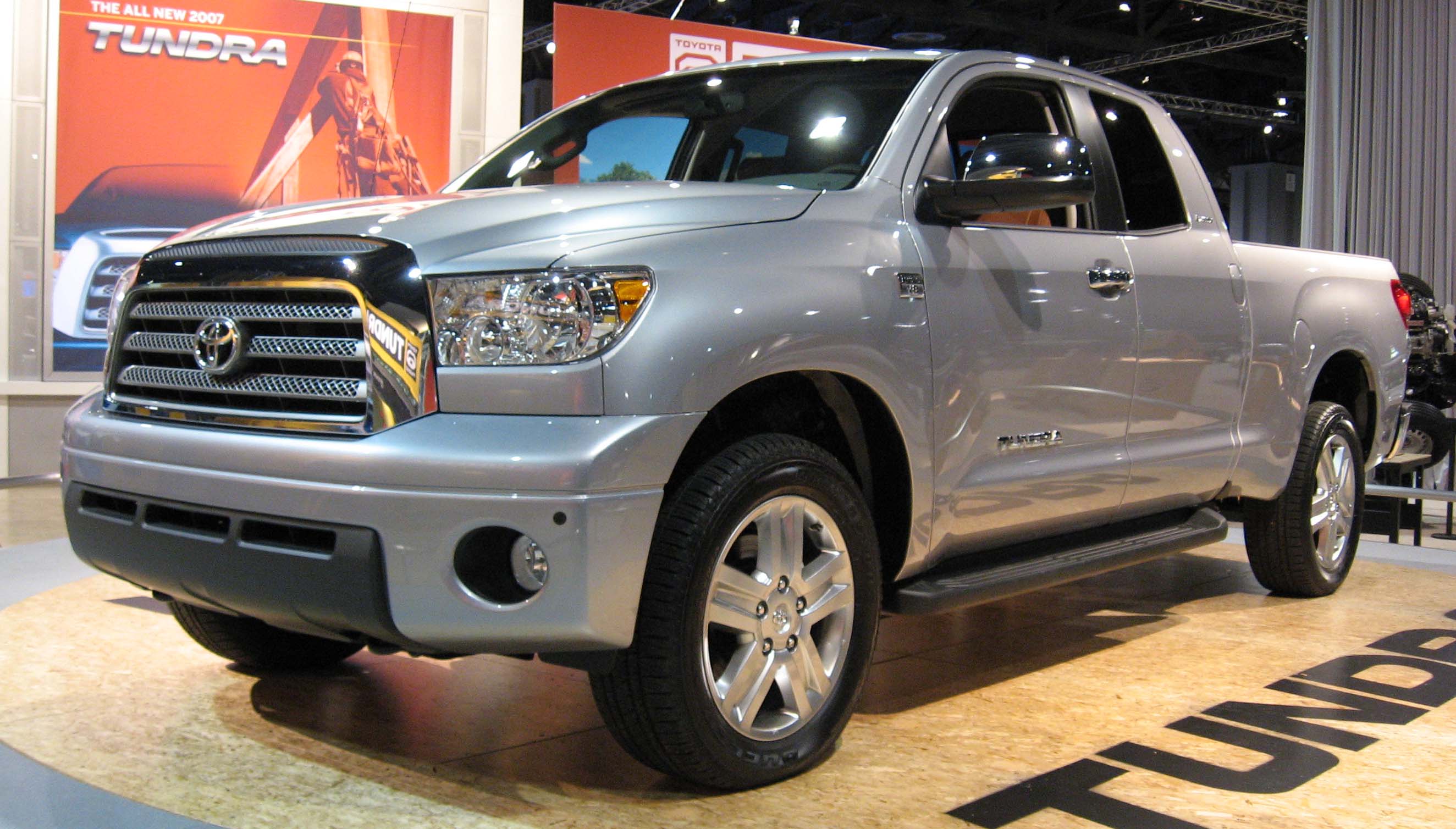
Toyota Tundra
"...it's not a big deal to like just know, you know, when we first had these Tundra engines that came out, I mean, that's big news for Toyota."
They bring up the Toyota Tundra as an example of a truck where the new engine took some time for techs to learn. The takeaway is that knowing the specific engine details helps you avoid wasting time and missing issues.
The hosts mention the “Toyota Tundra engines” as an example of a learning curve when a new engine family arrives. They emphasize that technicians need time to understand specific engine quirks and procedures so PDIs and early repairs don’t turn into long, inefficient work.
Hyundai
"...I, I work with a Kia and Hyundai brand as well. And then there's a Honda store."
Hyundai is mentioned alongside Kia as another brand the speaker has experience with. The discussion frames brand-specific engine knowledge as important for efficient dealer service and avoiding repeated mistakes.
Kia
"...I would say the same thing with like I, I work with a Kia and Hyundai brand as well. And then there's a Honda store."
Kia is mentioned as one of the brands the speaker has worked with, in the context of learning engine-specific knowledge for PDIs and repairs. The point is that different brands/engines require different diagnostic and workflow habits.
Honda
"...I work with a Kia and Hyundai brand as well. And then there's a Honda store."
Honda is included in the list of brands the speaker has worked with, again to emphasize that technicians need to learn each brand’s engine and service patterns. It supports the broader theme of dealer efficiency and training.
transmission
"...Sometimes the customer come in on like, say a Thursday and be like, and the tranny's shot, you know, like, well, I know, I know. We bang these out."
The hosts reference a “tranny’s shot,” which is shorthand for a failed transmission. They use it to illustrate how big jobs can be scheduled quickly when the shop assigns enough labor, but also how expectations and timing can become a problem.
loaner car
"...if I was ever going to run it, it'd be like, okay, so. So, Mr. Smith, you know, it's Monday morning. We're going to start with your engine here on Monday. Here's your loaner car."
A “loaner car” is a replacement vehicle provided to the customer while their car is in the shop. The hosts discuss using a loaner strategy to manage customer expectations during longer repair timelines, especially for major engine jobs.
collision center estimating in insurance "hours"
"...let's say a job is 16 hours per the insurance company. You know, it should take that job like five days. So they look at it three to four hours a day based upon rental and different things like that."
Collision repairs are estimated in labor hours, but the real calendar time is longer because the car has to go through multiple steps and departments. So even if the paperwork says a certain number of hours, the shop may still need a full week.
The hosts compare dealer service scheduling to collision repair scheduling using insurance-company labor estimates (e.g., “16 hours per the insurance company”). They explain that collision shops often plan around a daily work cadence (like 3–4 hours/day) because of paint, department handoffs, and rental timing.
service-advisor overpromising vs real repair time
"...there's always the, the service advisor is always going to over promise at times. Oh, just to sell the job or whatever it is. And it's like, they don't have to do that."
This is about how repair timelines can get promised too optimistically. If the car isn’t done by the time the customer expects, they may not want to approve extra recommended work.
A key operational concept here is the mismatch between estimated repair time and what actually happens in the shop. The hosts explain that service advisors may overpromise to sell work (“gravy work”), but the customer’s willingness to approve additional repairs depends on whether the car is ready by a certain time.
Enterprise Rent-A-Car
"...we Enterprise Rent a Car is a big rental company up here. And we were on, yeah like we were getting 10 cars a day from them."
Enterprise Rent-A-Car is cited as a major rental provider used by the dealer to keep customers in a rental while repairs are underway. The hosts discuss how high rental volume can help sell larger jobs, but also how the economics may not always pencil out long-term.
recalls
"...the three to five years was the other danger zone... because then they're transitioning between the quick maintenance repairs to doing some of these recalls, to doing some of these diags."
Recalls are manufacturer-mandated repairs for safety or compliance issues. The speaker notes that technicians in the three-to-five-year range transition into doing more recalls and diagnostics, which can change the job mix and affect scheduling and pay.
Master Technician
"...a point where they could support themselves on a full flat rate pay plan... clear on like, what it means to be entry level, tech level one, level two, level three, and then a master technician."
“Master Technician” is a top-level designation used by dealerships/manufacturers to recognize advanced skills and certifications. In the transcript, it’s part of a structured career ladder (level 1/2/3 up to master) that affects what work a tech is assigned and how they can earn.
engine replacements
"...I got guys, you know, that are two years in at Kia that are doing engine replacements, they're doing heavy line work."
An engine replacement is when the shop removes the old engine and installs a different one. It’s a big job, and the speaker is using it to show that some shops get technicians doing serious repairs sooner than others.
Engine replacement is a major repair where the entire engine is removed and swapped with a replacement unit. The transcript uses it to compare how quickly technicians can reach heavy work depending on manufacturer certification pathways and dealership job mix.
warranty diag
"...especially if it's a lot of warranty diag. You're, you're lucky to hit Your, your, your 40 hours for being there."
“Warranty diag” refers to diagnosing problems on vehicles under the manufacturer’s warranty. Warranty work often has stricter rules, documentation requirements, and sometimes less favorable labor times, which can make it harder to reach a technician’s flat-rate hour goals.
heavy diag
"...I get a lot of this type of work and it's not, it's not the most. Like, it's, it's a lot of. It's heavy diag or it's heavy engine line or whatever."
“Heavy diag” means complex diagnostic work—finding the cause of a problem rather than just replacing a known part. The speaker argues that heavy diagnostics can be harder to monetize under flat-rate because it may take longer and doesn’t always lead to quick, billable maintenance tasks.
dispatch
"So that's dispatch was always the big problem in the dealers for me when I was there. It wasn't always fair."
In a dealership, dispatch is the process of assigning repair orders/tickets to technicians. The speaker highlights that dispatching affects fairness and income because the job mix (quick maintenance vs heavy diagnostics/engine line work) determines how many billable hours a tech can produce.
30Ks and 40
"...because sometimes with these, the higher level guys, you know, they don't want to do the 30Ks and 40, which I always thought was odd because they want to complain about the gravy."
“30Ks and 40” is shorthand for scheduled maintenance at certain mileage milestones, like 30,000 or 40,000 miles. These are usually more routine services compared to diagnosing a tricky problem.
“30Ks and 40” refers to mileage-based service intervals (e.g., 30,000-mile and 40,000-mile services). The speaker contrasts these “gravy” maintenance jobs with heavier diagnostic work, and notes that some higher-level techs avoid the routine services.
upsell rate
"...it is kind of interesting... like the upsell rate on those. I wish I could pull that data point because I bet it is just astronomical."
Upsell rate is how often customers agree to extra services that the shop recommends. The speaker is saying that when the right trusted technician checks the car, customers are more likely to say yes.
Upsell rate is how often a shop successfully sells additional recommended services during a visit. The speaker claims that when a master technician is assigned a routine service, the customer trusts the recommendations more, leading to a higher upsell rate.
Digital visual inspection
"[3762.0s] What does that stand for? That might be a Canadian like multi Video inspection. [3767.0s] Yeah, Digital visual inspection."
It’s like a checklist inspection, but instead of writing everything down on paper, the tech takes pictures or video with a tablet/phone and sends it to the customer. That way the customer can actually see the issues.
A digital visual inspection (often shortened to “DVI”) is a multi-point inspection done with a tablet or phone instead of paper. The technician captures photos/video and uploads them to the repair order so the customer can see what was found.
Techeon
"[3783.0s] So we, we have the Techeon platform. I don't know if you were familiar with that. [3817.0s] The other cool part about that platform is extremely customizable."
Techeon is a software system dealers use for inspections. It helps the technician scan a QR code, record a video, and automatically attach it to the customer’s service ticket.
Techeon is described as a dealer inspection platform that uses QR codes to streamline how technicians capture and attach video/photos to a repair ticket. The key benefit mentioned is that media uploads directly to the job, without saving to the technician’s phone.
QR code
"[3783.0s] ...there's a QR code in the RO and like the technician can scan it, it opens up their phone... [3817.0s] ...you can take a picture of the water pump and you can do the QR code..."
A QR code is a scannable code that quickly opens a specific workflow on a phone or tablet. Here, it’s used to connect the technician’s captured video/photo to the correct repair order so the media uploads to the ticket automatically.
repair order
"[3783.0s] ...there's a QR code in the RO and like the technician can scan it, it opens up their phone, they can do a video and attach it. [3817.0s] ...it uploads to the ticket."
A repair order is the paperwork (digital or paper) that tracks what the customer brought the car in for and what the shop finds and does. It’s the “record” for that visit.
A repair order (RO) is the job document that records the customer’s concerns, inspection findings, and authorization for work. In the segment, the platform is described as uploading photos/video directly to the ticket/RO so it’s tied to the correct service visit.
safety stop start steer
"[3817.0s] ...we're calling them under fifteen thousand dollar price cars. So the inspection process is going to be more of a safety stop start steer. [3872.0s] But it's more of a, you know brakes and tires have the measurements..."
It’s a way to organize an inspection around the car’s safety-critical systems—things like stopping, starting, and steering. The shop uses it to make the checklist faster for technicians to complete.
“Safety stop start steer” is a shorthand used in service checklists to organize inspection items by what affects immediate safety and drivability. The speaker says their digital inspection checklist is built around this structure, with measurements for brakes/tires and color-coded severity.
26 item checklist
"[3817.0s] ...we created a very special, it's a 26 item checklist with the digital inspection. [3872.0s] But it's more of a, you know brakes and tires have the measurements..."
This is a fixed list of things the technician checks on every car. It helps them be consistent, and it can record issues without automatically turning them into a sales quote.
A 26-item checklist is the structured set of inspection points the dealer group created for their digital inspection workflow. The speaker emphasizes that it helps technicians move through the process quickly and consistently, and that items can be “noted” without necessarily being quoted/recommended.
capture rate
"[3878.0s] Yeah, you know I've done a couple skits about that. I personally, we have a month end bonus that I put on for the technicians. So as long as they do an 85% capture rate on the customer paying warranty, we do a retro bonus back to the hours that they turned for that month."
Capture rate is basically how often customers say “yes” to the recommendations the shop makes. Higher capture rate means more of the suggested work gets approved and paid for.
Capture rate is the percentage of recommended work that the customer agrees to and pays for. The episode ties it to technician incentives: they mention an 85% capture rate threshold for a retro bonus tied to hours turned.
multi point inspections
"[3924.0s] Well, the technician is a flat rate employee and here's what I've challenged a lot of dealers on. If we believe that multi point inspections sell that much more work, why would we not be willing to pay a technician an extra dollar or two to do one?"
A multi-point inspection is a checklist the shop uses to look over a car in several areas. The idea is to find issues early and explain them to the customer.
Multi-point inspections are structured checklists used by service departments to assess common wear items (like brakes/tires) and other visible concerns. In the episode, the hosts argue that if these inspections drive more work, technicians should be compensated for the extra effort—especially when video is part of the process.
advisor reviewing it
"[3978.0s] Automatically we have a setting in the system where once the technician completes that digital inspection form, he up, the video is already uploaded, he completes it, it automatically sends to the customer without the advisor reviewing it. [4017.0s] ...But I'm like, I've only had a couple bad reviews..."
The advisor is the service department representative who typically reviews inspection findings before sending recommendations to the customer. The episode describes an automated workflow where the video is sent without advisor review, which the speaker says reduces friction but can create occasional customer complaints.
TikTok
"[4017.0s] ...have you seen that skit that's going around? You might have seen a tick tock. [4131.0s] ...So like the one I had with the Dropbox that didn't have an envelope..."
TikTok is referenced as a platform where short videos influence dealer processes and customer expectations. The speaker describes how a viral video led to internal changes at their shop and prompted dealers to reach out with questions or feedback.
service department advisors
"From a customer standpoint, it's like, I'm gonna change the way that I do things... And I'll give you an example. I did a video one time where I'm trying to teach advisors to promptly greet the customer promptly."
A service advisor is the person who talks to you about your car’s service needs. They help set up the repair and keep you updated, kind of like the “middle person” between you and the mechanic.
Service advisors are the customer-facing liaisons in a dealership’s service department. They translate customer concerns into work orders, coordinate with technicians, and manage expectations on timing and cost.
burnt out advisors
"...we've seen those burnt out advisors, man. Like, my heart breaks for them because I want to think that like they all at one point wanted to be really good at what they were doing..."
Burnout is when someone gets worn out from work and stops feeling motivated. In a dealership, it can happen when the job is stressful and repetitive.
“Burnt out” service advisors are employees who have lost motivation due to repetitive stress, high workload, or constant customer pressure. The episode frames burnout as a systemic issue (“meat grinder”) that can affect service quality and communication.
cross training
"And so cross training is so important. We've just moved a couple pieces around at one of the stores... We just took a technician... We had another technician..."
Cross training is when people learn different roles by working in them for a bit. In a dealership, it helps everyone understand what the other person does, so the whole process works better for customers.
Cross training in a dealership means having technicians, advisors, and parts staff spend time in each other’s roles. The point is to understand what the other job actually involves so communication improves and customers get a smoother experience.
fuel system service
"And part of it's probably my experience of like, I didn't know what a fuel system service was. I didn't know what a brake flu exchange was."
Fuel system service is work that helps the car get fuel to the engine the right way. It can include cleaning parts that help the engine run smoothly.
A fuel system service refers to maintenance or cleaning work aimed at keeping fuel delivery components operating correctly. Depending on the vehicle, it can involve cleaning injectors, servicing filters, or addressing fuel-related performance issues.
brake flu exchange
"I didn't know what a fuel system service was. I didn't know what a brake flu exchange was."
The phrase “brake flu exchange” appears to be a transcription error for a brake fluid exchange (brake fluid service). Brake fluid is a hydraulic fluid that transfers pedal force to the brakes, and it can degrade over time, affecting braking performance.
caliper
"I barely even. I mean, a caliper and a road, like, I couldn't tell you how to brake system works."
A caliper is the part that squeezes the brake pads against the spinning brake rotor. If it sticks or wears out, braking can feel off or be less effective.
A brake caliper is the component that clamps brake pads onto the rotor to create stopping force. It’s part of the hydraulic braking system and can wear out or seize if not maintained.
tire rotation
"Like, if you spend one day with a technician... Like tire rotation."
Tire rotation means swapping tire positions so they wear more evenly. That can help your tires last longer.
Tire rotation is the practice of moving tires from one position to another (front-to-rear, side-to-side) to promote even tread wear. It’s a common maintenance item because different tires can wear at different rates depending on drivetrain and alignment.
tire repair
"Even just seeing a tire repair. Yeah, like, you sell a tire repair for 50 bucks to a customer. Like, that's expensive."
A tire repair fixes a puncture so you don’t have to replace the whole tire. It usually takes more work than it sounds because the tire has to come off and be checked properly.
A tire repair is fixing a puncture (typically in the tread area) so the tire can be safely used again. Proper repairs usually involve dismounting the tire, inspecting the damage, and then remounting and balancing it.
dismount
"He's got to dismount the thing. He's got to grind this, he got to do that, remount it, balance."
Dismounting a tire means taking the tire off the wheel. It’s necessary for many repairs so the mechanic can fix the problem correctly.
To dismount a tire means removing it from the wheel/rim. This is often required for repairs and for certain services because the technician needs access to the tire’s inside and the damaged area.
balance
"...remount it, balance. Like, there's a lot of work that goes into this."
Balancing is making sure the wheel and tire spin smoothly. If it’s not balanced, you can feel shaking or vibration while driving.
Tire balancing is the process of matching weights to the wheel/tire assembly so it spins smoothly. If a tire isn’t balanced, it can cause vibration, uneven wear, and a less comfortable ride.
service writer
"...if I can see my way into getting that the service writer position opening up for me, I would really like to, to see how that would go."
A service writer (service advisor) is the role that writes up the customer’s concerns, creates the work order, and coordinates with technicians. It’s a different skill set than hands-on mechanical work, so cross training can help people transition into it.
pigeonhole them
"...you never want to hold somebody back or you know, terms like pigeonhole them into, you know, one way of doing things."
“Pigeonhole them” means putting someone into one box—like assuming they can only do one kind of job. The idea here is to let people try different roles so they can grow.
“Pigeonhole them” refers to limiting someone to one role or identity based on their current job. The hosts argue for flexible career paths in dealerships so people can find roles that fit their strengths and interests.
finance manager to service manager career move
"What, what person has ever gone from a finance manager to a service manager? ... I didn't like the finance role because it was an individual contributor role."
They’re talking about moving from a finance job to running the service department. The point is you don’t have to be a car expert yourself if you can lead and hire people who are.
The transcript mentions a career transition from finance manager to service manager, highlighting that dealership leadership roles aren’t strictly limited to people who know cars mechanically. The key is leadership and hiring/coordination with people who have the technical expertise.
Dealer Plate Guy Compares Dealer Pricing with the Aftermarket
"...So I want to thank you for being on here tonight, man..."
Even though the episode title mentions dealer vs aftermarket pricing, this part of the conversation is mostly about how to get and keep good mechanics. They compare how dealers and independent shops train people and support their careers.
This segment focuses on workforce and training strategies in dealerships versus the aftermarket, rather than pricing specifics. The hosts connect technician retention, apprenticeship-style training, and consistency of processes across shops.
modules
"...like, you know, like a 2018 Durango and it's got, you know, 40 friggin modules and all this wire..."
Modules are like small computers inside the car. Each one helps control a different part of the vehicle, so troubleshooting can take more work when there are many of them.
In modern cars, “modules” are electronic control units (ECUs) that manage specific systems like engine functions, body electronics, or safety features. More modules generally means more communication and more diagnostic steps when something goes wrong.
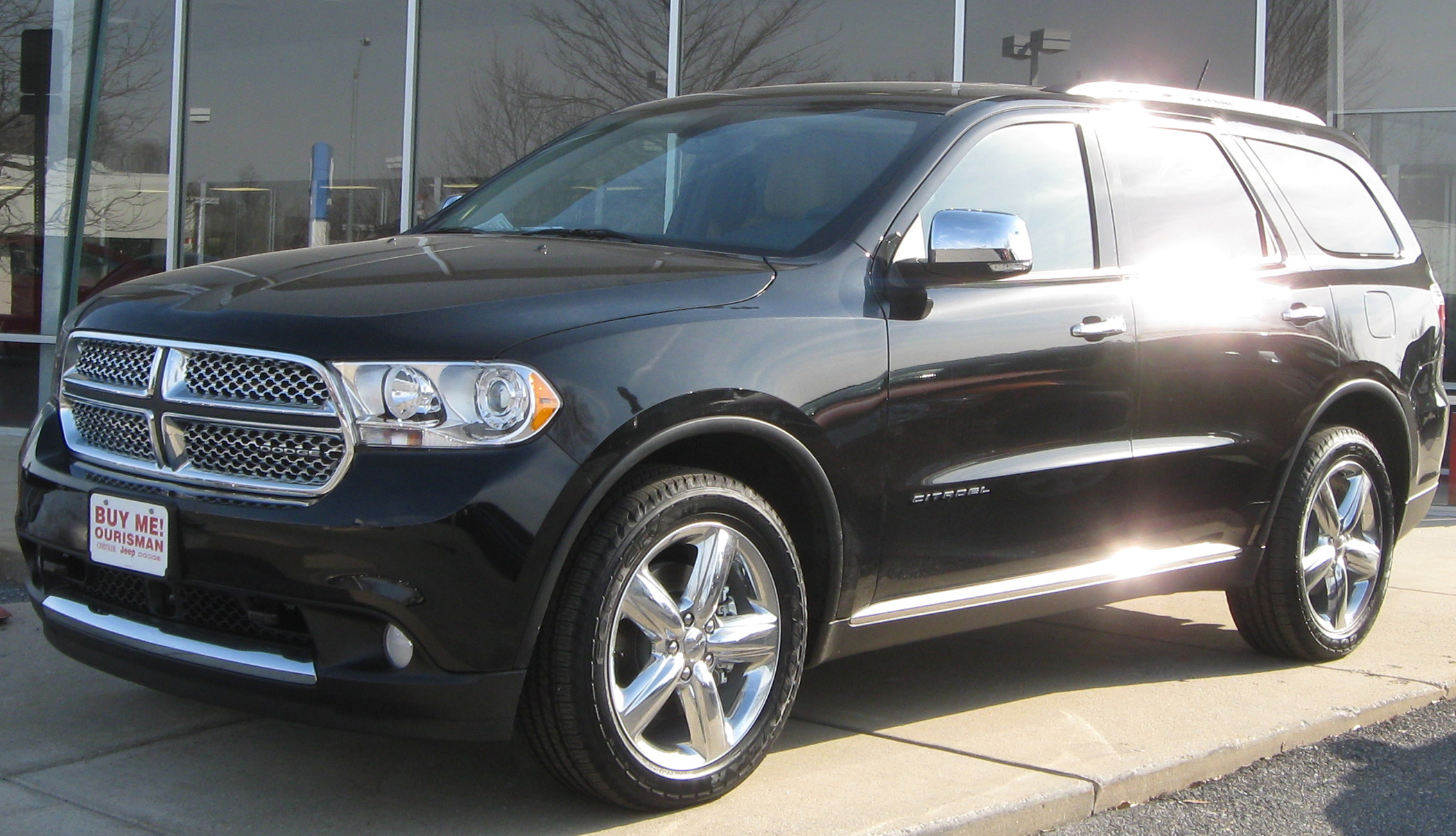
2018 Durango
"...I remember my guy was like, I remember when the K car came out, it was so simple to work on, it was so easy. And now we've got, you know, like a 2018 Durango and it's got, you know, 40 friggin modules and all this wire..."
They’re saying that newer cars like a 2018 Dodge Durango are packed with electronics. That means repairs can be harder because there are more computers and wires to troubleshoot.
The speaker uses a 2018 Dodge Durango as an example of how modern vehicles have become much more complex than older cars. They point out that it has many electronic control modules and extensive wiring, which can make diagnostics and repairs more involved.
technician shortage
"...How do we fix this technician shortage? Big questions."
A “technician shortage” means there aren’t enough trained people to do car repairs. The hosts talk about solving it by training and keeping technicians instead of constantly trying to find new ones.
The “technician shortage” refers to the industry-wide difficulty of hiring and retaining enough trained automotive technicians to meet repair demand. The episode discusses how dealers can address it by building internal talent pipelines instead of relying only on outside hiring.
apprentice programs
"...back in the heyday, there were apprentice programs. Like, there's still those kids out there... And you know, it's because of our bottom line this month..."
An apprentice program is when a beginner learns by working with a more experienced person. The idea is to train new techs step-by-step instead of throwing them in without support.
Apprentice programs are structured training paths where new technicians learn under experienced mentors, often through hands-on work and guided progression. The episode contrasts automotive’s approach with other trades that still use apprenticeship-style training to build a steady workforce.
TO no
"...some dealers will just hire, you know, whoever walks in off the street and put them back with that technique. Hey, day one, here's your TO no..."
The speaker is basically saying you shouldn’t just hand a new technician tools and let them work without help. On day one, they need someone to guide them and make sure they’re doing things correctly.
“TO no” appears to be a transcription error for “TO” (technical/repair order) or a similar shop workflow term, used in the context of onboarding. The speaker’s point is that new hires shouldn’t be left to figure things out alone on day one; they need guidance and oversight.
quick lube facility
"...if you have a quick lube facility in your town, you literally have the best recruitment because there's a ceiling there for these people..."
A quick lube shop is where people start with simple jobs like oil changes. The host says those workers might not see a long-term career there, so a dealership can offer training to keep them growing.
A quick lube facility is an oil-change and basic maintenance shop that can be a strong recruiting pipeline because it attracts people who want entry-level mechanical work. The episode argues that these workers often lack a clear career path, so dealerships should offer training and progression to retain them.
Ford
"...there's a whole bunch of people now driving around going, ford technicians make $120,000 a year..."
Ford comes up as an example of a manufacturer trying to improve the technician pipeline. They’re described as doing outreach and training programs to get younger people interested in dealership work.
Ford is discussed in the context of public statements about technician pay and efforts to address the workforce problem. The hosts mention Ford dealer initiatives like enrolling students in programs while they’re still in high school.
Mr. Farley
"...I like that, I really do. Yeah, Mr. Farley got a lot of traction out of that..."
They’re talking about Ford’s CEO, Jim Farley. The point is that his comments got people talking about technician pay and how to solve the hiring problem.
“Mr. Farley” refers to Jim Farley, Ford’s CEO, who is mentioned as having generated attention with comments about technician pay and the industry’s hiring challenges. The episode discusses how those comments sparked debate but also helped push the conversation forward.
batch the content
"[5447.0s] Yeah, I, I recorded 10 skits. We were there from 5:30 until 8:00'. Clock. I just, I batch the content that way and keep it outside of work hours."
Batching means you film a bunch of videos at once instead of every day. It helps you stay consistent while keeping your regular schedule.
“Batching” content means recording multiple videos/skits in one session, then publishing later. In a car/repair context, it can help creators stay consistent without letting filming interfere with shop work.
10 millimeter
"[5540.0s] Remember what I always say, in this industry, you get what you pay for. Here's hoping everyone finds their missing 10 millimeter, and we'll see you all again next time."
The “missing 10 millimeter” is a long-running mechanic joke: the idea that a 10mm socket always disappears during repairs. It’s a shorthand for the frustration of losing small tools mid-job.
Request an Explanation
Heard something you'd like explained? We'll add it to this episode.
Sign in to request explanations for terms you heard.
Want to learn more?
Browse our glossary for plain-English explanations of automotive terms, jargon, and concepts.
Help improve this episode
See something that's not quite right? Our annotations are AI-generated and can sometimes miss the mark. Click the flag icon on any annotation to suggest a correction.