Flat Rate Doesn't Match the Real Repair with Josh Forbes
About this episode
Flat-rate times, warranty rules, and dealership workflow collide with real-world repairs—often leaving techs short on time, margin, and sometimes even the right parts. Josh Forbes shares how older cars and hands-on failures (overheating, seized wheel bearings, and a CV axle C-clip) taught him to diagnose and repair. The hosts then argue that book hours don’t reflect calibration, rust, and thorough diagnostics, while modern brake/ABS and right-to-repair restrictions raise the stakes for both shops and DIYers.
Like the show? Show your support by using our sponsors.
Need to update your shop systems and software? Try Tekmetric HERE
Launch your tool game to the next level with Launch Tech USA! HERE
In this episode, Jeff is with Josh Forbes of Maxim Muffler in Winnipeg talks about his unconventional path into the automotive industry. What started with constant breakdowns on his first car—a 1993 Ford Tempo—turned into a career built through hands-on learning, apprenticeship experience, and years of navigating different shop environments. Josh shares lessons from dealership life, the importance of shop culture, why employee appreciation matters, and his concerns about the future of right-to-repair legislation.
Timestamps:
00:00 Tools and Debt Lessons
00:45 Podcast Introduction
02:44 Shop Schedule and Weather
03:27 First Cars and Fuel Costs
08:22 Tempo Breakdowns That Started It All
12:24 College Training at Fanshawe
14:17 Choosing the Trade Path
17:54 Ford Dealer Quick Lane Reality
24:19 Book Time vs. Real Repairs
36:41 Why He Left the Dealer
39:06 Finding the Right Shop
41:29 The Culture That Changed Everything
45:21 Appreciation Over Pay
52:17 How Bad Culture Breaks Technicians
55:04 Forever Apprentice Mindset
58:44 Trade Pay Gap Debate
01:02:19 DIY Repair Horror Stories
01:07:54 Training Service Writers
01:16:24 The Right to Repair Fight
01:21:22 Quality Control Basics
01:23:46 Training Instead of Punishment
01:27:35 Oil Leak Case Study
01:31:46 Recognition and Longevity
01:37:35 Smart Tool Buying
01:40:05 Diagnostics, Process, and School
01:47:00 Wrap Up and Final Thoughts
Follow/Subscribe to the show on social media!
TikTok - https://www.tiktok.com/@jeffcompton7
YouTube - https://www.youtube.com/@TheJadedMechanic
Facebook - https://www.facebook.com/profile.php?id=100091347564232
main harness
"Mi- mouse got into it, chewed through the main harness, just- [225.0s] Mm-hmm. Yeah ..."
The main harness is basically the car’s main wiring bundle. If it gets damaged, the car’s electrical systems can stop working correctly, and repairs can get complicated fast.
A main harness is the bundle of wiring that connects major electrical components throughout the car. If it’s chewed or damaged, you can get widespread electrical faults, which can make the car hard or expensive to repair.
shocks
"And I can still remember, like, every time you would shift it, the shocks were so shot the body was just, like, you know."
Shocks are what help keep the car from bouncing too much over bumps. If the shocks are worn out, the car can feel shaky or like it moves around more than it should.
Shocks (shock absorbers) control how quickly the suspension moves after hitting bumps or during weight transfer. When shocks are “shot,” the car can feel bouncy, unstable, and especially unsettled during events like shifting or acceleration.

Ford Ranger
"when my dad bought an '07 Tundra, and then my mom got an '08 Sequoia, and then when I got my first big boy truck, because after college I bought an '03 Ranger. [284.0s] So you can make the argument that we were a Ford family at one point..."
The Ford Ranger is a smaller pickup truck. In the conversation, it’s used as an example of how a light truck can struggle for traction in winter unless you add weight or use the right drivetrain.
The Ford Ranger is a compact pickup, and the 2003 model is part of the Ranger’s earlier generation that many owners use as a basic, work-focused truck. The speaker later compares winter traction and weight distribution issues with their Ranger.
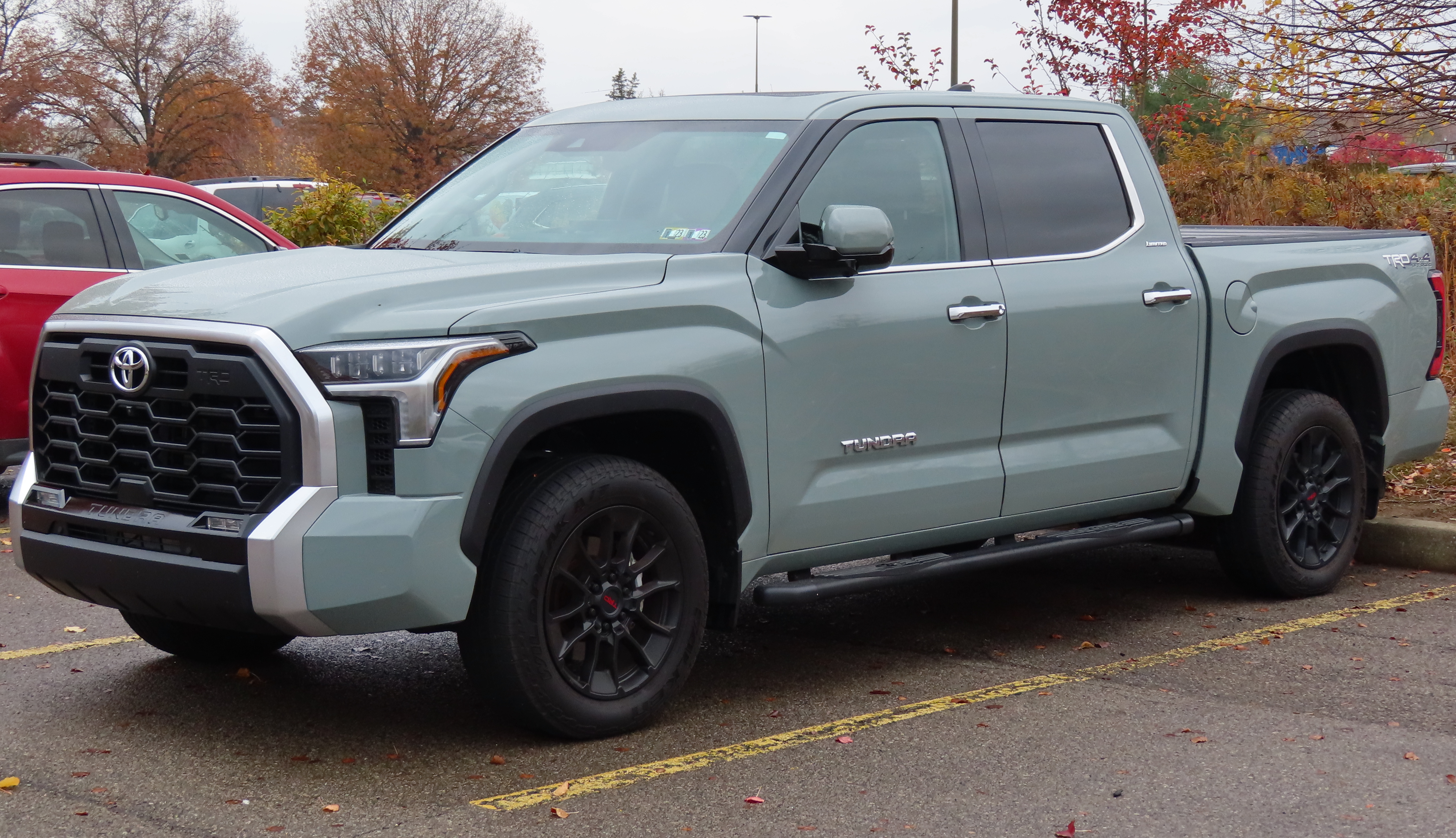
Toyota Tundra
"when my dad bought an '07 Tundra, and then my mom got an '08 Sequoia, and then when I got my first big boy truck... [284.0s] So you can make the argument..."
The Toyota Tundra is a full-size pickup truck. They mention a 2007 Tundra as one of the family’s vehicles before they talk about their own truck choices.
The Toyota Tundra is a full-size pickup, and the 2007 model is from the first-generation era. It’s mentioned as part of the family’s truck lineup before the speaker’s own Tacoma.

2008 Sequoia
"when my dad bought an '07 Tundra, and then my mom got an '08 Sequoia, and then when I got my first big boy truck... [284.0s] So you can make the argument..."
The Toyota Sequoia is a large SUV. In this part of the story, it’s mentioned as part of the family’s lineup, not as a technical deep dive.
The Toyota Sequoia is a full-size SUV, and the 2008 model is from the first-generation era. It’s referenced here mainly to explain how the family’s vehicle choices shifted toward Toyota.

Ford Explorer
"before my parents got their, uh, m- Pontiac Montana, when they had me and my brother, they had a Ford Explorer. [301.0s] Yeah."
The Ford Explorer is a family SUV. They bring it up to explain what vehicles the family had before the conversation shifts to trucks and winter driving.
The Ford Explorer is a midsize SUV that’s been offered in many generations since the early 1990s. Here it’s mentioned as part of the family’s earlier vehicle mix before they discuss the later truck choices.

Pontiac Montana
"before my parents got their, uh, m- Pontiac Montana, when they had me and my brother, they had a Ford Explorer. [301.0s] Yeah."
The Pontiac Montana is a minivan. They mention it as a family vehicle from earlier years while talking about what cars their family owned.
The Pontiac Montana is a minivan model line known for family hauling and practicality. In this segment it’s mentioned as part of the speaker’s parents’ vehicle history, helping set the context for their “Ford family” question.
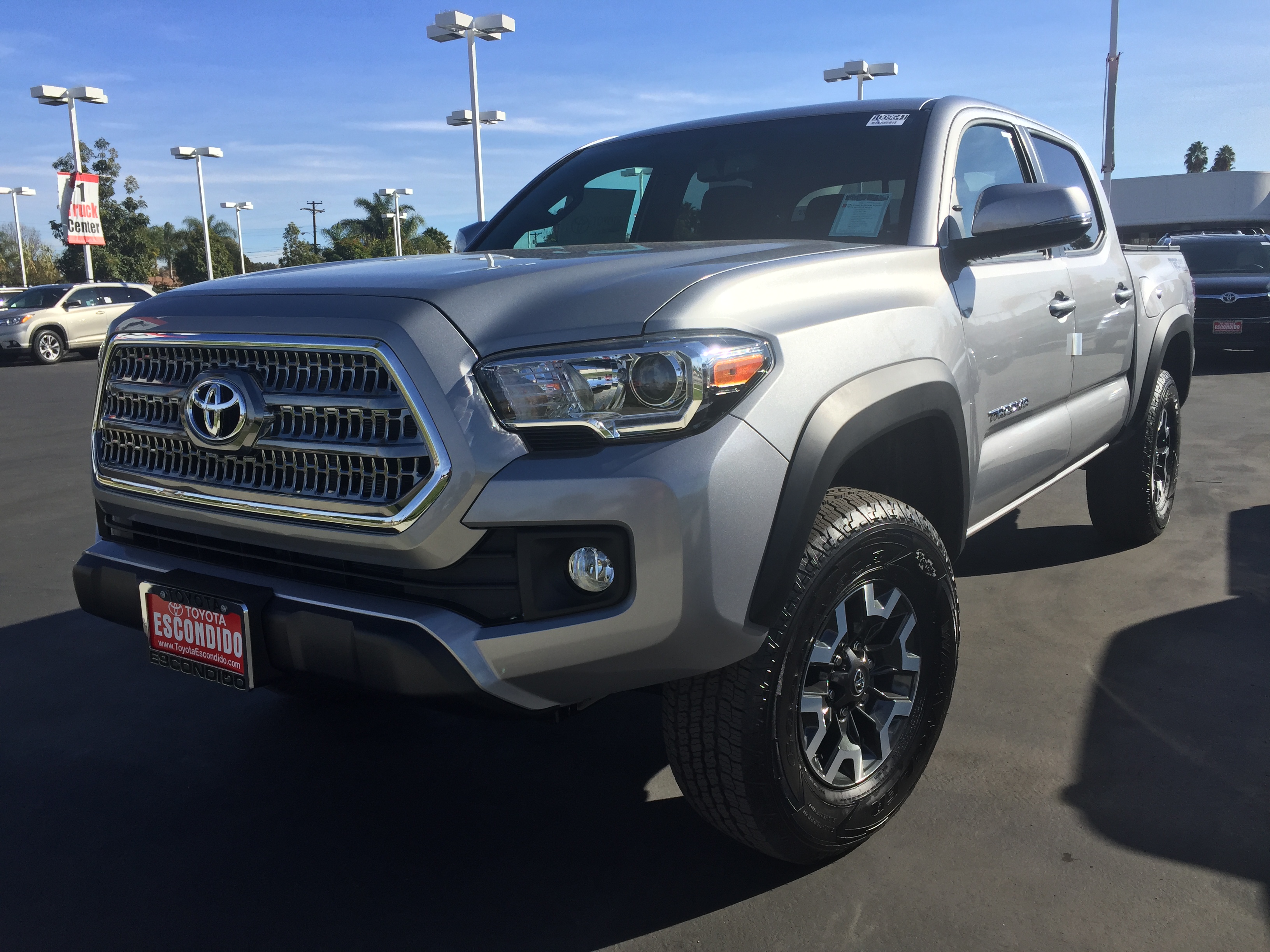
Toyota Tacoma
"Yeah. Um, but, but yeah, my first big boy truck was a, uh, 2014 Tacoma. [308.0s] That was my first adult purchase."
The Toyota Tacoma is a popular pickup truck. Here, the speaker talks about how expensive it was to drive daily—so the truck’s day-to-day costs mattered as much as how much they liked it.
The Toyota Tacoma is a midsize pickup known for being durable and relatively simple to live with. In this segment, it’s the speaker’s first “adult” truck, and they describe real-world fuel and commuting costs that shaped their ownership experience.
two-wheel drive truck
"two-wheel drive truck- That was- ... yeah, in the wintertime with no tailgate, what are you gonna put in there for weight, right? [427.0s] no- Well, it's, it's funny you say that..."
A two-wheel drive truck only powers one set of wheels. In winter, that can make it harder to grip the road—especially if the truck doesn’t have enough weight over the driven wheels.
A two-wheel drive truck sends power to only one axle (typically the front or rear), which can reduce traction compared with four-wheel drive in snow and ice. The speaker connects this to winter driving problems when they’re carrying little weight in the back.
traction in the winter
"So I got stuck a lot in, in, the winter 'cause of just two-wheel drive, [427.0s] no- Well, it's, it's funny you say that 'cause I had to do the exact same thing with my Ranger, except it was, it was too light..."
Traction is how well your tires can grab the road. In winter, the speaker says they had to add weight in the back of the truck to help the tires grip better.
Traction in winter refers to how well tires can grip snow and ice, which depends heavily on tire condition, tire type, and where the vehicle’s weight sits. The speaker describes adding weight in the bed (patio stones and cinder blocks) to improve grip.
four wheel drive
"I'm like, "You got what?" I'm like, "Why didn't he get four-wheel drive?" [467.0s] you're gonna need it in the winter."
Four-wheel drive helps a truck grip better because it can push all four wheels. The speaker says it would have helped in winter when the truck couldn’t get traction.
Four-wheel drive (4WD) powers both the front and rear axles, improving traction on slippery surfaces like snow. The speaker argues that their brother should have chosen 4WD because his Ranger was too light and struggled in winter.
4x4
"Like, spay- spray, spring for the extra 10 bucks. Like, you're not even gonna notice it on your gas bill the amount of times you need to actually switch into 4x4, but boy, is it nice to have."
4x4 means power goes to all four wheels. It usually helps you get traction on slippery roads like snow or mud.
4x4 means a four-wheel-drive system, where power is sent to all four wheels. The speaker is contrasting the small added cost to switch into 4x4 with the benefit of better traction and control when you need it.

Tempo
"Yeah. So what kinda lessons did you learn on this Tempo from the young Josh to now you're a licensed mechanic? What did it teach you? [511.0s] Uh, it, it, it... I credit it as the car that turned me into a mechanic 'cause, like, it broke down habitually every six weeks."
They’re talking about a Ford Tempo. It kept having problems, so they had to learn how to figure out what was wrong and fix it instead of paying a shop.
The speaker is talking about a Ford Tempo, a compact sedan from Ford’s lineup. They describe it as a car that broke down frequently, which pushed them to learn basic diagnostics and repairs themselves.
overheating problem
"I remember I had an overheating problem, and I was watch... I would watch the temp gauge, and it would go all the way into the red, and I, and then the engine would start lugging, and I had to pull over and let it cool down and get, get it home."
Overheating means the engine is running too hot. When that happens, the car can start acting weak, and you may need to stop and let it cool down.
An overheating problem means the engine’s cooling system isn’t keeping temperatures in the safe range. When coolant can’t circulate or the thermostat/radiator cap isn’t sealing correctly, the temperature gauge can climb into the red and the engine may start to lug.
temp gauge
"I remember I had an overheating problem, and I was watch... I would watch the temp gauge, and it would go all the way into the red, and I, and then the engine would start lugging, and I had to pull over and let it cool down and get, get it home."
The temp gauge shows how hot the engine is. If it goes into the red, it’s telling you the engine is overheating.
The temp gauge is the dashboard indicator for engine coolant temperature. If it climbs into the red, it’s a warning that the cooling system isn’t controlling heat properly.
thermostat
"So I went online, and I Googled car's overheating, what, like, what are some symptoms? And, uh, first, first thing was thermostat. So changed the thermostat, changed the rad cap, good to go."
The thermostat helps control coolant flow so the engine warms up and stays at the right temperature. If it fails, the engine can run too hot.
A thermostat is a valve in the engine’s cooling system that regulates when coolant flows to the radiator. If it sticks closed or fails, the engine can overheat; replacing it can restore proper temperature control.
rad cap
"And, uh, first, first thing was thermostat. So changed the thermostat, changed the rad cap, good to go."
The radiator cap helps keep the cooling system pressurized. If it’s not working right, the coolant can boil sooner and the engine can overheat.
A radiator cap (rad cap) maintains pressure in the cooling system. That pressure raises the coolant’s boiling point and helps prevent overheating; a weak cap can cause coolant to boil or vent too early.
wheel bearing
"I remember the wheel bearing seized on me coming home. I saw smoke coming from the tire, and small town, I was just like, "I can get it home. I can get it home. I don't need to pull over here, I can get it home." I got it home and the rotor was red hot."
A wheel bearing is what helps the wheel spin. If it seizes, the wheel can drag and get extremely hot, sometimes smoking.
A wheel bearing supports the wheel and lets it spin smoothly with minimal friction. If it seizes, the wheel can overheat dramatically—enough to generate smoke—and the rotor/brake components can get red hot.
rotor
"I got it home and the rotor was red hot."
A rotor is the brake disc. If something is dragging and the brakes are effectively being heated, the disc can get dangerously hot.
A rotor is the brake disc that the brake pads clamp onto to slow the car. When the wheel bearing seized and the wheel dragged, the rotor can overheat and turn red hot.
pinch weld
"Yeah ... the jack stand had gone through the pinch weld into the carpet."
A pinch weld is a reinforced spot on the car’s body designed to be used for lifting. If it’s rusted through, the car can shift or the stand can punch through.
A pinch weld is the reinforced seam along the car’s body where a jack or jack stand is meant to lift. If rust has weakened it, the pinch weld can fail under load, creating a serious safety and repair issue.
jack stand
"I didn't have the part, I just wanted to get it apart so when I could get the part, I could just put it back together. In the morning- Yeah ... the jack stand had gone through the pinch weld into the carpet."
A jack stand is what you put under a car to keep it from falling while you work. If the metal is weak or rusty, the stand can punch through.
A jack stand is a safety support used to hold a car up on jack points while you work underneath. The speaker mentions the stand going through the pinch weld, which highlights how rust or weak metal can make lifting dangerous.
Canadian rusted junk
"I don't mean to laugh at you, it's just that's the, oh, the joys of Canadian rusted junk, right? It just goes through the pinch weld into the carpet, so yeah. I mean,"
They’re joking about how cars in Canada can rust badly. Rust can weaken the metal, so lifting and repairs become harder and less safe.
This is a reference to how rust can compromise structural body seams and lift points. In practice, rusted metal around pinch welds and rocker panels can make DIY repairs riskier and more involved.
spray foamed it
"So at that point I'm just like, do I even wanna put the fucking knuckle back on? But we, uh, spray foamed it, put the wheel back on. [675.0s] Drove her for another, drove her for another year."
They used spray foam to patch things up after damage. It’s more of a quick workaround than a proper repair, but it can help hold things together temporarily.
Spray foam is being used here as a makeshift body repair or cavity filler to stabilize a damaged area. The host calls it “hackie,” implying it’s a temporary/DIY fix rather than a proper structural repair.
smash car
"I sold it for a case of beer to my, uh, college roommate. He, uh, turned it into a smash car where he would just take it on his back 40 and smash it and drive over, drive over, uh, his little, um, sand mounds and sideswiped a tree with it."
A “smash car” is an informal term for a vehicle that’s intentionally used for rough, destructive driving—often by people who don’t care about cosmetic damage or are treating it like a disposable beater. It’s contrasted with normal ownership where you’d keep the car roadworthy and intact.
London, Ontario
"he let me take it from Sulac out to London, Ontario to move myself back, because our houseboat tourist business opening month, uh, is April/May, so all the prep work needs to get done in April."
London, Ontario is a place in Canada. They mention it to explain where they drove from during the move.
London, Ontario is a city in southwestern Ontario, Canada. The speaker uses it as a reference point for a road trip route while moving back for their family’s houseboat business.
motive power
"And you were going to college? Yeah, I went to Fanshawe College for motive power, which is just the- Nice ... it's the apprenticeship program in a two-year course."
“Motive power” here means a training program focused on the mechanical stuff that makes vehicles and equipment run. The speaker describes it like an apprenticeship course.
“Motive power” is a program label meaning training focused on operating and maintaining mechanical power systems—often engines and related equipment—rather than general academics. In this context, it’s described as an apprenticeship-style two-year course.
Fanshawe College
"And you were going to college? Yeah, I went to Fanshawe College for motive power, which is just the- Nice ... it's the apprenticeship program in a two-year course."
Fanshawe College is a school in Ontario. They went there for a hands-on program related to mechanical training.
Fanshawe College is a post-secondary school in Ontario, Canada. The speaker says they attended for “motive power,” which is tied to hands-on apprenticeship-style training.
CV axle
"When, uh, I had to change the CV axle because the, the C-clip had worn out, and it kept popping out of my transmission."
A CV axle is the part that sends power from the transmission to your front wheels (or all-wheel-drive wheels). It’s designed to keep working smoothly even when the suspension moves or the steering turns.
A CV axle (constant-velocity axle) is the drive shaft that transfers power from the transmission to the wheels while allowing the suspension to move up and down. It uses CV joints to keep torque delivery smooth even when the wheels are angled or the suspension travels.
transmission
"When, uh, I had to change the CV axle because the, the C-clip had worn out, and it kept popping out of my transmission."
The transmission is the part that manages how engine power gets sent to the wheels. If something disconnects or fails there, the car can suddenly stop moving even if the engine still runs.
The transmission is the drivetrain component that changes engine speed/torque to match driving conditions and sends power to the drive wheels. When the speaker says the C-clip was popping out of the transmission, they mean the axle wasn’t staying properly connected to the gearbox.
c-clip
"When, uh, I had to change the CV axle because the, the C-clip had worn out, and it kept popping out of my transmission."
A C-clip is a small metal clip that acts like a retainer to keep parts from sliding out. If it wears out, the axle can come loose and the car may stop moving.
A C-clip is a small retaining clip that helps hold components in place on a shaft or axle. In this context, it’s described as wearing out and allowing the CV axle to pop out of the transmission.
hoist
"and then got it up on the hoist and saw it was the CV axle that had popped out."
A hoist is a car lift that raises the vehicle off the ground. It lets you safely look under the car and do repairs that can’t be reached from the floor.
A hoist is a lift used in a shop to raise a vehicle so technicians can inspect and work underneath. The speaker mentions getting the car up on the hoist to diagnose the issue.
lube rack
"You're stuck on the lube rack. I, I knew that going in. You don't... You, you're not born an A tech, right?"
A lube rack is the section of a repair shop where newer techs start with simpler, routine maintenance work. Think oil changes and basic checks before you move on to harder diagnostics and repairs.
A lube rack is the service-bay area where entry-level technicians perform quick maintenance jobs like oil changes and basic inspections. It’s often where new hires start because the work is faster, more standardized, and requires less diagnostic complexity than full repairs.
Ford dealership
"Yeah, I wound back up at a Ford dealership. Um, that one was in Dryden, and then typical, uh, young kid into a dealership, right?"
A Ford dealership is a shop that sells and fixes Ford cars. The episode is using it as the setting for how training and repair work are handled early in someone’s career.
A Ford dealership is where Ford vehicles are sold and serviced by a franchised retailer. In the context of the episode, it matters because dealership service jobs often follow standardized procedures and labor-time expectations (which the show later contrasts with real repair work).

Master Techs
"...myself and getting help when I can from the other master techs. But the master techs in that dealership were 200..."
“Master” here refers to a top-level mechanic at a dealership. If a repair is complicated, other technicians may ask the master tech for help to get it diagnosed and fixed correctly.
“Master” in the podcast context appears to refer to master technicians at a dealership—highly experienced mechanics responsible for complex diagnostics and repairs. The mention of “getting help” from other master techs highlights how specialized knowledge and escalation are used when jobs are difficult. It’s discussed because shop workflow and expertise can directly affect repair outcomes and turnaround time.
quick lane
"because I know, like, Ford, it was a big part of, like, every dealer had to have it, right? And it was called the quick lane, and that was just the way it went, and I've heard of how they use it for inspections, and then they would send the work into the back of the shop"
A quick lane is a separate area at a dealership meant for quicker service. It’s often used for routine maintenance and inspections, and then bigger repairs get sent to the main shop.
A quick lane is a dedicated service lane at many dealerships designed for faster, lower-complexity work such as inspections, oil changes, and routine maintenance. The idea is to keep cars moving with minimal waiting, then route more involved repairs to the main shop.
brake fluid
"And cars were leaving with only an oil change, and then the advisor would come out and be like, "Hey, um, I need some brake fluid to add to this because the brake light's on.""
Brake fluid is the liquid that helps your brakes work. If the brake warning light is on because the fluid is low, it usually means there’s a leak or something needs repair, and you shouldn’t just top it off and ignore it.
Brake fluid is the hydraulic fluid that transfers force from the brake pedal to the brake calipers. If the brake light is on due to low fluid, it can indicate a leak or worn components that need attention before driving safely.
tie rod ends
"Like, it would pull in and, uh, the guy in the quick lube... "Hey, it's got a loose tie rod." Then it would come in the back."
Tie rod ends are parts that help connect your steering to the front wheels. If they’re worn or loose, the car can feel unstable or have vague steering, and it often turns into more repairs if you don’t fix it.
Tie rod ends are steering linkage components that connect the steering system to the front wheels. When they wear or loosen, they can cause wandering, looseness in steering, and can lead to additional suspension/steering problems if not addressed.
warranty approval process
"They, they had to go through a warranty approval process. You needed pictures, you needed..."
A warranty approval process is the extra step where the shop has to prove to the manufacturer that the repair qualifies under warranty. If you don’t document it correctly, the claim can be denied.
A warranty approval process is the required paperwork and documentation a shop must submit to the manufacturer/brand to get warranty labor and parts authorized. It often includes evidence like photos and specific parts/fasteners used during the repair.
one use only bolts
"If you didn't have the throwaway bolts from the workshop manuals the, that sa- Ford says are one use only, like caliper bracket bolts..."
Some bolts are meant to be used once and then replaced. The manufacturer specifies this because reusing them can reduce how securely they clamp, which matters a lot on safety-critical parts like brakes.
One-use-only bolts are fasteners specified by the manufacturer to be replaced after removal, because their clamping properties or design are not intended to be reused. In brake jobs, using the correct one-time fasteners can be important for proper torque and safety.
throwaway bolts
"If you didn't have the throwaway bolts from the workshop manuals the, that sa- Ford says are one use only..."
“Throwaway bolts” means bolts you’re supposed to replace after taking them out. The idea is that they’re not meant to be trusted the same way if you reuse them.
“Throwaway bolts” is a shop slang term for fasteners that the manufacturer specifies should not be reused after removal. They’re often replaced because their design depends on a specific clamping condition achieved during the first installation.
caliper bracket bolts
"If you didn't have the throwaway bolts from the workshop manuals the, that sa- Ford says are one use only, like caliper bracket bolts..."
Caliper bracket bolts hold the brake caliper in place. If the manual says they’re one-time-use, replacing them helps keep the brakes properly secured and reduces the risk of problems later.
Caliper bracket bolts secure the brake caliper assembly to the vehicle’s mounting points. If the manufacturer specifies these as one-time-use fasteners, replacing them helps ensure the correct clamping force and fit for the brake hardware.

Ford Transits
"...n the air, but he made that whole video about the Ford Transits, you know, and there's so many when you do a brak..."
The Ford Transit Custom is a van used for work, like deliveries or carrying tools and equipment. Because it’s used a lot, it can need routine maintenance such as brake service.
The Ford Transit Custom is a light commercial van used for everyday business work like transporting people or cargo. It’s a common subject in mechanic discussions because vans rack up high mileage and can develop wear items that need regular attention. The podcast context about brakes suggests the conversation is focused on maintenance and how often these systems may need service.
transaxle
"By the manual, you're supposed to re- remove the entire transaxle, uh, any time you do a Toyota lower control arm on a V6."
A transaxle is a drivetrain unit that combines the transmission and the differential in one assembly. On some cars, it sits in a way that makes certain repairs harder, so the manual may call for more disassembly.
A transaxle is a combined transmission-and-differential unit commonly used in front-wheel-drive (and some other) layouts. Because it packages multiple drivetrain functions together, some suspension jobs can require extra disassembly to access mounting points.
flat rate
"That's by the manual. It's 18 hours for a fucking control arm. Yeah, I know. Yeah. Pull the engine to do the control arm. Well, I'm not gonna do that."
Flat rate is when a shop pays a mechanic a set amount of time for a job, even if it takes longer or shorter in real life. The point here is that the “book time” can be wrong, especially when parts are rusty or hard to reach.
Flat rate is a pay system where a technician is paid a fixed number of hours for a repair job, regardless of the actual time it takes. This segment argues that flat-rate times can be unrealistic when real-world conditions (like rust or access) force extra work.
control arms
"That's by the manual. It's 18 hours for a fucking control arm. Yeah, I know. Yeah. Pull the engine to do the control arm."
A control arm is a suspension part that connects the wheel to the car’s frame. It helps keep the wheel positioned correctly as you drive, so if it’s worn out, the ride can feel loose and tires can wear unevenly.
A control arm (also called an A-arm) is a suspension link that connects the wheel hub to the vehicle’s chassis. It helps control wheel motion and alignment, so worn control arms can cause clunks, poor handling, and uneven tire wear.
engine mounts
"I'm gonna remove the engine mounts, I'm gonna jack the en- jack the engine up, and then I have enough room to get that control arm out."
Engine mounts are the parts that hold the engine to the car. They also help keep the engine from shaking too much, and they can affect how easy it is to access other parts during a repair.
Engine mounts are the brackets and rubber (or hydraulic) isolators that hold the engine to the chassis. They reduce vibration and also determine how much clearance you have when removing or replacing nearby suspension components.
repair manual
"Like, it might be a repair manual, but who's making the repair manual? The engineer. That's right. Um- Right ... that control arm thing is, is funny 'cause we've heard it talked about forever, right?"
A repair manual is the official step-by-step guide for fixing a car. Here they’re saying the manual’s steps can be overly rigid, and experienced techs may find a different approach that still gets the job done right.
A repair manual is the manufacturer’s documented procedure for how to diagnose and service a vehicle. The discussion highlights a mismatch between the manual’s prescribed steps (like pulling the engine) and what technicians find is actually faster or more practical while still completing the repair correctly.
trial and error
"And then I, I just f- I looked at it and I was able to figure it out, so it took me, you know, five hours of trial and error to do it, and then the ne- the next time I do that job, I have it down to a system"
“Trial and error” here means the tech tries the job, learns what’s actually practical, and then improves the process. The first time takes longer, but the next time is faster because the steps are figured out.
In repair work, “trial and error” means figuring out the practical steps by attempting the job, learning what works, and adjusting. It’s often what happens when the factory procedure doesn’t match real-world access constraints or the technician’s preferred workflow.
aligned
"so it took me, you know, five hours of trial and error to do it, and then the ne- the next time I do that job, I have it down to a system where I can do it in, you know, hour and a half to two hours, down, out the door, aligned."
“Aligned” means the wheels are set to the correct angles after suspension parts are replaced. That helps the car track straight and prevents uneven tire wear.
In this context, “aligned” refers to wheel alignment after suspension work. When you replace control arms, the suspension geometry can shift, so alignment is typically needed to restore correct angles for steering and tire wear.

Toyota RAV4
"...hat is what we charge on something like a, like a RAV4 that needs that. Mm-hmm. Needs both lower control..."
The Toyota RAV4 is a compact SUV meant for daily driving. If a shop says it needs “lower control” parts, they’re usually talking about parts in the front suspension that help the wheels stay aligned and ride smoothly.
The Toyota RAV4 is a compact SUV known for practical everyday use and relatively high demand in the used market. The podcast context about charging for work and needing “both lower control…” suggests a repair involving the front suspension—often parts like lower control arms or related components. That’s the kind of job that can affect ride quality and alignment, which is why it comes up in shop discussions.
torching them out
"I think we charge six hours for, for both lower arms, because most of the time that we're finding that we're doing it, we're torching them out. Cause you're..."
“Torching them out” means cutting the stuck parts off with a torch. It’s usually needed when rust has locked everything together and normal tools can’t free it.
“Torching them out” means using a cutting torch to remove seized or rusted suspension parts. It’s a common last-resort approach when bolts or bushings won’t come out with normal disassembly.
labor rate
"Where the cost change is parts that you put on, labor rate."
“Labor rate” is the hourly price a shop charges for technician work. In flat-rate billing, the labor rate is multiplied by the “book time” to calculate the labor portion of the repair bill.
book time
"like half the book time, right? And it's like, what are you charging only 18 for? Well, because I can do it in that time."
“Book time” is the estimated number of hours a repair manual says a job should take. Some shops charge customers based on that estimate, even if the real job takes longer.
“Book time” is the standardized labor time listed in repair manuals (often used by shops and insurers) for a specific job. If a shop charges based on book time, they’re billing for the expected hours rather than the actual time spent.
alignment
"the actual proper alignment that's supposed to be done after the cab's off, right?"
“Alignment” means adjusting the wheels so the car drives straight and handles correctly. If suspension or steering parts are disturbed, the shop usually needs to realign the wheels afterward.
In this context, “alignment” refers to wheel alignment—adjusting angles like camber, caster, and toe so the vehicle tracks correctly. Repairs that involve suspension or steering components often require alignment afterward to restore proper handling and tire wear.
ADAS calibration
"He might be doing an ADAS calibration within that 40 hours to, you know, hypothetical stuff."
ADAS calibration is re-aiming and re-setting the car’s safety sensors (cameras/radar) after work is done. If it’s not done right, features like lane-keeping or collision warnings may not work properly.
ADAS calibration is the setup process for advanced driver-assistance systems (like radar/camera-based features) after certain repairs. If it’s skipped or rushed, the safety systems can be inaccurate or fail to work correctly.
three-year warranty
"I can offer a three-year warranty on a part that the dealership provides me with that only has a one-year warranty."
A “three-year warranty” means the repair or parts are covered for three years. The discussion is about how offering longer coverage costs money, not just “extra profit.”
A “three-year warranty” is a longer coverage period offered by the repair shop or parts provider than the manufacturer’s standard warranty. The point here is that the shop’s extra coverage can require additional operating expense, which affects whether flat-rate billing is truly profitable.
phaser
"The ne- the phaser fixed the problem. But for Mark to have to go in, I think it was three or four times, take the front cover off..."
A “phaser” is a component that helps control when the engine’s valves open and close. If it’s not working correctly, the engine can run poorly, and the repair may take multiple tries if the parts aren’t right.
A “phaser” is part of a variable valve timing system that adjusts camshaft timing to improve power, efficiency, and emissions. When a phaser fails or sticks, it can cause rough running, misfires, or drivability issues, and it often requires careful diagnosis and proper parts.

Ford Edge
"...he comes back home, and of course he's got a Ford Edge sitting in the garage. Hasn't run in 18 months. B..."
The Ford Edge is a crossover SUV, meaning it’s built for everyday driving with a higher seating position. If one hasn’t run for a long time, it usually needs basic checks and repairs before it can start and drive safely again.
The Ford Edge is a mid-size crossover SUV that’s popular as a family and commuter vehicle. In the podcast context, it’s mentioned as a vehicle that hasn’t run in a long time, which typically points to issues like battery failure, fuel system problems, or other “sit too long” deterioration. That makes it relevant to discussions about diagnosing and getting a dormant vehicle back on the road.
red seal
"No, I have two more levels of schooling. I have all my hours. I'm going for my level three in schooling of January, and then I have to wait a little bit, and then I can go back for my level four and write my red seal."
A “red seal” is a top-level certification for certain skilled trades in Canada. It means you’ve proven you can do the job to a national standard, and it can help you get work more easily in different places.
“Red seal” refers to a recognized trade certification in Canada that indicates you’ve met national standards for a skilled trade. It’s commonly associated with completing required training and passing exams, and it can make it easier to work across provinces.
apprenticeship program
"So I'm still coming up through the apprenticeship program. Um, it's supposed to be four years. I think I'm going on year nine."
An apprenticeship program is a training path where you learn a trade while working, plus some school. Over time you complete levels and hours so you can qualify for licensing.
An “apprenticeship program” is structured on-the-job training combined with classroom instruction, typically with progressive levels and required hours. In trades like automotive service, it’s the pathway to earning a professional license and higher certification.
evap leak
"Yeah. Like, "I already know, I already know what to do here. Like, you know, it's got an EVAP leak. Yeah, you know, I know what to do," right? Or, or it's got an AC problem."
An “EVAP leak” means there’s a problem in the system that keeps fuel vapors from escaping into the air. It can cause warning lights and needs troubleshooting to find the exact source.
An “EVAP leak” refers to a problem in the EVAP (evaporative emissions) system, which captures fuel vapors from the tank and routes them for controlled burning. A leak can trigger drivability issues and emissions-related trouble codes, and it often requires careful diagnosis rather than guessing.
AC problem
"Yeah. Like, "I already know, I already know what to do here. Like, you know, it's got an EVAP leak. Yeah, you know, I know what to do," right? Or, or it's got an AC problem."
An “AC problem” means the car’s air conditioning isn’t working right. It could be low refrigerant, a leak, or a component failure, and it usually takes proper testing to figure out which one.
An “AC problem” refers to a malfunction in a vehicle’s air conditioning system, which can involve refrigerant leaks, compressor issues, or control/ventilation faults. Because AC systems are sealed and pressure-based, diagnosis often needs specific tools and procedures.

Toyota A90
"Yeah, because it's, it's cheaper and probably harder to find guys that can still solder a decent connection, you know? Mm-hmm. And listen, I'm not saying they can't learn. I'm not trying to say that. But the way trends go determines the skills of the people that are, you know, doing the work. And the building trades ch- change, but I mean, it's like, uh, how do you make a 90 degree with two pieces of wood? Like it, that's, that's- Yeah You know? If, if any- if anything, it's getting easier for them because of the technology, because of the tools, right? And then we talk about a technician shortage where, uh, you know, the CEO of Ford said in the States they have somewhere between half a million and three-quarters of a million empty bays across their dealerships."
The Toyota Supra is a sports car made for fast driving and sporty handling. People may talk about it because repairs can require specific skills and the right parts, so not every shop may be able to fix it easily.
The Toyota Supra is a performance sports coupe known for its strong acceleration and driver-focused design. In a podcast context, it may come up when discussing ownership or repair realities—like parts availability and the need for specialized skills to handle certain fixes. The mention of “cheaper” and “harder to find guys” suggests the conversation is about serviceability and who can properly work on it.
RockAuto
"he's ham fisting himself. Mm-hmm. 'Cause he can see the value- ... And he's going off, and he's getting part, parts from Rock Auto, and he's fixing them with, um, maximum tools from Canadian Tire."
RockAuto is a website where people buy car parts online, often for less money. The point here is that cheap parts don’t automatically mean the install is safe or correct for your exact truck.
RockAuto is an online retailer that sells aftermarket auto parts directly to consumers. The host uses it as an example of someone sourcing parts cheaply and then attempting installation themselves without understanding the vehicle-specific electronic systems involved.
Canadian Tire
"And he's going off, and he's getting part, parts from Rock Auto, and he's fixing them with, um, maximum tools from Canadian Tire."
Canadian Tire is a store that sells tools and car supplies. The host is basically saying that basic tools and DIY installs can be risky on newer cars with electronic systems.
Canadian Tire (Canadian Tire) is a big-box retailer that sells tools and automotive supplies. In the segment, it’s mentioned to contrast basic consumer tools with the specialized equipment and procedures technicians use for modern electronic brake systems.
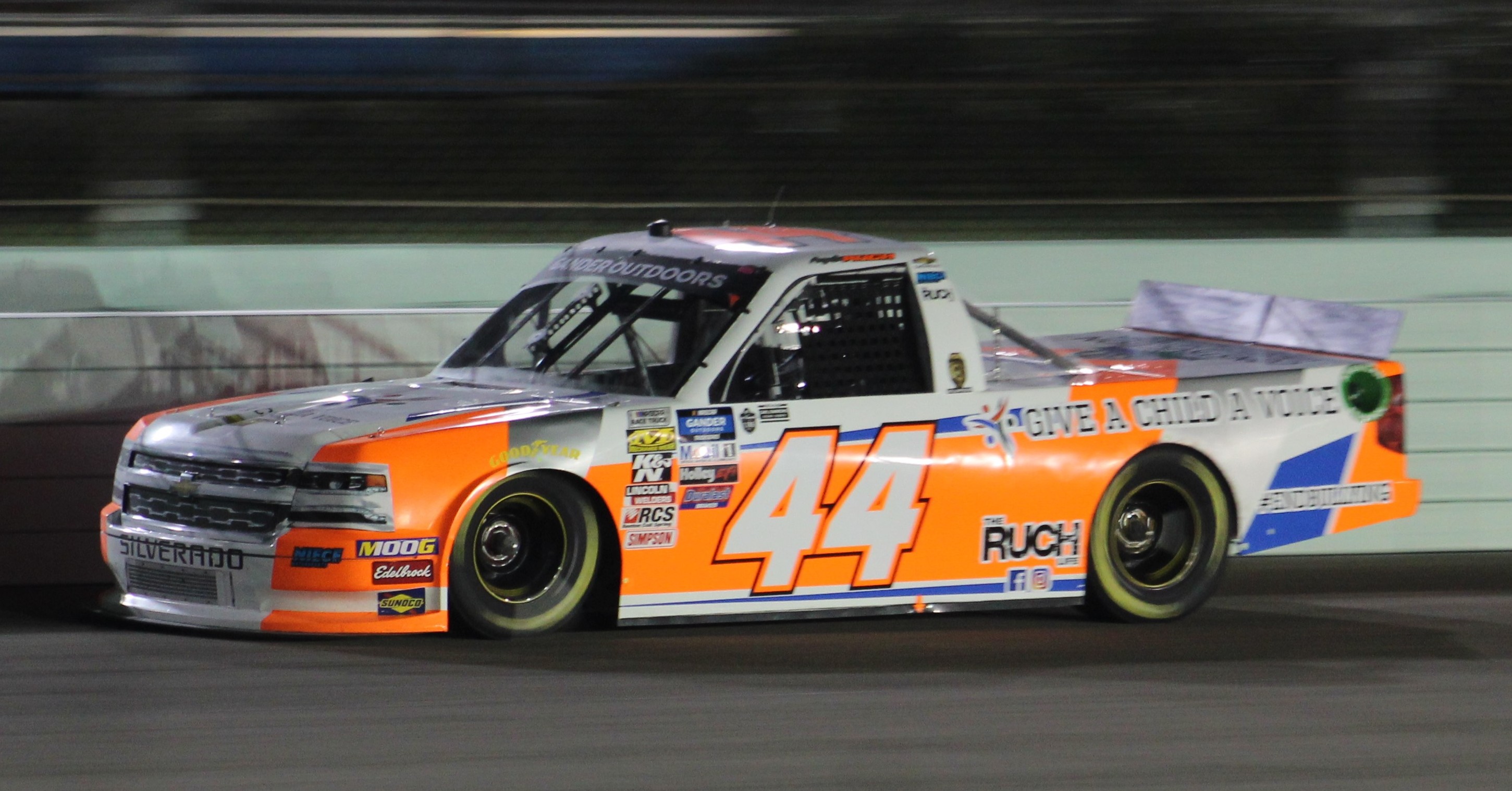
2022 Silverado
"he wants to buy four, four rotors and two sets of pads for a '22 Silverado. ... I'm like, "Okay, um, got electronic parker brake?""
A 2022 Silverado is a modern full-size Chevy pickup. The host is warning that newer trucks have electronic brake systems, and DIY mistakes can cause problems with the car’s safety computers.
The Chevrolet Silverado is GM’s full-size pickup, and the 2022 model is an example of how newer trucks increasingly integrate braking and safety electronics. In this segment, the host points out that a 2022 Silverado’s electronic parking brake and ABS systems can be risky to tamper with without following the correct service guidance.
Trail Boss edition
"he has to tell the guy Trail Boss edition. I'm like, "Oh, here we go. Like, you're one of them, are you?""
Trail Boss is a Silverado trim that’s aimed at off-road use. Different trims can use different parts, so it’s important to match the exact version when buying brake components.
Trail Boss is a trim level on the Chevrolet Silverado focused on off-road styling and equipment. Trim differences can affect parts fitment and the exact brake/parking-brake components used, which matters when buying rotors and pads for a specific vehicle.
electronic parking brake
"I'm like, "Oh, '22, eh? Yeah, yeah." And I'm like, "Okay, um, got electronic parker brake?" and he goes, "Yep.""
An electronic parking brake is the parking brake that’s controlled electronically instead of by a cable or lever. Since it’s tied into the car’s electronics, messing with it without the proper steps can lead to warning lights or even damage.
An electronic parking brake (EPB) replaces the traditional hand lever/cable with an electronically controlled brake actuator. Because it’s integrated with vehicle control systems, DIY work—especially without the right procedures—can cause faults or damage related modules.
ABS module
"I go, "Did you read the bulletin about that?" and he goes, "I'm not a tech, I'm just gonna do this myself." ... "you could have a very good chance of, of hurting the ABS module if you don't know what you're doing.""
The ABS module is the car’s computer that manages anti-lock brakes. If you do brake/electronic brake work the wrong way, you can potentially break the system or cause it to malfunction.
The ABS module controls the anti-lock braking system, which prevents wheel lockup during hard braking. Many modern ABS systems are tightly integrated with other stability and braking functions, so incorrect procedures during brake-related DIY work can risk damaging or faulting the module.
reservoir
"…you might wanna take the cap off the reservoir before you figure out how you're gonna get the rotor…"
The reservoir is where the brake fluid lives. When you push the brake pistons back for new pads, the fluid level can go up, so you have to be careful not to spill or mess up the system.
In brake work, the reservoir holds brake fluid for the hydraulic system. During pad replacement, fluid level can rise as pistons retract, so technicians may check or manage the reservoir to prevent overflow and contamination.
master cylinder
"Have, have fun putting your brand-new master cylinder ABS module- you're the guy- Yeah ... because, because you blew it."
Your brake pedal doesn’t directly squeeze the brakes. The master cylinder is the part that pressurizes brake fluid so the brakes can clamp the wheels to slow the car down.
The master cylinder is the hydraulic “pump” that turns your brake pedal force into pressurized brake fluid. That pressure is what moves the calipers to clamp the brake pads against the rotors.
right to repair
"And we were just talking about, like, the right to repair and, and how, you know, the manufacturers are locking people out of repairing their own vehicle…"
Right to repair is the push to let owners and independent mechanics fix cars themselves, instead of being forced to go only to the brand’s dealer. It’s about access to the tools and instructions needed for repairs.
The right to repair is the idea that vehicle owners and independent shops should be able to access the information, parts, and tools needed to fix modern cars. It’s often discussed in the context of manufacturers restricting diagnostics and repair procedures.
John Deere
"Like John Deere is with their tractors, right? Like, you can't even change an air filter on a John Deere anymore."
John Deere makes tractors and farm machines. The point here is that some brands make routine maintenance harder than it should be.
John Deere is a major manufacturer of tractors and agricultural equipment. The host uses it as an example of how some manufacturers restrict even basic maintenance tasks, like changing an air filter.
mobile vans
"There's a lot of guys in mobile vans. Mm-hmm. Right? And that, that's, that's another trend…"
Mobile vans are mechanics who come to you instead of you bringing the car to a shop. The point is that their pay can compare differently to flat-rate shop jobs.
“Mobile vans” refers to technicians who do repairs at customers’ locations instead of working inside a traditional shop. The host contrasts their earning potential with flat-rate shop work when hours are limited.
service writer
"Didn't wanna make, they didn't wanna make her into a mechanic even though she had the skills, so they put her as a service writer."
A service writer is the person at the shop who talks to you, writes up what the car needs, and communicates with the mechanic. They’re basically the go-between for you and the technician.
A service writer (often called a service advisor) is the customer-facing staff member at a dealership or repair shop who writes up the work order, communicates with the customer, and coordinates with technicians. They translate diagnostic findings and repair recommendations into plain language and pricing.
service advisors
"No, I'm very adamant when, when I see, like, problem customers dealing with our service advisors and, like, I witness the interaction 'cause I'm up front for whatever reason, I'm just..."
Service advisors are the people you deal with at the shop. They explain what’s wrong, what it will cost, and help coordinate the repair.
Service advisors are the customer-facing representatives who manage the repair process: gathering symptoms, explaining the estimate, and setting expectations. In many shops, they’re also responsible for handling objections and deciding when to offer discounts versus holding the line on the recommended repair.
one-time use bolt
"They need to actually start learning and understanding why a bolt is a one-time use bolt. Like, every advisor I've ever talked to, if you said, "What's a torque-to-yield bolt, and what's it normally mean?""
Some bolts are designed to be tightened once and then replaced. If you reuse them, they may not clamp tightly enough the second time, which can be unsafe.
A one-time use bolt is a fastener designed to be tightened once to achieve the correct clamping load (often via controlled stretching). Reusing it can reduce clamping force or change how it behaves under load, which is why many manufacturers specify replacement.
torque to yield bolts
"They need to actually start learning and understanding why a bolt is a one-time use bolt. Like, every advisor I've ever talked to, if you said, "What's a torque-to-yield bolt, and what's it normally mean?""
A torque-to-yield bolt is a special type of bolt that’s tightened in a way that makes it stretch to lock the parts together. Since it’s stretched on purpose, it’s usually not meant to be reused.
A torque-to-yield bolt is tightened using a torque spec plus an additional “yield” angle (or equivalent method) so the bolt stretches into its designed clamping condition. Because it’s intentionally stretched, it’s typically treated as a one-time-use fastener.
pad slap
"You don't pad slap. Nobody, like, uh, unless you're it, you're doing it on your own vehicle and you don't care that there's gonna be a squeak, in a professional automotive repair facility, you do a proper brake job."
“Pad slap” is an informal term for replacing brake pads without doing a proper brake job (for example, without addressing rotor condition, machining/cleaning, or other necessary steps). It can lead to noise, uneven wear, or reduced braking performance because the system isn’t fully refreshed.
brake repair
"I was just like, "It doesn't matter. We, we need to be doing a proper brake repair. We need pads and rotors because now those pads have high and low spots from the old rotors.""
Brake repair means fixing the parts that make your car slow down safely. Usually that includes replacing worn pads and making sure the rotors are smooth. If you skip part of it, the brakes can feel bad and make noise.
A brake repair is the proper service work needed to restore safe braking—typically replacing worn brake pads and resurfacing or replacing rotors as a matched set. Doing only part of the job can leave uneven rotor surfaces that cause vibration, noise, and faster wear.
pulsation
""Listen, I got a pulsation and I want the pulsation gone. And, uh, and you know, the pulsation is there because I pad slapped it three months ago...""
Pulsation is when the brakes feel like they’re shaking or thumping instead of stopping smoothly. It usually happens when the rotor surface isn’t even or the pads aren’t making a proper match to it.
Brake pulsation is the vibration or rhythmic shudder you feel through the pedal or steering when braking. It often comes from uneven rotor surfaces or pad-to-rotor contact, such as when pads are installed without addressing rotor condition.
brake modules
"Why are they locking you out of brake modules? Why are they making electronic parking brakes secure gateways so that only their software can get in to retract that brake so you can do a brake job?"
Brake modules are the car’s electronics that control brake functions. If the manufacturer locks access, it can make it harder for independent shops to do repairs that require programming or secure communication.
Brake modules are electronic control units that manage brake-related functions, often including electronic parking brake operation and related safety logic. When access to these modules is restricted, independent shops may be unable to perform certain brake service procedures without manufacturer authorization.
secure gateways
"Why are they making electronic parking brakes secure gateways so that only their software can get in to retract that brake..."
Secure gateways are like locked doors in the car’s computer network. They control which tools are allowed to talk to certain systems, which can affect what independent shops can do during repairs.
Secure gateways are software/security layers that control which devices or software can communicate with a vehicle’s electronic systems. In the repair context, they can limit who can perform programming or activation steps for functions like electronic parking brake retraction.
planned obsoletions
"Mm-hmm. And you can, you can talk justification all you want, it comes down to planned obsoletions. They don't want anybody fixing their own shit because they wanna sell you a new truck every three years."
It means the host thinks companies are trying to make products feel “old” or stop working sooner than they should. The point they’re making is that this can push people to buy a new truck instead of getting repairs.
“Planned obsoletions” refers to the idea that products are designed or managed so they become outdated or fail sooner than they otherwise would. In this context, the host is arguing that dealers/manufacturers benefit when customers replace vehicles regularly instead of keeping them longer.
warranty time
"You flipping know exactly why. You, you know exactly why. You chased hal- You chased probably half those empty bays out because you weren't paying them. Oh, it's- You were slash- You were slashing their warranty times."
“Warranty times” are the labor-hour estimates manufacturers/dealers use to reimburse repairs performed under a vehicle’s warranty. The host claims warranty labor times were “slashed,” which can reduce technician pay and contribute to fewer technicians being willing to do warranty work.
repair order
"And that's how it, how it works at a dealership, too. True. That repa- That repair order goes through, you know, four or five sets of hands, and all those hands have to get paid."
A “repair order” is the dealership’s official work document that authorizes the job and tracks what’s being done, often including customer concerns, parts used, labor time, and approvals. The host’s point is that it moves through multiple departments, so many people get paid off the same order.
torque reminder sticker
"Like, it o- it only, it only takes one burnt bridge for them to never come back. And it could be, it could be as, uh, it could be as something as simple as, you know, the, the tech leaving, not putting a torque reminder sticker in."
A “torque reminder sticker” is a small label placed on a vehicle to remind the next person (or the customer) that a component was tightened to a specific torque and may require follow-up. The host uses it as an example of a simple procedure that, if missed, can undermine trust and repeat business.
quality control person
"Yeah. That's where that idea, like, and I l- I love my brother Lucas for this, and, and, you know, other shops are doing the same thing, where you have that quality control person, where, so it's like, you know, you can get really mad at the technician because they forgot to put the oil change sticker in the window."
A “quality control person” is a dedicated role that verifies the job is complete and meets checklist/procedure standards before the car is returned. In the host’s example, this person catches missed steps (like stickers) that multiple other staff might otherwise overlook.
road tests
"But if you have a quality control person that washes the car, or vacuums the car, road tests the car, looks at the car, wipes the hand prints, whatever, the service advisor, I don't care, somebody does it."
A “road test” is a controlled drive after repairs to confirm the vehicle behaves correctly (no new noises, vibration, warning lights, or drivability issues). The host lists it as part of a quality-control routine that helps catch problems before the customer notices them.
technician
"[4976.0s] 'cause that's what the customer is. You're the forward-facing for the customer, you, not the technician. Mm-hmm. And then go have a talk with the advisor, or excuse me, the technician, and say, "Hey, I need you to remember to put those stickers in.""
A technician is the mechanic doing the actual repair work on the car. The point here is that even good techs can miss small steps when they’re busy, so the shop needs good process.
A “technician” is the shop worker who performs the mechanical diagnosis and repairs on the vehicle. In this discussion, the technician’s workflow and the need for reminders/procedures are central to preventing small-but-important misses.
oil life monitor
"[5016.0s] that technician might have been just like you today, just slammed, trying to get everything done. Yep. And you forgot an oil change sticker. Yeah. Or you forgot to reset the oil life monitor in the car, right?"
Many cars track oil condition and show a reminder when it thinks the oil is worn out. After you change the oil, you have to reset that reminder so it starts counting fresh.
The “oil life monitor” is the car’s onboard system that estimates how much useful life the engine oil has left. After an oil change, it must be reset so the car doesn’t continue showing an oil-change reminder based on old data.
oil change sticker
"[5015.0s] And then- Listen, [5016.0s] that technician might have been just like you today, just slammed, trying to get everything done. Yep. And you forgot an oil change sticker. Yeah. Or you forgot to reset the oil life monitor in the car, right?"
It’s a small label the shop puts on the car to record when the oil was last changed. If it’s forgotten, the next time someone checks maintenance records, it can look like the car wasn’t serviced.
An “oil change sticker” is a small service label the shop places on the vehicle to document the last oil change and the next due date/mileage. It helps technicians and advisors track maintenance history and prevents missed routine services.
A-tech
"[5112.0s] And, like, I'm adamant that not everybody's born an A-Tech. You have to be made into an A-Tech. You gotta be trained into an A-Tech. Where that j- where that process leads everybody is different."
“A-Tech” is a label shops use for their most skilled, fully trained mechanics. The idea is that you don’t just start there—you get there through training and experience.
“A-Tech” is a shop/industry shorthand for a top-level technician (often meaning fully trained and capable of handling complex repairs). The speaker uses it to describe how technicians are developed through training and experience.

Cupra Born
"that- And, like, I'm adamant that not everybody's born an A-Tech. You have to be made into an A-Tech. Yo..."
The Cupra Born is an electric car, so it runs on a battery instead of gasoline. The podcast mention is about needing trained people to work on cars like this correctly, because the systems are different from regular gas cars.
The Cupra Born is an electric hatchback built for everyday driving with an emphasis on performance-oriented feel. In the podcast context, it’s mentioned in a discussion about technical skill and training—specifically the idea that becoming proficient (“an A-Tech”) takes time and experience. That makes it relevant to conversations about servicing modern EVs and the learning curve for technicians.
AC compressor
"[5183.0s] Yeah, 100, yeah. 100%. Uh, you know, it's, you're gonna... What am I thinking of? You know, you're going to put an engine in and forget to plug in the AC compressor, right? Or you're gonna put an engine in and forget to, like, um, you're gonna put the wipers on and forget to tighten that, that last quarter turn- Well-"
The AC compressor is the part that makes your car’s air conditioning actually work. If a mechanic forgets to connect it during a big job, the AC won’t blow cold.
The “AC compressor” is the component that pressurizes refrigerant and enables the air-conditioning system to cool the cabin. Forgetting to plug it in during engine-related work can prevent the AC from functioning even if the rest of the system is intact.

Chevrolet Cruze
"Like, we had one today, we had a Chevy Cruze in, 2018. Was at another shop within the company. Uh, and the other shop addressed an oil leak and they changed the valve cover."
The Chevrolet Cruze is a common compact car. This episode uses it to show a real-world problem: a shop can replace the wrong part for an oil leak if they don’t verify where the leak is coming from.
The Chevrolet Cruze is a compact car that uses common service items like valve covers and oil cooler plumbing, so it’s a good example of how an oil leak diagnosis can go wrong. In this story, the shop initially blamed a valve cover, but the real leak was elsewhere in the turbo/oil-cooling feed line area.
valve cover
"Uh, and the other shop addressed an oil leak and they changed the valve cover. Well, it drove an hour from where they are down to here for a customer to look at it,"
A valve cover seals the top of the engine where the camshaft area sits, and it prevents oil from leaking out. If the valve cover gasket or seal fails, oil can drip onto nearby components and create confusing leak trails.
splash shield
"Well, I get it up on the air and it's like the splash shield on the bottom is dragging on the ground, making all kinds of God-awful noise."
A splash shield is an under-engine plastic panel that helps protect the car from road dirt and water. If it’s not put back right, it can rub or drag and cause problems right after the repair.
A splash shield (underbody shield) is a plastic or composite panel under the engine bay that helps protect components from road spray and debris. If it’s loose or dragging, it can make noise and also indicate the job wasn’t reassembled correctly.
oil cooler
"it's the turbo feed pipe that's going down from- Oh ... the, you know, up side of the engine behind the cat, behind the compressor, down to the oil cooler."
An oil cooler helps keep the engine oil from getting too hot. If there’s a leak in the oil cooler plumbing, oil can end up all over the engine bay and look like it’s coming from somewhere else.
An oil cooler is a heat exchanger that lowers engine oil temperature, often using coolant or air flow to remove heat. On turbo-equipped engines, oil cooling and oil feed lines are especially important, so leaks in that plumbing can be easy to misdiagnose.
engine shampoo and dye
"if we spot an oil leak, we recommend an engine shampoo and dye. ... before we even repair an oil leak, we shampoo, add dye, have the customer come back two weeks later, check where the dye is."
This is a way to find an oil leak. They clean the engine, add special dye to the oil, and then you come back later to see exactly where the dyed oil shows up.
“Engine shampoo and dye” is a leak-detection method: the mechanic cleans the engine thoroughly, adds a fluorescent dye to the suspected fluid, and then checks later where the dye reappears. It turns a vague oil smell or oily mess into a confirmed leak location.
Request an Explanation
Heard something you'd like explained? We'll add it to this episode.
Sign in to request explanations for terms you heard.
Want to learn more?
Browse our glossary for plain-English explanations of automotive terms, jargon, and concepts.
Help improve this episode
See something that's not quite right? Our annotations are AI-generated and can sometimes miss the mark. Click the flag icon on any annotation to suggest a correction.