The main harness is basically the car’s main wiring bundle. If it gets damaged, the car’s electrical systems can stop working correctly, and repairs can get complicated fast.
Shocks are what help keep the car from bouncing too much over bumps. If the shocks are worn out, the car can feel shaky or like it moves around more than it should.
The Ford Ranger is a smaller pickup truck. In the conversation, it’s used as an example of how a light truck can struggle for traction in winter unless you add weight or use the right drivetrain.
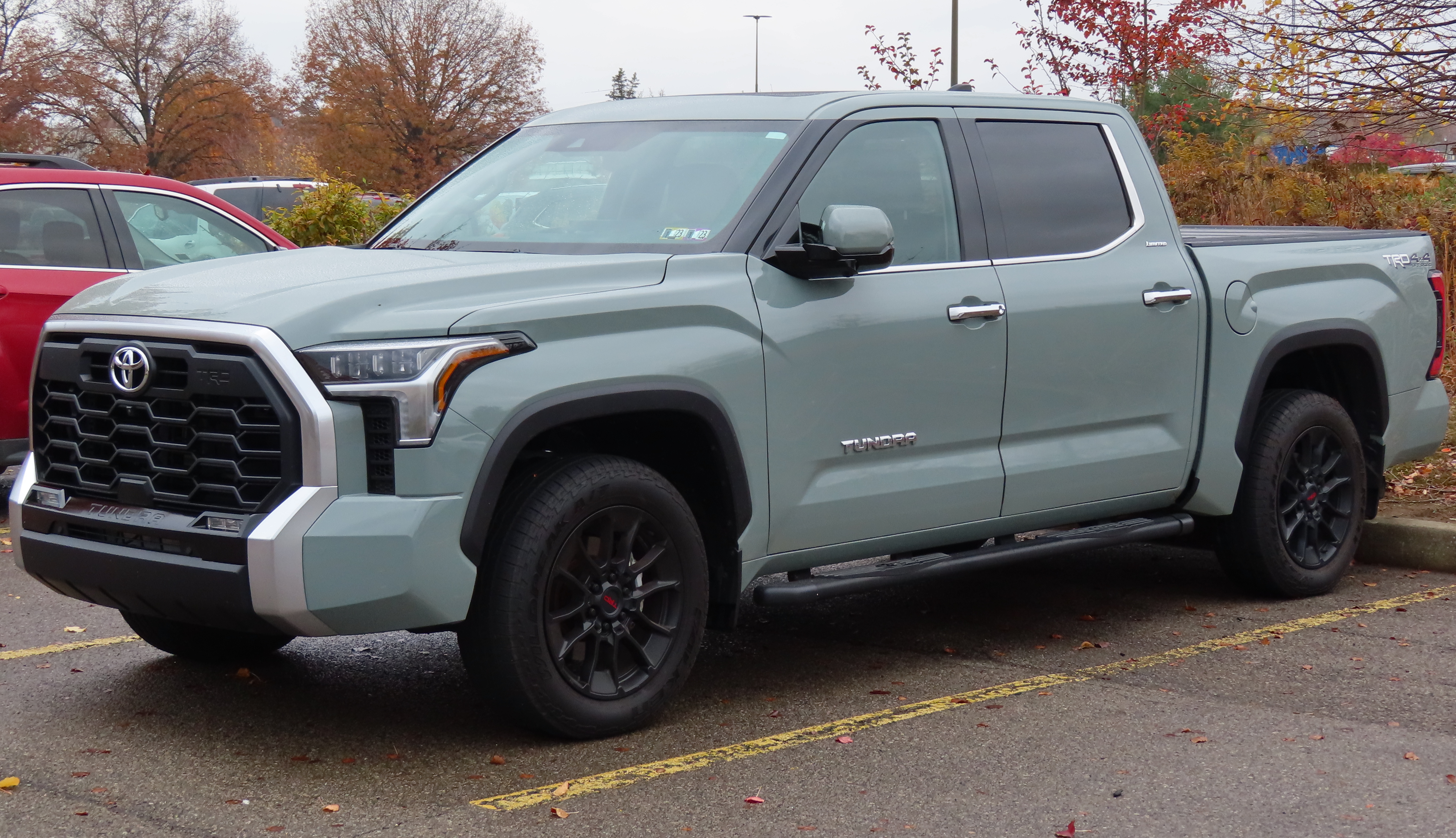
The Toyota Tundra is a full-size pickup truck. They mention a 2007 Tundra as one of the family’s vehicles before they talk about their own truck choices.
The Ford Explorer is a family SUV. They bring it up to explain what vehicles the family had before the conversation shifts to trucks and winter driving.
Car
Pontiac Montana
The Pontiac Montana is a minivan. They mention it as a family vehicle from earlier years while talking about what cars their family owned.
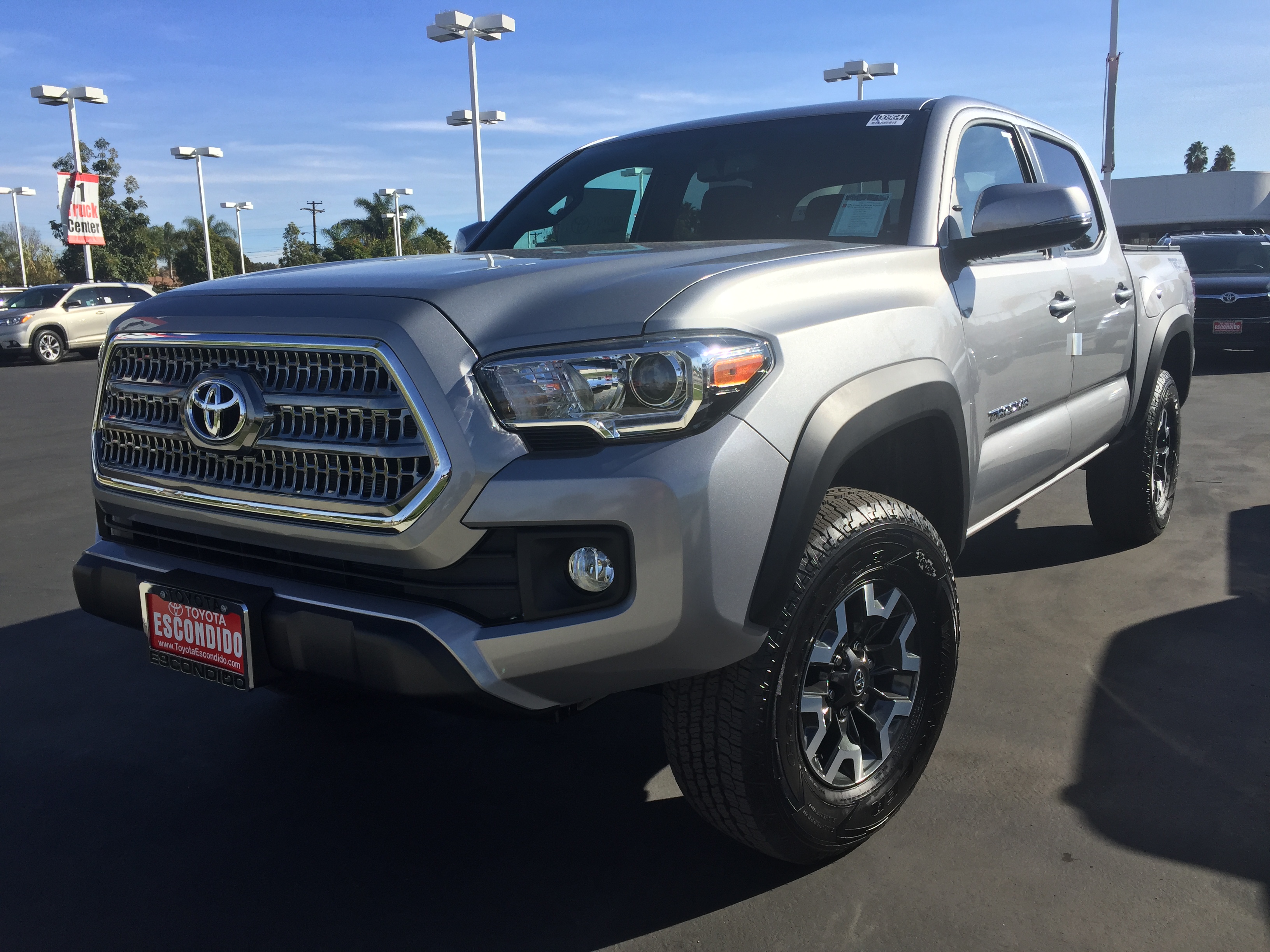
The Toyota Tacoma is a popular pickup truck. Here, the speaker talks about how expensive it was to drive daily—so the truck’s day-to-day costs mattered as much as how much they liked it.
A two-wheel drive truck only powers one set of wheels. In winter, that can make it harder to grip the road—especially if the truck doesn’t have enough weight over the driven wheels.
Term
traction in the winter
Traction is how well your tires can grab the road. In winter, the speaker says they had to add weight in the back of the truck to help the tires grip better.
Four-wheel drive helps a truck grip better because it can push all four wheels. The speaker says it would have helped in winter when the truck couldn’t get traction.
They’re talking about a Ford Tempo. It kept having problems, so they had to learn how to figure out what was wrong and fix it instead of paying a shop.
A pinch weld is a reinforced spot on the car’s body designed to be used for lifting. If it’s rusted through, the car can shift or the stand can punch through.
They used spray foam to patch things up after damage. It’s more of a quick workaround than a proper repair, but it can help hold things together temporarily.
Term
smash car
A “smash car” is an informal term for a vehicle that’s intentionally used for rough, destructive driving—often by people who don’t care about cosmetic damage or are treating it like a disposable beater. It’s contrasted with normal ownership where you’d keep the car roadworthy and intact.
“Motive power” here means a training program focused on the mechanical stuff that makes vehicles and equipment run. The speaker describes it like an apprenticeship course.
A CV axle is the part that sends power from the transmission to your front wheels (or all-wheel-drive wheels). It’s designed to keep working smoothly even when the suspension moves or the steering turns.
The transmission is the part that manages how engine power gets sent to the wheels. If something disconnects or fails there, the car can suddenly stop moving even if the engine still runs.
A C-clip is a small metal clip that acts like a retainer to keep parts from sliding out. If it wears out, the axle can come loose and the car may stop moving.
A hoist is a car lift that raises the vehicle off the ground. It lets you safely look under the car and do repairs that can’t be reached from the floor.
A lube rack is the section of a repair shop where newer techs start with simpler, routine maintenance work. Think oil changes and basic checks before you move on to harder diagnostics and repairs.
Car
Ford dealership
A Ford dealership is a shop that sells and fixes Ford cars. The episode is using it as the setting for how training and repair work are handled early in someone’s career.
“Master” here refers to a top-level mechanic at a dealership. If a repair is complicated, other technicians may ask the master tech for help to get it diagnosed and fixed correctly.
A quick lane is a separate area at a dealership meant for quicker service. It’s often used for routine maintenance and inspections, and then bigger repairs get sent to the main shop.
Brake fluid is the liquid that helps your brakes work. If the brake warning light is on because the fluid is low, it usually means there’s a leak or something needs repair, and you shouldn’t just top it off and ignore it.
Tie rod ends are parts that help connect your steering to the front wheels. If they’re worn or loose, the car can feel unstable or have vague steering, and it often turns into more repairs if you don’t fix it.
A warranty approval process is the extra step where the shop has to prove to the manufacturer that the repair qualifies under warranty. If you don’t document it correctly, the claim can be denied.
Some bolts are meant to be used once and then replaced. The manufacturer specifies this because reusing them can reduce how securely they clamp, which matters a lot on safety-critical parts like brakes.
“Throwaway bolts” means bolts you’re supposed to replace after taking them out. The idea is that they’re not meant to be trusted the same way if you reuse them.
Caliper bracket bolts hold the brake caliper in place. If the manual says they’re one-time-use, replacing them helps keep the brakes properly secured and reduces the risk of problems later.
The Ford Transit Custom is a van used for work, like deliveries or carrying tools and equipment. Because it’s used a lot, it can need routine maintenance such as brake service.
A transaxle is a drivetrain unit that combines the transmission and the differential in one assembly. On some cars, it sits in a way that makes certain repairs harder, so the manual may call for more disassembly.
Flat rate is when a shop pays a mechanic a set amount of time for a job, even if it takes longer or shorter in real life. The point here is that the “book time” can be wrong, especially when parts are rusty or hard to reach.
A control arm is a suspension part that connects the wheel to the car’s frame. It helps keep the wheel positioned correctly as you drive, so if it’s worn out, the ride can feel loose and tires can wear unevenly.
Engine mounts are the parts that hold the engine to the car. They also help keep the engine from shaking too much, and they can affect how easy it is to access other parts during a repair.
A repair manual is the official step-by-step guide for fixing a car. Here they’re saying the manual’s steps can be overly rigid, and experienced techs may find a different approach that still gets the job done right.
“Trial and error” here means the tech tries the job, learns what’s actually practical, and then improves the process. The first time takes longer, but the next time is faster because the steps are figured out.
“Aligned” means the wheels are set to the correct angles after suspension parts are replaced. That helps the car track straight and prevents uneven tire wear.
The Toyota RAV4 is a compact SUV meant for daily driving. If a shop says it needs “lower control” parts, they’re usually talking about parts in the front suspension that help the wheels stay aligned and ride smoothly.
“Torching them out” means cutting the stuck parts off with a torch. It’s usually needed when rust has locked everything together and normal tools can’t free it.
“Labor rate” is the hourly price a shop charges for technician work. In flat-rate billing, the labor rate is multiplied by the “book time” to calculate the labor portion of the repair bill.
“Book time” is the estimated number of hours a repair manual says a job should take. Some shops charge customers based on that estimate, even if the real job takes longer.
“Alignment” means adjusting the wheels so the car drives straight and handles correctly. If suspension or steering parts are disturbed, the shop usually needs to realign the wheels afterward.
ADAS calibration is re-aiming and re-setting the car’s safety sensors (cameras/radar) after work is done. If it’s not done right, features like lane-keeping or collision warnings may not work properly.
A “three-year warranty” means the repair or parts are covered for three years. The discussion is about how offering longer coverage costs money, not just “extra profit.”
A “phaser” is a component that helps control when the engine’s valves open and close. If it’s not working correctly, the engine can run poorly, and the repair may take multiple tries if the parts aren’t right.
The Ford Edge is a crossover SUV, meaning it’s built for everyday driving with a higher seating position. If one hasn’t run for a long time, it usually needs basic checks and repairs before it can start and drive safely again.
A “red seal” is a top-level certification for certain skilled trades in Canada. It means you’ve proven you can do the job to a national standard, and it can help you get work more easily in different places.
An apprenticeship program is a training path where you learn a trade while working, plus some school. Over time you complete levels and hours so you can qualify for licensing.
An “EVAP leak” means there’s a problem in the system that keeps fuel vapors from escaping into the air. It can cause warning lights and needs troubleshooting to find the exact source.
Term
AC problem
An “AC problem” means the car’s air conditioning isn’t working right. It could be low refrigerant, a leak, or a component failure, and it usually takes proper testing to figure out which one.
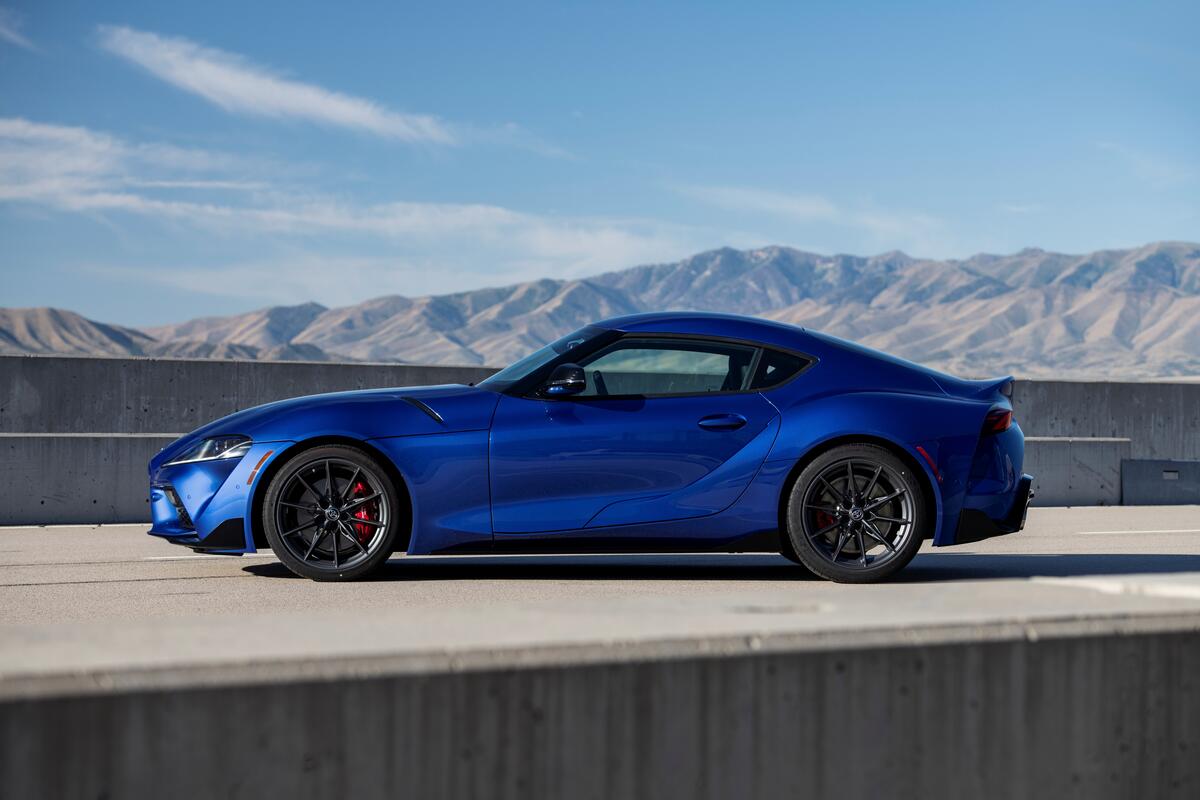
The Toyota Supra is a sports car made for fast driving and sporty handling. People may talk about it because repairs can require specific skills and the right parts, so not every shop may be able to fix it easily.
RockAuto is a website where people buy car parts online, often for less money. The point here is that cheap parts don’t automatically mean the install is safe or correct for your exact truck.
Canadian Tire is a store that sells tools and car supplies. The host is basically saying that basic tools and DIY installs can be risky on newer cars with electronic systems.
A 2022 Silverado is a modern full-size Chevy pickup. The host is warning that newer trucks have electronic brake systems, and DIY mistakes can cause problems with the car’s safety computers.
Trail Boss is a Silverado trim that’s aimed at off-road use. Different trims can use different parts, so it’s important to match the exact version when buying brake components.
An electronic parking brake is the parking brake that’s controlled electronically instead of by a cable or lever. Since it’s tied into the car’s electronics, messing with it without the proper steps can lead to warning lights or even damage.
The ABS module is the car’s computer that manages anti-lock brakes. If you do brake/electronic brake work the wrong way, you can potentially break the system or cause it to malfunction.
The reservoir is where the brake fluid lives. When you push the brake pistons back for new pads, the fluid level can go up, so you have to be careful not to spill or mess up the system.
Your brake pedal doesn’t directly squeeze the brakes. The master cylinder is the part that pressurizes brake fluid so the brakes can clamp the wheels to slow the car down.
Right to repair is the push to let owners and independent mechanics fix cars themselves, instead of being forced to go only to the brand’s dealer. It’s about access to the tools and instructions needed for repairs.
Mobile vans are mechanics who come to you instead of you bringing the car to a shop. The point is that their pay can compare differently to flat-rate shop jobs.
A service writer is the person at the shop who talks to you, writes up what the car needs, and communicates with the mechanic. They’re basically the go-between for you and the technician.
Some bolts are designed to be tightened once and then replaced. If you reuse them, they may not clamp tightly enough the second time, which can be unsafe.
A torque-to-yield bolt is a special type of bolt that’s tightened in a way that makes it stretch to lock the parts together. Since it’s stretched on purpose, it’s usually not meant to be reused.
“Pad slap” is an informal term for replacing brake pads without doing a proper brake job (for example, without addressing rotor condition, machining/cleaning, or other necessary steps). It can lead to noise, uneven wear, or reduced braking performance because the system isn’t fully refreshed.
Brake repair means fixing the parts that make your car slow down safely. Usually that includes replacing worn pads and making sure the rotors are smooth. If you skip part of it, the brakes can feel bad and make noise.
Pulsation is when the brakes feel like they’re shaking or thumping instead of stopping smoothly. It usually happens when the rotor surface isn’t even or the pads aren’t making a proper match to it.
Brake modules are the car’s electronics that control brake functions. If the manufacturer locks access, it can make it harder for independent shops to do repairs that require programming or secure communication.
Secure gateways are like locked doors in the car’s computer network. They control which tools are allowed to talk to certain systems, which can affect what independent shops can do during repairs.
Term
planned obsoletions
It means the host thinks companies are trying to make products feel “old” or stop working sooner than they should. The point they’re making is that this can push people to buy a new truck instead of getting repairs.
“Warranty times” are the labor-hour estimates manufacturers/dealers use to reimburse repairs performed under a vehicle’s warranty. The host claims warranty labor times were “slashed,” which can reduce technician pay and contribute to fewer technicians being willing to do warranty work.
A “repair order” is the dealership’s official work document that authorizes the job and tracks what’s being done, often including customer concerns, parts used, labor time, and approvals. The host’s point is that it moves through multiple departments, so many people get paid off the same order.
A “torque reminder sticker” is a small label placed on a vehicle to remind the next person (or the customer) that a component was tightened to a specific torque and may require follow-up. The host uses it as an example of a simple procedure that, if missed, can undermine trust and repeat business.
A “quality control person” is a dedicated role that verifies the job is complete and meets checklist/procedure standards before the car is returned. In the host’s example, this person catches missed steps (like stickers) that multiple other staff might otherwise overlook.
A “road test” is a controlled drive after repairs to confirm the vehicle behaves correctly (no new noises, vibration, warning lights, or drivability issues). The host lists it as part of a quality-control routine that helps catch problems before the customer notices them.
A technician is the mechanic doing the actual repair work on the car. The point here is that even good techs can miss small steps when they’re busy, so the shop needs good process.
Many cars track oil condition and show a reminder when it thinks the oil is worn out. After you change the oil, you have to reset that reminder so it starts counting fresh.
It’s a small label the shop puts on the car to record when the oil was last changed. If it’s forgotten, the next time someone checks maintenance records, it can look like the car wasn’t serviced.
“A-Tech” is a label shops use for their most skilled, fully trained mechanics. The idea is that you don’t just start there—you get there through training and experience.
The Cupra Born is an electric car, so it runs on a battery instead of gasoline. The podcast mention is about needing trained people to work on cars like this correctly, because the systems are different from regular gas cars.
The AC compressor is the part that makes your car’s air conditioning actually work. If a mechanic forgets to connect it during a big job, the AC won’t blow cold.
The Chevrolet Cruze is a common compact car. This episode uses it to show a real-world problem: a shop can replace the wrong part for an oil leak if they don’t verify where the leak is coming from.
A valve cover seals the top of the engine where the camshaft area sits, and it prevents oil from leaking out. If the valve cover gasket or seal fails, oil can drip onto nearby components and create confusing leak trails.
A splash shield is an under-engine plastic panel that helps protect the car from road dirt and water. If it’s not put back right, it can rub or drag and cause problems right after the repair.
An oil cooler helps keep the engine oil from getting too hot. If there’s a leak in the oil cooler plumbing, oil can end up all over the engine bay and look like it’s coming from somewhere else.
This is a way to find an oil leak. They clean the engine, add special dye to the oil, and then you come back later to see exactly where the dyed oil shows up.
LIVE
I learned very quickly that what I was willing to do in my youth was plunge myself into debt to gain that extra two degrees of swing arc to make that job a little bit easier on my body. When I first got in the industry, I bought Canadian Tire tools, and they're good for the average Joe who's doing it on the weekend, but that's the argument.
You're a professional mechanic, you need professional grade tools. You gotta pick and choose your battles where it comes in handy.
Welcome back, ladies and gentlemen, to another exciting episode of the Jaded Mechanic Podcast. It's a muggy Friday night here in Canada, um, at least in my part of Canada. And, um, we're sitting here with a new friend of mine who is not familiar to us, but where he works is familiar to us. Um, young Josh Forbes works at Maxim Muffler, which is home of the infamous Mr.
Tobetek, and, uh, his, uh, boss and owner, Marco, who have both been on the podcast. And Josh reached out to me and kind of wanted to share, um... He's, uh, recently f- completed his apprenticeship, and kind of wanted to share with me his, his journey up through the apprenticeship, um, in, uh, Manitoba and what that was like and all that kind of stuff, and then we've got some other things we wanna touch on.
So, uh, we tried to record this last week and we had terrible Wi-Fi, so we're back at it for take number two. So Josh is here after a long day at work, and I wanna say thank you, Josh, for joining me tonight. How are you, brother?
Uh, long week. Yeah. I'm just happy to be down to one more. Just have to get through seven hours tomorrow, but-
Oh, so you're open tomorrow?
Yeah. We're, we're open six days a week, so- Yeah ... uh, if we're not working overtime, uh, we get a we- day off during the week. Mine's Wednesday, so.
Nice. Yeah. That's a good split, though, for the, for the week, right? You get it in the middle. That's not terrible. Yeah. I kinda like that, right? I,
uh- That was a big, that was a big b- brain pick by me.
It was just like, "Well, I work two days, then I get a day off, and then I work three days and I get another day off."
It's not terrible. It's not terrible. Yeah. I was done at the shop by 3:30 this afternoon. We kinda ran outta work, so, um, and my boss was perfectly fine with, uh, I stuck around for a few minutes, changed the oil in my mom's Equinox, and then I'm like, "Oh, I got a recording to do tonight, so I might as well go home and, like, catch a short nap and then, uh, and get that done."
I've got three to do this weekend. So, um, what's it like in Winnipeg today, Josh? Busy still?
Busy still. Weather-wise, we're on the third day of, like, rain showers all day long.
Okay.
Like, it's, it's kinda, it, it's kinda, a cloud will blow in, blow a bunch of rain in, then 45 seconds later it blows away.
Yeah.
Another, another, another cloud in, uh, a couple hours, same thing. It's just been on and off, a little bipolar.
Uh-huh. Yeah. So what, um, we kinda touched on, you had, uh, I, I won't say it's a classic car, but you kinda, we got talking last time. No.
Not a classic. Just, just an old, an old jalopy.
What was your first car, Josh?
It was the '93 Ford Tempo. Yeah. Technically, uh, it was an ac- uh, my first car was an '87 Crown Vic that my grandfather left me. Right. But was not able to salvage it whatsoever. Mi- mouse got into it, chewed through the main harness, just-
Mm-hmm. Yeah ...
kind of a total write-off at that point, so we just hauled her to the, hauled her to the junkyard.
Yeah. But a '93 Tempo, we got joking last time about, like, it had been so long since I'd, I'd seen a Tempo. Um, actually, and I got thinking between when I, when I worked at a shop here, one of the loaners that they still had in the fleet was a T- was an old Tempo. And I can still remember, like, every time you would shift it, the shocks were so shot the body was just, like, you know.
Um, but- So are you, was the family a Ford guy then? Like, because you said, yeah, yeah, Grandpa drove a Lincoln, and then you wound up with a Tempo. Like, are you a Ford guy?
There was no real brand loyalty in, until we went to Toyota-
Okay ...
when my dad bought an '07 Tundra, and then my mom got an '08 Sequoia, and then when I got my first big boy truck, because after college I bought an '03 Ranger.
So you can make the argument that we were a Ford family at one point because there were, there were a couple of Fords, and then before my parents got their, uh, m- Pontiac Montana, when they had me and my brother, they had a Ford Explorer. So it's kinda hit or miss with the Fords in the family.
Yeah.
Um, but, but yeah, my first big boy truck was a, uh, 2014 Tacoma.
That was my first adult purchase. Loved that thing until I moved to the city and I was driving, driving 40 minutes across the city, and I had to, uh, fill up every four days, and I was putting up $80 into my tank every four days, and couldn't- Yeah ... justify paying more in gas than I was in rent.
Mm-hmm. Yeah.
They're not... Yeah. It's, it's tough, right? Like, I, I did that when I, when I went off to college. I was driving an old square body Chevy with a worn Rover small block in it, and I can remember... And so I'll really date myself. This is, you know, back in 2000, and it was still crushing me, the p- price of gas back then.
And it was, gas was, you know, around a do- a buck a liter, right? So for, for people up in the our friends to the States complaining about your $4, you know, gas, um, $4 gallon, that's been- Mm-hmm ... that's been Canada for a long, long time, right? Price of gas is, we've been paying that. But I can remember like, you know, uh, paying, and it was, again, it was, it was terrible on gas.
It was not fuel efficient. It was a piece of shit truck when I think back to it now. But it was like the first, it was the first truck that I ever drove that had some power to it, and I was like, I was in love with that thing. Even though when I bought it, I didn't realize how rotten it was. It had one of them like, uh, really cheap paint jobs sprayed over it.
And you know, I remember dropping the tailgate, opening it up a few times, and then realizing that the box was so rotten that the tailgate wouldn't stay on because for the And I was like shit, I just bought this thing like six months ago, and I was like, "Fuck." Well, and you know, so I drove it around with a net and had no tailgate.
So when you think about it- That
was it ...
two-wheel drive truck- That was- ... yeah, in the wintertime with no tailgate, what are you gonna put in there for weight, right? You gotta get a little creative with, like... So I got stuck a lot in, in, you know, the winter 'cause of just two-wheel drive,
no- Well, it's, it's funny you say that 'cause I had to do the exact same thing with my Ranger, except it was, it was too light 'cause all the weight's in the front.
Yeah. So I had to put, I had to put patio stones and cinder blocks in the back so I could have traction in the winter.
Yeah. My brother had a Ranger, same thing. We would load it with, with patio stones. Mm-hmm. And even with patio stones, it was still a two-wheel drive truck. It was useless in the wintertime.
It was terrible, you know? I hated- Yeah ... that truck. I mean, he loved it, but I hated it. Uh, the day he brought it home from the dealer, I remember I'm like, "You got what?" I'm like, "Why didn't he get four-wheel drive?" "Oh, it was like, you know, 10 bucks more a month." I'm like, "So?" It's... But he didn't know. He'd never- Like,
you're gonna need it in the winter.
He'd never driven it. Everything before that had been a Cavalier front-wheel drive, so he just thought, you know- Yeah ... uh, I won't need a four-wheel- Nope ... he just, he was under the impression that four-wheel drive trucks were hard on gas. And I'm like, "The old stuff that's in four-wheel drive all the time? Sure," right?
The new stuff? No. But, eh, you live and learn.
Not, not a Ranger either 'cause they're so light.
Yeah. Well, and that's it. He-
Like, spay- spray, spring for the extra 10 bucks. Like, you're not even gonna notice it on your gas bill the amount of times you need to actually switch into 4x4, but boy, is it nice to have.
Yeah. So what kinda lessons did you learn on this Tempo from the young Josh to now you're a licensed mechanic? What did it teach you?
Uh, it, it, it... I credit it as the car that turned me into a mechanic 'cause, like, it broke down habitually every six weeks.
Yeah.
Some- Like, e- every six weeks I was fixing something on it.
And, like, at that point in my life, I had no idea how to fix cars. I was, I was never a gearhead. Uh, when I got brought, when I was growing up, um, I was a hockey player. That's all I- Okay ... all I cared about growing up, playing hockey. Um, never lear- Yeah ... I took a shop class, and they just kinda taught you how to change your oil, and that was about it.
And, uh, yeah, so once, once, once things started breaking on it, I quickly realized that I could not afford to send it to the garage to fix it. So it was- Yeah ... Google and trial and error and try to fix stuff yourself. Like, I re- I remember I had an overheating problem, and I was watch... I would watch the temp gauge, and it would go all the way into the red, and I, and then the engine would start lugging, and I had to pull over and let it cool down and get, get it home.
So I went online, and I Googled car's overheating, what, like, what are some symptoms? And, uh, first, first thing was thermostat. So changed the thermostat, changed the rad cap, good to go.
Nice.
And then- Right on ... yeah, one of the other ones was, um, this is when I started getting a little bit more mechanically inclined because I got a job at the local Ford dealership when I was 18, so I started to learn on other cars as well as my own.
I remember the wheel bearing seized on me coming home. I saw smoke coming from the tire, and small town, I was just like, "I can get it home. I can get it home. I don't need to pull over here, I can get it home." I got it home and the rotor was red hot.
Yeah.
Uh, so I jacked it up and I got the wheel bearing out, um, that night, and then I came back in the morning 'cause I, I just...
I didn't have the part, I just wanted to get it apart so when I could get the part, I could just put it back together. In the morning- Yeah ... the jack stand had gone through the pinch weld into the carpet.
I don't mean to laugh at you, it's just that's the, oh, the joys of Canadian rusted junk, right? It just goes through the pinch weld into the carpet, so yeah. I mean,
I would've- So at that point I'm just like, do I even wanna put the fucking knuckle back on? But we, uh, spray foamed it, put the wheel back on.
Drove her for another, drove her for another year. Barely noticed it in, in the winter.
Well, that's spray foam. Like, I mean, you know, it's hackie, but I mean, it... I, I've seen... I'd be lying if I said I hadn't seen a lot of cars come in with it in, you know, creative spots, right? Um, it's, uh, it's amazing what people have been able to do with it.
You could see YouTube channels where guys are literally like, you know, filling up holes in, in rockers and quarters and then like, you know, sc- scraping it off smooth and like painting over, and I'm just like, wow. You know, I mean, I guess if you do what you have to do. So, but whatever happened to
the Jeep?
I do, I do have a good... Oh, I, I sold it for a case of beer to my, uh, college roommate. He, uh, turned it into a smash car where he would just take it on his back 40 and smash it and drive over, drive over, uh, his little, um, sand mounds and sideswiped a tree with it. Pretty good return on investment. I bought it for a grand, sold it for a case of beer.
And what replaced it?
Uh, I went to college for the next two years, so I didn't have a vehicle. Uh, my dad did loan me his '07 Tundra 'cause he had upgraded and he kept the '07 for the business. It was a business truck, so- Yeah ... uh, when I was finishing up college, he let me take it from Sulac out to London, Ontario to move myself back, because our houseboat tourist business opening month, uh, is April/May, so all the prep work needs to get done in April.
So my parents couldn't help come move me back, so he just sent me down there with that truck and I moved myself back 20 hours from London to Sulac out. Um, and then- And you were going to college? Yeah, I went to Fanshawe College for motive power, which is just the- Nice ... it's the apprenticeship program in a two-year course.
Yeah,
yeah. Essentially.
Yeah. I'm fam-
Yeah.
Yeah. Good for you.
Yeah. It's
a good, it's a good course from what I hear, like, Fanshawe's supposed to be a good college.
It's a really good course. They, the building was a year and a half old when I went. Like, I was one of the first classes, f- first few c- classes to graduate from that program in the new building.
It was Chevy and GM spon- sponsored. We got all the wrecked, uh, insurance write-offs to practice on.
Mm-hmm.
The second year, uh, they brought in and outfitted the whole shop with Snap-on. Each class- Nice ... like, each... So for transmission, engine, electrical, fuels, and, um, and suspension, each had their own seven boxes filled to the brim, foam, every tool you could ever need.
Yeah.
So the college spent some- Pretty hefty money on outfitting it.
Very cool. Um-
Mm-hmm ...
so what kind of... You didn't, so you didn't come up in a traditional way of a gearhead, but what was one of the first, like, you talked about the thermostat, but what was one of the first repairs that you did where you really felt like, "Oh, I could actually maybe see myself doing this as a career"?
When, uh, I had to change the CV axle because the, the C-clip had worn out, and it kept popping out of my transmission. I remember I was driving to school one day, and it was when I was in grade 12, and I got out of my driveway, and about, uh, half a kilometer down the street, and then the car just stopped moving.
I th- I thought I blew the tranny. I thought, like, I was on the side of the road and not knowing what was going on, but I knew the engine was working 'cause I could shut the engine off, turn it back on, rev it, all that, and it was just like, "I, I fucking grenade the tranny. Great. Awesome." Uh, so I got it towed to the high school, uh, not by a tow truck, but by, by my dad and his tow truck Small town, you don't pay for tow trucks.
You just- Right.
Yeah ...
you just get a tow strap and you get your old man to tow you down to the high school, and then got it up on the hoist and saw it was the CV axle that had popped out. So I got a new CV, uh, with a new clip, 'cause I asked the shop teacher obviously, 'cause I'm just like, "Do I need a new axle?"
And he looked at the, um, the C clip and he's like, "The C clip's worn out. You need to replace the axle." So I replaced the axle by myself, and then that was two weeks till high school graduation, and then I kinda was just like, "I think I could make a career out of this."
Mm-hmm.
I, I, because I really didn't know what I wanted to do.
I had a couple of ideas of potentially being a lawyer or maybe a police officer. I actually did a co-op at the police detachment my grade 12 year, and then on my last day of the co-op, I got pulled over in the Temple because my windshield had frozen over 'cause I was dealing with, uh, an intermittent non-working blower motor- Right
and it was the middle of winter, and the cop pulled me over, and the cop knew me from the detachment 'cause I had worked at the det- detachment all semester, uh, for four hours a day. Yeah. And he gave me a seatbelt ticket because I was leaning out the window with no seatbelt on trying to get this thing home.
And then I realized, "Hey, I don't wanna be this asshole."
Yeah.
So the cop thing pretty much went away that day, and then, uh, like I said, two weeks before graduation, I had to change that CV axle in the Temple, and I'm just like, "Well, my dad's pushing me towards a trade. I don't know which trade I wanna do, but this seems like it would be a good one."
So two weeks to go, guidance counselor came and asked me, like the next day, not just out of pure coincidence like, "We're, we're doing the ceremony. We need to know like what your plan is to announce it when you cross the stage." I'm just like, "Oh, well, I'm gonna go to Fanshawe and I'm gonna study how to be, to, for motor power."
I hadn't applied yet, but that was the plan.
And, and you wound up at Fanshawe.
Very cool. I wound up at Fanshawe the ne- the, the next year. And yeah, I did that for two years. And then a funny little anecdote about that is when I told my mother that I was gonna be a mechanic, she kinda looked at me and she's like, "You'd make a terrible me- mechanic."
And I just looked at her, I'm like, "Excuse you?"
Thanks, mom.
So, so yeah, that, the, the choice to be, the choice to be a mechanic was twofold. It was, it was, "I think this could be a lucrative career. I think I could do it." And it was also to spite my mother.
Right. Wow. So you graduate from Fant- Sorry ... and you wind up at a Ford dealer?
Yeah, I wound back up at a Ford dealership. Um, that one was in Dryden, and then typical, uh, young kid into a dealership, right? You're stuck on the lube rack. I, I knew that going in. You don't... You, you're not born an A tech, right?
Right.
Uh, you gotta work your way up. So I applied for... They had an open job for a lube tech, I applied for it, and, uh, because I went to college and I had a background in fixing cars, they took a chance on me, and I'm extremely grateful that they did.
Um, so I stayed at that Ford dealership for just over two years.
Okay.
That was 2021 to 2020. Or no, that was 2018 to 2020, 'cause I left during, I left during the pandemic.
Hmm. Yeah.
So yeah. Uh, very typical, uh, of what you hear at a dealership, though. Not that, you know, it was their fault entirely, but they just stuck me on the lube rack with no real training, and for most, most of the time I was there, I was by myself.
There was no one else in the other, on the other bay. So I'm kinda just teaching myself and getting help when I can from the other master techs. But the master techs in that dealership were 200 feet away from me.
Right.
Yeah. There- 'Cause they had, like, they, they had a dedicated quick lane that I was, I was working in.
There were... At times there was somebody beside me, but I'd say for a solid eight months of my time there, or the two years, I was by myself.
Yeah. And s- and see, that quick lane thing has always made me laugh, because I know, like, Ford, it was a big part of, like, every dealer had to have it, right? And it was called the quick lane, and that was just the way it went, and I've heard of how they use it for inspections, and then they would send the work into the back of the shop and all that kind of stuff.
We, we tried it at the Chrysler dealer I was at. I mean, try, when they initially built the new facility they had one in there, um, with a pit and everything else, and I can tell you that, like, 15 years later they filled in that pit and they don't have one anymore because they realized- Hmm ... like, it was not...
Like, they were losing money on just doing an oil change, right? We talk all the time about a proper inspection of a car, and yet, you know, you got... We had 16 techs in the back that could be inspecting cars, and we had this quick lane which was everybody was all fast, fast in, out. And cars were leaving with only an oil change, and then the advisor would come out and be like, "Hey, um, I need some brake fluid to add to this because the brake light's on."
Well, if the brake light's on, it's gotta go to the back of the shop. Like, somebody should be inspecting the brakes. No, no, they know they need brakes, they just don't wanna do them here, uh, today, and, uh, we should be topping the brake up, the fluid up 'cause they want the light out. And I'm like, "There's no point, man.
Like, just get them, you know, sell the brake job." But again, you know, failure to convert, um, left us with... You know, that happened a lot. Or I can remember, like, it would pull in and, uh, the guy in the quick lube, he got pretty good training to understand that, like, a lot of them needed tie rod ends, right?
Chryslers were bad for tie rods. So he learned to start pushing up, and he would feel the tie rod, and he'd like, "Hey, it's got a loose tie rod." Then it would come in the back. But eventually we would like... It would come in the back for a tie rod, and you'd look the rest of the car over, and it's like, it needs way more than a tie rod.
Yeah. Like it's, it needs work. And it just, it, it, it snowballed to where it was causing people issues with like, "You told me I'd be in and out in an hour," and, you know, it just looked like the old bait and switch, right? So thank God they finally filled it in and they don't use it anymore 'cause it's just I don't think dealers are-- I don't think that's the right way to do, and of course people are gonna blow up the comments and say, "Oh no, you gotta offer it."
No, you don't. No, you don't. And in the back-
You can, you can have, you can have a dedicated quick lane, but you need to have your techs trained properly on how to do an inspection. Like when I first got there, I was next to a licensed tech, but he was off every Friday because of his back. So there was a, there was a, there was a day every week that I was by myself when I, when I was just starting.
So any time that I thought something was wrong, I had had-- I'd have to walk all the way across the shop and get, get a master to confirm. But just because he's confirming what I've found doesn't... Am I missing other things? Like am I not showing him the other things? Like gra- no, granted, it was at a dealership, a lot of the trucks coming in were newer, so there wasn't a lot that could've been wrong.
But I look back and I'm just like, "How much did I, did I actually miss because, uh, because I wasn't tr- I wasn't trained properly," right?
Yeah. It's, it's a, it's a, it's a balancing act for sure, you know? Um, and that's the other thing we forget too, like everybody loves the idea of, you know, complete these big, full ins- you know, inspections, all this kind of stuff.
You and I know from working in dealers when there's a warranty, like you're not necessarily supposed to be... Uh, I know for, it was a long, slippery kind of time at Chrysler where they were telling us like if the customer's not complaining about it, you can't rebuild that car under warranty, right? Mm-hmm. So you can't like, "Oh, the power steering rack's got a little bit of seepage."
You can't change it just because of that because they, they knew the customer's not complaining about it, and yet you're using it to generate hours, right? And, and, you know, how do you find that fine line where you're looking after the customer or the car is under warranty, but you're not like using warranty hours to float your whole business?
That's what they didn't want happening, right? And I mean, that's just stupid to me. Like they have enough. If the customer needs the repair, get the freaking repair done, you know?
And j- not that I know a lot of it because like my, my experience was somewhat limited with only the two years at the Ford dealership, but si-similar, right?
They, they had to go through a warranty approval process. You needed pictures, you needed... Like they-- If you didn't have-- I know if you didn't have the throwaway bolts from the workshop manuals the, that sa- Ford says are one use only, like caliper bracket bolts and anything, anything like that, right? And you don't have them in the quote, they'll deny the whole claim.
Yeah. Yeah. It's funny, it's like them, you know, Sherwood made that video. We were-- You and I were talking about him before we got on the air, but he made that whole video about the Ford Transits, you know, and there's so many when you do a brake job on one of them, there's so many bolts that are one-time use for a brake job.
Mm-hmm.
You know, opening the caliper and the, and the all that stuff. People don't even read that. They don't even know. And, um, it adds a substantial value, or excuse me, substantial cost to the job when you actually do it right and quote it right. And I think that's, uh, you know, it's one of them things where people, uh, say, "Oh, the dealer quoted me $1,000 to do a set of front brakes on, on my whatever."
200 of that could be bolts that are supposed to be replaced, right? Right, yeah. And then it goes to where somebody goes, "Oh, you don't need to replace them bolts." I, I hate that shit. That just drives me- Mm-hmm ... nuts, you know? Um- According
to manufa- uh, according to manufacturer, you do. Like
Right? And, and it's so stupid to me because it's not like...
And again, the comments are gonna be awesome because everybody's gonna... The, I have so many trolls that just like w- you know, wanna follow me and tell me that, you know, they hate the industry and they hate the dealership. But they wouldn't be... Like, they don't wanna spend any more money than they have to on warranty, so it's like when they built the damn thing, if they could've got away with reusing the bolts, they would've.
But they obviously can't, and that's why they tell you it gotta be replaced. Mm-hmm. So, you know, it's just, it's one of those things. I hate that. It's like, oh, the dealer wanted... Yeah, the, they, they're just doing the job the way the book says. Now, does it get done at every dealer that way? No, it doesn't, you know, uh, 'cause just because it's a dealer doesn't mean that immediately everybody has the same processes and, you know, you'd think it would be the most consistent within the industry, but it's not.
And that's a whole other conversation we could have about why is that. It just goes back to like my friend Brian says, right, read the flipping manual. Nobody's reading the manual. Yeah. Nobody knows that it's supposed to be done that way. You just take the bolt out, put it on your bench, you maybe wire wheel it, you put it back in, you know?
There, there, there's a time to read the manual and there's a time to know that the manual is kind of not right in that circumstance, right? 'Cause by the manual, you're supposed to re- remove the entire transaxle, uh, any time you do a Toyota lower control arm on a V6.
Yeah, I know.
That's by the manual. It's 18 hours for a fucking control arm.
Yeah. Pull the engine to do the control arm. Well, I'm not gonna do that. I'm gonna remove the engine mounts, I'm gonna jack the en- jack the engine up, and then I have enough room to get that control arm out. I can do it in two.
Yeah. Yeah, 100%. And that's, you know, that's, that's such a funny thing 'cause it's like, you know, it, it shows you how sometimes the, the OEs, the engineers on that side don't necessarily know the best way to, to do a repair, right?
They only know one way,
and that- No, they, they know how to assemble it.
Yeah.
They, they know how to, they know how to assemble it, and that's... Like, it might be a repair manual, but who's making the repair manual? The engineer.
That's right. Um- Right ... that control arm thing is, is funny 'cause we've heard it talked about forever, right?
And then it becomes a situation of like, well, the book says it's supposed to be 18. Everybody can do it much faster than 18 because you don't have to follow the manual to do the job successfully. What do you then charge? Mm-hmm. And that... Like, what do you, what do you think you should charge for that, Josh?
Like, obviously not 18.
Not, not 18, but it, like- And then Chris on TikTok talks about this too. It's pay me for m- my time and experience rather than pay me how long it takes me to do the job. Because the first time I did that job, it didn't take me two hours. No. Right? Two hours for b- both arms, but I s- it, it's hard to say because, like, what, what is fair?
Like, the first ti- the first time I did it, it took me, we'll say five. Yeah. By the time I fig- because I looked at the, I looked at the manual first, and I said, "There's no way I'm pulling the engine."
Yeah, no.
And then I, I just f- I looked at it and I was able to figure it out, so it took me, you know, five hours of trial and error to do it, and then the ne- the next time I do that job, I have it down to a system where I can do it in, you know, hour and a half to two hours, down, out the door, aligned.
And I think that's where, like, if you could make the argument that, like, everybody kind of... Consult your local dealer, ask them, you know?
Mm-hmm.
In a perfect world, if we were all friendly enough, you'd be able to call up, like, somebody in parts or somebody in the service r- drive that you've, you know, dealt with before and say, "What are you guys charging for this job?"
And if they say, you know, "Our guys never get more than six for that," then that's what you charge. You charge six.
Mm-hmm. '
Cause you're...
And I, I think that is what we charge on something like a, like a RAV4 that needs that. Mm-hmm. Needs both lower control arms. Yeah. I think we charge six hours for, for both lower arms, because most of the time that we're finding that we're doing it, we're torching them out.
Yeah. Yeah, you are. In Winnipeg, you guys got some rust, for sure. But, and that's why, you know, again, it goes back to that thing, like my famous reel with Sherwood, where everybody's like, you know, "You can't do this and you can't do that." If we had a little more uniform, like we could share and, and people wouldn't be so blown out with the idea of going back to it.
It's like, "Well, the dealer wanted to charge me 1,000 bucks and I took it here, and they reused all my bolts and it was 500 bucks, and they're my hero." Like, that's not what we want in this industry. Well- As crazy as it sounds, you know, we wanna be able to be, like, all of us should be doing the job pretty similar in terms of quality and, and accuracy of doing the repair, right?
It doesn't matter where you work, you should be doing it that way. Now- Proper
repair procedure.
Yes. Where the cost change is parts that you put on, labor rate. But I mean, ideally I would love to see, like, you know, it always... Guys were talking about diesel fuel systems and how, you know, the, some guys will do them for 40 hours and other guys do them for 18 and charge only 18, and the 18's- Mm
like half the book time, right? And it's like, what are you charging only 18 for? Well, because I can do it in that time. Well, you can do it in that time, but, like, that guy that's charging 40, he's not necessarily just putting 20 hours extra in his pocket. It sounds like that to the consumer, but the reality is, is like- That other 20 might-- he might be spending a lot more time doing quality control.
He might be spending a lot more time doing, oh, I don't know, the actual proper alignment that's supposed to be done after the cab's off, right? Yeah. He might be doing an ADAS calibration within that 40 hours to, you know, hypothetical stuff. Whereas the guy for doing it for 18, he's not, you know? And he looks like he's the, the, the hero 'cause all these customers drive from out of state to come and get him to do this repair.
But, like... And if you wanna do that, your business that way, that's fine, do it that way. But don't dare call somebody that's charging what the book says to charge-
Mm-hmm ...
in that regard. Um- 'Cause
when you do, when you do go by the book, like, and you're able to, you know, bank a little goodwill, what, what happens with that guy that just does it at that 18 hour, 18 hour, 18 hour?
He has no buffer if something goes wrong.
That's right. Yeah.
Right? Like you need to make a good re- goodwill repair for a customer, and you've been charging book time, and you've been doing it under book time, you've just... You, you have that cushion for yourself. That's right. Right? You have, you have that cushion to goodwill that part or goodwill that labor or whatever the circumstance, right?
It's, that's where you're... You know, 'cause everybody wants to say, "Well, it's, oh, it's just profit." But no, that's where that operating expense comes of being able, like Chris was saying, uh, you know, I can offer a three-year warranty on a part that the dealership provides me with that only has a one-year warranty.
Well, we know that after year two, if he has a, a, a claim, he's not getting any help from the dealer for that repair, obviously, 'cause they only warranty the part for one year. But it's his profit that's able to take care of his customer, right? Right. That's the whole, like you said, buffer. I really should get somebody on from Toyota at some point and ask them, like, "How do you, what do you guys, like, how do you come up with a number?"
Because I'm sure there's guys out there that are still like, "I want my 18 hours." Well, dude-
Well, no, Mark, Mark posts his videos on how to do it. Yeah. And apparently the guys get mad at him because he's fucking with their warranty times.
Well, you know, Mark's not screwing with their warranty times 'cause-
No, that's Toyota.
That's Toyota. I- Yeah ... yeah. For, when we talk about Mark, we talk, we're talking obviously to people that maybe are new to the channel. We're talking about Tobatech, the infamous world famous, um, Mark Elliott, my good friend, that, you know, he's been on a bunch of times. And, um, last time when we were talking, Josh, he's got a Subaru that's kinda chewing his butt.
Have you guys made any headway on that or...?
It has been back, but he did introduce himself to the customer and said, "Hi, I'm married to your car."
Right. Yeah.
So.
That's funny.
So as far as I know, it's, it's taken care of. The ne- the phaser fixed the problem. But for Mark to have to go in, I think it was three or four times, take the front cover off and, and, you know, fuck around with it to that degree because of inadequate parts.
Yep Yeah. Now you told me you were kind of excited when, when you saw him walk into Maxim. Mm-hmm. And you'd before, and you saw him walk in, and you're like, "Holy crap, that's..." Kinda tell me what was that like to meet, to meet him the first time and, and figure out that you were actually gonna get to work with him?
Well, I wouldn't, I wouldn't use the word surreal, but it was pretty fucking cool. Yeah. Like he, um, I knew of him through TikTok. I mean, like Winnipeg's not that big a city. We- it's a small town city where everybody kinda knows everybody. Never met him, but he came up in my chan- in my, you know, feed a lot because we do the same thing.
I don't, I was never a content creator before, but, um, just seeing how he- uh, transparent he is in his videos made, made me really like the way he approaches how to repair vehicles, his knowledge base, and how he's always willing to continue to learn. And he's very adamant that he doesn't know everything, but he has a good attitude about wanting to learn the things that he doesn't know, right?
And then he's very gracious on imparting wisdom to his apprentices. Mm-hmm. Not that we're, I'm signed up under him, but he's, he's a licensed tech in the, uh- Yeah ... garage where I work, so.
Yeah. He's a super guy. And like, it, it's so funny, he's, he's a lot smarter than he gives himself credit for. Like he is very, very, very good at this kinda stuff.
And he's- He is, yeah ... a very all the way around tech. Like, I mean, from bending exhaust to like, man, if you got any question about brakes, he knows it all. You know what I mean? Like he j- 'cause he worked in a, in a, in a brake heavy shop for so long. But like, man, he's like, he's getting good with a scope. Like the diag stuff- Mm-hmm
he's strong on that. Like he's doing really good. I'm proud of the guy.
Well, if there, if there's something that I need a set of eyes to look at 'cause I'm not quite sure about it, him or Brian are who I'm going to. It's like Brian, Brian's, I believe Brian's the actual guy that I'm under for my apprenticeship, which is hilarious because I'm a year older than him.
Yeah, it sometimes happens that way though,
man.
Yeah. It
really does. Um, but like yeah, there's been... The last couple of days I've had some, 'cause we're a custom exhaust shop, I've had some exhaust jobs where I'm looking at it and I don't like what I see, so I go and consult Mark because he worked, uh, in an exhaust shop in BC for all those years, and I'll get his opinion on it.
Like, "What, what do you think we can do here? Do you think we can heat this up and bend it or should we take it to the bender?" And usually his answer is take it
to the bender. Yeah, take it
to the
bender. Um, so- What, what made you decide to strike out away from the Ford dealer? Like, what... Just not getting enough
experience?
It, it was a combination of things. It, it, it just, like, the straw that broke the camel's back for me was we kinda went under a manag- management change, and the manager that hired me wasn't the manager that was continuing on. So on the first day that... And the, the manager that was taking over was a former tech, but he wasn't, uh, he wasn't from...
He was from Southern Ontario, and he'd kinda just relocated to the town that I was working, and he'd only been there I don't even think he'd been there a year yet before this all happened, and it turned into quite the fiasco, uh, just for, you know, dealersh- dealership politic reasons.
Mm-hmm.
But I went in there the first day that he was acting manager and, like, I asked him about the apprenticeship because, like, I was under the old manager, I was promised an apprenticeship.
I was just in the quick lane. I wasn't apprenticed yet. I hadn't received any kind of formal training other than the two years of school that I put myself through.
Right.
So when I went in there, he kinda had a talk with me. He's like, "I don't really see you as anything other than an alignment tech, so I'm not gonna apprentice you for another year at the le-" And that would've been three years that I'd been there.
Yeah. I ju- And then he's like, "What I want to happen is I know I need to get you into the shop, so I'm gonna hire a couple lube guys, and I want you to train them, and then we'll reevaluate this in about three months." And I ju- And between the pandemic and m- um, at, I had just gone through a breakup at the time.
It was just done. I, like, that was the last thing I need, that was the last thing I needed to hear to get me to stay. Sh- That was the straw that broke the camel's back, and then the next day I was calling garages all over the country. 'Cause I wa- I had kinda grown tired of, uh, living in the area that I ha- was living in, in Northwestern Ontario.
So I called, uh, a Ford dealer in, um, uh... It was in Alberta. I'm just drawing a blank on the, uh, Fort McMurray.
Okay. Yeah.
Yeah, Fort, Fort Mac, because they were advertising, you know, two on, two off, great pay.
Yeah.
But it was, it was for a licensed tech. They didn't want a lube tech. So, uh, I couldn't, I couldn't swindle an apprenticeship out of them.
I tried. But, um, and then I'd gotten a tip from my uncle, who was a former fire chief with the city of Winnipeg, that one of his buddies that owns a local garage here called Trans Tech, they're, they're heavy d- heavy into transmission rebuilding, like they're transmission sp- specialists. They're one of the biggest in the country, I believe.
But he was looking for guys to hire 'cause he had a help wanted sign in his window. So I called him, and he hired me over the phone because he knew my uncle.
Nice.
So that's what got me to the city. It didn't work out there, unfortunately. Uh, but I do credit him with taking a chance on a kid through a cell phone call.
Yeah.
Um, and getting me into the city. And then I worked at another place for about four years. Um, didn't end too well over there. Um, we'll get into it. But then- Got, uh, hooked up with Marco through Indeed, 'cause I needed, I needed a job, and I applied, uh, to anything I was remotely qualified for. 'Cause at that time I had just gotten my...
I'd finished level two in school, so I'd just gotten my, I was a level three, um, by the province's standards. And then, yeah, I got, uh, hired on by Marco, and I've been here for just over a year now and can adamantly say that I've never had a better boss than Marco. Yeah.
Yeah.
He- That is a guy that I will go to, through the wall for at any day of the week, and I can honestly say that I do not wanna work for anybody else.
Like, the, like, he is, he's the exception to the rule of it's not, uh, it's not a career, it's a job. Mm-hmm. You know? I want, I wanna stay here for the rest of my life. That's, that's how highly I hold Marco in regard. He's, he's a phenomenal human, phenomenal boss. He genuinely cares about his employees, which...
And he appreciates every single one of his employees. Uh, so it just makes that, it makes it that much better for a working environment.
Yeah. It's key, isn't it? Like, it, you know, it's a lot of, lot of words to say it's, it's culture, and you know, it's the buzz phrase, right? Oh, you gotta have culture. But a lot of people don't really know what that looks like until somebody that just gets it just does it, right?
And, and that's the thing, like, I, I got to really, you know, Marco and I had a great conversation and, you know, Toba raved about him too, right? And I mean, and you were raving about him before we recorded. And I, but I was like, when I, him and I had a conversation and it was, like, one of the longer ones, and I was just like, I felt so good because it was enough time to talk to him to get that f- you felt that vibe- Mm
that he's a legit good guy who gets it, who appreciates his people. You know, he's not high on himself. He's not, "Oh, I'm the greatest shop owner in, in the p- in the province." He's just like, you know, "I owe it all to my hard work, and I owe it all to my people," right? "It's the team that I have that allows me to, to have the success," and he talked about, you know, going into the, the new building and all that kind of stuff.
Like, he, he's- And I talk to a lot of owners, and a lot of the owners get it that I talk to, obviously. But-
Mm ...
you could feel it coming from him, and it was pretty cool. So.
Well, it's just like he's just so personable with his, with his people and, and with his customers. Like, he, he says that his customers aren't customers, they're friends with car, car repair needs.
Yeah.
Right? Like, he's just, he's just a genuinely good human being, and I love him. Um, like the other day we were out for dinner because we're, uh, branching off into trying a little bit of in-house content creation with me, Toba, and him, where I'm gonna be doing a lot of the capturing and editing and coming up with ideas for videos, and I'll be using Mark for anything that needs, uh, you know, technical explaining.
And then Mark always wants to be involved 'cause it's his business, obviously. Um, so we're gonna try... We're just starting that. That just happened this week. So on Tuesday, me and him went to Best Buy to buy some content equipment, and then he took me out for dinner, and, you know- Yeah ... he, he's just one of those bosses, right?
Like, it's not, it's not, you know, enough that I- I'm offering to do this, uh, to try this for him and we're gonna give it a try. Like, "No, let's go get, like, some good equipment and, like, let's go out for dinner. I'll... I wanna have a one-on-one with you." And then, like, it got brought up that because my parents are still in my hometown, but they come in because we have family here.
My mom's, uh, sister and brother both live here. He's like, "When am I gonna meet your parents?" Like, he's just one of those guys, right?
Yeah. Yeah, that's pretty cool, eh? That makes you feel good. 'Cause... And, and, you know, we forget sometimes we spend more hours, waking hours every week with our coworkers than we do with our family.
That's just the reality of it, right? And, and, you know, so when you work for somebody that genuinely like you, genuinely really enjoy their company, it makes it so much easier. Like, I'm... My... I- I'm not in a job where it's like I'm getting all the challenges that I used to get or, you know, it's a small operation, so it's like it's cramped.
Like, it's tough. I have to, like, suck my big fat gut in to get in on some of these cars when I pull them into the hoist, and between walking between the hoist and the wall, it's tight. Like, I can't... My one big drawer, my toolbox, my Maximizer, like, I, I can't open it up all the way. It bumps the hoist. But man, I have never worked for somebody that, like, is just so Appreciative of me coming into work every day.
Yeah. You know what I mean? It's just... And that is, that's cool because, you know, it's like you said, "Yeah, I'll run through a wall for these guys." You know what I mean? Like, because they- are they the highest paying shop in the area? No. Could I make more money somewhere else? Yes. But it does, it would come at the cost of my attitude and my health.
It really would, because I would not be a happy person if I was to go back and, and chase that other, you know, $5 more an hour in the shop or, you know, it, which it wouldn't even be that. But it's like, in my area. So it's like, what, what is your, what's your, what's your mental health worth? Well, it's worth a lot.
Exactly. 'Cause my, my mental health at the last place I was at, bottom of the barrel. T- hated coming into work every day, just, just... And it wa- it wasn't who they were as people. 'Cause I, on a personal level, I got along with my old bosses, and they were, they were good guys enough. It's just how they were, what kind of work culture they had cultivated in the shop and how they were running things.
Mm-hmm.
And, you know, when you're going into a place that just is like, "Ugh, I do not wanna be here," and that's your first thought at 8:00 in the morning, you're not setting yourself up for a good day or a good week or a good what, right?
Yeah.
And not that, like, I come to work with a hop, skip, and a jump in my step every morning, but, like, when I see Marco, like, I, like, I smile.
Like, Marco comes in, he says hi to everybody when he gets in in the morning, and, and like, it, it's just known that you're appreciated, which makes coming to work so much easier. Like, I just got off of seven weeks straight of overtime because the shop's open six days a week and we're entire season.
Yeah.
And I was not complaining one bit about it because I know on the other end I'm gonna be taken care of, and I know I'm appreciated for my efforts.
Yeah. It's-- That's it. It's that key, right? Because, like, I've worked for guys that like at 5:00, if you'd have come to me and asked me to work late for you, I'd have told you, like, you must have hit your head- Mm
and be a jerk to think that I'm gonna... Because, like, I didn't want to. It didn't matter. And, you know, and it's not that I was always a jerk. It's just there's... You know after a little while working for somebody whether they really appreciate you or not, and it's not about the pay, right? Like, I can work late and they'll pay me.
That's not a problem. But it's like when I know that the next day they don't even acknowledge it, say thank you, they don't care, they just got whatever they needed done out of me, uh, that doesn't make me wanna bend over backwards and, and, you know. And we are, we're dealing with a new generation of people out there that it's not about the money.
They don't care, right? Right. It's like, you know, I need to be appreciated and, and some of the old heads will say, "Oh, listen, you go to work and you get paid, and that's it. You don't have to cushy feely huggies, you know, smooch on the cheek type shit." And I'm not saying right or wrong. I'm not smart enough for that.
But I do know that the young people, younger than myself, your generation, it's more important to feel appreciated than it is to be in the absolute top pay And, and, uh, to me, if you're in business, if you embrace that, think about it for a minute. All you gotta do is be a nice person, and you can save money on your payroll.
Why wouldn't you just be a nice frigging person, you know?
It, it costs more to train a new employee than it is to keep someone happy.
That's right. It
costs way more in turnover than it does in, you know, showing an appreciation to your employee and giving them an extra, you know, fucking hour, we'll say, or whatever the case.
Yeah. Or like prime example with Marco is we just went to a Bomber game last night for... He has, he has season seats through the shop, and he ta- and he takes people from work to the game, right? So like he go, he goes around and he a- he asks like, "Who wants to go to the Bomber game?" Like, he tries to rotate through everyone and keep it fair, right?
Yeah.
But that's just like prime example of f- feeling appreciated is like... And that's what... Like, I just worked all day without a break today 'cause it was one of those days where just nothing was going right. I was fighting with everything, and I worked from 8:00 to 4:00 without taking a coffee, without taking lunch, anything, because there was, there was a guy waiting on a front-end rebuild, and then I was also on, uh, a warranty exhaust job at the same time that I was bouncing back and forth between.
So like... And like that's... Would never do that at my old place.
Yeah.
But I'll do, I'll do it here to make sure that the cars get out because, again, being appreciated and showing that you're appreciated makes you wanna work harder for your boss. Yeah. Makes you wanna make your boss more money.
Yeah. Yeah, we had a, we had a customer yesterday, a good friend of my owner.
Um, so he'd been in Kuwait for the last 18 months, and, uh, he comes back home, and of course he's got a Ford Edge sitting in the garage. Hasn't run in 18 months. Battery's stone dead, right? And he tries to boost it, and of course it just won't go. Its battery's toast. Well, by the time he gets it towed in, it's like quarter to 12.
Lunch is from 12:00 to 1:00. Most other places that I've worked, I... If you'd have tried to hand me that thing at quarter to 12 and say... And I know I'm not gonna have it done, and then it's gonna be... I would've told you like, "Well, you're gonna have to tell the customer to, you know, get F'd because, like, I'm taking lunch from 12:00 to 1:00."
The fact that my boss doesn't care if I take lunch-
Like half an hour maybe ...
at 12:30, or he doesn't care if I take my lunch at 1:00- Okay.
So like it, like I was saying, previous places my boss had asked, expected me to like work through my lunch to get that because the customer's waiting. I would've been like, "Well, that's a you problem," right? Like, who lets people- Mm-hmm ... at lunchtime? But I got it, I got the battery in the stupid... It's, you know, an Edge, so it's buried under the cowl.
Yeah. I had it done 12:30, and then I took my lunch, and he was so appreciative 'cause again, it's a friend of his, so they're sitting in the office. So I'm looking and it's like, okay, so the guy's waiting. I might as well get it done and not... 'Cause why keep him until, you know, o- after 1:00 when I can get him there?
Yeah. Because my boss appreciates it. If somebody didn't appreciate it, I'm gonna be the hard one and I'm gonna be like, "Nope, lunch is from 12:00 to 1:00," because, you know. We've all worked for people that like, they get militant about that. Work's, lunch is from 12:00 to 1:00 like. But you know, they'll expect you to work 10 minutes into lunch to get something done if it's a waiter, the wrong part shows up or something like that.
But heaven forbid, you know, you take lunch at, uh, 12:20 and you come back at 1:20 and they have a waiter waiting, and then you're let them down because lunch is from 12:00. Like it's that double standard is what I'm trying to say is what kills culture. It's that-
Mm-hmm ...
you know, not being able to be flexible is what kills culture in a shop, so yeah.
Yeah.
And that's kind of what kill- killed it at my last place, like not saying that I was perfect by any means. Like they, they, they ha- had to put up with some stuff from me. Um, but none of us are perfect. But I, I consider myself a good employee. I'm a hard worker. I always have been. Um- But what eventually just, it just starts withering away at you just the longer you're in that environment.
Like, prime example was, like, we would habitually stay, you know, 10, 15, 20, 30 minutes bringing in cars at the end of the night unpaid. You were expected to stay because on the flip side, in the summer, we-- they would let us go at 4:00. Mm-hmm. Well, then that got taken away for whatever reason, 'cause they wanted, they wanted to stay open and make the extra money.
But we were still expected to, you know, stay and bring in cars. Yeah. Right? So, like, it just, it slowly, you know, withers away at a relationship, and then they, they, uh, had stated, like, "You're, like, a minimal effort type of guy." And I was just like, "Well, that's because you've turned me into somebody that is a clock puncher."
Yeah. Right? Like, I'm only... Like, they're, they're got to a point where I'm just like, I am 8:00 to 5:00 because that's all you pay me for. There's no, there's no opportunity to make any extra money. There's no bonus system. So it, it doesn't fucking matter to me anymore. Like, I'm 8:00 to 5:00, I put in my eight hours, and I'm done.
And like, yeah, you'll get your eight hours out of me, but I'm not, I'm not staying anymore. I'm not working through my lunch anymore. I'm like, I'm the definition of a clock puncher. Yeah. And then eventually it just withered away where we couldn't, we, we didn't even have a good enou- good relation- good working relationship anymore, and then I got let go, and then I found Marco.
So, like, but again, the way Marco treats me, like- is indicative on how I perform at work because, like, I go above and beyond. Like, if there's, like, a waiter at lunch, like, I'll work through lunch. Like today, work, work 8:00 to 4:00 with no break ju- just to get cars out. Yeah. Um, what, any time he needs me to come in or work late because we have two shifts, the 8:00 to 5:00, 9:00 to 6:00, uh, days I stay late, I don't even, I don't even, like, say that I stayed late to get paid for them because I know, like, it's gonna even out i- in the end.
Like, I'm, I'm not chasing, you know, "Oh, well, I worked an extra hour, so you need to pay me an extra hour on my pay." No, I just do it because the way Marco treats me, I, I know it's gonna work out. Like, I'm not even concerned about it.
He's gonna reciprocate. Yeah, it's, it's called being a leader. That's what a leader- Yeah
is supposed to do, you know? That's, that's awesome. So did... Maybe I had it wrong. Are you, did you write your license yet?
No, I have two more levels of schooling. I have all my hours. I'm going for my level three in schooling of January, and then I have to wait a little bit, and then I can go back for my level four and write my red seal.
So I'm still coming up through the apprenticeship program. Um, it's supposed to be four years. I think I'm going on year nine. I- I, at this point, I just call myself the forever apprentice because you're never done learning in this trade. Like, you could, you could take a guy that got his red seal 25 years ago and put him through the apprenticeship program again, and it'd be interesting to see if he could pass
Yeah.
You just touched on something really... 'Cause again, I've had mine 20 years, right? I've had my s- my license 20 years, and I, I didn't get it in four. I, I dragged my feet on it too, because way back in the day, I was trying to make less money, as crazy as that sounds, for a reason that's nobody's business. And, um, so it was like, you know, I, I didn't care.
I just pumped out hours, but I was like, "Oh shit, if I get my license and level up, like my..." You know? So... And it was funny because like, you know, they never said to me, "Oh, he's the apprentice." They knew by the time I had three years in, I was doing the advanced stuff in the shop. Nobody ever referred me to that.
But it would drive my one service manager nuts. He's like, "Why don't you just go get your fucking license? Because- Mm-hmm ... do you know how much money you're leaving on the table?" I'm going, "Uh, I'm more valuable to you this way, so why don't you worry about it. Like, my money is my problem, not your problem.
You're getting the work done." But
are you actually leaving more money on the table? Because more license means more pay, more pay means m- more taxes.
Yes. Yeah. And that's-
Yeah ...
without the ... And it was better- Yeah ... than it is now, let's just say. That's,
that's kinda why I was dragging my feet for a while. Like, I'm like, "I'm making good money doing what I'm doing."
Like, when I first got to Marco, I was just like, "I might not even finish my-
Mm-hmm ...
ticket," because I'm l- because of how much extra money I was making through performance bonus and overtime. I was like, "Does it even make sense to get my license on paper so I'm paying more in taxes and I'm taking home less?"
But you do want your license so you can be able to sign off on safeties and shit, so.
And yeah, and I, I know you wanna stay there forever, but- Mm ... you know, the reality is, is like I tell every technician, you know, if you're gonna start in this trade Uh, understand the ap- the apprenticeship sucks, but the g- end goal is to get that license because then it's so much easier to get hired anywhere.
Mm-hmm.
So much-
Yeah, you can, you can go anywhere, which is the big grab.
Yeah. So, you know, stick it out and get it done. Uh, it sucks. I... Man, I can remember, I can remember... And the classroom thing got really b- boring for me, too. That was the hard part, right, was to go back and then it was like... Because by then, once you get some time in the shop, they start teaching you fundamentals, but you're already like, "Oh, pff."
Yeah. Like, "I already know, I already know what to do here. Like, you know, it's got an EVAP leak. Yeah, you know, I know what to do," right? Or, or it's got an AC problem. "Yeah, I know where that leak is." Like, and you just, you, you stop paying attention to the fundamentals. So I mean, I, I wish I'd have paid more attention, but I'll tell everybody that, like, you're not, you're never done learning.
There's- Mm-hmm. If you think you just get your license or you get your job or you level up to whatever level assert in the, in your job, dealer master, blah, blah, blah. If you think that that's all the frigging learning you have to do, you're crazy. Because-
You're never done learning in this trade, and I think we were talking about it last Sunday, where, like, what...
Like, our trade, our trade constantly changes. Like, every... Like, vehicles are getting smarter and smarter or more complex every year. And then the pay scale between us and the other trades is an absolute joke compared to the changes in their trades, which are basically nonexistent. What's changed in plumbing in the last 50 years?
Shit flows downhill, payday's Friday.
Yeah. And it's like, so we go and we put PEX lines in everything, so they don't even have to learn how to solder anymore, right? You just- Right. Everything... It's like- I mean, and the old school guys are like, "I don't, I don't use that stuff." Well, that's good, but the, everybody else is building the new houses.
They're not running copper and, and steel pipe. No, they're,
they're, they're running PVC pipe.
Yeah, because it's, it's cheaper and probably harder to find guys that can still solder a decent connection, you know? Mm-hmm. And listen, I'm not saying they can't learn. I'm not trying to say that. But the way trends go determines the skills of the people that are, you know, doing the work.
And the building trades ch- change, but I mean, it's like, uh, how do you make a 90 degree with two pieces of wood? Like it, that's, that's- Yeah
You know? If, if any- if anything, it's getting easier for them because of the technology, because of the tools, right? And then we talk about a technician shortage where, uh, you know, the CEO of Ford said in the States they have somewhere between half a million and three-quarters of a million empty bays across their dealerships.
Well, why do you think that is? Are you making this trade glamorous to, like, ap- or appealing? No, you are not. You're pushing people that would want to do this trade 'cause y- as much as I have a love-hate relationship, Ford, I genuinely do love what I do.
I do too.
Right? Like, there are days that kick, kick your ass, but that's, that's just life, right?
Yeah. But y- it's, it's hard to put into words, like, w- what I would say to s- incentivize somebody to join this trade over a building trade, right? Mm-hmm. Like, are you gonna get paid as much? No. Do you have to buy, buy more in tools? Absolutely. Are you gonna work just as hard, if not harder? Yes. Do you have to be...
I'm not saying we're smarter, but do you have to have a, like a bigger knowledge base for this trade? Yes.
You, you can
say we're- Do, do you get compensated for it compared, compared to those other building trades where, you know, a level three plumbing apprentice could be making 80 bucks an hour? Yeah.
What's, what's high side for an automotive tech? 55?
Yeah. And, you know, is, you see all this sometimes in the TikTok comments, they're like, "Oh, it's 'cause you guys aren't unionized." Well, firstly, there are contingencies of the in- of the industry that are unionized, but it's never taken a hold. Secondly, it's so funny because, like, the other tradespeople that laugh and brag about how much they get paid are some of the worst customers in the sense that they devalue what the mechanic does.
Like, every guy I know that gets paid 100 or $80 an hour to be a plumber or electrician, he is always looking for the cheapest guy that he can find, or girl, to fix his truck, or he's f- he's ham fisting himself. Mm-hmm. 'Cause he can see the value-
And he's going off, and he's getting part, parts from Rock Auto, and he's fixing them with, um, maximum tools from Canadian Tire.
And listen, you know, I appreciate the hustle, but, like, I was, I was next door at our parts store yesterday, this week And a guy walked in, and I'm, I'm nosy, right? And I'm standing there, and I'm just there to pick up some wiper blades because we don't have them in stock. So, and, and he, and he's comes in and he wants to buy four, four rotors and two sets of pads for a '22 Silverado.
You know, he has to tell the guy Trail Boss edition. I'm like, "Oh, here we go. Like, you're one of them, are you?" But anyway, so he's like... I'm like, "Oh, '22, eh? Yeah, yeah." And I'm like, "Okay, um, got electronic parker brake?" And he goes, "Yep." I go, "Did you read the bulletin about that?" And he goes, "I'm not a tech, I'm just gonna do this myself."
And I'm going, "Oh, you might wanna Google what you're about to do here," because I said, "There's a... You know, you could have a very good chance of, of hurting the ABS module if you don't know what you're doing." And he kinda looks at me and he goes, "No, man, I'm gonna be fine." And I went, "Yeah, what the fuck would I know?"
And I just stood in line. And it's like, he's looking at me and I'm looking at him, and it's like, dude, do you think I'm just trying to pick on you? Like, I'm genuinely trying to give you some warnings about... I'm not trying to sell you to come into my shop. I don't want you coming in my shop, firstly. If you're going over to buying the parts, I don't want you in my shop to get them parts put on- Mm-hmm
secondly. And I'm not just, like, shooting my mouth off because I don't think you should be fixing it yourself. I'm giving you a warning that if you don't know what you're doing, spend some time on Google to figure out that you might wanna take the cap off the reservoir before you figure out how you're gonna get the rotor, the, the calipers to push back, or you're gonna be into a truck that is not gonna drive right when it's done.
And he, and he, he just was attitude, and I'm like, "Yeah, what the fuck would I know?"
Yeah.
You're the guy-
Have, have fun putting your brand-new master cylinder ABS module-
Yeah ...
because, because you, because you blew it.
You're a drywall
contractor. 'Cause you didn't look at the procedure.
That's right. You're a drywall contractor, you're gonna do your own brake job, and I'm- Yeah
a mechanic at the shop next door. You're definitely must be smarter than me.
Like, 25 years ago you could get away with that.
Yes.
Right. And like absolu- And we were just talking about, like, the right to repair and, and how, you know, the manufacturers are locking people out of repairing their own vehicle, just like how I, I...
Like John Deere is with their tractors, right? Like, you can't even change an air filter on a John Deere anymore. Yeah. So It's, it's imperative now that, you know, we get people into the industry-
Mm-hmm ...
so w- we are l- they're learning as this stuff is coming out. Yeah. Right? Instead, instead of being set in their ways like that drywall contract.
And you know what? For all I know, maybe, maybe he had tried to be a tech at one point, and maybe he got burned out on what he was paying and buying tools. Maybe he was the same- Mm ... kind of situation as you. He got, he got stuck in a Quick Lube and nobody ever took a shot on him, and he went to a different trade.
You and I know, like you see Toba, the same thing. If you wanna talk about the technicians that are on social media complaining about the standards and the work conditions and stuff like that, that's one thing. The other part that we never even see a lot of the time, because it's just... is the guys that like post in the, in the socials how they quit the industry.
Walked away- Mm-hmm ... from it and are doing something else. And they got a home shop and they're like, you know, building some drift car or whatever, and they think they're the greatest thing in the world 'cause it's got, you know, shiny floors in the shop and they're the greatest, you know. And, and they're the ones that are really like The industry needs to be listening to everybody, but the industry needs to be listening to them and why they got out.
Now, a lot of them, I say all the time they're washouts. Mm-hmm. But there's some talented guys that left the industry 'cause they just were sick of the culture of the industry, right?
Yeah. And, and, and the... You, you hit it on the head there. Like, the culture does burn it out. How many creators on TikTok are, have left the industry- Yeah
because they got burnt out? Like they... And they're skilled guys. They're not, they're not guys that just got washed out by the industry 'cause they couldn't keep up. Yeah. Right?
There's a lot of guys in mobile vans.
Mm-hmm. Right? And that, that's, that's another trend that I'm starting to see is like, uh, on the pay scale-wise, like if you don't, if you're constantly try- fighting to get paid or you're on flat rate and you're not turning any hours or your garage isn't giving you any hours, you can make just as much or more as a mobile guy.
Like, is it gonna be pr- twice the headache? Uh, yeah. Yeah. Especially around here. You think I wanna change brakes in minus
35? I, I, again, a shout-out to my, my friend Lindsay. Um, you know, she's Feminine Auto on TikTok. That girl goes out every day of the year in the snow, in the rain, everything, and is fixing stuff, you know, in a parking lot somewhere.
And, like, her and I talk quite a bit now. Um, you know, I, I think she's great. I think she's a real good example of, of, uh, you know, resilience and fortitude that this industry needs. And, you know, someday Lindsay's gonna share her story with me about why she took that route sh- but same thing. She just got tired of being held back, you know?
Mm-hmm. Didn't wanna make, they didn't wanna make her into a mechanic even though she had the skills, so they put her as a service writer. And then, like, that's just like a meat grinder of a job, right?
Mm-hmm.
And so she's
just like- No, I'm very adamant when, when I see, like, problem customers dealing with our service advisors and, like, I witness the interaction 'cause I'm up front for whatever reason, I'm just...
I look at them, I'm just like, "I couldn't do your job. There's a reason I'm in the back."
Yeah. And, you know- I get, I get, I catch a lot of flack 'cause I'm hard on service writers, right? And now they, there's... I've had service writers that I'd run through the wall for them. You know what I mean? Yeah. They were good.
Good at what they did. And they, and but then I've had other ones that were like, their job sucked and was hard because they sucked at their job. Yep. Right? Right. They did minimum effort, and they had no backbone and no spine, and they let the customer walk all over them, and that's why the customer is gonna continue to walk all over you.
You have to be, like, in charge. It's your... You represent the business. It's your- Mm. You know. Yep. This, this nonsense of, you know, the customer's always right is, is crap. It's not. Customer's not always right. No. The customer's not the expert. We are the expert. No. And, you know, Marco understands all this, right?
This is what I want to talk about with Marco. He, he gets it all, you know? Yeah. You want his advice? Yeah, there,
no, there, there, there's ti- there's times to, you know, to make a sale, to discount something, and there, and there's times where, like, you know, you're, we're not in the wrong whatsoever, or this is what needs to be done, and you need to stick to your guns and not get walked over.
It's, it's a funny job in the sense that a lot of people just off the street with no prior knowledge get into it Right? Like you think, you think of some of the service advisors that I've met over the years, they, they have... Not that before I got into this I had a background, but like they're off the street with no background, maybe a background in sales, but that's it.
But they're trying to, you know, be the point man to the customer and explain what this report means. Mm-hmm. You ha- you have to be a little versed in our industry and, and have a little bit of a knowledge base on cars to explain, you know, why this repair needs to be done this way, why we're using this part.
Right. Why it costs this much, right? Like-
But all the time, you can't be at the cor- at the counter at Tim Horton's last week, and now somebody decides to make you a, a customer-facing service writer at the dealership 'cause it's just across the parking lot and you thought that they had really good soft skills.
That is horseshit and needs to stop. Because yes, soft skills are important, and the right people that have understand customer service will be successful service advisors. But if you f- don't have a flipping clue about how a car works- Mm-hmm ... then I don't care how great you think your customer service skills are, you are not gonna go out front and lead at first.
You are gonna have to learn this shit. And this is why I love seeing that we're, there's more and more programs coming out that's for training for service writers. Now, here's the thing. You gotta make your service writers take the training. Mm-hmm. Because technicians are, it's mandatory training at this point for technicians, it's just a given.
You have to be training some way every day, every week, or every month in this industry if you're gonna succeed as a technician. It's just a given. But the idea that these service writers just get by on the same handful of loyal customers, and the same smile, and the same BS, that, that crap's gotta stop.
They need to actually start learning and understanding why a bolt is a one-time use bolt. Like, every advisor I've ever talked to, if you said, "What's a torque-to-yield bolt, and what's it normally mean?" They'd have no flipping clue. Yeah. Why can't you reuse that bolt? They'd have no idea. Right? And-
I had a, I had a service advisor that I, m- my recommendation was pads and rotors for a front, for a br- front, front brake concern, and I had noted that the pads still had a lot of life left, but you need to...
You don't pad slap. Nobody, like, uh, unless you're it, you're doing it on your own vehicle and you don't care that there's gonna be a squeak, in a professional automotive repair facility, you do a proper brake job.
That's right.
I had a, I had a r- I had a service advisor that sold just rotors because the, because the pads were still good.
Yeah.
Yeah. And then I g- I get the w- work order, I'm just like, "Why are there no pads on here?" He's like, "Well, the customer saw in the report that the pads still had a lot of life because y- I try to be transparent in my reports. Like they're, they're, they're digi- they're digital. They c- if the customer has any knowledge base whatsoever, they can see that those pads have eight mil.
Yeah. Right? And then the c- the service advisor, and it w- it wasn't here, it was at one of my old jobs. Um, he was he was like, "Well, the customer didn't wanna pay for pads because they, you know, the pads were still good." I was just like, "It doesn't matter. We, we need to be doing a proper brake repair. We need pads and rotors because now those pads have high and low spots from the old rotors."
That's right. Yep.
Did, did you, did you at least se- sell them with no warranty on noise or any... Like I, y- I get it, you n- you might not have the money for the pads Yeah, and if y-you wanna take that chance and you wanna drive with a squeak or drive with a squeal, by God, go with God. I mean, I do it. I, I know what I can get away with on my car.
My car is, it's never in, in mechanically pristine condition. I, I... It's a daily driver. I know what it needs to be fixed, when it needs to be fixed. But the, the customer sh- you, in a professional repair facility, you should not be pad slapping. Yeah.
And, and see the advisor, because they don't know the consequences of doing it a different way- Mm-hmm
they can't vocalize, and that's where the training comes in. Like, i-if, if the customer wants to draw a hard line and goes like, "Listen, I got a pulsation and I want the pulsation gone. And, uh, and you know, the pulsation is there because I pad slapped it three months ago 'cause I was cheaping out, and now I...
You know, somebody warned me then and I didn't listen, and now I got a pulsation 'cause it overheated it." It's like, you know, "I want rotors." And you can play the game all you want, and I'm, by no means am I telling people, you know, let that customer go, kick them out the door, because it's whatever, there's a customer for everybody.
Mm-hmm. But the reality is if a c- if the service writer doesn't know the consequences of doing it when we break policy, when we break process, if they don't know the consequences, they can't vocalize that to the customer. And then everybody comes back and the customer goes, "Well, nobody told me it would do this."
It's- Yeah, and then you're, and then you're eating a complete brake job.
That's right. Then I'm having to go in and I'm, I'm, I'm putting, I'm, I'm beating up my vendor for another set of rotors. I'm buying pads and putting it on, and I'm eating the labor. Maybe I'm punishing the tech from a- Mm-hmm
incentivized pay, all because the advisor doesn't have a flipping clue about how a proper brake job is done and why we have to do it that way. I'm sorry, there's where some of my jaded attitude towards advisors come from. Why? Because we took somebody that had really great customer service skills and didn't know a flipping thing about a car job and put them at that counter, and then we left them, just like you when you started out, we left them to sink or swim by themselves.
Mm-hmm.
That's why training is the, training's the secret sauce in this industry. I hate to say it. Yeah. And the advisors, you like, you guys and gals, you got a free pass for too long. Buckle in, it's gonna get worse. You're gonna have to learn a lot more of this stuff because the, the DBI is going to do wonderful things for showing customers things, but at the same time, the customer's gonna have questions.
Mm-hmm. And the questions have to be answered by the technician to the customer because you don't know. If you don't know, yes, ask your flipping technician so that we don't look like a fool by saying untruths and, and... But here's the reality. Like, every time you have to ask the technician about a certain subject matter, as an advisor, you should be learning that subject matter going forward.
That night, you should start to do your homework and understand. Don't just think you're gonna get it through osmosis or the next time you'll know better. The, the next time might not be a next time.
Right.
We might have pissed that customer off. We don't have a next time. There's my little rant for that.
Now, you touched on, earlier, Sherwood talking about, from Royalty Auto Service, shout out to Sherwood and Sherwood, uh, good friends of the podcast, former guests, um, about their video that they'd done, and you kinda wanted to talk about that, the right to repair and, and Trump and Roger Penske at, you know, talking about that.
What do you think about all that?
I think it is absolute horseshit that those vehicle manufacturers are meeting with the President of the United States saying that they don't want the owners of the vehicle- Yeah ... because you're buying it, it is your property, to be able to repair their own shit That to me is complete bullshit, and the way they're justifying it is saying, "Well, it's a security concern.
If any- if a hacker was able to bypass the autonomous security for any of these gateways and gain control of the vehicle, that's a huge security risk. They could take control and th- there could be deaths, there could be scenes out of Fast & Furious 8 where they're, they're hijacking cars and driving them out of parkades."
But the reality is, is they should not be locking you out of anything that the common man can repair.
Mm-hmm.
Why are they locking you out of brake modules? Why are they making electronic parking brakes secure gateways so that only their software can get in to retract that brake so you can do a brake job?
And you can, you can talk justification all you want, it comes down to planned obsoletions. They don't want anybody fixing their own shit because they wanna sell you a new truck every three years.
And here's the reality, what they know that their culture sucks as a dealer, and they know that they can't even get as much of the revenue done.
Like, I think in that video, Sherwin was talking about they're down from whatever it was. Penske said there's something, they're down-
They're down fr- I, I remember. They were, they... Dealerships used to be 33%, they're making 28, 29 now of all repairs across the industry. So they're down four points. Yeah.
Right?
Which four points is Several billion dollars probably across the industry, right? So I can understand. But isn't it pathetic that they have to go to the government, the president, and say like, "We want it locked out," instead of fixing the flipping culture- Mm-hmm ... in, in their, in their dealerships that would allow some of the customers would get better service, in turn would start to fill up some of the bays, and some of the technicians may stay there.
But it, it's, it's so funny to me that Jim Farley's video, man, it's got some wheels on it, man. It's got some legs 'cause people are still talking about it, you know, going on six months later. And the reality is every OE is facing the same problem. It's just he went up there and, and, and talked about it. Now he talked about it kind of like as if it's not our fault, we don't understand why.
You flipping know exactly why.
You, you know exactly why. You chased hal- You chased probably half those empty bays out because you weren't paying them. Oh, it's- You were slash- You were slashing their warranty times. You were making it so the technician never ate, but everybody else in that dealership ate.
There's a, there's a line from one of my favorite movies, um, with Matt Damon and Christian Bale about the 40 Hours Le Mans when Ford made their, uh, their push to beat Ferrari. I, I'm drawing a blank on the movie, but, uh, Carroll Shelby, who Matt Damon plays in that movie, says to, uh, Henry Ford II, "I was just sitting in your, your lobby waiting for this meeting, and I saw that red folder that's on your desk now get passed through 11 sets of hands," or something like that.
And that's how it, how it works at a dealership, too. True. That repa- That repair order goes through, you know, four or five sets of hands, and all those hands have to get paid. Yet the guy that's doing the actual work is eating probably the least amount.
Yeah. W- who has the most investment in tools- Mm ... the most investment in training, and the, uh, if you wanna make the argument for it, is the one with the God-given skill set to get the repair done.
Mm-hmm.
You know? Like, it, you can have the, the nicest, sweetest service writer, uh, receptionist, the coffee can be delicious, you know, shuttle bus driver's fantastic. If the car doesn't get fixed, they're still not coming back for the coffee. And this is what- Nope ... everybody, a- and it's not just a dealer thing, it, the whole industry has got to realize that you can, you can paint it and shine it and have great coffee, and if you cannot fix the car for the customer in the way that it's expected to be done, it's all a waste of money.
You're not gonna have- They're,
they're, they're going somewhere else
You'll feel-
Like, it o- it only, it only takes one burnt bridge for them to never come back. And it could be, it could be as, uh, it could be as something as simple as, you know, the, the tech leaving, not putting a torque reminder sticker in.
Not putting an
oil change-
Right? ... sticker in the window.
Not putting an oil change sticker in. Just, it, it, it's the simplest things, and that's where procedure comes into place, and that's where trai- training your techs come into place, and not l- burning the good techs out of the industry because you're not paying them.
Yeah. That's where that idea, like, and I l- I love my brother Lucas for this, and, and, you know, other shops are doing the same thing, where you have that quality control person, where, so it's like, you know, you can get really mad at the technician because they forgot to put the oil change sticker in the window.
But if you have a quality control person that washes the car, or vacuums the car, road tests the car, looks at the car, wipes the hand prints, whatever, the service advisor, I don't care, somebody does it. And they see that the sticker's not there, it's bad enough the sticker got, got forgotten. But it's like you said, if 11 other hands touch it, and, and 11 other hands didn't catch the sticker missing, what good is it in giving anybody crap?
Mm-hmm. Because it just becomes this. A, you know, everybody's pointing across the, you know, uh, across- "Well,
I didn't do it. Well, I'm not getting paid to do it. Well, I, well, I didn't see it." But yeah
And that's where you can, you know, the advisor can grumble and, and begrudgingly stick the sticker in it for...
'cause that's what the customer is. You're the forward-facing for the customer, you, not the technician. Mm-hmm. And then go have a talk with the advisor, or excuse me, the technician, and say, "Hey, I need you to remember to put those stickers in."
Yeah. And that, that's all, that's all it is. It's just a simple conversation, a simple reminder.
'Cause, you know, at, at the dealership level, how many bays does that tech have, right? Yeah. Like, it's just the... It's not that he doesn't know. It might, it mi- he might have been across the shop do- doing something else, and the car porter saw that the, the hood was closed, so he took it.
Yes.
Right? Like, that's, that's where communication and proper procedures come into play.
And then- Listen,
that technician might have been just like you today, just slammed, trying to get everything done. Yep. And you forgot an oil change sticker. Yeah. Or you forgot to reset the oil life monitor in the car, right? Yeah. That's where that kind of stuff is like- You know, everybody wants to write up somebody anymore or discipline them or, you know, I, I love that.
You know, be slow to hire and quick to fire. What a fucking stupid thing to say. Like, here's the reality, right? If they're, if they're dropping the ball on stuff, you either didn't hire the talent or you're working them at a level that quality is going to be sacrificed. And if you're good with it, be good with it.
Mm-hmm.
And take the money, the, from working them like that, and enjoy it. But if you're not good with it, look at the process as to why this could happen. Like, why did, why'd the sticker get missed? "Oh, man, I was, you know, like I, I was about to write the sticker, and then the advisor came and asked me about this, and, like, the wrong part showed up late, so I worked through my lunch and, and I just forgot.
You know, the porter drove it out, I didn't get a sticker on it." Okay. Well, thank you for... You know, the right thing to say is, "Well, thank you for getting all that other shit done." Not like, "Okay, I need you to improve on that."
Yeah. Like, you're gonna foc- you're gonna focus on the one thing I did wrong rather than the-
Nine things
that-
the, the nine things I did right. Like, like I got that- Um- ... I got that truck out and under book time, but I forgot the sticker, so you're gonna reprimand me because of the sticker? It's just like, "Hey, Josh, you forgot the sticker." "Okay. I'll... Next time double check before," right? And that's where tr- that's where training comes in.
And, like, I'm adamant that not everybody's born an A-Tech. You have to be made into an A-Tech. You gotta be trained into an A-Tech. Where that j- where that process leads everybody is different. How me and Brian learn, 'cause again, Br- I know, I've known Brian for a year, and I'm amazed at how he's become the level of tech that he is.
'Cause him and Mark are on very similar levels. Like I, I wouldn't... I'm not even gonna dis-credit one of them by saying one is better than the other, because they're both just very good techs. They're good A-Techs. Like, you give them a work order with a problem that is out of the scope of an apprentice, they figure it out and get it done.
Yeah. And they're, and they're very good about their, uh, how they do it and how, how their thought process and procedure on getting the right repair done works. But he's self-taught.
Yeah.
He's taught him- he's... Like, and I'm not a person that learns through self-teaching. I learn by watching and doing and trial and error and m- and, you know, making mistakes, which in this industry, you're gonna fucking make mistakes.
You're gonna make mistakes every day
Yeah, 100, yeah. 100%. Uh, you know, it's, you're gonna... What am I thinking of? You know, you're going to put an engine in and forget to plug in the AC compressor, right? Or you're gonna put an engine in and forget to, like, um, you're gonna put the wipers on and forget to tighten that, that last quarter turn- Well-
so the wipers don't, you know. And somebody's gonna come back, go, "I just had an engine done and I don't understand why my wipers don't work." Oh, 'cause you didn't realize that we had the whole wiper cowl out of there and the arms off and all that jazz and... Like, and I get it, but this is the, that thing.
Somebody was asking the other day, and it's like, it goes back to our 18 and 40 hours, if somebody wants to charge 40. Mm-hmm. If every car that they do they charge 40 for and not one little thing gets missed and a quality control gets done, then there might be a really good argument to argue that they really should be charged out at 40, right?
Mm-hmm. Sure, when you're doing them for 18, and-
And there's no quality control.
There's no quality control.
No.
All right?
And- It's just, it's I can do it in 18 hours and I'm onto the next one.
Yeah. And that's that flat rate mentality, right? Yeah. Oh, Jeff's talking about flat rate again. But that's that mentality.
Like, we had one today, we had a Chevy Cruze in, 2018. Was at another shop within the company. Uh, and the other shop addressed an oil leak and they changed the valve cover. Well, it drove an hour from where they are down to here for a customer to look at it, which he was maybe gonna buy this Cruze. Well, I get it up in the air and it's like the splash shield on the bottom is dragging on the ground, making all kinds of God-awful noise.
And it's like, okay, so I gotta remove the splash shield or reattach it in some way. That's really good quality control. And then I get it up and I put it in the air and I'm like, "Holy flip, this thing's covered in oil."
Yeah. Excuse me.
And I'm like, "What's the history on this?" Well, somebody just put a valve cover on it.
Well, then you go, okay, so what's... I don't know. That's a completely different shop. Don't know their processes. Do they shampoo it off? So there's me now with a bunch of degreaser degreasing the whole engine bay, 'cause it's covered. The whole bottom- Mm-hmm ... of the engine is covered. And pressure washing it off.
Took me a good hour to get it clean. Well, sh- we go drive it now this morning, we put 50 clicks on it, it's not the valve cover. It never was the valve cover. It's the turbo feed pipe that's going down from- Oh ... the, you know, up side of the engine behind the cat, behind the compressor, down to the oil cooler.
It's that pipe somewhere is leaking. Like, it was never the valve cover. Mm-hmm. But because some wouldn't even be flipping bothered to check it as to before they did their diag or do quality control after, it added so much time onto my side of it that it's just like, it just kills my attitude to even wanna do the job.
You know what I mean? Well- I'm just, like,
so frustrated. And, and that's where, you know, proper procedure can come in handy because here, and this is the only place that I've ever, I've ever done this, if we spot an oil leak, we recommend an engine shampoo and dye.
Yeah.
Every other place I've worked, it's pick the highest point.
That's right.
What's the most- Is it, is it
c- Yeah.
Yeah. Does it look like it's coming from the valve cover? Is there... Is it, is it high enough to be coming from the valve cover, or is it more off to the timing cover side? And then you just, you kinda just pick where it looks like it's leaking from, and that, and sh- shit like that happens, right?
Where it's, that's not where the leak was. So we, before we even repair an oil leak, we shampoo, add dye, have the customer come back two weeks later, check where the dye is. There's your leak. There's the, there's the confirmation. This, this is- Proper, proper, proper procedure, proper repair procedure.
This is such a big leak that literally, like, under pressure it's spraying the oil out of that fitting over to the top of the transmission.
Like, the top of the tranny's getting soaked with engine oil.
Mm-hmm.
Y- I've never seen... Like, for the valve cover to do that, you'd look for a hole in the valve cover. Mm-hmm. Not... Like, there's just not that pressure there. But again, it comes back to fundamentals. People don't have them, and they go, "Oh, it's a Chevy Cruze.
It probably needs a valve cover." A, it probably does need a valve cover, right? Yeah. Because it's probably a PCV
issue. Yeah. They, they- There's leak number three. It need, it needs the valve, valve cover with the PCV.
But it isn't- Yeah ... that's not where the oil's coming from, right? So it just, it drives me nuts 'cause it added so much time to me before I could e- Like, I'm just supposed to be checking the car to see if we can safety it.
I can't safety it- Yeah ... until I spend two hours investigating an oil leak that somebody else already got paid to do that they didn't do anything. That's the part of this industry, goes back, here's Jeff on his soapbox again. Here it goes- I,
I agree with the flat rate thing because it, it, it, it breeds the culture of I'm not getting paid for it, fuck it.
And- This is what I think it is. I need my hours. I'm not gonna, I'm not gonna take the time if I'm not getting paid for a diag.
And it's not a flat rate thing. It's an incentivized thing. If I have to spend two hours that somebody spent two hours on a repair that wasn't, didn't, wasn't successful, I'm not gonna say it wasn't necessary, don't know, but it wasn't successful, then I- That two hours wasted, it's not about pay.
It's about two hours that somebody else has to get credit for. Credit is the thing. And again, it comes back to culture in this industry. Why is, why are so many technicians so bent on pay? 'Cause it's the only recognition we get.
Mm-hmm.
Bank us, some of us, right? You don't appreciate us. Well, damn right then, we're gonna be all about them, them, them Benjamins, people.
We're all gonna be at that pay. And a- and it may be, just maybe, people, if you fix your culture, everybody, every technician out there won't seem so greedy, won't seem like they're always trying to nickel and dime you for every minute that they worked. Crazy concept. Yeah. But, you know, that maybe is what...
And that's gonna be the fix. It's not a flat rate thing. It's a acknowledgement of Superior skill, superior care, more give a fuck. There's my language again. Mm-hmm. And, and that's just the way it's gonna be. And if you're not acknowledging those people that have that, they ain't gonna stay in the industry.
No, they're gonna, they're gonna go, go into business for themselves.
Yes. '
Cause you can arguably make more money doing it yourself. Like, uh, like the he- the headache to, you know, reward r- ratio may be more askew into the headache territory because you're doing it all on your own and you don't have those built-in fail-safes where you, with the garage where you have that support system in place through, you know, service advisor, management, all that.
But if you're not taking g- care of the guy that's actually doing the work and actually sacrificing his body, 'cause this fucking trade is not easy on anyone's body.
Right. How old are you feel- Okay ... you're like, are you 30 yet?
I'm turning 30 in November, and my physiotherapist says I have the back of a 64-year-old arthritic man.
Yeah. Yeah, so. Doesn't it? Yeah. And you know, I, I'm hard-ish on my body. Like, I try to take care of it. I s- I still, uh, work out. I'm training for a marathon that I'm running next Sunday, so, like-
Good job ...
on top of what I put my body through, you know, anywhere from 40 to 50 hours a week, I'm, I'm also training for a marathon, but there's guys that, you know, they're out of this industry at 40 because their body can't take it anymore.
They've tw- they've, they've got arthritis, they've twisted their, they've tore their back. They, whatever it is, and it always comes o- it's never y- it's never you tear your back because you're, you know, planked over an engine for eight hours and you're doing, you're doing whatever, right? Like, you're changing plugs on a, on a Chevy and you're planked over the engine trying to get the plug in at the back cylinder.
No, it's tearing your back from lifting up a tire. Yeah. It's so- it's, it's something stupidly simple, and then that's your career.
And I, I've talked to a lot of mechanics that had injuries at work, and I'll ask them, "How did you feel that morning?" And they're like, "I was a little sorer than normal."
Mm-hmm. "
Had to, I had to go in.
We were swamped." Yeah. "It was busy." And you know, I'm not trying to tell everybody, you know, when you feel like that, don't go in. But it, that's your body telling you, "Hey," like I'm- Totally ... right on the, I'm right on the cusp of either I'm gonna really get hurt, or I need to take some time to recuperate. And you know, it's, it's that post that somebody made where they showed the young man carrying four tires out and oh, let's, look at that hustle.
Like, I love that place. You know, they... A- and I'm like That poor kid is carrying four tires out because he's flat rated trying to hit his bonus, and I'm thinking there's probably 11 other sets of hands that that work order went through that could have helped him carry the tires out to the machine or could have had the tires waiting at the machine when he pulled the car in to do the job.
Mm.
Everybody thinks that like look at my tech, how he hustles, how he, he stooped over crippled up like a pack mule. That's hustle. That's not flipping hustle. Let's cut the shit. What's hustle is look at that technician that's able to go out there and like knock that job out labor wise, kill the time, right?
It leaves quality control, is done, satisfied, hustle. He walks out there with a scan tool and he comes back in in 15 minutes and he knows what's wrong with the car. That's hustle.
Mm.
Breaking yourself physically to try and race the clock on a mundane, basic, basic, undervalued, undercharged for job, that's not hustle.
That's being foolish, and it's being short-lived in this industry. I have an arm that won't lift higher than this, right? Yeah. I'm 50 years old. Do I regret-- I don't have one regret about this industry. It's been very good for me. But there are lots of days that I, I got my back a little tweaked because when I woke up it was extra stiff and it was telling me, "Jeff, don't go to work that day and lift tires onto a Titan."
Well, you go to work that day, you're lifting tires onto a Titan or a, or a Ram or a, or a Chevy or whatever. So when I see all these comments online about the guys that have got those tire lifters now and they, "Oh my God, like I c- I, I can't imagine that you guys have soft hands and you bunch of wusses" and uh, uh...
Man, shut up. We're trying to build technicians that are gonna last into their 50s and be healthy. And
if- You know what? One of the greatest skills you can have as a technician is availability and longevity. Are you, are you-- Like if you're a skilled tech, but y- but you're out of the industry when you're 35 because you were turning hundred-hour weeks for 20 years straight-
Yeah
w- who's that benefit in the long run? Not y- not you, not your family.
No. Where'd all that money go?
Yeah. Snap-on tools.
Yeah. Right? And, and that we're gonna have to have you back, Josh, 'cause like there's so much more to talk about. But like now- Toba didn't work with you when he came to ASDA the first time.
But when he came to ASDA the first time, he hit up Harbor Freight Tools. And, um, you know, I don't know when that, when Toba's gonna come back to ASDA. Uh, I don't know if it's gonna be this year. It might be, you know, it might happen in 2027, I'm thinking, when I talked to him last. But have you ever had a chance to hit Harbor Freight?
I've never had a chance to hit Harbor Freight, but we have a comparison called Princess Auto.
Yeah. Yeah, yeah.
I have Princess Auto tools in my toolbox. Is it a very small percentage? Yes. I learned very quickly, um, that what I was willing to do in my youth was plunge myself into depth to gain that extra two degrees of swing or to make that job a little bit easier on my body.
Yeah. 'Cause I, I ... When I first got in the industry, I bought Canadian Tire tools, and I bought a tool brand from my local, uh, my friend's parents own the local auto parts store in my hometown. They carried a brand called Westward. It was out of Calgary, I think.
Westward. Yeah.
And I bought those tools, and they're good for, you know, the average Joe who's doing it on the weekend, but that's the argument.
You're a professional mechanic, you need professional grade tools Where it makes sense. Like, can you get away with using, you know, just anything? Absolutely. Mar- Mark doesn't have an entire box full of Snap-on. He's got Olsa, he's got, he, he's got, um- Mastercraft ... Princess Auto, he's got Canadian Tire. It, it's, you gotta pick and choose your battles where it co- where it comes in handy.
Like, I personally, when I bought my Snap-on ball joint press, I was doing three sets of ball joints on Chevy pickups a week. It just made sense for me to spend that $1,000 and have it so I'm, I'm in and out with a ball joint in 35 seconds.
It's a nice kit. Yeah.
It's a great kit. I love that kit.
I j- I didn't break down and buy it yet, but, you know, because I don't, I don't do a lot of ball joints anymore.
Yeah. But I did. But I mean, when we used to do Chrysler ball joints, you didn't even use a press, like, you just- No ... you did that old method of, like, putting the jack stand underneath it, you pounded it out. Hammer it
out. Yeah.
Yeah, hammer it in. And I probably shouldn't have admitted that, 'cause now the trolls will come after me and be like, "Well, that's why, uh," you know.
Mm-hmm. You
know. Um, closing thoughts, Josh, what do you think of, like, what's... So you're gonna run a marathon next week.
Yep.
And then you're going to school in July? Is that what you said?
January. January next year, so it's June, so six months.
Are you excited to go back?
I am excited to go back because it's gonna be the next level of schooling, where I really f- focus on diag, which is something that I am lacking.
Yeah.
And that's, I, I feel like a lot of people don't get that diag training in the shop. Like, you need to get that base in school, and then you need to be getting dispatched those work orders to improve upon your abilities and skills, because if you're never getting those work orders, you're never getting that dispatch, it just goes away.
Like, uh, I was having that conversation with Marco at dinner, 'cause, like, he was asking me, like, "I, you do a lot of, a little bit of everything in the shop." I was just like, "I do a lot of the, a little bit of everything, but not really any hardcore diag work with a scan tool, like Mark and Brian do." And I, I've taken classes on it, but if you don't get that practical application where you're actually troubleshooting, it just goes to the back of your mind and y- it gets forgotten about, or at least it does with me.
I, I, but I would assume that's, it, it has to be with everybody else. That's, that's one of the only skills that you... Skills are learned through repeti- repetition.
Yeah. I'll tell you what, what the, what the school fails to do, and even failure might not be the right word, is, is what makes you good at diag is a process.
What makes you good at, in, in as a mechanic, period, is having a process. But what makes you good at a diag is having a process of being able to, you know... And, and it's really hard to teach a classroom of kids or young people a, a process because it should be somewhat tailored to your own style of how you learn and how you think- Mm-hmm
and all that kind of stuff. Um, my good friend Brian is, is, you know, they're trying to build a class that teaches process, and it's the hardest thing he's ever tried to come up with. Because once you do it long enough, Josh, it becomes a lot of it is just intuition and understanding and, and it, it's, it's, it's very fluid and flexible.
But that'll be the key for you, is when you come out of there is you, you've got the fundamentals of understanding, okay, this is how an oxygen sensor works, and this is how, you know, a fuel injector is supposed to maybe look like on a scope. That's all great information to have.
Yeah.
But your process tells you, helps you to know whether I even need to look at this injector on a scope or whether I need to look at the fuel pump, right?
Or do I look at the ignition or do I look at... You can look at a whole bunch of stuff and it's not w- nothing wrong with that. But man, like, if, if you start just, you know, looking at things that don't need to be looked at, it becomes very hard to always justify the time in it. Now, we give all kinds of, you know-- Everybody's got it all, you know, they wanna give the customer all kinds of evidence.
They wanna give the customer all kinds of results from testing results The customer, some customers appreciate that, but a lot of them don't. You're speaking a different language to them It goes right over their heads. They have-- Yeah. They just wanna know, are you sure that that's what's gonna fix it?
'Cause it sounds- Yeah ... expensive, and what's the warranty, what's it cost, and when can I have my car back? Yeah. So, you know, I don't have a problem if somebody goes out there and they hit the switch, and the starter doesn't start, and they rap on it with a hammer, and it starts, diag's done. I don't have a problem with them doing that.
I really don't. And I don't want them to be... Like, if you're an owner and you think that like, "Oh, I don't wanna pay my tech his diag time for that," pay the flipping diag time because that's part of the process that they've developed, and it worked, and it successfully... I don't care if you wanna show the customer like some screenshot of a volt drop.
They don't care, right? You condemn the starter, that's what it's for, that you-- the diag's successful, sell the job, move on. And, and because it's that goes back to the buffer. If you get an hour allotted and you do that in 50 minutes, that's 45 minutes I put in my pocket. The next one that takes me an hour and a half, and I had an hour sold, if you let me keep the 45 minutes, I'm not gonna complain to you 'cause it all comes good at the end.
But if you take my diag away or cut it in half because I did it in 15 minutes, you punish me, and then I go over, well, of course I'm gonna be militant when I go over 'cause I'm gonna want more because I'm trying to balance it out. See, that's all it is, guys and gals that are listening to this. It's just balancing.
This is all just a balance. So, you know. But work on-- pay attention. Brian, Brian, Marco, you know, and, and Toba, smart guys, they'll help you understand your process. Um, you know, Mark and I have had that conversation before, what's his process. His looks very different than mine.
Mm-hmm. Every... And that, that's the general consensus I get from anybody that I've talked to as a diagnostic tech or like a master tech for...
in a dealer. Everybody's process is different. Sometimes Mark d- is able to diag just on gut feelings 'cause he's been there.
Oh, same. Same. I put my... Yeah, all the time. Yep. And watch "Check Engine Chuck" sometimes. His process is the most fluid I've ever seen because, again, he goes in there knowing a lot because he sees so many vehicles.
And he'll tell you that like, "Yeah, if I just saw one last week and it was this, you can damn well right I'm gonna check that first." Sometimes it's a waste of a time, but it doesn't matter. It's his process. Um, and that's the whole thing is like watch as many people as you can, you know, pay attention, learn, and, and it'll become one day you'll just be like sailing through them.
You'll be like Toba 2.0, and you'll be like, "How did I-" That's
gonna be my handle when I get there, is Toba 2.0.
Oh, when our hair falls out, yeah. Do you ever seen the pictures of him with the dreads?
I have seen him p- with pictures of dreads, and, uh, he constantly makes fun of me because I, I have my hockey flow still and I'm just like, "Dude, like, if I want to, I'll grow out dreads just to, just to troll you. Like, what are you gonna do?
You're bald."
He sent it to me, he sent the picture to me and I was like, "Oh my God, that's awesome." I didn't share the photo, I probably should. Um, I-
It's a good look. I, he, he like, he, he told, he told me that he was like, "If I'm ever gonna do it, it's gonna be now 'cause I'm losing my hair," and he went and did it, so like, props to him and like-
And the, the puka shell necklace.
W- was, was- Yeah ... like, oh yeah. Yeah. Yeah. You are...
Rasta Manitoba.
Yeah, Rasta Manitoba. Um, well I wanna thank you for coming on, Josh. It was really cool to talk to you, man. Um, you know, the- Thank
you for having me.
Uh, people are gonna be sick of hearing the Canadians, eh? They're gonna be really sick, like, you know, it's so, but-
Come on, our accents are the best, eh.
Well, you heard- Forget about it.
Uh, you heard my friend Riley there from a couple weeks ago from Gan- you know, Goose Bay, eh, Newfoundland. Yeah. Oh, boy.
Well, the, the New- the Newfie accent is one of, it's, it's its own thing. It's its own thing over there. God bless Newfoundlanders, but holy fuck do they talk weird.
Oh,
God, he sent me, he sent me one and it was this woman at this, and I, I, I messaged him back, I'm like, "Who's mother's dat?" You know? Yeah. Just like, and the first time him and I recorded, the Wi-Fi sucked again, right? And he'd had a couple, he'd had a couple of drinks.
Oh, yeah.
God, was it thick, and he was talking the way they talk, and I was busting up and I wish I'd have got some of it because it was just hilarious.
I- My, my Canadian brothers and sisters, I gotta say, I love you guys to death. I really do. You make me so... I'm so proud to be accepted by you guys and represent you. And I-- Listen, I'll represent you as your technician, guy or gal, doesn't matter, all over the world, I'll represent you. But I have such a soft spot for my, my c- fellow countrymen and women because, like, you just, the what-- the challenges that we face is a different level.
It really is. And, you know, from how long we wait for some parts to get there, to the rust, to the snow, to the cold, to what it does to our bodies, it, it, the, the customers, the dri- the roads, tabernac estie, you know? Like, it's, it, it, the, the French that comes in once in a while. It's, it's, it's a challenge. So- Mm-hmm.
I love everybody, all my Canadian friends, and I-- listen, I love my American friends, too. Like, I'm, you know, uh, I, I, I love everybody, so Um, thank you, everybody, for listening. Josh, we'll do this again, man. I had a blast. We'll definitely do this again. Say hi to Marco for me. Say hi to Toba. Um, let's get Brian on at some point.
You know, maybe he comes on. Be cool.
I'll, uh... I, I think he's working down in the shop right now, uh, working extra hours, so I'll run it by him.
All right. I appreciate you. Um, if you need anything, as always, reach out to me. You know- Yeah ... when you-- know how the-- let me know how the marathon goes.
Yeah.
Uh, let me know when you get back to school.
Uh, I'm, I'm kinda always curious about that. Um, and thank you for being on, man. I had a great time. So- I had a great
time, too. Thanks for having me.
All right, everybody. Thank you for all my, my family at LaunchTech, uh, my family at TechMetric, thank you. Without you guys, wouldn't be able to do this. Um, we've had a really cool video or picture go up today, guys, from the merch store.
Again, Riley, the, his, the Newfoundlander with his daughter in the onesie. So the, the store right now, the prices are a little high. I apologize for that. That's tariffs and shit. Um, but what we're trying to do with that merch store is we're trying to raise money to send some people to some training events in, in the tail end of '26 and '27.
So I understand that the prices are high, and, uh, if you can't afford it, I appreciate it, I understand it, but that's... The money's not going into Jeff's pocket. The money is, is to, gonna be to go back to you guys. So just think about that when you're looking at a coffee mug or a onesie for your baby or a hat.
That's where it's going, is to help another tech. So I love you all. I'll see you again in a week. Thank you, everybody.
Hey, if you could do me a favor real quick and like,
comment on, and share this episode, I'd really appreciate it. And please, most importantly, set the podcast to automatically download every Tuesday morning.
As always, I'd like to thank our amazing guests for their perspectives and expertise, and I hope that you'll please join us again next week on this journey of change. Thank you to my partners in the ASAP Group and to the Changing the Industry podcast. Remember what I always say, in this industry, you get what you pay for.
Here's hoping everyone finds their missing 10 millimeter, and we'll see you all again next time
About this episode
Flat-rate times, warranty rules, and dealership workflow collide with real-world repairs—often leaving techs short on time, margin, and sometimes even the right parts. Josh Forbes shares how older cars and hands-on failures (overheating, seized wheel bearings, and a CV axle C-clip) taught him to diagnose and repair. The hosts then argue that book hours don’t reflect calibration, rust, and thorough diagnostics, while modern brake/ABS and right-to-repair restrictions raise the stakes for both shops and DIYers.
Launch your tool game to the next level with Launch Tech USA! HERE
In this episode, Jeff is with Josh Forbes of Maxim Muffler in Winnipeg talks about his unconventional path into the automotive industry. What started with constant breakdowns on his first car—a 1993 Ford Tempo—turned into a career built through hands-on learning, apprenticeship experience, and years of navigating different shop environments. Josh shares lessons from dealership life, the importance of shop culture, why employee appreciation matters, and his concerns about the future of right-to-repair legislation.
Timestamps:
00:00 Tools and Debt Lessons 00:45 Podcast Introduction 02:44 Shop Schedule and Weather 03:27 First Cars and Fuel Costs 08:22 Tempo Breakdowns That Started It All 12:24 College Training at Fanshawe 14:17 Choosing the Trade Path 17:54 Ford Dealer Quick Lane Reality 24:19 Book Time vs. Real Repairs 36:41 Why He Left the Dealer 39:06 Finding the Right Shop 41:29 The Culture That Changed Everything 45:21 Appreciation Over Pay 52:17 How Bad Culture Breaks Technicians 55:04 Forever Apprentice Mindset 58:44 Trade Pay Gap Debate 01:02:19 DIY Repair Horror Stories 01:07:54 Training Service Writers 01:16:24 The Right to Repair Fight 01:21:22 Quality Control Basics 01:23:46 Training Instead of Punishment 01:27:35 Oil Leak Case Study 01:31:46 Recognition and Longevity 01:37:35 Smart Tool Buying 01:40:05 Diagnostics, Process, and School 01:47:00 Wrap Up and Final Thoughts
Follow/Subscribe to the show on social media! TikTok - https://www.tiktok.com/@jeffcompton7 YouTube - https://www.youtube.com/@TheJadedMechanic Facebook - https://www.facebook.com/profile.php?id=100091347564232