
Simple Changes That Make an Auto Repair Shop More Professional | Frank and Margarita Wiebe
About this episode
Frank and Margarita Wiebe chat from Hershey, Pennsylvania at the Tools Conference, sharing the long drive, the fun Hershey park detour, and how destination training turned Margarita from a shy, phone-off hermit into a highly engaged connector. They praise the community vibe—especially the women’s dinner—for making newcomers feel welcomed. The conversation also touches on shop professionalism and honesty with customers, plus Frank’s and Margarita’s hands-on work (including tire work) and their podcast background with Tire Shop and Tread Talk.
Like the show? Show your support by using our sponsors
Need to update your shop systems and software? Try Tekmetric HERE
Launch your tool game to the next level with Launch Tech USA! HERE
Recorded at the TOOLS in Hershey, Pennsylvania, Jeff sits down with Canadian shop owners Frank and Margarita Weave of 3D Auto to share their first destination training event and the lessons they're bringing back to their shop. They share how the welcoming community helped them build new relationships, the value of technical and service advisor training, and why effective customer communication starts with selling value—not price. The conversation also covers diagnostics, shop processes, professionalism, preventive maintenance, and building a culture focused on continuous learning and integrity.
Timestamps:
00:00 Honesty With Customers
00:46 Meet Frank and Margarita Weave
01:42 Road Trip to Hershey
03:39 First Destination Training Event
04:26 Finding Community at TOOLS
06:30 Women's Dinner Experience
08:34 Their Podcast Journey
09:38 Tire Lifting Tips
11:12 Women in the Shop
13:18 Safety and Leadership Lessons
15:09 Favorite Training Sessions
21:11 Hershey Lodge Experience
23:32 Improving Customer Estimates
27:50 Building a Professional Shop Brand
29:48 Training Technicians and Using Lab Scopes
33:41 Battery Testing Best Practices
34:55 Preventive Maintenance Mindset
36:12 Doing Maintenance the Right Way
37:26 Advocating for Customers
39:04 Fleet Maintenance Success Stories
41:41 Why Phone Estimates Don't Work
43:51 Diagnose Before Replacing Parts
46:14 Handling Difficult Customers
51:39 Pricing and Setting Priorities
54:05 Free Services and Due Diligence
01:00:22 Tekmetric Experiences
01:04:13 A/C Season and Fleet Planning
01:06:31 Final Takeaways and Wrap Up
Follow/Subscribe to the show on social media!
TikTok - https://www.tiktok.com/@jeffcompton7
YouTube - https://www.youtube.com/@TheJadedMechanic
Facebook - https://www.facebook.com/profile.php?id=100091347564232
Tire, Tread- Shop and Tread Talk Podcast
"So... Which, 'cause you guys have a podcast together. Yep. Yeah. You and Anis. It's called Tire, uh, Tread- Shop [531.0s] and Tread Talk"
They mention another podcast about tires. It connects to what they’re talking about—tire work and the people who do it.
This segment references another podcast focused on tires, which is relevant because the hosts are discussing tire work and shop culture. It’s a pointer to a related community of people interested in tire service.
tire person
"And Margarita, you're not just a pretty face at 3D. You actually sometimes go out and get your hands dirty, and, like, Frank brags about you, like, doing tires. You're, like- Oh, yeah the best tire person he's ever had."
A “tire person” is someone who’s really good at tire jobs. That can include putting tires on wheels and making sure they’re balanced so the car drives smoothly.
“Tire person” is a shop-specific way of saying someone who specializes in tire work—mounting, balancing, and swapping tires. In practice, it usually means they’re comfortable handling larger tires and the tools used to do it efficiently.
20-inch tires
"No. You should see her slugging these, even these, uh, uh- These 20-inch, like the 20, like the big tires ... Chevy, or the big truck tires. Yeah ... the 20-inch tires."
“20-inch tires” means the tire is made for a 20-inch wheel. Bigger wheels often mean the tires are heavier, so tire changes can be more work.
“20-inch tires” refers to the wheel diameter (20 inches) that the tire is designed to fit. Larger wheel sizes are common on trucks and some performance vehicles, and they can be heavier and harder to handle during mounting.
Chevy
"These 20-inch, like the 20, like the big tires ... Chevy, or the big truck tires. Yeah ... the 20-inch tires."
“Chevy” usually means Chevrolet, the car brand. They’re talking about bigger tires you might see on Chevy trucks.
“Chevy” is a common shorthand for Chevrolet, a major U.S. automaker. Mentioning “Chevy” here is about the kind of vehicles that typically use larger truck-style tires.
torquing head bolts
"And they break it down to the little segments. Yep. But their attention span never leaves from that segment that they're on. Exactly. Yeah. You know, like when they're in the middle of torquing head bolts- Yeah ... they're in the middle of torquing head bolts."
It means tightening the bolts that hold the engine’s top part (the cylinder head) onto the engine. If those bolts aren’t tightened to the right tightness, the engine can leak or run poorly.
“Torquing head bolts” means tightening the bolts that clamp the engine’s cylinder head to the engine block to a specific torque value. This is critical because the cylinder head gasket relies on correct clamping force to seal combustion gases and coolant.
attention span
"But their attention span never leaves from that segment that they're on. Exactly. Yeah. You know, like when they're in the middle of torquing head bolts- Yeah ... they're in the middle of torquing head bolts."
In this context, “attention span” is used to describe how technicians can lose focus when interrupted mid-task. The episode connects that to real-world process risk—like missing a torque step—when work is broken into segments.
torqued
"Well, then I lost my complete focus on where I was, and then I have to back up and like, "Did I torque the bolt again or not?" And I'm going around again and again- Yep ... and again."
“Torqued” means tightened to a specific amount using a tool that measures tightness. It’s more reliable than guessing, especially for safety-critical parts like wheels.
“Torqued” refers to tightening a fastener to a measured torque using a torque wrench, rather than “tight enough by feel.” In wheel and engine work, correct torque helps ensure proper clamping force and reduces the risk of loosening or damage.
lug nuts
"And before you know it, you spent five minutes, and then you go shut the hood and drive the car out, and the lugs aren't torqued."
Lug nuts are the nuts that hold your wheel onto the car. If they’re not tightened properly, the wheel can loosen and become unsafe.
Lug nuts are the fasteners that secure a wheel to the vehicle’s hub. If lug nuts aren’t torqued correctly (or are left loose), the wheel can loosen and potentially come off—one of the most serious shop mistakes.
shop management
"Yep. I took his course on, um, shop management. Yeah. Which I didn't think I was gonna learn anything in his class."
Shop management is how a repair shop runs day-to-day. It includes organizing the work, keeping people on schedule, and making sure customers and technicians are on the same page.
Shop management is the operational side of running an auto repair business—scheduling work, coordinating technicians and advisors, controlling workflow, and ensuring quality and communication. It’s distinct from hands-on mechanical work.
ball joint
"And you took... You- y- I talked to you last night, and you took, uh, um, Ira and Tim's ball joint to- Ball- Lab scope- Lab scope ... for the ball joint guy."
A ball joint is a small joint in your suspension that helps the wheel move up and down while still steering correctly. Over time it can wear out and cause clunks or handling problems. The hosts are talking about learning how to diagnose ball-joint issues.
A ball joint is a suspension component that lets the control arm move while still allowing steering and suspension travel. It’s a common wear item, so diagnosing issues related to it often requires careful inspection. In this segment, they’re discussing a class specifically about ball-joint-related diagnosis.
diagnostician
"and, and implement that, man, I'll be like the best diagnostician in my town 'cause it's, it's unreal."
A diagnostician is a mechanic who focuses on identifying the root cause of a problem rather than guessing. In auto repair, that often means using tests, measurements, and systematic checks to avoid unnecessary repairs. The hosts contrast this with “shotgunning parts,” which is replacing parts without confirming the cause.
shotgun parts
"and not shotgun parts at it. [1103.0s] And if you do shotgun parts at it, you're not punishing the customer by pay- you know-"
“Shotgun parts” means replacing parts one after another without being sure what’s actually wrong. It can cost more and still not fix the problem. The hosts prefer diagnosing the cause first so the customer isn’t stuck paying for guesswork.
“Shotgun parts” is a repair approach where a shop replaces multiple parts in hopes that one of them fixes the issue. It’s risky because it can waste money, miss the real cause, and create repeat failures. The hosts argue that a professional shop diagnoses first instead of guessing.
wheel bearing noise
"I've been, I've been, uh, doing test drives with my apprentice and teaching him the difference between a tire noise and a wheel bearing noise. ... And he says, "Oh, well that's obviously a wheel bearing noise,""
Wheel bearing noise is a grinding or humming sound that comes from the bearing that helps the wheel spin smoothly. When it wears out, the sound can get louder with driving. The hosts are teaching that you can’t always assume a noise means a wheel bearing is bad.
Wheel bearing noise is a sound caused by worn or failing wheel bearings, often described as a growl, hum, or rumble that can vary with speed and sometimes with cornering. Because it can be confused with other sources (like tires), diagnosing it correctly prevents unnecessary part replacement. The hosts use a real example to show how the same “type” of noise can have different causes.
tire noise
"I've been, I've been, uh, doing test drives with my apprentice and teaching him the difference between a tire noise and a wheel bearing noise."
Tire noise is any sound coming from the tires, like humming or rumbling. It can change with speed and can sometimes sound like something else. The point here is learning to recognize tire noise so you don’t replace the wrong parts.
Tire noise refers to sounds coming from the tires themselves—such as tread wear patterns, imbalance, or damage—that can change with speed and steering. Tire-related noises can sometimes mimic other problems, which is why careful listening and testing matter. The hosts specifically teach how to tell tire noise apart from wheel bearing noise.
test drives
"I've been, I've been, uh, doing test drives with my apprentice and teaching him the difference between a tire noise and a wheel bearing noise."
A test drive is when you drive the car to see if the problem shows up in real conditions. Mechanics use it to reproduce noises or vibrations so they can figure out what’s causing them. In this segment, they’re using it as a teaching tool.
Test drives are controlled road checks used to reproduce noises, vibrations, or drivability issues under real conditions. They’re especially useful for diagnosing intermittent problems and for distinguishing similar-sounding symptoms. Here, they’re using test drives to teach an apprentice how to identify noise sources.
NVH
"Like the Pico has a whole NVH kit, so you can put an NVH n- n- um, vehicle harmonics-"
NVH means noise, vibration, and harshness. It’s how much annoying sound and shaking a car makes, and how rough it feels—especially when something is wrong.
NVH stands for Noise, Vibration, and Harshness. It’s a way of describing and measuring how much unwanted sound and vibration a vehicle produces, and how “harsh” it feels to occupants—often used in diagnostics and refinement.
vehicle harmonics
"Like the Pico has a whole NVH kit, so you can put an NVH n- n- um, vehicle harmonics- and start to look at it as a waveform."
Vehicle harmonics are the “rhythm” of vibrations the car makes. If a part is worn or installed wrong, it can create a distinctive vibration pattern that a technician can detect.
Vehicle harmonics are the repeating vibration patterns produced by rotating components (like wheels, bearings, and driveline parts). In diagnostics, technicians analyze these patterns to identify which component is generating the noise or vibration.
waveform
"and start to look at it as a waveform. Yeah. What's that wheel bearing looking like on a scope?"
A waveform is a visual graph of a signal over time. Instead of just listening, a technician can see the pattern of the vibration or sound on a screen.
A waveform is a graph of a signal over time, showing its shape and frequency content. On a scope, technicians use waveforms to interpret vibration or sound signals from a suspected component.
scope
"What's that wheel bearing looking like on a scope? Mm-hmm ..."
Here, “scope” means a diagnostic screen that shows signals as graphs. Technicians use it to measure what’s happening instead of relying only on sound.
In this context, “scope” refers to an oscilloscope used to capture electrical or sensor signals and display them as waveforms. It’s commonly used in advanced diagnostics to correlate a suspected fault with measurable vibration/noise patterns.
diag time
"Valuing what you're gonna sell to the customer as diag time, that's the, that's the magic mystery of how we do it."
Diag time is the time a shop spends figuring out what’s actually wrong before doing repairs. It’s basically the troubleshooting work you pay for.
Diag time is the billable labor time spent diagnosing a problem before parts are replaced. It’s a shop’s structured approach to troubleshooting—often tied to using tools and tests to confirm the cause rather than guessing.
transmission fluid change
"one of my advisors had priced out a transmission fluid change. Mm-hmm. What we didn't realize, he, we didn't get a VIN. Okay. So- Yeah ... what we didn't realize, it had a plastic pan that couldn't be reused, and then inside the pan there was another filter."
A transmission fluid change replaces the fluid that lubricates and helps control hydraulic operation inside the automatic transmission. The job can be more involved than it sounds because many transmissions use a pan and internal filter, and some pans can’t be reused.
VIN
"What we didn't realize, he, we didn't get a VIN. Okay. So- Yeah ... what we didn't realize, it had a plastic pan that couldn't be reused, and then inside the pan there was another filter."
VIN is like your car’s fingerprint number. It helps the shop look up the exact parts and correct service steps for your specific car, which affects the price.
VIN stands for Vehicle Identification Number, a unique 17-character code that identifies a specific vehicle’s exact build. Shops use it to pull the correct service information (like parts and procedures) so pricing is accurate.
plastic pan
"what we didn't realize, it had a plastic pan that couldn't be reused, and then inside the pan there was another filter. So it went from being a, you know, a $300 job to a $900 job."
On some transmissions, the bottom pan is plastic and the shop has to replace it when they open it up. That adds cost compared with a simple fluid drain.
Some transmissions use a plastic transmission pan that is designed to be replaced rather than reused. When the pan can’t be reused, the parts cost and labor time increase, which is why an initial quote can jump significantly after inspection.
filter
"it had a plastic pan that couldn't be reused, and then inside the pan there was another filter. So it went from being a, you know, a $300 job to a $900 job."
In this context, the filter is the transmission’s internal filter located inside the pan. When the shop performs a transmission service, replacing the filter is often part of the job, and it can materially affect price and parts availability.
bait and switch
"Because they wanna think it's a bait and switch, and it's not a bait and switch. A bait and switch would be, "It'll be $250, put your hand on the Bible," and then you get in here and you call up and go, "Hey, it's actually gonna be 399.""
In a repair-shop context, “bait and switch” means quoting a low price to get the customer in, then raising the price later after the customer is already committed. The hosts distinguish this from being upfront that the final cost depends on what the vehicle actually needs after inspection.
oil changes
"And the other thing Cecil said is you don't, we don't do oil changes. Yes. Right? We don't do oil changes. We sell a service where, yes, we can change your oil."
“Oil changes” are the routine service of replacing engine oil and typically the oil filter. The hosts are using the phrase to contrast a basic quick-lube approach with a more professional, inspection-driven service that includes additional checks and recommendations.
full VDA
"we also go above and beyond, and we do the whole entire inspection of your vehicle. Yes, yeah, a full VDA. And then we, we then go and build it all out."
A “VDA” is a thorough inspection of the whole vehicle, not just the one thing you called about. It helps the shop find other issues or maintenance needs so they can give a more accurate plan and price.
VDA here refers to a vehicle inspection process used to identify what a car needs, beyond the single requested service. It’s essentially a structured inspection that generates a list of maintenance items and recommendations so the shop can quote accurately.
forward-thinking
"Mm-hmm. Yeah. I'm excited for you guys, because I think, like, from, uh, as soon as you and I first started talking- Mm-hmm ... I knew you, you had the right mindset to be forward-thinking and open."
“Forward-thinking” here means the shop tries to improve instead of doing things the same old way. It’s about getting better systems and training so customers get better results.
In a shop context, “forward-thinking” means adopting better processes and tools rather than sticking to outdated habits. It’s tied to professionalism and continuous improvement—like improving training and diagnostic workflows.
Auto Aid's training
"Yeah. You kinda shared with me how your one tech right now, he didn't come with you, he's at Mark Lamer at Auto Aid's training- Yep [1802.0s] on a lab scope training course that I took."
Auto Aid is mentioned as a training source for mechanics. The takeaway is that the tech is learning tools and methods to diagnose cars better.
“Auto Aid” is referenced as the provider of training for technicians. The key point for listeners is that the shop’s techs are getting specialized instruction (here, including lab-scope work) to improve diagnostic capability.
hard diagnosis
"and how the job done. So I'm always very much like when we run into a problem in the shop, um, or especially, like, like a hard diagnosis, I'll gather all the guys, and I'll be like, "Hey, listen.""
A “hard diagnosis” is when a car problem isn’t obvious. The mechanic has to do more testing to figure out what’s really causing it, not just guess.
In an auto shop, a “hard diagnosis” means the technician can’t quickly identify the cause of a problem from symptoms alone. It usually requires a structured troubleshooting process (tests, measurements, and ruling out possibilities) before parts are replaced.
diagnostic guy
"And you never want your shop to be in a situation where if you've got a diag guy and he takes a week of holidays- Mm ... all of a sudden you have to start telling your customers, like You might have to wait a week before"
A “diagnostic guy” is the person in the shop who figures out what’s actually wrong with the car. They use tests to avoid guessing, and if they’re out, repairs can slow down.
A “diagnostic guy” is the shop role focused on troubleshooting—finding the root cause of drivability or electrical issues using tests rather than parts swapping. The episode highlights how shop throughput can suffer if that person is unavailable.
balancing act
"Maybe they get a diag wrong. You're, you're on the hook for that to do the right thing as to like, well, you know, it wasn't... And then you break it down and you're like, "Was it even really worth booking them in right now and instead having them wait a week?" You know? Mm-hmm. It's that balancing act that's so tough, which I'm, I'm the same way."
The “balancing act” here is deciding how to schedule repairs. You want to get the job diagnosed correctly and quickly, but you also have to manage technician availability and customer wait times.
The “balancing act” refers to managing repair-shop scheduling tradeoffs: waiting for the right diagnostic resources versus dispatching the job elsewhere and risking delays or incorrect diagnosis. It’s about optimizing efficiency without creating customer dissatisfaction.
charging circuit
"But man, like, if we'd have just spent a little bit more time trying to explain to them, "This is how you know for sure whether it's the starter or the battery," you know, as an example, or, "This is how you check a charging circuit at the basic level,""
The “charging circuit” is the car’s system that charges the battery while the engine is running. If it’s not working right, the battery can go dead even if the battery itself isn’t the only problem.
A “charging circuit” is the vehicle’s electrical path that powers the car’s systems and recharges the battery, typically involving the alternator and related wiring/controls. The hosts discuss teaching technicians how to verify whether the starter/battery issue is actually in the charging system.
carbon pile
"They... No more carbon pile for testing batteries- Yeah ... and starters. It's, it's all done with a lab scope. ... We don't put a carbon pile 'cause you and I know if a battery's right on the marginal and I do a carbon pile in it in the bay-"
A “carbon pile” is a device that puts a load on a battery to see how it behaves. The hosts say they’re moving away from it because other testing can catch borderline problems better.
A “carbon pile” is a battery load tester that applies a controlled electrical load to evaluate battery health under stress. The hosts contrast it with oscilloscope-based testing, arguing that the newer method can better identify marginal batteries.
amp clamps
"Like, a lab scope and a couple of amp clamps, and all of a sudden you can do a full test on an alternator and a battery with, in- Yeah"
Amp clamps are like a sensor that you clamp around a wire to measure how much current is flowing. It helps the mechanic check electrical systems without tearing things apart.
“Amp clamps” are current clamp probes that measure electrical current without directly disconnecting wiring. Paired with a lab scope, they help technicians evaluate charging and starting circuits by capturing real signal behavior.
ROs
"you can print all this, and you can attach it to the DBIs, and you can attach it to the ROs, and you can do all that."
“ROs” are the shop’s repair order forms. They’re the official record of what the customer asked for and what the shop did to fix it.
“ROs” refers to repair orders—shop paperwork that documents the customer’s complaint, the diagnostic findings, and the work performed. The episode notes attaching saved test files to these records for traceability.
DBIs
"you can save all this. Yeah. You can print all this, and you can attach it to the DBIs, and you can attach it to the ROs, and you can do all that."
“DBIs” sounds like an internal paperwork folder or document type the shop uses. The key point is that the test results get attached to the shop’s records, not just kept in someone’s head.
“DBIs” is used here as an internal document category the shop attaches diagnostic outputs to. While the transcript doesn’t spell out the acronym, the context is that scope results are saved and attached to shop paperwork.
conductance test
"like, you know, lots of shops, their process is every time you do the oil change at a certain time of year, you load the battery up. [2031.0s] Mm-hmm. And I mean by load the battery, like you do a conductance test on it."
A “conductance test” checks how well a battery can conduct electricity. Shops use it to judge whether a battery is healthy or getting weak.
A “conductance test” measures how easily current flows through a battery using an electrical conductance method. The episode mentions it as a common shop approach in Canada, implying it’s used to assess battery condition before winter.
battery maintainer
"then it's not just a, a 20-minute oil change. You know, we should be bringing the car in, throwing a quick scan on it, throwing a maintainer on it, s- throwing whatever battery test that we want to do on it, giving them a printed result"
A battery maintainer is a charger that keeps the battery topped up while the car is being worked on. It reduces the chance that the battery gets drained during the repair process.
A battery maintainer (battery charger/maintainer) is a device that keeps a battery at an appropriate charge level during service work. It helps prevent the battery from draining while the car is in the shop, especially when doing diagnostics or leaving systems powered briefly.
battery test
"throwing a quick scan on it, throwing a maintainer on it, s- throwing whatever battery test that we want to do on it, giving them a printed result that says, "Okay, your battery's four years old and it tests at only 50%."
A battery test checks if your battery is strong enough to start the car and keep working. The hosts are saying the type of test matters for predicting real starting problems.
A battery test is a diagnostic procedure used to evaluate whether a battery can reliably start the engine and maintain voltage. In this segment, the hosts contrast different testing approaches (quick scans/printouts vs load-style testing) and use results to guide replacement timing.
capacitance
"she compiled all this data that showed that even though batteries are warrantied for five years, at 36 months so many batteries don't even go above 50% capacitance- Yeah"
In this context, capacitance means how much usable energy the battery can still hold. The point is that a battery can still start sometimes, but be weak enough to fail later.
Capacitance here refers to the battery’s effective ability to store electrical energy. The hosts mention that many batteries drop below a threshold of usable capacity well before the warranty period ends, even if they can still start the car temporarily.
preventative battery replacement
"So she sells a ton of batteries just on preventative. Yep."
Preventative battery replacement means swapping the battery before it completely dies. The goal is to avoid getting stranded when the battery can’t start the car—especially in winter.
Preventative battery replacement is the strategy of recommending replacement based on battery age and test results before the battery fully fails. The hosts argue this reduces the chance of inconvenient no-start situations, especially in cold weather.
blower motor
"They, the leaves drop into the blower motor. And now you gotta pick them all out, yeah."
The blower motor is the fan that moves air through your car’s heating and A/C. If leaves get into it, it can make the system harder to service and may affect airflow.
The blower motor is the fan that pushes air through the HVAC system into the cabin. The hosts mention that leaves can drop into the blower motor, which can complicate filter service and create additional cleanup needs.
check engine light
"scanning the car. If you got a check engine light on, we're gonna know, and we're gonna talk to you about how"
The check engine light is a warning that something in the engine or emissions system isn’t right. Instead of ignoring it, a shop can scan the car to find the real cause.
The check engine light is a dashboard warning that indicates the engine or emissions control system has detected a fault. A professional scan can identify which system is affected rather than guessing.
brakes
"We're gonna be looking at the tires, looking at the ball joints, looking at the brakes, checking all the lights."
Brakes are what slow and stop your car. Because they’re safety-critical, a good shop checks how much pad material is left and whether everything is working correctly.
Brakes are the vehicle’s primary stopping system, relying on friction between brake pads/linings and rotors/drums. Brake wear and performance issues are safety-critical, so shops commonly inspect them during routine visits.
transmission fault
"Well, somebody just told me it's a gas cap." "Well, now we got a transmission fault in there."
A transmission fault means the car detected a problem with how the transmission is working. Because it can have different causes, it usually needs a real diagnostic scan to find the exact issue.
A transmission fault indicates the car’s control system has detected an abnormal condition in the transmission. It can be caused by sensor issues, shifting problems, or internal wear, and it typically requires proper diagnostics.
diag done
"I never had a diag done 'cause somebody told me it was just a gas cap."
A “diag” means the shop runs tests to figure out what’s really causing the problem. It’s better than guessing, because the warning light could come from many different parts.
A diagnostic (often shortened to “diag”) is a structured troubleshooting process using vehicle data and test results to pinpoint the actual cause of a symptom or warning light. It’s more reliable than relying on a guess or someone’s quick advice.
gas cap
"I never had a diag done 'cause somebody told me it was just a gas cap."
A gas cap is the fuel tank closure that helps maintain proper fuel system pressure and prevents vapor leaks. If it’s loose or failing, it can trigger warning lights related to evaporative emissions.
advocate for them
"Like Lucas taught me, you're not just a mechanic. You're an advocate for them."
Here, “advocate for them” means the mechanic tries to look out for the customer’s best interest. Instead of pushing expensive repairs, they explain what’s going on and help you decide what actually matters.
In this context, “advocate for them” means the shop’s role is to guide the customer toward the right repair decisions based on the customer’s goals and the car’s actual needs. It shifts the relationship from purely selling work to helping the owner understand risks, priorities, and tradeoffs.
fleet
"Mm-hmm ... now they're here. And we had a fleet come through, and it was, like-"
A “fleet” is a bunch of vehicles that belong to the same company. Instead of one car, the shop is dealing with many cars that need repairs and maintenance so the business can keep running.
In auto repair, a “fleet” means multiple vehicles operated by one organization (like a business or service company). Fleet maintenance is usually scheduled and tracked as a group to minimize downtime and control costs.
brake job
"Yeah. Like, so I'm like it pays to do the little extra things. Like, if we have a brake job and I'm like, "Okay, they're at 20%, they're gonna be here in three months," why not just have that conversation with the customer and say, "Let's do this now"?"
A “brake job” is when a shop fixes or replaces worn brake parts. It’s usually done when the brakes aren’t stopping as well or the parts are getting worn out.
A “brake job” is a repair service focused on the braking system, commonly including brake pads and/or rotors and related hardware. Shops often estimate it based on wear levels and whether additional parts are needed.
Air conditioning
"It'll be a little bit more money up front, but then you have this whole entire summer where you don't have to worry about- That's right ... unless it's something- [2425.0s] Air conditioning-"
Vehicle air conditioning is what cools the inside of the car. If it stops working, it could be something simple like low refrigerant or something that needs repair, so the shop has to figure out why.
“Air conditioning” (A/C) in a vehicle is a climate-control system that cools the cabin. When it “stops working,” the cause can range from low refrigerant to a failed compressor or other components, and it often needs diagnosis rather than guessing.
heater hose
"Or you know, you have one of your tr- [2429.0s] Heater, heater hose blows like- [2430.0s] day."
A “heater hose” is part of the cooling system that helps send hot engine coolant to the heater. If it bursts, you can lose coolant fast, and the car may overheat.
A “heater hose” carries hot coolant to the vehicle’s heater core so the cabin can warm up. If a heater hose blows, it can cause coolant loss quickly and may lead to overheating if not addressed.
tire season
"I... And that's like we've talked so much, even Anis talks about it, like with the tire season, right?"
“Tire season” is the time of year when lots of people need tire changes. It can get busy for shops because many customers want the swap done around the same time.
“Tire season” is the recurring period when many customers schedule tire changes—often seasonal swaps like winter-to-summer or vice versa. Shops plan staffing and workflow around it because tire work can spike demand and affect turnaround times.
DVI
"Mm-hmm. And that always would drive me nuts because at the last shop, big shop that I was at, like it was a mad rush, and we were all about the DVI and the 300% rule and, but we, he would book so many."
“DVI” here means a thorough inspection of the car. The shop looks for problems and then uses what they find to explain what needs fixing and what it will cost.
“DVI” is a shop workflow acronym for a detailed vehicle inspection—an organized process for checking wear items and documenting findings for the customer. In the transcript, it’s tied to tire-season execution and the ability to sell additional services based on what the inspection finds.
300% rule
"Mm-hmm. And that always would drive me nuts because at the last shop, big shop that I was at, like it was a mad rush, and we were all about the DVI and the 300% rule and, but we, he would book so many."
The “300% rule” is a business guideline some repair shops use to encourage selling more than just the first service. The idea is that the shop should find enough additional work that the overall job total is much bigger than the starting point.
The “300% rule” is a shop-specific upsell/profit guideline (not a universal industry standard) that pushes technicians to identify additional work so the total ticket grows significantly beyond the initial service. In the transcript, it’s mentioned alongside DVI and execution problems during tire season.
pricing right
"We just couldn't effectively execute on it. Yeah. And then it was like all these customers, 'cause you know what happens, like if you don't get your pricing right, you only see that customer twice a year for tire work."
“Pricing right” means charging enough for the work so the shop can actually make money. If the prices are too low, the shop may not benefit even if customers come in.
“Pricing right” refers to setting labor and parts prices so the shop can profit while still being competitive. In the context of tire work, the speaker implies that if pricing is off, the shop may not have enough margin to make money on repeat visits.
Quick Lube
"And then they're going s- the Quick Lube for the oil change, or they're going back to the dealer for warranty work at the same time, and they get all that maintenance done."
A “Quick Lube” is a place that does oil changes quickly, often with minimal inspection time. The point here is that customers might go there instead of staying with the same repair shop for everything.
“Quick Lube” refers to fast-service oil-change shops that typically focus on quick maintenance tasks. In the transcript, it’s used to describe customers who may choose a different shop for oil changes, reducing how often the repair shop sees them.
warranty work
"And then they're going s- the Quick Lube for the oil change, or they're going back to the dealer for warranty work at the same time, and they get all that maintenance done."
“Warranty work” means repairs that are covered by the car’s warranty. If something breaks within the warranty period, the warranty may pay for the repair instead of you.
“Warranty work” is repair or replacement performed under a vehicle’s warranty terms, where the manufacturer (or warranty provider) covers the cost. Shops may need specific documentation and procedures to get warranty claims approved.
strut is leaking oil
"And I'm sitting here going, "We just did a fantastic DVI on this car and told them that the strut is leaking oil and the tie rod's, you know, bad, and the brakes are at 20%, and we don't see that car again because we don't even have time to write the flippin' estimate.""
If a strut is leaking oil, it means the shock absorber part isn’t sealing properly. That can make the car ride worse and handle less safely, and it can also wear out tires faster.
A “strut is leaking oil” indicates the suspension shock/strut has a seal failure, allowing damping fluid to escape. That typically reduces ride control and can increase stopping distance and tire wear, so it’s often treated as a safety-related repair.
tie rod's, you know, bad
"And I'm sitting here going, "We just did a fantastic DVI on this car and told them that the strut is leaking oil and the tie rod's, you know, bad, and the brakes are at 20%, and we don't see that car again because we don't even have time to write the flippin' estimate.""
A “bad tie rod” means a steering part is worn out. That can make the steering feel loose or inaccurate and can also mess with alignment, so it’s something you don’t want to ignore.
A “bad tie rod” means the steering linkage component has excessive wear or play, which can cause wandering, loose steering feel, or alignment issues. Because tie rods affect steering precision, they’re commonly treated as a safety concern.
estimates over the phone
"And then we can book it in. Instead of trying to do all these estimates over the phone." Yeah. "Way rather have the conversation, when can I have you come in?"
This is when a shop tries to guess what’s wrong and how much it will cost without seeing the car. The risk is they might recommend the wrong fix or miss the real problem.
This refers to quoting or proposing repairs without first inspecting or diagnosing the vehicle in person. The hosts argue it’s risky because the shop may miss the real cause of the problem or recommend unnecessary work.
control arms
"they told him he needed all these ki- ball joints and control arms and stuff like that, but he didn't want me to actually look at it."
Control arms are suspension links that hold the wheel in the right position. If they’re worn, they can make the ride feel sloppy and affect alignment.
Control arms (often upper and lower) are suspension links that locate the wheel and manage ride and handling. The segment specifically discusses replacing both upper and lower control arms on each side.
alignment
"So when he would've gone for that alignment, had we just taken his word for it, we wouldn't have been able to do- Yeah ... the alignment."
Alignment is adjusting how the wheels point so the car drives straight and the tires wear evenly. If other suspension parts are worn, alignment alone won’t fix the problem.
Alignment is the process of adjusting suspension/steering angles (like camber and toe) so the tires track correctly. The hosts emphasize that if you don’t fix underlying worn parts first, an alignment won’t solve the root issue.

Ford Crown Victoria
"My, my uncle, God rest his soul, he had a Crown Victoria."
The Ford Crown Victoria is a big, rear-wheel-drive sedan that was common in fleets and police cars. The host mentions it to tell a real-world story about working on a car like this.
The Ford Crown Victoria is a rear-wheel-drive full-size sedan known for its durable, simple mechanical layout and popularity in fleet and police use. In the segment, it’s used as an example vehicle for an engine-related repair story.
idle air control motor
"And he figured out that the, uh, um, idle air control motor was dirty, okay?"
The idle air control motor helps control the engine’s airflow when you’re stopped and the car is idling. If it’s dirty, the engine may idle rough or act weird, and cleaning it can help.
An idle air control motor (IAC) is a device that regulates how much air bypasses the throttle when the engine is idling. If it gets dirty, the engine can idle poorly, stall, or behave inconsistently, so cleaning or replacing it can restore stable idle.

Ford Explorer
"And then the one day I was l- working on my dad's Ford Explorer, four liter, and, uh, and it was, it was... I don't know what it was doing exactly..."
A Ford Explorer is a common Ford SUV. The story here is about fixing a problem that affects how the engine idles, by checking the parts that control idle behavior.
The Ford Explorer is a popular Ford SUV that uses common engine-management systems and sensors that can cause drivability issues. In this segment, the speaker mentions working on an Explorer because an idle-related problem led to diagnosing a specific control component.
electronic throttle
"Wait, it's got an electronic, you know- ... sc- t- like a, doesn't use it anymore."
Electronic throttle means the gas pedal tells a computer what you want, and the computer controls the throttle electronically. That can change which parts control idle, so the “same fix” from an older car may not apply.
Electronic throttle (drive-by-wire) replaces a direct mechanical linkage between the pedal and throttle with sensors and an electronic actuator. Because of that, some older idle systems like an idle air control motor may not exist or may be handled differently, changing how you diagnose idle complaints.
diagnose
"if you're trying to tell the customer about, "Well, we have to diagnose the car." I don't want to diag."
To diagnose a car means figuring out what’s actually causing the problem, not just guessing. The point here is that the right fix depends on the car’s real symptoms and systems.
In a repair context, “diagnose” means systematically checking the vehicle to identify the root cause before replacing parts. The speaker contrasts this with customers who assume a prior YouTube-style fix will work on their specific car.
red flag customer
"they're telling the service writer out front of the office like, "This guy's got a red flag. Like, we shouldn't really.""
A “red flag customer” is someone who’s likely to cause problems—like arguing about what the car needs before the shop can confirm it. The story uses this to explain why shops try to manage expectations early.
A “red flag customer” is a shop term for a customer whose behavior or expectations suggest higher risk of conflict, miscommunication, or disputes over diagnosis and repair. In the story, the customer pushes for a specific outcome and creates tension before the shop can prove what the vehicle actually needs.
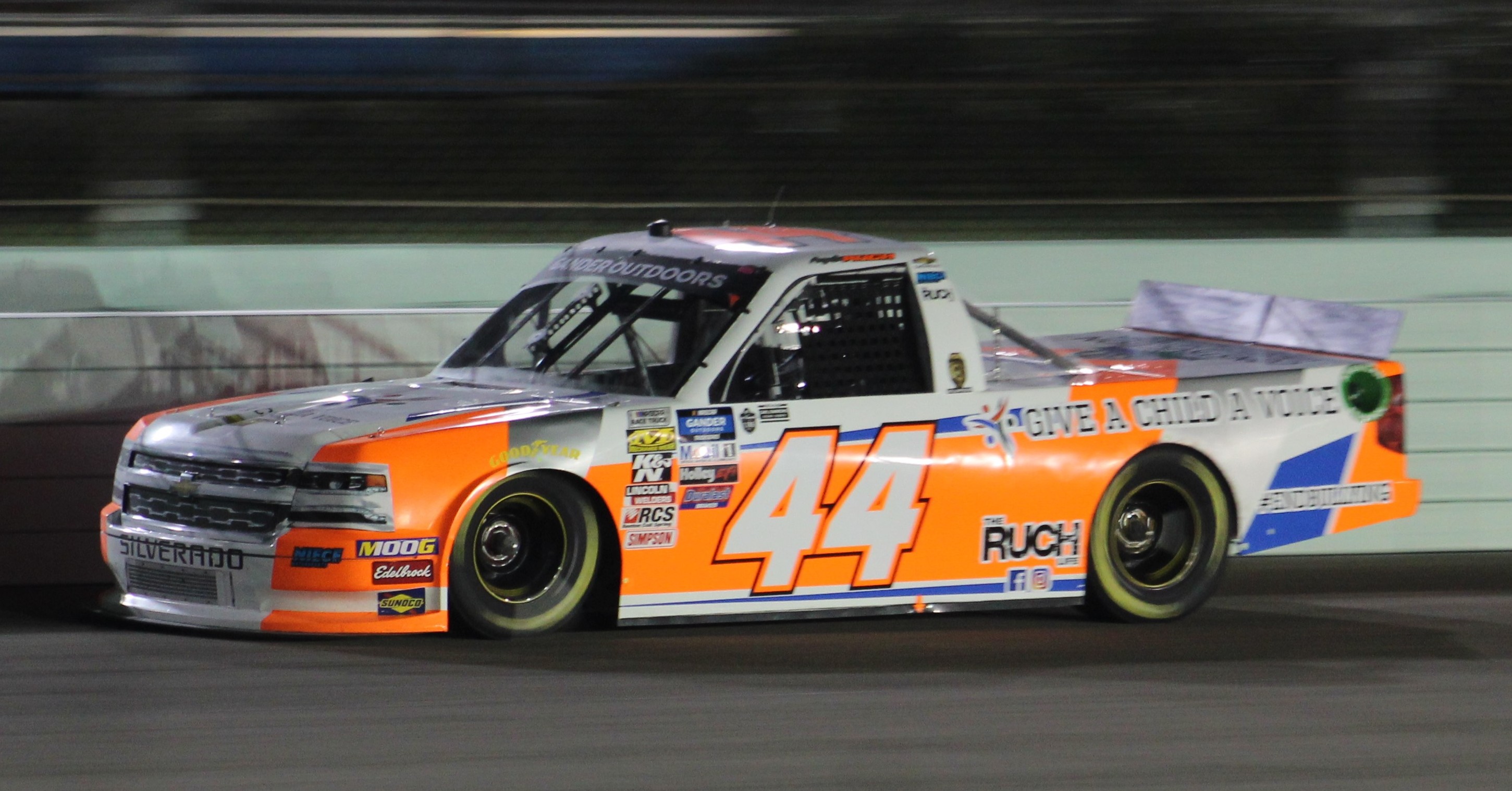
Chevrolet Silverado
"he's got a story where they had a red flag customer come in and a transmission problem, and this guy's Silverado."
The Chevrolet Silverado is a popular full-size pickup truck. In this story, it’s the truck that had a transmission problem and became the example of how shops handle difficult customers.
The Chevrolet Silverado is a full-size pickup known for being a common platform for both work and daily driving. Here it’s used as the example truck that arrives with a transmission issue and a customer who pressures the shop process.
service writer
"they're telling the service writer out front of the office like, "This guy's got a red flag. Like, we shouldn't really.""
A service writer is the person at the repair shop who talks to you, writes down what’s wrong, and helps manage the repair process. In the story, they’re the one getting told to be cautious.
A service writer is the shop’s customer-facing advisor who writes up the work order, gathers symptoms, and coordinates communication between the customer and technicians. The segment highlights how the service writer is warned about a “red flag” customer.
sub let
"Now, his shop doesn't rebuild transmissions. They have a local rebuilder that they sub let it to."
Subletting means the shop sends the job to another company that specializes in that work. In this story, the shop sends the transmission work to a local transmission rebuilder.
Subletting (sub-letting) is when a shop outsources a job to another specialist business instead of doing it in-house. Here, the shop doesn’t rebuild transmissions itself and sends the work to a local rebuilder.
R&R
"Oh, R&R and [2813.0s] everything?"
R&R is shorthand for taking a part out and putting it back in. It’s often used when describing the labor steps for a repair job.
R&R stands for “remove and reinstall” (or “remove and replace,” depending on context). It’s commonly used in repair estimates to describe the labor involved in taking a component out and putting it back (or swapping it).
camshaft
"Well, the guy had the truck a month and the camshaft goes flat."
A camshaft is a key engine part that times the opening of the engine’s valves. If it’s damaged, the engine can run badly or not at all.
The camshaft is the engine component that controls when the engine’s valves open and close. If a camshaft “goes flat,” it usually means the cam lobes are worn or damaged, which can cause poor engine operation and power loss.
head gaskets
"Brian gonna buy a camshaft, lifters, push rods, head gaskets."
The head gasket is a seal between the engine block and the cylinder head. If it fails, the engine can overheat or mix fluids, leading to serious problems.
A head gasket seals the engine’s cylinder head to the engine block, preventing coolant and combustion gases from mixing where they shouldn’t. If a head gasket fails, it can cause overheating, coolant loss, misfires, or oil contamination.
lifters
"Brian gonna buy a camshaft, lifters, push rods, head gaskets."
Lifters are parts that help move motion from the camshaft to the engine valves. If they wear out, the valve timing can get messed up.
Lifters (often called valve lifters or tappets) transfer motion from the camshaft to the valve train. When lifters wear or fail, they can contribute to valve timing issues and abnormal wear on the camshaft.
push rods
"Brian gonna buy a camshaft, lifters, push rods, head gaskets."
Push rods are parts that help the camshaft’s motion reach the engine valves. If they’re worn, the valves may not open correctly.
Push rods are components in many valve-train designs that carry motion from the lifters to the rocker arms or directly to the valves. If they’re worn or damaged, they can affect valve operation and contribute to drivability problems.
aftermarket pads
"So if I can't buy rotors and calipers aftermarket, why am I gonna put aftermarket pads on it?"
Aftermarket pads are brake pads made by third-party companies. They can be cheaper, but quality and lifespan can vary by brand.
Aftermarket pads are brake pads made by companies other than the vehicle’s original manufacturer. Shops may prefer them for cost or availability, but they can vary in compound, noise characteristics, and wear rate compared with OEM parts.
rotors and calipers
"So if I can't buy rotors and calipers aftermarket, why am I gonna put aftermarket pads on it?"
Rotors are the spinning brake discs, and calipers squeeze the brake pads onto them. If either part is wrong or worn, braking can feel off or wear out faster.
Rotors are the brake discs the pads clamp onto, and calipers are the hydraulic/mechanical housings that squeeze the pads against the rotors. Together, they determine braking feel, heat handling, and how evenly the brakes wear.
dealer pads
"So I quoted him dealer pads, and that guy started screaming and hollering..."
“Dealer pads” are brake pads sold through the car brand’s dealership. They’re usually the same type of parts the car was designed to use.
“Dealer pads” refers to brake pads supplied through the vehicle manufacturer’s dealer network, typically using OEM (original equipment manufacturer) parts. Enthusiasts and shops may contrast these with aftermarket pads based on fit, material quality, and expected lifespan.
symptom vs result
"All they know is the symptom... The symptom is, "Hey, I've got this noise." The result is, "Hey, the noise is no longer there.""
A symptom is what you notice, like a noise. The result is what happens after the repair—like the noise disappearing. Good diagnostics figure out what’s causing the symptom, not just react to it.
In diagnostics, a “symptom” is what the customer notices (like a noise), while the “result” is the outcome after the repair (like the noise going away). A professional shop focuses on identifying the cause behind the symptom, not just chasing the customer’s description.
oxygen sensor
"And then when a customer, like you said, when a customer comes in and says, "Oh, I just want an oxygen sensor put in." Okay. [3032.0s] Mm-hmm. [3032.0s] But it's not gonna fix it, so then what?"
An oxygen sensor is a small sensor that tells the car how much oxygen is in the exhaust. The car uses that info to run the engine correctly. If the real problem isn’t the sensor, just replacing it won’t make the car truly fixed.
An oxygen sensor (often called an O2 sensor) measures how much oxygen is in the exhaust. The engine computer uses that data to adjust the air-fuel mixture for efficient operation and lower emissions. If the sensor is faulty, replacing it can help—but it won’t fix unrelated problems that are causing the underlying symptoms.
fluid for service
"[3195.0s] You can go, "Oh, it's a whatever. It's gonna need a tranny." And that fluid for service, not gonna fix it."
“Fluid for service” means replacing certain fluids during maintenance. It can help parts work better, but if something is broken or damaged, a fluid change won’t make it go away.
“Fluid for service” refers to scheduled fluid maintenance (like changing transmission fluid or other service fluids) meant to keep components operating correctly. The point here is that fluid changes won’t fix every problem—especially if there’s physical damage or a deeper mechanical failure.
tranny
"[3195.0s] You can go, "Oh, it's a whatever. It's gonna need a tranny." And that fluid for service, not gonna fix it."
“Tranny” is slang for the transmission, which is the part that helps the engine’s power get to the wheels. People sometimes blame the transmission when they’re not sure what’s wrong.
“Tranny” is a slang term for a vehicle’s transmission. In a repair context, it’s often used when someone suspects an expensive driveline issue, even if the real problem is something else.
zip tie
"[3261.0s] customer relations. You know? I, I say that to my techs a lot. Um, sometimes I'm like, "You're underneath this car," and, and you see, like, let's say there's a little plastic that's flopping around. [3271.0s] All it takes is one zip tie to put it on. That's"
A “zip tie” is a simple plastic strap that tightens to hold something in place. Here, it’s used to stop a loose plastic piece from flapping and making noise.
A “zip tie” is a plastic fastener used to secure loose parts. In this context, the shop uses one to reattach a small plastic component so it can’t rattle or create a noise while driving.
underbody shields
"[3299.0s] Or- [3300.0s] Yeah ... [3301.0s] the underbody shields are all smashed up and, and- Yeah ... I just had it on the weekend."
“Underbody shields” are plastic or metal panels on the bottom of the car. If they’re loose or broken, they can make noises and sometimes cause problems while driving.
“Underbody shields” are protective panels mounted underneath the car, often to reduce airflow noise and protect components from debris. If they’re loose or damaged, they can rattle or even contribute to other issues if they interfere with nearby parts.
road test
"[3311.0s] ...so I go on a road test and I start to drive it, and driving around town, no, no smell driving around. I get it on the highway and I run up the first, to the first exit and I start to turn around, it starts to make that smell."
A “road test” is when the mechanic drives the car to see what’s happening while you’re actually driving. It helps them catch problems that only show up on the road.
A “road test” is when a technician drives the vehicle under real driving conditions to reproduce symptoms and confirm the diagnosis. It’s especially useful for intermittent issues that don’t show up in the shop.
inner fender
"[3330.0s] Then it makes a noise at the same time. She had hit the bumper in such a way that the inner fender had, was sometimes touching the tire And that was the smell."
An “inner fender” is the inner wheel-arch panel that sits near the tire and helps protect the wheel area. If it’s bent or detached, it can contact the tire, creating a smell (from friction/heat) and a noise.
bent rim
"Like they could've hit 10 curbs by that point. Yeah, Right ... Like they ran over some speed bumps and hit some curbs and now you've got a bent rim"
A bent rim means the wheel got knocked out of shape, often from curb hits or rough impacts. It can lead to shaking and faster tire wear.
A bent rim is a wheel that has been deformed, usually from hitting curbs, potholes, or other road impacts. It can cause vibration, tire wear, and alignment issues, and it’s used here as an example of damage that could occur while the car is waiting for parts.
brake noise
"last week it wasn't here for a brake noise, but now I'm feeling, I'm hearing a brake squealer"
Brake noise just means the brakes are making a sound. The host is saying that the sound can show up later, so the shop should re-check before starting work.
Brake noise is any sound coming from the braking system—squeal, squeak, grinding, or rubbing. In this segment it’s part of the “symptom changed between inspections” argument.
recharged their AC
"We had an older gentleman come in. We had just done, recharged their AC, and two weeks later they came back and it was empty."
Recharging the AC means refilling the refrigerant so the air conditioner can blow cold. If it’s empty again two weeks later, there’s likely a leak that needs fixing.
Recharging AC means adding refrigerant to the air-conditioning system so it can cool again. If the system is empty shortly after a recharge, it often points to a leak or another issue rather than a “normal” loss of refrigerant.
rear-ended
"she's like, "Yeah, he, uh, rear-ended somebody with it.""
Rear-ended means someone hit the car from behind. Even if the impact is from the back, it can still cause damage that shows up elsewhere, and the shop needs that info to diagnose correctly.
Rear-ended means the vehicle was struck from behind, which can damage front-end components depending on how the car moved during the impact. Here it’s important because the shop sees evidence on the front and realizes the customer didn’t disclose the accident.
condenser replacement
"Maybe we would just look at it and go, "Oh, we don't have to go through the whole diag process of finding a leak. Like, like, we're gonna treat this as an, as a condenser replacement 'cause it obviously needs to be replaced. It's damaged, it's folded, and whatever," right?"
The condenser is part of your car’s air-conditioning system that helps get heat out of the cabin. If it’s damaged, the shop replaces it so the A/C can work normally again.
In an A/C system, the condenser is the heat-exchanger that dumps heat outside the car. A “condenser replacement” means the shop removes the damaged condenser and installs a new one so the A/C can cool properly again.
diag process
"Maybe we would just look at it and go, "Oh, we don't have to go through the whole diag process of finding a leak. Like, like, we're gonna treat this as an, as a condenser replacement 'cause it obviously needs to be replaced."
“Diag process” just means the shop’s troubleshooting steps to figure out what’s wrong. They’re debating whether to do the full troubleshooting or just replace the damaged part since it’s clearly broken.
“Diag process” is short for diagnostic procedure: the step-by-step checks a shop performs to identify what’s causing a problem. In this context, they’re discussing whether the leak should be confirmed with diagnostics or assumed based on visible damage.
decline this work
"Just sign your name here, sir- Mm ... and let me know that you chose to decline this. This is where DVIs are so amazing. Yeah. You can say, "Nope, they declined this work.""
It means the customer says “no” to a recommended repair after seeing what the shop found. The key point is that the refusal should be documented.
“Decline this work” refers to the customer refusing a specific recommended repair after reviewing the shop’s findings and estimate. The speaker emphasizes documenting that decision so the shop isn’t blamed for work the customer chose not to authorize.
TechMetric
"And this is also where TechMetric has been amazing 'cause I can- Yes ... send the estimate, and it shows they have to sign the, the- once they decline or approve the work."
TechMetric is a software tool some auto repair shops use to write estimates and get customer approval. The speaker likes that it clearly shows what the customer agreed to.
TechMetric is a shop-management software platform used by auto repair businesses to streamline estimates, approvals, and customer communication. In this segment, the speaker highlights how it helps track when customers decline or approve work.
HST
"But if you don't pay attention to those numbers at the bottom of the screen match your invoice, you- [3752.0s] you're paying way more HST at the end of the quarter, whatever y- or year that you need to."
HST is a Canadian sales tax. If your shop invoices don’t handle it correctly, you can end up owing more tax at the end of the year than you expected.
HST (Harmonized Sales Tax) is a Canadian value-added tax that combines provincial and federal sales taxes. In an auto shop context, it affects how much tax you collect and remit on invoices, so missing or misapplied HST can change your year-end bill.
invoice
"But even when they- And [3737.0s] the bookkeeper just writes it zero ... but even when they put the taxes in, like you can just mark receive, and then you just assume that it's in there. But if you don't pay attention to those numbers at the bottom of the screen match your invoice, you-"
An invoice is the document a shop sends to a customer that lists services/parts and the amounts due, including tax. The hosts emphasize that the tax totals shown in the software must match the invoice numbers to avoid under- or over-collecting HST.
general ledger
"Yeah. "
A general ledger is the main accounting log where all the shop’s transactions get recorded. The point here is that it may not be checked invoice-by-invoice for tax details.
A general ledger is the master accounting record where transactions are posted and categorized. The shop is describing that the bookkeeper checks the general ledger, but may not review every invoice line to confirm taxes were applied correctly.
Request an Explanation
Heard something you'd like explained? We'll add it to this episode.
Sign in to request explanations for terms you heard.
Want to learn more?
Browse our glossary for plain-English explanations of automotive terms, jargon, and concepts.
Help improve this episode
See something that's not quite right? Our annotations are AI-generated and can sometimes miss the mark. Click the flag icon on any annotation to suggest a correction.