
Dealers CAN'T Sell Cars RIGHT NOW | Episode 1066
About this episode
The conversation centers on why Stellantis dealers are struggling to move inventory, especially slow-selling Chargers and EVs, and how incentives, MSRP cuts, and lease deals are being used to clear lots. A dealer guest explains that some vehicles have sat for over a year, while the hosts contrast corporate profitability with dealer-level reality. The discussion widens to Jeep pricing strategy, regional demand, hybrid momentum, and how inventory management and dealer feedback are shaping the response.
Chrysler Dodge Jeep and Ram
"Now, Jared, the brand that we're going to talk about today, one of your stores is a Chrysler Dodge Jeep and Ram store."
That phrase is basically the dealership’s brand lineup. They sell cars from several different nameplates, not just one.
“Chrysler Dodge Jeep and Ram” refers to the Stellantis portfolio of brands sold through a single dealership group. In this context, the guest’s store sells multiple marques, so sales performance can vary by brand and model.

Dodge Ram
"... in the first quarter on strong sales of Jeep and Ram models. Now, before today's show, I asked you to ..."
The Dodge Ram is a pickup truck line built for hauling and towing. When the show talks about strong sales, it usually means more people are buying these trucks right now.
The Dodge Ram (Ram pickup trucks) is a full-size pickup line known for towing and work-oriented capability. The podcast context mentions strong sales of Ram models, which is typically tied to demand, pricing, and inventory conditions. That’s why it’s included in a broader discussion of the market performance for major truck and SUV lines.

Charger Daytona
"Yeah, so the Charger Daytona, this was kind of the first EV that Stellantis brought to market. And coming out of the gates, we had some traction with it and did fairly well with them."
The Charger Daytona is an electric Dodge Charger. The hosts are talking about how dealers couldn’t move them until the company added bigger incentives.
The Dodge Charger Daytona is an EV version of the Charger nameplate from Stellantis. In this segment, it’s used as an example of a specific EV that dealers struggled to sell until incentives were increased.
Stellantis
"Yeah, so the Charger Daytona, this was kind of the first EV that Stellantis brought to market. And coming out of the gates, we had some traction with it and did fairly well with them."
Stellantis is the company that makes cars like the Dodge Charger. In this story, they’re the ones running the incentive push that helps dealers sell the cars.
Stellantis is the automaker behind brands like Dodge and Chrysler. Here, it’s referenced as the company that brought the Charger Daytona EV to market and later increased incentives via a dealer program.
EV
"And coming out of the gates, we had some traction with it and did fairly well with them. I mean, throughout the year, we probably sold 15 or 20 of them, more in Oklahoma. So EV is not a huge thing here in Oklahoma."
EV means electric vehicle. It’s a car that runs on electricity from a battery, and the segment is explaining why EVs weren’t selling as fast in that area.
EV stands for electric vehicle, meaning the car is powered primarily by an electric motor and a battery rather than a gasoline engine. The hosts note that EV demand and leasing acceptance vary by region, affecting how quickly dealers can sell EV inventory.
leasing
"So EV is not a huge thing here in Oklahoma. And leasing is also not very widely accepted here. So where a lot of the incentives stacked on these cars for the majority of the year was in the lease space..."
Leasing is when you pay to drive a car for a period of time and then give it back. The hosts are saying people in that area weren’t very interested in leasing, so the lease-focused deals didn’t help much.
Leasing is a financing structure where you pay to use a vehicle for a set period, typically with lower monthly payments than buying, and you return it at the end unless you buy it out. The hosts say leasing wasn’t widely accepted locally, so incentives aimed at leases didn’t translate into broad sales.
incentives
"So where a lot of the incentives stacked on these cars for the majority of the year was in the lease space, not a lot of actual cash rebate just to overall discount for the car."
Incentives are special discounts or money offers from the car maker to make the car cheaper. Here, they’re saying those deals were mostly aimed at leasing, not straightforward price cuts.
Incentives are manufacturer-backed discounts or financial offers (like lease support or dealer cash) designed to reduce the effective price and stimulate sales. The hosts explain that for much of the year, incentives were concentrated in lease deals rather than cash rebates, limiting their impact on overall sales.
final pay
"And on May 1st, they did what they call final pay. So they final paid the remaining Charger Daytonas, finally gave us a really significant stack of incentives to help us move these cars."
“Final pay” here means the last chunk of money the dealer incentive program pays out. The hosts say that once it happened, the dealer got bigger discounts and could finally sell the cars.
“Final pay” is a dealer-incentive timing event where the automaker pays out the remaining incentive money to dealers after certain conditions are met (often tied to sales or inventory targets). In this segment, it’s credited with unlocking a large incentive stack that finally moved the unsold Charger Daytonas.
out the door price
"Yeah, the email you sent me, Jared, is that the actual out the door price on this vehicle that we're looking at on the screen is $34,986."
Out-the-door price is the final total you pay for the car, including taxes and fees. The hosts are confirming the exact number the buyer would see as the final price.
Out-the-door price is the total amount you pay to take the car home, typically including the vehicle price plus taxes, registration, and dealer fees. The segment uses it to compare the advertised discount math to the final number shoppers care about.

Jeep Wagoneer
"...use there was lease deals on the Daytonas, on the Wagoneer Ss. We sold our last Wagoneer Ss over the weekend..."
The Jeep Wagoneer is a large SUV that’s meant to feel more upscale and comfortable. If the show mentions lease deals and selling the last ones, it usually means that specific version is ending or being replaced.
The Jeep Wagoneer is a larger, more premium full-size SUV positioned for comfort and higher-end features. The podcast context mentions lease deals and selling the last Wagoneer Ss, which suggests a trim or variant is being cleared out. That’s why it’s brought up in a discussion about current offers and inventory changes.
Wagoneer S
"You mentioned you sold your final Wagoneer S, which was another example of an electric powertrain, bit of a high price point for a brand that had previously been more of a detainable price point."
The Wagoneer S is an electric Jeep model. The hosts mention it to show that if an EV costs more than what many shoppers are used to—and if incentives go away—sales can get harder.
The Wagoneer S is a Jeep-branded electric vehicle (EV) model. In this segment, it’s used as an example of how an EV with a higher price point can struggle to sell when incentives change and when buyers are sensitive to monthly cost and driving needs.
electric powertrain
"You mentioned you sold your final Wagoneer S, which was another example of an electric powertrain, bit of a high price point for a brand that had previously been more of a detainable price point."
An electric powertrain is the system that makes an EV move using an electric motor and a battery. Here, it’s mentioned to explain why EVs can be especially sensitive to incentives and pricing.
An electric powertrain is the vehicle’s propulsion system powered by electricity, typically using one or more electric motors and a high-voltage battery. In the segment, it’s referenced to connect EV pricing and incentives to how well certain new models sell.
oversupply
"So like new models, and then also obviously oversupply. Like there's just in certain regions of the United States, particularly where you are in Tulsa, yeah, there were great lease incentives, but people don't lease to your point."
Oversupply means there are too many cars sitting around compared to how many people want to buy them. When that happens, sellers often have to offer bigger discounts or deals to get cars off the lot.
Oversupply means there are more vehicles available than buyers want at current prices and terms. When oversupply happens, dealers may struggle to sell inventory, and manufacturers may need to increase incentives to move cars.
tax incentive
"Well, and obviously in the macro view of it, sorry to interrupt, but the stance of the federal government moving away from the tax incentive, that was a huge kind of hit to all the EVs that were currently on the ground."
A tax incentive is a government benefit that makes buying something cheaper at tax time. The hosts’ point is that when that benefit goes away, fewer people want to buy EVs.
A tax incentive is a government policy that reduces a buyer’s tax cost for certain purchases—here, EVs. The segment argues that moving away from the tax incentive can quickly reduce demand for EVs that were already on the market.
EVs
"Well, and obviously in the macro view of it, sorry to interrupt, but the stance of the federal government moving away from the tax incentive, that was a huge kind of hit to all the EVs that were currently on the ground."
EVs are electric cars that run on a battery instead of gasoline. The hosts connect EV sales to changes in incentives.
EVs are electric vehicles powered primarily by electricity stored in a battery. In this segment, EV demand is discussed in relation to federal tax incentives and dealer incentives.
dealer profitability vs manufacturer profitability
"Has that same profitability been seen on the dealer level as well? Because just because a manufacturer suddenly becomes profitable doesn't mean their dealer body has. Ray, I'd say not yet."
They’re talking about whether a car company making money automatically means car dealerships are also making money. The answer in this segment is: not yet.
The segment focuses on the gap between a manufacturer’s corporate profits and what dealers actually experience on the ground. It’s about whether improved manufacturer financials translate into healthier dealer sales volumes and profitability.
used car market
"You know, our store, we've got a wonderful service department and we do pretty well on the used car market. So we have fared okay."
The used car market is where people buy and sell cars that have already been owned. The dealer is saying they’re doing okay selling those, even if new cars are slower.
The used car market is the resale ecosystem for pre-owned vehicles, including pricing, demand, and inventory availability. The dealer in the segment says their store does well there, even while new-car volume is down.
new car volume
"Our new car volume is still down, but we've also been really taxful with our orders. So we've been focused on our day supply and what we're carrying..."
New car volume just means how many brand-new cars the dealership sells. They’re saying their new-car sales are lower than they used to be.
New car volume refers to how many new vehicles a dealer sells over a period of time. In the segment, the dealer says their new-car sales are still down compared with pre-pandemic levels.
day supply
"So we've been focused on our day supply and what we're carrying and almost like laser targeting, trying to get down to a specific target."
Day supply is an inventory metric that estimates how many days of sales the current stock will last at the current selling pace. The dealer says they’re focused on day supply—essentially managing inventory levels to avoid being over- or under-stocked.
Ram brand
"The Ram brand's doing great. Um, so it's starting to turn."
Ram is a truck brand. Here, they’re talking about how well Ram is doing and how that affects marketing and dealer business.
Ram is a Chrysler/Fiat Chrysler Automobiles (now under Stellantis) truck brand known for pickups and related commercial vehicles. In this segment, the host uses “Ram brand” to talk about brand-level sales momentum and marketing spend.
MSRP
"And we started comparing, you know, MSRPs to, to key models and specifically the Grand Cherokee. And unfortunately they were looking at transaction prices, which included, you know, incentives and dealer discounts and not at the MSRP level."
MSRP is the price number on the window sticker. The host is saying buyers often judge the deal based on that sticker price, not the final price after discounts.
MSRP (Manufacturer’s Suggested Retail Price) is the sticker price a carmaker sets before incentives and dealer discounts. The host contrasts MSRP with “transaction prices” that include incentives, arguing that shoppers decide whether to keep shopping based on MSRP.
transaction prices
"And unfortunately they were looking at transaction prices, which included, you know, incentives and dealer discounts and not at the MSRP level."
Transaction price is the actual negotiated sale price the buyer pays, after incentives and dealer discounts. The host’s point is that using transaction price data can hide the fact that MSRP looked too high to many shoppers early in the research process.
fall out of the funnel
"they may be comparing a Grand Cherokee to something else in the same segment. And they fall out of the funnel for Jeep at the MSRP level because the MSRPs were too high."
“Fall out of the funnel” means people stop considering the car partway through shopping. The host is saying high sticker prices can make buyers give up early.
“Fall out of the funnel” is marketing-speak for losing potential buyers during the shopping process. Here, the host argues that when MSRP is too high, shoppers stop considering Jeep at the start, even if they later could have gotten large discounts.

Jeep Wrangler
"but as they went into 2026, we saw massive MSRP reductions in Wrangler, Gladiator,"
The Jeep Wrangler is a popular SUV known for off-roading. The host is saying its sticker price dropped a lot going into 2026 to attract more buyers.
The Jeep Wrangler is a highly recognizable off-road-focused SUV, often used as a benchmark for pricing changes because it has a large, brand-loyal customer base. The host says that going into 2026, Wrangler saw “massive MSRP reductions,” implying Stellantis adjusted pricing to keep buyers in the shopping process.

Jeep Grand Cherokee
"the Grand Cherokee kind of got repackaged and recontented. Grand Wagoneer got repackaged and recontented."
The Jeep Grand Cherokee is a popular Jeep SUV. Here, they’re talking about changing what features come standard and lowering the price so more people will want to buy it.
The Jeep Grand Cherokee is a midsize SUV from Jeep, known for offering a mix of everyday usability and off-road capability. In this segment, it’s discussed as being “repackaged and recontented,” meaning Jeep is reshuffling what comes standard and adjusting pricing to better match demand.

Jeep Grand Wagoneer
"Grand Wagoneer got repackaged and recontented. So they, they were, were bringing more standard content down and trying to get MSRPs back down to where they need to be"
The Jeep Grand Wagoneer is Jeep’s bigger, more upscale SUV. They’re saying Jeep is adjusting the package of features and pricing to make it more competitive.
The Jeep Grand Wagoneer is Jeep’s large, upscale SUV positioned closer to luxury competitors. The hosts mention it being “repackaged and recontented,” which typically means changing trim content (what features are included) and using that to help bring MSRPs down.
dealer lot inventory sitting
"we had it at over a year, it's been sitting on the Jim Glover lot."
This is about cars that don’t sell and stay on the dealership lot for a long time. When that happens, the dealer usually has to lower the price to move the car.
“Inventory sitting” refers to vehicles staying unsold on dealer lots for extended periods. When that happens, dealers often rely on price cuts and promotions to reduce the time cars sit and to free up space and cash.
Auntador price
"you said that the Auntador price is going to end up in $45,000, which is almost $35,000 off of a nearly $80,000 MSRP."
This sounds like a mis-transcribed word for the final sale price. They’re comparing the discounted price to the sticker price to show how big the markdown is.
“Auntador price” appears to be a transcription error for a pricing term the hosts use to describe the final discounted selling price. The context is clear that they’re comparing that discounted price to the car’s MSRP to show the size of the discount.
lease payments
"there was lease payments that were $400 a month, $450 a month. That's a really good deal for, for the, the customer that is open and willing to lease."
A lease payment is what you pay each month to drive the car for a few years. It’s not the same as buying—the lease is based on how much the car is expected to be worth later.
Lease payments are the monthly amount you pay to use a car for a set term, rather than paying the full purchase price. The monthly payment depends on factors like the car’s price, the lease term, and the residual value set by the leasing company.

Jeep Compass
"And, and Compass is close. You know, Compass is close. The, the most of our cars land around $31,000 because they buy that with dealer destination fee and we order latitude just because that's good content."
The Jeep Compass is a compact SUV. The host is saying it’s one of the more affordable models they can sell because the final price can be brought down with rebates and dealer/manufacturer support.
The Jeep Compass is a compact SUV, and the speaker uses it as an example of an “affordable” model that dealers can sell with strong pricing support. They mention ordering the Latitude trim for “content,” then using incentives to bring the effective price into a competitive range.
dealer destination fee
"The, the most of our cars land around $31,000 because they buy that with dealer destination fee and we order latitude..."
A destination fee is the cost of getting the car from the factory to the dealer. It can raise the price even if the car’s sticker price looks similar.
A dealer destination fee is a charge added to the vehicle price to cover shipping the car from the factory to the dealership. It’s commonly included in the advertised price and can affect the “out-the-door” cost even when base MSRP changes.
rebate
"if you're looking at another manufacturer that's got a $26,000, $27,000 car with no rebates, well, a lot of people have some negative equity..."
A rebate is money back from the car company that lowers what you pay. It’s one of the ways dealers can make a car seem cheaper than the sticker price.
A rebate is a manufacturer-funded discount that reduces the purchase price (or sometimes the effective financing cost). In the segment, rebates are used to make the Compass’s final price competitive versus other models without rebates.
negative equity
"well, a lot of people have some negative equity or they've got a trade that they need to get out of power from under..."
Negative equity means your current car is worth less than what you still owe on it. When you trade it in, that gap can carry over into the new deal.
Negative equity is when you owe more on your current vehicle than it’s worth at trade-in time. It can make it harder to get a good deal because the extra amount typically rolls into the new loan balance.
decontent it
"let's decontent it a little bit and give us a front-wheel drive instead of a four-wheel drive and get a sub 30,000 as a actual with dealer destination fee MSRP."
Decontenting means making a cheaper version by leaving off some features. It can help the car get built and priced lower.
“Decontenting” a vehicle means removing certain features or equipment to reduce cost and simplify production. Automakers often do this when supply constraints or pricing pressure make it hard to build the fully equipped version.
front-wheel drive
"let's decontent it a little bit and give us a front-wheel drive instead of a four-wheel drive and get a sub 30,000 as a actual with dealer destination fee MSRP."
Front-wheel drive means the front wheels do the work of both steering and moving the car. It can also make the car cheaper and simpler to build.
Front-wheel drive (FWD) means the engine sends power to the front wheels, which handle both steering and propulsion. It’s often used to keep packaging and cost down, and it can improve traction in certain low-speed conditions compared with rear-wheel drive.
four-wheel drive
"let's decontent it a little bit and give us a front-wheel drive instead of a four-wheel drive and get a sub 30,000 as a actual with dealer destination fee MSRP."
Four-wheel drive powers all four wheels, which can help when the road is slick or rough. Some systems only use all four wheels when conditions call for it.
Four-wheel drive (4WD) sends power to all four wheels, improving traction when roads are slippery or uneven. Many 4WD systems are designed to run mostly like two-wheel drive in normal conditions to save fuel, then engage the extra wheels when needed.

Jeep Renegade
"...er models that we lost since the pandemic, we had renegades, we had journeys, we had, we had Dodge Grand Cara..."
The Jeep Renegade is a small SUV from Jeep. It’s being mentioned because it’s one of the models that stopped being sold or became less available after the pandemic.
The Jeep Renegade is a compact SUV that was designed to bring Jeep styling and off-road capability to a smaller, more affordable package. The podcast context groups it with other models that were lost since the pandemic, which points to lineup changes and discontinuations. That’s why it comes up in a conversation about what’s disappeared from the market.

Dodge Grand
"...we had renegades, we had journeys, we had, we had Dodge Grand Caravans. And yes, they were longer in the tooth,..."
The Dodge Grand Caravan is a minivan, which is a vehicle made for carrying people and cargo comfortably. When someone says it’s “long in the tooth,” they mean it’s an older model that’s been on the market for a long time.
The Dodge Grand Caravan is a minivan built for family hauling, with a focus on space and practicality. The podcast describes it as “longer in the tooth,” which signals it’s an older-generation model that’s been around for a while. That kind of comment often appears when discussing how long-running models are being phased out or replaced.

Fiat 500
"... gone, the Dodge of Ender, Jeep Patriot, the Fiat 500 hatch. You know, you really are looking at that, ..."
The Fiat 500 is a small hatchback, designed to be easy to park and drive in tight city spaces. If it’s being mentioned as “gone,” it usually means it’s no longer being sold or offered in that market.
The Fiat 500 is a small hatchback known for its compact size and city-friendly design. In the podcast context, it’s mentioned alongside other models that have been discontinued or are no longer widely available. That makes it relevant to discussions about what’s leaving the market and what that means for shoppers.
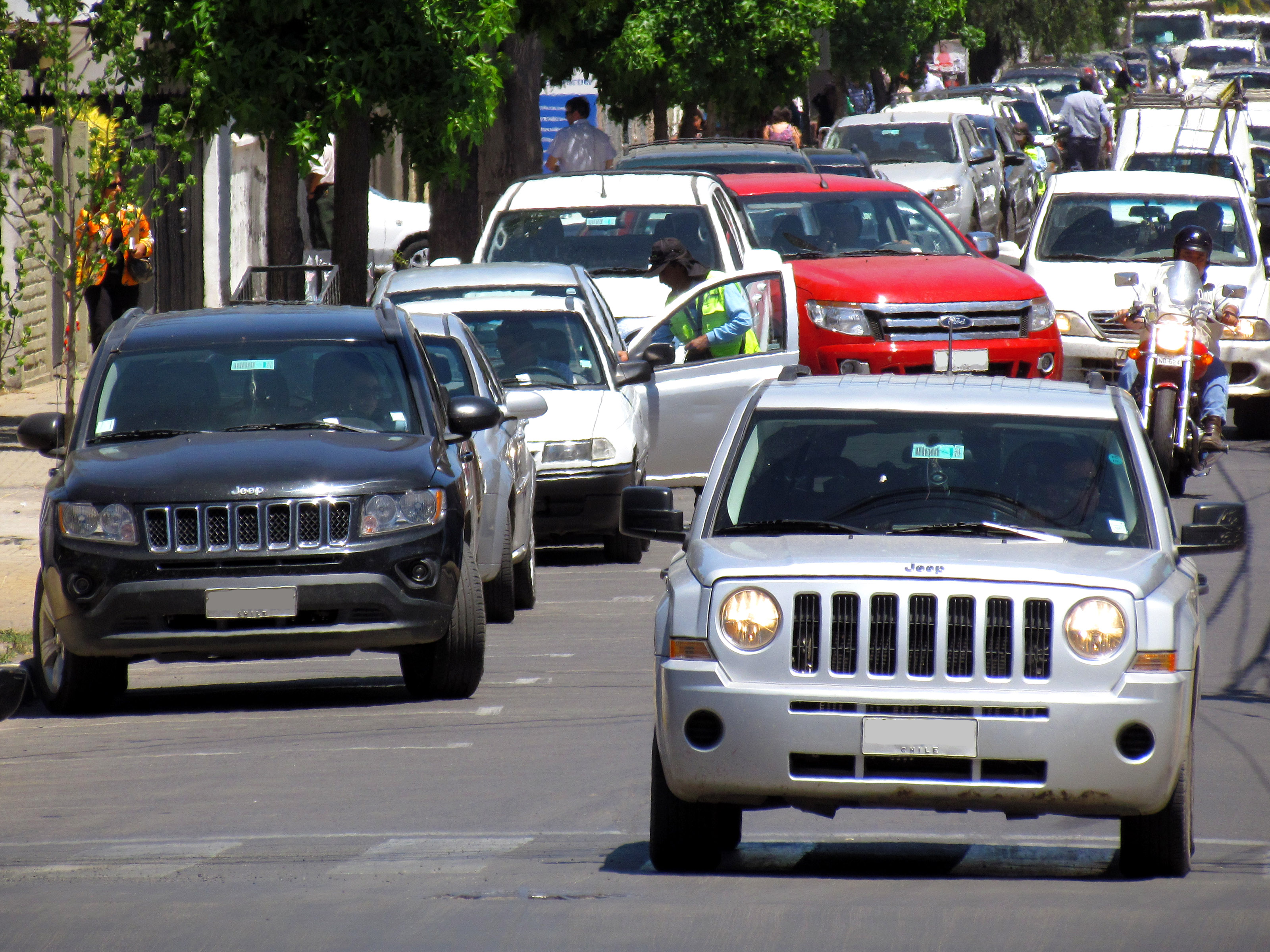
Patriot Jeep Patriot
"...one, the Chrysler 200's gone, the Dodge of Ender, Jeep Patriot, the Fiat 500 hatch. You know, you really are loo..."
The Patriot is a Jeep model that’s a compact SUV. The podcast is mentioning it because it’s one of the vehicles that’s no longer being sold like it used to.
The Patriot refers to the Jeep Patriot, a compact SUV that was built for mainstream buyers looking for Jeep branding and practical capability. In the podcast context, it’s grouped with other models that have been discontinued or are no longer part of the current lineup. That makes it relevant to conversations about what’s leaving the market and what shoppers should expect next.
addendums and markups
"If you're in the market right now for a brand new Toyota RAV4, and you can't find one for two to three months because there's no supply and dealers are charging addendums and markups..."
Markups mean the dealer charges more than the normal price. Addendums are extra dealer-added fees or items that can make the final bill bigger.
“Markups” are price increases above the advertised or expected selling price, often driven by demand and limited inventory. “Addendums” typically refer to extra dealer-added charges or items that raise the out-the-door cost.
120 days supply
"the Jeep Compass nationwide has a 120 days supply. I mean, you keep me honest here, Joe, but I think getting Jeep dealer yourself included..."
“Days supply” is a way to estimate how long the dealer inventory will last. If it’s higher, cars are less scarce, and discounts are more likely.
“Days supply” is an inventory metric that estimates how long current stock would last at the current sales pace. More days supply generally means less scarcity, which can make it easier to find deals.

Chevrolet Equinox
"...he Cherokee to go head to head with the Chevrolet Equinox. They positioned it to go head to head with the R..."
The Chevrolet Equinox is a compact SUV, meaning it’s sized between smaller cars and larger family SUVs. It’s often compared to other SUVs because buyers look at them as similar options.
The Chevrolet Equinox is a compact SUV aimed at mainstream buyers who want practicality, comfort, and good value. It’s mentioned in the context of being positioned against other popular SUVs, which is common when discussing market pricing and competition. That’s why it shows up alongside models like the Grand Cherokee and CR-V in the episode.

Honda CR-V
"I've considered trying to find a RAV4 and find a CRV myself to have here for, for not only myself to form an opinion, but for our staff to train with all three cars"
The Honda CR-V is a common compact SUV. They’re talking about comparing it to other SUVs to see how it stacks up in real-world driving.
The Honda CR-V is a compact SUV that’s typically valued for practicality and everyday drivability. Here it’s mentioned alongside other SUVs as part of a plan to compare quality and driving feel across multiple models.

Jeep Cherokee
"and see, okay, really where does the Cherokee stack up from quality and drivability and is a quieter, you know, so on and so forth"
The Jeep Cherokee is an SUV people compare to other popular models. They’re saying they want to drive and evaluate it so they can explain how it feels and how it compares.
The Jeep Cherokee is a midsize SUV that’s often compared on ride quality, refinement, and overall drivability. In this segment, it’s the benchmark model they want staff to evaluate against the RAV4 and CR-V for “quality and drivability.”
supply and demand
"because from a fundamental supply and demand right now, Jeep has dug themselves into a hole. I mean, we, the Stalantis brand has dug themselves into a hole"
Supply and demand describes how pricing and availability shift when inventory is scarce or abundant. The hosts argue that current availability and pricing changes create a different sales “game,” affecting perceived deals and how easily customers can test drive specific models.

Toyota RAV4
"He was talking about if you want to test drive a 2026 Toyota RAV4, you can't go to Hertz or something. See if they have one, you know, like you just can't."
The Toyota RAV4 is a popular compact SUV. They’re using it as an example of how hard it can be to get a specific car to drive right now.
The Toyota RAV4 is a compact SUV known for being widely available and easy to live with. In this segment, it’s used as an example of how buyers may struggle to find a specific model to test drive when inventory is tight or controlled by rental/availability channels.
allocation
"when we build the store, you get additional allocation and it's guaranteed allocation."
In dealership terms, allocation is how a manufacturer distributes limited vehicle production to specific dealers. When the speaker says the store building gives “additional allocation” and “guaranteed allocation,” they mean the dealer is promised a certain share of vehicles rather than having to compete for whatever shows up.
hybrid
"Like it is a hybrid, which is a good thing. You don't have to plug it in. You don't have to charge it. It's got a gas engine."
A hybrid uses a gas engine plus an electric system. In this case, it’s the kind you don’t have to plug in to charge.
A hybrid vehicle uses both an internal-combustion engine and an electric motor/battery to improve efficiency. The key point in this segment is that the speaker is describing a hybrid that doesn’t require plugging in—contrasting it with plug-in hybrids and EVs.

Hyundai Sonata Hybrid
"April sales, look at this. We had at Hyundai, April sales of the Hyundai Sonata Hybrid rose 171%. The Elantra Hybrid jumped 55%."
The Hyundai Sonata Hybrid is a regular sedan that uses a hybrid system to help it use less fuel. Here, they’re using it as an example of hybrids selling much better than before.
The Hyundai Sonata Hybrid is a midsize sedan that uses a hybrid powertrain to improve fuel economy versus a traditional gasoline-only setup. In this segment, it’s cited as an example of hybrid demand rising sharply in April.

Hyundai Elantra Hybrid
"We had at Hyundai, April sales of the Hyundai Sonata Hybrid rose 171%. The Elantra Hybrid jumped 55%. The Santa Fe Hybrid set an April retail record."
The Hyundai Elantra Hybrid is a compact car that uses a hybrid system to help it get better fuel economy. They mention it because hybrid models are gaining popularity.
The Hyundai Elantra Hybrid is a compact sedan offered with a hybrid drivetrain for better efficiency than a non-hybrid Elantra. The hosts mention it because hybrid sales growth is a key trend they’re arguing dealers and brands should lean into.

Hyundai Santa Fe Hybrid
"The Elantra Hybrid jumped 55%. The Santa Fe Hybrid set an April retail record. It was up 3%. Kia had their hybrid sales up 97%."
The Hyundai Santa Fe Hybrid is an SUV that uses a hybrid system to help it use less gas. They bring it up because it’s selling extremely well.
The Hyundai Santa Fe Hybrid is a hybrid version of Hyundai’s midsize SUV, designed to reduce fuel use while keeping SUV practicality. The segment uses its “retail record” as evidence that hybrid demand is rising across multiple Hyundai models.

Kia Sportage Hybrid
"Here every year for the month, the Sportage Hybrid was up 112%. Serento Hybrid up 34%. This is textbook data that demonstrates that."
The Kia Sportage Hybrid is a hybrid version of the Sportage SUV. They mention it because hybrid sales have been climbing a lot.
The Kia Sportage Hybrid is a hybrid compact SUV, and it’s being used here as a data point showing consistent month-over-month hybrid growth. The hosts frame it as part of a broader shift back toward hybrids.
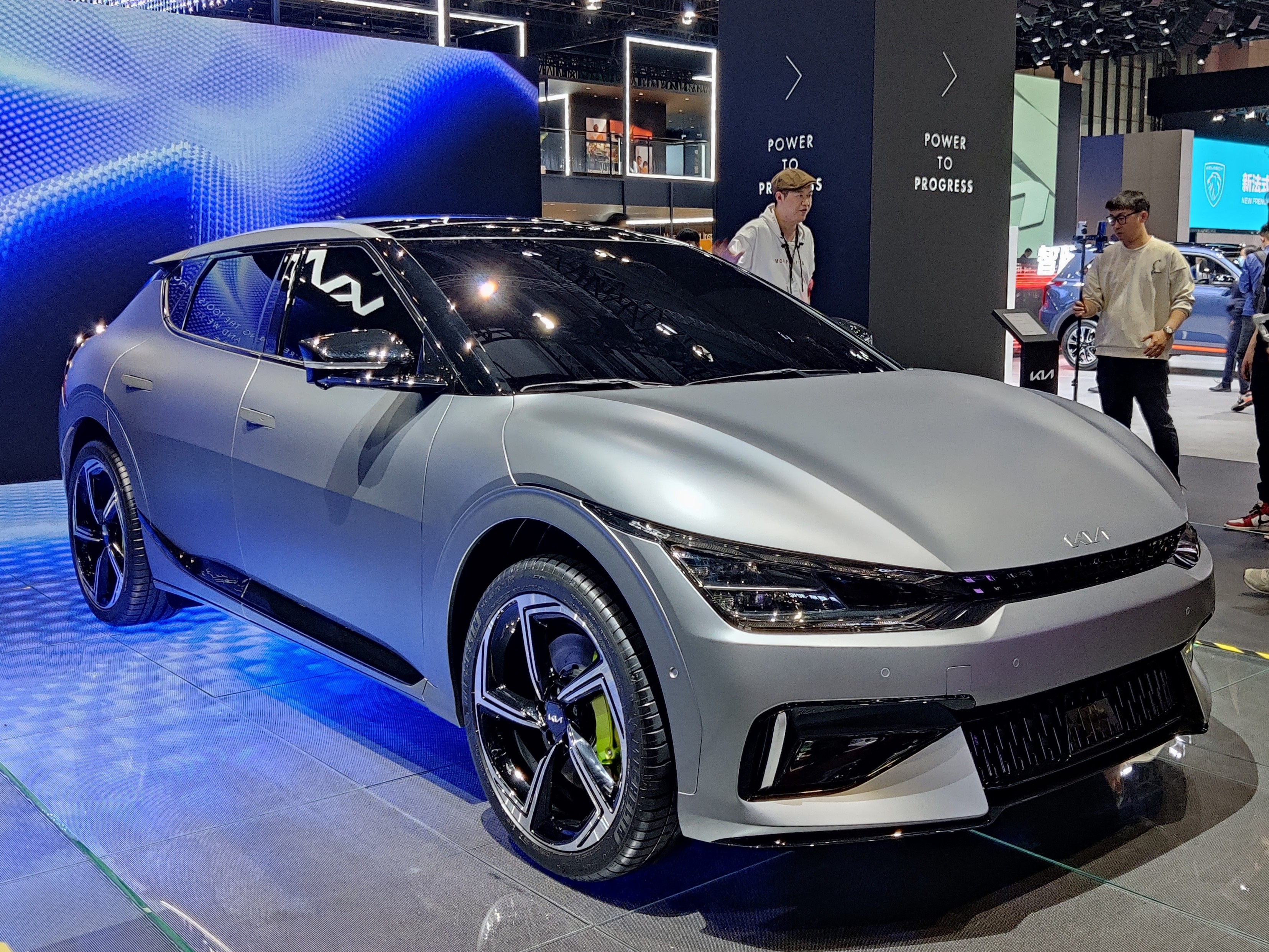
Kia EV6
"But here you go. Kia drops EV6 pricing for 2026 by as much as nearly $5,900. So a lot of automakers found themselves going way up on MSRP's..."
The Kia EV6 is Kia’s electric car. They’re saying Kia is lowering the price, because when EVs get more expensive (or incentives go away), fewer people buy them.
The Kia EV6 is an all-electric crossover, and the segment discusses Kia cutting EV6 pricing for 2026. The point is that higher sticker prices—especially when incentives/subsidies change—can reduce demand for EVs.
EV power trim
"So a lot of automakers found themselves going way up on MSRP's and then especially with the EV power trim and the government stopped subsidizing it, lost customers."
“EV power trim” refers to EV model variants where the trim level changes the powertrain configuration and/or battery/charging capability. In the segment, the hosts connect higher-priced EV trims—combined with reduced government subsidies—to lost EV customers and a shift toward hybrids.

Jeep Gladiator
"But it's a unique entrance, right? Gladiator is still a Jeep. It's a Jeep with a bed."
The Jeep Gladiator is a pickup truck that still has Jeep’s off-road identity. They’re saying it’s a special kind of truck because it’s basically a Jeep with a bed.
The Jeep Gladiator is a midsize pickup truck built on a Jeep platform, combining off-road-focused Jeep branding with a truck bed. The hosts discuss it as a “unique” entry into the truck segment and a potential fit for buyers who want Jeep capability in a pickup form.

Dodge Dakota
"But there's rumor and I think it's confirmed that the Dakota is coming back at some point. We haven't seen it yet. We don't know what price it's going to be or what powertrain it's going to have."
The Dodge Dakota is a pickup truck model name that people are saying might return. They’re saying it could compete with trucks like the Ranger and Tacoma, but nobody knows the exact details yet.
The Dodge Dakota is a nameplate for a midsize pickup that the hosts say is rumored to be coming back. They discuss it as a potential new competitor in the truck segment, but note they don’t yet know pricing or powertrain details.

GMC Canyon
"But the Dakota will definitely help us and then hopefully coming down the pipe is some form of entrant back into the $20,000 to $25,000 MSRP space. That'd be a huge win for Stellantis dealers if that happens."
The GMC Canyon is a midsize pickup truck. They mention it because it competes for the same kind of buyers as the Gladiator.
The GMC Canyon is a midsize pickup truck used here as a direct competitor in the same general segment as the Jeep Gladiator. The hosts also mention it alongside the Ford Ranger and Toyota Tacoma to frame who’s currently serving buyers in that price/usage space.
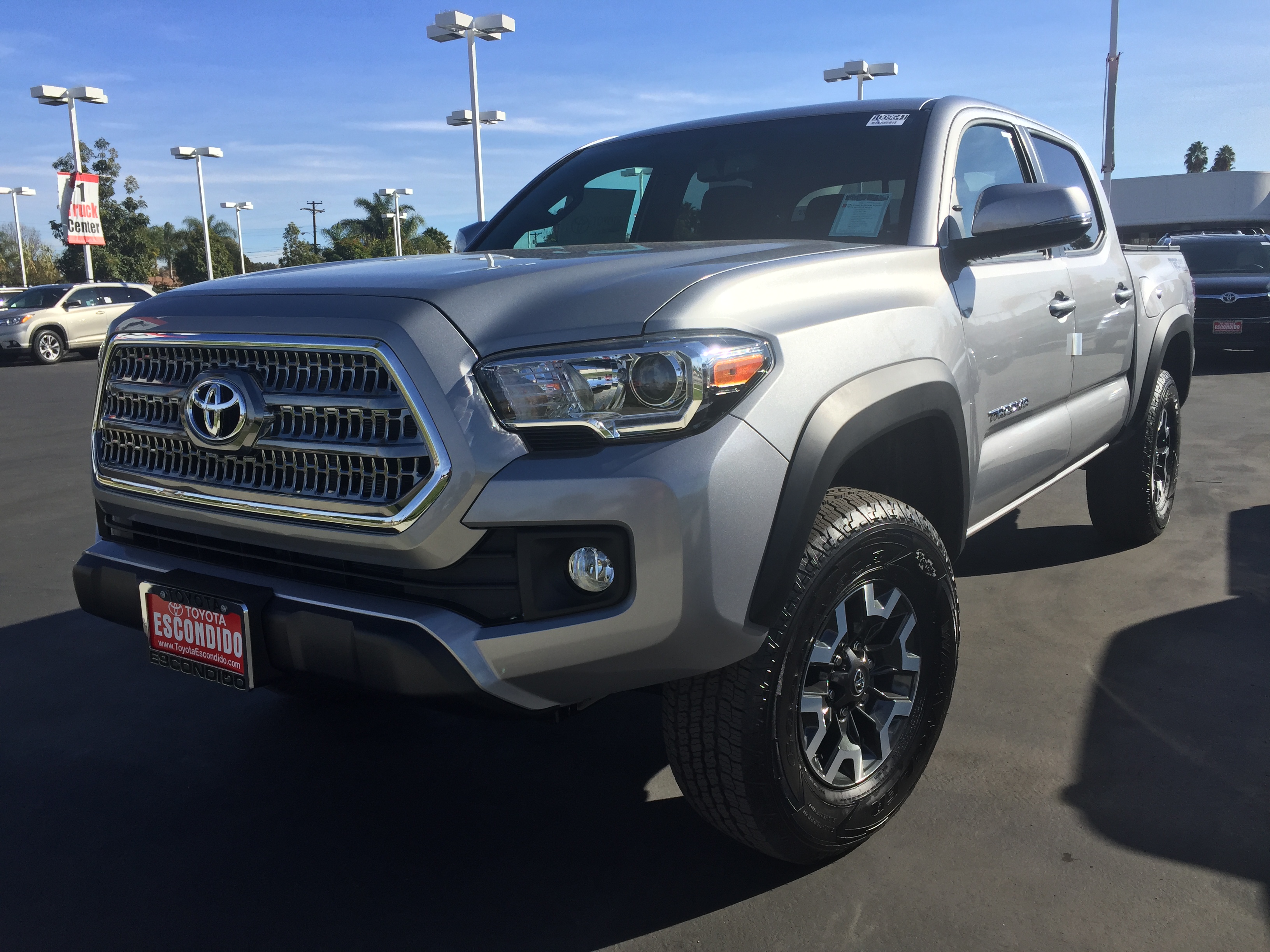
Toyota Tacoma
"But I think that's going to give us a play in that segment to go against the GMC Canyon in Colorado and the Ford Ranger and even the Tacoma. Tacoma probably aligns a little better with Gladiator because of just overlanding in the off-road space."
The Toyota Tacoma is a midsize pickup known for off-road use. They’re saying it’s a more direct match to the Gladiator because both appeal to people who drive off the beaten path.
The Toyota Tacoma is a midsize pickup truck and is mentioned as a closer match to the Jeep Gladiator because of off-road/overlanding use. The hosts imply that Tacoma’s reputation aligns with the Gladiator’s audience in the off-road space.

Ford Ranger
"We haven't seen it yet. We don't know what price it's going to be or what powertrain it's going to have. But I think that's going to give us a play in that segment to go against the GMC Canyon in Colorado and the Ford Ranger and even the Tacoma."
The Ford Ranger is a midsize pickup truck. They bring it up because it’s one of the trucks competing for the same customers.
The Ford Ranger is a midsize pickup truck referenced as a competitor to the Jeep Gladiator in the segment discussion. The hosts use it to illustrate which trucks are currently targeting similar buyers.
overlanding
"Tacoma probably aligns a little better with Gladiator because of just overlanding in the off-road space."
Overlanding means taking trips for days or weeks, often on rough or unpaved roads, and being prepared to camp and travel independently. They’re saying Tacoma and Gladiator buyers overlap because both fit that lifestyle.
Overlanding is long-distance, self-reliant travel—often off-road—using a vehicle equipped for camping and rough roads. In this segment, it’s used to explain why the Tacoma’s buyer base may overlap with the Gladiator’s off-road audience.
Dodge Charger
"What are we looking at? Dodge Charger. One of the slowest selling cars in the state of Oklahoma. Can't be surprised, y'all, when we're still looking at leftover 2025 Dodge Chargers, which again, are going to end up ultimately selling at almost half of their original MSRP."
The Dodge Charger is a popular Dodge model. Here, they’re saying the 2025 Chargers aren’t selling as fast as expected, so dealers are discounting them a lot to move inventory.
The Dodge Charger is a long-running American muscle/sport sedan that’s often used as a barometer for how quickly mainstream performance cars move. In this segment, the hosts point out that 2025 Dodge Chargers are lingering as “leftover” inventory and are being discounted heavily, which signals weaker demand in that region.
unsold cars
"But dad, you and I have been like with a megaphone, unsold cars, unsold cars. To get the validation today that I mean, we're going to see 40 plus percent off of MSRP to sell unsold cars."
Unsold cars are cars dealers still have on the lot because customers aren’t buying them. When that happens, dealers often lower prices or offer extra deals to get them sold.
“Unsold cars” refers to vehicles sitting in dealer inventory past the point where they should have moved. The hosts connect unsold inventory to pricing pressure—when lots of cars aren’t selling, dealers often need to cut prices or add incentives to clear them.
regionalized pricing trends
"I'm very proud of the tools we've built to try and surface trends regionally."
“Regionalized” trends means pricing and sales behavior can vary by location due to local demand, competition, and inventory levels. The hosts emphasize their tools surface these differences, rather than assuming one national market story applies everywhere.

Hyundai Ioniq 9
"Krishna. Thanks. Ioniq 9, Palisade Hybrid All Wheel Drive Limited. What is the better deal? At this time, I see both 200 plus days of inventory in Texas area... I don't think the Ioniq 9 is selling well at all because of its price point. So I'm thinking the Ioniq 9 is probably the one you're going to be able to get a bigger discount from the dealer on more incentives."
The Hyundai Ioniq 9 is a Hyundai model they’re discussing as a “deal” opportunity. They think it’s not moving fast, so dealers may be more willing to discount it compared with other Hyundais.
The Hyundai Ioniq 9 is positioned as a new, high-demand Hyundai model, and in this segment it’s treated as a pricing-and-inventory test case. The hosts argue it isn’t selling well because of its price point, implying shoppers may find larger discounts and incentives than on more popular Hyundai models.

Hyundai Palisade Hybrid All Wheel Drive Limited
"Krishna. Thanks. Ioniq 9, Palisade Hybrid All Wheel Drive Limited. What is the better deal?... Well, we know the new redesigned Palisade is selling well. We know it's popular. So we know that it's going to be harder to get your hands on a good deal on a Palisade hybrid than on an Ioniq 9."
They’re comparing the Palisade Hybrid Limited to the Ioniq 9. Their point is that the Palisade is selling well, so it’s usually harder to negotiate a big discount when a car is in demand.
The Hyundai Palisade Hybrid (All Wheel Drive) Limited is discussed as the opposite of the Ioniq 9 in terms of demand. The hosts say the redesigned Palisade is selling well and is popular, which typically means fewer discounting opportunities because inventory turns faster.
days of inventory
"At this time, I see both 200 plus days of inventory in Texas area. Any suggestions?"
“Days of inventory” is a sales-inventory metric that estimates how long it would take for current stock to sell at the current sales pace. Higher days of inventory generally suggests weaker demand and can correlate with bigger dealer discounts or incentives.

Hyundai Ioniq
"... Hyundai. Let's actually take a quick peek at the Hyundai Ioniq 9 because it is kind of jaw-dropping how expensiv..."
The Hyundai Ioniq 5 is an electric SUV, which means it runs on electricity instead of gasoline. It’s part of Hyundai’s electric vehicle lineup, so it can come up when people talk about pricing and value across the models.
The Hyundai Ioniq 5 is an all-electric compact crossover designed around modern battery-electric technology and a distinctive look. In the episode context, it’s brought up while discussing pricing and the Ioniq lineup, including attention on how expensive newer Ioniq models can be. That makes the Ioniq 5 relevant as a reference point for what buyers pay in this family.
A-rated dealer
"this is an A-rated dealer. Meaning, if I were to click through on this really quickly, they're one of the good guys. If I check here, what is it? The price they quote online is pretty much the exact..."
An “A-rated dealer” refers to a dealer score/rating system used by the platform being discussed, intended to identify dealers that quote more transparently and consistently. In this segment, the hosts say the quoted price online closely matches what you’ll get in person.
sticker shock
"And so to suggest that there would be some sticker shock associated with that would be an understate."
“Sticker shock” means seeing a price that feels way higher than you expected. They’re saying the big discounts are partly there to soften that reaction to the MSRP.
“Sticker shock” describes the emotional reaction people have when the listed price (often MSRP) feels unexpectedly high. Here, the hosts use it to explain why big advertised discounts exist: they help offset the high MSRP so shoppers don’t balk at the initial number.
destination charges
"It is one of the biggest secrets in the auto industry, and we have some new data from Consumer Reports that just blows your mind. $3,000 destination charges, y'all."
Destination charges are money added to pay to ship the car to the dealer. Even if you get a discount, these fees can still increase what you end up paying.
Destination charges are fees manufacturers add to cover shipping the vehicle to the dealer. The hosts mention “$3,000 destination charges,” implying these add-ons can materially affect the final price shoppers pay beyond the advertised discount.
Request an Explanation
Heard something you'd like explained? We'll add it to this episode.
Sign in to request explanations for terms you heard.
Want to learn more?
Browse our glossary for plain-English explanations of automotive terms, jargon, and concepts.
Help improve this episode
See something that's not quite right? Our annotations are AI-generated and can sometimes miss the mark. Click the flag icon on any annotation to suggest a correction.