David Peacock, a seasoned mechanic from Calgary, shares his journey through various automotive roles, emphasizing the importance of shop culture and technician respect. He discusses the challenges of finding a supportive workplace, the impact of the technician shortage, and the need for better training for service advisors. The conversation touches on the realities of mobile mechanics, the significance of understanding vehicle maintenance, and the evolving landscape of the automotive industry, particularly with electric vehicles. David's insights highlight the necessity for technicians to care about their work and the importance of investing in their skills.
Register NOW for Tekmetric's Tektonic Conference coming up HERE
In this episode, Jeff is joined by David Peacock, a mobile mechanic based in Calgary, Alberta. David talks about his life as a subcontractor, pointing out it's pros and it's cons. He's had plenty of run-ins with harsh Canadian winters and long commutes. They also bring up the current tech shortage and what needs to happen to see it improve.
Timestamps: 00:00 Fort McMurray: Canada's Boom Town
08:28 Leaving Toxic Work Environments
13:57 "Embracing Mobile Work Independence"
17:29 "Automotive Collaboration Challenges"
25:32 Fleet Operating Costs Insights
30:14 Truck Inspections and Frame Issues
35:05 Dealer Warranty Issues Persist
38:22 "Commission-Based Confusion in Charges"
46:06 "Vacation Saved, Gratitude Earned"
52:41 Oil Change Frustrations
57:27 Autel Remote Shop Experience
01:01:35 TPMS Tool Usage Tips
01:07:15 "Low-Maintenance Generational Drivers"
01:10:31 Miscommunication Leads to Customer Frustration
01:20:38 "Advisor Weakness in Auto Industry"
01:23:41 Understanding Oil Leak Perceptions
01:27:49 "Choosing Stability Over Ambition"
01:36:03 Experience Doesn't Guarantee Mastery
01:39:20 Start Small, Build Understanding
01:43:13 "Technician Time and Process"
Follow/Subscribe to the show on social media! TikTok - https://www.tiktok.com/@jeffcompton7 YouTube - https://www.youtube.com/@TheJadedMechanic Facebook - https://www.facebook.com/profile.php?id=100091347564232
Bull bars are metal bars attached to the front of trucks to protect them from hitting animals or obstacles. They also make the truck look tougher.
Bull bars are protective bars mounted on the front of a vehicle, typically used to protect against animal strikes and enhance off-road capability. They can also provide a rugged look to trucks and SUVs.
"...light bars, pretty much just decking trucks out..."
Light bars are bright lights attached to vehicles that help you see better at night or in dark places. They're often used on trucks for work or off-roading.
Light bars are mounted lights that provide additional illumination for vehicles, especially useful in off-road conditions or for work purposes. They enhance visibility during nighttime or in low-light situations.
"...we did everything from hot rods, muscle cars, imports to full systems, cat-backs. Never built manifolds or did any crazy tig welding..."
A cat-back exhaust system is a part of a car's exhaust that goes from the catalytic converter to the back. People upgrade it to make their car sound better and perform well.
A cat-back exhaust system refers to the portion of the exhaust system that runs from the catalytic converter to the rear of the vehicle. This type of system is often upgraded to improve performance and sound.
"...Never built manifolds or did any crazy tig welding,..."
TIG welding is a method of joining metal pieces together using a special tool that creates a very hot arc. It's great for making strong and precise welds, especially on thin metal.
TIG welding, or Tungsten Inert Gas welding, is a welding process that uses a non-consumable tungsten electrode to produce the weld. It is known for its precision and ability to weld thin materials.
"...a Ram 2500 or whatever, a 3,500. When you see it done, you're like,..."
The Ram 3500 is a bigger version of the Ram 2500, built for even heavier work, like pulling large trailers or carrying very heavy loads.
The Ram 3500 is a larger heavy-duty pickup truck compared to the Ram 2500, offering even greater towing capacity and payload capabilities, making it suitable for more demanding tasks.
"Winter is a lot of no starts, right? So I'm doing a lot of the work I do in compared to a shop."
A 'no start' means the car won't turn on. This can happen for several reasons, like a dead battery or problems with the parts that help start the engine. It's a common issue, especially in cold weather.
A 'no start' condition refers to a situation where a vehicle's engine fails to start, often due to issues with the battery, starter, or ignition system. This is a common problem, especially in winter when cold temperatures can affect battery performance.
"...a lot of no starts, a lot of batteries, a lot of starters, a lot of alternators, stuff like that."
The battery is what helps start the car and powers things like lights and radio when the engine is off. In cold weather, batteries can have trouble working properly, which can make it hard to start the car.
The battery is a crucial component in a vehicle that stores electrical energy to start the engine and power electrical systems when the engine is off. In winter, batteries can lose efficiency, leading to starting issues.
"...a lot of no starts, a lot of batteries, a lot of starters, a lot of alternators, stuff like that."
The starter is a part that helps the engine start running. If it breaks, the engine won't start, which can happen more often in winter when it's cold.
The starter is an electric motor that initiates the engine's operation by turning the flywheel, allowing the engine to start. Starters can fail due to wear, especially in cold weather when they have to work harder.
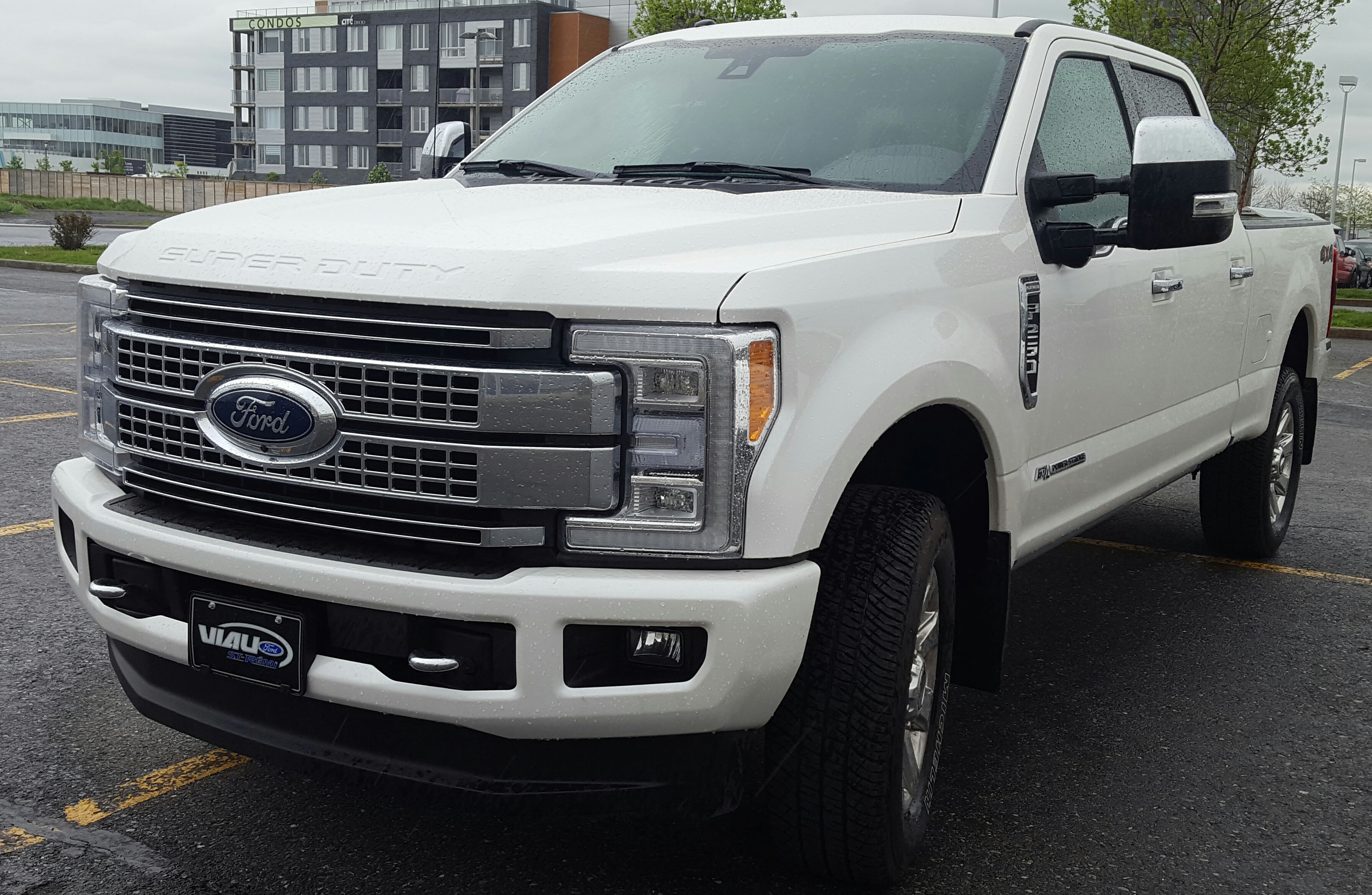
"...a lot of no starts, a lot of batteries, a lot of starters, a lot of alternators, stuff like that."
The alternator helps keep the battery charged while the car is running. If it stops working, the battery can die, which means the car won't start.
The alternator is responsible for charging the battery and powering the electrical system while the engine is running. If it fails, the battery may not charge properly, leading to starting issues.
"...a slew of F-250s and a slew of Dodge Caravans. That was that was it."
The Dodge Caravan is a family-friendly minivan that has a lot of space inside for passengers and cargo, making it great for trips.
The Dodge Caravan is a minivan known for its spacious interior and family-friendly features, making it a popular choice for transporting families and groups.
"...you guys differentiate like light duty and heavy duty. Right? 310S is automotive."
Heavy duty vehicles are built to carry heavy loads and do tough jobs. They are often used for work like towing trailers or carrying large amounts of cargo.
Heavy duty vehicles are designed to carry larger loads and handle more demanding tasks, often used in commercial applications like construction or towing. They have higher towing and payload capacities than light duty vehicles.
"...you guys differentiate like light duty and heavy duty. Right? 310S is automotive."
Light duty vehicles are those that are not built for heavy work. They are usually used for everyday driving and can carry lighter loads.
Light duty refers to vehicles designed for lighter loads and less demanding tasks, often used for personal or light commercial purposes. These vehicles typically have lower towing and payload capacities compared to heavy-duty vehicles.
The 310T is a type of truck made for carrying heavier loads and doing tougher jobs than regular cars.
The 310T is a designation used for truck vehicles, indicating a specific model or configuration that is built to handle heavier loads and more demanding tasks than light duty vehicles.
The 310S is a type of vehicle made for regular use, not heavy work. It’s designed for everyday driving.
The 310S is a designation used for certain automotive vehicles, indicating a specific model or configuration that is designed for lighter duties compared to its heavy-duty counterparts.
"...added another one that's 310 something which is like trailer, you know."
A trailer is something you attach to a vehicle to carry things. It doesn’t have its own engine and is pulled by a car or truck.
A trailer is a non-motorized vehicle that is towed by a motorized vehicle, used for transporting goods, equipment, or other vehicles. They come in various sizes and configurations depending on their intended use.
Frame jacking is when you lift a car by its frame instead of the body. It's important to do it correctly to avoid damaging the car or making it unsafe.
Frame jacking refers to the process of lifting a vehicle by its frame, which can be necessary for certain repairs or inspections. However, improper frame jacking can lead to safety issues or damage to the vehicle's structure.
"...I need to go to the dealership, had an FRM module..."
The FRM module is a part in some BMW cars that controls things like lights and windows. If it has problems, those features might not work properly.
The FRM (Footwell Module) is an electronic control unit in BMW vehicles that manages various functions such as lighting and window controls. Issues with the FRM can lead to malfunctions in these systems.
"like extended warranty, BMW, all that jazz. And she just really wanted to verify, are you okay with spending a thousand dollars?"
An extended warranty is like insurance for your car that helps pay for repairs after the original warranty ends. It can save you money if something goes wrong later on.
An extended warranty is a service contract that provides additional coverage for repairs and maintenance beyond the standard warranty period of a vehicle. It can help cover unexpected costs associated with vehicle repairs after the manufacturer's warranty expires.
"BMW, all that jazz. And she just really wanted to verify, are you okay with spending a thousand dollars?"
BMW is a well-known car brand from Germany that makes luxury cars and sports cars. They are famous for their quality and performance.
BMW is a German automotive brand known for producing luxury vehicles and high-performance sports cars. The brand is recognized for its engineering excellence and driving dynamics.
"...if I diagnosed the car and I needed an ignition coil"
An ignition coil helps start the engine by sending a strong electric spark to the spark plugs. Without it, the engine won't run properly or may not start at all.
An ignition coil is a crucial component in a vehicle's ignition system that transforms the battery's low voltage into the high voltage needed to create a spark in the spark plugs, igniting the air-fuel mixture in the engine's cylinders.
"... want to say it was like, it looked like it was a Mustang. The guy didn't even put the retaining ring back ..."
The Ford Mustang is a popular sports car that many people recognize because of its cool design and speed. It's been around for a long time and is loved for being fun to drive, which is why it often comes up in conversations about cars.
The Ford Mustang is an iconic American muscle car that has been in production since 1964. Known for its powerful performance and distinctive styling, the Mustang has become a symbol of freedom and rebellion in automotive culture, often discussed for its impact on the sports car market and its rich history.
"where they want the most low maintenance thing they can get. And they think that an EV is going to be that."
An EV is a car that runs on electricity instead of gasoline. They usually need less maintenance because they have fewer parts that can break down.
EV stands for Electric Vehicle, which is a type of vehicle that is powered entirely by electricity rather than a traditional internal combustion engine (ICE). EVs are often seen as low maintenance due to fewer moving parts compared to conventional vehicles.
"of barely being able to sell the value of what we're truly doing on a combustion engine vehicle and ICE."
ICE means Internal Combustion Engine, which is the kind of engine that most cars have. It uses fuel like gas to run, unlike electric cars that use batteries.
ICE stands for Internal Combustion Engine, which is the traditional engine type that uses fuel like gasoline or diesel to power vehicles. Understanding ICE is crucial as it contrasts with the newer electric vehicles (EVs) in terms of technology and maintenance.
"And when I ask you for a sway bar link, you order me a sway bar bushing. That is, in my opinion, just unacceptable."
A sway bar link is a part of the car's suspension that helps keep the car stable when turning. It connects the sway bar to other parts of the suspension.
A sway bar link is a component of a vehicle's suspension system that connects the sway bar to the suspension. It helps reduce body roll during cornering, improving handling and stability.
"Like they leak around the head gaskets. That's always a dry leak."
The head gasket is a part of the engine that keeps oil and coolant separate. If it breaks, it can cause leaks and engine problems.
The head gasket is a critical component that seals the engine block and cylinder head, preventing coolant and oil from mixing. When it fails, it can lead to leaks and overheating issues.
"...you have to be making the customer aware that whole yellow thing is like I've seen transmissions blow up because the cooler lines were leaking..."
Transmission cooler lines are tubes that help keep the transmission fluid cool. If they leak, it can cause serious problems with the car's transmission, leading to expensive repairs.
Transmission cooler lines are hoses that carry transmission fluid to and from the transmission cooler, helping to regulate the temperature of the transmission fluid. If these lines leak, it can lead to overheating and potentially catastrophic failure of the transmission.
"...you got a Chevy Equinox. Like, yeah, they burn a ton of oil..."
The Chevrolet Equinox is a popular SUV that many people drive. Some versions of it have a problem where they use more oil than usual, which can cause engine trouble if not fixed.
The Chevrolet Equinox is a compact SUV known for its practicality and comfort. However, it has been noted for oil consumption issues in some model years, which can lead to engine problems if not addressed.
"...the on time was 8% more than the others. That's the one injector that I'm changing for this code."
A fuel injector is a part of the engine that sprays fuel into the engine to help it run. It makes sure the fuel mixes well with air for better performance.
A fuel injector is a critical component in modern engines that delivers fuel into the combustion chamber. It atomizes the fuel for better mixing with air, which is essential for efficient combustion and engine performance.
Fort McMurray: Canada's Boom Town
Leaving Toxic Work Environments
"Embracing Mobile Work Independence"
"Automotive Collaboration Challenges"
Fleet Operating Costs Insights
Truck Inspections and Frame Issues
Dealer Warranty Issues Persist
"Commission-Based Confusion in Charges"
"Vacation Saved, Gratitude Earned"
Oil Change Frustrations
Autel Remote Shop Experience
TPMS Tool Usage Tips
"Low-Maintenance Generational Drivers"
Miscommunication Leads to Customer Frustration
"Advisor Weakness in Auto Industry"
Understanding Oil Leak Perceptions
"Choosing Stability Over Ambition"
Experience Doesn't Guarantee Mastery
Start Small, Build Understanding
"Technician Time and Process"
Select text to request an explanation
Think your shop is good?
Good isn't good enough anymore.
Hey, I'm Jeff with the Jada Mechanic Podcast.
And if you're a tech tired of settling,
it's time to meet Promotive.
Promotive just doesn't find jobs.
They find your job.
The one where your skills are celebrated,
your future is prioritized,
and your work actually excites you.
Picture this.
Your shop holds paintball tournaments and cookouts,
invests in your growth,
and runs like a well-oiled machine
where every other team member has your back.
Selling a dream?
Promotive makes it real.
They're your advocate, your ally.
Your ride or die in finding the workplace you deserve.
Ready to turn your grind into something sustainable
and unstoppable?
Then hit up the link in the show notes below
to get started or go to GoPromotive.com slash Jeff.
I equated to like when that generation had pet rocks.
You know, some guy made a billion dollars
because he went and pulled all these river rocks out
and drew faces on them, and this is your pet rock.
I think that that's the generation of drivers
we're now dealing with,
where they want the most low-maintenance thing
they can get.
And they think that an EB is going to be that.
Welcome back, ladies and gentlemen,
to another exciting episode of the Jade Mechanic Podcast.
I just have to, for a minute,
give thanks because in Canada,
it's our thanksgiving weekend.
And, you know, so people are like,
well, what's that?
Well, think about it.
It's your Columbus Day.
It's our Canada, our thanksgiving.
And, you know, we don't have any kind of like,
we didn't discover anything on this particular day
like you guys did, but it's still an important day to us.
And I'm kind of doped up on Turkey
and gravy and everything.
So if I, you know, seem a little giddy, that's why.
So, and with that, I have another Canadian on.
You guys are sick of that by now, aren't you?
Right? But I mean, you know,
we're trying to make it into the 51st date.
So I got a friend of mine tonight named David Peacock
from Calgary, Alberta.
David, how are you?
Good, man. How are you?
Very good. Like I said,
I'm running on that dopamine from the Turkey
and the germinthepaptin or whatever chemical
it's supposed to be that's supposed to be
make people sleepy.
So if you see me guzzling on coffee, that's why.
It's because I'm just trying to stay awake.
But yeah, I feel, yeah, I feel, don't worry.
Mine's coming to Monday.
So I'm counting down hours.
Yeah. I'm hoping to, I won't go fishing either tomorrow
or tomorrow and Sunday.
So we tried to kick it off and get it out of the way today
so that we can, because the weather this morning sucked.
But if the weather is supposed to be on the upswing,
we might get a, we might have a couple of really good
mornings. So, and what's it like in Calgary?
It is pretty much the same.
It's cold in the morning today.
It was like 20 degrees for most of the day.
And then now it's five degrees Celsius, obviously.
But yeah, mornings like tomorrow is supposed to be
minus 10 and then zero all day.
And then Tuesday is supposed to be like 20 degrees again.
So, yeah.
Now where in Calgary are you?
I'm in like the northwest, northeast section of Calgary.
So close to the airport for reference sake.
Yeah. I've never been the farthest.
I've never been very far west at all.
So, okay.
One day I want to definitely.
I haven't been that far east. So, I feel you.
Yeah.
Trade for a week. It'll be cool, man.
What's, kind of tell everybody what you do
and your shop situation, all that kind of stuff.
So, I'm obviously mechanic, red seal, journeyman,
all that fun stuff.
Yeah.
I've been in the industry for almost 15 years.
So, started when I was 20-ish give or take
and then just been kind of hopping around
seeing what's going to work best and what's out there.
Spent most of my career at the same shop.
I worked there for about 10 years.
And then after a long stint and getting my license
and all that jazz, I decided,
got to see what else is out there.
So, I went from all independence.
I've never been in the dealer.
So, I did pretty much small independent
to performance to a large independent.
Right.
And then I went mobile actually for a little bit.
Oh, cool.
Went back into a small independent
and then went into actually like a chain independent kind of store.
Right.
So, I've been everywhere.
And actually right now, I'm back to being mobile again.
So, very cool.
Pretty much tried everything at this point.
Separate dealerships, obviously.
I see all the time like different head hunting companies
will post like relocation to Alberta, right?
For mechanic jobs.
Like there seems to be a big shortage out there especially.
Absolutely.
I don't know if they all wind up in the Mac, David, or?
Not necessarily.
They're really struggling to get guys up there,
I think the last couple of years.
Obviously post COVID kind of messed everything up,
but they're hiring guys.
They're trying to get the fly in fly out thing going.
So, they're paying them a premium,
but you work in 10 days, 12, 14 hours straight.
So, it's like, you really, you're making a lot of money,
but the personality, usually you spend a lot of money
when you're up there.
You come back, you spend a lot of money.
So, to go up there, it's not fun work.
It's not fun to work up north.
It's shitty weather.
It's cold.
It's expensive.
Yeah.
So, for people that are not familiar,
like our American friends, when we say the Mac,
what we mean is Fort McMurray, Alberta,
which is kind of like the boom town for the oil sands,
and essentially is a boom town in Canada
for a long, long time going back 20 years or now.
It's been kind of the very economic epicenter
of a lot of good paying jobs, very high cost of living though.
Like he said, friggin cold.
And being in the Mac, like he says,
it's a lot of you're almost like camp work.
So, you're going in and you're staying for like 10 days
and to put you up in a job,
and then you can fly out for 10 days.
A lot of guys sit up there and like gamble a lot,
drink a lot, you know, smoke a lot.
Yeah.
Yeah, if you get hooked on like the gym,
instead of hooked on the strip club,
you can come home with your money.
But I know more than one person that for my area,
because I can remember David like 10 years ago,
seeing ads and was like they'd pay technicians
and dealerships like $55 an hour flat rate.
Yeah.
It's like, oh, that's crazy.
I worked with a guy when I first joined the industry,
his brother worked up north,
Grand Prairie at a Ford dealership.
And all they did was at that time, accessories,
they're putting bull bars, light bars,
pretty much just decking trucks out
for these guys driving up into the rigs.
And they were making 50 bucks an hour flat rate
to put LED lights in like crazy simple work.
But that obviously changes with the whale up and down, right?
Yeah.
Yeah.
And I know like I've never seen a couple guys from here
who were there and they're like, well,
I'm going to go in three years, you know,
and I'll come back here and buy a house.
I'll come back here and get some last words.
And a couple of them lasted like one year
and they came back like broke.
Yeah.
And couldn't handle some of them.
It's just they couldn't be away from the family.
It's all they got out.
And it was like, wow, I didn't realize
how much it actually costs to live out there.
You know, that's easy.
A lot of people go out there guys with like
and take a win of Bego like an RV
and hope to like live in that and that's can be.
But you don't want to be a cold man.
You don't want to be in an RV in Canada
in the wintertime.
It's not fun.
Nobody wants to be there.
Yeah.
So you kind of why why all the moving around
if I can ask just like always looking
for a new opportunity or a culture or it's mostly
a culture thing, I think for me.
My stint at the first shop was
I wanted to play smart, get my license,
get all that jazz out of the way,
learn as much as I can at that point.
It was a do anything shop, right?
So I started as an exhaust guy.
So they taught me how to weld,
bend pipe, expand, do all that jazz.
Eventually got the apprenticeship
and then spent my time just trying
to figure it all out there.
After 10 years, you know,
growing pains, I'm wanting to see the world
they're not really seeing where I'm seeing
where my career is going.
So a lot of clashing and a heavy shift
in culture very quickly.
So it felt like a good time to walk away.
And then after that, it's been
like most guests in yourself have expressed, right?
It's the culture.
It's the how you're treated, how you're paid,
how you spoke to parts, everything.
So it's like a bit of a duck-duck goose
just trying to find a place that treats you with respect
almost at this point.
Yeah. I mean, people don't believe you,
but I mean, I've talked to so many people
and it's like I left a job for less money
because I couldn't stand the way they were treating me.
You know what I mean?
Yeah. Absolutely.
I've left dealership jobs where it's like
it might pay the same for a flat rate hour,
but you knew you were going to make less hours.
So you just knew you're going to make less money.
Yeah.
But it was like I couldn't stand being
treated the way I was being treated by that,
say that service manager or that, you know,
I was the guy that would grab a parts guy by the neck
and pull across the counter because it's like, you know,
you had everybody that was on you like,
I got to get this done.
Got to get this done.
Got to get this done because we're waiting,
because we're waiting.
And you know, the parts guy is on his phone, right?
Or he's playing with a fidget spinner or something.
And I'd be like, hey, and then you're lit back.
And I get it now while they're lit back
because they're not getting paid squat.
That's a whole other conversation.
But I mean, I had lots of managers tell me like,
everybody else is a support staff for the technician.
That's what they said.
That's their role.
That's their thing is to keep it, the wheels moving,
keep the wheels turning, keep them producing ours.
So when I would see that lackadaisal like attitude piss
on you tech, I came unglued.
I'm not a good person when I want to work flat rate.
I'm not good.
When it comes down to what you take home
at the end of the day and frankly,
like the level of perfection we have to operate
at most of the time, I think it's hard to see people
for lack of better terms in those environments,
piss your time away for no reason other than selfishly
to what play fucking Candy Crush or something.
Like what is it?
Right?
Like what is so important that we can't just
get the parts going?
Yeah.
And I get it.
Like, you know, some of them, it's like it doesn't matter
whether they get a hundred parts off the shelf
for the technician that day or 50, they're only paid the same.
Right?
And they think, well, the visitor you guys are,
you're making more money.
Not always the case because I don't show you my paycheck.
Like I could be doing a job that I'm not even
going to get paid for.
You know what I mean?
Yeah, all right, all right.
But the idea that they just sit there and go,
like, man, like if you want to, yeah, parts guy,
if you want to make more money, go be a tech.
Oh, wait, you can't.
Oh, sorry.
Well, let's stick in your lane.
Give me the parts.
Let's go.
Yeah.
What, so when you say you did a lot of exhaust,
is that a lot of like custom stuff?
Or is that a lot of like one-off kind of like repair this
and repair that?
Because that's most of my exhaust training.
I never did a custom system in my life.
You know, mine was always like fix this because,
you know, we can't get that.
I did both.
So this shop had two full-size vendors.
So we did everything from hot rods, muscle cars,
imports to full systems, cat-backs.
Never built manifolds or did any crazy tig welding,
but we had contracts with like self-land transportation,
which is like the big cheese wagon buses.
So we'd get those coming in and we'd put them on this
huge 30,000-pound hoist and we would rebuild the exhaust
from the turbo back.
Right.
RVs, semis, pretty much.
I've built literally exhaust on everything.
I've cut holes in boxes to build stacks.
I've done it all.
So it was really cool.
It's cool to learn.
And at that point, I was as green as they came.
And literally did not know anything
and they took a chance on me.
So I appreciated it.
But yeah, I've done it all, man,
from Ferrari to bigger semis.
Yeah.
Very cool.
Yeah.
You see some neat stuff out in the oil patch trucks,
kind of those things run into the rigs, eh?
Yeah.
Some unique builds to save the case.
And some is pretty impressive too,
like what those trucks will do.
Essentially, it's like somebody started out with a Ram 2500
or whatever, a 3,500.
When you see it done, you're like,
that thing, I think you could go on the moon.
Yeah.
It's ready for the world, man.
Yeah.
A lot of money.
Oh, yeah.
$100,000 trucks are nothing out there.
It's crazy to see, man.
People, your average person doesn't realize,
but when we drive around and we just see the cars
on the road, right, you think a big truck,
but I see that's a $150,000 truck
and there's another and another and another and another.
And it's just like staggering how expensive cars are
that your average person drives, right?
Yeah.
Yeah.
So to go into the mobile thing,
like how did that, because that, I mean,
that's a, I guess I should say,
traditionally, I guess what the image we get of a mobile guy
right now, what seems to be in the industry is a lot
of like a diagnostic programming kind of guy, right?
And you'll see a couple guys that are like out there
on TikTok and they're like gone a completely different way.
Like they're a nuts and bolts mobile guy.
Yeah.
And they don't get into too much.
Diag like, were you kind of right in the middle?
So yeah, like I've been, I really enjoy Diag.
I really enjoy the trouble shooting, solving.
I enjoy that stuff.
But my whole career, I've been a nuts and bolts guy.
Like I'm a big dude, I go to any shop.
They're like big guy transmissions engines
and it's just, you get pushed into it, right?
So the mobile thing for me
was more of a, I did the 10 years stint at my first shop,
did performance for a year.
And then the mobile is actually a subcontracting job.
So they pretty much just give me a van.
I outfit it with whatever I need.
And then they just give me work.
So that, at that point in my career,
hadn't had a lot of positive affirmation on my skill set
up to that point.
So to me it was, you know what,
if I can't get it from other people
and I can't be taught how to do it,
the only thing I can do possibly is throw myself into
an environment where it's only me.
And if I can make it,
I'm going to find out pretty quick if I can or can't do it.
Right?
Yeah.
So, yeah, I just kind of jumped in and I took the job
and I bought a bunch of Diag stuff and scanners and shit
and just started.
That's very cool.
It'll happen.
That takes some balls too, right?
Because, but I understand what you're saying about,
if you can't get kind of affirmation from your people
around you that you can make it,
you might as well go try it yourself.
And I mean, I've had my toe dipped in a couple of times
there where it was like I was going to just like
do the same thing.
I was going to buy a van for scan tools,
a service information system,
and just go around and the way Keith Perkins from L1 talks
about like he would just go to every shop,
hand out a flyer and go here.
I'll fix them problem cars that are driving you nuts,
right?
Most automotive conferences, unfortunately,
only focus on one side of the shop.
But Tectonic 2026 presented by Tectmetric is different.
It's built for the whole shop.
Owners, advisors, and technicians all have sessions
designed for the work they actually do day to day.
It's three days in Houston, packed with workshops,
panels, and over a thousand people from the industry
are set to attend.
You don't need to be a Tectmetric customer to qualify.
Hit up the link in the show notes below
and check out Tectonic 2026.
Register now while you still can
to get the early bird pricing.
100%.
Is that kind of you took that same approach or?
So that's kind of the now that I'm I did the mobile thing
and I went back into shops for a little bit
and then I came back to mobile.
And now this stint around is the cool thing
with where I'm at now is it's very little investment
apart from paying them to rent the van.
So I get the kind of pretend to be a shop
and pretend to do a business without actually
taking all the risk.
So this time around, it's very much
nose to the work.
Can I do this past just, you know, basic work?
And like, can I make this a business for me
instead of working for somebody else again?
Yeah, yeah.
Yeah.
And I mean, that's kind of so how did that come about?
Like to be doing it now as a contractor,
that kind of sublet or whatever you want to call it
because like, did they had did you start out
doing work for them as yourself?
And then they kind of were like, hey, you know,
we're going to develop this position for you
or tell me about that.
So the company is actually based around
everybody's a contractor.
So it's based out of Edmonton, Alberta.
And then most of the employees outside of Mechanics,
they are offshore.
So it's kind of like a call center situation.
But they have techs in Vancouver, Victoria, Edmonton, Calgary,
random cities, odds and sobs throughout Canada.
And all of us are subcontractors.
So we do all remote interviews, everything like that.
And then they have one kind of main guy in the city
who just gives you a van and then they just set you free.
And the subcontracting thing initially scared me
because it was different, but with the perks of it
and the no hold.
So it's autonomy and agency, I think is what it is for me.
It's they don't dictate my schedule.
I tell them what hours I want to work.
I tell them what I want to do and don't want to do.
There's a lot of...
It's nice because they don't know anything
about cars or automotive shops.
So they're just like, you just tell us what you want
and how you want to do it.
And we'll try our best to fit that mold.
So we kind of have guys in cities who...
Vancouver, there's a guy that's a lot of programming
and dyague here.
There's a new guy that just started.
He likes nuts and bolts.
So I'm looking at maybe investing in a programming
and more dyague to fill the gap for them.
So it's been a blessing and a curse in its own
with working with them.
But that seems so weird though, that they're in that business
but yet they don't know anything about cars or running a shop.
Makes for some interesting conversation sometimes.
Must be a need in the industry for it though.
Somebody can come in like that and make it work.
You know what I mean?
We stay busy for sure.
I work 10 hours, four 10s and I'm pretty much busy all the time.
We have a couple of fleets.
All in all, it's a good gig.
It pays well.
The hours are great.
It's just not my own, I think is what it is.
How is it in the wintertime?
It fucking sucks.
I'm not going to beat around the bush man.
The layers I put on, I went to the gym last winter
and I get to the change room and it's like coveralls, hoodie, jacket, more things.
It's like six or seven layers of lockers full of just clothes to wear.
And not enough room for my bag even.
So it's like, man, what am I doing sometimes?
I mean people, I can remember that too.
Like I would come in and I would, I remember walking into a McDonald's one time
and I was like, it was during one of the coldest weeks last two years ago, three years ago.
And I was doing road service all morning, one truck after another, right?
Just wouldn't start.
And it was basic stuff.
Go out and hook the truck on, start putting some charge in the batteries, right?
Like pick the fuel filters off, put some anti-gel in, fill them back up with these
and get the truck going, right?
I remember going into like the McDonald's where it was like, it was sweltering hot.
And then start peeling off layers to sit down and take like a coffee breaker.
And like they're just, I'm piling the clothes up in the booth and people are looking at me
like you're crazy.
But it's like, yeah, you go stand out there for an hour though and see,
you know, how you would dress, right?
Like, yeah, dude, it gets cold quick.
But like anybody, I don't know, in my part of the world, anybody will tell you
that works in Fort Mac, anything after minus 35, it's all the same.
So like, you just have to dress for minus 35.
Anything after that is, you don't feel the difference.
Man, it could be minus 40 or it could be minus 60.
It's all the same on your skin at that point.
It's just more exposure, right?
Like you can't expose it for as long.
You know what I mean?
Like if you take your hat off, your hat's off for 10 seconds or 30 seconds, right?
If you take it off at all.
Yeah, we don't get like minus 60 too often here.
I've seen it like minus 40 up and out and that's cold, right?
And that's when you've been down near the lake and it's been whipping off the lake.
That's when she gets really cold here.
But yeah, I guess.
Yeah, you guys would be more, be more human where you guys are, right?
So it's cold to your bone.
It's a damp, damp kind of.
Yeah, we're lucky it's dry here.
So it feels weird on the skin and makes you feel like hell.
But we don't get that like piercing cut through you cold like you guys do.
Yeah, it's a different, it's a different thing for sure.
And then in summertime, it's the same thing.
You could get just swelter heat, eh?
Like it's just brutal.
I mean, I'm two blocks from the lake.
You know what I mean?
Like the lake can tear out two blocks.
There's always a breeze.
Always.
Sounds nice actually.
Sometimes it's nice to just have that regular like,
we have such crazy swings here with the mountains and stuff, man.
Yeah, it's not terrible.
But what's, so if you get into the wintertime,
does it change the kind of jobs that you'll take on?
It does.
Winter is a lot of no starts, right?
So I'm doing a lot of the work I do in compared to a shop.
It's going to be a lot simpler.
So I'm doing a lot of no starts, a lot of batteries,
a lot of starters, a lot of alternators, stuff like that.
I would say winter is probably more of like,
let's get you back on the road and it's an emergency.
We're just going to try to get you to spring.
And then once we get spring, we can take care of as much as possible kind of thing.
But to work out and to spend too much time in the cold,
when it's that cold, it's just not conducive, long jib wise, right?
Yeah.
Yeah.
I remember going and trying to put like,
you know, a guy ripped his bulkhead fittings right off the front of a trailer,
pulling away, right?
New driver unhooked everything on the truck.
What the air life was for the trailer,
of course, rips right off the front of the trailer.
And the sin flex, I remember being so cold, right?
I was trying to fix it and he could not.
It kept just cracking and cracking and cracking.
And I was like, I call him and said, I'm done.
Quit.
Not happening.
Not already happened.
I said, I know it was supposed to be Friday.
It was going to be my last night.
It's Tuesday.
I'm done.
Yeah.
That's it.
You know, it's in a yard somewhere in the yard.
It's only like 10 miles from the shop.
So it would have been a pretty easy tow.
But they just said, I'm going to pay the tow.
Yeah.
It's always that stuff.
Definitely.
Yeah.
And that's the kind of part of the battery thing.
That always surprised me because it's like,
and again, you're working for fleets.
Like they know the batteries in the trucks are three years old.
They know they're three years old.
They know they've never had a truck go four years without needing batteries.
Yeah.
So why in like October do they just not pull the truck in and put
four new batteries in it and kick it out of the door?
Questions as good as mine, man.
Like sometimes fleets, like you can,
you could spoon feed them on how to take care of their car.
Like you could essentially write yourself out of a job
and they'll look at it and be like,
nah, we'll call you when it's broken.
And you're like, whatever, man.
You're going to pay for it either way.
So.
And you're going to pay a lot more when I come out.
Exactly.
Right.
When it's the dead of winter and 30 people need batteries
and now the priority needs a battery.
Yeah.
You're paying a premium.
I'm sorry.
Yeah.
I don't, fleet managers are funny.
They really are.
Like I've said on other episodes,
I've never met one yet that was A, ever a mechanic?
Or B, if they had been a mechanic,
it had been like so long ago
that I don't think they ever really, truly were,
you know what I mean?
Still relevant to what the conversation was happening like.
The first shop I worked in,
we ended up getting a fleet with the Calgary Zoo.
Oh, cool.
So we were taking care of all their odds and sods vans.
Pretty much they had a slew of F-250s
and a slew of Dodge Caravans.
That was that was it.
And when they came in,
they effectively approved or approved,
I bet you 99% of the work we called,
the first one we had an F-250,
we called,
they wanted the whole car looked over front to back.
We called like the weather stripping
and like odds and sods, things like that.
They did everything.
It was like a $30,000 bill.
These trucks were coming in
and we were pumping these trucks out.
Like we were just a fleet shop at that point.
And he used to be mechanic
and he took care of like,
you know, light bulbs and odds and sods.
And when he found us,
he was like,
I know enough of what you do
and what the problems are
and I understand it.
So I know that if you do it,
it's going to stay on the road for a while.
Perfect.
And it was great for a while
and he eventually got fired
and a new guy came in
and that fleet left right away.
And that's what that's always the same thing.
Like they never look at like,
well, we never had one breakdown
or, you know,
we never had to call out a tow
for a boost or something.
But they just said like,
holy crap.
Like they spent, you know,
$200,000 last year
and the last guy only spent $80,000.
And the last guy spent $80,000 on repairs
and, you know, $150,000 on service calls.
Yeah, exactly.
You're paying for it somewhere, right?
Yeah.
Like it's,
the fleet's going to cost you the same
to operate yearly.
Like, I can remember
my old job at the bus garage.
The only time he saved money
on fleet maintenance
is during COVID
when he wasn't allowed to run.
So in the time,
the bus just sat there
and we still had to safety them,
but they're not burning fuel.
They're not running tires off them.
They're not running brakes off them.
Like they're just sitting.
Jesus.
I still had to be safety to stay valid.
But like he could look back
all these years and go,
yep, he could tell you that the
the bus is going to next year
is going to cost,
you know,
10 grand more to run
because it's going to need
and a lot of it
was a lot more AC work.
You know, after the five year mark,
that bus begins to like leak refrigerant
and people are always like,
well, I don't understand.
They build the piping
to plumbing is all in the floor
of the other thing, front to back.
So there's no way
if it's got a leak,
you're ever going to find it.
You know, like this action.
Yeah.
But and it's not a big leak
because if it was,
you'd be able to fix it.
But it's a pinhole somewhere
and then died doesn't show up
because it's a bus that just wipes it off
like it's blowing your own.
So they're throwing in
probably two more charges a year
that's adding all this cost to,
you know, whatever.
It was it was fascinating,
but I was just like,
this is ridiculous.
Just no thanks.
No, thanks.
You know, I had no interest
in the tour bus side of it at all.
Like, no, no, it doesn't,
you know, because it was like,
I can remember you had to
like, I would have to go
mop out the bathroom
because they all had like,
even like an economy line,
you know, school bus kind of thing.
What do we call a short bus
up here for the kids?
You know, it had a bathroom on it,
right?
So, hey, like,
listen to animals, man.
So I'm like, when they say no,
I'll stick to the transits
that have no bathroom on it.
Like, it's just
yeah, it's a good line
to draw on the sand.
I think I don't want my vehicles
to have bathrooms.
And I think I'll stick
to the the functionality part of it.
Pretty bad when you're
picking a transit to work
on over some other stuff,
like those things.
Yes, they are.
They truly are.
So bad.
What's some, so what like,
for the people that are you 310S
and 310T?
So, I don't think we have
the same like certifications
as you guys do.
My, I'm technically like
an AST journeyman Red Seal.
And that's where it ends for me.
There's no number affiliation
because I think that's how
you guys differentiate
like light duty and heavy duty.
Right?
310S is automotive.
310T is truck.
And then I think they added
another one that's 310 something
which is like trailer, you know.
So you can go out
and do anything
from an air brake chamber then
to like.
No, so I'm just 310S then
technically.
Yeah, no heavy duty on my end.
Okay.
It's just purely light duty
is what I handle.
Very cool.
Yeah.
Yeah.
Yeah.
No, and see, I'm not supposed to
have ever touched, you know,
air brakes and whatnot.
Now, up here, you can get
a kind of a supplement license
or used to be as you were
endorsed to drive the truck.
Then you could kind of like
if you went underneath the truck
and could set up your own,
you know, brakes or slack adjuster
set that thing.
Then you, they wouldn't really
mind it if you went and did
any other repair.
Now it's getting really hard to
it's getting really hard to find
truck mechanics up here.
It's getting really hard to find
automotive mechanics, but the
truck mechanics locally,
I guess we had like three shops
shut down when we brought in
the new way we did because we,
a year ago, they changed the way
we do safeties now.
So, and a lot of the shops said,
I'm done.
Don't wait, because we had that
now actually has to be done with
a tablet and you're logged in
with the provincial government
when you do it.
So you're actually there,
you're uploading photos to them
and they're looking at everything
you take photos is all being
documented.
And these shops decided I'm not
bothering to do that.
No, I want to like,
like you have to pay for the
tablet.
Is there like a buy in there?
Well, there's a buy in,
but I mean, it's no different
really than like,
because the old way used to be
you just did a yellow sticker
for a commercial unit, right?
And it was an automotive unit
being sold.
You just had to keep a logbook
and that was it of what you
safety didn't want it needed
and blah, blah, blah.
This tablet thing, I think it
was they were like looking at
it going, oh my God, it's
going to take like three hours
to do a safety and
oh my God, like I can't like,
and I think a lot of it was
they were they were passing
stuff that by the by the book
shouldn't have been passed, right?
Because now like frame jacking
is a big one on the trucks, right?
They want pictures of that
and if you fail it for
jacking of the frame,
they want to see it.
While everybody knew there's a
lot of trucks that are 20
years old around here
that have got substantial
frame jacking,
but they're still rolling up
down the road.
Now, because you actually have
to have a picture,
we can't pass a lot of these trucks.
It's all going to come in
in like an influx now, right?
Yeah, so we have a lot of the
truck shops now are trying to
hire automotive techs
and then they're going to
train them up to be truck techs
back in the apprenticeship program
try to get some of their hours
like credited,
write the exam,
all that kind of stuff
because as long as there's
a licensed truck guy
overseeing their work,
air quotes overseeing,
it's all legal, legal, legal.
And I talked about we had a,
there's a local one that she
took a break chamber
in the side of the head
and came up with her
because she wasn't being,
she wasn't being a mentor.
You don't know, you don't know, right?
Yeah.
And it wasn't like she did
like stupid.
I think she just,
there was something where
she thought she had a cage
and she didn't have a quite
cage and it was broken
on the inside.
And I don't know the whole
story, but she's going to be
okay.
That's what I mean.
Like they were running an ad
every week trying to hire
automotive techs
and now that's happened.
They're not hiring
or any automotive tech.
Let's look the other way.
So yeah, it's,
there's the shortage is huge, man.
Huge, you know.
Yeah, I think it's
similar vein here.
You see the same places
hiring for months
and months and months
and months.
It seems like
either most places
keep their core group
or people leave
into other industries
or it's always the same
dealers, the same truck shops,
whatever it is,
always looking for people.
Yeah.
Every dealer in my local area
is trying to hire a technician,
everyone.
Yeah, same here.
Yeah, at least one.
Most of them would take two,
three if they could get them.
Oh, easily.
Yeah.
Yeah.
It's most of them
seems like you're
fairly understaffed right now.
Long,
long wait times I bet.
Yeah.
It's two weeks,
three weeks.
I worked on a BMW
a couple of weeks ago.
I need to go to the dealership,
had an FRM module
failure,
mid repair,
went to the dealer
and we squeaked in
because it was a Friday
of a long weekend
and they pretty much told us
though if it was anything
outside of a basic update,
it probably would have been
a month before they even
looked at the car.
It just sits in the lot,
collects dust,
a month later,
maybe we'll get to it.
That's not saying.
I mean, it's one thing
to like look at it
and be that long for a part.
You know what I mean?
I get that,
especially the
electronic module stuff.
Right.
I totally understand that
because the parts supply chain.
So
but the
oh, yeah,
we were even a month
before a technician
can look at it.
Like, I mean,
if I was running a dealer
tomorrow,
I'd be like,
well, I mean,
I probably get my wrist
slapped for it,
but I would probably be like,
wait a minute,
it's retail.
Yeah,
bring it in right now.
Oh, it's warranty.
And yeah,
it's gonna be a month.
It's not like I would be
doing it right because
like stack your deck,
right?
Make your
absolutely.
Yeah.
But I guess it's just
they look at his appointment,
appointment, appointment,
appointment.
And
wow.
Yeah,
I think they just take them
in his numbers
when my buddy took the car
when he showed up.
Yeah.
Before they even knew
what the problem was.
He explained it to the lady
at the counter
and she just told them
it's probably gonna be
a thousand bucks.
Is that are you okay with
that?
And he explained to her,
well, you know,
pretty sure this is a
warranty thing,
like extended warranty,
BMW,
all that jazz.
And she just really wanted
to verify,
are you okay with spending
a thousand dollars?
And he was like,
you know what?
How about you just look
at the car
and then we'll talk
about the thousand dollars.
Yeah.
And I don't know how
it got to the front of the
line,
but I had a conversation
with BMW Canada
and they clarified with me
that yeah,
no, it's definitely
under warranty.
And then shortly after
they looked at the car.
So I don't know what
happened there,
but either way,
the car got looked at
and no thousand dollar
charge.
But so do you think
there's a lot of people
David that are getting,
I don't want to use
the term duped,
but they're probably like
getting duped
when they go in there
and they don't really know,
especially on that high end
car line, right?
Because a lot of those people
just don't know
and a thousand bucks
to them is like
not necessarily the same
as a thousand bucks
to somebody else, right?
So it goes a thousand bucks
and it's done next week
and they go sure.
And you know,
really if it had to go
through the warranty
process,
it might be a month
and it wouldn't cost
a thousand bucks.
You think stuff like
that's happening a lot or?
I think so.
Yeah.
I think it's,
I think this is warranty.
I feel like it doesn't even
mean anything anymore
to like a customer
because like when you show up
to the dealership,
like every brand's
having problems with
these crazy warranty claims
and blah, blah, blah,
and you need to pay for this
just for us to warranty
this engine
and all this like
underhanded kind of
shady shop
business that they're running.
I guarantee if,
because even for me,
when I looked up that FRM module
for the failure,
I went through
identification and all data
and couldn't find an actual
labeled date
for the extended warranty.
I had to call a local
independent BMW shop
and they informed me
and emailed me
the revised version
for the module.
Otherwise,
it would have gone to the dealer.
He would have paid a thousand
bucks to replace the module
that BMW has stated
is to be replaced
up until I think next year
for all cars
for like the last 20 years.
So somebody's paying that.
I don't doubt it for one second
and I bet you most people
are paying it
unless they have a guy
like us to be,
hey, I don't think
that you should pay this.
This is not cool.
Yeah, like it blows my mind
because way back
when I was in the dealer
and right or wrong,
you know, like if I diagnosed
the car and I needed
an ignition coil
and the car was like,
you know,
under warranty of any kind,
well, it just got the ignition coil
and they didn't like
the customer didn't pay
for a diagram or anything like that.
Like it was just all part and parcel.
Now it's like,
I'm looking at stuff
and it's like,
I have Kia tell you right.
And it's just got
a failed ignition coil.
It's like,
I don't know,
it's got 53,000 kilometers on it.
Right.
So it's well within the three years,
60,000.
Hey,
and I do the real swap
the coil from one cylinder
or the other real quick,
the misfire moves.
Okay.
Coil's dead.
You don't need to go.
Send it over the dealer
and the dealer's like,
okay, well, we're going to charge
the, you know,
and I work going to use car lot.
We're going to have to charge you guys to
die again.
And I'm like,
you don't have to charge us to die again.
I already told you what's wrong.
Here's all my notes.
Like, oh, yeah.
But, you know,
if it's not something covered,
I'm like,
not something covered
it's ignition coil.
Like your paperwork,
but I'm pretty sure
within 60,000 kilometers,
it's still covered.
They go back and like,
okay, it's covered.
Like, you know,
we'll have to order one.
And I'm thinking,
yeah, I just have to order one.
Like this is a common thing.
Like, don't
yeah.
I'm not on the shelf.
Go out to the PDI car line up
and grab one and stick it in my car
and get my car back.
I got a customer who wants to buy this.
Tell you right.
Right.
Like that's what you want to say,
but it's that shit just drives me.
It's just deaf ears at that point.
Right.
Like,
yeah.
Same thing with like the fleet managers.
You could write it out for them
on how we can progress
effectively and efficiently.
And it's just not going to get anywhere.
It sucks because like,
you know,
and I mean,
I've never been a service advisor.
I don't know if I ever going to be or not.
I have that dream that might happen.
But like,
the level that I see them now,
and I know last couple episodes,
I've been really beaten up on them.
And I think it's deserved,
but a lot of them,
it seems like they have never done
the job in their life.
Yeah.
And then in a minute,
it's like, oh, Mrs. Jones,
we're going to have to charge you
maybe to check this out.
And I'm like,
is this coming from just commission base?
Because if it's coming from commission base,
I understand then,
why you might be trying to do that.
Right or wrong,
you know,
I can kind of understand it.
I don't approve it,
but I can kind of understand.
This nonsense of it seems like
they don't even know
what's covered,
what's not.
You print out a TSB,
you take a TSB into the handed to them,
and they still say,
oh, well,
we're going to have to have my guy look at that.
Like, you don't,
you're guys going to find the same information
I'm going to have.
He's going to print you that piece of paper
and hand it back to you.
Yeah.
Right.
He should be anyway.
They should be like,
that's the part that just drives me.
I don't know.
I don't know.
I guess there's a shortage of advisors too.
There has to be if there's a shortage tax,
because yeah,
I think the tech shortage is fed into
the service advisor shortage
and probably vice versa.
And it's,
it's just an automotive industry shortage
at this point,
like because it was like a couple of years ago
or last year even,
where the union workers
of the automotive factories
wanted to go on strike.
And it's,
it's across the board, man,
that there's,
there's a,
there's a problem.
And it's not just with us.
I think it's with a lot of things right now.
So how does it work for you?
Do you have like,
are you dispatched or did somebody who just
within your area call you
and tell you what they have going on?
And you,
a little bit of both.
Yeah.
So like,
so I worked for 10.
So Tuesday to Friday,
I'm available to this company for
10 hours a day, obviously.
They pretty much dispatched me my work
a day in advance usually.
But then if there's no work,
I find my own work,
do what I got to do,
get my own side of the things
flowing as well.
So they kind of just work
as like a secretary
for that end of it.
And then I hunt
and find my own work as well.
Okay.
Yeah.
You're responsible for source and parts?
Yeah, source parts,
diet,
repair,
customer talk,
literally everything.
The only thing
the company does is
take the phone call
and then put it in my schedule.
After that,
it's up to me to source it,
quote it,
sell it,
build it,
or fix it,
all that jazz.
So one step out.
It's like being flat rate,
but being an advisor
and a flat rate.
Yeah.
That's the vibe I get.
This is so
it's a flat rate system.
So I'm able to build my quotes
accordingly because
changing,
you know,
XYZ in someone's driveway
may not be the same as changing
XYZ in a shop.
So I'm able to,
obviously I stick it's close to
possible of his book time,
but it was obviously
going to be things that
change that, right?
So when I go to a car,
if it's heavily rusty,
I can see that
and then I can make
the executive decision that,
you know what,
these bolts are rusty.
It's probably going to take time.
Might have to cut something,
blah, blah, blah.
I can add that to my time
and then I can justify it
by talking to the customer,
showing them their car
and being like,
unfortunately,
you know,
not all cars are made equal
and this one's going to take
a little bit more.
And so I'm able to
get that flex time
by being the voice to the customer,
which I found in shops
I wasn't getting.
Great.
Yeah.
Is it a lot of high end cars?
No, actually,
it's,
I'd probably say we're
right in the middle.
It's probably,
like mostly what I see
is I'm going to be honest with you,
is probably dodges for it.
It's like anything
in a normal shop
to tell you the truth.
We have the casual Porsche,
I think.
It's probably
the highest end we'd get.
Not a lot of BMWs,
not a lot of Mercedes.
A lot of that stuff,
it's not conducive to
the time that they give you
and the buy-in.
Like it's,
it takes longer to die egg.
The customer doesn't really
want to pay that.
You got to try to sell it,
but you're a mobile tech
and they're looking at you
like you're the dealer,
but you're just,
there's discrepancies there,
right?
So sometimes
getting the team on board
to realize even
there's things we can do,
it can't do
and brands that we
can focus on
and maybe brands
that we should focus on less.
Yeah.
I had a conversation
last week in the group
and I can't remember
what sparked it,
but I mean,
I have met a lot of that
high-end type of customer
that they just prefer
to go to the dealer
because of the status
of saying it's always been
at the dealer.
Exactly.
You know what I mean?
Like they'll complain
about necessarily the service
or like the wait time,
but you tell them that it's
like, hey, I got a guy
that's got all the same software,
probably more training.
He's going to buy the same part
that the dealer's going to have.
He's either going to go over
to the dealer and buy the part
or he's going to get it
through World Pack,
same part, blah, blah, blah.
They're like, nope,
I'm going to take it back
to the dealer.
I know them.
And I'm like,
you're just complaining
about them.
Yeah.
Yeah.
But I think it's like,
they think it adds
so much value
when they trade it in
as if it's got this,
you know,
record of all dealer service
performed maintenance
repairs or shit.
You need to meet somebody
who even knows
what that is
and sell it to them at a premium.
I'm like, you need the perfect buyer
for those situations.
And it's,
I don't think we live
in a time like that anymore.
90% of the time,
it's traded back to the dealer.
Yeah, that's true.
But they don't care
whether you did every
lick of service on it.
I mean, they care a little bit,
but they really don't
because they have a number
of like top end
and bottom end.
And then you're somewhere
in the middle, right?
You're not,
we're not going to scare
you're the low end
unless it's every fenders
got a dent.
We're not going to give you
the high end either
unless it's like
completely no mileage cream puff.
Right?
You're always going to be in
the middle.
So they're not looking at
your that kind of stuff.
Doesn't matter, right?
They're going to buy
for as little as they can.
They're going to sell
for as much as they can.
They're going to sell cars.
And the next guy
that buys it,
he may not even ask
for the car facts
or any sort of service records.
Right?
Sees the pretty white Mercedes
wants the pretty white Mercedes.
That's where it ends.
Yeah.
Because I was thinking about
when I think about the meat,
the mobile guys that do like duty,
I think like,
I guess I get,
we're trained to think
that it must be like
either car lots
or like
you're going to somebody
that's got a higher end car
that just doesn't have
the time to take it in.
Right?
And that's what I,
but that's not the case.
You're saying you get like
caravans and
Oh yeah.
Yeah.
Big up trucks
and stuff like that.
Because of the
because of the wait times
to get into any shop,
not just dealers,
like we're able to kind of
fill this
gap right now
that not many people can do.
So there's a lot of guys,
you know, marketplace,
mechanics,
DIYers,
whatever you want to call them.
I got a bag of tools
I could totally do your breaks
kind of guys.
Those guys
are a plenty where I am.
And
you know,
props to those guys.
You want to make a hustle.
You want to be mechanic,
whatever it is,
good, go,
go to town.
But I see a lot of mistakes.
And people are just
trying to get their cars fixed.
So it's going to be three weeks
getting the dealers,
getting my brakes done.
This guy's going to do a marketplace.
They're cheap.
He does it wrong.
This is where we come in,
where, you know,
certified or licensed.
We have the tools.
We're equipped.
We look professional.
There's there's a lot of weight in that.
Yeah.
And I mean,
a lot of people are pretty grateful.
You get a lot.
They're not all great,
but you get a lot of people who are
happy that you're there
to help them so quickly.
Everybody told me it's going to be three weeks.
You guys came up the next day.
This is amazing.
Thank you so much.
And it's
it turns that customer dynamic
that maybe a shop gets to see a lot of the time
where I don't want to be here to spend $1,000 to
I'm just happy you got my car running.
That's kind of where you want to find people, right?
Oh, 100%.
I always appreciated more
when they just appreciated what I did.
Yeah.
You know, like, yeah, I wanted to get paid,
but it was really nice at the end of the day
that they said, thank you.
Like we were able to actually, you know,
we didn't have to cancel our vacation or something
because like, you know,
you couldn't get us in,
you know, like this completely
you know, you know how it goes Wednesday morning.
They go and get the key and it doesn't start
and Friday they're supposed to be going on
taking the kids to, you know,
summer vacation trip.
Like, how does this happen all of a sudden?
And it's like, call it a dealer.
Look at it three weeks, like bring it over.
It's like, what do I do in the meantime?
Rent a car, right?
You know, and you don't know it could be a starter, right?
So you get, yeah.
I don't know.
This is an interesting industry right now
because I see, like you said,
this shortage and then I talked to Ben,
former guest, right?
From 3Ts on YouTube.
And he talks about like the stuff that he, you know,
he's almost doing a video a week
where he's gone in behind another
mechanic mobile guy has been there
and completely screwed the car up.
Yeah.
He just did one where the fuel pump was in.
It was, I want to say it was like,
it looked like it was a Mustang.
The guy didn't even put the retaining ring back in
to hold the fuel pump down.
Just float in the tank.
Fuel pump, it was end up being a loose connection
on the battery.
It was not powering up.
Like when it was cranked, the voltage would drop.
Fuel pump wouldn't prime.
But it already had the low pressure pump,
the high pressure pump, like a bunch of other stuff.
And then Ben comes in as like,
test lights going away when we're cranking here.
Like, you know, something going on.
Simple diving.
Yeah.
Not too crazy difficult.
And I'm just like, you know,
this is why I think, again, I've upset some people,
that the mobile thing for me right now,
least in Canada, they shouldn't be calling people
that aren't a licensed mechanic to come and fix your car.
Yeah.
You know what I mean?
Like we should.
But you see them post in the neighborhood groups,
like, hey, can somebody come or interact with them?
Somebody achieved footbreaks on my car.
Like, and that's what scares me with the mobile guy
is because the mobile industry, excuse me,
it's because it's like the wild, wild West.
There's no certification.
Not saying that everybody needs it.
I'm not saying that every guy out there
doesn't know what they're doing.
Please don't take it that way.
But it's a tricky thing when we don't have
because there you go.
Ben's like, there's somebody who we don't even know
if they've ever been in a class
or worked in a shop or had a mentor.
They don't even bother, but they're
tending rain to hold the fuel pump in.
Yeah.
Yeah.
Because that car could have caught fire, you know.
Yeah.
It's so much further past even a safety point
like this time because Wild West hits it
bang on the head, I think.
It's like a lot of what I see you go out to
and it's clear as day that this guy or this person
does not have a clue what they're doing.
I went out to a Chevy Sonic last week
and he was trying to get that common ignition coil out.
It's got those two little torque screws.
It looks like the guy got one screw out
and then he just totally demolished
the other screw.
So, you know, I tap a hammer in there.
I get it out with easy out whatever.
Easy peasy.
The guy thinks I'm like a magic that I just got this thing out.
And then I'm looking over the car.
I get under there and I'm looking at the oil filter.
The thing is like crushed with what looks like a socket.
The drain plug is rounded and you can see that
he's rounded the plug and then the center
where the torx is, he's rounded that also.
So I'm talking to the guy at the end and it's
it's such a weird conversation because he's like,
oh, you know, my friend takes care of the car,
so you don't really want to quote for anything else.
And I'm like, okay, you got to tell your friend
he's got to buy some tools that fit
because he's just going to make things worse.
If this is what he's touched and it's this bad, like
these things, whatever he's putting in there,
or it's not even close to the size or the shape or anything.
Like, I don't know what you use, dude,
but it looked like someone tried to drill it out.
And he's like, no, he stripped it and left it.
All right, dude, whatever.
But it's like that, right?
And then guys like me come out, quote somebody
an oil change and I get there and I see this
and then what do you do?
So it's going to cost you more money.
Well, why?
It doesn't know what he's doing.
$200 oil change.
I can remember, oh, this is funny.
My mom and my stepdad a long time ago,
my stepdad was doing a couple of oil changes
for my mom on her car.
And I remember she gave me the car to drive.
And well, I had the car to drive for like a month.
She's like, can you change the oil?
Yeah, sure.
I change oil.
And I was early in my apprenticeship, right?
And again, underneath and the drain plugs all rounded off.
Like, how did this get like this?
Well, it's because, again, my stepdad grew up on a farm.
Everything was like a pair of slip joints,
restaurants or vice grips.
That's what you took everything apart.
So the drain plug completely rounded off completely, right?
So I'm under there with like every kind of wrench until finally,
I have to get it off of the pair of vice grips too.
And I'm thinking like, who does that?
And then I remember like, you know, people that I don't want to say low skill,
but low investment and tooling, you know, that find a way.
That's the people that do that.
And it's scary, man, like this same thing.
Like, you know, but how do you keep your cool when you say, well,
okay, I just get this done because I have my friend looking after it.
Like he's the one that's, I want to say,
I want to scream, pull my hair and go, your friend is who was f this all up.
You shouldn't be calling them again.
Yeah, it's, I have my moments, you know, sometimes to go in the van,
you have to just kind of like scream in the van,
like a scream to a pillow kind of situation.
But it's hard to have those conversations.
But it's, I think it's important that those conversations are had with
customers at be like, I get you want to save money.
I understand it, everyone does, right?
But you have to understand that if he's not the only guy fixing the car,
somebody's going to charge you a lot of money at one point to fix one of his mistakes.
And I think that goes for everybody, any customer.
You want to pay a guy 50 bucks or 30 bucks to change your oil in an alley?
Great, be my guest.
But don't be surprised when the next guy who actually knows what they're doing,
tooled out, equipped, business, whatever is going to tell you, you know,
there was a mistake.
And now we have to simplify it.
How do we do this?
What?
How do you want to proceed?
Right?
Yeah.
Yeah, I just, I, yeah, you all change thing for me is just like, I,
I hated doing them towards the end.
Like at any place, I mean, I still do a pile of them where I work now,
but I do them on like the cars we're getting ready to sell.
You know, they get every car that we sell, we service it before it goes.
So we know that it's been done.
But like these people that are just like, if you ever called me up and said,
like, yeah, I wanted, can you do my oil change for 30 bucks?
I'd be like, no, like, you know, I'm going to charge you 50.
And they go, okay, 50 is not bad.
Cause Midas will do it for 40.
Yeah.
Cause I'm going to drive it in there and pay Midas 40 bucks to do the 10 in
my pocket to cover my time.
Like I'm not, I couldn't be bothered these people that like, you know,
take cars in and jack them up and do an oil change.
In their driveway, just to help somebody like, I'm not, I'm not about to do that.
Yeah.
It's, you know, I don't, I personally, like the subcontracting deal, it's a lot of
oil changes, a lot of services.
My end of it, I really try to avoid oil changes as most as I can.
People that search me out that want an oil change, they want it for as
dirt cheap as possible.
And it always comes down to the same conversation of, well, Mr.
Lou, whoever X, Y, Z can do it for this much.
Can you do that?
No, I don't buy oil in the quantity that they do.
How could I compete with them?
I'm one person with a van.
If I was doing something else in the car too, like I would do it.
But I mean, like if I needed struts and a break job and an oil change,
yeah, I can do it once there.
But to just drive out and do the oil change, I'd have to charge 200 bucks
to even make it worthwhile.
That's usually what it turns into.
It's a, I'll quote you it, sure.
But it's going to be very expensive.
And if you want it done, I'll do it.
But I'm not doing it for what they do it for.
I can't, it's just not realistic.
How much in your day is spent going from job to job?
Like a typically long, lots of seat time between or?
Yeah, I would say probably a third of my day is driving.
Wow.
It's a lot.
That's something I think when I'm on my own, I'm going to try to
mitigate and organize.
The contracting situation is a little messy.
They don't know the cities.
So you're kind of going southwest, northeast, southeast, northwest.
You're just going corner to corner.
That makes no sense in terms of efficiency.
That's a whole other issue.
But a lot of time driving, like I put on a couple thousand K in the last couple of weeks,
like they adds up really, really quick.
Yeah.
Good time to listen to the podcast though.
Honestly, dude, ever since I started this gig, I've just been binging automotive podcasts.
So yeah, I do it too.
Even at the shop.
I mean, I'm not traveling around, but it's just like, it's just the radio ports me anymore.
You know what I mean?
Like it doesn't matter if it's Rogan or like Mike Allen or, you know, Lucas and David.
I'm listening to one almost all the time.
If I can, it just breaks up.
The music thing for me is just it's over.
They're playing the same 10 songs five times each day.
They're just like, I can't, I can't do it.
You know, I'm a big music guy.
I love music and I always have headphones in, but driving that much and listening to
even my own playlists in my Spotify, it just, oh my God, I just need something to
break up just the monotony of music, right?
Yeah.
Yeah.
So what's your, what's your favorite scan tool right now in rotation?
So I have just like an MP 808 Autel, just kind of a bare bones.
I'm looking at getting something a little bit bigger, maybe within a oscilloscope in it.
And that's going to be kind of my, my big boy scanner to kind of fill that void.
I'd love a Pico, but realistically having the Pico, having the scanner,
being in the van, mobile, it's not exactly in that position right now.
So it's looking like it'd be nice to get whatever, whatever their professional level
scanner is with the JBOX attached to it as well.
Yeah.
Yeah.
So that's kind of where I'm at right now.
Yeah.
That's kind of like, looking back now, I wish I'd have paid a little bit more attention
on to that side of things because any of the flashing that I've done has been always
like at the OE level when I was at the dealer flashing or like we use the snap on that
wrap system, right?
Yeah.
That they have, which is a beautiful system, but you're paying a lot of money above what
a JBOX does to just essentially phone snap on and have them hook it up.
Yeah, exactly, do it for me.
Yeah, the rest of the last shop that I was at, we did everything Autel remote,
you know what I mean?
You just log into them and you're bidding on who wants to, and you see all the names
in the industry, Keith Perkins and Mary are all there and they're like,
hey, you want to flash this radio frequency hub in a RAM for us?
And they're like, maybe I can get to it later.
And it's like, okay, we kind of need it done.
Oh yeah, old time zone difference, right?
And you're like, shit.
Fair.
But that was pretty cool.
But that was like, you know, then it's more of a free market thing where a snap
on it was handy because it's just like, how much is it?
Okay.
And you can do it right away?
Cool.
All right.
Let me call this emergency, right?
Like that was the speed of it was invaluable, right?
Yeah.
But it's an expensive piece of equipment just to do that, right?
Yeah.
Like the J-box is a lot less money to set up.
Exactly.
Yeah.
But you're paying subscription, you know, snap on his hand on all that for you,
right?
Like, I remember we did a Nissan for, when we do the Nissan's always for the
101 DTC that math code that I was almost never a math, right?
And I'm like, holy crap, they did that pretty quick, right?
Like whereas like trying to do one at the last shop, it was like three hours
before we could get somebody remote to do it.
Holy.
Just snap on, just like call it up and it's like, yep, bang done.
You know, so pluses and minuses, right?
It's just a few.
And I don't want to buy a Nissan's script just to do one Nissan.
Exactly.
You know what I mean?
That's the catch 22 with this whole programming thing, right?
It is like, if we could just cover everything, that would be great.
But it's just not.
Condusive to that in our world.
Are you going to go into keys?
I'd like to.
The key thing I wasn't super keen on.
It didn't really seem like something I was interested in even, but
it seems as I get closer to that direction and wanting to get more into,
you know, diet and programming and in that world.
Keys I think are just part and parcel with it.
I think a lot of those guys do keys and it's a good way to supplement
everything, right?
So three is the pretty much the guy started following with this whole mobile idea.
So yeah, stuff like that, right?
Yeah, Ben's Ben's a super guy.
He gives me shit at all the time all day.
He got in a in a rant in this video about the damn Canadians doing everything
a metric.
You know, his wife was like, because he was with her, it was like, you know,
she's like, well, it's like five liters of oil.
She's like, he's like, what the hell is a leader?
He's magic numbers.
He's magic measurements.
You're going to get it right back to supertroopers.
I'd like to goddamn.
That's my blessing, but he's like, well, I saw a course of comment on the video.
I'm like, well, the engine displacement is it isn't like 5.7 quarts or is it
5.7 liters?
There you go.
I rest my case.
That's all my man.
He's like them damn Canadians.
I really enjoy, like I was watching Matt Fonzo and Mike Molesky from PSK talk in one
of Matt's most recent episodes.
And like Mike said the same thing, like the key thing kind of took off
because he said the margins on keys are fantastic.
Comparable like what the guys say like ROI for tires is similar to like keys.
Like once you get that kind of, you know, and that's even if you want to,
it gets a little more if you want to buy a key cutter, but if you want to just stick
to doing the push button, phobic type stuff, you can make a lot of money
and not really need a whole lot of, like you don't need a cutter.
Yeah.
You know, you can just like, and then the whole thing,
hotels got the universal keys, which are, I guess they're like the,
their universal tip.
And last they worked like 99% of the time.
Oh really?
Yeah.
I didn't know it was, I had heard some mixed things about the tip or the
hotel key cutting job.
Yeah.
I had, I've had pretty good luck with the TPMS and the shop type in it on real.
Great, great, great idea.
Yeah.
Yeah.
Oh, it's just stupid.
One part number does like, I don't know, almost 99%, right?
Yeah.
98. Something like it's just fantastic.
I mean, I just trained my other technician to the shop because he never used one.
So he'd call out the dealer and get a pre-programmed one.
Pre-programmed TPMS?
Yeah.
Pre-programmed TPMS sensor from the, you know, dealer and just do the relearn.
I'm like, what are you doing that for?
Like we have like a box of TP, you know, hotels.
He just didn't know how to use the tool to go in and give it an ID and all that kind of stuff.
And I'm like, man, it's so simple.
Like if I can do it, anybody can do it.
Like I ain't smart.
Probably big money saver compared to the dealer, right?
Yeah, $100 for a TPMS sensor.
Yeah.
Versus $26 where you can buy them from, from the local parts store, $26 for an hotel.
When the first shop I worked at, we had a rep.
He was really pushing an hotel into the shop.
The point of hotel was really starting to pick up.
And his deal was, I will sell you the box with the tool and the sensors in it
until all your techs have their own machine.
And then I'll start selling you the sensors in bulk.
So we were getting, all the guys in the shop got our own TPMS tool with sensors in it.
And then once everybody got one, he was just dishing out sensors to us and everybody was happy.
It was unreal.
Oh yeah.
Because it was like, I know they still run it because Brian Pollock was,
still does it.
Like he's the same thing at Wilco almost every guy's got their own hotel
because it's like buy 50 sensors.
Here's the tool.
Yeah.
It's crazy.
Their entire shop doing, you know, sometimes 50 sensors a day,
right?
When they're making tire packages up, snow tire packages up and they're putting the sensors.
Not hard to go through 50 sensors, right?
So then here's the tool.
There's another tool.
Like there's so much.
I don't know why the dealers didn't jump on that years ago.
Like just figured out how to make it work.
Do you use dealers?
They really just want to live in their own little worlds a lot of the time.
Little bubble.
It's so funny because it's like,
there was a conversation that popped up and it's about the wheel lock thing.
And it's a clip from Asta.
And I said, do you think about all the time wasted just looking for a wheel lock key?
And of course then the clip goes out and people are like, well,
you know, I just go and get the master set.
How does that work at an independent shop?
Like, do you have a master set on your truck for wheel locks?
No, you don't, right?
Like you have some and you have the extraction tools.
And the guys are like, well, I just extract them.
K scooter, who pays for that?
Exactly. It's time.
Like, right?
We live in a world where time is literally everything.
Or you call up.
There was another post that was like a guy was selling,
so you're placed every lug nut on a Dodge Durango or grant G-Wagon here.
Same, same fucking lug nut.
And it was like, by the time he ran it through his matrix and everything,
his markup was $787 for every lug nut on the car.
And everybody's like, is that too much?
And everybody's like, we did a little bit, you know,
but he's like, it's in my matrix.
Yeah, I get it.
But like, you know, dude, you can buy a set on eBay for $80, you know?
Yeah, like, look at the optics on this situation, right?
Like, how do you go to somebody and you're like, it's going to be 800 bucks?
Well, and I said to them, I said, think about it like this way, right?
There's a lot of people, a lot of cars that you can still put a brand new battery in
for under $750.
Think about that, right?
So the customer's like, I got $750 to spend, I need lug nuts or a battery,
which is going to give the customer the more value, the battery.
But so that's where we kind of, we get a little lost sometimes.
The dealer thing, oh yeah, like they're just so, you know, that's all I have to do is this
and that and the other thing.
Yeah, I know I worked there.
Like I had a box of master set and we just took them off and put them back on the car.
We just said, F, but we don't care if the customer gets a flat and doesn't know,
like that's the thing always needs to me because it's like, it's not in the car.
And you get a flat, what are you going to do?
Exactly.
And then I remember that most of these people, like when they get a flat,
they're not even thinking about like getting a change on the side of the road.
They're just like, hey, tow truck, take me to a shop.
Yeah, we're so in the mindset of repair, right?
But most people, it's AMA or whatever tow truck is going to get you to the
closest place to fix the tire.
And fair.
What's the most frustrating thing you're dealing with when you go out there?
Right now, it's probably going to be, it's going to be
bridging that relationship between customer mechanic of, you know, like the reality of
repair and the expectation of repair and the expectation of, you know, what you own
versus what we can do and what needs to be done and the money you have.
I would say is probably up there.
With the company I'm contracting with, I think an issue is going to be making sure
we actually know the right information getting the car, you know, like what's
actually wrong and it's like that everywhere.
I've had service advisors where I work next to them and they can't do that.
So it's, I think that's more of a bigger problem.
But day to day, getting people to understand their cars, I think is,
can be a steep ask sometimes.
Yeah.
Yeah.
That's the whole thing with the EV thing that scares me.
Because I mean, it's like, I think a lot of people right now want to buy an EV
because they just think it's going to be like less things to worry about.
Exactly.
You know, like I forget that a lot of these drivers right now,
they're still not even necessarily comfortable putting gas in a car.
Like what size is it on again?
And how do I know when to stop?
And, you know, oh, it's shot out at me.
And, you know, like what's that mean when it does that?
They're just like, if I just plug it in when I go to bed and I wake up
and it's all good to go and I never do anything else to it.
Like I equate it to like when that generation that had pet rocks,
you know what I mean?
And like it was your, you know, some guy made a billion dollars
because he went and pulled all these river rocks out and drew faces on them.
And this is your pet rock.
I think that that's the generation of drivers we're now dealing with
where they want the most low maintenance thing they can get.
And they think that an EV is going to be that.
And I think we're, when we look at our history in the industry,
of barely being able to sell the value of what we're truly doing
on a combustion engine vehicle and ICE.
And we turn around and we say, okay, like we're going to tackle this EV thing.
Like, no, we're not in the industry.
We're not even ready for that, right?
And to understand, yeah, the tires on them cost twice as much.
Yeah. The brakes on them cost, you know, twice as much
because they're twice as big.
The front suspension wears out constantly because they're heavy.
Like all these kinds of things we're failing.
And if you sat down a bunch of advisors that haven't had training
and said, why is an EV burn tires off?
They'd go, I don't know.
Great question.
I don't know.
Yeah.
Like the weight might be a problem.
Well, why would it weigh more?
Come on.
Like, let's think about this for a minute, right?
But they just don't know, David.
Like they're not trained.
Yeah, no, that's the thing.
One thing you guys have talked about before
that I had never even thought about was,
we obviously have to go through so much training, right?
You know, constant, we got to stay on top of the ball.
But service advisor training, like I had never heard of that,
I think, until this podcast.
And I've worked with a lot of service advisors, old and young.
And I always was baffled at how there can be such a disconnect
between two people that work in the same building,
in the same industry.
And, you know, I get maybe having to explain some things
to people, but there's some things at some point
you'd have to just like intrinsically learn.
There's no way you can work in a shop for 30 years.
And when I ask you for a sway bar link,
you order me a sway bar bushing.
That is, in my opinion, just unacceptable.
How does this happen?
I always would shake my head and go,
the amount of work orders they must read in a day
or should be reading for the customer,
like the mechanics complaint, the mechanics repair,
they should all be reading that.
Like how it just doesn't work.
Two years later, like at a dealer,
to me, you should be a wealth of knowledge
on what the pattern failures are,
at least that are coming in.
Caravan coming in with a stiff steering,
you know, yeah, the lines are going off the cooler again.
They should be able to quote that without even seeing the car.
Exactly, yeah.
They don't.
And I'm like, how do you not get this?
And then you see some of them and it's like,
they just look at the bottom line.
They do their soft skills, which is like,
hey, Mrs. Jones, like, how's the kids?
Blah, blah, blah, blah, blah, blah.
Yeah, so my technician checked it out.
It's, you know, $585 and they go great.
They come in and, you know, get a big kiss on the cheek and,
you know, get their car turned on.
They never read a damn thing
about what the technician actually said.
This is where we're going to do this comeback thing
and this divide between because it's like,
technician makes little notes.
Again, before the DVI thing was so big,
I'm saying, hey, I also notice this
and I also notice that.
They don't bother to call them and tell them.
Yeah.
Don't even bother to mention it.
And then the car comes back and it's like,
you fixed my muffler last week
and now the brakes are squealing.
I couldn't hear the brakes because the,
you know, the pipe was broken.
And now I'm pissed and I want a free brake job.
Yep.
And they're chewing the tech and it's like.
Spot on.
The technician said, hey, you know, advisor,
dude, I told you the brakes were bad.
Well, yeah, but I didn't, I didn't tell a customer,
you know, or I didn't.
But whose fault is it?
Right.
Let's.
It's written down.
Yeah.
You know, he used to drive me nuts.
You might have seen it.
I would write out these stories,
you know, what I did to the car
and it would get all deleted.
Oh, I've never seen that.
That would, oh my God, that would boil my blood, I think.
Yeah, I see.
And then we talk about this DVI thing and it's like,
I've seen some of the guys put some videos up this week
and it's like, they're joking because the one guy,
he puts his kids pictures on his hoist leg
and he's going there pointing at the brakes.
And he's like, so the brakes are at like,
you know, 30 percent.
My three kids, you know, Daphne, Donald and whatever,
right?
They would really appreciate you if you,
you know, fix the brakes today,
because that would mean that they can,
you know, go to summer camp.
And I'm watching these videos and I'm just cracking up,
but you know,
there's somewhere somebody's doing something like that,
right?
Like they're, they're making a point to say,
like, really get to know your customer.
You get to know your mechanic too.
Yeah, right.
My kids really like to eat today.
So if you could, you know,
get these flushes done,
that would really help us.
I appreciate you.
That's kind of slimy when you think about it, you know?
Yeah.
But it's covered in what, right?
You're documenting what the car needs.
And that's the thing.
Like I was, I was always taught,
even in school,
they really drilled this into us from like our first year,
was write a story,
like be descriptive.
Even like I've worked with guys who would tell me,
you know, don't put the details in
because you're just giving the customer dye eggs
so they can figure it out themselves.
And you know what I mean?
Be my guest.
You want to pull out a DVOM
and you want to try to figure it out, whatever.
Go for it.
I don't care.
But yeah, like I was always taught to write stories
of what I did, justify the dyeing,
justify the price, right?
And then I left the first shop I worked in
where we all wrote stories.
And I haven't been to a place since
that wants anything past the sentence of,
you know, the brakes make noise
because the pads are low.
That's all they want to hear.
They don't want to know any details.
They don't want to know anything.
But then again, car comes back
because the axle is bad or it's throwing grease
and then why didn't you tell me?
It's like, well, you're not asking
for those, I guess, right?
So you want to know everything.
You want to know a little bit.
You want to know nothing.
And the DVI is touted as the, you know,
this saving tool for the industry right now.
But I mean, we've seen cases now
where they're being manipulated
where guys have talked about in the groups
where it's like, yeah, I know
she's got pictures of brake pads that are like low.
But when I looked at her car,
those aren't her brake pads.
Yeah.
You know what I mean?
It's like, and that's so, I don't want to say it,
but I'm sure there's a bunch of people
who've got files out there of like,
you know, low parts, like shitty parts
and they're putting them up to the inspection.
What are you saying?
You know what I mean?
Yeah.
Okay.
It comes back to that.
Here we go again.
It comes back to a whole incentivized pain
right where it's like,
you know, me, if I have to,
if I have to eat, I'm going to eat, right?
And we all have to eat.
So if I have to go out there and find work
in order to eat, I will.
And everybody goes,
you should never have to do that
if you're a good technician.
I've been a good technician for a long,
long, long, long time,
but I've always been in shops
where there was a whole lot of good technicians
more than they needed, right?
And that's why it's so too many pigs
at the trough.
It's that same old thing.
You know what I do, right?
Yeah.
And it's not like if you find less work
than everybody else, they reward you.
They think there must be something wrong
with you because it's,
you must not be a keener
or you must not be that ambitious.
And it's like, no, that's not it at all.
I just, you know, I thought she could go
another four months on her breaks.
I didn't need to do it now.
Yeah.
I think that's kind of a strange thing
in automotive.
And there's just so many opinions
on how to do things and opinions,
what's right and wrong.
And I've heard you guys talk about before,
like, I think I agree 100 percent that
the red, yellow, and green on inspections
should just be green and red.
There's too much ambiguity in the middle
for, you know, well, what is this
actually, how long is this?
Is this okay?
Is this safe?
Like, yeah, you can't possibly know the yellow.
That's my argument.
It's like, it's going to depend on how they drive,
how often they drive, what kind of car is it,
like all that kind of stuff goes back to
what's a leak.
Like it's leaking.
You know, well, how bad is it leaking?
It's leaking bad enough that,
like, we bothered to write it down.
Yeah.
Otherwise, like, I don't even write some of them down.
I look at them and go,
that's a bit of a stainage from a rear main.
That's like four years of seepage
past a rear main around the bell.
I was like, I ain't writing that up yet.
You know what I mean?
Like that's just, but then if it's a big gusher one
and they go, how bad is it pretty bad?
Like if they don't, because we got an engineer
that burns oil and now it also leaks oil.
So if they're not fixing one of those two things,
like perfect storm, we should send them out
with a case of oil in the trunk.
That's how bad it is.
Exactly.
Oh, I guess they should fix that.
Really now?
But then do you think like experience and skill set
really plays into what gets called to?
Because like when I look at an oil leak,
like a rear main that's been leaking for four years
and okay, the dust is sticking to it.
It's not that bad.
But then Joe, who it's his third day comes in
and he's all gung ho on finding all this work
and maybe making money on flat rate.
He's going to call everything he sees, right?
So the customer says, well, I was here a month ago
with no problems.
I'm here a month later and now you tell me
I need 20 grand worth of work.
Like how to win that.
So that's where again, the front counter drops the ball
because it's like, if we're going to do DVIs
and we're going to document in 300% room,
all that kind of stuff, which I'm all for that.
I think they're good tools.
The front counter has to be looking at
what was recommended last time.
And before we even have that customer in here,
we need to know what she was recommended last time
to know what we're recommending this time.
Because we need to have a continuing conversation
with them about, hey, last time we looked at this,
we noticed this.
Are you, did you get that address somewhere else?
No. Okay.
Are you interested in getting an address
because it's not going to have gotten better.
It's going to probably have gotten worse.
And that way, because we know then,
when they get a DVI from this time,
different technician, a DVI from last time.
And this time, like you said,
this tech didn't bother to write up anything.
The whole effectiveness of the tool is gone.
Yeah, exactly.
Because, right.
Well, that tech must have been really trying to upsell me.
No, he just knows that like, this would be me.
That person on front counter ain't going to sell it anyway.
Yeah.
Right.
And I don't even have a clear time
on how much I'm supposed to this DVI is supposed to take.
Nobody can give me a straight answer
that exactly how long it should take.
So I just, do I pencil with the note,
but I go through them pretty quick.
You know what I mean?
And it's like, you know, red,
yeah, brakes were red last time,
brakes were red this time,
tires are really red now,
like I can't make it any redder.
What's worse than the worst it was last time it was here.
We had a big conversation that popped up about like an oil leak
in one of these that's in an upcoming episode.
Oil leaks for me were always something that was like,
if it was under warranty,
would you call it because of your flat rate
and you lose your Irish and you go, no,
once it's retail, would you call that?
Yeah.
Okay.
Well, that's something wrong there
because that means that it's like,
it's not all that serious because it went say 60,000 K
and nobody even noticed a drip or a drop or whatever.
And I get it, customers don't put oil
or don't put fluids in their car anymore.
But when you look at it and you go,
that's not even going to lead a leader
between the next oil change.
You know, we all see it,
I'll say it with this with coolant.
We all know some of these cars just like use a little coolant.
Yeah.
And these ones are famous for that.
Like they leak around the head gaskets.
That's always a dry leak.
Yeah.
Leak down in the,
you see the blue crust all over the place.
If you go and try to fix that, guess what?
The new one's going to do exactly the same thing.
So like you just, you're topping the coolant up between oil changes
or when you get an oil change, you dump in a leader.
It's good to go for another 5,000 miles.
These trying to sell that to me is,
I'm not, I'm not on board with that.
You know what I mean?
And it's like, so you get into a situation
where it's like I added one leader of coolant.
Well, where did the coolant go?
And sometimes you work for people
and they don't want to accept that as an answer.
Well, shouldn't we table that customer
and then that they need to do head gaskets on that car?
What do you really?
Yeah, it's a money game at that point, right?
Like, well, we could sell the job.
We can make the money.
It's like, well, you're not, you're not fixing anything.
Well, do you really want to do head gaskets
on a 10 year old engine?
That too, right?
It's a whole other can of worms.
So what's the solution?
Well, I can't, like they're going to want to know
why there's a leader of coolant on their bill.
Tell them exactly what I just told you.
So you're time to do your job and express to them
what we, our experience shows them.
Yeah, I find that again, it's the advisors,
the weak link in this chain of this industry right now.
I believe too many don't, they're not getting training.
I'm going to really piss some people off.
Sometimes it's the wife or the daughter that is in that role
and they can't, like their soft skills are so good.
Their rapport with the customers is so good
because they built that relationship
in the beginning that they're,
but they're just not doing what needs to be done,
which is truly advocating for them and saying,
hey, you know, I, you know,
it isn't about whether their kids can go to summer camp,
like can afford it or not.
You have to tell them what's wrong with their car.
Exactly.
And I find a lot of them don't really want to
scare them off, seem like they're accused of upselling.
That's none of that, you know what I mean?
It's just like if to separate yourself from the transaction
and just be like, this is what the car needs.
Yeah, exactly.
This is our role in the job that we do, right?
It's, I'm not, I have no problem like breaking bread
and, you know, learning about the family and kids and stuff,
but that doesn't, A, pay the bills.
It also, B, doesn't justify why you're here
and we're talking right now.
Like I'm here to tell you what's going on
and you make the executive decision
on what you want to do with that, right?
So it doesn't make sense.
Yeah, if you tell them that oil leak
is really should be done within the next three months
and at six months that oil leak hasn't gotten any worse
and they're still driving the car around,
their faith in you and like your severity of like,
you know, evaluating the condition of a failure
is shot.
They think you're completely like over analyzing everything.
My car still runs fine, you know.
And to them, they don't know, I get it.
They don't stare underneath their car.
If they live on a gravel,
like my parents have gravel everywhere
where they don't care if it leaks a little drop of oil
they're never going to see anyway.
You know what I mean?
But, you know, you have to be making the customer aware
that whole yellow thing is like I've seen
transmissions blow up because the cooler lines were leaking
but somebody put them down as yellow.
Yeah, stuff like that, right?
Like, what's the severity of that yellow?
Is that going to take my engine out or my transmission?
Or is that going to, you know, leave a drop
on the driveway every month?
Who's to say?
Yeah, I think, and that's again, you know,
we talk now where everybody's like just hire
a dedicated person to do the inspections.
I think we get into a tough spot there too
where it's like, because that person
that's brand new in the industry,
they don't even know the severity of it.
Yeah, exactly.
You or I might know, okay, oh, you got a Chevy Equinox.
Like, yeah, they burn a ton of oil,
like a liter every 1000 kilometers is perfectly acceptable.
And then now it's leaking a little bit from the,
you know, Crank Seal too.
So now it could be hypothetically leaking two liters of oil
or losing two liters of oil in a 1000K.
That's something that should be addressed.
But somebody else that doesn't know
would look at that car and go,
oh, that's got a big, big, you know, oil leak.
And you might look at that car and go,
yeah, but, you know, it doesn't burn it.
And that's 10 years of, you know, residual off.
Not a big deal.
Not going to make customer wear.
I'm thinking of like the, you know,
the older caravans, the 33s and the 38s,
the off covers all leaked.
Like they'd be coming in to just covered in oil on the bottom.
They never dripped on the ground,
never hit the ground.
And it would just sit there and sweat from there, right?
So you'd see five years of crust.
When people are going to need some off covers, it does.
But, you know, it's like,
They're machines, right?
Like they're going to have some things going on
and some flexibility.
And even we know that and can see that.
And look at the parts quality, right, David?
Like sometimes you're thinking of something that like
has been in there since it was new,
and it's always managed to leak just a little bit.
Now you go put in something completely different
and guess what?
You've now got a tracer oil leak coming out, right?
Because it's now it's all you to figure out, right?
So yeah, what do you do?
You all get their old parts out of the garbage can
and give them money like you can't do that.
No, it's you're just stuck in that loop now.
You're hoping the next part is going to be
better than this part.
Yeah, what's what's the near like you talk about?
You kind of want to think about going out for yourself.
Do you have a time plan for that or the next
within the next year is the plan?
It's just it's pretty much getting money sorted
and getting my own van and then
picking up the ball and running with it
is kind of the goal right now.
This second term, I guess, with this company
was kind of my the first time.
A little bit of a sour taste when I left
thought maybe I was just destined for shops.
But obviously back for a reason.
So there's no point in not trying at this point, right?
So the next year, hopefully that's when
I'll have all my ducks in a row
and then we'll be able to just get her going.
Yeah, I mean, I think I'll be thinking about you
because like when I think about Ben
and it's like Ben's in Florida.
It's like there's no snow.
Yeah, I wish man.
Like we had a hurricane so I didn't do,
you know, we only had two days this week
that we're working instead of four.
His wife do Monday to Thursday now.
Like they don't even do Fridays.
That's awesome.
Good for them.
Yeah, they're doing well.
They're killing it.
I mean, he's had a couple of bumps like he talked about,
but I mean, he's doing really well.
And then I thought like
Matthew Patton that I interviewed
a couple of weeks ago there
that was I think the episode just dropped.
He's in the Ottawa area up near me
and he does more heavy line stuff
and it's all mobile.
And he says, yeah, like a lot of the time now
he's able to at least get the thing back to his shop
or where he goes if he has to work on it.
It's in their shop.
He's not doing a lot of stuff outside anymore.
So yeah, that'd be longer term five-year goal
would I'd say probably if I could just have a one-bay shop
that would be great.
How old are you now?
33.
33, yeah.
Yeah.
So yeah, I don't know.
It's like with anything, right?
Or with everybody it's
you've got to kind of, it seems like most guys
if they want to stay in this world
and they want to have it worth it,
they have to go out and do their own thing
or excel in one thing really, really well
to build that, right?
So yeah, yeah.
Like if I didn't have,
yeah, if I didn't have the podcast
to supplement some income, right?
Like from my standpoint
where I'm getting paid what I do now
I'd be a lot more irritable
because I'd be like, you know,
they're getting a smoking deal
on what I can do for what they pay me.
But I mean, I'm into the point right now
where it's like they treat me really well
in terms of like they really appreciate me.
They tell me that, you know,
it's a small operation
so they can't pay me $50 an hour anyway.
Even if they wanted to,
it just there's not enough work going through.
So it's like, you know,
it's more important right now for me
to be like living within my means
and having a comfortable headspace
about where I am, you know,
at 50 then to start getting upset
because at 50 I can't really start getting
where I want to, you know,
start over again like I did at 30
and tell this industry to go eff itself
and, you know, move around a bunch.
Like it's, you know, I don't regret
one second of that, not for one minute.
I wouldn't do a darn thing different.
Nope.
Not one thing.
I think this was what you were like to do, per se.
Yeah.
I mean, I never knew I was going to be here
doing this podcast.
Blame Lucas for that, right?
He's a catalyst.
Yeah, he's the catalyst.
But I mean, I 100% knew after like a year in
that I was never going to shut my mouth
about what was wrong with this industry.
I knew that, right?
Yeah.
Not, it wasn't like I didn't,
we'll seek out an audience for it.
It was just, if you wanted to talk about it,
we were going to talk about it.
You know, I tell the thing,
like I'd be at Christmas parties
with my ex-wife and people would
start talking about, you know,
all of my shop, car was in the shop
and they couldn't fix it.
And my ears would start burning.
I'd put my hand up and I'm like,
let me talk, let me talk.
With my dirt.
It's like you take them to church, right?
You give them, take them to task
so they understand exactly.
Oh yeah.
Well, what did you get paid today?
Well, you just, whoa, wait a minute.
You showed up and they just paid you?
What?
That's pretty cool.
Like I showed up.
Yeah.
And I didn't get a car till noon.
So they didn't, I didn't get paid.
Yeah.
Looking at you crazy.
No, that's how a lot of us were.
Yeah.
So I wouldn't go back and do a darn thing
different though.
I'm so, even the people that didn't,
like what forged me, the stuff that I
went through, I'm very fortunate
that I had that because of on this
path of where it's like, you know,
yeah, I got really good at doing this.
I'm terrible at doing that.
This kind of thing really upsets me.
This thing doesn't bother me at all.
Like I'm totally cool.
I wouldn't go back and change a thing.
It's, it all happened for a reason
and that's the good part.
Exactly.
Yeah.
It's so cool to see, you know,
the younger people coming in now,
like when I was at ASTA, I was sitting
there talking to a bunch of people
and some of the young people are like,
they're 24 or 25 years old,
David and then they're just like,
they're so optimistic about this industry.
They just love it.
And I'm like, that is so cool.
Yeah.
You know, the difference is they're
not working in dealerships.
You know, they're working in independent
shops where they're paid hourly.
They got a tool supplement, right?
Like they're being taken care of.
Yeah.
I think that's the thing, right?
That it's like pay feels like,
yeah, everyone wants to make more money,
right?
But it's like lots of people have said
and I'm sure we've all had the conversations that pay is,
I don't even think it's the most important thing
or even the top five most important thing
for us anymore.
It's like, it's just chipping its way down
the list of priorities and everywhere
feels like they just want to throw money at it.
But I just don't think more money
is the solution anymore.
It's something's got to budge like,
like tool ounces.
Oh my God.
When I started, man,
the thought of a tool allowance
would literally have changed my life at that time.
Oh yeah.
But like most of us, we just have to slum it
for years and years and years to collect tools
to hopefully make a little bit more money in the end.
And it's like, come on, man, it's crazy to me
to have to supply tools for a shop
to work on cars for that shop
and only make a fraction
while my tools take the wear and tear,
my body takes the wear and tear.
And I can't even take a Friday off
after working somewhere for five years.
You know what I mean?
They go, you know, they say, well,
what are we going to do while you're gone?
This is not my business.
I don't know, man.
Like I got, you know, I got to get my teeth looked at
and I want to get a haircut.
You know, I'm trying to do it on the same days.
I'm slipping behind here.
I'm very lucky that like,
I literally just got home
from North Carolina from Asta.
Then I go to my boss and I go, yeah.
So the first week of, you know,
November from the third till the following Monday,
I'm going to be gone.
I'm going to be in Las Vegas
and doing the same next thing.
You know, when you hired me,
I told you I'd be doing that.
So just giving you a heads up, like it's,
you know, it's happening.
And my boss and I,
I'm so lucky because other people have been like,
oh, gee, I got to run that by HR.
And my boss is like,
can you grab me a hat while you're there?
Give me some memorabilia.
Of course I can, Joe.
Like I'll certainly grab you a hat.
Like that to me is worth more than the money thing.
Yeah.
I'm not getting paid while I'm at SEMA.
You know, they're not,
I don't have paid time off for this job.
Like I just show up on my work
and when I work, they pay me.
And when I'm not working, I'm not paid.
It's simple.
I'm very lucky that it's like I'm,
they allow me to be able to do this.
You know, I haven't had an employer yet.
Try to stop it.
But I have had other employers.
I know that if it was like,
you're going to be gone, how long?
How many weeks of the year
now I'm sure that's going to work because, you know,
like that one is enduring tire season.
Yeah.
Okay, man.
It's entire season.
Like you want me doing tires?
Have you seen me do tires?
And like realistically, what does a week really do?
You know what I mean?
Like you get the heads up.
You know how to book it.
Maybe you have guys work a little bit different
around that time.
Like there's solutions for this stuff.
Right.
And it's not like you're popping it on in the morning
of calling in sick for the next week.
You want to be the responsible guy and, you know,
give them the heads up because you have a life,
but that's a place that you don't want to hear it.
And I tell them it's an obligation.
Like I'm, they, I need to be at this.
So it's not really, I'm not really negotiating with you.
I'm telling you that I'm going to be gone.
And like if you want to give me
termination papers the day before I go, cool.
You know, I'd rather have a job when I come back.
But, you know, like if it's going to mean that we're going to end
a relationship based on that, because you need some,
I totally understand it.
But then what is that, what is that like show to you
and even kind of to them on what they value you like?
Like if you taking a week off a year in advance
is somehow enough to rock the boat that they want to maybe terminate you
or cut you loose or give you a slap on the wrist or whatever.
It's like that shows volumes of just the level of
respect is just not there.
You know what I mean?
Yeah.
And you know what is so sad about this shortage?
Is it's taken the shortage for people to finally realize
I think how they actually have to treat us.
Yeah, that's sad.
I think they have to treat us that it's like for every five that leave,
that's the stat for every five that leave only one comes in comes in.
Yeah.
None of everyone that comes in is even lasting,
but if five leave one comes in.
So yeah, I don't like to think that it's like we have them by the short curlies now
and it's like we can control the narrative a little bit,
but we kind of can.
It's like, yeah, they could be really miffed and fire me.
But there's not like you're not going to, there's other texts.
But like, I mean, the shops already had them
and they're already that's why there was still an ad for me.
Like there was a position for me to fill.
It isn't going to be like, oh shucks.
I wonder if I'm ever going to find work again because you're firing me.
No, I'll go over to like promoter indeed and click one button activate resume
and the inbox will fill up.
Exactly.
I'm not sure.
It's not not hard to find a new place right now, right?
Whether that place is worth the time and stuff is a different conversation.
But yeah, it's sad that has to come to this point.
And then even those guys coming in 10 years in this industry,
you know, is it's a chip on the block.
There's still a lot that you'll never learn.
Maybe you're good at a lot of this.
Maybe you're good at a lot of that.
But 10 years in, I think like, I don't know.
You have experience, but you may not still be the best guy in the room.
And you may be the best guy in the room at two years,
but experience and what you see and what you do,
I've worked with guys who've been in the industry for 30 years
and I wouldn't trust them to change a light bulb.
But yeah, I've worked with guys who are their first years,
they've been in six months and you're like, this is the guy.
Like he's the guy you want to nurture in this world.
But it's all the same.
What does that look like to you?
Because like, I know I talked to a lot of people and they're like,
I just need somebody that's reliable, right?
And then, but what's it look like to you when you look at somebody and go
yeah, like they've got a future.
What is it?
I think it's it's reliability and it's care.
I think is a lot of it.
I think it's you see a lot of guys that it's a job to them
and maybe they don't want to go anywhere with it.
Maybe it to them, it's, oh, whatever.
I left a bolt loose.
It is what it is.
But it's like, but you don't realize that you leaving this bolt loose
when you're only two months into the industry,
that's just going to magnify, right?
You're just going to find more reasons to justify why this was this way
and why you got fired here maybe and why your life is in panning out
or this career is in panning out.
And it feeds into that machine of mechanics or scammers, mechanics,
where this blah, blah, blah.
I think it really just it brings us all down when people
that don't want to be here stay in here longer than they should.
Yeah.
So it's just give a shit, I think is the big thing.
Like I've always said to guys in the past,
you know what, you may not think you're the smartest.
I promise you if you give a shit and you're here, we can build skill.
We can make you good at this because this part of it is easier
than just the part of wanting to be here for a lot of guys.
So if you care, great.
I can make you and I've been made a decent tech because I care.
And I've worked with guys next to me who didn't give a shit
and came at the same time as me
and didn't last because, you know, well, this, this, this, that blah, blah, blah.
Right.
There's excuses for every mistake, but it's clear they just don't give a shit.
Yeah.
It's it's like that the old sports analogy is right.
Like effort will trump talent every time, right?
If you have more, if you're putting more effort in
than the person that's got the talent,
you might get more time off the bench than they do.
You know, they want to use that.
But it's like, and then like my friend Josh Parnelli says,
just try to be 1% better every day.
Exactly.
You said, if you get 1% better every day,
you know, some days you're not going to be able to,
but if you get up every day with that, just 1% better.
And at the end of the month, you're 10% better.
Think about that.
Yeah.
That's like, I mean,
I already quantify, but I mean, think about a 10% improvement in anything
is a big deal.
So if all of a sudden you take like something that you're weak at
and you learn just a little bit about it, you know,
I go about this like with drivability when I'm trying to teach it to people.
It's just like, just start with the little things.
Just start with like, how an oxygen sensor works, you know,
and then build from that and just think about like,
don't get into a whole pressure transducers and all this kind of stuff,
but just like focus on what really is an oxygen sensor doing and how does it work.
And then learn how to really dial in on what that O2 is telling you.
And then apply that kind of workmanship
to the rest of the systems in the car.
And before you know it,
you're solving a lot of problems in the engine
because you're understanding how to, you've developed your process.
Yeah, exactly.
Right.
There'll still be a new system maybe in the car
that you've never seen before,
multi-air or something like that.
But you have a process to diagnose something now.
Yeah.
So you just take the data,
you take the service information,
you apply the process, you fix the car.
You know, it's a wonderful thing, but it's 1% every day.
You know, I never sat there and somebody drilled in concepts into my head.
I spent a lot of time just like trying to drill in my own day ahead
because I had to read the service information.
I had to go look at an own good or I had to like,
I joke, I spent so much time driving, staring at a scan tool.
It's amazing. I haven't had a car accident.
You know, because I'm literally like,
Just walked in on the steering wheel.
I'm sitting there watching it for 20 minutes going,
Okay. And that 20 minute graph, that fuel injector, you know,
the on time was 8% more than the others.
That's the one injector that I'm changing for this code.
And it fixes the car.
No, that's not written in service information anywhere.
It's just like thinking.
Just intuition and time.
Yeah.
Right.
But everybody's like, Oh my God,
you have 30 minutes of driving the car.
Yeah, we got our specs.
We got an hour sold for Diag.
I spent 30 minutes driving the car gathering data.
Like, yeah, the rush to figure out problems really needs to just dial back a little bit.
Like, especially as they get more complex, right?
Even a car 10 years or 10 years old,
it may have an issue that you never seen
or no one in the shop has ever seen
or it's an auction car, a one off, a flood, anything.
Right? It's a million variables.
So like to think that, oh, you spent a half hour trying to figure it out.
It's like, my dude, I'll give you the scanner.
You figure this out in a half hour.
I'll give you half the day.
It's just, yeah.
And I've got them sometimes.
And I don't know, I just get lucky.
It's like I talked about that Mazda that wouldn't shut off.
Like I had that narrowed down in 40 minutes, you know what I mean?
And it was like, I didn't do it.
You would push the button and nothing would happen.
You had to like go out there and pull relays out of the fuse box.
Ended up being a stock relay.
But it's not like the codes and the data
were telling you this relay is stuck on.
Right? It's just giving you multiple codes
and like some stuff and you're like,
hmm, let me think here how this is working for a minute.
And it's like, look at some services for me.
Like, and that was a car that had been traded
for that very frigging reason.
Oh, yeah.
Once we, yeah.
Because once we started getting into the car
and I started taking things apart, I'm like,
okay, so around the steering column,
somebody's had that shroud off.
And, you know, right around the battery here,
somebody's definitely been in here at some point.
Now, this never gave us the symptom
until it was being washed customer on their way
to pick it up to take it by it.
Obviously, it had a problem that somebody had looked at.
And when they couldn't fix it, they traded the car.
Just gave up.
Phone to the next.
Yeah.
So, you know, do I fault myself if it took me,
you know, 45 minutes?
Hell no.
Like I would have followed myself if it took me four hours.
The time has stopped, but I mean, like,
you know, what do you want?
This idea that it's like, and I'm not saying
a car should wait at the dealer four weeks
before somebody can look at them.
But I mean, when people are like,
well, you know, the technicians,
he's got an hour into it
and he hasn't really been able to give me anything.
Yeah, I am like, okay.
I spend most of the time, I spend the first 30 minutes
just like driving the car and looking for TSBs.
That's my first hour.
Half the time, you like familiarizing yourself
with what's going on even, right?
Yeah.
Yeah.
So, yeah.
What's the word of advice for the young people?
Man, I don't know at this point.
I think this trade is a great trade.
I do.
I think working on cars is fantastic.
I think you just need to know what you're signing up for
because I think that's like what a lot of guys
get blindsided by is like you've said before,
you know, everybody wants to work on fast cars
and hot rods and shoot flames and burn rubber, right?
But at the end of the day,
everybody's got to get groceries
and that's what you're doing a lot of the time.
And just be prepared and find the right shop
because I think a lot of us, myself included,
spent a lot of time in the wrong places,
not having these places serve me or set me up for success.
I think the best texts come out of places that are culturally well
and they care.
It's not just a numbers game.
It's not a speed game.
You want to learn how to fix a car?
We'll teach you how to fix a car
and then you're going to make us money.
Have investment.
Have somebody invest in you, I think is the big one.
That's a true skin in the game.
I hate that term when people say
that the technician has that skin in the game
but I mean, I'll challenge the owners and the leaders in this.
You got to have skin in the industry,
which means you got to have investment
in training the industry to be better,
which means every person that you employ
and you're responsible for,
you should be trying to make them better.
Not just like on the spreadsheet at the bottom
for the ROI, better, but better technicians,
better industry every day.
And that's why the flat rate thing,
we've almost had a whole episode where we don't talk about it,
but I still believe that if you're advocating on the side
as a pay method, you're not really advocating
for the betterment of the industry.
And I think that that's like,
we've seen enough evidence now to say
that it's not the best way,
especially for the young people coming in.
And that's all I really want to do,
is see it to become an option and not the only way.
Yeah, I'd be wrong with it.
Establish tech wanting to work flat rate.
I have no issues with that at all.
Like the stat support to the washout that we're having
is because guys are not getting paid in gals
for their diagnostic time
and the times just aren't what they should be.
Exactly.
To want to fix these cars.
And that's an unfortunate reality.
And if you're paying that way,
you know, I think you're not advocating for the industry,
you're just advocating for your bottom line.
But David, I'll let you go, man.
It's kind of getting late.
And I appreciate you going on the Thanksgiving night
and having this conversation with us.
I really appreciate you reaching out to me.
And I'm sorry, we had some scheduling issues getting it to happen.
So good, man.
We're both busy, right?
Like, you had to go to the dentist.
Nice, man.
Yeah, you didn't know I wanted me on here after the dentist, dude.
Like, I was like lip was sagging.
It was pretty gnarly.
Well, you're good now, man.
Good.
Thankfully, yeah, thankfully.
I appreciate it.
Just get yourself a big beard for your winter service calls.
It's creeping on, man.
It's got to get that nice warm layer of freeze out there.
It helps.
All right, everybody.
For those of you attending SEMA, I look forward to seeing you there.
Apex is going to be a great show.
SEMA is an amazing thing.
We had our giveaway.
We've got our final person coming.
So Mr. Paul Zill is going to attend.
He won the free trip.
That's pretty sweet.
So he's excited.
And I'm excited to see everybody there.
We've got a great episode coming out on Tuesday
that you're really going to like.
It'll be out before you probably hear this episode.
But we've got a lot coming in the new year for you two people.
So as always, I love you all.
Thank you for all the support.
And we'll talk to you again.
David.
Later, man.
Happy to see you, brother.
You too, buddy.
Appreciate it.
We'll talk again.
Thanks, man.
Hey, if you could do me a favor real quick
and like, comment on, and share this episode,
I'd really appreciate it.
And please, most importantly,
set the podcast to automatically download
every Tuesday morning.
As always, I'd like to thank our amazing guests
for their perspectives and expertise.
And I hope that you'll please join us again
next week on this journey of change.
Thank you to my partners in the ASA Group
and to the Change in the Industry podcast.
Remember what I always say.
In this industry, you get what you pay for.
Here's hoping everyone finds their missing 10 millimeter
and we'll see you all again next time.
Request an explanation for:
6 cars
6 cars featured
Request an Explanation
Heard something you'd like explained? We'll add it to this episode.
Sign in to request explanations for terms you heard.
Want to learn more?
Browse our glossary for plain-English explanations of automotive terms, jargon, and concepts.
See something that's not quite right? Our annotations are AI-generated and can sometimes miss the mark.
Click the flag icon on any annotation to suggest a correction.