Storm-and-weekend updates turn into a Bring a Trailer dispute and some hands-on repair math, including figuring out the cost to fix a windshield wiper motor and dealing with unexpected body rot. Markku Jaakkola and Jacob Gilbert then share road-trip stories—like a 1,300-mile overnight dash and a first Bucky’s stop at 2 a.m.—plus how they became car people. The conversation expands into Route 66 plans, a gold-plated 1954/55 Chevy museum miss, and a Quail-to-Lemons-to-Pebble Chrysler New Yorker run.
Brett and Mark welcome Markku Jaakola and Jacob Gilbert to discuss the 100th anniversary of Route 66, driving the length of it in an indestructible 1973 Chrysler New Yorker, showing the car at the Quail, Concours d'LeMons, and Pebble Beach during Monterey Car Week. All this and much more on this week's Driven Radio Show!
"And the hard part's going to be the body rod.
It was a new, Edelbrock or new Holley, I forget."
They’re talking about a metal support piece that helps the car’s body stay strong. If rust has eaten through parts of the body, reinforcing pieces like this can be important so the car doesn’t flex or feel unsafe.
“Body rod” here is almost certainly referring to a structural body component used to reinforce or support the car’s body. In hot-rod and rust-repair contexts, these parts matter because they help keep the chassis/body rigid once metal is cut, repaired, or replaced.
"Okay.
Make sure you.
Holley 4160.
Yeah, make sure you throw that bad boy in there."
Holley 4160 is a type of fuel carburetor made by Holley. It helps the engine mix fuel and air, and hot-rod builders like it because it’s popular and can be adjusted for better performance.
Holley 4160 is a specific carburetor model from Holley. The “4160” designation refers to a classic 4-barrel carb used on many V8 hot rods because it’s tunable and supports strong airflow for performance builds.
"The finding that the bubbles above the rear wheels was not fun, but then when I found
that corner of body rot in the fender well, and I'm like, wait a minute, that's through."
“Body rot” is serious rust that has eaten into the car’s metal. If it’s in the fender area, it can mean the damage goes deeper than it looks, so repairs may be bigger than expected.
“Body rot” means rust that has progressed through the car’s sheet metal or structural body areas. When it’s in places like the fender well, it can compromise structural integrity and often requires cutting out and repairing more than the surface rust you first see.
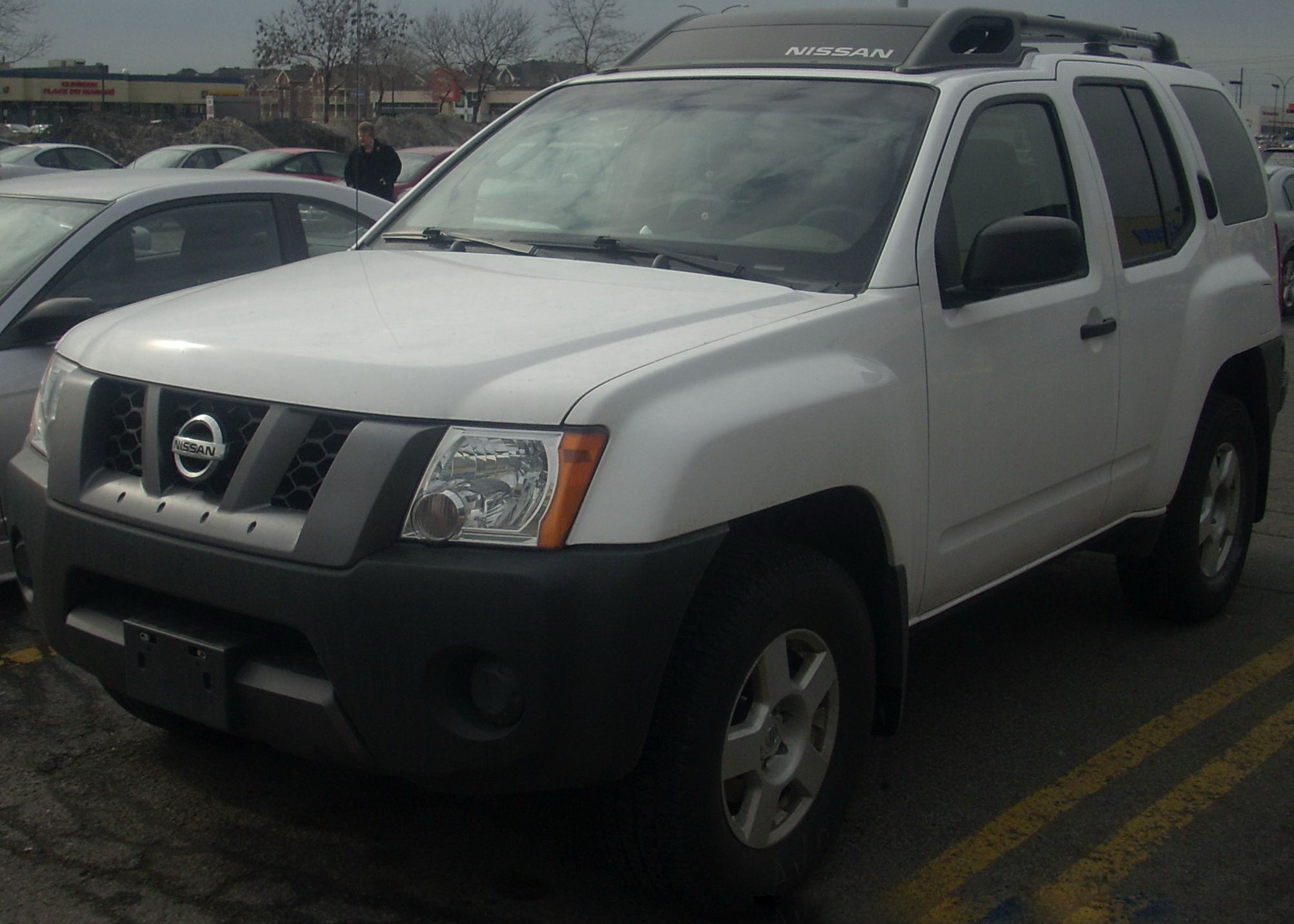
"...d of usurp it and put up my listing of the Nissan XTERRA and I put a link on there plus that slightly revi..."
The Nissan XTerra is an SUV designed for people who want a more rugged, adventure-ready vehicle. It’s built to handle rougher roads better than many regular cars. The podcast mentions it because someone is sharing information or a listing about one.
The Nissan XTerra is a compact SUV built with an outdoors-and-adventure image, often associated with off-road capability and rugged styling. It’s discussed because it’s a niche model compared with more mainstream crossovers, and many owners value its utility. In the podcast, it’s referenced as part of a listing/link and a “slightly revi…” comment, suggesting it’s tied to a specific vehicle being shown or sold.
"Anybody out there in tradioland interested in the 65 of Stingray rag top with two top
car has a hard top, uh, 327 300 horse power glides, uh, Pearl silver over black paint"
A “Stingray” is the Corvette name, and “rag top” means it’s a convertible. This sounds like a classic 1960s Corvette that people collect and restore.
The “Stingray” is Chevrolet’s Corvette nameplate, and the “rag top” refers to a convertible body style. A mid-1960s Corvette is especially notable to enthusiasts because it’s a classic era of American sports cars, with period-correct styling and engine options that collectors track closely.
"But it does have factory Kelsey Hayes knockoffs on there, which are a $10,000 add according
to the Hagerty price guide."
The Hagerty price guide is a collector-car valuation reference that estimates values based on condition. Enthusiasts use it to sanity-check what a car is worth, especially for classics where condition and originality strongly affect price.
"But it does have factory Kelsey Hayes knockoffs on there, which are a $10,000 add according
to the Hagerty price guide."
Kelsey Hayes knockoffs are aftermarket-style “knockoff” wheel hubs where the wheel is secured with a knock-on style mechanism. They’re a big visual and authenticity detail on classic cars, and they can be expensive because they’re often period-correct and desirable to collectors.
"Cause that is going to carry me on a trip in July to the Corvette museum in Bowling
Green."
The Corvette museum in Bowling Green is a destination tied to Chevrolet’s Corvette heritage. It’s relevant here because the hosts are discussing Corvettes they own/restore and the trip is part of their enthusiast experience.
"Well, and the Lada was just stolen from Fiat.
It's a Fiat 124 made by Russians with"
The Fiat 124 is an older, well-known car model. In this discussion, it’s mentioned as the starting point the Lada design is compared to.
The Fiat 124 is a classic compact car that’s often referenced as a foundation for other variants and derivatives. Here, the hosts say the Lada was “just stolen from Fiat,” then describe it as a Fiat 124 made by Russians, linking the Niva’s roots to the Fiat 124 platform.
"We'll go by a Fiat 124
Lada Niva, Niva.
Yeah, that's the four by four."
The Lada Niva is a small off-road vehicle that’s built to drive on rough roads. The hosts are talking about how it looks and feels like a fun, tough little four-wheel-drive hatch.
The Lada Niva is a compact SUV/crossover-style off-roader known for bringing real four-wheel drive to a small, affordable package. In this segment, the hosts specifically call out the “four by four” version and compare its look and vibe to other early hatchbacks.
"We'll go by a Fiat 124
Lada Niva, Niva.
Yeah, that's the four by four."
“Four by four” means the car can send power to all four wheels. That helps it handle rough or slippery roads better.
“Four by four” is a casual way of saying a vehicle has four-wheel drive (4WD), meaning power is sent to all four wheels. That’s a key part of why the Lada Niva is discussed as a tough, fun off-road-capable hatch.
"when they first came out only. Like you said, you mean like a Honda S 600 when it looked like a pregnant roller skate."
The Honda S600 is an older Honda sports car that’s small and light. It’s known for being a compact, fun car rather than a big cruiser. The podcast mentions it to describe a car’s shape and size.
The Honda S600 is a small, early Honda sports car from the 1960s, known for its compact size and lightweight, fun-to-drive character. It’s discussed in car history circles because it represents Honda’s early performance efforts and has a distinctive look. In the episode, it’s compared to something “like a Honda S 600,” emphasizing its unusual, compact proportions.
"Now, was it just bucket seats in the front or was it two benches? Bucket seats. No."
Bucket seats are separate seats with a shaped, supportive form. Instead of a long bench, you sit in one seat at a time.
Bucket seats are individual, contoured seats designed to hold you in place with a defined shape rather than a flat bench. They’re often paired with a more driver-focused layout and can make a car feel more “sporty” or modern even in older vehicles.
"Bucket seats. No. And manual transmission. Heck, yeah."
A manual transmission is a stick shift. You use a clutch pedal and a gear lever to choose the gear yourself.
A manual transmission is a gearbox controlled by the driver using a clutch pedal and gear lever. Mentioning it here highlights that the car required active driving input, which can strongly shape how someone learns to drive.
A “three-speed” means the car has three forward gears. With fewer gears, it can feel different when you’re driving faster or slower.
A “three-speed” transmission means the gearbox has three forward gears. Older cars often used fewer gears, which affects how the engine sounds and how the car feels at different speeds.
"And he got the Lada 1500 Oh, nicely, you know, yep."
The Lada 1500 is an older Lada car from the Soviet era. It’s the kind of straightforward, no-frills car that someone could learn to drive in.
The Lada 1500 is a classic Soviet-era compact sedan associated with Lada’s early, basic transportation focus. In the context of this story, it’s notable because it’s the kind of simple, mechanical car that many people learned to drive in.
"But yeah, I remember, you know, sliding across the back seat of the 55 Chevy as we were, you know, going around some corners"
“55 Chevy” means a 1955 Chevrolet, a famous older American car. The story highlights how the car’s interior and ride feel made an early impression.
“55 Chevy” refers to the 1955 Chevrolet, a landmark American classic known for its distinctive styling and big, comfortable cabin. Here it matters because the host describes learning/being influenced by riding in it, including the cramped, physical experience of moving around in the back seat.
"No, from there, I went to a 928 you know, and my dad had, you know, throughout, you know, growing up"
The “928” is a Porsche model (the Porsche 928). It’s a more luxury-style Porsche, and it’s known for being a serious, fast touring car.
The “928” refers to the Porsche 928, a grand-touring Porsche known for its front-engine layout and V8 power. It’s a big deal in enthusiast circles because it was Porsche’s attempt to build a more comfortable, long-distance-focused alternative to the 911—so riding in one can leave a strong impression.
Concept
slide them
"Been there, done that and even found out, yeah, you can slide them. Oh, my God."
“Slide them” means the tractor loses grip and starts skidding instead of moving smoothly. On snow, that’s easier to happen because the tires can’t bite as well.
“Slide them” here refers to losing traction and letting the tractor move sideways or skid rather than gripping and tracking straight. On snow, limited tire grip and uneven traction can make that kind of sliding more likely.
"We had a 69 John Deere 820 and it had field tires on it. But, you know, when it snowed and you're plowing the driveway, the thing was kind of squirrely."
A John Deere 820 is a farm tractor. Here, the key point is that with field tires in snow, it didn’t grip well, so it could slide around when plowing.
The John Deere 820 is a tractor model known for farm work like mowing, hauling, and general field tasks. In this story, the host mentions it had field tires and behaved “squirrely” in snow while plowing, which highlights how tire choice affects traction and stability on loose or icy ground.
"We had a 69 John Deere 820 and it had field tires on it. But, you know, when it snowed and you're plowing the driveway, the thing was kind of squirrely."
Field tires are the kind of tires tractors use for farm work. They’re built for dirt and fields, so on snow they may grip differently and let the tractor slide more easily.
Field tires are agricultural tractor tires designed for traction in dirt and loose ground. Compared with more road-oriented tires, they can change how the tractor handles on snow or ice—often making it easier to break traction and slide.
"And I can, you know, he tried verifying the car for years through GM and through different sources. And nobody ever could fully authenticate the car and, you know, come to find out there was actually probably three of them built to begin with."
“Authenticating” here means figuring out if the car is truly what people think it is. They’re trying to confirm its real identity and history using records and evidence.
In collector-car talk, “authenticating” means proving a specific car’s identity—usually whether it’s the original, correctly built example with the right history and documentation. In this segment, the trouble is that the car’s provenance and even how many were built weren’t clear until later.
"And I can, you know, he tried verifying the car for years through GM and through different sources."
GM is the big car company (General Motors). People can use GM records to help prove whether a car is real and correctly identified.
GM refers to General Motors, the automaker that can hold production records and build information used to verify whether a car is genuine. In this segment, the host mentions using GM and other sources to try to confirm the car’s identity.
"But when you wet sanded the original paint down in this car, it came out to be 100 percent gold painted."
Wet sanding is a careful sanding method that uses water while you sand. In this case, it helped show what color the car was originally painted before other layers were added.
Wet sanding is a bodywork process where you sand paint using water as a lubricant to reduce dust and help control how aggressively you remove material. Here it’s used as a clue to reveal what the original paint color actually was under later layers.
Motorama was a GM event where they showed off special cars to the public. The gold paint makes sense because it was meant to stand out as a showpiece.
Motorama was GM’s mid-century show program where it displayed concept and special vehicles to generate excitement and showcase design directions. The segment explains that GM painting the car completely gold was tied to that Motorama context.
"we had the original Vintags and, you know, data plates and the very, very early build November or no, September 24th, I want to say of 54."
Data plates are small identification tags on the car that show build details. People use them to confirm the car’s history and specs when they’re trying to prove it’s genuine.
Data plates are manufacturer identification labels on a vehicle that list build and specification information. Collectors use them to cross-check a car’s production details—like dates and configuration—against other records when authenticating a rare example.
"It was a pre-production built car that they ran back through the factory"
A pre-production car is an early version made before the factory starts building the regular cars. It can have differences, so it helps explain why the paperwork and details might not match a typical production example.
A pre-production car is built before full mass production starts, often to validate design, fitment, and manufacturing processes. The segment uses this to explain why the car’s details (like build timing and documentation) can be unusual compared with regular production cars.
"[1642.9s] But no, we have a I mean, I didn't plan on going into all this today.
[1647.7s] But yeah, we have a photo of me holding a set of shocks
[1651.4s] with the shocks completely extended and the inside of the shocks are completely
[1655.5s] gold plated and who else would do that?"
Shocks are parts of the suspension that help the car ride smoothly over bumps. In this story, the shocks are treated in a very special way—gold plated inside.
“Shocks” are the suspension dampers that control how the car moves over bumps by resisting spring motion. The host describes shocks with the internal surfaces gold plated, which is an unusual, showpiece-level customization rather than a typical production finish.
"[1647.7s] But yeah, we have a photo of me holding a set of shocks
[1651.4s] with the shocks completely extended and the inside of the shocks are completely
[1655.5s] gold plated and who else would do that?"
“Gold plated” means a very thin gold coating was put on a surface. Here, it’s being used as a fancy finish inside the shocks.
“Gold plated” means a thin layer of gold is deposited onto a surface, typically for appearance and corrosion resistance. In this context, the host is describing gold plating inside the shocks, which is an extreme cosmetic/finish choice.
Concept
Flint parade celebration
"[1662.5s] But, you know, to have them plated,
[1662.5s] they shut down all the GM factories across the US for this day.
[1666.5s] And they were simulcasting the celebration for Flint.
[1670.9s] And so back when we, Mark, who did this and we're looking at purchase in the car,
[1674.6s] there was still a lot of Flint residents that were alive when that parade happened.
[1679.5s] And they could tell me where they were standing at downtown Flint."
They’re talking about a big celebration in Flint tied to an anniversary. The car story connects to that event, which is why the details feel so specific.
The host ties the car’s story to a Flint anniversary parade and a broader celebration, suggesting the vehicle and its parts were connected to a local historic event. This is more of a cultural/manufacturing backdrop than a technical automotive concept, but it explains why the story includes unusual details.
Concept
rebirth
"it was going to, or, you know, GM product, it was going to be, you know, a rebirth of the 50 million using a lot of those original parts and also the original frame"
Here, “rebirth” means bringing an old classic car back in a faithful way. The idea is to use original parts and the original frame so it feels like the same car again.
In this context, “rebirth” describes a restoration/recreation approach: bringing a historic car back to life by using original parts and the original frame. It’s more than a repaint—it's about preserving the car’s identity and structure.
"a rebirth of the 50 million using a lot of those original parts and also the original frame and just, you know, tell the whole story of the car."
“Original frame” means the main metal structure underneath the car is kept. Using the original frame helps the restoration stay true to how the car was built.
“Original frame” means the car’s main structural chassis is preserved or reused rather than replaced. For classic cars, keeping the original frame is often important for authenticity, fitment, and how the car was originally engineered.
"Everything had to be American made, even down to like the white wall tires
[1909.4s] that he picked for this New Yorker when he owned it were, you know, made in the USA."
White wall tires are tires with a white stripe on the side. They’re a classic look that was common on older American cars.
White wall tires have a white sidewall stripe, a styling feature strongly associated with classic American cars. The hosts mention them to describe the owner’s attention to period-correct, American-made details.
"But we're doing it in his honor, like we said, he passed away in 24.
[1923.3s] And we know that if he was, you know, alive today, that he would definitely be here with us
[1929.0s] and, you know, traveling Route 66 and celebrating all things America,"
Route 66 is a legendary U.S. road that people associate with classic road trips. They mention it to describe the kind of American driving and travel spirit they’re honoring.
Route 66 is the famous U.S. highway route that became a symbol of American road trips and car culture. The hosts reference it to frame the tribute around classic American travel and the freedom associated with driving older cars long distances.
"Absolutely. Tell us about the the car.
[1942.0s] Yeah. So the car is the 1973 Chrysler New Yorker and the Hans Sporting in 2013."
The 1973 Chrysler New Yorker is a large American luxury car from the early 1970s. The hosts are talking about this exact car as the one they’re trying to keep and restore.
The 1973 Chrysler New Yorker is a full-size American luxury sedan from Chrysler, known for its big, comfortable ride and classic 1970s styling. In this segment, it’s the specific car the hosts are discussing as the centerpiece of the tribute.
"Yeah. So the car is the 1973 Chrysler New Yorker and the Hans Sporting in 2013.
[1949.6s] And, you know, like Jacob said, he was he was driving around mostly Detroit area,
[1954.0s] but, you know, also went to Mopar Nationals and all kinds of different events."
Mopar is the name fans use for Chrysler’s performance and enthusiast world. “Mopar Nationals” is an event where people bring Mopar cars to show and race them.
Mopar is Chrysler’s umbrella brand for its performance parts and enthusiast identity (including the “Mopar” name used at events). In the segment, “Mopar Nationals” signals a gathering focused on Chrysler/Dodge/Plymouth enthusiast cars and parts.
"[1985.7s] So I so I got it and I worked on it.
[1989.4s] Of course, it had been sitting outside for a few years.
[1991.9s] And I think total it was like 11 years that it sat."
If a car sits outside for years, weather can damage it—especially rust and worn-out rubber parts. The hosts say this one sat outside for about 11 years, so it likely needs more work than a car that was stored indoors.
Leaving a classic car outside for years typically leads to corrosion and deterioration of rubber, seals, and fluids. The hosts note it had been sitting outside for about 11 years, which is a major factor in what kind of restoration work it likely needs.
"[2019.1s] Did you paint it? What all have you done to it?
[2021.2s] No, no, it's an original car.
[2023.0s] It's 62,000 miles on it. Wow."
They mention the car has 62,000 miles, meaning how much it’s been driven. Higher mileage usually means more use over time.
The speaker says the car has “62,000 miles,” which is a measure of how far the vehicle has been driven. Mileage is commonly used to estimate wear and ownership history.
"...nning around on my right side and it hit a fourth fusion after that. And cause of the fusion."
The Ford Fusion is a regular, everyday car in the sedan category. It’s meant for commuting and daily driving rather than being a sports car. The podcast mentions it because it was involved in what happened in the story.
The Ford Fusion is a mid-size sedan that was widely sold and used as a practical everyday car. It comes up in driving stories because it’s common on the road and can be involved in accidents or everyday commuting scenarios. In this episode, it’s mentioned in a sequence of events (“hit a fourth fusion”), indicating it’s part of a real-world incident being described.
"There's a 64 Mercury in there that's got the breezeway window in the back."
A breezeway window is a special kind of rear window design. It’s meant to let air in from the side without fully opening the whole window area.
A breezeway window is a distinctive rear side-window design used on some 1960s personal-luxury cars. Instead of a conventional fixed rear quarter window, it typically uses a small, hinged or sliding section that can open to let in air.
"Hello. What is it? A Mark Mark three? [2365.4s] Or was that still Mark one? ... Yeah, Mark three. I used to have a Mark three in..."
“Mark three” is the Lincoln Mark III. It’s a classic luxury car, and the speaker says they used to own one.
“Mark three” refers to the Lincoln Mark III, a personal-luxury coupe from the late 1960s and early 1970s. The hosts connect it to the speaker’s past ownership and to the Mercury mentioned earlier, using it as a nostalgia anchor.
"73. Oh, no, there's a picture of a 62 Chrysler New Yorker in Forza after the new owner got. ... Virgil Exner on acid look."
They’re using a nickname for a very bold Chrysler design style associated with Virgil Exner. “On acid” just means the styling looks extra wild and over-the-top.
“Virgil Exner on acid” is a reference to Virgil Exner, the influential Chrysler designer known for the dramatic, exaggerated styling of late-1950s Chrysler products. The phrase “on acid” is a slang exaggeration meaning the design language looks even more extreme than usual.
"Is that a 30? Is that Harley Earl's 38 Y job on there?
Yes, I think there's one photo."
Harley Earl’s "38 Y job" is the 1938 Buick Y-Job. It’s a famous early concept car that showed off styling ideas that later made their way into regular production cars.
Harley Earl’s "38 Y job" refers to the 1938 Buick Y-Job, often credited as one of the first purpose-built concept cars. It helped define the modern idea of a styling show car—lowered stance, streamlined bodywork, and design details that influenced production cars.
"That's that's that's the 51 Le Sabre.
I've seen the Y job.
I sometimes give the two flip."
That sounds like a 1951 Buick LeSabre. It’s a classic American car from the early 1950s, known for its distinctive old-school design.
The "51 Le Sabre" refers to the 1951 Buick LeSabre, a classic American full-size car from Buick. It’s notable for its mid-century styling and for being part of Buick’s long-running LeSabre nameplate.
"So, so not only are we going to be like one of the only Chrysler's ever
[2770.5s] shown at Quail, I mean, unless you're talking about a like a turbine car or
[2776.2s] something like that, turbine or an air flow or something like that."
A turbine car is a car that uses a turbine engine (like a jet-style power unit) instead of the usual engine you’d find in most cars. It’s a rare, experimental type of setup.
A turbine car uses a gas turbine engine instead of a conventional piston engine. The turbine can be run at high RPM and is often discussed historically because it changes how the car makes power and responds compared with typical engines.
"shown at Quail, I mean, unless you're talking about a like a turbine car or
[2776.2s] something like that, turbine or an air flow or something like that."
“Air flow” here is shorthand for aerodynamic or airflow-focused experimental vehicles that may be shown alongside more conventional cars. The hosts contrast these unusual entries with their “true Chrysler,” implying their car is more traditional than the airflow/turbine concepts.
"And we're really working for a spot at Pebble.
[2797.2s] I mean, if anybody can help us out with this, you know, I think, I think
[2800.4s] we can get at least get on the hill."
“Pebble” is short for a famous classic-car show in Pebble Beach. They’re hoping their car gets into the main display area (“on the hill”), which is a big deal.
“Pebble” refers to Pebble Beach Concours d’Elegance, one of the most prestigious classic-car judging events in the U.S. Getting “on the hill” is a coveted outcome because it means the car is displayed in the main show area.
"we can get at least get on the hill.
[2801.8s] If we can get on Peter Hay Hill and, you know, we can, you know,
[2804.9s] if anybody wants to sponsor us, we can put the car out there."
Peter Hay Hill is the well-known hill area where cars are shown at Pebble Beach. If they can get their car up there, it means it’s getting a top spot.
Peter Hay Hill is the famous uphill display route at Pebble Beach Concours d’Elegance. Being able to get “on Peter Hay Hill” implies the car will be showcased prominently during the event.
A subwoofer is a speaker made for deep “bass” sounds. It helps your car audio sound richer instead of thin.
A subwoofer is a loudspeaker designed specifically for low-frequency bass sounds. In a car audio setup, adding one can make music and audio effects sound fuller, especially at lower notes.
"OK, did you did you decide to put bufflers back on it? Or did you split the manifold and run duals?"
A manifold is a part that gathers gases from the engine and sends them down the exhaust. It’s part of how the exhaust system is routed and can affect sound and flow.
An exhaust manifold is the part that collects exhaust gases from multiple cylinders and routes them toward the exhaust system. People discuss splitting manifolds and running dual exhaust to change exhaust flow and sound characteristics.
"Or did you split the manifold and run duals? No, just single single cherry bomb."
Dual exhaust means there are two exhaust pipes instead of one. It can change how the car sounds and how exhaust gases move out.
Dual exhaust means using two exhaust paths (often two pipes) instead of one. It can change exhaust flow and typically alters the sound, which is why it comes up alongside manifold changes and muffler choices.
"No, just single single cherry bomb. Have you done cherry bomb? There you go."
Cherry Bomb is a brand that makes aftermarket mufflers. People choose it when they want a specific, louder exhaust sound.
Cherry Bomb is an aftermarket exhaust brand known for performance mufflers that produce a distinctive, louder sound. In this segment, the host is talking about using a “single…Cherry Bomb” to influence the car’s exhaust note.
"I've also heard that if you flip the air cleaner lid, yeah, makes a nicer sound."
The air cleaner lid is part of the intake system that covers the air filter. Flipping or modifying it can change intake airflow path and how much intake noise reaches the cabin, which is why it’s discussed as a way to get a “nicer sound.”
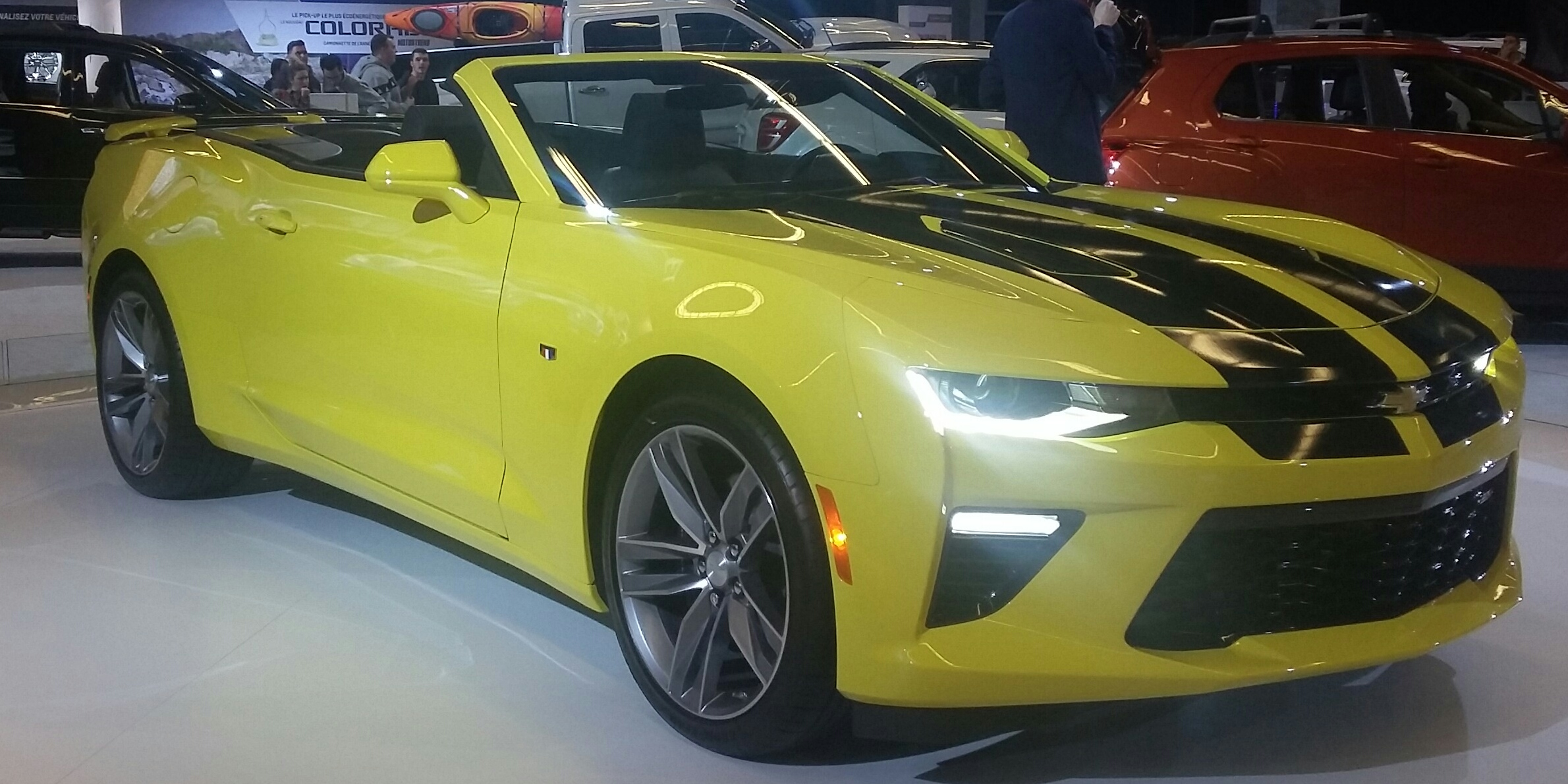
"Well, cherry bomb. Coil, I've also heard that if you flip the air cleaner lid, yeah, makes a nicer sound."
The transcript’s word “coil” doesn’t clearly match what they’re talking about right after. The next lines are about the air cleaner lid and sound, so this may be a transcription mistake.
In this context, “coil” appears to be a mis-transcription of “carb” or “cowl/air cleaner” discussion, but the surrounding lines are clearly about the air cleaner lid. Because the exact term is unclear, it’s best treated as a transcription artifact rather than a specific automotive component.
"... nicer sound. Yeah, I used to do that on a crappy Camaro. Oh, my God, I haven't thought about that."
The Chevrolet Camaro is a sports car with a focus on power and acceleration. People talk about it a lot because it has a strong performance reputation. In the podcast, it’s mentioned in connection with someone’s past Camaro and what they did with it.
The Chevrolet Camaro is a performance-oriented muscle car that’s been produced for decades, typically with powerful engines and a sporty driving feel. It’s frequently discussed because different model years can vary a lot in character, sound, and driving dynamics. Here, it’s referenced in a story about a “crappy Camaro,” suggesting the conversation is about personal experience or a specific setup.
"Then we also got fresh, you know, fresh wide whites. You know, we got got the white walls on it."
Wide whites are tires that have a thick white stripe on the side. It’s a classic look that makes the car feel more vintage.
Wide whites are tires with a thick white sidewall stripe. They’re a classic styling choice often associated with older American cars and can be used to emphasize a vintage look.
"Do you have to go find like it? Do you have to search for the stores for the highest octane possible?"
Octane is how resistant the fuel is to knocking in the engine. Some engines need higher-octane gas to run smoothly, especially if they’re tuned or have higher compression.
Octane is a measure of a fuel’s resistance to knocking (premature combustion) in an engine. Higher-octane fuel can be beneficial when an engine is tuned for it or has higher compression, but it’s not always necessary for every car.
"Chrysler, New Yorker, Lynx. With the optional putting green on the trunk. 230 point one inches, nineteen point 17 feet."
That phrase describes a fun accessory: a small “putting green” surface mounted on the trunk. It was basically a novelty feature meant to make the car feel extra fancy and entertaining.
“Putting green on the trunk” refers to a novelty accessory where a small putting-green surface was mounted on the trunk lid. It’s a period-correct luxury gimmick meant to add a playful, lifestyle feature to a large personal car.
"How long is the suburban? I've been a suburban isn't quite that long. Let'..."
The Chevrolet Suburban is a big SUV designed to carry lots of people or cargo. It’s known for being very long compared with smaller SUVs. The podcast is talking about its size because it’s a key part of what makes it useful.
The Chevrolet Suburban is a full-size SUV known for its large size, seating capacity, and ability to handle family or cargo needs. It’s often discussed because it’s one of the longest-running nameplates in the SUV category and is commonly used for long-distance driving and towing. The episode’s question about “how long is the suburban” points to its notable length and practicality.
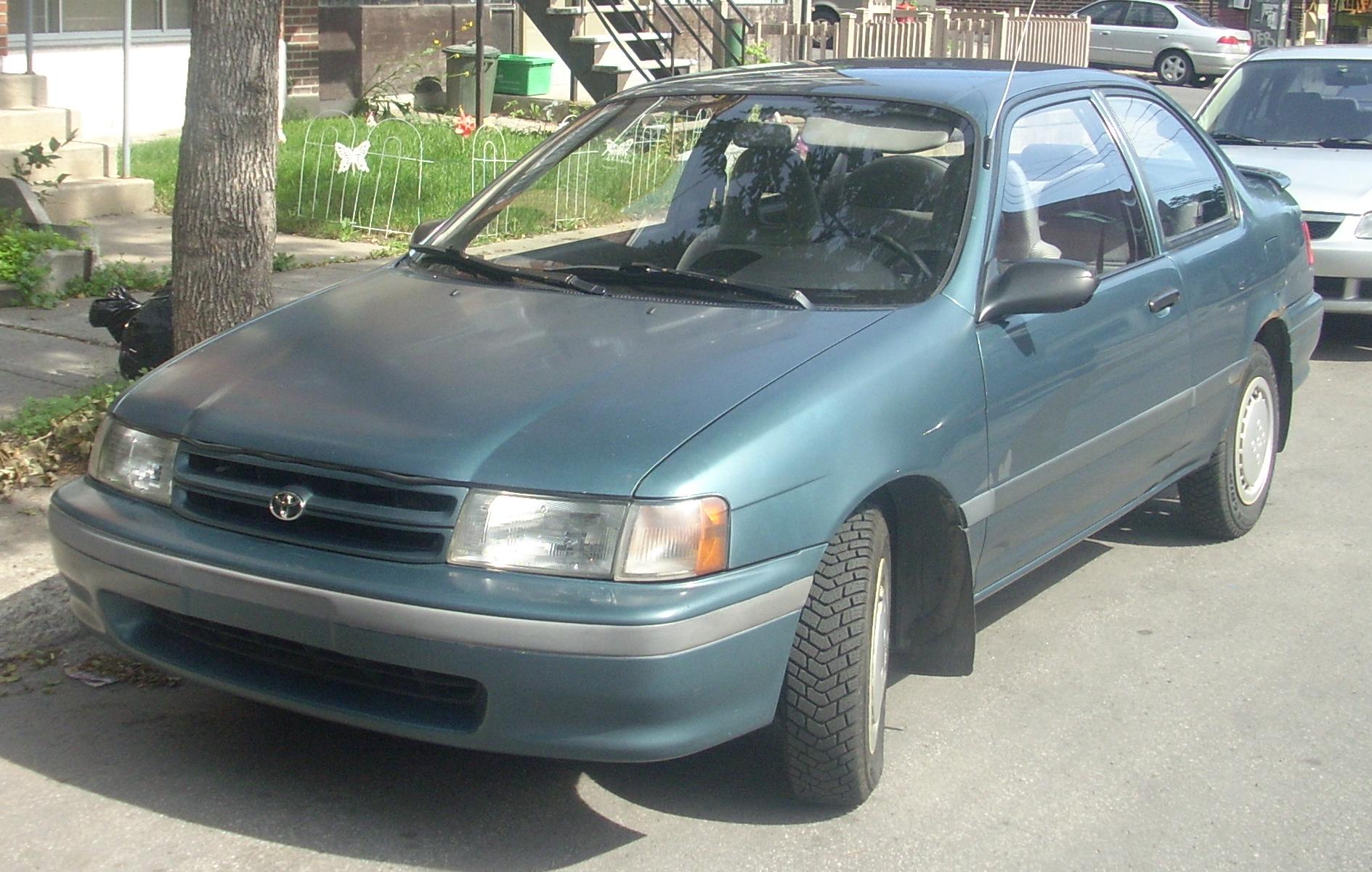
"...ng 95 and some hotty in a believe it was a Toyota Tercel past me and I'm like, you cannot be pedaling that..."
The Toyota Tercel is a small, everyday car made for getting around efficiently. It’s not usually known as a sports car, but it can still move in traffic like any normal car. The podcast brings it up because it was the car that passed the speaker.
The Toyota Tercel is a compact car that was built for practical, efficient everyday use. It’s often mentioned because it was common, affordable, and known for being a straightforward “get you there” vehicle. In this episode, it’s part of a quick driving moment (“a Toyota Tercel past me”), suggesting the speaker noticed its behavior or speed.
"this guy has kind of my taste in fricking land barges. Detroit land barges is right."
A “land barge” is a nickname for huge, old-school American cars. It usually means a big, comfortable cruiser with lots of chrome and classic styling.
“Land barge” is a car-enthusiast term for very large, heavy, comfort-focused American cars—often from the Detroit era. “Detroit land barges” specifically evokes the classic late-1950s/early-1960s vibe of big dimensions, chrome, and relaxed luxury.
"I went state fair on it. I had, you know, kappa. Oh, yeah. I had two of those Dixie cups, Red Dic..."
The Lancia Kappa is a mid-size car made by Lancia. It was designed to be a comfortable, everyday sedan with a more distinctive look than many common cars. The podcast mentions it because someone is talking about their experience with one.
The Lancia Kappa is a mid-size executive car from Lancia, known for its distinctive styling and place in the brand’s lineup during its era. It’s often discussed by enthusiasts because Lancia models can be less common and more character-driven than mainstream sedans. In the episode, it’s referenced as “kappa” in a personal story, likely tied to ownership or a specific memory.
Select text to request an explanation
Quiet numbskulls, I'm broadcasting.
Hey, all you gearheads and car fiends, welcome to Driven Radio Show, your weekly automotive
happy hour.
I am Brett Hatfield, here with my co-host and barbecue monster extraordinaire, Mr.
Mark Groves.
That's me.
We are coming to you from Driven Radio Studios, where suddenly it's March again.
It's pretty weird, dude.
It's stormed.
It's butt off last night.
Last night, yeah, I was, you know, I actually stayed up kind of late because, you know,
there were all these tornado warnings, et cetera, going on around me.
Luckily, not on me.
But I did get to step outside and watch some of the lightning.
Oh, I thought it was lightning.
It was down toward Reymor.
It was the beautiful colored glow of transformers exploding.
And those things are amazing because they're like science fiction war scenes.
You know, a terlery round goes off and it explodes green and then explodes blue and
it might be yellow.
And it's really terrifying and lovely all at the same time.
You have moved into an interesting part of the city.
It's f'ing weird, dude.
You really have, man.
Raytona Beach is an experience.
I won't kid you, but hey, I get to see baby Goslings almost every day, little families
of them go walking by.
You do have a really kick-ass view off your deck.
Eagles, otters.
It's very, very cool.
Yeah.
So, Jaden doesn't have her car available to her right now and Rhonda's been running
her back and forth to work.
And she doesn't, you know, she works two miles from home.
It's not that bad, but you don't make a kid walk home in that kind of weather and certainly
not down 175th Street.
So she calls Rhonda like an hour early and says, power just went out.
Ready to go home?
Rhonda says, you need me to come get you?
And she says, yep.
And I guess, you know, screw it, don't tally out the drawer or anything.
Just leave.
Oh, well, that's all right.
And that's what everybody there did, you know, that liquor store is attached to the
convenience store.
That's right, yeah, yeah.
A lot of stuff.
Power went out and everybody says, we done.
That's it.
Game over.
Game over.
Everybody buying beer now.
I was up really late last night too and I was standing in the pantry at one time making
sure, you know, coffee was ready to go for the morning and all that stuff.
There was a thunder roll that lasted almost a full minute.
Wow.
Yeah.
Some people call that a tornado.
Yeah.
Well, again, it absolutely stormed its tail off last night and all the grass is green,
so we got some rain.
Yay.
Okay, quick.
Teebird Chronicles, any news?
Let's see.
The latest is kind of starting to work with Bring a Trailer about the lies that the guy
told me.
Who sold it to me.
I finally, I got too pissed off and I was like, you know what, I have sucked this up
enough.
Yeah.
When I found that bit of rot in the body, I'm like, no, no, F you, F this, F everyone,
I'm so angry.
So.
No, I know.
I got the messages from me.
If you'll recall.
But I sent a nice email to Bring a Trailer.
You son of a bitch.
I was sending a nice one back saying, well, you might want to talk to the original seller.
So I sent out to the original seller saying, hey, okay, here's the laundry list.
And here's in the emails where you said these weren't problems and they are and da-da-da.
And basically, the guy sent back, oh, wow, dude, I'm so sorry.
I didn't know.
I did my best to fill it out, but you know, I did what they said I was supposed to.
So I sent that back to Bring a Trailer and they're like, you know, that's really not
very helpful.
And why don't you.
Not very true.
Send him a, send him an idea of what you think would be a fair end to this.
So I've got to figure out what it would cost to put in that new windshield wiper motor
to fix.
I put in the floor switch for the high beams.
No, no bueno, didn't, didn't fix anything.
So there's a wire.
Somewhere downstream.
And you know, I've already fixed the carburetor that he said in his original listing.
Make sure you add the new carb in there.
Oh, you're damn right.
You're new.
No.
And the hard part's going to be the body rod.
It was a new, Edelbrock or new Holley, I forget.
Holley.
Okay.
Make sure you.
Holley 4160.
Yeah, make sure you throw that bad boy in there.
Oh yeah.
So I, I'm hoping I have sent off an email to friends down at Sparkburn Hot Rods and looking
to get an idea of, Hey, here's the things that, that I think are wrong with this and
some things that I need to address in the future.
What do you think?
And here's my budget.
What do you think?
Yeah.
Maybe that's why I haven't quite heard back from you.
I think you're probably looking at my email going, Oh Jesus Christ, this guy again.
I think your budget will be greatly expanded when it turns out that you're not having to
foot the entire bill.
That would be helpful.
Yeah.
The finding that the bubbles above the rear wheels was not fun, but then when I found
that corner of body rot in the fender well, and I'm like, wait a minute, that's through.
God almighty.
Yeah.
That, that was kind of the last straw.
And inaccurate and maddening and I think pretty soon words like remedy.
Yeah.
Exactly.
That's what my next step is.
So as soon as I find some real numbers, because I don't want to jack with the guy, you know,
a liar is a liar and they'll get what's coming to you.
Yeah, but you can.
But I just need to, I just want to go, okay, these things that you fibbed on and didn't
list and you knew.
Yeah.
But if you have to get litigious, do it.
If I have to get litigious, then that changes the ballgame.
But right now, if, you know, if you'll do what's right, let's try to be friendly and
get it done.
Yeah.
I have, I have no need.
I don't want to, you know, do you do unless I don't give a shit.
I just want a car that I can drive that I like, you know, and that fits in my garage.
So he did lie to you.
And before I piss you off anymore.
So that's that on that.
And plus, if you go to our Facebook page, I did kind of usurp it and put up my listing
of the Nissan XTERRA and I put a link on there plus that slightly revised picture
that captures the true spirit of driving with a.
You think you and I are going to do a little tradio on.
I hope so.
Cars and bikes and stuff.
Somebody combine this damn thing.
Alrighty.
I'm tired of shifting.
Okay.
Well, to that end, I am done with the heritage of the big bath and then trying to figure
out whether or not the tires are viable.
Oh, yes.
And that's the last of it.
It runs.
Uh huh.
It does markets territory, but I threw some more oil in it.
I think if I ride it a little bit and get all the seals wet sweating horsepower.
Yeah.
Well, sweating oil for damn sure dinosaurs on the floor, but she's ready to roll.
Got the saddlebags back on when she'll on looking good, standing tall.
We're going to do the big bath.
I did buff the paint.
It turned out surprisingly good.
Dude, the pictures you sent me look really nice.
Yeah.
Well, I still know how to do this crap.
That thing is it reminds me.
It makes me think of, uh, is it an Indian?
Yeah.
It's got that kind of low sling and just that whole look and it's like, God, this is a whole
era.
Well, and it's in a Charlie's.
Yeah.
So, um, a little bit of Corvette stuff and not my Corvette this time, uh, dad's Corvettes
because he hasn't had time to really fool them.
I've dropped them down off the lifts down at the warehouse and I'm trying to get everything
up to snuff or driving the 65 may soon be finding a new home.
Anybody out there in tradioland interested in the 65 of Stingray rag top with two top
car has a hard top, uh, 327 300 horse power glides, uh, Pearl silver over black paint
could use some love as in repaint.
Yeah.
But it does have factory Kelsey Hayes knockoffs on there, which are a $10,000 add according
to the Hagerty price guide.
Hey, I'll trade you both the Nissan and the Thunderbird for it.
See, I'm a good bargain at twice the price and, uh, the 98 Corvette, I'm, you know,
that thing, it eats the battery in about four days, but I'm charging the battery, getting
it cleaned up, making sure everything drives right, doing a couple of cosmetic things here
in there.
Cause that is going to carry me on a trip in July to the Corvette museum in Bowling
Green.
I'm finally going to Mecca.
How positively overdo that really nice should have gone.
Just walk around the building four times years ago.
Yeah.
And then face East and pray done.
So absolutely getting ready for that stuff.
Really excited.
And then after we go to the museum, we're going to go to the Keenland concourse.
I'm going with Mr. Christopher Parr and his party.
He's driving a big truck and trailer and hauling stuff down there and he's showing off and
I'm just going to walk around and go, did you not write that's all right, that's pretty.
That's all right.
That's pretty.
I'll be taking a lot of pictures, but I'm, I'm super, super excited about finally going
to the Corvette museum.
That's so overdue.
We've talked about that for a few years now.
I've been a Corvette museum member for like a decade and I've never seen it.
Is it the Z06 when you first started talking about possibly going there because you wanted
to be able to walk down whatever it is, the aisle or thing when you buy one and then they
make a big deal out of it.
If you have one made, you can, it's not an inexpensive option, but you can opt to follow
it down the assembly line and you're going to write your name on the frame and grab
that.
Oh my God, that's fantastic.
Yeah, really cool.
They let you apply different things and you can even order a plaque that they put in it
that has your name on it.
This Corvette.
Well, you know, that's the secret to an extra $10,000 on a car is that it is a plaque on
the dash somewhere saying something doesn't matter.
It's mine.
It has my name on it.
It's got a plaque.
Give me it.
It's mine.
Yeah.
Nice.
I licked it.
It belongs to me.
Remember that one?
No.
But I believe it.
Yeah.
When you're a little kid.
Yeah.
I liked it.
It's mine now.
Oh yeah.
That was my brother.
Yeah.
I don't think you can get away with doing that with Corvettes, but I'd certainly give
her a shot.
You would give it the best shot.
Oh, I'll look.
Yeah.
Yeah.
Come on, baby.
Okay.
Now that we've killed a lot of time and gotten really disgusting, let's bring in our
guess.
Marku Yacola, am I saying that right, sir?
You're close enough?
Yeah.
That's perfect.
That's almost like a finish.
And Jacob Gilbert, did I pronounce your name right?
Yes, sir.
Thank you.
Our special guests this weekend are two intrepid travelers who are crossing the U.S. in vintage
Mopar Iron.
Hell yeah.
Mr. Groves.
Hell yeah.
The Marku is a Finnish-born automotive storyteller and quality engineer who moved the United
States, driven by a lifelong passion for classic American cars and the culture surrounding
them.
Jacob Gilbert brings a steady problem-solving mindset.
Congratulations, sir.
And a deep love for American road trip traditions and a commitment to preserving the stories
found on their travels.
Marku and Jacob, welcome to Driven Radio.
Well, thank you.
I'm glad to be here.
Yeah, thank you.
Jacob, along with those American road trip traditions, do you throw a bunch of crushed
up cigarette wrappers and taco bell wrappers and crap up on the dash of the slide back
and forth?
Unfortunately, no.
I refrain from doing that.
You know what's funny is I was just writing in the private chat while recording this.
I was going to have you ask them, what is the best nasty road food to take with you?
Oh.
That's a good question.
My dad always had cherry mashes and butterfingers.
And my grandmother...
Well, back when butterfingers were still decent.
Do you remember Chick-a-Sticks?
Oh, yeah.
It was like the inside of the butterfinger without all the gross chocolate.
Yeah, so you could get crumbs, maximum crumbs all over the inside of there.
My grandma used to let those mummify up on her dashboard and if you rode with Edith,
you could grab one of those and just gnaw on it like the world's toughest jerky.
Edith.
Oh, watchy.
So for you guys, what do you take on road trips?
Stuff to give you a wonderful stomach ache and keep you up all night.
Got to have beef jerky.
Yeah, I'd say beef jerky and just good coffee for myself.
Yep.
Oh, beef jerky and coffee, that's going to make for an interesting gas station stop.
Yeah, I don't have anything specific.
I just take whatever I can find from the gas station and feel like at the moment.
Oh, dude, Little Debbie is your friend.
Little Debbie and Dr. Pepper, it'll get you down the road.
Hey, here's something interesting.
Now, last week, I did a road trip.
OK, I did the ultimate.
Fly out, turn around, come back as fast as you can.
Road trip flew to Sarasota from Kansas City,
picked up a little 2005 Lexus ES.
Nice little car. Oh, yeah, yeah.
Uh, landed and got I was in the car about 530 Sarasota time, so 430 here.
Yeah.
Jumped in, took it down the street, threw gas on it, grabbed a bottle of water,
floored it and kept it that way.
For, well, till the next day at noon.
When I was home.
Oh, my God, I covered 1300 miles overnight.
Overnight.
Shoo, frickin, you're, you're not right.
Oh, I was so blurry.
I'd by the time I got home, I got home and I absolutely crashed.
Sorry, guys, we know this is your part of the energy,
but we're going to talk about this.
I thought you were going to go do the keys and kind of have some fun.
Rhonda had a discount and couldn't go.
So I went and grabbed the car and just hauled ass home.
So anyway, the reason I tell you this is
and we can get into the stupidity of me bombing home like that.
And also how absolutely disturbingly chewed up by 70 is now.
Oh, God, yeah, coming out of Illinois.
And then from St. Louis home, there's like 14 feet that is an under construction.
I stopped for the first time at a Bucky's.
In Calhoun, Georgia at like two o'clock in the morning or something.
Oh, wow.
And I'd never been in one.
You guys ever been in a Bucky's?
Have you been in a Bucky's yet?
Unfortunately, no, and no, thank you.
But yeah, I mean, at once, and that was in Georgia.
Yeah, yeah, February.
Yeah, the same one was in Georgia.
Here's the thing.
They're spotless.
Yeah, so clean.
It was so clean.
And, you know, it's huge, but it's just an overblown version
of every other truck stop or quick trip or anything that you've ever been to.
Just much larger, you know, 13 different terrains of coffee.
I got a coffee there.
I think it was about a 24 ounce or so.
It was a big sucker.
I put four creamers and nine equals in it.
No, oh, my God, you just changed your data code.
Wait, wait, wait, and you couldn't tell.
No, you couldn't tell any of that crap.
That third arm you grew just doesn't even show.
I like the way he scratches the back of your head, though.
I know if I was still procreating and I'd wind up with garbage pail kids,
but you couldn't tell I'd put anything in it.
I'm pretty sure roofers show up about four o'clock in the morning
to take the leftover coffee and use it for a hot patch.
But holy mother of pearl.
But the whole thing about the Bucky's is it was monstrous.
It was spotless.
Everybody in there was cleaning something.
Yeah. And they had possibly the strongest coffee ever.
I tried their barbecue once.
This was down in Texas.
You know, it's more like Bucky's is the experience rather than, you know,
this is the best get and go ever made in mankind.
It was a gigantic place.
They had 37 different kinds of beef jerky and they had all kinds of sandwiches
and there was I mean, even at two o'clock in the morning,
there's a whole mess of people in there working.
The place was huge, but the two things that really, really impressed me.
One, selection on everything.
I got a couple of protein bars and a protein shake from that I'd never even heard of before.
I did get a coffee.
The coffee was amazing.
Place was huge and clean. Nice.
So if you're traveling and you got to go find road food,
probably not the worst choice in the world.
And there you guys go.
See, you can get your little dubbies there and your beef jerky and coffee.
Sorry, that took so long and round about look at the way we brought it back together.
That's why we're professional.
Yeah, we're we we am professional.
But I imagine at 2 a.m.
the parking lot was still full and there's still no in there.
No, it wasn't there were only about a dozen people in the parking lot.
There was.
I couldn't count all the gas pumps.
There was so many get they had half of them closed off
because there were pressure wash on around them and there was still.
30 gas pumps available.
Easy. It just it was fantastic.
OK, for each of you, how did you know you were a car guy?
When did you figure it out?
Let's start with you, Mark.
Oh, that's a good question.
I guess I've always kind of been a car guy if you ask my mom.
But then I think what's really affected me
was my father.
And the reason is because he he was driving
a Russian made Lada LADA.
Yeah, I'm familiar with those. Yeah.
And I was always bullied in school about that.
So then when I saw like a classic American car, I was like,
you know, those look kind of nice compared to everything
that's on the road in in Europe.
So I always then I kind of.
Now, did he have the two door or four door version of the Lada?
I suspect four door, four door.
Yeah. Oh, yeah.
Well, and the Lada was just stolen from Fiat.
It's a Fiat 124 made by Russians with
the fabulous Russian build quality.
You know, you look at pictures of it,
it kind of looks like a Ugo that's been working out.
It's along those lines.
Yeah, well, same thing, same communist block.
I seriously dig the two door version.
There's and I'm just looking at it.
We'll go by a Fiat 124
Lada Niva, Niva.
Yeah, that's the four by four.
Yeah, it's a tough looking little thing.
It it it doesn't look comfortable, but it looks fun.
It's like a imagine one of those very early Honda hatchbacks
when they first came out only.
Like you said, you mean like a Honda S 600
when it looked like a pregnant roller skate.
Yeah, except it's you know, it's been working out
and it's been to the gym.
It's a tough looking little thing.
Anyway, 1987, Lada Niva had a little steroids.
But a four wheel drive little hatch like that
wouldn't be so bad if it was, you know, if Toyota made it.
But you had your dad's four door to cruise around in.
Yeah. Oh, everybody loved you.
That was a horrible car.
Now, was it just bucket seats in the front or was it two benches?
Bucket seats. No.
And manual transmission.
Heck, yeah. What, a three speed?
Now, actually, no, I never drove it,
but I learned to drive in my my dad kind of upgraded later.
And he got the Lada 1500 Oh,
nicely, you know, yep.
So I learned to drive with that.
He went uptown. Yep.
Oh, wow, that's just as ugly, but at least it's bigger.
Jacob, how about you?
When did you know you were a car guy
and did you have an early influence?
Yeah, I'd have to say my father and my uncles and everything.
But yeah, I remember, you know, sliding across the back seat
of the 55 Chevy as we were, you know, going around some corners
and, you know, bumping my head on the wall.
And I think that's what influenced me the most from there.
I went to a that's right back.
No, from there, I went to a 928 you know,
and my dad had, you know, throughout, you know, growing up and just,
you know, the joy of riding in the passenger seat of that.
Now, that's a hell of a step up. Yeah. Yeah. Oh, yeah.
But no, I grew up on a farm and we always had
things laying around that I could get running to go play with and burn gas
when my parents went around and they never seemed to bring it up to me.
That, you know, the cars were empty when they went to go drive them
at the end of the day compared to when they parked on the night before.
It's funny how much dumb fun you can have on a John Deere tractor.
Oh, yeah. Yes, definitely.
Been there, done that and even found out, yeah, you can slide them.
Oh, my God.
We had a 69 John Deere 820 and it had field tires on it.
But, you know, when it snowed and you're
plowing the driveway, the thing was kind of squirrely.
So, yeah, you could get it to slide.
Harvest and furious to nice.
That's messed up.
So, how did you two meet each other?
I was the restoration supervisor at the Sloan Museum in Flint, Michigan.
And, you know, Marcu came over to Kettering for his master's degree.
And he, unfortunately, foolishly signed up to be a volunteer for me.
So, I took a total advantage of that.
And we were traveling all over Michigan, picking up cars for car shows
or for museum displays.
And he was always willing to help out with different projects
we were doing or road trips or the car shows.
He was a great, you know, volunteer for me.
And then, I guess I the tables have turned a little bit now that I'm, you know,
we're working together on this project.
So, yeah, I think it did my next job interview.
I was. So, first of all, what did you get your master's in?
Engineering management.
OK, all right.
Well, that tragedy best road trip story
from running around and collecting stuff for the museum.
Yeah, no trip to North Carolina to check out a 55 Chevy.
And it there'll be a book to follow at some point.
But no, it was quite an adventure.
And no, we ended up, you know, I ended up returning back to Flint
with an empty trailer and no story.
That's that time, you know, so it's highly unfortunate
that the car didn't end up back in Flint in the museum, you know, where the car belongs.
But what was it they left out?
What what part of the description did they accidentally forego sharing with you?
Really wasn't on the seller's part.
It was more on the buyer's hands.
They, you know, we took all the items that were to be purchased,
laid them all out on the garage floor and said, you know,
all right, yeah, we'll take all this with you.
And, you know, the seller had signed off on the purchase agreement and everything else.
And I get a text in the middle of the night,
unexpectedly from a museum volunteer saying,
yeah, maybe this isn't the right deal for us.
And after a 33 as a board, a board meeting,
and we had a 33 to zero
vote to buy the vehicle and.
Board president nixed it in the middle of the night and never explained why.
Oh, you know, you give us his name.
I need a new set of kneecaps on my mantle.
Uh-huh. You forgot to tell where the body of the car was.
Oh, yeah, unfortunate.
Yeah, unfortunately, the body of the car was buried in the ground.
And I knew it from the beginning.
I, you know, I remember reviewing every all the pieces with Mark
Koo at one point and I said, you know where the car is, right?
And he goes, where?
And I said, we're standing on it.
It's been buried intentionally.
Yep. Oh yeah. Yep.
This is like the buried Ferrari story.
Similar. Yeah.
Was it like encased in cement or something?
They're just there's you keep unfolding this story like an onion.
Yeah, come on, man. Give it up.
You know, the main brunt of it is still hidden.
So why was this thing in the ground?
It had sustained a garage fire at one point and the owner.
And I can, you know, he tried verifying the car for years through GM
and through different sources.
And nobody ever could fully authenticate the car and, you know,
come to find out there was actually probably three of them built to begin with.
So that was part of the trouble with authenticating it.
But when you wet sanded the original paint down in this car, it came out to be
100 percent gold painted.
What is it?
So why would GM, why would GM paint a car completely gold?
Because it was part of the Motorama.
Now, is this one of the Tri-Five Chevy's or was this a Corvette Chevy?
No, this was a Chevy.
Yeah, 55 Chevy.
It was. Yep.
Yep. No, this is this is one of the 50 millionth cars.
And yeah, I've I've written that car up for GM authority.
Yep. Yeah.
I had a purchase agreement on it through the museum and no kidding.
That's cool.
And yeah, we had the original
Vintags and, you know, data plates and the
very, very early build November or no, September 24th, I want to say of 54.
You know, and when we put the time to line together on it, it definitely plays out.
It was a pre-production built car that they ran back through the factory
and turned it into a 50 millionth, you know.
Oh, wow. Chevrolet.
So what eventually happened to the car?
Do you know?
As far as I know, it's still in the family's home.
In the original family's, you know, the
people that we were to buy it from that's still in their possession.
And, you know, a few other guys have been investigating it
and trying to get pieces of it.
But no, we have a I mean, I didn't plan on going into all this today.
But yeah, we have a photo of me holding a set of shocks
with the shocks completely extended and the inside of the shocks are completely
gold plated and who else would do that?
I know you can buy gold painted shocks, but, you know, to have them plated,
they shut down all the GM factories across the US for this day.
And they were simulcasting the celebration for Flint.
And so back when we, Mark, who did this and we're looking at purchase in the car,
there was still a lot of Flint residents that were alive when that parade happened.
And they could tell me where they were standing at downtown Flint.
Oh, that's so cool.
Watching the anniversary.
And I mean, you know, of all the, you know, hundreds of thousands of cars
that have been built in Flint over the years.
I mean, the 53 Corvettes were built there, you know, the first ones.
Yeah.
You know, and so many other vehicles were, you know, built over the years.
But I don't think that there's any other more one specific production
vehicle ever built more important than that 55 Chevy.
And that's the reason why I wanted to bring it home to Flint.
And I wasn't going to call it the, you know, 55, you know, the 50 million
Chevrolet, it was going to, or, you know, GM product, it was going to be, you know,
a rebirth of the 50 million using a lot of those original parts
and also the original frame and just, you know, tell the whole story of the car.
But so anyways, long story short, I ended up back in Flint
with an empty trailer and, you know, another one month of trying to come up
with a purchase, you know, to get the board back behind everything
and get everything in line and, you know, ended up, you know, empty handed with it.
But yeah, guys in, you know, just two years ago,
rebuilt a reproduction of it as well.
And they did an absolute fantastic job of it.
You know, car was awesome.
Yeah, there's a yeah, I've got an article about this.
I'll send you the tag on it.
You can tell me if whether or not I got it right.
I think I did.
OK, so we got a little off track there, but it's all about that.
All right, it's not your fault.
No, no, no, you're talking to Jack and the Apes.
Yeah, all of this is very relevant stuff.
What is the significance of, for the uninitiated,
the significance of Route 66?
Why is it so important?
So, of course, historically, it was like the way west during the Dust Bowl
when the migrants moved from from Central and Eastern parts of the United States
to West Coast.
But for me as a immigrant, it was always like the the route to do or trip to do
when, you know, growing up in Finland, like it was the basically the real America
that you see when you go through it with all the history with the old classic cars,
of course, and diners and gas stations.
And this year is the 100th anniversary of the opening of Route 66.
Is that it?
Yeah, so it was opened in 1926.
Wow, OK.
100 years ago, I don't know much Route 66 lore.
I know I've driven across.
I've driven part of it coming back from California a couple of years ago.
But beyond that, I don't know a lot.
Tell us about the legacy run.
How did the idea begin?
Yeah, we had a friend Hans and he travel or he was from Finland.
He would travel over here to the U.S.
and you probably own about 30 different mohpars at one time.
He's your boy.
And hey, my heart is here.
So so he had him spread out, you know, a few cars here and there around the country,
but he'd fly in every now and then and do a road trip and, you know, travel around.
But he passed in 24.
And at the time of his passing, he had like 20 mohpars back in Finland.
And he definitely a big, you know, American.
Everything had to be American made, even down to like the white wall tires
that he picked for this New Yorker when he owned it were, you know, made in the USA.
And he was always constantly, you know, looking for USA.
But we're doing it in his honor, like we said, he passed away in 24.
And we know that if he was, you know, alive today, that he would definitely be here with us
and, you know, traveling Route 66 and celebrating all things America,
you know, especially with the 250th anniversary of the country.
Absolutely. Tell us about the the car.
Yeah. So the car is the 1973 Chrysler New Yorker and the Hans Sporting in 2013.
And, you know, like Jacob said, he was he was driving around mostly Detroit area,
but, you know, also went to Mopar Nationals and all kinds of different events.
And so he passed away.
I knew that he had that car here.
So I contacted his brother and asked, you know, if we can make some kind of deal of the car,
like I would like to keep it.
And we agreed that if I covered the outstanding storage piece that I can have the car.
Oh, wow.
So I so I got it and I worked on it.
Of course, it had been sitting outside for a few years.
And I think total it was like 11 years that it sat.
Wow. After his his last visit.
Yeah. So I fixed it up on my driveway and got it running and going.
And you don't, of course, drove the last summer with it.
Went to pastainers, cars and coffee.
If you're familiar with the area, multiple times.
But the car looks great.
Did you paint it? What all have you done to it?
No, no, it's an original car.
It's 62,000 miles on it. Wow.
You know, if you go look at what is that?
Detroit, Detroit's Unforgotten Wheels, all one word on Instagram.
Instagram dot com slash Detroit's Unforgotten Wheels slash.
You can see pictures of it.
And it's even when it looks like you took a weed eater to the weeds around it
before pulling it out and just looks great.
Well, we're getting to the other story that goes along with that car.
Mark, were you driving this when
when somebody in a marshmallow, Kia decided to run into you?
Yeah. So I was coming from a company picnic.
I worked for GM and we had a summer picnic.
And I was coming back home.
I thought I'd go there with my classic car.
Oh, you drove your Chrysler.
That's why I was smiling. I'm like, oh, here's one for you, Jim.
Anyway, so I was I was in Madison Heights
when in flight to turn green.
And I saw this woman coming on the middle lane, like I was going north.
She was going south and she turned left behind me.
And she crossed two lanes.
And, you know, when she first crossed the lane where I was
and on the second lane, there was a pickup truck coming super fast
and hit her and she spoon around so that she hit me in the rear.
First, she hit the pickup truck, of course, but then she smashed into my rear.
Well, and describe the carnage
of the car, the truck.
Believe there may have been another car involved in all of this.
And then, you know, all of the extensive damage that your Chrysler took.
Yeah, so I was obviously I felt like first, oh, my God, now this car is done.
And I saw like I saw the pickup spinning around on my right side
and it hit a fourth fusion after that.
And cause of the fusion.
Yeah. And then I was kind of straight in my rear rear mirror
and see what's what's in the rear.
And I saw the Kia like totally smashed.
So I went there to see like cause the driver because I was kind of expecting the worse.
But she just gave me thumbs up that she's fine.
And for some reason, she didn't want to go out come out that from the vehicle.
I don't know why maybe she was a little shocked.
And then she turned around.
She was afraid you might wrap your fingers around her throat.
Yeah, then I was I turned around and I was like, oh, my God, how bad is that?
It's my car. And like, oh, my God, well, nothing.
When you got hit, did it feel like you really got smacked hard?
Yeah. And then I, you know, just straight in my rear view mirror.
So hurt in my rear view mirror.
And when you got out and you looked at the back end, what was it?
There was just there was a lot of pieces of all kinds of stuff on the road.
But I didn't see anything.
I was like, oh, wow, like there's nothing on the car.
But it did a heck of a number to your license plate, right?
Yes. A little bit, a little bit later, I saw that.
Oh, the license plate is on the ground.
I'm dying to know what the cops said when they got there.
So when the cops cop showed up.
So. So he was looking at my car.
Then he looked at the Kia and he looked at my car.
And then he's just said that, oh, they don't make them like they used to.
There's certain and then he said that I guess you'll find
a new license plate bracket from me.
I got zip ties.
That's fantastic. I love, I love that picture, folks.
If you, if you want to see it, you need to go to Detroit's UnforgottenWheels.com.
And it's it's the background pic at the top of the page.
And honest to God, it looks like there was a bad wreck
and then somebody hauled off one of the cars and they back the Chrysler in there
because the Chrysler looks like it's untouched.
And yeah, all the all the rumors and lore and all that crap about people say,
oh, get a big old car made out of real steel.
That'll be say this is living proof right here in one photograph.
You can see that, man, they don't make them like this anymore.
Plus the keel looked like it was made out of like Marshmallows Marshmallows
and Marzipan and it's just crunched.
And you can just Google 1973 Chrysler crash.
And you'll see photos. It's everywhere. All right.
Fantastic. I love it.
You know, it's kind of interesting for me going through this, your Instagram,
because you've got just about everything that I like.
I mean, from the various cars, I just want to hug from him.
Because he was all over it.
There's a 64 Mercury in there that's got the breezeway window in the back.
You've got a 71 Lincoln Connie that I'm just like, oh, my God.
Hello. What is it? A Mark Mark three?
Or was that still Mark one?
Yeah, Mark three. I used to have a Mark three in and that Mercury is my friends.
David's car.
And do you remember that just before the show,
Brett and I were going through, you know, the mistakes of Facebook Marketplace
and I'm like, oh, my God, there was a car that I saw earlier
that had a hell of a price on it and it sold within a few hours.
And it was a 59 Dodge.
And I'm looking on your
Detroit's Unforgotten Wheels on Instagram.
And what do you know, there's a 59 Dodge sitting next to a 58 Cadillac.
And I'm like, my God, this man is singing my song.
Well, thank you.
And you like it.
You got a 60 Thunderbird.
And I just, you know, I was whining earlier about a 58.
And then, of course, you've got a 62 Chrysler New Yorker.
73. Oh, no, there's a picture
of a 62 Chrysler New Yorker in Forza after the new owner got.
Oh, yeah, that's that's.
Yeah, it's owned by somebody else.
Now, I bought it when I was in school in Finland with my student loans.
Don't tell anybody I heard nothing, nothing.
That that 62 Chrysler, it was between a 60 Chrysler
and a 62 was what I was looking for, because even in a 60,
I would have taken either a Chrysler or a DeSoto
because they have those big krill eating front ends.
Just a big, stupid grill.
And it looks like it should be eating fish as it floats down the highway.
And the 62 I like because it has, you know, the slanny headlights.
Virgil Exner on acid look.
And if you look at the cab of it,
it's 100 percent that 64 Dodge that I had that custom made 80.
And then there's other things stolen off of the design.
So, you know, just say and I'll shut up now and quit fanboying
on your frigging Instagram, but some great pics.
Love it. No, thank you. Thank you.
You know, I knew you were going to like this interview.
Yeah, I almost feel at home.
There's actually a couple of things I could actually talk about
with some mild confidence.
Well, and you might discuss tea birds here pretty quick
because you do have common ground there.
God, this is a good Instagram.
There's a lot of stuff on here.
Is that a 30? Is that Harley Earl's 38 Y job on there?
Yes, I think there's one photo.
Yeah, you've got your Instagram memorized.
No, no, no, no, because we're going to grill your ass sideways about it.
That's that's that's the 51 Le Sabre.
I've seen the Y job.
I sometimes give the two flip.
But God, you've got really terrific stuff on here.
Your your Instagram is going to get rated now.
Oh, dude, the courtesy of all this stuff.
Jacob is actually driving the Le Sabre.
Oh, God, wow.
So, Jacob, tell us about the the route you're traveling and
when do you stop?
When do you end?
Where are you going to go?
Just all the good stuff.
Yeah, so I'm going to start out here in Detroit at Pastiners on Woodward
for their cars and coffee on August 1st.
You know, do a little send off from there.
And we're going to travel up Woodward to Pontiac and then turn around
and head back down into Detroit, you know, do the whole length of Woodward
for like a kickoff on it and do some photos downtown Detroit
and then head out U.S. Route 12, you know, across Southern Michigan
over to Chicago.
And on the second, you know, we'll leave out of Chicago.
But yeah, some of the, you know, places we plan on stopping is obviously,
you know, Juliette at the prison, you know, see if we can do our
Luz Brothers, you know, reenactment.
That's right, baby.
And then, you know, a few other stops is, you know, all the muffler men.
And we got to stop at all those, you know, and get our photo in front of them.
And then in Oklahoma, there's the Chrysler Plymouth Tower,
you know, sign that was just rededicated here in April.
And we'll get a good photo in front of that one.
And, you know, different places along the way, you know,
Pops Party Store in Oklahoma is really cool, like 66 foot tall
neon pop bottle sign.
And then, you know, Blue Whale, Oklahoma as well.
But, you know, Cadillac Ranch.
Oh, yeah, I've been there. That's cool.
Yeah. And then Arizona is going to be a big one for us, you know, from
like the Chrysler Proving Grounds there in Yucca, Arizona.
We plan on stopping there because, you know, that car would have been,
you know, had testing back in the day at that facility.
It would have been around at that time.
Of course, now it's part of Stellantis and everything there.
But, you know, Oatman, Arizona, and we got a lot of support from like Jim Hinkley
and plan on doing a big meet up there in
Western Arizona in Kingman.
And he plans on having a big, you know, meet up for us there.
But, you know, Arizona's
Route 66 Heritage Alliance Association is one of our big sponsors
that is helping us out.
And then, of course, Haggerty is going to ride along with us from
like New Mexico on to California.
I'm wondering who from the Haggerty crew, any idea?
I, it's Brendan, his first name.
I don't remember the last name now.
And I think he's going to join us.
OK, I'm going to talk with him tomorrow.
OK, about the details.
And then, ultimately, where do you wind up?
Well, yeah, of course, we're going to do the whole Route 66, you know,
and end up in Santa Monica Pier, hang out in LA for a day or so.
But then we're going to turn up to Monterey for car week.
And so, originally, the plan was to, you know, show at Lemons on Saturday.
And, you know, just show up in the theme was going to be like, you know,
Marku tell the story of, you know, the true accident.
And, you know, I'll have my side of, you know, all the lore and all
of everything that didn't happen.
But that theme has kind of changed because part of that, you know,
because part of Lemons, we wanted to have a denial letter from Quail,
you know, Festival.
And so we submitted the car for Quail.
And, unfortunately, they accepted us.
So, so not only are we going to be like one of the only Chrysler's ever
shown at Quail, I mean, unless you're talking about a like a turbine car or
something like that, turbine or an air flow or something like that.
But like a true Chrysler, like we are definitely going to be the cheapest
car ever shown at Quail by far, you know.
But we're going to pull out of Quail and we're going to go over
to Lemons on Saturday.
We're going to show it, you know, at Lemons on Saturday.
And we're really working for a spot at Pebble.
I mean, if anybody can help us out with this, you know, I think, I think
we can get at least get on the hill.
If we can get on Peter Hay Hill and, you know, we can, you know,
if anybody wants to sponsor us, we can put the car out there.
And I don't know the trifecta.
Has anybody ever done the trifecta?
That's what I want to know from.
Oh, there's no way.
There's no freaking way to Lemons.
Because Lemons is the.
We're going to be it.
I've been to all three events.
I've been to the Quail.
I've been to Lemons repeatedly.
In fact, Rhonda has a whole Lemons outfit with a lemon dress
and lemon earrings and a hair tie and a whole bit.
And I've also been to Pebble, because that's where our annual
McPherson College restoration alums picture is.
And a pet used to take that one.
But I've never done,
well, I've done all three in one trip,
but I've never had a car at all three in one trip.
And the real kick out is Lemons,
because nobody's gone from Quail to Lemons to Pebble.
Nobody, nobody's ever gone from Quail to Lemons.
You know, I'm showing it both of them.
Yeah, nobody.
Now, have either of you guys been out there before for a car week for Monterey?
I have. Yeah, no.
No, I worked it.
You know, I worked it for several, you know, a couple of years.
Yeah. OK, then you know what the traffic is like
and you know what a zoo parade it is.
And also last year, they had a bunch of roads torn up
so you had to go different different directions to get to stuff.
Yeah, get to get to Lemons early.
That's all I can say.
You know, if you can, well, if they'll let you do Quail on Friday
and then go to Lemons on Saturday morning
and then you get Pebble on Sunday, it all works.
Well, I mean, I just figured we'd be so hung over from Quail
that we'd just crash at Lemons, you know, and wake up, you know, in the park
and wake up in the grass.
You will 100 percent fit right in.
So how many bottles are we going to hide in the trunk from Quail?
And, you know, just happened to fill out on the lawn.
Dude, you got a truck that will hold six people.
What are you worried about?
As many as you freaking want to keep that down, keep that down.
We don't want Quail to know that.
What? They're going to be checking our trunk
for how many guys we have in there.
Oh, hell, they'll never know.
They're going to take one look at that car and go, uh-huh.
The health parks over there.
You guys do not belong here.
This is the show line.
You guys need to go over there.
Are you sure this isn't for the junk row at Bonham's?
Because, you know, and I've I've been at Bonham's when they've had,
I think it was 2021.
They had a guy's collection.
The guy passed while he had a lot of stuff in progress.
And it was all Italian.
Everything he had was Ferraris and he had a couple of Lamborghinis
and, you know, Maserati's and a whole bunch of stuff.
But nobody else knows.
They completely reset.
They completely reset his shop or whatever, you know, the to make it look
like it was still out in the, um, you know, backyard.
Well, every, I don't think his family knew anything about cars
or what to do with all of his stuff.
So they just they contacted Bonham's and just kind of said,
here, you deal with this and Bonham's isn't going to finish restoring those cars.
So they just rolled them out and put them in a line.
And there was some really odd stuff for a bottom sale.
But the guy had.
Geez, eight or 10 Italian cars.
And he just sold them all in one shot there at at at Bonham's and Monterey.
I would I'm telling you, man, I'd pay real money
to see the look on the guy's face when you show up in that Chrysler at the quail.
I just want to see it.
Well, don't worry.
You just turn into our social media pages and you'll see it all.
No, no, I want to be there because I want to see the exasperation on his face.
I was like, God damn it.
That's going to be awesome.
I'm so happy for you.
So, you know, if you check out one of our videos on the social media, you know,
I'm asking the question, do we cherry bomb or do we cherry bomb at quail?
And I think the answer is we're cherry bombing at quail.
Well, and the other thing you have to be sure to do is they have fantastic food.
So make sure you like take a lot of extra and stick in the car.
That's sort of yeah, that's what the trunks for.
Yeah, absolutely. Absolutely.
So this whole trip, how how many miles are you going to cover?
How long is this?
So it's total of 3000 miles. Wow. Wow.
Wow. But here's route 66 is 2400 and then from Detroit to Chicago
and from Los Angeles to Monterey.
Well, the and then there's first of all, the obvious advantage.
You're driving a car that has two sofas in it.
That's true.
And I'm going to sleep there and you're driving a living room
and a big enough trunk you could play handball in it.
So and I assume, man, it's a Chrysler New Yorker.
I bet the thing rides nicely.
Yeah, it does.
It's just kind of float.
Yeah, Jacob can go through a little bit more of the technical details
that what we've done and upgraded and fixed.
Jake, what's under the hood? 440.
Oh, 440 up, obviously.
Yeah, we get 10, 10 miles to the gallon, you know, 3,000 miles, if you're lucky.
300 gallons of five bucks a gallon.
Hell yeah.
Merrick, and this is this is where we'd like to introduce our go fund me.
You know, you're welcome to come in and give us a hand on gas.
You make sure and send that to me.
I'll make sure it gets spread around.
Call it. Let your love give me gas. Yeah.
Oh, nice. It works.
You're so tasteless. I love it. I am.
OK, so it's got a 440.
What what are all the?
Yeah, what else have you done to the car?
So originally, it was just, you know, I mean, it's only 50 years old.
There'd be no problem to drive across country.
3000 miles, you know, that's no problem.
But now that quails involved, we got a little bit more stake in the game.
And bumper, you know, we have to more bumpers. Exactly.
More bumpers.
So yeah, we're adding air conditioning to it for the desert.
You know, we thought that'd be nice.
Well, that's a good one.
Adding it to the floor.
It already had it, right? Or was it just not worth it?
Yeah, but yeah, it was just disconnected and everything.
So we're putting a whole new system.
Like every used car ad you've ever seen, it just needs a charge.
Yeah, yeah. Yeah.
And a condenser. Yeah.
Charge card.
There you go.
So but yeah, high flow water pump, you know, we're going from front to back,
you know, new shocks, suspension, you know, just did the rear end in it.
And, you know, drive shaft, you know, but, you know, and some creature
conference, you know, Bluetooth radio to the original radio we added to the pond.
Yeah, there you go.
Jensen, six by nines, six of them all the way around doors, rear deck.
12345678
If you count the dash.
Yeah, Jensen, a cassette player.
And they got big buttons to come out for the jack.
And a Craig equalizer.
You're adding a subwoofer as well. Hell, yes.
There you go.
Now you're traveling.
OK, did you did you decide to put bufflers back on it?
Or did you split the manifold and run duals?
No, just single single cherry bomb.
Have you done cherry bomb? There you go.
Have you done anything else to heat up that 440 because you can make that mean?
No, we're just you're already getting 10 miles a gallon.
We're in it for the cruise.
Yeah. Nice. Yeah, but cherry bomb.
Well, cherry bomb.
Coil, I've also heard that if you flip the air cleaner lid,
yeah, makes a nicer sound.
Yeah, I used to do that on a crappy Camaro.
Oh, my God, I haven't thought about that.
It's so long. Yeah, man.
Then we also got fresh, you know, fresh wide whites.
You know, we got got the white walls on it.
OK, now you're talking.
You go in style.
Now, what kind of fuel are you running through?
Do you have to go find like it?
Do you have to search for the stores for the highest octane possible?
Or do you add any lead additives or anything?
Because it's 73.
I think that was right before, you know, all hell broke loose.
No, they did it in 70 and 71.
Even Mopar caved in 71 and started getting ready for cafe standards
and all and the emissions stuff.
That's why we do run that premium all the time.
Just for, you know, the garbage gas.
I can't believe people run the garbage, you know, gas in their cars, you know,
but we'll be running through the gas, you know, at a good enough pace
that we won't have to go to rack and but the gasoline nowadays
does more damage to a vehicle and half the owners don't even realize
what harm they're causing their own car by, you know, using standard fuel in them.
Do you do any octane boosters?
No, just a couple of treatments, you know,
you know, to help keep it clean.
Little Marvel mystery oil.
And some Jove on musk oil spray.
Yeah, there you go.
And we come back to high karate.
It took four months.
We brought it all the way around.
You do have the seat covers that have those bumps on it.
So your butt feels like it was beaten by loopholes, right?
Because it'll keep your seat safe, though.
I used to have black and white Holstein cow.
Seat covers and a Jeep I had.
You could see the suckers from three blocks away.
How can people follow your trip?
You know, you said you start August.
Did you say second?
First out of Detroit.
And then second on out of Chicago.
And just follow you on Instagram.
What are all the where all can we follow you?
So there's the block, Detroit's Unforgotten Wheels dot com.
And then, of course, Instagram, Detroit's Unforgotten Wheels,
one word.
And then Tick Tock, we have the same and the Facebook.
Detroit's Unforgotten Wheels is the key.
All one word on Instagram.
And then you can see all the cool pictures, especially the very first one,
the first series of pics from the accident where the Christ order declares,
you cannot hurt me.
I will destroy your crappy little import.
You cannot hurt me.
All righty, what are you going to do with the car when it's finished?
You said you bought it.
Are you what are you going to do?
Are you going to have a memorialized someplace in a museum?
Yeah, it's the.
Yeah, go ahead.
Yeah, that's a good question.
You know, we talked about, you know, maybe driving back, you know, route six,
you know, next year or so, you know, take that all the way back to Connecticut or
so, you know, maybe Route 41, you know, from Copper Harbor, Michigan down to Miami,
you know, do another long road trip with it.
But yeah, that's another question is like, you know, get it into a museum for
an exhibit, you know, about the American road trip or even, you know,
line with Haggerty and get it registered in the National Registry.
Um, yeah, you know, as the only car that's ever been at the coil, lemons and pebble.
That's awesome.
I love it.
OK, somebody's got to have that role, you know, if it has to be us, we'll sacrifice
them by God, you're the right guys for the job.
Wow, that spirit.
OK, gentlemen, and this is for each of you.
Aside from this trip, what's the dumbest thing you've ever done in a car?
You can go first.
He's going to tell a story by how bad.
I'm going to shove this right in your lap.
Well played, Mark, I mean, I have
statute of limitations on half of them, so I don't have to know all of them
or have statute of limitations.
I told horrible stories on this show.
Spill it.
OK, I have to go first.
And I was sitting on, you know, I had a 65 crush of 300 in Finland when I just got
my driver's license and my brother was driving.
We were on a cruise in downtown and I was sitting on like a windows open.
I was sitting on the like on top of the door so that I was holding my upper body
was outside of the car.
I was holding the roof and my feet very inside.
And then the police car was driving behind us.
So I got a ticket.
Just for looking cool.
Got it.
Yeah, man, that stinks.
Yeah, I know nobody wants to have fun.
How about you, Jacob, dumbest thing you've ever done in a car?
So I was in charge of GM's Historic Vehicle Fleet and all the way jobless
saber, Stingray, you know, the whole thing.
And yes, we were at Corvettes at Indy and we were leading the parade
lap at the end of the show for everybody to, you know, roll around.
I was in Mako Shark and I stalled it on the front straight and had to allow
the crowd to, you know, follow on by me.
And then, you know, but it was a great photo op because after I, you know,
stalled it out and got it running back again, I could pass everybody so they
could get a good photo of the man array, you know, passing them at Indy.
What a big heart you have.
Yeah, you're doing that for them.
You're so generous.
Look at that, Jacob.
What a guy.
How did you stall it out?
Failed to turn the fuel switch on.
That'll do it.
That'll do it.
That'll do it.
That'll 100% get that job done.
At least I didn't, you know, forget to put fuel in it all together, but we're still good.
A little aside, Jacob, that 59 Stingray Racer.
When GM Heritage sent that to the McPherson car show last year, I got a
crap load of pictures with my 65 Stingray Park nose to nose with that car.
Oh, yeah.
No, I've seen them.
I reviewed them.
Yeah.
I was so thrilled that those guys put up with my butt and a couple of years
before that, when they sent the Y job, they also sent the first Mako shark, the
one that was built on the solid axle underpinnings.
And we got tons of pictures of that.
Ped shot that thing a whole bunch.
And so I've gotten to be really close to both of those and that Y job and always
really love the stuff that Heritage Center sends out.
They send fantastic cars every year.
It's become a great relationship between GM design and, you know, McPherson.
Yeah.
Well, we're always thrilled to see everything that gets in our way.
And yeah, follow you pretty closely.
So gentlemen, thank you both very much.
We've been speaking with Mark Hu, Yacola, hope I didn't butcher that.
And Jacob Gilbert, Jake's got the tougher name.
Please tell us where we can find you both online and on social media.
So I'm, of course, under my name, Mark Yacola on Facebook and Detroit
Southern Florida wheels is my another Facebook account and Instagram account.
Jacob.
Yeah.
Yeah.
Just Jacob Gilbert under Facebook and then Cobb's Garage under internet or
under Instagram, I mean, in TikTok as well.
Is that COBB?
No, just 1B.
It's just, you know, take the J off my name and you get COBB.
Oh, Cobb's Garage.
Okay.
I get it.
Alrighty.
Guys, thanks so much for being with us.
Thanks for putting up with all the questions and the asides.
See something that's not quite right? Our annotations are AI-generated and can sometimes miss the mark.
Click the flag icon on any annotation to suggest a correction.