
Enjoying Cake and Being Sad About Our Key Fobs
About this episode
Dan and Nick kick off with a debate about podcast “filler” and why they jump straight into content, praising their high listener completion rates. The conversation then bounces from a fun company trip to Cannon Beach (puffins!) and a van update, to a quick auto tip on idler vs tensioner pulleys. News and nerdy tangents follow: EV truck market shifts, diesel pricing frustrations, Uber’s robo-taxi push, and a “petty” Ford raptor key-fob branding change. They also talk Moab car-week coverage and Nick’s upcoming e-bike purchase for exploring trails near home.
This episode kicks off with a bit of well-earned self-hype as Avants Magazine Issue 23 drops—featuring us! Huge shoutout to Brian Elich for capturing some incredible photos that made the feature even better.
From there, we dive into some big industry news: GM pulling out of the electric truck market. What went wrong for legacy automakers like Ford and GM, and how did Rivian manage to get it so right? We break down the challenges—and we want to hear from you. If you’ve owned (or ditched) a Ford Lightning or GM EV truck, tell us what you loved… or didn’t.
Next up, we talk about Ford Raptor cost-cutting, and why enthusiasts are starting to notice some questionable decisions in a premium product.
Over in motorsport, Formula 1 changes the rules yet again, and surprise—fans and drivers aren’t thrilled. We unpack the latest shake-ups and what they mean for the sport.
On the brighter side, Porsche reveals yet another 911 variant, proving once again that they somehow never miss. Is it necessary? Maybe not. Does it look amazing? Absolutely.
And finally, Dan makes a life decision: buying his first e-bike (an Amflow PR Carbon Pro)—which also happens to be only his third bike ever… at 46. What could possibly go wrong?
The Avants Podcast is brought to you by our friends at STEK USA and Carter Seattle!
Not an Avants member? https://www.avants.com/member-plans
Leave us a review on Apple Podcasts!
Leave us a voicemail or send us a text any time at 425-298-7873!
We're doing give aways! Leave us a review on Apple Podcasts and we'll pick a random name every 25th review!
key fobs
"Enjoying Cake and Being Sad About Our Key Fobs"
A key fob is the small remote you use to control a car. If its battery dies or it malfunctions, the car may not unlock or start normally.
Key fobs are wireless devices used to lock/unlock and start many modern vehicles. Their batteries and electronics can fail, and that can lead to inconvenience—especially if you rely on them daily.
Audi
"Sunday night [200.6s] We drove the van down Kate and I did and my parents drove their new Audi down and we switched on Sunday and they drove up"
They’re talking about an Audi they drove. Audi is a German car brand that makes many popular luxury cars and SUVs.
The hosts mention a “new Audi” that they drove during their trip. Audi is a German luxury automaker known for models like the A4/A6 and Q-series SUVs, often with advanced driver-assistance and turbocharged engines depending on the model.
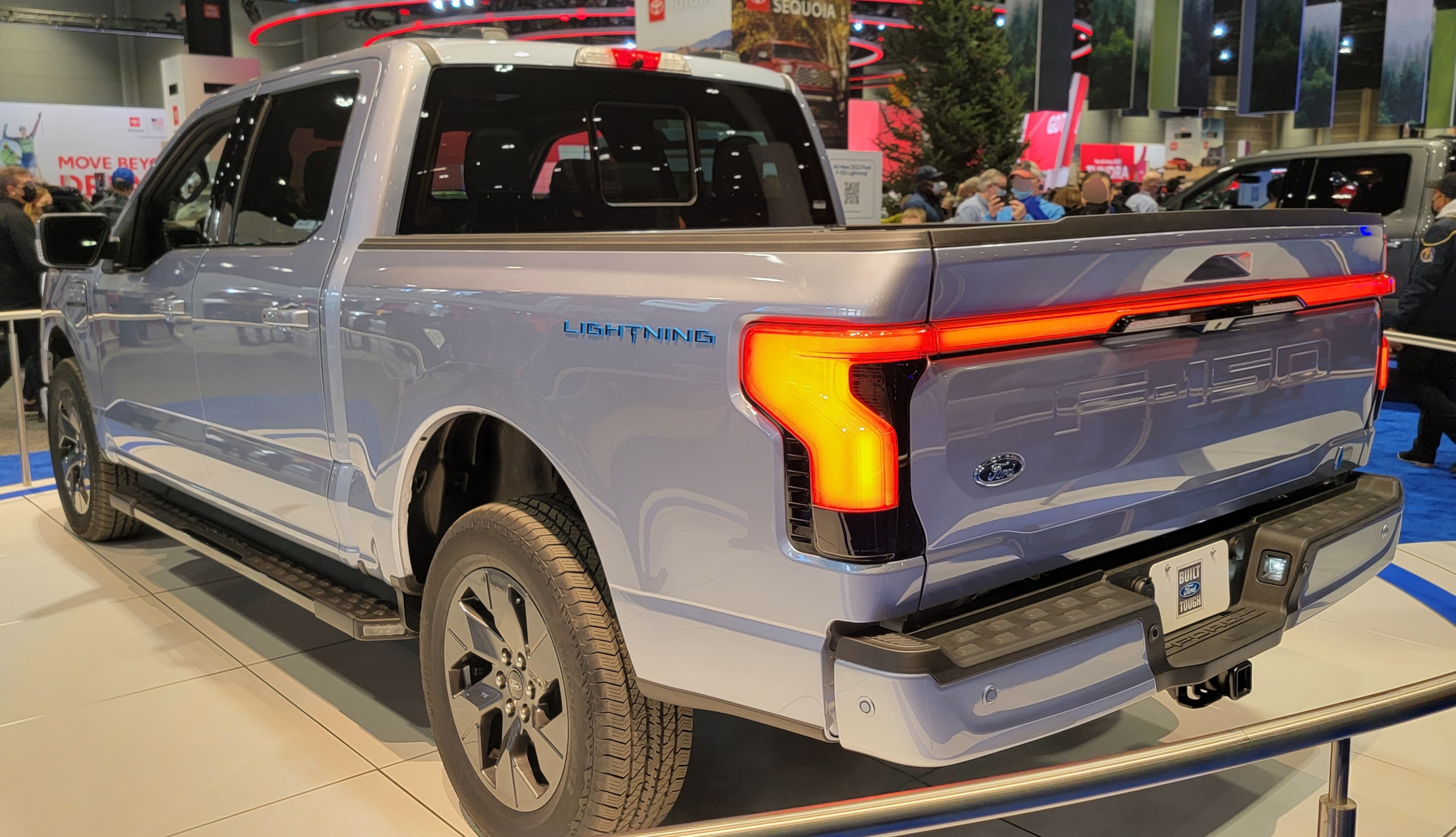
F-150 Raptor
"...w what that's gonna be. I don't know if it's more raptor stuff You know, I was talking about the exhaust...."
The Ford F-150 is a large pickup truck made by Ford. It comes in many versions, and some are built to sound and feel more aggressive when you drive them. People bring it up a lot because it’s common and there are lots of different ways to configure it.
The Ford F-150 is a full-size pickup truck and one of the most widely known trucks in the market. It’s frequently discussed in car podcasts because of its variety of trims and engines, including performance-oriented versions where details like exhaust sound can be a big part of the appeal. The context suggests the conversation is about what makes certain F-150 setups stand out.
lockers
"You know, I was talking about the exhaust. I was like, do I need do I need more lights? I have lockers Yeah, you have like you have lockers."
Lockers help an off-road vehicle keep both wheels on the same axle working together. That way, if one wheel slips, the other wheel still gets power instead of spinning uselessly.
In off-road trucks, “lockers” usually refers to locking differentials (often selectable) that force the left and right wheels on an axle to rotate together. This improves traction when one wheel loses grip on rocks, sand, or mud.
exhaust
"You know, I was talking about the exhaust. I was like, do I need do I need more lights? I have lockers Yeah, you have like you have lockers."
The exhaust is the system that routes engine gases out of the truck. People change it for sound and sometimes to help the engine breathe better, but it also has to fit safely under the vehicle.
“Exhaust” refers to the vehicle’s exhaust system, which can be modified for sound, flow, and sometimes performance. In off-road builds, exhaust choices also need to account for heat management and clearance under the vehicle.
Baja pre-runners
"Was very dangerous that's those all those trucks respect like ready for to go to Baja and be pre-runners And I was like, I really want some type of I love my chase lights, but I really want something that moves"
Pre-runners are off-road trucks built for desert racing. They’re set up to survive bumps, dust, and rough trails—often with upgrades like better traction and extra lights.
“Baja pre-runners” are off-road trucks built and set up for desert racing conditions, typically inspired by the Baja 1000 style of competition. They often feature heavy-duty suspension, strong lighting, and traction upgrades to handle high-speed dirt and rough terrain.
chase lights
"I was like, I really want some type of I love my chase lights, but I really want something that moves I don't I don't know what I'm gonna do."
Chase lights are extra lights meant to help other people see where you’re going. They’re especially useful when you’re driving off-road with a group.
“Chase lights” are auxiliary driving lights mounted to the rear or sides of a vehicle to illuminate the area behind or alongside you. They’re commonly used in off-road convoy driving so the following vehicle can see obstacles and track your line.

Dodge Power
"he was driving a Blue and this is a key part of the story a bright blue dodge power wagon With a license plate a marine license plate that said p Smurf which meant Papa Smurf"
The Dodge Power Wagon is a tough off-road pickup. People like it because it’s built for hard use, and many owners add upgrades to make it even better for trails and rough terrain.
The Dodge Power Wagon is a classic heavy-duty off-road pickup known for its rugged, work-truck roots and trail-ready hardware. In enthusiast circles, it’s often heavily modified (“well specced out”) with traction and utility upgrades for remote driving.
winch
"Like my parents don't need a winch, but right. I mean I I will"
A winch is like a powered rope puller. It’s used to pull a car (or something heavy) out of mud, sand, or a ditch.
A winch is a motorized cable-and-drum device used to pull a vehicle or cargo out of trouble. Off-road and recovery setups often include a winch so you can self-recover or help others.
supply suppliers of some parts
"Like I said, we're having some issues with some not the the storyteller But some some supply suppliers of some parts and things like that right?"
They’re talking about parts not arriving on time. Even if the project is planned, you can’t finish until the missing parts show up.
This is about parts availability and lead times—how long it takes for specific components to be manufactured and delivered. In automotive builds, delays can stall completion even when the rest of the work is ready.
order
"A lot of these guys they don't they take your order, but then they wait for everybody They want to see if they get enough of those orders before they go put things in production"
They’re saying some companies wait to make parts until they’ve received enough orders. That means you might have to wait longer for your specific parts.
The hosts describe a build/production model where suppliers take orders first, then only start producing once enough demand is collected. That approach can reduce risk for the manufacturer but increases wait times for customers.
full slide out shelf in the rear
"And one of them is that is a is a full slide out shelf in the rear which I want to have"
It’s a storage shelf at the back of the vehicle that slides out so you can reach your stuff more easily. “Full slide out” usually means it comes out a lot, not just a little.
A slide-out rear shelf is a storage platform that extends from the back of a vehicle, often used on overland or expedition builds. A “full” slide-out typically means it extends substantially for easier access to gear.
tensioner pulley
"But it's not putting any pressure on right the tensioner pulley the tensioner pulley is literally adding tension to the pulley... the tensioner pulley keeps constant tension on the belt itself so it doesn't slip off"
A tensioner pulley keeps the belt tight. That tightness helps prevent the belt from slipping or falling off while the engine is running.
A tensioner pulley applies and maintains tension on the serpentine belt so it doesn’t slip or come off. Many systems use a tensioner to keep constant belt tension as components wear or as belt length changes.
idler pulley
"If you're working on an old car, you should know the difference... What's the difference between an idler puller idler pulley and a tensioner pulley? ... basically the idler pulley is just what helps route the belt. It's static in place... and it just spins and that's how it helps route helps route the serpentine belt"
An idler pulley is a small wheel that the belt runs over to help guide it in the right path. It usually doesn’t “tighten” the belt—its job is mostly to keep the belt routed correctly.
An idler pulley is a pulley that helps route the serpentine belt and keeps it aligned. It’s typically static in position and mainly spins to guide belt travel, not to add belt tension.
diagnose a squeak
"...this is important if you are talking to the parts counter or you're looking to diagnose a squeak for a bad bearing under there... you're diagnosing a squeak... not when it's just when it's wet... It could just be an idler pulley or a tensioner pulley"
If you hear a squeak near the front of the engine, it can be a pulley or bearing in the belt system. Figuring out when it squeaks—especially whether it changes when things are wet—helps you find the cause.
A squeak from the belt drive area is often traced to accessory drive components like idler/tensioner pulleys or bearings. The key is to narrow down whether the noise happens only under certain conditions (e.g., when wet) versus constantly.
serpentine belt
"...it just spins and that's how it helps route helps route the serpentine belt... the tensioner pulley keeps constant tension on the belt itself so it doesn't slip off"
The serpentine belt is the main belt that powers several engine accessories. If it’s not routed right or not tight enough, you can hear squealing and the belt may wear faster.
The serpentine belt is the long, single belt that drives multiple accessories on the engine—commonly including the alternator and water pump. If an idler or tensioner is failing, the belt can squeak, slip, or wear unevenly.
alternator
"...but hopefully it's just one of those things it's making that noise because it's you you don't want it to be your alternator your water pump or something like that"
The alternator is an engine-driven electrical generator that charges the battery and powers vehicle electronics. Belt-drive noises can sometimes be mistaken for alternator issues, so it’s important to confirm the source before replacing parts.
water pump
"...you don't want it to be your alternator your water pump or something like that"
The water pump moves coolant to keep the engine from overheating. If you hear squeaking near the belt area, it might be a pulley, but it’s worth ruling out the water pump too.
The water pump circulates coolant through the engine to control temperature. While belt-drive squeaks are often caused by pulleys, a failing water pump can also create noise, so diagnosis matters.
Carter Subaru
"And a big shout out to our friends at Carter Subaru who've been sticking with us for so long"
They’re a Subaru dealership that sponsors the show. It’s basically the podcast’s local partner that helps keep things going.
Carter Subaru is mentioned as a long-time supporter of the podcast. For listeners, this is a dealership sponsorship, which often means they’re local to the hosts and may be involved in community events or service relationships.
trip to moab
"there is a huge article about our trip to moab with all of our friends and All of the photos that were done in the article were done by brian elech"
Moab is a well-known off-road destination in Utah, and the hosts discuss a group trip there. The segment frames it as an experience with strong emotional impact, and the article/pictures are used to capture the drive and the scenery.
brian elech
"All of the photos that were done in the article were done by brian elech who's a very good friend of ours"
They’re giving credit to the person who took the photos for the article. The hosts say the pictures really helped capture the trip.
Brian Elech is credited as the photographer for the Moab article. In automotive communities, good action photography is a big part of how people visualize rigs, trails, and the overall vibe of a trip.
Moab justice
"Yeah, you really can't it's hard to do moab justice We've said that a million times, but it's like, you know, it's great pictures of all of us in here garb and the rigs"
They’re basically saying photos can’t fully capture what Moab is like. The real experience—driving the trails—is a big part of why it’s special.
The hosts say it’s hard to “do Moab justice,” which points to how off-road destinations can be difficult to fully convey through photos alone. Moab’s appeal is often tied to scale, terrain variety, and the real driving experience rather than just visuals.

Ford Bronco
"I was looking at this photo of it's a it's got garb of truck brian's truck your truck and the bronco And I was like I was telling Sean I was like, man the wheel gap on the bronco is so much Larger because it's slightly it's uh, you're doing the springs."
The Ford Bronco is an off-road SUV. They’re talking about how lifting it and running bigger tires makes it look taller and changes the wheel gap.
The Ford Bronco is a modern off-road SUV known for its ability to run larger tires and handle lifted suspension setups. In the segment, they’re comparing wheel gap and how a lift plus bigger tires changes the truck/SUV’s stance.
wheel gap
"And I was like I was telling Sean I was like, man the wheel gap on the bronco is so much Larger because it's slightly it's uh, you're doing the springs."
Wheel gap is the space between the tire and the fender. If you lift the suspension or add bigger tires, that space usually gets bigger.
Wheel gap is the visible space between the tire and the wheel well. Lifting a vehicle with springs (or other suspension changes) increases wheel gap, and larger tires can make the difference more obvious.
springs
"Larger because it's slightly it's uh, you're doing the springs. Yeah, your truck slightly lifted too"
Springs help support the car and determine how high it sits. If you swap to taller/lift springs, the vehicle sits higher for off-roading.
Springs are suspension components that support the vehicle’s weight and control ride height. In off-road builds, changing springs is a common way to lift the vehicle, which affects stance, wheel gap, and tire clearance.
37s
"But it's like with the 37s you can really tell how much bigger that truck is sitting on thelma and louis point Yeah, the actual thelma louis point."
“37s” means tires that are about 37 inches tall. Off-road people run them because they help the vehicle clear obstacles and they make the truck look bigger.
“37s” is shorthand for 37-inch tires, a common size in off-road and rock-crawling builds. Bigger tires increase ground clearance and change the vehicle’s look and proportions, which is why the hosts say you can “really tell” the difference.
Monterey Car Week
"there's a really good story here for a story of richard james car week for all Monterey on the cheap and I love the cover photo of that Yeah, so I mean it talks about like all the stuff you can do on the cheap and like We've said that a million times go to monterey car week."
Monterey Car Week is a big yearly car event in California. You can still enjoy it by walking around and seeing cars, even if you don’t buy tickets to everything.
Monterey Car Week is a major annual cluster of automotive events around Monterey, California, including car shows, auctions, and track-related activities. The hosts emphasize that you can still have a great experience without paying for every event, even if lodging is expensive.
Monterey on the cheap
"there's a really good story here for a story of richard james car week for all Monterey on the cheap and I love the cover photo of that Yeah, so I mean it talks about like all the stuff you can do on the cheap"
“Monterey on the cheap” means you can still have fun at Monterey Car Week without paying for every ticketed event. It’s about finding affordable ways to see cars.
“Monterey on the cheap” refers to doing Monterey Car Week activities without spending heavily on paid events. It’s a planning mindset: prioritize free or low-cost ways to see cars and enjoy the atmosphere.
amazon
"so a couple of little things, uh, amazon, uh, jepeso's ceo, uh, just backed another 650 million into slate"
Amazon is a big tech company. In this part of the conversation, they’re mentioning it because of a major business update, not because of a specific car.
Amazon is referenced here in a business/news context rather than automotive, but it’s still a notable company mention. The segment suggests a large investment or funding action tied to an automotive-adjacent story.
zero touch screens
"Uh with their ev truck with a it's going to have hand crank windows and zero touch screens [728.7s] And the basis of this is 160,000 people have already put down down deposits for these trucks"
This means the truck doesn’t use big touchscreen menus for everything. Instead, it uses buttons/knobs, which some people prefer because it’s simpler and less complicated.
“Zero touch screens” describes a vehicle design philosophy that avoids large infotainment displays and relies on physical controls instead. The hosts connect this to buyer preference for simpler, cheaper vehicles that don’t feel overly dependent on software.
hand crank windows
"Uh with their ev truck with a it's going to have hand crank windows and zero touch screens [728.7s] And the basis of this is 160,000 people have already put down down deposits for these trucks"
Hand crank windows are the old-school kind where you turn a handle to move the glass up and down. It’s simpler than power windows and doesn’t rely on electronics.
Hand crank windows are a manual window mechanism using a crank instead of power motors. In the context of an EV truck, it’s a “low-tech” choice that reduces complexity and software dependency, aligning with the hosts’ point about buyers wanting simple vehicles.
buyers want cheap and simple not loaded with software
"Buyers want cheap and simple not loaded with software. Yep. And so I think this is really showing what the market is doing [741.9s] Um, you were mentioning along the lines of trucks about gm"
The hosts are saying some people don’t want cars that feel like computers. They’d rather have straightforward features that are easier to use and less likely to act up.
This is a market trend idea: some buyers prefer vehicles that are less software-heavy, with fewer digital features and less reliance on infotainment systems. The hosts link it to deposits for a truck concept that uses physical controls instead of touchscreens.
gm
"Um, you were mentioning along the lines of trucks about gm [745.5s] Yeah, gm has decided to pull out of the ev market entirely for trucks not for cars for trucks, uh"
GM (General Motors) is a major automaker making decisions about where to spend money in electrification. Here, the hosts say GM is pulling out of the EV truck segment, which is a big signal because trucks are a huge part of GM’s sales.
EV market
"Um, you were mentioning along the lines of trucks about gm [745.5s] Yeah, gm has decided to pull out of the ev market entirely for trucks not for cars for trucks, uh"
The EV market is just the business of making and selling electric cars and trucks. If a big company like GM steps back, it usually means they think sales or costs aren’t working out the way they hoped.
The “EV market” refers to how electric vehicles are selling and which automakers decide to invest in them. In this segment, the hosts discuss GM pulling back from electric trucks, which signals shifting demand and profitability expectations.

Hummer EV
"Which given the sales of trucks. I'm not too surprised. I I'm pretty sure that means hummer is dead again [757.7s] Uh, which [758.9s] Felt like a huge mistake from the beginning. Uh, don't be wrong the hummer if you've driven a hummer ev or you've been in one"
The Hummer EV is the electric version of the Hummer brand. The discussion is basically: even if it’s a great truck, if people aren’t buying enough of them, the brand can get shut down.
The hosts reference the Hummer EV as an electric vehicle they’ve driven or been around. They’re using it to argue that Hummer’s EV effort may be ending due to weak sales, even if the truck itself is described as “super nice” to drive.

GMC Hummer EV
"... Uh, don't be wrong the hummer if you've driven a hummer ev or you've been in one They're actually super nic..."
The Hummer EV is an electric vehicle made by GMC that’s designed to be very powerful and capable off-road. People mention it because it’s not just an EV—it’s built to feel tough and exciting. If someone’s been in one, they may be talking about comfort and drive feel as well.
The GMC Hummer EV is a high-performance electric SUV/pickup-style vehicle built around big power and off-road capability. It’s often discussed because it combines an EV powertrain with a very rugged, heavy-duty design, which makes it stand out from more typical electric vehicles. The podcast context suggests someone is emphasizing how good it feels to drive or be in.
diesel laws
"I'm really really hoping some common sense diesel laws come through because they need it now more than ever [797.3s] Diesel prices are rising rows faster than gas prices and will stay high."
Diesel laws are government rules that control how diesel engines can be used, usually because of pollution and emissions. If the rules get stricter or make diesel harder to run, fewer people buy diesel trucks and cars.
“Diesel laws” refers to regulations that affect diesel fuel use, emissions, and the economics of diesel-powered vehicles. The hosts suggest that changes in these rules could determine whether diesel remains viable, especially as diesel prices rise relative to gas.
diesel prices
"[797.3s] Diesel prices are rising rows faster than gas prices and will stay high. It's very rare for them to come down [803.3s] Uh, or to come they will not come down as fast."
Diesel prices are what you pay for diesel fuel. The hosts are basically saying diesel is getting more expensive compared to gas, which makes diesel vehicles less attractive.
Diesel prices are the cost of diesel fuel at the pump, and the hosts compare them to gasoline prices. They argue diesel is becoming more expensive even though it’s typically expected to be cheaper, which affects the appeal of diesel vehicles.
EV trucks availability debate
"Something good would come of that in the ev market for trucks... But there really haven't been good ev trucks outside of rivian"
They’re debating how many good electric pickup trucks are available. The takeaway is that options are limited, and Rivian stands out.
This segment focuses on whether there are enough good electric trucks on the market, and which brands are actually delivering compelling options. The hosts single out Rivian as the main exception.
Ford F150 Lightning
"We've been asked we've asked us a couple times before and I really want the oddest statement If you have an f-150 lightning or a seara ev and you like it Tell me why because look everything I've heard is pretty negative overall"
The F-150 Lightning is a pickup truck that runs on electricity instead of gasoline. People talk about it because it’s meant to do the same kind of jobs as a regular truck, but with an electric motor. If someone says they like it, they usually mean how it drives and how they use it day to day.
The Ford F-150 Lightning is an all-electric version of the F-150 pickup truck. It’s significant because it brings electric power to a vehicle type many people use for work and towing, so it often comes up when discussing EV practicality. It’s also a common topic for owners who want to explain why they chose it and how it fits their daily needs.
Vorhees law
"I want to talk about the vorhees law. Oh, this is a good one So you're in your car mine mine in the law keep into the speed limit when somebody scurries past you..."
“Vorhees law” is a joke about traffic. It says that if someone cuts past you like they’re late, they usually end up waiting at the same stoplight you’re approaching.
“Vorhees law” is a humorous driving observation: when someone passes you as if they’re in a hurry, they often end up stuck at the same light you reach shortly after. The idea is that their “rush” doesn’t translate into arriving earlier.
speeding to make the light
"keep into the speed limit when somebody scurries past you as if you're running late for work And then a minute or so later... watching you emerge from the distance"
The hosts discuss the common behavior of speeding to “beat” a traffic light, then being proven wrong when the other driver ends up waiting too. It’s essentially about how small timing differences and traffic signals can erase the advantage of aggressive driving.
taxis
"Okay in today's day and age taxis are kind of out uber's lifts things like that. That's the new thing Except for laws where you can't have them."
They’re talking about how regular taxis are being replaced by rides you book through apps. It’s a change in how people get around day to day.
The transcript contrasts traditional taxis with app-based ride-hailing services. This highlights how consumer transportation has shifted toward on-demand, app-dispatched rides rather than street-hailing or taxi stands.
Uber
"Okay in today's day and age taxis are kind of out uber's lifts things like that. That's the new thing Except for laws where you can't have them. But yeah, it's pretty much uber's and lifts. That's it"
Uber is the rideshare app where you request a car. The hosts are saying Uber is also investing in self-driving cars for future rides.
Uber is a ride-hailing company that connects riders with drivers through an app. In the transcript, it’s also referenced in the context of autonomous “robo taxis,” showing how Uber is trying to move from human drivers to self-driving fleets.
Lyft
"Okay in today's day and age taxis are kind of out uber's lifts things like that. That's the new thing Except for laws where you can't have them. But yeah, it's pretty much uber's and lifts. That's it"
Lyft is another rideshare app, like Uber, where you request a car from your phone. The hosts are saying taxis are less common now because apps like Lyft are popular.
Lyft is another major ride-hailing platform, similar to Uber, used for booking rides via a mobile app. The transcript groups Lyft with Uber as the modern alternative to traditional taxis.
lobbying
"they are oh, yeah, fortunately [1129.0s] It makes financial sense. Oh, yeah, they're just going to reinvest that money into lobbying [1133.3s] So they don't get sued into oblivion"
Lobbying is when companies try to influence government decisions. The hosts are implying that self-driving taxi companies may push for rules that reduce their legal risk.
Lobbying is political advocacy aimed at influencing laws and regulations. In this segment, the hosts suggest that companies deploying autonomous vehicles may spend money on lobbying to shape liability rules and protect their business interests.

Jaguar Fpaces
"We look at obviously those all those jaguar f-paces in in arizona, which we've done pretty well [1145.4s] Wait a way most of they've done here."
The Jaguar F-Pace is a luxury SUV. The hosts bring it up as an example of a car they’ve seen in ride-hailing or related use, to discuss whether this kind of technology will work smoothly in everyday traffic.
The Jaguar F-Pace is a compact luxury SUV from Jaguar. In this segment, it’s mentioned as an example of an existing vehicle being used in the real world (in Arizona) while people evaluate how autonomous/ride-hailing tech might play out.
operating costs
"The operating costs once they get those down like I said, and you've got the Tesla robo taxis coming in in texas [1179.9s] So this is coming. Yeah"
Operating costs are the day-to-day expenses of running a service. The hosts are saying that if self-driving ride services can make those costs lower, they’ll be more likely to expand.
Operating costs are the ongoing expenses required to run a service—such as maintenance, insurance, staffing (if any), and infrastructure. The hosts argue that once companies like Uber/Lyft reduce these costs for autonomous operations, adoption becomes more financially viable.
Tesla robo taxis
"and you've got the Tesla robo taxis coming in in texas [1179.9s] So this is coming. Yeah"
“Robo taxis” are self-driving cars that you can summon like a rideshare. The hosts are saying Tesla’s self-driving taxi plans in Texas suggest this will become a real service soon.
“Robo taxis” refers to autonomous ride-hailing vehicles operating with minimal or no human driver. The hosts mention Tesla’s planned autonomous taxi rollout in Texas as a key sign that this approach is coming, and they discuss how operating costs and regulation will affect adoption.
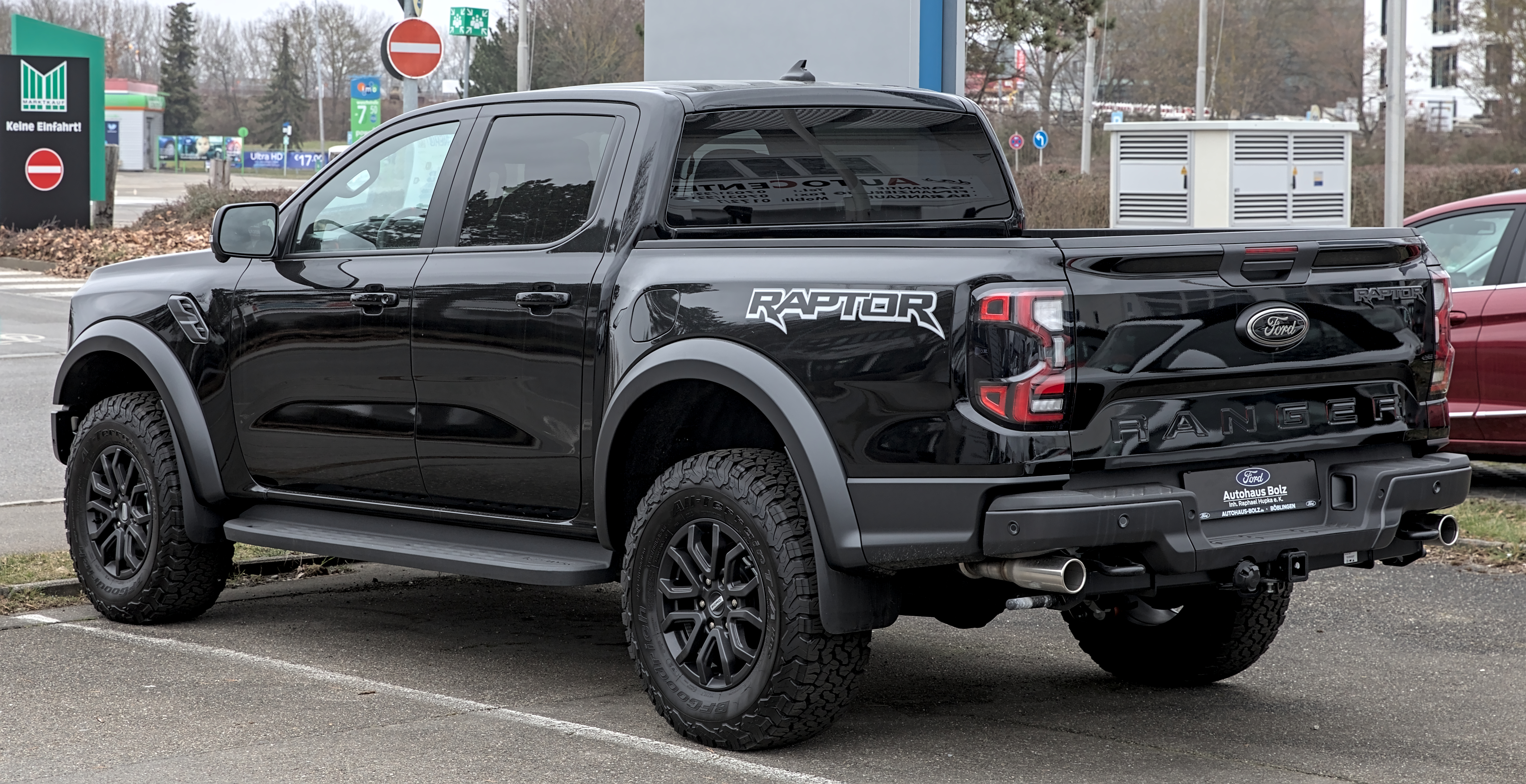
Ford Raptor
"...it is it's been an uproar in the ford community When you buy a high-end ford raptor bronco raptor ranger raptor... Ford has decided recently even if you go out and buy a hundred and fifty thousand dollar raptor are... your key will just say ford..."
The Ford Raptor is a special, off-road-focused version of Ford’s trucks. Here, people are upset because the key fob no longer clearly shows “Raptor,” even on expensive trucks.
The Ford Raptor is Ford’s high-performance off-road pickup line, best known for its aggressive styling and suspension tuned for rough terrain. In this segment, the hosts discuss a recent change to the key fob branding—how it may display “Ford” instead of “Raptor,” which sparked backlash among owners.
Bronco Raptor Bronco
"... the ford community When you buy a high-end ford raptor bronco raptor ranger raptor, I shouldn't say high end wi..."
The Ford Bronco is an SUV designed for off-road driving. It’s meant to handle rough roads better than a typical car. People talk about it when they’re comparing different Ford vehicles and deciding which one fits their driving needs.
The Ford Bronco is a rugged SUV built with off-road capability in mind. It’s often discussed alongside other Ford trucks and performance models because buyers compare how each vehicle handles rough terrain, daily driving, and different trim levels. In the podcast context, it’s grouped with other Ford lineup choices, suggesting the conversation is about what people like and why they choose these vehicles.

Ford Ranger
"...When you buy a high-end ford raptor bronco raptor ranger raptor, I shouldn't say high end with that There..."
The Ford Ranger is a pickup truck that’s smaller than the biggest Ford trucks. It’s built for everyday driving but can still handle typical truck tasks like hauling and light towing. People bring it up when they’re talking about which truck size and style makes the most sense.
The Ford Ranger is a mid-size pickup truck known for being smaller and easier to manage than full-size trucks while still offering truck capability. In podcast discussions, it often appears alongside other Ford performance or off-road models because people compare how different Ranger trims fit different driving needs. It’s a frequent choice for buyers who want a practical truck without the biggest size.
cutting cost on small features
"So this and we were talking about these companies cutting cutting vehicles cutting things This is a weird place to cut cost because it's plastic... it is causing quite a uh, people... Spurped... there's other little things that people have noticed as well."
The hosts are talking about manufacturers saving money by changing small details. Even if it’s not a big mechanical change, it can still annoy people because it feels like they’re losing features they expected on an expensive truck.
This segment is about “cost cutting” on minor, user-facing details—like key fob branding and climate-control knob markings. Even when the savings are small, these changes can feel like a downgrade to buyers paying premium prices, which is why owners react strongly online.
Ford F-150 Raptor
"Let's talk about model changes. So the f-150 raptor And the f-150 for 24 and newer They removed the if you look at the the temperature control... on my gen 2 raptor... the temperature... And now it just it doesn't it's blank and it shows on the screen."
The Ford F-150 Raptor is a rugged version of the F-150 built for off-road use. The hosts say newer models changed the climate control: instead of showing temperature on the knob, it shows it on the screen.
The Ford F-150 Raptor is the Raptor variant of Ford’s F-150 pickup, and it’s the model the hosts reference when discussing interior control changes. They specifically mention the 2024-and-newer trucks losing a visible temperature indicator on the physical climate-control dial, moving that information to the screen instead.
climate-control temperature dial
"They removed the if you look at the the temperature control... on my gen 2 raptor if you turn the temperature you could see the temperature in the the gate the dial itself... And now it just it doesn't it's blank and it shows on the screen."
That’s the knob you turn to set the car’s heating or cooling temperature. In newer trucks, the temperature isn’t shown on the knob anymore—it’s shown on the screen instead.
The climate-control temperature dial is the physical knob used to adjust cabin heating/cooling. The hosts say newer Ford Raptor models changed this by removing the printed/visible temperature markings on the dial and instead showing the temperature on the screen.
retrofit
"People are annoyed by but these nickel and dime changes people notice and some people have gone as far back Is just a retrofit it because you can pull the entire ... and put in a different one"
A retrofit means you change or add parts after the fact to get a feature to work. Here, it sounds like people are swapping the newer/older key fob parts so everything still functions.
A retrofit is adding or swapping parts to update an older system to match newer functionality. In this context, the hosts are talking about replacing the key fob hardware so it works like the older version.
forescan
"So we talked about forescan and the fact that if you want to fire up your your forward escape and have it say raptor on"
FORScan is a software tool that helps you communicate with your car’s computer. People use it to check things and sometimes adjust settings—here, to get a certain message to show up.
FORScan is a diagnostic/programming tool commonly used on Ford vehicles to read codes and perform certain configuration changes. The hosts mention it as a way to enable a specific display/branding behavior (like showing “Raptor”) if the vehicle supports it.
branding
"...especially because it’s a branding thing. Yeah, like the dash thing with the heater controls."
Branding is the car maker’s “identity” shown through things like names and logos. Even small display or key-fob changes can feel like the company is taking away something owners expected.
Branding refers to how a manufacturer’s identity is presented through names, logos, and display text in the vehicle. The hosts argue that small changes to key fob behavior or dashboard displays can feel like they’re removing or altering that branding, which affects owner satisfaction.
Ford F-150
"So they saved a hundred bucks for you know, they sell more f-150 than anything anything else But still put the raptor up. I agree. Come on Ford"
The Ford F-150 is a super common pickup truck. The hosts are basically saying that changing or removing certain branding can make the truck feel less unique, even if it saves money.
The Ford F-150 is Ford’s best-selling pickup, and it’s often used as a baseline for trim and branding decisions. In this segment, they’re talking about how Ford’s marketing/branding choices can affect what makes a truck feel special.
ruby star
"I think it was a newer gt3 and ruby star red and she's like, I really like this color ... In ruby star. Oh, yeah, by the way, I she corrected me."
“Ruby Star” is the name of a specific Porsche paint color. The hosts are basically saying they like the color, and they’re making sure they use the correct name when looking it up.
“Ruby Star” refers to a Porsche paint color name (Ruby Star Red) that the hosts associate with the GT3 they saw. They correct each other on the exact name, highlighting how specific color naming can matter when configuring or searching for the right car.
price bracket
"And I was like, well, you better because if we ever bought a car like that, that's a 15 to 24 thousand dollar option... Again way out of my price bracket will probably I mean someday but uh used uh crashed rebuilt"
A “price bracket” just means the price range that fits your budget. They’re saying the car they like is cool, but it’s probably too expensive for them right now.
“Price bracket” is a way of describing the spending range someone can realistically afford. The hosts use it to frame why a GT3 (and its options) is exciting but out of reach, and later they mention used, crashed, rebuilt cars as a way people sometimes try to get closer to that bracket.
configurator
"Yeah, but it was just interesting which caused me to then, you know, go online and like any configurator and Discover that new Porsche 911 gt3."
A configurator is an online tool that lets you build a car virtually—choosing trims, colors, and options—to see pricing and what the final vehicle would look like. In this segment, they use it to learn what the car they saw actually was and how expensive it could be.
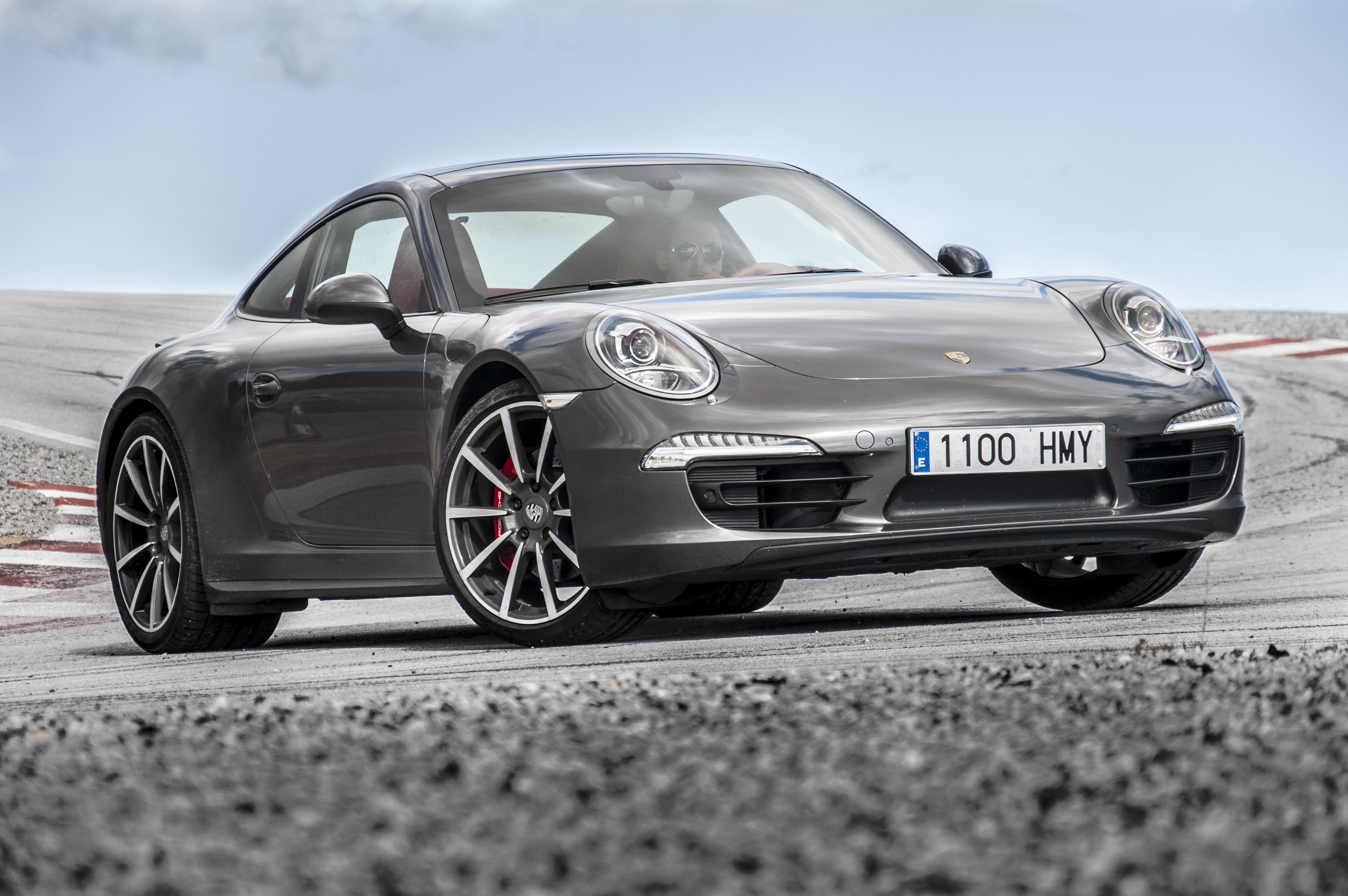
Porsche 911
"Discover that new Porsche 911 gt3. It's the cc. Oh my god. It's pretty In ruby star."
The Porsche 911 GT3 is a high-performance version of the 911 built for serious driving. The point they’re making is that even if you love it, it’s usually far more expensive than most people’s budget.
The Porsche 911 GT3 is a track-oriented 911 variant known for its performance focus and driver-focused setup. The hosts mention discovering the “new Porsche 911 GT3” via an online configurator, and they connect it to the idea of expensive options and price bracket reality.
crashed rebuilt
"Again way out of my price bracket will probably I mean someday but uh used uh crashed rebuilt But I like the idea that like taking all that all that really fun fast stuff from the gt3"
“Crashed rebuilt” means the car had an accident and was repaired afterward. It might be cheaper, but you have to be careful because the repairs may not be as good as a clean-history car.
“Crashed rebuilt” refers to vehicles that were damaged in an accident and then repaired, often resulting in a rebuilt or salvage-type history depending on the jurisdiction. The hosts bring it up as a possible path to owning something like a GT3-derived car while staying closer to budget, but it can come with unknowns.
convertible
"Making it a friend of a fun car. Yeah making it a fun car. Well, it's not just a convertible either [1531.2s] It's the speedster style with the speed humps on the yeah, it's a really gorgeous car."
A convertible is a car where the roof can be removed or folded down so you can drive with open air. They’re saying the car isn’t just a basic convertible.
A convertible is a car with a roof that can be lowered, typically to open-air driving. The hosts mention it to contrast with the “speedster style,” implying a different kind of open-top design.
speedster style
"It's the speedster style with the speed humps on the yeah, it's a really gorgeous car. Oh, I love it."
A speedster is a kind of open-top sports car meant to feel light and sporty. It usually has a more stripped-down look than a typical convertible.
“Speedster style” refers to a lightweight, open-top sports-car body style—often with a minimal rear deck and a focus on driving feel. The hosts also mention “speed humps,” suggesting distinctive design cues that make the car visually recognizable.
buy this before you buy that
"Anytime the company has to move to the buy this before you buy that games. I just the brand ties to me [1544.5s] So I've set up a million times. I don't think that one's restricted though."
They’re talking about a situation where you can’t get the car you want unless you buy something else first. That can feel unfair, especially if the car is already hard to get.
“Buy this before you buy that” describes a dealership or brand allocation practice where customers must purchase other products first to qualify for limited or highly desired vehicles. It’s often discussed in the context of scarce performance models and can affect how enthusiasts view the buying process.
status symbol
"Once you buy into a brand once a brand requires you to buy in so you can have something [1594.9s] It starts to turn into a status symbol which immediately turns it off to me no matter how good it is"
They’re saying that when a car brand makes you feel like you have to “prove yourself” to get the good cars, it can start to feel more like a status thing than a fun-car thing.
The hosts describe how some car brands can turn ownership into a status symbol. When a brand effectively requires prior purchases or “buy-in” to access desirable models, it can shift the motivation from driving enjoyment to social signaling.
Formula 1
"And this year's f1 series ... First this all the change in the middle of the season and the drivers have been very vocal about these cars being not good ... I love f1"
Formula 1 is a super high-tech racing series with teams that build their own race cars. The rules can change, and that can make the cars faster, slower, or less predictable—so drivers and fans react strongly.
Formula 1 (F1) is the top tier of open-wheel racing, where teams build highly engineered cars and compete on road courses and purpose-built tracks. In this segment, they’re discussing how F1’s governing body and teams adjust rules mid-season and how that affects competitiveness and safety.
cars being too fast or too slow
"Oh people are pissed off about that people are so pissed off about well They're pissed off about the fact that the cars are too fast or too slow"
They mean the race cars aren’t matching the intended performance level. If they’re much faster or slower than expected, it can affect how safe and exciting the racing feels.
When commentators say cars are “too fast or too slow,” they’re usually talking about the balance of performance and how the rules affect lap times and race dynamics. If cars are too fast relative to safety margins or too slow relative to expectations, it can change driver confidence, strategy, and incident rates.
energy saving
"Uh, the fact that some of these cars if you're saving your energy Can it be close to 50 kilometers faster than the other cars for overtakes"
Energy saving is when drivers intentionally use less power for a while to make it last longer. That can make their car slower than others, which changes how passing works.
Energy saving refers to managing limited power/energy resources during a race, which can create big speed differences between cars at different moments. The segment implies that when some drivers save energy, their cars may be significantly slower, affecting overtaking opportunities and safety.
overtakes
"Can it be close to 50 kilometers faster than the other cars for overtakes which could cause worse accidents"
An overtake is when one race car passes another. If one car is much faster than the other, it can be harder to pass safely and can increase the chance of crashes.
Overtakes are passing maneuvers—when one car moves ahead of another. In F1, overtaking depends heavily on relative speed, tire behavior, and aerodynamic effects, and the segment suggests that large performance gaps can make overtakes riskier.

Alpina B10
"...es which could cause worse accidents Um, give me b10s. Give them manuals and shut up. There's that if I..."
The Alpina B10 is a BMW-based car that’s been tuned by Alpina to feel more powerful and refined. It’s usually aimed at people who want a comfortable car that still drives like a performance vehicle. The mention of manuals suggests some versions are offered with a stick shift.
The Alpina B10 is a performance-oriented BMW-based sedan/wagon line tuned by Alpina, a company known for refining power and drivability. It’s significant because it blends everyday usability with a more performance-focused setup, which is why it can come up in enthusiast discussions. The podcast context also suggests a focus on driving feel and driver involvement, including talk of manual transmissions.
mid-season rule changes
"First this all the change in the middle of the season and the drivers have been very vocal about these cars being not good ... obviously you're seeing that because you're seeing your head"
Sometimes racing rules get changed while the season is already underway. That can throw teams off because they’ve already built and tuned their cars for the earlier rules, and it can change who’s winning.
Mid-season rule changes are adjustments to the technical or sporting regulations during an ongoing racing season. They can quickly alter car performance, create uncertainty for teams, and shift who is competitive—often leading to controversy among drivers and fans.
viewership is down big time
"Viewership is down big time, uh, like 50 percent down in some in some of these markets. So yeah And that's a that and when money goes away, that's when things start changing."
The segment links declining viewership to financial pressure on the sport, suggesting that audience numbers influence how quickly rule changes happen. In motorsport, ratings and commercial performance can affect sponsorship, media deals, and the willingness to adjust regulations.
restappin drive
"Um, I love the tech that goes into it. I I you know, I was a restappin drive. I was I was I was a Hamilton fan of restappin leclerc."
This part sounds like a racing term, but the transcript is hard to read and it’s not clear exactly what they mean. If you share more surrounding lines, I can identify the exact term and explain it.
“Restappin drive” appears to be a mis-transcription of “restapping”/“restarting” or a similar racing context term, but the intent is unclear from the excerpt. Because it’s not clearly tied to a specific, explainable F1 technical concept here, it’s best treated as uncertain jargon.
hydrophobics
"I was gonna say the same thing kind of the hydrophobics of that taking that stuff off because I am just tired of this"
Hydrophobic means “water-repelling.” When something is hydrophobic, water tends to bead up and roll off instead of soaking in. That can make it easier to rinse off pollen and grime.
Hydrophobic (water-repelling) protection is meant to reduce how water and contaminants cling to surfaces. In this context, the hosts say it helps when it rains, because dirt and pollen wash off more easily. It’s a common goal of coatings and paint protection films.
power washed my driveway
"...which I power washed on that long guy had a power wash my driveway a couple times a year and There's so much pollen stuck to everything"
Power washing is cleaning with a high-pressure water spray. It’s used to blast off dirt and pollen that builds up on surfaces. They’re using it as an example of how much cleanup they’ve been dealing with.
Power washing uses a high-pressure water stream to remove buildup like pollen, dirt, and grime. While not a vehicle component, it’s part of the maintenance routine the hosts are comparing—especially how well the truck’s protection reduces how much they have to clean. It also highlights how quickly pollen can accumulate in certain environments.
e-bike
"Yeah time to go get more. That's a good point time to go get more. Yep, I'm buying a new toy for For moab and beyond. Yeah, what are you buying? I'm buying an e-bike"
An e-bike is a regular bike but with a motor that helps you pedal. It can make longer rides or hills much easier. The battery and motor specs determine how strong it feels and how long it lasts.
An e-bike is a bicycle with an electric motor that assists pedaling. In this segment, the hosts treat it as a “transportation” upgrade alongside their off-road lifestyle. They later discuss battery capacity and motor power, which are key specs for how an e-bike performs and how far it can go.
Surron
"I'm buying an e-bike And not a surron something like that. I'm actually buying a pedalist."
Surron is a company that makes electric off-road bikes. People compare them when they’re shopping for an electric “dirt bike” style ride. The main difference is usually how powerful the motor and battery are.
Surron is a brand known for lightweight electric off-road bikes, often discussed in the same “toy for trails” category as e-bikes. The hosts mention it as a comparison point, implying they’re considering an electric dirt-capable option. For listeners, it’s a reminder that the electric off-road market has its own recognizable brands and spec differences.
pedalist
"I'm actually buying a pedalist. I'm gonna buy but I haven't bought I have ... waiting to see the new amp flow."
They’re saying they’re going to buy a specific electric bike brand/model called “Pedalist.” They’re interested in the bike’s power and battery, not just looks. The exact name might be worth double-checking because it’s not fully clear in the audio.
“Pedalist” appears to be the brand/model the host is planning to buy, positioned as an electric bike alternative to something like a Surron. The segment focuses on the bike’s motor and battery specs, suggesting the purchase is driven by performance. Because the name is ambiguous in the transcript, listeners may want to confirm the exact product name.
amp flow
"...I haven't bought I have I'm waiting to see the new amp flow. Um, I thought you bought one"
“Amp flow” sounds like a reference to an updated e-bike model or motor/battery configuration. The hosts connect it to a “new model” and are waiting to see it before buying. Because the exact product name is unclear, this is best treated as a tentative mention rather than a confirmed spec.
1500 watts
"...the new motors on those things go up to 1500 watts 800 amp hour battery"
Watts measure how much power the motor can provide. “1500 watts” means the bike can be pretty strong, especially for hills or quick acceleration. How it feels in real life also depends on the battery and settings.
Motor power on e-bikes is often quoted in watts. “Up to 1500 watts” indicates the bike can deliver substantial assist for acceleration and climbing, but real-world performance also depends on controller limits, rider weight, and battery voltage. It’s a key spec when comparing electric bikes for trail use.
800 amp hour battery
"...go up to 1500 watts 800 amp hour battery"
Amp-hours (Ah) describe how much energy is in the battery. A higher number usually means the battery can last longer. Your real range will still depend on hills, speed, and how much you use the motor.
“Amp-hour” (Ah) is a battery capacity measure that helps estimate how much energy the battery can store. “800 amp hour” suggests a large battery, which generally supports longer range and sustained power draw. Actual range still varies with riding mode, terrain, and how aggressively the motor is used.
bike trails
"There's so many places around the u.s. That are completely closed to anything but bicycles... Most places Um, I would say like 90 percent of bike trails are open"
Bike trails aren’t all governed the same way—some places allow bikes (including e-bikes), and some don’t. Rules can also change when you leave the trail and end up on a road.
Bike trail access is governed by local land-use rules and trail management policies, which can differ from road access. The hosts are discussing how e-bike legality and trail etiquette can change once you transition from trail to road.
helmet
"Yeah, I'll have a helmet on I will beat you. Yeah, I'm just putting it out there right now"
A helmet helps protect your head if you fall or crash. It’s one of the simplest ways to make riding safer.
A helmet is protective gear designed to reduce the risk of head injury in a crash. For riders, wearing a properly fitted helmet is one of the most important safety habits, especially when riding faster or in mixed traffic.
Sedona as a biking destination
"[1959.2s] That we knew Michael Todd and his friends go down. Yeah, that's right. Yeah, and there's Sedona [1963.8s] There's places like that and just think about I know this look a thing hell's revenge, but on the bike trail"
They name Sedona as another area with great places to ride. It’s brought up as an example of where you can explore by bike.
Sedona is mentioned as another place with trails suitable for biking. It’s used as an example of scenic destinations beyond Moab.
Hell's Revenge on a bike trail (without a motor)
"...just think about I know this look a thing hell's revenge, but on the bike trail [1969.9s] Yeah, exactly, but not having the motor like not having the the right."
They mention “Hell’s Revenge” and compare the idea of doing it on a bike instead of in a motorized vehicle. The point is that the ride is still challenging, but biking changes what you can realistically do.
They reference “Hell’s Revenge” as a trail you might want to tackle, but they discuss doing it on a bike rather than with a motor. This highlights how trail difficulty and vehicle capability translate to cycling.
electric assist
"...and no, but you could do that on a pedal bike [1980.2s] Exactly with electric assist. It'll be beautiful."
Electric assist means the bike has a motor that helps when you pedal. You still pedal, but it takes some of the work off your legs—especially on hills or long rides.
“Electric assist” on a bicycle means the motor helps you pedal, reducing effort while still letting you control speed and direction. It’s often used to make longer climbs or rougher terrain more accessible without fully switching to a throttle-only setup.
electric motors on bicycles
"[1986.4s] I know the stigma around [1989.1s] You'll probably be healthier too [1991.4s] It says give me back out there [1992.8s] I know the signal around electric motors on bicycles and I understand the hate like a lot of it's justified"
People sometimes argue about e-bikes because they can go faster or feel different than regular bikes. Some of the complaints are about safety and how much they affect the trails.
The hosts mention a “stigma” around electric motors on bicycles, which often comes from concerns about speed, trail wear, and whether e-bikes should be allowed on certain paths. The discussion highlights that some criticism is seen as justified, especially when riders behave unsafely.

BMW M2
"... shout out to our our friend and previous sponsor m2 fitness Benji He has he won the enduro class for..."
The BMW M2 is a small, sporty BMW made for performance driving. It’s designed to be fun and responsive, not just comfortable transportation. People often talk about it when they’re discussing driving skills or motorsport-style events.
The BMW M2 is a performance-focused compact sports coupe from BMW’s M division. It’s significant because it’s built to deliver a more driver-oriented experience in a smaller, lighter package than many larger performance cars. The podcast mention ties it to an enthusiast and racing/enduro context, which is why it may come up in conversations about driving and competition.
pedal assist
"A pedal assist because it just helps you get up the up the mountain because yeah, that's it my joy in riding mountain bikes"
Pedal assist is an electric boost on a bike. When you pedal, the motor helps you—so hills feel easier without taking away all the pedaling.
Pedal assist refers to an electric-assist system on a bicycle that adds power when you pedal. It’s especially helpful for climbing because it reduces how hard you have to work to get up steep grades, while still letting you contribute with your legs.
Yoshimura
"Oh, that's right. I forget I always forget that with with yoshimura I'm thinking exhaust, but they do a ton of stuff in bikes. Yeah"
Yoshimura is a company that makes performance upgrades for motorcycles. People often associate them with exhausts, but they also sell other bike parts. The host is saying the stuff is really nice, even if they didn’t strictly need it.
Yoshimura is a well-known Japanese performance brand best known for motorcycle exhausts, but they also make a variety of bike-focused upgrades. In this segment, they’re mentioned as a supplier of high-quality parts that may be “overkill” for the speaker’s amateur needs.
pedals
"It I will tell you that I have gone through so many sets of pedals I actually have a lot of knowledge with that and having a good set of puddles that locks your feet in"
They’re talking about the pedals on a bike/dirt bike and how some pedals grip your shoes better. Better grip helps keep your foot from slipping when you’re turning or climbing, which can prevent scraped shins and other issues.
The hosts discuss upgrading motorcycle/bike pedals for grip and foot retention. They’re contrasting clip-in pedals with non-clip pedals that use spikes/texture to keep your foot planted during cornering or climbing.
clip in
"I'm not talking Ones that you clip in no just really having really good that I have the the the spikes in the right place and lock it in"
“Clip in” means your shoe locks onto the pedal with a cleat. The host is comparing that to regular pedals that don’t lock in, but instead grip your shoe with traction.
“Clip in” refers to riding with shoes that attach to the pedal via a cleat, so your foot is mechanically retained. The speaker contrasts clip-in setups with pedals that rely on spikes/grip instead, implying different tradeoffs in feel and safety.
Fox Pro Frame RS
"That at a fox pro frame rs Um, if you go full face or just full face. Yeah, I have no I've been wearing full face"
Fox is a major off-road riding gear brand, and the “Pro Frame RS” is a specific model of helmet mentioned by the host. This is relevant because helmet model/fit can affect comfort and safety, especially for off-road riders.
removable face
"Semi racing or whatever and spoke in uh that was they had a removable face Which was nice because when you were going up you didn't have that face thing just Blasting you but it's I I think it's really beneficial"
That sounds like a helmet setup where the front shield/face piece can be removed. People do this to make riding more comfortable or to change how much coverage they have.
A “removable face” usually refers to a motorcycle helmet visor/face shield setup that can be taken off or swapped. It changes how much protection and coverage you have while riding, and can affect airflow and visibility.
motorcycle
"The the terrain can slip out. You understand that on motorcycle. Oh, yeah, you know, it's It's smart to have save your teeth save your beauty, you know, we're not gonna have it for long"
They’re talking about riding a motorcycle and how the ground can change fast. That’s why it’s smart to ride carefully and protect yourself.
The hosts are discussing riding dynamics and risk management in the context of a motorcycle. Motorcycle traction and terrain changes can happen quickly, which is why riders emphasize slowing down and wearing protective gear.
shin guards
"No, yeah on my knee guards and shin guards and then I have those already And then I'll probably get some kind of soft armor chest protector"
Shin guards protect your shins from getting hit or scraped. They’re a common safety add-on for dirt/off-road riding.
Shin guards protect the lower leg from impacts and abrasion during riding. They’re commonly used in off-road and aggressive riding because debris, rocks, and bike contact can cause painful injuries.
Request an Explanation
Heard something you'd like explained? We'll add it to this episode.
Sign in to request explanations for terms you heard.
Want to learn more?
Browse our glossary for plain-English explanations of automotive terms, jargon, and concepts.
Help improve this episode
See something that's not quite right? Our annotations are AI-generated and can sometimes miss the mark. Click the flag icon on any annotation to suggest a correction.