
Ep 107: The comeback kids: Citigo and 2CV!
About this episode
Craig and the hosts kick off with recent swaps and fixes, including a Fiat Punto buy/sell and a Mercedes C200 CVI estate chosen for being “cheap, reliable and ideal for walking his dog.” The conversation then bounces through auctions, head-gasket repairs on an MG MGF, and a dead Jaguar X-Type kept for parts. “Clangers of the Week” turns into the comeback theme—why overlooked cars later become loved and valuable—before the show widens to analogue 90s motoring and retro tech appeal.
This week on the Kilowatt Half Hour, Vicky, Batch and Tom tackle another packed week in the world of EVs, from rumours of a cut-price electric Škoda Citigo revival to Volvo’s bold claim that cars “wouldn’t be accepted” if invented today.
There’s chat about the stunning new Volvo EX60, the tiny Škoda Epiq, and whether the AMG GT Coupe is actually… good looking? Plus, the team discuss manual gearboxes and diesel engines potentially disappearing by 2030, and the latest cars added to the UK government’s EV grant scheme.
Also this week:
⚡ Could MG’s new parking tech cure Britain’s worst parkers?
⚡ Lee from Doncaster needs help choosing his next company EV
⚡ Barnard’s Bargain returns with a tempting Volvo EX30 lease deal
⚡ Your comments on battery degradation, charging, terminology nitpicks — and complaints that the podcast STILL isn’t long enough…
As always, expect news, views, gentle arguing and questionable tangents from the Electrifying.com team.
Email your questions and comments to: [email protected]
Watch the podcast and all our latest videos on the Electrifying.com YouTube channel.
Hosted on Acast. See acast.com/privacy for more information.

Fiat Punto
"...is week. So I mentioned last week that I bought a Fiat Punto didn't I and sold it again about a week later. An..."
The Fiat Punto 3-door is a small hatchback car with three doors. It’s designed for simple everyday driving and parking. The podcast mentions it because the speaker owned one briefly and then sold it quickly.
The Fiat Punto 3-door is a compact hatchback variant known for being small, practical, and relatively easy to live with in tight spaces. It’s often part of “first car” or short-term ownership stories because it’s common and affordable. In the podcast, it’s mentioned as a car the speaker bought and then sold again within about a week.
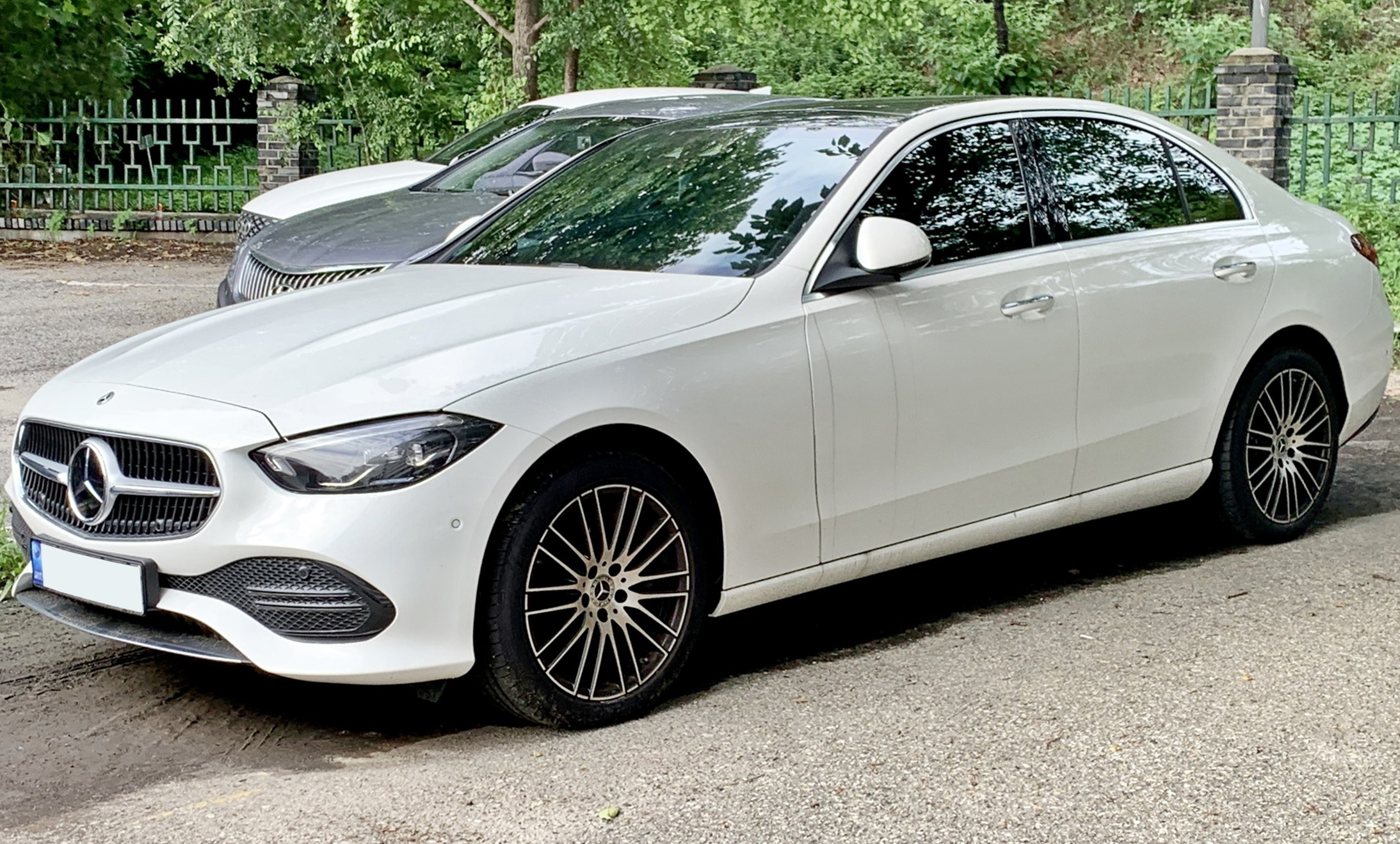
C-Class C200
"...t and the car that I wanted to buy was a Mercedes C200 estate, 2003 C200 CVI automatic. Because a friend..."
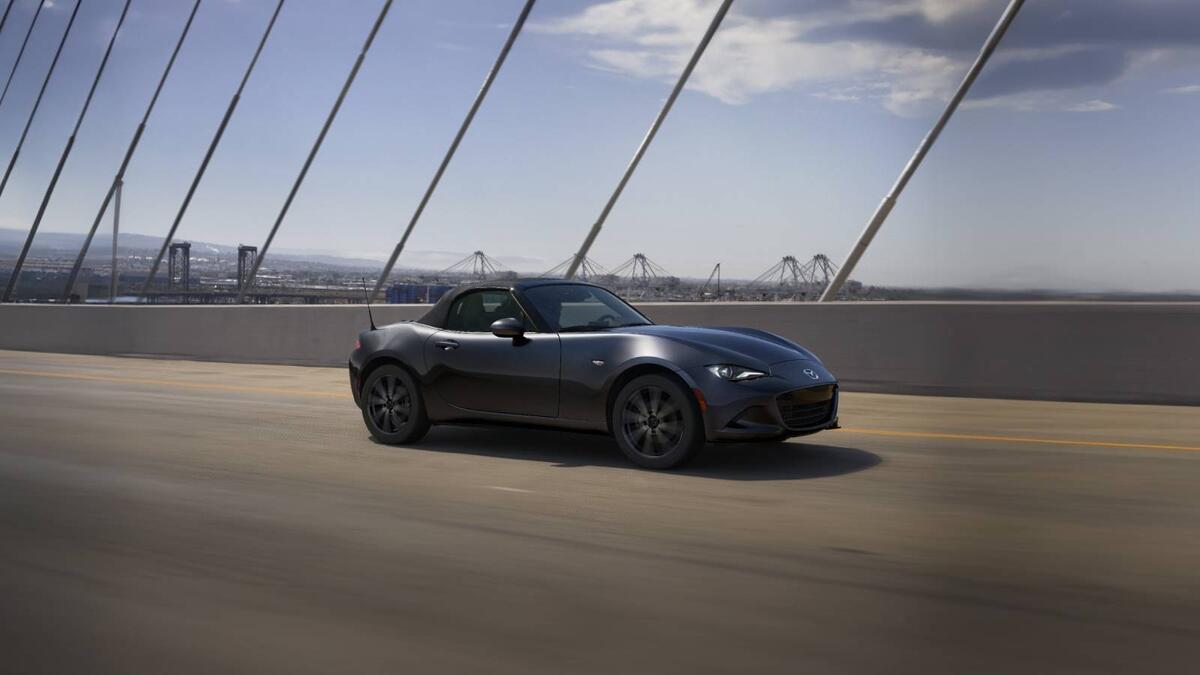
Mazda Mx5
"...can buy it off me. And yeah, he went and bought a Mazda Mx5 instead, which is perfect for dog walks. The dog ..."
The Mazda MX-5/Miata is a small two-seat car with the roof that can open. It’s made to be easy and enjoyable to drive, not complicated. In the episode, it’s mentioned as a good fit for simple local trips like walking the dog.
The Mazda MX-5 (Miata in many markets) is a lightweight, open-top roadster focused on simple, fun driving. It’s often recommended for short trips and “weekend” use because it’s easy to enjoy and relatively affordable to run. The podcast context frames it as a practical choice for dog walks and everyday errands.
head gasket
"I've had the head gasket replaced on the, so yeah, the MGF, the lovely red MGF with [187.9s] the blown head gasket, no longer has a blown head gasket."
The head gasket is a critical seal inside the engine. If it fails, the engine can overheat or run badly, and replacing it can bring the car back to normal.
A head gasket is the seal between the engine block and the cylinder head that keeps coolant and combustion gases from mixing. When it fails (a “blown head gasket”), it can cause overheating, loss of coolant, and rough running—so replacing it is a major repair.

MGF
"I've had the head gasket replaced on the, so yeah, the MGF, the lovely red MGF with [187.9s] the blown head gasket, no longer has a blown head gasket."
An MGF is a small British open-top sports car. The host is talking about a head gasket problem—once that part was replaced, the car was fixed and put back on the road.
The MG F (MGF) is a British roadster from MG (a marque of the MG Rover era), known for its lightweight, open-top driving feel. In this segment, the key issue is a head gasket failure, and the host says it was replaced so the car no longer has that problem.

Peugeot 306 convertible
"And then the trailer took away the Peugeot 306 convertible [198.6s] because the guy that has the trailer obviously really, really enjoys doing head gaskets."
The Peugeot 306 convertible is a small Peugeot with an open-top body style. In this story, it’s part of the same chain of cars being moved around after mechanical issues.
The Peugeot 306 is a compact car from Peugeot, and the convertible variant is a less common body style. Here it’s mentioned as being taken away by a trailer owner, in the same context as other cars being rescued after head-gasket work.
timing chain
"she's been [267.4s] driving to work in back in this Fabio for six years with a rattly timing chain and keep fit [271.6s] windows."
A timing chain helps the engine’s moving parts stay in sync. If it starts rattling, it can mean the chain or tensioner is worn and may need attention.
A timing chain synchronizes the crankshaft and camshaft so the engine’s valves open and close at the right time. The host mentions a “rattly timing chain,” which usually indicates wear or slack and can be a warning sign for an expensive repair.
no reserve
"it went through the auction and it said on the windscreen, no reserve. [308.2s] So I thought, oh, great, I'll have a bid on this."
“No reserve” at an auction means the seller isn’t setting a secret minimum price. If people bid, the car will be sold regardless of how low the final bid is.
In an auction listing, “no reserve” means the car will sell even if bidding doesn’t reach a seller’s minimum price. That changes bidding strategy because there’s no hidden “minimum” that can cause the sale to fail.

Jaguar X-Type
"So I do have, this will come as no surprise to you at all. I do have around the back of my unit a dead X-Type and the gearbox in that works perfectly. So my friend Bob, who's currently restoring my MGZT is really, really looking forward to dismantling a Jaguar X-Type gearbox"
The Jaguar X-Type is a Jaguar model from the 2000s. Here it’s being used like a parts donor: one car is “dead,” but the gearbox from it still works and will be swapped into another car.
The Jaguar X-Type is Jaguar’s mid-2000s compact executive car, best known for using a Ford-derived platform and a mix of petrol and diesel engines. In this segment, it’s specifically discussed because the speaker has a “dead” X-Type used as a parts source, including a gearbox that still works.
gearbox
"a dead X-Type and the gearbox in that works perfectly. So my friend Bob, who's currently restoring my MGZT is really, really looking forward to dismantling a Jaguar X-Type gearbox"
The gearbox is the part that helps the engine deliver power to the wheels in the right gear. Here, they’re saying the gearbox still works, so it can be reused for a repair.
A gearbox is the transmission unit that changes engine speed to match driving conditions. In this story, the gearbox from the “dead” Jaguar X-Type is described as working perfectly, making it valuable for restoring another car.

MGZT
"So my friend Bob, who's currently restoring my MGZT is really, really looking forward to dismantling a Jaguar X-Type gearbox"
The MG ZT is a British MG model from the Rover era. In this segment it’s part of the story because the restoration needs parts, and the Jaguar X-Type gearbox is being considered as a donor.
The MG ZT is a UK-built MG Rover-era saloon/estate that’s known for being a practical performance-leaning car for its time. Here it’s mentioned because the speaker’s friend Bob is restoring the MG ZT and is planning to dismantle the Jaguar X-Type gearbox as part of that work.
MOT
"What's happened to it that it's been officially classified as a dead by Craig? It has a factory-cruised silt delete option. So it went to the MOT and there were no sills to inspect."
In the UK, an MOT is a yearly check to make sure a car is safe and legal to drive. In this case, the car didn’t have the rusted “sills” problem they were worried about, so it didn’t fail on that point.
MOT is the UK’s mandatory annual vehicle inspection for roadworthiness. The speaker says the X-Type went to the MOT and passed because it had no sills to inspect, which is why that car was effectively “the end of that one.”
sills
"So it went to the MOT and there were no sills to inspect. So that was the end of that one."
Sills are the metal parts along the bottom edge of the car, near the doors. They often rust, and the MOT can check them—so if there are no sills, there’s nothing for the inspector to assess.
Sills are the structural metal panels along the lower sides of a car’s body, and they’re a common rust target. The speaker implies the car has had its sills removed or deleted, so during the MOT there were “no sills to inspect,” which changes how rust-related failures are judged.
Festival of the Inexceptional
"Oh, it wasn't, it wasn't the Deulanos. 28,000 mile Deulanos that I thought I might buy for the Festival of the Inexceptional."
They mention a car event called the Festival of the Inexceptional. They were looking for a car to take there, which is why they were talking about mileage and auction prices.
This is an event name the hosts reference in the context of buying a car for it. It’s relevant because it explains why they were shopping for a particular kind of vehicle (and why the mileage mattered).
Pride of Longbridge
"So, so I was outbid by 25 quid and I was a bit gutted and I was going to Pride of Longbridge, you know, the big Rover celebration that happens in Birmingham every year."
Pride of Longbridge is referenced as a recurring Rover/MG-related celebration in Birmingham. The speaker says they planned to attend it the week after being outbid, connecting the auction purchase decision to a specific local car community event.
BCA
"and as I pulled into the field, I saw the very car that was at BCA"
BCA is where the car auction took place. It’s referenced to explain why they were bidding and why the final price included auction-related costs.
BCA is mentioned as the auction location where the speaker saw the car they’d been outbid on. In the UK, BCA is commonly associated with vehicle auctions, which explains the bidding and “auction fees” discussion.
monogram car
"And you're like, no, it's Chatsworth Bronze. And you explain that this is what, is it monogram? It's a monogram car."
“Monogram” sounds like a specific version/label for the car that affects what it is. The important part is that it helps confirm the exact spec, not just the general model.
“Monogram” here refers to a specific MG Rover/Rover program or trim/branding designation tied to how the car was ordered and presented. The hosts treat it as a meaningful identifier—something you can’t just guess from photos—because it affects how the car is categorized and valued by enthusiasts.
special order colour
"It's sort of special, special order colour. And somebody has ordered this car in bronze, which looks like a shade darker than the gold, which a lot of them were."
A “special order colour” is a paint color someone requested that isn’t the usual set of colors. Collectors often care because it can be less common and easier to confirm.
A “special order colour” means the buyer requested a paint shade outside the standard catalog. For cars like the Rover 75, this can make the car more desirable to collectors because it’s easier to verify and can be rarer than the more common factory colors.
one owner
"they were saying that they picked the car up. It wasn't a dealer demo or a factory car. It belonged to a chap who'd had it. One owner until I assume he probably died"
“One owner” means the car was only owned by one person before. People often like that because it can suggest the car was cared for.
“One owner” is shorthand for a vehicle having had a single registered owner, which enthusiasts often view as a sign of careful use and maintenance history. In this segment, the hosts use it to support the idea that the Rover 75 was well looked after.
dealer demo
"It wasn't a dealer demo or a factory car. It belonged to a chap who'd had it."
A “dealer demo” is a car a dealership uses for test drives or display instead of a normal customer delivery. The hosts are saying this Rover 75 wasn’t one of those.
A “dealer demo” is a car used by a dealership as a showroom/press/drive vehicle rather than being delivered to a retail customer. The hosts contrast this with the Rover 75 being a genuine personal car, implying a cleaner ownership story.
BX
"[615.5s] I made you do it in the BX because I knew you'd hate it because you would hate to see this car die. And you went on one because it pumped itself up so that all the other cars pumped itself up in the hydrodynamic suspension so that all the other cars couldn't smash it up."
The Citroën BX is an older Citroën that’s famous for having a special suspension setup. Here, they’re talking about using it for demolition-style racing because it can take hits and still keep going longer than other cars.
The Citroën BX is a French hatchback/saloon from the 1980s known for its unusual ride technology and its popularity in grassroots motorsport. In this segment, it’s the car Tom chose for van/banger-style racing because it has a hydrodynamic suspension system that can help it survive impacts better than other cars.
hydrodynamic suspension
"[615.5s] ...you went on one because it pumped itself up so that all the other cars pumped itself up in the hydrodynamic suspension so that all the other cars couldn't smash it up."
Hydrodynamic suspension means the car’s suspension uses pressurized fluid to control how the wheels move. The hosts are saying the BX’s system can keep the car sitting up instead of collapsing after hits.
Hydrodynamic suspension refers to a suspension system that uses fluid pressure and flow to control ride height and damping. In the context of the Citroën BX, the key idea is that the car can “pump itself up,” helping maintain ride height and limiting how easily other cars can smash it during banger-style impacts.

Opel Astra
"...other cars couldn't smash it up. I had a Mark III Astra. Mike, did you have a go? You took, yeah, you got..."
The Opel Astra is a common compact car. It’s built for everyday use and is usually chosen for practicality. The podcast mentions a specific Astra model in a story about what happened to it.
The Opel Astra is a compact car line known for being practical and widely used in everyday driving. In the podcast context, it’s referenced through a story about a “Mark III Astra” and damage/impact comparisons, suggesting it was part of a discussion about durability or how cars fare in real incidents.

Fiesta
"[634.8s] You took, yeah, you got me a Fiesta. You got me the smallest person, the smallest car, thank you. ... [691.8s] ...putting a Ford fiesta radiator on my BX upside down so it could go out for the final..."
The Ford Fiesta is a small Ford car. In this story it’s used as a racing/banger car, and later they even swap in a Fiesta radiator to get the BX back out.
The Ford Fiesta is a small, front-wheel-drive car that’s often used as a “banger” because it’s relatively easy to find and quick to repair. Here, it’s mentioned both as the smallest car Tom gave Mike and later as the source of a radiator used to keep the BX running.
radiator
"[663.2s] Didn't your radiator go to make Craig's BX live, Mike? ... [691.8s] ...putting a Ford fiesta radiator on my BX upside down so it could go out for the final..."
A radiator helps keep the engine from overheating by cooling the fluid that runs through the engine. Here, they’re swapping radiators to stop the car from overheating so it can still race.
A radiator is the heat exchanger that cools the engine by transferring heat from coolant to airflow. In this segment, the radiator is treated as a critical “get it back out” part—Mike’s BX needed a radiator swap, and a Ford Fiesta radiator was used to keep the car running for the final.

Ford Edge
"...oth really quite quickly because I was totally on edge, and then came back to find them, putting a Ford ..."
The Ford Edge is a family-sized SUV/crossover. It’s built for everyday driving and usually offers more room than a regular car. The episode mentions it in passing during a story involving a Ford.
The Ford Edge is a mid-size crossover SUV designed for comfortable everyday driving with more space than a typical car. It’s the kind of vehicle people choose when they want practicality without going to a full large SUV. In the podcast, it appears in a story about being “on edge” and then finding something related to a Ford vehicle.

Ford Fiesta
"... edge, and then came back to find them, putting a Ford fiesta radiator on my BX upside down so it could go out ..."
The Ford Fiesta Active is a small car with a crossover-style look. It’s designed for everyday driving and is usually easier to handle than bigger SUVs. The episode mentions it in connection with a part being used on another car.
The Ford Fiesta Active is a Fiesta-based small crossover-styled version, aimed at buyers who want a slightly more rugged look and higher seating position than a standard Fiesta. It’s typically discussed as an easy-to-drive, practical choice for city and short-distance use. In the podcast, it’s mentioned in a story about fitting or swapping parts.
vertically mounted dampers
"At the rear, it has vertically mounted dampers, and it rides well over rough surfaces. But one drawback is that the slightly soft setup allows it to roll too much through the bends..."
This means the shock absorbers are installed more upright than normal. Shocks control how the wheels move over bumps and how the car behaves when you turn. The hosts use this detail to figure out which Renault they’re talking about.
“Vertically mounted dampers” means the shock absorbers are oriented more upright than usual. That layout can change how the suspension controls wheel movement over bumps and how the car feels in corners. In the segment, it’s used as a clue to identify the specific car’s suspension design.
roll too much through the bends
"But one drawback is that the slightly soft setup allows it to roll too much through the bends, taking the edge of what would otherwise be one of the sharpest cars in its class."
“Body roll” is the tendency of a car’s body to lean to the outside of a turn. When the hosts say it “roll[s] too much through the bends,” they’re describing a suspension setup that allows more lean than they’d like. That affects cornering feel and how quickly the car reaches its grip limit.
Renault
"Safety kit would suggest something like a Renault. Is it a Renault? Oh, look, you're in. I think you're in. You are indeed correct."
Renault is a car brand from France. Here, the hosts are guessing which car the old road-test excerpt was describing, and they land on Renault. It’s basically a brand clue from the suspension description.
Renault is the French automaker the hosts identify as the likely source of the road-test description. In this segment, Renault is used as the brand-level answer to the “guess the car” game based on suspension details. The discussion is about identifying the model era/vehicle from period road-test wording.

Renault Megane E-Tech
"... I think I'm being bigger than Cleo. It must be a Megane. Is it a Megane? No. Cleo, then? Cleo, yes. But w..."
The Renault Megane E-Tech is an electric car. It’s a compact model that uses a battery instead of a traditional fuel engine. The podcast mentions it while trying to identify the correct model name.
The Renault Megane E-Tech is an electric version of the Megane, designed to bring EV power into a familiar compact-car shape. It’s the kind of model people discuss when talking about modern electric alternatives in the mainstream segment. In the podcast, it’s mentioned as part of a quick back-and-forth about which car model was being referred to.
electric windows
"It was 1.4RT, by the way, if you don't want to know the spec, which is quite a posh one with electric windows. You also remarked on how it was impressive"
Electric windows are windows you can open and close with a button instead of turning a handle. The hosts are pointing out that older cars sometimes had them as a nicer option.
“Electric windows” means the side windows are powered by electric motors rather than being cranked by hand. On older cars, power windows were often considered a higher-trim or more “posh” feature.
driver's airbag
"You also remarked on how it was impressive that even the base model had a passenger... No, sorry, had a driver's airbag. [983.2s] Really? You can't buy a car without a driver's airbag today, but yeah, it's..."
A driver’s airbag is a safety cushion that pops out during a crash to help protect the driver. They’re saying it’s standard now, but it used to be a more special feature.
A “driver’s airbag” is a safety system that inflates a cushion in front of the driver during a crash to help reduce injury. The hosts are contrasting how common it is now versus how notable it was on older cars.

SD1 Rover Sd1
"...unny story about my wife, actually. Her dad had a Rover SD1, would have been about 1981 when she was sort of ..."
The Rover SD1 is an older Rover car. The podcast brings it up because the speaker’s family had one around the early 1980s. It’s mentioned as part of a personal story.
The Rover SD1 is a classic executive car from Rover, associated with early-1980s ownership stories. It’s mentioned in the podcast through a family anecdote about the speaker’s wife’s dad having one around 1981. That context makes it more about personal history than performance specs.
electric sunroof
"and that had an electric sunroof, and they'd gone to a garden centre or something, and she didn't want to go around the garden centre, so they said, if you behave yourself, you can stay in the back of the car and leave the sunroof open."
An electric sunroof is a roof opening you can control with a switch or button. In the story, it lets the car stay open while they’re waiting or traveling.
An “electric sunroof” is a glass or panel roof opening that’s operated by an electric motor. The story uses it to show how convenience features like power roof controls existed decades ago.
Rover SD1
"So they were all locked out of their SD1, a garden centre in Cheshire, [1074.3s] because Tamsin had leapt out via the sunroof. I think she's very popular that day. [1081.1s] I'm surprised that was a story about a Rover SD1 not breaking."
The Rover SD1 is a classic Rover car from the UK. In the past it wasn’t always seen as a “winner,” but today people still talk about it and value it more than you’d expect.
The Rover SD1 is a classic British executive saloon from Rover, known for its big-car presence and for being a popular enthusiast story even when it wasn’t a dominant winner in its era. This segment uses it as a “comeback kid” example—something that can be remembered fondly despite reliability or reputation issues at the time.
group test
"Well, talking of Maestro's and Rover SD1's, we should get to our Clangers of the Week. [1100.7s] That was a big segue, wasn't it? [1102.5s] Well, it was almost slick, wasn't it? So these are cars which were never winners at the time, [1111.1s] and I don't think they would ever run a group test..."
A group test is when reviewers compare several cars together to see which one comes out best. The hosts are saying that some cars didn’t look great in those comparisons when new, but people later started liking them a lot.
A group test is when a publication or reviewer compares multiple cars side-by-side under the same conditions to judge which one is best. In this episode, the hosts use it to explain why some cars that weren’t top performers in those comparisons can still become highly valued later.

Bmw Z8
"And I think you'll also rule with an iron fist when I use [1142.4s] the examples that I did last week, which are the BMW Z8, the Puma Racing, and the Honda NSX."
The BMW Z8 is a special, limited BMW roadster. The hosts are pointing out that even if it didn’t win everything when it was new, people later started valuing it a lot.
The BMW Z8 is a limited-production roadster from BMW that’s famous for its styling and for being a “halo” car rather than a consistent competition winner. In this episode, it’s used to illustrate how some cars that didn’t dominate at the time can become highly valuable later.

Honda Nsx
"And I think you'll also rule with an iron fist when I use [1142.4s] the examples that I did last week, which are the BMW Z8, the Puma Racing, and the Honda NSX."
The Honda NSX is a famous Honda sports car. The hosts are using it to show that even if a car didn’t win every test when it was new, it can still become highly respected later.
The Honda NSX is a mid-engine sports car that became iconic for its engineering and driving feel. Here it’s mentioned as an example of a car that may not have been a “group test winner” in the way people expect, but still gained strong reputation and value over time.
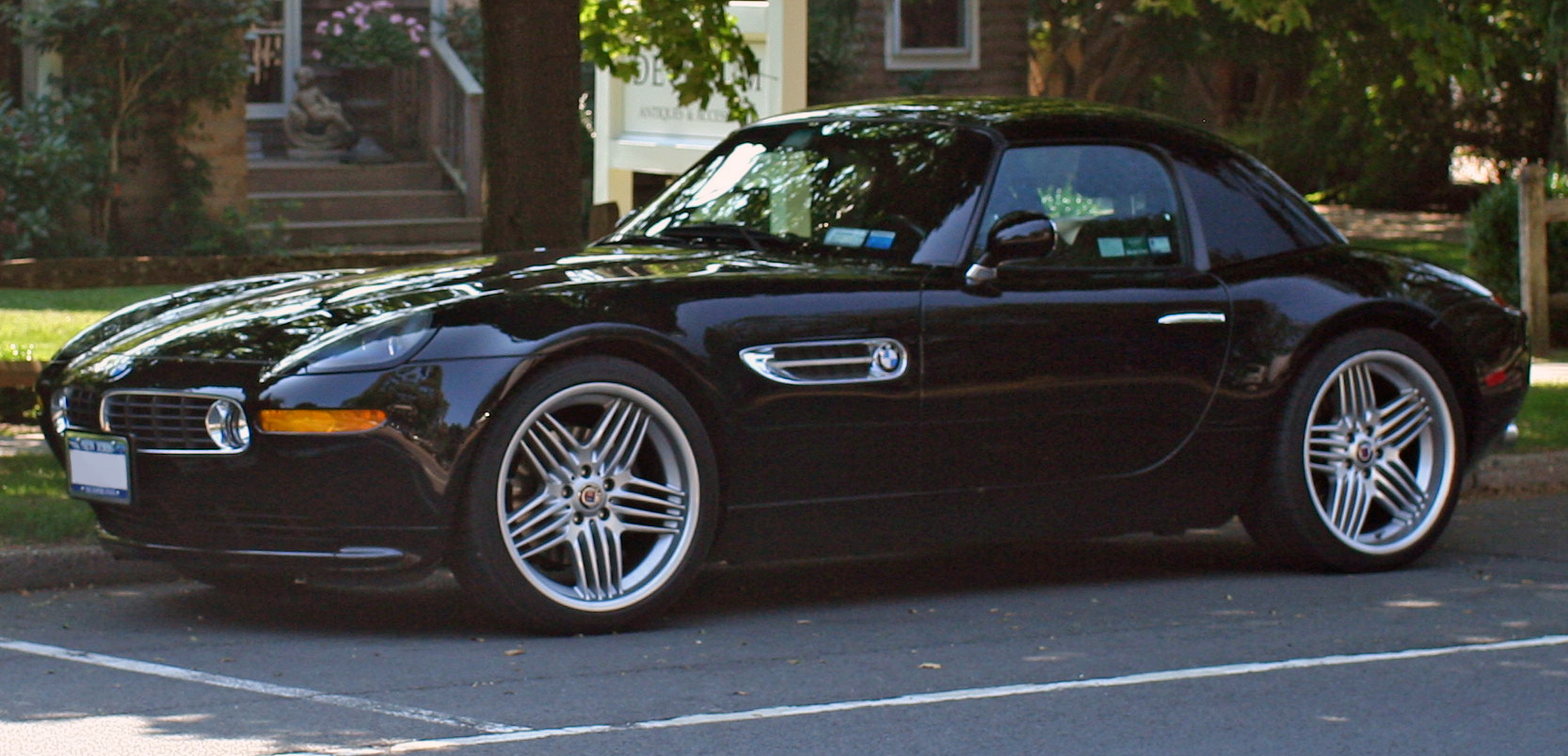
Alpina Z8
"... examples that I did last week, which are the BMW Z8, the Puma Racing, and the Honda NSX. Exactly, say..."
The Alpina Z8 is a special version of the BMW Z8 that’s been modified by Alpina. Alpina focuses on improving how the car drives and feels. The podcast mentions it as one of several notable cars in a list.
The Alpina Z8 refers to an Alpina-tuned version of the BMW Z8, where Alpina typically refines performance and drivability beyond the base car. It’s mentioned in a list of specific “examples” alongside other notable performance cars, which suggests it’s being used as a reference point for interesting or desirable models. In the podcast, it’s grouped with other enthusiast favorites.
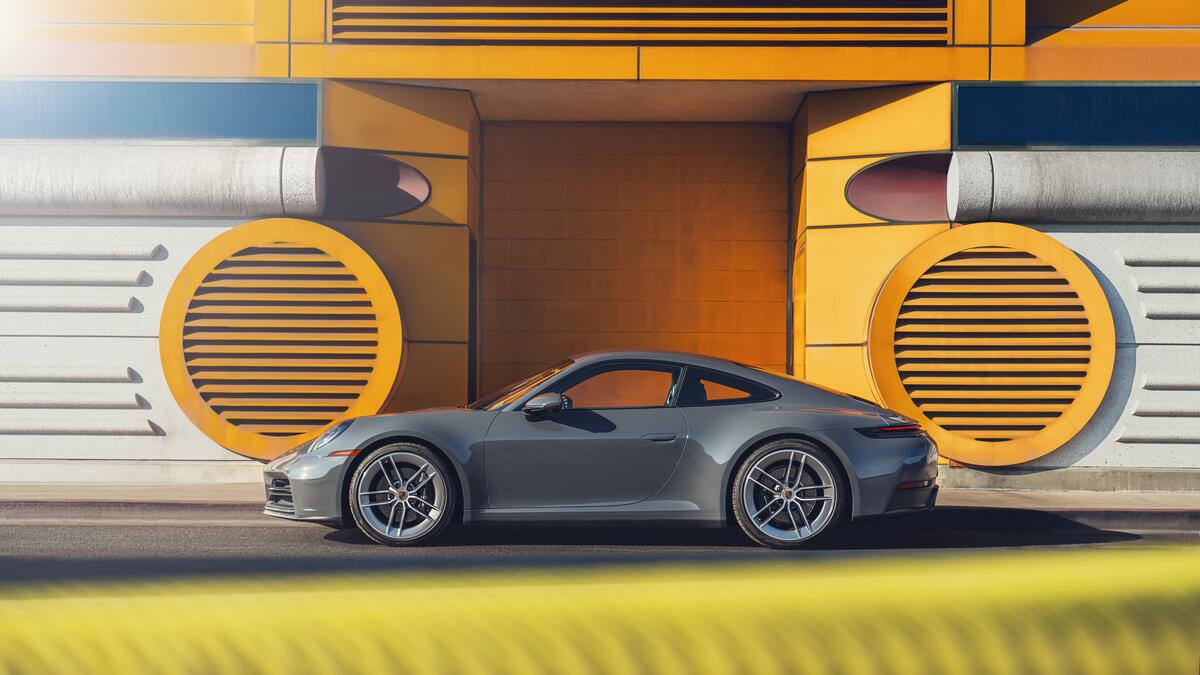
Porsche 911
"...er won a group test, did it against things like a 911, but now everybody, the 911 would be worth, I kno..."
The Porsche 911 is a sports car made by Porsche. People talk about it a lot because it’s famous for performance and a very recognizable design. In the episode, it’s brought up as a car others were compared against.
The Porsche 911 is a long-running sports car known for its rear-engine layout and distinctive silhouette. It’s often used as a benchmark in car comparisons because it represents a “classic” performance formula that many other cars are measured against. In the podcast context, it’s mentioned in relation to a group test and perceived value or desirability.

Cinquecento Sporting
"So I will start off cars which were seen as a bit, [1182.9s] at the time, but are now very valuable, with a Cinquecento Sporting. [1192.1s] I think it's the same one."
The Fiat Cinquecento Sporting is a fun, sporty version of a small Fiat city car. The hosts are saying it became popular later because people who owned them when they were younger now want them back as classics.
The Fiat Cinquecento Sporting is a small, sporty variant of Fiat’s Cinquecento city car, and it’s highlighted as an example of a model that’s become more loved and valuable over time. The hosts connect its rise to “classic car” nostalgia—people who had one as a first car tend to keep the affection.

Volvo 240
"Amazing. I wouldn't go house. Would you like to buy a Volvo 240 to go with it? He would very much like to buy a Volvo 240. It absolutely does. It's got some other power from our list, doesn't it? Volvo 240."
A Volvo 240 is an older Volvo sedan that’s famous for being tough and easy to live with. The hosts are bringing it up as an example of a classic car that doesn’t cost a fortune to own.
The Volvo 240 is a classic, boxy sedan from Volvo known for being simple, durable, and relatively inexpensive to keep running. In this segment, it’s mentioned as a “cheap old sturdy” car that fits the same “small and cheap to run” classic-car appeal the hosts are talking about.

BMW E36
"Yeah, you never know. My 18 year old, another car in my collection is, I've got an E36 BMW. [1451.6s] And that's another one, really, that probably fits in this list of having been a cheap car"
An E36 BMW is an older BMW 3 Series (from the E36 generation). People like it because it’s a classic BMW that used to be cheaper, and it’s now more sought-after—at least in the host’s collection.
The BMW E36 is a 3 Series generation that became popular as a relatively affordable “enthusiast” platform. The host mentions it in the context of cheap cars that later became more desirable, and notes it’s now been replaced by the E46 in their “scruffy BMW” lineup.
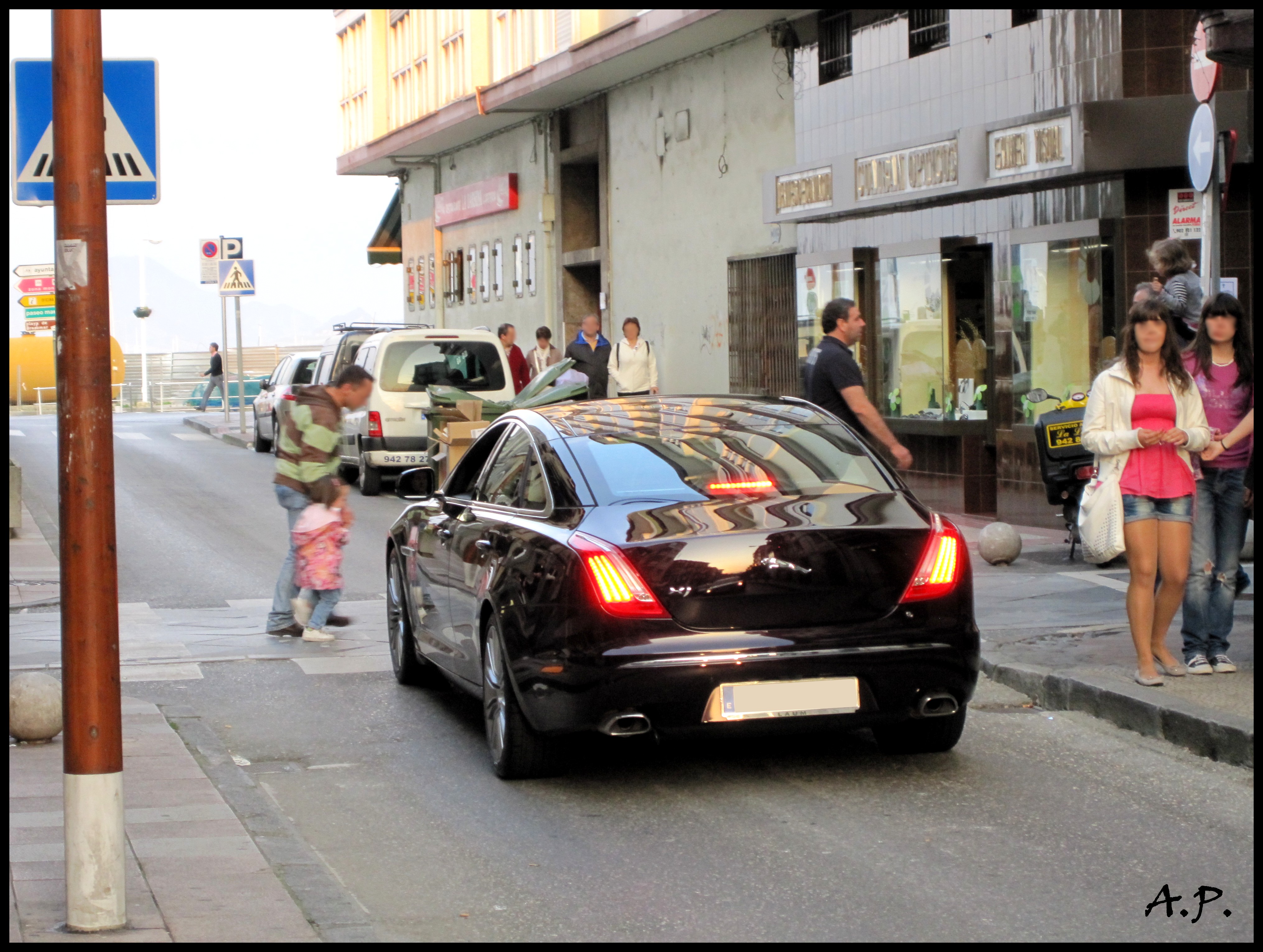
Jaguar X350
"But they've kind of, the last classic looking Jag, the X350, X358s, kind of bypassed that. They got to the point where they were as cheap as they were going to be."
The Jaguar X350 is a specific generation of Jaguar sedan. In this discussion, it’s used as an example of a Jaguar that looks more “classic,” which they think helped keep its price from dropping as far as older Jags.
The Jaguar X350 is the X350-generation Jaguar sedan (often discussed with the 3.5-liter V8) and is referenced here as the “last classic looking Jag.” The hosts argue that the X350 and related X358s helped stop the usual price collapse seen in older Jaguars.

Toyota Land Cruiser VX
"And on it is Toyota Land Cruiser is the next one. That's a really good one. Because they've always been worth a fortune. Yeah, well, I suppose they get exported, don't they? That's the thing that if they do, it's a 4.2 V8 diesel or a straight six diesel."
This is a Toyota Land Cruiser in the VX trim, and the hosts are talking about a 2003 diesel version. They mention that Land Cruisers tend to be expensive because they’re desirable and often exported, and they argue about the exact engine layout.
The Toyota Land Cruiser VX is a trim level of the Land Cruiser, and this segment highlights a 2003 example with a 4.2-liter diesel engine. The hosts focus on why these trucks hold value, and they debate whether it’s a 4.2 V8 diesel or a straight-six diesel.
4.2 V8 diesel
"That's the thing that if they do, it's a 4.2 V8 diesel or a straight six diesel. It's 4.2 anyway."
That phrase is an engine description: it means a diesel with a 4.2-liter size and eight cylinders. The hosts are trying to confirm which engine the Land Cruiser VX actually has.
“4.2 V8 diesel” describes a diesel engine with 4.2 liters of displacement and eight cylinders arranged in a V configuration. In this segment, it’s used to identify the specific engine spec of a 2003 Toyota Land Cruiser VX, though the speakers also suggest it might instead be a straight-six.
straight six diesel
"That's the thing that if they do, it's a 4.2 V8 diesel or a straight six diesel. It's 4.2 anyway. Someone would correct me if I've got it wrong."
This means an engine that’s diesel and has six cylinders lined up in a row. The speakers are debating whether the Land Cruiser VX they’re discussing uses this layout instead of a V8.
A “straight six diesel” is a diesel engine with six cylinders in a single line (inline) rather than a V shape. The hosts use it as an alternative possibility to the “4.2 V8 diesel” when discussing the engine layout of the Toyota Land Cruiser VX.
marketing overkill
"Mark four. four golf was a lovely car, but the GTI one was, I think it was a victim of marketing overkill, hadn't it? It's so much as they thought, well, we're not going to spend a ton of money developing the chassis or anything"
They’re basically saying the GTI name was being used as a sales trick. The car may not have been much different underneath, but the badge made people think it was special.
“Marketing overkill” here means the GTI branding was used to sell the car, even though the underlying engineering changes weren’t substantial. The hosts argue that the car felt like it could have been “anything” with a GTI badge, rather than a truly distinct performance model.
two liter eight valve engine
"Because it was basically the same car, but with different wheels. It's two liter eight valve engine in one of them, didn't it? The 115 brake horsepower"
They’re talking about the engine size (2.0 liters) and how many valves it has (8 valves). More valves often helps an engine breathe better, so they’re implying this version wasn’t as sporty as the earlier ones.
This describes the engine’s displacement and valvetrain: a 2.0-liter engine with an 8-valve setup (fewer valves per cylinder than later 16-valve designs). The hosts use it to argue that this particular GTI spec didn’t feel as “GTI” as earlier, more performance-focused versions.
brake horsepower
"It's two liter eight valve engine in one of them, didn't it? The 115 brake horsepower, which is not really very golf."
Brake horsepower is a way of measuring how much power the engine makes. It’s usually measured on a test rig, and it helps you compare how strong different cars are.
Brake horsepower (bhp) is a measure of engine power measured at the engine output (typically on a test stand), not at the wheels. The hosts mention “115 brake horsepower” to quantify how strong that GTI spec was compared with what you’d expect from the GTI name.
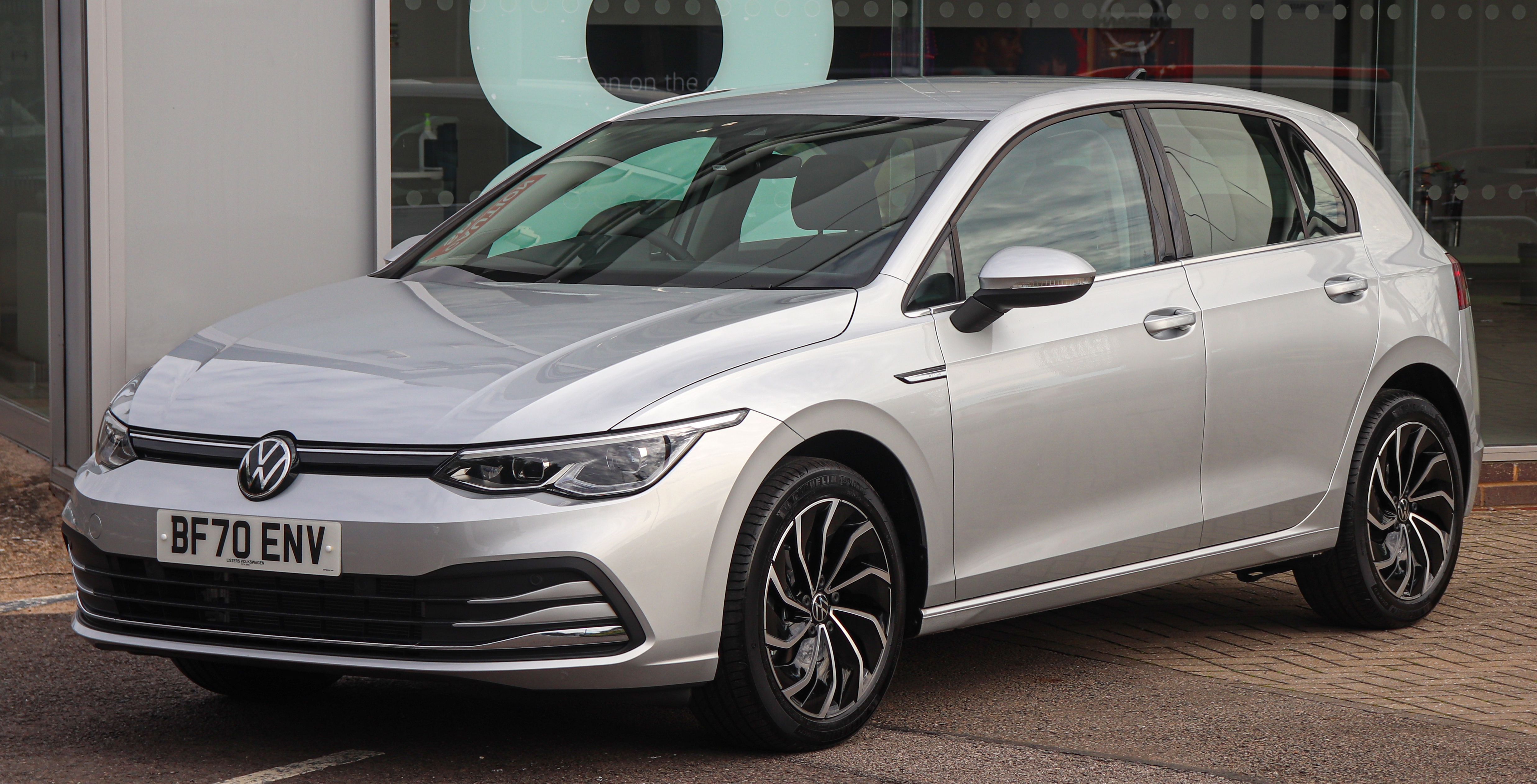
golf 1.6
"We had one for a while. It's my wife's car. And it was all right. But before that, she had a golf 1.6. And there wasn't really any difference between driving them."
The “Golf 1.6” refers to a Volkswagen Golf variant with a 1.6-liter engine, which the hosts say the wife had before the GTI. They use this comparison to argue that the GTI was only marginally quicker, making the GTI badge feel less meaningful at that point in the lineup.
1.8 T
"But I think, yeah, that Mark 41 was was a real low air wasn't it? Because the other engine was what the 1.8 T wasn't it? Yeah, yeah."
“1.8 T” means a 1.8-liter engine with a turbocharger. A turbo helps the engine make more power from a smaller displacement, which is why they’re using it to explain why some GTIs felt better than others.
“1.8 T” refers to Volkswagen’s 1.8-liter turbocharged engine family (the “T” stands for turbo). The hosts bring it up as the “other engine” option versus the earlier 8-valve setup, implying the turbo version felt more like a proper GTI.
16 valve engines
"Mark 12 were great. And they they had the 1.8 eight valve and 16 valve engines. If I remember rightly, and again, I could be wrong"
“16-valve” means the engine has more valves than an 8-valve design. More valves can help the engine breathe better, which can make it feel more lively.
A “16-valve” engine has 16 valves total (typically 4 per cylinder on a 4-cylinder engine). More valves can improve airflow and breathing, which often helps performance and responsiveness—one reason the hosts treat these earlier GTI specs as the “pinnacle.”

Rover Montego
"Punishment GTI. That was the best one. Rover Montego Punishment GTI. Elmira GTI was great."
The Rover Montego was a British family car from the late 1970s/early 1980s. Here it’s mentioned in the context of MG/Rover’s “sporty” versions and later turbo experiments.
The Rover Montego is a late-1970s/early-1980s British family car that became a bit of an enthusiast oddball. In this segment it’s tied to the “GTI”/turbo era of Rover/MG badge engineering, and later to the MG Montego combination and factory closure context.
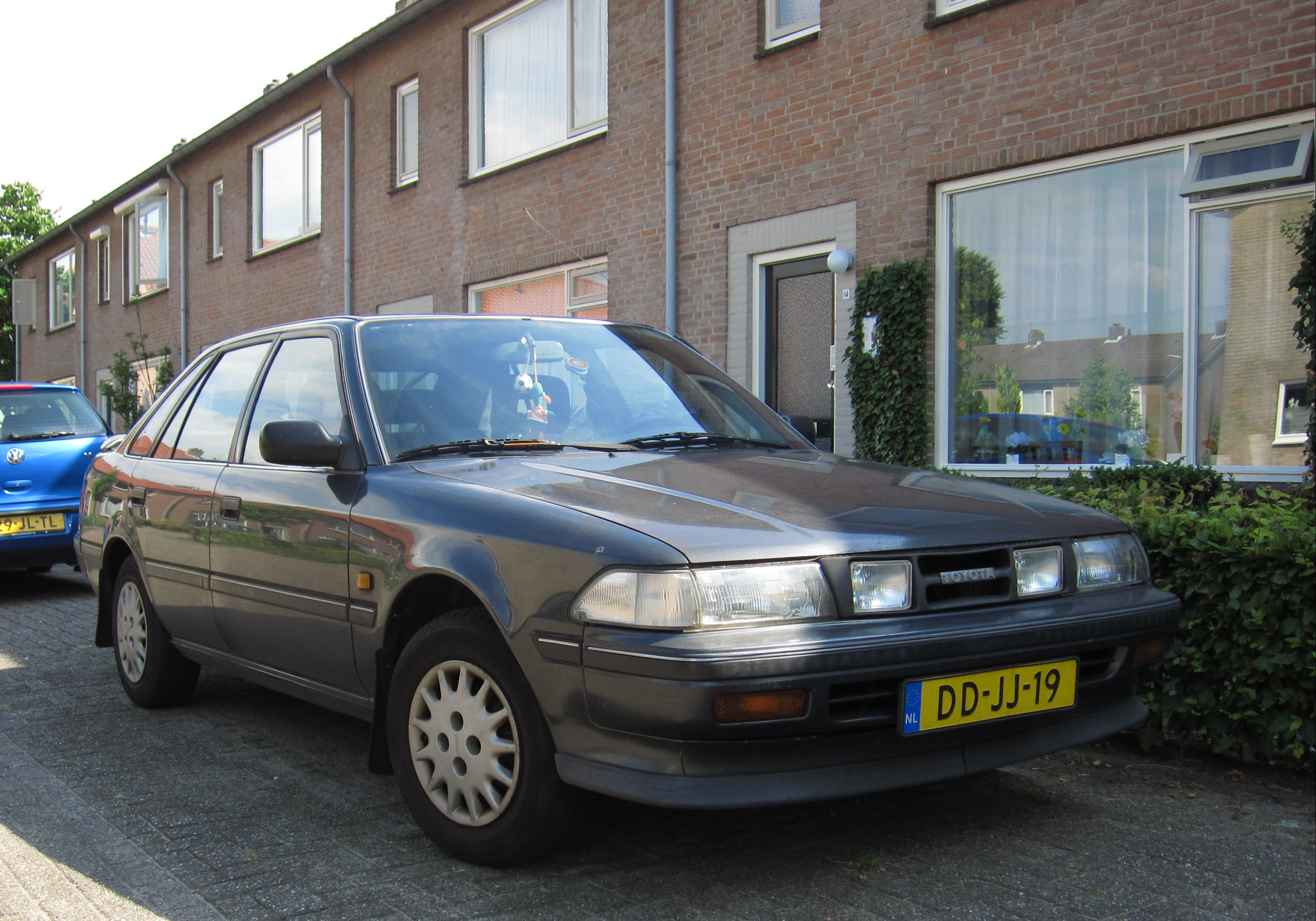
Toyota Carina E GTI
"The friend of mine's dad, he was a pilot for British Airways and his company car was a Toyota [1770.9s] Carina E GTI. And that was brilliant."
The Toyota Carina E is a Toyota family car sold in Europe. The “GTI” label here is being used to mean a sportier version, even if the details vary by market and year.
The Toyota Carina E is a European-market version of Toyota’s compact family sedan from the 1990s. In this segment it’s referenced with “GTI,” which is being used as a shorthand for sporty trim/marketing rather than a specific, universally standardized engine spec.

Ford Escort GTI
"Carina E GTI. And that was brilliant. There was a Ford Escort GTI. Yeah, there was."
The Ford Escort GTI is a sportier version of the Ford Escort. The hosts are using it to illustrate how the “GTI” label was often used to sell a more performance-focused image.
The Ford Escort GTI is a sporty, performance-oriented trim of the Ford Escort. In this segment, it’s part of the broader point that “GTI” branding could make even mediocre cars feel like they were being sold as hot hatches or sporty machines.

MG Metro
"they launched the MG Metro, which was [1822.0s] essentially a standard metro with a high compression A series engine initially. [1827.8s] 1.3 with red seatbelts."
The MG Metro is a small British hatchback. Here it’s important because MG used it as the basis for sportier versions, including turbo models that were meant to be quick but didn’t always handle the added power well.
The MG Metro is a small British hatchback that became a platform for MG/Rover’s “sporty” badge and engine experiments. In this segment it’s described as a standard Metro with an initially high-compression A-series engine, and later as the base for “turbo” versions that the hosts argue lacked the chassis to cope with the extra power.
high compression A series engine
"they launched the MG Metro, which was [1822.0s] essentially a standard metro with a high compression A series engine initially."
“High compression” means the engine squeezes the air-fuel mixture more than normal, which can help it make more power. “A-series” is the name of a particular engine family used by MG/Rover.
A “high compression” engine means the cylinder’s compression ratio is higher than usual, which can improve efficiency and power. An “A-series” engine refers to the classic engine family used by MG/Rover, so this phrase describes a specific type of powerplant used in the early MG Metro setup.

MG Maestro
"And that became the theme in the MG Montego, the MG Maestro that came [1834.2s] after it. They had red seatbelts and gravele or upholstery and various bits and pieces."
The MG Maestro is a British compact car that came after the Metro. In this episode it’s mentioned because MG also made turbo versions, and the hosts think the car’s basic setup couldn’t properly cope with the boost.
The MG Maestro is a British compact car that followed the Metro and became another canvas for MG/Rover’s “turbo everything” strategy. This segment specifically links it to red seatbelts and later turbo variants, which the hosts say were “lunacy” because the chassis wasn’t really built to handle the extra power.
turbocharging
"Although Rover did go a bit mad and they started turbocharging everything. [1848.9s] So you can get a Metro turbo, Maestro turbo, Montego turbo, all of which were a bit lunacy [1855.4s] really, because they didn't have the chassis to handle the power."
Turbocharging is a way to make an engine produce more power by using exhaust gases to cram more air into it. The hosts are saying MG/Rover added turbos to cars that weren’t really designed to handle the extra power.
Turbocharging uses exhaust gases to spin a turbine, forcing more air into the engine so it can make more power without increasing engine size. In this segment, the hosts criticize Rover/MG for turbocharging multiple models (“Metro turbo, Maestro turbo, Montego turbo”) that they believe didn’t have the chassis to manage the resulting performance.

MG Montego turbo
"So you can get a Metro turbo, Maestro turbo, Montego turbo, all of which were a bit lunacy [1855.4s] really, because they didn't have the chassis to handle the power."
The MG Montego turbo is a version of the Montego that adds a turbo to make more power. The hosts argue that the car’s overall setup wasn’t really ready for that kind of performance.
The MG Montego turbo is a turbocharged variant of the MG Montego, part of the early-1980s trend of adding boost to mainstream cars. This segment frames it as one of several “turbo” MG/Rover models that were criticized for not having the chassis hardware to cope with the extra power.

MG MGB
"...e cars, it's 10 grand. That's more than a classic MGB for, you know, essentially a Maestro with red sea..."
The MG MGB is an older sports car from MG that many people collect. It’s known for being a classic that can be relatively affordable compared with some other classics. The podcast mentions it to make a point about what you can buy for a certain amount of money.
The MG MGB is a classic British sports car known for its simple design and strong enthusiast community. It’s often discussed as an affordable entry point into classic car ownership. In the podcast, it’s used as a reference point for pricing versus other “classic” options.

Toyota Yaris
"...nt to go on. And my first overseas launch was the Toyota Yaris Verso. And it had that sort of converse effect wh..."
The Toyota Yaris iA is a small Toyota car. It’s meant for practical everyday use and usually focuses on efficiency. The podcast brings it up as a model the speaker worked with or launched early on.
The Toyota Yaris iA is a compact sedan variant built on the Yaris platform, designed to offer a more traditional trunk-and-rear-seat layout than a hatchback. It’s typically discussed as a practical, fuel-efficient small car option. In the podcast, it’s referenced as part of the speaker’s early “overseas launch” experience.
Gran Turismo
"Yeah, because of Gran Turismo. So it's the car that if you started off in Gran Turismo as a complete rookie, you were given the Mazda Demio…"
Gran Turismo is a racing video game series. The hosts are saying the game made certain cars (like the Mazda Demio) more popular because players start with them and learn about them.
Gran Turismo is a racing video game franchise where cars are unlocked and progressed through. Here, the hosts use it as a cultural reason the Mazda Demio is “in demand” now—because players start with it and build familiarity over time.

Mazda Demio
"was enter a Mazda Demio in a Clubman race at Brands Hatch. Because I thought it'd be basically living out my Gran Turismo dream. Did it get respect? I got lapped by a guy in a Mustang about six times."
The Mazda Demio is a small hatchback from Mazda. Here, the host says they entered one in a club-style race and learned how it compared to much bigger, faster cars.
The Mazda Demio is a compact Japanese hatchback known for being easy to drive and surprisingly fun for its size. In this segment, it’s used as a race entry in a “Clubman race” at Brands Hatch, and the host talks about how it performed against a Mustang.

Ford Mustang
"...m. Did it get respect? I got lapped by a guy in a Mustang about six times. But did people get why you were ..."
The Ford Mustang is a sporty car from Ford. It’s known for having a powerful engine and a reputation for performance. The podcast mentions it in a driving story where it was clearly quick.
The Ford Mustang is a popular American muscle car/pony car built for strong performance and a classic sporty feel. It’s frequently discussed because it has a wide range of versions over the years and a big enthusiast following. In the podcast, it’s referenced in a story about being lapped, which highlights its real-world speed and presence.
Brands Hatch
"was enter a Mazda Demio in a Clubman race at Brands Hatch. Because I thought it'd be basically living out my Gran Turismo dream."
Brands Hatch is a well-known race track in the UK. It’s the kind of place where people run car races, including smaller “club” events.
Brands Hatch is a famous motorsport circuit in the UK, known for its flowing corners and elevation changes. It’s a common venue for club racing and touring-car events, which is why it shows up in stories like this one about a Mazda Demio race entry.
Citroen Balingo
"What about the Citroen Balingo? Oh, yeah. I quite like a Balingo... Big problem with driver seats collapse. I have one for a while. One point one point eight petrol is very rare derivative of it. And the driver's seat had collapsed..."
The Citroën Balingo is a practical little van/people-mover that people often convert into tiny campers. In this segment, the big downside is that the driver’s seat can collapse, and the host describes how common that problem seems to be.
The Citroën Balingo (spelled “Balingo” in the transcript) is a small MPV/van that’s especially known for being easy to live with and for its popularity as a micro-camper base. The host also highlights a specific ownership issue: driver-seat collapse, which they claim is widespread enough that they had to source replacement seats from scrapyards.
micro campers
"So they turn them into micro campers. Yeah. But incredibly practical rides really well, cheap to run, what not to like."
“Micro campers” are small camper setups—basically turning a van into a simple place to sleep and live, without building a huge RV.
“Micro campers” are compact camper conversions where the vehicle is modified to provide basic sleeping and living space in a small footprint. The host connects this to the Citroën Balingo/Berlingo’s popularity because it’s practical and cheap to run.
driver seats collapse
"Big problem with driver seats collapse. I have one for a while... the driver's seat had collapsed and I was trying to find a replacement driver seat for it."
This means the driver’s seat can physically fail and fold or collapse. The host says it’s happened to many of these vans, so people end up hunting for replacement seats.
“Driver seat collapse” refers to a failure where the driver’s seat frame or mounting loses structural integrity. In this segment, the host claims it’s a common problem on the Citroën Balingo/Berlingo, to the point that they found replacement seats by buying passenger seats from scrapyards.

Vauxhall Signum
"Okay, well, I'm going to suggest a car which Craig and [2248.1s] I know very dearly, which is the Vauxhall Signum. Now, I don't know if they're sought after yet, [2253.4s] but they will be very shortly, I'm sure, because when's the last time you saw one?"
The Vauxhall Signum is a family car from Vauxhall. It’s the kind of car you might see a lot in company fleets, and that’s why people talk about how easy (or hard) it is to find one today.
The Vauxhall Signum is a mid-size family car from Vauxhall (part of Stellantis) known for its estate-like practicality with a distinctive, slightly SUV-ish hatchback profile. In this episode it’s discussed in the context of fleet/company-car usage, which helps explain why certain trims and options were common.
company car scheme
"because on the Vauxhall company car scheme, they were about 20p a [2264.1s] year and everything else is very expensive to try and encourage you to have. How many do you have [2268.0s] on the car scheme, Tom?"
A “company car scheme” is when your employer provides a car as a benefit. It can make certain models show up a lot, and it can also affect what options you end up getting.
A “company car scheme” is an employer-provided benefit where employees can drive a company vehicle, often with tax/lease rules that make certain models and option packages more common. The speaker uses it to explain why they saw many Vauxhall Signums and how option choices could be influenced by the scheme’s ordering rules.
tax
"which was a three-litre diesel automatic, which I think it's [2283.5s] probably dead now on the basis that if someone still had it, they'd have a sign that costs [2287.2s] 760 quid a year to tax, which wouldn't be worth the effort."
Here “tax” means the yearly cost to legally run the car on the road. The speaker is saying one particular setup would have been so expensive to tax that it likely got retired.
In the UK context implied here, “tax” refers to annual vehicle taxation (road tax) that can be strongly affected by engine type and emissions. The speaker notes that a specific Vauxhall Signum configuration would cost about £760 per year to tax, making it not worth keeping.
19-inch wheels
"If you ordered 19-inch wheels, [2317.2s] which cost an extra £5 a month, they had to give you an SRI spec one. Even if you only paid for [2324.1s] the elegance one, so it was a cheaper way to get a better car, was just to have the 19-inch wheels"
“19-inch wheels” means the wheel is 19 inches across. Bigger wheels usually change how the car rides and can be tied to higher trim packages—here, it even affected what parts they had to include.
“19-inch wheels” refers to the wheel diameter, which affects the tire’s sidewall height and the car’s ride/handling feel. In this episode, the speaker says ordering 19-inch wheels forced the supplier to provide a higher-spec wheel/tire setup (an “SRI spec” version), even if they paid for a cheaper trim.
SRI spec
"If you ordered 19-inch wheels, [2317.2s] which cost an extra £5 a month, they had to give you an SRI spec one. Even if you only paid for [2324.1s] the elegance one, so it was a cheaper way to get a better car, was just to have the 19-inch wheels"
“SRI spec” means a particular trim/equipment package level. The key point here is that the company-car rules could force you into a higher-spec setup if you picked certain options.
“SRI spec” is shorthand for a specific equipment/trim specification level used by Vauxhall. In the transcript, the speaker explains that choosing certain options (like 19-inch wheels) triggered the company-car system to supply an SRI-spec component even when the buyer selected a lower trim.

Vauxhall Zafira
"which meant that you got these very strange spec [2336.2s] backfired on me once, though, because I was getting out at the time of a young family, [2341.1s] so obviously Zafira became the car of choice and there was a new colour that had come out."
The Vauxhall Zafira is a family-focused minivan/MPV from Vauxhall. It’s the kind of car people choose when they need more seats and easier day-to-day family space.
The Vauxhall Zafira is a compact MPV (multi-purpose vehicle) built around flexible seating for families. Here it’s mentioned as the “car of choice” when the speaker had a young family, which highlights how MPVs were often selected over sedans/estates for practicality.

Zafira
"So, for four months, I was driving a revolting Zafira in a lowly spec with an auto gearbox and a diesel engine, all because I tried to order one and fool the system."
The Opel Zafira is a family-sized van-like car that can fit more people. Here, they’re talking about one with an automatic transmission and a diesel engine, which changes how it drives and how it uses fuel.
The Opel Zafira is a compact MPV (multi-purpose vehicle) known for carrying multiple passengers with flexible seating. In this segment, it’s described as having an automatic gearbox and a diesel engine, which matters because those choices strongly affect how an MPV feels in daily driving.

Mercedes A-Class
"We've already mentioned Mercedes A-Class. Good one for both. I like an A-Class. I thought it was from a design point of view, which is my kind of basis, isn't it really?"
The Mercedes A-Class is a smaller Mercedes that’s meant to be easier to live with day-to-day than the bigger models. They’re saying that with the right version, it can feel like a smart choice rather than settling for something worse.
The Mercedes-Benz A-Class is a compact luxury hatchback/compact car line that’s often chosen for its blend of premium styling and everyday usability. This episode focuses on how it feels to drive and how the right trim/spec can make it feel less like a “compromise” versus larger Mercedes models.

Mercedes-Benz AMG One
"...e basic spec, isn't it? I mean, I don't think the AMG ones or anything would be particularly desirable. My f..."
The Mercedes-Benz AMG One is an extremely high-performance supercar. It’s made in very limited numbers and is built to be special rather than practical. The podcast mentions it as a car that may not appeal to everyone, especially in standard form.
The Mercedes-Benz AMG One is a high-performance, halo supercar built around advanced racing-inspired technology. It’s discussed because it’s rare, technically ambitious, and not meant to be a typical “everyday” Mercedes. In the podcast, it’s mentioned in a way that suggests the speaker doesn’t expect it to be broadly desirable in basic spec form.

Mercedes-Benz Sclass
"off the inside. Especially Mercs of that era because the rest of them were a bit crap anyway, weren't they? I mean, an S-Class. I thought I took each 11th grade car. I'm here before. Now, talking in special editions, you have an idea, Craig, for the next..."
The Mercedes-Benz S-Class is a top-of-the-line luxury car. It’s designed to be comfortable and refined, especially for long drives. The podcast mentions it as a model the speaker thinks was especially good.
The Mercedes-Benz S-Class is the brand’s flagship luxury sedan, built to deliver a high-comfort ride, advanced features, and a premium interior. It often comes up when people discuss “proper” executive cars from certain eras. In the podcast, the S-Class is singled out as a standout compared with other Mercedes models mentioned in the same breath.
Request an Explanation
Heard something you'd like explained? We'll add it to this episode.
Sign in to request explanations for terms you heard.
Want to learn more?
Browse our glossary for plain-English explanations of automotive terms, jargon, and concepts.
Help improve this episode
See something that's not quite right? Our annotations are AI-generated and can sometimes miss the mark. Click the flag icon on any annotation to suggest a correction.
1 community members have helped improve this episode.