
Episode 112: A Heavily-Redacted Sebring Report
About this episode
A long, funny catch-up turns into a vivid first-time Sebring report: the town feels tiny and grim once you leave the downtown festivities, but the race week is pure automotive chaos. The big story is the trackside camping “compounds” that people build like Burning Man—complete with themed structures and years of tradition. Race day delivers at night: fireworks, burning couches, and a tense GT battle. They also debate modern partying, discuss drivers and paddock culture, and end with post-race drama and a few offbeat personal asides.
sauna
"Yeah, I I do think it's it's more temperature than anything else, but um go bowtas mode It'd be nice to have a sauna the guy at the farmer the farmer's house we were at today had a um sauna"
A sauna is a small room that gets really hot so you sweat. People use it to relax and feel better afterward.
A sauna is a heated room used for relaxation and sweating. In car contexts, people sometimes talk about heat management—how hot environments affect comfort, recovery, and even how you feel after long drives or events.
Valtteri Bottas
"Valtteri bowtas just had on his instagram story like we got a guy who set us up once now I can have a finished sauna anywhere while i'm on tour for formula one and then the camera pans over and it's his"
Valtteri Bottas is a Formula 1 race car driver. They’re using his example to talk about how he stays comfortable while on tour.
Valtteri Bottas is a Finnish Formula 1 driver known for his time with teams like Mercedes. The hosts mention his Instagram story to illustrate how he uses a sauna while traveling for F1.
Formula one
"I can have a finished sauna anywhere while i'm on tour for formula one and then the camera pans over and it's his Like bromance buddy panning the phone over and he's just over there naked in the sauna waving like great."
Formula One (F1) is the top tier of open-wheel motorsport, with teams traveling constantly for races. The segment uses F1 touring as the backdrop for why someone would want easy access to recovery/comfort like a sauna.
Sebring
"Recently returned from a first time visit to seabring florida Um a town of 11 000 people and is that real? Yeah"
Sebring is a place in Florida that’s famous for car racing events. If someone says they went to Sebring, they’re usually talking about a racing weekend and the cars that come with it.
Sebring refers to Sebring, Florida, which is closely associated with motorsport—especially the 12 Hours of Sebring endurance race. When a podcast mentions a “Sebring report,” listeners should expect discussion tied to track culture, racing weekends, and the kinds of cars that show up there.
Porsche
"... some of the Porsche guys drivers and and the Taylor boys were were there just kind of you know answering Doing a q&a kind of thing in the park"
Porsche is a well-known German car brand, and they also race in competitions. When someone says “Porsche guys,” they usually mean the Porsche racing team or drivers.
Porsche is a German sports-car manufacturer that competes heavily in endurance and sports-car racing. In IMSA-style contexts, “Porsche guys” typically refers to drivers, teams, or cars associated with Porsche’s racing efforts.
credential
"got to the track found the the You know place to get like my credential and stuff"
A “credential” is an access pass (often wristband, badge, or lanyard) that determines where you’re allowed to go at a race event. For tracks, credentials are commonly required for pit lane, paddock, or media areas.
pre-staging area
"He's like [823.0s] No, he's got to go to the pre staging area [826.3s] what I discover [828.2s] Is that the pre staging area?"
It’s basically the “waiting line” before your car is officially set up to run. You drive into it first, then later you get moved into the exact spot where the race timing starts.
At drag strips and similar motorsport venues, the pre-staging area is where cars line up before they’re fully staged for a run. Officials or systems then move cars into the staging area when it’s time to start the timing sequence.
VIP areas
"because there are no I mean, there's like a few kind of like VIP areas where you can like pay to reserve, you know your your spot for your fucking you know giant RV or whatever but most of it"
Some events sell “VIP” spots so you can get a better location than the general crowd. It’s usually about convenience and space, like where you park or set up.
VIP areas at motorsport venues are reserved sections where fans or teams can pay for better access or preferred placement. These areas often come with perks like closer proximity, easier entry, or more space for vehicles and RVs.
infield
"And the spots that are like the party zone spots Which is like a huge area of the of the track of the infield Um That's all just like it's open like there's not even fucking, you know, like at walkins glenn"
The infield is the space inside the race track. Some events turn it into a big hangout area or camping zone.
The infield is the area inside the track boundaries, typically between the turns. Many events use the infield for camping, fan zones, or “party” areas because it’s contained and close to the action.
Seabring
"So I I had messaged him just being like, you know, hey man, I'm coming to seabring [1062.6s] Where where do I want to camp that I'm like not going to be like in the shit?"
Sebring is a famous race track in Florida. Race weekends there often involve lots of planning for camping and getting close to the track.
Sebring refers to the Sebring International Raceway in Florida, known for endurance racing and a multi-day paddock/camping culture. The speaker’s focus on camping access and proximity to pit lane/media areas fits how Sebring weekends are organized.
media center
"Which was just basically like right across, you know right over the bridge from [1093.3s] From the the front straight, which you know gets you over to the media center pretty quickly and pit lane and all that stuff"
The media center is where press and broadcasters work during the race. If you’re close by, it’s easier to reach interviews and updates.
A media center is the hub for press and broadcasters during race weekends, typically used for interviews, press conferences, and credentialed access to information. Getting close to it can reduce walking/time barriers for journalists and content creators.
pit lane
"Which was just basically like right across, you know right over the bridge from [1093.3s] From the the front straight, which you know gets you over to the media center pretty quickly and pit lane and all that stuff"
Pit lane is where race teams pull in during the race to do things like tire changes. It’s usually a restricted area, so location and access can be a big deal.
Pit lane is the service road along the track where teams stop for pit stops, refueling, tire changes, and adjustments. Access to pit lane areas is tightly controlled, so being positioned nearby can matter for how quickly you can reach team activity zones.
endurance racing
"Whatever prep for or whatever like for a 12 hour race is like ..."
Endurance racing is about making the car last for a long time. Instead of only chasing speed, teams also plan for staying reliable and fixing problems quickly.
Endurance racing focuses on lasting reliability and consistent performance over long periods, not just one fast lap. That changes how teams prepare—more emphasis on durability, heat management, and repair readiness.
12 hour race
"Whatever prep for or whatever like for a 12 hour race is like ..."
A 12-hour race is a long race where the car has to keep going for about 12 hours. Teams plan ahead so the car doesn’t break and they can keep it running the whole time.
A “12 hour race” is endurance racing where teams keep a car running for roughly half a day, managing speed, reliability, and driver fatigue. Prep often includes careful setup, spare parts planning, and a strategy for pit stops and repairs.
project car mindset
"Go buy a new car from a dealership or I could buy this old car And spend thousands of hours Fixing it ... It's like Totally irrational ..."
This is the idea of buying an older car and spending a lot of time fixing it up yourself. It usually isn’t the cheapest option, but people do it because it’s part of the hobby.
The speaker contrasts buying a new car with buying an older one and spending “thousands of hours” fixing it, which is a classic project-car mindset. It’s often driven by hobby motivation, not pure cost efficiency.
NASCAR
"Daytona is the same thing for NASCAR and for for the 24 now I feel like"
NASCAR is a popular American racing series with stock cars. People often talk about the fan experience and atmosphere as much as the racing itself.
NASCAR is a stock-car racing series in the U.S., known for oval tracks, close racing, and a strong fan culture. In this segment, it’s used to contrast the “vibe” and cost of attending races versus other events.
Daytona
"Daytona is the same thing for NASCAR and for for the 24 now I feel like"
Daytona is a famous race track in Florida. NASCAR and other racing events both happen there, so the vibe can feel similar even though the cars and rules differ.
Daytona is most famously associated with Daytona International Speedway in Florida, a key venue for NASCAR and major endurance racing events. When people say “Daytona is the same thing,” they’re comparing the spectator experience and culture across different racing series at the same track.
turn seven which is the hairpin turn
"...end up at at turn seven which is the the hairpin turn which [2338.4s] I mean it's the thing I finally fucking understand seabring now like the layout..."
A hairpin is a super tight corner where the track basically turns back the other way. It’s usually where drivers have to slow down a lot and place the car carefully to get back up to speed.
A hairpin turn is a very tight, slow-speed corner where the track turns back on itself, usually requiring heavy braking and precise steering. At Sebring, “turn seven” being a hairpin makes it a key spot to watch for braking points, traction, and driver line choices.
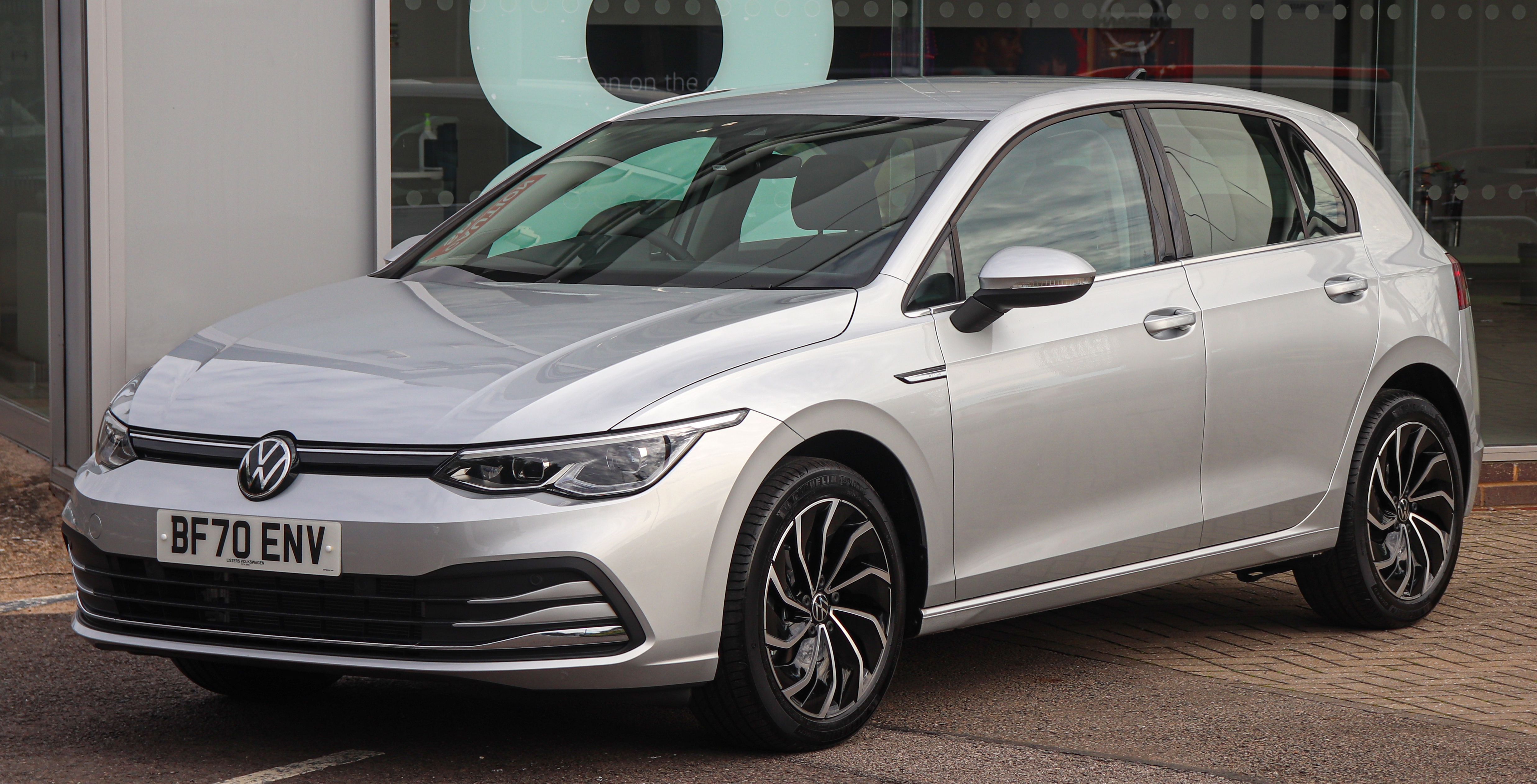
Golf Gtd
"...s a great, uh very exciting move in in, uh Uh in gtd where antonio foco, uh I was sad because I was r..."
The Golf is a compact car that’s made for everyday use, like commuting and errands. Some versions are built to be quicker and more performance-focused than the standard model. If it’s mentioned in the episode, it’s likely because a particular higher-performance version is being discussed.
The Golf is a compact car model known for being practical for everyday driving while also supporting performance-oriented versions. It’s significant in car conversations because there are multiple trims and special editions, including higher-performance variants that get discussed in motorsport or enthusiast contexts. In the podcast context you provided, it sounds like the Golf is being referenced in relation to a specific performance category or setup (like a GTD-style racing context).
press box
"But but yeah, I mean the press box used to be in that glass tower. It's not anymore like that's vip shit now I used to I used to say this about uh detroit and I think like there's"
The press box is where reporters and media people sit during a race. It’s usually a special area with a good view of the track.
A press box is the media viewing and working area at a race track, typically elevated and equipped with sightlines, power, and communications. Changes to the press box can reflect upgrades in how events are covered and how VIP/media access is managed.
grid walk
"before the the grid walk out there and and um"
A grid walk is basically a pre-race walk around the cars lined up for the start. People use it to look at the cars and talk to the teams before racing begins.
A “grid walk” is when drivers, media, and fans walk through the starting grid before a race. It’s a chance to see the cars up close, talk to teams, and capture media content.
Rolex 24
"You'll remember uh at the um, the rolex 24 That race started. I was gonna ask if he was in that pile up"
The Rolex 24 is a famous long-distance race where cars run for about 24 hours at Daytona. Teams race for the best overall result and also for their class.
The Rolex 24 is a major 24-hour endurance race held at Daytona International Speedway. It’s a cornerstone event for sports car racing, where teams and drivers compete over a full day for overall and class victories.
pile up
"That race started. I was gonna ask if he was in that pile up He I think he's the guy who caused it."
In racing, a “pile up” is when multiple cars crash into each other and end up bunched together. It can force many cars out of the race and slow everything down.
A “pile up” in racing usually refers to a multi-car crash where cars collide and stack up, often triggering additional impacts. These incidents can quickly reshape the race by causing retirements, safety car periods, and damage that affects drivability.
paddock
"And everybody in the paddock who would like presume you've spent a ton of money to just be associated with these guys"
The paddock is the “team area” at the track. That’s where crews work on the cars and where people notice what happens during the race.
The paddock is the team area at a race track where cars are serviced, crew members work, and teams interact. It’s also where reputations spread quickly—especially after incidents that affect other competitors.
Corvette
"...and in the corvette guys I got a big line..."
Corvette is Chevrolet’s famous sports car. When Corvette teams are racing, a lot of fans show up, so you’ll see longer lines for their drivers.
“Corvette” refers to Chevrolet’s performance sports car brand, which has a strong motorsport and fan following. In racing paddocks, Corvette teams often draw big crowds, which can affect the length of lines at fan events.
team orders
"Kevin estra ... had been uh Ordered to um ... basically basically followed followed team orders ... and then ... Felipe nazar and the seventh car disobeying team orders and passing him for the win"
Team orders are instructions the race team gives drivers during the race. Sometimes they’re meant to protect the car or secure the best overall result, but a driver might ignore them if they think they can still win.
In endurance and sports car racing, “team orders” are instructions from the team to drivers on strategy—often to maintain a position, manage tires/fuel, or avoid jeopardizing the car. They can become controversial when a driver chooses to ignore them to chase a win.
IMSA
"like, uh [4349.1s] That's racing like nah doc this is imsa doc. We don't have to do that like [4354.8s] They're not gonna fire us like I mean, that's the thing is estra"
IMSA is a big sports-car racing series in the U.S. and Canada. Teams race different cars under rules that shape how they’re built and how they race.
IMSA is the International Motor Sports Association, which runs major sports-car racing in North America. In IMSA, teams compete in classes with rules that affect car setup, tires, and race strategy.
late race cautions
"[4441.1s] I think they might be getting uh getting beat [4448.6s] I mean the thing is they they they were so clearly faster than anybody else. I mean like in in one of those those uh [4457.7s] Kind of late race cautions [4460.3s] when jimmy and I were you know, we're in the back and and uh"
A caution near the end of a race (often due to an incident) slows the field and bunches cars back together. That can dramatically change strategy and make it easier for faster cars to close gaps or for teams to execute a restart attack.
TSA
"Anyway, I don't know what I'm gonna do, but then I saw uh president old front Got the just illegally Uh funding the tsa and I was like see Comes comes through for me again. Like look"
TSA is the agency that checks people and bags at airport security. If TSA staffing or rules change, it can affect how long the line is and how stressful boarding feels.
TSA is the U.S. Transportation Security Administration, which runs security screening at airports. When people talk about “TSA funding” or lines, they’re usually referring to how quickly security checkpoints process passengers.
post mortem
"we're gonna have to go back and um And do some post mortem on that one and see yeah because Yeah, that um"
A “post mortem” is basically a review after a problem. They’re saying they’ll look back at what happened and figure out why it didn’t work.
A “post mortem” is a structured review done after something fails or doesn’t go as planned. In automotive contexts, it often means going back through decisions, diagnostics, or deal/listing outcomes to identify what went wrong and what to change next time.
Request an Explanation
Heard something you'd like explained? We'll add it to this episode.
Sign in to request explanations for terms you heard.
Want to learn more?
Browse our glossary for plain-English explanations of automotive terms, jargon, and concepts.
Help improve this episode
See something that's not quite right? Our annotations are AI-generated and can sometimes miss the mark. Click the flag icon on any annotation to suggest a correction.