Episode 449: 2026 Volkswagen Taos, Honda Posts A Loss, Listener Feedback
About this episode
Hosts kick off with listener feedback and a quick structure tease, then dig into the 2026 Volkswagen Taos—starting price, trim naming/pronunciation, drivetrain specs, cargo space, and how the cabin feels (especially the touchscreen and digital cluster). They also cover Travel Assist behavior and real-world fuel economy. The news segment shifts to Honda’s first annual net loss in decades and its pivot toward hybrids after canceled EV plans, then expands into broader hybrid/EV strategy comparisons and pricing quirks. Listener stories round it out.
The Unnamed Automtoive Podcast jumps back into the subcompact sphere and gets to review the 2026 Volkswagen Taos. Benjamin wonders what the correct pronounciation of the crossover is, then gets into the nitty gritty about the pros and cons of this small, but steady SUV. They also talk about what makes for a good subcompact crossover, and what doesn't make the cut.
Then Sami brings up some recent harrowing news about Honda, and the weird pricing strategy over at Toyota regarding its three-row crossovers. Thanks for listening!

2026 Volkswagen Taos
"But this model is aimed at a more affordable side of the market. And that's the 2026 Volkswagen Tauss. Is that how you say that?"
The Volkswagen Taos is a small SUV. In this episode, the host says the 2026 Taos impressed them during a test drive, and they compare it to a similar smaller SUV they drove before.
The Volkswagen Taos is a compact crossover SUV, and the 2026 model is positioned as a more affordable alternative to higher-priced small crossovers. In this segment, the host is discussing how the Taos surprised them during a test drive and how it fits against similar vehicles like the Subaru Crosstrek.

Ford Mustang
"...ere's no way you can mess it up. Like no one says Mustang, for example. Everyone knows how to pronounce Mus..."
The Ford Mustang is a sporty Ford car, usually a coupe or convertible. People talk about it a lot because it’s well known and has a reputation for fun driving. The episode mentions it because the name is easy for most people to recognize and say.
The Ford Mustang is a long-running American sports coupe/convertible known for its performance-focused styling and strong enthusiast following. It often comes up in podcasts because it’s widely recognized and easy to talk about when discussing driving feel, history, or “classic” muscle-car culture. The pronunciation comment in the episode highlights how familiar the name is to most people.

Ford F150
"Everyone knows how to pronounce F-150. It's easy."
The Ford F-150 is a very popular pickup truck. The host brings it up because most people already know how to say it.
The Ford F-150 is a full-size pickup truck model line that’s extremely common in North America, which is why its name is widely known and easy to pronounce. The host uses it as another example of a model name that people typically say correctly.

Volkswagen Touareg
"... an even more confusing name from Volkswagen, the Touareg. It doesn't exist anymore."
The Volkswagen Touareg is a type of Volkswagen SUV. The podcast says it doesn’t exist anymore, meaning it’s no longer being sold as a current model. People may still mention it when talking about older cars or used ones.
The Volkswagen Touareg is/was a Volkswagen full-size SUV model, and the episode notes that it “doesn’t exist anymore.” That comment suggests the model has been discontinued or removed from current availability, which is why it comes up as a point of confusion. It’s discussed because discontinued nameplates can still be referenced when people talk about past options or used-car shopping.

Volkswagen Id Buzz
"..., how do I make this car? So should I call it the ID buzz? How do you say Taos in German?"
The Volkswagen ID. Buzz is an electric van. The podcast talks about what to call it because the name is a little unusual. It’s an EV version of a van-style vehicle.
The Volkswagen ID. Buzz is an electric van based on the ID. family of Volkswagen EVs, designed to bring a classic van shape into modern electric form. The episode focuses on how to say “ID Buzz,” which points to the fact that the naming and pronunciation are part of how people first encounter the car. It’s discussed because it’s a distinctive EV alternative to more conventional electric vehicles.
trim
"And you can just stay with the base model or you can get one that is supposedly more luxurious. ... So I don't know if like the comfort line for motion is there [567.6s] because it's maybe the most popular, but this is a vehicle that starts at"
A trim is basically the car’s “version.” Higher trims usually add more features, while the base trim is simpler and cheaper.
A trim is a specific equipment level for a car—different trims bundle different features, comfort items, and sometimes powertrain options. When the hosts compare “base model” versus “more luxurious” versions, they’re describing how trim changes what you get for the money.
associated fees
"And that includes as with the U.S. [579.7s] number I gave that includes all of the associated fees. [582.7s] So again, not not a crazy expensive."
“Associated fees” refers to extra charges added to the car’s advertised price—commonly things like destination, taxes, registration, and other government or administrative costs. The hosts point out that their Canadian number includes these fees, which is why it’s not just the sticker price.
appearance package
"It's basically an appearance package kind of for the the comfort line model."
An appearance package is a set of styling upgrades the carmaker bundles together. It usually changes things you can see—like wheels and trim—more than it changes the engine or driving feel.
An appearance package is a factory option that changes mostly visual details—like wheels, trim, and exterior color accents—without fundamentally changing how the car drives. It’s typically bundled to look cohesive and is often priced lower than buying each cosmetic item separately.
panoramic sunroof
"Those bills are nineteen inches. You get a panoramic sunroof."
A panoramic sunroof is a big glass roof panel that lets in lots of light. It can make the car feel brighter and more open inside.
A panoramic sunroof is a large glass roof opening that spans a wider area than a standard sunroof. It increases natural light and can make the cabin feel more open, though it adds complexity and weight compared with a fixed roof.
digital cockpit
"You have the larger digital cockpit, which is a gauge cluster. Not really that important."
A digital cockpit means the dashboard gauges are shown on screens. It can display different information and layouts depending on the settings.
A digital cockpit refers to an instrument cluster and/or driver display that uses screens instead of traditional analog gauges. It can show customizable information and may integrate with other vehicle systems, depending on the model and trim.
turbocharged four cylinder
"Like there's only one motor with this vehicle... turbocharged four cylinder."
A turbocharged four-cylinder engine is a small engine with a turbo that helps it make more power. More air gets pushed into the engine, so it can feel punchier than a similar non-turbo engine.
A turbocharged four-cylinder engine uses a turbocharger to force more air into the cylinders, allowing a smaller engine to produce stronger power than a naturally aspirated one of similar size. In this segment, the Taos is described as having a turbocharged 1.5-liter four-cylinder.
eight speed automatic transmission
"It comes with an eight speed automatic transmission."
An eight-speed automatic is the car’s automatic gear system with eight different gear ratios. It helps the car shift smoothly and keep the engine working efficiently.
An eight-speed automatic transmission is a gearbox with eight forward ratios that automatically selects the best gear for speed and driving conditions. More gears can help keep the engine in its efficient power band, improving smoothness and fuel economy versus older fewer-gear automatics.
four wheel drive
"And you can get it with either, as I mentioned, four wheel drive or front wheel drive."
Four-wheel drive means power goes to all four wheels. That can help the car grip better on slippery roads like snow or heavy rain.
Four-wheel drive (4WD) sends power to both the front and rear axles, improving traction when roads are slippery or uneven. It’s especially useful in snow, rain, or off-road conditions, though it can add weight and cost compared with front-wheel drive.
front wheel drive
"And you can get it with either, as I mentioned, four wheel drive or front wheel drive."
Front-wheel drive means the front wheels do the work of moving the car. It’s common on smaller SUVs because it’s efficient and usually cheaper than all-wheel drive.
Front-wheel drive (FWD) sends power to the front wheels, which typically makes packaging simpler and can improve fuel economy. Many compact crossovers use FWD as the baseline because it’s efficient and cost-effective.
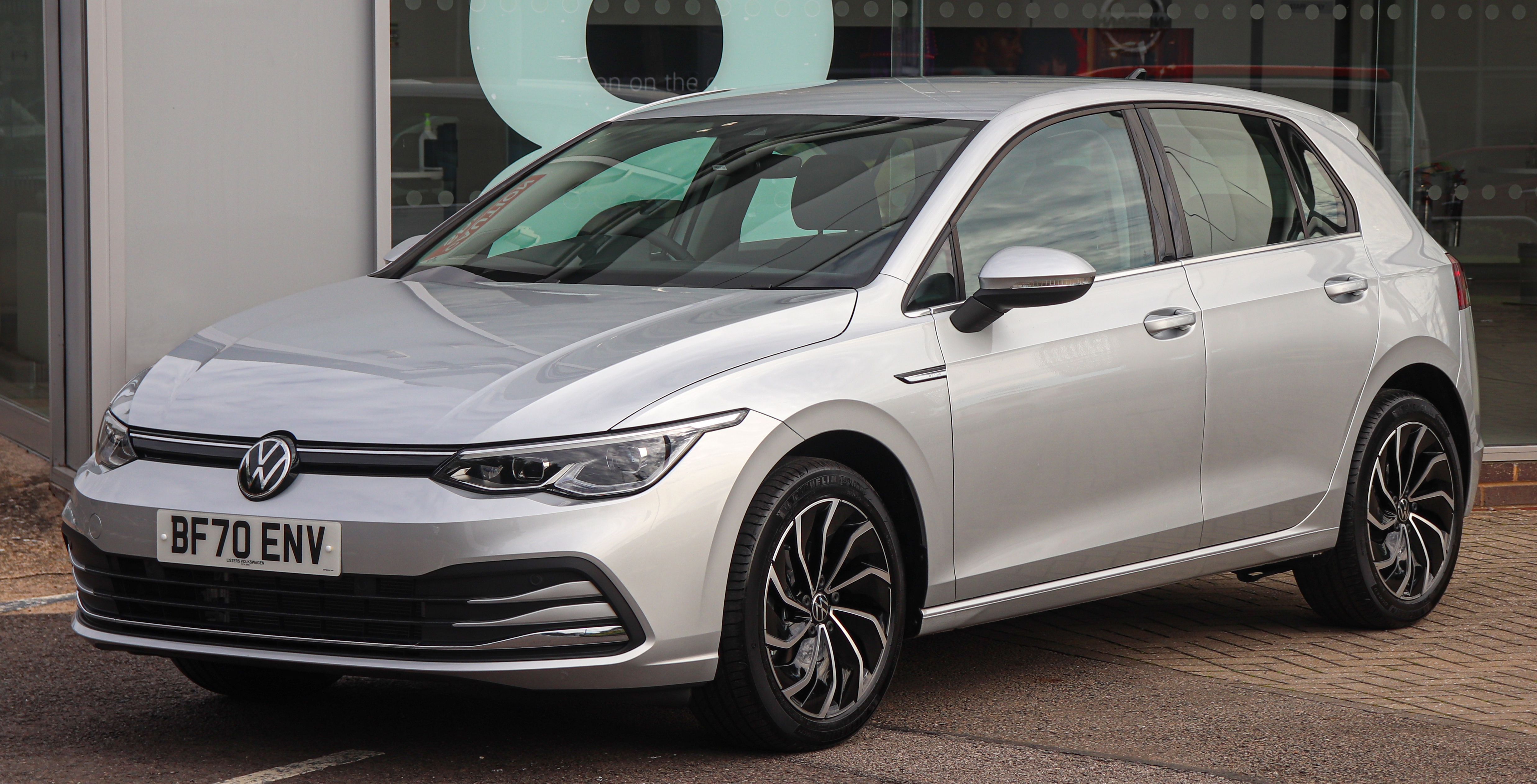
golf transformed into a crossover
"It's most helpful to think of this vehicle, Sammy, as a golf that's been transformed into a crossover."
This is a shorthand way of saying the Taos is based on the same general platform/engineering DNA as the Volkswagen Golf, but packaged with a taller, SUV-like body. The idea is to give Golf-like driving characteristics in a more upright crossover form factor.
Volkswagen Golf
"...ost helpful to think of this vehicle, Sammy, as a golf that's been transformed into a crossover. Yeah, I..."
The Volkswagen Golf is a small car, usually a hatchback, designed for everyday driving. The podcast compares it to a crossover to explain how a similar idea can be made taller and more SUV-like. It’s mentioned because it’s a familiar model people use as a starting point.
The Volkswagen Golf is a compact hatchback that’s known for being practical while still feeling like a “real car to drive.” In the podcast, it’s described as a Golf turned into a crossover, which points to how the Golf platform and design ideas can be adapted for a taller, more SUV-like body. That makes it a common reference point when discussing Volkswagen’s lineup and vehicle categories.

Chevrolet Silverado
"... the roof. OK, yeah, like the bumper steps on the Silverado in in the bumper on the exterior or built into th..."
The Chevrolet Silverado is a large pickup truck. It’s made for carrying things and towing, and it’s also used for normal driving. The podcast mentions parts like the bumper steps because those details matter for how the truck is used.
The Chevrolet Silverado is a full-size pickup truck built for hauling, towing, and everyday truck use. The episode’s mention of bumper steps and exterior details suggests they were discussing how the truck is equipped and how it looks in real-world use. It’s a frequent topic because it’s a mainstream truck that many buyers cross-shop for work and family needs.
infotainment system
"the infotainment system for the Volkswagen. [1036.5s] Again, all versions come with this eight inch screen, which is fine, I guess."
Infotainment is the touchscreen and software in the car that runs things like music, maps, and phone features. They’re saying the Volkswagen version feels a bit dated and annoying to use.
An infotainment system is the car’s in-dash interface for media and information—things like audio, navigation, phone integration, and vehicle settings. In this segment, the hosts critique how Volkswagen’s infotainment UI is laid out and how it behaves when you interact with it.
tile thing
"The infotainment uses like a tile thing where you tap the tiles [1080.1s] and they flip over and you go through the menus that way."
A “tile” UI is a touchscreen layout where functions are shown as separate blocks (tiles) you tap to open menus. The host says Volkswagen’s infotainment uses this tile approach, which they interpret as feeling old-school.

Kicks Nissan Kix
"... match. Like if you're in the we talked about the Nissan Kix recently this year. Or maybe it was late last yea..."
The Kicks is a small crossover car. The podcast mentions it because they were talking about small crossover options recently. It’s the kind of car people consider for everyday driving with a higher seating position.
The “Kicks” mentioned in the episode refers to the Nissan Kicks, a compact crossover. The podcast brings it up as a recent or late-year topic, likely in the context of comparing small crossover options and how they fit certain needs. It’s discussed because the Kicks is a common, easy-to-understand entry in the compact crossover category.

Volkswagen GTI
"It's just basically the GTI with those like tartan seats, right? [1195.9s] It is a conservative design approach for Volkswagen interiors."
The Volkswagen GTI is a sporty Volkswagen hatchback. They’re saying that among Volkswagen models, the GTI is one of the few that really stands out with a more distinctive interior look, like tartan-pattern seats.
The Volkswagen GTI is the brand’s performance-oriented hatchback, and it’s being used here as the benchmark for Volkswagen’s “interesting interior” options. The host specifically mentions GTI-style tartan seats as one of the few standout interior elements in the Volkswagen lineup.

Volkswagen Tiguan
"It's definitely when you were in the Tiguan recently, weren't you? [1203.7s] No, I won the Alice. Yeah. [1205.5s] What was that interior like?"
The Volkswagen Tiguan is another Volkswagen SUV. In this part, they’re using it as a comparison to describe what the Taos’s interior is like—especially how much of it uses touch controls.
The Volkswagen Tiguan is a compact SUV that’s often used as a reference point for how Volkswagen’s interior design and control layout feel across the lineup. Here, the host compares the Taos discussion to a recent Tiguan experience, specifically mentioning touch-based controls and a more premium feel.
capacitive touch buttons
"There was a lot of like these like capacitive touch buttons buttons. [1216.2s] The whole interior was like all touch screen and stuff."
Capacitive touch buttons are buttons you press with your finger, but they don’t have a physical click like normal buttons. They sense your touch electronically, so the dashboard can feel more modern and touch-screen-like.
Capacitive touch buttons are touch-sensitive controls that detect your finger using electrical properties rather than relying on a physical switch. In car interiors, they’re often used for climate, audio, or shortcut functions and can feel more “screen-like” than traditional buttons.
travel assist
"The it has this thing called travel assist... It's like their assist. It's their safety system, their driver's aid system... So it's like adaptive cruise control."
Travel Assist is Volkswagen’s name for a set of driving helpers. It’s meant to make highway driving easier by combining features like cruise control that can adjust to traffic.
Travel Assist is Volkswagen’s branding for a driver-assistance suite that combines multiple functions to help the driver on the road. In this segment, it’s described as being similar to adaptive cruise control and other driver-aid safety tech.
adaptive cruise control
"So it's like adaptive cruise control. I like that. Actually, I like this name."
Adaptive cruise control is cruise control that can react to the car in front of you. If traffic slows down, it can slow the car too, and then resume when the road clears.
Adaptive cruise control (ACC) is a driver-assistance feature that automatically adjusts the car’s speed to match the traffic ahead. Unlike basic cruise control, it can slow down and speed back up as conditions change.
IQ. Drive
"Well, the suite is called IQ dot drive. Travel assist is part of that."
IQ. Drive is Volkswagen’s name for a package of tech features. Here, they’re saying Travel Assist is included in that IQ. Drive set.
IQ. Drive is Volkswagen’s umbrella branding for a suite of driver-assistance and infotainment-related technologies. In this segment, Travel Assist is described as being part of the IQ. Drive suite.
ProPilot Assist
"If you can go through all of the names of these things, there's to go to safety sense. There's like there's like what's the other one called pro pilot assist or pro pilot?"
ProPILOT Assist is Nissan’s name for a set of driving helpers. It’s the kind of system that can help the car stay in its lane and manage speed in traffic.
ProPILOT Assist is a Nissan-branded driver-assistance feature name used for semi-autonomous driving aids, typically aimed at helping with lane centering and adaptive cruise-like behavior. The host mentions it while listing different manufacturers’ names for similar driver-aid tech.
Safety Sense
"If you can go through all of the names of these things, there's to go to safety sense."
Safety Sense is Toyota’s name for its safety and driver-assist features. The host is basically comparing how different brands label similar technology.
Safety Sense is Toyota’s branding for its suite of active safety and driver-assistance technologies. In this segment, it’s mentioned as one of the different “names” automakers use for similar safety/driver-aid equipment.
BlueCruise
"What are all the other names of them now?... Blue cruise. Blue cruise is more like the hands free stuff."
BlueCruise is Ford’s system that can help drive on highways, including situations where the car can handle more of the driving while you keep your attention on the road.
BlueCruise is Ford’s branded driver-assistance system known for hands-free highway driving under certain conditions. In this segment, it’s contrasted with other naming schemes and described as being more focused on hands-free capability.
lane centering
"It'll use the lane centering and the adaptive cruise to keep the vehicle on track. Two things I didn't really like about it. It does work. But the the travel assist rides the center line so closely..."
Lane centering is what helps the car stay lined up in the middle of your lane. It uses sensors to steer gently so you don’t drift.
Lane centering is an active driver-assistance function that uses cameras and/or sensors to keep the car near the middle of its lane. In this segment, the host describes it as keeping the vehicle very close to the center line, which made them uncomfortable when passing traffic.
turn signal
"The other thing that's a little weird about travel assist is it deactivates if you hit your turn signal, which makes sense"
Your turn signal tells other drivers—and sometimes the car’s assist systems—that you’re about to change lanes or turn. Some systems will back off when you signal so you can steer safely.
A turn signal is the driver’s indicator that a lane change or turn is intended. In many driver-assistance systems, activating the turn signal can trigger the system to disengage or change behavior to avoid fighting the driver’s maneuver.
horsepower
"Right. The horsepower and torque. I mentioned them before, 174 and 184."
Horsepower is a number that describes how strong the engine is. More horsepower generally means the car can accelerate harder, especially at higher speeds.
Horsepower is a measure of how much power the engine produces over time, which strongly influences top speed and sustained acceleration. In practice, it works together with torque to shape how the car feels in everyday driving.
torque
"Right. The horsepower and torque. I mentioned them before, 174 and 184."
Torque is the “pulling power” the engine makes to get the car moving. Higher torque usually helps the car feel responsive, especially when you’re not already at high speed.
Torque is the engine’s twisting force that helps the car accelerate and pull from low speeds. It’s often discussed alongside horsepower because the two together describe how strong the powertrain feels across different driving conditions.
combined driving
"I was able to beat the factory fuel mileage in combined driving. The vehicles only rated for 28 combined for all wheel drive models."
Combined driving is a test-style estimate that mixes stop-and-go driving with highway driving. It’s meant to give you one “overall” fuel economy number to compare cars.
Combined driving is a standardized fuel-economy rating that blends city and highway driving into one figure. It’s used so shoppers can compare cars on a consistent basis, even though real-world driving varies.
fuel mileage
"I was able to beat the factory fuel mileage in combined driving. I got 30 miles per gallon on my test loop."
Fuel mileage tells you how far the car can go on a gallon of gas (or how much fuel it uses per 100 km). Higher mileage means you spend less on fuel.
Fuel mileage is how efficiently a car uses fuel, typically expressed as miles per gallon (mpg) in the U.S. or liters per 100 kilometers (L/100 km) in many other markets.
miles per gallon
"I got 30 miles per gallon on my test loop."
Miles per gallon (mpg) tells you how far you can drive on one gallon of gas. Higher mpg generally means better fuel economy.
Miles per gallon (mpg) is a fuel-economy unit that indicates how many miles the car can travel on one gallon of fuel. It’s commonly used in the U.S. and is often compared against the car’s official rating.
cross track hybrid
"I would say the fuel mileage was like you know, within 10, 15 percent of that cross track hybrid I had last week, which is pretty good."
This sounds like the name of a hybrid vehicle the host tested before. A hybrid uses both a gas engine and an electric motor to help the car use less fuel.
“Cross track hybrid” appears to refer to a hybrid vehicle the host previously tested, likely named after a specific model. Hybrids combine an internal-combustion engine with an electric motor to improve fuel economy, especially in stop-and-go driving.

Crosstrek Cross Track
"you know, within 10, 15 percent of that cross track hybrid I had last week, which is pretty good. And..."
The Crosstrek is a small crossover car. The podcast compares how much fuel it uses to another similar car they drove, saying the results were close. It’s mentioned because it’s a typical everyday crossover to measure against.
The Crosstrek mentioned in the episode refers to the Subaru Crosstrek, a compact crossover. The podcast talks about fuel economy performance—stating it was within 10–15 percent of a cross-track hybrid they had last week—which suggests they were comparing real-world efficiency between similar-sized vehicles. It’s brought up because it’s a common crossover people use as a baseline for everyday driving.
turbo four
"The you know, this is a small turbo four, so it's still going to do the things that all small turbo fours do."
“Turbo four” means a car with four cylinders and a turbocharger. The turbo helps the engine feel stronger when you press the gas.
A “turbo four” is shorthand for a turbocharged inline four-cylinder engine. A turbo uses exhaust energy to spin a compressor, which helps the engine make more power than a naturally aspirated engine of the same size—especially when you accelerate.
hammer the throttle
"If you hammer the throttle, it's going to sound like a vacuum."
“Hammer the throttle” just means you’re flooring the gas pedal. With a turbo engine, that kind of quick, hard acceleration can make the car sound more intense.
“Hammer the throttle” means pressing the accelerator aggressively. On turbocharged engines, rapid throttle input can produce noticeable intake/exhaust sounds and can also change how quickly the turbo spools up and how the engine responds.
CBT
"But because there's no CBT, it's a lot less annoying."
“CBT” is mentioned like a specific system or feature, but the show doesn’t explain what it stands for in this clip. They’re saying that whatever “CBT” is, it changes how the car behaves when you accelerate hard.
“CBT” appears to be a drivetrain/engine control acronym in the transcript, but it’s not expanded here, so its exact meaning is unclear from this excerpt alone. The speaker contrasts the presence/absence of “CBT” with how annoying the engine behavior is under hard throttle.
revs
"Like you don't peg the revs all the time when you hit the gas."
“Revs” means how fast the engine is spinning. If you “peg the revs,” you’re keeping it revving very high for a while.
“Revs” refers to engine speed, usually measured in RPM (revolutions per minute). When they say you don’t “peg the revs,” they mean the engine isn’t being kept at very high RPM during acceleration.
red line
"And if you're hammering it hard, it can take a while to climb down from red line."
The “red line” is the top safe/allowed range for engine speed. If you push past it, you risk damaging the engine, so it’s something you generally avoid.
The “red line” is the maximum recommended engine speed range. Revving near or past it can stress the engine, so drivers often try to avoid staying there for long.
S mode
"It has an S mode for the transmission of sport driving mode. [1568.3s] It doesn't really do a lot like it might sharpen things a tiny bit. [1572.5s] But it's really about a steady driving experience rather than an exciting driving experience."
S mode is the car’s “sport” setting. It usually makes the car react faster when you press the gas, but in this case the host says it doesn’t dramatically change the driving feel.
S mode (sport mode) changes how the transmission behaves to make the car feel more responsive. Typically it holds gears longer and/or shifts more aggressively, but in this Taos example it only sharpens things slightly.
all wheel drive
"OK, and I never really had the chance to use all will drive like it was wet. [1581.8s] I have a dirt road, but I never needed the extra traction. [1584.2s] So I can't tell how good it is in inclement weather. [1588.2s] But it felt stable at all times."
All-wheel drive means the car can send power to more than just the front wheels. That can help it grip better on wet or loose surfaces, and the host also notes the AWD version has different suspension hardware.
All-wheel drive (AWD) sends power to more than one axle, which can improve traction when roads are slippery. Here, the host mentions driving it in wet conditions and on a dirt road, and then compares the AWD model’s suspension to the front-wheel-drive setup.
inclement weather
"So I can't tell how good it is in inclement weather. [1588.2s] But it felt stable at all times. [1590.5s] More to the point, though, the all will drive model gets a more sophisticated rear suspension."
Inclement weather just means bad weather like heavy rain or snow. The host is basically saying they haven’t tested the car enough in those conditions to be sure how it performs.
Inclement weather refers to harsh conditions like rain, snow, or ice that reduce tire grip. In this segment, the host is saying they can’t fully judge how the Taos handles those conditions because they haven’t driven it enough in them.
multi-link setup
"More to the point, though, the all will drive model gets a more sophisticated rear suspension. [1595.7s] It gets a multi-link setup versus a torsion bar for the front wheel drive."
A multi-link suspension uses multiple arms to control how the wheel moves. The idea is that it helps the car stay stable and comfortable over bumps, rather than feeling wiggly.
A multi-link rear suspension uses several control arms to better manage wheel movement. Compared with simpler designs, it can improve ride comfort and stability because the suspension geometry stays more consistent as the wheel travels over bumps.
torsion bar
"It gets a multi-link setup versus a torsion bar for the front wheel drive. [1599.4s] I have not driven a front wheel drive. [1601.4s] Taos is actually the first time I've driven the Taos."
A torsion bar is a spring made from a metal bar that twists. It helps absorb bumps, but the host is contrasting it with a multi-link design that can feel more refined.
A torsion bar suspension uses a metal bar that twists to provide springing force. It’s often used in front suspensions because it can package well, but compared to multi-link setups it may offer less refinement in how the wheel stays controlled over uneven roads.

Hyundai Kona
"But now I think that the entire class of crossovers has kind of [1691.0s] of subcompact crossovers have have really improved over the years. [1694.4s] I think the Kona is one of the top choices."
The Hyundai Kona is a small SUV/crossover. In this discussion, it’s listed as one of the best options if you’re shopping for a small crossover.
The Hyundai Kona is a subcompact crossover known for offering a range of trims and powertrains, including versions that can be more fun or more efficient depending on configuration. The hosts mention it as one of the top choices in the small-crossover shopping set.

Honda Hrv
"OK, I think that it's better than an HRV, right? [1714.4s] Oh, yeah, everything's better than HRV."
The Honda HR-V is a small SUV/crossover. The hosts are basically saying the other car they’re talking about is a better pick than the HR-V.
The Honda HR-V is a subcompact crossover positioned as a practical, family-friendly option. Here, it’s used as a comparison point, with the host claiming the alternative being discussed is better than the HR-V.

Buick Encore GX
"What is the name? Encore GX? Encore GX for Buick, which I'm actually going to be driving in a couple of weeks."
The Buick Encore GX is a small SUV meant to be easy to live with. The host is saying they’ll be driving one soon and thinks it’s a pretty straightforward choice.
The Buick Encore GX is a compact crossover SUV positioned as an entry-level option in Buick’s lineup. In this segment, the host mentions driving it soon and discusses how it fits into the “simple” ownership idea—low complexity and straightforward day-to-day use.
reliability concerns
"I'm hesitant because of, you know, reliability concerns with Volkswagen over the longer term. But this is this is as simple as it gets, I think, from Volkswagen, which is kind of where you want to go if you're worried about complexity and reliability."
“Reliability concerns” means the host is worried the car might have problems as you own it longer. They’re suggesting that simpler cars can be less likely to break.
“Reliability concerns” refers to the likelihood that a vehicle will have problems over time—things like repeat repairs, expensive failures, or frequent maintenance beyond normal wear. In this segment, the host connects reliability to “complexity,” implying that simpler designs can reduce the chance of issues.
complexity
"But this is this is as simple as it gets, I think, from Volkswagen, which is kind of where you want to go if you're worried about complexity and reliability."
Here, “complexity” means the car has more complicated systems. The host is saying that more complexity can mean more chances for problems later.
In car talk, “complexity” usually means how many systems and technologies a vehicle uses—more electronics, more advanced drivetrains, or more moving parts. The host is implying that higher complexity can make reliability worse because there are more things that can fail.
entry level vehicle
"it's surprising what an entry level vehicle gets you these days. Also surprising that an entry level vehicle in Canada costs you 33000 and in states is 28000"
An “entry level vehicle” is the cheaper, more basic version of a model line. The host is pointing out that even the cheaper ones today can still feel pretty good and look nice.
An “entry level vehicle” is the lowest-priced trim or model in a brand’s lineup, typically with fewer features than higher trims. The host uses it to highlight how much equipment and styling you can get even at the bottom of the price ladder.

Toyota Corolla Cross
"I also think it's easy for the automakers to and I said that we had that criticism of like the the subcompact crossovers feeling kind of like unfinished or like sometimes it feels like they're just a push for the automaker, for example, the Corolla cross."
The Toyota Corolla Cross is a small Toyota SUV. The host thinks it doesn’t feel fully developed and that Toyota wants you to move up to a more expensive model instead.
The Toyota Corolla Cross is a subcompact crossover built on the Corolla platform, aimed at buyers who want SUV styling without stepping up to a larger vehicle. Here, the host criticizes it as feeling “unfinished,” arguing that some entry-level crossovers are more about getting you to spend more money than delivering a standout product.
entry level subcompact
"And I think a lot of automakers just kind of phone it in with this entry level subcompact because they want you to spend more money and get the get the bigger product."
This means the cheapest, smallest SUV/crossover a brand sells. The host is saying some companies make these just to get you in the door, and then they want you to pay more for a better version.
“Entry level subcompact” refers to the smallest, most affordable crossover/SUV offerings in a brand’s lineup. The host’s point is that automakers may tune these models to be good enough to sell, while reserving the most compelling features, refinement, and value for higher-priced “bigger” models.

Ford Ecosport
"Um, with the EcoSport. Is the EcoSport still on sale? I think I don't I..."
The Ford EcoSport is a small crossover SUV. The podcast asks if it’s still on sale, which matters if you’re trying to buy one new. If it’s not sold anymore, you’d typically look at used ones.
The Ford EcoSport is a compact crossover that the podcast discusses in terms of whether it’s still sold. That kind of question usually comes up when a model is being phased out or replaced, and it affects shoppers who want to buy new versus used. It’s mentioned because availability is a key part of choosing a car.

Mitsubishi Outlander Sport
"2026 Mitsubishi Outlander Sport, or known as the RVR in in in Canada."
The Mitsubishi Outlander Sport is a small crossover SUV. The host notes that in Canada it’s called the RVR.
The Mitsubishi Outlander Sport is a subcompact crossover sold under different names depending on the market. In Canada, it’s commonly referred to as the RVR, which is why the host mentions both names.
subcompact crossovers
"Anything else you want to talk about when it comes to subcompact crossovers or the Volkswagen Tau's?"
Subcompact crossovers are small SUVs that are usually easier to drive and park than bigger SUVs. The conversation is about why people like that size and shape.
Subcompact crossovers are small, SUV-styled vehicles built on car-like platforms, aiming for easier parking and lower running costs than larger SUVs. The host is discussing why buyers might choose them—especially people who want a practical “fit your lifestyle” vehicle.
two-lane country roads
"Yeah, I'm like on like the two lane country roads near my place because the truck was having trouble going up hills and there's numerous hills here."
Two-lane country roads are narrow roads with traffic coming from the opposite direction. Passing takes more planning because you have less space and less margin for error.
Two-lane country roads are a driving environment where passing requires careful planning because there’s limited room to overtake and oncoming traffic is close. The host uses this as context for why passing an 18-wheeler required planning and timing.
Toyota A90
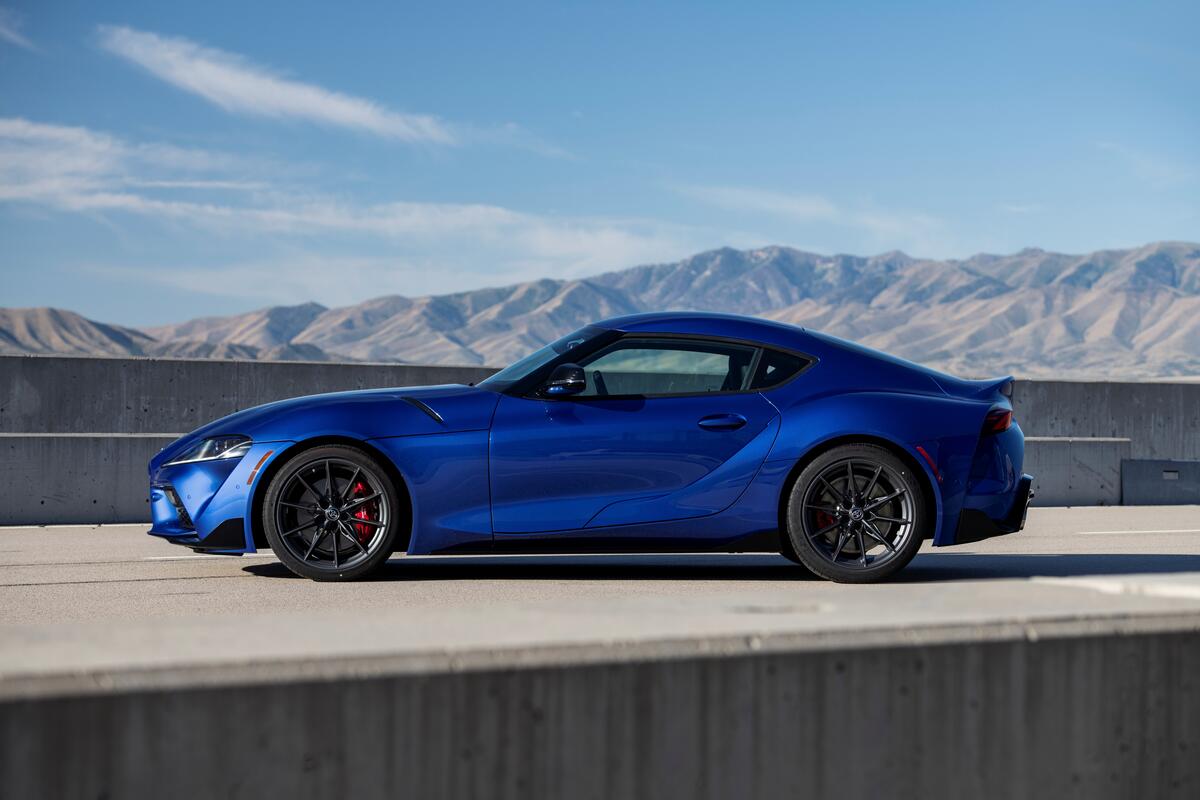
"and they just drive like a steady 70 kilometers an hour regardless of whether it's a 90 zone or a 50 zone. And so I got to further down the road."
The Toyota Supra is a sports car from Toyota. It’s meant to drive fast and feel stable, especially on highways. The episode talks about how it can keep a steady speed while you’re driving.
The Toyota Supra is a performance sports car designed for quick acceleration and confident highway driving. The podcast describes steady cruising behavior—holding a consistent speed regardless of changing speed limits—which fits how drivers evaluate a sports car’s comfort and control on the road. It’s discussed because it’s a recognizable name in the performance segment.
clutch job
"My efforts needs quite a bit of work and these new tires and needs potentially clutch job."
A clutch job is when the clutch parts are repaired or replaced. The clutch is what helps you shift gears without grinding.
A clutch job means replacing or repairing the clutch components in a manual-transmission car. The clutch is what lets the engine connect to (and disconnect from) the gearbox so you can shift smoothly.
wiring issue
"so I'm better than my debts and which is currently out with a wiring issue, a.k.a. the entire wiring harness might be dead."
A wiring issue means something electrical isn’t working right in the car. If the whole wiring harness is failing, it can affect lots of systems, not just one small part.
A wiring issue points to electrical faults—often in the car’s wiring circuits that power sensors, modules, and controls. When the speaker says the “entire wiring harness might be dead,” they’re suggesting a harness-level failure, which can cause multiple symptoms at once.
wiring harness
"which is currently out with a wiring issue, a.k.a. the entire wiring harness might be dead."
The wiring harness is the car’s main set of wires that connects everything. If it fails, the car can lose power or signals to several parts at once.
A wiring harness is the bundle of wires and connectors that routes power and signals throughout the vehicle. If the harness is “dead,” it can interrupt communication between modules and prevent multiple systems from working correctly.
Honda as a company
"That's the North American brand like arm of Honda or Honda as a company. Holy moly for the first time in 70 years. It is posting a net loss of $2.6 billion U.S."
They’re talking about Honda’s overall business results, not just one model or dealership. The big reason mentioned is money lost on electric-car plans.
The segment frames the financial result as a corporate-level issue for Honda, specifically tied to EV operations. The hosts cite a net loss figure and describe EV-related losses as the driver.
hybrid powertrains
"trying to spin all of this into their future, which is that they're going to develop more hybrid powertrains. Now, Honda already offered some hybrid powertrains."
A hybrid uses both a gas engine and an electric system together. The idea is to get better efficiency than a gas-only car, and Honda is talking about using more of these.
A hybrid powertrain combines an internal-combustion engine with an electric motor/battery system to improve efficiency and reduce fuel use. The hosts mention Honda shifting focus toward more hybrid systems after EV cancellations.

Honda Civic
"Now, Honda already offered some hybrid powertrains. I think in their civic and the CRV and the prelude, this new thing, right?"
The Honda Civic is a popular Honda car line. The hosts mention it because Honda has already offered hybrid versions of it.
The Honda Civic is one of Honda’s mainstream models that has been offered with hybrid powertrains. In this segment, it’s used as an example of where Honda already has hybrid experience.

Honda Crv
"Now, Honda already offered some hybrid powertrains. I think in their civic and the CRV and the prelude, this new thing, right?"
The Honda CR-V is Honda’s SUV. The hosts bring it up because Honda has already sold hybrid versions of it.
The Honda CR-V is Honda’s compact SUV that has also been offered with hybrid powertrains. Here, it’s cited to illustrate that Honda already covers hybrids in some vehicle categories.

Honda Prelude
"Now, Honda already offered some hybrid powertrains. I think in their civic and the CRV and the prelude, this new thing, right?"
The Honda Prelude is a Honda model name. The hosts mention it as another example of Honda having hybrid versions in its lineup.
The Honda Prelude is a Honda model name used by the hosts as an example of where Honda has offered hybrid powertrains. In this discussion, it’s part of the list showing Honda already has hybrid tech in certain models.

Honda Element
"...new thing, right? And that means that there's one element, one area where there are no Honda hybrids. And t..."
The Honda Element is a small, box-shaped car that’s built for practical everyday use. The podcast mentions it in the context of hybrid availability, meaning it’s not offered as a hybrid in the way some other Hondas are. It’s brought up because it has a unique design and purpose.
The Honda Element is a compact, boxy crossover-style vehicle known for its unusual, practical design. The episode mentions there being “one element” and notes a lack of Honda hybrids in that area, which frames it as a model people associate with a specific kind of utility rather than hybrid availability. It’s discussed because its distinctive layout and niche positioning make it memorable.

Honda Pilot
"And that means that there's one element, one area where there are no Honda hybrids. Think about the pilot in the passport and I guess, I don't know, the Ridgeline"
The Honda Pilot is Honda’s bigger SUV. The hosts mention it to say Honda hasn’t had hybrids in its larger-vehicle lineup (at least in the way they’re describing).
The Honda Pilot is Honda’s larger family SUV that the hosts use to point out a gap in Honda’s hybrid coverage. They’re contrasting smaller models with bigger vehicles like the Pilot.

Honda Ridgeline
"Think about the pilot in the passport and I guess, I don't know, the Ridgeline"
The Honda Ridgeline is Honda’s pickup truck. The hosts mention it as another bigger Honda where they’re saying hybrids aren’t available.
The Honda Ridgeline is Honda’s pickup truck, and the hosts include it in the list of larger vehicles they say have no Honda hybrids. It’s part of the argument about where Honda’s hybrid strategy has gaps.

Honda Passport
"Think about the pilot in the passport and I guess, I don't know, the Ridgeline"
The Honda Passport is Honda’s mid-size SUV. The hosts mention it as another example of a bigger Honda where hybrids aren’t offered (based on their discussion).
The Honda Passport is a mid-size SUV that the hosts mention as part of the “bigger vehicles” category lacking Honda hybrids in their framing. It’s used to illustrate where Honda’s hybrid lineup is perceived to be incomplete.

Honda Odyssey
"or the minivan, Odyssey, those all lack the hybrid powertrain"
The Honda Odyssey is a popular family minivan. In this conversation, they’re saying it doesn’t come with a hybrid option, unlike some competitors.
The Honda Odyssey is a mainstream minivan, and in this discussion it’s specifically called out for lacking a hybrid powertrain. The hosts are contrasting it with other minivans that do offer hybrid options.
Toyota Tacoma
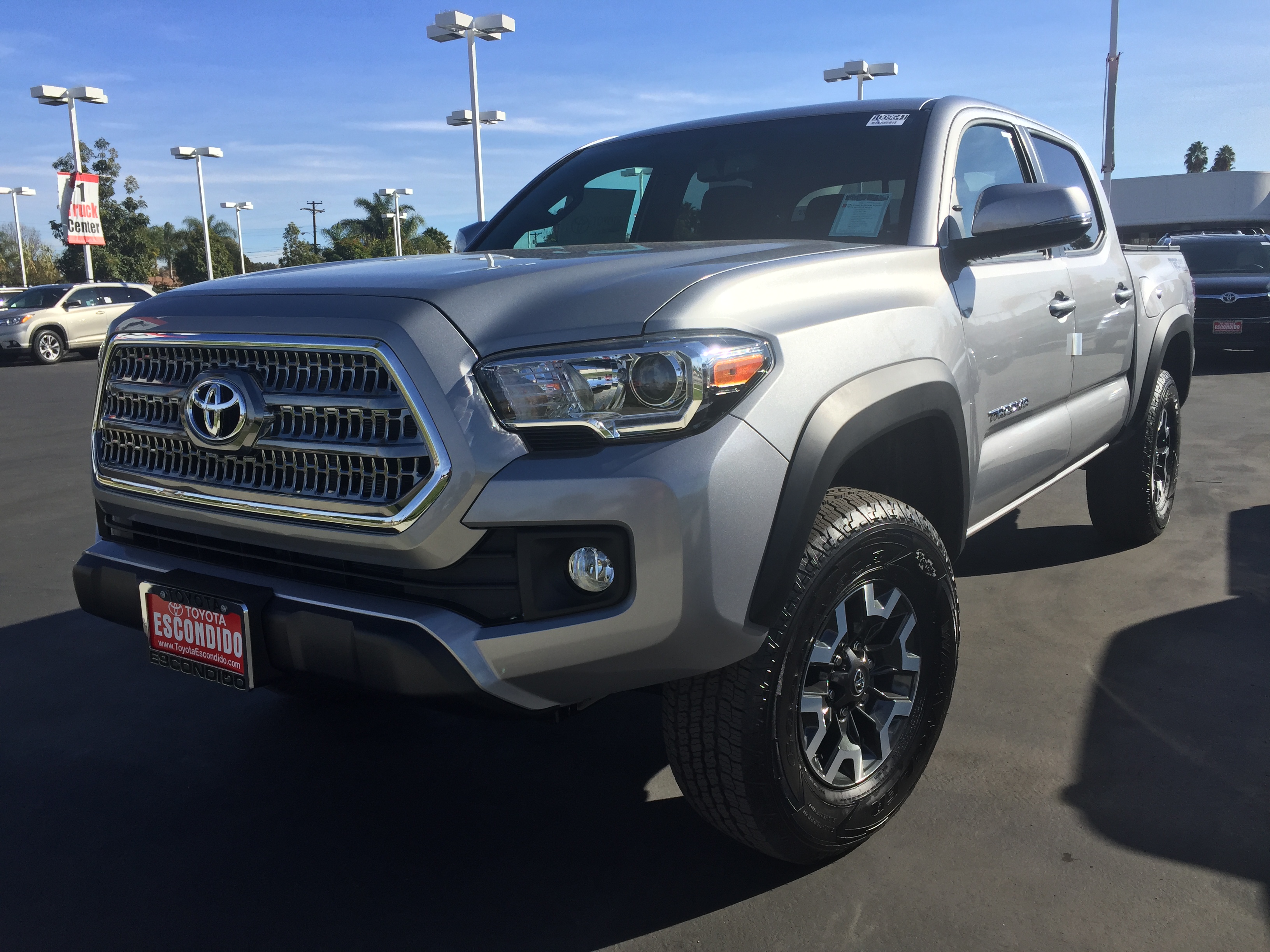
"There's I pretty sure the hybrid version, the Tacoma."
The Toyota Tacoma is a pickup truck. In this segment, they’re saying there’s a hybrid version, which means it can use electric assistance to improve efficiency.
The Toyota Tacoma is a midsize pickup truck, and the hosts mention a hybrid version of it. The point is to show that hybrid powertrains aren’t limited to SUVs and minivans—trucks are getting them too.

Toyota Sienna
"There's a hybrid minivan, at least one there, in both the Carnival and the Toyota Sienna."
The Toyota Sienna is a family minivan. The key point here is that it can be bought with a hybrid system, which helps it use less fuel than a traditional gas-only minivan.
The Toyota Sienna is a minivan that’s known for offering hybrid powertrains, which is unusual for many minivans. In this segment, it’s used as an example of a hybrid minivan that competes with other family-hauler options.

Kia Carnival
"There's a hybrid minivan, at least one there, in both the Carnival and the Toyota Sienna."
The Kia Carnival is a minivan. The discussion is highlighting that it can be found with a hybrid option, like some other minivans.
The Kia Carnival is a minivan that’s mentioned here as having a hybrid version. It’s part of the hosts’ comparison of which family vehicles in the market offer hybrid powertrains.

Honda NSX
"It's in a little vehicle that starts with N and ends with X. The NSX."
The Honda NSX is a sports car. They’re talking about Honda’s hybrid technology and how it relates to what the NSX used/used to use.
The Honda NSX is a sports car that’s known for using a hybrid powertrain concept in its modern form. In this segment, the hosts connect Honda’s V6 hybrid development to the NSX’s existing hybrid drivetrain plans.
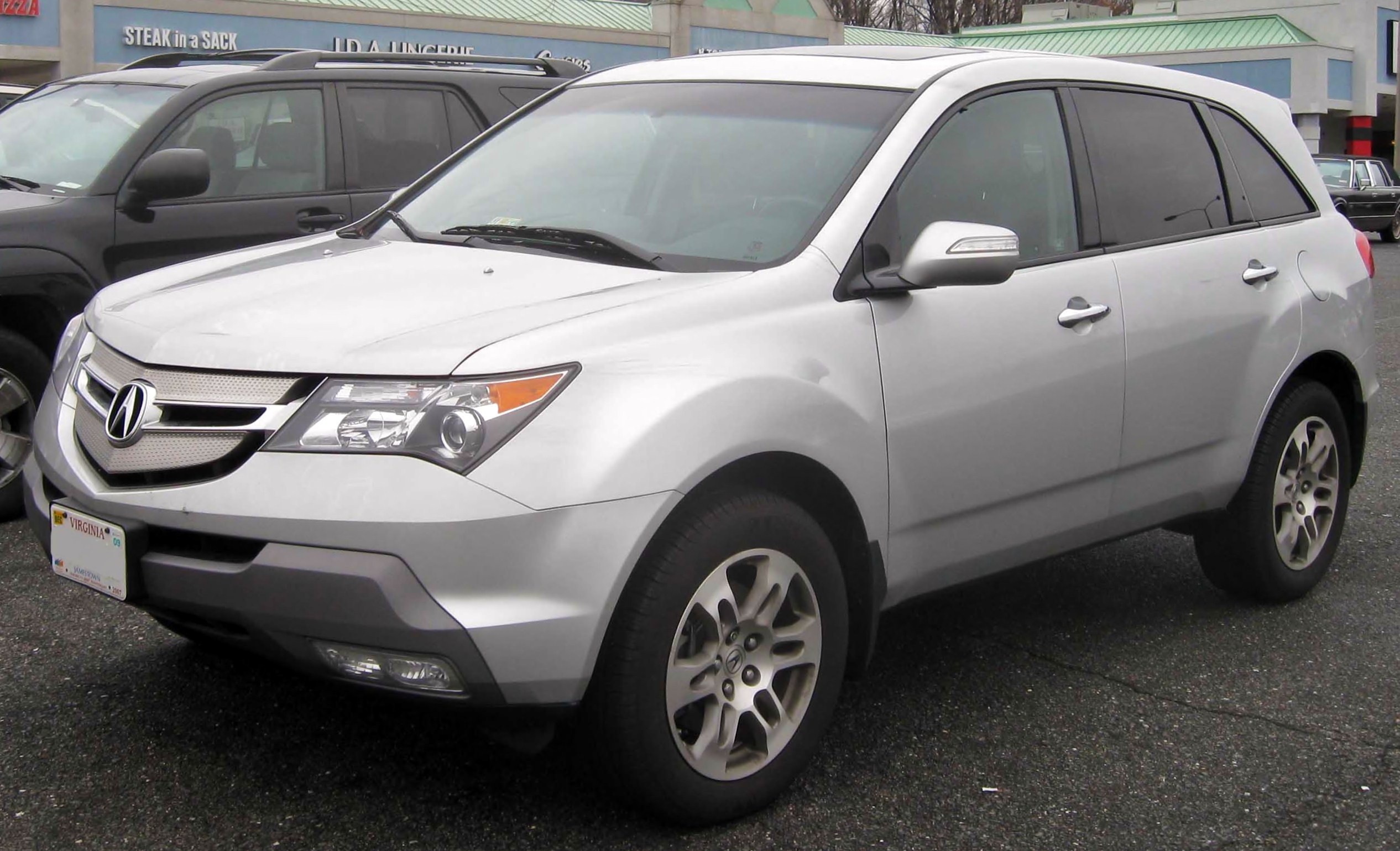
Honda MDX
"It was also in the MDX, if I remember correctly. No, it was not in the MDX."
The Honda MDX is a larger Honda SUV. They’re debating whether the hybrid system they’re talking about was used in the MDX.
The Honda MDX is a three-row midsize SUV, and the hosts briefly discuss whether the V6 hybrid drivetrain was used in it. This is mentioned as part of the broader comparison of which Honda models have hybrid technology.

Acura RLX
"It was in the RLX, a vehicle that no one ever talks about... The RLX is the Acura version of the Hornet. Like, that is the shout out to all of our Hornet spotters out there."
The Acura RLX is a luxury Acura sedan, but it’s not common on the road. The hosts are talking about it because it’s rare and because Acura tried advanced tech on it, including hybrid-related ideas.
The Acura RLX is a luxury sedan that’s especially notable for being rare and easy to overlook in the real world. The hosts discuss it in the context of Acura’s hybrid/advanced drivetrain strategy and also claim it’s essentially an “Acura Hornet” equivalent—highlighting how obscure it is compared with mainstream Acura models.

Acura NSX
"That was the other application for the NSX drivetrain. I thought it was also in the MDX. The MDX had a hybrid."
The Acura NSX is a performance car from Acura, and later versions use a hybrid system. The hosts are saying the same drivetrain idea shows up in other Acura cars too.
The Acura NSX is a halo sports car known for its mid-engine layout and advanced hybrid powertrain in later generations. In this segment, the hosts mention the NSX drivetrain as something that also showed up in other Acura models, which is a key detail for understanding how Acura reused hybrid tech across its lineup.

Acura MDX
"I thought it was also in the MDX. The MDX had a hybrid. It had a hybrid, but it was not related to the NSX."
The Acura MDX is Acura’s family-sized SUV. The host is pointing out that it has a hybrid version, but it’s not the same hybrid setup as the Acura NSX.
The Acura MDX is Acura’s three-row luxury SUV, and it’s notable here because the speaker says it has a hybrid powertrain. The segment contrasts the MDX’s hybrid system with the NSX’s hybrid drivetrain, implying they’re different implementations rather than a direct carryover.
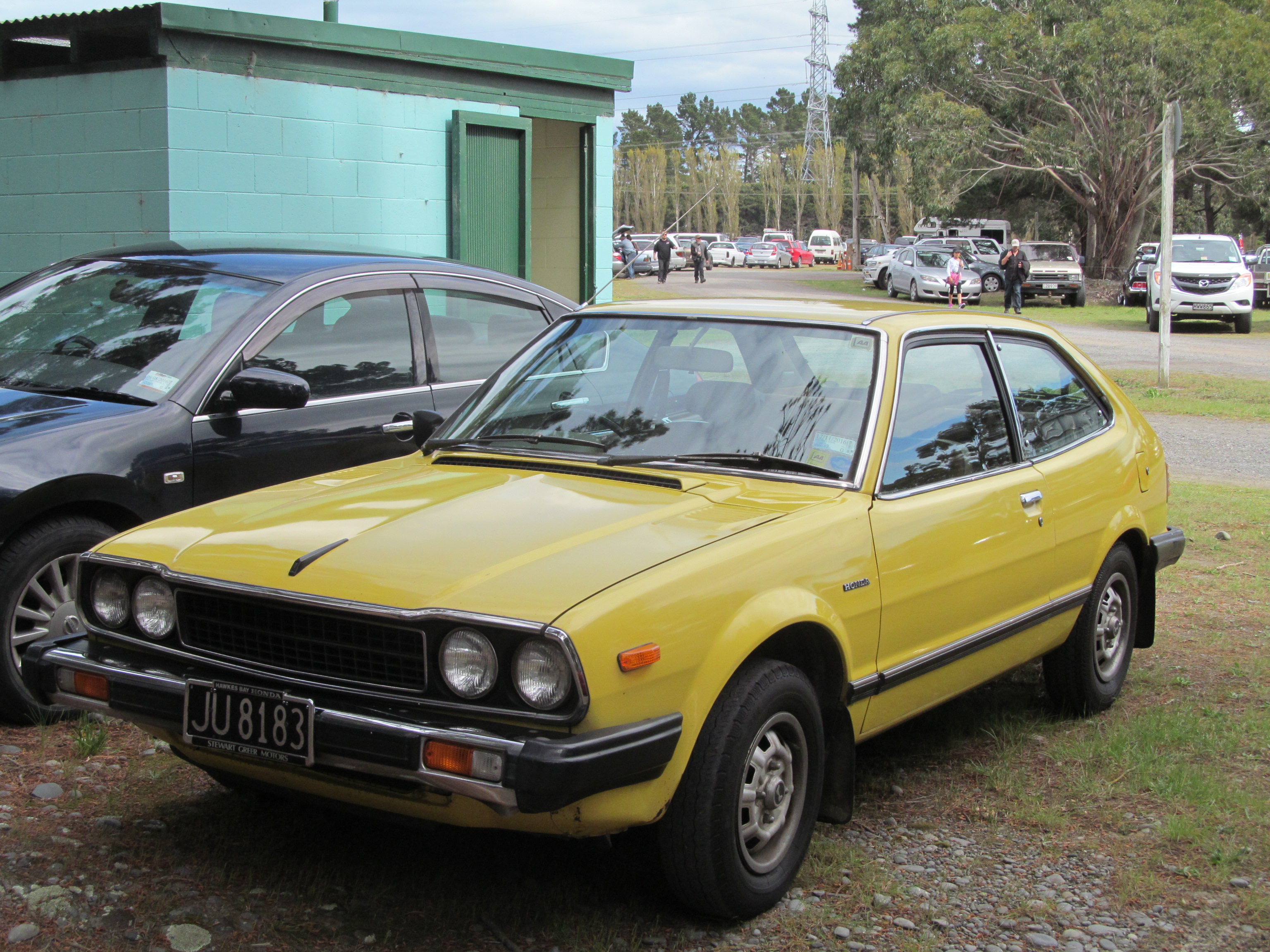
Honda Accord
"I forgot to mention there's also a hybrid in the Accord. But I'm talking specifically the fact that they have taken so long"
The Honda Accord is a very common family sedan. The host is saying there’s a hybrid version of it, and they’re using that to compare hybrid availability across brands.
The Honda Accord is a mainstream midsize sedan, and this segment notes that it has a hybrid powertrain. That matters because the hosts are comparing which brands in this vehicle class have offered hybrids and how long it took them to do so.

Lincoln Aviator
"No, they had a hybrid version of the Lincoln, the aviator. ... That would have been the aviator drivetrain."
The Lincoln Aviator is a luxury SUV. They’re saying Lincoln had a hybrid version of it, even if other Ford SUVs didn’t (at least for a long time).
The Lincoln Aviator is a luxury SUV from Lincoln, and it has been offered with electrified powertrains in some model years. The discussion here uses the Aviator as an example of a Ford/Lincoln hybrid being available, contrasting it with the Explorer.

Ford Explorer
"They had a turbo four version of the Explorer. I don't think they ever put a hybrid drivetrain in it. I'm almost certain there's a Ford Explorer."
The Ford Explorer is a popular SUV model. Here, they’re talking about whether it ever came with a hybrid (gas + electric) setup.
The Ford Explorer is a midsize SUV that’s been offered with different powertrains over the years, including turbocharged engines. In this segment, the hosts are debating whether Ford ever offered a hybrid drivetrain in the Explorer.
hybrid drivetrain
"I don't think they ever put a hybrid drivetrain in it. I'm almost certain there's a Ford Explorer."
A hybrid drivetrain is the whole gas-and-electric system in a car. It lets the car use electricity (sometimes by itself, sometimes with the gas engine) to save fuel.
A hybrid drivetrain combines a gasoline engine with an electric motor and battery to improve efficiency and reduce fuel use. When the hosts say “hybrid drivetrain,” they mean the vehicle’s full system for running as a hybrid, not just a mild electric assist.
plug-in hybrid
"Toyota was kind of a pioneer there, I think. They have a plug in hybrid, I believe, Explorer. So that's a different thing."
A plug-in hybrid is a hybrid car with a bigger battery you can charge by plugging it in. It’s different from a normal hybrid because you can run more of it on electricity.
A plug-in hybrid (PHEV) is a hybrid vehicle with a larger battery that can be charged from an external power source (like a wall outlet). The hosts distinguish it from a regular hybrid drivetrain, calling it “a different thing” and linking it to the Explorer discussion.
electrification
"I personally think that Honda needs to deliver a hybrid powertrain. ... because they don't really have like their electrification is way behind everyone else."
In car talk, “electrification” means moving toward cars that use electricity more—like hybrids and fully electric vehicles. The speaker is saying Honda hasn’t kept up with other brands.
In automotive, “electrification” refers to shifting a brand’s lineup toward electric power—typically hybrids, plug-in hybrids, and battery-electric vehicles. Here, the host argues Honda’s electrification is “way behind everyone else,” meaning it hasn’t offered as many electrified options.
Cadillac
"Sometimes I'm when I'm doing research, Cadillac has so many EVs. Well, their plan was to go full EV as a brand."
Cadillac is GM’s luxury car brand. In this segment, they’re talking about Cadillac trying to move mostly to electric cars, but it’s complicated by what they still sell now.
Cadillac is General Motors’ luxury brand, and the hosts are discussing its strategy to transition to electric vehicles (EVs). The key point is that Cadillac’s EV rollout is being weighed against what it still sells today.

Cadillac Escalade
"Well, the only thing that's holding them back is they have the the regular escalade. For some reason, they still have the XTE."
The Cadillac Escalade is a big luxury SUV. The discussion is basically saying Cadillac still relies on vehicles like this, which makes a full switch to electric harder.
The Cadillac Escalade is a large luxury SUV that represents Cadillac’s traditional, non-EV lineup. The hosts mention it as something that’s “holding them back” from going fully electric, because it’s still a major product in the brand’s lineup.

Toyota Highlander
"it made me think about the Toyota Highlander. Toyota Highlander has had a hybrid powertrain for a really long time. And they announced that the 2027 Toyota Highlander will come as an EV."
The Toyota Highlander is a popular family SUV. They’re saying Toyota has used hybrid versions for a long time, but the 2027 model is expected to switch to being electric instead.
The Toyota Highlander is a mainstream midsize SUV known for offering hybrid powertrains. The hosts highlight that Toyota is planning to make the 2027 Highlander an EV, which they call a major shift away from the long-running hybrid strategy.
EV-only shift
"And as far as I can tell only as an EV, that's a huge shift, in my opinion. What do you think of that?"
An EV-only shift means moving a model line from hybrid or gasoline options to being electric-only. The hosts frame Toyota’s planned EV Highlander as a “huge shift,” because it changes the product strategy and how buyers are expected to choose between powertrain types.

Toyota Grand Highlander
"...g the Highlander, they'll just push them into the Grand Highlander, which is already a weird situation where you hav..."
The Toyota Grand Highlander is a bigger version of the Highlander SUV. The podcast mentions it because the names can be confusing when you’re trying to figure out which size or model someone means. It’s essentially about having more space than the standard Highlander.
The Toyota Grand Highlander is a larger, more spacious version of the Highlander SUV line. The podcast suggests that when people talk about Highlander models, they may end up discussing the Grand Highlander because it’s already a “weird situation,” implying confusion around naming and positioning. It’s brought up because it affects how buyers interpret size, trim, and what model they’re actually looking at.

Jeep Grand Cherokee
"...a bit of more expense. I mean, that would be like grand Cherokee. Imagine the Cherokee was cheaper than the grand ..."
The Jeep Grand Cherokee is a mid-size SUV. It’s usually priced higher than the smaller Cherokee, which is why the podcast brings up the comparison. People consider it when they want a bigger or more feature-rich Jeep.
The Jeep Grand Cherokee is a mid-size SUV positioned as a more premium, higher-priced alternative within Jeep’s lineup. The podcast compares it to the smaller Cherokee to explain pricing differences, implying the Grand Cherokee typically costs more. It’s mentioned because buyers often weigh these models when deciding how much SUV capability and features they want.

Jeep Grand Wagoner
"...on ears still existed and it was cheaper than the Grand Wagoner. Anyways, that's all I found this week."
The Jeep Grand Wagoneer is a big, more expensive Jeep SUV. The podcast compares it to another model by saying that one was cheaper than the Grand Wagoneer. It’s mentioned because it represents the higher-priced option in that SUV family.
The Jeep Grand Wagoneer is a large, higher-end SUV, and the episode mentions it in the context of pricing relative to another model. The reference to it being “cheaper than the Grand Wagoneer” implies the Grand Wagoneer sits at the top of the range. It’s discussed because buyers often compare large Jeep SUVs based on budget and feature level.

Toyota Prius
"...ink this is what it was. I was doing a video of a Prius. I can't remember if it was the plug-in hybrid or..."
The Toyota Prius is a hybrid car, which means it uses both a gas engine and an electric system. The podcast mentions a Prius because there are different versions, including one that can be plugged in to charge the battery. That plug-in version can help for short trips.
The Toyota Prius is a hybrid car best known for fuel efficiency and for popularizing mass-market hybrid driving. The episode mentions filming a Prius and wonders whether it was the plug-in hybrid version, which matters because plug-in models can run on electricity for short trips. It’s a common podcast topic because Prius variants are frequently discussed in terms of everyday efficiency.

Volkswagen Jetta
"...eek? I'm going to be talking about the Volkswagen Jetta Sport. Two back-to-back Volkswagen's."
The Volkswagen Jetta is a small sedan meant for everyday driving. The podcast specifically mentions the “Jetta Sport,” which is a version with sportier features than the basic model. It comes up because it’s a well-known, practical Volkswagen.
The Volkswagen Jetta is a compact sedan that’s often discussed as a straightforward, everyday car option. The episode calls out the “Jetta Sport,” indicating they were focusing on a sportier trim level rather than the base model. It’s mentioned because the Jetta is a common nameplate people recognize when comparing practical Volkswagen options.
Request an Explanation
Heard something you'd like explained? We'll add it to this episode.
Sign in to request explanations for terms you heard.
Want to learn more?
Browse our glossary for plain-English explanations of automotive terms, jargon, and concepts.
Help improve this episode
See something that's not quite right? Our annotations are AI-generated and can sometimes miss the mark. Click the flag icon on any annotation to suggest a correction.