The Jeep Grand Wagoneer is a large SUV meant to be more luxurious than a typical SUV. It’s built for carrying people comfortably and for buyers who want a premium feel. The podcast mentions it because there’s a video coming out showing it in action.
The GMC Canyon AT4 is a version of the Canyon truck meant for rougher roads and off-road use. The host is saying they tested the 2026 AT4 for a week and ended up impressed.
Rear-wheel drive (RWD) means the engine sends power to the rear wheels only, rather than all four wheels. The host notes that, in the Canyon lineup, only the Elevation comes in rear-wheel drive, implying other trims likely offer different drivetrain options for traction and off-road use.
Four-wheel drive means the truck can send power to all four wheels. That helps it grip better on dirt, snow, or rough ground compared to driving only the rear or only the front wheels.
The Chevrolet Colorado is another mid-sized pickup truck that competes with the GMC Canyon. The host is basically saying GMC wants the Canyon to feel more unique than the Colorado, especially for off-road buyers.
Shocks are what help the truck stay controlled over bumps. This “Multi-matic DSSV” setup is a more advanced, higher-end shock system that can adjust how the truck absorbs impacts, and it’s only on the more expensive AT4X trim.
Term
average purchase price of a new vehicle
This is a general statistic for what people typically pay when they buy a brand-new car. The host is using it to show that the truck’s price feels extreme compared to the average new-car deal.
Shock absorbers are the parts that help smooth out bumps. If one trim has better shocks than another, it can feel more controlled over rough roads and trails.
A differential lets wheels spin at different speeds when turning. A locking differential forces both wheels to spin together, which helps the truck get traction when one wheel would otherwise spin in mud or on slippery ground.
Sidesteps are the little steps on the side of a pickup that make it easier to get in and out. Off-road, they can get in the way because they hang lower and stick out farther than the truck’s body.
Ground clearance is how much space there is between the bottom of the truck and the ground. More clearance helps you avoid hitting rocks or bumps underneath.
Rock rails are protective bars under the doors meant for off-roading. They’re placed to protect the truck’s lower body when you hit rocks, and they don’t stick out as much as regular side steps.
Break-over angle is the maximum crest angle a vehicle can approach without the underside (or a protruding part) contacting the ground. If a sidestep hangs low, it can be the first thing to hit over a hump, effectively limiting how much the truck can crest safely.
These seats can warm you up in cold weather and cool you down in hot weather. Instead of just using the car’s air conditioning, the seat itself helps control your comfort.
Driver seat memory stores preset positions (typically seat, steering wheel, and sometimes mirrors) so the car can return to the same setup with one button press. It’s especially useful if more than one person drives the vehicle.
Term
adaptive crews
This sounds like a transcription slip for adaptive cruise control. It helps the car keep a steady speed and distance from the vehicle in front, with less manual throttle work.
Surround view cameras show you a “top-down” or wide view around the truck. It makes parking and tight maneuvers easier because you can see what’s near you.
A head-up display shows important info on the windshield. Instead of looking down at the dashboard, you can see things like speed right in your line of sight.
This is an add-on lighting setup meant for off-road driving. It adds extra lights so you can see better on trails or dark roads, and you can turn them on with a separate switch.
A suspension lift raises the truck higher off the ground. That helps it handle bumps and rough terrain, but it can also change how it drives and may require extra setup afterward.
Kicker is a brand that makes car audio equipment. Here, the truck has a Kicker system built into the tailgate so you can play music outside.
Term
portable question mark audio system
The host is talking about a built-in speaker system in the tailgate. It’s meant for tailgating so you can play music without bringing a separate speaker.
Ride height boost means raising the suspension so the vehicle sits higher off the ground. That can improve ground clearance and off-road approach/departure angles, while also changing how the truck feels on-road.
Track width is the distance between the left and right wheels on the same axle. A wider track can improve stability and reduce body roll, which can make a truck feel more planted during cornering.
All-terrain tires are a compromise tire meant for both regular roads and dirt/gravel. They’re usually less loud and less aggressive than mud-terrain tires.
Mud-terrain tires are built with a more aggressive tread for traction in messy off-road conditions. They can be louder and less pleasant on regular roads.
“2.7-liter” is the engine size—how much space the engine’s cylinders move through. Bigger displacement often changes how the engine pulls and how it behaves.
An eight-speed automatic is a gearbox with eight different gear ratios that shifts by itself. In this case, it usually feels smooth, but sometimes it doesn’t shift down quickly enough when you’re climbing a hill.
“Kick down” is when you press the gas harder so the automatic transmission drops to a lower gear for more power. The host felt it didn’t do that quickly enough on hills.
“Lugging” is when the engine is working too hard at low engine speed, so it feels weak or slow to respond. Here it seems to happen when the truck doesn’t shift down soon enough on a hill.
“Combined MPG” is a single fuel-economy number meant to represent both city and highway driving. It makes it easier to compare different vehicles fairly.
“Tow 7,700 pounds” is the maximum weight the truck is rated to pull with a trailer. It helps you figure out what kinds of trailers and loads you can haul safely.
The GMC Canyon Crew Cab is a mid-size pickup truck with a larger back seat area for passengers. In the podcast, they mention that this generation uses only smaller turbo engines instead of bigger ones. That matters because it can change how the truck drives and what you pay attention to for maintenance.
A diesel model means the truck is offered with a diesel engine. Diesel engines usually make strong pulling power and can be efficient, so losing that option changes the truck’s appeal for some buyers.
The transmission is the system that changes gears so the engine can stay in the right power range. The host is saying the gear choices feel a bit cautious during everyday driving, but the truck still behaves normally when loaded.
Off-road drive mode is a setting that helps the truck behave better on dirt, mud, and uneven ground. It’s meant to make it easier to move slowly and stay in control when the tires don’t have much grip.
This refers to the common trade-off when a vehicle is optimized for off-road capability: features that help off-road (taller stance, gearing, tires, drivetrain hardware) can hurt everyday efficiency, ride comfort, or cost. The host argues this truck avoided that typical downside.
The Nissan Pathfinder is an SUV, usually chosen for carrying people and gear. It’s meant to be practical for family use. The podcast mentions it because the speaker already owns one and is deciding whether they need something else.
Stake sides are a trailer type where the sides are made of upright posts. It works well for loads you can secure, but loose stuff like mulch or compost can spill out unless you use bins or a different trailer.
The Subaru Outback is a car/SUV crossover that’s designed for everyday driving and rougher weather. People like it because it’s practical and can handle different road conditions. The podcast mentions it while comparing how similar or different it is to another vehicle.
Towing refers to how much weight a vehicle can pull safely, which is limited by the vehicle’s ratings and the trailer’s setup. In this segment, the host uses towing capacity to explain why a midsize truck can still cover real-world needs without the downsides of a full-size pickup.
Gross vehicle weight is basically the total weight of the truck when it’s loaded. When towing heavier trailers, you need to make sure you don’t exceed the truck’s weight limits.
Tongue weight is the part of the trailer’s weight that pushes down on the hitch. If it’s too high, the truck can be overloaded even if the trailer’s total weight sounds within limits.
A Dodge Ram is a large pickup truck. It’s built to tow and haul heavy loads more easily than smaller trucks. The podcast brings it up because someone used one to tow a race car.
A safety alert seat is a driver-assistance feature that uses seat vibration or movement to warn the occupant about hazards (instead of relying only on visual or audible alerts). The host says this feature is available on one trim but not on the vehicle they’re discussing.
The Trail Boss is a Chevrolet truck trim that’s often aimed at off-road styling and some capability, but it’s frequently positioned below the top off-road packages. The speaker notes it’s “often a lower-level trim” on work-truck-oriented Chevys, and they’re checking whether it can match the Canyon AT4’s feature set.
Car
Chevy ZR2
The ZR2 is Chevrolet’s more serious off-road version of certain trucks. The host likes that it still feels good to drive on regular roads, not just off-road.
An appearance package is mostly about looks—stickers, trim, and exterior styling—not performance. “Stars and Steel” is a themed cosmetic option with star graphics on the hood.
“Decontented” basically means “missing features.” The host is saying this special edition looks good, but it leaves out some of the comfort upgrades you’d expect on a higher trim.
The Jaguar Mark I is an older classic car made by Jaguar. It’s known for its vintage design and for being a sports-style sedan. The podcast talks about it based on how it looks and how it feels to drive.
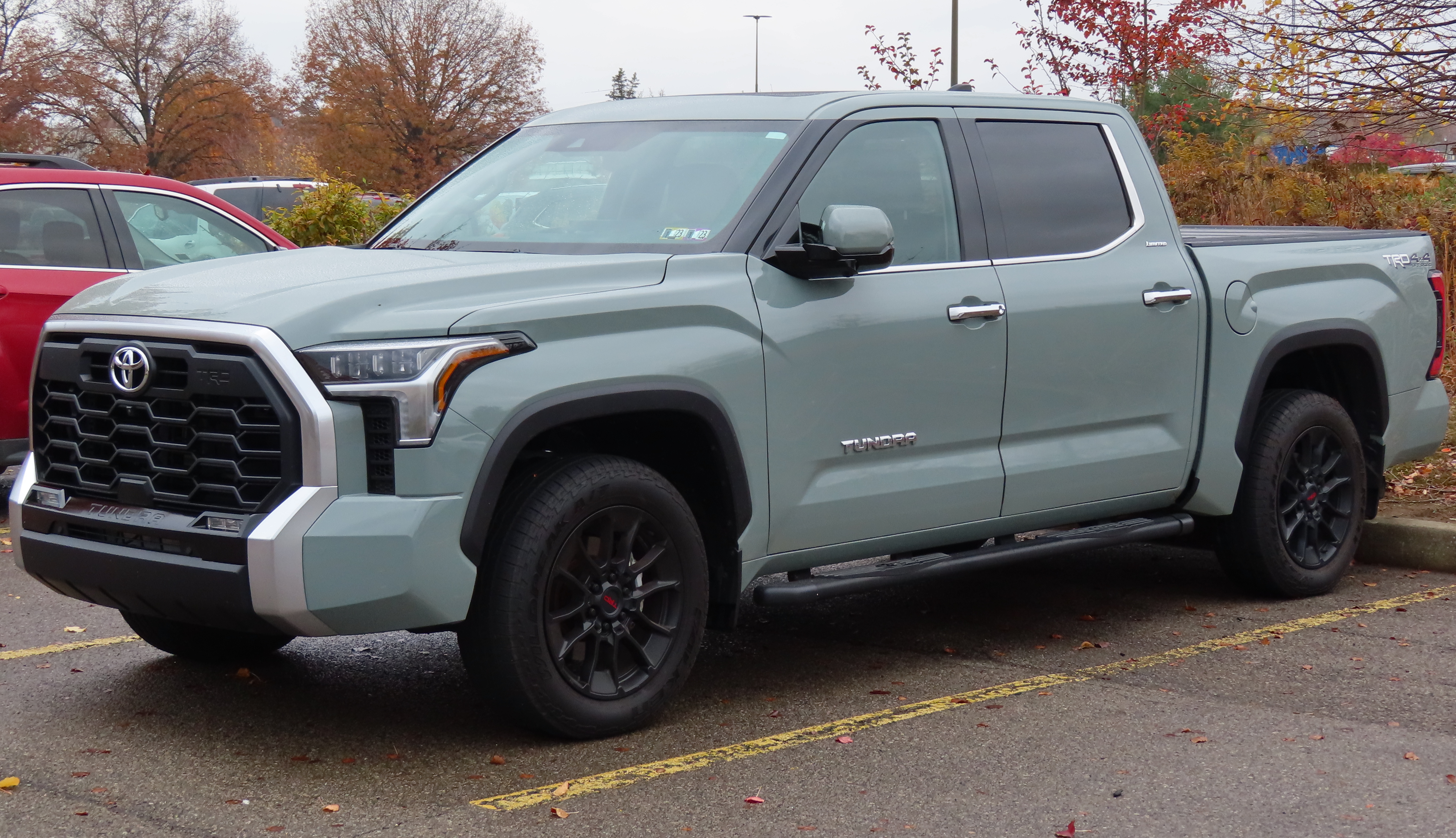
The Toyota Tundra is a large pickup truck. They mention it because they’ve been driving it recently and are comparing the driving feel to other trucks.
The Ford F-150 is a large pickup truck. People choose it for its versatility—some use it for work and some for everyday driving. The podcast mentions it while comparing it to other trucks the host has driven.
The Ranger is a mid-size pickup truck. It’s meant to be easier to drive than a big full-size truck while still offering truck utility. The podcast brings it up as part of a comparison to other similar pickup models.
Dune bashing is when you drive aggressively over sand dunes off-road. The host is saying that kind of use is where a more hardcore truck would be the better choice.
A mid-size pickup is a truck that’s bigger than a small pickup, but not as large as the biggest trucks. The host is saying the Canyon AT4 fits this “sweet spot” better than the other options they’re comparing.
The Ford Maverick is a small pickup truck that’s especially popular because it can be efficient, especially with the hybrid setup. Here they’re talking about how much it can tow—about 4,000 pounds—and how that affects what you can haul and still fit people and gear.
Concept
value aspect
By “value,” the host means whether the truck is worth the money for what you actually get—like how much it costs and how much it costs to drive. They’re saying the Maverick used to be a great deal, but once the price rose, it became less of a bargain compared to other small trucks.
A hybrid setup uses both a gas engine and an electric motor to help save fuel. In this segment, the host says the Maverick’s hybrid version is especially good for long-distance commuting because it gets great gas mileage.
The Ford Lobo is a version of a truck meant to feel more street-friendly. It’s still intended to handle some rough roads, but it’s not only built for extreme off-roading. The podcast mentions it as an option for people who want that balance.
The Hyundai Santa Cruz is another small pickup option. In this segment, the host compares it to the Maverick and says it doesn’t get the same hybrid fuel economy, but it can feel nicer inside and has more power.
The Honda Ridgeline is a pickup that’s aimed at people who want practical cargo space. Here the host is saying it fits buyers who don’t need a third row but still want room to haul things.
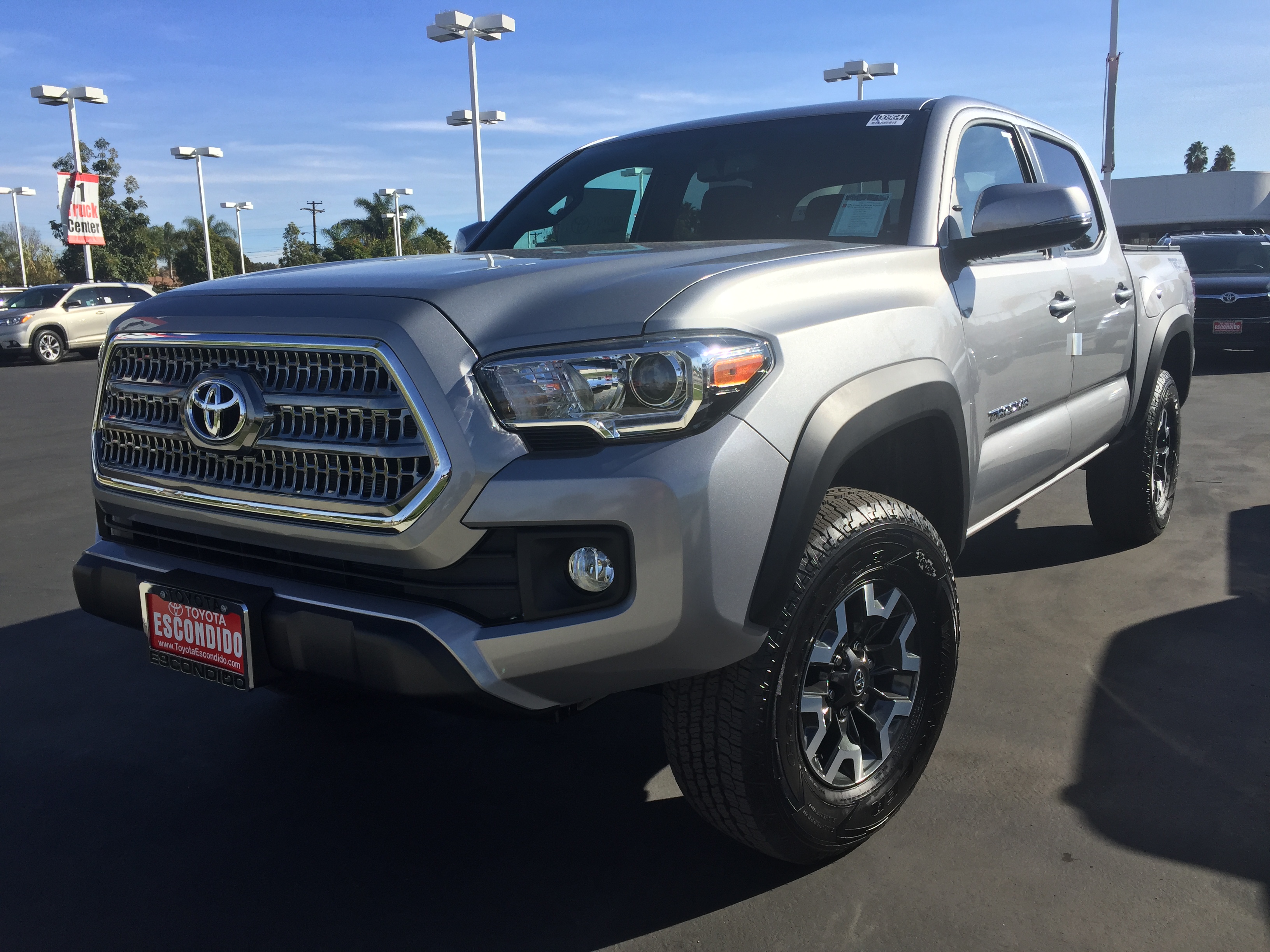
The Toyota Tacoma is a mid-size pickup. The host is saying it usually feels more like a classic truck, not as smooth or SUV-like as the GM alternatives.
The Ford F-150 is a bigger pickup that comes in lots of versions. The host is saying that because the F-150 is so flexible, the smaller Ranger can feel less compelling by comparison.
The Chevrolet Silverado is a larger pickup truck. The host is comparing it to other trucks to explain how GM’s lineup feels distinct rather than just competing on price.
A hybrid drivetrain is the system that combines a gas engine and an electric motor to drive the truck. The host is saying the hybrid parts are where the problems are showing up.
Powertrain is the set of parts that actually make the vehicle move. In this clip, the host is saying the main driving system has been causing problems.
Warranty is the coverage that pays for certain repairs if something goes wrong within a set time or mileage. The host is saying the number of warranty engine replacements is unusually high.
The Scion FR-S is a small sports car. It’s designed to be fun to drive rather than to be a big family vehicle. The podcast mentions it because it’s related to other similar sports cars that share a lot of the same ideas.
Assembly problems are mistakes or contamination that happen during factory build. The host is saying that unwanted materials ended up inside the engine during assembly, which can lead to major engine failures.
The Nissan Frontier is a midsize pickup truck, and the host frames it as the “other” option in the class that’s worth discussing. They argue it’s improved its reputation over time, but it still tends to be the choice when shoppers can’t make the other midsize trucks fit their needs.
TRD Pro is a Toyota trim level meant for off-roading, with extra equipment compared to a regular model. The host is saying even the pricey TRD Pro version doesn’t automatically solve the problems they’re talking about.
Trail Hunter is a Tacoma trim meant for off-road use. The host brings it up to point out that even newer, more expensive off-road trims may not deliver as much as they promise.
The 2026 Kia EV4 is an upcoming electric Kia. The hosts are talking about how it looks—how the front design and hood shape look different in real life than in pictures, and how the back styling is a little unusual.
“Cliff notch back” is a descriptive styling term for a rear-end shape where the roofline and rear deck drop sharply, creating a noticeable “notch” profile. It’s not a standardized engineering term, but it helps listeners visualize the EV4’s unusual rear silhouette.
Charging power tells you how quickly the car can charge at a fast charger. Higher kW usually means faster charging, but the host says home charging is the main use case.
The Kia EV9 is an electric SUV with three rows of seats. That means it’s built to carry more people than a typical two-row vehicle. The podcast mentions it because it’s considered very quick for an electric SUV.
This is the car’s electrical “voltage level” for the battery and drive system. A 400-volt design is usually cheaper and simpler than an 800-volt one, though it may not charge as fast.
EGMP is the EV “platform” that Hyundai and Kia build their electric cars on. In this discussion, they’re comparing a 400-volt setup to an 800-volt setup, which affects charging speed and system cost.
The Chevrolet Bolt is an affordable electric car. The host is saying that, after driving the newer EV, they think it’s a better “starter EV” choice than the Bolt.
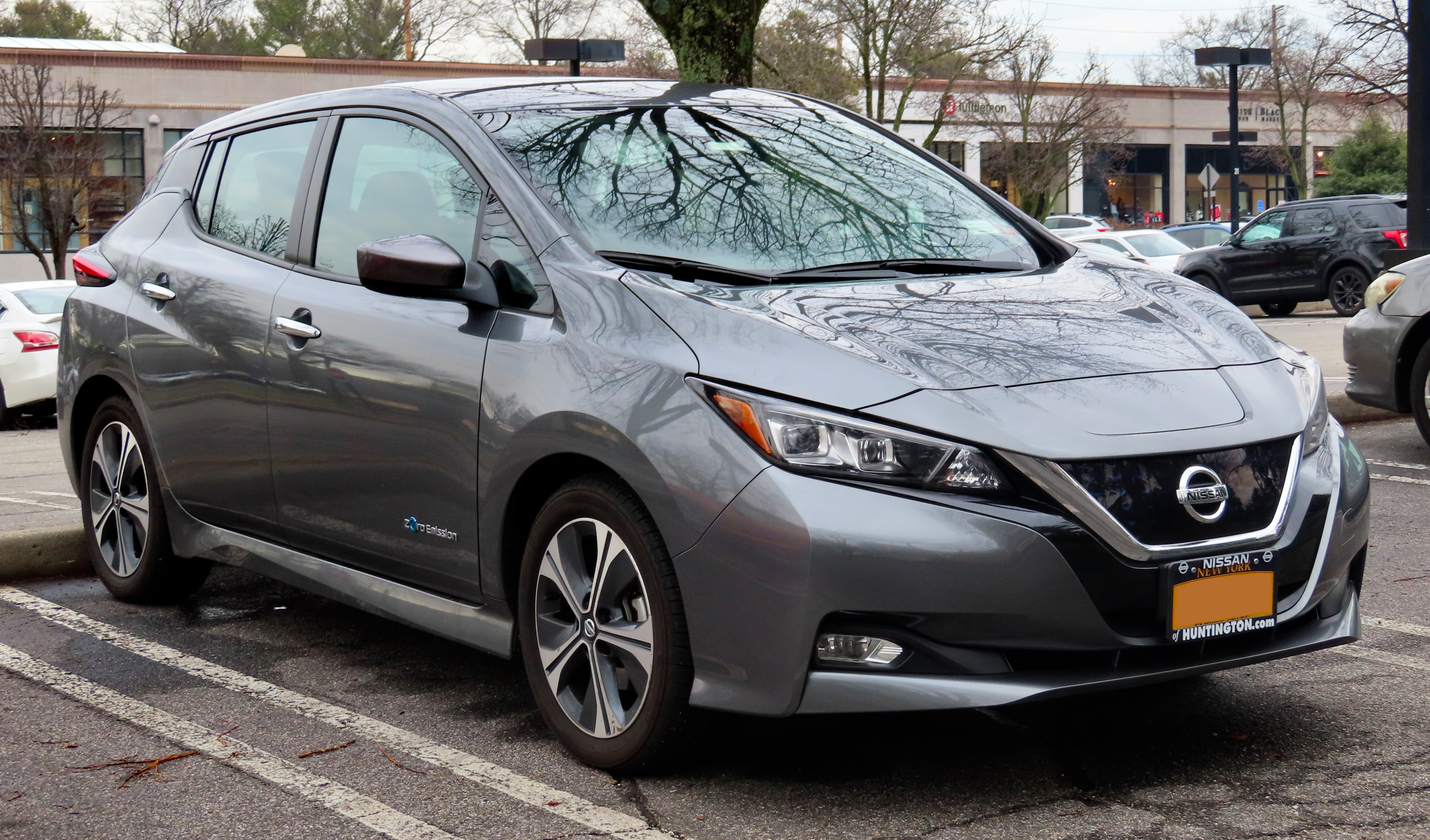
The Nissan Leaf is a common, affordable electric car. The host is comparing it as another budget EV choice and says they had some issues in winter but overall it was good.
LIVE
Hello, and welcome to the Unnamed Automotive Podcast.
My name is Sammy Hajj Asad, and with me as always is my good friend and fellow automotive
journalist, Benjamin Hunting.
Say hi to the people, Ben.
Greetings, human listeners.
Greetings to everyone.
If this is the first time you're listening to our podcast, thank you for trying something
new.
I will reiterate, Ben and I are a pair of automotive journalists, but more important than that,
we're very good friends, right, Ben?
Who can say the importance of friendship in this crazy modern world we live in?
I can say that it is important, mainly because me and you make for such a great podcast.
Just good chemistry is what makes this show, right?
Sure.
Yeah.
That's what I always hear the feedback about.
Not about how I don't know my stuff or I shouldn't be on the internet or...
When you were a kid, do you remember those chemistry kits that they used to be able to
buy and it was like you would get all these test tubes and I guess minerals and chemicals
and stuff?
Was that a thing?
I could not be trusted with test tubes, let alone minerals and...
Oh, no.
I never saw one either.
I would always...
I never had one either, but I would encounter them at yard sales and whatnot.
At that point, all the chemicals had somehow coalesced into whatever form they eventually
achieve over time.
So you'd have these bags of semi-solids and weird colors and stuff, and people were just
selling that.
Like, it's interesting to think of a time when you could just as a child buy chemicals,
which seems unlikely to happen.
We can't do that.
I think you can buy chemicals as a child right now.
You can just run into the...
What's it called?
Run into the what's it called?
Into the store.
There's a chemical store near you?
Would you let your son buy chemicals?
I mean, if he had...
Yeah, I can't stop him sometimes.
You can buy chemicals at home hardware?
I think so.
Is it in the chemicals aisle?
Where is it?
Yeah, it's probably in the cleaning aisle.
Well, I don't mean like bleach.
Are those not chemicals?
I mean like a kit of chemicals, like various chemicals.
So you can build stuff with science.
The lawn section.
No.
The fertilizer section.
No, thank you.
Ben, people can find your work all over the internet.
Can you give them a little taste of some of the publications you've recently written
for?
Sure.
You can find my work at Hagerty and at Botartrend and at driving.ca.
And you can find my work at autotrader.ca and driving.ca as well as driving.ca's YouTube
channel.
There should be a video of the Grand Wagoneer hitting going live very soon there.
If you want to see my silly face talking about a silly truck, I recommend you head on over
there.
And if you want to copy his hairstyle, hit him up in an Instagram message after the show
and he will send you his secrets.
There is no secret.
My hair, I actually don't do much styling at all.
It's curly and I let it do its thing until it gets way too curly.
And then I shave it all the way down and then I let the process start again.
I'm like a human geopat, I suppose.
That's inspirational.
It's not like a bonsai tree.
I don't like clip it or trip it.
You realize your son got your wife's hair?
Yes, I do.
Why?
I'm just saying.
It actually is really like frustrating.
I think my hair is one of the few definitive exterior traits I have and he didn't get it.
Maybe he'll get your mustache.
Maybe he'll get your mustache.
My mustache is not even as nice as my father's mustache, which is epic.
Yeah, but it skips a generation.
Right?
Yeah, I think that's the genetic mustache lottery.
I think that's how it works.
So anyways, man, we've got some cars to talk about this week.
Actually, some trucks, a truck in particular that you warned me is it went down really
well in terms of your appetite.
You really enjoyed it.
Your appetite for it was very weird.
Something appetite.
Why?
Well, I'm hungry.
So we're recording something.
I'm going to skip snap time.
I skip snap snack time.
And so I'm going to be saying appetite a few more times than I usually do.
I have to warn everyone listening right now that I actually looked into buying a 2026 GMC
Canyon AT4 after this review that I did, after spending a week with it, because I was surprised
by how good it was.
And not only that, I was surprised because this is a new generation of the truck, sorry.
It's not a new generation of the truck in the sense that it hasn't changed much over
the last couple of years, but it was new in 2023.
And that's the last time I drove it.
And I drove a Denali version, which is the luxurious version of the truck, or quote unquote
luxurious version of the truck.
I don't have a lot of memories from driving that.
Like it didn't really make a strong impression, except I can recall feeling that midsize trucks
don't do luxury very well.
It's not their strong suit, and it doesn't come across the Denali formula.
The more you shrink it down, the harder it is to justify it, I think price wise, because
I don't really think that the comfort level is there.
I don't think the features are there.
So that was my initial impression of the truck.
Like it was fine, but the Denali supposed to be the top tier version didn't really do
it for me.
So this time I have the AT4.
The GMC lineup is a little bit strange.
The Canyon is available in four trim levels.
There is the Elevation, the AT4, the Denali, and then there's the AT4X, which is like an
even more hardcore off-road model.
So all of those are only the Elevation comes in rear-wheel drive, like every other version
you have to get four-wheel drive, which is kind of interesting.
I think this is part of GMC's plan to further differentiate itself from the Chevrolet Colorado,
which I think is a pretty smart move.
The AT4 version is intended for off-roading.
It has a bunch of off-road related stuff, but it doesn't go super over the top.
Like if you want to have the multi-matic DSSV shocks and all that fun stuff,
you have to get the AT4X, and it's expensive.
In the US, the Canyon starts around $41,000, and it goes up to $59,000.
In Canada, the AT4 that I drove starts at $55,000 Canadian,
which is the average purchase price of a new vehicle in Canada at this time, which is insane.
Mine had a bunch of options, some of which I think are important, some of which aren't,
but it's stickered for $71,000, which is a lot of money to spend on a mid-sized truck.
The US retail price was $59,000 for all of the features that I had on mine.
So we're looking at an expensive, I mean it's not that expensive, let's be clear.
I think $71,000 for a mid-sized pickup is a lot of money.
Maybe I'm old fashioned.
When the average price of a new car is somewhere around the $60,000 mark,
we're looking at an AT4, which is more specialized, has important features.
Did you mention it has the Multimatic or the DSSV?
It doesn't have that.
I mentioned that it doesn't have that.
Sorry, I remember you saying that.
That's specific to the AT4X and the Denali, right?
The Denali does not have that either.
It has Multimatic?
No, the Multimatic is only available with AT4X or ZR2 models.
It's only ever been available with those.
That's so interesting.
Anyways, so you're missing those, I guess you're missing these really important
exclusive features and for $70,000 that's a lot.
How much is the AT4X over the AT4 then?
No idea.
I know that in the States, it starts at $59,000 US for the AT4X,
which is exactly the same price as the AT4 I drove with all the AT4 options I had.
But you don't have the shock absorbers.
You don't have the electronically locking front and rear differentials, etc., etc.
I don't think that's important, but I'll get into that a little bit when I talk
about the off-road aspects of this truck.
For me, I don't really go off-roading.
It's not something that I do very often.
I did do it with this truck.
What really compelled me about the vehicle was just how good it was every day.
It's rare that I drive a modern pickup that feels comfortable, especially an off-road version,
that feels comfortable on regular asphalt without being jostled and bounced around
by all of the hardcore off-road suspension that's tucked underneath it.
This vehicle was just super comps at all times.
Plus, when I did take it off-road, the one that I drove had a lift kit from the factory.
It's funny because when you get the lift kit with the AT4, it also comes with sidesteps.
So you're getting more ground clearance and then subtracting that ground clearance almost
right away. Also, sidesteps are great for gathering mud and smearing your pants as you
get inside the vehicle, getting in and out of it all the time.
It's so annoying. I don't want sidesteps on a pickup. I understand why they're there for people
who are of smaller stature, but if you're going to go off-roading, you don't want this equipment.
You're going to probably have to figure out a different way. I know there are
retractable sidesteps that you can get on some models and there's aftermarket
retractable stuff too that you might want to look into, but they are a serious impediment.
If you are on an off-road trail and you come across an obstacle, let's say
because these steps are sometimes wider than the truck itself, right? Because they stick out.
So you end up not only reducing ground clearance, but you're increasing the amount of width that
you need to navigate a narrow trail if there's like bumps or rocks and whatnot. So anyway,
that's my screed against sidesteps. I actually agree with you entirely. I think the closest
thing to an off-road ready step would be like a rock rail, I suppose. Are they called rock rails
or sliders? However you call it, those don't stick out. They act as like an armor that is
along the rocker panel so that if you are bumping up against those rocks, it won't damage the body
of the truck. But with the sidestep, you're projecting that out like six to seven inches,
right? Yeah, significantly further out from the truck and they'll get just damaged on anything.
I'm always terrified. These sidesteps are these powered sidesteps? No, they're fixed sidesteps.
Okay, which I always think the powered ones are like one hit on a rock and they're like
probably toast. They're like stuck up or something. I'd be more worried about getting stuck because
of them. That's true too. Because what if you wedge them into something? Or it doesn't even
have to be a rock. Like let's say you're on soft ground and there's a hump and you go over the
hump and your break over angle is such that the step slices into the hump and then you're stuck
there. It's like pinning a marriage, she's no cherry into a drink with a plastic sword. It's
the same kind of thing except that's your pickup. That's what I've got the appetite for. A cherry?
Yeah. Cherry's a good man. I think a cherry season. So what I really like are the fake
cherries that sit in the liquid in a little jar. You know what I mean? I could eat a lot of those.
Like that you would put in a draker on top of a shortbread cookie. Those are like among the
leaf appetizing. That's what you're wrong, man. That's what you're wrong. So this AT4 I had in
addition to all of the features that it comes with standard, it also had something called the
premium package which gave me heated and cooled front seats with the memory for the driver,
heated steering wheel. It had a technology plus package which had adaptive crews,
surround view cameras, a head up display which I like, a Bose sound system which I'm indifferent to,
and a sunroof which I would prefer not to have. Had an off-road lighting package which is two
square lights that are perched on the hood and then there's like on the hood on top of the hood.
In your field of view? Yes, they are aftermarket off-road lights and there's an auxiliary switch
that turns them on and off and I had a spray and bed liner which is useful, the suspension lift
that I mentioned, and a kicker audio system that lives in the tailgate. So like, yeah, it's,
yeah, it is like, I don't know who wants this. Like the tailgate, you pop it down and the only
reason I found it was there because I didn't read the spec sheet right away, I was just checking out
the, I was checking out the tailgate while I was unloading it and you have to like, I noticed that
there was, you could lift part of the center tailgate like the plastic protector on the inside
and so I popped that open and it's kind of flimsy and underneath that there's this like
portable question mark audio system. Right. I think that most people who are going to be tailgating
already have Bluetooth audio with them. You know what I mean? Like, you have a little speaker or
a box or something that you're listening to. Am I wrong about that? I guess so. But I mean,
just in case you forget it or if maybe it dies, it runs out of batteries. What is the truck I
drove recently that had one of these? I can't recall it now. I don't know. You said, here's another
thing you can lose in the truck. I think it was the Tacoma. The Tacoma had one, didn't it go on
the dashboard or something? Yes. In the car. So you're just out of the car. It's out of the car.
And the other reason why I don't like it is it's not removable. Is it? I'm pretty sure it's removable,
but I didn't try it, but you have to have the tailgate. Well, no, it's inside the tailgate. So
you'd have to have the tailgate open to get it. Okay. But like the other issue I have with this
kind of system is it's just one more, one more thing to break. Like, and I don't mean the audio
system itself because I don't care if that breaks, but I do care if the plastic panel that covers it
gets slammed by some cargo and cracks because it's thin. You know what I mean?
Yeah, I think that's an, an appropriate fear, but it is just believing like,
do you really think they would, they wouldn't test it to the use case of the, of the owners?
Like, I mean, having a long time being a longtime pickup truck owner, I cannot tell you how many
tailgates rusted out under the course of my ownership because water infiltrated them,
and then they rusted out on the bottom. Like it's not, truck companies are not infallible,
right? Like it's, it's, it's another egress point or sorry, ingress point for water and salt.
Especially water. Yeah. Okay. That's a great point. I just don't really feel like it's necessary.
So that's, that's all the gear that pushed the price up from 55 to 71 in Canada or to 59.
It's typically said when we had this conversation that you want, you like considered buying one.
Yes. Because even the truck is excellent model, especially the 84 model, because for a couple
of reasons. First, it looks really good. I mean, all of the canyons from what I can tell, they have
the same kind of ride height boost and wider track than a Colorado does. I think it's something
that GMC is doing for brand identity. Again, a smart move. The truck comes on, you know,
all-terrain-ish tires. They're not super hardcore. If you want, you can order like mud-terrain
tires with this truck. I think that's probably over the top, especially if you're going to be
driving it primarily on pavement because they'll be noisy. The tires were a little bit noisier
than I would have expected, but that was the only part of the truck's off-road capability
that impacted daily driving. Like most of the time, I would not have been able to tell you
that I was in an off-road special model. Like it really just felt like a compliant, comfortable,
decent, handling, mid-sized truck. The power from this truck, it's 310 horses from a 2.7-liter
turbo four. It has like 430 pound-feet of torque. That's a lot. Doesn't the 6.2-liter V8 in the
larger Sierra have 460 pound-feet of torque? Yeah, like in the 400s, but not in the 500. So
this is entirely competitive with that. It's not a speed demon. Like it's not particularly fast.
It has an eight-speed automatic, but the passing power is there. It's very smooth. The only issues
I really had with the drivetrain were sometimes when I was driving at a modest rate of speed and I
encounter an incline. It felt like the transmission didn't want to kick down, and I would end up with
this feeling under my foot like the engine was lugging. Although I didn't really lose power,
it just felt less responsive than it did in all other circumstances. I am sure it's a fuel mileage
thing. Fuel mileage, by the way, really good. This is rated at 19 miles per gallon combined,
which is not great, but I got 20 miles per gallon combined on it. I think it's like 12.7
liters per 100 kilometers. That's decent for a pickup truck. Like if you can beat the factory
rating, if you can beat the factory rating in a pickup, you're doing okay. And I didn't do anything
special to do that. I've always found you to be, I don't know how you manage such better fuel economy
than me all the time. Well, I'm not in stop and go constantly, like you are. Yeah, I'm in traffic
a lot. I'm in the city a lot. Plus you're always at race wars in Hamilton. Yeah, I mean, especially
now that it's warmer, I find myself just really gunning for pinks these days. So fuel mileage
was decent. And a couple other things I wanted to talk about before you hit me with a cavalcade
questions. I did some hauling with the truck. I didn't do any towing. It'll tow 7,700 pounds.
I did do some hauling. The haul rating on this, the payload is I think 1700 pounds.
I hauled 660 pounds of rocks and then a whole bunch of boards and stuff. I was building a
some storage for my extensive collection of blue rays. So, you know, very impressive to have a,
to have that much physical media that I need to build a shelf. I understand if,
if you want to take a moment and ponder that Sammy, but I would have liked a larger than
five foot bed because the planks that I all would that you buy is at least eight feet long.
And it was hanging out over the back. So I had to tie it down, which wasn't hard because there's
tie downs in the bed. It's relatively simple to do, but it's my one complaint about most trucks
these days. They've decided that we want an easy to park truck instead of a useful truck.
And it's very hard to get eight foot beds. In terms of being easy to park though,
way, way easier than a full size truck. It does almost everything a full
size truck will do. It gets better fuel mileage than most full size trucks or at least similar to.
And you can, you know, you don't have to, you don't feel like you're driving a moving mountain
when you're behind the wheel. Like it's a good size pickup. Maybe all pickups should be this size.
I think it's my non-controversial opinion. No, I don't think you're wrong about that.
I think pickup trucks have all like, like everything else have creeped up in size. So
it's, it's believable when you tell me that this is like the right size of a pickup.
The things that I think are really interesting is the, the powertrain being pretty like
positively received because this generation of GMC Canyon and Chevy Colorado went four cylinder
only turbo four only. Well, they had a diesel model for a while, but it's gone, I think for 26.
And I thought that would be really poorly received from anybody doing either truck stuff with it
or the lifestyle stuff with it or just hauling around because it's still, you know, it's a big
truck and to, to put that much strain on a turbo four might lead to really poor fuel efficiency
and might lead to inadequate performance, I think. And from what I hear, you're saying that it is
actually pretty adequate. The torque in particular, really high and, and you can feel it. It sounds
like the gearing or like the transmission is a bit, is a bit of a, I don't know what the, the
word for, I wouldn't call it like a, a negative, but maybe an obstacle to, to
I think it's just conservative in, in regular driving. Okay. But when I had that,
the truck fully loaded, it didn't drive any differently than it normally. That's hard to
believe. That's unbelievable. Wow. Okay. And I'm really impressed by the, by the overall impression
because let's be clear, we don't think about, we drive so many cars on the daily, on the annual
and to go and finally look at the build sheet and say, what would it look like to put that,
you know, into my budget is very rare. So what is it that pushed you over the edge that said,
I got to go and check this out? Because it does everything I would need a vehicle to do
without really making me sacrifice anything. I took it off road. There's some, there's some
fire roads, I guess you would call them carved through the forest in the, in the nearest town
or that surrounds the nearest town. And these are really rough, really deep ruts, really deep holes
filled with mud and water. I put it in off road drive mode and four wheel drive high and I had no
problems, like very controllable. It's really shrugged off that kind of driving. Pretty impressive.
But like I was saying before, normally when you have a truck that's off road capable, it makes you
pay for it in other areas. This truck didn't do that. So let's say I needed to go off road,
this would cover it. You know, I already have the Pathfinder, I already have the Jeep.
I don't really need an off road vehicle, but I do where I live now, I end up hauling stuff a fair
bit. I have a trailer that I use with the Jeep and the trailer is great for almost everything.
Where it falls down is if I'm picking up like the gravel that I was talking about, for example,
or something loose, like if I want to pick up mulch or compost or topsoil, it's hard to do that
with a trailer that only has stake sides, like I don't have like a tub or something. I'd have to
have containers for that. If you have a pickup, you can just dump it in the back and it's easy.
So that would solve that problem for me. Also a tow vehicle. This would be a reliable tow vehicle,
much more so than my Jeep, which has proven to be not great for some towing situations.
So that would solve that problem. As a daily driver, it's comfortable. It has good space inside
and it's a year round option that solves that issue. Where it falls down, I guess,
is fuel economy. Do I really want to, you know, 20 miles per gallon is fine for a truck, but
that's a pretty big asterisk, right? Like, although for your Outback, it's not that different, is it?
No, my Outback is awful on gas, but I'm driving it in different conditions than you, right?
So maybe it's a bit of a wash there because our Outback is better than your Outback, but
not hugely better than this. So it's similar. But it just, I think I was really impressed by the
versatility of it. And the final thing is, a lot of people are listening to this and
I'm being like, Ben, you always talk about how you don't like full size pickups as daily drivers.
You think it's a big waste. And I don't think that these positions are contradictory because
this truck is so much smaller. It's not the kind of vehicle that is like dangerously huge where
you're not seeing pedestrians. It's not the kind of vehicle where like, I can't get it around my
driveway. I can't back a trailer up with it. It's not the kind of vehicle that I can't easily park
almost anywhere. All those considerations, I feel like I'm getting like 90% of what I would get out
of full size in like 60% of the form factor. And that's really appealing to me. And the towing,
7700, that's way more than I need. Like I need personally, probably less than 4000 for my race
car. But if I wanted to tow my dad's race car, I would need, you know, 5000, right? This covers
both of those things. And I don't think there are people out there regularly towing 10,000 pounds
with a full size truck. Because when you're right up against the maximum capacity of a trailer,
you have to start thinking about, well, how much, you know, how much load do I have in the truck?
My passengers, the gear I'm bringing with me, camping equipment, coolers, all that stuff,
that subtracts from what you can actually tow. Plus, once you're past the 10,000 limit, you
really want to be thinking about a heavy duty truck where you're not going to have to worry
about gross vehicle weight raining nearly as much. I mean, I towed my race car with a full
size Ram a couple of years ago, and we talked about it on the podcast. Just the tongue weight
of the trailer was too much for the cargo rating for that pickup because it had so many accessories
installed on it and so much equipment that it did not have the payload capacity that this midsize
GMC did. So I guess this truck was just right for me. I would not pay this much money for it. I think
it's too much money for me personally. I understand why someone would make this choice though. And I
think this is the model to buy instead of the Denali because the Denali is supposed, it's more
expensive and it's supposed to give you more of a luxury feel. And you do get stuff that I missed
in this truck, like the safety alert seat, you can't get it in this vehicle. I really like that
feature from GMC. But I wouldn't pay, I think that the money you're paying for the AT4 gets you more
usable stuff. I think that the luxury stuff in the Denali isn't that great, but the off-road
stuff in the AT4 is, if that makes sense. There's no direct equivalent. Okay, so the question I have
is, the question I have next for you is, is it the GMC Canyon AT4 specifically that appealed to you?
Yes. Would you feel the same about, is there a Chevy equivalent that's a little bit more affordable?
No, I don't think so. For Chevy, I mean, as I mentioned, styling-wise and feature-wise,
GMC has been pushing itself away from Chevrolet. I believe the Canyon can come in a Trail Boss
version, and I'm going to check that now. But Trail Boss is often a lower-level trim that you
find on a work truck. I'm going to see if I can build it now and check it out. They still have
the ZR2, which would be the equivalent of the AT4X. Yeah, which I really liked. I think it rides
superbly well, especially even on pavement, which is a rarity for off-road-oriented trucks.
So there's a Trail Boss, a Z71, and a ZR2, and the Trail Boss has a factory lift and the wider
stance. But I find that the styling just isn't as nice. You're looking at black plastic bumpers
that kind of fade into the black plastic grille. It's not as distinct as the AT4 is.
I'm just going to build it a little bit and see if the feature set is similar in terms of options.
You can get a Stars and Steel appearance package, which is
it's confusing. It's a big sticker with a bunch of stars on the hood, but only one side of the hood.
There's also a Stars and Steel Special Edition, Sammy. It has some of the features, like you
can get the technology package that I had, but what is it missing? No, it's the same, but you
can't get the premium package, so you don't get the nice seats with the ventilation and the heating
and whatnot. You don't get the heated steering wheel. It looks like it's also missing the memory
seats, so it's like a somewhat decontented version of the truck with styling as long as appealing to
me. How interesting. Overall, though, this is just hit the mark. I mean, I've been driving
recently. I've been driving a few of these trucks. I drove the Tundra. Sorry, not the Tundra. I've
driven a couple of the New Tacomas. I've recently driven the Ranger. What was the Ranger? The Baby
Raptor? Was it the Ranger Raptor that I drove? In comparison to those trucks, there's nothing
about the Raptor version of the Ranger that felt like I wanted it. Maybe if I was going to be
dune bashing in Baja or something like that, the Ranger Raptor would be a better choice,
but for daily driving, this AT4 just ticked all the boxes that the Ranger didn't. The Ranger felt
like I was leaving something behind on the pavement, and the Tacoma, I just don't see it. I just
don't see the appeal. No, no. It feels old school. It just doesn't seem like the right car right now.
It doesn't feel like a fully fleshed out product, which is what I'm hearing from you so nicely
about this GMC Canyon. It just seems like a finished product. It seems like a done deal.
It really does feel like they've not just polished it, but they have really taken into account what
people actually need out of this truck. What's cool is, if you want the really hardcore stuff to go
up against the Ranger Raptor, you can get the AT4X and pay that kind of money for it. I don't know
if the AT4X is as good on the pavement as this version is. I haven't driven one recently,
but you don't have to do that. It's nice to have that option. Whereas, I think for the Ranger,
there's no one step down. It's more of a two steps down kind of thing from the Raptor,
if you're going off-road. Yeah. It just doesn't seem like the same.
So what? The Canyon is now the perfect, the AT4 is the perfect mid-size pickup truck?
It feels like a very, very strong contender. I really like it.
Yeah. When I heard this, I immediately said, come on, man. We used to really rave about the
Maverick for being a really practical, affordable vehicle. I had no issues suggesting that somebody
in the market for a new truck, a small truck that they don't need to do a lot of like real truck
stuff with, might pick out a Maverick. But the problem with the new Maverick is that it's gone
way up in terms of price. There's a lot of trim levels now that make it less kind of like basic,
like economy-minded. Yeah. And as a result, it feels like a little bit wishy-washy. It's not
a defined product anymore. When the past, it was like a really affordable, practical motoring.
I also find that you can't really compare the Maverick to a mid-size truck and you never
really could because the capability difference is vast. The max towing for a Maverick is 4,000
pounds. And remember earlier, I was saying that 4,000 was probably as much as I needed with my
Datsun. But all the stuff that I said about towing at the limit of 10,000 pounds with a full-size
truck, all that applies to towing at the limit of 4,000 pounds with the Maverick. I could have my
Datsun behind me on a trailer, but I wouldn't be able to bring two passengers. I wouldn't be able
to bring all of my tools. I would have to start making choices at that point, which is fine because
I don't think that's what the Maverick is for. I don't think it's for towing your track car. I
like a ride-along lawnmower kind of thing or a utility trailer or like a moving trailer,
that kind of thing. But what you're saying about the value aspect of the Maverick,
I mean, it used to be the cheapest Ford you could buy. And in hybrid form, it gives you
crazy fuel mileage. It still gives you crazy fuel mileage, but that cheapness is gone. So I
feel like if you're commuting long distance regularly, the Maverick makes a lot of sense
if you'd rather have an open cargo bed instead of a closed SUV storage area. But if you want a truck,
because the Maverick's price is now so high, I think you have to look at midsize to do truck
stuff. I mean, because you can get a tremor version of the Maverick that will do off-roadish
things. You can get the Lobo version, which is supposed to be a street truck, which I drove last
year, I think, and we talked about on the podcast. And we liked until we looked at the price.
The pricing is a real sticking point with the Maverick now. And the Santa Cruz is not long for
this world from Hyundai. It never had the fuel mileage capability that the Maverick did. So
the Santa Cruz was really, if you wanted a compact truck, you didn't like the bare bones
interior of the Maverick, which spoiler alert doesn't get better when you spend more money.
Like the Hyundai is much nicer inside and has more power. So it was a nice alternative counterweight
to that with the Maverick bringing up the value end. And now that's that equation is kind of all
out of whack. So and then there's the Ridgeline, which is just for people who wanted a pilot,
but not the third row and would rather have lots of cargo space. I don't really know who the Ridgeline
is for. I don't dislike the Ridgeline. Yeah, the Bridgeline is a very totally acceptable car,
like car truck, like a trucklet. But I would not see, I don't know how good it would be at
towing and going off road and all of that in the same configuration, in one configuration,
you know, the way that a midsize truck can do. It's not a do everything model in the same way
that other midsize trucks are. I mean, it's very close, but it's got its own unique appeal, you
driver commuter kind of thing. But that being said, I'll go out on a limb and say that the
Canyon drives as nicely on pavement as the Ridgeline. Wow. I don't really try that. I don't
see a really big difference between them. Okay. And I've always liked when they redesigned the
Colorado and the Canyon in the mid 20 teens, and they really were when I say redesigned,
when they brought them back, because they had been canceled for a little while,
I think they really, from that point forward, GM has had the best handling and comfort oriented
midsize trucks on the market. I think they really made an effort to make a pickup truck that drove
like what SUV owners were used to. They don't come across as all that truck like in the same way
that a Ranger or Tacoma does, which are more traditional approaches to midsize truck dynamics,
if you want to call it that. I want to talk a little bit more about this, because to me,
the Ranger always felt like it was held back by the fact that there was also the F-150 and the F-150
was so versatile and can be configured in so many different ways. It's going to be different
powertrains and so many different trim levels and so many different everything.
But that's true of like the Sierra and the Silverado as well, right?
I actually do not feel, and it's been a while since I've driven these cars. I think I only drove
them when they recently refreshed them in the new Turbo 4 era, and I only drove them briefly.
I feel that those products never felt like they don't want to brush up. They don't care if they
brush up against the price point of a Silverado or Sierra. They seem like their own package
that is self-contained. I like that about it. While you can't say the same thing,
and the Tacoma just feels kind of, it always feels like it's holding onto a couple of things
from the previous generation. Yeah, it never really feels like a clean slate. And the parts
that are clean slate are the parts that are the most problematic, like the hybrid drivetrain.
Unfortunately, yes, the powertrain, which has really, really gotten them in a lot of trouble
lately. Yeah, especially the full-sized Tundra is just, I think they've replaced something like
12,000 engines or something like that at this point. A huge number of engines have been replaced
sort of warranty because it's the same thing that happened with the FRS and the BRZ slash GT,
where they ended up with assembly problems where there were materials inside the motors after
assembly. Brutal. Yeah, and it's like, what blows my mind about that is Toyota is an engineering
focused company that historically has had really great manufacturing, and they seem to have lost
the plot on their pickups, and I don't get it. And it's not like I've been to the plant where
they build these trucks. It's not like they're stressed out. It's not like they're selling
huge numbers of Tundras, right? They could take the time to get it right, and it's baffling
that they're not. Anyway, that's a bit of a digression. The only other car that's worth talking
in this class is the Frontier. I promise we shouldn't laugh at it. It's fine. It is a utilitarian
style choice, I think, and has slowly improved that image over time, but it always feels like the
choice when you can't quite make the other ones make sense. Look, this is, again, maybe controversial.
I think that all of the midsize trucks have their pluses and minuses, but out of all of them,
I think that the Tacoma is currently the least appealing, even more so than the Frontier,
and I say that because of pricing. I think that the Tacoma is kind of in a weird place right now,
where the drivetrain issues are enough, or I've had good and bad experiences with the Tacoma's
drivetrain. That's not great. I want to have a consistent experience before I can fully co-sign
it, but what you were saying about some things feel clunky, and they're from the past,
that's still the case. You can buy very expensive like TRD Pro, and there's a Trail Hunter version
now. You can spend a lot of money on these trucks, and in some ways, you can get stuff from Toyota
at these high level of off-roading that is maybe on paper, looks like you're getting more than what
you get from an AT4X or a ZR2, but I feel like when you're on the road, an AT4X, at least my
memory of it, and a ZR2, which I've driven much more recently, they give you just a lot more
comfort, a lot more handling. It's just an easier truck to live with day to day. The Frontier,
I think, edges ahead of the Tacoma for me right now because it's not super expensive. You don't
have these crazy high-dollar models that are out there. The Ranger is kind of in the middle. It's
there if you want it. It's sandwiched between the Maverick and the F-150, like you mentioned,
kind of an awkward spot for it. The Ridgeline, I think, is its own thing that I don't have a problem
with, but I struggle to recommend to people unless they really like some aspect of it.
Yeah. I think those are all really important conclusions about the segment. I'm sure we'll
get some because pickup trucks typically have a pretty strong fan base. If you do have any
opinions that either agree with or conflict with what Ben is saying, I really encourage
people to send us a note either through the website or our email. Ben, I've got another
car I really want to talk about briefly, mainly because it's not a really big mass market car
to talk about. We've talked about it a month ago. It is the 2026 Kia EV4. It's important to talk
about this car for a number of reasons. The context in particular is that this was announced for the
only go in North America, only go to the Canadians. Sammy, when we last talked about this,
I loved it and you thought it was horrible to look at. Have you changed your opinion?
My major point with this car was that it is a very strange looking car.
Now, I will say in person, the design grows on you. It really does look pretty cool, especially
the front end and the hood design, where it looks like it's got these kind of like haunches
on the hood. That doesn't really show up in pictures. There's no depth in the picture to
show that, usually because most pictures are from the front profile, side profile, front
three-quarters, where you can't really see how the hood kind of hides behind these haunches a
little bit. I'm impressed by that. The rear design is still a bit quirky. There's this really strange
cliff notch back design to it. I do think it's really funny that they've kind of mirrored their
lighting elements on the front and rear of the vehicle. They're both these vertical lighting
elements that it almost seems like it's trying to be symmetrical in a way. I will say after
driving the car, I think everything about it can be forgiven. I think it drives unusually well.
It's really good. It has a fantastic range. Mine was estimating frequently in the 600
kilometer range, which is really positive. It's rated for, I think, 450 or up to 550,
depending on the trim level. The battery in particular is huge. It's like an 80 kWh battery.
There's also a 50 kWh battery model that you can get. The price range for this thing is also
pretty attractive. You would be able to get it in Canada for as little as $39,000,
while the fully loaded model like the one I have really tops out at close to $52,000,
which is really attractive Canadian pricing-wise. There's really nothing behind in terms of
features. No, I got like 300. It's rated at 340 miles of driving in the big battery one.
I was getting 300 miles without trying anything. I was like AC 75 miles an hour on cruise control.
It doesn't charge fast, but it doesn't matter. It's like 125 kW, but good luck finding a charger
that will do more than that anyway in the real world. If you're an owner, you're going to be
charging at home. What does it matter? You mentioned exactly the major drawback that,
technically speaking, this car might have. There's a few specs in particular that might stand out
on the spec sheet that suggests that it's not as impressive as we're making it out to be.
Particularly, you're right. It tops out at 125 kW, which isn't particularly fast,
especially when you consider the EV6 and EV9 both have really impressive, I think,
up to 300 or 275 kW charging power or charging speed. That's the EGMP, which this vehicle isn't.
I'm trying to understand if it isn't on EGMP. I don't think it is. It's a 400-volt architecture.
It says EGMP. Everyone suggests EGMP. They make a 400 and an 800-volt version of the EGMP?
I wasn't aware of that. That's my understanding. Yeah. This is based on Wikipedia.
Oh, Wikipedia. All right. Well, case closed.
Yeah, but I found it as well on the first announcement back in 2025 when it showed up.
It also says EGMP just with a 400-volt architecture instead of an 800-volt one,
which is interesting. I didn't think they could really...
It saves a lot of money. Yeah, it saves a lot of money to do that.
And as we mentioned, the price thing here in Canada is really an attractive bit.
I will say that every time I was driving this, I would say to myself,
I used to recommend the Bolt as the entry-level EV. And now I can see myself only recommending
this thing. Only?
Looking for an EV on a budget, this has to be the top choice.
Wow, that's a really strange statement. The other option I suppose is the leaf.
I haven't yet driven the leaf you have.
It's pretty good. I mean, I had that weirdness in the winter, but other than that, it was pretty good.
The other thing that is worth pointing out, not really powerful. It's got a 201 horsepower motor,
and I think it's got a little bit more torque than that.
209 pound-feet.
It does not feel slow. This thing gets up to speed.
It doesn't feel like it's laboring for performance. It doesn't seem like it's
going to struggle to make a pass. They've really tuned this motor really well in my opinion.
I want to say, though, you say it's not a lot of power. It's the same power you would get from
like a Toyota Civic or Honda Civic Hybrid. Yeah, yeah, it feels better than that.
And 201 horsepower used to be the Civic Si, right? Like that was back in the day.
So it's still, I think it's respectable. And I think that it's not a super heavy vehicle,
which helps because it's not a dual motor and it doesn't have SUV suspension.
It doesn't have a huge greenhouse. Those kinds of things, it helps slice some pounds off.
I'm seeing the curb weight for the range-topping model around 4,200 pounds, which is not too bad.
The entry-level model is closer to 38. That one has a smaller battery.
So that's the same weight as my CTS-V, which is kind of funny.
Yeah, I mean, but your car has way less battery size.
Yeah, much smaller battery.
Plop the V8 for a battery, of course.
A much smaller battery.
The other thing that I will say before wholly recommending this to everybody
is that the seating position for me was really awkward. I found my knees needing,
like I had too much of a bend in my knees for this.
You're sitting in it like a car, not an SUV, so your feet are out in front of you.
And I just felt like I had too much of a bend in my knees while I was on the dead pedal.
What if we got you a little booster?
Yeah, maybe if I raised the seat a little bit higher, maybe that would make it.
But I don't like having my head that close to the roof.
And I also think height-wise, this car is surprisingly tall.
When it was next to my outback, I'm like, they're not far off from each other there.
But overall, I was really impressed.
The other thing I want to point out in terms of a negative,
it has this really strange five-inch climate control panel that is between the digital dash
and the infotainment system. So that's very far away from the passenger, the front passenger.
And it's blocked by the steering wheel.
It's mostly blocked by the steering wheel, which is weird, right?
So I think this is meant to be operated by the driver because
I think it's too far to use for the passenger.
They'll have to go through the infotainment screen to make any
significant changes to the climate settings.
But I suppose it's a display so that both the driver and the passenger
can see what the settings are right now.
But it's hard. I find it so like, I'm not as tall as you and my seating position is different.
And I can't really see that panel.
No, it is not. And it's not a pretty panel either.
In fact, the first time I didn't even notice it, I thought it was just some black plastic.
And it's very easy to turn it off and not notice that it's off too because of that.
Oh yeah, sure. I didn't even know that you could turn it off.
But yeah.
I don't mean the panel off. I mean, when you turn off the HVAC,
it dims everything on that panel.
Interesting.
You don't really know the HVACs off because like you can't really see the panel anyway.
So a subtle change like that because like you're mentioning it's not,
it's like basically it's black and white, right?
Like it's not.
So like when you lose the white LCD part of it,
it just kind of fades into the piano black of the screens that are around it.
And you don't notice that it's off.
So it feels like all of the like numerical like displays on it are like eight panel,
they look like alarm clock, eight panel alarm clock style,
like font, do you know what I mean?
Yeah, exactly.
You're talking about like an LED, like an old LED.
And the other weird thing I've noticed, I know this will sound really bizarre,
but the cupholders are basically on the floor of this car.
It's really far. It's a long, it's a long reach to get them.
They have these spring loaded like cupholder walls.
Yeah, to shoot it, shoot it towards you when you pull it out, like to give you that assist.
It's so weird.
And also you need, what you really need is like a long curly straw.
You know, like remember when you were kidding,
you would have a straw that was like in the shape of Mickey Mouse's ears.
Yeah.
Yes. It's that kind of thing.
You need that again, but like as an adult.
So basically I'm trying to say that the interior ergonomics
will need to grow on you the way that the exterior design grew on me.
I'm still struggling to say that those were
like they're acceptable, but like I said, the performance, the range
and the price to me help overlook so many of these really small, I think, concerns.
So if anybody in Canada or other markets overseas are considering an EV,
an affordable EV sedan, I really would recommend you test drive it.
Make sure that the seating position works for you
and that those weird panels and cupholders are also sensible.
But otherwise, I found it super practical and the performance was exactly what you need.
I'm so impressed that this thing existed because it's so easy for Kia to just say
we made a Kia version of the EV, the Ioniq 6.
And this is not that.
It's not even close.
It's not even the same ballpark.
Yeah.
I would love a Kia version of the Ioniq 6, but like.
But why?
Like it doesn't need, they have the Kia version of the Ioniq 5, which is the EV6.
They have the 3 row, which is the EV9.
And now they have some that's, as far as I can tell,
is not replicated in the Ioniq brand.
No, because I would love a cool looking EGMP 800 volts sedan from Kia.
I think that would be amazing.
We don't have that.
Sure.
I mean, that doesn't take away from this.
But now there's two more Kia's coming.
The EV5, which is more of like a boxy.
Already here.
I would say.
Pardon?
It's already here.
I haven't seen one on the road yet, unless it just really looks like a weird EV9.
It's so hard to tell the difference.
Weird EV9.
Yeah, between like an EV9 and an EV5 is going to be tough.
It's going to be a tough spot.
And according to the Kia America website, there's also an EV3 coming in 2020 for 2027.
I will be surprised if this really does arrive.
But this seems to have a lot of the same powertrain as the EV4.
These are the cheap EVs that we've been waiting for for so long.
Cheap and good EVs.
I'm really excited to see if this is really going to happen.
Because as we've mentioned, a lot of EVs are skipping the US market.
And when they skip the US market, they sometimes skip the Canadian market.
And sometimes they skip the entire global market.
Well, they're not skipping the Canadian market.
We already have a boatload of Chinese EVs that are on their way here.
The dealerships are being set up as we speak.
It's happening in Canada.
So this Kia is merely the Korean version of what we're about to see from China.
So we're in a golden age of compact cars, or we were while they were around,
where we have really great Elantras and the focus was pretty good.
And now we're in that same era, but for EVs, small, affordable EVs that are fantastic.
So that's really exciting.
I hope so.
I hope so.
Because there was a little bit of a waffly moment.
We're trying to figure out what the right size is for everyone.
And I think although the Ioniq 5, EV6, Mustang, Mach-E, Aria, and what's the other one,
I think ID4 can be lumped into that size as well.
They're all pretty good, but they're all big and as a result, expensive.
Well, they're not compacts, right?
They're not comparable to the EV4 in any way.
I just want to say that we were given this really big lump of cars saying long range EVs exist.
They've got really good performance.
They've got really good size, but then they came with a fairly large price point.
And now we're seeing cars that can somehow manage the same efficiency as those bigger
battery vehicles in a smaller package at a lower price.
So I like to see that trickle down into a smaller size and a lower price.
I think it's been effective.
Then there's the Volkswagen model where they offer a larger package with a smaller battery
and a higher price and call it the ID buzz.
I'm hopeful that that doesn't trickle down.
I read that it went away from the market for a year and now is back.
Yeah, they're still selling it with no changes.
You can get a camping version of it now, which is cool.
But it's still like an $80,000 van that only goes like 240 miles on a charge.
And while 240 miles on a charge, we're excited about it.
That's the same as the small battery EV4, right?
Yeah, exactly.
Like that's not for $80,000.
You really need to be better than that and everyone else is.
So it's just a non-competitive vehicle.
And you think that when they first came out, they might have thought, okay,
we can rely on nostalgia to sell on.
We can sell people on the nostalgia and kind of overlook the technical aspects of it that are
deficient, but we're well past that now.
And it didn't work because they didn't sell very many of them.
And yet they continue to try the same playbook and that's puzzling.
Absolutely.
But I am eager to see.
I'm so glad to see that in this era where it feels like everything is getting more expensive
that gas is getting more expensive, even electricity is getting more expensive.
And we're starting to see some relief with the product out there, at least for Canadians
when it comes to the EV4, that there is a relatively more affordable.
It's a bit smaller, sure, but it's not unusable small.
You know what I mean?
It still feels more practical than say a Hyundai Kona.
Do you know what I mean?
So if you want to reach out to us and tell us how you feel about small, compact,
electrics that are also friendly to your wallet, how can people do that, Sammy?
I recommend you head on over to our website, unnamedautomotivepodcast.com.
There's a contact form there.
You fill it out and that lands right in our inbox.
I really love it when you send us your questions, your feedback,
because then we get to talk about it on whatever next show is coming up.
You can also reach out to us on Instagram.
You can find me at Sammy underscore like you're laughing.
Ben says he's taking a little bit of a break or maybe I don't know if you've
completely disconnected from Instagram.
Yeah, I uninstalled the app.
It's all gone forever.
No, I can access it on the web, but I don't do that very often.
I check in every few days.
He checks in every once in a while.
You can do that.
He's at Hunting Benjamin.
I prefer if you didn't though, if you want to get a hold of me,
it's easier to email me or find me on Blue Sky.
You can email us really easily.
It's Benjamin at BenjaminHunting.com.
That's it for this week's episode.
Next week, I'll be testing another EV.
It's the Genesis GV70 EV.
I first drove this when it when it debuted,
but they've given it a really thorough refresh,
which you've talked about.
Yeah, I think I drove it in the fall.
I think I did a back to back with the gas one too.
And was super impressed with both of them.
So always happy to talk about that vehicle.
What are you driving?
I'm driving a new vehicle, the 2026 Mitsubishi Outlander
plug-in, which has been revitalized for the current model year.
And I'm pretty, I'm looking forward to having that conversation too,
because it has, I had certain expectations
and the Outlander went in a different direction.
So like that's, that's interesting.
That's a huge teaser.
But the point is Mitsubishi is not dead yet.
And the Outlander is proof.
The point is Mitsubishi is eating Nissan alive from the inside.
Oh my goodness.
Thank you everyone for listening.
We'll see you later.
Bye bye.
Bye.
About this episode
After a quick detour into the guest’s writing and upcoming Grand Wagoneer coverage, the conversation zeroes in on the 2026 GMC Canyon AT4. The host praises its off-road capability and daily drivability, then breaks down trim differences, pricing, towing/payload, and real-world fuel economy. The discussion pivots to the 2026 Kia EV4, focusing on its range, charging limits, and interior ergonomics. They close by teasing next week’s Genesis GV70 EV.
When a car is reviewed so well that one of our hosts actually considers buying one, you know its going to be a good podcast discussion. This week starts off with such talk with Benjamin's review of the 2026 GMC Canyon AT4, which was so perfectly suited for his lifestyle that he seriously pulled up the spreadsheets and budgets to see if it could work for him. Hear what makes this truck so good, and maybe one of the best mid-size trucks on the market.
Then Sami jumps in with a review of the only-for-Canada (so far) 2026 Kia EV4, something he said was revolting to look at when Benjamin reviewed it last month, but now has much more to talk about after testing it for a week. He dishes his pros and cons with this affordable EV and comes out feeling pretty good about the state of entry-level electric cars. Thanks for listening!