Episode 452: 2026 GMC Canyon AT4, 2026 Kia EV4
About this episode
After a quick detour into the guest’s writing and upcoming Grand Wagoneer coverage, the conversation zeroes in on the 2026 GMC Canyon AT4. The host praises its off-road capability and daily drivability, then breaks down trim differences, pricing, towing/payload, and real-world fuel economy. The discussion pivots to the 2026 Kia EV4, focusing on its range, charging limits, and interior ergonomics. They close by teasing next week’s Genesis GV70 EV.
When a car is reviewed so well that one of our hosts actually considers buying one, you know its going to be a good podcast discussion. This week starts off with such talk with Benjamin's review of the 2026 GMC Canyon AT4, which was so perfectly suited for his lifestyle that he seriously pulled up the spreadsheets and budgets to see if it could work for him. Hear what makes this truck so good, and maybe one of the best mid-size trucks on the market.
Then Sami jumps in with a review of the only-for-Canada (so far) 2026 Kia EV4, something he said was revolting to look at when Benjamin reviewed it last month, but now has much more to talk about after testing it for a week. He dishes his pros and cons with this affordable EV and comes out feeling pretty good about the state of entry-level electric cars. Thanks for listening!

Jeep Grand Wagoneer
"channel. There should be a video of the Grand Wagoneer hitting going live very soon there. If you want t..."
The Jeep Grand Wagoneer is a large SUV meant to be more luxurious than a typical SUV. It’s built for carrying people comfortably and for buyers who want a premium feel. The podcast mentions it because there’s a video coming out showing it in action.
The Jeep Grand Wagoneer is a large, upscale SUV positioned as a premium, full-size family vehicle. It’s notable for its luxury focus and for being the kind of SUV people talk about in terms of big features and big presence. The podcast references a video of the Grand Wagoneer doing something specific (hitting going live soon), indicating it’s being showcased prominently.

2026 GMC Canyon AT4
"I have to warn everyone listening right now that I actually looked into buying a 2026 GMC Canyon AT4 after this review that I did, after spending a week with it, because I was surprised by how good it was."
The GMC Canyon AT4 is a version of the Canyon truck meant for rougher roads and off-road use. The host is saying they tested the 2026 AT4 for a week and ended up impressed.
The GMC Canyon AT4 is a midsize truck trim focused on off-road capability, and the “AT4” badge typically signals tougher suspension tuning and more rugged equipment than the base trims. In this segment, the host says they spent a week with the 2026 Canyon AT4 and were surprised by how good it was.
AT4X
"There is the Elevation, the AT4, the Denali, and then there's the AT4X, which is like an even more hardcore off-road model."
AT4X is a more extreme off-road version of the Canyon. The host is saying it’s meant to be tougher and more capable off-road than the other trims.
AT4X is a GMC Canyon trim name that indicates an even more hardcore off-road setup than the standard AT4. In this segment, the host frames it as the most rugged option in the Canyon lineup.
rear-wheel drive
"So all of those are only the Elevation comes in rear-wheel drive, like every other version"
Rear-wheel drive (RWD) means the engine sends power to the rear wheels only, rather than all four wheels. The host notes that, in the Canyon lineup, only the Elevation comes in rear-wheel drive, implying other trims likely offer different drivetrain options for traction and off-road use.
four-wheel drive
"you have to get four-wheel drive, which is kind of interesting. [334.9s] I think this is part of GMC's plan to further differentiate itself from the Chevrolet Colorado,"
Four-wheel drive means the truck can send power to all four wheels. That helps it grip better on dirt, snow, or rough ground compared to driving only the rear or only the front wheels.
Four-wheel drive (4WD) is a drivetrain setup that can send power to both the front and rear axles, improving traction when roads are slippery or uneven. For off-road trims like the Canyon AT4, 4WD is a foundational requirement for tackling loose surfaces and climbs.

Chevrolet Colorado
"I think this is part of GMC's plan to further differentiate itself from the Chevrolet Colorado, [341.5s] which I think is a pretty smart move."
The Chevrolet Colorado is another mid-sized pickup truck that competes with the GMC Canyon. The host is basically saying GMC wants the Canyon to feel more unique than the Colorado, especially for off-road buyers.
The Chevrolet Colorado is the Canyon’s key competitor in the mid-sized truck segment. Here, the host says GMC is using the Canyon’s four-wheel-drive/off-road positioning as part of a plan to differentiate from the Colorado.
multi-matic DSSV shocks
"Like if you want to have the multi-matic DSSV shocks and all that fun stuff, [357.5s] you have to get the AT4X, and it's expensive."
Shocks are what help the truck stay controlled over bumps. This “Multi-matic DSSV” setup is a more advanced, higher-end shock system that can adjust how the truck absorbs impacts, and it’s only on the more expensive AT4X trim.
“Multi-matic DSSV shocks” refers to a premium shock-absorber system (DSSV is a specific brand/technology name) that uses electronically controlled damping to better manage ride and control over different surfaces. The host uses it as a key differentiator: you only get these higher-end shocks on the Canyon AT4X, not the standard AT4.
average purchase price of a new vehicle
"Mine had a bunch of options, some of which I think are important, some of which aren't, [381.8s] but it's stickered for $71,000, which is a lot of money to spend on a mid-sized truck."
This is a general statistic for what people typically pay when they buy a brand-new car. The host is using it to show that the truck’s price feels extreme compared to the average new-car deal.
This is a market statistic describing the typical transaction price for a newly purchased vehicle. The host uses it to argue that the Canyon AT4’s Canadian pricing is unusually high relative to what most buyers are paying on average.
shock absorbers
"But you don't have the shock absorbers. You don't have the electronically locking front and rear differentials, etc., etc."
Shock absorbers are the parts that help smooth out bumps. If one trim has better shocks than another, it can feel more controlled over rough roads and trails.
Shock absorbers (dampers) control how quickly the suspension compresses and rebounds after hitting bumps. The host notes the AT4X has them while the AT4 he drove does not, tying the difference to ride quality and off-road capability.
electronically locking front and rear differentials
"But you don't have the shock absorbers. You don't have the electronically locking front and rear differentials, etc., etc. I don't think that's important, but I'll get into that a little bit when I talk about the off-road aspects of this truck."
A differential lets wheels spin at different speeds when turning. A locking differential forces both wheels to spin together, which helps the truck get traction when one wheel would otherwise spin in mud or on slippery ground.
Electronically locking front and rear differentials force both wheels on an axle to rotate together when traction is limited. That improves grip on uneven surfaces like mud, sand, or rocks by reducing wheelspin—something the host contrasts between AT4X and AT4.
lift kit
"Plus, when I did take it off-road, the one that I drove had a lift kit from the factory. It's funny because when you get the lift kit with the AT4, it also comes with sidesteps."
A lift kit raises the truck higher off the ground. That can help you clear rocks or ruts, but it can also change what parts hang low near the sides.
A lift kit raises a vehicle’s ride height by changing suspension components. The host says the truck he drove had a factory lift kit, which increases ground clearance for off-road obstacles, but then he points out that adding sidesteps can reduce the practical clearance benefit at the body/step area.
sidesteps
"It's so annoying. I don't want sidesteps on a pickup. I understand why they're there for people [544.3s] who are of smaller stature, but if you're going to go off-roading, you don't want this equipment."
Sidesteps are the little steps on the side of a pickup that make it easier to get in and out. Off-road, they can get in the way because they hang lower and stick out farther than the truck’s body.
Sidesteps (also called running boards) are exterior steps mounted along the lower rocker area of a pickup to help people climb in and out. On off-road trails, they can reduce usable ground clearance and add extra width that makes tight obstacles harder to clear.
ground clearance
"So you end up not only reducing ground clearance, but you're increasing the amount of width that [576.1s] you need to navigate a narrow trail if there's like bumps or rocks and whatnot."
Ground clearance is how much space there is between the bottom of the truck and the ground. More clearance helps you avoid hitting rocks or bumps underneath.
Ground clearance is the distance between the lowest part of the vehicle and the ground. Off-road accessories like sidesteps can lower effective clearance and increase the chance of scraping or getting hung up on bumps, rocks, or ruts.
rock rails
"I think the closest [585.6s] thing to an off-road ready step would be like a rock rail, I suppose. Are they called rock rails [592.5s] or sliders? However you call it, those don't stick out. They act as like an armor that is [599.8s] along the rocker panel so that if you are bumping up against those rocks, it won't damage the body"
Rock rails are protective bars under the doors meant for off-roading. They’re placed to protect the truck’s lower body when you hit rocks, and they don’t stick out as much as regular side steps.
Rock rails (often also called sliders) are off-road protection bars mounted along the rocker panel area. Because they sit closer to the body than sidesteps, they’re designed to take impacts from rocks and scrapes without projecting as far into the trail, helping preserve ground clearance and bodywork.
break over angle
"Like let's say you're on soft ground and there's a hump and you go over the [642.4s] hump and your break over angle is such that the step slices into the hump and then you're stuck [648.0s] there."
Break-over angle is the maximum crest angle a vehicle can approach without the underside (or a protruding part) contacting the ground. If a sidestep hangs low, it can be the first thing to hit over a hump, effectively limiting how much the truck can crest safely.
heated and cooled front seats
"it also had something called the premium package which gave me heated and cooled front seats with the memory for the driver, heated steering wheel."
These seats can warm you up in cold weather and cool you down in hot weather. Instead of just using the car’s air conditioning, the seat itself helps control your comfort.
Heated and cooled seats use temperature-controlled heating elements and cooling airflow (or refrigeration-based cooling) to keep the cabin comfortable year-round. It’s a premium comfort feature that can reduce the need to rely on HVAC settings for seat-level comfort.
memory for the driver
"heated and cooled front seats with the memory for the driver, heated steering wheel."
Driver seat memory stores preset positions (typically seat, steering wheel, and sometimes mirrors) so the car can return to the same setup with one button press. It’s especially useful if more than one person drives the vehicle.
adaptive crews
"It had a technology plus package which had adaptive crews, surround view cameras, a head up display which I like, a Bose sound system which I'm indifferent to,"
This sounds like a transcription slip for adaptive cruise control. It helps the car keep a steady speed and distance from the vehicle in front, with less manual throttle work.
“Adaptive crews” appears to be a transcription error for an adaptive driver-assistance feature (commonly “adaptive cruise control”). Adaptive cruise control automatically adjusts speed to maintain a set following distance from the car ahead.
surround view cameras
"which had adaptive crews, surround view cameras, a head up display which I like, a Bose sound system which I'm indifferent to,"
Surround view cameras show you a “top-down” or wide view around the truck. It makes parking and tight maneuvers easier because you can see what’s near you.
Surround view cameras stitch multiple camera angles into a near-360° view to help with parking and low-speed maneuvering. It reduces blind spots by showing areas around the vehicle that mirrors can’t cover.
head up display
"surround view cameras, a head up display which I like, a Bose sound system which I'm indifferent to, and a sunroof which I would prefer not to have."
A head-up display shows important info on the windshield. Instead of looking down at the dashboard, you can see things like speed right in your line of sight.
A head-up display (HUD) projects key driving information—like speed and navigation prompts—onto the windshield so you don’t have to look down at the instrument cluster. It can improve glance management while driving.
Bose
"a head up display which I like, a Bose sound system which I'm indifferent to, and a sunroof which I would prefer not to have."
Bose makes car audio systems. The host is saying the truck had a Bose stereo, but they personally weren’t that impressed.
Bose is an audio brand known for premium speaker and sound-system tuning. In this segment, the host mentions a Bose sound system as part of the truck’s option packages.
off-road lighting package
"Had an off-road lighting package which is two square lights that are perched on the hood and then there's like on the hood on top of the hood."
This is an add-on lighting setup meant for off-road driving. It adds extra lights so you can see better on trails or dark roads, and you can turn them on with a separate switch.
An off-road lighting package adds auxiliary lights designed to improve visibility on unpaved roads and trails. Here, the host describes two square lights mounted on the hood and additional lights in their field of view, controlled by a dedicated auxiliary switch.
auxiliary switch
"In your field of view? Yes, they are aftermarket off-road lights and there's an auxiliary switch that turns them on and off and I had a spray and bed liner which is useful,"
An auxiliary switch is an extra button/switch for an accessory. In this case, it’s used to turn the extra off-road lights on and off.
An auxiliary switch is a dedicated control for an add-on accessory (like auxiliary off-road lights) separate from the main headlight controls. It’s typically wired to a relay/fuse so the accessory can be turned on and off independently.
spray and bed liner
"and there's an auxiliary switch that turns them on and off and I had a spray and bed liner which is useful, the suspension lift that I mentioned, and a kicker audio system that lives in the tailgate."
A bed liner protects the truck bed from damage. A spray-on liner forms a tough coating so tools and cargo don’t beat up the metal.
A bed liner is protective coating or lining applied to a pickup’s cargo bed to resist scratches, dents, and corrosion. “Spray” bed liners are typically applied as a liquid that cures into a durable, textured surface.
suspension lift
"and a spray and bed liner which is useful, the suspension lift that I mentioned, and a kicker audio system that lives in the tailgate."
A suspension lift raises the truck higher off the ground. That helps it handle bumps and rough terrain, but it can also change how it drives and may require extra setup afterward.
A suspension lift raises the vehicle’s ride height by changing suspension components (or adding spacers), improving ground clearance for off-road obstacles. It can also affect steering geometry, ride quality, and tire wear, so it’s usually paired with alignment and sometimes additional off-road tuning.
kicker
"and a spray and bed liner which is useful, the suspension lift that I mentioned, and a kicker audio system that lives in the tailgate."
Kicker is a brand that makes car audio equipment. Here, the truck has a Kicker system built into the tailgate so you can play music outside.
Kicker is an aftermarket car-audio brand known for speakers and subwoofers. The host is describing a Kicker audio system integrated into the tailgate for portable-style sound.
portable question mark audio system
"you have to like, I noticed that there was, you could lift part of the center tailgate like the plastic protector on the inside and so I popped that open and it's kind of flimsy and underneath that there's this like portable question mark audio system."
The host is talking about a built-in speaker system in the tailgate. It’s meant for tailgating so you can play music without bringing a separate speaker.
This appears to be a transcription error for a “portable” or “tailgate” audio system hidden under the tailgate’s interior panel. The idea is to provide built-in speakers for tailgating without needing to bring a separate Bluetooth speaker.
tailgate
"but I didn't try it, but you have to have the tailgate. Well, no, it's inside the tailgate... because water infiltrated them, and then they rusted out on the bottom."
A tailgate is the rear door on a pickup truck. The host is saying water can get into the tailgate area, and that can lead to rust over time.
A tailgate is the rear door of a pickup truck that swings down for loading and unloading. Here it’s discussed as a potential corrosion risk point because water can infiltrate around it and then rust the metal from the inside out.
ingress point for water and salt
"because water infiltrated them, and then they rusted out on the bottom... it's another egress point or sorry, ingress point for water and salt."
An ingress point is a place where water and salt can get into the truck’s body. If that happens and moisture gets trapped, it can cause rust faster.
An ingress point is an area where water (and often road salt) can enter a vehicle’s body cavities. Once inside, trapped moisture can accelerate corrosion, especially in seams and structural areas like pickup tailgates.
ride height boost
"all of the canyons from what I can tell, they have the same kind of ride height boost and wider track than a Colorado does."
Ride height boost means raising the suspension so the vehicle sits higher off the ground. That can improve ground clearance and off-road approach/departure angles, while also changing how the truck feels on-road.
wider track
"they have the same kind of ride height boost and wider track than a Colorado does."
Track width is the distance between the left and right wheels on the same axle. A wider track can improve stability and reduce body roll, which can make a truck feel more planted during cornering.
all-terrain-ish tires
"The truck comes on, you know, all-terrain-ish tires. They're not super hardcore. If you want, you can order like mud-terrain tires with this truck."
All-terrain tires are a compromise tire meant for both regular roads and dirt/gravel. They’re usually less loud and less aggressive than mud-terrain tires.
All-terrain tires are designed to work on both pavement and light off-road surfaces, balancing tread life, traction, and comfort. The host notes they’re not “super hardcore,” meaning they’re typically quieter and more road-friendly than true mud-terrain tires.
mud-terrain tires
"They're not super hardcore. If you want, you can order like mud-terrain tires with this truck. I think that's probably over the top, especially if you're going to be driving it primarily on pavement because they'll be noisy."
Mud-terrain tires are built with a more aggressive tread for traction in messy off-road conditions. They can be louder and less pleasant on regular roads.
Mud-terrain tires have deeper, more aggressive tread patterns for traction in mud, ruts, and loose terrain. The tradeoff is often more road noise and less comfort on pavement, which is why the host calls them potentially over the top for mostly street driving.
2.7-liter
"The power from this truck, it's 310 horses from a 2.7-liter"
“2.7-liter” is the engine size—how much space the engine’s cylinders move through. Bigger displacement often changes how the engine pulls and how it behaves.
“2.7-liter” refers to engine displacement, a measure of the total volume swept by the pistons in the cylinders. Displacement is one of the key specs that influences how an engine makes power and how it feels under load.
turbo four
"turbo four. It has like 430 pound-feet of torque. That's a lot. Doesn't the 6.2-liter V8 in the larger Sierra have 460 pound-feet of torque?"
A “turbo four” is a 4-cylinder engine with a turbocharger. The turbo helps it make stronger pulling power without needing a bigger engine.
“Turbo four” means a four-cylinder engine that uses a turbocharger to force more air into the cylinders. That typically boosts low- to mid-range torque, which is why the host immediately talks about torque figures right after mentioning it.
pound-feet of torque
"turbo four. It has like 430 pound-feet of torque. That's a lot. Doesn't the 6.2-liter V8 in the larger Sierra have 460 pound-feet of torque?"
Torque is the engine’s pulling force. Higher torque usually means the vehicle feels stronger when you’re starting from a stop or climbing a hill.
“Pound-feet of torque” is a measure of rotational twisting force the engine produces. Torque is especially important for how easily a truck accelerates from low speeds and how well it pulls on inclines, which is why the host uses it to compare engines.
eight-speed automatic
"It has an eight-speed automatic, but the passing power is there. It's very smooth. The only issues I really had with the drivetrain were sometimes when I was driving at a modest rate of speed and I encounter an incline."
An eight-speed automatic is a gearbox with eight different gear ratios that shifts by itself. In this case, it usually feels smooth, but sometimes it doesn’t shift down quickly enough when you’re climbing a hill.
An “eight-speed automatic” is a transmission that uses eight gear ratios and automatically selects the best one for driving conditions. The host’s point is that it feels smooth and has good passing power, but can hesitate to downshift when approaching an incline at modest speeds.
kick down
"It felt like the transmission didn't want to kick down, and I would end up with this feeling under my foot like the engine was lugging."
“Kick down” is when you press the gas harder so the automatic transmission drops to a lower gear for more power. The host felt it didn’t do that quickly enough on hills.
“Kick down” is the driver’s request for a rapid downshift—typically when you press the accelerator more firmly. The host says the transmission didn’t want to downshift when they hit an incline, which made the engine feel like it was “lugging” and less responsive.
engine was lugging
"this feeling under my foot like the engine was lugging. Although I didn't really lose power, it just felt less responsive than it did in all other circumstances."
“Lugging” is when the engine is working too hard at low engine speed, so it feels weak or slow to respond. Here it seems to happen when the truck doesn’t shift down soon enough on a hill.
“Lugging” describes an engine operating at too-low RPM for the load, so it feels strained and less responsive. In this segment, it’s tied to the transmission not downshifting promptly on inclines, even though the host says they didn’t feel a big power loss.
fuel mileage
"I am sure it's a fuel mileage thing. Fuel mileage, by the way, really good. This is rated at 19 miles per gallon combined,"
Fuel mileage is how far the truck can go on a gallon of gas. Higher numbers mean you spend less on fuel for the same distance.
“Fuel mileage” refers to how efficiently the vehicle uses fuel, usually expressed as miles per gallon (MPG). The host quotes a combined rating and then compares it to what they personally achieved.
miles per gallon combined
"Fuel mileage, by the way, really good. This is rated at 19 miles per gallon combined, which is not great, but I got 20 miles per gallon combined on it."
“Combined MPG” is a single fuel-economy number meant to represent both city and highway driving. It makes it easier to compare different vehicles fairly.
“Miles per gallon combined” is a standardized MPG figure that blends city and highway driving into one number. It’s useful for comparing vehicles because it’s meant to represent mixed real-world use rather than only one driving style.
liters per 100 kilometers
"I think it's like 12.7 liters per 100 kilometers. That's decent for a pickup truck."
L/100 km is a different way to measure fuel economy. It tells you how many liters you use to drive 100 kilometers, and lower is better.
“Liters per 100 kilometers” (L/100 km) is another fuel-economy unit used outside the US. Lower L/100 km means better efficiency, and the host converts their MPG into this format to discuss how decent it is for a pickup.
tow 7,700 pounds
"I did some hauling with the truck. I didn't do any towing. It'll tow 7,700 pounds."
“Tow 7,700 pounds” is the maximum weight the truck is rated to pull with a trailer. It helps you figure out what kinds of trailers and loads you can haul safely.
“Tow 7,700 pounds” refers to the vehicle’s maximum trailer towing capacity under the manufacturer’s rating. It’s a key spec for pickup buyers because it determines what size trailer and load you can safely haul.
hauling and bed capacity
"I did some hauling with the truck. I didn't do any towing. It'll tow 7,700 pounds. I did do some hauling. The haul rating on this, the payload is I think 1700 pounds."
They talk about using the truck for real jobs—carrying heavy stuff and hauling long boards—and how the bed size affects what fits.
This segment covers practical truck use: hauling rocks and boards, discussing payload and towing capacity, and commenting on bed length constraints for long materials.
payload
"I did do some hauling. The haul rating on this, the payload is I think 1700 pounds."
Payload is how much weight you can safely carry in the truck bed. It’s different from towing, which is pulling a trailer.
“Payload” is the maximum weight you can put in the truck bed (and sometimes includes passengers and cargo, depending on the rating). The host cites a payload around 1,700 pounds and then describes hauling rocks and boards to illustrate real-world usefulness.

Gmc Canyon
"...ke positively received because this generation of GMC Canyon and Chevy Colorado went four cylinder only turbo ..."
The GMC Canyon Crew Cab is a mid-size pickup truck with a larger back seat area for passengers. In the podcast, they mention that this generation uses only smaller turbo engines instead of bigger ones. That matters because it can change how the truck drives and what you pay attention to for maintenance.
The GMC Canyon Crew Cab is a mid-size pickup truck configuration focused on passenger space, with a cab that can seat more people comfortably. The podcast specifically mentions that this generation of Canyon (and the related Chevy Colorado) went to four-cylinder turbo engines only. That’s a key talking point because engine choice affects how the truck feels and how it’s maintained.
diesel model
"Well, they had a diesel model for a while, but it's gone, I think for 26."
A diesel model means the truck is offered with a diesel engine. Diesel engines usually make strong pulling power and can be efficient, so losing that option changes the truck’s appeal for some buyers.
A diesel model refers to a version of the truck powered by a diesel engine, which typically uses compression ignition instead of spark ignition. Diesel engines often deliver strong low-end torque and can be efficient, so removing the diesel option changes what buyers expect for towing and fuel economy.
transmission
"It sounds like the gearing or like the transmission is a bit, is a bit of a, I don't know what the, the word for, I wouldn't call it like a, a negative, but maybe an obstacle to, to"
The transmission is the system that changes gears so the engine can stay in the right power range. The host is saying the gear choices feel a bit cautious during everyday driving, but the truck still behaves normally when loaded.
In this context, the host is talking about the transmission’s gearing strategy—how the gearbox ratios are chosen to match engine output to driving conditions. They suggest it feels “conservative” in normal driving, but that it doesn’t become a problem even when the truck is fully loaded.
build sheet
"because let's be clear, we don't think about, we drive so many cars on the daily, on the annual and to go and finally look at the build sheet and say, what would it look like to put that,"
A build sheet is basically the car’s “order details” from the factory. It shows what options and parts were included on that exact truck.
A build sheet is the factory document that lists how a specific vehicle was configured—options, packages, and major specifications. The host’s point is that after driving and reviewing the truck, they looked at the build sheet to imagine what the vehicle would be like with a certain configuration.
off road drive mode
"I put it in off road drive mode and four wheel drive high and I had no problems, like very controllable."
Off-road drive mode is a setting that helps the truck behave better on dirt, mud, and uneven ground. It’s meant to make it easier to move slowly and stay in control when the tires don’t have much grip.
Off-road drive mode is a vehicle setting that changes how the truck manages throttle response, traction control, and sometimes shift behavior to make low-speed crawling and slippery surfaces easier to control. The goal is to reduce wheelspin and keep the vehicle predictable when traction is inconsistent.
pay for it in other areas
"But like I was saying before, normally when you have a truck that's off road capable, it makes you pay for it in other areas. This truck didn't do that."
This refers to the common trade-off when a vehicle is optimized for off-road capability: features that help off-road (taller stance, gearing, tires, drivetrain hardware) can hurt everyday efficiency, ride comfort, or cost. The host argues this truck avoided that typical downside.
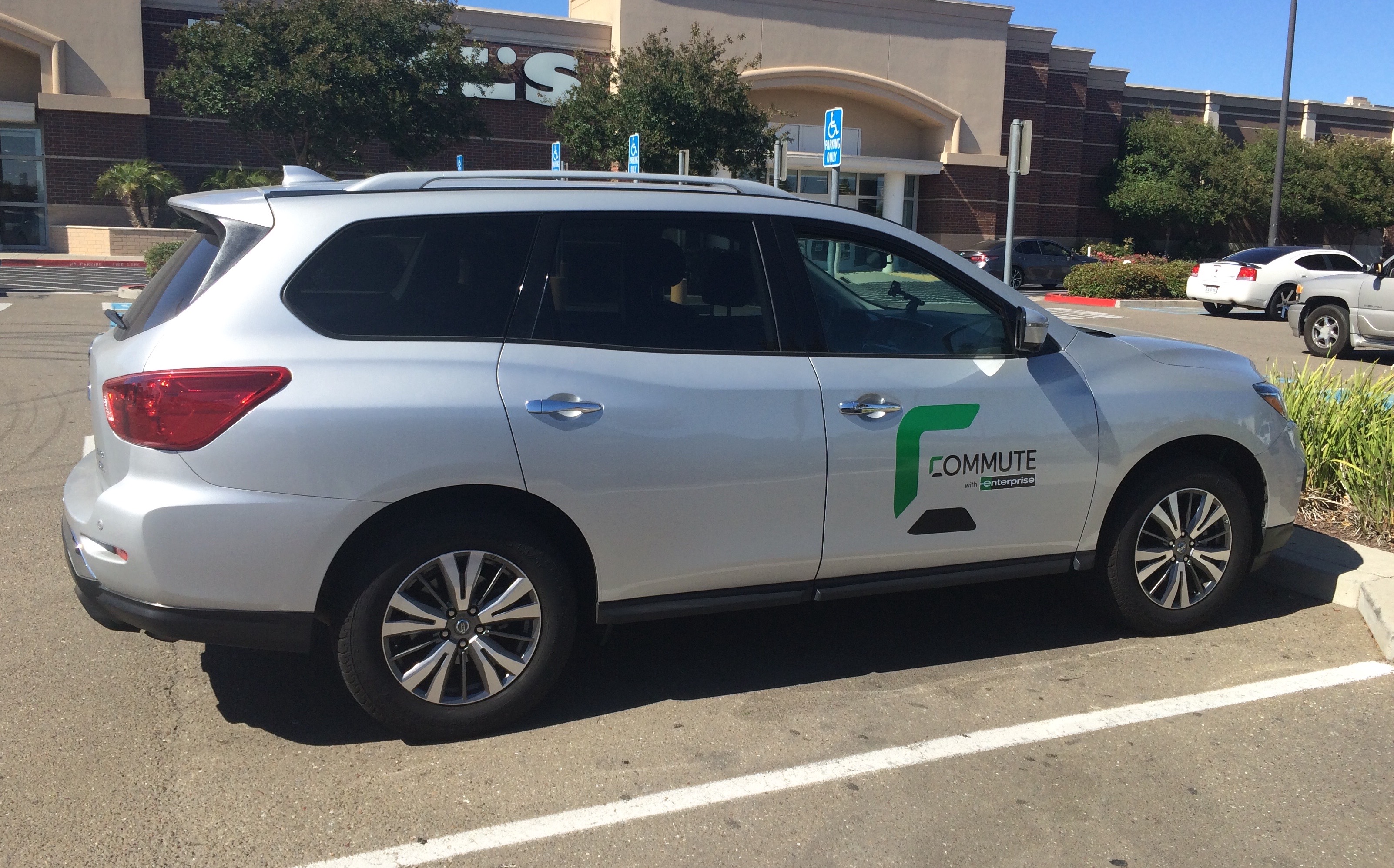
Nissan Pathfinder
"...this would cover it. You know, I already have the Pathfinder, I already have the Jeep. I don't really need an ..."
The Nissan Pathfinder is an SUV, usually chosen for carrying people and gear. It’s meant to be practical for family use. The podcast mentions it because the speaker already owns one and is deciding whether they need something else.
The Nissan Pathfinder is a family-oriented SUV built for passenger space and versatility. It often comes up in conversations about what someone already owns and what they might add or replace. In the podcast, it’s mentioned as something the speaker already has, along with another vehicle, implying they don’t need another similar option.
stake sides
"Where it falls down is if I'm picking up like the gravel... or something loose, like if I want to pick up mulch or compost or topsoil, it's hard to do that with a trailer that only has stake sides."
Stake sides are a trailer type where the sides are made of upright posts. It works well for loads you can secure, but loose stuff like mulch or compost can spill out unless you use bins or a different trailer.
Stake sides describe a trailer design with vertical posts (“stakes”) along the sides, allowing you to secure loads while keeping the sides open. It’s useful for many materials, but it can be limiting for loose items like mulch or compost because they can fall out unless you use containers or a different trailer setup.

Subaru Outback
"...etty big asterisk, right? Like, although for your Outback, it's not that different, is it? No, my Outback i..."
The Subaru Outback is a car/SUV crossover that’s designed for everyday driving and rougher weather. People like it because it’s practical and can handle different road conditions. The podcast mentions it while comparing how similar or different it is to another vehicle.
The Subaru Outback is a wagon-style crossover known for its all-weather capability and practicality. It’s often discussed in terms of how much it changes year to year and how it compares to other models in the same general category. The podcast references the Outback directly while talking about how different it is from something else.
towing
"And that's really appealing to me. And the towing, 7700, that's way more than I need. Like I need personally, probably less than 4000 for my race car."
Towing refers to how much weight a vehicle can pull safely, which is limited by the vehicle’s ratings and the trailer’s setup. In this segment, the host uses towing capacity to explain why a midsize truck can still cover real-world needs without the downsides of a full-size pickup.
gross vehicle weight
"Plus, once you're past the 10,000 limit, you really want to be thinking about a heavy duty truck where you're not going to have to worry about gross vehicle weight raining nearly as much."
Gross vehicle weight is basically the total weight of the truck when it’s loaded. When towing heavier trailers, you need to make sure you don’t exceed the truck’s weight limits.
Gross vehicle weight (GVW) is the total weight of the truck when loaded—vehicle plus passengers plus cargo plus anything else it’s carrying. The host notes that once you’re towing near higher limits, you have to watch GVW so the truck isn’t overloaded.
tongue weight
"I mean, I towed my race car with a full size Ram a couple of years ago, and we talked about it on the podcast. Just the tongue weight of the trailer was too much for the cargo rating for that pickup because it had so many accessories installed on it..."
Tongue weight is the part of the trailer’s weight that pushes down on the hitch. If it’s too high, the truck can be overloaded even if the trailer’s total weight sounds within limits.
Tongue weight is the downward force the trailer puts on the hitch—essentially how much load is carried by the truck’s rear axle and suspension. The host says the trailer’s tongue weight was too much for the full-size Ram’s cargo rating because the truck had many accessories, reducing its available payload.

Dodge Ram
"...uch. I mean, I towed my race car with a full size Ram a couple of years ago, and we talked about it on ..."
A Dodge Ram is a large pickup truck. It’s built to tow and haul heavy loads more easily than smaller trucks. The podcast brings it up because someone used one to tow a race car.
The Dodge Ram (often referred to as a full-size Ram truck) is a large pickup known for towing and hauling capability. It’s commonly discussed by owners who use their trucks for heavier work, including towing vehicles. In the podcast, the speaker mentions towing a race car with a full-size Ram, highlighting its real-world usefulness.
safety alert seat
"And you do get stuff that I missed in this truck, like the safety alert seat, you can't get it in this vehicle. I really like that"
A safety alert seat is a driver-assistance feature that uses seat vibration or movement to warn the occupant about hazards (instead of relying only on visual or audible alerts). The host says this feature is available on one trim but not on the vehicle they’re discussing.
Chevy Trail Boss
"I believe the Canyon can come in a Trail Boss version... But Trail Boss is often a lower-level trim that you find on a work truck."
The Trail Boss is a Chevrolet truck trim that’s often aimed at off-road styling and some capability, but it’s frequently positioned below the top off-road packages. The speaker notes it’s “often a lower-level trim” on work-truck-oriented Chevys, and they’re checking whether it can match the Canyon AT4’s feature set.

Chevy ZR2
"They still have the ZR2, which would be the equivalent of the AT4X... I think it rides superbly well, especially even on pavement, which is a rarity for off-road-oriented trucks."
The ZR2 is Chevrolet’s more serious off-road version of certain trucks. The host likes that it still feels good to drive on regular roads, not just off-road.
The Chevrolet ZR2 is a higher off-road trim known for more aggressive off-road hardware than standard trims. In this segment, the speaker calls it the closest equivalent to the Canyon AT4X and praises how it rides even on pavement—something they say is rare for off-road-oriented trucks.
wider stance
"So there's a Trail Boss, a Z71, and a ZR2, and the Trail Boss has a factory lift and the wider stance."
“Wider stance” means the truck sits with its wheels farther apart. That can make it feel more stable, especially when driving off-road.
A “wider stance” refers to the truck sitting with a broader track width (often from wheel/tire choices or suspension geometry). The speaker links it to the Trail Boss package, implying it helps stability and off-road presence.
Stars and Steel appearance package
"You can get a Stars and Steel appearance package, which is it's confusing. It's a big sticker with a bunch of stars on the hood, but only one side of the hood."
An appearance package is mostly about looks—stickers, trim, and exterior styling—not performance. “Stars and Steel” is a themed cosmetic option with star graphics on the hood.
An appearance package is a dealer- or factory-offered bundle of cosmetic changes—like graphics, trim, and exterior styling—rather than a mechanical upgrade. Here, “Stars and Steel” is described as a confusing sticker/graphics package with stars on the hood.
decontented version
"It has some of the features... but what is it missing?... you can't get the premium package, so you don't get the nice seats with the ventilation and the heating... It looks like it's also missing the memory seats."
“Decontented” basically means “missing features.” The host is saying this special edition looks good, but it leaves out some of the comfort upgrades you’d expect on a higher trim.
“Decontented” means a model or special edition is intentionally stripped of certain features compared with a higher trim. The speaker uses it to describe a Stars and Steel Special Edition that has some tech features but lacks premium comfort items like ventilated/heated seats, a heated steering wheel, and memory seats.

Jaguar Mark I
"seats, so it's like a somewhat decontented version of the truck with styling as long as appealing to me. How interesting. Overall, though, this is just hit the mark. I mean, I've been driving recently. I've been driving a few of these trucks. I drove the Tundra. Sorry, not the Tundra. I've"
The Jaguar Mark I is an older classic car made by Jaguar. It’s known for its vintage design and for being a sports-style sedan. The podcast talks about it based on how it looks and how it feels to drive.
The Jaguar Mark I is a classic British sports sedan from the early postwar era, known for its period styling and driving character. It’s the kind of car that gets discussed in automotive podcasts because it represents an important chapter in Jaguar’s history. In the podcast, it’s mentioned in the context of how it looks and how it drives, with the speaker saying it “hit the mark.”
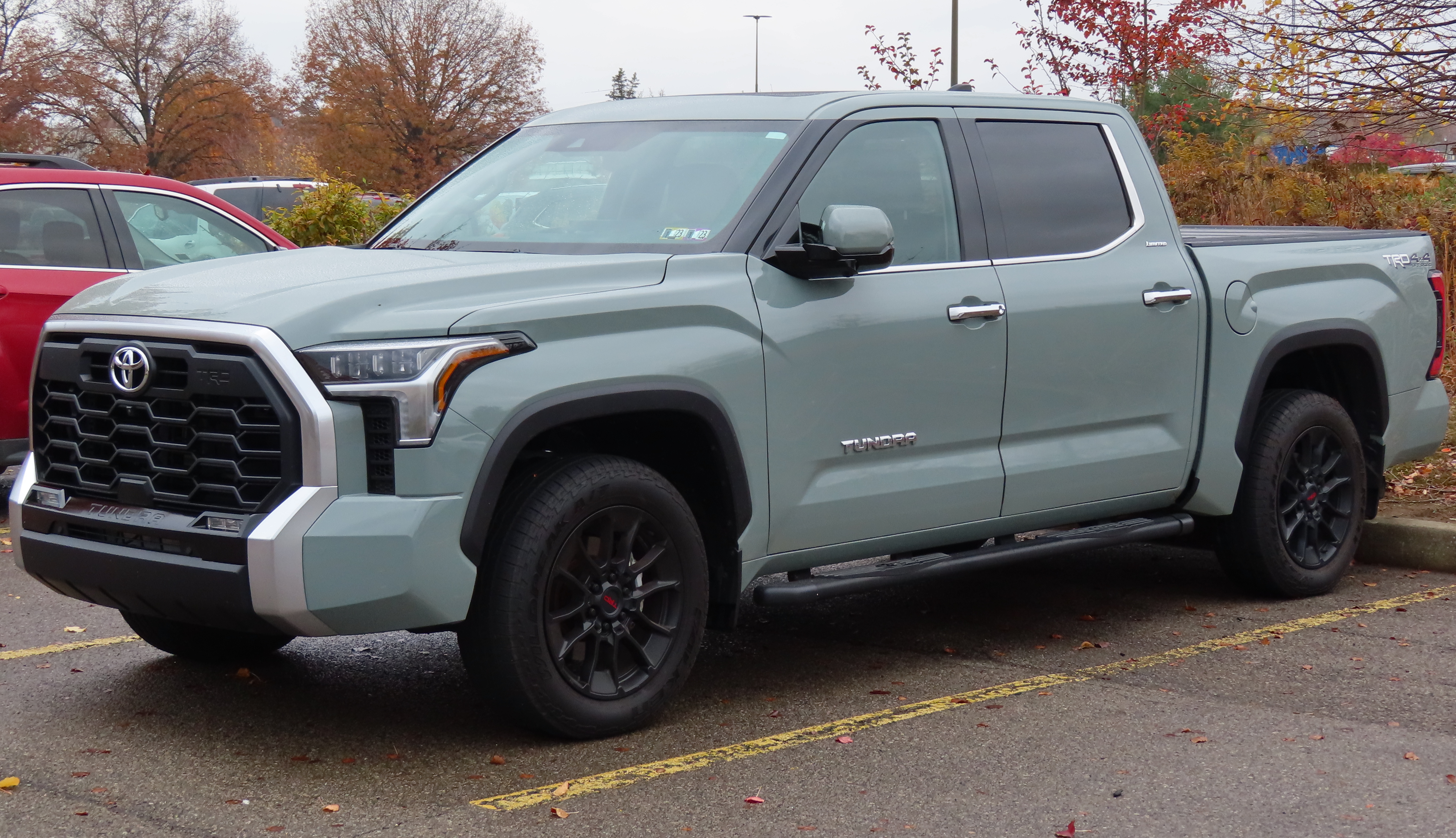
Toyota Tundra
"I mean, I've been driving recently. I've been driving a few of these trucks. I drove the Tundra. Sorry, not the Tundra."
The Toyota Tundra is a large pickup truck. They mention it because they’ve been driving it recently and are comparing the driving feel to other trucks.
The Toyota Tundra is a full-size pickup, and it’s mentioned here as one of the trucks the speaker has recently driven for comparison. The point is comparative feel—how different trucks ride and how their off-road-orientations translate to daily driving.

F-150 Raptor
"... driven the Ranger. What was the Ranger? The Baby Raptor? Was it the Ranger Raptor that I drove? In compar..."
The Ford F-150 is a large pickup truck. People choose it for its versatility—some use it for work and some for everyday driving. The podcast mentions it while comparing it to other trucks the host has driven.
The Ford F-150 is a full-size pickup truck and one of the most widely recognized trucks in its class. It’s commonly discussed because it’s available in many configurations and is used for everything from daily driving to towing. In the podcast, it’s referenced as part of a comparison when talking about driving experiences with other trucks.

Ranger Raptor
"... What was the Ranger? The Baby Raptor? Was it the Ranger Raptor that I drove? In comparison to those trucks, ther..."
The Ranger is a mid-size pickup truck. It’s meant to be easier to drive than a big full-size truck while still offering truck utility. The podcast brings it up as part of a comparison to other similar pickup models.
“Ranger” in this context refers to the Ford Ranger, a mid-size pickup truck. It’s being discussed alongside other trucks to compare how it drives and how it stacks up in the same category. The podcast specifically frames it as part of a comparison involving “Raptor” style variants.
dune bashing
"Maybe if I was going to be dune bashing in Baja or something like that, the Ranger Raptor would be a better choice, but for daily driving, this AT4 just ticked all the boxes that the Ranger didn't."
Dune bashing is when you drive aggressively over sand dunes off-road. The host is saying that kind of use is where a more hardcore truck would be the better choice.
Dune bashing is an off-road activity where drivers accelerate over sand dunes, often using momentum to climb and descend. It’s used here to justify why a more extreme off-road truck like the Ranger Raptor might make more sense than a daily-focused setup.
mid-size pickup truck
"So what? The Canyon is now the perfect, the AT4 is the perfect mid-size pickup truck? It feels like a very, very strong contender."
A mid-size pickup is a truck that’s bigger than a small pickup, but not as large as the biggest trucks. The host is saying the Canyon AT4 fits this “sweet spot” better than the other options they’re comparing.
A mid-size pickup truck is a class of truck positioned between compact pickups and full-size trucks, typically offering a balance of bed size, towing capability, and everyday drivability. The host uses this category to frame the Canyon AT4 as a “perfect” fit compared with smaller or more extreme alternatives.

Ford Maverick
"really could because the capability difference is vast. The max towing for a Maverick is 4,000 pounds. And remember earlier, I was saying that 4,000 was probably as much as I needed with my Datsun."
The Ford Maverick is a small pickup truck that’s especially popular because it can be efficient, especially with the hybrid setup. Here they’re talking about how much it can tow—about 4,000 pounds—and how that affects what you can haul and still fit people and gear.
The Ford Maverick is a compact pickup known for being relatively affordable and (in hybrid form) efficient for a truck. In this segment, the host focuses on its towing limit (4,000 pounds) and how that changes what you can realistically haul compared with a full-size truck.
value aspect
"But what you're saying about the value aspect of the Maverick, I mean, it used to be the cheapest Ford you could buy. And in hybrid form, it gives you crazy fuel mileage."
By “value,” the host means whether the truck is worth the money for what you actually get—like how much it costs and how much it costs to drive. They’re saying the Maverick used to be a great deal, but once the price rose, it became less of a bargain compared to other small trucks.
“Value aspect” here means the overall ownership trade-off: how the truck’s price and operating costs (especially fuel economy) compare to what you can realistically do with it. The host argues that when the Maverick got more expensive, the value equation versus alternatives like the Santa Cruz shifted.
hybrid form
"And remember earlier, I was saying that 4,000 was probably as much as I needed with my Datsun. But what you're saying about the value aspect of the Maverick, I mean, it used to be the cheapest Ford you could buy. And in hybrid form, it gives you crazy fuel mileage."
A hybrid setup uses both a gas engine and an electric motor to help save fuel. In this segment, the host says the Maverick’s hybrid version is especially good for long-distance commuting because it gets great gas mileage.
Hybrid form refers to a powertrain that combines an internal-combustion engine with an electric motor and battery. The host credits the Maverick’s hybrid setup with “crazy fuel mileage,” tying it to commuting value rather than towing capability.

Ford Lobo
"... that will do off-roadish things. You can get the Lobo version, which is supposed to be a street truck, ..."
The Ford Lobo is a version of a truck meant to feel more street-friendly. It’s still intended to handle some rough roads, but it’s not only built for extreme off-roading. The podcast mentions it as an option for people who want that balance.
The Ford Lobo is a trim/variant name used for a street-focused truck setup that’s intended to still handle off-roadish use. It’s mentioned as an option if you want a truck that can do some rough-road capability without being purely a hardcore off-road machine. In the podcast, it’s brought up as a way to get “street truck” practicality with some off-road capability.

Hyundai Santa Cruz
"And the Santa Cruz is not long for this world from Hyundai. It never had the fuel mileage capability that the Maverick did. So the Santa Cruz was really, if you wanted a compact truck, you didn't like the bare bones interior of the Maverick..."
The Hyundai Santa Cruz is another small pickup option. In this segment, the host compares it to the Maverick and says it doesn’t get the same hybrid fuel economy, but it can feel nicer inside and has more power.
The Hyundai Santa Cruz is a compact pickup that’s compared here against the Ford Maverick. The host argues it doesn’t match the Maverick’s hybrid fuel-efficiency advantage, but it can be a nicer-feeling alternative inside with more power.

Honda Ridgeline
"So and then there's the Ridgeline, which is just for people who wanted a pilot, but not the third row and would rather have lots of cargo space. I don't really know who the Ridgeline"
The Honda Ridgeline is a pickup that’s aimed at people who want practical cargo space. Here the host is saying it fits buyers who don’t need a third row but still want room to haul things.
The Honda Ridgeline is a midsize/compact pickup alternative that’s described here as appealing to people who want lots of cargo space without needing a third row. The host frames it as a different kind of “family utility” choice rather than a towing-first truck.
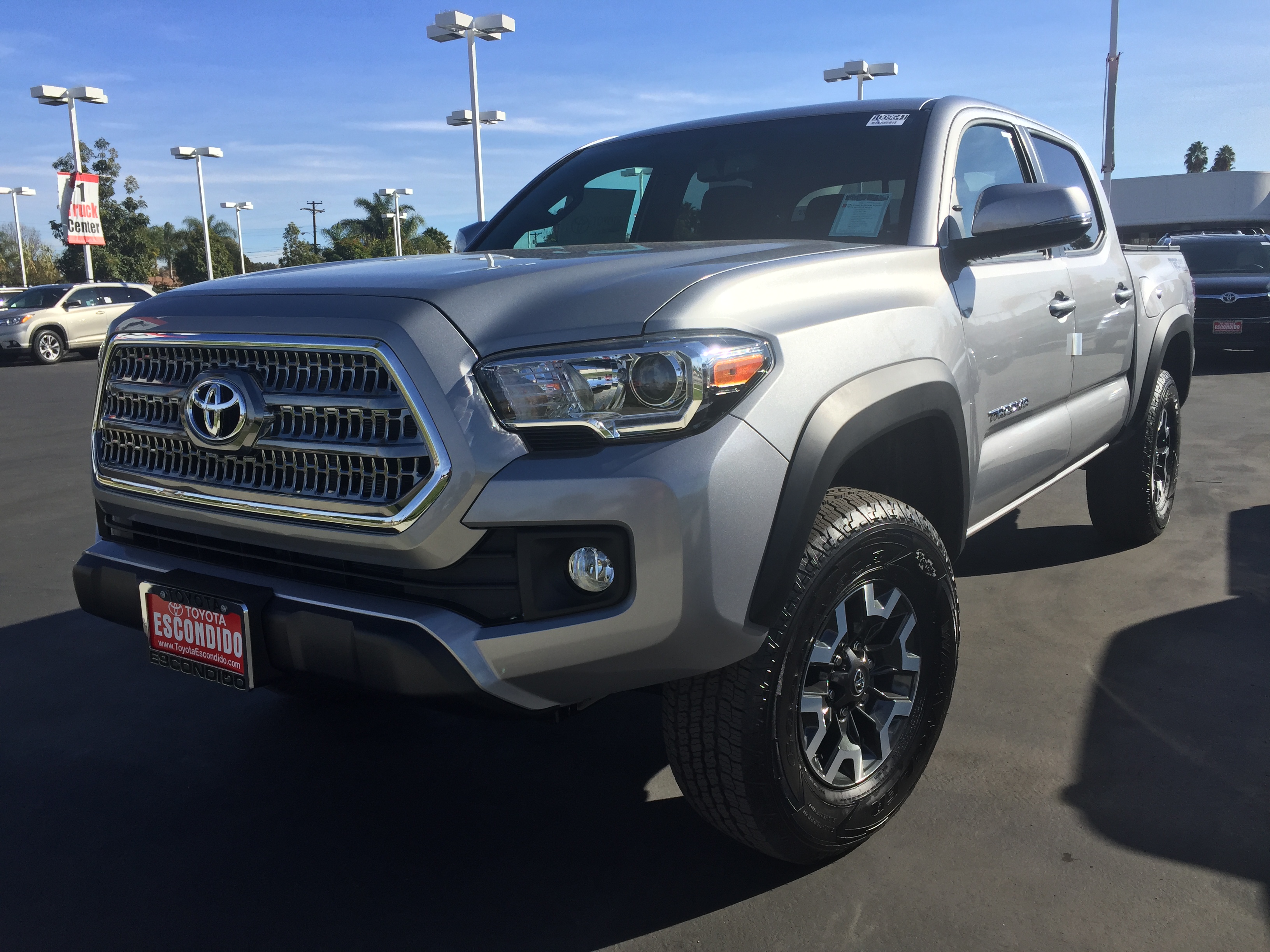
Toyota Tacoma
"They don't come across as all that truck like in the same way that a Ranger or Tacoma does, which are more traditional approaches to midsize truck dynamics,"
The Toyota Tacoma is a mid-size pickup. The host is saying it usually feels more like a classic truck, not as smooth or SUV-like as the GM alternatives.
The Toyota Tacoma is a midsize pickup the host groups with the Ford Ranger as a more traditional take on pickup driving dynamics. The point is that Tacoma/Ranger feel less “SUV-like” than the GM trucks being discussed.
Ford F150
"because to me, the Ranger always felt like it was held back by the fact that there was also the F-150 and the F-150 was so versatile and can be configured in so many different ways."
The Ford F-150 is a bigger pickup that comes in lots of versions. The host is saying that because the F-150 is so flexible, the smaller Ranger can feel less compelling by comparison.
The Ford F-150 is a full-size pickup used here as a comparison point for why the Ranger can feel “held back.” The host argues the F-150’s wide range of configurations, powertrains, and trims makes it more versatile than a smaller model.
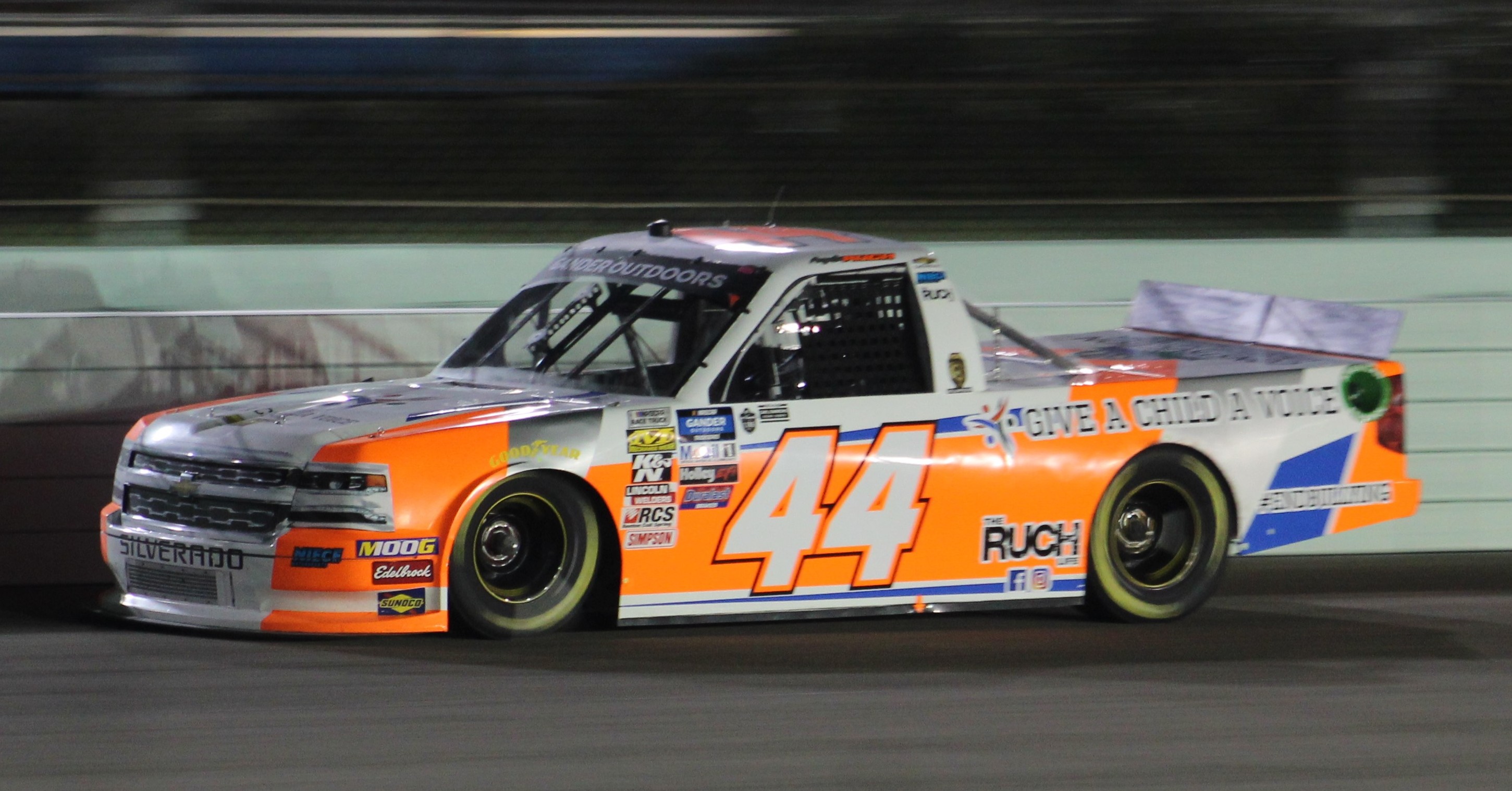
Chevrolet Silverado
"But that's true of like the Sierra and the Silverado as well, right?"
The Chevrolet Silverado is a larger pickup truck. The host is comparing it to other trucks to explain how GM’s lineup feels distinct rather than just competing on price.
The Chevrolet Silverado is a full-size pickup mentioned alongside the GMC Sierra. In this segment, it’s part of the discussion about how GM’s trucks feel like their own “package” rather than being just a cheaper alternative.

GMC Sierra
"But that's true of like the Sierra and the Silverado as well, right?"
The GMC Sierra is a larger pickup truck. The host is using it to talk about how GM’s trucks are marketed and positioned relative to each other.
The GMC Sierra is a full-size pickup referenced as part of the broader GM lineup comparison. The host contrasts Sierra/Silverado’s positioning and refreshes with the idea that they don’t chase the exact same price point as their smaller rivals.
Turbo 4
"I think I only drove them when they recently refreshed them in the new Turbo 4 era, and I only drove them briefly."
“Turbo 4” means a four-cylinder engine with a turbocharger. A turbo helps the engine make more power without needing a larger engine.
“Turbo 4” refers to a turbocharged four-cylinder engine. The host mentions driving GM trucks after they were refreshed in the “Turbo 4 era,” implying the newer powertrains changed how these vehicles feel briefly on the road.
hybrid drivetrain
"And the parts that are clean slate are the parts that are the most problematic, like the hybrid drivetrain. Unfortunately, yes, the powertrain..."
A hybrid drivetrain is the system that combines a gas engine and an electric motor to drive the truck. The host is saying the hybrid parts are where the problems are showing up.
A hybrid drivetrain is the set of components that lets a vehicle use both an internal-combustion engine and an electric motor(s) to move the car. In this segment, the host argues that the “clean slate” parts—specifically the hybrid system—are the ones causing the most trouble.
powertrain
"Unfortunately, yes, the powertrain, which has really, really gotten them in a lot of trouble lately."
Powertrain is the set of parts that actually make the vehicle move. In this clip, the host is saying the main driving system has been causing problems.
Powertrain is the vehicle’s propulsion system—typically including the engine (or engines), transmission, driveshaft(s), and the components that deliver torque to the wheels. Here, the host uses it to emphasize that the propulsion system is what’s “gotten them in a lot of trouble.”
warranty
"A huge number of engines have been replaced sort of warranty because it's the same thing that happened..."
Warranty is the coverage that pays for certain repairs if something goes wrong within a set time or mileage. The host is saying the number of warranty engine replacements is unusually high.
Warranty work means repairs or replacements that the manufacturer pays for because the vehicle is still covered under its guarantee terms. The host’s point is that the scale of engine replacements under warranty suggests a systemic issue rather than isolated failures.

Scion Frs
"...ecause it's the same thing that happened with the FRS and the BRZ slash GT, where they ended up with as..."
The Scion FR-S is a small sports car. It’s designed to be fun to drive rather than to be a big family vehicle. The podcast mentions it because it’s related to other similar sports cars that share a lot of the same ideas.
The Scion FR-S is a compact sports coupe known for being an enthusiast-focused, lightweight-feeling car. It’s mentioned in the podcast alongside the Toyota 86/Subaru BRZ family as a similar situation where the cars ended up sharing related engineering. The context suggests the speaker is talking about how these models are connected and why that matters.
assembly problems
"where they ended up with assembly problems where there were materials inside the motors after assembly."
Assembly problems are mistakes or contamination that happen during factory build. The host is saying that unwanted materials ended up inside the engine during assembly, which can lead to major engine failures.
Assembly problems refer to defects introduced during manufacturing—when parts are put together incorrectly or when contaminants/materials end up where they don’t belong. The host claims that materials were found inside the motors after assembly, which can cause severe internal damage and premature failures.

Nissan Frontier
"The only other car that's worth talking in this class is the Frontier. I promise we shouldn't laugh at it. It's fine."
The Nissan Frontier is a midsize pickup truck, and the host frames it as the “other” option in the class that’s worth discussing. They argue it’s improved its reputation over time, but it still tends to be the choice when shoppers can’t make the other midsize trucks fit their needs.
TRD Pro
"You can buy very expensive like TRD Pro, and there's a Trail Hunter version now."
TRD Pro is a Toyota trim level meant for off-roading, with extra equipment compared to a regular model. The host is saying even the pricey TRD Pro version doesn’t automatically solve the problems they’re talking about.
TRD Pro is Toyota’s performance/off-road trim line (TRD = Toyota Racing Development) aimed at buyers who want more off-road equipment from the factory. In this segment, the host notes you can buy a very expensive Tacoma in this TRD Pro form, yet it still doesn’t fully fix the underlying concerns.
Trail Hunter
"You can buy very expensive like TRD Pro, and there's a Trail Hunter version now."
Trail Hunter is a Tacoma trim meant for off-road use. The host brings it up to point out that even newer, more expensive off-road trims may not deliver as much as they promise.
Trail Hunter is a Toyota Tacoma variant/trim name positioned toward off-road use. The host mentions it as a newer option that adds more off-roading content, but they’re questioning whether it’s actually worth the money relative to the truck’s issues.

2026 Kia EV4
"Ben, I've got another car I really want to talk about briefly... It is the 2026 Kia EV4... Sammy, when we last talked about this, I loved it and you thought it was horrible to look at. Have you changed your opinion?"
The 2026 Kia EV4 is an upcoming electric Kia. The hosts are talking about how it looks—how the front design and hood shape look different in real life than in pictures, and how the back styling is a little unusual.
The Kia EV4 is Kia’s upcoming electric vehicle (EV) for 2026, and this episode focuses on its design and how it’s perceived in person versus photos. The host highlights specific styling cues—especially the front-end/hood shape and the rear “cliff notch back” look—to explain why it may grow on some buyers.
cliff notch back design
"The rear design is still a bit quirky. There's this really strange cliff notch back design to it."
“Cliff notch back” is a descriptive styling term for a rear-end shape where the roofline and rear deck drop sharply, creating a noticeable “notch” profile. It’s not a standardized engineering term, but it helps listeners visualize the EV4’s unusual rear silhouette.
kWh battery
"The battery in particular is huge. It's like an 80 kWh battery. There's also a 50 kWh battery model that you can get."
kWh is the unit for how much energy the EV battery can store. More kWh usually means you can drive farther before needing to charge.
kWh (kilowatt-hours) is a measure of an EV battery’s energy capacity—how much electrical energy it can store. A larger kWh number generally supports more driving range, which is why the host emphasizes an ~80 kWh battery option for the Kia EV4.
125 kW
"It doesn't charge fast... It's like 125 kW... It tops out at 125 kW, which isn't particularly fast..."
125 kW is how fast the EV can charge at a fast charger. It’s decent, but slower than some EVs that can charge closer to 275–300 kW.
125 kW is the maximum fast-charging power the host says the EV4 can reach. In EV terms, that’s not “ultra-fast” compared with cars that can pull 275–300 kW, so charging stops may take longer on road trips.
charging power
"It doesn't charge fast, but it doesn't matter. It's like 125 kW... If you're an owner, you're going to be charging at home. What does it matter?"
Charging power tells you how quickly the car can charge at a fast charger. Higher kW usually means faster charging, but the host says home charging is the main use case.
Charging power (measured in kW) describes how fast an EV can accept energy from a charger. The host notes the EV4 is limited to about 125 kW, and argues that real-world charging speed may matter less if most charging happens at home.

Kia EV9
"...ly fast, especially when you consider the EV6 and EV9 both have really impressive, I think, up to 300 o..."
The Kia EV9 is an electric SUV with three rows of seats. That means it’s built to carry more people than a typical two-row vehicle. The podcast mentions it because it’s considered very quick for an electric SUV.
The Kia EV9 is a fully electric three-row SUV designed to offer space for more passengers while still delivering strong electric performance. It’s often discussed alongside other Kia EVs because buyers compare acceleration and overall capability. In the podcast, it’s mentioned together with the EV6, with reference to impressive performance numbers.
400-volt architecture
"It also says EGMP just with a 400-volt architecture instead of an 800-volt one, which is interesting."
This is the car’s electrical “voltage level” for the battery and drive system. A 400-volt design is usually cheaper and simpler than an 800-volt one, though it may not charge as fast.
A 400-volt EV architecture is an electrical system design where the traction system operates around 400 volts. Compared with an 800-volt architecture, it typically uses lower-voltage components and can reduce cost, but may charge more slowly on high-power chargers.
EGMP
"It also says EGMP just with a 400-volt architecture instead of an 800-volt one, which is interesting."
EGMP is the EV “platform” that Hyundai and Kia build their electric cars on. In this discussion, they’re comparing a 400-volt setup to an 800-volt setup, which affects charging speed and system cost.
EGMP stands for Hyundai/Kia’s Electric-Global Modular Platform, a shared EV architecture used across multiple models. The key idea here is that the platform can be configured for different battery/charging voltage levels, like 400-volt versus 800-volt systems.
800-volt
"It also says EGMP just with a 400-volt architecture instead of an 800-volt one, which is interesting."
800-volt is a higher electrical voltage system in an EV. Higher voltage can help the car accept faster charging, but the hardware can cost more.
An 800-volt EV architecture is designed to run the traction system at roughly double the voltage of common 400-volt setups. Higher voltage can enable higher charging power and faster charging, but it often requires more expensive high-voltage components.

Bolt
"I used to recommend the Bolt as the entry-level EV. And now I can see myself only recommending this thing."
The Chevrolet Bolt is an affordable electric car. The host is saying that, after driving the newer EV, they think it’s a better “starter EV” choice than the Bolt.
The Chevrolet Bolt is a mainstream, budget-focused EV that was often recommended as an entry-level option. In this segment, the host contrasts it with a newer EV, saying they can now see themselves recommending the newer car instead of the Bolt.
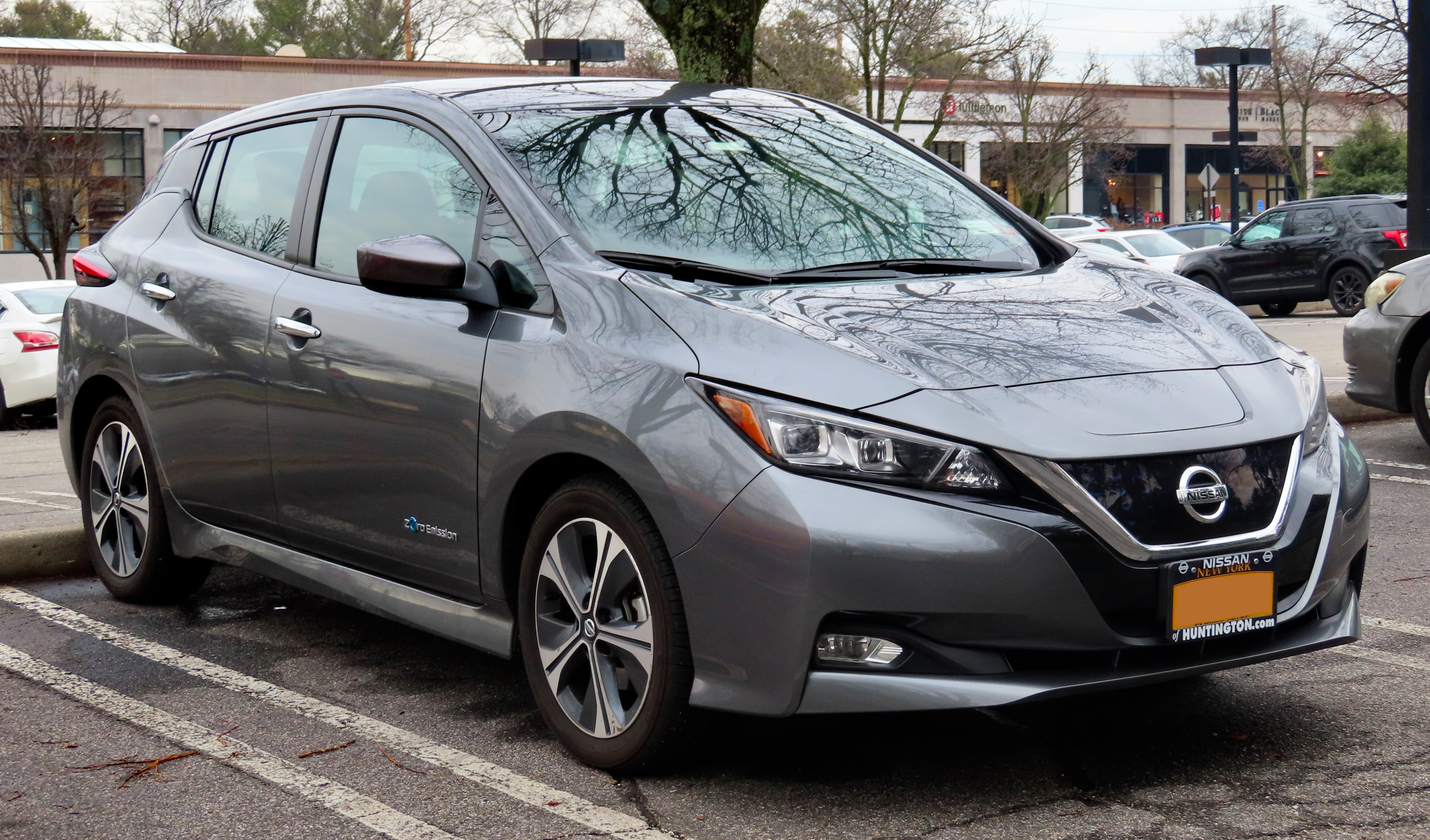
leaf
"The other option I suppose is the leaf. I haven't yet driven the leaf you have. It's pretty good."
The Nissan Leaf is a common, affordable electric car. The host is comparing it as another budget EV choice and says they had some issues in winter but overall it was good.
The Nissan Leaf is a long-running, mass-market EV known for being relatively accessible and practical. Here, it’s mentioned as an alternative “option” to the EV being discussed, with the host noting some winter-related weirdness from their experience.
Request an Explanation
Heard something you'd like explained? We'll add it to this episode.
Sign in to request explanations for terms you heard.
Want to learn more?
Browse our glossary for plain-English explanations of automotive terms, jargon, and concepts.
Help improve this episode
See something that's not quite right? Our annotations are AI-generated and can sometimes miss the mark. Click the flag icon on any annotation to suggest a correction.
1 community members have helped improve this episode.