00:00
Whether you drive a car, need a car, or just occasionally bummer ride with friends, you've
00:08
come to the right place.
00:09
Join Jill and Tom as they break down everything that's going on in the auto world.
00:13
New car reviews, shopping tips, driving green, electric cars, classic cars, and plenty of
00:20
This is the Consumer Guide Car Stuff podcast.
00:23
All right, this is the Consumer Guide Car Stuff podcast, and I am Tom Appel.
00:27
Thank you for joining us today.
00:29
When you have a moment, check us out at ConsumerGuide.com.
00:32
All sorts of good stuff there, especially if you are looking for a new car or truck.
00:37
In studio with me live in person is Jill Simonillo, managing editor, and I'm sorry, contributing
00:42
editor at ConsumerGuide.com, North American Car of the Year juror, old habits diet.
00:49
And obstinate freelancer.
00:53
That is very descriptive.
00:55
I'm doing well, thank you.
00:57
I want to hear a funny, not car-related story.
01:01
Steve and Johnny, I do their show every other week, let me pick the bumper music while I'm
01:08
It's, for me, it's the biggest thrill of a lifetime.
01:11
But not for anybody else.
01:12
So when I checked, when I checked the weather early last week, it was supposed to rain
01:20
So I picked songs about rain.
01:24
And then it didn't rain?
01:25
However, it didn't rain all week.
01:26
But then Saturday, all hell broke loose.
01:30
You brought the rain.
01:32
And it was totally appropriate.
01:35
And it rained like crazy.
01:36
I was test driving the Toyota Sequoia 1794 edition.
01:42
And I drove that through the storm and kind of missed the storm.
01:45
I was going Northwest or Northwest Highway outside of Chicago and I got some rain.
01:51
But when I turned around to come back, everything was, there were trees all over the road.
01:55
There was, there was puddles everywhere.
01:57
There was flooding.
01:58
Somehow I missed it and I was in it.
02:01
You know, I got, so there was rain earlier last week, like Tuesday, I think, was it Tuesday?
02:08
And I just got the Toyota 4Runner Trail Hunter and there was like flash flood warnings
02:15
and I was getting all the alerts and all the things.
02:17
And I was literally driving through water that was probably two feet high.
02:21
I was like, bring it, bring it, bring all the water.
02:24
I can do it in this truck.
02:25
I don't know if I drove through 24 inches of water, but I certainly drove through more than
02:31
I'm like, yeah, I'm going to swim.
02:34
Well, the, the, the trail hunter has like a spout too, so you can forward water a little
02:38
That spout, which is functional, makes funny noises.
02:42
That's what that is.
02:45
I, you know, I've been trying to figure it out.
02:46
I'm like, is it the engine?
02:50
Now that makes perfect sense.
02:52
It's driving, it's driving me nuts.
02:53
It's driving you down, and you're decelerating, you hear the craziest noise.
02:57
No, it's, it's, it's, even when you accelerate, it sounds like somebody's turning on a bus
03:03
And there is being pulled through a snorkel.
03:05
For people who don't know what that is, it's for extreme off-roading.
03:07
And, and fording steam streams and stuff like that.
03:10
And also it looks cool.
03:12
It looks very cool.
03:13
A lot of people have fake snorkels.
03:15
Which is kind of sad.
03:18
Speaking of kind of sad, you remember my jubilation when Volkswagen handed Rivian
03:23
a big bag with a billion dollars and I thought, they're set, they're home free. Everything
03:27
is good now. Guess how much money Rivian lost in Q2?
03:33
A billion dollars. A billion one. They just lost it. It was like they went to Vegas and
03:37
they just bet it on 31 black and yeah, it didn't go well.
03:42
Rivian has trouble and it's amazing how much trouble they have because they've
03:46
been in this business for a while. They're selling vehicles in some volume and they
03:50
are selling well reviewed vehicles. So the stuff should be here plus they have cash coming in
03:56
because they were selling vans to amazon.com though I don't know where that's at.
04:02
They had a contract for a hundred thousand units and I don't think they're anywhere near
04:05
that number yet. Although around here.
04:09
We see them a lot. Anyway, they lost one point one billion dollars in Q2 which works
04:15
out to they sold 10,700 vehicles. They lost about a hundred thousand dollars of vehicles
04:22
Now, I realize that things don't work evenly like that. Things are amortized. You take
04:27
you take write downs and things. But still, dang, yeah, that is nowhere in your making
04:34
They should be close to breaking even.
04:36
On stuff now. So if you're an investor there, you're a little worried.
04:39
Maybe a lot worried.
04:40
You know, I have to say, everywhere I go, I am seeing Rivians everywhere.
04:45
Good looking trucks.
04:47
People who own them like them.
04:49
So the problem is they can't make them affordably enough. And by affordably, I mean, they can't
04:53
make them right work for them. They're selling them for what is apparently a reasonable
04:58
price. They're selling some.
05:00
So that's a bummer.
05:02
Here's another bummer along those lines. Are you ready?
05:05
The the de-escalation of the de-escalation, but the basically the removing the teeth
05:13
out of the EPA standards for fuel economy means that manufacturers no longer have to worry about
05:20
carbon tax credits.
05:23
Meaning that they don't have to worry about hitting fuel economy numbers and thus they
05:26
don't have to buy credits if they miss those numbers.
05:30
Stellantis, for example, was a big buyer of tax credits of carbon credits and Tesla
05:34
was a big seller of them. Well, that's not happening anymore.
05:40
Some numbers here. These are estimates. Tesla, what was this? Tesla sold $890 million worth
05:49
of tax credits in Q2.
05:52
So almost a billion dollars and one quarter revenue from just selling electric vehicles
05:56
as a bonus to selling the vehicles and Rivian made $150 million selling those credits. Those
06:01
credits are all gone now.
06:04
That is money they're not going to get.
06:06
At least in the U.S.
06:10
But that's a thing. So that's bad. Here's another one. More EV bad news.
06:14
Maybe you heard this one. The Lucid Gravity. It's out there.
06:19
Lucid's first non-big sedan-like car.
06:22
Yeah. It's the first SUV.
06:24
It looks good. It's well-reviewed. It's got a lot of range and it's not selling.
06:31
One report said that they sold nine.
06:34
Last so far this year.
06:36
Single digit, nine.
06:37
There's other numbers that put that number higher but they're still depressing.
06:41
And Lucid doesn't report directly so they're just saying the number is higher. But I don't
06:45
know what the problem is there. It's expensive. Right? It starts at $82,000. I don't know
06:51
if that's the problem.
06:52
I would not think that's the problem because people who buy that car, you know, they're
06:57
not afraid of that price tag and they... So I don't know. I mean I have friends
07:01
who are like when you get that as a test car you have to bring it to us because
07:04
they're seriously thinking about buying it. And I haven't seen it yet. So I don't know
07:10
who's getting the opportunity to review these cars but it's not regular...
07:13
Not a lot of reviews out there.
07:14
It's not like regular people.
07:16
Yeah. I don't know what's going on with that. But it's kind of depressing because
07:20
we sort of thought this was going to save Lucid.
07:23
Now Lucid's owners are largely the Saudi wealth fund. Right? Deep, deep, deep pockets.
07:30
It's almost a trillion dollars. So funding this operation isn't killing them. However,
07:36
at some point you cut your ties just because you don't want to lose money on something.
07:39
And they're losing money on this and I don't know what's going on there either.
07:43
So Lucid and Rivian, like, you know, fingers crossed for those guys.
07:47
They were new companies, novel product, good product.
07:51
And then Lucid, too, had some proprietary battery technology. The Lucid Air Sapphire.
07:58
One of their trim levels was capable of 500 miles on a charge. That's really cool.
08:04
But yeah, no one wants big sit-ins and no one seems to want their big crossover unless that changes.
08:10
You know, I think that's going to change. I think maybe they're just ramping up production
08:14
and, you know, they just haven't gotten the vehicles in hands to create the conversations yet.
08:21
Hopefully. I mean, it's been out there for a while. So that's the depressing part of this.
08:26
There is now, they announced today. Today is $7,500 rebate.
08:31
It's only on the lease, but most people in this price class lease anyway.
08:35
So it's a lease buy-down.
08:37
So that helps you with the price. All right. You saw this maybe? Crazy QX80s?
08:44
Yes. I was like, what? Yes. I had to think, like, it's been a long weekend.
08:49
I had to think about that.
08:50
Infinity kind of hurting right now. They're going to lose two models that they used to import from
08:55
Mexico, the QX50 Compact Crosshair and the QX55 Fastback.
09:00
I liked the QX55, yeah.
09:02
Coop-looking version of that. Those are going away. They're imported from Mexico and that doesn't work anymore.
09:06
Thank you, tariffs. But they're doing off-road versions and sport versions of the giant QX80 SUV.
09:16
Maybe. Right now we're seeing them in concept form.
09:20
Moderate car week at the quail. I don't exactly know what the quail is.
09:24
I have never been. I just know people go and they wear pretty dresses and big hats.
09:30
It's like a lawn party.
09:33
Yes, pimps and lemonade.
09:34
Yeah. But the cars look cool.
09:38
It's nice to see Infinity making news.
09:40
Well, and I will say this isn't completely radical.
09:44
Well, Infinity in 2020 did compete in the Rubel rally with the QX80.
09:50
I don't remember that.
09:52
Well, so a couple of our automotive colleagues actually were piloting the vehicle.
09:56
Nicole Wakeland, who has been a guest host for me when you were out about a year ago,
10:01
she was the driver. And then Alice Chase, who is more on the influence side of things,
10:08
she was the navigator.
10:10
QX80 is a big off-road or anybody on a frame truck.
10:14
What is that called? The Nissan Patrol. That's the vehicle it's based on.
10:18
And that's a serious off-roader.
10:20
So this isn't crazy.
10:21
It's just funny that they take a serious off-roader, dress it up in a tuxedo, and then
10:26
still with the tuxedo on, it's putting on hiking boots.
10:29
Well, you know, it's a look.
10:32
I'm trying to get somebody from Infinity on to talk about this.
10:37
I would like that very much.
10:40
They didn't say no.
10:42
They actually replied to me and they didn't say no.
10:45
The QX65, a coupe version of the QX60 mid-size SUV, on the way.
10:53
So some news at Infinity, and they're getting rid of their low-end stuff that maybe wasn't
10:57
even brand-appropriate.
11:00
It's just nice to see some action there.
11:03
And I think they've got stuff next year.
11:05
18 months ago, if you were going to ask me about a brand that was going to die in the U.S.,
11:08
I might have said Infinity.
11:09
But now it seems like there's some action there.
11:11
Also, the QX80 probably going to sell well in the way that the Escalade sells for Cadillac.
11:18
Speaking of which, this is not on my list, but maybe you saw this.
11:23
The redesigned Lincoln Navigator is very nice.
11:30
They killed the base version.
11:33
The base price, the price of entry for a Navigator went from about 80 grand to more than 100 grand
11:42
And it's not so much that they raised prices, they just killed the bottom end.
11:46
Well, I mean, I feel like Escalade, the price for entry, is about that too.
11:50
It's actually cheaper.
11:55
Unbelievably, I checked that in case.
11:56
In case it came up in conversation.
12:00
Well, I'm at the health club.
12:01
That never happens, by the way.
12:05
We touched on it last week a little bit.
12:09
You have sat in this thing.
12:11
You've driven this thing.
12:13
Have you eaten chili in it?
12:14
I've not eaten chili in it.
12:15
I think I brought chili here.
12:16
But you purchased chili while sitting in it.
12:18
I did purchase chili while sitting in it.
12:21
And thank goodness for the red interior.
12:23
Tell us what the ADX is because it's interesting.
12:26
So this is a new compact SUV from Acura.
12:28
It's the new entry level into the SUV lineup.
12:32
It is based on the HRV, the Honda HRV platform.
12:36
And it is, I think, reasonably priced vehicle with some really nice finishing touches.
12:52
That is overwhelmingly the response to that vehicle.
12:56
And it's interesting because it gives Acura something to sell to young, wealthy urbanites.
13:02
Or just young and fast.
13:05
You don't need to be that wealthy.
13:08
Yeah, which is interesting too.
13:10
But just a little bit about Acura.
13:12
They just killed the TLX.
13:14
That's the mid-size sedan that was not selling at all.
13:16
I have numbers here, TLX.
13:18
They sold fewer than 3,000 so far this year.
13:23
The ADX, which is brand new, 200 in the first quarter.
13:26
4500 in the second quarter.
13:28
So it's now online and selling.
13:30
It's starting to ramp up.
13:31
And it looks like it's selling pretty well.
13:33
I mean, there's a lot going for this vehicle.
13:36
It was the 1.5-liter engine delivers 190 horsepower.
13:41
And it is okay-powered.
13:46
If you are not an aggressive driver, like you don't need anything more than that.
13:49
But the problem I had, so I live in the city.
13:55
And I park up a ramp that's 22 degrees.
13:59
And so I have to go up this ramp to get into my parking space.
14:04
And I usually back into my spot.
14:07
I did not have enough power to back up that ramp.
14:10
So I had to start pulling forward into the-to kind of do a little dance inside my-
14:16
Like it kept, like, going forward down the ramp.
14:19
And then I would like yeee.
14:20
And I mean, it was just-it was a really awkward thing.
14:26
Was it not enough power or some complication with the CVT automatic?
14:30
Although it should be a fixed gear in reverse.
14:33
I don't know what that-
14:36
And I, like, would punch it and it would just, like, kind of, like-
14:39
It was struggling up a 22-degree ramp.
14:41
So going backwards.
14:42
So when I was going forward, it was a little bit easier.
14:45
And, you know, it's small enough that I could do, like, 20-point turn
14:51
and then back into my space so I could nose out.
14:53
But so I thought it was a little bit wimpy, but not completely bad.
14:59
If you're not an aggressive driver, it's fine.
15:01
But the biggest problem I had with it was just the overall noise that creeps into the cabin
15:07
from the engine and the CVT.
15:09
Well, that's disappointing.
15:11
And that's sort of the nature of a CVT.
15:13
It was just-it was very-like, I think that was the bigger problem.
15:15
It wasn't the power.
15:16
It was, like, the sound.
15:17
And then it made you feel like you were not-
15:19
So for people listening who don't know what we're talking about,
15:21
most transmissions are stepped-gear automatics.
15:24
So when you hear six-speed automatic, eight-speed automatic,
15:26
there are six or eight gears that you roll through on the way to your speed.
15:32
And a CVT doesn't do that.
15:34
There's an infinite number-theoretically, there's an infinite number of ratios,
15:37
and it's always sliding in those ratios.
15:39
That's actually good for efficiency and actually good for power,
15:44
acceleration, but it doesn't feel good.
15:48
And if you are old enough to remember a stepped-gear automatics,
15:51
these are troubling sometimes to you.
15:53
Now, that said, Subaru and Honda have done an excellent job with CVTs.
15:58
Actually has so has Nissan now.
15:59
Nissan had some problems with their good.
16:01

So compare this car to, like, the Mazda CX-30,
16:06
which is-Mazda CX-30 is not as inexpensive as it could be
16:09
for a subcomp head-crosserver, but it's also wonderful.
16:13
You know, so I will say, I really like how-like,
16:16
the CX-30 is very sporty.
16:18
And I like how it drives, it's compact.
16:21
And to me, that has the right amount of power
16:23
and the right amount of pep.
16:25
And it just feels really good.
16:27
But the tech, to me, is a little bit of an obstacle
16:30
because you have that rotary dial that you have to use
16:34
to no touch screen.
16:35
Generally unpopular.
16:36
And generally unpopular.
16:37
I mean, you get used to it.
16:38
And I know people who own Mazda,
16:40
and they're like, oh, I love it.
16:43
So it doesn't bother me, but it's not my favorite.
16:45
And when you're going, like if you are using Apple CarPlay,
16:49
touching the screen is just easier.
16:51
And so that, to me, is a little bit dated on the Mazda,
16:55
whereas the Acura ADX has the wireless Apple CarPlay
17:01
It has a touch screen.
17:02
And it just, it feels a little bit more modern.
17:05
Which one would you rather take on a long drive
17:07
across the country?
17:08
Ooh, that's a tough question.
17:10
Mazda seats have gotten kind of uncomfortable lately.
17:12
And I did drive the ADX down to Indianapolis and back
17:17
and thought those seats were incredibly comfortable,
17:19
which, you know, the A Honda HR-V seats,
17:22
not comfortable at all.
17:23
So I found the Acura ADX to be comfortable.
17:27
And it's been, it's probably been more than a year
17:30
since I've driven the CX-30s, so I can't,
17:32
I don't remember the comfort.
17:33
Now, if I were just zipping around town,
17:35
running errands, coming up to, you know,
17:37
Palatine, Illinois from Chicago,
17:39
Mazda CX-30 every day all day.
17:41
Yeah, I'm actually trying to get my daughter
17:43
to be interested in the CX-30.
17:45
However she is, she has sworn to herself
17:47
to get a color she likes.
17:49
And the Mazda CX-30 does not come in interesting colors.
17:52
What color does she want?
17:55
Ooh, that's going to be a tough one.
17:57
Like we drove the Nissan Kix.
18:00
And that comes on a great yellow.
18:02
The problem with the Kix is to get everything you want,
18:04
including heated seats, it's no longer a bargain
18:06
because you have to get the sunroof package.
18:08
Very expensive to get heated seats.
18:11
So you have to get the top trim level of three trim levels
18:13
plus an expensive package.
18:14
However, it might be worth it.
18:16
Well, because then all we'll drive, too.
18:17
Oh, and speaking of the yellow Kix,
18:19
it just popped up on the screen in front of us.
18:22
Yeah, I mean, I really like the Kix.
18:24
I thoroughly enjoyed test driving that.
18:26
So the Acura ADX is out now.
18:28
Prices range from, I had this somewhere,
18:31
$36,000 to $45,000 versus the HRV 28 grand to 32 grand.
18:37
So you're big bump.
18:40
And the version I was driving was the A-spec
18:44
with the advanced package.
18:45
So it had all the things.
18:46
That's all the cars.
18:48
And I think it was ass tested at about 46.
18:50
So Acura, little lineup shake-up, right?
18:53
They added the Integra two years ago,
18:55
which is basically a very nice Civic.
18:58
This is a very nice HRV that they've added to lineup.
19:01
So volume is going to be up at Acura.
19:04
Question not if this is good for the brand,
19:06
but the Acura brand, I think,
19:07
has lost some definition over time.
19:10
So maybe they can refine that in the way that
19:11
Infinity seems to be grappling for an identity
19:14
and maybe finding it.
19:16
So this car, like it?
19:25
There are very few cars I would lump.
19:26
Most of them don't have Apple CarPlay.
19:30
Don't make me start talking about the Cordova.
19:35
I think it's a solid car.
19:36
The interior is really nice.
19:38
My test vehicle had the red leather, which was gorgeous.
19:41
And I think it's an attractive vehicle,
19:44
but I think they need to work on the
19:47
NVH noise vibration and harshness.
19:49
They need to stop some of that noise
19:51
from coming into the cabin,
19:52
and I think it would be a much better experience.
19:54
So it hasn't been fully Acura.
20:00
That's an unsayable word.
20:04
We're about to review of the Acura ADX.
20:06
I look forward to driving it.
20:07
I don't have it on my list.
20:08
I was going to talk about my list.
20:10
I have so many electric vehicles coming.
20:15
I know the next three months of cars now.
20:21
After the break, we talked to Robert Calangelo.
20:23
Of GreenSense Radio.
20:24
That should be a good show.
20:31
We'll be right back.
20:32
Questions or comments?
20:34
Drop us a line at carstuffatconsumerguide.com.
20:38
That's carstuffatconsumerguide.com.
20:46
Welcome back to the Car Stuff Podcast.
20:49
This is the Consumer Guide Car Stuff Podcast.
20:54
Jill, how's it going?
20:55
Second time you've asked me that, it's still going well.
20:58
Well, something could have changed in the last 22 minutes.
21:01
I'm going to start eating the cinnamon donut that you brought for me, thankfully.
21:05
That's a mood brightener.
21:06
It is a mood brightener.
21:07
And it's like a cinnamon twist this week instead of the powdered cinnamon donut.
21:10
It's called the sugar twist.
21:14
It's not on the regular donut rack.
21:15
It's in the display case.
21:17
Actually, all of these long johns too.
21:22
Thank you for bringing me cinnamon.
21:25
Last week, I got a vanilla long john to take home.
21:28
And my daughter said blech.
21:31
Your daughter's a smart woman.
21:32
No, because she said that long johns shouldn't be vanilla.
21:36
So now you've got chocolate long johns for her.
21:39
We could talk social media later on the phone is my good friend, Robert Colangelo.
21:43
He's an entrepreneur, radio host and an author with a passion for sustainability and innovation.
21:48
Robert, how are you, sir?
21:51
It's always good to talk to you and hear you on the radio.
21:54
It is good to talk to you today, Robert.
21:56
Now, before we get going with a very interesting conversation.
21:59
You have some news about the Greensense show.
22:03
We did our last show live 31st and that was with you.
22:08
So as a long time featured guest, I thought it was only fitting that we would air the
22:14
last show with you because we looked at so much change in mobility that I thought that
22:20
was a great way to end things.
22:22
I have always enjoyed being a part of that show.
22:24
I always felt honored.
22:25
I always felt smart being a part of that show.
22:28
One of the great things.
22:29
I always felt less smart when I talked to you because you're so knowledgeable.
22:33
We would have the same.
22:35
We would finish taping the show and then talk for another half hour about the same topic.
22:39
That was the kind of conversations we had.
22:41
So I'm kind of bummed out about this, Robert.
22:43
But can people still listen to back episodes?
22:46
On Podbean, you could go on greensenseshow.com and all our past episodes are on there.
22:53
But you know, Tom, it's not something to be bummed out about.
22:57
We were on air for 15 years.
23:00
And we watched the sustainability issue change over the years from its infancy to, I would
23:06
say, an advanced area and also go through ups and downs depending on what president was
23:12
in office and what focus that administration had on sustainability.
23:17
So I'm very happy with what we've done.
23:19
I hope we got the word out and that we help make the world a better place to live.
23:24
Well, it was a great show and I was proud to be a part of it.
23:26
It's funny, too, the range of topics that we covered over time.
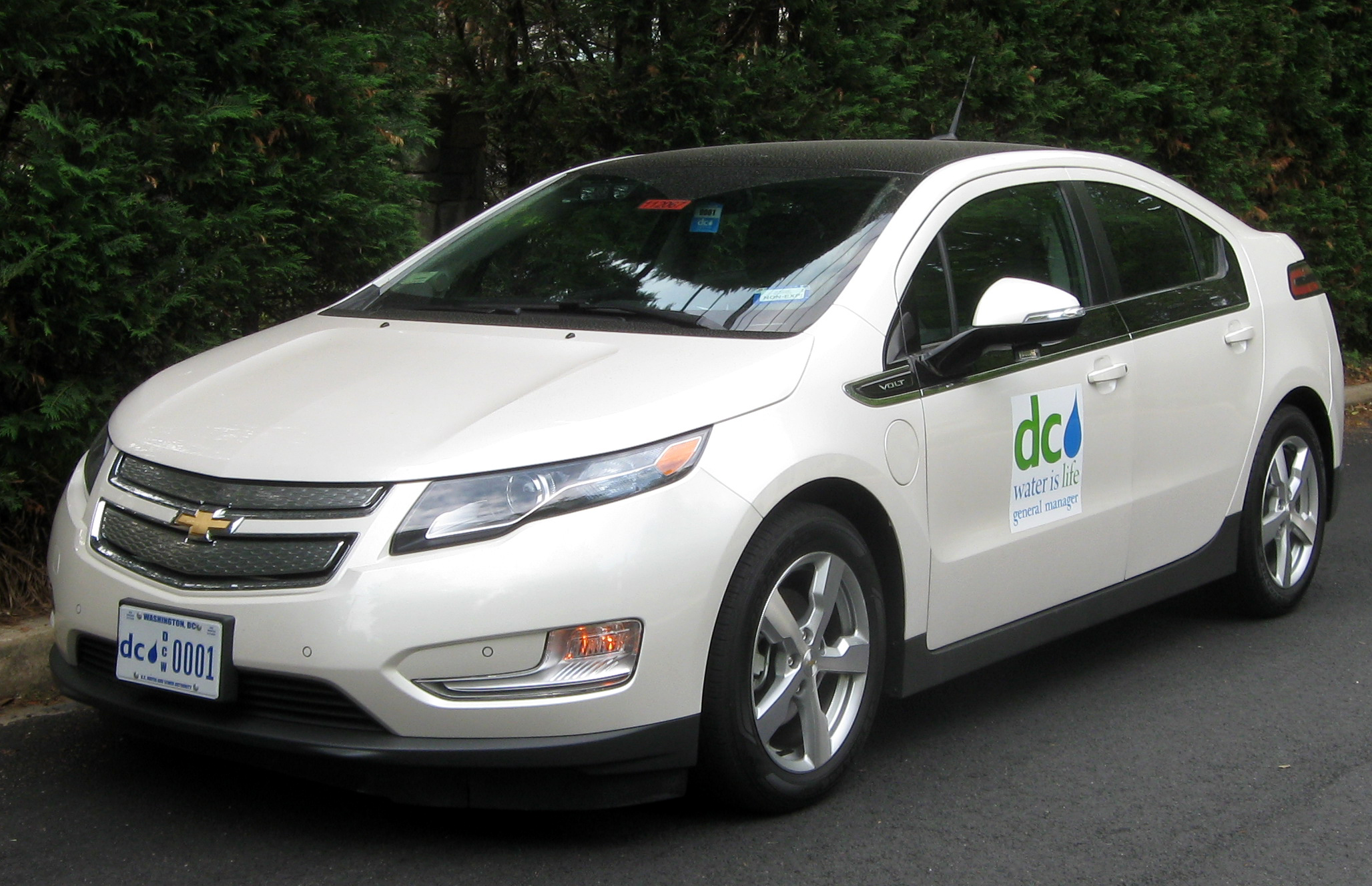
23:30
When you and I first met, we were discussing the Chevrolet Volt extended range electric
23:35
vehicle, a vehicle that no one understood.
23:38
And we went on to discuss electric vehicles, which most people didn't understand.
23:42
So it always seemed like we were helping fight the battle for information.
23:46
And I really enjoyed that.
23:48
And now, Tom, looking back, the things that we didn't understand seem so simple.
23:54
They do, and it's funny.
23:55
And I've made this point a couple of times up until relatively recently, people were kind
24:00
of afraid of hybrids, which is kind of strange because they've been around for a long time.
24:04
And Toyota has made them so normal and so simple, people shouldn't fear them.
24:08
But now that we're afraid of electric vehicles, hybrids are flying off the shelf.
24:13
Like you can't sell a vehicle anymore without a hybrid version of it.
24:17
And Toyota is going all hybrid with most of its lineup.
24:20
So the battle for information is slowly won and people are being moved reluctantly
24:25
into a higher tech, more efficient era.
24:28
Well, they say a mind is like a rubber band.
24:31
Once it's stretched, it doesn't return to normal.
24:33
So when you're exposed to new things, people are reluctant to change.
24:37
But then after a while, the things that were once new seem easy.
24:41
And the same with the hybrid, you know, that was a confusing thing at first.
24:45
I remember the first Prius I drove in where it would show how the energy would transfer
24:49
when it would run off the gas and when it would run off the electric.
24:53
And it just seemed so advanced and complicated.
24:56
And now it seems, you know, mundane.
24:59
So yeah, I think that's just human nature.
25:01
It's funny too, because I remember the Ford Fusion had this thing where you would
25:06
build a tree while you were driving.
25:08
Where you would put the leaves on the tree, right?
25:11
And you would, I guess, grow a tree.
25:14
Grow it, not build a tree.
25:15
But yeah, if you did the thing like not to break too aggressively,
25:18
because if you hit the brakes too hard, you were not maximizing regenerative braking.
25:23
And if you accelerated too hard, you were obviously wasting gas.
25:26
So yeah, I never, I always had a tree.
25:29
I had no leaves on my tree.
25:33
So Robert, you and I were talking earlier this week,
25:36
and there's a topic you really wanted to cover,
25:38
and you challenged me to come up with what it meant automotively.
25:41
And that is counter urbanization.
25:43
And I didn't really know this, but globally cities are shrinking.
25:50
And, you know, I thought I'd take a leap here and maybe do something a little different
25:55
than maybe your listeners are used to.
25:57
But when I look at sustainability, you know, the automobile has come a long way.
26:03
Manufacturing facilities and cars are much more sustainable than they were 10 years ago.
26:09
They're creating less admission, less pollution, and a lot less waste.
26:13
And they're using energy much more efficiently.
26:17
But if we look back at past automotive operations, both manufacturing facilities
26:22
and all the facilities that it takes to make a car,
26:27
both the raw materials and the parts component,
26:33
they've left a legacy of blight in many, many areas around the country.
26:38
And to your point that you just mentioned, did you know that according to Yahoo Finance,
26:43
nearly 15,000 American cities are projected to lose population by the year 2100?
26:50
Wow. No, I did not know that.
26:52
And if you look at that, you could see that some cities are experiencing slow growth
26:58
while others are actually shrinking, not the size of the city,
27:02
but the population and the economy.
27:05
And then we have something we call dying cities.
27:08
And the shrinking and dying cities are really most visible.
27:12
You guessed it, right here in the Midwest in the Northeast states,
27:16
the old, cold part of our country that we affectionately referred to as the Rust Belt.
27:21
And you could see these shuttered factories and abandoned mills.
27:25
And they got the landscape almost like perspiration states from our industrial past.
27:31
They're blight on the properties.
27:36
And what you see is these were once thriving economies where we saw coal, steel, textiles,
27:43
and autos being manufactured.
27:45
And when these industries closed, the jobs vanished, people moved out,
27:49
the tax base shrank, and some cities slipped into what I call a death spiral.
27:55
And that's what makes them the dying city is they have half the residents,
27:59
twice the infrastructure and not enough revenue to sustain city services
28:04
or attract new people to those cities.
28:07
So that was what I started thinking is that when this starts to happen
28:14
and we've got this large amount of cities that are shrinking,
28:17
and then you've got sophisticated cities like San Francisco and Austin and Denver
28:24
that are bringing all this new technology like Wave-O
28:28
and Ride Sharing Services and Uber and electric car charging networks,
28:34
are we starting to get a transportation divide in our country
28:39
where not only are these cities in a death spiral,
28:42
but they're not getting any of these new sustainable mobility technologies.
28:47
And that's what I wanted to talk a little about.
28:49
Yeah, and it's an absolutely great question.
28:51
And one of the interesting things about declining city populations
28:55
is that I think that the business case for ride-hailing, ride-sharing,
29:02
mostly ride-hailing and autonomous ride-hailing is basically urban areas, right?
29:07
I think that the further you move away from a concentrated population base,
29:13
the more difficult it is to make money using those services.
29:16
Like you see ride-hailing a lot less out here in Palatine,
29:19
which is still pretty population-dense than you do in Chicago.
29:22
Yeah, no, they're everywhere in Chicago.
29:23
And the other issue there, too, is if people move out of the cities,
29:27
they're going to need vehicles and affordability is an issue.
29:30
So if you're looking for a divide or a chasm in affordability between haves and haves not,
29:35
it's going to be difficult for people to afford vehicles
29:37
if they were going to make the move to ride-hailing or ride-sharing.
29:41
And one of the things that Elon Musk had said years ago
29:43
before he was as controversial as he is,
29:45
was that the answer for affordable electric vehicles is ride-hailing.
29:51
Like there's a point where people just can't afford cars and they shouldn't bother.
29:55
Yes. Well, first I'm remiss. I didn't say hello to Jill. Hello, Jill.
29:59
Hello. Good. How are you doing?
30:01
And I wish I had some of those donuts you were talking about.
30:04
Oh, they look good.
30:06
The cinnamon donut is very good. The long johns, I mean meh.
30:10
What's also funny about that, Tom,
30:13
when I started looking at some examples of dying cities,
30:17
a lot of them are tied to the auto industry,
30:20
at least in the Midwest, northeast.
30:22
So for example, Gary, Indiana, that steel city.
30:26
It was once held, I don't know if you know this,
30:28
but it was the city of the future.
30:30
It was a very progressive city.
30:32
At its peak, it had 180,000 residents.
30:35
Wow. Today the population is less than 70,000.
30:39
And not only do they have less people,
30:42
but they have this legacy of blight and pollution.
30:45
There's tens of thousands of abandoned homes.
30:48
There's high commercial property vacancy rates,
30:51
and there's very little economic opportunity there.
30:54
And that's a good example of a dying city,
30:57
and a lot of that steel was used to make cars.
31:01
And it went into the automotive industry
31:03
that fueled the Midwest.
31:06
Another company and a tie to another city
31:09
is Centralia, Pennsylvania.
31:11
Do you know about this city?
31:13
This was a coal mining town,
31:15
and coal goes into coke, which goes into steel making.
31:19
And that was in Pennsylvania and is now completely abandoned.
31:24
There was a underground fire that started in 1962,
31:29
and it's still burning,
31:31
and it left the town with terrible air pollution,
31:33
and it's undevelopable because there's an underground fire
31:36
that's been burning for what, 80 years?
31:42
The good news is that pollution can be cleaned.
31:45
Economies can be turned around
31:47
with the right political will and leadership.
31:50
And I've seen this in many cities.
31:52
Prior to working in agriculture,
31:56
I dealt a lot with mayors on this issue of redevelopment.
32:01
And another positive out there in redeveloping cities
32:05
is that it creates jobs and improves the tax base.
32:09
And the best thing and something we really need today,
32:12
it's a bipartisan issue that can bring both sides of the aisle
32:16
That's something that's very rare in today's political context.
32:20
You know, an interesting point about Dine Cities,
32:23
and I don't think Louisville is a Dine City,
32:25
but it is a city that could use more jobs.
32:27
And one of the interesting things about Louisville,
32:29
and I don't know how on top of the story you were last week,
32:32
Robert, but Ford made this announcement
32:35
about their Model T moment.
32:37
And a lot of it had to do with manufacturing techniques
32:39
and updated high-tech manufacturing.
32:42
And the good news is that they were going to bring 2,200 jobs
32:45
to Louisville to the Kentucky car plant that Ford has there.
32:50
Here's the bad news about that.
32:51
That sounds like they're running the plant at near capacity
32:54
and they're doing it at just 2,200 workers.
32:57
It was not long ago that that plant hired 4,500 workers,
33:00
making the escape and the course there.
33:03
So that plant is going to be working again
33:06
kind of at full throttle, hopefully,
33:08
with half the workers.
33:10
With half the workers.
33:11
And that's a problem.
33:12
And when you talk about bipartisanship
33:14
and hopefully, you know, Congress doing something,
33:17
this is why it's so important that we do get battery plants
33:20
because we need all the jobs we can get
33:22
because the auto industry is going to be employing
33:24
fewer people moving forward.
33:27
Well, I could say the same thing in the steel industry.
33:30
The South Works plant used to employ 30,000 people.
33:34
I think it runs now at 6,000.
33:36
You know, and I think that's also the big myth
33:39
is that before manufacturing created lots of jobs,
33:42
but technology has been infused in everything
33:45
and robotics and AI and automation.
33:49
And so we can do a lot more with a lot less people.
33:53
So manufacturing doesn't produce the kinds of jobs
33:56
that it used to in the past.
33:58
And again, another example of a city
34:01
that went into a death spiral but recovered
34:04
is Motor City, Detroit.
34:06
You know, it had a population.
34:08
Do you know what its population was at the peak?
34:12
Was it like 22, 2.2 million, 2.3 million?
34:17
It was 1.85 million.
34:18
And then it lost 65% of the population.
34:23
And in 2013, it filed the largest
34:26
municipal bankruptcy in U.S. history,
34:29
which is, so not only did it lose people,
34:32
but it lost, you know, it's a bond rating
34:35
and economic status.
34:37
But today, there has been a tremendous investment
34:40
in technology, mobility, battery storage
34:43
and production, like you mentioned earlier.
34:45
Real estate's revising parts of the city.
34:48
And it's also anchored by institutions
34:50
like Wayne State University, the Detroit Medical Center.
34:53
The parts of the auto industry are still there.
34:56
The Renaissance Center down by the river.
34:58
And they've got a lot of thriving sports facilities down there.
35:03
So things can turn around.
35:05
And I think Detroit is a good example
35:08
of how things can get terrible,
35:10
but they can also rebound.
35:12
A city I really like as a great example
35:17
Do you know why Akron was so important
35:19
to the auto industry?
35:21
I thought it was tires.
35:23
It was the rubber capital of the world.
35:25
It's once had as many as 50 tire manufacturing companies.
35:29
And by 1980, most left.
35:32
And Goodyear is like the major remaining one.
35:39
And instead of leadership there,
35:42
instead of chasing old jobs,
35:44
they reinvented themselves as the Polymer
35:46
and Advanced Materials Hub
35:48
with the Goodyear Slash University Akron Polymer Research Center
35:54
And they've had some really cool innovations out of there.
35:57
Do you know what an elastomer is by any chance?
36:02
Elastomers are a variation of a polymer,
36:06
but if you've ever seen an ATM,
36:08
it has that hard shell on the outside.
36:11
That's an elastomer.
36:13
And that was developed at this Akron Polymer Research Center.
36:16
And that's a great example
36:18
of not trying to go chase the old way things were done,
36:22
but try to come in and find something new.
36:25
And create something that attracts new investment
36:31
So that was sort of my thoughts out there, Tom,
36:34
is that there's some good examples of legacy cities
36:37
that are turning around.
36:39
And back to the original question,
36:42
do you think mobility,
36:44
as it becomes more sustainable
36:46
at less emissions and cleaner factories,
36:49
are we creating a transportation divide in our country?
36:52
Are we going to see old technology
36:54
in these dying shrinking areas
36:56
and new technology in the more progressive ones?
36:59
I think we might, actually.
37:01
And I think that ultimately,
37:03
if ride-hailing is going to become a bigger, bigger thing,
37:06
especially autonomous ride-hailing,
37:08
they're going to want to charge a fair amount for it.
37:10
So it may not be the affordable answer to owning a car
37:13
that people think it will be.
37:17
I think the other thing that we haven't discussed
37:21
is the idea of weather.
37:24
You talked about San Francisco and Austin
37:26
getting all this great new technology
37:28
and ride-hailing and Waymo
37:30
and Tesla's piloting their driverless taxis.
37:38
And we don't get that in the Midwest because of weather.
37:42
Our infrastructure is bad.
37:44
It's constantly under construction
37:46
and there's constant heat and cold.
37:48
And so I think that there's going to be
37:50
an additional divide that's going to be
37:53
between the Sun Belt and the Rust Belt
37:56
of who can get that tech.
37:58
Well, at least initially.
37:59
I mean, that is a technological barrier.
38:01
And hopefully, we breach that.
38:04
That created an opportunity for innovation.
38:08
The great thing about gas
38:10
is it works everywhere.
38:12
But these renewable and sustainable technologies,
38:15
as you said, Jill, are very weather and climate dependent.
38:21
Maybe something new will come out of that.
38:23
Can we use these old factories
38:25
as a way to build new technologies?
38:29
Like Michigan made a considerable investment
38:32
into battery technology
38:34
and took some of those older areas and converted them.
38:37
So every town creates an opportunity.
38:41
So I think we have a lot of these cities
38:44
And, you know, this is a global issue.
38:46
It's not here in the States.
38:47
I was just reading about Japan,
38:49
how the population is getting older
38:51
and it's more expensive to live there.
38:54
People are having less children.
38:56
So they're getting an older population
38:58
with less new birth.
39:00
So there's some serious problems out there
39:03
that we're going to have to start addressing.
39:07
Robert, we've run out of time,
39:08
but give us a final thought on this whole
39:11
counter-urbanization situation.
39:14
So I would say that, you know,
39:17
these cities declined over decades
39:19
and it's going to take time to revitalize them.
39:22
It's not going to happen overnight.
39:24
But with ingenuity and sustainable innovation,
39:27
I really believe there's hope
39:30
to turn a challenge into a great opportunity.
39:35
Robert, thank you so much for joining us today.
39:37
And thank you for 15 years
39:39
of one of the most worthy to listen to podcasts out there.
39:43
Well, thank you for having me on
39:45
and Jill, it's always good to hear.
39:47
All right, we'll talk again soon.
39:48
That was Robert Colangelo of The Greenscent Show.
39:50
We're going to take a break.
39:51
And when we come back...
40:10
You've heard me and my colleague Paul
40:12
on the Car Stuff podcast whenever Jill's out of town.
40:14
But now you can hear us every week
40:17
on the We Are Motor Driven podcast,
40:19
along with Jennifer from Auto Exotica
40:21
and Harvey from Rides and Drives.
40:23
We talk about everything from sports cars to trucks
40:26
to EVs and our favorite, Speed.
40:29
So join us each week by searching
40:31
We Are Motor Driven,
40:32
wherever you get your favorite podcast.
40:39
Welcome back to the Car Stuff podcast.
40:43
This is the Consumer Guide Car Stuff podcast.
40:47
We just talked about some cool stuff
40:48
with Robert Colangelo.
40:50
I'm going to miss his podcast.
40:52
I'm going to miss being a part of that
40:53
because I felt smart being a part of that.
40:54
Wait, aren't you smart?
40:57
I mean, reasonably.
41:01
But, you know, if you're involved
41:03
in a smart conversation,
41:05
you start to feel a little...
41:06
You start to feel smart.
41:11
but you probably want to talk a little
41:12
social media first.
41:16
So you can find me on Instagram,
41:20
Facebook, LinkedIn,
41:24
I've been doing a real big push
41:26
on Instagram lately.
41:27
I just top 5,000 followers.
41:29
So thanks to everybody.
41:30
Wait, where's this?
41:33
So thanks to everybody who followed.
41:34
I was like at four,
41:36
nine, nine, nine for like ever.
41:38
And I was just like,
41:40
I just need a couple more people.
41:41
So thank you for those
41:42
who pushed me over the edge.
41:43
So now I'm starting to work
41:45
So if you haven't subscribed to me
41:47
on YouTube, I would love,
41:49
I would love a subscription there
41:52
And I use the hashtag
41:54
Also, you can watch the podcast
41:58
You can watch it on my YouTube
42:00
If you want to watch that.
42:01
If you would like to see what Tom
42:02
and I actually look like.
42:03
Also, you should follow us
42:05
The Karstoff podcast on Facebook.
42:07
Where we post pictures
42:09
You can rate the donuts.
42:11
And the cinnamon always gets
42:13
A couple of weeks ago,
42:14
we posted a picture of
42:17
Up until that time,
42:18
he had been a ghost.
42:25
You want to check us out
42:31
you also do some social things.
42:33
Kargai Tom on Twitter X
42:35
Fun cars this week.
42:36
Actually, my car spotter cars,
42:39
hashtag car spotter,
42:40
came during the weather
42:42
nightmare that came blowing
42:44
through here Saturday.
42:45
So all the pictures are wet.
42:52
This is the Consumer Guide
42:53
Karstoff Power Quiz.
42:58
mention something to you
42:59
and you have to tell me
43:03
It sounds way simpler
43:04
than what I think it's
43:05
actually going to be.
43:10
Plus a bonus question
43:11
always related to the
43:13
Actually, it kind of is
43:22
We have 14 minutes.
43:23
There is another topic
43:27
I'm meeting a donut.
43:28
I made dilly-dally.
43:38
I think it's Japanese.
43:45
It is now wholly owned
43:48
And they had a brief
43:49
period of sales here
43:51
like three or four model
43:57
It was a very small body
43:58
unframed crossover.
44:04
make it here in the U.S.
44:07
You know what those are?
44:08
I thought they were
44:17
super popular in Japan
44:19
more or less regulated
44:23
get huge tax breaks
44:24
for buying very tiny
44:32
Daihatsu does these days.
44:39
You have one point.
44:56
going to say Korean.
45:01
because it is where
45:12
Well, I don't know.
45:14
you were talking about
45:17
So it's just a thing.
45:26
I got my head in the
45:32
When the 15 percent
45:36
But they're nice cars
45:37
and they're on the list
45:38
of things that my daughter
45:42
because a year old,
45:43
they're a crazy good deal
45:48
because she wants yellow
45:50
of an old people colors.
45:55
You have two points.
45:57
I'm like that I know
46:01
Korean is left-hand drive.
46:24
won and the Japanese
46:26
And there are currently
46:27
1,401 to the dollar.
46:33
like doing the math
46:36
In fact, this is funny.
46:48
or in transactions,
46:58
like we might say a grand.
47:03
Renault Samsung Motors.
47:08
Renault Samsung Motors.
47:09
Is it Korean or Japanese?
47:18
I'm trying to fill the
47:20
even though there's
47:23
Totally have no idea.
47:28
I'm going to say Korean.
47:31
Samsung's a Korean maker.
47:32
They entered into this
47:33
joint venture with Renault.
47:34
It's kind of a flop.
47:35
I mean, they build vehicles
47:37
but they mostly sell them
47:39
So I don't know where this
47:42
I believe it is Renault
47:50
to not build them in China.
47:55
You got five out of five.
47:59
Bonus question coming.
48:02
You got five out of five.
48:03
You're familiar with
48:07
How many Baskin Robbins
48:08
do you think there are
48:13
really high or really low.
48:15
You were close this time.
48:18
How many do you think
48:19
there are in the U.S.?
48:22
surprised by this number.
48:27
I don't know if that
48:29
if that franchise is contracted
48:31
And how many do you think
48:41
as there are in the U.S.
48:43
It is the interesting thing.
48:44
They like their ice cream, apparently.
48:45
It used to be 31 flavors,
48:48
They've backed off of that.
48:49
And they're branding anymore.
48:52
how many flavors they have,
48:59
we would go to Baskin Robbins
49:00
and I would always get
49:09
Do you have an issue
49:11
What's wrong with the
49:14
I wanted the bubble gum
49:18
I would get the bubble gum ice cream
49:21
I would like literally
49:22
spit the little gum pieces out
49:25
You no longer get to
49:26
call anything else gross.
49:31
I had the bubble gum.
49:34
we used to go for ice cream?
49:35
There was a Dairy Queen
49:42
And my parents always
49:44
and that was soft serve.
49:46
Dairy Queen was big
49:48
Which I didn't know
49:51
But we also used to go
49:52
to Howard Johnson's
49:54
advertised 28 flavors
50:03
really close to my office
50:05
there outside of Chicago.
50:08
I need you to tell me
50:09
which of the following
50:17
I actually read reviews
50:18
of all these flavors.
50:23
Sweet potato cheese.
50:33
something I would want
50:36
loves green tea stuff
50:46
like the new matcha latte
50:51
and put cinnamon on it
50:54
That is my new drink
50:56
And I do coconut milk
51:01
sprinkle on the cinnamon.
51:04
so that one's real.
51:08
something with cheese.
51:11
Sweet potato cheese
51:17
So I'm going to say
51:22
Who wants to put onion
51:23
in their ice cream?
51:24
You know it's the one here
51:27
I don't like green tea.
51:35
near my old office.
51:36
Everything's near my old
51:38
Morton Girls is not that
51:39
exciting but here it is.
51:40
They got all this stuff.
51:41
I'm making the case for
51:43
This Filipino ice cream store
51:44
they had fun stuff like that.
51:51
They have ube ice cream
51:52
but they had a lot of
51:56
Yeah well you would think
51:57
like cheese and ice cream
51:58
would be weird but when
51:59
you think about what ice
52:04
actually use cheddar
52:06
really interesting.
52:08
But yeah I've had this
52:09
stuff and none of it is
52:12
I don't know that I've
52:13
done that for a while.
52:14
I'm going to put a six
52:15
and an exclamation point
52:17
exclamation points.
52:21
I'm underlining it twice.
52:23
I don't want to underline
52:24
it a third time because
52:25
that would be overkill.
52:26
That would be a little
52:28
There is a list that
52:29
showed up a couple of
52:30
weeks ago and I never
52:31
got to it from IC cars.
52:34
tracking resale value of
52:41
head or tails of the price
52:43
I don't understand why
52:44
vehicles would get so much
52:45
more expensive in a short
52:47
period of time over the
52:51
And the top three vehicles
52:52
to lose value used in the
52:54
last three and they
52:55
don't they're not specific
52:58
It's just those vehicles
52:59
listed the average price
53:01
So all all these vehicles
53:03
but top three models on
53:07
The model s the model y
53:09
and the model X and
53:10
somehow the model three is
53:11
much much lower on the list.
53:13
But the model s which was
53:15
the original big sedan
53:16
lost used sixty six hundred
53:20
dollars in value in a year.
53:22
The model y has lost four
53:23
thousand dollars in a year
53:25
and the model X seven
53:30
Here's the thing if you
53:33
political issues aside if
53:35
you can just model three
53:38
or model y the small
53:41
It's an interesting vehicle
53:43
The average transaction price
53:44
right now is twenty nine
53:45
thousand dollars for which
53:47
you get a vehicle with good
53:50
They're right a little
53:53
They're a little bit loud
53:54
but they're really kind of
53:57
excellent examples of the
53:59
electric car breed and
54:00
yeah lots of people bought
54:02
So all you need is the
54:03
bumper sticker that says I
54:04
bought this before Elon
54:06
And then you're cool.
54:07
Which is now the hottest
54:08
the value of that sticker has
54:10
gone up a thousand bucks.
54:14
Other cars on this list that
54:15
have lost value the Ford
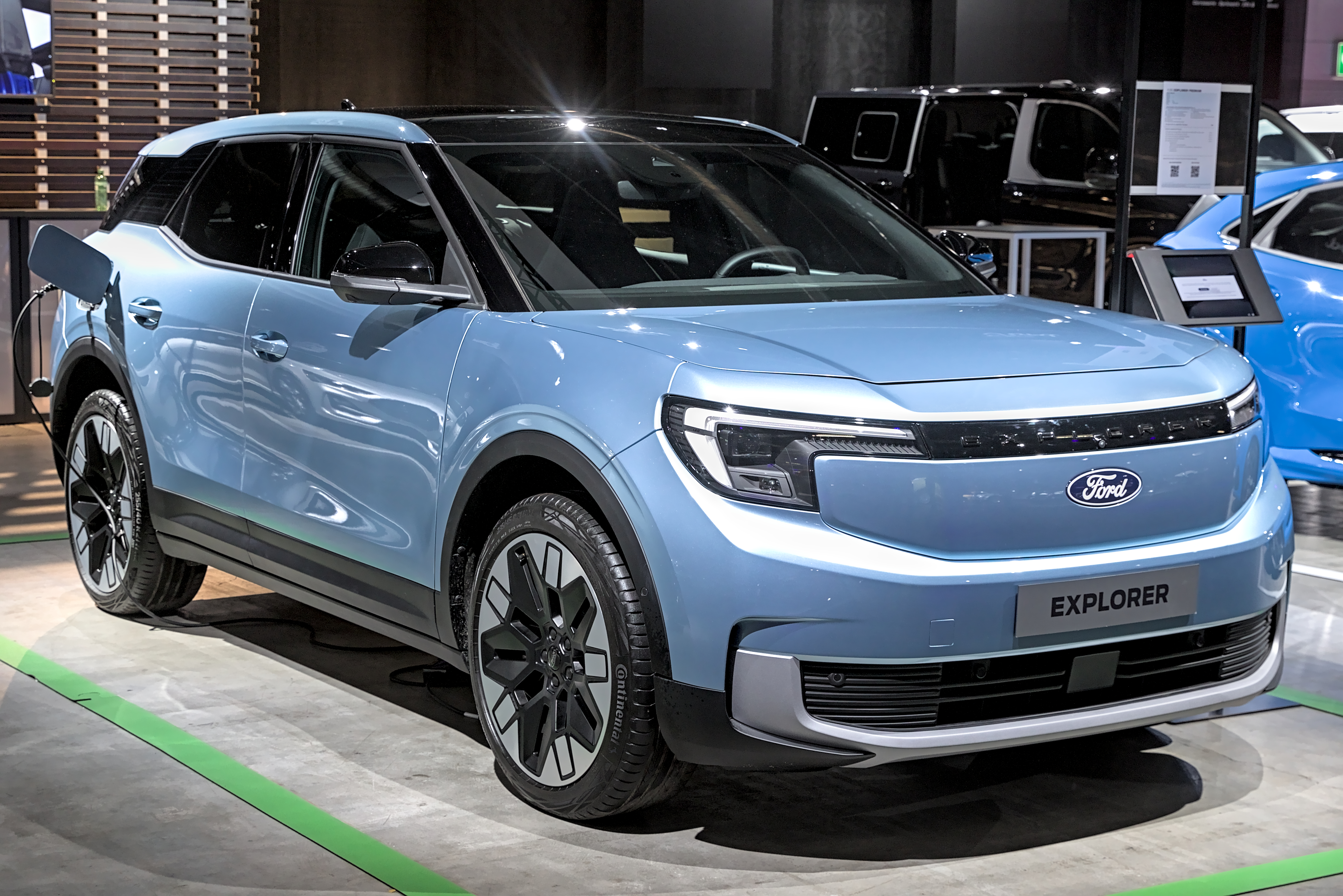
54:16
Explorer hybrid that vehicle
54:19
That vehicle is no longer
54:20
available to the public.
54:21
It's only available to police
54:23
So I don't know why people
54:25
This one's interesting the Jeep
54:26
Gladiator and I think that's
54:29
just a victim of the Wrangler
54:31
versus Bronco battle.
54:34
It's just too much of those
54:35
vehicles out there.
54:37
The Mercedes Benz GLB.
54:39
That was the little boxy
54:40
subcompact crossover.
54:42
It was always a weird fit
54:43
in their lineup anyway.
54:45
I liked it better as an
54:48
I always forget that vehicle
54:53
Mercedes Benz AMG GT.
54:55
Sure when you buy a car
54:56
that starts at 200 grand
54:58
it's going to go down in
55:00
And then the Tesla Model 3.
55:03
We should probably have
55:04
these folks on again to
55:05
talk about this list or
55:07
Maybe next quarter.
55:11
We had a really good show.
55:12
We had a good show.
55:13
It was good to talk to
55:17
To Robert Colangelo of
55:20
Thank you producer Randy
55:21
and the good folks here
55:23
Let's talk more about
55:27
Remember to check us out
55:28
at ConsumerGuide.com.
55:29
The Car Stuff podcast is
55:30
produced by J-Turn Media.
55:32
To advertise on the show
55:34
please drop us a line
55:35
at carstuffatconsumerguide.com.