Sam and Roberto dive into their upcoming automotive adventures, including a trip to Japan for the Mobility Show and discussions about the latest electric vehicles. They share insights from their experiences with high-performance EVs, emphasizing the rapid acceleration and handling challenges that come with them. The episode also touches on the importance of driver education in handling powerful vehicles, the latest BMW iX review, and the upcoming Jeep Grand Cherokee updates. Additionally, they discuss the implications of EV theft rates compared to traditional vehicles and the evolving landscape of automotive technology and safety.
This week Sam drove the 2026 BMW iX xDrive45. Sam and Robbie both went to New York for a tech focused GM event and Sam spoke with new chief product officer Sterling Anderson. There's a refreshed Jeep Grand Cherokee with a new more powerful engine for 2026 and we drive the new 2026 Toyota Rav4 in hybrid and PHEV form. Toyota is launching a new baby Land Cruiser FJ and Rivian has laid off 4% of its staff. Infiniti is launching one new model every year for the next four years and the Nissan Sakura gets an extendable solar panel.
"...going to the media day for the Japan Mobility Show, formerly known as the Tokyo Motor Show. And then on Thursday, we get to meet with the CEO of Honda..."
The Japan Mobility Show is a big car show in Japan where car companies show off their new cars and technologies. It used to be called the Tokyo Motor Show.
The Japan Mobility Show, previously known as the Tokyo Motor Show, is an automotive exhibition showcasing the latest innovations and vehicles from various manufacturers. It serves as a platform for companies to reveal new models and technologies to the public and media.
"...on Saturday, we go to Chigi to drive the new Prelude and also Honda's next generation hybrid system."
The Honda Prelude is a sporty car that Honda made for many years. It's known for being fun to drive and has many fans.
The Honda Prelude is a sports coupe that was produced by Honda from 1978 to 2001. Known for its sporty design and performance, the Prelude has a dedicated following among car enthusiasts.
"...and also Honda's next generation hybrid system. I'm going to I'm going to Kia to look at the something."
A hybrid system is a way to make cars more efficient by using both a gas engine and an electric motor. This helps save fuel and is better for the environment.
A hybrid system in vehicles combines an internal combustion engine with an electric motor to improve fuel efficiency and reduce emissions. This technology allows for better performance and lower environmental impact compared to traditional gasoline engines.
"RS E Tron GT, which did it in 2.6 seconds. And the the the the reporter from from CNBC was running along was somewhat shocked at how fast these cars were."
The Audi RS E-Tron GT is a fast electric car that can go from 0 to 60 miles per hour in just 2.6 seconds. It's designed for performance and is part of Audi's electric lineup.
The Audi RS E-Tron GT is a high-performance electric vehicle that showcases Audi's capabilities in the electric sports car segment. It is known for its impressive acceleration, achieving 0-60 mph in just 2.6 seconds, which is remarkable for an electric car.
"...you could break a car free at like 20 miles an hour. Like you can make a mistake where the car was going sideways at like 20, 25 miles an hour..."
Miles per hour is how we measure speed in cars. It tells you how many miles you would travel in one hour if you kept going at that speed.
Miles per hour (mph) is a unit of speed commonly used in the United States and the UK to measure how fast a vehicle is traveling. It indicates the number of miles a vehicle can cover in one hour.
"...and tires are pretty bad. So you, you could like correct at a slow speed..."
Tires are the round rubber parts on cars that touch the road. They help the car grip the road and are important for driving safely.
Tires are the rubber components that provide traction between a vehicle and the road. They are crucial for vehicle safety, handling, and performance, especially in varying weather conditions.
"...first get them used to what ABS feels like, what traction control feels like, and then to do some..."
ABS is a safety feature in cars that helps prevent the wheels from stopping completely when you brake hard, which helps you steer better during emergencies.
ABS stands for Anti-lock Braking System. It prevents the wheels from locking up during braking, allowing the driver to maintain steering control while braking hard.
"...first get them used to what ABS feels like, what traction control feels like, and then to do some..."
Traction control is a feature in cars that helps keep the wheels from spinning too much when you accelerate, especially on slippery surfaces like ice or wet roads.
Traction control is a system that helps prevent wheel spin during acceleration by reducing engine power or applying brakes to specific wheels. This enhances stability and control, especially in slippery conditions.
"skid control, you know, sitting in the passenger seat and yanking on the parking brake to, you know, to get the back end of brake free and have them practice, you know, steering into a skid, you know, so that they know what it feels like."
Skid control is how drivers learn to handle their car when it starts sliding on the road. It's important for staying safe, especially in bad weather.
Skid control refers to techniques used to regain control of a vehicle when it begins to skid, typically due to loss of traction. This is crucial for safe driving, especially in slippery conditions.
"...and I'm, you know, I grew up driving on snow in a rear wheel drive, you know,..."
Rear-wheel drive means that the back wheels of a car get the power from the engine. This can make the car fun to drive but can also make it harder to control in bad weather.
Rear-wheel drive (RWD) is a vehicle configuration where the engine's power is directed to the rear wheels. This setup can enhance handling dynamics, especially in performance and sports cars, but can be more challenging to control in slippery conditions.
"I learned how to drive on snow in a rear wheel drive, nice, not even nice on dots and 260Z."
The Datsun 260Z is a classic sports car that was made by Nissan. It's known for being fun to drive, especially in challenging conditions like snow.
The Datsun 260Z is a sports car produced by Nissan's Datsun brand from 1974 to 1978. It is known for its lightweight design and rear-wheel-drive layout, making it popular among driving enthusiasts.
"...when the car does start to lose traction. Yeah. And you know, it's also nice about this..."
Losing traction means that the tires of a car are not gripping the road properly, which can cause the car to slide or skid. This can happen when driving too fast or on slippery surfaces.
Losing traction refers to a situation where the tires lose their grip on the road surface, which can lead to skidding or sliding. This can happen during sharp turns, sudden acceleration, or braking on slippery surfaces.
"...you go out with your, your Miata's or your BRZ's or your M twos or whatever. And you, you know, you sort of meet people..."
The BMW M2 is a sporty version of the BMW 2 Series. It's designed for people who love to drive and want a powerful, fun car that handles well.
The BMW M2 is a high-performance version of the 2 Series, known for its powerful engine, sharp handling, and sporty design. It's aimed at driving enthusiasts who seek a compact sports car with a thrilling driving experience.
"...you go out with your, your Miata's or your BRZ's or your M twos or whatever. And you, you know, you sort of meet people..."
The Subaru BRZ is a small sports car that focuses on providing a fun driving experience. It's designed to be lightweight and has a rear-wheel-drive system, which helps with handling.
The Subaru BRZ is a compact sports coupe that emphasizes driving pleasure with its rear-wheel-drive layout and balanced chassis. It shares its platform with the Toyota 86 and is known for its engaging driving dynamics.
"you maybe end up being part of a community, you know, you have, you know, you go out with your, your Miata's or your BRZ's or your M twos or whatever. And you, you know, you sort of meet people and you know, now you have some new friends, which according to the internet and the world"
"...with a 2026 BMW iX xDrive 4545. Yes, 45 with the 22 inch wheel package. And you know, so the the iX is BMW's mid sized electric crossover..."
The 2026 BMW iX xDrive 45 is a new electric SUV from BMW. It's designed to be spacious and has modern technology, making it a competitor in the electric vehicle market.
The 2026 BMW iX xDrive 45 is an electric crossover SUV that represents BMW's entry into the electric vehicle market. It features a mid-sized design and is equipped with advanced technology and performance capabilities typical of BMW's offerings.
"...with a 2026 BMW iX xDrive 4545. Yes, 45 with the 22 inch wheel package. And you know, so the the iX is BMW's mid sized electric crossover..."
xDrive is a feature in BMW cars that helps all four wheels get power, making it easier to drive in different weather conditions. It helps the car stay stable and grip the road better.
xDrive is BMW's all-wheel-drive system that enhances traction and stability by distributing power to all four wheels. This system is particularly beneficial for handling various driving conditions, including wet or slippery roads.
"...especially the front end. When my when my wife saw it in the driveway, she said, what is that? But, you know, once you get past the front end, especially, you know, with the giant kidney..."
The twin kidney grille is a famous design feature on BMW cars, shaped like two kidney beans. It's part of what makes a BMW look like a BMW, even if it doesn't have a function in electric cars.
The twin kidney grille is a signature design element of BMW vehicles, characterized by two kidney-shaped openings at the front of the car. This design is iconic and serves both aesthetic and functional purposes, although in electric vehicles like the iX, the grille may not serve a cooling function.
"...at may have larger twin kidneys on it is the the BMW m hybrid v8 prototype race car, you know, which is ..."
The BMW M Coupe (E36) is a sporty car that's fun to drive and looks really cool. It's known for being fast and is loved by car fans.
The BMW M Coupe (E36) is a high-performance sports car known for its distinctive styling and powerful engine. It is often discussed among car enthusiasts for its driving dynamics and status as a classic BMW model.
"the one that I had, as I said, had the optional 22 inch wheel package."
The 22 inch wheel package means the car has bigger wheels, which can make it look nicer and possibly improve handling, but might make the ride feel a bit rougher.
The 22 inch wheel package refers to a set of larger wheels that can enhance the vehicle's appearance and performance, but may also affect ride quality.
"...this is likely to be one of the last BMWs that comes to market with the rotary iDrive controller. It still has one, it's, it's a clear..."
The iDrive controller is a device in BMW cars that helps you control things like the radio and navigation system. It usually has a knob and some buttons to make it easier to use while driving.
The iDrive controller is a central interface used in BMW vehicles for managing various functions like navigation, audio, and vehicle settings. It typically includes a rotary knob and buttons for easy access to these features.
"...similar to the Audi Q5 and the Lincoln Corsair. When you open it up, there's actually auxiliary lights..."
The Audi Q5 is a fancy SUV that offers a comfortable ride and lots of tech features. It's known for being stylish and practical for families.
The Audi Q5 is a luxury compact SUV known for its blend of performance, comfort, and technology. It features a spacious interior and advanced safety features, making it a popular choice in its segment.
"...similar to the Audi Q5 and the Lincoln Corsair. When you open it up, there's actually auxiliary lights..."
The Lincoln Corsair is a luxury SUV that focuses on comfort and style. It's designed to make driving enjoyable and has lots of nice features inside.
The Lincoln Corsair is a luxury compact SUV that emphasizes comfort and technology. It is designed to provide a smooth driving experience and a high-quality interior.
"...there's actually auxiliary lights underneath there on the sides to the on either side of the cargo opening..."
Auxiliary lights are extra lights on a car that help you see better when it's dark. They can light up the area around the back of the car when you're loading things.
Auxiliary lights are additional lights installed on a vehicle to enhance visibility and safety, especially in low-light conditions. They can be used to illuminate areas that the main headlights may not reach effectively.
"...'s USB charging ports there. There is a wireless charger in the center console. So yeah, I mean, it was it..."
The Dodge Charger is a big car that looks sporty and can go really fast. It's popular because it has a lot of space inside for people and their stuff, but it also feels fun to drive.
The Dodge Charger is a full-size sedan known for its muscular styling and powerful engine options, making it a popular choice among performance enthusiasts. It combines classic American muscle car elements with modern technology and comfort features, which is why it often comes up in discussions about versatile family cars that still deliver excitement.
"...driving assistant professional package, which includes a hands free driving highway driving system..."
The driving assistance professional package adds smart features to help you drive better, like keeping the car in its lane and helping with speed control. It even allows for hands-free driving in certain situations.
The driving assistance professional package is an advanced suite of driver aids that includes features like adaptive cruise control, lane-keeping assistance, and hands-free driving capabilities. This package enhances safety and convenience during driving.
"This one had the M Sport package on there, which gives you, you know, some m badges and other exterior elements..."
The M Sport package makes the car look and feel sportier. It includes special designs and features that improve how the car drives and handles.
The M Sport package is an option for BMW vehicles that adds sportier design elements and performance features, such as upgraded suspension, sport seats, and M badges. It enhances the vehicle's aesthetic and driving dynamics.
"...But you do get an M steering wheel, you know, so there's that."
The M steering wheel is a special steering wheel that feels sportier and is designed for better control while driving. It's often found in BMW's performance models.
The M steering wheel is a sportier steering wheel design found in BMW's M models and M Sport packages. It typically features a thicker grip and may include additional controls for performance features, enhancing the driving experience.
"...I hate Alcantara so much. Anytime it's on a steering wheel, it just, it feels gross."
Alcantara is a soft, suede-like material used in car interiors. It's often found on steering wheels and seats because it looks nice and feels good, but some people don't like how it feels.
Alcantara is a synthetic textile often used in automotive interiors for its luxurious feel and durability. It is commonly used on steering wheels, seats, and headliners, providing a premium look and texture.
"...p there with the BMW, or the, sorry, the Mercedes EQE SUV. I got to say, I think I kind of like the, a..."
The Mercedes-Benz EQE is a fancy electric car that has a lot of luxury features. It's designed to be fast and comfortable while being good for the environment.
The Mercedes-Benz EQE is an all-electric sedan that combines luxury with advanced electric vehicle technology. It represents Mercedes' push into the electric market and is often discussed for its performance and high-end features.
"...the only system that I really barely ever use car play with is the..."
CarPlay is a way to connect your iPhone to your car so you can use apps and music on the car's screen. It makes it easier to use your phone safely while driving.
CarPlay is a feature developed by Apple that allows users to connect their iPhone to their car's infotainment system, enabling access to apps, navigation, and music through the car's display.
"...WL version of the Grand Cherokee that came out three years ago."
The Grand Cherokee is a popular SUV made by Jeep. It's known for being good both on and off the road, with plenty of space inside for passengers and cargo.
The Jeep Grand Cherokee is a mid-size SUV known for its off-road capability, spacious interior, and advanced technology features. The 2020-2023 models include various trims and engine options, making it versatile for different needs.
"So they've gone to a different dashboard layout that has the larger screen. So it's a larger center screen. So it's a 12.3 inch infotainment screen in the center now."
An infotainment screen is a screen in your car that shows things like maps, music, and other information. The new Grand Cherokee has a bigger screen than before.
An infotainment screen is a display in a vehicle that integrates various multimedia and information functions, such as navigation, music, and vehicle settings. The 2026 Grand Cherokee features a larger 12.3-inch infotainment screen.
"...ng into other models, like the Wagoneer S and the Grand Wagoneer and various other models. So they've gotten rid ..."
The Jeep Grand Wagoneer is a big, fancy SUV that can go off-road but also has lots of luxury features inside. It's designed for people who want both adventure and comfort.
The Jeep Grand Wagoneer is a luxury SUV that combines off-road capability with high-end features and spaciousness. It has re-emerged in the market as a flagship model for Jeep, often discussed for its blend of ruggedness and luxury.
"...ers going back to the GTR and some of the former Shelby GT 500 engines that Ford has made. So there's no liners ..."
The Ford Shelby GT500 is a super-fast version of the Mustang sports car. It's famous for being powerful and fun to drive, making it a favorite among car lovers.
The Ford Shelby GT500 is a high-performance variant of the Mustang, known for its powerful engine and track-ready capabilities. It often comes up in discussions about American muscle cars and performance vehicles.
"...I would expect that we will see this come to the Wrangler and also the Cherokee because remember that the ..."
The Jeep Wrangler is a tough-looking car that can drive over rocks and through mud. People love it because it can go on adventures and has a removable roof for a fun open-air experience.
The Jeep Wrangler is an iconic off-road vehicle known for its rugged design and exceptional off-road capabilities. It has a loyal following due to its versatility and the ability to tackle tough terrains, making it a frequent topic in discussions about adventure and outdoor activities.
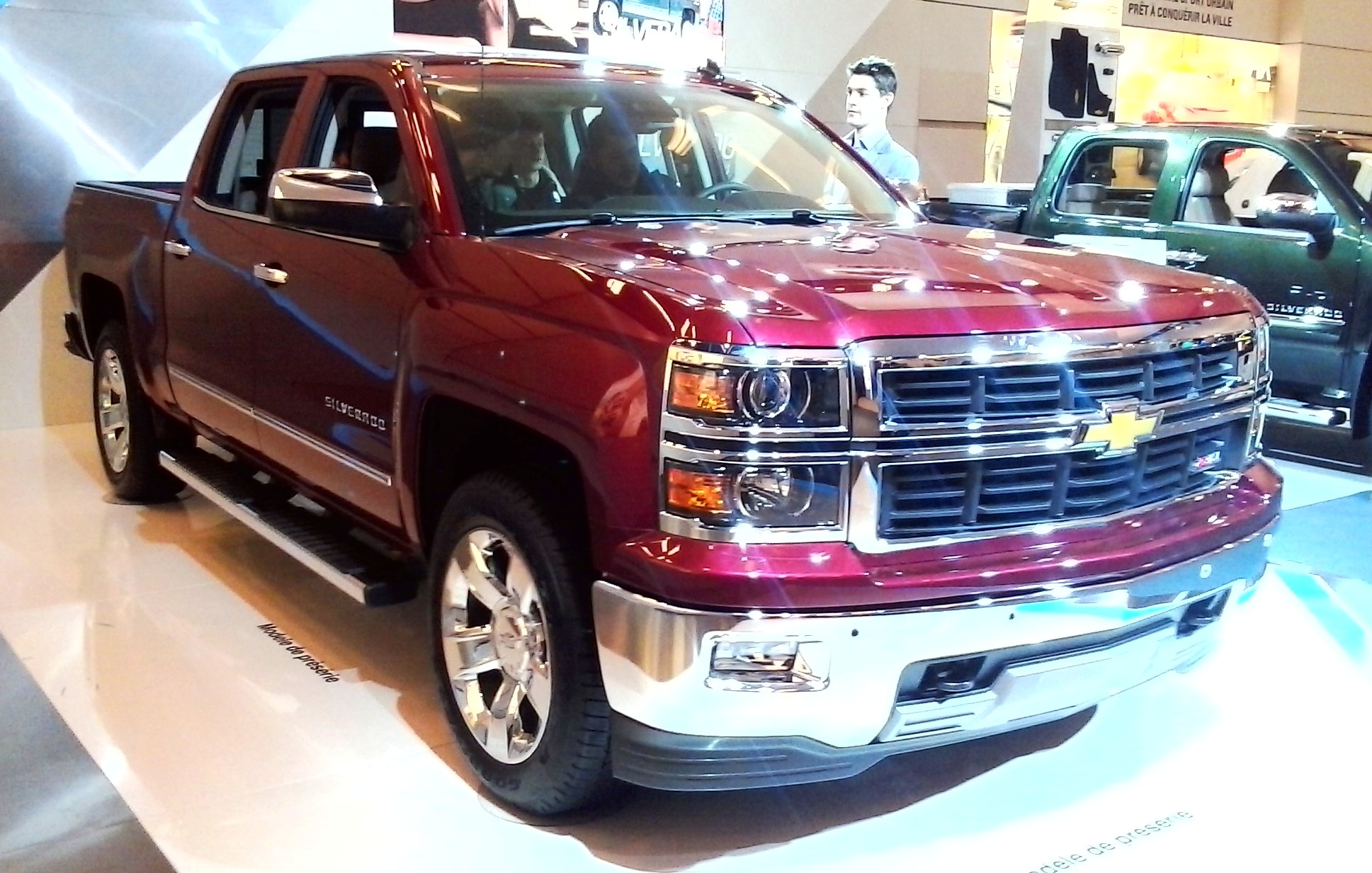
"...y the same, close to the same size as an F 150 or Silverado. This is not a big size truck like the Rivian R ..."
The Chevrolet Silverado is a big truck that can carry heavy loads and tow trailers. It's popular for work and everyday use because it has a lot of space and can handle tough jobs.
The Chevrolet Silverado is a full-size pickup truck known for its strong performance, towing capacity, and a wide range of configurations. It competes closely with other trucks like the Ford F-150, making it a common reference point in discussions about work vehicles and personal trucks.
"...ey're buying. This is, this is essentially like a ridgeline. Just a big, yeah, but bigger. Yeah. A big ridge..."
The Honda Ridgeline is a truck that drives more like a car, making it comfortable to ride in. It has some cool features, like a hidden storage space in the bed, which makes it handy for carrying things.
The Honda Ridgeline is a midsize pickup truck known for its car-like ride quality and innovative features, such as an in-bed trunk. It stands out in the truck market for its versatility and comfort, often discussed for its suitability as both a work vehicle and a family truck.
"...losed door. All right. So I also drove the Toyota RAV4 2026 Toyota RAV4 last week. And the new, you kno..."
The Toyota RAV4 is a popular SUV that has a lot of space for people and their things. It's known for being reliable and good for families who need a versatile car.
The Toyota RAV4 is a compact SUV known for its reliability, spaciousness, and versatility. It is one of the best-selling SUVs in the U.S., often discussed for its practicality as a family vehicle.
"... that they put on the on the latest Prius and the Camry. You know, it's a little, a little more squared ..."
The Toyota Camry is a car that many people use to get around because it's safe and lasts a long time. It's comfortable to drive and doesn't use too much gas, which makes it a good choice for families.
The Toyota Camry is a midsize sedan known for its reliability, comfort, and fuel efficiency. It has been one of the best-selling cars in the U.S. for decades, often discussed for its practicality as a family car and its reputation for longevity.
"...feeling interior than this does. Even the Nissan Leaf, which is, you know, it's, yeah, even the Leaf, t..."
The Nissan Leaf is a car that runs on electricity instead of gas, which is better for the environment. It's a smaller car that's easy to drive and helps save money on fuel.
The Nissan Leaf is an all-electric hatchback that has been a pioneer in the electric vehicle market since its introduction. It is significant for its affordability and practicality, making electric cars more accessible to everyday drivers.
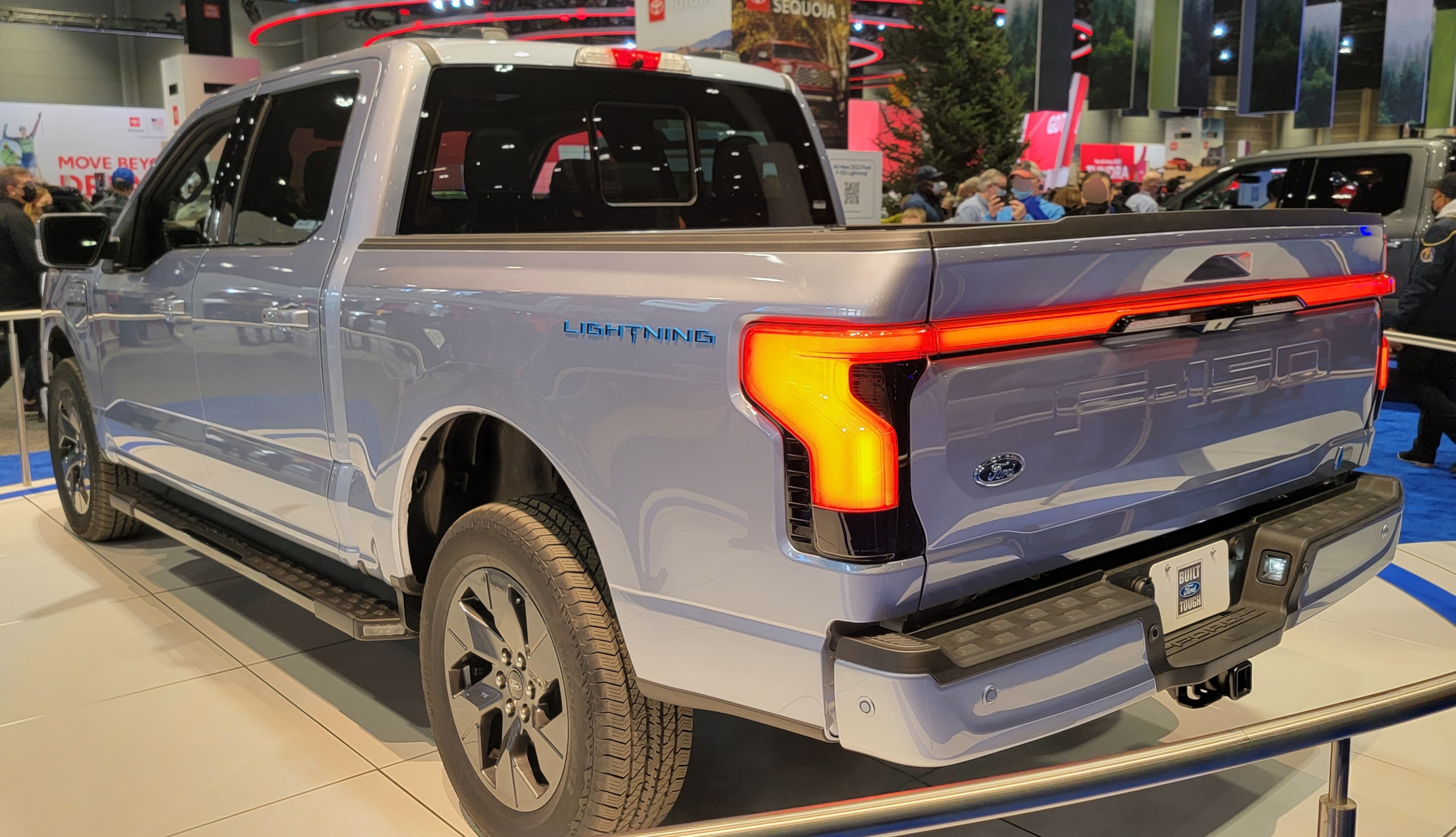
"the best-selling single nameplate in the U.S. So, you know, GM Ford likes to talk about the F-Series being the top-selling vehicle in the U.S. But when they say that, they're talking about F-150s, 250s, 350s. Every F-Series up to like the F-600 medium-duty trucks."
The Ford F-150 is a big truck that lots of people buy because it can do many things, like carry heavy stuff and tow trailers. It's very popular in America and is known for being tough and reliable.
The Ford F-150 is a full-size pickup truck that has been the best-selling vehicle in the U.S. for many years. Its popularity stems from its versatility, strong performance, and a wide range of configurations that cater to both work and leisure needs.
"...ur Runners. Yeah, that's, you know, or old Nissan Xterras. You know, that's, that's what they're going to ..."
The Nissan XTerra is a strong SUV that can handle rough roads and outdoor adventures. Even though they don't make it anymore, many people still like it for its tough look and ability to go off-road.
The Nissan XTerra is a midsize SUV that was designed for off-road capability and rugged use. Although it has been discontinued, it remains a topic of interest for those who appreciate its robust design and off-road prowess.
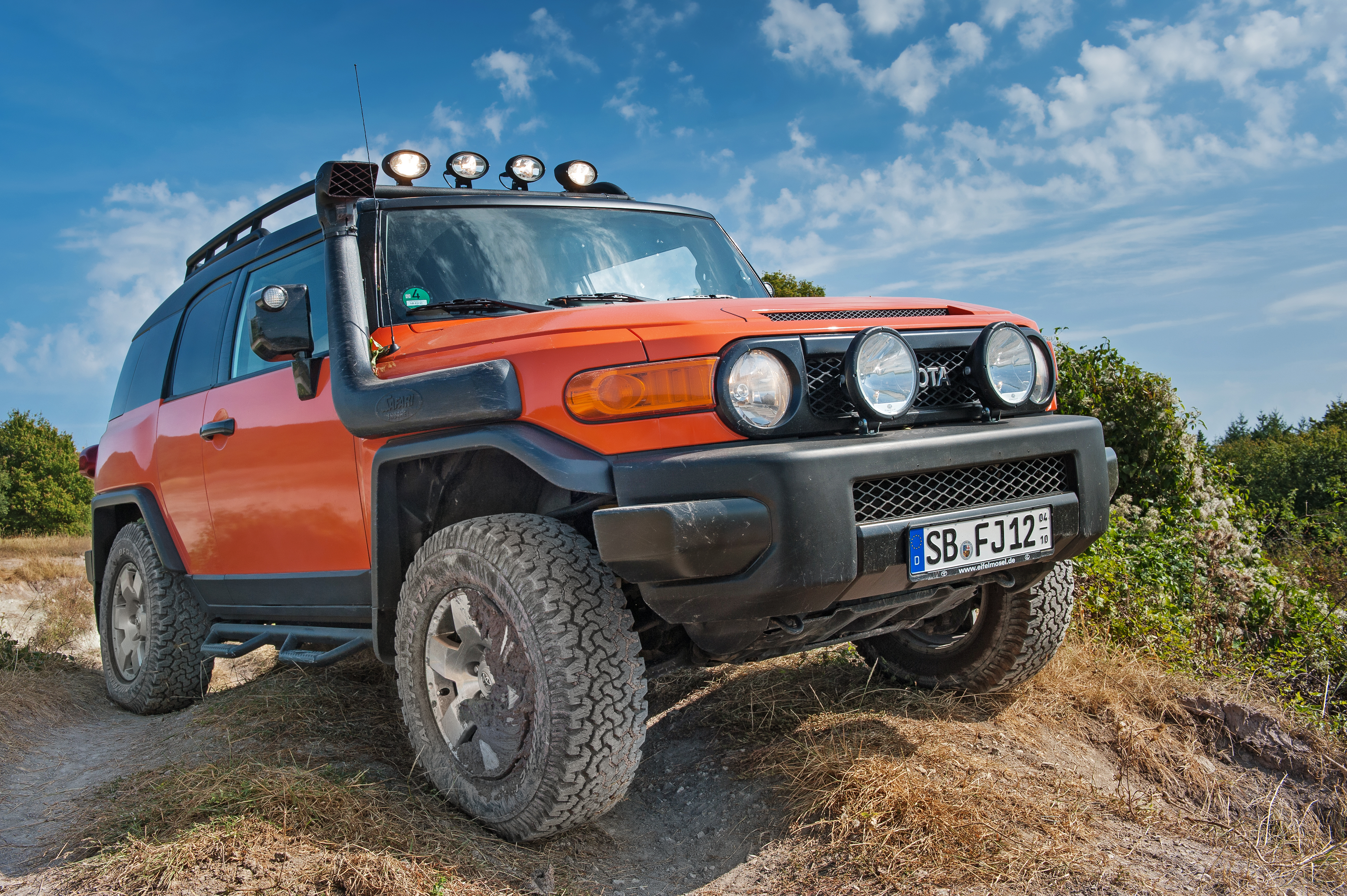
"...hen Toyota this week also showed off the new Land Cruiser FJ in Japan. Man, okay. So remember when they had t..."
The Toyota FJ Cruiser is a cool-looking SUV that can go off-road and is built to be very tough. Even though they don't make them anymore, many people still love them for their style and adventure-ready features.
The Toyota FJ Cruiser is a retro-styled SUV known for its off-road capabilities and distinctive design. Although production has ended, it is often discussed among enthusiasts for its ruggedness and unique aesthetic.
"... is, again, this is sort of, it's, it is a Suzuki Samurai. There you go. I think it's bigger than a Samura..."
The Suzuki Samurai is a small SUV that was popular a long time ago because it could go off-road easily. People still talk about it because it's tough and has a classic look.
The Suzuki Samurai is a compact SUV that gained popularity in the 1980s and 1990s for its off-road capabilities and simple design. It is often discussed among enthusiasts for its nostalgic value and ruggedness.
"...Samurai. Yeah. Hey, you want to, we can't get the Jimny. Well, we're not going to get this either, actua..."
The Suzuki Jimny is a small SUV that's really good at driving on rough roads. It's loved by people who like to go off-road because it's tough and easy to handle.
The Suzuki Jimny is a compact SUV known for its off-road capabilities and boxy design. It has a cult following due to its ruggedness and simplicity, often discussed in the context of small, capable off-road vehicles.
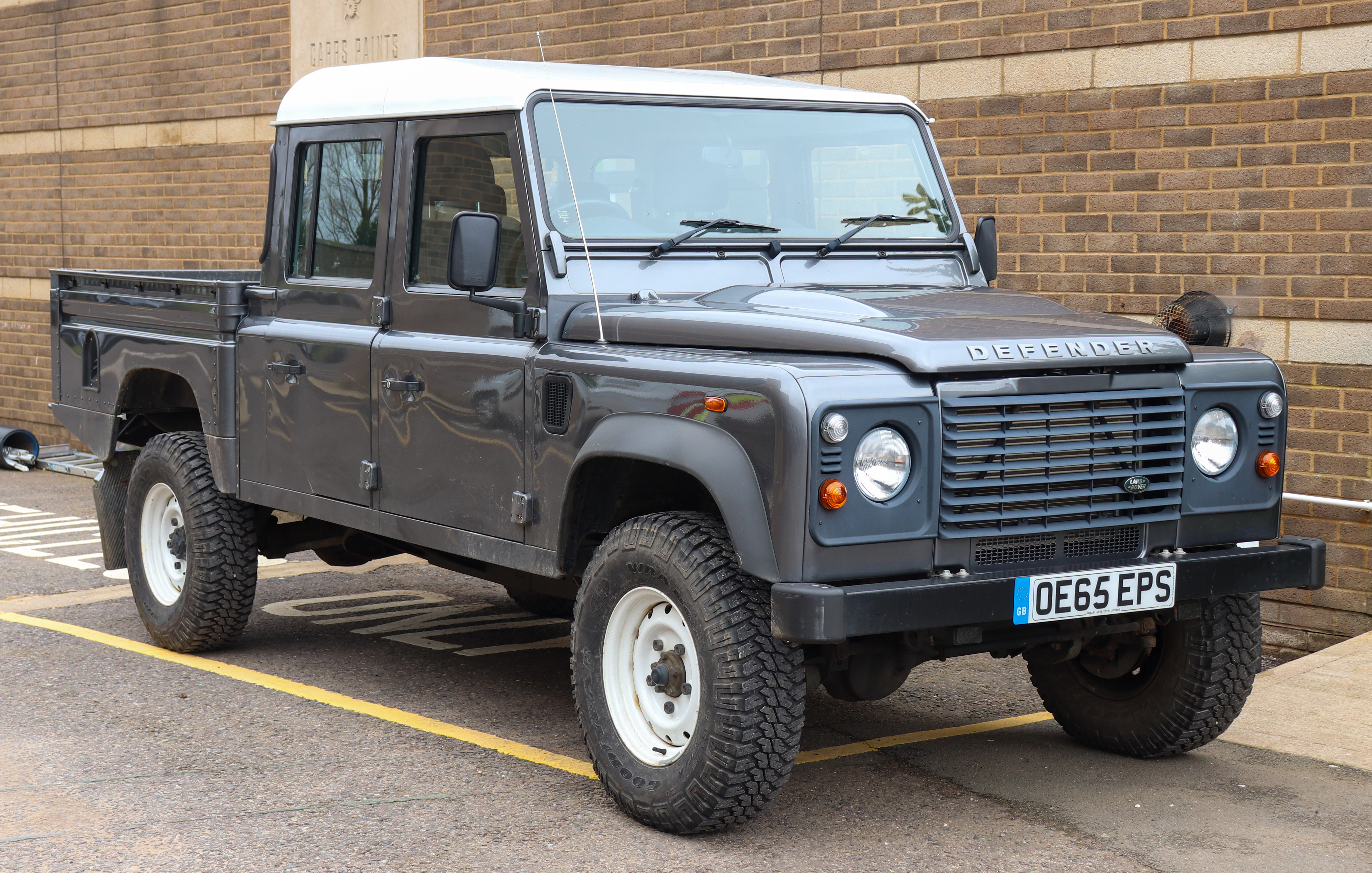
"...o-door Wrangler makes so much sense. The two-door Defender makes, you know, there was a Defender 90 outside..."
The Land Rover Defender is a fancy SUV that can go anywhere, even on rough trails. It's known for being strong and stylish, making it a favorite for people who love adventures.
The Land Rover Defender is a luxury off-road vehicle known for its durability and advanced off-road technology. It has a storied history and is often discussed for its blend of rugged capability and upscale features.
"...you know, like the, the, what do you call it? The Honda Fit was a four-door. I'm like, yeah, it's four-door,..."
The Honda Fit EV is a small electric car that's easy to drive and park. It's great for city living because it uses no gas and is very efficient.
The Honda Fit EV is an electric version of the popular Honda Fit, known for its compact size and practicality. It represents Honda's commitment to electric mobility, often discussed for its efficiency and urban-friendly design.
"...f them a year. Yeah, I mean, it's not cheap. The EV9 exists. So you're, you know, you're going up agai..."
The Kia EV9 is a big electric SUV that's made for families. It has lots of room inside and is designed to be good for the environment.
The Kia EV9 is an all-electric SUV that aims to combine spaciousness with advanced technology and eco-friendly performance. It represents Kia's commitment to electric mobility and is often discussed for its family-friendly features and modern design.
"...st around $45,000, you know, it's, you know, the R1s are expensive enough that most of them, you know,..."
The Rivian R1S is a new electric SUV that's made for people who love outdoor adventures. It has a lot of space inside and can handle rough roads, making it great for trips.
The Rivian R1S is an all-electric SUV designed for adventure, featuring off-road capabilities and a spacious interior. It represents the growing trend of electric vehicles aimed at outdoor enthusiasts and is often discussed for its innovative features.
"...rself in the corner. You don't want to pull a VW ID buzz situation where, you know, you got people excited..."
The Volkswagen ID. Buzz is a new electric van that looks like the old VW buses from the past. It's roomy inside and great for families, making it a fun and eco-friendly choice.
The Volkswagen ID. Buzz is an electric van that pays homage to the classic VW Microbus while incorporating modern electric vehicle technology. It is significant for its retro design and spacious interior, often discussed as a family-friendly electric option.
"...at it was. What was that first car? Oh, a Toyota Corolla, a 1906 Toyota Corolla built in the New Me factor..."
The Toyota Corolla is a small car that's very popular because it's safe and doesn't use much gas. It's a great choice for people who want a reliable car for everyday driving.
The Toyota Corolla is a compact sedan renowned for its reliability, fuel efficiency, and affordability. It has been one of the best-selling cars globally, making it a common reference in discussions about practical and economical transportation.
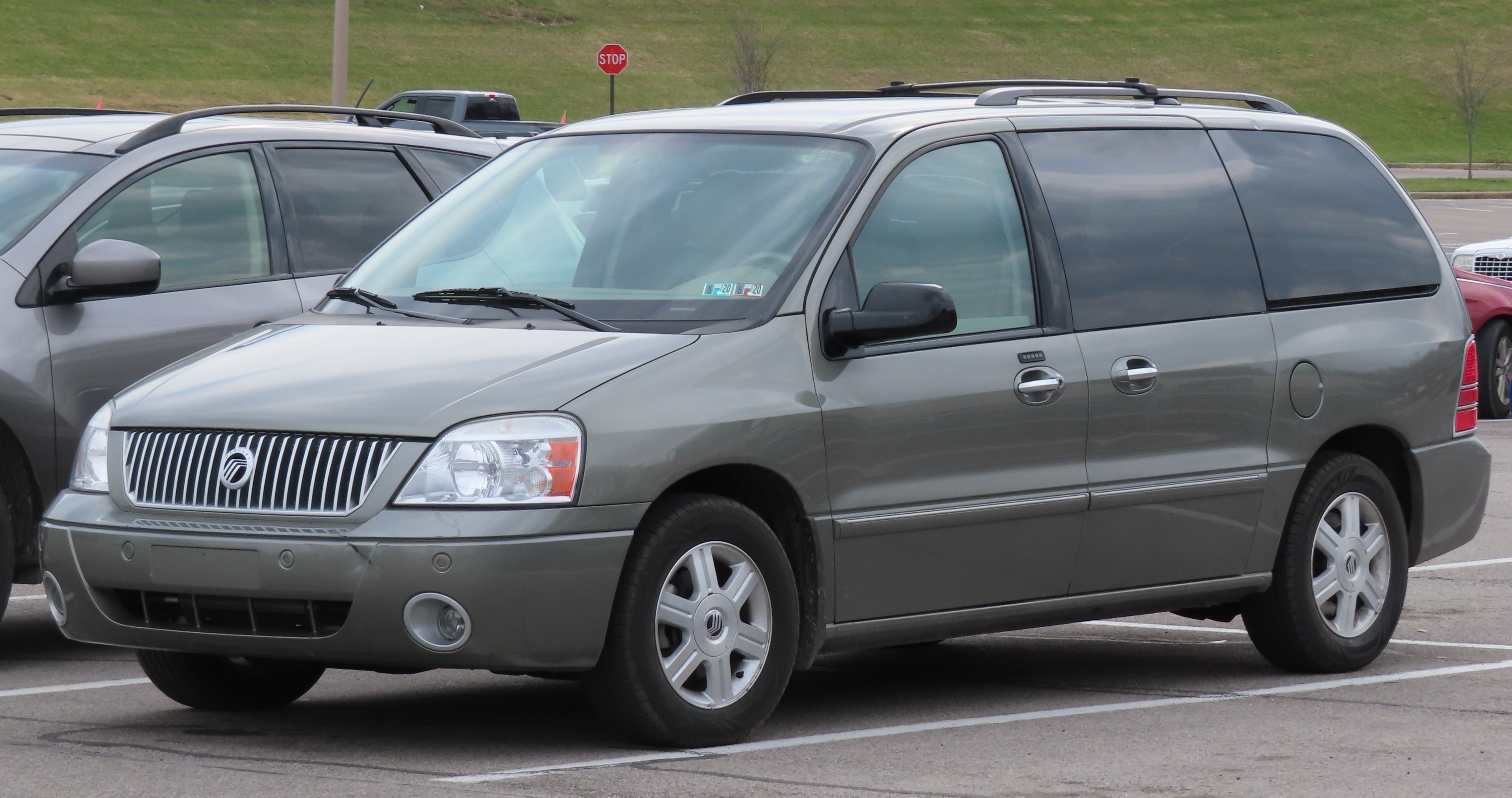
"...th the QX 65, which was shown in concept form at Monterey this year. It's basically a fastback two row vers..."
The Mercury Monterey is a big van that can carry a lot of people and their stuff. It's designed for families and is known for being roomy and comfortable.
The Mercury Monterey is a minivan that was produced for a short time and is known for its spacious interior and family-friendly features. It is often discussed in the context of discontinued models that still hold nostalgic value.
"...d has a total range of about 500 miles, but Honda Accord from 15 years ago is easily capable of getting b..."
The Honda Accord is a comfortable car that's good for families because it has a lot of space inside. It's also known for being reliable and lasting a long time.
The Honda Accord is a midsize sedan known for its spacious interior, reliability, and strong resale value. It is often discussed for its balance of performance and comfort, making it a favorite among families and commuters.
"...t a couple of follow up emails from Bob with the BMW i3 that we talked about a couple of weeks ago. Bob ..."
The BMW i3 is a small electric car that's different from others because it uses special materials to be more eco-friendly. It's designed for city driving and is easy to park.
The BMW i3 is a compact electric vehicle known for its unique design and sustainable materials. It was one of BMW's first forays into electric mobility, often discussed for its innovative approach to urban transportation.
"...d vehicles that they have in the chart here, the GMC Sierra, so that was 49 out of 100,000 insured cars. The ..."
The GMC Sierra EV is a big electric truck that can do a lot of the same things as regular trucks but without using gas. It's made for people who need a tough truck but want to help the environment.
The GMC Sierra EV is an all-electric version of the popular Sierra pickup truck, designed to offer both utility and sustainability. It represents GMC's entry into the electric truck market, often discussed for its capabilities and features.
"...ings because they sell in high volumes. The Tesla Model 3 during that time period from 21 to 23, one theft..."
The Tesla Model 3 is a car that runs only on electricity, which is better for the planet. It's known for being fast and having cool technology, like a big screen inside.
The Tesla Model 3 is an all-electric sedan that has gained popularity for its performance, range, and advanced technology features. It represents a significant shift towards electric vehicles in the automotive market, often discussed for its role in promoting sustainable transportation.
Select text to request an explanation
This is episode 424 of wheel bearings. I am Sam Aboual-Sammid from Telemetry and I am
Roberto Baldwin from SAE International and oh yeah, and we have the podcast. It's the
Automotive Engineering podcast, so I'm from SAE. Excellent. And I can't remember where
Nicole said she is this weekend, but she's not here. So she's somewhere. It's the two
of us. Somewhere rad probably. Yeah, it usually is. Well, tomorrow, certainly by the time
everybody hears this when it goes up on Tuesday, I will be getting close to Japan. I'll be
on my way to Tokyo. Man. I know. I'm so jealous. I love going to Japan. Japan's great.
Japan's the best. Everyone listens, figure out a way to go to Japan. It's very expensive
to get there, but once you're there, it's really cheap. It is right now. The exchange
rate in the yen and the dollar is very favorable to Americans right now. Yeah, so do that before
that changes. But yeah, it's very expensive. You know, flying there is going to cost you
an arm and a leg. But once you get there, I think when I was in Osaka, I would pay like
$40 for a hotel room. Wow. And it was a good, it wasn't like scary like Motel 6 where it's
floor sticky and it's gross. It was a nice hotel room. I mean, it was small. You pull
back the blanket and you see all these nasty things on the sheet. You just hope it's water
stains. Yeah. You know, the hotel rooms are very small, the ones, you know, the traditional
sort of Japanese ones. But I mean, you're in Japan. What are you going to just stay
here? What are you going to just hang out in your hotel all day? Yeah. Moving and shaking.
You just need someone to sleep and shower and use a special magical toilet.
Well, I will be hanging out with with Honda this week. Going to the show on Wednesday and
going to the media day for the Japan Mobility Show, formerly known as the Tokyo Motor Show. And
then on Thursday, we get to meet with the CEO of Honda and then learn more about Honda's space
program. And then on Saturday, we go to Chigi to drive the new Prelude and also Honda's next
generation hybrid system. I'm going to I'm going to Kia to look at the something. I don't know
if I'm allowed to say. Oh, yeah, no, it yeah, they're they're gonna be showing a new vehicle
that's going to be out in a few weeks. Yeah. So that's what that's what I'm doing. I wish Kia
would move it to Korea. Korea is also delightful. But yes, I love Korea too. I'm just traveling in
Asia in general. Yeah, I'm just going to Orange County. So yeah, I live in Orange County. You're
driving down or flying down? I'm flying down. Okay. That's all right. It's a hell drive because
you gotta drive through LA. So yeah, that's true. Yeah, it's because it's on the on the wrong side
of Los Angeles. Yeah. All right. Well, you didn't have you driven you driven stuff this week,
but it's all stuff that you can't talk about yet, right? There's stuff I can't talk about for like
weeks and other stuff I can't talk about for months, months, like, like next year, like well
until next year. That's that's all I can say. Sorry. Okay. Well, I drove some stuff. Actually,
on Thursday, I was out at M1 Concourse in Pontiac, Michigan, with crew from CNBC. They were working
on a story on EV performance. You know, our you know, basically our EV is getting too fast. And
we had a trio of electric vehicles that we borrowed to do some do some evaluation with and
some filming with. We had a Kia EV6 GT line 2026 model, which went from zero to 60 in like 4.8
seconds. We had a Porsche Macan 4S electric, which is the base version of the electric Macan.
Which did it in about four seconds. And then we also had a 2026 or actually it was 25 Audi
RS E Tron GT, which did it in 2.6 seconds. And the the the the reporter from from CNBC was
running along was somewhat shocked at how fast these cars were. It he was not expecting this.
He doesn't usually drive EVs. And so he was not expecting these levels of performance.
I don't think people realize how fast under five seconds is. I don't think that really
under three seconds or under three seconds. Under three seconds is that's it makes it can
make you very sick if you're not used to it. And all your internal organs, like your eyeballs
feel weird. It takes a few launches before you get used to it. The first time though,
it's just like, Oh, I think I'm going to vomit. I've had friends who have said, Don't ever do
that again. Yeah, I don't like that. I don't enjoy that. No, it's one of those things that I think
for most people, you know, when you buy vehicles like this, it's like, Okay, you're buying it for
bragging rights. And, you know, you do it a few times to show it off for your friends. And then
you never use it again. Yeah, it's just it's just it's kind of pointless to have that much
performance in the real world because you can't you can't use it. I mean, certainly if you live
it in many places in California, you know, you're not going to use that on the 405 or the 101,
you know, or 280 in the Bay Area. It's it and it's, you know, not only can you not do it,
but even if you find a time when there's nobody around, you shouldn't be doing it.
Because there's no need to be accelerating that fast. Yeah, you're giving all the people a lot
of power who have very little experience with that power. That's that's that's that's sort of the
scary part is that we're you know, it's such a quick, it's just a huge jump in acceleration. And
how quick these and how quick vehicles are is that, you know, the average person again is used
to like six seconds, five seconds, seven seconds. And they've been fine with that. And then they
get in something with three seconds. And it's, there's there's always the potential, you know,
I, you know, I talk about this a lot where, you know, in the 80s and 90s, 70s, you know,
when a car broke free, it would break, you could break a car free at like 20 miles an hour.
Like you can make a mistake where the car was going sideways at like 20, 25 miles an hour
in the rain or, you know, sometimes even on dry land. But you're pretty bad in those days.
Yeah. And tires are pretty bad. So you, you could like correct at a slow speed and you would learn
how to correct at a slow speed now because tires are so much better and vehicles are so much better
at keeping you on the road, which is great for safety. And for, you know, 90% of the people out
there who are just driving like regular, this is outstanding because it means, you know, fewer
deaths, fewer injuries, fewer collisions. But the flip side of that is that things don't go wrong
until the vehicle is really going very, very fast. You're doing things like 70,
80 miles an hour. Now you're having to correct in an environment without any previous experience
correcting at a low speed. And so that's when you end up with like, you know, there's an accident,
but it's catastrophic because you were just going so fast and things went wrong so quickly that you,
you know, you don't have the, you know, the person doesn't have the experience to, to react
in any meaningful way because they've never experienced this because the vehicle and the
tires have been, have done such a great job of keeping you, keeping you and keeping the vehicle
from breaking free. And when it does, it's really, really bad. Yeah. And most people don't get the
opportunity to practice those kinds of skills, you know, especially early in their, in their driving
life. You generally don't get much opportunity to practice the kinds of skills, the car handling
skills you need to be able to recover when your vehicle does lose control. You know, I've been
fortunate, you know, in the, the jobs that I've had, you know, as an engineer, you know, spending
a lot of time driving vehicles on frozen pads of, you know, frozen lakes and things like that
for, for the work I've done to, you know, to be able to understand the, those dynamics and, and
how to control the vehicle better. And, you know, as my kids, you know, got to driving age, you know,
I made sure to take them out, you know, soon as it snowed, you know, take them over to the local
high school and the parking lot and, you know, practice some car control with them, you know,
first get them used to what ABS feels like, what traction control feels like, and then to do some
skid control, you know, sitting in the passenger seat and yanking on the parking brake to, you know,
to get the back end of brake free and have them practice, you know, steering into a skid, you
know, so that they know what it feels like. And hopefully, you know, if they get into that kind
of situation, they are able to respond appropriately. Yeah, it's, it's, it is a sort of, it's a learned
and something you have to, you know, having to do, for Sam and I, like, you know, like Sam said,
we've been very fortunate in that our jobs involve us doing these things pretty often.
It's sort of, and, and we've, you know, we've had the benefit of, you know, people at tracks who,
you know, if I've had instructors like, oh, if you do this, you'll be better at this. And I've
had instructors like on ice driving, be like, oh, you should do this. And I'm like, oh, that's,
that's awesome. And I'm, you know, I grew up driving on snow in a rear wheel drive, you know,
I learned how to drive on snow in a rear wheel drive, nice, not even nice on dots and 260Z.
So zero weight in the bag, zero, you know, and so you just, everything was a skid in that car.
And so I just, that's how I learned how to drive. And even then, you know, I still have,
you know, you still have instructors like, oh, you know, I saw you're doing this, you should really
do this. You're like, oh, and then you see, you see the benefits of it. And you see the benefits of,
of like learning from people. And the average person doesn't have that. And it's, you know,
if you, if you, if you want to have fun, do autocross, you know, take, take some defensive
driving classes, do some ice stuff, I know, you know, it can be expensive sometimes, but if, if
you really want to, you know, sort of explore the dynamics of vehicles outside of sort of the safety,
you know, the safety, you know, all the implemented safety, which of course keeps you on the road
from dying, keeps you from dying. If you want to explore more of that, you take some classes,
do it somewhere safe. So you know, when things go wrong, oh no, you hit some cones.
Who cares? As opposed to, oh no. The consequences are minimal, but you, you learn, you'll learn
some important skills and gain some important experience so that when it, if and when it does
happen in the real world, and at some point in your life, it probably will happen in the real
world. You know, you want to know how to respond to those situations when the car does start to
lose traction. Yeah. And you know, it's also nice about this, is that you end up, you know, you,
you maybe end up being part of a community, you know, you have, you know, you go out with your,
your Miata's or your BRZ's or your M twos or whatever. And you, you know, you sort of meet
people and you know, now you have some new friends, which according to the internet and the world
is very difficult for people to, to make nowadays.
If you're an HVAC technician and a call comes in, Granger knows that you need a partner that
helps you find the right product, fast and hassle free. And you know that when the first problem
of the day is a clanking blower motor, there's no need to break a sweat. With Grangers easy to
use website and product details, you're confident you'll soon have everything humming right along.
Call 1-800-GRANGER, click Granger.com or just stop by. Granger, for the ones who get it done.
media. We've updated the wheel bearings merch store. And now there's a whole bunch of new choices,
new colors, new styles, t shirts, sweatshirts, hoodies, hats, mugs, travel mugs,
stickers, aprons, tote bags, you name it, you can get your wheel bearings merch at shop.wheelbearing.media.
Go check it out. That's shop.wheelbearing.media.
All right. Well, I did that, you know, that was only a few hours at M1, you know, shooting
that story that probably be coming out in a couple of weeks. But I did get to spend some more time
with a 2026 BMW iX X drive 4545. Yes, 45 with the 22 inch wheel package. And
you know, so the the iX is BMW's mid sized electric crossover. You know, let's get the
obvious thing out of the way. Yes, this is not a particularly attractive vehicle,
especially the front end. When my when my wife saw it in the driveway, she said, what is that?
But, you know, once you get past the front end, especially, you know, with the giant
kidney, this is probably the most egregious variation or one of the most egregious variations
of the twin kidney grill, especially given that, you know, since it's an EV, there's no actual
grill there. I think probably the only the only BMW that may have larger twin kidneys on it is the
the BMW m hybrid v8 prototype race car, you know, which is that's a whole different story. And,
you know, the way it's done there actually works with that design. But once you get past that,
you know, this is basically a tallish mid sized wagon, you know, it's not this is not an SUV,
you know, that in any form is going to be an off roader. You know, there's not that much ground
clearance. But it, you know, it works really well for for what it is. It's, you know, it's,
they got it got an update a mid cycle refresh last year. So it got some new headlights. The,
you know, the, for the most part, the front end state design stayed largely the same,
but it did get new headlights and tail lights, got some interior updates. And it's now I think
when it originally came out in the US, at least it was available in a rear wheel drive version.
And I think in Europe, they still offer the rear drive. Now they are only offering
three different dual motor all wheel drive models in North America. So there is the 45,
which is the base model. There is the I X X drive 60. So the 45 gets 402 horsepower
from two motors. And we'll do zero to 16 about 4.9 seconds, which is as fast as anybody really
needs to go. The X drive 60 gets 536 horsepower and does zero to 60 and 4.4 seconds. And then
there's the I XM 70, which gets 650 horsepower and goes zero to 16 3.6 seconds. The, the one that I had,
as I said, had the optional 22 inch wheel package. So I think it comes standard on 19s or 20s.
And the interior is very much kind of the modern BMW ethos, you know, the design direction they've
gone across the board with BMW, where you have one large display that, you know, that spans from
the in front of the driver across the center of the dashboard, very much simplified, a bare minimum
of physical controls on the dashboard, which is not not the greatest, it's not certainly not my
preference. But it does have manual vents, which is a good thing. So you got manual vents.
There's buttons in the middle of the dash for the hazard lights and the front and rear defoggers.
And then there's buttons on the steering wheel, and a few buttons on the are actually not so much
buttons, but haptic controls on the center console. So this is likely to be one of the last
BMWs that comes up, comes to market with, with the rotary iDrive controller. It still has one,
it's, it's a clear, I don't know if it's glass or, you know, or if it's plastic, but it's a clear
crystal like knob. And then there's a toggle on the center console to the left of that for the
shifter to select your gears to go between reverse neutral drive and what they label as
be or break where you get your max your one pedal mode. And then the rest of the buttons there
that surround the iDrive controller are just haptic controls. So you press on them, you'll get a
little bit of feedback. But there's no, there's no physical buttons there. Overall, it works well.
You know, the touch, the screen is also a touchscreen.
The seats, you know, are really good. They're very comfortable, very supportive.
Had no, no issues there. There's lots of cargo room in the back. And when you open up the rear
hatch, it's got this clamshell style tailgate that kind of wraps around the sides, similar to the
Audi Q five and the Lincoln Corsair. When you open it up, there's actually auxiliary lights
underneath there on the sides to the on either side of the cargo opening, so that if, for example,
you know, you have to carry something long in here and leave the hatch partway or all the way open
as you're driving, you still have lights on the back there that, you know, because the other
lights are actually on the tailgate itself. They said there, there is a touchscreen interface
for the for the infotainment that you can use as an alternative to the iDrive controller,
but it is, you know, the distance to reach it is kind of long. So it's a little awkward to use
the touchscreen. So I actually prefer using the iDrive controller on this one. It's this is this
vehicle, as I said, is plenty fast, you know, under five seconds or 60. It will, depending on which
tire and wheel package you get, you can get up to 312 miles of EPA rated range. With the 22 inch
wheels, it's rated at 279. And, you know, BMWs, you know, modern BMW EVs have generally been,
you know, pretty good on their efficiency. And, you know, they generally don't have any issues
hitting their rated range numbers. So, you know, you will, you know, even with the 22s,
you will probably get close to 300 miles of driving in real world conditions, you know,
unless you are using this like a sports car, which it is most definitely not.
The ride and handling is good. Oh, one more thing in the cargo area. When you open the tailgate,
there is, you know, the floor is flat. But then when you lift it up, there is another
storage bin underneath. So you can lift it up. And there's that's where you've got the tools
for changing tires. There's no spare tire. But you can, you know, it's got got some got a reflector
there. There's tow hook. So you can screw that in, you know, if you need to tow the vehicle.
What else? Lots of room in the rear in the rear seat in the second row.
In the back of the front seatbacks, there's USB charging ports there. There is a wireless
charger in the center console. So yeah, I mean, it was it's this was, you know, if you can get
past the looks, you know, this is generally a very pleasant car to drive. You know, if you need a
five passenger crossover that will go at least 300 miles on a charge, this isn't this is not a bad
choice. Sorry, actually turn hit a tab and that was the end of that.
So the xDrive 45 starts at $75,150. Mine had a bunch of options on there, including
the integral active steering, the four wheel air suspension for 1600 bucks, the driving assistance,
driving assistant professional package, which includes a hands free driving highway driving
system, similar to supercruise or blue cruise is $2,550. This one had the M Sport package on there,
which gives you, you know, some m badges and other exterior elements as well as the 22 inch
wheels. That's $4,500. Most people get a lot for badges. Yeah, most you know that you don't need
no stinkin badges. Yeah. But you do get an M steering wheel, you know, so there's that. I guess.
Well, the M-steam will have the owl cut out the. No, it's leather. Oh, thank God.
No, I'll. I hate Alcatare so much. Anytime it's on a steering wheel, it just, it feels gross.
Okay. Like I'm a. I don't mind it, but you know, I, ugh.
All in the grand total, including delivery. Remember I said this was $75,000, $75,150
base MSRP, including delivery came to $96,275, which, you know, on premium vehicles, it's very
easy to extremely inflate your price. You know, if you're not careful with the options list.
With wheels and badges. So you want to guess at the destination charge?
1100. Oh, you're very close. 1175. Yeah.
It's the luxury people are like, we're already going to charge you a lot. Why are we going to
charge you a hundred, almost a hundred grand for this thing? You know, we're not going to lie about
where the price increases are. We're just going to tell you right up front. Here's where the price
increases are. We're not going to sneak it into some weird. Oh yeah. First deliver your car is
going to be $40,000. Like what? So yeah, 279 miles of range for this, this variant.
And if, you know, if you're looking for, you know, a premium, you know, luxury EV crossover,
wagon thing, you know, I think, you know, this is definitely, I think, I don't know,
this would be right up there with the BMW, or the, sorry, the Mercedes EQE SUV.
I got to say, I think I kind of like the, and the EQE, you know, having the,
the, the zero, zero-layer interface, I think actually works a little better than the BMW
iDrive interface. I know there's, you know, there was, do we even talk about it? No,
but there was news about, you know, GM's going to get rid of the car play on Lallard cars,
blah, blah, blah, which I'm like, no. But the only car, the only system that I really barely
ever use car play with is the, is the zero-layer. Like I plug my phone in and like, oh, there's
the map, there's a little thing for music. I don't know, that's fine. I, everything else I have to,
like I test the infotainment system, but then I immediately go to car play to do this stuff.
The, the Mercedes zero-layer, I'm just like, no. Yeah, because with the zero-layer system,
you know, it's basically you, the whole screen is the map. And then you have some widgets that are
around, you know, they're overlaid on top of the map in the corners or the bottom, bottom level,
you know, for things like media players and give you access to a few other things that you need,
that, you know, don't take up a whole lot of space. They still have decently sized touch targets.
So it's not too hard to hit those touch targets. And you're not going back and forth
between different modes all the time, which I think is really helpful.
Yeah. Yeah. Cause in, in car play, I immediately go to the mode where it shows the map and music
and all the other, you know, other widgets about things that are happening. And that's what, I
think that's why outside of like text messaging through, you know, it'll pop up and say, Hey,
you got text message, you know, pop into car play and then I can pop back out to zero-layer.
So yeah, if you're a car automaker, GM, and you want to tell people we're not going to have car
play anymore, you got to be as good or better than the zero-layer. Well, we'll talk more about
GM in a little bit. But so that's the, that's the 2026 BMW IX X drive 45 with 22 inch wheels.
All right, let's, let's get into some of the other stuff this week. So the reason why the show
is pushed back to, for publication is pushed back to Tuesday this week is because of the
embargo on the 2026 Jeep Grand Cherokee. For some reason, Jeep wanted to have it out on a
Tuesday morning. So that's, that's when the show will show up in your, in your pod catcher.
But for 2026, the Grand Cherokee is getting a very mild mid-cycle update.
You know, most people probably won't even notice the differences visually from the exterior.
You know, a little bit of change to the front fascia, not a whole lot. It's, you know, it looks
pretty much like the, the Grand Cherokees for the last three years. The current, what is it, the
WL version of the Grand Cherokee that came out three years ago.
The inside, there is a change in the dashboard design. So they've gone to a different dashboard
layout that has the larger screen. So it's a larger center screen. So it's a 12.3 inch
infotainment screen in the center now. And it's integrated. And that there's,
below that, they've integrated the same kind of haptic panel for the climate controls that
they've been putting into other models, like the Wagoneer S and the Grand Wagoneer and various
other models. So they've gotten rid of the physical controls there, replaced it with this haptic
touch bar for temperature control, defoggers, direction of where you want the airflow. The
vents are still manual. So that's a good thing. So it's not a huge change. It's a fairly modest
change, but it is a change and still has the optional passenger side screen, which again,
you know, not really that useful for most people. Someone's out there is enjoying it. I don't know,
no one I know, but someone out there bought it and they have a family member and that family
member is having the best time of their lives. Yeah, probably. Maybe. Or, or maybe a Jeep employee,
for all we know. It's, it's somebody. Yeah. Someone's having the best time with the,
with the, you know, passenger side screen to play. Or somebody at a supplier that's selling
no screens to Stalantis. Oh, oh, that person's having the best days. They're selling it to Stalantis,
Mercedes. Yeah. So the big news though is under the hood. You know, so the, the previous two
powertrains that were available on the Grand Cherokee for 2025 are carried over. So you still
have the Panistar V six, and you still have the four by plug in hybrid system. Those go unchanged.
What's new is the, the new Hurricane four engine. And so I think it was last week or maybe the week
before we talked about Stalantis is big $13 billion investment announcement. And one of the things
that was mentioned in there is that they're going to build what was referred to in that press release
is the GME T four Evo engine in Kokomo at their Kokomo engine plant, starting in 2026.
Well, that engine is the brand, the official public public facing branding for that engine
is Hurricane four. So this is a brand new two liter four cylinder. And you might be thinking,
why is Stalantis making a brand new two liter four cylinder when they have one that they just
introduced in North America a few years ago, that's the, the so called GME four cylinder,
it's the global medium engine is what GME stands for. And there are similarities between these
two engines. They, they actually have the same boring stroke, but the GME, the current GME
four cylinder has 275 horsepower or somewhere thereabouts, depending on which configuration it's
in, which, which vehicle it's in, like the old, the last generation Cherokee had this, and I think
it was like 265 or 270. In the Alpha Romeos, I think it gets up to 290 on some variants. And then
in the Jeeps, the Jeep four by ease, it's 275. The new engine that the new hurricane for has,
it's a completely different block, completely different cylinder head. It's, it's actually
based on the design of the, the three liter six cylinder hurricane engine that is in the
some of the rams and the grand wagon ears. So it has the same bore spacing as that same,
same boring stroke, two liters, but now makes 324 horsepower and 332 pounds feet of torque.
And the cylinder head design, well, the block design, the previous GME engine was a sand cast
block with iron cylinder liners. This one is a die cast aluminum block with deep skirts,
and lots of ribs on there that makes it nice and stiff so it doesn't vibrate too much and
doesn't make too much noise. And it's got the same plasma bore spray system that they use on the
six cylinder and that's been used by various others going back to the GTR and some of the
former Shelby GT 500 engines that Ford has made. So there's no liners in there, but they spray this
really hard coating on the cylinder bores after it's machined that gives them durability that
they need. And then the cylinder head is where things get really interesting. So the, the new
engine has two fuel injectors per cylinder. There's direct injection and port injection.
And there's also two spark plugs per cylinder. And hopefully by the time this comes out, there
what they've got, what they've done is they've incorporated what they call a pre chamber
design. It's a passive pre chamber design into the cylinder head. And it's similar in concept to
what they did on the Maserati Natuno v6, their three liter v6. But they've done it here in a way
that's a little more cost effective to manufacture. Hopefully we'll be proved durable. But what you
have one of the spark plugs is in the top of the cylinder head right in the center between all the
valves. And then there's a copper alloy insert that gets pressed in to the cylinder head above
or below the spark plug. So the spark plug sits above this pre chamber. And then the other spark
plug sits off to one side. And so what happens is when the when you have the the piston going down
on the intake stroke, sucking in air and fuel, and then the valves close, and goes up on the
compression stroke, as it's going up on the compression stroke, this little copper insert
has nine holes in it, eight around the perimeter and then one in the center. And some of that
air fuel mixture gets pushed up through those little orifices into this chamber. And then as
the piston approaches top dead center, the spark plug goes off, it ignites that little bit of air
fuel that's inside there. And then it sprays out and what you end up with is nine flame fronts
that spread out from this pre chamber and gets you much more uniform combustion across the cylinder.
So you make more power and the things more efficient and has cleaner emissions. And so,
you know, you get all you almost achieve what they call homogeneous combustion. So basically
almost all of the air fuel mixture in the cylinder ignites simultaneously.
So it's it's much more it's a much more efficient system that also makes it's 20% more power than
before, and 10% better fuel efficiency. So we'll see, you know, how you know how the fuel efficiency
actually does in the real world. But it's it's a it's a pretty cool setup. And they said you know
324 horsepower from a four cylinder turbo. It's not bad. Can't complain.
It's a lot of spark plugs when it comes time to do it.
That's true. But yeah, I mean, modern spark plugs generally last 100,000 miles anyway. So
yeah. And then you get a spark plug, you're like, yeah, I mean, with modern, modern, high,
high voltage ignition systems, you know, you can generally go at least 100,000 miles before
changing spark plugs. I still have so many. I don't know why I have so many feeler gauges,
just billions of because, you know, you set the pre gap, you just have to gap your spark plugs.
Now they're all pre wrapped. And I got so many I'll just I'll check them before I put them in
anyway. Yeah, I check them stuff. I've got some of those little coin spark plug gap gauges.
Oh, the little, yeah, it's a little circle or the I have the ones that and then I have the ones
all with the 1 million iterations, little slides out the little metal slats. Yeah.
Yeah. Yeah, that was those were the days. Don't have to do that very much. Although I do that
on my on my Miata because it you know, it still doesn't it has, you know, it's it's a distributor
of the ignition system, but it's not quite as modern as current systems.
It's fun to do. You know, you let me get my feeler gauge out, then you can't find it.
I guess I go buy another one. Number 12. So the hurricane for is starting production now.
That's just it's actually already in production at Stalantis is Dundee engine plant here in
Michigan. It's about 20 miles south of me here. And then next year, they're going to add
production to the second facility. So you know, they're going to be they're going to be using
this across the board on a lot of Stalantis products over the next several years. I would
expect that we will see this come to the Wrangler and also the Cherokee because remember that the
new Cherokee is launching only as a hybrid. But you know, they've said that eventually there will
be a combustion engine in there. So I'm guessing that there will be a version of this engine in
the new Cherokee. You know, 300 horsepower Cherokee, that can be fun. And then you know,
assorted other Stalantis products. So this will gradually initially the the GME engine will stay
in the plug in hybrids. But I'm guessing at some point they will transition over to this engine as
well. All right. So speaking of trucks, scout, you know, they when when it was announced that scout
was coming back to Volkswagen was going to revive the scout brand. A lot of people got really excited.
You know, and it was going to be electric. And then by the time that they actually showed us
concept version of the truck in the SUV, I said, yeah, we're going to do an extended range EV version
as well. And now with the way the market's going, it's like, yeah, I think, you know, based on our
pre orders, we're going to start off building just the rev version. And, you know, the full
battery electric version will come along at some point, maybe. I mean, any rev truck makes
sense. Yeah, I like the idea of electric scout, but also Volkswagen has issues, money issues. So
yeah. Yeah. So let's let's see. Yeah, I mean, that's what's driving this, you know, is,
you know, VW group as a whole has been having some struggles, they're not selling as much as they did,
certainly not selling as many EVs as they hoped. And so I think they figure, well, we can sell a
lot more of these e revs. Because I think the last number I heard was about 85% of the pre
orders were for the e rev version. The big question, though, is, you know, when it does come out,
you know, how much, you know, what kind of capabilities it actually going to have as an e rev?
Because the rumors are that, you know, it's going to use the Volkswagen E8, E8 888 four cylinder,
which is the one that they use in pretty much everything, you know, two liter four cylinder
turbo. It's going to be mounted in the back somewhere. And it's, it's unclear, you know,
there's been some reports that the e rev version may only have like 3,500 pounds of towing capacity.
You know, if that's the case, that's not going to go over very well with truck buyers.
I wonder how many people who are who are looking at this are towing that much though,
I think those folks, whenever someone's, they're always going to buy that, you know, a diesel.
Are there people who are just like, I'm going to, they're going to over buy for, for what they want
to do? Yeah, no, I mean, you know, this, this is basically a full size truck and full size SUV.
I mean, this is roughly the same, close to the same size as an F 150 or Silverado. This is not a
big size truck like the Rivian R one. And, you know, if you look at, you know, people that are
buying, you know, even the F 150s and Silverados, the light duty F 150s and Silverados, you know,
they're often towing campers or boats, you know, that weigh six to 8,000 pounds. Yeah,
they may not be using the full 10 or 12,000 pound capability. But, you know, a lot of them are towing,
you know, five to 8,000 pound loads. A lot of them. Is that a truth? Well, it is here in Michigan.
All right. Well, yeah, that's what you're seeing. That doesn't mean that I always want to see the
data and no one's ever going to give us. It's like the plug in data. Yeah. Like I want to know how
many people are actually using their truck to do truck things. And I also want to see how many
people, and I think those folks who are buying those, you know, I don't think they're, they're
very smart about what they're buying. This is, this is essentially like a ridgeline.
Just a big, yeah, but bigger. Yeah. A big ridgeline.
Yeah. I mean, this, this is sized like a full size truck. So that's going to be real interesting
to see how that plays out. Yeah. Yeah. That does make sense. You know, full size trucks generally
have that capacity to do the full size truck thing where the midsize, you're like, okay,
I understand that I'm getting a midsize truck. So I shouldn't be expected to, to be, you know, again,
carrying a fifth wheel or a giant boat or whatever, not carrying but towing.
And so when you see a full size that doesn't do that, yeah, you get a good, yeah, it's a good
point. All right. Let's continuing with, with the EV theme for a couple more minutes.
Prog, the city of Prog in the Czech Republic has been on a splurge of installing lamp post EV
charging. This, this is what I like to see. This is what we need more of. More of this,
you know, not, not so much emphasis on DC fast charging, because especially in cities, because
this, you know, it's just parked, just park it. It's bringing your own cable and you plug it in
there. Easy peasy. I've done it in Germany. I've done it in, I don't know, some other places I
can't remember. It's great. Because you're like, Oh, I'm going to be inside for hours. I don't need
DC fast charging every time I park my car. Yeah. I mean, if you, if you live in a city,
you know, a lot of people who live in urban areas, you know, park, have to park on the street.
And, you know, this is perfect. You know, you just pull up to the curb, take out your cable,
plug it in, you're good. And, you know, it's very, you know, from an installation standpoint,
it's very easy because street lamps, they already have power. You know, they're already running,
running on, you know, they've already got lots of power. And, you know, here in the US, you know,
many of them are running, you know, a single phase of a 480 volt circuit. So they're running like,
was it 277 volts. And, you know, the new SAJ 3400 standard supports that. So it's much easier to
install a charging outlet on those poles, you know, without having to put in a transformer or
anything, you just tap right into the power that the lights are using. And you're good to go.
So so far, in 2024, Prague really began their program last year, they put in 143
new street lamps that had EV charging ports on them. By 2026, they hope to have 1500 installed
and 6000 by 2030. So these are all across the city. Cool. And says here in this Jalopnik article,
two years ago, there were only 2400 EV charging points in the entire Czech Republic.
Wow. Yeah. Well, you know, you got it, you move quickly. If you're smart, if you're smart about
it, I don't understand why America is so slow on the bring your own cable thing. But I also
understand why America is like, part of me is like, why aren't we doing the thing that everyone
else is doing that makes sense? And then also part of me is like, yeah, I know why. Yeah.
I got a closed door. All right. So I also drove the Toyota RAV4 2026 Toyota RAV4 last week.
And the new, you know, the new RAV4 is based on the same architecture as the previous generation.
So it's not really all new. You know, so it's same dimensions, same 106 inch wheelbase, you know,
it's the same size 183 inches long, I think. So, you know, it hasn't grown larger, hasn't grown
fatter. But you know, got new styling, all new styling. And for 2026, there's no more gas only
versions. They're all hybridized either regular hybrid or plug in hybrid. And so they have,
they do have a couple of new trim levels. So you know, the design, you know, which we first saw in
May at the Toyota event at their headquarters is, you know, a little chunkier looking, a little
blockier looking them before it's got a variation on the what they call their hammerhead headlight
theme that they put on the on the latest Prius and the Camry. You know, it's a little,
a little more squared off version of it. It's like someone said, Hey, can you make a RAV4
with Legos? Yeah, that's a good way of putting it. Hey, take the RAV4, now build it with Legos.
Yeah. All right. Boom, that's what you're getting. So, you know, they're kind of splitting up the
trims, there's like seven trims all together now, splitting those up across three different groups.
So they've got their core group, which is, you know, kind of the most mainstream variations.
Then there's the premium group, or sorry, no, the, the rugged group, which is the new Woodland
trim, which replaces the former TRD version, because TRD is now being reserved for body
on frame trucks and utilities. So they're calling it the RAV4 Woodland is the off road version,
or off roady version. And then there's the sport group, which includes the, the new GR Sport.
So, you know, the, the basic RAV4 hybrids drive pretty much like current generation RAV4 hybrids.
Yeah, they're, they're not mechanically all that different. They got a little bit more power.
Because there's no gas version now, and no previously on the 2025 RAV, they only had
the hybrid with all wheel drive, and it used an electric rear axle system
to provide on demand all wheel drive. And then, you know, front drive. So there was no
mechanical all wheel drive system on there. And you couldn't get a front wheel drive only
RAV4 hybrid. If you want a front drive, you'd have to get a gas version. Well,
now since the gas version is gone, they're offering a gas RAV4 hybrid front wheel drive
hybrid, sorry, they're offering a front wheel drive RAV4 hybrid, which has 224 horsepower.
And then there is the 226. And then if you want all wheel drive, they add the rear
axle and you get a total combined output of 236 horsepower. So it's about 10 more than before.
And then the the plug-in hybrid has the batteries been bumped up from 18 kilowatt hours to 22.7
kilowatt hours. So it'll now give up to 52 miles of electric driving range and has 324 horsepower.
And the GR Sport version is only available as a plug-in hybrid. So there's four different
trim levels that have a plug-in hybrid. Driving, first of all, driving around in the plug-in hybrid
with in just EV mode, you know, it's got plenty of performance to get around. So you can easily
drive this as your as a daily driver, 203 horsepower from the electric motors alone. So if you're
driving with the engine off in EV mode, you get 200 horsepower, which is basically the same as what
you got before with the gas version. And now you've got 52 miles of electric range to play with.
So for the vast majority of people, it's going to be fine. That's going to be, you know, this
this would be, you know, this would meet your needs as an EV. And then as with other plug-in
hybrids, when you want to take a longer trip, just keep going. And it operates as a hybrid once the
battery is depleted. So performance, not an issue here. One interesting thing with the plug-in
hybrid that I noticed is that, you know, we've complained in the past about the sound of Toyota's
four cylinder engines with the hybrids, you know, they're not the most refined sounding engines in
the world. You tend to be a little, you know, they're good, they're strong enough, they're
durable, but they just don't sound very good. Well, that's not a problem with the new plug-in hybrid.
It's way quieter now, when it's running in hybrid mode. And the reason why is they actually,
the plug-in hybrid actually has a completely different block that has been significantly
stiffened compared to the regular block. So it's a little more expensive, but it, you know,
it's a lot stiffer, vibrates a lot less, makes a lot less noise. And then they've also added some
other noise insulation throughout the vehicle as well. So, you know, now there's a lot less
difference between driving in EV mode and driving in hybrid mode with the plug-in hybrid RAV4.
And it's actually quite pleasant to drive. You know, we had no issues with performance
or anything else like that during the time we were driving it. The biggest issue I had
with the new RAV4 is the interior feels kind of cheap.
Oh, yeah. And it's interesting because there was another car.
Is it the blockiness? It doesn't blow?
No, it's the materials. So, you know, there's not much, you know, there's not really any,
there's no piano black anywhere, which is good.
All right, so we get a plus one for that.
Yeah, but if you look at the dashboard, you know, you'll see that there are
panels, you know, that are just flat, almost completely untextured. And I asked, you know,
because these were pre-production vehicles that we were driving, you know, is this production
representative? You know, because oftentimes what you'll find on pre-production models,
you know, if they don't have all the tooling quite ready and installed, you will find panels
in pre-production models or in prototypes that don't have the graining that you will find on
the production models or textures that you'll find on production models will just be smooth plastic.
And, you know, so I specifically asked Toyota, is that the case with this one?
And I said, nope, this is production representative. And I said, yeah, okay.
I mean, the fit and finish was good or the fit was good. But it just, the materials just look
kind of cheap. You know, it's like hard plastics everywhere. And it just didn't feel, it didn't
look and feel great. And, you know, there's another car that I drove earlier this week
that is, I can't talk about yet, but that is considerably less effective, less expensive
than this vehicle is likely to be. And it has a much nicer feeling interior than this does.
Even the Nissan Leaf, which is, you know, it's, yeah, even the Leaf, the cheap Leaf
for an EV, the cheap for an EV Leaf, even that you're like, oh, this is nice in here.
The Maverick, even though it's not using like premium materials, feels
Yeah, the texturing that they put on those materials, you know, it's still hard plastic,
but the, the graining and the texturing they put on it feels and looks a lot better.
Yeah. The texture goes a long ways, what we're saying.
Yeah, it does.
A little bit of texture goes a long way, like very flat, just kind of meh, just kind of feels
Yeah, I mean, I don't, I don't need the top of the dashboard to be, you know,
all padded and, you know, covered in leather, you know, especially on more affordable vehicles.
Yeah.
But, you know, I do want it to, you know, at least have some texture to it, you know, that
looks like there was some thought given to it. And this
It just looks cheap. You know, I'm sorry, that's just the way it is. It does not look,
you know, for, for a vehicle and Toyota has not released pricing yet for the new RAV4.
You know, it will probably be a little bit more than what it was last year.
You know, the 2025 RAV4 hybrid started at 33, 32, 850. I'm guessing it's probably going to be
at least 33 and change, maybe 34 for a base. And then the plug-in hybrid will probably start
somewhere around 44. The last one, the previous one started at 44, 800. I'm guessing it'll
probably be at least 45. And, you know, maybe a little bit higher for the plugins, although
I think there's different trim levels. So there's actually lower trim levels now
available for the RAV4 plugin. But like the GR Sport, you know, which is the top trim level,
you know, that thing is probably going to cost somewhere around $55,000. And that has the same
dashboard materials that are in the base RAV4. You know, and that's, that's kind of unfortunate.
You know, I'd like to see Toyota put a little more effort into the interior materials that they put
in these vehicles. And it hasn't hurt their sales yet. Last year, the RAV4 was by far the most,
the best-selling single nameplate in the U.S. So, you know, GM Ford likes to talk about the F-Series
being the top-selling vehicle in the U.S. But when they say that, they're talking about F-150s,
250s, 350s. Every F-Series up to like the F-600 medium-duty trucks.
And that has fleet sales. So you have to imagine how insanely well the RAV4 is actually selling.
Yeah. But the F-150 itself is somewhere around 400,000 units last year. The RAV4 sold 475,000
units in the U.S. And, you know, I would expect that this one is going to sell just as well because
it has all the things that people like about a RAV4. You know, it's, you know, good size. It's,
you know, it's got, you know, basically the same powertrain. It's got all those features.
And it, you know, despite my complaints about the materials in the interior, one big change that
they made is this has their next generation entertainment system, which is the first thing
that they've built on their new Areen software platform. That is, that's their platform for
their next generation software-defined vehicles. So the ADAS and the infotainment on this RAV4
are all built on that software platform. And the biggest change from a functional standpoint
for the infotainment, you know, you were talking earlier, but, you know, a lot of infotainment
systems, you know, you've got to go, you know, to do different modes, you've got to switch modes,
you know, and the previous gen Toyota multimedia system was overall, I mean, it was such a huge
improvement over the prior Entune systems. Entune was that great. Yeah. But, you know, my biggest
complaint with that system, with the Toyota system, the last current generation of the Toyota
system, was that you couldn't display multiple things on the screen at the same time. So you were,
if you're in navigation mode, you got no media player controls, or vice versa, you know, or if
you're in settings, you couldn't see any of the other stuff. Now, it gives you, you get two screens
that you can swipe through. And on the main screen, you have two windows on there. And so you
have about two thirds of the screen is taken up by the navigation screen, and you can switch these
around, you can switch what displays in which window. But so the first one, the first screen
has two windows, two thirds of it being nav by default, and the other third being the media player.
And then one swipe to the left, you get a second window that has three more widgets on there. So
you get three panes on there showing different functionality. So it's very easy to have to
have access to all the things you want without having to switch around between different modes
very much. And so I think that that was a big improvement to this vehicle.
That it's also got a new voice control system that worked pretty well, worked pretty reliably
during the time we had it for a few hours. Yeah, I mean, it's overall, you know, it's
definitely an improvement. It's, it's a, I think it's a better vehicle, except for some of those
interior materials. And then, and then there's the woodland, which, you know, like everybody else,
you know, Toyota's got to have an off roady variance of the RAV4, you know, Honda's got their
trail sport, CRV trail sport. And, you know, you've got the wilderness additions from Subaru and
various others. And like most of these off roady versions, you know, it's mostly off road in appearance.
You know, there's no skid plates on this. You do have, you know, the front, the front fascia,
the lower part of the front fascia is molded so that it looks like it, you know, looks like it's
skid plate wrapping up from underneath, but it's just plastic. It does, you know, the RAV does have
more ground clearance than a lot of these vehicles. So it's, you know, 8.3 inches of ground clearance.
So it's got a reasonable amount of ground clearance. And with what they did, you know, they did some
interesting stuff with the ADAS, you know, with the new ADAS system, with controlling the wheels,
you know, to get you better control on the off road stuff. So we did a light off road course,
you know, no really big rocks or anything, because, you know, that's not what this thing's
designed for. But it was, you know, it was more than just a dirt road. And it did good. It did fine.
Um, so, you know, it was, it was quite, uh, you know, quite reasonable to drive, you know,
on the types of things that you're going to use a RAV for, or you just want to be, you know, take
a little bit of care to make sure that you don't go over, you know, anything that's sticking up
more than 8 inches, because it could tear up the underside of the vehicle.
Okay. Yeah, that, yeah. All right, keep going off road-ish.
Yeah. I mean, it'll get, you know, it'll take you down trail to a cabin, things like that,
you know, or to a lake. All the things you need to do. The things that most people are actually
going to do with these vehicles, as opposed to, you know, what, you know, what, you know, the
hardcore off-roaders are going to do. Yeah, the hardcore people, they, they know what they're
going to buy. They're buying old, they're buying old, uh, old Wranglers and ripping everything out.
Yeah, Wranglers or Broncos or Four Runners. Yeah, that's, you know, or old Nissan Xterras.
You know, that's, that's what they're going to use. They're, they're not even going to consider a RAV
4. No one's knowing me. I have a big RAV 4 on the trail. No, no, don't do that.
All right, let's, so yeah, as I said, pricing's not available yet. This thing's going on sale
late this year. We'll probably hear pricing sometime later in November, maybe early December
before it goes on sale. And then Toyota this week also showed off the new Land Cruiser FJ
in Japan. Man, okay. So remember when they had that big event where they showed off all these EVs
in the background? We're going EVs. Like this was like one of those in the background. And I lost
my mind because I was like, I want a baby FJ EV. What am I going to do? Don't need it. Not doing
any off-roading. This is, this is the problem with, with, you know, I think me, to be honest,
a lot of people who buy off-road vehicles is like, you don't need that car. You don't need that.
What am I doing? What am I doing with this? I live in the East Bay. Where am I driving over?
That said, I want the baby FJ.
And I mean, what do you think of the design of this thing?
I really like it. I like the little baby FJ. It's very, it's very blocky. Yeah, it's another,
it's another Lego car. Yeah, it's a Lego car. It's, it is, you know, it's reminiscent of all,
essentially every, you know, off-roader, which are just, you know,
a square and a rectangle and then four wheels. The portions are a little interesting. I mean,
it looks like it's a little, I mean, the ones that they showed, you know, the wheels,
you know, for an off-roader, the wheels almost look a little small. So it looks a little top-heavy
to me. I like the fact that they show one with a snorkel. Yeah.
Yeah. It's, yeah, this is, again, this is sort of, it's, it is a Suzuki Samurai. There you go.
I think it's bigger than a Samurai though. Yeah, but it's, it's, it's, it's this generation
Suzuki Samurai. Yeah. Hey, you want to, we can't get the Jimny. Well, we're not going to get this
either, actually. Yeah, I think about it. Yeah, we probably won't get this one either.
I don't even know. There's a lot of Jimny's in Japan, so I can see why they would make this.
Yeah. Or, or whenever I go to Japan, I'm just looking for Jimny's, one or the other.
But I mean, you know, again, if you're, if you're actually going to do some real off-roading,
this is a much better solution than the, than the RAV4. You know, it's, I think it's still a unibody,
but you know, you're going to have some underbody protection on this thing.
You know, and in a lot of ways, it's better than, you know, the bigger vehicles like a,
like a four-runner or the bigger Land Cruisers, because you can go into spaces where those vehicles
are going to struggle. You know, having a, having a smaller vehicle like this actually makes a lot
of sense. Yeah, that's why the two-door Wrangler makes so much sense. The two-door Defender makes,
you know, there was a Defender 90 outside the GM event. Did you see it? Yeah. Yeah, I did.
I told somebody that someone got the right, they purchased the correct Defender.
But this, this one is a four-door though. Yeah. Yeah, but it's so small. Yeah. It's like four doors
in a way that like, you know, like the, the, what do you call it? The Honda Fit was a four-door.
I'm like, yeah, it's four-door, but you know, it's pretty small, but you can put so much stuff in
that car. Yeah, no, I'm a big fan. We're not going to get it. So I don't know why I care.
Yeah, it's about, it's about 10-inch shorter wheelbase than the 250 Series Land Cruiser,
which is the one that we get here. And that's, that's what's sold here is the Land Cruiser
and the Lexus GX is the 250 Series. So, you know, it's, it's considerably smaller.
Yeah. It, yeah. And it has, it has a 2.7 liter gas four-cylinder. So no electric version of this
one. Yeah, this is Japan. Japan, there's, there's, there's a lot of issues around electricity in
Japan, you know, earthquake, the nuclear thing, they're a little, a little shy on electricity,
to be honest, when it comes on. But when you drive around, there's like electric charging. I'm like,
yeah. I'm like, yeah, I can just drive my car here and charge it at the gas station.
Yeah. All right. So, you know, if they do offer this, you're going to get one?
I mean, mate, well, it feels electric, yeah. By the time this comes out, then like the R2 will be
out and the Slade will be out and the blah, blah, you know, there's so many sort of small
vehicles that, you know, it's hard to, it's hard to live in Northern California for me
and think about buying a gas-only car. Yeah. When, you know, like it's the other day, we're like,
it smells like smoke. And then we walk outside as you do and you look around on the horizon,
see which way the fire is, because you want to make sure it's not near your house.
That's the reality that we live in. Speaking of the R2 and the R3,
Rivian had some news this week. They laid off 4% of their staff, about 600 people.
And their chief marketing officer left and CEO, R.J. Scarridge, took over as head of marketing
for Rivian. What do you think?
When you have that type of company, do one job and do it well. That's really what it comes down to.
Find another marketer, achieve a, you know, figure out something.
There's a lot of external issues with any, you know, EV startup. There's a lot of external issues
that they have to deal with in the United States right now. But as the CEO, that's your job.
Maybe don't split your time now. Maybe, you know, double down on that CEO position and working to
figure out ways around the word no and then hire someone who can do your marketing.
Yeah, no. I mean, they're not cheap vehicles. That's the one thing. But they have money from
Volkswagen. How that works out, you know, essentially, I'm sure to many Volkswagen
developers, they have a bunch of kids that are coming in and telling them how to do their job.
And they've been building cars for, you know, we're Volkswagen. We've been building cars for
one million years. And I'm sure there's probably pushback when it comes to that.
There typically is, especially in large corporate entities, when you bring someone
in to help you out, there's always going to be people who are like, boo, you don't know what
you're doing. I'm like, well, so I think there's the CEO position for Rivian is, you know,
three full time jobs. Let's not, let's not become the marketing head of marketing as well.
Yeah, you know, when I when I saw RJ at an automotive press association event here in
Detroit a couple weeks ago, you know, he did confirm that the R2 is scheduled to start production
in the second quarter of next year. Yeah, and that's, that's going to be a crucial vehicle for
them because the R1 is just, you know, as much as a lot of people like it, it really hasn't sold
very well. Yeah, it's, they sell about 10,000 of them a year. Yeah, I mean, it's not cheap.
The EV9 exists. So you're, you know, you're going up against, that's sort of the problem that a lot
of the new companies have is that until you're established, like what, okay, I'm going to put
my, you know, if you have somebody with a lot of expendable cash, this is your second or third car,
okay, yeah, it makes sense. But for someone who's like, you know what, I really want a large EV,
a large SUV, that's an EV, but I don't, you know, this is going to be the main car. What are you
going to, to gamble on a startup that, and you see startups disappear all the time and Rivian's
been around for a while. So it's, you know, it's kind of tough to call them to start at this point.
Do you gamble on a new company or do you gamble on a company that you know isn't going anywhere?
And that's, that's, I think that's a lot of, especially now with, with, you know,
inflation's going back up, you know, recession's always on the horizon, you know, job cuts,
government shutdown, it's fight, you know, it's, it's a bad economic time and you,
but you still, you know, I need to get this car, what are you going to get? Are you going to get
the more established, the car from the more established company that's been around for
a billion years and, and also makes giant boats? Or are you going to get it from
the folks who, you know, it's great that they're, you know, it's American built, American made, but
you know, am I going to gamble on that? That's, yeah.
Yeah, it's going to be real interesting to see how the R2 does, you know, that one's, that one's coming
next spring, you said, you know, and it's supposed to cost around $45,000, you know, it's,
you know, the R1s are expensive enough that most of them, you know, unless you leased them,
you know, did not qualify for the tax credits anyway. The R2 is likely to be, you know, it's at
a price point where the people that are inclined to spend that kind of money are going to be much
more sensitive to the absence of the tax credits. And so I will be real interested to see how that
one plays out. You know, the R3 is the, you know, that's the one that most people actually seem to
want, you know, it's a smaller one. And that one is probably going to start in the upper 30s.
And again, you know, that's not coming until 2027.
Yeah, that's it. I have people like text me about the R3. I actually had someone text me this week
about the R3. And I'm like, okay, well, the R2 is coming out first. And I don't know if coming
out with the R3 first would make more sense, because excitement doesn't mean sales.
Yeah. I mean, that's the, you know, so, but, but you'd also don't want to back yourself in the
corner. You don't want to pull a VW ID buzz situation where, you know, you got people excited
and then you made him wait for seven, something you, and the right time he comes out, I was like,
man. And then it was, you know, too expensive and too expensive range. Yeah, it's, even with the
range issue, if you just, if it wasn't as expensive, or if you gave like some good lease offers on it,
like, you know, Hyundai does great with these lease offers. If you gave it some good lease
offers, just get them on the road, and then people will see them and then they'll want them.
Right now, I don't see very many ID buzzes on the road, which is unfortunate. Again,
I really like the ID buzz, even with all those like weird problems, you know, no second year,
second road thing, what do you call it, cup holders, you know, really about 245 miles of range,
you know, it's 400 volts, so it's as efficient. I mean, they'll still charge it up to 200,
but you know, it's, it's 400 volt, 200 is peak, and it doesn't stay as consistent as an 800 volt
system would. And so there's a lot of like little weird things that you're just like, oh, there's
all this cool stuff that this thing does. And then there's a lot of like, oh,
so hopefully the R3 doesn't end up falling into that, that trap.
So, you and I were both in New York this week for a GM event.
Yeah. You want to talk about that?
So, we flew out to New York, and GM had an event where they had a bunch of executives
stand up and tell us a bunch of things. There's going to be 2028, they're going to have their
software-defined architecture, which they really didn't save software-defined vehicle
very often in the, I don't think they said it at all, they said it afterwards when you talk to people.
Yeah, I don't think in the main presentation they did.
They never said the word software-defined vehicle, which was kind of weird. They're going to have a
level three SAE level three autonomous driving, which is eyes off, hands off in certain situations
on the highway, etc. In 2020, a lot of things are coming in 2028. And then after the little
presentation where it did felt very, it was very corporate, then we had the opportunity
to talk to engineers, and that was way, way better. Questions were asked during the Q&A,
and none of the answers were very satisfying because you weren't talking to the engineers.
At the end of the day, I mean, I know it's great to say, oh, I got the CEO of this company to
talk to me. I've talked to a lot of CEOs one-on-one, and some of them are great, and some of them are
very media savvy, they're media trained, so they're going to say the thing, which is completely
worthless and not helpful to me at all. And then you talk to the engineers who are building it,
and then those folks, they know what's going on, and it was really great to talk to them
after that presentation. Because if I'd flown out there just for that presentation,
I would have been sad. Yeah. Well, I think you were standing there when we were talking to
Senaz afterwards. She's one of the PR people from GM, and she was asking what we thought,
and we both expressed our thoughts that, frankly, talking to CEOs most of the time,
not all that useful or interesting, because they're so media trained, and they tend to be,
most of the time, they tend to be so on message that you don't really get anything,
any useful insights from them very often. Yeah, and I think someone made the remark during that
conversation that Mary Berry could say something that destroys the stock price.
Yeah. Just to get inadvertently say something. So as a CEO, you have to be very, very careful.
As an engineer, you're not going to affect the stock price. So the engineers have a little
bit more leeway. Unless you contradict the CEO.
Unless you contradict the CEO, and then there's always that. Then there's a lot of emails with
PR people, and you're like, okay, what's real? You have to tell me what's actually real. Don't lie
to me. Yeah, no, it was great. When they talked about level three, I think they said all the
correct things. That doesn't mean that everything's going to be perfect when it launches, but I think
they're very smart about our customers and our beta testers. There is no real way with level three
that you can just tap someone on the shoulder and say, you have to take over right now,
which is true because you're telling people that they can watch a movie, they can read a book,
and then they expect them to, within seconds, take over the control of the vehicle. And within
seconds, whatever the issue is, it's too late. By the time the car tells you to take over and your
brain decides you're taking over and you're dropping what you're doing, it's probably too late.
It's not probably, it's too late. Yeah. Things happen very fast on the road.
Yeah, you're moving pretty quickly. So it's pretty, it was, it'll be interesting to see
what the launch is in 2028. It's going to be on highways. They're very adamant that it's,
that's it. It's not going to be in the full domain that like Supercruise has right now,
because Supercruise has, you know, some other roads. But so it's, yeah, and then, you know,
the new batteries that they're working on, and of course, the, the SD and the software defined
vehicle architecture that they're talking about was interesting because it really does give them,
it gives automaker more control over what is getting put in their car and how it is controlled.
And, you know, I've talked to Mercedes about this and it's the same thing where it's like,
you know, every time something new gets added to a regular car, you're like, okay, well, now this
person has talked, this person has talked, this person has talked, this person has talked, this
person, now this component's talked to, this component that talks to this component, the
toxic of this component. And it's, it's, it's a huge pain in the ass, to be honest. And so you
don't get the updates, you know, these very quick updates that a software defined vehicle could
could do. So, yeah, no, I think it was overall, I think it was a good presentation. I think
having the folks there that we could talk to was huge. And then being very sort of,
you know, telling us what's, you know, all these events are always like, we're the best,
this is the best, the thing we're doing is the best, blah, blah, blah. But when, you know,
you sort of cut through that, you know, as, you know, we've been to a lot of these things,
and this one feels like GM's doing the right thing. Yeah, I mean, the key now, you know,
as I've told the number of people over in recent days, you know, they said all the right things,
now they have to execute on it and make it reality. You know, because most of the, most of
the big stuff, you know, is still three years away. The new electronic architecture, which is,
you know, they're, they're moving to a central compute architecture. So it's not even Zonal,
like for example, what Rivian does, you know, with the Zonal architecture, you know, today,
you know, traditionally, most vehicles have anywhere from 50 to 100 or more electronic control
units scattered around the vehicle that are all connected together over a CAN network. And, you
know, it's, it's very difficult to do updates on that. And to manage all those different bits of
software, a Zonal architecture centralizes most of that into typically, you know, one, one to three
ECUs, you know, in the vehicle, maybe one that manages the powertrain and chassis, another one
that does body control stuff, and another one does infotainment, and then has some usually
three or four zone controllers at the corners that handle power distribution, and also do some
signal processing. So the raw signals coming off the sensors, there's some compute in there that
processes those and then sends those filtered signals back to the central compute. This one,
this system is not going to do that. Instead of the zone controllers, again, what they call
aggregators that don't have any compute in them. All they do is the power distribution to the
sensors and the actuators, and sending the routing the raw signals, the raw sensor signals back to
the central compute. And you get one central compute box that's running on an NVIDIA Thor
system on a ship, which is ridiculously powerful. It's going to be liquid cooled. Yeah, it's going
to be like your home gaming rig. Yeah, I mean, this is purple and not just yeah, this, this is the
same, you know, the Thor Thor is built on the same Blackwell architectures Intel or NVIDIA's latest,
you know, high end B to B 100 and B 200 GPUs that are running in all these AI data centers.
So it's a very powerful chip, but it is power hungry. And, you know, requires a lot of cooling,
but everything is going to run on that. And then there's there's also a communication module that
is the gateway to the outside world. But that's, you know, all, you know, all the infotainment,
all the driver assist and automated driving stuff, all the powertrain control, everything
is going to be running on that, on that box. So that's going to be interesting to see if they can,
how well they can execute that. I know it's almost like, like, you know, so when you do
driving assistance systems, you have all these sensors, and they have this thing called sensor
fusion, where it's just raw data, and it comes in, and then the you have this, the system that sort
of decodes the data and tells the car what's going on in real time. This is like sensor fusion for
like the entire car. Yeah. I know the GM is one of the companies that works with a company called
Synopsys that does simulation and virtualization tools for chip design. And, you know, they've
expanded that, you know, so that, you know, company, you know, companies like NVIDIA and AMD,
and everybody else that designs chips, they use Synopsys tools to simulate the chip before
they actually make any silicon. You know, and so they have the ability to, to run all that, you
know, in on the cloud or on a local machine, and run the, run the entire chip. And what they're
now is they've actually got tools that can emulate the entire control unit. So not just the
core, that core chip, but all the other parts, all the IO and everything. And if you've got multiple
ECUs in a vehicle, you can simulate all of those and have all those running in simulation and then
run your software, whatever your software platform is on that simulated version of the electronics
before you ever build any prototype hardware. And I believe the GM is actually using that,
I know they're working with Synopsys, and I believe that they are actually running
this platform already in simulation. So that's, you know, hopefully that will help
to get them to a better place when they launched this three years from now, than they were when
they started launching vehicles like the Hummer and the Lyric and the, and the Blazer EVs,
where they had a lot of software issues. But, you know, again, that's, you know,
they've got to execute on that. And that's not going to be easy.
But, you know, it was interesting, you know, during the video demo that they showed us of the
hands off eyes off system, you know, they showed a few different scenarios, you know, so all they
had was rent, you know, video renders. But one of the scenarios that they showed us was, you know,
cars driving down the highway, and there's a police vehicle on the shoulder with another vehicle.
And, you know, their, their system is designed to actually recognize emergency vehicles like that,
classify those separately from other vehicles. And so when it sees something like that, it will
actually move over to the left one lane to give extra room, you know, around emergency vehicles
on the side of the road, you know, which is what you're supposed to do when you're driving,
you're supposed to move over and give them room. And so their vehicle is going to, you know,
their system is going to be designed to specifically do that. You know, and they, they didn't mention
Tesla. But clearly, I think the reason why they showed that scenario is because, you know,
Tesla autopilot and FSD have regularly had problems with running into emergency vehicles
on the side of the road. So hopefully they can, they can get that right.
They also mentioned that they're using, you know, LiDAR radar and camera. So they're using this
whole, the whole suite versus, and then they, they purposely called out like camera systems,
like how they, they don't have the read the, the ability to see in every situation. And there's,
there isn't that redundancy that's there. And so that was very much a, you know,
they didn't say who. Yeah. But everybody knew. Everyone knows. It's, yeah.
So let's see what else. Oh, the other thing that they talked about at this event, they had
some folks from the GM energy team, you know, and GM energy cells, you know, a vehicle to home
enablement kit, you know, similar to what Ford has offered since the, the, the lightning launched
where you can get a smart inverter, a transfer switch, and, and a charger, the bi-directional
charger that lets you power your home off of your EV battery if your power goes out.
And what, you know, the problem with these systems is they are quite costly.
And they, you know, they can, it's not just the hardware. I mean, the hardware kit can cost
four to $6,000. And, you know, if you want a home battery as well, that's, you know,
several thousand dollars more. But then you have the cost of installation. And, you know,
it's basically an insurance policy. And, you know, the thing is, if you spend, you know,
anywhere from $8,000 to $15,000 or $20,000 to get this installed in your house, you know,
then what happens if you have to move two or three years from now? You know, you've spent all this
money, you haven't, you know, you haven't really gotten necessarily gotten the benefit out of it.
And so they're launching a leasing program for this, that, you know, similar to like the solar
leasing systems and programs where, you know, instead of paying upfront for all this hardware,
you sign a contract and you pay some number of dollars per month. You know, they put solar on
your house and you pay some number of dollars per month and you get the power from the solar.
And, you know, the rest, you know, the company that does it, you know, gets the,
any excess power they get to sell back to utilities and things like that.
And they're doing, it's going to be a similar kind of thing with this, where you pay some
amount per month and they cover, you know, the hardware, the installation and everything.
And it's transferable. So, you know, if two or three years from now you have to move,
you know, the new owner can pick up that contract and continue to use that. And so that's, that's
helpful, you know, so you're only paying for, for the time you actually have it in use as opposed to
forever. And there's other stuff that we'll talk about next week that Ford is doing that's,
that's pretty interesting. And I'm sure GM will probably be doing before long as well.
We'll talk about that one next week. Yeah, it's, it's, you know, I've looked the GM and energy
system and, you know, I keep pushing them every time I see them, like when will this work outside
of GM vehicles? Because right now everyone has a walled garden. And there was, there was a standard
from UL like a couple of months ago that I think lots of people are working towards. That'll,
that'll, it's, yeah, the problem is all these systems like, you know, the one with wall box and
Kia works with Kia, the one, the Ford builds work with Ford, the one of GM builds work with GM. And
so once you, we get to a point where, okay, I bought the GM one, but I own a Hyundai or I bought
the, you know, the, the wall box one, but I have a Ford like, or I bought a Ford and then, you know,
because you might, you know, if you, especially if you're leasing these vehicles, if you lease the
vehicle for, you know, so many years, but you spent like another $20,000 on this like VDH, like,
you know, mega system and you can't do the VDH part. That's sort of a bummer, you know,
because I was like another five grand just to do that. And if you can't do that, then well,
yeah, so
yeah, yeah, that's, that's definitely a problem that needs to be resolved is to have interoperability
between different brands. And then after the event was done, I got a chance to sit down with
Sterling Anderson, who's now for the last several months, he's been chief product officer at GM.
Before that, he was had that same role and he was a co founder at Aurora Innovation,
companies doing autonomous trucks down in Texas. And, and then he was chief engineer,
the first chief engineer for autopilot at Tesla, before he left there in 2016.
And so we had an interesting conversation about, you know, kind of what, you know,
what he sees as the challenges and his vision for, for GM and what his role is there. So I'm going
to drop that in here. And we will be right back a couple of last things. How about GM,
how's things going? It's good, yeah, I'm five months in now. It's been a really fun intellectual
journey for it kind of expanded the horizons quite a bit to, you know, there's a lot of
change, you know, going to Tesla, to Aurora, to GM, very different. Yeah, that's right.
Oh, yeah, I think there's, there's, there's a lot of opportunity right now in the disruption
that is everything that's happening, technologically in particular. Right. But, and, you know, the
layer on top of that, every day feels like a new, you know, regulatory environment that
had to work in a tariff or GM or whatever. So it's been fun to kind of navigate and learn the business.
So, you know, coming into GM as Chief Product Officer, what is, you know, what do you see
as the strikes and what are the things that you're going to try to evolve and progress for GM?
Yeah. Good question. I see a company that's really, really strong at turning the crank on a massive
supply chain and manufacturing out price. Really good. Like, the response in this of our supply
chain team to disruptions is extraordinary. I haven't seen that anywhere, including in the valley.
The kind of scale at which the manufacturing team has managed over years to hone kind of
the production chops really, really powerful. So I've been, I've been really impressed by all
of them. Before I came to GM, I actually pinged Mark and Mary and say, let's, I'd like to spend
some time at the product portfolio, just kind of understand where you are. So I came out in
March, this is before I came here, and we just lined up all the cars in the portfolio, which is
not a small lineup at the moment. You go to Milford? Yeah, exactly. And Mark and I just went for a
drive in just a bunch of different cars. So I started in the tracks and just kind of worked
our way through the portfolio, really impressed at the just level of refinement the team has achieved
in driving dynamics, ride handling, et cetera, like really, really good. I mean, $20,000 tracks
that drives like this car is extraordinary. All the way up to the Celeste, at the Celeste, right?
Mark and I went for a drive in that. And I mean, it's like driving on a cloud. It's, it's pretty
sort of. So the team is really strong at this, right? So it's so much of the core automotive stuff
that I don't have expertise in, they're really good at, which to me feels like a really synergistic
juxtaposition of strengths. There are areas of opportunity in software, in user experience,
and evolving our electrical architecture to enable us to, to get a ray of both,
which more quickly, that have seen kind of enormous potential to change.
Yeah, certainly, you know, software, I will agree, has been one of GM's biggest challenges
from a product standpoint over the last several years. You know, I know when they
watched the lyric, when I did the first drive as a lyrical, it was, it had a lot,
it was not quite fully baked. And, you know, then, you know, the blazer blazer problems on others.
Yeah. And I, you know, I've talked to Dave and some of the other members of the software team
over the last couple of years. I've been through the Sloan Lab a couple of times.
How do you, how do you feel GM has progressed on that front? Do you, do you think that GM
has made the right moves, is making the right moves? Are they going, going in the right direction?
Or there's still things that need to evolve? I think we've made a lot of progress on it.
I think that started with a refresh of the team,
that, you know, Avis started and Richardson's continued. I think it continues with
good practices across the company and how we test and develop our software, right? So,
introduction of not just, you know, a much more exhaustive virtual test suite, and, you know,
for regression and progress testing, but use of our install base, right? Vehicles sitting in
garages at night that are owned by our employees, that we can just be running hardware in the loop
tests on, like as a, like massive, think of it as a massive hardware in the loop testing suite.
So a lot of the best practices for how you do software, really the team has been up against
game on. So I think we're in a much better position. We're still getting better, right?
That I wouldn't call us done yet. But I think what we're doing on the centralization compute
is the next kind of major discontinuous step to improving how software does be so much easier
to target a single central compute system that's common across platforms. I want to get back to
that, but you mentioned running stuff on employees, vehicles, yeah, doing hardware loop testing,
I know, you know, GM and other automakers have always had, like, captured test fleets that they
use, pre-production model, before they start delivering to customers. Yeah. But it sounds
like this is something we're doing on an ongoing basis now, pushing, like, are you pushing OTA
updates to the cars to, they're running tests on there and then reverting them back to what they
had. Yeah, we can run. So when I say employee vehicles, I mean GM-owned vehicles that employees
use, that includes captured test fleet vehicles, that includes CBOs, are you familiar with that
program? We've got a pretty massive install base, so it has all these things, right? So it's a huge
opportunity for us to use it to run these tests. And you've got massive distributed
infrastructure is effective nowadays. Yeah. So the new BE architecture, which,
yeah, it's been talked a little bit about in the past, I've talked to David Richardson about before.
But this is the first time that it's kind of been shown publicly, you've got a central compute,
yeah, it goes beyond what's being done with zonal architectures at some other companies.
This, you know, both designing the electronics in-house and developing a whole new software
platform. Is GM ready for that? It sounds like, you know, you think that you've made a lot of
progress, you know, the organization is getting, but you know, that's, you know, the way that
modern software is developed, you know, is fundamentally different from the way it was
done when I was doing it in the 90s and early 2000s. And, you know, that has always been that
challenge over the last decade or so, especially of melding, you know, the kind of safety first
mindset, you know, of, you know, get something, you know, whatever you have ready for job one,
that has to be complete. And now it's more, more like a minimum viable product at job one.
And then continuing to evolve that and getting the right mindset, the right processes of place,
you feel like you're, that the team is getting there? Yeah, we are. Yeah, we're saying very,
I'm saying very close to it. All right, so I'm Mark, Mary, David and I go out to Milford's
Monty for specific detail to use about where we are on some of that work. Okay. And I think,
I think you're the, as far as I know, you're the first person at GM to have that title of
chief product officer. I don't think anybody's had that before. He's been head of product development,
the EVP. Yeah, this is on, this is on the EVP or product development
type. So that is the technically EVP or product development and chief product helps.
Okay. So, you know, what, what does all that entail for you? You know, what, what is your
remit within GM? Yeah, it's our products. Yeah. So development, it's their success.
So across ICE, EV, batteries, user experience, software and services approach.
What else? I always forget stuff. And I always feel bad for the team that I forgot.
Design engineering, manufacturing engineering, all of it.
Okay. So like, how do we, how do we turn this into a machine that hums, that turns out
and extraordinary products? You know, for the last, most of the last decade,
you're, you know, at Aurora, you were focused on automated driving. And, you know, what we saw
today, the announcement today of the development of a hands off, eyes off system that's targeted
for 2028 introduction. Yeah. Yeah. What, you know, are there things from what you learned
over the last nearly a decade with Aurora and work on autopilot custom for that,
that you're bringing to this team? You know, what, what lessons have you learned that are
being incorporated into what's, what's being worked on now?
Oh, I should have buried that one because that's a really important question we get, right?
Look, I'll go off the top of the dome and then I'm sure I'll think about things. Actually, we
talked, oh my gosh, I should have told him about that one. Look, a couple of things. First, the
imperative of having extraordinary talent and grace. It's like, just that foundation for the
rest of it. Second, the importance of creating a culture of kind of, we can do this, right? And
one that instead of asking, instead of suggesting, hey, you know, that can't be done or how could
we possibly, it simply asks the question, if we had to do that, or what would we do? Like,
what would we have to believe for it to be true and in Bosca? So kind of cultural foundation of
really being willing to do things that we haven't seen anything else do before, right? I've had so
many people this morning ask me questions like, well, Sterling, are people asking for this? And
like, what are, what are customers asking for? And what I told every one of them is, look,
customers don't ask for things they don't know they could have, right? It's the whole faster horse
thing. The same thing is true of engineering teams sometimes. Engineering teams can get stuck
in a rhythm of doing the thing they've always done. And looking out their kind of side view mirror
at competitors and being like, well, really, like, how are we relative to competition? And
that's good enough. One of the things that is important to me, and I talked to the entire
product organization about when I started was, I don't want us looking at the side view mirror.
And like, if you're looking at what our competitors are doing, like a, so we're not going to be the
source of all good ideas. So we should absolutely ingest them when they come, and they'll come
through different avenues. But I want your eyes on what's ahead. And like, I want competitors
watching us through their windscreen. I want them looking at, Oh, that was a really interesting
approach to an electrical architecture. Oh, that's this, that's a really compelling way
to develop a robotics. Oh, what they just did with the body architecture, or their AV system,
or whatever. We hadn't thought of that, right? And so that's culturally, that's what I'm pushing
us towards, is a world where invention is celebrated, and risk taking is rewarded.
Traditionally, GM, that was the case for most of its history until the last kind of last couple
of decades. I mean, GM, I don't know if it was in your part of the presentation this morning,
or maybe married, but you know, GM invented so many things, GM R&D. And a lot of that
are the last two decades that's been pared back as Mark sounds like trying to get back to that.
Yeah, that really innovative spirit. Yeah. And we've got a lot of really good people. I've been
really encouraged by the, like, I suppose I shouldn't have questioned it quite so much.
But it's a natural human tendency to want to be inspired by something bigger, to want it like,
and if you're an engineer, being unshackled by the like, you're to engineer from this catalog,
and being told, hey, go figure out like the best way to do this thing, and come up with a new
inventive way of doing it. Like, that's really compelling and motivating for an engineer. Yeah.
And so I think by imbuing that cultural expectation, there's a natural kind of self-selection process
that happens among the team, right? And those who are content with sitting still and effectively
plotting along and catalog engineering our products, they're going to find their way,
ultimately kind of eclipsed by those who are willing to push further and faster.
One last one. The integration of the cruise team with GM, you know, I've heard, you know,
in the past when Ford did that with a lot of the Argo engineers, it was a lot of friction there.
I don't know how true it is. I've heard some reports from various places that, you know,
not everybody is meshing entirely. How's that integration going?
Good now. It was really messy for a while, right? Like, just to put no bones, like, I don't want
to put any bones around that. Like, it was tough for one. But in the last few months, we've really
started turning around to the point that we brought on quite a few new people that are
super excited about this, many of whom are former departed cruise people who left coming back,
left over concerns, are now coming back. Okay. Well, that's good to hear. Yeah,
no, that ship has been turned around in a pretty big way. Okay. One last question I want to ask you
during your presentation. You mentioned that first car. You never said what it was. What was that
first car? Oh, a Toyota Corolla, a 1906 Toyota Corolla built in the New Me factory, which is
absolutely awesome. Anything last thoughts you want to share? I mean, I know you got my first car.
But no, I think we are really excited about where we're going. We're excited about where we're
going with user experience with the AI companion. We're really excited about where we're going
with robotics, with LMR battery chemistry is with our product generally. Yeah, like, my goal here
is to build exceptional products, right? And there are a number of ways that we can
make them exceptional in ways that people today don't even know to ask for. Yeah,
so that's the goal. There's a lot of promising stuff we're hearing about and I'm just now
watch the execution. Yeah, you have to figure out what's real. Yeah, for sure. Yeah, and that's
as you should, right? Like, but what's important to us and to me, I don't know if you have to go
to CES. And I say, well, I said the word the use of the word have to is delivered there.
I've had to for the last like decade. I get so tired of the future is now tight
proclamations and everybody talking about the future and never actually showing like, oh,
here's what we said last year. And here's what we've done. It's important to me that we deliver
on our promises. This is this part of why it mattered that we had LMR cells there,
you must see, right? They should have the time prototype for the IQ that you've got,
you know, you can see the modules as they lay out for STB too. So it's it's it's actively
in development and we're hoping to make a real next couple of years. I'll be watching carefully.
Yeah, always good to touch. Yeah, likewise. Always good to see you. All right. And the other night,
I went to a dinner with Tiago Castro, who is the new VP of infinity.
And some very interesting conversation there. But one of the things that he did tell us,
he did confirm is, you know, for the infinity brand, they plan to launch four new vehicles
over the next four years. And starting in 2026, with the QX 65, which was shown in
concept form at Monterey this year. It's basically a fastback two row version of the QX 60.
And then in 2027, there is a hybrid SUV coming across over. And then in 2028,
there's going to be a new sedan. And he said, yeah, it's going to be like a midsize sedan,
you know, along the lines of, you know, the old G 35 Q 50, that that type, you know,
that kind of form factor. And that is definitely coming, they say. So we'll see. I mean,
what do you think about infinity bringing back as a Dan in the lineup? Listen, if it's cool,
I'm down with it. That's what it really comes down to.
Yeah, fingers crossed. Yeah. That's I mean, yeah, it's like, like, like Volkswagen,
Nissan's having issues with Volkswagen, Nissan, Solantis, they're all like,
yep, it's challenging. I think, yeah, I think Nissan as an automaker is making some smart choices.
We'll see if the infinity line can, can, can, can sort of expand on those.
Do you think the Nissan Sakura or Sakura solar extender is a smart choice?
I think the Nissan Sakura solar center is dope, but I live, don't live in Japan. So
so we've talked about electricity. Yeah, we've talked about the Sakura before. It's,
a K car, it's actually the best selling EV in Japan. And it is a K car. So it's a little
tiny compact hatchback, you know, tall hatchback, very cute, a lot of fun to drive.
And for the Japan Mobility Show, they're showing a new concept called the AO solar extender
that basically is a pod that goes on the roof. And when you park the car, you know, there's on
the top of the pod, you know, this is a flat pod. On the top of the pod is a solar panel. And then
when you park the car, there's another panel that extends out from the front over the front end of
the car to basically double the size of the solar panel. And they claim that on a sunny day,
with the panel extended, it'll generate 500 watts. 500 watts? That's not the sneeze that.
Yeah. That's, you know,
you know, that'll add, you know, a mile or so an hour, probably a mile or two an hour.
But it's like free. That's the, that's the, when it comes down to it, I mean, well,
it's not free because you got to pay for the solar panel in the car, blah, blah, blah, blah.
But once you get it there, you know, they say it'll go up, you know, it's
potential to add 3000 kilometers, which is 1800 miles. So if you got 1800 miles of free
gasoline every year, you'd be pretty stoked. No. No, I'll not, again, not really free because
you still have to pay for it. You're paying for it up front. But, you know, you don't, it's maybe
better to think of it as not necessarily, you know, you're less, less reliant on finding a plug.
Yeah. You just park the car, you go to, I don't know, as long as you don't park it in a garage.
Yeah. You go to Tokyo, Japan or Tokyo, Disney, park it out in a lot. You're there for like 12
hours. You got like another, you know, you get eight miles and you get out. Boom, drive home.
Someone just put like a couple of gallons of gas in your car for free, like a little wizard.
Yeah. I mean, it would be great to have a car like the Sakura here in North America, you know,
especially if you lived in a city, this would be an awesome little car to drive around the city.
Easy to park. You know, it's fun to drive and it is shockingly roomy inside.
It is really weirdly roomy inside because it's just a box. Boxes are just roomy.
And you can do, it's really easy to pull U-turns because I kept getting off on the wrong exit
while driving around Japan. I drove mine around Yokohama and I just kept getting off on the wrong
exit because they had, they had set up Google Maps and Google Maps in Japan. Not right.
When I drove their big van and I think they used a different mapping and I didn't have any issues,
but of course I drove the big van second. So I'd already made all the mistakes I was going to make.
So you already knew your way around that. When I got back with the Sakura because, you know,
it's, it's from a place where you can like test drive cars. They're like, you,
you have to freeway a lot. I'm like, yeah, I kept,
they knew. They track, they're tracking you because it's, you know, again, it's,
you're going to get cars out to the general public. They're going to track it so you don't
just like drive off. Nice thing about this is, you know, because the solar panel is flat,
it's horizontal, it's on the roof. Even while you're driving, it's still generating some energy.
So, and you can, you know, with the, with the extender closed, with the panel closed,
you can still get up to 300 watts of energy and then 500 with the thing fully extended.
So you're just driving around powering like your radio?
Yeah, or your climate control, you know, heater, air conditioning. It's enough for that.
Yeah, it's, yeah, yeah, Nissan Secure. If you have a chance to go to Japan
and get an international driver's license, yes, a drive, international driving permit,
you can get them a triple A because they're not going to let you drive a car if you don't have
that. And then maybe you could go to Nissan's. I was in Yokohama, I think, and I think the
public can drive a car. I don't know how much they'll let like people from other countries
drive it. I was, you know, I'm a journalist, so they let me do whatever I want. But if you could
do it, drive it around and then just be really disappointed in America for choosing gigantic
trucks over fun little cars. All right, let's do a couple of listener emails.
Let's start off with a follow-up on last week's bill challenge. Bill challenge.
So Bill wrote back to us at the bill challenge, huh? Cute. Glad you guys had some fun with it.
Because we, you know, we were asking, you know, what kind of car Bill drives says he drives a
late model Lexus hybrid has a total range of about 500 miles, but Honda Accord from 15 years ago
is easily capable of getting between 300 and 400 miles. I had one and did the road trips the same
way back then. My age, let's just say I'm retired and have been on Medicare for several years.
I am much older than Robbie. Do I dehydrate myself before Stan starting out on a road trip?
Well, I certainly do not drink a 32 ounce big gulp before starting a road trip.
See, this is where Bill and I are already like deviating in our lives.
And I start out with an empty bladder. So not necessarily dehydrating, but not
filling things up before you leave. I usually take a coffee drink in an insulated container and
just sip it, sip on it during the drive slowly. Oh man, I'm again deviating so far.
When you when you need to drive 10 to 12 or even 15 hours to go visit your
family for the holidays, you don't want to waste any time with unnecessary stops.
I don't anyway. That's the case. That was the case for us for many years. Nowadays,
we only do road trips once or twice a year. And I don't even drive more than a few miles per hour
over the speed limit. It's usually only 70 miles an hour. But we have been doing these long holiday
trips since back when the speed limit was only 55 miles an hour. That was rough. Okay, have some
more fun. Have some more fun with this one now. Yeah, that's there. There's there's huge deviations
in Bill's lifestyle in mind. Yeah. I'm like, I was constantly like, before I will stop at like
the 7-Eleven, like a big gulp and I'm just big gulp of Mountain Dew. Yeah. And before I've even
left, I've already had a Red Bull and maybe a T. And so I'm already like at maximum capacity.
And then I'm just drinking a big gulp. So that's there. So there's that. I do understand the
long family trips. My dad, we're not stopping once you go. If you got to go, go now because once
you get on the road, we're not going to stop. And but those are only like three, four hour road
trips we didn't do. We did like one cross-country road trip as a whole family from California
to Pennsylvania, where we really didn't stop. And then me and my dad drove cross-country
when I was in high school again to Pennsylvania. And we stopped to use the restroom. We only stopped
to sleep once. We would just rotate. So we would just drive for like 12 hours, 10 hours. It's like
Oh, it didn't have air conditioning. So we didn't have to stop the pee because we sweated the whole
time. Oh, there you go. So that's the trick. So just turn off the air conditioning, turn up the heat.
You know, so you just sweat out the fluids. Yeah, we just sweat out the fluids the entire
time. So you'll be really gross when you get there. But at least you don't have to stop for a pit stop.
Yeah. And I had broken my left arm. And we were driving a 70s 260Z with a manual transmission.
So it was fine on the road. But at one point we were in a parking lot and I realized I couldn't
I had like, I was shuffle steering and then trying to shift gears and shuffle steering,
trying to shift gears. My dad's like, why don't we, before next time, before we stop in a big
parking lot, we switch drivers. I got my first ticket on that road trip as well. Oh, yeah?
70 miles an hour driving to the middle of nowhere in Utah. It was like the only car we saw for an
hour happened to be a cop car. Oh, that sucks. All right. And then we also got a couple of
follow up emails from Bob with the BMW i3 that we talked about a couple of weeks ago.
Bob was having an issue with the seatbelt latch in his car. And we had recommended,
you know, he had gotten it replaced at the dealer and they charged him some exorbitant amount of
money. I don't remember exactly. It was, you know, it might have been upwards of $1,000.
But, you know, we recommended that, you know, he filed a complaint with the
NHTSA Office of Defects investigation. And of course, you know, right now,
as we're recording this on October 26, the government has, the federal government has
been shut down for just over three weeks. And so not much is going on at NHTSA these days.
Not that much goes on at NHTSA most of the time, it seems, but
the mean things the Department of Transportation said about NHTSA at a Tesla hearing once was
Oh, you mean NTSB? Oh, yeah, I'm sorry, NTSB. Yeah, NTSB did not have any kind words for NHTSA.
Yeah, I was talking to somebody from NTSB at another event a few weeks ago. And
yeah, he was he was pretty harsh on NHTSA as well. Anyway, so Bob sent some follow up emails.
First off, you know, after we had recommended that, you know, push BMW for a refund on that.
So he said, he will be pushing BMW for a refund. We'll see what happens. And then
the next one was the vehicle looked up, you know, some some information, and says, you know,
from NHTSA, the vehicle manufacturer is responsible for repairing a seatbelt system that fails during
normal operation, especially if the failure is due to a defect. Under federal law, the manufacturer
must fix any safety related defects at no cost to the owner. And NTSA can require them to recall
and remedy the problem. And then for manufacturers responsibility, manufacturing defects, if the
failure is caused by a designer manufacturing flaw, the car manufacturer is liable and must
cover the repair costs. For recalls, if the failure is considered a safety defect, the National
Highway Traffic Safety Administration can require the manufacturer to notify owners and fix the
issue for free. And then warranty, while not all manufacturers provide a lifetime warranty,
they are required to correct safety effects, often under a specific vehicle warranty. So
even though, you know, something like the seatbelt latch may not necessarily be covered,
you know, under the warranty, you know, most vehicles have, you know, a bumper to bumper
warranty of about three, usually three to four years, some are a little bit longer.
You know, even though, you know, that warranty may be expired, you know, for something like a safety
defect like this. And it certainly sounds like what what Bob had was a safety defect,
they probably have to replace it free of charge anyway. And then final in response to an email I
sent to Bob, says, thanks, I'll catch it, catch the show tomorrow morning, I have had the utmost
respect for BMW. But when I gave when given, I already tried to resolve this matter with
a customer service person once, I now have to contact them again. They should know that this
is a NITSA requirement and should not be putting me through flaming hoops. If they refuse, I guess
I will reach out to NITSA, but I can see that getting lost in the shuffle is a distinct possibility.
I will keep you posted. And then the final follow up was I hope all's well, I want to want to have
the facts from NITSA regarding my issue before I pursue any further with BMW. Using AI, I am finding
conflicting information as to whether or not the manufacturer is required to fix safety related
issues. There's a shock. The vehicle age may be a factor. I read that the car needs to be less than
10 years old, which mine is. With the government shutdown, I've not been able to reach anyone.
If they have a direct if you have a direct contact, you can send my way, this will be helpful.
I will look Bob to see if I have any contacts and try and send them your way. Otherwise,
I will update you as soon as I can. So ongoing, nothing, nothing resolved yet.
Fingers crossed though. Yeah, good luck, Bob. And finally, from West in DFW. A couple quick
questions. Hold on, let me wrap this so I can read it. I forgot to do that. I hate it when I forget
to do that. Let's see. When range is defined for an EV, is that assuming no regen is used?
If it isn't, what is a good percentage average for additional mileage that one can get from
using regen? If it is, is it just averaged into the numbers? So this one, you know, every EV,
you know, is is using some some amount of regen by default. That's just the way it is.
It, you know, when they when they define the range, you know, they run the vehicles on the same
test cycle that's used for combustion vehicles. So there's some stent, there's a couple of standard
city and highway test cycles that have been used since the 1970s. And then there's also several
other different cycles that are meant to be a little more realistic of real world driving.
And so, you know, the what they do is they put it in whatever the default mode is for the vehicle
when you start it. So it's, you know, typically going to be some normal mode. And depending on
the manufacturer, you know, like BMWs often had, you know, strong regen is their default on some
of their vehicles on others. That's been an optional mode. So whatever the default driving
mode is, that's what they'll run, you know, and whatever amount of energy recovery you get from
the regen during the test cycles is what gets integrated. So they don't, they don't,
it's going to vary. You know, so if you've got a vehicle where the default is low regen, but there's
an optional one pedal mode, you know, you're depending on your driving conditions, you're
probably going to get some additional mileage. And it's hard to say for sure, how much that's
going to be, it's going to depend a lot on the vehicle. And what your driving conditions are,
you know, urban driving, you're going to tend to get more benefit from it, you know, or,
you know, where you've got more stop and go, as opposed to highway driving, we're probably
going to get a little or no benefit from it. Any thoughts on that?
Um, I think there's, yeah, I, yeah, they're definitely using the regen. I think the, yeah,
the sort of, I mean, BMW is sort of automatic auto smart regen, where it takes into account where
you're driving, what road you're on and the vehicles ahead of you and adjust its regen. The first
version of it, I drive, I drove it, I hated it. The second version and since it's, I've had it quite
useful, uses less regen, let's say on the freeway, because, you know, maybe you want to,
you want to roll for a while, you know. So yeah, I don't, it's, it's, it's difficult to determine
how much of your range is extended by regen, especially dependent on every car has a little
bit different regen. Some cars are, you know, a bit more aggressive than others and driving styles.
And the weird thing is if you really stomp on the gas and then you'll have more regen, but
you're also using up more, you know, it's not a, it's not an equal comparison. So yeah, I mean,
you, and what's funny is that you sort of get used to regen. And then when you get in a gas car,
my brain, I get sort of irritated that when I'm driving my BRZ, every time I lift, I'm not making
gasoline. I'm just wasting energy right now. And then what happens is you, you, you become accustomed
to regen as, you know, additional source of braking. So then when you, when you get in a gas
car and you use the brakes, the brakes don't feel that great. They don't feel nearly as, as, as good
as those in an EV. So that's another weird sort of like one of those weird things you get from.
Yeah. And for us, you know, that are jumping in and out of different cars all the time, you know,
making that adjustment between a combustion vehicle and EV can, you know, you've, you've got to reset
your brain every time you get into a different car. Yeah. Yeah. And that is very true. Even gas
cars, you go from gas car to gas car, but when you get from gas to EV, especially if you go from like
a little EV to a giant gas truck, you're like, ah,
it's like, why isn't this stopping? You're like, Oh my God, I got so much mass.
So yeah, it depends. It's hard, hard to give you a specific number.
You know, but you know, if you do a lot of urban driving, I would expect, you know, maybe,
maybe 10% more range. If you have, you know, like full one pedal mode available, 10 maybe, you know,
in extreme cases, maybe 15, you know, and, and then, you know, less on the highway. Yeah.
All right. And then the other question that Wes had was from what you've seen,
how do the stats for vehicle thefts of EVs compared to those of gas vehicles? If less,
is this because they're harder to steal or just not in demand yet? So I looked up and I found
a story from Axios from about a year ago based on data from the National Insurance Crime Bureau
and also from IHS. It sounds like a national insurance crime bureau sounds like a made up
thing, but also they're like solving insurance crimes. Yeah.
And so, and they will also use data from IHS, the Insurance Institute for Highway Safety,
based on insurance claims, analysis of insurance claims. So
overall, between 2021 and 2023, about 49 of every 100,000
insured cars are stolen every year. So it's actually not that much. It's the rate of car
theft overall is pretty low. But and among the the selected vehicles that they have in the chart
here, the GMC Sierra, so that was 49 out of 100,000 insured cars. The GMC Sierra 227 out of 100,000
were stolen every year. And the Chevy Silverado 96. And interestingly,
the Hyundai's and Kia's that had the problem with being easy to steal,
don't even show up on this chart. So I'm not sure what that says about those.
If you're going to do a crime, you want to get the largest return on your investment for crime
doing. And a giant pickup truck is definitely, because you can sell those in other markets,
other countries, you can rip them apart. Yeah. And that's the thing. I mean,
most stolen vehicles are, I mean, some are stolen, somebody just take a joyride or
to ship them overseas where there might be a market for them. But the vast majority of stolen
vehicles, they go straight to a chop shop and get torn apart for parts, because you can make a lot
of money selling individual parts, to body shops, to independent repair shops, even some dealers.
That's where the money is in selling the parts. So it's kind of the opposite of
more than the sum of the parts. The sum of the parts is actually less than the parts themselves.
And so things like a Sierra Silverado or Wrangler, a lot of demand for parts for those
things because they sell in high volumes. The Tesla Model 3 during that time period
from 21 to 23, one theft per 100,000 vehicles. For not a lot. Yeah. And people don't know what
to do. Like, what am I going to do? You take it to a chop shop, you're like, I don't, what?
I mean, the battery's worth a lot of money. You don't have the, yeah, okay, hold on,
we got to hire a bunch of new, you know, hired goons who know how to work with high voltage
batteries. Yeah, who aren't going to get, you know, electrocuted and killed. Yeah, you know,
I think, I think these vehicles are inherently probably a little, a little more complicated
to steal. You know, it's not, it's not the same as just hot wiring them like you could with older
vehicles. But also, you know, trying to find the market for these things. And actually,
my guess is that over time, we will see those numbers for EVs go up. Because one of the things
you find is that, you know, the cost of repairing EVs tends to be high enough that, you know, when
they're in a crash, they, they're, they're more likely to be totaled by the insurance company
than repaired. And, you know, when that happens, there are often lots of good parts on those things
that, you know, when they go, they'll go to a wrecking yard, they'll pull the battery out,
you know, they'll test the battery, you know, if it's still good, you know, it may get sold as a
refurb for service part, or, you know, or recycled. And then, you know, other components will get
sold. And I think, you know, as the volume of EVs goes up, and there's demand to fix vehicles
that might have otherwise gotten totaled, I think, you know, you'll start to see
some increase in the number of EVs that get stolen. But it's going to be a little more
complicated to steal those, you know, so what you might see is, you know, EVs getting stolen,
not by somebody hopping in and, and hot wiring them, but, you know, actually hauling them up
onto a flatbed and taking them away. You know, and the crazy thing is like nearly every EV though
has some sort of tracking device. Yeah, I know where my Hyundai is at all times.
Yeah, I mean, they're, they're all connected, which makes it easier to, to track where it is
and recover it. So that, and not even track work and recover, that's tracked to where your chop
shop is. So now you're taking a huge, you know, you're, you're taking a huge gamble to sell like
some battery packs to somebody, because your whole, you know, your whole criminal enterprise
can be, you know, I stole three Teslas and now my whole criminal enterprise is gone.
Yeah. So for, at least for the foreseeable future, you know, you're, you're probably less,
less at risk of having your EV stolen than your conventional car.
Right. And that's it for this week. Thank you, everybody, and we'll be back next time. Bye.
Bye-bye.
If you're an HVAC technician and a call comes in, Granger knows that you need a partner that
helps you find the right product, fast and hassle free. And you know that when the first
problem of the day is a clanking blower motor, there's no need to break a sweat. With Granger's
easy to use website and product details, you're confident you'll soon have everything humming
right along. Call 1-800-GRANGER, click Granger.com or just stop by. Granger, for the ones who get it done.
Request an explanation for:
43 cars
Scroll for more
43 cars featured
Request an Explanation
Heard something you'd like explained? We'll add it to this episode.
Sign in to request explanations for terms you heard.
Want to learn more?
Browse our glossary for plain-English explanations of automotive terms, jargon, and concepts.
See something that's not quite right? Our annotations are AI-generated and can sometimes miss the mark.
Click the flag icon on any annotation to suggest a correction.