About this episode
Sunroofs and moonroofs get clarified, then the conversation drifts into how modern car tech changes daily life—from EV charging and frunk tradeoffs to software-controlled controls and subscription driver-assist. Hosts critique Ford’s Mach-E drive-mode UI and frunk pricing, compare charging power and charger reliability scoring, and debate connected-car security risks like app-based “Start Inhibit.” The show also covers hybrid behavior, towing/power options on the F-150 PowerBoost, and real-world camera/telematics controversies.
This week Robbie has been driving the Ford Mustang Mach-e GT and Sam had the Ford F-150 Lariat PowerBoost Hybrid
There's lots of news including a Ford patent that could immobilize cars, a proposal for a VW Thing revival as an EREV and an Abarth version of the Fiat Topolino. A wagon version of the Polestar 4 has been spotted testing with a rear window and Volvo is planning to bring sedans and wagons back to the US. Horse has a range extender system with an axial flux motor and VW is considering building its China developed EVs in Germany.
Sam drove the Rivian R2 and got a demo of the new interface from Wassym Bensaid. The Nissan Altima is dead in America and the Gordie Howe bridge is finally opening but Dongfeng EVs may not be allowed to cross it. GM is offering a discount to its customers for using the Ionna charging network and we have a bunch of listener mail.
Links
Ford Can Now Stop Some Vehicles Starting, Even With The Key - Autoblog
How I'd Redeem Volkswagen With A Revived, Range-Extended Type 181 'Thing' - The Autopian
Abarth May Turn Fiat’s Tiny Topolino Into A 25-MPH Hot Rod - Autoblog
First look: Polestar 4 SUV breaks cover ahead of September debut | Autocar
New range-extender hybrid uses supercar tech for efficiency boost | Autocar
Volkswagen could build its Chinese saloons and SUVs in Europe | Autocar
Volvo Could Bring An Electric Sedan And Wagon To U.S. By 2028: Report
This Class-Action Lawsuit May Decide If an Automaker Owes You a Tariff Refund
The Nissan Altima, Once Inescapable, Is Finally Dead
Dongfeng Wants To Sell These Two EVs In Canada Next Year For Less Than $25,000 USD - Jalopnik
General Motors EV drivers can now charge at over 120 IONNA locations nationwide
Flock Says Its Cameras Worked 'Correctly' When Police Tracked and Ambushed Me for No Reason
Advertising Inquiries: https://redcircle.com/brands
Privacy & Opt-Out: https://redcircle.com/privacy
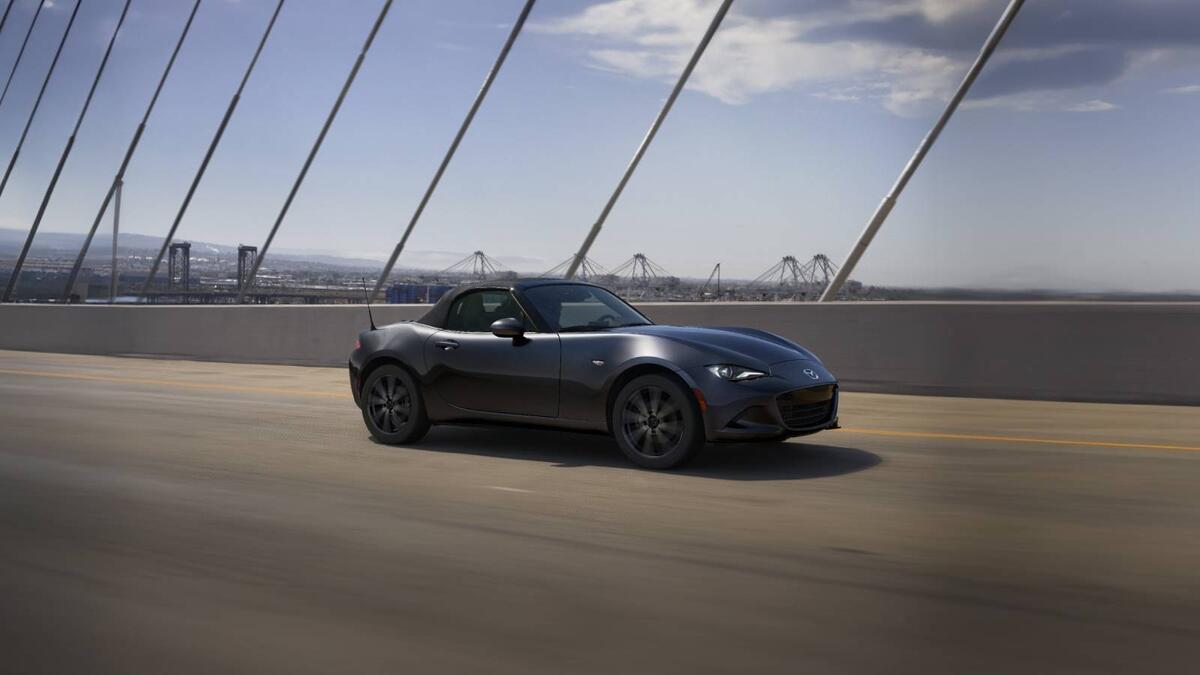
Mazda MX-5 / Miata
"...e OEM cars, whatever the get a so you g you got a Miata, you got the the Hummer the Wrangler Nicole Wakel..."
The Miata is a small two-seat convertible made by Mazda. It’s built to be fun to drive and easy to maneuver. Like most cars, its wheels use bearings that can wear out with age and mileage.
The Mazda MX-5 (Miata) is a small, lightweight two-seat roadster known for responsive handling and an engaging driving feel. It often comes up in conversations about “fun per dollar” because it’s relatively simple and driver-focused. In a podcast about wheel bearings, it’s relevant because any car with frequent driving and road wear can develop bearing issues over time.

Jeep Wrangler
"...you g you got a Miata, you got the the Hummer the Wrangler Nicole Wakelin (01:58) There was a BMW isn't ther..."
The Wrangler is a Jeep SUV designed for off-road driving. It can handle rough terrain better than many regular cars. Because it often goes on bumpy roads, the parts that support the wheels—like wheel bearings—can wear out faster.
The Jeep Wrangler is a rugged off-road SUV built for trail use, with a body-and-frame design and strong ground clearance. It’s frequently discussed because its wheel and suspension components see heavy stress from rough roads. That makes it a common candidate for wheel-bearing wear topics.

Mustang Mach E GT
"I drove the Mustang Mach E GT. and there so the Mustang Mach E GT is a very fun car to drive. but it was also very like for every like really cool thing about the Mustang GT Mach E GT, there's something just weird or infuriating."
The Ford Mustang Mach-E GT is an electric SUV. The host is talking about how you change driving settings (“drive modes”) and how the car makes you use the screen instead of simple buttons.
The Ford Mustang Mach-E GT is an electric SUV inspired by the Mustang name, but it’s built around an EV powertrain instead of a traditional internal-combustion engine. In this segment, the hosts focus on how its drive-mode controls are implemented—specifically how you have to use the screen rather than a dedicated physical button.

Ford Mustang GTD
"...y like for every like really cool thing about the Mustang GT Mach E GT, there's something just weird or infuri..."
The Mustang GTD is a high-performance version of the Ford Mustang. It’s built to be faster and more focused on driving performance. If you drive it hard or put a lot of load on it, parts like wheel bearings can wear out sooner.
The Ford Mustang GTD is a high-performance, track-oriented variant of the Mustang lineup, designed to deliver more extreme performance than standard trims. The podcast context suggests it’s being discussed for how it feels and how certain features can be frustrating. In a wheel-bearing episode, performance-focused cars are relevant because higher loads and spirited driving can accelerate wear on wheel-related components.
drive modes
"Don't like the fact that I gotta go into the screen to change the drive modes though. You gotta hit the but there's a p little picture of the car, so it's like one button to get to that screen."
Drive modes are different settings for how the car feels and responds. For example, one mode might make it more responsive or more relaxed, and the host is saying this car makes you do extra steps to change them.
“Drive modes” are selectable settings that change how an EV or performance car behaves—commonly throttle response, steering feel, traction/stability behavior, and sometimes regenerative braking. The host’s complaint is that the Mach-E GT requires extra screen navigation to reach them.

Ford Mustang
"[396.5s] ...they want it to be an SUV. They don't want to to fight too much with the Mustang, the the the sedan, or the coupe, if you if it's the two door."
The Ford Mustang is Ford’s iconic sports coupe/convertible line, and in this context it’s used as a comparison point for body style and market positioning. The host contrasts the Mach-E’s two-door variant with the Mustang’s sedan/coupe alternatives, implying Ford’s product strategy around different silhouettes.

Ford Mach-E
"[477.8s] so for for model year twenty six, they they finally replaced the HVAC system in the Mach E with a heat pump system and a apparently it it takes up more room in the front. So they took that space away from the frunk. So the frunk is now like half the size it was, half the volume it was."
The Ford Mach-E is an electric Ford crossover. The host is saying that for a newer model year, Ford changed the heating system to a heat pump, and that change takes up space in the front—so the front storage area (the frunk) got smaller.
The Ford Mach-E is Ford’s electric crossover that uses an HVAC system layout that can affect packaging. In this segment, the host discusses a model-year change where the Mach-E’s HVAC was replaced with a heat pump, which takes up front space and reduces the size of the front trunk (frunk).
heat pump HVAC system
"[477.8s] so for for model year twenty six, they they finally replaced the HVAC system in the Mach E with a heat pump system and a apparently it it takes up more room in the front."
A heat pump is a heating system that transfers heat instead of just making it. In an electric car, it can be more efficient, but it may take up space and affect how much room you have in the front storage area.
A heat pump system is an HVAC technology that moves heat rather than generating it from scratch. On an EV like the Ford Mach-E, switching to a heat pump can improve efficiency in moderate temperatures, but it can also change packaging and reduce space for other components like the frunk.
CCS charging
"[579.0s] Roberto Baldwin (07:07) ...this one still has C C S. It still has, you know, C C S charging, which fine, whatever, that's not a big deal. it only charges up to hundred and fifty kilowatts..."
CCS charging is the standard fast-charging plug many EVs use. The host is saying this car can fast-charge, but its top charging speed is 150 kW, which feels slower compared with newer EVs that can charge faster.
CCS charging refers to the Combined Charging System, the common plug standard used for DC fast charging in many regions. The host notes the Mach-E still supports CCS charging, but with a maximum charging power of 150 kW, which they feel is less competitive as other EVs reach higher peak rates.
150 kilowatts
"[579.0s] ...it only charges up to hundred and fifty kilowatts, which I feel like they [609.0s] Could have up I don't know, they could have done something."
150 kilowatts is how fast the car can charge at a fast charger at its best. The host feels that 150 kW doesn’t impress as much anymore because some newer EVs can charge faster.
150 kilowatts (150 kW) is a measure of peak DC fast-charging power. In this segment, the host argues that while 150 kW was impressive at launch, it’s harder to justify now that other EVs can charge at higher rates (they mention 200 kW).

Ford E Transit
"[637.1s] ...with the Mach E, the Lightning, the E Transit, is they were all you know, pretty solid when they launched, but they they did literally nothing with them for the next four or five years."
The Ford E-Transit is Ford’s electric version of the Transit van platform. In this segment, it’s mentioned as part of Ford’s early EV lineup that the host says didn’t get continuous improvement after launch.

Toyota bZ4X
"[637.1s] ...I mean look at what Toyota did with the B Z four X and you know, and the Soltera."
The Toyota bZ4X is Toyota’s battery-electric crossover, referenced here as a contrast to Ford’s early EV strategy. The host credits Toyota with ongoing improvement over time, using the bZ4X as an example of “continuous improvement.”
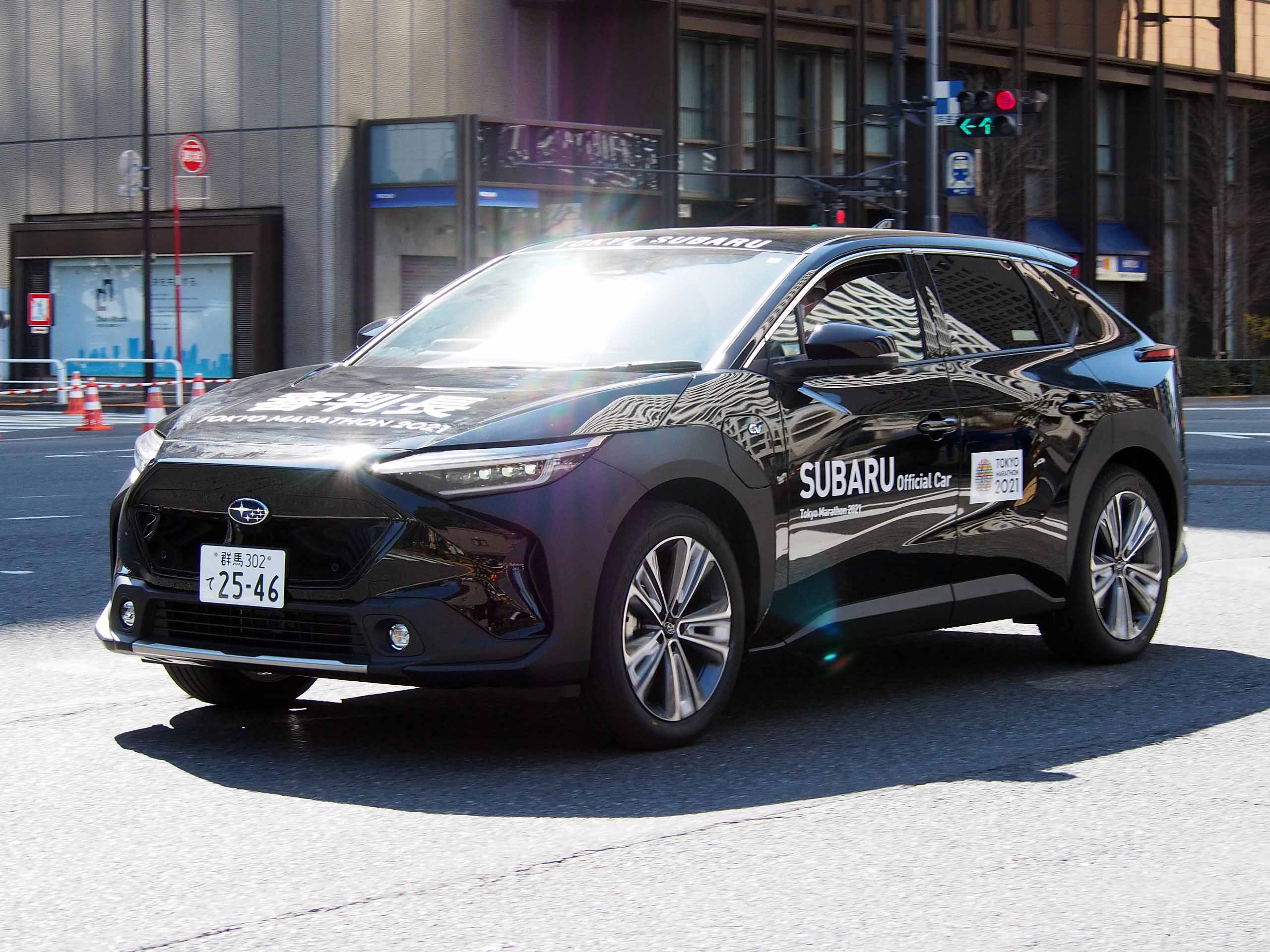
Solterra Soltera
"...ota did with the B Z four X and you know, and the Soltera. Roberto Baldwin (08:06) Yeah. I like the mo it's..."
The Solterra is an electric SUV. It’s made for everyday driving, just like other SUVs, but it runs on electricity. It still has wheel bearings that can wear out as you drive more.
The Solterra is an electric SUV model associated with Toyota’s EV lineup, discussed in the context of other EVs and comparisons. The podcast mention suggests it’s part of a broader conversation about EV choices and driving needs. Wheel bearings can still be a maintenance topic on EV SUVs because they’re used like any other vehicle and experience road impacts.
four hundred volt electrical systems
"that's on cars with four hundred volt electrical systems like the Maquis. They're doing two hundred kilowatts."
This means the car’s battery and electronics run on about 400 volts. That can make the car move and charge power more efficiently, which often helps with faster charging.
A “400-volt” electrical system refers to the voltage level used by an EV’s high-voltage battery and power electronics. Higher system voltage can reduce current for the same power, which helps enable faster charging and more efficient power delivery.
two hundred kilowatts
"They're doing two hundred kilowatts. two hundred. They're they're they're maxing it out."
Kilowatts are a measure of how much charging power the charger can deliver. “Two hundred kilowatts” means the car can potentially charge pretty quickly when conditions are right.
Kilowatts (kW) measure charging power. When the host says “two hundred kilowatts,” they’re talking about how fast the EV can accept energy from a fast charger under ideal conditions.

Volkswagen Id Buzz
"...e they're they're maxing it out. I mean if if the ID buzz, which we all were like, What? two hundred? Okay,..."
The ID. Buzz is an electric van made by Volkswagen. It’s meant to be a modern version of a classic-style van. Even though it’s electric, it still has wheel bearings that can wear out over time.
The Volkswagen ID. Buzz is an all-electric van that’s designed to combine the classic van shape with modern EV technology. It’s discussed because people are reacting to its size and concept as an electric vehicle. For wheel-bearing topics, any EV van with frequent use and heavier curb weight can still experience bearing wear like other vehicles.
eight hundred volts
"I mean if if the ID buzz... they need to do eight hundred volts or the real or the the prices for the used ones need to go down."
Some EVs use a higher-voltage battery system, like 800 volts instead of 400. That can help the car charge faster because the electrical system can handle power more efficiently.
“800 volts” refers to a higher-voltage EV architecture than the more common 400-volt systems. Higher voltage can allow faster charging with lower current, which can reduce heat and improve charging performance—especially on high-power chargers.
AC charging
"it had you know AC charging, eleven kilowatts. that's great."
AC charging is the common kind of charging you might do at home or at many public stations. It usually takes longer than fast DC charging, because the car has to convert the power internally.
AC charging means charging the EV using alternating current, typically from home wall boxes or standard public chargers. Many EVs can also fast-charge on DC, but AC charging is usually slower and depends on the car’s onboard charger power.
eleven kilowatts
"it had you know AC charging, eleven kilowatts. that's great."
Eleven kilowatts is how strong the charging power is. On AC charging, more kilowatts usually means you can add energy faster, as long as both the station and the car support it.
“Eleven kilowatts” is the charging power level for AC charging in this context. Higher kW generally means faster charging on AC, limited by both the charger and the vehicle’s onboard charging hardware.

Ford Maverick
"Sam Abuelsamid... complaint about the mocky seats and they I think they have similar seat setup in the in the Maverick is they when you raise and lower the seat..."
The Ford Maverick is a small pickup truck. In this part of the show, they’re talking about how the seats adjust and how that affects your driving position.
The Ford Maverick is a compact pickup known for its practical size and available hybrid powertrain. Here, it’s brought up because the host compares seat adjustment behavior and how the seat moves when raised or lowered.
torque vectoring
"So maybe they've done that or they've adjusted the the the torque vectoring in that instance. So the it it doesn't matter..."
Torque vectoring is a system that helps control how power is split to the wheels. The goal is to make the car feel more stable and predictable when accelerating or changing direction.
Torque vectoring is a drivetrain control strategy that varies how much torque is sent to individual wheels to improve traction and handling. In this segment, it’s mentioned as something Ford may have adjusted to change how the car behaves during stop-and-go driving.
will clearance
"Yeah, I need to know like what's the what's the the the you know the the will clearance on a your or the the clearance on a car..."
Wheel clearance is how much space there is around your tires. If you add bigger wheels or tires and clearance is too tight, the tire can rub and cause problems.
“Wheel clearance” is the space between the wheel/tire and nearby body or suspension components. It matters for fitment when you change wheels or tires, because insufficient clearance can cause rubbing.
wireless charging pad
"So anyway, it had a wireless charging pad, which I know people love. it's got rubberized, it's got little edges, so that's nice."
A wireless charging pad is an in-car surface that charges a compatible smartphone without plugging in a cable. It typically uses inductive charging and is often paired with a specific phone position or tray.
regenerative braking
"phone has a key, regenerative braking, blah blah blah. yeah, that's the Mustang Maki. It's a fun card to drive."
Regenerative braking is an EV feature where slowing down helps recharge the battery. It recovers some energy that would normally be lost as heat.
Regenerative braking is how an EV slows down while turning some of the vehicle’s motion back into electricity to recharge the battery. Instead of wasting that energy as heat like traditional brakes, the motor helps slow the car and recovers energy.

Tesla Cybertruck
"...s it's I feel yeah, I feel like Ford Ford saw the Cybertruck and were like, Yeah, crazy with the F one fifty. ..."
The Cybertruck is an electric pickup truck made by Tesla. It uses electricity instead of gasoline. Even though it’s electric, it still has wheel bearings that can wear out like on any car.
The Tesla Cybertruck is an all-electric pickup designed around a distinctive angular body and a focus on EV performance and utility. It’s discussed because it’s a high-profile EV truck that changes how people think about pickup ownership. In a wheel-bearing context, any vehicle with high weight, large wheels, and frequent use can still develop bearing wear.

Chevrolet Silverado EV
"GM did sell a lot more of those to a lot more of the Silverado EV work trucks, to fleets."
The Chevrolet Silverado EV is GM’s electric version of the Silverado pickup. The hosts mention it because they say GM has had more fleet sales with electric work trucks.
The Chevrolet Silverado EV is GM’s electric pickup aimed at both consumer and commercial buyers. Here it’s mentioned as a contrast to the Ford F-150 Lightning, with the claim that GM sold more EV work trucks to fleets.
10-speed automatic transmission
"okay. Well, I I had the twenty twenty twenty twenty twenty six Ford F one fifty let's see, four by four super crew Lariat power boost with ten speed automatic transmission."
This truck uses a 10-speed automatic gearbox. More gears can help the engine run in a better “sweet spot,” which can make the truck smoother and sometimes more efficient.
A 10-speed automatic transmission has ten forward gear ratios, letting the engine stay closer to its most efficient or most powerful operating range. More gears can improve both acceleration feel and fuel economy, especially in stop-and-go or highway cruising.

Ford F
"... I had the twenty twenty twenty twenty twenty six Ford F one fifty let's see, four by four super crew Lari..."
The F-100 is a pickup truck model from Ford. It’s an older truck compared with many modern pickups. Like other trucks, its wheel bearings can wear out as the vehicle ages and gets driven.
The Ford F-100 is a classic pickup model name used on earlier generations of Ford trucks. The podcast mention appears to be part of a lineup of trucks, which matters because older trucks can have different wear patterns and service access compared with newer vehicles. In wheel-bearing discussions, vintage trucks are often relevant due to age-related component wear.
PowerBoost
"Yeah, my my wife saw it and said, Yeah, yeah, well it's too bad it's black. Wish it was another color. It's like, well no, actually look look, stand over here and see the sun hitting those angles. And and you'll see it's it is in fact blue. it so anyway, you know, the power boost, that's that's Ford's truck hybrid system."
PowerBoost is Ford’s hybrid system for this truck. It pairs a gas engine with an electric motor, so the truck can feel strong and sometimes get better fuel economy than a non-hybrid.
PowerBoost is Ford’s hybrid system for the F-150, combining a gasoline engine with an electric motor to improve efficiency and provide strong low-end torque. In practice, it changes how the truck delivers power and can help with towing and everyday driving.
high output EcoBoost
"so they have the three point five liter high output eco boost four hundred and fifty horsepower only five hundred and ten foot pounds of torque."
EcoBoost is Ford’s turbo gas engine. “High output” means it’s tuned to make more power than the standard versions.
EcoBoost is Ford’s turbocharged gasoline engine family, and “high output” indicates a more powerful calibration and/or configuration than the base versions. In this context, it’s the engine paired with the PowerBoost hybrid system.
crew cab
"it's you know, it's a crew cab, which is the way the vast, vast majority of F one fifties are sold now."
A crew cab is the pickup version with four doors. It’s usually the most practical choice because it lets people sit in the back seat too.
A crew cab is a pickup cab configuration with four full-size doors, allowing rear-seat access for passengers. It’s popular because it’s more practical for families and everyday use compared with single-cab or extended-cab layouts.
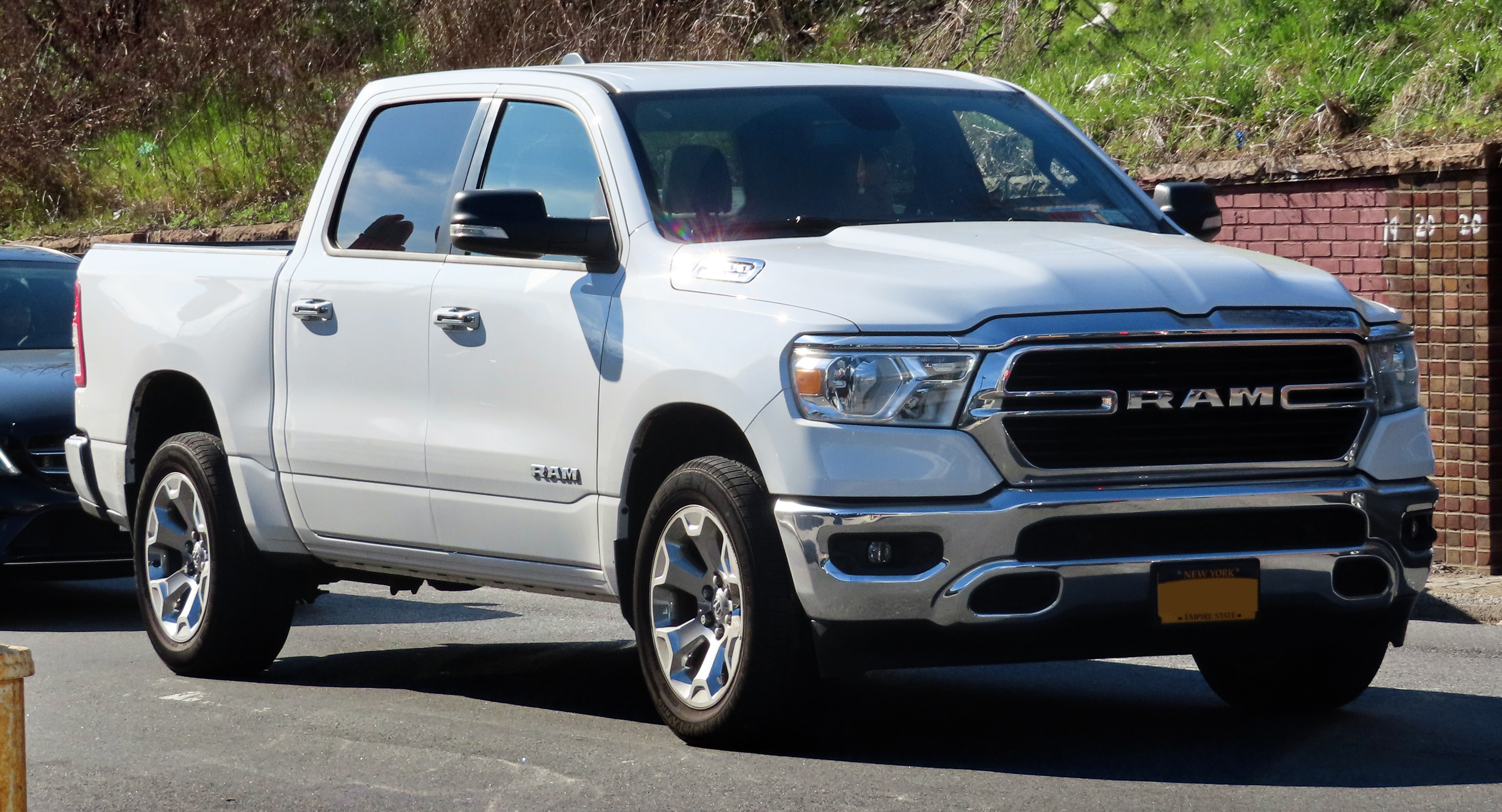
Ram 1500
"you know, when when we were at the unveiling of the Ram fifteen hundred Ramble rumble bees back in May. Yeah it was May. you know Tim Coniskus talked about, you know"
The Ram 1500 is another popular big pickup. They’re comparing how Ram sells different cab styles and how the regular cab option has largely disappeared.
The Ram 1500 is a full-size pickup that’s being referenced as a comparison point for cab configurations and how buyers choose between regular cab, extended cab, and crew cab. The host notes that Ram has moved away from offering the regular cab version.
single cab
"Tim Coniskus talked about, you know Tim Coniskus talked about, you know why they didn't do a regular cab version of the Rumble Bee like they like they've done in the past... Nobody buys nobody buys the single cabs, the regular cabs."
A single cab is the pickup setup with only two doors. It’s simpler and more focused on the front seats and the bed, but fewer people choose it today.
A single cab (in pickup terms) is a configuration with only two doors and no rear-seat doors, prioritizing cargo space and a simpler layout. The host discusses how fewer buyers choose it for enthusiast or mainstream use compared with crew cabs.
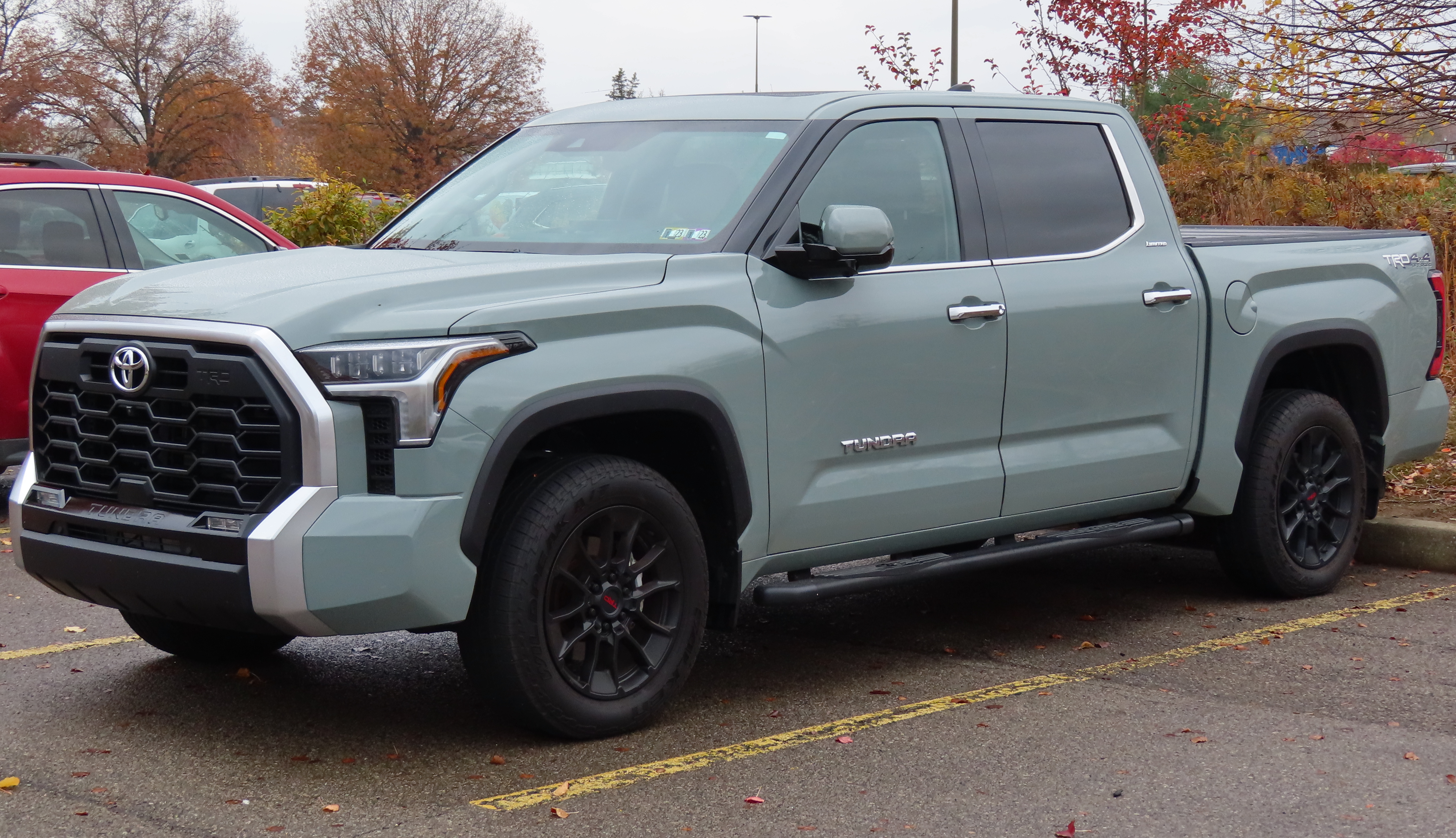
Toyota Tundra
"Lots of power in this thing. yeah. Unlike the the Tundra, which is, you know, similar sized vehicle, similar output. I think the Tundra has slightly more power, and a little bit less torque, but it also weighs like nine hundred pounds more than an F one fifty."
The Toyota Tundra is another big pickup truck that people compare to the Ford F-150. Here, they’re talking about how its power and weight compare.
The Toyota Tundra is a full-size pickup often compared directly with the Ford F-150. In this segment, it’s used as a benchmark for power/torque feel and for how much the truck weighs due to its construction choices.

Lucid Air
"...ek, with a lot of highway driving. and, you know, air conditioning turned on because it was hot, or ver..."
The Lucid Air is an electric luxury sedan. It’s designed for comfortable driving, including on highways. Like any car, it has wheel bearings that can eventually wear out.
The Lucid Air is an electric luxury sedan designed for long-range highway driving and comfort. It’s brought up in the context of using features like air conditioning during hot weather, which fits how EV owners experience daily use. Even with advanced EV packaging, wheel bearings are still standard wear components that can develop noise over time.
hard trifold tonneau cover
"This one had the same type of hard trifold tonneau cover on it that was on the Maverick that I was driving last week, which is quite expensive. It's like fourteen hundred dollars."
A hard trifold tonneau cover is a rigid cover for the truck bed that folds in three sections. It helps keep stuff protected, and it can cost a lot more than basic covers.
A hard trifold tonneau cover is a rigid bed cover made of three hinged sections that fold up and stack. It helps protect cargo from weather and theft, and it can be more expensive and complex than simpler soft covers.
FX4 package
"this one this one also had the the FX4 package. So it's a four by four, had the FX4 package, which gets you some little more all terrainy tires, and some skid plates on the bottom."
FX4 is an off-road option package for the F-150. It usually adds tougher tires and protection underneath so the truck can handle dirt roads and rough terrain better.
The FX4 package is Ford’s off-road-oriented option for the F-150. It typically adds elements like more all-terrain tire choices and underbody protection (such as skid plates) to better handle rough roads.
skid plates
"this one this one also had the the FX4 package. So it's a four by four, had the FX4 package, which gets you some little more all terrainy tires, and some skid plates on the bottom."
Skid plates are metal or tough panels under the truck. They help protect important parts if you hit bumps, rocks, or rough ground.
Skid plates are protective panels mounted under a vehicle to shield vulnerable components from impacts with rocks, curbs, or uneven ground. They’re common on off-road packages because they reduce the chance of expensive underbody damage.
bed utility package
"it had the bed utility package with a whole bunch of tie down stuff, which is like eighteen hundred and forty five dollars."
The bed utility package adds extra features in the truck bed to help you haul stuff. It’s mainly about making it easier to tie down cargo safely.
The bed utility package is an F-150 option focused on making the truck bed more usable for hauling and securing cargo. It adds features like tie-down points and related hardware so you can strap things down more easily.
Pro Access tailgate
"it had the pro access tailgate, which is that new tailgate they launched a couple of years ago, where the middle half, so it's split, you know, a quarter, half, a quarter."
The Pro Access tailgate is a special tailgate design that can open in sections. That means you can reach into the bed without lowering the whole tailgate—handy when you’re towing.
The Pro Access tailgate is Ford’s split-tailgate design that lets you open only part of the tailgate while still accessing the bed. It’s designed to make it easier to reach cargo without fully dropping the tailgate, especially when a trailer is attached.
power tailgate
"And by the way, it's a power tailgate. So you press the button and it slowly lowers down. And when you want to close the tailgate, just kind of give it a little tap from underneath and it lifts itself up and closes it."
A power tailgate opens and closes automatically with a button. It’s more convenient than lifting it by hand, but it has extra electronics and parts.
A power tailgate is an electrically assisted tailgate that can open and close with a button rather than manual lifting. It can be convenient, but it also adds moving parts and motors that you’d want to keep working properly.
BlueCruise
"this one also had Blue Cruise on it. so I was doing my usual testing 'cause it the F one fifty doesn't yet have the latest version, the latest version one point five of Blue Cruise that's on the Mach E."
BlueCruise is Ford’s driver-assist feature that can help with steering while you’re driving. Here they’re saying newer software can do more things automatically, like lane changes.
BlueCruise is Ford’s hands-free driver-assistance system that can steer in supported conditions. In this segment, they compare BlueCruise software versions (1.4 vs 1.5) and describe differences like whether lane changes happen automatically.
Ford Mach-E
"this one also had Blue Cruise on it. so I was doing my usual testing 'cause it the F one fifty doesn't yet have the latest version, the latest version one point five of Blue Cruise that's on the Mach E. it's the some of the newer F one fifties like this one have version one point four."
The Ford Mustang Mach-E is Ford’s electric SUV. They mention it because it has a newer version of the same driver-assist system they’re testing on the F-150.
The Ford Mustang Mach-E is Ford’s electric crossover, and it’s mentioned here as the reference point for the newest BlueCruise software version. The hosts use it to explain that newer vehicles may have more capable hands-free and lane-changing behavior than older ones.
OTA update
"Some of the older ones still haven't gotten updated to one point four. Ford just announced I think this past week that they're actually gonna start shipping out an OTA update for some older F one fifties to bring them up to one point four."
An OTA update is a software update that gets sent to your car wirelessly. Instead of going to a shop, the car can get new features or improvements over the internet.
An OTA (over-the-air) update is a software update delivered wirelessly to the vehicle. The hosts say Ford will ship OTA updates to older F-150s to bring BlueCruise up to a newer version.
lane changing
"It'll do lane changing when you tap the turn signal stock, but it it won't do a lane change on its own, which is something that's in one point five."
Lane changing is when the car moves into another lane. They’re saying some versions only do it when you signal, while newer versions can do it on their own.
Lane changing refers to the driver-assist system’s ability to move the car into an adjacent lane. The segment distinguishes between lane changes triggered by the turn signal versus lane changes that happen automatically.
payload
"so payload on this thing, seventeen hundred and forty pounds. For reference, that little maverick I had last week, fifteen hundred pound payload."
Payload is how much stuff (people and cargo) the truck can carry. They compare payload numbers between two Ford trucks to show the difference in capacity.
Payload is the maximum weight the vehicle can carry in addition to the vehicle’s own weight (passengers, cargo, and gear). They compare the F-150’s payload to a smaller Maverick to show how much extra weight capacity you gain.
Monroni
"Total total price on the Monroni on this thing, which is not the price you would pay now if you went to the dealer and ordered one of these, but the price on the Monroni is eighty two thousand two hundred and ten dollars."
The Monroney is the sticker on a car that shows the official price breakdown. They’re using it to talk about the truck’s listed price and fees.
The Monroney (often misspoken as “Monroni”) refers to the window sticker that lists a car’s official pricing details. In this segment, they use it to discuss the truck’s listed price versus what you might pay by ordering today.
destination fee
"So nineteen thousand dollars in in options and destination fees. Wanna take a guess at the destination fee listed on the Monroni?"
A destination fee is the extra cost to ship the car to the dealership. It’s part of the final price you see when you add up options and fees.
A destination fee is the charge added to a vehicle’s price to cover shipping the car from the factory to the dealer. The hosts break down the truck’s total price and estimate the destination fee on the Monroney (Monroney/Monroney sticker).
power export feature
"those are not gonna have any kind of power export feature, which, you know, I thought was kinda nuts..."
This means the vehicle can provide electricity to the outside world. So you can plug in and run tools or devices from outlets on the truck.
A “power export feature” is the truck’s ability to send electricity out through built-in outlets/inverters so you can run tools or appliances. It’s essentially the truck acting like a mobile power station.
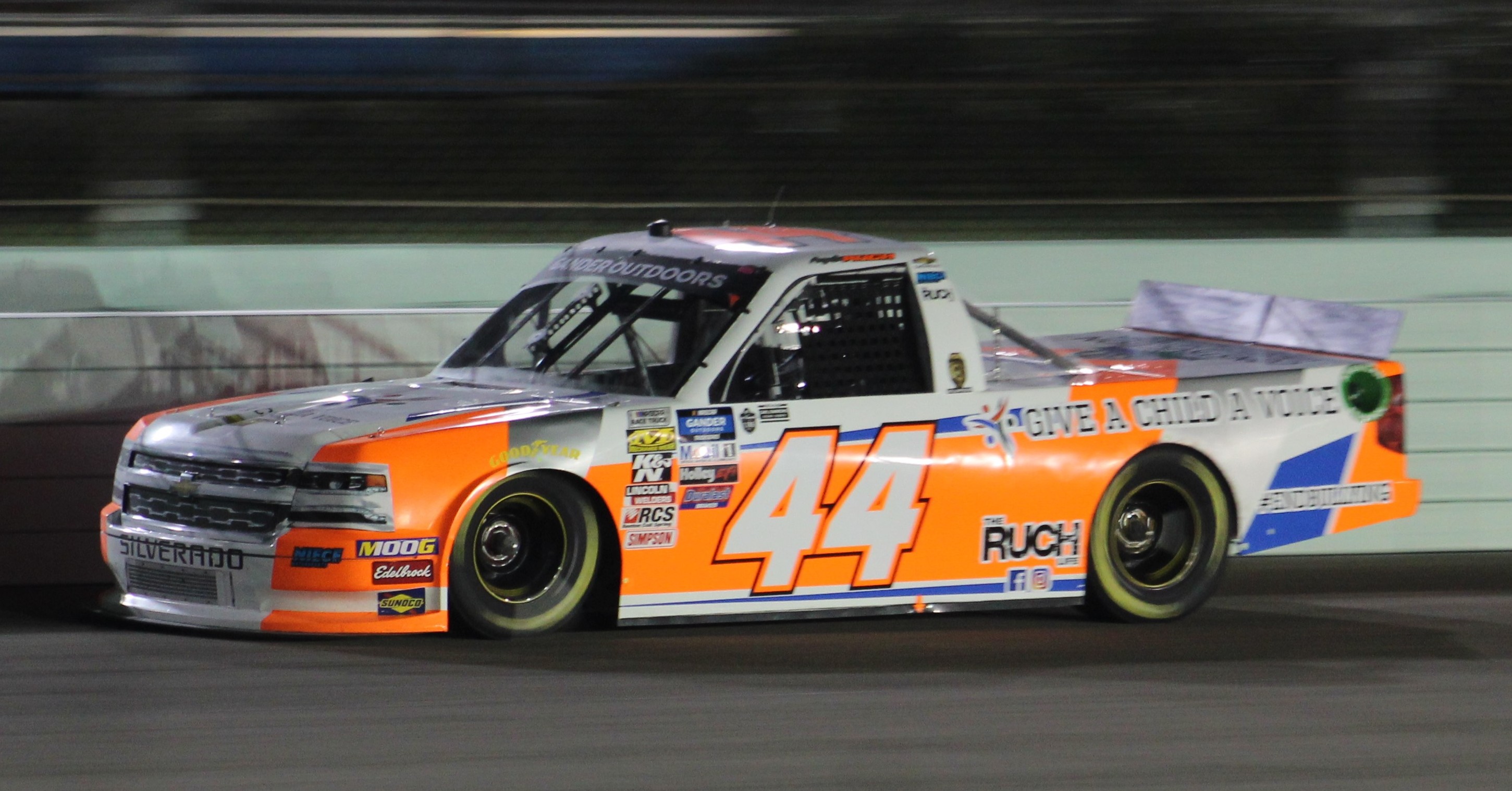
new Silverado and Sierra
"and that's that's one of the advantages and that's that's an advantage and that's they're still gonna have over the new Silverado and Sierra that's launching this fall. you know, those are not gonna have any kind of power export feature..."
Silverado and Sierra are GM’s big pickup trucks. They’re talking about whether the newer ones will let you plug in and power tools like the electric versions can.
The Chevrolet Silverado and GMC Sierra are GM’s full-size pickup trucks, and the hosts are discussing upcoming “power export” capabilities (or lack of them) on the new versions. The key point is whether gas trucks will offer outlets comparable to GM’s electric trucks.

F one fifty Lightning
"I hooked up a saw to the F one fifty E Transit. And for the F one fifty Lightning, we did a review of it a couple of years ago..."
The Ford F-150 Lightning is Ford’s electric version of the F-150 pickup. The big deal is that it can power things like tools using outlets built into the truck.
The Ford F-150 Lightning is Ford’s all-electric pickup truck, known for offering “power export” so you can run tools and appliances from outlets built into the truck. Here it’s being compared directly to the E-Transit’s onboard power capability and output levels.
ten speed
"One one other detail about this truck, the the ten speed with the the hybrid system in there. at low speeds sometimes when you're maneuvering..."
“Ten speed” means the truck has a gearbox with ten gear ratios. That can affect how smooth it feels when the truck switches between electric and hybrid driving.
A “ten speed” refers to a multi-gear transmission used to keep the drivetrain operating in an efficient range. In hybrid/electric applications, the gearbox can contribute to how smoothly the truck transitions between modes at low speed.
hybrid mode
"when it's engaging, when it's going between electric and hybrid mode. You can you can feel the clutch, you know, engaging..."
“Hybrid mode” is when the vehicle is using its hybrid setup—electric power and another power source together. They’re saying the switch between modes can feel a little jerky at low speeds.
“Hybrid mode” is the operating state where the vehicle uses its hybrid system (typically combining an electric motor and an engine) to move the car. The hosts describe a noticeable feel when the truck switches between electric operation and hybrid operation.
clutch
"You can you can feel the clutch, you know, engaging and so not always the smoothest transition between hybrid and and electric mode."
A clutch is a connection inside the drivetrain that helps the vehicle switch power delivery. If it engages abruptly, you can feel it as a shift or bump.
A “clutch” is a mechanical device that connects and disconnects rotating components in a drivetrain. In hybrids, clutch engagement can be felt as a transition when the vehicle changes how it’s powering the wheels.
auto leveling
"when we had the Rivian R two when it has the auto leveling, so if you're camping it or when we sorry we auto leveled it so many times that we we wore out we overheated the whole system."
Auto leveling is a feature that helps a vehicle sit level when the ground isn’t flat. They’re saying if you use it too many times back-to-back, the system can overheat and limit how fast you can drive.
“Auto leveling” is an automated system (commonly on camper-style vehicles) that adjusts the vehicle’s stance to level it on uneven ground. The host says repeated auto-leveling can overheat the system and trigger a cooldown limit.
cookie table
"and it also has a cookie table. ... it folds down so you can get the cookie table. press press a button, folds itself down into the console, then you fold out the cookie table."
They’re talking about a fold-out table in the back seat area. You press a button and it folds down into the console, then you unfold it when you want it.
A “cookie table” here refers to a fold-out table feature in the vehicle’s rear seating area. The host describes it as folding down into the console and then unfolding for use.
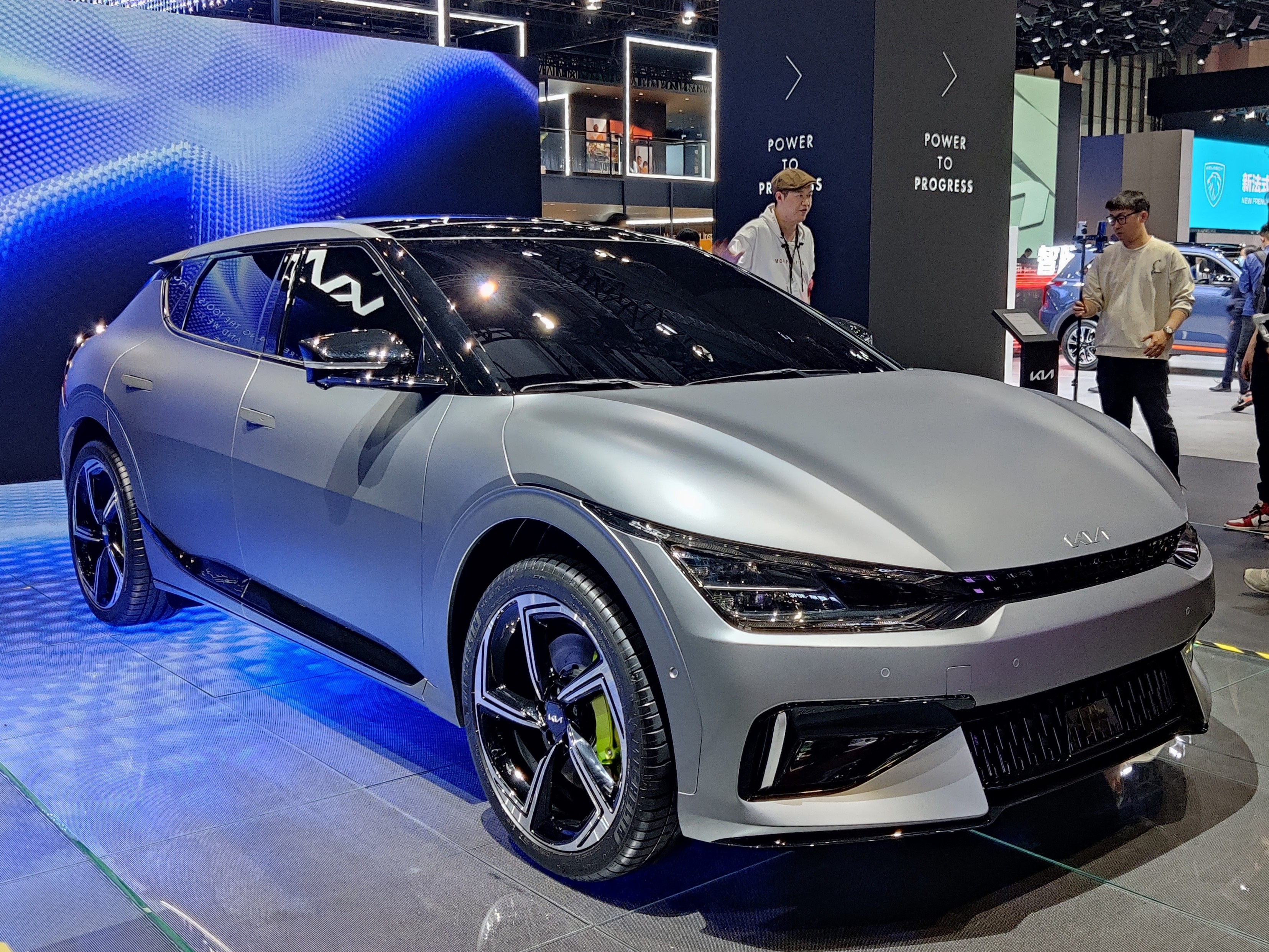
EV6
"Yeah, some sometimes in E Vs like like like like in our our E V six, yeah. Because it's so quiet. I yeah, and you know, some EVs you drive, they don't have a stop start button."
The EV6 is an electric Kia. Because it’s electric, it can feel different from a gas car—there may not be a typical “start/stop” button, and you have to shut it down the right way. The host is describing how the car can stay “on” if you forget the off step.
The EV6 is Kia’s electric vehicle, and it’s known for being very quiet at low speeds. In this segment, the host points out that some EVs (like the EV6) don’t use a traditional stop/start button, so shutting down and putting the car in the right state can feel different than on older automatics.
Start Inhibit
"so Ford has has a new patent that called Start for something called they're calling Start Inhibit."
Start Inhibit is a safety/anti-theft feature that stops the car from starting. The idea here is that an app can “lock out” starting, even if someone gets into the car with the key.
Start Inhibit is a feature that prevents the vehicle from starting. In this segment, Ford’s patent is described as using the FordPass app to disable starting even if someone has physical access to the key.
Ford Pass app
"But what it does is it allows you to use your Ford Pass app as an inhibitor to prevent the car from starting."
FordPass is Ford’s phone app for your car. In this case, it’s used to control whether the car is allowed to start.
FordPass is Ford’s connected-car app used to control and monitor certain vehicle functions remotely. Here, it’s specifically tied to the Start Inhibit concept, where the app can disable starting.
remote
"So you have to go in and you can go in and you you... that person can turn off your car remotely."
Here, “remote” means controlling the car from far away using a connection (like the internet). The worry is that if the wrong person has access, they might be able to shut the car down without touching it.
In this context, “remote” refers to controlling the vehicle over a network connection rather than physically interacting with the car. The host’s concern is that if someone has access to the account or connectivity controls, they could potentially stop the car remotely.
network connection
"there is a way to turn off the network connection, but the person who is in this relationship typically they're it's a high stress situation"
A network connection is the vehicle’s ability to communicate with external systems (typically via cellular/Wi‑Fi) for app control and telematics. The segment discusses disabling that connection as a way to prevent remote control—framing it as a potential workaround for someone trying to avoid being stopped.

Hyundai Kona
"we bought a what did we buy? I don't know. We bought a Kona EV. And they're like, we have a tracker in the car."
The Kona EV is Hyundai’s electric version of the Kona. The host is sharing their experience with a tracking feature on their car and why they didn’t want to pay extra for it.
The Kona EV is Hyundai’s all-electric version of the Kona crossover. The host uses it as a real-world example of connected-car features like tracking/telematics and how they relate to insurance and privacy concerns.
tracker
"And they're like, we have a tracker in the car. I'm like, I'm not paying for that."
A tracker is a feature that can report where your car is. The host is saying they were offered extra tracking, but the car’s own app already lets you see the location.
A tracker in a modern car usually means telematics hardware/software that can report the vehicle’s location to an app or service. In this segment, the host discusses being offered a tracker and notes that the Hyundai app can already show where the car is.
Hyundai app
"And that also the Hyundai app also tracks the car. We'll tell you where the car's at if you really want to know."
Hyundai’s app is the phone app for your Hyundai. The host is saying you can already check the car’s location through the app, so they didn’t see the need to pay extra.
Hyundai’s connected-car app is used to monitor and control certain vehicle functions, including location tracking. Here, the host contrasts paying for an added tracker versus using the app to see where the Kona EV is.

Chevrolet Tracker
"...car. It's not worth millions that I need to put a tracker on it. And that also the Hyundai app also tracks ..."
The Tracker is a small SUV made by Chevrolet. It’s meant for practical everyday driving. Like other vehicles, it has wheel bearings that can wear out with age and mileage.
The Chevrolet Tracker is a compact SUV, typically used as a practical, smaller alternative in the SUV lineup. The podcast mention is about tracking the vehicle, which points to how owners may use apps or devices for monitoring. Wheel bearings can still wear out normally on compact SUVs, especially with lots of city miles and potholes.
stolen vehicle recovery
"GM launched this in OnStar in two thousand eight. You know, the stolen vehicle recovery where if your car is stolen, you can, you know, call the cops and say, Hey, my car's stolen and then call OnStar and they can basically shut down the car remotely."
This is a feature meant to help when a car gets stolen. It can alert the right people and, in some systems, can even help stop the car from being driven remotely.
Stolen vehicle recovery is a service that helps locate and recover a stolen car. In this context, it’s tied to a telematics system that can contact authorities and even disable the vehicle remotely.
OnStar
"GM launched this in OnStar in two thousand eight. You know, the stolen vehicle recovery where if your car is stolen, you can, you know, call the cops..."
OnStar is a GM system that connects your car to help services. It can call for help and, in some cases, help with things like stolen-car response.
OnStar is General Motors’ telematics and connected-services platform. It can provide features like emergency assistance and, as mentioned here, stolen-vehicle recovery with remote vehicle actions.

BMW M340I
"... I have bought, purchased, it's being made, a BMW M340i X Drive. So I have this 40 little BMW stay, and I..."
The 3 Series is a compact luxury car made by BMW. It’s designed to feel sporty and comfortable. Like other cars, it has wheel bearings that can wear out and cause noise or vibration.
The BMW 3 Series is a compact luxury sedan known for sporty handling and a wide range of powertrains and trims. The podcast context mentions the speaker’s ownership of a BMW 3 Series variant, which makes it a personal example of a common premium car. In a wheel-bearing episode, it’s relevant because luxury cars can show bearing wear symptoms clearly and may cost more to repair.

BMW M340i X Drive
"I have chosen a vehicle. I am buying, I have bought, purchased, it's being made, a BMW M340i X Drive."
The BMW M340i X Drive is a sporty BMW sedan with all-wheel drive. It’s meant to feel fast and planted in everyday driving, not just on a track.
The BMW M340i X Drive is a performance-oriented 3 Series variant from BMW, built around a strong turbocharged inline-six and BMW’s xDrive all-wheel-drive system. It’s the kind of “dailyable” sport sedan enthusiasts pick when they want quick acceleration and traction without going full track-only.
production
"it's gonna be a little bit 'cause they're actually like taking one in production and giving me exactly the color and exactly the things that I want."
“Production” here means the factory is building your exact car. They’re talking about how long it will take before it’s finished and ready to ship.
In a car-order context, “production” refers to when the factory actually builds your specific vehicle. The speaker is using production timing to estimate when the car will be delivered.
Munich
"about doing the pickup in Munich and drive around and then"
Munich is a major city in Germany and a common reference point for BMW-related logistics and delivery. The speaker mentions picking up the car in Munich before it’s shipped to the U.S.
New England
"Exactly. I'll have it in time for fall to take it in a nice little drive through New England with the roof, little sunroof open, moon roof, whatever, and the cool fall weather and the leaves blowing around"
New England is a part of the northeastern United States. They’re just talking about where they want to drive with the roof open.
New England is a U.S. region the speaker mentions for a planned drive with the roof open. It’s relevant here mainly as the route/setting for the “sunroof/moonroof” experience.
moon roof
"And a moon roof is a glass panel. So you can see through it."
A moonroof is like a sunroof, but it’s made of glass. That means you can look up through it when it’s open or even when it’s closed, depending on the design.
A moonroof is a type of sunroof that uses a glass panel, so you can see through it. The key difference is that it’s designed to be transparent (glass), while a typical sunroof is an opaque panel.
sun roof
"strangely enough, typically a sunroof refers to a panel in your roof that can extr move back and open up, but it's a solid panel. And a moon roof is a glass panel."
A sunroof is a part of the car’s roof that can open so you get more light and fresh air. Usually it’s not meant to be a clear window the whole time—it's more like a panel that opens up.
A sunroof is a roof panel that can be opened to let in air and light. In many cars it’s an opaque panel (metal or fabric) that slides back, tilts up, or can be removed, rather than being fully glass.
Logan Airport
"And then if you're on the highest floors, you gotta go to a further elevator and then you still have to go up and there's the AA and KK and Logan Airport is the most complicated parking."
Logan Airport is an airport in Boston. They’re saying the parking there is complicated, so they use extra steps to remember where the car is.
Logan Airport is Boston’s main airport, referenced here as the location with especially confusing parking. The speaker uses it to explain how they remember where they parked.
Detroit Metro Airport
"usually I just leave the car at Quick Park, which is one of the park off off airport parking facilities here at Detroit Metro Airport"
Detroit Metro Airport is an airport near Detroit. They’re talking about parking and car swapping while traveling.
Detroit Metro Airport is referenced as the airport where the speaker uses an off-airport parking service. It’s part of the “how do you remember where you parked” conversation rather than a technical car topic.
Quick Park
"usually I just leave the car at Quick Park, which is one of the park off off airport parking facilities here at Detroit Metro Airport"
Quick Park is a parking service they use when they fly. They’re using it so they don’t have to remember complicated parking locations.
Quick Park is mentioned as an off-airport parking facility used by the speaker when traveling. It’s not a car brand, but it is a named service tied to how they manage parking and car access.
range extended option
"Sam Abuelsamid (54:03) That's there's somebody in my neighborhood that's got one. an orange one. so on the Autopian, somebody who writes there called the Bishop has an article. how it's titled, How I'd Redeem Volkswagen with a revived range extended thing. And"
A “range-extended” EV uses an additional energy source—typically a small engine/generator—to recharge the battery and extend driving range. It’s different from a pure battery-electric vehicle because it can keep going even when the battery is low.

revived VW thing
"Otto you know has some pretty cool renderings here of a revived VW thing. So for those that don't know what the thing was, it was i it was based on a Beetle, Beetle chassis."
They’re imagining bringing back the Volkswagen “Thing” but updated for modern times. The original was Beetle-based and had a rugged, odd-looking body—here they’re talking about making it electric.
The episode discusses reviving the Volkswagen Type 181 (“Thing”) using modern electric-vehicle concepts. They mention it was originally based on a Beetle chassis and had a corrugated-metal body, then speculate about an EV version.

Volkswagen Beetle
"...ow what the thing was, it was i it was based on a Beetle, Beetle chassis. Had kind of a corrugated metal b..."
The Volkswagen Beetle is a small car with a very recognizable shape. It’s an older design that many people still talk about. Over time, the wheel bearings on older cars can wear out and cause noise or vibration.
The Volkswagen Beetle is a classic compact car whose original design is closely associated with the brand’s early rear-engine layout. The podcast mentions it in the context of a specific chassis or construction detail, which can matter when discussing how components like wheel bearings are packaged and serviced. Older Beetles are also relevant because age and mileage increase the likelihood of bearing wear.
Beetle chassis
"So for those that don't know what the thing was, it was i it was based on a Beetle, Beetle chassis. Had kind of a corrugated metal body to it."
They mean the original “Thing” was built on the same basic platform as the Volkswagen Beetle. That platform is the car’s main structure and layout.
Saying the Type 181 was based on a “Beetle chassis” means its underlying structure and layout were derived from the Volkswagen Beetle platform. That matters because it explains why the “Thing” shares mechanical DNA with the Beetle.
corrugated metal body
"So for those that don't know what the thing was, it was i it was based on a Beetle, Beetle chassis. Had kind of a corrugated metal body to it."
Corrugated metal is sheet metal with a wavy/ridged shape. They’re describing the original “Thing” as having that kind of rugged, old-school body style.
A “corrugated metal body” uses ridged sheet metal instead of smooth panels. On vehicles like the Type 181, that look is part of the original’s rugged, utilitarian character and can also affect how the body is formed and stiffened.
E-REV
"and so the bishop, you know, gives a an idea of, you know, reviving the thing but doing it as an E Rev. and, you know, maybe it could be done using parts from Scout."
They’re using “E Rev” to mean an electric version of the revival idea. Basically, they’re talking about making the revived “Thing” run on electricity.
“E Rev” here is shorthand for an electric revival—an EV version of the revived Volkswagen Type 181 concept. The key idea is that the “Thing” would be reimagined with an electric powertrain rather than the original gasoline setup.
manual transmission
"That could work. Is it gonna have more than the forty six horsepower of the original and something a little more robust than a four speed manual?"
A four-speed manual is a car with a stick shift and four forward gears. You use the clutch to change gears, and it’s an older-style transmission.
A “four-speed manual” is a gearbox with four forward gears operated by a clutch and gear lever. The episode contrasts that older transmission with the idea of a more modern, robust setup for a revived EV-era vehicle.
Fiat Tapolino
"Yeah. so last week we talked about the Fiat Tapolino officially coming to the US market. and this week there was a story about a Barth possibly creating a their own version of the Tapolino."
The Fiat Tapolino is a very small two-seat car, and in this discussion it’s described as electric. It’s the kind of vehicle meant for short, easy driving.
The Fiat Tapolino is a tiny two-seat microcar concept that’s described here as electric. The episode frames it as a small, city-focused EV, then discusses other brands potentially making similar versions.
Barth
"and this week there was a story about a Barth possibly creating a their own version of the Tapolino. with a little more power."
They likely mean Abarth, which is Fiat’s performance brand. The idea here is that Abarth could make a more powerful version of the tiny Tapolino.
“Barth” appears to be a mis-transcription of Abarth, which is Fiat’s performance brand. In this segment, they’re talking about Abarth potentially building a hotter version of the Tapolino.
Abarth Topolino
"[4521.2s] and the this abarth topolino that they're saying might might get built. you know, kinda has the look of an abarth. but and and it has a higher top speed of all the way up to twenty five miles an hour."
Abarth is a performance brand, and the Topolino is a very small car concept. They’re talking about a version that could go faster than the basic one.
The Abarth Topolino is a tiny, city-focused car concept tied to Abarth’s small-car performance image. In this segment, they’re discussing a possible variant with a higher top speed than the base version.

4 Polestar Four
"... one of the things people complain about with the Polestar Four was the absence of a rear window, which was the l..."
horsepower
"[4718.2s] Sam Abuelsamid (1:01:46) ...and then there's a a company called Horse, which is a joint venture between Renault and Geely... and now that then they created a joint venture between those two called horse, horse powertrain."
Horse is a company formed by Renault and Geely to work on car technology. Here, they’re the ones behind a hybrid powertrain concept that uses a newer type of electric motor.
Horse is described as a joint venture between Renault and Geely focused on powertrain development. In this segment, Horse is credited with showing a new range-extender hybrid powertrain featuring an axial flux motor.
Axial flux motors
"[4744.6s] Sam Abuelsamid (1:02:14) all right, let's see. so I know one of the things people complain about with the Polestar Four was the absence of a rear window... [then] ...they have shown a a new range extender hybrid powertrain that is the first of this type to use an axial flux motor. so, you know, there are some vehicles on the road with axial flux motors, they're relatively new."
An axial flux motor is a type of electric motor. It’s designed so the motor can potentially fit more power into the same size compared with the more common motor layout.
An axial flux motor is an electric motor design where the magnetic flux travels parallel to the motor’s axis (as opposed to the more common radial layout). The segment claims Horse’s range-extender hybrid uses an axial flux motor and that it can be more power-dense than a radial flux motor of the same size.
range extender powertrain
"[4744.6s] Sam Abuelsamid (1:02:14) ...they created a joint venture between those two called horse, horse powertrain. And they have shown a a new range extender hybrid powertrain that is the first of this type to use an axial flux motor."
A range-extender hybrid is an electric car with a backup system that helps it go farther. When the battery runs low, the extra system kicks in to keep you moving.
A range extender hybrid powertrain is a hybrid setup where a secondary power source (often a small engine/generator) helps extend the vehicle’s driving range when the main battery is depleted. Here, they say Horse has shown a new range-extender hybrid that uses an axial flux motor.
radial flux motor
"[4836.6s] Acc according to Horse, the axial flux motor makes sixty three percent more power than a radial flux motor of the same size, meaning a total of a hundred and forty one horsepower, which is pretty good for for a hybrid."
A radial flux motor is a common kind of electric motor. They’re using it as a comparison point to argue that an axial flux motor can be more powerful for the same size.
A radial flux motor is the more common electric motor architecture where magnetic flux paths are arranged radially around the rotor. The hosts compare it to an axial flux motor, claiming axial flux can deliver more power for the same motor size.
Halo
"the big thing they changed functionally is the halos on the steering wheel. So the R one has these little rollers and then toggle switches"
“Halos” here are physical knobs/dials built into the steering wheel. They let you scroll menus and make selections with your thumbs, with feedback so you don’t have to look as much.
In this context, “halos” are Rivian’s physical steering-wheel control elements—round dials embedded in the wheel spokes. They’re designed to replace some touch-screen interaction with tactile controls, including scrolling and click-like haptic feedback.
haptic actuators
"but then with the halos you can roll roll them up and down and they have haptic actuators in them. So when you're going through lists it actually clicks as you go through each one."
Haptic actuators are parts that create physical feedback—like a click or vibration. Here they help the steering-wheel dials feel like they’re stepping through options.
Haptic actuators are vibration or force-feedback components that provide “touch” sensations to the user. In the R2’s halo controls, they’re used so the dials can click as you scroll through lists, improving usability without relying only on visuals.
Digital key
"And then we will walk customers through some of the main functions. Digital key, the car comes with digital key similar to the R1 Gen 2."
A digital key means you can use your phone to unlock and start the car instead of carrying a key fob. The segment also explains there are backup ways to get into the car if your phone battery is dead.
A digital key is a phone-based (or wearable-based) way to lock/unlock and start a car without a traditional key fob. In this segment, Rivian describes it as “native OS” support using the phone’s wallet and also mentions backup methods if the phone’s battery is low.
ultra wide band
"uses ultra ultra wide band. Okay. and then it also has backups with total energy and then it has also a backup with NFC with up to five hours in case the battery ducks."
Ultra wide band is a wireless signal that helps the car figure out where your phone is more precisely. That can make unlocking work more reliably when you’re standing near the car.
Ultra wide band (UWB) is a short-range wireless technology used for precise location sensing. In car digital-key systems, UWB helps the car and phone determine proximity more accurately, improving “walk up and unlock” behavior and reducing false unlocks.
NFC
"and then it also has a backup with NFC with up to five hours in case the battery ducks."
NFC is a short-range wireless connection. Here it’s mentioned as a backup way to unlock/start the car if your phone battery is too low for the normal digital-key method.
NFC (near-field communication) is a very short-range wireless standard. For digital keys, NFC is often used as a backup method—typically you hold/press the phone near the car to authenticate when the phone can’t provide other signals.
highway assist
"And then the same name will be replicated in the mobile app. And then some of the new features that we have introduced with the R2. So this is the highway assist similar features to what we have today on the R one Gen two."
Highway assist is a set of driver-help features that can take some of the work off you on highways. They’re saying it can be hands-free and that it’s planned to improve over time.
Highway assist refers to driver-assistance features that help with steering and/or speed control on limited-access roads. In this segment, Rivian describes it as hands-free and notes an upgrade path toward point-to-point capability.
point-to-point
"So it's hands-free and then by starting end of year it will be able to do point to point. Okay. And then beginning of next year we will start having the new hardware"
Point-to-point means the car can help drive from where you start to where you want to go, not just assist on a highway. They also mention it can be enabled on current cars with an update.
Point-to-point is a higher level of driver assistance where the car can handle more of the route between a start and destination, rather than only assisting on a highway segment. Rivian says the point-to-point capability will be available on current hardware via an update, with additional hardware changes planned later.
LiDAR
"And then beginning of next year we will start having the new hardware with our in-house chip, the wrap and then the lidar which will be capable of doing ISA."
Lidar is a sensor that uses lasers to “see” the road and objects around the car in 3D. They’re saying it’s part of the hardware plan for advanced driving features.
Lidar (light detection and ranging) is a sensor technology that uses laser pulses to measure distance and build a detailed 3D map of the surroundings. In this segment, Rivian ties lidar to future capabilities for automated driving.
Request an Explanation
Heard something you'd like explained? We'll add it to this episode.
Sign in to request explanations for terms you heard.
Want to learn more?
Browse our glossary for plain-English explanations of automotive terms, jargon, and concepts.
Help improve this episode
See something that's not quite right? Our annotations are AI-generated and can sometimes miss the mark. Click the flag icon on any annotation to suggest a correction.