About this episode
Sam Abuelsamid and Roberto Baldwin kick back with ice-cream talk, then shift to what they’ve been driving: the Chevy Trax LT. They frame it as an affordable, practical SUV aimed at people who just need to get around—especially musicians hauling gear, budget-conscious buyers, young drivers, and first-time car shoppers. Roberto praises the Trax’s wireless CarPlay/Android Auto, physical climate knobs, and decent EPA fuel economy, while noting the transmission can feel odd. They also debate how entry-level cars have improved and how tough it is to make a genuinely good cheap vehicle.
This week Robbie was driving the Chevy Trax and Sam had the Ford Maverick XLT Hybrid AWD and Subaru Uncharted GT.
In the news we discuss our friend Joel getting tracked by flock for an allegedly stolen license plate on a press car. We also have longer loans, right to repair, testing driver response time with touch screens, AVs and first responders, the Fiat Topolino, new EU safety rules, an electric hot hatch from MG, and a proposal to require multiple sensor types for AVs in New Jersey.
Links
How Flock Cameras Wrongly Tracked Me For Days over ‘Stolen’ Plates and Sent Police After Me
Almost A Quarter Of New Car Buyers Got 7-Year Loans Last Quarter - Jalopnik
Touchscreens in cars are moving in the wrong direction | Vi Bilägare
Farmers Finally Get a John Deere Right to Repair Agreement That Doesn’t Screw Them Over
NHTSA calls out autonomous cars for interfering with first responders - Engadget
America’s cheapest new EV is smaller than a ping-pong table and tops out at 19mph | The Verge
Safer cars, safer roads: New rules take effect - European Commission
New Lexus LFA aims to win over EV sceptics with V10 feel | Autocar
The robotaxi law that could ban Tesla | The Verge
New Jersey could ban Tesla’s Robotaxi with one line about sensors
Advertising Inquiries: https://redcircle.com/brands
Privacy & Opt-Out: https://redcircle.com/privacy
Chevrolet Trax LT practicality and tech
"this week I got the Chevy Tracks L T ... It has wireless Apple CarPlay and Android auto ... It has it has the EcoTech one point two liter turbo ... It's got a you know, six speed transmission"
They talk about what the Chevrolet Trax LT is like day-to-day, including how much it can carry and what tech features it has. They also mention how the powertrain feels when you’re just trying to get around.
The hosts discuss why the Chevrolet Trax LT fits a specific buyer—especially someone who needs cheap SUV space for gear—while also covering its infotainment and charging features. They also touch on how the engine/transmission feel in everyday driving.

Ford Explorer
"So this week after last week you know, last week I had the Explorer Tremor and I was just like, I don't know what that car is for."
They mention the Ford Explorer Tremor as a more rugged version of the Explorer. In this conversation, it’s mainly a comparison point to show how different the “who it’s for” audience is versus the smaller, cheaper SUV.
The Ford Explorer Tremor is a performance-oriented off-road trim of the Explorer, aimed at buyers who want more rugged capability than a typical SUV. Here it’s used as a contrast to the cheaper Chevrolet Trax, with Roberto questioning who the Tremor is really for.
wireless charger
"Which is everyone. Which is that ... I will say unlike the Chevy ⁓ the the the the Explorer, it has a wireless charger."
A wireless charger charges your phone without plugging it in. You just set the phone on the charging pad in the car.
A wireless charger in a car uses electromagnetic induction to charge a phone without plugging in a cable. It’s a convenience feature, and Roberto contrasts it with the Explorer he drove previously.
wireless Apple CarPlay
"It has wireless Apple CarPlay and Android auto. I could not for the life of me figure out last night on my way home from the club how to find it what my what my miles per gallon was."
Wireless Apple CarPlay is a way to connect your iPhone to the car so you can use things like maps and music on the car’s screen. The “wireless” part means you don’t have to plug your phone in.
Wireless Apple CarPlay lets you mirror and control your iPhone’s compatible apps through the car’s infotainment screen without plugging in a cable. It’s part of the modern “phone integration” feature set that makes the car easier to use day-to-day.
Android auto
"It has wireless Apple CarPlay and Android auto. I could not for the life of me figure out last night on my way home from the club how to find it what my what my miles per gallon was."
Android Auto lets you connect an Android phone to the car so you can use apps on the car’s screen. It’s meant to keep you focused on driving while still getting directions and music.
Android Auto is Google’s system for displaying and controlling compatible phone apps on the car’s infotainment screen. Like CarPlay, it’s designed to make navigation, calls, and music easier while driving.
miles per gallon
"I could not for the life of me figure out last night on my way home from the club how to find it what my what my miles per gallon was. ... but according to EPA I think it's thirty miles per gallon"
Miles per gallon (MPG) tells you how far the car can go on one gallon of gas. Higher MPG usually means you spend less on fuel.
Miles per gallon (MPG) is a fuel-economy measure that indicates how far the car can travel on one gallon of fuel. Roberto uses it to discuss the Trax’s efficiency and quotes both city and highway MPG estimates.
EPA
"but according to EPA I think it's thirty miles per gallon ⁓ Combined twenty-eight city, thirty-two highway"
EPA is a U.S. agency that sets standardized tests for fuel economy. Their MPG numbers are commonly used to compare cars, even if your real-world mileage can differ.
EPA refers to the U.S. Environmental Protection Agency, which publishes standardized fuel-economy estimates used for comparing vehicles. When Roberto cites EPA numbers, he’s referencing the official test-based MPG ratings rather than a personal driving result.
EcoTech 1.2 liter turbo
"That's to distinguish it from the two L T. Which is, you know, one more. It's one more LT. It has it has the EcoTech one point two liter turbo."
This is a small 1.2-liter engine with a turbocharger. The “turbo” helps it feel stronger than you’d expect from a small engine, and the goal is usually better gas mileage.
“EcoTech” is Chevrolet’s branding for efficient engine families, and “1.2 liter turbo” describes a small-displacement engine that uses a turbocharger to make power. The key idea is downsizing: smaller engine volume for better fuel economy, with boost to maintain usable performance.
six speed transmission
"It's got a you know, six speed ⁓ transmission, ⁓ automatic transmission, and you know, it's there's some times where you're just like, What is the transmission doing?"
A six-speed transmission is the set of gears that helps the engine run efficiently. Sometimes it can feel odd if the car shifts in a way you wouldn’t expect.
A six-speed transmission is a gearbox with six forward gear ratios that helps the engine stay in its efficient power band. Roberto notes it can feel confusing at times, which is often about how the transmission chooses gears under acceleration or light throttle.

Hyundai Venue
"the biggest problem with the Chevy Tracks is that it exists in the world with the ⁓ with the Hyundai venue, which to me is feels like a is a nicer vehicle and it's actually a little bit cheaper."
They’re comparing the Hyundai Venue to another cheap small crossover. The Venue is described as feeling nicer and being a little cheaper, with more usable space in the back.
The Hyundai Venue is a subcompact crossover that’s being used as the comparison point for the Chevrolet Tracks. The discussion focuses on it feeling nicer and costing less, plus having a bit more room than the Chevy’s back seat.
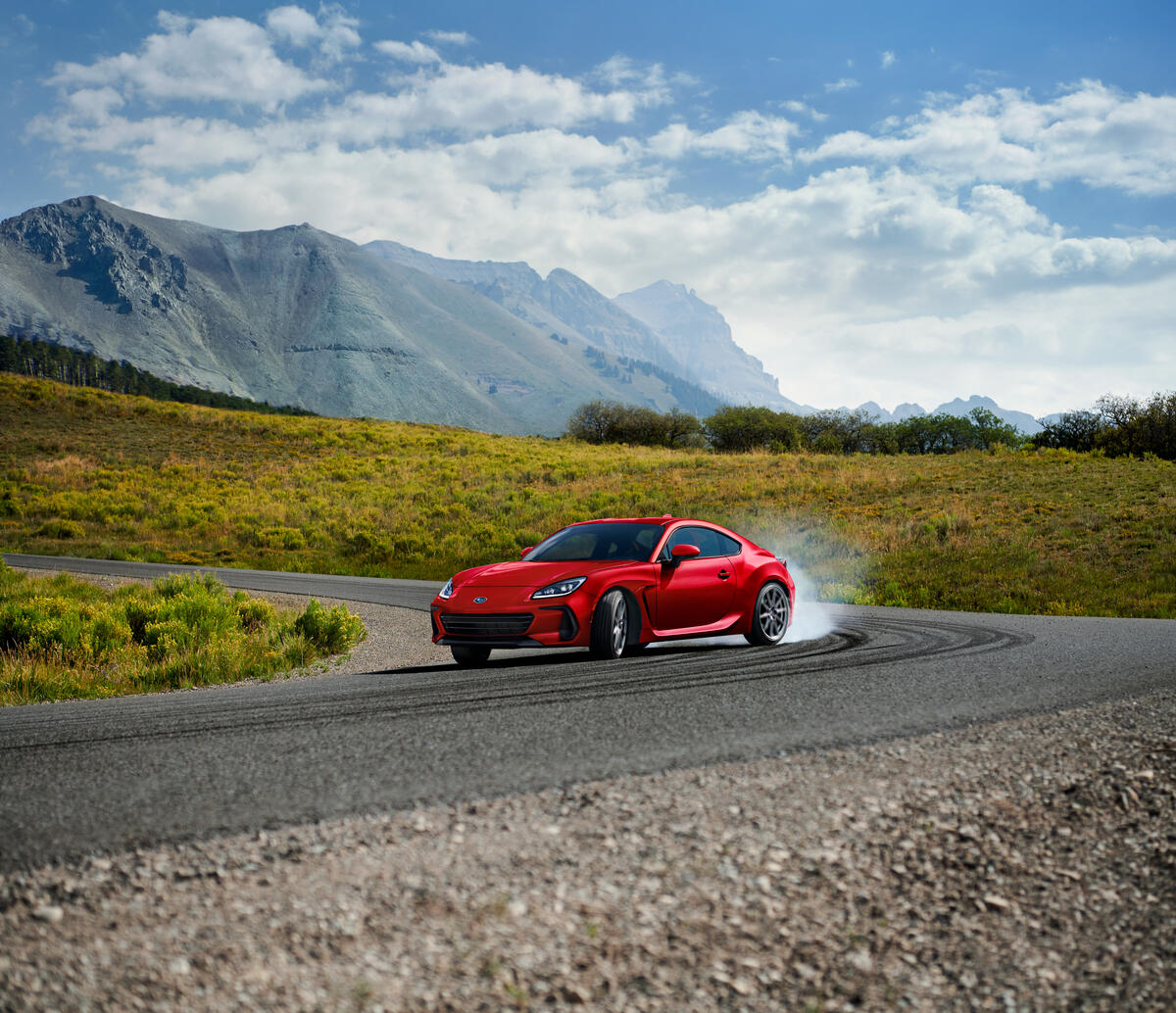
Subaru BRZ
"No, like turning like hotter right, colder left, hotter right, and my my BRZ has that. The Chevy tracks has that."
They mention their BRZ because it has climate controls laid out in a way they prefer. It’s used as a reference for what “feels right” in the cabin.
The BRZ is a Subaru sports coupe known for its simple, driver-focused controls and balanced handling. Here it’s mentioned because it uses a familiar climate-control layout (hotter/colder directions) that the speaker likes.
zero to sixty
"don't don't don't even I don't think Chevy even tells us like a zero to sixty. [510.5s] think you you can say the same thing, you know, about most entry level vehicle."
“Zero to sixty” means how fast a car can go from standing still to 60 mph. It’s a simple way people compare how quick cars feel.
“Zero to sixty” is shorthand for 0–60 mph acceleration time, a common way to describe how quickly a car reaches highway speed. The hosts note that entry-level cars don’t advertise it much, but modern ones are still quicker than older cheap cars.

Volkswagen Beetle
"I remember, you know, when a cheap c you know, ⁓ an entry level car, you would be lucky to get to sixty miles an hour in twenty seconds. [570.4s] ...if you ever drove an old air cooled beetle, ooh."
They’re talking about the classic Volkswagen Beetle with an air-cooled engine. The point is that older cheap cars could be painfully slow compared with today’s basic cars.
An air-cooled Volkswagen Beetle is an older design where the engine is cooled by air rather than a liquid coolant system. The speaker uses it as an example of how truly slow cheap cars used to be, compared with modern entry-level vehicles.

Honda Civic DX hatchback
"I remember my my ninety Honda Civic DX hatchback had like eighty six horsepower. [601.8s] But it had a manual transmission, so I just you know, rolled the hell out of it while getting up there."
They’re talking about an older Honda Civic hatchback they owned. It wasn’t very powerful, so they drove it more aggressively to get it moving.
The Honda Civic DX hatchback is referenced as an example of an older, cheaper car with modest power. The speaker notes it had a manual transmission and that they had to rev/drive it hard to get up to speed.

Honda Hrvs
"But it had a manual transmission, so I just you know, rolled the hell out of it while getting up there. But also I was like, Well, whatever, I got I got where I was going. I didn't, you know. ⁓ yeah, so yeah, it should be tracks. Roberto Baldwin (08:14) Cool. You know, it's you know, check you know, you're gonna check it if you gets the the kicks, which is like I love the kicks. HR V. HRV's a good, you know, vehicle. ⁓ But yeah, you know, the the the tracks. Inexpensive, you need to get where you're going. Hey, high five, you got there. If you're in a band, perfect vehicle. If you're a band you're not making a lot of money, ⁓ perfect vehicle. Yeah, there you go. Good, yeah. if if you got, you know, dri young drivers in your family, you know, and you wanna buy them something new that's got, you know, some ADAS features on it, you know, it's not gonna it's not so fast that it's likely to get into a lot of trouble."
The HR-V is a small crossover SUV from Honda meant for everyday driving. In this podcast, it sounds like the specific example had a manual transmission. Wheel bearings can still wear out on any car, especially if it’s driven hard or on rough roads.
The Honda HR-V is a compact crossover designed for practical daily driving and easy maneuvering. It’s mentioned in the context of having a manual transmission, which matters because different drivetrains can change how a vehicle is driven and maintained. For wheel-bearing discussions, any vehicle driven frequently—especially with spirited driving—can develop wheel bearing noise or wear over time.
ADAS
"if you got, you know, dri young drivers in your family, you know, and you wanna buy them something new that's got, you know, some ADAS features on it, you know, it's not gonna it's not so fast that it's likely to get into a lot of trouble."
ADAS stands for driver-assist tech. It’s the stuff that helps you drive more safely, like systems that can slow the car down or warn you when needed.
ADAS (Advanced Driver-Assistance Systems) are safety and convenience features that help the driver, such as adaptive cruise control and other automated sensing/alerts. The speaker is arguing that entry-level cars can now include these features.
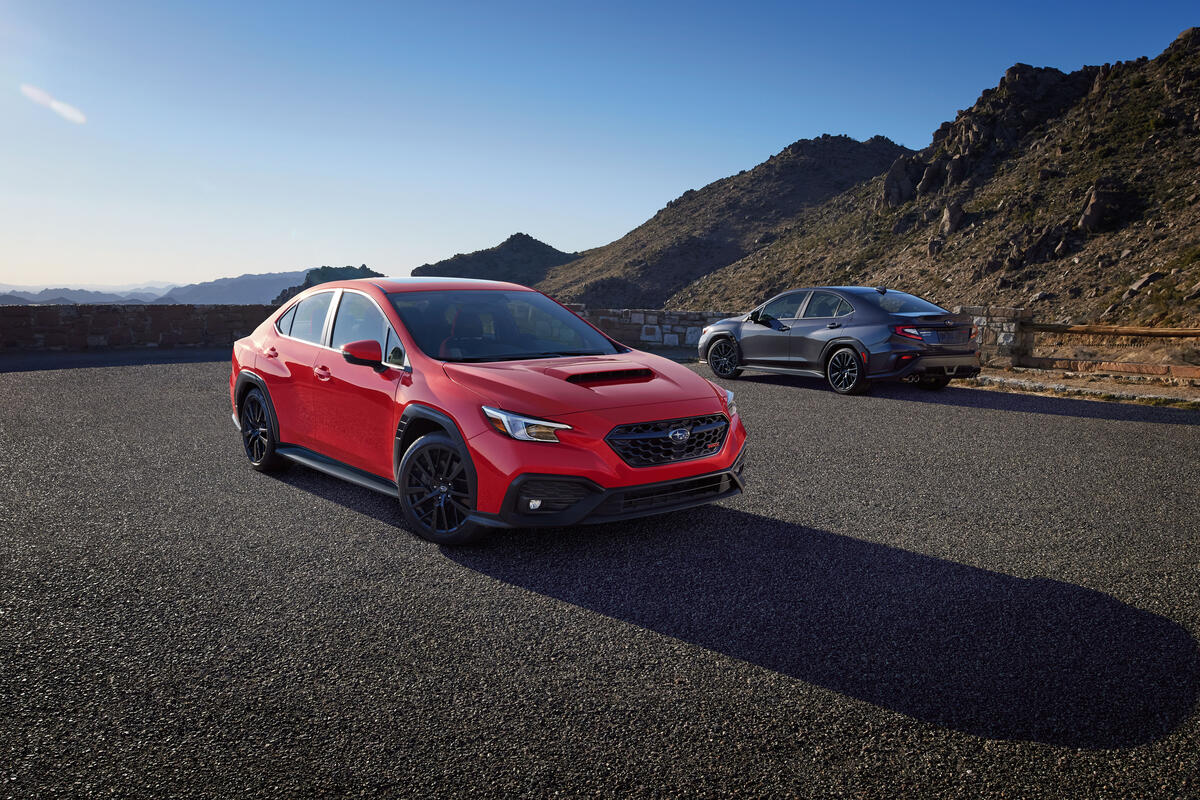
Subaru WRX
"... know, once I got my my Subaru now I you know, my WRX, and I got a BRZ, and then we got the Hyundai, yo..."
The WRX is a sporty Subaru sedan with a turbo engine and all-wheel drive. It’s built to handle different road conditions while still feeling quick. If you drive it on rough roads, parts near the wheels—like wheel bearings—can wear out faster.
The Subaru WRX is a performance-oriented compact sedan known for its turbocharged engine and all-wheel drive. It often comes up in conversations about driving feel and everyday usability because it blends sporty performance with year-round traction. In a podcast about wheel bearings, it’s relevant because any car that’s driven hard or on rough roads can accelerate wear in suspension and wheel components.
adaptive cruise control
"was I could put it in cruise control, but to put it in ⁓ adaptive cruise control, I had to push another button. And so it was telling me that, but like the thing would pop up just long enough for me to notice it was there and I'd look at it and go away."
Adaptive cruise control is like normal cruise control, but it can slow down or speed up to keep a safe distance from the car in front. The speaker says the car’s screen/controls for switching modes are a bit awkward.
Adaptive cruise control is a cruise-control system that automatically adjusts your speed to maintain a set following distance from the car ahead. The speaker describes a confusing interface where switching from regular cruise to adaptive requires extra button presses and the message disappears quickly.
dash cluster
"It's it's ridiculous because it like it's it gives you a it you know, it's like yellow lettering you know, letter ⁓ a yellow like wording or or text ⁓ that pops up in the dash cluster and by the time you look down you're like, Wait, what's going on?"
The dash cluster is the screen/gauges behind the steering wheel. They’re saying the warning text shows up in a way that’s hard to notice in time.
The dash cluster is the instrument panel area behind the steering wheel where key driving information is displayed. The speaker criticizes the way the system shows adaptive-cruise mode text in the cluster (yellow text that disappears before you can read it).
destination fee
"Roberto Baldwin (12:55) So yeah, should be ⁓ the the tracks. Wait. Do you do you wanna do you wanna guess what the ⁓ destination fee was? [1025.0s] Roberto Baldwin (13:09) 1795 for the tracks."
A destination fee is the cost of getting the car from where it’s built to the dealership. It’s usually added on top of the base price.
A destination fee is a charge added to the vehicle price to cover shipping the car from the factory to the dealer. It’s separate from taxes and dealer markups, and it can vary by model and market.
GM
"GM is probably hiding some of the extra tariff cost in that ⁓ in that increased destination fee too."
GM is General Motors, one of the big car companies. The host is saying GM might be building extra costs (like tariffs) into the car’s shipping fee.
GM (General Motors) is the automaker behind brands like Chevrolet. Here, the host speculates that GM may be offsetting tariff-related costs by increasing the destination fee.
Chevy Pri tracks
"Yeah, they you know, they they move all that stuff around and they sort of spread it out amongst all the, you know, vehicles and stuff, so Yeah, Chevy Pri tracks. Isn't a jet black with blue accents."
This sounds like the Chevrolet Trax, which the host is bringing up as a cheaper option. They’re comparing it to other budget cars based on price and features.
This appears to refer to the Chevrolet Trax (the host mentions it as a small, budget-friendly car and discusses colors and interior/exterior finishes). The key point is that the host is comparing it as a cheaper alternative in the same shopping set.

Ford Maverick
"all right. Well I had actually had two different vehicles this week. ⁓ I had a a mav another Maverick. So a couple weeks ago I had the Maverick Lobo, which I thought was way too expensive for what it is. ⁓ this time I had a Maverick XLT hybrid with all wheel drive."
The Ford Maverick is a small pickup truck that’s designed to be cheaper than most trucks. This episode talks about the Maverick’s hybrid version and how you can (or couldn’t) get it with all-wheel drive depending on the model year.
The Ford Maverick is a compact pickup known for being relatively affordable and for offering hybrid powertrains. In this segment, the hosts focus on how the Maverick’s hybrid and drivetrain options (including all-wheel drive) changed after the mid-cycle refresh.

Ford Lobo
"...averick. So a couple weeks ago I had the Maverick Lobo, which I thought was way too expensive for what i..."
It sounds like the podcast is talking about the Ford Maverick, a small pickup truck. A pickup like this is used for everyday driving and occasional hauling. If you hit rough roads often, wheel bearings can wear out faster.
“Lobo” appears to be a reference to the Ford Maverick in the podcast context, where the speaker says they had the Maverick and then mentions “Lobo.” The Maverick is a compact pickup known for being more affordable and practical than many larger trucks. In a wheel-bearing discussion, compact trucks can still experience bearing wear from potholes, uneven roads, and frequent driving.
all wheel drive hybrid option
"last year when they did the refresh of the Maverick, the mid cycle refresh [1154.1s] The they added ⁓ all wheel an all wheel drive hybrid option"
An all-wheel drive hybrid means the car uses a hybrid engine but can also drive all four wheels. That can help it grip better in bad weather than a hybrid that only drives the front wheels.
This refers to a hybrid powertrain paired with all-wheel drive (AWD), meaning the car can send power to more than just the front wheels. AWD can improve traction in snow, rain, or slippery conditions compared with front-wheel drive alone.
mid-cycle refresh
"last year when they did the Maverick, the mid cycle refresh [1154.1s] The they added ⁓ all wheel an all wheel drive hybrid option"
A mid-cycle refresh is when a car gets updated halfway through its production life. It can include new features and option changes—like what engines or drivetrains you can order.
A mid-cycle refresh is an update automakers make partway through a model’s production run. It often includes styling changes and, importantly here, changes to available powertrains and options like all-wheel drive with the hybrid.
EcoBoost engine
"you'd have to go with the the two the two liter turbo ⁓ eco boost engine"
EcoBoost is Ford’s name for a turbo engine. A turbo engine can make good power without using a bigger engine, and here it’s being mentioned as the non-hybrid way to get AWD.
EcoBoost is Ford’s naming for turbocharged gasoline engines. In this context, it’s mentioned as an alternative to the hybrid when you wanted all-wheel drive early in the Maverick’s production.

Ford Escape
"this is based on the same platform as the as the Broncos Sport and the Escape, which is now out of production."
The Ford Escape is a compact SUV. They bring it up to point out that another Ford model already offered hybrid all-wheel drive, while the Maverick initially didn’t.
The Ford Escape is a compact SUV that the hosts say shares a platform lineage with the Maverick. They mention it because the Escape had a hybrid AWD variant available, which highlights the Maverick’s earlier limitation.

Ford Broncos Sport
"this is based on the same platform as the as the Broncos Sport and the Escape, which is now out of production."
The Ford Bronco Sport is a small SUV. The hosts mention it because it uses a similar underlying design, and it already had hybrid AWD—so they’re comparing that to what the Maverick offered at launch.
The Ford Bronco Sport is a compact SUV that shares a platform with the Ford Maverick. The hosts use it to explain why the Maverick’s hybrid AWD availability felt “strange,” since the related vehicle already offered hybrid AWD.
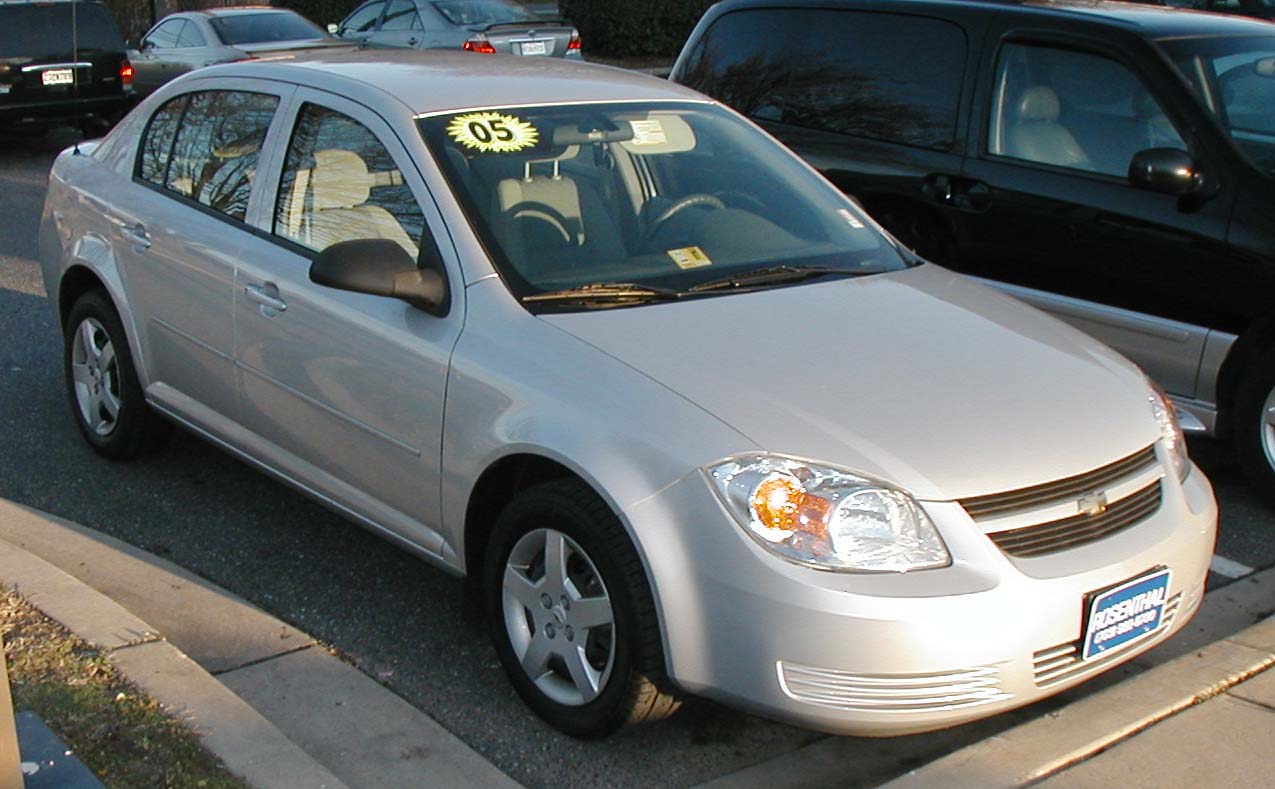
Chevrolet Cobalt
"...days, you know, when you would get ⁓ like a Chevy Cobalt that you know, it was all like smooth, grainless ..."
The Chevrolet Cobalt is a compact car. The podcast is describing how it felt to drive—smooth and easy. Over time, any car can develop wheel bearing noise or wear, especially with high mileage.
The Chevrolet Cobalt is a compact car that’s often remembered for being straightforward and easy to drive. The podcast context mentions it being “smooth” and “grainless,” which points to how it felt day-to-day. In a wheel-bearing conversation, older compact cars can be relevant because worn wheel bearings are a common maintenance item as mileage accumulates.
spray and bed liner
"add on some other options like this one had spray and bed liner, it had ⁓ had the Copilot three sixty eight S package."
A bed liner is a protective coating inside a truck bed. It helps prevent damage from hauling things like tools, rocks, or anything that could scratch or dent the metal.
A spray-in bed liner is a protective coating applied to a pickup truck’s cargo bed to resist scratches, dents, and corrosion. It’s a common add-on because it helps the bed survive hauling tools, dirt, and other rough use.
Copilot 360
"it had ⁓ had the Copilot three sixty eight S package. It had a hard trifold tonneau cover"
Co-Pilot360 is Ford’s package of safety and driver-assist features. It’s the kind of option that can add things like warnings and automated help, and it usually costs extra.
Ford Co-Pilot360 is a bundle of driver-assistance features (like safety and convenience aids) offered on many Ford models. In this segment, it’s listed as an option that increases the Maverick’s final price.
hard trifold tonneau cover
"It had a hard trifold tonneau cover on it, same as the one that was on the the Lobo that I had."
A tonneau cover is a lid for the truck bed. A hard trifold version folds up in sections, helping keep cargo protected from rain and prying eyes.
A hard trifold tonneau cover is a rigid cargo-bed cover that folds into three sections. It helps protect items from weather and theft, and it can improve aerodynamics compared with leaving the bed uncovered.
aftermarket cruise control switch
"“...he Randy got a... an aftermarket cruise control switch, you know, that he got got a mechanic to wire in for him.”"
An aftermarket cruise control switch is a third-party part you can add to a car to get cruise control if it wasn’t included. In the story, someone had it installed by a mechanic.
An aftermarket cruise control switch is a non-factory replacement or add-on control used to enable cruise control on a vehicle that didn’t come with it. The hosts mention a neighbor having one wired in, illustrating how missing factory equipment can be retrofitted but adds cost and hassle.
chip shortages
"“...when the Maverick first came out... this was around the time that you had the chip shortages and and everything else...”"
Chip shortages mean there weren’t enough computer chips available to build as many cars as usual. With fewer cars available, dealers could charge more.
Chip shortages refer to supply disruptions for semiconductor components used in modern vehicles. When chips are scarce, automakers build fewer cars, which can tighten supply and increase dealer leverage to charge higher prices.
markups
"“...when the Maverick first came out... a lot of dealers were charging h insane markups on cars.”"
A markup is an added price above the vehicle’s listed price, often charged by dealers when demand is high or supply is constrained. The segment describes dealers charging large markups during the chip-shortage era, then explains how Ford raised MSRP to reduce the ability for dealers to profit from excessive markups.

Ford Bronco
"“...I have a friend who bought a who ordered a a Bronco when it came in. They're like, by the way, now you owe us seven thousand dollars more...”"
The Ford Bronco is a popular off-road SUV. They mention it because someone they know had to pay extra money after ordering, similar to the Maverick stories.
The Ford Bronco is a rugged SUV line that became especially popular in the years discussed here. The hosts use it as a parallel example of how, during shortages, buyers could be pressured into paying additional money when the vehicle arrived.
MSRP
"“...they just raised the MSRP. And it got to the point, you know, when you raise the MSRP enough the dealers couldn't get away with charging that much of a markup.”"
MSRP is the starting price the manufacturer lists for a car. They’re saying Ford raised that baseline so dealers had less room to tack on huge extra charges.
MSRP (Manufacturer’s Suggested Retail Price) is the price automakers set as the baseline for a vehicle before taxes, fees, and dealer markups. The hosts explain that Ford raised MSRP enough that dealers couldn’t add as much extra markup on top.
destination charge
"“You wanna take a guess at the destination charge?... Close, eighteen forty five.”"
A destination charge is the cost of getting the car from where it’s built to the dealership. It’s one of the fees that can surprise you when you look at the final price.
A destination charge is a fee added to a vehicle’s price to cover shipping it from the factory to the dealer. The hosts joke about the specific amount, using it as an example of how the final “out-the-door” cost can differ from the advertised base price.
options
"“...whenever you add, you know, options. The more things you add to it, the more the car's gonna cost.”"
Options are extra features you choose for a car, and they usually cost extra. They’re pointing out that adding lots of options is why the final price climbs.
In car pricing, “options” are add-on features (like packages or individual equipment) that increase the vehicle’s cost. The hosts use the idea to explain why a truck that starts around $20k can end up costing much more once you build it with more equipment.
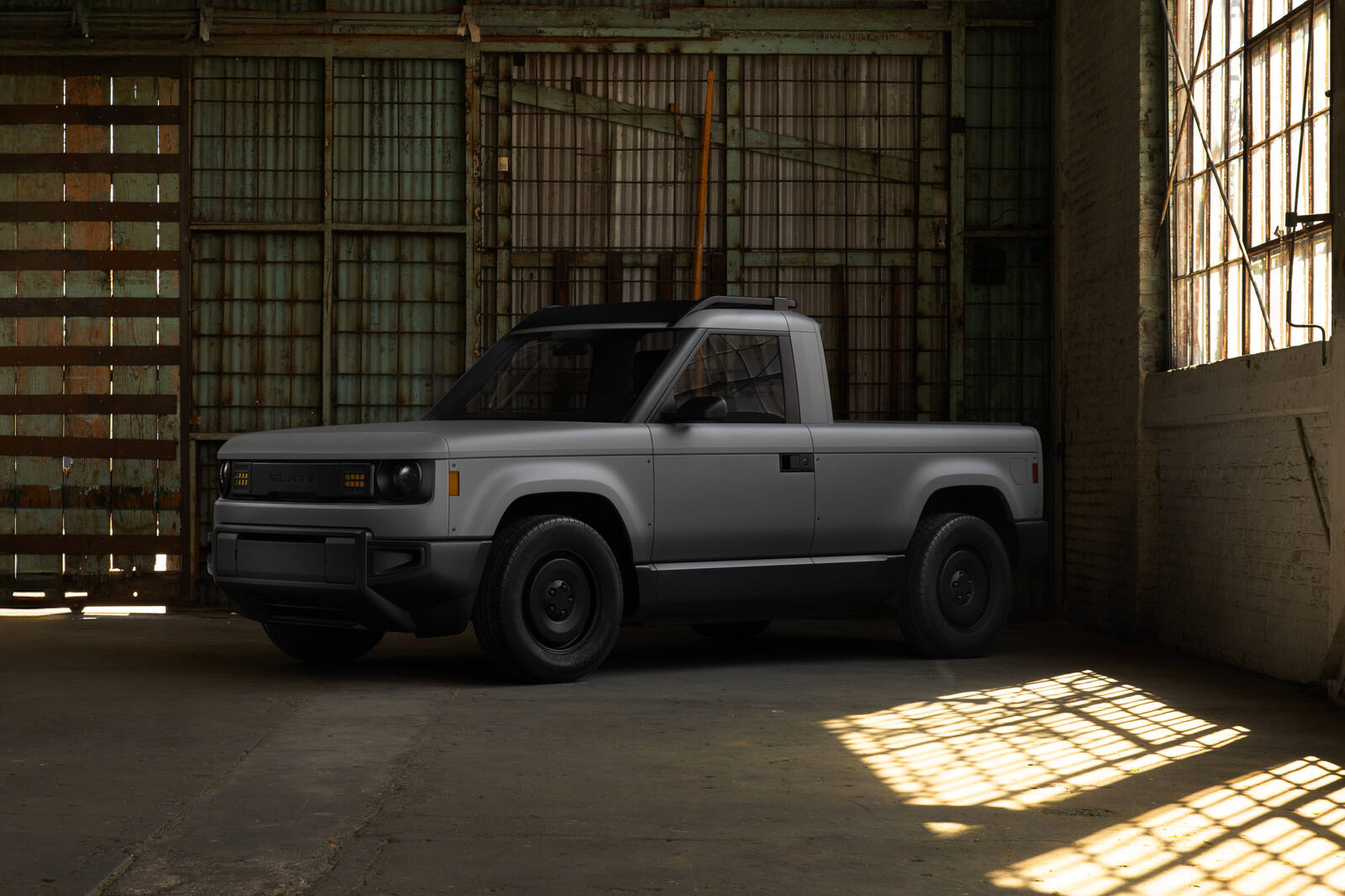
Truck Slate Truck
"...e of like you know if you add every option to the slate truck like what are you doing? You're an automotive sit..."
The podcast is talking generally about trucks and how adding many options can make them more expensive. Trucks often get driven on rougher roads or used for work, which can affect parts near the wheels. Wheel bearings can wear faster when a truck is used hard or on uneven surfaces.
The podcast’s “Truck” reference sounds like a general discussion about how adding lots of options to a truck can change the overall value and ownership experience. Trucks are also commonly used on rough roads or for heavier work, which can increase stress on wheel bearings and suspension components. In a wheel-bearing episode, the takeaway is that usage patterns matter as much as the vehicle model.
3D printing
"Ford was very Ford embraced like the three D com pr three D printing community... ...I kept trying to get Ford to send me the three D files... I ended up just using files that the community had created..."
3D printing is a way to make physical parts from a computer design. In this case, people are using it to create custom truck add-ons.
3D printing (additive manufacturing) is a process where you build parts layer-by-layer from a digital file. Here it’s used as a way for owners to create custom accessories for the Maverick when official files aren’t provided.

Ford Get Ford
"...it's a great truck for nerds and I kept trying to get Ford to send me the three D files and I ended up just ..."
hard tonneau cover
"...even with the all wheel drive added on, you know, and the extra weight of the the hard tonneau cover and things like that, ⁓ this thing is still really, really fuel efficient..."
A hard tonneau cover is a solid lid over the back of a pickup bed. It protects what’s in the bed and can affect fuel economy and weight.
A hard tonneau cover is a rigid cover over the pickup bed that helps reduce airflow drag and can protect cargo from weather. The host notes it as part of the weight and setup that still allows good fuel economy on the hybrid Maverick.
fuel efficient
"...this thing is still really, really fuel efficient, as a hybrid. You know, I think the the Lobo I had, if I recall, you know, it was getting like twenty five miles per gallon."
Fuel efficiency is how far the vehicle can go on a gallon of fuel. The host is comparing how efficient the truck is in real driving, not just on paper.
Fuel efficiency is how much fuel a vehicle uses for a given distance, often expressed as miles per gallon (MPG) for gas engines. The host uses it to compare real-world results on an efficiency loop with and without added equipment.
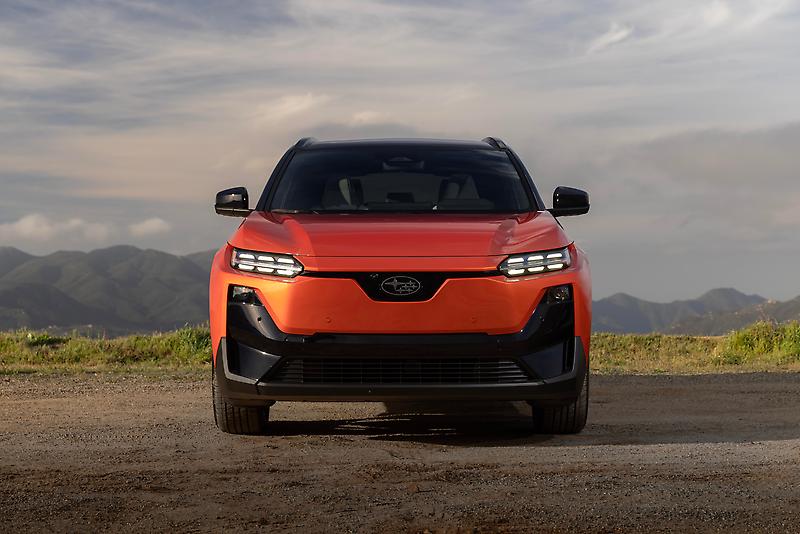
Subaru Uncharted GT
"Alright. So the other one that I had was the new Subaru Uncharted GT. so the the Uncharted is, you know, the third model in Subaru's E V lineup..."
The Subaru Uncharted GT is Subaru’s new electric crossover. The host explains it’s built on the same EV platform as other Subaru EVs and that it’s front-wheel drive with an electric motor and a battery pack.
The Subaru Uncharted GT is an all-electric Subaru crossover positioned as a more “fun-looking” alternative within Subaru’s EV lineup. In this segment, it’s described as sharing an underlying architecture with other Subaru EVs and as using a front-wheel-drive single-motor setup with a specified battery capacity and horsepower.
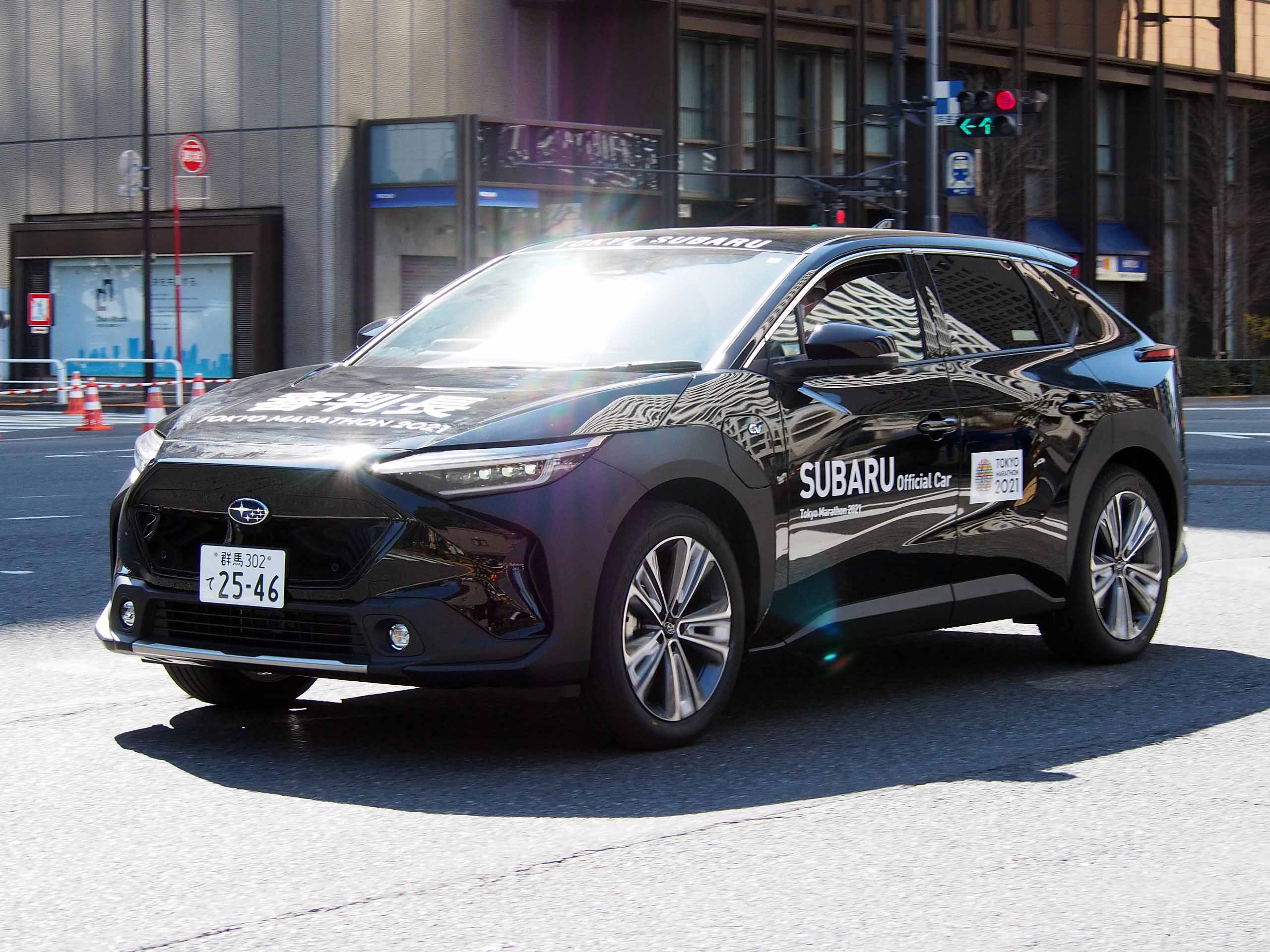
Solterra Soltera
"...ineup. It's based on the same architecture as the Soltera and the the Trailseeker and the Toyota B Z and B ..."
The Solterra is an electric crossover SUV. The podcast is saying it shares its basic design with other similar vehicles. Because it’s an electric car, it can be heavier than some gas cars, and that can affect how quickly wheel parts wear out.
The Solterra is an electric crossover mentioned as being based on the same architecture as other models referenced in the podcast. That kind of platform sharing is often discussed because it can mean similar engineering approaches across vehicles. For wheel-bearing topics, EV crossovers can be relevant due to their weight and the way torque is delivered, which can influence wear in wheel and suspension components.

Toyota Chr
"...ailseeker and the Toyota B Z and B Z Woodland and CHR. And in fact, you know, this is essentially a reb..."
The Toyota C-HR is a small crossover SUV. It’s built for normal daily driving and parking in tight spaces. Like other cars, the parts that support the wheels—like wheel bearings—can wear out with time and rough roads.
The Toyota C-HR is a compact crossover known for its smaller size and crossover styling. It’s mentioned in a context that groups it with other Toyota models, likely discussing shared platforms or lineup strategy. For wheel-bearing topics, compact crossovers are relevant because their suspension and wheel assemblies can wear with age, mileage, and road conditions.
single motor
"...so it's a single motor front drive. That one starts at thirty-five thousand dollars. ⁓ it's two hundred and twenty-one horsepower, you got seven point ⁓ seventy-four point seven kilowatt hour battery."
A single-motor EV has one electric motor doing the driving. The host is saying this model uses one motor and drives the front wheels.
A single-motor EV uses one electric motor to drive the wheels, rather than using separate motors for front and rear axles. The host connects this to the Uncharted’s front-wheel-drive layout and its power and battery specs.
front wheel drive
"...the premium is the only one of the Subaru EVs, actually I think it's the the only Subaru currently offered in North America that is front wheel drive. ⁓ so it's a single motor front drive."
Front-wheel drive means the front wheels do the work of moving the car. The host is pointing out that this Subaru EV version is front-wheel drive and uses one electric motor.
Front-wheel drive (FWD) means the vehicle’s drive power is sent to the front axle. The host highlights that the Uncharted’s premium trim is (as described) the only Subaru EV in North America offered with FWD, using a single motor.
kilowatt hour battery
"...it's two hundred and twenty-one horsepower, you got seven point ⁓ seventy-four point seven kilowatt hour battery."
A kilowatt-hour (kWh) number tells you how big the battery is—how much energy it can store. Bigger kWh often means more potential range, depending on the vehicle.
A kilowatt-hour (kWh) battery rating is a measure of how much electrical energy the battery can store. The host cites the Uncharted’s battery capacity in kWh as part of explaining its EV specifications.
dual motor all-wheel drive
"the sport and the GT are both dual motor all-wheel drive, three hundred and thirty-eight horsepower. ⁓ the sport has eighteen inch wheels."
This means the car has two electric motors and can drive all four wheels. With power going to all wheels, it usually grips better and feels quicker.
Dual motor all-wheel drive (AWD) means the EV uses two electric motors—typically one driving the front axle and one driving the rear. That setup can improve traction and acceleration because power is distributed to all four wheels.

Subaru GT
"the sport and the GT are both dual motor all-wheel drive, three hundred and thirty-eight horsepower. ⁓ the sport has eighteen inch wheels. The GT [2383.9s] ⁓ gets you twenty inch wheels"
The Subaru GT is the trim they’re testing for range and efficiency. They talk about how far it goes on a charge and how efficiently it uses electricity in normal driving.
The Subaru GT trim is described as having dual-motor all-wheel drive and a specific efficiency and range performance. The host compares its official range to real-world results using an efficiency figure in miles per kilowatt-hour.
fifteen hundred watt one twenty volt AC outlet
"there's an outlet in the rear cargo area ⁓ which is ha it's a fifteen hundred watt one twenty volt AC outlet. so basically it's a vehicle to load, but unlike with the Hyundai's and Kias"
That’s a built-in power plug in the car that can run regular electronics. It’s useful for camping or powering small appliances without needing extra gear.
A 1500-watt 120-volt AC outlet is a built-in power socket that can run common household-style devices using alternating current (AC). In an EV, it effectively turns the vehicle into a mobile power source for camping or tailgating.

Chevrolet Volt
"...hich is ha it's a fifteen hundred watt one twenty volt AC outlet. so basically it's a vehicle to load, b..."
The Chevrolet Volt is a plug-in hybrid, so it can drive using electricity and can also switch to gasoline. The podcast mentions using a regular outlet to charge or power something, which fits how plug-in cars are used at home. Wheel bearings can still wear out like on any car, depending on driving conditions and maintenance.
The Chevrolet Volt is a plug-in hybrid electric vehicle that can run on electricity and also use a gasoline engine when needed. The podcast context mentions a 120V outlet and a “vehicle to load” idea, which aligns with how the Volt can power certain electrical loads. For wheel bearings, the relevance is general: any frequently driven vehicle—especially one used for daily commuting—can develop bearing wear if alignment or suspension components are neglected.

Lucid Air
"... that's like between the sea it's almost like the air like an airline, yeah. Yeah, yeah. Which this whi..."
The Lucid Air is an electric sedan, meaning it runs on electricity instead of gasoline. It’s designed to go farther between charges and to feel smooth to drive. Like other cars, it can still develop wheel bearing problems as parts wear over time.
The Lucid Air is an electric luxury sedan focused on efficiency and long-distance driving. It’s referenced in a way that sounds like the conversation is comparing it to “airline” or “air” wording, likely tied to its name and electric-car context. In a wheel-bearing podcast, EVs are relevant because their weight and instant torque can affect wear patterns in wheel bearings and suspension parts.
four miles per kilowatt hour
"it averaged four miles per kilowatt hour. So [2531.7s] I was I did the math and it was like three point eight just now. Four miles."
This is how efficiently the EV uses electricity. More miles per kilowatt-hour usually means you can go farther on the same battery charge.
“Miles per kilowatt-hour” (mi/kWh) is an EV efficiency metric that tells you how far the car travels for each unit of electrical energy. Higher mi/kWh generally means better efficiency and typically more real-world range.
official range
"the range on the G T the official range on the G T is two hundred and seventy three miles, which like you said, I think is about three point seven or three point eight miles per kilowatt hour."
This is the range number the company advertises for the EV. Your real range can be higher or lower depending on how you drive and the weather.
Official range is the battery range number published by the manufacturer, usually based on standardized testing. It’s a useful baseline, but real-world range can vary with temperature, speed, and accessories like air conditioning.
Subaru Soltera
"so you know when they redid it when they redid the Soltera last year, they got the same interior in this one here. It's got 14 inch center touchscreen is standard, seven inch instrument cluster display in front of the driver."
The Subaru Soltera is Subaru’s electric vehicle. In this segment, they’re talking about how the updated interior design makes the driver’s screen easier to see and how the charging pads are arranged.
The Subaru Soltera is Subaru’s EV platform discussed here, and the host compares its infotainment and interior layout to a refreshed version. They specifically mention the Soltera’s steering wheel shape and how the instrument cluster visibility improved.
wireless charging pads
"all of them, all of the the uncharted. [2614.2s] ⁓ have ⁓ two wireless charging pads. so you know when they redid it when they redid the Soltera last year"
These are charging spots in the car that power your phone without a cable. They also help keep the phone steady so it doesn’t move around while driving.
Wireless charging pads use electromagnetic induction to charge a compatible phone without plugging in a cable. The hosts also discuss how the pad placement and divider/ridges help keep the phone from sliding around.
heads up display
"which is right up pushed right up to the base of the windshield. So it's almost like having a heads up display. ⁓ but now it's no longer blocked by you know, half blocked by the steering wheel"
A heads-up display shows important info in front of you, near the windshield. The host is saying the car’s screen placement feels similar because it’s easy to see while driving.
A heads-up display (HUD) projects key information into the driver’s line of sight, typically near the windshield, so you don’t have to look down as much. The host compares the instrument cluster’s placement to a HUD.
J3400 charging port
"it's got ⁓ J thirty four hundred charging port that is on the ⁓ right front fender, the passenger side front fender. ⁓ I took it over to the supercharger station."
J3400 refers to the charging connection standard the car uses. The host is saying where the port is located and that it was easy to plug in at a charger.
J3400 is a standardized EV charging connector/port type used in North America for certain charging systems. The host is pointing out the physical location of the port and how it affects plugging in at fast-charging stations.
Supercharger station
"I took it over to the supercharger station. [2704.2s] Sam Abuelsamid (35:59) nosed into the charging bay and even with those short little cables that Tesla insists on using, ⁓ I was able to plug it in, no problem at all."
A Supercharger station is a fast EV charger. They’re testing whether the car is easy to charge there without awkward cable or connector issues.
A Supercharger station is a fast-charging network used for quicker EV charging than typical home charging. The host’s point is about real-world usability—whether the car can plug in easily with the station’s cable setup.
Tesla
"nosed into the charging bay and even with those short little cables that Tesla insists on using, ⁓ I was able to plug it in, no problem at all."
Tesla is mentioned because their fast-charging network uses short cables. The host is saying the car they tested still plugs in without trouble.
Tesla is referenced here as the company behind the Supercharger network and its charging-cable setup. The host notes that Tesla’s cables are short, but the car’s charging port location still made plugging in easy.

Subaru Outback
"My only my I I think I had the was it the Outback? Yeah, I had the Outback. It has the same sort of charging situation."
They mention the Subaru Outback because they’ve seen how wireless phone charging behaves there. Then they compare it to the EV’s design, which keeps the phone from moving.
The Outback is brought up as a Subaru example where the host dislikes the behavior of wireless charging while driving. They contrast it with the EV’s charging setup that better prevents the phone from sliding around.
Cadillac
"I'm what someone has one where you slide it in. Who is that? Cadillac. Yeah, I really like the Cadillac one. And then you can you you can't look at your phone at all because it's slid into a slot"
Cadillac is used as an example of a car that charges your phone in a slot. The host likes it because the phone is held securely and you don’t have to look at it while driving.
Cadillac is mentioned as an example of a different phone-charging approach—using a slot rather than a wireless pad. The host prefers the slot design because it prevents the phone from being visible or moving around.

Subaru Trail Seeker
"yeah. Yeah, I suppose to get the Trail Seeker soon. So I'm I'm looking forward to that. ⁓ 'cause I haven't driven any of Subaru's Eve's. Yeah. [2837.2s] Sam Abuelsamid (37:33) Yeah, so the the Trail Seeker's got more power. It's got three hundred and seventy"
The Subaru Trail Seeker is a more powerful version they’re looking forward to driving. They mention it has more horsepower than the other trim and that EVs feel quick right away.
The Subaru Trail Seeker is positioned as a higher-power variant in this discussion, with the host citing a higher horsepower figure than the base dual-motor setup. They also compare acceleration feel, emphasizing EV instant response.
traction control
"The you know the X mode traction control works really well."
Traction control helps prevent the wheels from spinning when the road is slippery. It adjusts power and braking so you keep moving without losing grip.
Traction control is an electronic system that reduces wheel spin when tires lose grip. It does this by adjusting engine power and/or applying brakes to individual wheels so the car can move more smoothly on slippery surfaces.
all terrain tires
"it you know, it had no problem at all. And that that car doesn't even have ⁓ all terrain tires on it, and neither does this one. The the Trailseeker and the BZ Woodland have all terrain tires."
All-terrain tires are tires meant for both regular roads and rougher surfaces. They usually have a tougher tread pattern so you get better traction on dirt and gravel.
All-terrain tires are designed to handle both pavement and rough surfaces like dirt, gravel, and light trails. They typically have more aggressive tread than all-season tires, improving grip on loose or uneven ground.
ground clearance
"eight and a half or eight point four inches of ground clearance ⁓ compared to the ⁓ Ionic five XRT pro XRT is only seven inches. The Machie Rally is only six inches of ground clearance."
Ground clearance is how much space there is between the ground and the bottom of the car. More clearance helps you avoid hitting rocks or bumps underneath on rough roads.
Ground clearance is the distance between the road surface and the lowest part of the vehicle’s underbody. More clearance helps prevent scraping on rocks, ruts, and uneven trails, but it doesn’t automatically make a car “off-road capable.”
all season tires
"The the Trailseeker and the BZ Woodland have all terrain tires. These are just basic all season tires and it does great."
All-season tires are made to be decent in many weather types without being specialized. They’re usually not as grippy on rough trails as all-terrain tires.
All-season tires are a compromise tire meant to work in a wide range of everyday conditions, usually including dry, wet, and light snow. They’re generally less aggressive than all-terrain tires, so they’re better for normal commuting than for rocky trails.

Wrangler Rubicon
"...anything like driving around Moab or going to the Rubicon Trail with this. But you know, it's it's gonna ha..."
The Wrangler is an SUV made for off-road driving. The podcast mentions trail areas like Moab and the Rubicon Trail, which are tough on vehicles. Off-road driving can make wheel bearings wear out faster because the wheels take a lot of impacts.
The Wrangler is a rugged off-road-focused SUV known for trail capability and removable or modular features depending on model. It’s mentioned in the context of driving in places like Moab and the Rubicon Trail, which are hard on vehicles. In a wheel-bearing podcast, that off-road use is directly relevant because rocks, ruts, and repeated impacts can accelerate wheel bearing wear.
kilowatts
"it's still only a hundred and fifty kilowatts, but you know, you can go from ten to eighty percent in about twenty eight minutes, ⁓ on a on a suitable charger."
Kilowatts are a measure of how much power the charger can deliver. More power usually means faster charging, but the car and battery condition still affect the final speed.
Kilowatts (kW) measure the power delivered by an EV fast charger. Higher kW generally means the car can accept more charging power, though real-world charging speed also depends on battery temperature and the vehicle’s charging curve.
charging is a lot better
"huge number of improvements. It's way more efficient than the original Soltera and B Z four X were. ⁓ the charging is a lot better. ⁓ you know, it's still only a hundred and fifty kilowatts, but you know, you can go from ten to eighty percent in about twenty eight minutes"
They’re saying the newer EV charges faster than the older one. That means you can get back on the road sooner when you plug in at a good charger.
This phrase is describing improved EV fast-charging performance compared with an earlier model. The key idea is that the newer vehicle can replenish battery charge faster under the right charging conditions.
NAX charging port
"and you've got the NAX charging port so it works with all you know, most of the the supercharger stations as well as, you know, the ⁓ the other chargers"
The “NAX” charging port is the type of plug/connection the EV uses to charge. They’re saying it’s set up so you can use it at many charging stations with the right setup.
An EV charging port like the “NAX” port refers to a specific connector standard used for fast charging. The host is emphasizing compatibility—how the vehicle can use common public charging networks and adapters.
CCS
"dual connectors, CCS and Knaxx. E V Go is starting to deploy s you know, putting them on a bunch of theirs now. ⁓ and it also comes with two charging adapters. So you get a C C S to Knaxx"
CCS is a common fast-charging plug standard for EVs. If your car supports CCS, you can use many public fast chargers more easily.
CCS (Combined Charging System) is a widely used fast-charging connector standard for EVs in North America and Europe. It’s important because it determines which public chargers a vehicle can use without adapters.
Knaxx connectors
"the other companies that are increasingly putting ⁓ Knaxx connectors on their on their chargers like Walmart and IANA are you know they're all dual connectors, CCS and Knaxx."
They’re talking about another charging plug type besides CCS. The main takeaway is that some chargers are being built with two different plug standards so more EVs can use them.
“Knaxx” appears to be a mis-transcription of a specific EV charging connector standard. The context says chargers are being installed with dual connectors (CCS and Knaxx), so the key point is connector compatibility across networks.
charging adapters
"and it also comes with two charging adapters. So you get a C C S to Knaxx and a seventeen seventy two to Knaxx charging"
Charging adapters are pieces that let your EV plug into a different type of charger. They help you use more charging stations even if the plug types don’t match.
Charging adapters let an EV use a different connector type than the one it’s natively equipped for. In practice, they’re how you bridge compatibility between charging networks that use different plug standards.

Chevy
"Which which seems sort of like, come on. Come on. Especially with like the second automaker to be like, sure, we'll go to Max. Come on. ... Sam Abuelsamid (42:45) Yeah, Chevy doesn't doesn't bundle the connectors, the adapters."
Chevy is the car brand they’re talking about. They’re saying Chevy doesn’t include the charging adapters/connectors in the package the way some other brands do.
Chevy (General Motors’ Chevrolet brand) is referenced here in the context of EV charging hardware. The host contrasts Chevy’s approach to bundling charging adapters/connectors versus other automakers.

Land Rover Range Rover
"...ymouth, Minnesota. And last week he was driving a Range Rover, hundred and fifty five thousand dollar Range Rov..."
A Range Rover is a luxury SUV that’s designed to be comfortable and capable on different roads. Because it’s a heavy, high-end vehicle, repairs can be costly. Wheel bearings are one of the parts that can wear out as the vehicle gets older or is driven on rough roads.
The Range Rover is a luxury SUV known for comfort, off-road capability, and high-end features. It’s brought up with a high purchase price, which highlights how expensive these vehicles can be to own and maintain. In a wheel-bearing discussion, the relevance is that heavier luxury SUVs can place more load on wheel bearings, making timely maintenance important.
manufacturer plates
"A lot of the cars that we get, a lot of the press cars that we get, have manufacturer license plates on them, which typically have different numbering patterns on them than standard license plates."
Manufacturer plates are special license plates used for things like press cars or automaker vehicles. They can look different from normal plates, especially in how the numbers and letters are arranged. In this episode, that difference helped the camera system flag the wrong situation.
Manufacturer plates are special license plates issued for automaker or press/production use, often with numbering/lettering patterns that differ from standard public plates. The hosts explain that these plate formats vary by state and can include distinctive middle digits/letters. That distinctive layout is central to the misidentification described in the segment.
Jaguar Land Rovers
"Jaguar Land Rovers, U.S. headquarters is in New Jersey. The New Jersey manufacturer plates are on there."
Jaguar Land Rover is the company that makes Jaguar and Land Rover cars. In this story, their special “manufacturer” license plates have a different layout than normal plates. That difference helped trigger false alerts from the camera system.
Jaguar Land Rover (often shortened to JLR) is the automaker behind the Jaguar and Land Rover brands. In this segment, the hosts explain that JLR press/manufacturer plates have a distinctive numbering layout that can confuse license-plate reader systems. That’s why the cameras mis-tag vehicles as having stolen plates.
Flock license plate reader cameras
"had been driving it for several days, around ⁓ around ⁓ around Minnesota and he had gotten flagged by the Flock license plate reader cameras. So there are currently ⁓ as of let's see, where is it here?"
These are cameras that automatically read license plates as cars drive by. In this episode, the cameras are tied to a system that can alert police when it thinks a plate is stolen. The hosts argue the system can be wrong if the plate information is entered incorrectly.
Flock license plate reader cameras are automated camera systems that capture and interpret license plates as vehicles pass by. They’re used for traffic and enforcement workflows, and in this episode they’re described as using AI beyond just reading plates. The segment focuses on how these cameras can trigger police attention when plate data is entered incorrectly.
Flock camera locations
"And there's a site called D Flock. so if you want to know where the Flock cameras are, you know, if you go to DFlock dot org and there'll be a link in the show notes."
They talk about a website that shows where these license-plate cameras are. You can look at your area and see camera locations. They also mention you can help update the map.
The hosts discuss how to find where Flock cameras are located using a public mapping site. They mention zooming into regions and submitting camera information. This is a practical “how to” segment about navigating the camera network.
automated license plate reader cameras
"These are just people providing information. You know, if you want to protect your privacy, you wanna know where the Flock cameras are. So these are automated license plate reader cameras. And they're using AI to track all kinds of other stuff."
Automated license plate reader cameras are devices that scan cars and record the text on license plates. The hosts say these systems can also notice other details on the vehicle. That’s why a mistake can snowball into an incorrect alert.
Automated license plate reader (ALPR) cameras are systems that scan vehicles and digitally record license plate characters. In the segment, they’re described as doing more than plate reading—tagging other visible details and using AI to interpret what they see. That broader “tagging” is part of why the system can produce false conclusions.
AI
"So these are automated license plate reader cameras. And they're using AI to track all kinds of other stuff. "
AI means “smart computer software” that can recognize patterns. In this story, it’s used to interpret what the cameras see on cars. If the system’s information is wrong, AI can still act on it.
AI (artificial intelligence) is software that can recognize patterns in data—here, interpreting what the cameras capture from vehicles. The hosts claim the system uses AI to track more than just license plate text, including other visible identifiers. That matters because AI-driven interpretation can amplify errors in the underlying database.
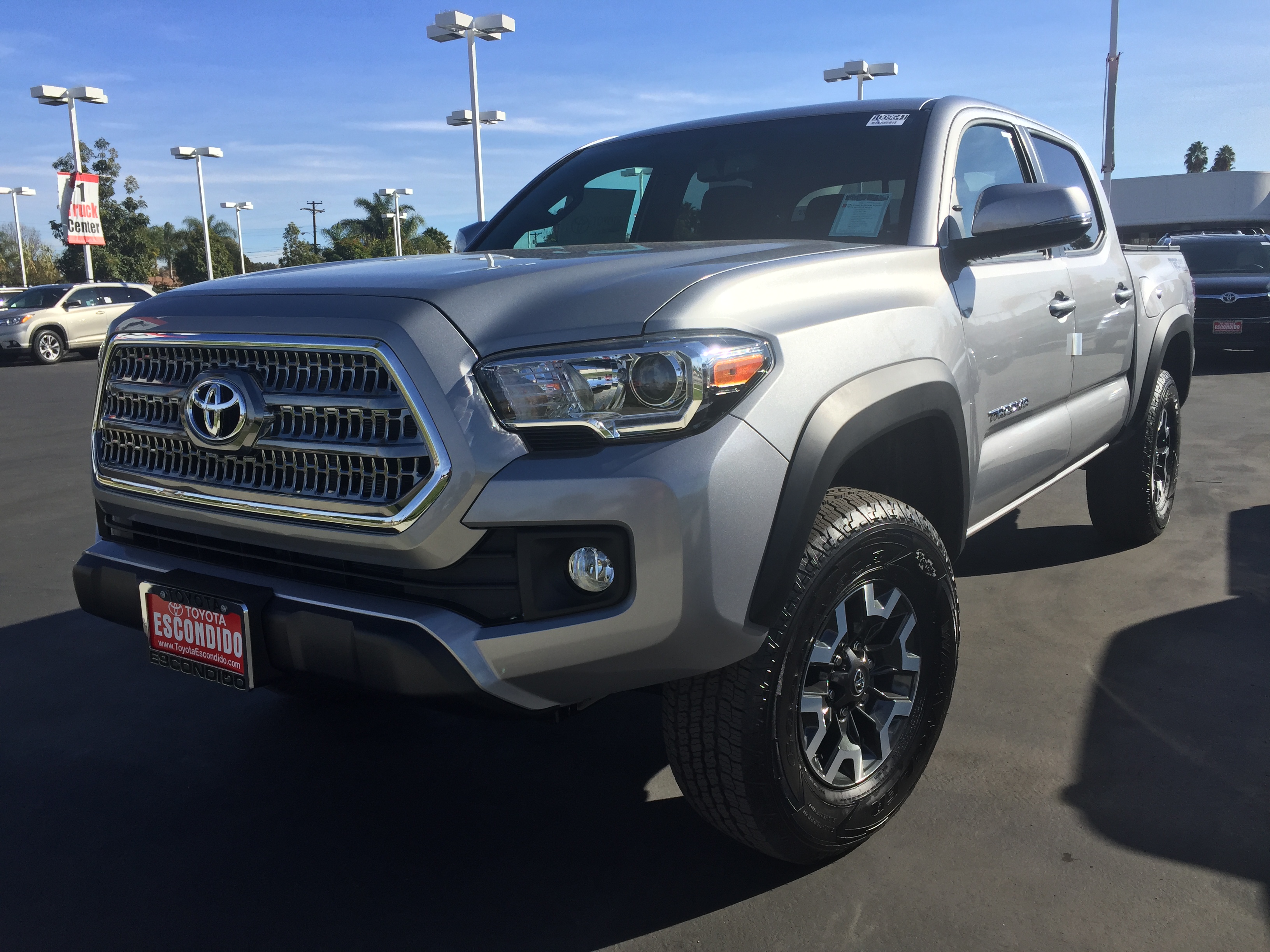
Toyota Tacoma
"...era that had it tagged, you know, it was a Toyota Tacoma, had a ⁓ Las Vegas Raiders sticker on the back an..."
The Tacoma is a mid-size pickup truck from Toyota. People use it for work and for outdoor trips, including rougher roads. Trucks like this can wear wheel bearings faster if they’re driven on uneven surfaces.
The Toyota Tacoma is a mid-size pickup truck built for everyday driving and light-to-moderate off-road use. It’s often mentioned because it’s common on roads and in work or outdoor settings. In a wheel-bearing podcast, Tacomas are relevant since trucks that see rough surfaces and higher loads can stress wheel bearings and related suspension components.

Dodge Charger
"Back in 2008, I had ⁓ a Dodge Charger police car that ⁓ Chrysler had in their press fleet at the time. They you know it was in the press fleet and they also used it for demos to police agencies."
A Dodge Charger is a popular American car model. In this episode, they’re talking about one that looked like a real police car because it had police-style lights and markings, even though it was just a press/fleet vehicle.
The Dodge Charger is a full-size American sedan/coupe that’s especially known in police and fleet use for its power and straightforward V8 layout. In this story, Sam Abuelsamid describes a Chrysler press-fleet Charger that was set up like a police car (lights, sirens, markings) but wasn’t actually assigned to a police agency.
Honda Civic
"It and you know what, when they they have the little computers in the car, so I had a a situation with the Honda's ⁓ the Honda Civic. ⁓ that it wheels had been stolen off of it."
The Honda Civic is a very common everyday car. They’re using it in the story because someone stole its wheels, and the system recognized the car’s plate and helped identify who to call.
The Honda Civic is a mainstream compact car that’s common enough to show up in fleet and everyday situations. In this segment, it’s the specific car whose wheels were stolen, triggering an automated license-plate lookup that routed the situation to the right vehicle owner/fleet contacts.
automatic license plate reader
"I remember ten, twelve years ago, Sausolito put up an ⁓ automatic license plate reader and I like, Well, I guess I'm not going to Sausolito."
An automatic license plate reader is a camera that records car license plates and checks them against a list. The hosts are discussing how these systems can make everyday driving feel more monitored over time.
An automatic license plate reader (ALPR) is a camera system that captures vehicle license plates and uses software to match them against databases. In the episode, it’s used to illustrate how surveillance-style systems can expand from a local pilot to widespread deployment.
Flock set ups
"well I mean you have you go you know, you you you complain to your city, you say, Hey, this isn't cool. This isn't a thing that, you know, we should be doing to the public. ... there was a so I had a family member who was in the hospital and they had one of those little flock set ups."
Flock makes camera systems that can automatically warn people to leave an area. In this story, it’s used around a hospital so people can’t stay in a certain spot for too long.
Flock is a company that provides camera-based systems used to manage crowds and discourage loitering. In the hospital example, the setup is used to issue automated warnings like “Please leave,” effectively enforcing a geofenced area.
private property
"And it would if you didn't leave within a certain amount of time, it would have a like a loudspeaker that would be like, You are on private property. Please leave. ... while I'm in the car, please leave the area. You are in a private Yeah. I was just like, What are you doing?"
“Private property” means an area that belongs to someone (like a hospital or business), not a public street or park. The system is telling people they’re in a space where they’re not allowed to stay.
“Private property” is a legal concept meaning land or facilities controlled by an owner (not public space). In the transcript, the Flock system is used to tell people they’re on private property and must leave.
car loans
"⁓ all right. Car loans. ⁓ Jalopnik had a piece this week. ⁓ let's see. Almost let's see. Twenty three point nine percent of new car buyers are now opting for car loans of eighty four months or more."
A car loan is money you borrow to buy a car and then pay back over time with monthly payments. This segment is talking about longer loan terms and how that changes what people can afford.
A car loan is financing used to pay for a vehicle, typically repaid in monthly installments over a set term. The segment focuses on loan length (84+ months) and how that affects affordability.
down payment
"So the average car loan is now forty four thousand one hundred and fifty six dollars. ... because prices are going up and customers ⁓ have less money to put down on a down payment, because everything else is getting more expensive too."
A down payment is the money you pay upfront when you buy a car with financing. If the down payment is smaller, you have to borrow more, which usually raises your monthly payment.
A down payment is the upfront cash paid when financing a car, reducing the amount borrowed. The transcript notes that down payments have been shrinking relative to earlier periods, which increases the loan size.
interest rates
"it's not just the car prices themselves, but it's also the interest rates because interest rates have remained stubbornly high."
Interest rates are what the lender charges for borrowing money. If they’re high, your car loan costs more overall and it can make monthly payments harder to afford.
Interest rates are the cost of borrowing money, expressed as a percentage over time. Higher rates make car financing more expensive, increasing total cost and reducing the number of buyers who can qualify.
underwater on that car
"but in the long run you're paying way more money because the interest rates are so high and your loan is so bl you know, long, seven years. ... you're probably already underwater on that car. I mean you're underwater as soon as you walk out"
“Underwater” means you owe more money on the loan than the car is worth right now. If the car gets totaled or stolen, insurance might only pay what the car is worth, so you could still owe money to the lender.
Being “underwater” on a car loan means the vehicle’s current market value is less than the remaining loan balance. The transcript explains that if the car is stolen or totaled, insurance may pay the market value, leaving the owner owing the difference.

Nissan Kicks
"you know, go buy a Nissan Kicks or a Chevy Tracks instead of in instead of, you know, something more expensive."
The Nissan Kicks is a smaller, more affordable crossover. The hosts mention it as an option people might choose when they can’t afford a more expensive car.
The Nissan Kicks is a subcompact crossover that’s often positioned as a more affordable alternative to pricier vehicles. In this segment, it’s mentioned as a budget-friendly choice when car loans and insurance payouts make higher-priced cars harder to manage.
touch screens
"Sam Abuelsamid (1:05:36) ...they ran a bunch of tests to look at how long it takes... with cars that have touch screens in them. And their baseline was a two thousand five Volvo V seventy, where most most of the stuff is obviously physical controls."
“Touch screens” here refers to using a driver-facing display to control functions like turn signals, temperature, and other in-cabin settings. The segment argues that touchscreen interactions take longer and increase the distance/time the driver’s eyes are off the road compared with physical controls.

Volvo V seventy
"Sam Abuelsamid (1:06:06) ...their baseline ⁓ was a two thousand five Volvo V seventy, where most most of the stuff is obviously physical controls. And so they they they for eat you know they'd measure the time that it takes to do each of those tasks while you're driving the car, ⁓ at sixty eight miles an hour."
They used a Volvo V70 as a “baseline” car to compare against newer cars. The key idea is that the V70 has more normal buttons and knobs, so you can do things without looking at a screen.
The Volvo V70 is used here as a baseline test car because it has mostly physical controls rather than touchscreens. That makes common in-car tasks (like turn signals and temperature changes) quicker and less distracting at highway speeds.

Mazda C X sixty
"⁓ the Mazda C X sixty ⁓ was actually the worst of all the vehicles this year. took eleven hundred and thirty seven meters to to do this stuff."
The Mazda CX-60 is called out as the worst performer in the touchscreen-task timing results. The point is that its touchscreen interface made everyday driving tasks take longer and require more glancing away from the road.
Request an Explanation
Heard something you'd like explained? We'll add it to this episode.
Sign in to request explanations for terms you heard.
Want to learn more?
Browse our glossary for plain-English explanations of automotive terms, jargon, and concepts.
Help improve this episode
See something that's not quite right? Our annotations are AI-generated and can sometimes miss the mark. Click the flag icon on any annotation to suggest a correction.
2 community members have helped improve this episode.