
Ferarri Luce Thoughts, MGS6 pricing and Geely EX2 Battery Update China
About this episode
Battery chemistry, charging access, and pricing pressure take center stage, from the Subaru Uncharted’s CATL-sourced pack and AWD to the MG S6’s under-$50k drive-away positioning and 530 km claimed range. Ferrari Luce sparks debate over EV packaging, four-motor layout, and whether designs should “look like a Ferrari” or evolve. China updates keep coming: Geely EX2 battery refresh to 47 kWh, BYD’s “Ato III” flash-charging naming, and fast-moving incentives vs Australia’s lag. Charging infrastructure updates land in Sydney and Melbourne.
Got a Question or Comment? Send us a Text Message!
Catch up on the latest in Electric Vehicle news from Australia and around the world! Hosted by Tom & Joy Gan of Ludicrous Feed, Riz Akhtar from Carloop and Roland Lam from Zapped
Catch us LIVE on Wednesday nights 8pm Sydney time on YouTube
Contact Ludicrous Feed
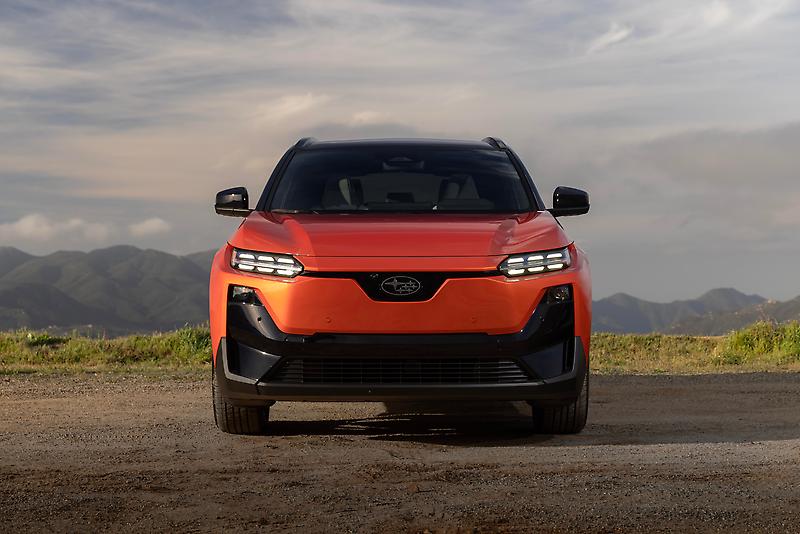
Subaru Uncharted
"Shout out to Sutton's Chalora in Sydney as well for giving us some time with the new Subaru Uncharted. You can see behind us there in the showroom... we got to look around it."
This is a new Subaru electric vehicle. In this part of the podcast, they’re mainly talking about what it looks like and whether the price makes sense in Australia.
The Subaru Uncharted is Subaru’s new EV offering, positioned as a smaller, more stylish alternative to its earlier EVs. In this segment, the hosts focus on its design and pricing in Australia, and they mention it shares a platform with the Subaru Salterra and Toyota bZ4X.
Subaru Salterra
"I'm sorry. I mean, yeah, the Salterra... I mean, it's not the best-looking car, is it? But this one is. I really like the look of this one... Salterra kind of shares its some blood with the BZ4X..."
The Salterra is Subaru’s earlier electric car. They’re comparing it to the Uncharted to explain what’s similar and what’s different.
The Subaru Salterra is Subaru’s EV that the hosts use as a comparison point for the Uncharted’s styling and platform. They also say the Uncharted shares some of its underlying architecture with the Salterra, tying the two together mechanically rather than just visually.

Toyota bZ4X
"Salterra kind of shares its some blood with the BZ4X, which is not the prettiest-looking car. But look, I think the Uncharted doesn't look too bad... it's actually on the same platform as the BZ4X and Salterra too."
The bZ4X is another Toyota electric vehicle. They’re saying the Uncharted is related to it—sharing the same basic platform—and they compare how they look.
The Toyota bZ4X is an EV that the hosts use as a styling benchmark and as a platform-sharing reference. They say the Uncharted shares some “blood” with the bZ4X and that it’s on the same platform as the bZ4X and the Salterra.
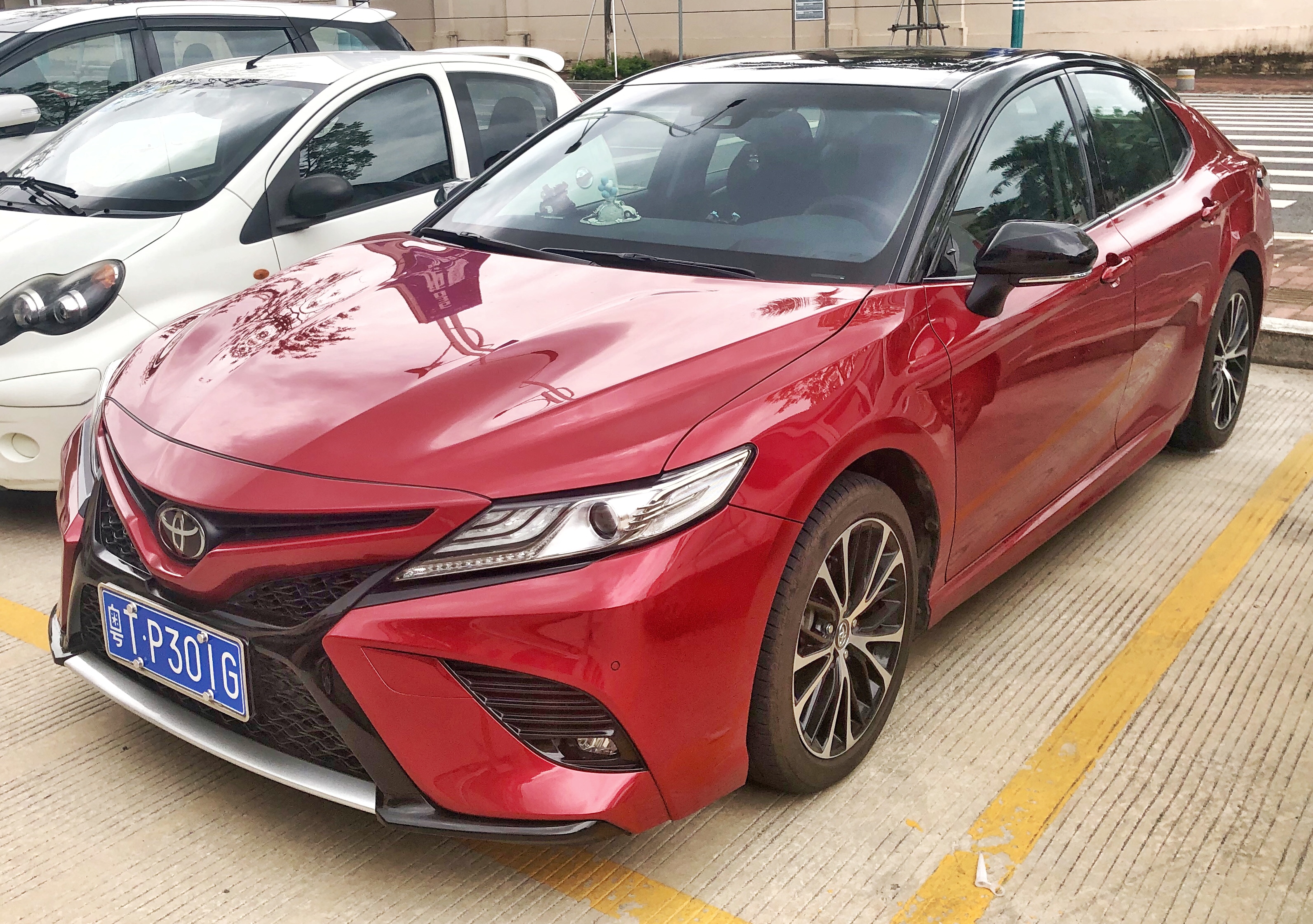
Toyota Car Toyota
"an upgrade or in terms of how it looks compared to the Salterra? Yeah, I guess you can call it that. But it reminds me of another car, Toyota car, which I think it shares a lot of stuff with the CHR, which is available as electric in other"

Toyota Chr
"..., which I think it shares a lot of stuff with the CHR, which is available as electric in other markets...."
The Toyota C-HR is a small SUV meant for everyday driving. It’s mentioned because the same basic idea has an electric version in some markets. The podcast is connecting that to how EVs are expanding beyond just new designs.
The Toyota C-HR is a compact crossover SUV, typically known for its distinctive styling and everyday usability. The podcast notes it shares a lot of “stuff” with the C-HR, which is also available as an electric model in other markets. That’s why it comes up in an EV adoption conversation—because it highlights how familiar platforms can move into electrification.
on-road
"So what do you guys think? $60,000 too much? $59,980 before on-road, $65,000 on-road."
On-road price is what you actually pay to get the car registered and ready to drive legally. It’s usually higher than the base price because it includes fees and taxes.
On-road price is the total cost to register and get a vehicle ready for legal driving, including taxes, registration, and other government/administrative fees. The hosts compare a “before on-road” figure to a higher “on-road” figure to show the real buyer cost in Australia.
CATL
"Yeah. So I got a Chinese battery CATL, so you're kind of getting best of both worlds in some way."
CATL is a company that makes EV batteries. They’re saying this Subaru EV uses a CATL battery, which is part of why they think the overall package is worth the money.
CATL is Contemporary Amperex Technology Co. Limited, a major Chinese battery manufacturer. The host says the Uncharted uses a CATL battery, framing it as a way to get “best of both worlds” (Japanese branding with Chinese battery supply).
all wheel drive
"Which isn't... Yeah, the main thing is that it's all wheel drive. That's right, all drive."
All-wheel drive means the car can send power to both the front and rear wheels. That can help it grip the road better, especially in rain or on loose surfaces.
All-wheel drive (AWD) means power is sent to more than one axle, typically both the front and rear wheels. In EVs, AWD is often used to improve traction and stability, especially when accelerating on slippery surfaces.
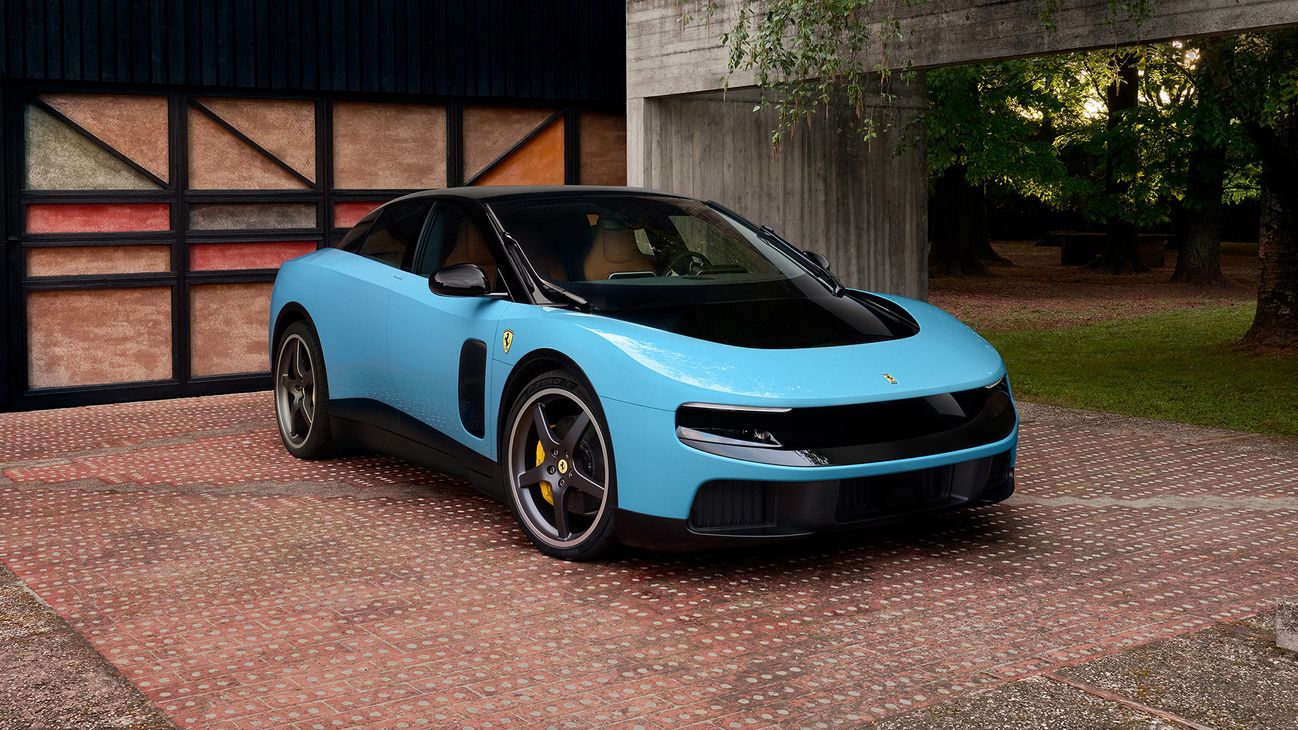
Ferrari Luce
"this wrong, please correctly, Ferrari Luce. It sounds Italian enough, Luce. Marinello's first ever fully electric car designed by Ex-Apple designer Johnny Ife. ... So this is the first fully ever electric Ferrari Luce, which is Italian for light."
This segment is talking about a proposed/imagined Ferrari called the Ferrari Luce. They’re saying it’s an electric Ferrari with four motors and a hatchback body, which would be a big change from the usual Ferrari look and feel.
Ferrari Luce is described here as a fully electric Ferrari with a very different body style and layout than traditional Ferraris. The key EV details mentioned are a five-door hatchback form factor, four motors (one per wheel), and very quick acceleration figures for an EV.
center scoot
"It's got that center scoot through that a lot of EVs have as well, which is nice. It's good to see."
They’re talking about the layout in the middle of the car’s cabin. EVs often have a different center area because they don’t need the same mechanical parts as gas cars.
“Center scoot” here appears to refer to a center-mounted driving/infotainment area or console layout that many EVs use. EV interiors often emphasize a more open cabin and a different packaging approach because they don’t need a traditional transmission tunnel.
instrument clusters
"Yeah, but it's got some old school cluster, instrument clusters as well with a speedometer. I wonder if that's digital."
An instrument cluster is the dashboard display the driver looks at for things like speed. They’re debating whether it’s a real physical dial or a digital screen.
An instrument cluster is the driver’s display panel for key information like speed and power/charge status. The segment contrasts “old school” analog-style dials with the possibility of a digital display, which affects how information is presented and read at a glance.
four motors
"It's actually a five-door hatchback, believe it or not, hatchback body, five meter car. So very long. It's got four motors, one for each wheel, and zero to 62 miles an hour."
“Four motors” means there’s a motor driving each wheel. That can help the car grip the road better and respond more quickly when you accelerate.
Four motors means the car uses one electric motor per wheel, which can improve traction and allow more precise torque control at each axle. That setup is common in high-end EVs because it helps with stability and efficient acceleration.
kWh
"Can someone guess how big the battery is? This was quite impressive actually, I thought, in terms of the size. It is. Probably over 100 kWh, which is sort of the norm in this sort of space."
kWh is how much energy the EV battery can store. Saying it’s over 100 kWh usually means a big battery, which can support more driving range and power.
kWh (kilowatt-hours) is a unit of energy used to describe an EV battery’s capacity. The segment suggests the battery is “over 100 kWh,” which implies a large battery pack aimed at longer range and strong performance.
2.2 tons
"[497.8s] But yes, 122 kWh battery. It's a huge beast. Huge beast of battery. Despite that though, [504.7s] the weight is only 2.2 tons. Like there are certainly EVs heavier than that than this car. [510.3s] So they've managed to keep the weight down somehow."
This is the curb weight (roughly the car’s mass ready to drive, including the battery and fluids). For EVs, battery packs can make weight high, so comparing mass helps explain why some EVs feel quick or heavy even with strong motors.
Nurburgring
"[519.1s] give the credit to Tesla. Model S Playa was way ahead of its time. 2.1, 2.2 ton faster than this [526.9s] in terms of pure straight line acceleration, probably faster than this on the Nurburgring. [532.8s] And now we have the Xiaomi SU7 Ultra doing crazy laps and crazy speeds."
The Nürburgring is a very famous race track in Germany. People use it to compare how fast and capable cars are because it’s challenging and tests more than just straight-line speed.
The Nürburgring (often called the ‘Ring’) is a famous German circuit known for its long, complex layout and elevation changes. EV lap times there are often used as a real-world performance benchmark because the track stresses traction, power delivery, and stability.

Xiaomi SU7 Ultra
"[532.8s] And now we have the Xiaomi SU7 Ultra doing crazy laps and crazy speeds. [539.8s] I think Xiaomi's got a smaller battery than this as well. So [544.2s] yeah, I mean, you must really love Ferraris to add this to your collection."
They’re using the Xiaomi SU7 Ultra as an example of a newer EV that’s very fast on track. They also suggest it might have a smaller battery, which matters because battery size affects both weight and range.
The Xiaomi SU7 Ultra is being cited as a recent EV that’s posting impressive lap times and high speeds. The hosts also mention it may use a smaller battery than the Ferrari, which ties back to the tradeoff between battery size, weight, and performance.

Yangwang Yang Wang U9
"...tis will get one of these too. I mean, he's got a Yang Wang U9 coming, right? So why not add a luce to his portf..."
The Yangwang U9 is an electric vehicle that’s meant to be a high-performance, premium option. The podcast mentions it as something that’s coming. It’s included to show how many different EVs are being planned for the market.
The Yangwang U9 is a high-end, performance-oriented electric vehicle discussed as a future arrival in the context of the podcast’s lineup of EVs. The mention suggests it’s part of a broader strategy to bring more premium EV options to the market. It’s brought up because it signals how far EV performance and branding are moving.
Jaguar
"This reminds me of that Jaguar concept or the one that's supposed to be the new thing coming, the reimagined Jaguar, like where all the designers gone, the Chinese must have pinched them all."
Jaguar is a British luxury car brand. The hosts bring it up as an example of a car concept or redesign that didn’t land the way it should, and they use it to compare against Chinese EVs that they think look better.
Jaguar is a British luxury automaker, and the hosts reference a “reimagined Jaguar” concept as an example of a design direction that they feel is being mishandled. They use it to set up a broader point: that some automakers’ design teams or priorities may be getting “lost,” while Chinese brands are producing more compelling-looking EVs.
Beijing show
"Like all the good ones. And you look at like, you know, Tom and Joe, you had the Beijing show photo on at the Beijing show, Fung Ching Bao, which is one of the BYD brands."
The Beijing show is a major auto show in China where car companies show off new cars and concepts. The hosts are using it as a reference point for Chinese EV designs they think look great.
The Beijing show refers to an auto show in Beijing where automakers reveal concept cars and new models. In this segment, the hosts reference a Beijing show photo to point to Chinese EV brands and designs they think are especially strong.
BYD
"Tom and Joe, you had the Beijing show photo on at the Beijing show, Fung Ching Bao, which is one of the BYD brands."
BYD is a big Chinese company that makes electric cars and batteries. In this discussion, they’re using BYD-related brands as examples of EVs with designs they think look better than the Ferrari they’re criticizing.
BYD is a Chinese automaker that also builds batteries, and it’s become a major player in EVs worldwide. Here, the hosts mention a BYD brand connected to a Beijing show photo, framing it as part of the broader wave of Chinese EV design that they think outshines what Ferrari “should have made.”
Denza Z9 GT
"Even like the Zika 7 GT or the Denza Z9 GT, I mean, they're great looking cars, right?"
Denza is a Chinese EV brand associated with BYD, and the Denza Z9 GT is a model name the hosts use as an example of “gorgeous” design. They’re contrasting it with what they believe Ferrari should have produced, suggesting Chinese EV styling is winning attention.

Z9 Denza Z9
"... should have made. Even like the Zika 7 GT or the Denza Z9 GT, I mean, they're great looking cars, right? I ..."
Z9 is a name used for a car model being discussed in the podcast. The conversation is mainly about how good it looks and how it compares to other design-focused EVs. The key point is that it’s part of the EV lineup people are considering.
Z9 is referenced as a model name in a discussion about attractive-looking EVs and what people might choose. The podcast compares it to other similarly styled models, focusing on design appeal. That’s why it comes up—because styling and product positioning influence buyer interest in EVs.

Tesla Model S
"But then again, the Tesla Model S has said the first Model S, which is the same generation as my one, looks great. When it first came out, I was like, wow, that's a stunning car, right?"
The Tesla Model S is a well-known electric car from Tesla. The point being made is that when it first launched, some people weren’t sure about the styling, but it ended up looking great over time.
The Tesla Model S is an electric luxury sedan that became a benchmark for EV design and technology when it debuted. The host uses it as an example of how people often doubt a new look at first, then later decide it’s beautiful and important.

Ferrari F40
"Uh, yeah, James, what, what happened to Ferrari's design? The Enzo F40 LaFerrari?"
The Ferrari F40 is a classic, iconic Ferrari supercar. The host is using it as a reference point for what many people think of as classic Ferrari design.
The Ferrari F40 is a legendary, track-focused supercar known for its aggressive styling and lightweight, performance-first approach. It’s brought up here as an example of the kind of “traditional Ferrari look” people associate with the brand.

Ferrari LaFerrari
"..., what happened to Ferrari's design? The Enzo F40 LaFerrari? Yeah, I mean, yes."
The Ferrari LaFerrari is an extremely expensive, very high-performance supercar. It uses a hybrid system, meaning it combines an electric component with a traditional engine. The podcast brings it up when talking about Ferrari’s design and history.
The Ferrari LaFerrari is a limited-production, high-performance hybrid supercar from Ferrari. The podcast references it in a conversation about Ferrari’s design direction and legacy models. It’s discussed because it represents a major technological and styling milestone for the brand.

Ferrari Enzo
"Uh, yeah, James, what, what happened to Ferrari's design? The Enzo F40 LaFerrari?"
The Ferrari Enzo is one of Ferrari’s most famous supercars. The hosts mention it to talk about what “classic Ferrari design” means and how future designs might compare.
The Ferrari Enzo is a halo supercar from Ferrari, famous for its mid-engine layout and for being a design and engineering statement. In the segment, it’s referenced as part of a lineup of iconic Ferrari models (along with the F40 and LaFerrari) when discussing “Ferrari’s design.”
battery pack
"The battery pack being heavy, you need quite a bit of space for it. [851.6s] You can't package the cars in the same way you've been doing with your,"
In an EV, the battery pack is the big battery that stores the electricity. It’s heavy and takes up space, so it affects how the whole car is designed.
A battery pack is the large, multi-cell battery assembly that stores electricity in an EV. Because it’s heavy and bulky, it takes up space and strongly influences how the vehicle’s body and interior can be packaged.
high performance V8s and V12s
"[851.6s] You can't package the cars in the same way you've been doing with your, [855.2s] you know, high performance V8s and V12s. [858.6s] So understandable that they had to go down a path."
V8 and V12 are types of gas engines with different numbers of cylinders. The hosts are saying EVs can’t be built the same way because the battery takes up space that gas engines don’t.
V8 and V12 refer to engine configurations where cylinders are arranged in a “V” shape, with 8 or 12 cylinders respectively. The point here is that traditional high-performance gas engines let automakers package the car differently than an EV with a large battery pack.

Audi S6
"This is actually quite exciting. This is the MG S6 which has officially been launched. And we do hav..."
The Audi S6 is a sportier, higher-performance luxury sedan compared with the standard A6. In the podcast, the S6 name is brought up while talking about new or changing model offerings. The main point is availability and lineup updates rather than deep technical details.
The Audi S6 is a performance-focused version of the A6, aimed at drivers who want a larger, more powerful luxury sedan. In the podcast, it’s referenced in a broader discussion of MG models, where the S6 name appears alongside other EV launches. That context makes it about what’s being offered and how model lineups are evolving.
range
"[959.1s] And has a decent range, 530 kilometers. [962.7s] And importantly, all the dry variant is coming as well."
For EVs, “range” means how many kilometers you can drive on one full battery charge. Higher range usually means fewer charging stops.
In EV context, “range” means how far the car can drive on a full charge under a specified test cycle. It’s one of the most important buying metrics because it affects charging stops and day-to-day usability.
dry variant
"[959.1s] And has a decent range, 530 kilometers. [962.7s] And importantly, all the dry variant is coming as well. [965.3s] So..."
They mention a “dry variant,” which sounds like a different version of the car’s battery setup. The exact meaning isn’t explained here, but it’s basically a different configuration than the main one they were talking about.
“Dry variant” here likely refers to a specific EV battery or drivetrain configuration that differs from other versions in how the battery system is built or cooled. Because the host doesn’t define it further in this excerpt, it’s best treated as a model-specific naming convention rather than a universal EV term.

MG S6
"Like you can have a MG S6. Yeah, I think we'd do a lot more good if there were 20 of these on the street. And it's also a RWD, right?"
They’re talking about the MG S6 as an electric car. They mention it can be had with either rear-wheel drive (RWD) or all-wheel drive (AWD), and those options cost about $7,000 more or less than each other.
The MG S6 is discussed as an EV option, and the hosts focus on its drive layout and trim structure. They specifically call out that it’s available in both RWD and AWD versions, and that the price difference between those configurations is about $7,000.
RWD
"And it's also a RWD, right? So you know how much we love RWD. And there's two trims."
RWD means the car powers the rear wheels. That can affect how it drives and handles compared with cars that power all four wheels.
RWD (rear-wheel drive) means the car’s electric motor(s) drive the rear axle. The hosts link RWD to their preferences, implying it can change how the car feels and handles compared with AWD.
AWD
"And there's two trims. Like I said, RWD and AWD. They're $7,000 difference only essence."
AWD means the car can drive all four wheels. In this discussion, it’s one of the MG S6 options, and it costs more than the rear-wheel-drive version.
AWD (all-wheel drive) means power is sent to both the front and rear axles. In this segment, AWD is presented as one of two trim/configuration options for the MG S6, with a stated price gap versus the RWD version.
MG S5 Excite
"And speaking of just a quick tangent, I read today that the MG S5 Excite variant is going away. Just streamlined their lineup."
They’re saying the MG S5 Excite version is going away. Fleet buyers might still find it, but regular private buyers will only be able to get the Essence trim.
The MG S5 Excite is discussed as a trim that’s being discontinued as part of a streamlined lineup. The hosts say fleet buyers may still be able to purchase Excite, while private buyers are limited to the “Essence” trim.

Audi S5
"...of just a quick tangent, I read today that the MG S5 Excite variant is going away. Just streamlined th..."
The Audi S5 is a sportier Audi model, usually meant for drivers who want more performance than the standard version. In the podcast, the key point is that a certain S5-related variant is being removed from the lineup. That matters because it changes what trims are available to buy.
The Audi S5 is a performance version of the A5, typically positioned as a sportier, more powerful coupe or fastback-style car. The podcast mentions an MG S5 Excite variant going away, which is likely a reference to a model/trim name being discontinued or streamlined. That’s relevant because it affects what buyers can find and how pricing and options change over time.

Zeekr Zika 7X
"...f the world, the BYDC, Lion 7s, the X-Pen G6, the Zika 7X potentially. But far cheaper, right?"
The Zeekr 7X is an electric car model being discussed as a possible option. The podcast focuses on its price and suggests it may cost less than some alternatives. That matters because lower prices can make EVs easier to buy.
The Zeekr 7X is mentioned as a potentially strong value EV option in the podcast’s comparison of several upcoming models. The discussion highlights that it could be “far cheaper,” tying into how pricing affects EV adoption. That makes it relevant because affordability is a major factor for buyers switching to electric.
drive away pricing
"I think the key here is the pricing is drive away pricing. So that, you know, if you look at the, I think C-Line 7 is 55 or 56 plus on roads."
“Drive away pricing” means the full price you can drive off the lot with. It usually includes extra government and paperwork costs, not just the car’s base price.
“Drive away pricing” is the total price you pay to take the car home—typically including the base vehicle price plus on-road costs like registration and stamp duties. It’s a way to compare real out-the-door cost between cars, not just the sticker price.

Sealion Cline 7
"I think the key here is the pricing is drive away pricing. So that, you know, if you look at the, I think C-Line 7 is 55 or 56 plus on roads. Model Y is 58 or 59 plus on roads."
The Sealion 7 is an electric car model, and the podcast talks about its price. They mention “drive away pricing,” meaning the amount you pay to have the car ready to drive. It’s compared to the Tesla Model Y to show how the costs stack up.
The Sealion 7 is discussed with a focus on pricing, specifically “drive away pricing,” which includes the cost to get the car ready to use. The podcast compares its price to a Tesla Model Y, showing how EV options are being positioned against each other on cost. That’s why it’s relevant in an adoption conversation—buyers often decide based on total price.

Model Y
"So that, you know, if you look at the, I think C-Line 7 is 55 or 56 plus on roads. Model Y is 58 or 59 plus on roads."
Tesla Model Y is an all-electric SUV. Here it’s mentioned as a comparison point for how much you’d pay once you include the extra “on-road” costs.
Tesla Model Y is an all-electric compact SUV that’s often used as a benchmark for pricing and range in the EV market. In this segment, it’s referenced to compare “on roads” pricing and the implied total cost versus other EVs.
77 kilowatt hour battery
"You know, it's a 77 kilowatt hour battery, I think, for memory. The all drive can go from 0 to 105 seconds."
A “77 kilowatt hour battery” is how big the EV’s battery is. Bigger batteries usually mean you can drive farther before needing to charge.
A “77 kilowatt hour battery” refers to the size of the EV’s energy storage pack. Larger battery capacity generally supports longer driving range, and it’s a key spec when comparing EVs.
0 to 105 seconds
"The all drive can go from 0 to 105 seconds. That's like Subaru and Uncharted quick."
This is talking about how quickly the car accelerates from a stop. The exact target speed is unclear in the transcript, but it’s basically an acceleration time comparison.
This appears to be a mis-transcription of a 0-to-speed acceleration figure (commonly 0–100 km/h) expressed in seconds. The key idea is that the host is comparing acceleration performance between EVs.
all drive
"The all drive can go from 0 to 105 seconds. That's like Subaru and Uncharted quick."
“All drive” probably means the car has power going to more than one set of wheels. That usually helps with traction, especially on wet or slippery roads.
“All drive” likely refers to an all-wheel-drive (AWD) configuration, meaning power is sent to more than one axle for better traction. In EVs, AWD can improve launch and grip, especially on slippery surfaces.
WLTP
"And decent WLTP for the rural drive variant, 500Ks. Can charge at 11 kilowatt AC, which is super, because most, I think, MGs can only charge at 7 at this stage, 6 to 7."
WLTP is a standardized test used to estimate how far a car can go on a charge. When someone says the WLTP range is good, they mean the official test result looks solid.
WLTP (Worldwide Harmonized Light Vehicles Test Procedure) is a standardized testing method used to estimate EV range and fuel/energy consumption. When the host says “decent WLTP,” they mean the rated range under that standardized test is strong.
11 kilowatt AC
"Can charge at 11 kilowatt AC, which is super, because most, I think, MGs can only charge at 7 at this stage, 6 to 7."
“11 kilowatt AC” is how fast the car can charge when using an AC charger (like many home setups). Higher number usually means you can add energy faster.
“11 kilowatt AC” is the maximum charging power the car can accept when charging on alternating current (AC). Higher AC kW generally means faster charging on compatible home or public AC chargers.
4.7 meter car
"And yeah, 4.7 meter car. So it's a family, family size EV, which is good."
“4.7 meters” is the car’s length. Longer cars usually feel roomier, and this number is used to argue it’s a practical family EV.
A “4.7 meter” length is a way to describe the vehicle’s physical size, which helps listeners gauge cabin/space and parking footprint. It’s being used here to support the idea that the car is family-sized.
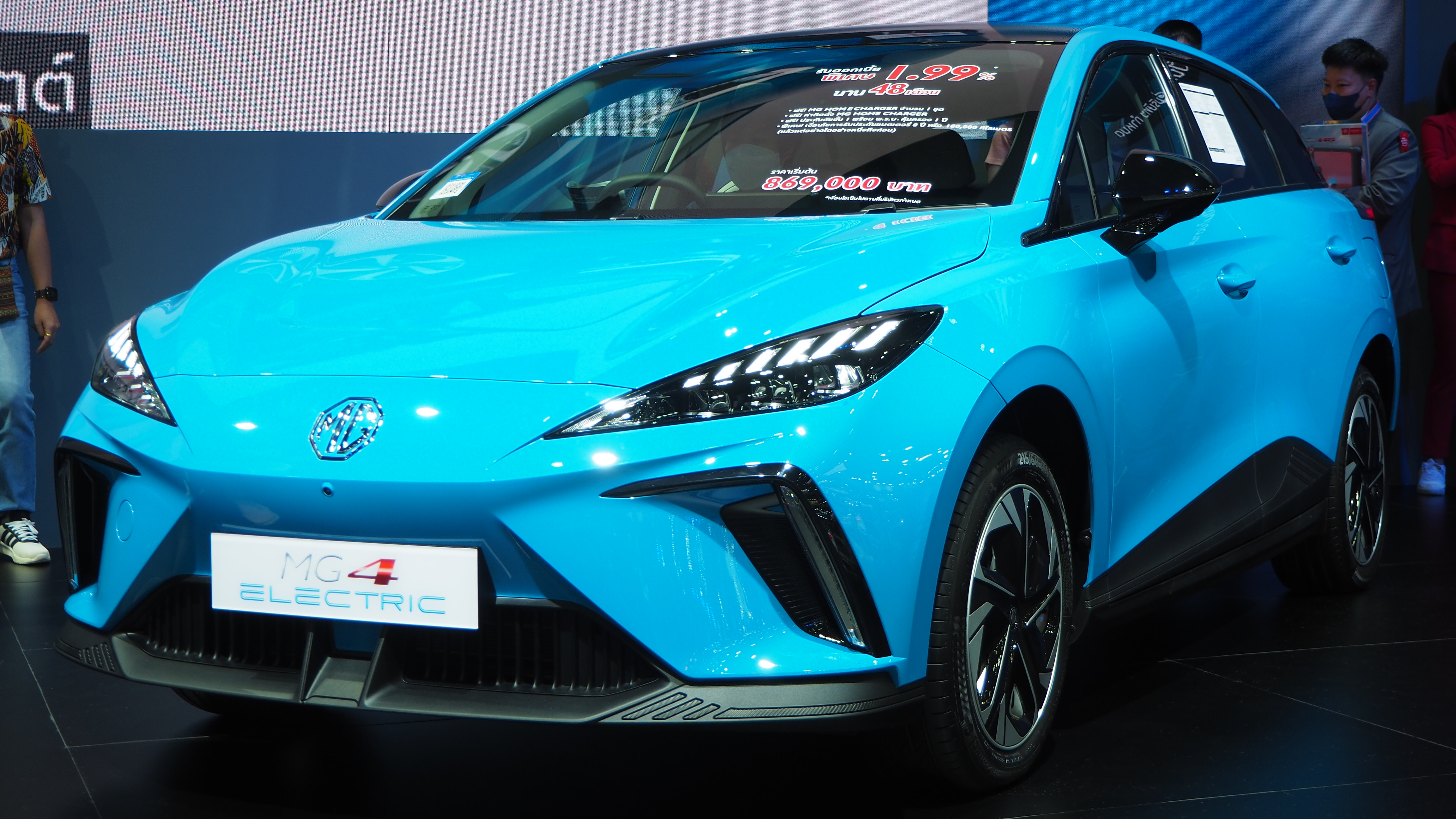
Mg4 Urban
"So the MG4, S5, S6, it's good. MG4 Urban. And the cyber stir is still lurking somewhere."
The MG4 is an electric car, and the podcast talks about it as part of MG’s EV range. They mention a specific version called “Urban.” The conversation also hints that another MG EV is still coming later.
The MG4 is an electric hatchback that’s brought up as part of MG’s EV lineup, including other models like the MG5 and MG6 in the same conversation. The podcast also references the MG4 Urban variant and mentions that a “cyber stir” model is still expected. That makes it relevant because it shows how MG is expanding EV choices and trims.
10 year warranty
"We have a 10 year warranty on all of these cars as well. And I think they're close to 100 dealers Australia wide."
A “10 year warranty” means the company promises to cover certain repairs for about ten years. The exact coverage details matter, but it generally makes ownership feel less risky.
A “10 year warranty” is a long coverage period that can reduce ownership risk by promising repairs for defects during that time. Warranty terms vary by brand and may have different limits for components like the battery and drivetrain.
NMC battery
"[1134.9s] That's one point I was going to bring up, actually. [1136.7s] Thank you, Kapiswada. [1138.1s] Yes, it's an NMC battery, which is a bit unusual."
NMC is the type of lithium battery chemistry. It affects things like how much energy the battery can store and how it behaves as it ages. The host is pointing out that this EV uses a battery type that’s not the usual choice.
An NMC battery uses a lithium-ion chemistry based on nickel, manganese, and cobalt. It’s commonly discussed because different chemistries trade off energy density, cost, and how the battery performs over time. In this episode, the host calls it “a bit unusual,” implying the car’s battery chemistry differs from what many EVs in the market use.
LFP
"[1138.1s] Yes, it's an NMC battery, which is a bit unusual. [1141.1s] Normally, well, I mean, BYD, for example, is LFP with the blade battery."
LFP is a common type of lithium battery. It’s generally valued for lasting a long time and being safer/steadier under heat. The host is comparing it to the NMC battery chemistry used here.
LFP (lithium iron phosphate) is a lithium-ion battery chemistry known for strong cycle life and thermal stability. It’s often chosen for cost and durability, though it can have lower energy density than some other chemistries. The host contrasts LFP with NMC to explain why this battery choice might affect weight and efficiency.
blade battery
"[1141.1s] Normally, well, I mean, BYD, for example, is LFP with the blade battery. [1146.6s] But maybe they just went for density"
“Blade battery” is BYD’s name for a particular LFP battery design. The idea is that it’s packaged in a way that helps with safety and efficiency. The host brings it up to show what’s “normal” versus what this car is using.
“Blade battery” is BYD’s branding for an LFP battery pack design that’s built to be more compact and safer than traditional layouts. The host mentions it as the typical BYD approach when comparing battery chemistries. The point is that this EV’s NMC choice is different from BYD’s more common LFP “blade” setup.
heat pump
"[1151.3s] Anyway, I think it's also got a heat pump. [1153.7s] And heat pumps do make a difference. [1155.0s] Huge difference."
A heat pump helps the car warm the cabin more efficiently. Instead of using lots of electricity to make heat from scratch, it transfers heat, which can save battery range. The host is saying their tests showed a big efficiency improvement on another MG.
A heat pump is an EV HVAC system that moves heat rather than generating it purely with resistive elements. That can improve efficiency in cold or moderate conditions, reducing energy use for cabin heating. The host cites their testing showing a noticeable efficiency difference on an MG4 versus an MG S5, and says they’ll see if the same benefit applies to this car.

MG4
"[1153.7s] And heat pumps do make a difference. [1155.0s] Huge difference. [1156.4s] We saw that with our MG4 test."
The MG4 is an MG electric car. The host brings it up because they tested it and saw that having a heat pump can improve efficiency. It’s used as a benchmark for what to expect from the next MG they’re discussing.
The MG4 is an MG-branded electric hatchback that the host uses as a real-world test reference for heat-pump efficiency. They compare its energy consumption to another MG model to argue that the heat pump can materially improve efficiency. Here, it’s less about the MG4’s design and more about what the test results imply for range.
kilowatt hours per 100 Ks
"[1156.4s] We saw that with our MG4 test. [1158.7s] 13 kilowatt hours per 100 Ks versus our MG S5, [1162.0s] which is sitting at 15, 16s normally."
This is a way to measure EV efficiency. It tells you how many units of electricity (kilowatt-hours) the car uses to drive 100 kilometers. Less electricity per 100 km usually means better efficiency.
“Kilowatt hours per 100 Ks” is an EV efficiency metric that expresses how many kilowatt-hours of electricity the car uses to travel 100 kilometers. Lower numbers generally mean better efficiency (less energy used for the same distance). The host uses it to quantify the difference they saw between MG4 and MG S5.
HUD head up display
"And HK says it's the first MG EV with a HUD head up display. That's good."
A HUD is a display that shows important driving info on the windshield. It helps you keep your eyes on the road instead of checking gauges.
A HUD (head-up display) projects key driving information—like speed or navigation—onto the windshield so you can see it without looking down at the instrument cluster. The host calls it out as a notable feature on the first MG EV with this setup.
federal budget
"Here's a good question from only Penguin. How is the federal budget going to affect EV sales?"
They’re talking about how government budget decisions can change EV sales. If the budget changes incentives or fees, it can make EVs cheaper or more expensive to buy and lease.
The federal budget is being discussed as a policy lever that can change the economics of EV ownership and sales. The host specifically connects it to EV sales through incentives and charges that affect leasing and running costs.
Nevada lease
"Well, we did a video on Nevada lease and how the rules are changing. I think that's probably going to be the biggest change."
They mention Nevada leasing because lease rules can change how affordable EVs are month to month. If the rules change, it can affect how many people choose to lease EVs.
The host references “Nevada lease” to discuss how leasing rules can change EV affordability and sales momentum. Leasing is especially sensitive to policy changes because incentives and fees can directly affect monthly payments.
road user charge
"There wasn't much on road user charge in the federal budget. So I think that's probably, hopefully at least a couple of years away,"
A road user charge is a government fee for using the roads. The host is saying it didn’t get much attention in the budget, but it could matter later for EV costs and sales.
A road user charge is a fee tied to using roads, often structured to shift costs from fuel taxes to distance or vehicle usage. The host says there wasn’t much on it in the federal budget, implying it could still be a future factor in EV demand.

Alpina B10
"...t asks, are there any, is there any elite mode of B10 news about from the price hike last month?"
The Alpina B10 is a high-performance version of a luxury sedan. The podcast mentions it because there’s been a price change and it has a feature called “elite mode.” The focus is on what you get and how much it costs.
The Alpina B10 is a performance-oriented BMW-based sedan known for a more refined, tuned driving experience. In the podcast, it’s mentioned in relation to “elite mode” and a recent price increase, suggesting a discussion about features and value. That’s why it comes up—buyers often care about both pricing and what the car can do.

Geely EX2
"Now, knowing China time, they have refreshed the EX2 now... And it's a bigger battery... So from 35 and 47 kilowatt hours respectively."
The Geely EX2 is an electric car. They’re talking about a newer version with a bigger battery, which usually means you can drive farther on a charge.
The Geely EX2 is an electric vehicle (EV) model whose key spec being discussed here is battery capacity. In this segment, the hosts say China has refreshed the EX2 with a larger battery pack, which should translate into more driving range.

Mercedes-Benz GLE
"Which is interesting because, as we know, GLE have told us quarter three for EX2, for any sort ..."
The Mercedes-Benz GLE is a luxury SUV designed for comfortable everyday driving and long trips. In the podcast, it’s mentioned because Mercedes has given a timeframe for something new or updated. That’s important for people deciding whether to buy now or wait.
The Mercedes-Benz GLE is a luxury midsize SUV known for comfort, technology, and a range of powertrain options. The podcast mentions GLE’s update timing (quarter three for EX2), which suggests discussion about upcoming availability or changes. That makes it relevant to buyers tracking what’s coming next in the SUV market.
Apple CarPlay
"But hopefully, it comes with the Apple CarPlay off the bat. And we've got the GLE X5 extended range at the moment."
Apple CarPlay lets you use certain iPhone apps through the car’s screen and controls. It’s basically the easiest way to get navigation and music working in the car.
Apple CarPlay is a smartphone integration system that mirrors compatible iPhone apps onto the car’s infotainment screen. When the host says “off the bat,” they mean it should be included from the start without needing extra setup or a retrofit.

BMW X5
"... Apple CarPlay off the bat. And we've got the GLE X5 extended range at the moment. And yeah, it is a r..."
The BMW X5 is a luxury SUV that’s designed for comfortable family or long-distance driving. It’s known for having lots of tech features, including phone integration like Apple CarPlay. The podcast brings it up when discussing what’s available in the SUV market right now.
The BMW X5 is a midsize luxury SUV, typically aimed at buyers who want comfort, space, and technology. In the podcast, it’s mentioned alongside features like Apple CarPlay and the idea of an extended-range variant. That makes it relevant to conversations about how EV and hybrid options are being positioned.

Atto Ato3 Evo
"Question from Toss. Is the BYD ship bringing the ATO3 EVO? As far as I know, no, because the configurator,"
The BYD Atto 3 is an electric SUV. The podcast is asking whether a newer “EVO” version is arriving, and the answer given is that it doesn’t look like it’s coming. That matters because it affects whether you should buy now or wait.
The BYD Atto 3 is an electric SUV that’s being discussed in the context of whether an “EVO” version is coming. The podcast notes that, as far as they know, the EVO isn’t coming because the configurator doesn’t show it. That makes it relevant for buyers deciding whether to wait for a newer update.
peak periods in the evenings
"And surprise, surprise, the prices have stabilised [1684.0s] for peak periods in the evenings. [1686.2s] Not really a surprise, because as opposed to gasping the price indicator,"
Evening peak periods are the times when lots of people use electricity at once. That’s usually when power is most expensive, but batteries and solar can help reduce that spike.
“Peak periods in the evenings” refers to times when electricity demand is highest—often when people return home and use more power. Pricing and grid stress tend to be worse then, so the episode’s point is that battery use and solar shifting can smooth those peaks and stabilize prices.
battery discharge
"Not really a surprise, because as opposed to gasping the price indicator, [1684.0s] now battery discharge is now calling the shots, [1695.4s] which is great because you're essentially paying for solar"
Battery discharge just means the battery is giving energy back out. The hosts are saying that when people use the battery in the evening, it affects how expensive electricity is at that time.
“Battery discharge” is when an EV or home battery releases stored electrical energy to power your home or vehicle. In this discussion, it’s framed as the key driver of electricity pricing during peak evening periods, meaning the grid is effectively using stored energy rather than only drawing from power plants.
taking the excess solar energy during the day and then using it when it's needed
"because it's stored solar mostly, which is good. [1702.0s] Who would have thought that taking the excess solar energy [1704.6s] during the day and then using it when it's needed"
It’s basically saving extra solar power from daytime and using it later. That can help when electricity is more expensive or harder to supply in the evening.
This describes solar “energy shifting”: storing extra solar generation during the day in a battery and then using it later when demand (and prices) are higher. The benefit is that you reduce reliance on electricity generated at peak times, which can lower costs and ease strain on the grid.
flash charging
"HK saying New Zealand is getting the new Ato III flash charging. [1745.3s] Renames Ato V, really? ... [1763.0s] and it does have flash charging."
“Flash charging” means charging an EV very quickly. The idea is you can get a meaningful amount of battery back in a short time compared with normal charging.
“Flash charging” is a marketing term for very fast EV charging, typically referring to high-power DC charging that can add a lot of range in a short time. In this segment, the hosts use it to describe the charging capability of the newer “Ato III”/Yuan Plus-related setup.
BYD Yuan Plus
"So, at the moment, at the Beijing show, [1753.3s] they announced the new Yuan Plus, which is the Ato III, [1757.4s] but it's a different car."
BYD’s Yuan Plus is an electric car. The hosts are talking about how it’s tied to a newer fast-charging setup (“Ato III”), and they also note it’s a different, bigger car than the previous one.
The BYD Yuan Plus is an EV model that the hosts connect to the “Ato III” fast-charging naming they’ve been discussing. In this segment, they say the Yuan Plus is the new “Ato III” in terms of charging capability, but it’s also described as a different (larger) car than the current Ato III.

DPAL SO5
"When is the DPAL SO5 coming? When is Christmas coming?"
DPAL SO5 is a car model the hosts are waiting to hear about—specifically, when it’s coming. They mention it in the same breath as other versions and pricing, so it sounds like the release depends on what’s happening with the earlier cars.
DPAL SO5 is referenced as an upcoming model, with the hosts asking when it will arrive. They frame the question alongside other DPAL variants and pricing, suggesting the SO5’s launch timing is tied to how earlier models are selling.

Ford Ranger
"...ve got alternatives to the Toyota, Hilux and Ford Ranger. Certainly seeing a lot more shark sixes on the r..."
The Ford Ranger is a pickup truck, meaning it has a cargo bed for hauling things. People buy it for practical use like work, towing, or weekend projects. The podcast mentions it as a common option people compare when looking at trucks.
The Ford Ranger is a popular pickup truck, often chosen for work use as well as everyday practicality. The podcast mentions it as one of the alternatives buyers consider alongside other well-known pickups. That’s why it comes up in an adoption or market discussion—because trucks are a major segment in Australia.

Toyota Hilux
"that we've got alternatives to the Toyota, Hilux and Ford Ranger. Certainly seeing a lot more shar..."
The Toyota Hilux is a pickup truck that people use for work and everyday hauling. It’s mentioned as one of the main truck options people compare. The podcast is basically talking about what alternatives are out there.
The Toyota Hilux is a widely used pickup truck known for durability and practicality. The podcast mentions it as an alternative alongside other popular pickups, indicating it remains a key choice for buyers in the truck segment. That’s why it comes up—truck buyers often compare models based on capability and availability.

Subaru Trailseeker
"...ek or the week before with Subaru themselves, the Trailseeker hasn't been released yet and they've already cut ..."
The Subaru Trailseeker is a Subaru model that the podcast says hasn’t been released yet. They mention that changes were happening even before it officially arrived. That’s important if you’re waiting to buy one because the final version may differ from what people expected.
The Subaru Trailseeker is a model variant discussed as not yet released, with the podcast noting it was already being cut or changed before release. That kind of comment usually points to how pricing, specs, or availability can shift quickly during a model’s rollout. It’s relevant because buyers planning to purchase may be affected by those early changes.
long game
"I think that the long game squeezes on China isn't playing around. It's a long game, definitely."
“Long game” means a company is thinking long-term, not just trying to sell cars right now with big discounts. They’re aiming to build a customer base and market presence over time.
“Long game” here means a strategy to win over a market over time rather than by making short-term price cuts. The hosts connect it to EV makers using pricing flexibility, scale, and technology to build a foothold in Western and other markets.
market share
"because they just want to get even more market share, I think."
Market share is how much of the car-buying market a brand takes. The hosts are saying EV companies care about growing that slice of sales.
Market share is the percentage of total sales in a market that a brand captures. The hosts link it to EV strategy: lowering prices (or holding them) is framed as a way to gain market share in China and expand into Western and other Asian markets.
right-hand drive
"I think the right-hand drive market stuff does push us a little bit back on certain things."
Right-hand drive means the steering wheel is on the right side of the car. Some countries need that layout, and it can make it harder for new EVs to arrive quickly.
Right-hand drive (RHD) means the steering wheel is on the right side of the car, which is required for countries like Australia and New Zealand. The hosts are saying that RHD requirements can slow down or complicate how quickly EVs get adapted and delivered to those markets.
electric car adoption
"about getting an electric car. And we talk about things like charging infrastructure."
Electric car adoption means more people deciding to buy and use EVs. It’s not just about the car—it’s also about whether charging is easy in real life. That’s why they talk through how charging works.
Electric car adoption is the process of getting more drivers to switch from petrol to EVs, which depends on practical concerns like charging access and day-to-day usability. In this segment, the hosts emphasize that people need “truths” and step-by-step guidance to feel confident.
charging infrastructure
"And we talk about things like charging infrastructure. And it's sort of an inner city area."
Charging infrastructure just means the charging network for electric cars. It includes public chargers and how easy they are to find and use. If there aren’t enough chargers, EV ownership feels harder.
Charging infrastructure is the network of places and equipment that power EV charging—things like public charging stations and how they’re distributed in a city. It matters because the availability and reliability of chargers directly affects whether people feel comfortable buying an electric car.
apartment charging
"So a little bit about charging and apartment charging and using public charges in the area as well."
Apartment charging means charging an electric car when you live in an apartment and can’t plug it in at home. People may use shared chargers in the building or nearby parking areas. It’s important because it affects how convenient EV ownership is.
Apartment charging refers to how EV owners charge when they don’t have a private driveway—typically via shared parking bays, landlord-installed chargers, or designated charging areas. It’s a key adoption hurdle in dense cities because access to a reliable home-like charger can be limited.
public charges
"So a little bit about charging and apartment charging and using public charges in the area as well."
Public charges are the charging stations you can use outside your home. They’re for anyone with an EV. If you can’t charge at home, these public chargers become really important.
Public charges are EV charging sessions done at chargers available to the general public, such as those in streetside locations, shopping centers, or dedicated charging networks. For many drivers—especially apartment dwellers—public charging is the practical fallback when home charging isn’t available.
granny charger
"I think even just breaking down how like truly, truly how would you do to a granny charger? Like you get into it all and you can put a bit into the car."
A “granny charger” is a nickname for a slower, simpler way to charge an electric car. It’s usually meant for everyday top-ups rather than quick charging. It can be convenient, but it typically takes more time than fast chargers.
A “granny charger” is a slang term for a basic, lower-power EV charging setup—often a portable or slower Level 1-style charger. It’s commonly used for topping up at home or in situations where high-power charging isn’t available, but it takes longer than faster chargers.
Request an Explanation
Heard something you'd like explained? We'll add it to this episode.
Sign in to request explanations for terms you heard.
Want to learn more?
Browse our glossary for plain-English explanations of automotive terms, jargon, and concepts.
Help improve this episode
See something that's not quite right? Our annotations are AI-generated and can sometimes miss the mark. Click the flag icon on any annotation to suggest a correction.
1 community members have helped improve this episode.