Polestar is a car company that makes electric cars. Here, the U.S. government is limiting Polestar’s ability to sell new cars in the U.S., but they can keep selling some cars already in inventory.
Connected vehicle technology is what lets a modern car communicate with the internet or other systems. It can power features like remote app control and software updates, and the government is tightening rules around this area.
The Polestar 3 is one of Polestar’s electric SUVs. The hosts say existing Polestar 3 cars already in stock can still be sold in the U.S., even though new sales are restricted after 2026.
The Polestar 4 is another Polestar electric car. The segment says cars already in inventory—like the Polestar 4—can still be sold in the U.S. even though future sales are limited.
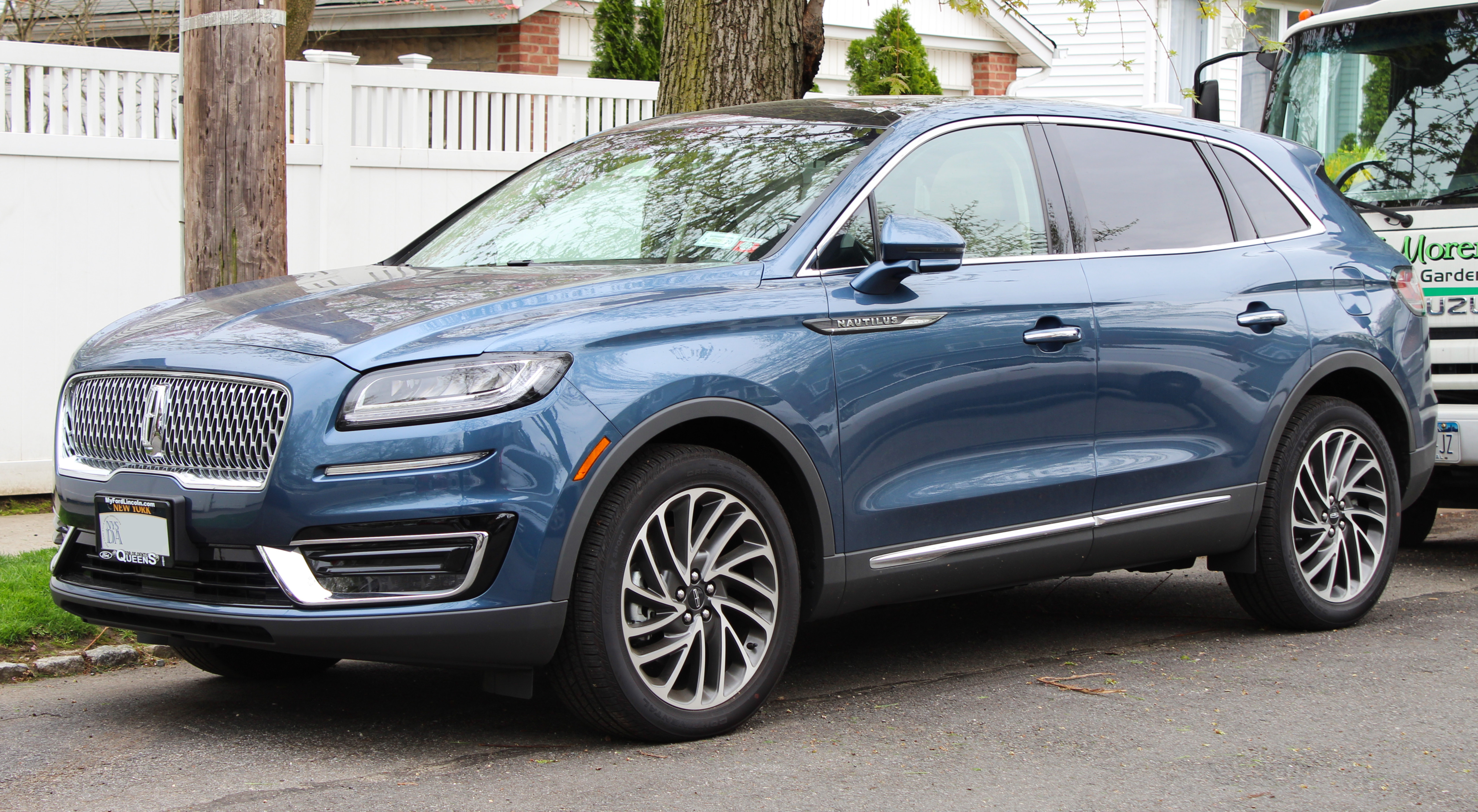
The Lincoln Nautilus is a Lincoln luxury SUV. The hosts say it’s built in China, and Ford is trying to get approval so it can keep being sold in the U.S.
Pirelli makes tires. The hosts say Pirelli warned that a tire product could be affected by the same kind of ban being discussed for vehicles and related technology.
Toyota is the automaker mentioned as expanding overseas production and revising its vehicle output targets. The segment frames the changes as being driven by supply-chain disruptions, showing how global events can quickly alter manufacturing plans.
The Strait of Hormuz is a major shipping route. If disruptions happen there, it can raise costs or slow deliveries of materials, which can force car companies to adjust production plans.
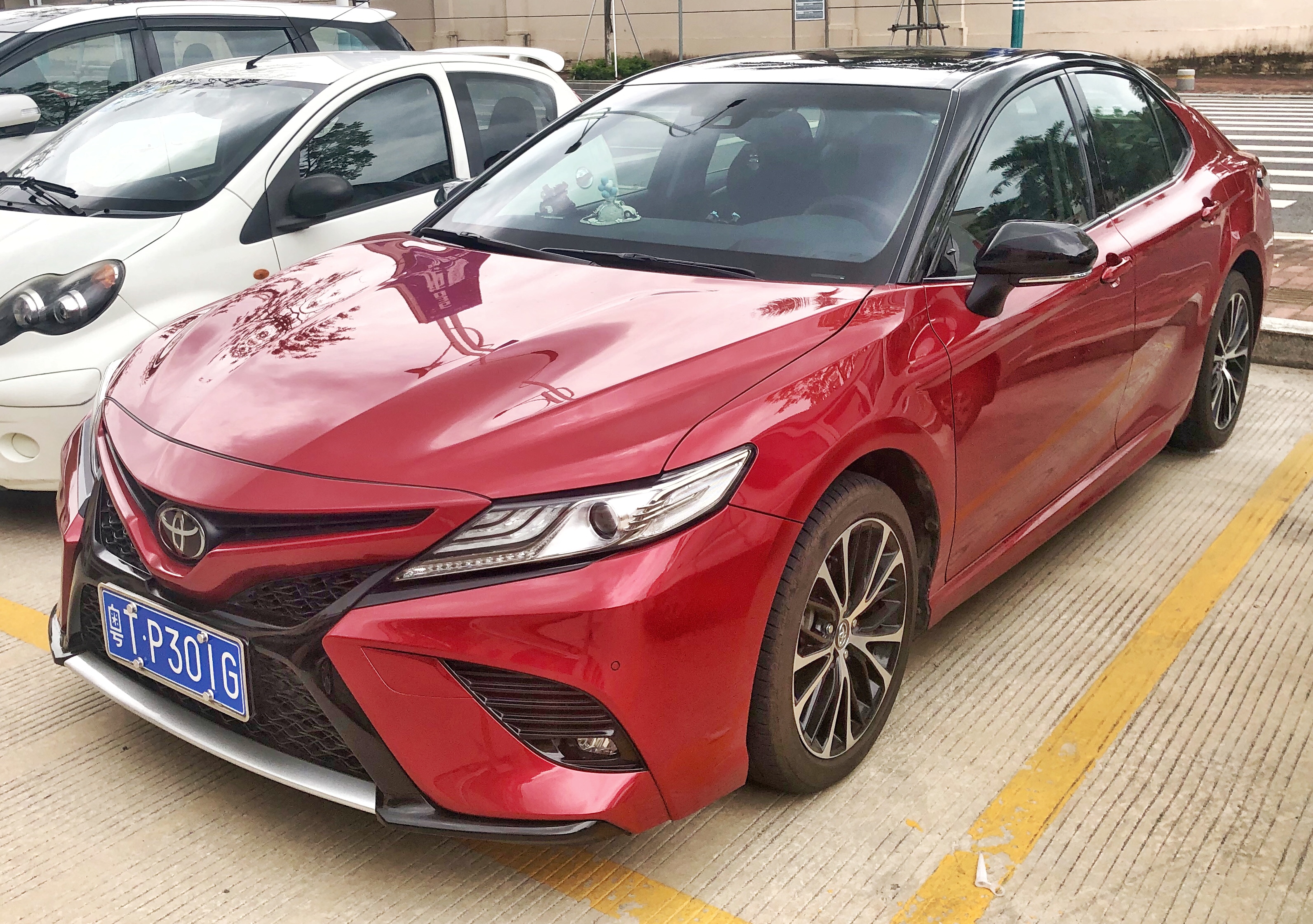
The Toyota Camry is a car type called a mid-size sedan, meant for everyday driving. The podcast mentions it because some Camry versions are built for the Chinese market and can be affected by rules or sales requirements. That’s why it comes up in business and dealership discussions.
The Toyota RAV4 is a compact SUV, a type of car that’s built for everyday driving with a bit more space. The podcast mentions the RAV4 because some versions made for the Chinese market are connected to rules or changes that affect sales. That’s why it shows up in a dealership-focused conversation.
The RAV4 is a compact SUV made by Toyota. The podcast mentions it because Toyota started producing the RAV4 hybrid at its plant in Georgetown, Kentucky. That can affect how many hybrids are available for dealers.
The Lancia Trevi is a specific car model made by Lancia. The podcast mentions it because there were issues related to how it was described in advertising. That means the discussion is about whether the marketing matched what the car actually is.
The Nissan Pulsar is a compact car model made by Nissan. The podcast mentions it because it was part of a situation where certain brands had to make upgrades due to foreign ownership rules. Those upgrades can change how the car is offered or handled in that market.
The Polestar 2 is an electric car made by Polestar. The customer is saying it’s the best car they’ve owned and that they genuinely enjoy driving it every day.
A “product cycle” is the schedule for when a company releases new cars or updates existing ones. Here, the host is saying Polestar had a strong plan for what was coming next.
Tesla is a major electric car company. In this discussion, Tesla represents the standard for EV tech and battery range, and other brands are compared against it.
“Driving dynamics” is how the car handles and feels when you’re driving—how it steers, grips, and stays balanced. It’s basically the “driving feel” people notice.
BYD is a company that makes electric cars (and batteries). The host is saying BYD is growing fast and selling a lot in other countries, not just the U.S.
A warranty is the agreement that helps pay for certain repairs for a limited time after you buy or lease the car. The dealership is saying they’ll still handle those covered repairs for Polestar cars they’re responsible for.
A lease portfolio just means the set of cars that are currently being leased. The dealer is saying they have a lot of leased Polestar customers, and those customers will later choose whether to buy the car or return it.
A value proposition is the “why it’s worth it” for the customer. The speaker is saying they want a clear reason people will buy and finance these used electric cars.
Fisker is a car company that makes electric vehicles. The speaker is saying you can spot a lot of them around New York City and that they tend to sell quickly.
Supplying parts means having replacement pieces available when something breaks or needs repair. If parts aren’t available, fixing cars—especially warranty repairs—becomes harder.
Here, “consideration” means a real concern to plan for. They’re asking what happens years later—who fixes the cars and whether parts and support will still be available.
They’re talking about “national security” as the reason the US might limit certain foreign cars. The idea is that the government would treat it as the most important factor when deciding what’s allowed.
“Subvented” means the government is helping pay for something through subsidies. The concern is that those subsidies can let a company sell cars for less than competitors, which makes fair competition harder.
The “dealer system” is the usual way cars are sold in the US—through local dealerships that sell to customers and support them after the sale. The discussion is about how policy changes could affect whether that system can survive.
Place
Charleston, South Africa
They mention a specific place where the car is built. The point is that manufacturing location matters when people argue about import rules and competition.
“Capacity” means how much a factory can produce. They’re saying there may be more production ability where the cars are made, which could help future cars be built closer to the US.
Fixed Ops Friday is a recurring podcast segment focused on the service side of dealership operations (fixed operations). This slice is part of that broader discussion with guests and dealership performance topics.
The Lincoln Nautilus is a luxury SUV made by Lincoln. In this segment, they’re talking about it in the context of U.S. import rules and security worries tied to manufacturing location.
“Spy software” refers to malicious or covert software designed to collect information without the user’s informed consent. In automotive discussions, it often comes up in relation to concerns about connected-car systems, data access, or unauthorized monitoring.
Zurich Advisor IQ is a dealer-focused analytics and coaching product from Zurich that uses deal activity data to identify performance gaps. In this segment, it’s described as using AI-powered coaching to help dealership teams improve consistency.
AI-powered coaching means using artificial intelligence to analyze data and generate targeted guidance for people or teams. In a dealership context, it’s typically used to recommend actions based on observed performance patterns rather than generic advice.
Moneyball is a sports idea where you use data to make smarter decisions. Here, they’re using that same idea to improve how their service department hires and runs day-to-day work.
They’re using baseball terms to explain what they look for in employees. Instead of only chasing the biggest stars, they want people who consistently get the work done.
“180 hours” is a productivity target for mechanics—basically how much work time they’re producing in a month. Higher, consistent hours usually means the shop is running at strong capacity.
Technicians are the mechanics who do the repairs and maintenance. Their workload and hours strongly affect how much the service department can produce.
A “video MPI” is a checklist inspection where the shop records what they find on the car. It helps the customer understand what needs attention, because they can see it on video.
Term
AI
“AI” means computer systems that can help with tasks that normally take people—like organizing information or supporting decisions. They’re saying they use a lot of it to help the service operation run smoothly.
Term
BTC team
“BTC team” is a dealership internal group that helps coordinate communication and next steps for customers. They’re saying the workflow starts with that team and then moves to the service advisors and mechanics.
Reynolds and Reynolds is a company that provides tools for car dealerships. In this story, they helped set up an automated parts-delivery robot for the shop.
This is a robot that helps bring car parts to the service area. The goal is to have the right parts ready faster so mechanics can keep working without delays.
NADA is a big auto-dealer industry show. The host is saying they saw the robot at that event.
Term
RO
In service departments, an “RO” is a repair order—basically the paperwork that starts and tracks the work done on a car. When they say “without chasing more RO count,” they mean they’re getting better results without needing more repair orders.
“Parts pulling” means the shop gathers the exact parts needed for a job ahead of time. Doing it earlier helps the repair go faster once the car is in the bay.
Term
Q3
Q3 just means the third quarter of the year—roughly mid-year through early fall. They’re using it like a planning milestone for their operations.
The Bristol Bullet is a specific, more specialized car model. The podcast brings it up while discussing how the brand is doing in Canada and whether there’s room to grow. That’s mainly about sales and availability rather than everyday driving features.
A recall is when a car problem is serious enough that the maker has to fix it. Dealers then schedule repairs for affected cars, and the episode talks about how that process is similar in the U.S. and Canada.
Mobile service means the mechanic comes to you instead of you bringing the car in. They’re saying it helps them get to customers faster than some roadside options.
“Car recon” is dealership reconditioning—basically getting a used car (or trade-in) cleaned up and fixed so it’s ready to sell. Think of it as the shop’s “make it ready” work.
Dynamic scheduling means the shop changes the plan as the day goes on. If you’re ahead or behind, you open up or shift appointment times so more customers can be worked in.
Karma is the software the dealership uses to plan service appointments. It helps the shop decide when work should be scheduled based on how much capacity they have.
CSI is a score based on customer feedback after their service visit. It’s meant to measure how satisfied people are with the dealership’s work and communication.
Customer experience is how customers feel about the whole process at the dealership. It includes things like how long they wait and how smoothly everything goes.
A trade-in is when you bring your current car to the dealer and use it as part of the deal to buy another car. The dealer then resells that traded-in car after it’s reconditioned.
The Ford Fusion is a regular, everyday Ford sedan that many people liked. Here it’s brought up because a listener wants that kind of car back, which connects to how customers choose what to trade in.
The Jeep Recon is a Jeep vehicle model. The podcast mentions it in connection with pricing, including how the average cost can be different depending on where you are. That’s important for understanding what buyers might actually pay in a specific market.
Frozen assets means your money is stuck in stuff you can’t sell. If parts don’t move, you can’t use that money elsewhere, and you may eventually have to take a loss.
Obsolescence here means parts that don’t get sold anymore. If you keep them on the shelf too long, they become hard to get rid of and you may have to lose money on them.
A write-off is when a business admits it won’t get its money back on inventory. For parts, that usually happens when the parts sit too long and can’t be sold.
Special order parts are made or ordered just for one customer. If that customer doesn’t end up needing them, the dealer can be left with parts that are difficult to sell to someone else.
A restocking fee is what you get charged when you send parts back. It’s usually a percentage, and it affects whether returning the parts saves money versus eating the full loss.
LIVE
Hey, everybody, welcome back to another episode of The Daily Dealer Live.
Hi, I'm your host, Sam Darkin.
Thanks for choosing to be here on this Friday, June 26th.
That's the last Friday of June.
We got a big show today.
The Trump administration just slammed the door on Polestar's new EVs hitting the US.
And I've got a dealer who owns a Polestar store live to show us what this actually means for his business.
Matthew Heikin, prestige auto collection.
Then we go into Fixedops Friday.
Damon Egan from Sherwood Ford is back and he's running Moneyball.
Fixedops at $1,100 bucks a repair order growing 42% without chasing more cars.
Plus, Louis Malzman juggling parts across a Hyundai and a CDJR store and how he flipped his whole operation from reactive to proactive.
EVs under fire.
Fixedops firing on all cylinders.
Let's get into it.
We're streaming as a reminder live across all CDG social media platforms.
We'll bring your comments into the conversation today.
The automotive retired guy from Fort Lauderdale, Florida says,
Sam, happy Friday from hot, hot, hot Florida.
Wish I were there.
And he also says hi to Eager, a common poster on this show.
But let's dive into today's show and starting up with today's automotive headlines.
My gosh, I'm tripping up today.
What's going on?
All right, let's restart this thing.
All right, kicking off today's news.
The Department of Commerce has barred Polestar from selling vehicles in the U.S.
beyond the 2026 model year, citing the automaker's majority ownership by China's
geely holding and tighter restriction on Chinese connected vehicle technology.
Polestar will continue selling existing Polestar 3 and Polestar 4 inventory and
maintain its U.S. service network.
But no, 27 model year vehicles can be sold here.
The decision sent Polestar shares down more than 6.2% in pre-market trading Thursday.
For context, about 94% of Polestar's first quarter sales came from markets outside the U.S.
So the direct business impact, well, it's limited.
But the signal is significant.
The ruling is being watched closely across the industry because it could set a precedent
for other automakers with Chinese tech or supply chain ties.
Ford is already seeking federal approval to continue selling the Lincoln Nautilus,
which is built in China.
GM, meanwhile, has directed some suppliers to eliminate Chinese components.
By 2027, tiremaker Pirelli has warned one of its products could face a similar ban.
We'll be watching that.
And plus, our first guest today, a Polestar dealer, will give us his live and candid commentary
on what is going on with this.
All right, next up today, Toyota has expanded its overseas production,
cuts to approximately 100,000 vehicles through February 2027.
And that's up from an earlier target of roughly 83,000 units.
This is the third time Toyota has revised its plans.
And the decision is being driven by disruptions tied to the Strait of Hormuz
and weakening demand across the Middle East, North America, and East Asia.
Affected models include ICE versions of the RAV4 and Avalon and the Camry,
built for the Chinese market.
Toyota has been targeting production of about 10 million Toyota and Lexus vehicles
in the fiscal year ending March 27.
A goal that's now increasingly difficult to hit for U.S. Toyota and Lexus dealers.
The immediate concern is RAV4 supply, since it's already one of the tightest franchises
in the country.
Toyota has launched all new RAV4 hybrid production at its Georgetown Kentucky plant
to help offset some of that pressure.
And as one who is a regular auto group, we've got a Toyota store,
there's definitely inventory constraints and demands.
Next up today, in mobile service news on this fixed ops Friday,
Hyundai Motor America has announced it is expanding its mobile service partnership
with Spiffy and MSX International,
meaning more dealers will have access to its mobile service offerings.
The announcement comes after the OEM found success with a 2025 pilot program
conducted with a select group of dealers.
Under the program, Spiffy supplies the mobile service infrastructure,
helping with tax tasks such as scheduling, routing, customer tools, and van upfitting.
MSX meanwhile handles the ground level rollout,
working directly with dealers on employment and training.
Hyundai is backing dealer participation with Earnback incentives tied to key milestones,
including initial launch activity and ongoing repair order volume targets.
The program is targeting 150 dealers by end of 2026 with additional growth planned for 2027.
And last up for today, CarGurus is requiring dealers to disclose all fees on their listings
by July 14th, or they'll face consequences.
Vehicles without disclosures will be marked, quote,
no rating and moved lower in search results.
The change also means CarGurus IMV and deal ratings will be calculated
based on all-in pricing, inclusive of disclosed fees.
Dealers can add their charges through the fee setup tool in the CarGurus dashboard
and must toggle fees included in my inventory feed if they're already sending all-in prices.
For consumers, CarGurus will add badging on search results and vehicle detail pages,
plus a dedicated filter for transparent pricing.
The move follows the FTC's 97 warning letters sent to dealers
in March regarding advertising misrepresentations.
CarGurus CEO, Jason Trevis, told CDG News that the change is, quote,
the natural next step in the platform's commitment to transparent pricing.
With July 14th only three weeks away,
dealers should be checking their CarGurus dashboard and confirming their fee setup
is accurate and checking other third-party listing platforms
for similar on incoming requirements.
And as an aside from my own personal experience,
once the FTC specifically stated a DOC fee and your registration fee
needs to be listed in that advertised price,
props to CarGurus and some of the other great lead provider sites
for quickly adapting technology to make sure that was included,
so that some of those sites aren't erased to the bottom with or without DOC,
but rather it is preserving the integrity of the FTC's requirements.
That type of action by CarGurus and other lead provider sites
is going to help the entire auto industry lift up
and make sure everybody is doing the right thing,
working off the same right page.
So with that, that's a wrap on today's auto industry headlines.
Welcome to Fixed Ops Friday, everybody.
All right, a lot of great comments already in the chat.
I'm looking down here at a Polestar,
according to the automotive retired tire guy,
Polestar has yet to deliver any 26 models.
They skipped 26 in North America, so that's interesting.
And then Dale in Progress asks,
why do you think Toyota keeps decreasing production?
I think that's a great question.
I think maybe part of that has to do with the straight of hormones
and some of the supply chain limitations, but is that real?
And then Dale in Progress says,
DNC, not sure if new car sales will hit 16 million this year.
So lively debate going on in the chat, as always.
It's almost a show within a show,
which by the way is a little aside for CDG circles.
You want to continue this outside of car dealership guy,
Daily Deal Alive, you can join circles
and have this type of conversation all the time, 24-7.
All right, up first today, let's dive into the Polestar debate.
Matthew Haken, dealer principal and president
at Prestige Collection Auto Group.
Matthew, welcome to the show.
Thank you.
You know, what a week, what a day.
Will you just tell our audience as a Polestar dealer,
what happened this week that changed your ability
to sell Polstars, 27 in particular,
here in the United States of America?
Well, Sam, it hasn't even been a week.
We're still just getting past the 24th hour here,
where we found out all 32 dealers found out yesterday at 10 a.m.
that we will no longer be selling vehicles in the U.S.
for the model year 27 year, and we'll be winding down our businesses.
So, yeah, we're just getting above the 24th hour here,
and yeah, we have a lot of staff, people at corporate,
and a lot of customers that are really devastated from this news.
So, tell us, you know, I think that call, that notification,
however you found out about it within the last 24 hours
is everyone's worst nightmare.
As a franchise dealer with an agreement to sell these vehicles,
who has sold them in the past, how did that notification take place?
You got a phone call, you got an email, what did that look like,
and what did it say?
So, you know, Polestar being a brand in the U.S. starting in 2020,
we've been like a family with corporate.
It has not contentious at all.
We built this brand from nothing, so we all worked together.
So, the CEO let us know that we didn't get approvals
for the model year 27 year.
And, you know, this is something that we've talked about for a long time.
We never thought the reality would set in
that we wouldn't have the approval to sell these vehicles.
So, the CEO called us at 10 a.m. and let us know.
And is there an appeal path?
Do you have a way to revisit this with whomever is saying you can't sell?
And who is it that's saying you can't sell?
I don't know.
I don't know, but if anyone's listening and has any ideas,
if Senator Moreno is out there listening, please call me.
I'd love to talk to him because it's totally unprecedented.
This is not like a bankruptcy in 2008.
This is not a consolidation.
This is us being told that we can't sell vehicles here due to the ICTS 2027 ruling.
And again, just to educate people.
What is that ruling, by the way?
So, the Biden administration at the tail end, while they were leaving, they passed two rulings.
One was a 2027 ruling related to Chinese software, hardware in vehicles.
And I don't think it's just China.
I think it's any of our foreign adversaries.
And then there's a second ruling on top of that that nobody's talking about,
which is a 2030 ruling, and that has to do with foreign ownership.
So, Pulsar wasn't the only brand that had to upgrade their software to comply with this.
It's in the press weekly, but they work through the necessary channels.
Some brands got a green light, and I just don't understand why our brand got the red light.
What did the CEO say?
What was the objection to Pulsar's application?
What specific element did they fail to meet to gain the approval?
I don't have the details on that.
But the Pulsar 3, which actually, the percentages that you talked about,
the European percentage, that's not so accurate.
The US actually sold a much greater share of the Pulsar 3,
and we had more Pulsar 3s on the ground.
Europe has been selling the Pulsar 4 for a longer period of time.
So, if you just looked at it by car line, the US represented a huge percentage of Pulsar 3 sales.
The Pulsar 3 was built at our plant in South Carolina.
It was built for the Pulsar 3, and we exported the Pulsar 3 all over the country.
So, here's a car that was built in the US at a factory that was designed for this vehicle.
So, that really stings extra hard for me and the 32 other Pulsar dealers.
So then, if it's not for the fact it's manufactured in China and imported into the US,
is the objection the Geely Chinese ownership?
Is that the primary objection?
I think that's unclear, but that ruling is 2030.
It's 2026. We still have some time for that ruling.
The 2027 ruling is on software and hardware.
So, again, the fact that they gave us a red light on that and others got green lights,
I just think that we dropped the ball somewhere.
I'm sure there was a path to take in order to get that green light,
and I can't for the life of me understand why that was not given.
And again, it will be okay, resilient as dealers,
but I know these people that work at headquarters, and they could have worked for other manufacturers,
and they chose to come to a startup and build something from scratch.
They had so much equity in this brand because they wanted to build something from scratch.
They wanted a Tesla fighter.
And then our customers, I mean, I just wanted to read a text message
because they're coming in left and right for my customers.
I just wanted to read this real quick.
A customer just wrote me a few moments ago and said,
I read your quotes in the press yesterday about Polestar news,
and I just wanted you to know that you found me the best car I've ever owned with the Polestar 2,
but I honestly love driving it every day on my commute from Long Island to Connecticut.
It's completely changed how I view driving and commuting,
and look forward to getting in the driver's seat every day.
No joke.
This is just a way of me saying thank you for connecting me with an incredible brand.
I don't really care what the administration decides on.
I will always be a customer of Polestar.
Hope you and your team are able to pull through this current situation.
I will continue to be a customer of your company through it all,
and I want everyone to hear that because that's really what matters.
It's customers like that.
It's our employees on the front line,
and it's the employees and headquarters in Mawa, New Jersey that have given their life for this brand,
and yeah, it's just very confusing at this time.
So I do want to talk about the specifics around what those customers will do,
what you're going to do with remaining inventory on the lot.
Are you able to sell it or not?
But before we go into that, let's talk about this broader Chinese debate.
I was just at the Virginia Auto Dealers Association.
I was on stage with Don Hall.
Don Hall is very much anti-Chinese vehicles in the U.S.,
as is Senator Bernie Moreno as well.
And one of the claims is, hey, the software can spy,
and we don't want digital technology inside the United States of America
that can spy on government secrets, places that could be used against us.
Is there merit to that concern of having that software,
that technology going around with so much access to U.S. roads, infrastructure, and security?
100%, but I think it's something that we could deal with.
I think what's more important is a very well-known domestic CEO was quoted in the press last week
saying, hey, I came back from China, and I can't sleep at night because their product is so amazing
and so superior.
Jim Farley, Ford, yeah.
Exactly, I didn't want to out anyone.
But Jim said that.
And Jim was always a huge fan of Pulsar, and whenever I saw him at a meeting,
he would always want to know what's going on with Pulsar.
And in fact, they just made a deal, I guess, with Jilly in Europe.
So again, the national security put that in one bucket, and that's a very important bucket.
But I think there's got to be another bucket, and that's how do we get on par with that Chinese competition?
I agree with the state associations.
I don't want anyone undercutting the market, subventing us, selling cars way below cost.
That will put us in a frenzy.
But there's a bucket that we have to focus on, and we want to build the best products on the planet here.
We want to have the best tech.
We already do from an innovation standpoint, but that needs to relate to the cars as well.
So I think they're both very important parts, but we have to look at them separately.
Yeah, and Matthew, to your point, props to Jim Farley and anyone else from US-based OEMs
who are going to China to learn and to better compete.
Because in a competitive environment where there's some level setting going on,
the US auto market can always compete, and Farley is motivated.
I've even heard a rumor, I don't even know if this is true,
that he may be driving some sort of a Chinese EV currently,
because he wants to understand the technology, he wants to be able to replicate it,
and he wants to be able to compete about it.
And I would love, my own mind, I would love to hear a better argument around this tech piece
and the national security part in a world where we've got iPhones that are built in China,
where we've already got a lot of other tech vehicles and electronics from China that exist
around the United States of America.
There was a concern about TikTok being a national security threat,
and it ended up helping put a president in office largely.
Absolutely, absolutely, and I think that's something we could easily figure out.
But using Polestar here as an example, when it was such an innovative brand,
the product cycle coming out in the next 24 months was amazing.
Anybody would drool over the future product cycle.
This is not the best method to accomplish this.
What separates the Polestar inventory, thinking about that vehicle that's coming out next year
from what currently exists in the US, what makes Polestar so good?
What about that is so quality?
Polestar was a unique brand because, again, everyone's just trying to get a crumb of Tesla,
right? And Tesla is amazing, and they have amazing range, and they have amazing tech.
But Polestar was really, it took all the tech and range and driving dynamics of an electric vehicle,
but really focused on details and design. Everybody knows, everyone's driven at Tesla.
It's stark. It's no frills. It's built for a cyber cab, a rideshare.
It's not personalized, and vehicles are still an extension of everyone's personality,
and even coming through COVID where vehicles became people's mobile office,
and they were doing their phone calls and their conference calls, their Zoom's from their cars.
People still want design and creature comforts in that, and Polestar was a brand that was built
around design. Everything was so thoughtfully laid out and organized and also gave you the
amazing driving dynamics of an electric vehicle. Could we be in a world if we continue down this
path in the United States where the best vehicles, the best driving experience could exist outside
the United States, and we could be sealed off from the best vehicles left in the global market?
If you mentioned Jim Farley, he would say it's already happened. I have friends all over the
world and in markets like South America, Mexico, and Panama, and now in Canada, BYD, the Chinese,
they're taking more than their fair share of business. I think it's really unfortunate here.
This is not the entrepreneurial spirit. This is not the way to grow. I'm not blaming the
government. I think there's many more people that are responsible that we're in this situation right
now. So your existing inventory, well actually, let's go there. Who would be the other people?
It's ultimately the government that's banning it. Is it people who are afraid of the competition
that are trying to keep this type of tech out? Who else could be responsible for this?
I am sure because many other brands got this green light. So I'm sure they laid out,
this is what you need to get the green light. And quite frankly, I think we have some
responsibility. Whoever was in charge of getting this green light for us did not deliver.
And there was more than enough time in order to get a green light.
Yeah. So financial impact to you, your business, what do you anticipate it to be? You obviously
made a financial investment to have Polestar to grow it over the years. How much will this impact
your organization, Matthew? All right. Well, first of all, as far as morale goes and culture,
yeah, everybody today is very upset. As far as what the future holds, I think it's TBD. Right
now we have cars on the ground based on my text messages today. I have people that want to make
sure that they get a vehicle before they're gone. And quite frankly, I wasn't expecting that,
but I've had so many people reach out and say, hey, can I upgrade my current Polestar because
I'd like to get one before they're gone. There are laws and I don't know the laws of every state,
but as far as we'll be here to service them, we have to take care of the warranty so long as we
agree to it with the manufacturer. So we'll be here to service these vehicles,
do warranty work, make sure the cars are safe. But it seems that once the 26s are sold out and I
don't have any details on counts of how much you're left, but once they're gone, the new cars will
be gone. As far as I have a very healthy lease portfolio of cars because we've sold a lot of
Polsters and people can't believe it. There were times where we sold close to 200 a month,
and then there were times where we sold 15 to 20 months. So we have a very healthy lease portfolio
and then those customers will have decisions if they want to buy their vehicle at the end of the
lease and we could help facilitate that for them or if they just want to turn it in and then there'll
be a nice inventory of pre-owned cars and with affordability being top of mind for all consumers
today, electric vehicles have been the most affordable pre-owned cars. We love them. So
we'll continue to invest in electric pre-owned cars and we'll source them from our lease portfolio
and hopefully we'll put together an attractive value proposition that customers will want to
continue to buy and finance and lease these vehicles even though we won't be selling new ones.
You know, this is really, I believe this is the first brand that basically has been more or less
shut down as part of this initiative, right? Do you anticipate it's going to create demand for
the remaining new vehicles? Do you think the prices will go up? You actually could have
some pretty valuable vehicles on the lot, man. I don't think prices will go up. It is more of a
who knows, who knows. There might be customers that say, you know what, I don't have the confidence
or my dealer's not going to stay around to service him so it's not for me. Hey, I live in New York
City and I don't know if you've driven around New York City, but it's inundated with Fisker
and they all went and they went fast. So, you know, this isn't a Fisker, this is a Pulse,
I think we have more private drive less Uber, ride share, but hey, at a certain number, a certain
value, I think these cars will go and I think they're going to go faster than expected.
You know, Polestar had done a lot to try to distance itself from its Chinese roots. They've
got the manufacturing in South Carolina, the European leadership push. As you speak to those
that make these decisions, what would you say is the path to get back into the US market? Obviously,
you feel like somebody dropped the ball. What do they need to do to fix it and make this right
with US dealers and the US buying public so that these vehicles are available? Or do you just think
it's sealed for a long time? I don't know. I listen, you know, Polestar is part of the jelly group,
it's a big group. I'm sure they have a ton of resources. I'm sure there's been several conversations.
Polestar is still publicly traded in the US and I don't think they're going to leave their publicly
traded. Listen, they're not going to leave the US for that. And again, it's a global brand.
We're very, very tight with the US executives and they're in the same position as us. I mean,
prior to the call with us, they had to announce to their team what was going on. So my heart goes
out to them. And again, we've been a family with them. We've built this brand from nothing. So we'll
have conversations together. If there's a way for us to talk to the executives in Europe,
yeah, I'm on board with that. If there's a way for us to reengage conversations with the government,
yeah, please call me. I'd love to chat, you know, Senator Morino, give me a ring. I think we should
double click on this because my customers want the brand here. My employees want the brand here
and everyone at Corporate and Mawa wants Polestar here. And I think maybe if the stars align,
we could try to have a conversation about this. Yeah, a lot of comments in the chat right now.
Dan C says the wheels aren't greased well enough. Read between the tea leaves. And then automotive
retired guy and many online are asking, hey, down the road is these vehicles age, who will end up
doing the warranty work? I know there's state requirements and you'll continue to supply parts
as long as you're able. But that's a consideration. And then Alan Elena, Alana Dobbins comes in because
this band is completely unprecedented. Polestar's response actually has a massive opportunity to
set the precedent for how a global brand fights back, which, you know, it'll be an interesting
process to see what they do in response to this. And then what ends up being ultimately the American
response? I do know I talked to a lot of people who are super anti Chinese vehicles and they talk
about sealing the borders to our north and south forever for any from any tech or vehicles created
anywhere near China. So these vehicles being here in the US might end up being a unicorn that you
could say if, you know, if that ends up happening. Let me ask you this, BYD, major Chinese brand,
they had made efforts to come into the US in the early 2020s. I understand they may have actually
even signed some dealer agreements. That was shut down on government regulation. Would you support
brands like BYD and some other Chinese brands coming into the US? And how would you do it to
protect the national security? What is said to be the national security threat that's represented
by Chinese in the US, Matthew? Sam, again, I would put national security. That is the utmost,
most important bucket. Put that in its own bucket. I'm sure we could figure it out. You brought up
our cell phones that are manufactured in China. There's like put a team on that. We could figure
that out. And if they came to the US so long as it wasn't subvented in a way that undercut the
market and bought the market because we can't compete if it's like that. So again, if it's a
fair market and everyone's playing by the same rules, and obviously I'd love to see them come
through a dealer because I believe in the dealer system, then yeah, I think it would make us all
better. But if there's national security concerns, if there's price advantage concerns,
it would really devastate everything that we've laid out. And again, you mentioned China and we
talk about Polestar. Hey, the car's built in Charleston, South Africa. Yeah. And that's the
astounding part. It's built here. So Chinese tech built here and this ban is still going into a
fix. And there's much more capacity where it's built, where we could build future products here
if we choose to as well. Yeah. Well, I hope you have an opportunity, Matthew, to engage in the
conversation. Good luck reaching out to Bernie Moreno because I do think my own personal take
aside as the host, I do think us competing with Chinese tech with some of the playing field
leveled ends up benefiting everybody, the global economy, our consumers, everybody,
everywhere. And if we can figure out a way to do it early on, while we still have the leverage,
we can force some compliance with standards and procedures that we would want implemented here
in the US. I think later, once they become a complete dominant brand globally, that'll be
and there will be politicians down the road that will just have to say, hey,
whatever they've got, we're going to take it. And I'm concerned about that. I'm somewhere in the
middle. I'm not a huge keep it out forever. So but Matthew, I can, you know, thoughts to your
employees, to your customers, you can go into the chat and see all the comments out there. Any
closing comments as we wrap up it to or word to lobbyists and others that are working to get your
brand back up and running Polestar. I would just say thank you for everything you guys do. I know
you guys have a huge audience. So please engage with this. If you want to reach out to me, you
know, how to reach out to me, you could find me on all the socials. If anyone has any ideas.
But yeah, the 32 retailers have given their life for Polestar for at least the last five or
six years. And we really hope that maybe there's a positive outcome here. Matthew, I can thank
you so much for being on the show and sharing your perspectives today. Thank you.
Thank you. And comments are a light online. I can't even bring them up. We'll let the
producers pick a few but just comments about this brand being an amazing brand. The automotive
retired guy saying Polestar is an amazing vehicle. Automotive retired guy also Lincoln
Nautilus. He's saying should be banned as well. It'll be interesting to see is it banned. Lincoln
Nautilus is manufactured in China imported to the US. But it has US roots, a US parent company.
And there's a lot of comments in the chat about lobby efforts. Will the lobby bringing the Nautilus
into the US in 2027 be stronger than holding Polestar out, which is a vehicle manufactured
here in the US and exported abroad. And Igor Kay obviously is always active in the chat. So a
lot of great conversation. Igor Kay, they claim the software has spy software in it. So be interesting
to look at that. All right, let's talk Zurich. Today's episode is brought to you by Zurich
Advisor IQ Dealers. What if you could see what's really driving FNI performance? Zurich Advisor
IQ uses actual deal activity and AI powered coaching to help teams uncover performance gaps,
coach with more precision and build more consistent results across every rooftop. Request a demo at
ZurichNA.com forward slash Zurich Advisor IQ or click the link in the show notes below. We
appreciate Zurich for supporting today's content, including that fascinating conversation on the
shutdown, essentially a Polestar here in the US on Chinese security concerns. So thanks to Zurich
for supporting today's comment. And we go along. Damon Egan next up today, Service Director at
Sherwood Ford. Damon, welcome to the show. Thanks for having me back, Sam. I'm excited to have you
back for everybody who doesn't know who you are. Share a little bit about yourself. You were last
on March 26, so three months ago. Yeah, it's been quite a ride here at Sherwood Ford, the last
six months. We came in with a very ambitious plan for 2026 to grow the business 30% and redefine how
we do what we do. And so far, we're seeing gains well above 40%, which is just amazing to see.
There's been so much growth. There's been such a change in the attitude and the culture.
And just us not believing in the lineup. We've always done it that way. Or that's the way the
market is. And we've completely changed what we do and how we do. Alright, so you called your
approach Moneyball to get the increase that you've had in fixed ops. Give us two or three specific
steps that you've implemented to achieve and realize that. Sure. So what we've done, essentially,
is we've gone from playing defense, which is being very reactive in most fixed ops departments,
where we wait until somebody quits or we terminate them before we start looking for new talent.
We defined exactly the talent that we wanted to get and who we had to reach out to to get that
talent, whether it was bringing somebody up from the miners in our shop, which would be an
apprentice and bring them along, or to get a free agent from another dealership or an independent
store. And we really started to really focus and hone in on exactly what we needed in our shop
and where we weren't looking for necessarily all the home run hitters. And again, to use a baseball
euphemism, we were looking for more on base and singles hitters. And that has, you know,
with with 54 bays and 47 technicians and not having one of them under 180 hours,
now in a month. I mean, that's that's saying something. And I mean, now we're in the game,
which is generally a slow time. And we're going to have our best month ever in the history of
the store this month. Yeah. Do you have a process that supports that production in terms of parts
delivery and setting up the customer in the bay? I assume video MPIs. Is there a process in any AI
that helps to support that massive increase? We use a ton of AI and a ton of process. When
you're in operation this big, you have to be process driven. There is just no other way to do
it. And we're process driven directly from our communications team or BTC team to our advisors,
to our technicians. We run two shifts. So we run 10 o'clock at night up to 10 o'clock at night. So
we've got our evening parts guys pulling parts for the next day. We partnered with Reynolds
and Reynolds to incorporate a reload parts delivery robot. We love that robot, by the way,
I saw that at NADA. It was near the stage where we did the show live and it was very cool. Yeah.
So how many robots do you have? We've got one running currently right now and it's
did last month. It saved us over 30 hours of time of guys walking back and forth to the parts
department. That's not including the time that they sit around chatting. So it's 30 hours a month
of real money back in the base. Yeah. $1,100 per RO, 42% year-over-year growth
without chasing more RO count. So robots in the shop, parts support, parts pulling the night before.
We talked video MPI and we talked at last time with a dedicated videographer. That was a big
piece of what you shared last time, nearly a $600 lift per video viewed. How's that held up and
what's evolved in how you're executing on the video MPI in June? Well, again, I mean, that's the
buzzword and as you saw Sam at NADA, it was video MPI and AI. I mean, those are the two
biggest things that everybody's talking about. Video MPI nowadays, the transparency that we
have to have with our customers is so top of mind now and to have that done and have it done
professionally. And I think that that's something that we overlook. I was at a conference a couple
of weeks ago with a bunch of service managers and they're saying, you know, should we pay the
technician 0.2 to do the video MPI? And it's like, why are we battling over the nickels?
Just pay them and have the video done and have it done properly. That's why we went with a
professional, a film student to have the videos done because we wanted the editing to be right.
We wanted the context to be right. We wanted the verbiage to be right and that's what we see.
You know, people just want the transparency and they want to be able to understand what we're
doing, not just have it very convoluted and do it for the sake of doing it.
With so many bays and so many technicians, does he ever get behind and then do you have
techs that pop in and do their own now that they've kind of learned how to do it? Or
is that dedicated videographer doing all of them?
He does about 90% of them. Like most technicians, they don't want to be in front of a camera or
behind a camera. And again, it's down to the smallest details. If a technician is using his
or her phone and they're just using the microphone off the phone, they're picking up the ambient sound
of other people's tools and other people's guns or music in the shop. Well, our guy uses proper
microphones. He's using a proper setup, which makes it a lot more professional and the ease of the
customer looking at it and not having to sift through the noise makes it so much easier to
watch, view and approve. I think you may have shared this last time, but what's the send rate
and the engagement rate? Are you able to track engagement? Who's your tool for that video MPI?
We currently use Micarma. We are very, very big partners with Micarma. We're able to report and
see how many videos are sent, the open rate, how many times they're viewed. Currently, I mean,
we're sitting well over the $500 mark like you alluded to, you know, in approvals and lift per
view. So we get all those metrics directly from Micarma. And we've got 100% of all of our ROs
get videos. Even if it's coming back for, you know, if the vehicle's coming back for a repair,
we will still shoot a video on how the repair is going. This is exactly what we're doing. This
is what it looks like. And here's the completed video of everything that's done to your vehicle.
So the customer really gets that bird's eye view of everything that we're doing.
So a tremendous amount of bays, great hours per RO or hours per technician monthly. You've got one
service fan and Ford does a great job of, you know, supporting financially,
mobile service. Have you grown past one since we last talked 90 days ago? And if so, how much
what's your plan as it relates to mobile service? Well, it's a little bit different here in Canada
when it comes to mobile service. Ford has really, really gone all in with mobile service in the U.S.
And we see it corner to corner. More and more and more service fans are putting up in the U.S.
in Canada. It's a little tougher, you know, because we've got that five months of winter
and it's, you know, and it's a big investment. And there's subsidies on a country that are a
tenth of the size of the U.S. is a little more difficult. Is that because of the distances?
Is that because the spread out geography? Well, I think it's a combination of both. I mean, you
know, we've got 400 dealers across the country. I mean, you guys probably have 400 dealers in
California. So that makes it a little trickier. We found, you know, with our van, we're able
to utilize it a lot. We went after the commercial market. We're currently running that van into
the night now. So it's running 24 hours with some of our big commercial contracts now.
And I think that that's where that van needs to be. I think to put other vehicles
on the road to do those updates for software or any kind of SOR parts or special order parts,
I think is prudent. And that's where we're going. And that's where we'll be heading
into into Q3. But to put another van on the road, I think we could do it. I mean,
we're number one in Canada right now with a bullet. So I mean, there's always the room for
expansion. But again, I mean, it's like everything that we do is we're looking at how we can get
better, how we can grow the business in different ways and not be stagnant or reactive in what we
do. Yeah, yeah. So for most recalled OEM here in the U.S., by the way, our recall is the same
in Canada. So if there's a recall issued in the U.S., does it convert north of the border or is it
a different set of parameters for recalls there? No, they do. They come north of the border. I mean,
some are a little more prevalent than others. I mean, for us and where we're situated in Canada,
there was a block heater recall through Ford that ran rampant through here because we get to
temperatures of minus 40, minus 50 degrees Celsius. So block heaters are really kind of something
that people need. And we try and take care of our customers as much as we can as well as possible.
And because of the size of the dealership, we're able, I guess, to help out more people. And with
mobile service, we're able to get on the road better than AAA and get there faster. So yeah,
we're dealing with the same recall situation that you guys are in the U.S. We just try and
mitigate it as much as we can. Yeah, so they were highly recalled last year, many, many times less
this year. They've shaked off that moniker, so to speak. But recalls are an opportunity to serve
customers. Obviously, warranty labor pays well. And there can be, I was at Virginia Auto Dealers,
we had a debate about, you know, there's so much warranty work in some shops, they don't have time
for the customer pay. But you, given your minimum hours per tech, you're definitely
making time for that customer pay as well. How do you balance between warranty repairs,
use car recon, and customer pay in 2026? How do you think about that balance?
That's an absolutely great question. And really what we've done, and I'll share the secret sauce
right now is dynamic scheduling. Every dealer that I've talked to has it run the same way as
we'll get to recon when we run out of work. We'll get to warranty hopefully at some point.
Let's get as many customers in as possible, because that's what the dealer principal or the
20 group says, or the manufacturer says, we need more ROs. Here's the secret sauce.
If you dynamic schedule properly, you can get everything in, and it's all based on the hours
of the capacity of the shop. And if you're able to adjust that schedule day to day,
we do it hour by hour. We can actually dynamically schedule our scheduling system
hour by hour to move things around and really optimize what we do.
What's your scheduling system? What do you use? What's the platform?
Again, we're using Karma for our scheduling system. But we have, we have honed it to such
minute degree that we're able to adjust capacities by the hour of what we do. So even if, you know,
if we find at 11 o'clock, hey, we're really moving through the work, we can open up the
gates for afternoon appointments to come in, you know, and we're that, you know, we can pivot
that quickly. And I think that that's something that a lot of people forget is that they go
into their scheduling system and then to set it and forget it, right down to where people go on
vacation, they forget to roll the capacities back. So I really find that that, you know,
in how we've presented our management system or our leadership team of, you know, I'm the,
I'm the GM of the ball club. And I have two assistant coaches, one that runs CSI and run
one that runs shop production. Everybody's got their spot. And I was with myself running the
analytics. Now nobody else has to do that. I'm the one that takes care of the analytics. I've
got the shop manager that runs the throughput because he runs it like a production floor.
And then we've got another one that runs the CSI and our CSI has never been better.
But to often what we try and do is we, you know, we try and shoehorn a manager
into doing everything at once and they can't do it. Yeah. Yeah. That dynamic scheduling, I think,
is, is, is a strong point. And in an era where we are seeing more recalls and there's an urge to do
more, you know, use car recon, it's a problem where we could push customer experience off to the
side and almost think of it as secondary, such that at the point where the recall is less and
and or we have less use car recon to do that customer isn't there anymore. And we need that
customer for use car trade ins for that next purchase. So preserving that is awesome. And
sounds like you guys have done a great job. We appreciate you being on with us today. We're
here today. Damon Egan. I'm sorry. I got that 100% completely wrong. Damon, wait, yes, Damon Egan.
My thing went wrong here. Service Director Sherwood Ford in Alberta, Canada. Thank you so much for
being on the show and sharing your perspectives in particular that strategy on strategic scheduling.
So thank you. Thank you. We'll have you back at the end of the show. All right. And the online
comments are a light. JJ on the job looking for your Ichiro. Sometimes the most valuable guy
isn't flashy. Dalen Progress says, Damon, tell Jim Farley to bring back my favorite sedan,
the Ford Fusion. So we've got a Ford Fusion fan out there and Eager K coming in. Subsidies for
remote vehicles. Our fleets in Canada from Ford is not the same as it is in the US. Recon Average
Nationally is now over $1,800 per unit based on data. And finally up today, before we go into our
roundtable, Lewis Malspin, Parts Director of Premier Hyundai in Louisiana. Lewis, welcome to the show.
Thank you, Sam. Thank you for having me. Pump to have you on. Welcome here. Tell everybody who
you are, what you do. So my name is Lewis and I've been a parts manager for little over nine years.
Been in the automotive industry for about 24 years. Started from the very bottom. Worked myself
all the way to the top. Hard work pays off. That's all I can say. Props to you. You run parts across
both Hyundai and a CDJR store. Those are two very different OEMs. Before we get into the strategies,
what does a typical day look like when you're managing that kind of split between Hyundai and
Stellantis? It's very demanding. So usually start my day off in the morning at Hyundai,
finish my operation at Hyundai around 12 o'clock and then after 12, go to CDJR and then from there,
the rest of the day and get all my operation work done over there. So I got to split my day and half
between two locations, but I just recently gave up the CDJR store. So now I'm just back to Hyundai
full time. Okay. Why'd you do that? Well, they put me at CDJR because they had a manager that was
there. There's no longer with us. So I'm right next door. My stores are side by side. So when
that happened, they said, all right, won't you transition to CDJR? We can definitely use your
help over there. They had a little obsolescence problem. I went over there, took care of it,
fixed it. And then that store, it's so busy and it's making so much money right now
that it needs a full-time manager. So I was a part-time manager. So now that I got all the
obsolescence taken care of, they got a manager, went over there and now he's full-time and now
he's taken over from where I left it and now it's in a good place and it's running great,
probabilities up, obsolescence is down and that's all I can say about the CDJR store. So yeah,
yeah, that's awesome. So parts sometimes is the overlooked part of a well-run service department,
but you just heard from our guest Damon. He said, look, part of our success in producing,
being so efficient is great parts delivery. How are you helping technicians today in 2026
be their best? You talk about not being reactive but being proactive. What are you doing in the
proactive world to help up the results? Well, the most important thing is to turn around time. So
once we get that part, we got to get it to as quickly as possible. We know that and if it's a
part that's on back order, we can't let the car sit. The customer, we're doing a disservice if we
don't get the car back to the customer as quickly as we can. So we have to deal with locators. We
have to track down that part, do what we have to do to take care of the customer to make sure that
we can increase productivity for the technician, ultimately get the car off the rack, get it fixed
and get it returned to the customer. So by all means, do what we have to do to find the part
and get the customer handled as the name of the game. Do you have a robot? Damon talked about
the robots. So I don't have one yet, but I have had talks with my group. And right now, my store
is going to be going through a remodel in the next few months. The current layout that I have,
I don't think the robot would be supported in the layout that I have, but after the remodel,
it's definitely a topic of conversation, for sure.
So just to find the expense of a robot in a parts operation today, how do you think about that
economically? Is it comparing the cost of the robot to the cost of a person plus benefits and
all the other things? Or do you see it? How do you think about it?
I mean, we got to move with the age. Technology is changing every day. I believe that if we had
a robot, there would be some sort of efficiency that would come with it. It would actually help
the technicians. It would help the parts people. I mean, overall, it would just help the whole
operation between the surface of parts. And again, it goes back down to the customer. It would help
us get the customer's vehicle back to them as quickly as possible. So I think the robots
seems like a pretty cool thing to do. I look forward to having 11 day. So I'm not retiring
anytime soon. So hopefully I'll see one eventually. Yeah, we've heard a lot of great stories about
how that can help increase productivity and efficiency in an organization. So you reached
you restructured the accountability loop you talked about it between service parts and advisors.
So what did the process of that accountability loop look like? And where did you get the most
resistance implementing it? Well, I would say, you know, and this is probably an ongoing battle in
every group is when it comes to the SOPs, special order parts process is very important when it
comes to letting the technician know letting the service advisor know and then ultimately letting
the customer know about your special order part arrivals. So I think communication would be a
tremendous key on everybody being on the same page, knowing when that part gets there. So we
can definitely get it put on the customer's vehicle. Yeah, parts availability controls you
mentioned is something a lot of dealers are struggling to get right in June of 26. How are
you thinking about inventory levels right now? What's the framework for making sure you're not
sitting on dead stock, but also not missing ROs, Lewis? So I would say that based on my experience,
I have that down to a science. So I'm very well with with getting rid of obsolescence. I worked,
I worked with a with a parts broker. It's better to get something for the part instead of nothing.
Frozen assets is the worst thing that can hurt your operation. So what I do is when I come into
a store that has a lot of obsolescence, I got to print out my list, find out how many how many
parts have over 12 over 24. And then I just started the bid on it. I send that list. I say who wants
to buy what I put a bid out. And then once they they say, okay, we're going to take this and this
is off for you. I'll sell it for we can say 50 cents on a dollar. And then I'll just I'll move it.
I'm moving as quickly as possible. Because at the end of the day, if I don't do that,
it's going to be a tremendous right off for the company. We have to lose a lot of money. And we
talking about thousands and thousands of dollars, even millions up to millions. Because when I look
at my inventory, I don't just see parts on the shelf. I see I see money. It's a bagel. That's
what's what I have. So that's when you come into a new organization. What about an existing
organization? How do you continue to manage obsolescence? Do you have an aging policy where
you will, you know, toss a part back or sell it if it hits a certain age? Well,
well, right now I can tell you my my Hyundai store is is the cleanest it's ever been managing very
well. I probably have little to no obsolescence. I can honestly say when it comes to special order
parts, if the customer for whatever reason doesn't return, I do have a with Hyundai, I have a 45 day
window to return those parts. There is a restocking fee. And I rather I rather pay the 15%
than having to write off 100%. They've been stuck with the parts forever at that point. And then
I can't I can't send it back. So Dan C. Yeah, no, go ahead. Go ahead. Sorry. So if I manage,
so if I stay on that, yeah, after 12, I won't pile up on obsolescence ever again. Yeah, it'll just
stay clean. Because you're always managing it. What's the pitfall that causes some parts managers
to get into a situation where they have massive obsolescence end of the year or two years down
the road? Just not watching it or what's the issue? I believe it's it could be that
they're just not watching it or or it could be lack of training. Maybe they don't know that you
manage are coming in there. They just they haven't learned all the metrics and parts and how to
maintain levels. Supply demand is very important as well. You got to have the right stock in your
inventory. So so so Louis. So Louis, Dan C. comes in. He says how often does Louis do a physical
inventory of parts? Once a year. Nice. And then coming up. Eager Eager also says very efficient
Louis, your dealer principle must love you, man, which yeah, he loves me and I love him back. He's
a great guy. Troy do Troy who do horn is a outstanding man. And he does a lot for the community,
not only for his his managers and his employees, but he he's a very, very generous gentleman.
All right, one more question that we're going to go into our rapid fire roundtable as we wrap up
the show here. Quick question. You flagged OEM relations is something you're passionate about.
What's the biggest friction point from the parts perspective you deal with on the OEM side?
And how do you push back or work around that friction point, Louis?
Day by day, he's going to take a day by day. The struggles are there, but you just got to
learn to overcome. You just got to take every situation that comes at you one step at a time.
That's the best advice that I can say about that.
Yeah. All right, Louis Maluspin, parts director at Premier Hyundai. Thanks for being on the show.
We'll have you back in moments for our roundtable. Thank you. Thank you. All right, we're going to do
a quick rapid roundfire. We appreciate the producers for extending us for a few minutes. So let's dive
into our roundtable rapid fire. Damon Egan, service director, Sherwood Ford and Louis Maluspin,
parts director at Premier Hyundai. All right, let's do this thing. Damon, welcome back. What's
one metric you would keep in June of 26 if you could only track one metric in your department?
Gross protect per hour. All right. Parts, Louis, what would the one metric be?
Tracking law sales. Very important. Very important. All right. Higher for skill or higher for attitude
June of 26? Louis. Attitude. 100%. Attitude is everything. And I'm going to go the other way,
and I'm going to say higher for the position that you need to fill. Okay. Okay. So defend that.
You hire for skill, but they don't have the greatest attitude because they know they're the
best out there. Is that a problem? No, because you can manage that. Just like any sports franchise,
you're going to have pre-Madonna's. You don't have to ship them out. You don't have to like them to
play. Go for beers after. You've got to perform. He goes back to Moneyball. Louis, you had a comment.
Yeah, I would say skills can be taught. Skills can be taught all day, but great attitudes are
hard to find. Yeah. Yeah. David, coming in from Dancy, did you ever have parts disappearing
due to bad employees, speaking of attitude versus skill?
I know that we've had some issues where, you know, that actually, you know what, he said,
he said, David, you know what, actually, you know, I apologize. I'm not going to make you go
into that. I think that's a chat in between people. You don't have to, you don't have to admit yet.
Listen, part shrinkage in automotive happens and hiring the right people,
culture with the right attitude helps prevent against that. And then also probably having
processes to help reduce or eliminate that. That's also a big deal. All right. Next question up.
Biggest waste of money in fixed ops today, June of 2026. Damon, let's start with you.
Advertising with vendors who claim something that isn't true.
Oh, okay. Do you have, all right. Yeah, Louis.
We just talked about it. Age parts, big, big waste of money right there. Age parts all day.
Damon is a follow-up of spending money with vendors who claim something that's not true.
Is there a particular area in vendors where that's happening more than that in 2020?
I think now that we're into this age of AI, it's no longer a vendor creating something for all
dealers and see them having to change their process to shoehorn into a certain piece of
software or a certain advertising. Here at our store, we're developing our own applications
for our own team that they can use so they're specific to us. And I think that that's where
everything's going now is that you're going to be able to develop an ecosystem for your own
dealership and maximize what you need as opposed to shoehorning into something that somebody else
wants. Yeah. Yeah. So then it could be any AI solution in a box. Build your own in 2026. All
right. Next question up. Most underrated role in your dealership, Damon. We'll start with you then,
Louis. Our valet drivers. They are the high school of our team. I mean, we're doing 70,
80 rides a day and they keep you in the ring. Wait. Why do you not do like Uber? So I know a
lot of dealers in 2026 will outsource rideshare. We do. We use Uber instead of shuttle drivers,
but we do so much pick up and drop off valet services for our customers because we don't
want them in the dealership. We have we're doing 70, 80 rides a day, whether it be for our fleet
customers, our retail customers are bringing vehicles here and back to them, making a completion
for show us experience. That's strong. That's strong. All right. Second to last question,
what's one word for the state of fixed operations in 2026, Louis, starting with you?
Oh, one word. Let's see. I would say profitability would probably be that big word for sure.
Damon. I'm going to use two words and I'm going to use dealership champions because that's what
fixed ops is going to be as we start to see that downturn of new car sales go down. It's
going to hold the dealerships together just like they did in COVID. So I think it's dealership
champions. Love it. Igor K comes into the chat says efficiency is his word and Dan C says,
Hey, is service absorption is not a metric that means anything nowadays? Damon, what is your
absorption rate? I would imagine it's fairly high given the size of your operation. It's north of 100.
So, you know, is it a metric? I mean, you know, I guess it's just like anything. It's like
efficiency or proficiency. If it's bad data coming in, it's going to be bad data coming out.
I mean, the accounting is all different depending on what dealership you're at.
Absorption or retention to you, Damon? Retention. Which is more important. Yeah, yeah. Absolutely.
And actually, you know, as we wrap up here, I just have a question. So you've got a large fixed
operations. You're over 100% absorption. What is your relationship with the variable side look like
at your dealership with sales? Very symbiotic. We have to be we are our ideals and our goals have
to be congruent. They are one of our biggest customers. So we got to make sure they're taking
care of they also understand our processes and how we do things to optimize the guest experience.
And we are all on the same page. I meet with the general sales manager, the general manager and
the dealer principal on a daily basis, sometimes two or three times a day to make sure that our
goals are aligned. So and actually, this will be my last question for both of you then, Damon,
what do you think the biggest mistake most people make in fixed ops as it relates to
communicating fixed and variable and getting that team built and put together?
It's always been we've always done it that way and it's siloed. We can't have that.
Yeah, so you communicate. You put a lot of focus. Lewis, what's yours?
Yeah, I would say communication is very important between variable and fixed. I don't think there's
enough of it. I firmly believe that sometimes, especially when it comes to sales and new customers
that I believe they need to become to the back of fixed and introduced and create that relationship
right off the bat. I think that could definitely be improved 100%.
Yeah. Well, to both of you, we absolutely appreciate you here. Go check out the chat.
There's a ton of conversation going on. Props to you both. You're getting a lot of love online. So
Damon Egan, service director, Sherwood Ford and Lewis Malspen, parts director at Premier
Hyundai. Thank you both for being on the show and participating in this fixed ops Friday roundtable.
Thanks for being here. Thank you. Thank you. Appreciate you saying that.
And to everybody watching our Daily Deal Live Listening audience, thanks for being here.
What an episode. We talked Polestar, which we're going to follow that story.
We appreciate Matthew for coming on the show today, sharing his perspectives on that.
This topic of Chinese EVs and vehicles in the US is not going to go away, particularly a brand
manufactured here in the United States of America. So this will be a topic going through our Fourth
of July holiday. But thanks for the fixed ops Friday. Thanks for watching Daily Deal Live.
We break down the biggest moves in the car business as they happen. Don't forget,
we're here live every Monday, Wednesday and Friday, 1pm Eastern. So if this is your world,
hit like, hit subscribe, turn on those notifications. You never ever miss a beat.
And we'll see you next episode. Thanks for being here, everybody.
About this episode
Polestar’s U.S. rollout gets squeezed by federal policy, with Commerce restricting sales beyond 2026 and dealers describing how they’re winding down while still supporting warranty and service. The show connects those EV headlines to broader China-tech and national-security debates, then pivots to fixed-ops playbooks: repair-order growth, video MPIs, dynamic scheduling, and mobile service expansion. CarGurus also raises the bar on listing fee transparency, tying compliance to FTC warning letters.
Today's show features:
- Matt Haiken, Dealer Principal and President at Prestige Collection Auto Group
- Damon Egan, Service Director at Sherwood Ford
- Luis Malespin, Parts Director at Premier Hyundai
This episode is brought to you by:
Zurich – Zurich Advisor IQ is Zurich’s AI-driven training and coaching platform built to help F&I teams perform more consistently and sell more effectively — using real transaction data, not theory. By analyzing actual F&I transactions, Zurich Advisor IQ helps identify behaviors and trends influencing results, delivers actionable insights and roleplay scenarios, and gives dealership leaders visibility into performance across managers, stores and rooftops. Connect with your Zurich representative to request a demo and see how Zurich Advisor IQ can help turn F&I insight into stronger dealership performance here: https://carguymedia.com/4xF6DM6
Check out Car Dealership Guy’s stuff:
CDG Circles ➤ https://cdgcircles.com/
CDG News ➤ https://news.dealershipguy.com/
CDG Jobs ➤ https://jobs.dealershipguy.com/
CDG Recruiting ➤ https://www.cdgrecruiting.com/
My Socials:
X ➤ https://www.twitter.com/GuyDealership
Instagram ➤ https://www.instagram.com/cardealershipguy/
TikTok ➤ https://www.tiktok.com/@guydealership
LinkedIn ➤ https://www.linkedin.com/company/cardealershipguy/
Threads ➤ https://www.threads.net/@cardealershipguy
Facebook ➤ https://www.facebook.com/profile.php?id=100077402857683
Everything else ➤ dealershipguy.com