
From The Corkscrew, Where Are The Sport Wagons, 20 Years Of Looking | Episode 1,046
About this episode
Hosts start at Laguna Seca, then use Lotus engine sourcing changes to spark a bigger debate about what makes a “driver’s car” as electrification and hybrid powertrains spread. The conversation turns to sport-wagon and everyday-fun shopping: manual availability, interior controls, and reliability concerns shape recommendations like the Saab sport combi, Kia Stinger, and late Mk7.5 Golf R. Track-day planning and value comparisons (Corvette vs Porsche/McLaren) keep the episode grounded in real-world driving.
corkscrew
"If you're watching, you can see that's the corkscrew with the last car I expected coming down it right now. Oh, a few more I guess."
The “corkscrew” is a famous part of the Laguna Seca track. They’re pointing it out because it’s where cars pass and it’s great for photos.
The “corkscrew” is a specific corner/section of Laguna Seca that’s referenced as the location where cars come through during the track day. It’s being used as a visual landmark for where the hosts are filming and why it’s good for photos.
V6 Supercharge
"Because I have the 2024 Mira, the V6 Supercharge, that's a Toyota motor, but that's going away."
“V6” means the engine has six cylinders. “Supercharge” means a supercharger pushes extra air into the engine to help it produce more power.
“V6” describes an engine with six cylinders arranged in a V shape. “Supercharge” refers to a supercharger, which forces more air into the engine so it can make more power than it would with only naturally aspirated airflow.
Geely Lotus
"Now Toyota's already stopped using that motor. Geely Lotus bought a bunch of them, but they have the AMG ALT."
Geely Lotus is the company behind Lotus. They’re being discussed because they bought some engines, and now the plan is to switch to a new setup.
Geely Lotus is the corporate entity behind Lotus, and it’s mentioned here in the context of acquiring engines. The segment suggests Geely Lotus bought a supply of certain engines, then plans to replace them with a different powertrain arrangement.
horse powertrains
"Geely Lotus bought a bunch of them, but they have the AMG ALT. Apparently they're throwing out both those motors for a joint venture called horse powertrains."
They mention a new joint-venture powertrain effort (“horse powertrains”). The idea is that it will be the new source for the engines going forward.
The speaker refers to a joint-venture powertrain company called “horse powertrains.” In context, it’s the new organization intended to supply or develop the engines/powertrains that will replace the previously used units.
full hybrid
"because it's got the three liter displacement and developed from mild hybrid, full hybrid and plug-in hybrid applications."
A full hybrid can use gas, electricity, or a mix. You usually don’t need to plug it in because it can recharge while driving.
A full hybrid can run using the gas engine, the electric motor, or both, depending on conditions. It typically recharges the battery through regenerative braking rather than requiring frequent plug-in charging.
plug-in hybrid
"because it's got the three liter displacement and developed from mild hybrid, full hybrid and plug-in hybrid applications."
A plug-in hybrid has a bigger battery you can charge at home or at a charger. It can often drive some distance on electricity before using gas.
A plug-in hybrid (PHEV) has a larger battery that can be charged from an external power source. That lets it drive for a limited distance on electricity alone before the gas engine takes over.
mild hybrid
"because it's got the three liter displacement and developed from mild hybrid, full hybrid and plug-in hybrid applications."
A mild hybrid has a small electric assist, but it usually still needs the gas engine to move the car. The battery helps the engine work less hard.
A mild hybrid uses a small electric motor to assist the engine, but it can’t usually drive the car on electricity alone. It mainly helps with things like smoother starts and reducing load on the engine during acceleration.
Renault and Geely
"This engine's a joint venture of Renault and Geely, so Renault and the Chinese."
The speaker is saying the engine was developed together by Renault and Geely. That kind of partnership can affect how the engine is designed and where it gets used.
The speaker says the engine is a joint venture between Renault and Geely, meaning the two companies collaborated to develop it. This matters because it can influence engineering priorities, supply chains, and how the engine fits into different electrified powertrain strategies.
carb
"By the time we can't actually justify carb past the V6 anymore, we'll move on to full electrics."
“Carb” refers to an older-style fuel system that mixes fuel and air mechanically. The point is that modern regulations and technology make that approach less practical over time.
“Carb” here is shorthand for carburetion/carburetors, which mix fuel and air mechanically. The speaker is arguing that as emissions and efficiency rules tighten, carbureted setups become harder to justify—especially as powertrains shift toward electrification.
four-speed, auto-only
"The hybrid doesn't even bother me. [161.4s] It's four-speed, auto-only. [164.6s] And if you're buying a driver's car, especially a Lotus, and there's no manual offered, I"
“Four-speed, auto-only” means the car only comes with an automatic gearbox that has four gears. Enthusiasts often prefer more gears or a manual because it can make the car feel more responsive and fun to drive.
A “four-speed, auto-only” setup means the car uses an automatic transmission with four forward gears and no manual option. Fewer gears can limit how well the engine stays in its ideal power band, which can affect acceleration feel and drivability for enthusiasts.

Lotus Esprit
"And if you're buying a driver's car, especially a Lotus, and there's no manual offered, I [168.8s] think you have failed, and they're also talking about a variant of this motor in V8 that might [173.8s] come in the revised Esprit, but if you're following along with the class, that means [177.8s] no manual there either."
The Lotus Esprit is a sports car that’s built to feel engaging to drive. Here, they’re arguing that if the revised Esprit doesn’t offer a manual gearbox, it misses what makes a “real driver’s car.”
The Lotus Esprit is a British sports car known for its mid-engine layout and driver-focused handling. In this segment, the hosts are discussing a revised Esprit and whether it will offer a manual transmission—something they treat as crucial to the car’s “driver’s car” identity.
V8
"and they're also talking about a variant of this motor in V8 that might [173.8s] come in the revised Esprit, but if you're following along with the class, that means [177.8s] no manual there either."
A V8 is an engine with eight cylinders arranged in a V shape. People often associate V8s with strong pulling power and a classic sports-car sound.
A V8 is an engine with eight cylinders arranged in a “V” shape. The V8 layout is commonly associated with strong low- to mid-range torque and a distinctive sound, which is why the hosts mention a V8 variant as a notable development.
residual value
"And of all things to say, I think my car might go up in value. [188.2s] That's a great point. [189.1s] That's not why I bought it. [190.1s] I don't care. [190.7s] It's not the point. [191.5s] Don't buy a car for what its value is going to be when you sell it."
Residual value is basically what the car is expected to be worth later when you sell or trade it. They’re saying you shouldn’t buy a car just because it might hold value.
Residual value is the estimated value a vehicle retains at a future point in time (often discussed in leasing or resale). The hosts push back on buying a car mainly for residual value, arguing that the driving experience should come first.
reliability
"I thought you were going to say reliability. I thought you were going to say, because it's an untested, different parts, a modular engine for V6 and V8 use, what about reliability?"
Here, reliability means “will it keep working without breaking.” They’re wondering if the newer setup will be dependable.
In this context, reliability means how consistently the car’s components perform over time without failing. The hosts are questioning whether a new or unproven engine/parts setup will hold up as well as established designs.
modular engine
"because it's an untested, different parts, a modular engine for V6 and V8 use, what about reliability?"
A modular engine means the manufacturer designed one engine “family” that can be adapted into different versions. That can help reduce cost and complexity because parts are shared.
A modular engine is a design strategy where the same basic engine architecture is used across multiple engine sizes or configurations. In practice, manufacturers share components and mounting points so they can build different V6/V8 variants with less unique engineering.
V6 and V8
"because it's an untested, different parts, a modular engine for V6 and V8 use, what about reliability?"
V6 and V8 are two common engine types. The number tells you how many cylinders the engine has, and the “V” shape is how those cylinders are arranged.
V6 and V8 describe engine cylinder layouts shaped like a “V.” A V6 has six cylinders and a V8 has eight, and the layout affects how smooth the engine feels, how it packages in the car, and how much power it can make.
bait and switch
"[271.5s] I don't, honestly. [272.7s] And it's because of the applications. [273.8s] It's bait and switch. [275.2s] The engine is ways less, but we took the manual."
“Bait and switch” means someone gets you interested with one promise, then changes it to something else afterward. In this context, it sounds like the car’s setup isn’t what buyers thought they were getting.
“Bait and switch” describes a marketing or product strategy where a company advertises one thing to attract buyers, then delivers a different (often less desirable) reality. In car discussions, it often comes up when the promised engine/drivetrain or driving experience doesn’t match what buyers expected.
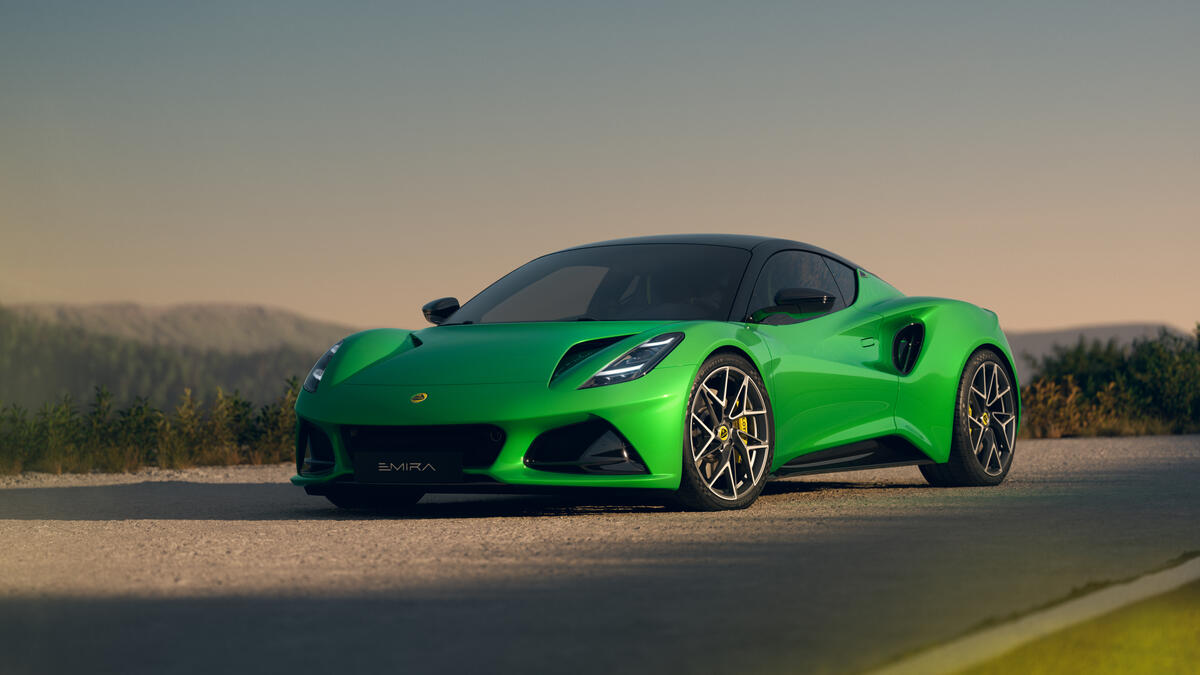
Lotus Amira
"So it remains then. The Amira is still the last gas powered Amira ever because ..."
The Lotus Emira is a sports car that’s built to feel engaging to drive. The podcast says it’s the last gas-powered version, meaning it’s part of the end of that engine lineup. That makes it a timely choice for people who want a gas sports car.
The Lotus Emira is a modern Lotus sports car designed to deliver a traditional driving feel with a focus on handling. The podcast specifically notes it as the last gas-powered Emira, which makes it relevant in discussions about what to buy before the brand’s lineup shifts. It’s mentioned because it represents a final chapter of the current engine era.
HPDE
"That is NJMP, the Lightning, HPDE, plus some time attack. We think Saturday, June 13th and the 14th."
HPDE means a track day focused on learning. You drive on a race track, usually with coaching, but it’s not competitive racing like you’d see in a race.
HPDE stands for High Performance Driver Education. It’s a track-day format where drivers learn car control and track driving techniques under instruction, typically with organized sessions rather than wheel-to-wheel racing.
time attack
"That is NJMP, the Lightning, HPDE, plus some time attack. We think Saturday, June 13th and the 14th."
Time attack is like a lap-time competition. Instead of racing wheel-to-wheel, you try to set the quickest lap on the track.
Time attack is a motorsport format where drivers compete for the fastest lap time rather than racing side-by-side. Cars are often set up for quick acceleration and consistent grip, and drivers may run multiple timed attempts to improve their best lap.
FCP Euro
"FCP Euro only sells products they put on their own cars. So find the right parts for yours. FCP Euro is a proud partner of everyday driver and supporter of our road trip films."
FCP Euro is a company that sells car parts, especially for European models. They’re saying they sell parts that are meant to match what the car originally came with.
FCP Euro is an aftermarket parts retailer focused on European cars. In the episode, they’re presented as a source for “genuine OE parts,” meaning parts intended to match the original equipment used when the car was new.

2017 Impreza manual
"She drives a 2017 Impreza manual five or she bought off the lot. It's been great, adequate torque and enjoyable handling. She says so practical for a fleet of cargo with the seats down for that."
This is a 2017 Subaru Impreza with a manual transmission. The speaker is saying it’s been a good, fun-to-drive everyday car with enough pulling power and decent handling.
The Subaru Impreza is a compact car known for its practical all-weather setup, and this one is specifically a 2017 Impreza with a manual transmission. The host highlights its “adequate torque” and “enjoyable handling,” which are the kinds of day-to-day traits people look for in a sport-wagon-style replacement.
torque
"It's been great, adequate torque and enjoyable handling. She says so practical for a fleet of cargo with the seats down for that. She had an 08 manual Pontiac vibe, which she loved."
Torque is the engine’s pulling power. More torque usually helps the car feel responsive, especially when you’re starting from a stop or driving at lower speeds.
Torque is the twisting force an engine produces, and it strongly influences how quickly a car accelerates from low speeds. The host calls the Impreza’s torque “adequate,” meaning it has enough low-end pull for everyday driving and cargo hauling.

Pontiac vibe
"She had an 08 manual Pontiac vibe, which she loved. So she's looking for something newer. She's in Colorado and she also says all wheel drive is not a requirement."
The Pontiac Vibe is a practical compact hatchback. In the episode, the listener says she had an ’08 manual and really liked it, so she’s looking for something newer with a similar vibe.
The Pontiac Vibe (here, an 08 manual) is a compact hatchback/wagon-style car known for being practical and easy to live with. The host notes she “loved” it, which frames what she wants to replace: something with usable cargo space and a similar everyday feel.
all wheel drive
"She's in Colorado and she also says all wheel drive is not a requirement. She puts winter tires on. She says doesn't have to do that. Absolutely. Yes."
All-wheel drive means the car can send power to all four wheels. It can help you grip better in bad weather, but this listener is saying she doesn’t need it.
All-wheel drive (AWD) sends power to all four wheels, improving traction—especially on snow, ice, or wet roads. In this debate, the listener says AWD isn’t required, which matters because AWD can affect cost, fuel economy, and complexity.
winter tires
"She puts winter tires on. She says doesn't have to do that. Absolutely. Yes. Doesn't have to be that."
Winter tires are made for cold weather. They grip better on snow and ice, and in this case the listener is using them instead of requiring AWD.
Winter tires are tires designed with a softer rubber compound and tread patterns that work better in cold temperatures. They’re often more effective than relying on AWD alone for grip on snow and ice, which is why the listener emphasizes them.

Volvo V60
"So far, Annie's considered a V60 or a V90. She's only driven a 2025 V60. While the torque and suspension were delightful, she was disappointed by the interior design."
The Volvo V60 is a wagon built to be comfortable and easy to live with. Here, the host says it drives nicely, but Annie didn’t like how the inside is laid out, especially the climate controls.
The Volvo V60 is a compact sport wagon that’s known for a comfortable, confidence-inspiring ride and a driver-friendly cabin. In this segment, the host notes that the V60’s torque and suspension feel “delightful,” but the interior design—especially the climate controls—didn’t match Annie’s preferences.

Volvo V90
"So far, Annie's considered a V60 or a V90. She's only driven a 2025 V60... She's not yet driven a V90 because they're very hard to find. But wonder if that would help."
The Volvo V90 is a bigger, more premium wagon than the V60. Annie hasn’t driven one yet, but the hosts think it might solve her biggest complaint about the climate controls.
The Volvo V90 is a larger, more upscale wagon than the V60, aimed at long-distance comfort and a quieter cabin. The segment suggests it could be a better fit for Annie because she dislikes the V60’s touchscreen climate control, and the V90 may offer a different control layout.
touch screen climate control
"Everything else is buried in the screen. She said she really, really hates touch screen climate control. So that is something we're going to have to avoid, because it is her least favorite."
Touchscreen climate control means you adjust the heat and A/C using the car’s screen instead of real buttons or knobs. Annie doesn’t like it because it’s harder to use quickly and confidently.
Touchscreen climate control means the heating and cooling settings are adjusted through a screen interface rather than dedicated physical knobs and buttons. The host highlights that Annie dislikes this approach because it makes temperature changes less immediate and more distracting while driving.

Volkswagen Alltrack
"That makes sense. Consider that Volkswagen all track, which would mean you'd spend about a third or less of your budget."
The Volkswagen Alltrack is a wagon that’s made to feel a bit more rugged and usable than a normal wagon. Here, they’re talking about it as a way to get that kind of car without spending too much money.
The Volkswagen Alltrack is a wagon variant built on a crossover-like platform, aimed at buyers who want more ground clearance and a practical, outdoorsy feel than a typical station wagon. In this segment, it’s discussed as a budget-friendly option for a sport-wagon-style “everyday driver” choice.
E class wagons
"She's not opposed to entirely to any of the E class wagons, but she really doesn't care for the bulky nose, which is,"
“E-Class wagons” means Mercedes-Benz station wagons from the E-Class lineup. They’re practical daily cars, and the speaker is saying she’s not really into the look of them.
“E-Class wagons” refers to Mercedes-Benz’s E-Class estate (wagon) models, which are typically aimed at buyers who want a comfortable, practical daily car with a more upscale feel. Here, the discussion is about whether someone would consider them despite styling concerns.
crash standards
"but she really doesn't care for the bulky nose, which is, I think, a European standard, I believe, at least in the US crash standards have affected the nose of almost every car."
Crash standards are safety rules that cars have to meet in crashes. They can influence the design of the front of the car, which is why the “nose” may look different than older designs.
Crash standards are government or regulatory requirements that define how vehicles must perform in collisions (for example, how structures and front-end designs protect occupants and pedestrians). The speaker argues that these standards have pushed manufacturers toward front-end shapes that can look “bulky.”
pedestrian height restrictions
"Yeah, for sure. Yeah, I remember the software, actually, that we were using for for the design of the front of the cars actually was designed for pedestrian height restrictions, like very rules."
Pedestrian height restrictions are regulatory targets that influence where and how a car’s front-end components sit, so the vehicle is less likely to injure a pedestrian in a crash. This segment suggests the design software used for front-end styling was constrained by those rules, affecting the “nose” shape.

Alfa Romeo Giulia Quadrifoglio
"Do you see what she said about Alfa? Yes, she's considered the Giulia Quadrifoglio, which, of course, is music to my ears,"
The Alfa Romeo Giulia Quadrifoglio is the high-performance version of the Giulia. It’s the one you’d look at if you want something that feels more exciting to drive than a normal everyday sedan/wagon choice.
The Alfa Romeo Giulia Quadrifoglio is Alfa Romeo’s performance version of the Giulia, known for its sporty driving feel and track-capable attitude. In the segment, it’s brought up as a specific “sport wagon” alternative/consideration, and the host reacts positively to the idea of someone considering it.
EV
"She says she doesn't really think she wants an EV. [700.0s] Maybe it might work."
EV means electric vehicle—basically a car that runs on electricity from a battery instead of gasoline.
EV means “electric vehicle,” a car powered primarily by an electric motor using energy stored in a battery. The discussion here is about whether an all-electric option fits Annie’s needs versus other electrified choices.
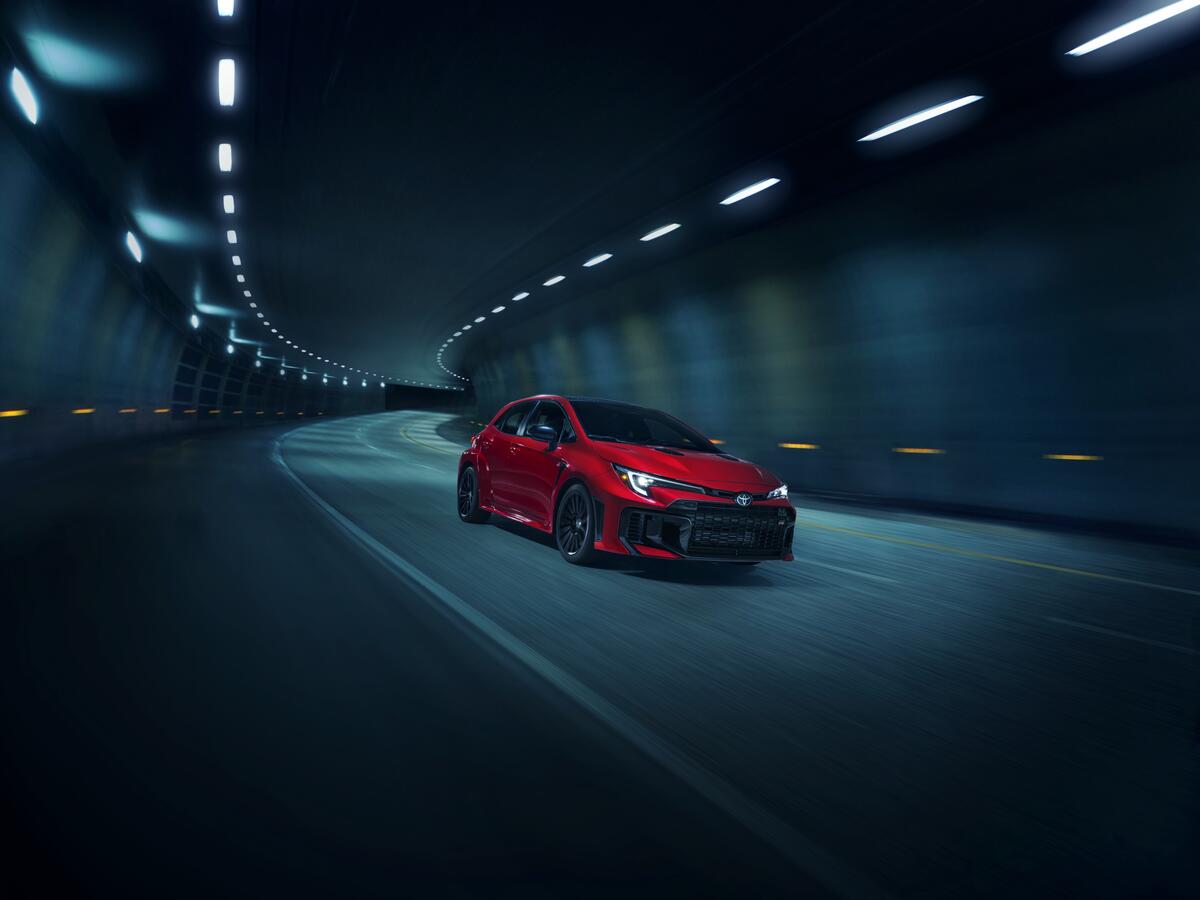
Toyota GR Corolla
"...tions that she is thinking about. Sporty hatches, GR Corolla seems fun. Civic SI, she says that too, sedan-ish..."
The GR Corolla is a sporty version of a compact hatchback. It’s built to be more exciting to drive, with performance features aimed at handling and traction. That’s why it’s mentioned when people talk about fun everyday hatchbacks.
The Toyota GR Corolla is a performance compact hatchback designed for rally-inspired driving. It’s discussed alongside other sporty options because it offers an enthusiast-focused driving experience in a practical hatchback package. In the podcast, it’s part of the conversation about “sporty hatches” that feel fun without being huge.

Honda Civic
"Sporty hatches, GR Corolla seems fun. Civic SI, she says that too, sedan-ish. And then along ..."
The Honda Civic is a small everyday car. Some versions are tuned to feel more fun to drive, not just efficient. That’s why it shows up in conversations about sporty hatchbacks.
The Honda Civic is a compact car that’s known for being practical, efficient, and widely available. In a debate about “sporty hatches,” it often comes up because certain trims (like the Civic Si) aim to add more driver-focused performance. It’s discussed because it’s a common everyday choice that can still feel engaging to drive.

Acura Integra
"...t, of course, is the A-spec manual version of the Integra. Wow, all right, on the Rumble Strip."
The Acura Integra is a compact car that’s made to feel sporty. The podcast mentions the A-spec manual version, meaning it’s set up for drivers who want to shift gears themselves. That’s why it’s brought up in a conversation about fun everyday cars.
The Acura Integra is a compact performance-oriented car that’s known for offering sporty driving feel, especially in enthusiast trims. The podcast specifically references the A-spec manual version, highlighting a configuration that appeals to drivers who want a more engaging gearbox experience. It’s discussed because it represents a blend of everyday size with performance focus.

Bmw X1
"...d she actually has the sentence in, I could buy a BMW X1 and put a lowering kit on it, right? That was, I ..."
The BMW X1 is a small luxury SUV/crossover. It’s meant for daily driving but with a sportier feel than some other compact crossovers. The podcast mentions it because someone is thinking about changing how it looks and drives with a lowering kit.
The BMW X1 is a compact luxury crossover that blends everyday practicality with BMW-style driving dynamics. It’s brought up in the podcast because someone is considering modifying it with a lowering kit, which changes ride height and handling feel. That’s why it’s relevant to a “budget” and “build” type discussion.
combi wagon
"Annie, have you considered a Saab 9, 3, or 9, 5 sport combi wagon?"
“Combi wagon” is another way of saying “station wagon.” It usually has a bigger, more usable cargo area because the back of the car is shaped for carrying things.
“Combi” is a European term commonly used for a station wagon body style. It typically means the car has a longer roofline and rear cargo area integrated into the same body, rather than a separate trunk.
sport combi
"But I hate to say it, your email came in at about 15 years too late for the sport combi. It was the sport combi with manual, the wagon, and the enthusiast car, the Tour X, I think it was called."
“Sport combi” basically means a sportier wagon. They’re using it to describe Saab wagons that were aimed at enthusiasts, including versions you could get with a manual.
“Sport combi” is a European-style term for a sport-oriented wagon/estate (“combi” meaning wagon). In this context, the hosts are talking about Saab’s enthusiast-focused wagon variants—especially the manual-transmission versions.

Saab 9-3 Aero
"And then they have the Aero. Sport combi Aero with the manual."
On Saab models, “Aero” usually means a sportier, higher-performance version. In this conversation, they’re specifically talking about a Saab wagon/estate with the Aero trim and a manual transmission.
“Aero” is Saab’s performance-oriented trim name, typically indicating a more powerful and sportier configuration than the base models. The hosts mention “Sport combi Aero with the manual,” tying the Aero badge to the enthusiast wagon idea and the appeal of a stick shift.
Auto Tempest
"And as part of my search on Auto Tempest, I went, oh. You actually looked up Saabs without your brother-in-law's help."
Auto Tempest is a website that helps you search for cars from lots of listings at once. In this segment, they’re using it to look up Saabs and see what’s available.
Auto Tempest is a car-shopping search aggregator that lets you browse listings across multiple dealer sites in one place. The hosts mention using it as part of their search for Saab wagons and other “sport combi” options.

Audi A7
"So I thought Audi A7, but then you mentioned, well, a little bit of a fear, phobia of maintenance. So I suppose drive one and leave it on your list if you find one that is new enough for your taste, and also has low miles, and you could consider it, because that is just the sweet spot."
The Audi A7 is a luxury car with a sloping “fastback” shape that still has normal daily-car space. Here, they mention it as an option, but they also talk about being wary of maintenance costs.
The Audi A7 is a fastback-style luxury sedan/coupe that Audi built to feel sporty while still offering real everyday practicality. In this segment, it’s brought up as a possible sport-wagon-adjacent choice, but the hosts pivot to a different model due to concerns about maintenance.
low miles
"So I suppose drive one and leave it on your list if you find one that is new enough for your taste, and also has low miles, and you could consider it, because that is just the sweet spot."
“Low miles” just means the car hasn’t been driven very much. People often prefer that because it can mean less wear compared to a higher-mile car.
“Low miles” refers to a vehicle having relatively few miles on the odometer compared with similar cars. In used-car shopping, it’s often used as a proxy for reduced wear and tear, which is why the hosts call it part of the “sweet spot” for considering an Audi A7.

Kia Stinger
"However, you know what we're going to say next if we suggest Audi A7. It is the Kia Stinger. That is the next hatchish. It's large, and that is my recommendation for you, because you can still find them new enough, and there's deals on those things."
The Kia Stinger is a sporty-looking car with a hatchback-style rear that still gives you practical space. In this segment, they recommend it because it’s roomy, can be found with good deals, and comes with options like all-wheel drive.
The Kia Stinger is a sporty liftback/hatch-style grand tourer that’s known for offering strong performance and a lot of usable space for an enthusiast-friendly daily driver. The hosts specifically frame it as the “next hatchish” alternative to an Audi A7, emphasizing back-seat room, deals on newer examples, and the availability of all-wheel drive.
hatchish
"It is the Kia Stinger. That is the next hatchish. It's large, and that is my recommendation for you, because you can still find them new enough, and there's deals on those things."
“Hatchish” is just their way of saying it’s kind of like a hatchback, meaning the back is easier to use for loading. They’re saying the Stinger gives you some of that practicality.
“Hatchish” is a casual way to describe a car with hatchback-like practicality—typically a liftback rear that can make loading easier than a traditional trunk. The hosts use it to position the Kia Stinger as a more practical alternative to a sedan-style car while still feeling sporty.
Civic Si
"“I mean, I do like your lists on here of the Civic Si.” “I do like the Integra A-Spec.”"
The Civic Si is a sportier version of the Honda Civic. It’s meant to be a daily car that still feels fun to drive.
The Honda Civic Si is a sport-trim version of the Civic that’s designed to be a practical daily driver with a more engaging driving experience than the base model. The host mentions liking the Civic Si lists, using it as a reference point for “smaller” sporty cars.
Integra A-Spec
"“I do like the Integra A-Spec.” “Those are a little bit smaller, but man, customers get into the Kia…”"
The Acura Integra A-Spec is a sportier trim of the Integra. The hosts are basically saying it’s a smaller, more compact option compared to the bigger cars in the conversation.
The Acura Integra A-Spec is a sport-oriented trim that emphasizes styling and a more driver-focused setup compared with the standard Integra. In this segment, it’s grouped with the Civic Si as a smaller alternative to the larger cars being discussed.
manual transmission
"“...if you can find one in manual, you're going to take some searching on Autotempus.com.” “But if you can find a manual one, that's the car that nobody gets.” “Manual transmission, that's good.”"
A manual transmission is when you shift gears yourself using a clutch pedal and a stick. People who like driving often prefer it because it gives you more control.
A manual transmission is a gearbox controlled by the driver using a clutch pedal and gear lever. Enthusiasts often seek manuals because they provide more direct control over engine speed and gear selection, which can make the car feel more engaging.

Ford Edge
"...ouple really good contenders here that are on the edge of your budget. And the first one is probably abo..."
The Ford Edge is a family-sized crossover SUV. It’s designed to be comfortable for daily driving and errands. In the podcast, it’s mentioned as a possible choice if you’re trying to stay near a certain budget.
The Ford Edge is a midsize crossover SUV aimed at comfortable everyday use. It comes up in the podcast as a potential contender near a budget limit, suggesting it’s being weighed against other practical options. The Edge is often discussed because it offers space and convenience without being as large as some bigger SUVs.
Accura Integra Type S
"“And that is Accura Integra Type S.” “Manual transmission, that's good.” “It's not the rough track feel of the Civic Type R.”"
The Acura Integra Type S is a sporty Acura that’s aimed at driving enthusiasts. Here they’re saying it has a manual option and feels more “together” than the Civic Type R’s harsher track-like feel.
The Acura Integra Type S is a performance-oriented compact hatchback/sedan variant known for offering a manual transmission option and a more enthusiast-focused driving feel. In this discussion, it’s compared against the Honda Civic Type R’s “rough track feel,” framing the Type S as a sharper but more refined alternative.
Civic Type R
"“Manual transmission, that's good.” “It's not the rough track feel of the Civic Type R.”"
The Civic Type R is Honda’s most hardcore Civic. In this conversation, it’s used as the benchmark for a rougher, more track-like feel.
The Honda Civic Type R is Honda’s high-performance hot hatch known for a very aggressive, track-inspired setup. Here, the host uses it as a comparison point for ride/feel, saying the Integra Type S is not as “rough” in that track-like way.
luxury feel
"Worth the dollars. [1097.6s] It's better than the SI for you. [1099.5s] I really think it gets it done, and it does give you that luxury feel [1101.9s] while it's a fantastic chassis to drive."
“Luxury feel” means the car feels more refined and comfortable—like it’s quieter, smoother, and nicer inside. The host is saying you can get that even in a sporty car.
“Luxury feel” is a subjective way drivers describe how refined and comfortable a car feels—often tied to things like ride smoothness, cabin materials, noise isolation, and how smoothly the drivetrain responds. In this segment, it’s used to argue that a sport-oriented chassis can still feel upscale.
haptic
"She needs a Volkswagen Golf R 7.5 Gen, the Mark 75, before they went- To the haptic disaster of the eighth gen. That's good."
“Haptic” controls are touch-based controls that buzz or vibrate to simulate a button press. The host is saying they don’t like that approach and prefer real buttons and knobs.
In car interiors, “haptic” controls typically refer to touch surfaces that provide vibration/feedback instead of traditional physical buttons and knobs. The host calls it a “disaster,” implying they prefer tactile, physical controls for quicker, more reliable use while driving.
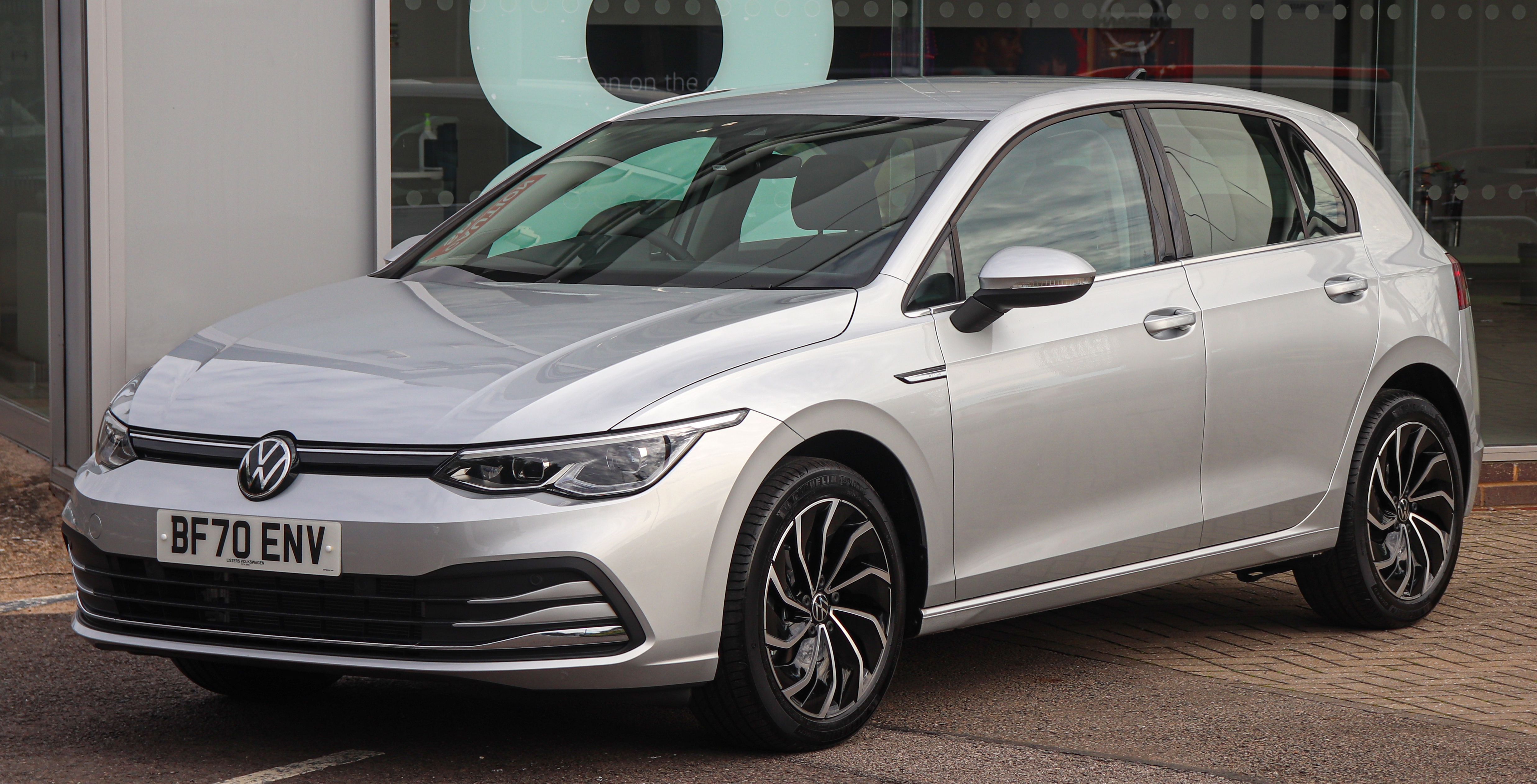
Volkswagen Golf R
"She needs a Volkswagen Golf R 7.5 Gen, the Mark 75, before they went- To the haptic disaster of the eighth gen. That's good. And everything was still H-FAC that was actually buttons and knobs."
The Volkswagen Golf R is the sporty version of the Golf. In this discussion, the host likes this particular Golf R because it’s fun, can be had with a manual, and it uses normal buttons/knobs instead of touch-only controls.
The Volkswagen Golf R is the performance version of the Golf, typically combining a hot-hatch stance with all-wheel drive and a more driver-focused setup than regular Golfs. Here it’s specifically discussed as a “7.5 Mark 75” (a late Mk7.5-era Golf R) that still uses physical buttons/knobs rather than the later “haptic” controls, plus it’s described as available with a manual transmission.

Porsche Macan
"My last thought, because you asked about crossovers, and I think it gets by without feeling too ostentatious. And that is the Porsche Macan."
The Porsche Macan is a smaller Porsche SUV/crossover. It’s meant to feel more fun to drive than a typical family SUV, and the host is saying it doesn’t look overly flashy.
The Porsche Macan is Porsche’s compact luxury crossover, known for bringing Porsche-style steering feel and performance to a higher-riding, family-friendly body. In this segment, it’s brought up as a crossover that avoids looking “too ostentatious” compared with flashier choices like the Panamera.

Porsche Panamera
"A Panamera. I think they'd be like, whoa, whoa, Panamera. A Macan, it's a hatchback from Porsche."
The Porsche Panamera is a four-door Porsche sedan. In the conversation, they’re saying it tends to look more flashy than the Macan.
The Porsche Panamera is Porsche’s four-door performance sedan (a “sport sedan” rather than an SUV). The hosts contrast its more attention-grabbing, ostentatious presence with the Macan’s more understated look.

Porsche Cayenne
"I don't think your customers are going to care about a Macan. True. A Panamera. I think they'd be like, whoa, whoa, Panamera. A Macan, it's a hatchback from Porsche. Maybe I'm wrong. ... Or even the Cayenne."
The Porsche Cayenne is a larger Porsche SUV. The hosts mention it to compare how flashy or noticeable different Porsche models feel.
The Porsche Cayenne is Porsche’s midsize luxury SUV, positioned above the Macan in size and typically in “presence.” Here, it’s used as a comparison point for how different Porsche models can feel more or less ostentatious.

BMW E60
"... There's been a Mini Cooper go by, an RX8, and an E60, BMW, V10, and 5. Yep."
The BMW 5 Series is a comfortable, mid-size luxury sedan. It’s designed to drive well and feel more premium than basic cars. The podcast mentions it because it’s the kind of car people consider when they want both comfort and performance.
The BMW 5 Series is a midsize luxury sedan that’s built for comfort, refinement, and strong performance options. In the podcast context, it’s mentioned as part of a lineup of cars that have been seen on track or in driving discussions, showing its role as a capable “serious” daily/driver platform. It’s often brought up when people talk about balancing everyday usability with driving dynamics.

Mazda Rx8
"...by on track? There's been a Mini Cooper go by, an RX8, and an E60, BMW, V10, and 5. Yep."
The RX-8 is a sports car from Mazda that uses a rotary engine. A rotary engine works differently than the normal engine type, so it needs specific care. That’s why it often comes up in conversations about unusual, enthusiast-focused cars.
The Mazda RX-8 is a sports car known for its rotary engine, which is different from the typical piston engines found in most cars. It’s discussed in the podcast alongside other enthusiast cars, and it’s notable because the rotary design changes how the car feels and how it needs to be maintained. That makes it a frequent topic for people who want something unusual.

Ford Mustang
"“Jag F type Corvette, Mustangs, Model 3s, Model Ys, pretty much every number of BMW, sedan and coupe that you can think of.”"
The Ford Mustang is a popular American sports car. It’s often chosen because it’s fun to drive and has a big, exciting personality.
The Ford Mustang is a long-running American muscle/sports car line known for V8 sound and a wide range of performance trims. In this segment, it’s part of the shortlist for a “fun and emotional” car rather than something optimized for commuting efficiency.

Tesla Model Y
"“Jag F type Corvette, Mustangs, Model 3s, Model Ys, pretty much every number of BMW, sedan and coupe that you can think of.”"
The Tesla Model Y is an electric SUV. It’s a practical daily driver, but it’s also fun because it’s electric and quick.
The Tesla Model Y is an electric compact SUV that blends everyday practicality with EV-style performance and convenience. In this segment, it’s part of the broader list of cars considered for an enjoyable, short commute.

Tesla Model 3S
"Look at this. Jag F type Corvette, Mustangs, Model 3s, Model Ys, pretty much every number of BMW, sedan..."
The Tesla Model S is an electric car with four doors. It’s known for quick acceleration and lots of technology inside. People bring it up in car debates because it’s a fast sedan that runs on electricity.
The Tesla Model S is a full-size electric sedan known for strong acceleration and modern tech. It often appears in debates because it represents a different approach to performance—electric power and software-driven features rather than traditional engine feel. In the podcast context, it’s grouped with other popular performance-oriented sedans and fast cars.

Mercedes AMG GT
"“The quads, both Julia and Stelvio from Alfa Romeo and the Mercedes AMG GT.”"
The Mercedes-AMG GT is a high-performance Mercedes sports car. It’s the kind of car people buy when they want something exciting and special to drive.
The Mercedes-AMG GT is a performance grand tourer built by AMG (Mercedes’ high-performance division), known for its athletic handling and powerful V8 options. It’s mentioned as part of the “fun and emotional” list, emphasizing the kind of occasion-car vibe the listener wants.

Stelvio
"“The quads, both Julia and Stelvio from Alfa Romeo and the Mercedes AMG GT.”"
The Alfa Romeo Stelvio is a sporty SUV. It’s meant to be fun to drive, not just practical.
The Alfa Romeo Stelvio is a sporty compact SUV designed to feel more like a driver’s car than a typical family hauler. In this episode, it’s grouped with other “emotional” choices for someone who wants fun even on a short commute.

Lexus Lc500
"Yeah, the new ones are just over 100 used. They're, yeah. I don't think they're down to 50, 60. No, not quite. We're starting to get close, but we're not there yet. Yeah. But you know what is? Is the Lexus LC 500."
The Lexus LC 500 is a Lexus luxury coupe that’s also meant to be fun to drive. It uses a V8 engine and is designed to feel like a comfortable grand tourer, not just a flashy car.
The Lexus LC 500 is a luxury performance coupe from Lexus, notable for its naturally aspirated V8 and grand-touring focus. It’s the kind of car enthusiasts compare against German performance cars because it blends smooth refinement with real driving engagement.
budget range
"Unfortunately, all three of those are outside of your budget range. But that Vanquish, that was a 2015 Vanquish S, is it an S? ... Now, that's above your budget."
They’re talking about what price you can actually afford. The point is that some amazing cars are out of reach unless you find a great deal or buy at the right time.
“Budget range” here is about the realistic price bracket for buying a used or discounted exotic. The host contrasts what’s desirable (Vanquish S, AMG GT) with what’s actually reachable once you factor in current market pricing.

Aston Martin Vanquish S
"Unfortunately, all three of those are outside of your budget range. But that Vanquish, that was a 2015 Vanquish S, is it an S? Was it an S?"
The Aston Martin Vanquish S is a luxury sports car with a strong V12 engine. The “S” version is the more aggressive, higher-performance take, and the host is basically saying it’s amazing but usually expensive.
The Aston Martin Vanquish S is a high-performance grand tourer from Aston Martin’s modern era, built around a powerful V12 and a more aggressive “S” tune than the standard Vanquish. It’s notable here because the host is discussing real-world pricing and what you can realistically buy for a given budget.
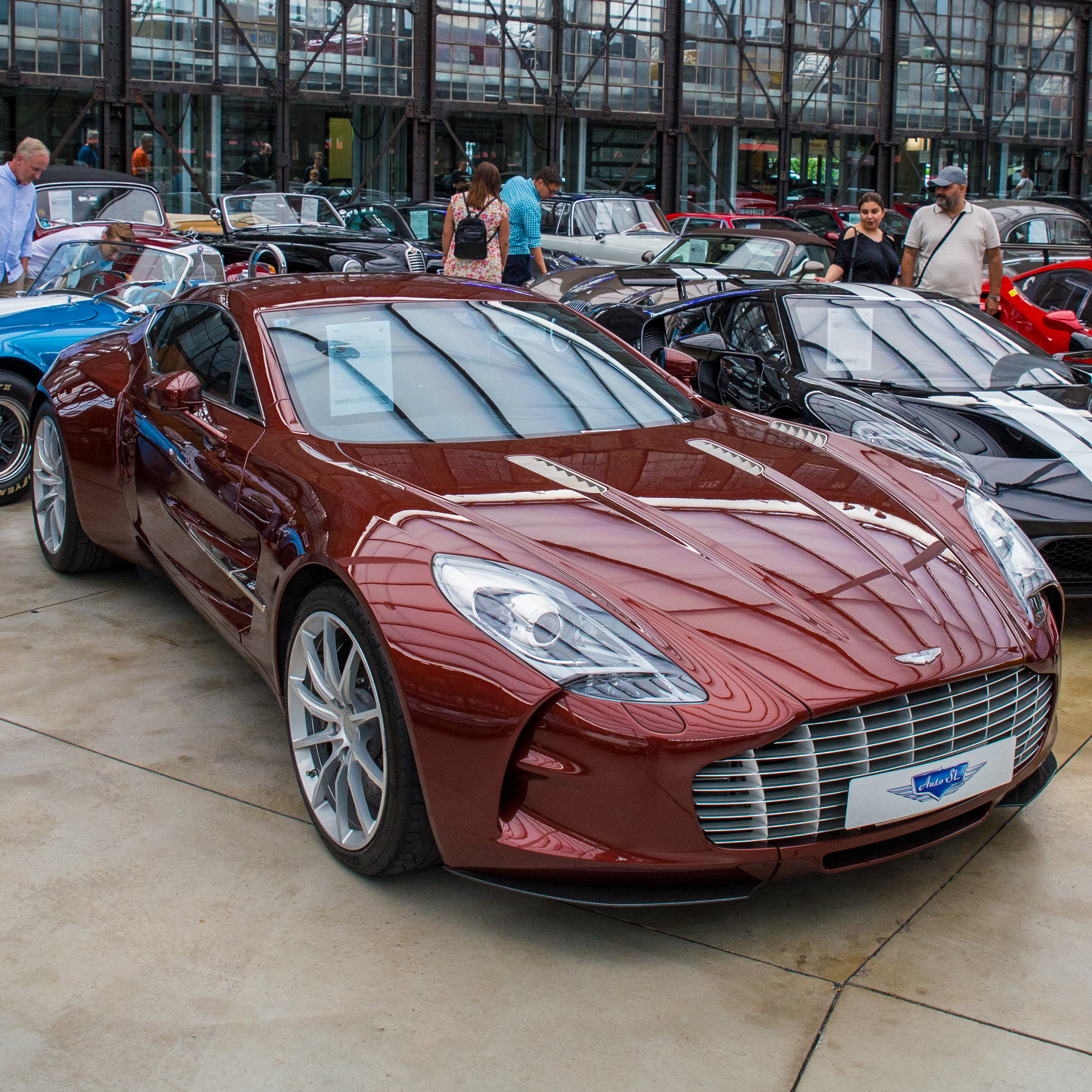
Aston Martin V12 Vantage
"...nd go back and look at... I mean, you can't get a V12 Vantage for that kind of money. But go back and look at t..."
The Aston Martin V12 Vantage is a luxury sports car with a very powerful V12 engine. It’s meant to be a special, high-end performance choice. The podcast mentions it because it’s typically out of reach for many budgets.
The Aston Martin V12 Vantage is a high-performance sports car powered by a V12 engine, making it one of the most dramatic configurations in the Vantage lineup. The podcast notes that it’s hard to get for the kind of money being discussed, which is why it’s brought up as a “bigger dream” option. It represents the extreme end of the brand’s performance appeal.

Aston Martin DBS
"I've also heard, by the way, that the DBS from like 2011 has plummeted in price. I haven't checked lately, but I mean, you could be James Bond..."
The Aston Martin DBS is a fancy, high-performance Aston Martin. The host is saying older ones have become much cheaper, so they might be a better deal than you’d expect.
The Aston Martin DBS is a grand tourer known for its V12 performance and upscale Aston styling. The host mentions that older DBS models (around the early 2010s) have dropped significantly in price, making them more attainable for buyers than they used to be.
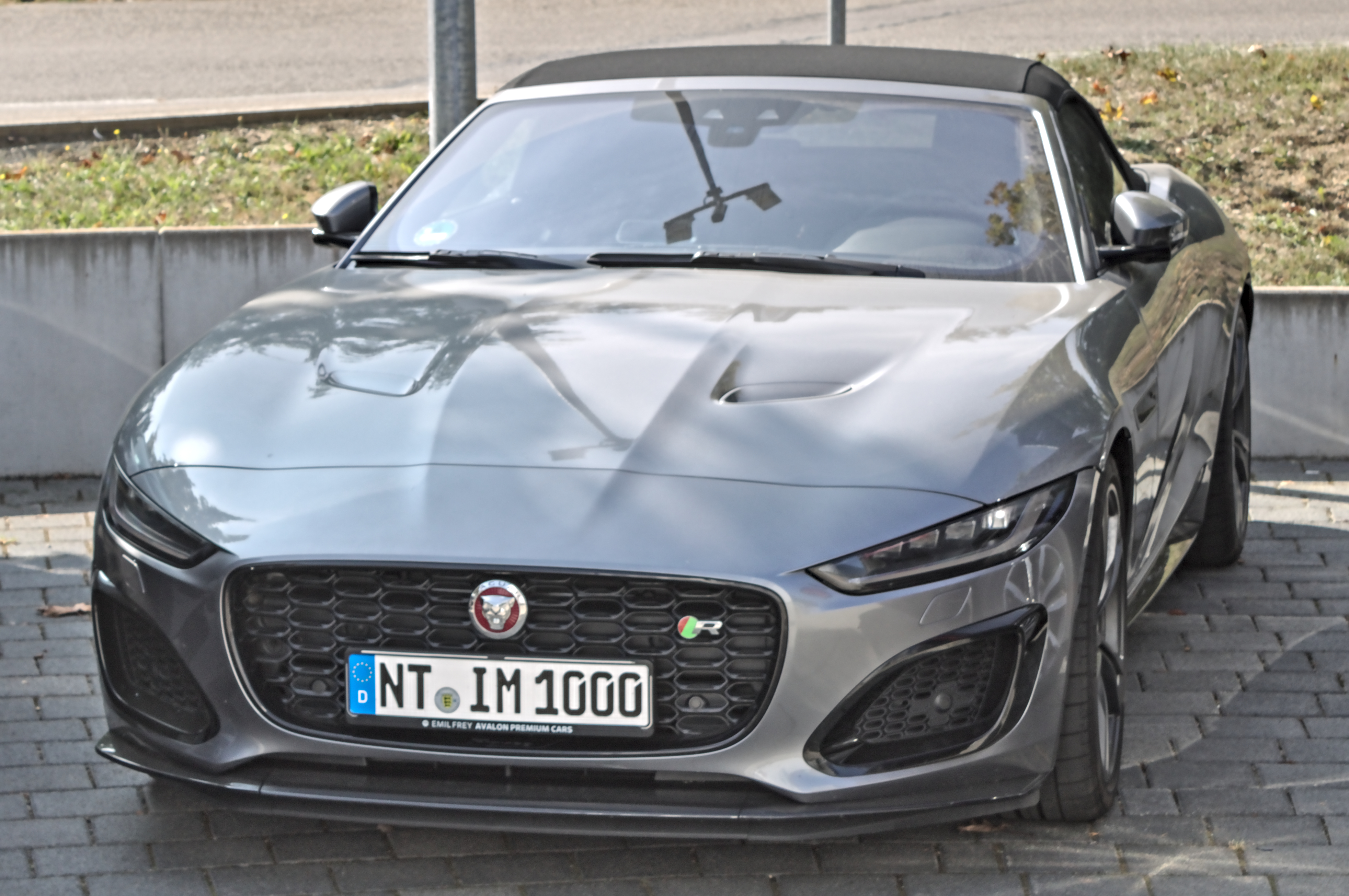
F type
"I actually think that the F type is a great choice here. I think those are underappreciated cars. Every time we drive one, we like it more than we remembered liking it."
The Jaguar F-Type is a sporty Jaguar with a fun, stylish personality. They’re saying it’s often overlooked, and they especially like the rare version with a manual gearbox.
The Jaguar F-Type is a performance sports car known for its dramatic styling and available driver-focused configurations. Here, the hosts highlight it as “underappreciated,” and specifically mention the extremely rare V6 with a manual transmission, plus how the car’s look and “sense of occasion” stay strong regardless of which version you choose.
V6 manual
"So now you can find the extremely rare V6 manual. Good on you if you do, but you don't need that."
“V6 manual” means the car has a V6 engine and you shift gears yourself with a clutch. They’re saying that specific combo is very hard to find.
A “V6 manual” means a Jaguar F-Type equipped with a V6 engine paired to a manual transmission. Manual gearboxes are less common in modern performance cars, so a V6 + manual combination is especially rare and becomes a collector/enthusiast talking point.
Teslas
"And Teslas, look, these are great commute devices, but there's no sense of occasion in a Tesla. Unless all you're excited about is, hey, the tech works, but we've all seen the tech work at this point."
Tesla makes electric cars. The host is saying that at first the tech feels exciting, but after you’ve seen it for a while, it stops feeling like a special event.
Tesla models are electric cars that tend to impress early because of their software, charging experience, and instant torque feel. The host’s point is that once the technology becomes familiar, the “occasion” factor fades—so they should be excluded from the list of cars that feel special.
Giulia Quadrifoglio
"Of course I like the Giulia Quadrifoglio, but I don't know that on a commute situation, you're going to like it enough to feel special."
The Alfa Romeo Giulia Quadrifoglio is the sporty, high-performance version of the Giulia. The host is saying it’s the kind of car that feels fun when you’re on twisty roads, not just commuting.
The Alfa Romeo Giulia Quadrifoglio is a performance-focused version of the Giulia, built around a high-output engine and a more driver-oriented setup than the standard model. The host argues it needs back-road driving to feel special, implying it may not deliver the same excitement in a commute-only routine.

Corvette C7
"Corvette. Let's talk Corvette real quick. For your 50 grand, you could definitely get yourself a C7."
The Chevrolet Corvette C7 is a generation of the Corvette that’s built to be a serious sports car. The host is saying that around $50,000 you can get a C7 that feels like a real “occasion” car.
The Chevrolet Corvette C7 is the seventh-generation Corvette, known for its mid-engine layout and track-capable performance at a relatively attainable price point. Here, the host frames it as a compelling option: for “50 grand,” you can buy a C7 that feels special enough for the debate’s criteria.
lift to the doors
"But the V8 Vantage with a little bit of a lift to the doors,"
This sounds like a description of a special door design where the door opens upward instead of swinging out normally. It’s the kind of detail that makes the car feel more distinctive when you’re getting in and out.
“Lift to the doors” appears to refer to a door design where the door lifts upward rather than opening like a conventional hinged door. That kind of door movement is a distinctive styling/packaging feature that can affect how the car looks and how it’s used day to day.
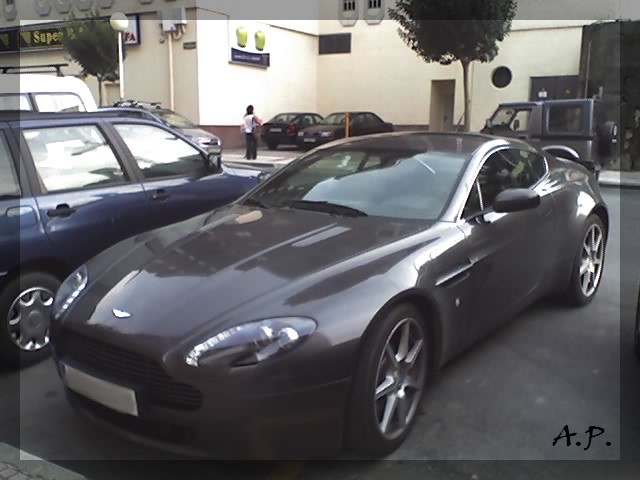
Aston Martin V8 Vantage
"I think the V8 Vantage gets this done. That's my favorite by far."
The Aston Martin V8 Vantage is a sporty British car with a V8 engine. The hosts mention it because it’s fun to drive and has a great sound, making it a strong pick if you want something exciting.
The Aston Martin V8 Vantage is a British sports car known for its compact, driver-focused layout and a V8 engine character that feels more “analog” than many modern rivals. In this segment, it’s brought up as a top choice for someone shopping for a sport wagon–style driving experience, emphasizing how good it sounds and feels.
fob
"They even call it the fob in a motion control unit. They even call it that."
A “fob” is the small key remote you keep in your pocket. It lets the car recognize you so you can lock/unlock and sometimes start it without using a metal key.
A “fob” is the keyless remote you carry to lock/unlock and often start the car without inserting a traditional key. In this segment, the speaker says the car’s system is so integrated that even the “fob” is described in a more technical, motion-control-unit context.
needles go opposite each other
"So, you know, when you start up and the needles and the backwards needle, the needles go opposite each other."
This refers to an instrument-cluster design where the gauge needles move in opposite directions, creating a distinctive visual “motion” effect. It’s a styling choice that can make the dashboard feel more theatrical and premium compared with conventional gauges that move the same way.
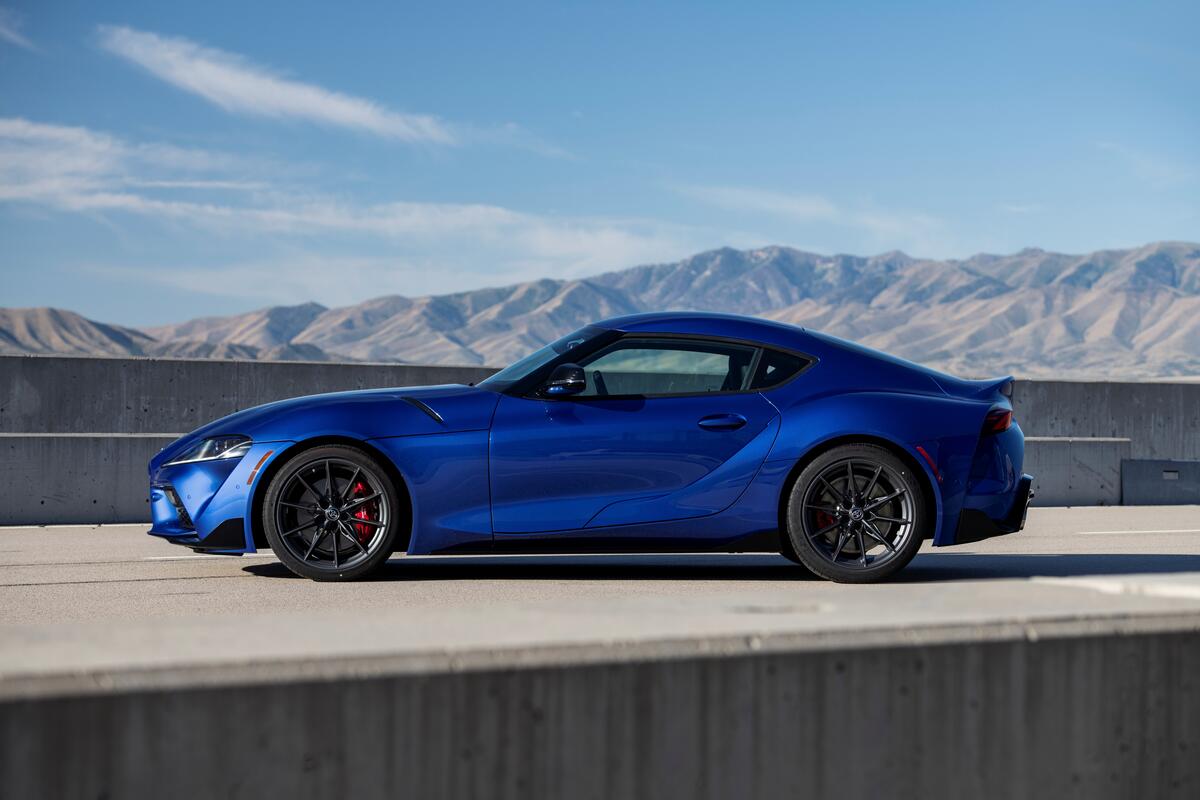
Toyota Supra
"The Supra, the Nissan Z, the BMW M2, it just didn't work."
The Toyota Supra is a well-known sports car. Here it’s mentioned as one of the options that didn’t feel right for a taller driver.
The Toyota Supra is a Japanese sports coupe best known for its performance reputation and strong enthusiast following. In this discussion, it’s one of the cars the taller driver tried that didn’t work for his fit/comfort needs.
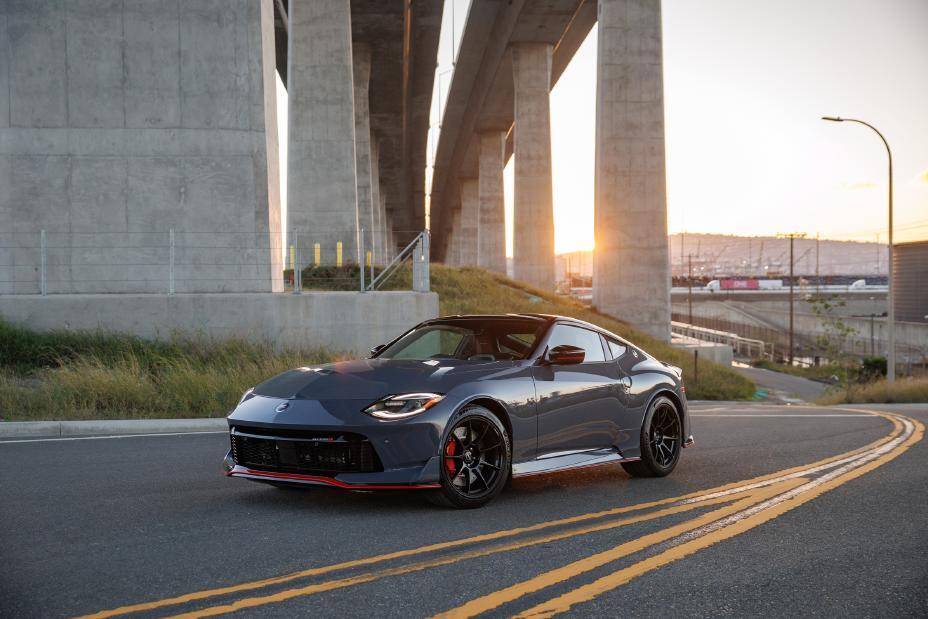
Nissan Z
"The Supra, the Nissan Z, the BMW M2, it just didn't work."
The Nissan Z is a sports car model from Nissan. Here it’s mentioned as another car that didn’t fit the driver comfortably.
The Nissan Z is the long-running Z-car sports coupe line from Nissan, known for a driver-focused layout and classic styling. In this segment it’s grouped with other sports cars that didn’t work for the driver’s height and comfort.
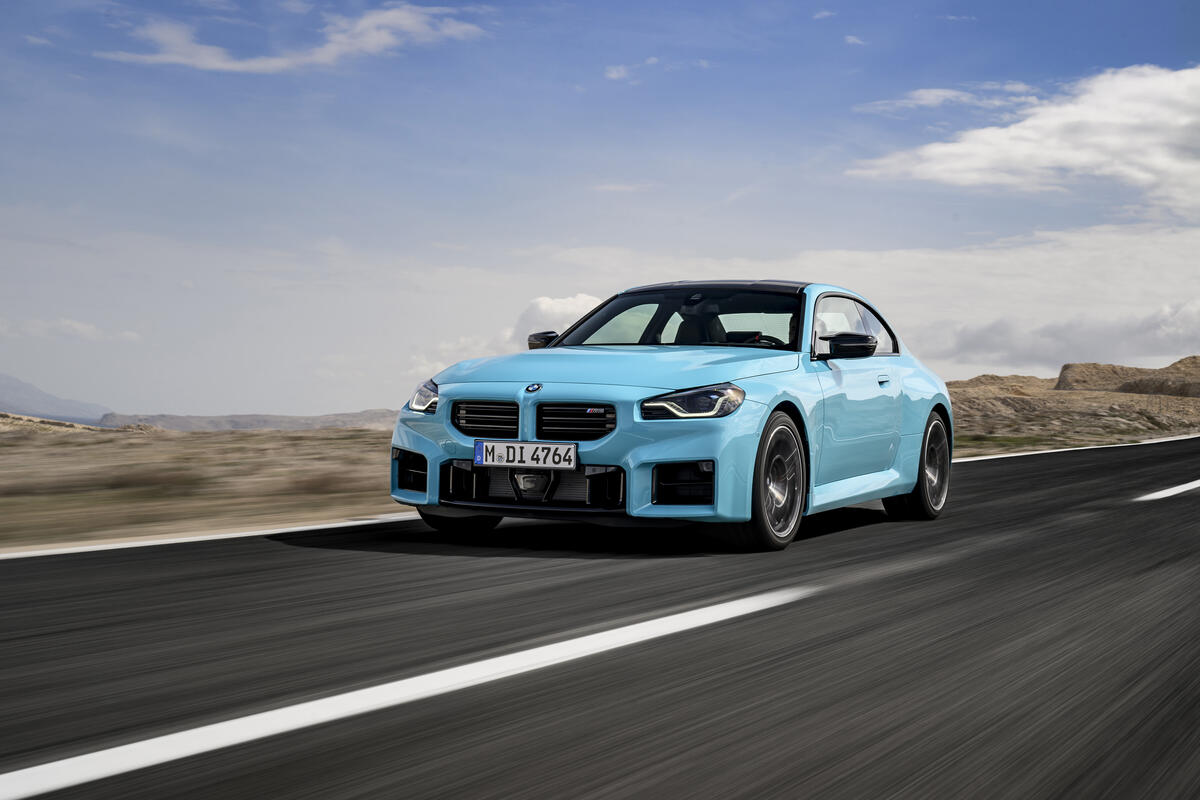
BMW M2
"The Supra, the Nissan Z, the BMW M2, it just didn't work."
The BMW M2 is BMW’s smaller sports coupe. In this story, it’s one of the cars the driver tried that didn’t feel comfortable enough due to his height.
The BMW M2 is a compact performance coupe from BMW’s M division, built to feel agile and sporty. The hosts mention it as one of the cars that didn’t work for a tall driver because of space/comfort constraints.
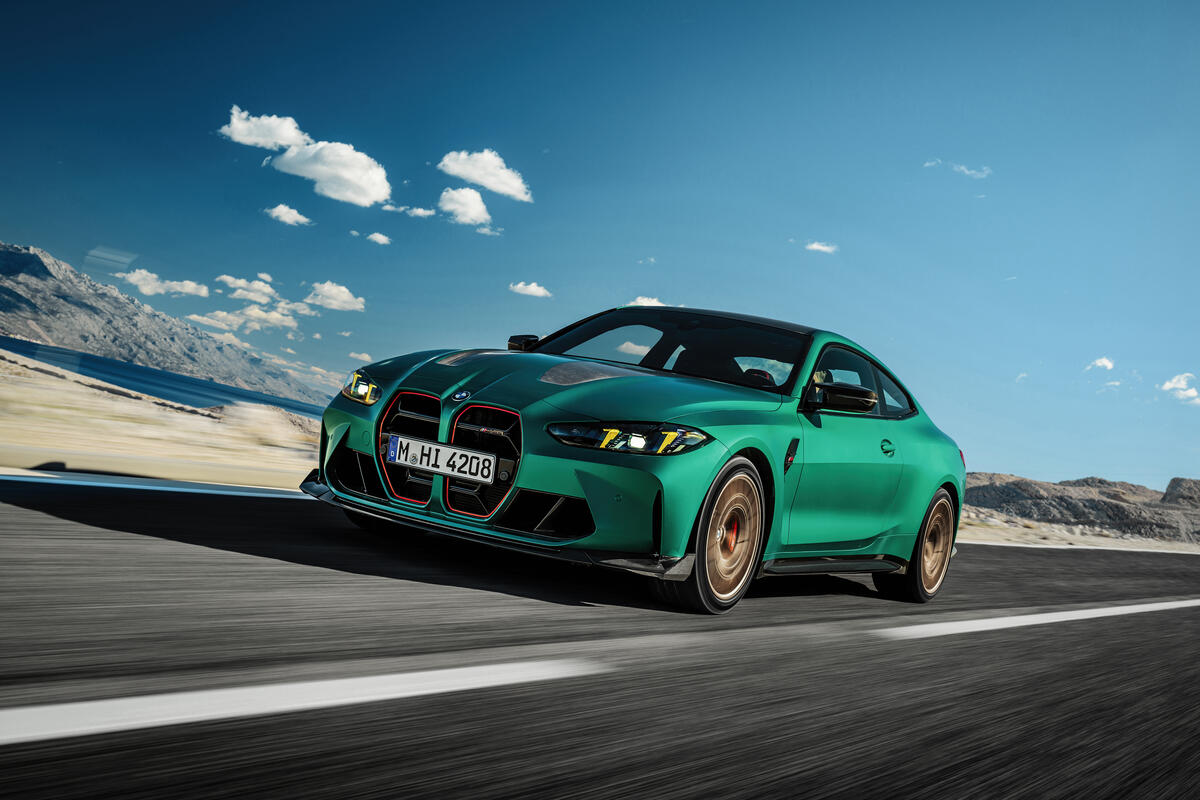
BMW M4
"He went to vehicles like the M4, which worked for space, but now it was just too big a car."
The BMW M4 is a BMW performance car. The point in this segment is that it fit better for space, but the driver eventually felt it was too large.
The BMW M4 is a performance coupe (or convertible) from BMW’s M lineup, typically offering more usable cabin space than smaller sports cars. Here it’s described as working for the driver’s space needs, though it later becomes “too big.”

Lotus Evora
"You found a Lotus Evora in the dead of winter in Michigan, but you figured, all right, I'll check it out anyway. Took it for a test drive and immediately loved it."
The Lotus Evora is a sports car made by Lotus. Here it’s the surprise pick that worked well for the driver’s height and made the car feel great on the road.
The Lotus Evora is a mid-engine sports car from Lotus, built around a compact, driver-centric layout and a strong “feel” for road driving. In this segment, the hosts highlight it as the unexpected winner for a tall driver—after trying other sports cars that left him tired and uncomfortable.
orange manual Evora 400
"And so you bought yourself, you found a orange manual Evora 400. And I've said many times, the Evora is great."
The Lotus Evora 400 is a stronger version of the Evora, and “manual” means you shift it yourself. In the story, that’s the exact car they ended up buying because it felt right to drive.
The Lotus Evora 400 is the Evora variant tuned for more power, and “manual” indicates it’s equipped with a traditional gearbox rather than an automatic. The hosts specifically call out buying an orange manual Evora 400, tying the choice to the car’s driving feel and fit.
going up in value
"And going up in value actually, yeah. Sam, I mean they still doing their thing."
“Going up in value” means the car is getting more expensive over time. That can happen when people want that car more, so prices rise.
“Going up in value” refers to price appreciation—when a car becomes more expensive over time, often due to rarity, desirability, or collector interest. The hosts connect it to the idea that older sports cars can become harder to afford as demand rises.
bulletproof
"but he's going to pay the money to make it truly bulletproof [2108.9s] and road trippable and drive it often and keep it in the family."
“Bulletproof” is a slang way of saying “very dependable.” In this context, it means spending money to fix the car’s likely problems so it won’t leave you stranded.
“Bulletproof” is enthusiast slang for making a car extremely reliable and resistant to breakdowns. Here, the speaker means paying to address weak points so the classic Supra can be driven often and handled confidently on road trips.
turbo
"[2123.2s] 87 Supra Turbo Auto. [2124.7s] That's fantastic."
A turbocharger uses the car’s exhaust to spin a fan that pushes extra air into the engine. More air helps the engine make more power.
A turbocharger (“turbo”) uses exhaust gases to spin a turbine that forces more air into the engine. That extra air lets the engine burn more fuel and produce more power than it could naturally aspirated.
Laguna Seca
"[2168.5s] And also at this point, we're somewhat racing the clock, [2171.0s] because of course they're doing the cleaning on the really cool Laguna Seca. [2174.3s] The corkscrew is still behind us here."
Laguna Seca is a famous race track in California. They’re talking about what’s happening there right now—getting cars ready to go back out.
Laguna Seca is a well-known road course in California, famous for its distinctive track features. In this segment, it’s referenced as the venue where cars are being cleaned and then will return to the action.
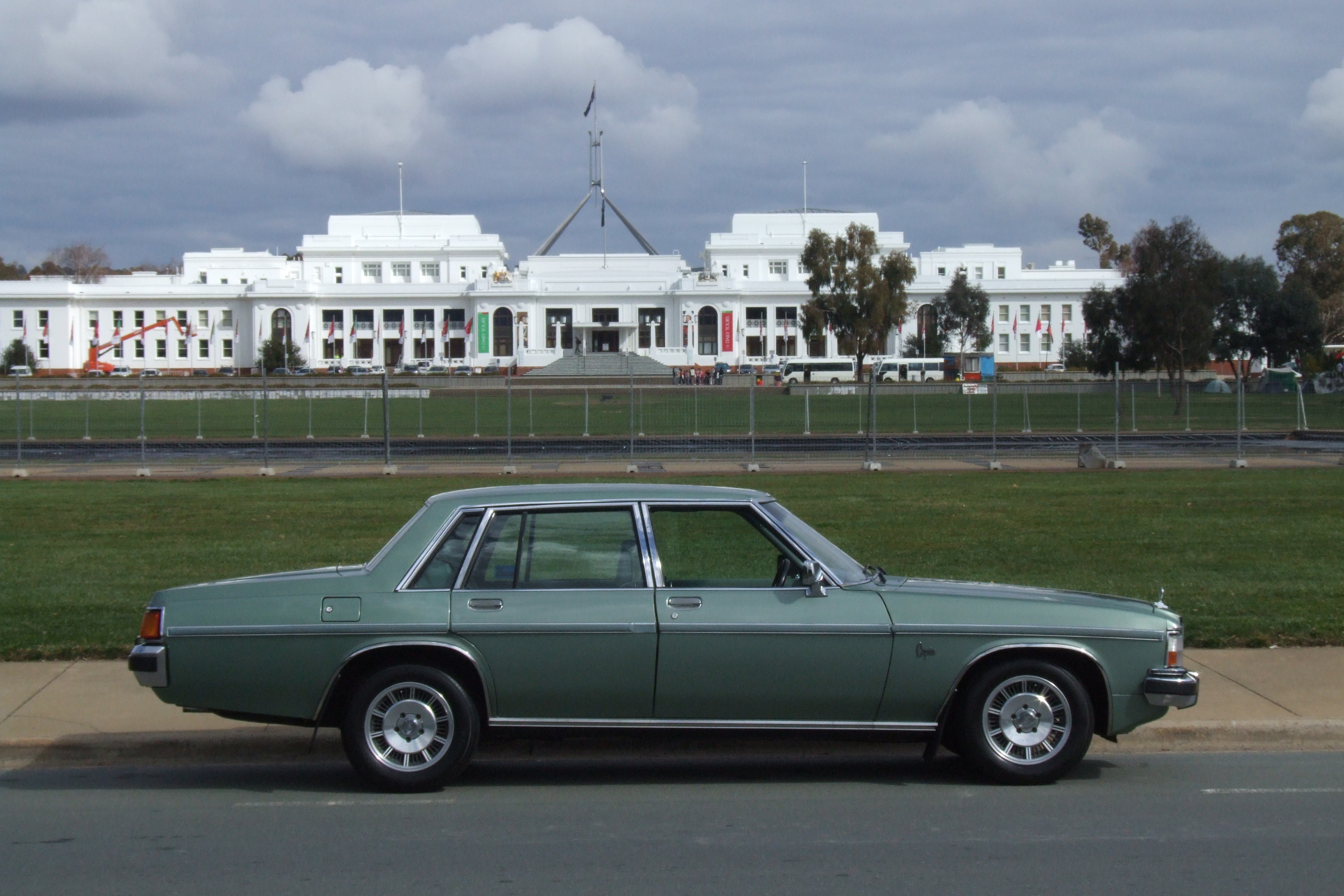
Holden Caprice
"...of where you would recommend the sixth generation Caprice instead of the Chevy SS?"
The Holden Caprice is a large, comfortable sedan. The podcast is comparing it to another car and suggests the sixth-generation Caprice as the better recommendation. That means it’s being considered as a practical choice rather than a sporty-only option.
The Holden Caprice is a full-size sedan that’s known for offering a traditional, comfortable driving experience. In the podcast context, it’s mentioned as an alternative—specifically recommending a sixth-generation Caprice instead of a Chevrolet SS—suggesting the discussion is about choosing the better fit for the budget and ownership needs. It’s brought up because it can be a practical way to get a similar “big sedan” feel.
PPV
"[2301.4s] Yes. [2302.5s] It's the performance vehicle version, right? [2304.6s] It's the PPV. [2305.9s] The problem is they're almost impossible to find."
PPV means “Police Pursuit Vehicle.” It’s a version of a car that’s built for police work, usually with equipment and tuning meant for heavy-duty use.
PPV stands for “Police Pursuit Vehicle,” a factory configuration aimed at law-enforcement use. PPV versions are typically tuned and equipped for durability and sustained use, which is why the hosts frame the Caprice as a “performance vehicle version.”
backseat space
"[2305.9s] The problem is they're almost impossible to find. [2308.3s] And they look really odd. [2310.4s] They've got a bit of an extension to them [2311.9s] to help the backseat space for unruly passengers."
They’re talking about how much room there is in the back seat. The idea is that this Caprice variant has extra length/space to fit rear passengers more comfortably.
“Backseat space” refers to the usable room for rear passengers, which can be especially important in fleet or police-oriented vehicles. In this segment, the hosts mention an extended body/structure intended to make the rear seat more accommodating.

Chevy SS
"The Chevy SS at least looks cool comparatively, you know? Because the police version, just, I don't know,"
The Chevrolet SS is a V8-powered Chevy sedan. Here it’s mentioned mainly because the host thinks it looks better than the police versions of similar cars.
The Chevrolet SS is a performance sedan built on the GM Epsilon II platform, best known for bringing V8 power to a four-door format. In this debate it’s used as a styling comparison point versus other performance cars.
bang for the buck
"That was always bang for the buck. That's precisely what you have noticed,"
“Bang for the buck” just means you feel like you’re getting a lot for the money. Here it’s used to say Corvette gives strong performance without costing as much as pricier supercars.
“Bang for the buck” is a value concept meaning you get a lot of capability—like speed, features, or driving satisfaction—relative to the price you pay. The speaker uses it to summarize Corvette’s long-running appeal: strong performance for less money than many premium alternatives.
supercar
"Can we say a thousand horsepower is like the mark, and then anything past your supercar, and then now you reach a thousand?"
A “supercar” is a very high-end, very fast type of car—usually expensive and built for performance. They’re using it as a comparison point while talking about how horsepower numbers keep getting bigger.
A “supercar” is a high-performance, premium car category typically associated with very high power, advanced aerodynamics, and expensive engineering. The hosts use it as a benchmark in a discussion about horsepower thresholds—suggesting that once you’re in supercar territory, the next step to “a thousand” horsepower becomes the new reference point.
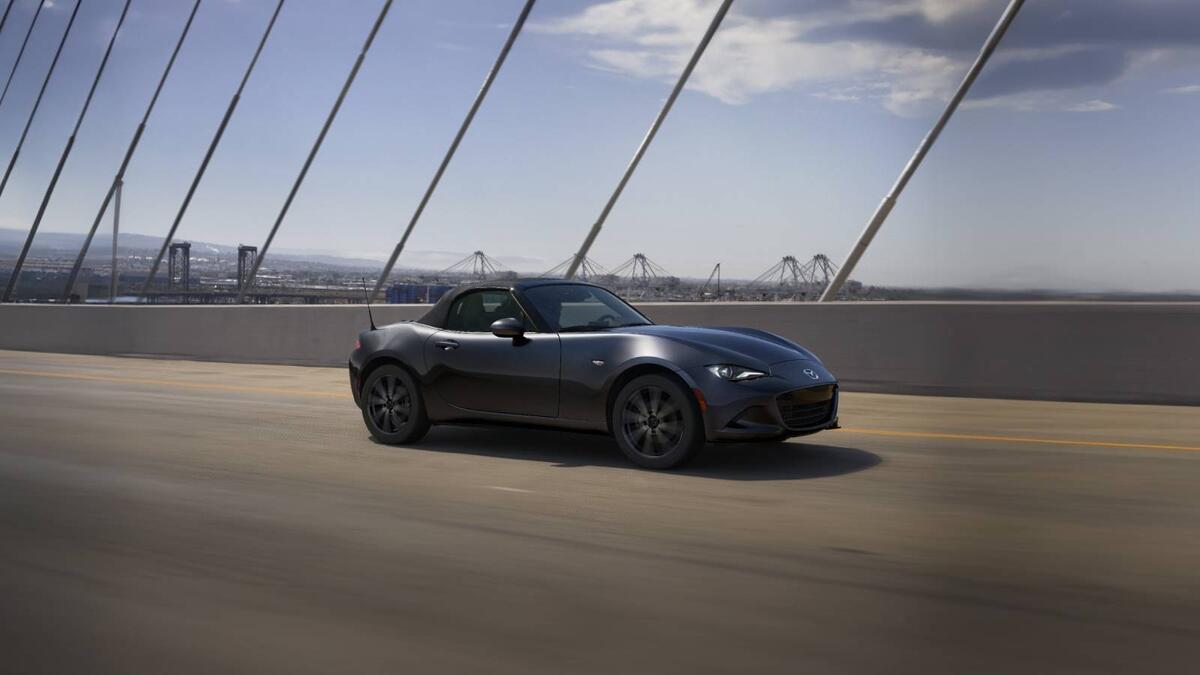
Mazda MX-5 / Miata
"...ymore. I can't explain, because there's still the Miata guys right up behind you going,"
The Miata is a small two-seat roadster made for fun driving. It’s light and easy to handle, so it feels lively even at normal speeds. People who love it tend to be very enthusiastic, which is why it comes up often.
The Mazda MX-5 (Miata) is a lightweight, rear-wheel-drive roadster focused on simple, fun driving. It’s frequently discussed in enthusiast circles because it’s affordable, easy to enjoy, and rewards driver skill. The podcast mentions “Miata guys” as part of the ongoing community debate around sporty cars.
performance value for your dollar
"The Corvette is maybe more than ever before [2449.5s] the most performance value for your dollar."
It means you’re getting a lot of driving ability for what you pay. The host is basically saying the Corvette is a better deal than pricier track cars.
“Performance value for your dollar” is a value-for-money framing: it compares how much driving performance you get relative to the total cost. In enthusiast terms, it often means the car delivers strong acceleration, braking, and handling without requiring the much higher purchase price (or running costs) of more exotic track-focused cars.
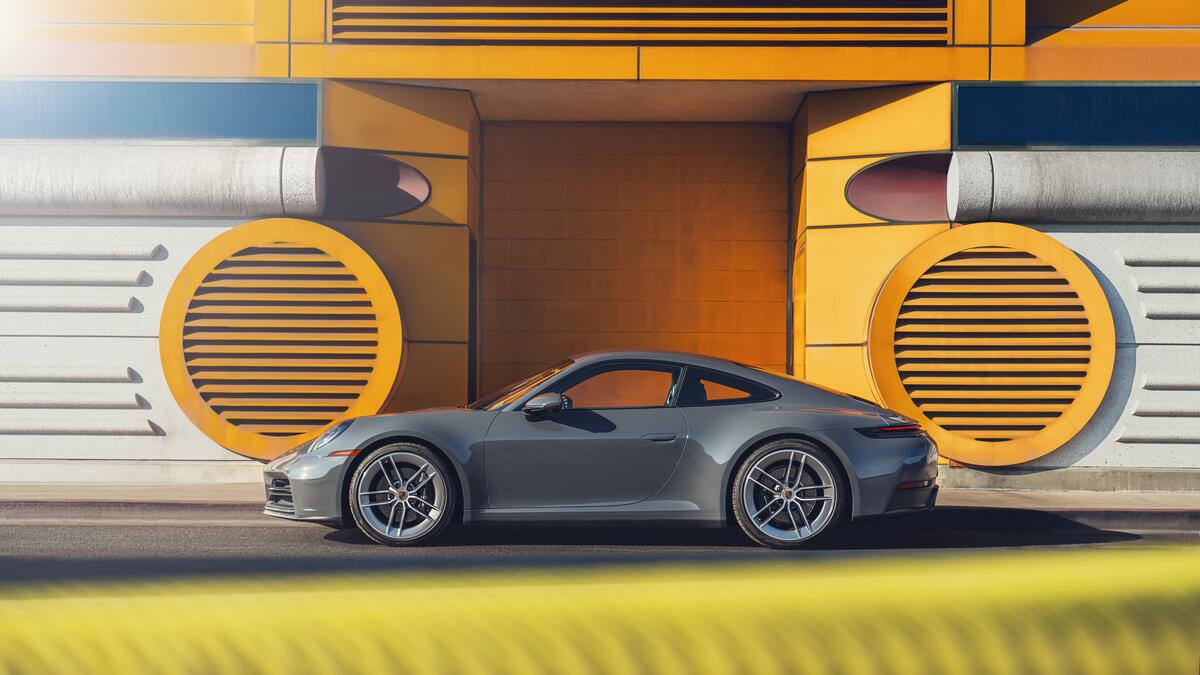
Porsche 911 GT3 RS
"If you're wanting to buy a GT3 RS for a track car right now, [2468.5s] my recommendation to you... is just go buy a Z06."
The Porsche 911 GT3 RS is a very serious, track-oriented version of the 911. The host is comparing it to a Corvette Z06 and arguing the Corvette can be a better value for track use.
The Porsche 911 GT3 RS is a track-focused variant of the 911, designed to maximize lap-time potential with performance-oriented aerodynamics and chassis tuning. Here, it’s used as the expensive “track car” alternative that the host suggests skipping in favor of the Chevrolet Corvette Z06 for cost-to-fun.
track car
"If you're wanting to buy a GT3 RS for a track car right now, [2468.5s] my recommendation to you... is just go buy a Z06."
A “track car” is a car you use on a race track. It has to handle repeated hard driving, and the host is saying you can get great results without spending as much as you might think.
A “track car” is a vehicle chosen specifically for circuit driving, where sustained high speeds and repeated hard braking stress components more than normal street use. The host’s point is that the right track car isn’t only about being the most expensive or most hardcore—it’s about matching capability to budget and real-world track needs.
Request an Explanation
Heard something you'd like explained? We'll add it to this episode.
Sign in to request explanations for terms you heard.
Want to learn more?
Browse our glossary for plain-English explanations of automotive terms, jargon, and concepts.
Help improve this episode
See something that's not quite right? Our annotations are AI-generated and can sometimes miss the mark. Click the flag icon on any annotation to suggest a correction.