
Future Classics: Updated for '26 #62
About this episode
“Future Classics: Updated for ’26 #62” from The Driveway digs into what turns a modern car into a future classic—usually not rarity at launch, but a mix of preservation, cultural interest, and the right kind of desirability. The hosts lay out their selection rules, then trade picks across manual sedans, wagons, hot hatches, and analog roadsters, including the Cadillac CT5V Blackwing, Volvo V60 variants, Civic Type R, Nissan Z (manual), and Miata ND soft tops. They also debate EVs and trucks, plus honorable mentions.
It's time for our annual Future Classics episode! Which cars available today will eventually be considered a classic? Join us as we create a list of contenders!

Chevrolet Bel Air
"...cent models. I'm not going to be like, oh, the 57 Bel Air is a future classic. Like, duh. It's currently a ..."
The Chevrolet Bel Air is a classic Chevrolet model from the past. Some versions, like the late-1950s cars, are already considered collectible classics. The podcast uses it to explain the difference between cars that are already classics and cars that might become classics later.
The Chevrolet Bel Air is a classic-era Chevrolet model name associated with mid-century styling and a strong collector interest. The podcast suggests that a specific year (like a 57) is not a “future classic” because it’s already considered a classic today. It’s used to frame the idea of what counts as collectible versus what might become collectible later.

Chevrolet Corvette
"thinking about the ebb and flow of the market. Yeah. Corvettes off a cliff. I don't see [128.8s] that happening. I was kind of like Corvette would be the obvious one, right?"
Corvette is a sports car made by Chevrolet. The hosts are talking about whether Corvettes will become less desirable in the collector market or keep their value.
Corvette is Chevrolet’s long-running sports car line, known for its performance-focused design and strong enthusiast following. In this segment, the hosts discuss how Corvettes might behave in the collector-car market (“off a cliff”), which is why it’s brought up as a future classic candidate.
the line between collectible and classic
"The line between [145.3s] like, is, does it have to be collectible to be a classic? I would say not necessarily, [150.3s] but I did find myself coming back to that again and again and going like, Oh, well, nobody's [154.6s] going to want the four cylinder."
They’re asking what makes a car a “classic.” The point is that it doesn’t always have to be the rarest or most expensive—sometimes it becomes a classic because people recognize it and it has a nostalgic vibe.
The hosts are debating whether a car must be “collectible” (high demand, desirability, or rarity) to qualify as a “classic.” They argue that a car can become a classic through nostalgia, looks, and cultural presence—even if it wasn’t rare or desirable at the time.

Mercedes SL class
"I thought [167.2s] about you quite a bit when thinking about this, because you have a old, we'll call it [175.1s] vintage for runner second, second gen for runner and they only made a few of those, right? [181.0s] I think they made a lot of that. And you have a Mercedes SL class and they only made a few of those, right?"
Mercedes SL is a well-known Mercedes roadster/convertible. The hosts are using it as an example of how certain versions can be rarer, and that rarity can influence whether a car becomes a classic later.
The Mercedes-Benz SL is a luxury roadster/convertible model line known for its long-running popularity and “grand touring” character. Here, the hosts mention the SL as an example of a limited-production or special variant path—some versions are rarer than others, which can affect future classic status.

Ford Falcon Spatient Wagon
"And you have a Mercedes SL class and they only made a few of those, right? [190.5s] They made a reasonable number of those. They made a few of the really special [194.5s] ones, like the silver arrows and the, yeah. And you have a Ford Falcon Spatient Wagon. [200.8s] Matt's making a point."
Ford Falcon was a popular Ford model, and a station wagon is the family-car style with extra space behind the seats. They’re mentioning it to make the point that not only super-rare or high-end cars become classics.
The Ford Falcon is a model line that was sold in multiple body styles, including station wagons. In this discussion, the hosts cite a Falcon wagon as another example of a car that can become interesting or “classic” over time, even if it wasn’t viewed as a top collectible when new.

Ford Mustang
"...u have like, you know, you got like the, the boss mustangs and like the old challengers and like, like what ..."
The Ford Mustang is a sporty American car that’s made for performance and fun driving. People talk about it a lot because there are many versions over the years, including older classic ones. That’s why it shows up in discussions about which cars might become collectible.
The Ford Mustang is an American muscle car known for its long-running popularity and wide range of performance versions. It often comes up in conversations about “future classics” because there are both modern and older Mustangs with strong enthusiast followings. In the podcast context, it’s grouped with other iconic “boss” and classic muscle models.
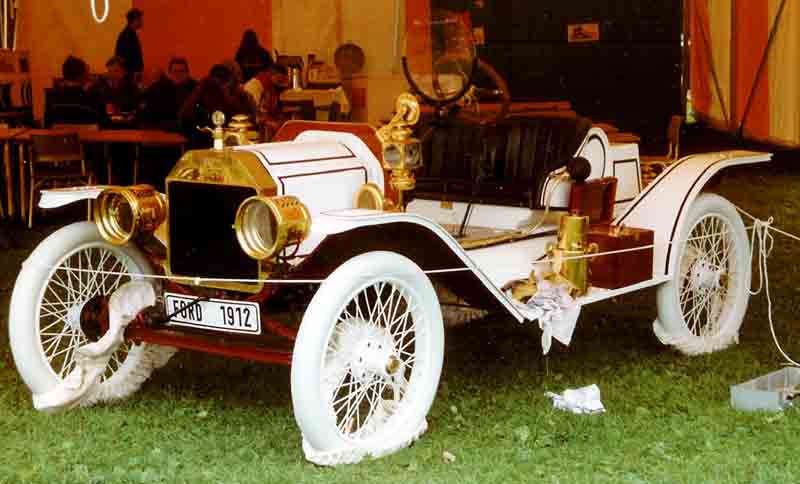
Ford Model T
"If anybody looked at a Ford [236.1s] Model T in 1925, they would say those things are a dime a dozen. But today, if you have a Ford [242.2s] Model T, you have more than a classic. You have automotive history."
The Ford Model T was one of the first cars that many people could afford. The hosts are saying that something that seemed “common” back then can become a classic later because it represents history.
The Ford Model T is an early mass-market car that became famous for making car ownership widespread. The hosts use it as a contrast: in 1925 it was seen as common, but today it’s valued as automotive history and a classic.

Volkswagen Beetle
"So it [255.1s] doesn't even have to be good to be rare later. Would you think of a Volkswagen Beetle today, [260.7s] like a vintage Beetle as a classic? I would. So I think that's it. That's kind of where my head"
The Volkswagen Beetle is the famous VW “bug” shape people recognize instantly. The point here is that even cars that used to seem common can become classics later as they gain nostalgia and history.
The Volkswagen Beetle is a long-running, iconic compact car whose design became a cultural symbol. The hosts use it to argue that even a car that seems ordinary or common can still be considered a classic once it becomes nostalgic and historically significant.

Toyota Corolla
"...oday. I think the caveat is I wouldn't say like a Corolla is going to be a classic because it's just been a..."
The Toyota Corolla is a common, everyday compact car. It’s usually chosen for practicality and reliability, not because it’s rare. In the podcast, the idea is that because it’s so common, it’s less likely to become a “classic” collectible.
The Toyota Corolla is a mainstream compact car that’s known for being practical and widely sold. It’s often used as an example of a car that’s common and dependable rather than rare or collectible. The podcast’s point is that a Corolla likely won’t be considered a classic in the same way as lower-volume or more distinctive models.
Beetle Super Beetle
"...ah. Yeah. And then, well, then there was like the Super Beetle and then they revived it. Let's just cut the epis..."
The Volkswagen Beetle is a small car with a very recognizable shape. The podcast mentions older versions and then a later revival of the idea. It’s included because the Beetle is one of those model lines that stays in the conversation for decades.
The Volkswagen Beetle is a long-running, iconic small car known for its distinctive shape. The podcast references the Super Beetle and then the later revival, using it to talk about how the model name and concept have continued over time. It’s brought up as part of a broader discussion about which cars become lasting icons.
Pebble Beach
"Find one without the bumper hanging off and hold it. And someday it'll be on the lawn at Pebble [334.2s] Beach. You heard it here first. This does not constitute investment."
Pebble Beach is a famous classic-car event in California. If a car ends up there, it’s basically considered a big deal among collectors.
Pebble Beach refers to the Pebble Beach Concours d’Elegance in California, one of the most prestigious classic-car shows in the U.S. The host uses it as a shorthand for “top-tier collector status” for cars that are preserved and cared for.
future classic
"What we're going to do is we've each brought three cars. So we're going to just [350.8s] kind of go so, you know, the order of things. We're going to go down the line, each do a car, [354.6s] and then we're going to finish with honorable mentions and ultimately get to a list of 10 [358.3s] future classics. And if you're excited about this topic, we did a future classics episode"
“Future classics” means cars that might become collectible and famous later on. The hosts are discussing what traits make a car worth saving now so it has a chance to become a classic.
“Future classics” is the episode’s theme: cars that may become collectible and culturally important in the coming years. The hosts debate what makes a car qualify—commonness alone isn’t enough; it also needs interest, preservation, and a story that enthusiasts will keep valuing.
Cadillac CT5V Blackwing
"I'm going with the Cadillac CT5V Blackwing because that is not a car. That is a rocket ship. And of course, it has a huge supercharged V8 engine."
The Cadillac CT5V Blackwing is a fast, performance-focused sedan from Cadillac. It’s notable because it uses a supercharged V8 engine and can be had with a manual transmission, which is rare in modern sedans.
The Cadillac CT5V Blackwing is a high-performance American sports sedan built around a supercharged V8, manual-transmission option, and a rear-wheel-drive layout. In this segment, the host frames it as a “rocket ship” because it combines big V8 power with a driver-focused chassis and period-correct tech that feels like an era of analog performance.
supercharged V8
"And of course, it has a huge supercharged V8 engine. And maybe I just have my blinders on"
A supercharged V8 is a V8 engine with an added device that forces more air into the engine. More air usually means more power.
A supercharged V8 is an eight-cylinder engine that uses a belt-driven forced-induction system (the supercharger) to cram more air into the cylinders. That typically boosts power and torque compared with a naturally aspirated V8 of the same displacement.
rear wheel drive
"But the fact that they pair that with rear wheel drive, do they have rear wheel drive? It might be all wheel drive. ... It's rear wheel drive."
Rear-wheel drive means the back wheels get the power. Many performance cars use it because it can help the car feel more balanced and fun to drive.
Rear-wheel drive (RWD) means the engine’s power is sent to the rear wheels. Compared with front-wheel drive, RWD often gives a different balance and steering feel, and it’s commonly associated with performance cars because it can be easier to tune for traction and handling.
sedan V8
"based on everything I've just said, sedan V8 rear wheel drive Cadillac, it's not going to be around forever."
A “sedan V8” means a regular four-door car (a sedan) that uses a V8 engine. It’s less common now because many newer cars use smaller engines or electrification.
A “sedan V8” describes a V8-powered sedan, which is becoming rarer as many manufacturers move toward smaller turbo engines, hybrids, or EVs. The host uses it as a shorthand for a specific kind of enthusiast configuration: big displacement, traditional engine character, and sedan practicality.
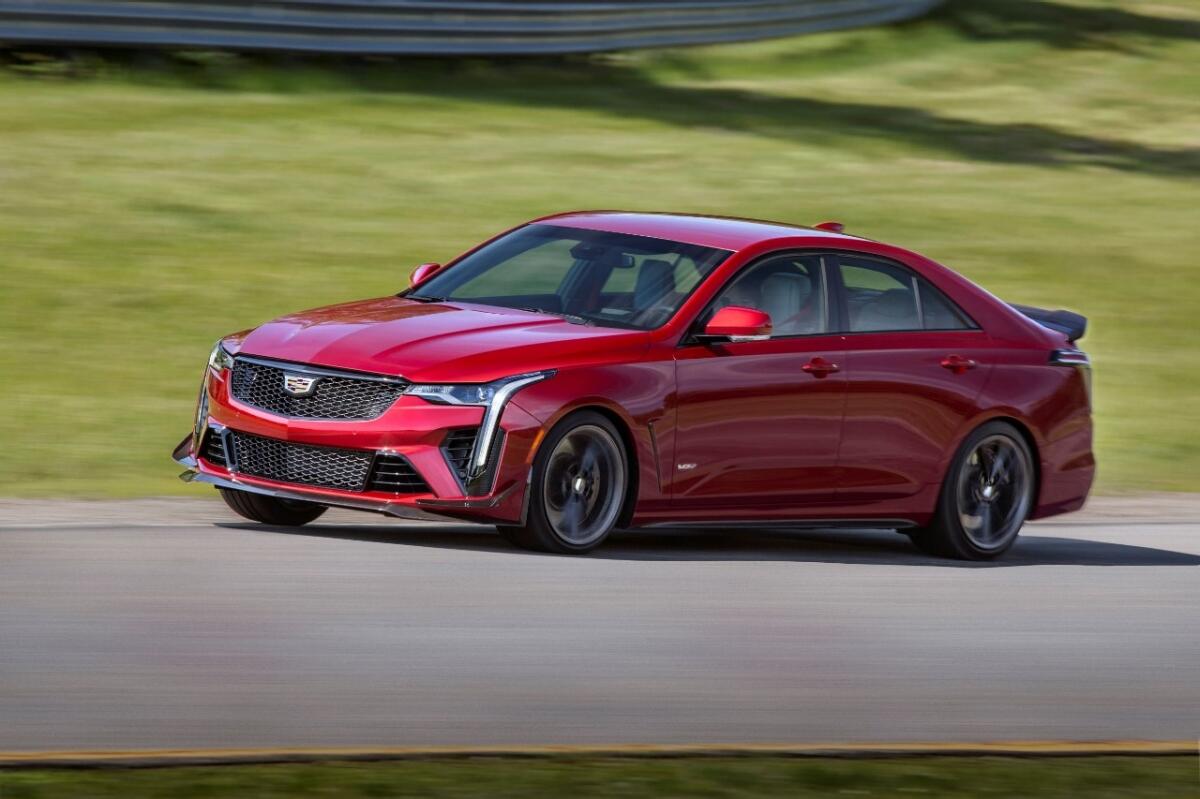
Cadillac CT4
"We shot a review two years ago. I was going to say that was a CT4. Also, potentially a future classic, particularly that shade of blue."
The Cadillac CT4 is a smaller luxury sedan from Cadillac. The hosts are talking about it as a car that might become collectible later, especially in a particular blue color they reviewed.
The Cadillac CT4 is a compact luxury sedan from Cadillac. In this segment, the hosts mention it as a possible “future classic,” tying the model to a specific color and winter testing context.

Cadillac Ct
"...lassic, particularly that shade of blue. Just the Cadillac CT. And we shot that in the winter when there was sn..."
The Cadillac CT6 is a large luxury sedan, built to be comfortable and upscale. The podcast mentions it while talking about a test and includes details like the color and winter conditions. It’s brought up as an example of a bigger Cadillac sedan.
The Cadillac CT6 is a full-size luxury sedan, and the podcast mentions it in a testing context. It also references a specific shade of blue and that the car was shot in winter, which suggests the episode is discussing the vehicle’s presence and comfort. The CT6 is included as part of a luxury sedan comparison or review segment.
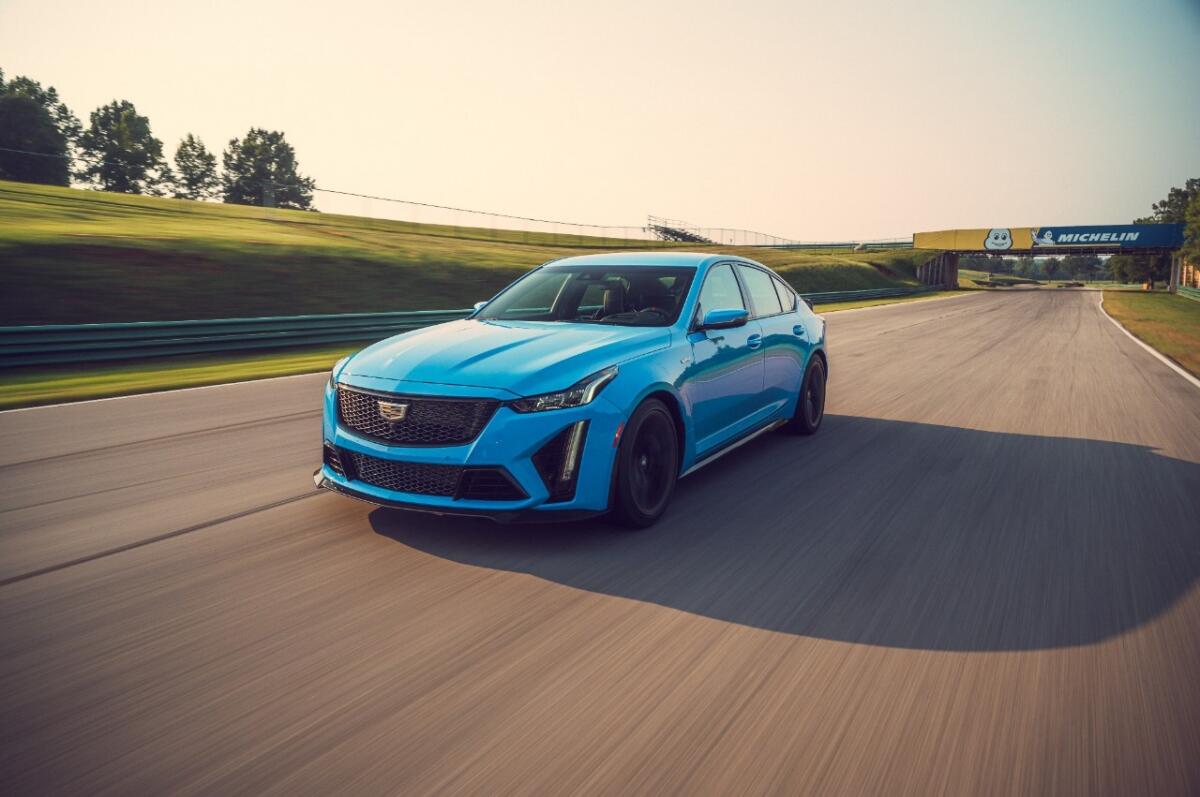
Cadillac CT5
"That was a 24, I think that we tested. Is that just smaller than the CT5? Yeah. Okay. It's one size down."
The Cadillac CT5 is a bigger Cadillac luxury sedan than the CT4. The hosts are basically saying the CT4 is one step smaller in size.
The Cadillac CT5 is a midsize luxury sedan positioned above the CT4. Here, the hosts compare it to the CT4 by size (“one size down”), which helps explain why the CT4 is a smaller alternative within Cadillac’s sedan lineup.

Volvo V60
"So I'm going to be first, but I got to commit because time. So I'm afraid of commitment. Oh, no. That's a really good question... So I'm going to go Volvo V60."
The Volvo V60 is a wagon from Volvo. The hosts think it could become a future classic because some versions are rare and people don’t buy them as often.
The Volvo V60 is a wagon (estate) that’s part of Volvo’s lineup, and it’s discussed here as a “future classic” candidate. The hosts focus on how uncommon certain V60 versions are—especially non-cross-country trims—making them more likely to stand out over time.
Polestar
"And in fact, now you can only get the V60 cross country. But if we want to talk about even rarer, there's the Polestar. There's the Polestar engineered V60."
Polestar is a Swedish car brand known for making special versions of Volvo-based cars. In this segment, they’re talking about a Polestar-engineered V60 as a particularly rare pick.
Polestar is a performance-leaning Swedish brand closely associated with Volvo’s electrified and performance efforts. Here, it’s mentioned as Polestar engineered the V60, implying a more specialized, rarer version than the standard Volvo V60.
Lars Anderson Auto Museum
"So there's that, but the pole stars. No free hats. It's a non-profit. Swedish car day feels like a, it's pretty much one maker. And stop. Oh, it's okay. If you go,"
The Lars Anderson Auto Museum is a car museum where car events happen. They’re using it as an example of a Swedish-car gathering where the Volvo V60 gets noticed.
The Lars Anderson Auto Museum is a well-known car museum in the United States. The hosts reference it as the setting for a “Swedish car day,” using the location to illustrate how the Volvo V60 turns heads in a niche enthusiast event.
inline six
"In the meantime, so they had, they had the inline six, they had some suspension upgrades, rumbo brakes, lighter wheels."
An inline-six is an engine with six cylinders lined up in a row. It tends to run smoothly, which many drivers like.
An inline-six is an engine layout where six cylinders are arranged in a single straight line. It’s often praised for smooth power delivery because the firing order is naturally balanced.
suspension upgrades
"In the meantime, so they had, they had the inline six, they had some suspension upgrades, rumbo brakes, lighter wheels."
Suspension upgrades mean improving the car’s ride and handling parts. The goal is usually to make the car feel more stable when you drive hard or hit bumps.
Suspension upgrades are changes to components like springs, dampers, bushings, or anti-roll bars to improve ride quality and handling. On performance trims, these upgrades help the car stay composed during hard cornering and braking.
brakes
"In the meantime, so they had, they had the inline six, they had some suspension upgrades, rumbo brakes, lighter wheels."
Brakes are what slow the car down. If you upgrade them, they can handle repeated hard stops better without getting weak.
Brakes are the components that slow and stop the car by converting motion into heat through friction. In performance builds, brake hardware is often upgraded to reduce fade and improve stopping consistency.
turbo four inline turbo four
"Then it went to the turbo four inline turbo four. And then they had the plug-in hybrid with that twin charge thing that Volvo does."
A turbo four is a smaller four-cylinder engine that uses a turbo to make more power. The turbo helps it feel stronger than a normal four-cylinder.
A turbo four is a four-cylinder engine equipped with a turbocharger to increase power by forcing more air into the cylinders. “Inline turbo four” specifies the cylinders are arranged in a straight line (not V-shaped).
plug-in hybrid
"And then they had the plug-in hybrid with that twin charge thing that Volvo does. So super charged and turbo charged, which I just, I remember the first time I found out about that."
A plug-in hybrid is a car that uses both electricity and gas. You can charge it at home or a charger, and it can also run on gas when needed.
A plug-in hybrid (PHEV) uses both an electric motor and a gasoline engine, and it can be charged from an external power source. This lets it drive some distance on electricity alone, while still having an engine for longer trips.
twin charge
"And then they had the plug-in hybrid with that twin charge thing that Volvo does. So super charged and turbo charged, which I just, I remember the first time I found out about that."
Twin charge is a forced-induction setup that combines two boosting methods—here, a supercharger plus a turbocharger. It’s used to reduce lag and broaden the engine’s power band.
super charged and turbo charged
"So super charged and turbo charged, which I just, I remember the first time I found out about that. I was like, that can't be right."
This means the engine uses two different forced-induction systems: a supercharger and a turbocharger. Together they help the engine make power more consistently across different engine speeds.
“Supercharged and turbocharged” means the engine uses both a supercharger and a turbocharger. The goal is to improve boost across a wider RPM range—superchargers can provide boost at lower speeds, while turbos are efficient at higher speeds.
crossovers
"Yeah. Why aren't people buying wagons? Cause they're buying crossovers."
Crossovers are like smaller SUVs that usually drive more like a regular car. Many people choose them instead of wagons because they’re easier to get in and out of and still carry a lot.
Crossovers are vehicles built on a car-like platform that blend SUV styling with more car-like driving dynamics. They’ve largely replaced wagons for many buyers because they offer higher seating and easier access to cargo.
quiet luxury
"Volvo, it's like, act like you've been here before. Style luxury. Like it's, it's the quiet luxury. It's like, okay, we're here. Right. Don't announce."
“Quiet luxury” means something looks expensive and classy without being flashy. It’s more about subtle details than big logos or loud styling.
“Quiet luxury” is a style idea where a car (or anything) looks premium without loud branding or flashy design cues. The host uses it to describe Volvo’s approach—confident, refined, and not trying to “announce” itself.

Honda Civic
"...is specific car before Toyota Sienna. Well, Honda Civic that is like, don't jump ahead guys. So the Sienn..."
The Honda Civic is a compact car meant for everyday driving. It’s popular because it’s practical and there are different versions, including sportier ones. The podcast references it while talking about what car to discuss next.
The Honda Civic is a compact car that’s been a long-time staple in the market, with many generations and trims. It’s commonly discussed because it’s easy to live with and has performance-oriented variants. In the podcast, it’s mentioned as a specific car before moving on to another topic.

Toyota Sienna
"that is like, don't jump ahead guys. So the Sienna is a classic currently. Okay. I wouldn't choose that as my future."
The Toyota Sienna is a minivan. The host mentions it as something that’s already considered a “classic,” but they’re saying it’s not what they’d bet on as a future collectible compared with the Civic Type R.
The Toyota Sienna is a minivan, and the host calls it a “classic currently” before saying they wouldn’t choose it as a future classic. This mention is mainly contrast—setting up why the Civic Type R stands out more as an enthusiast-focused future collectible.
diffusers
"The wing is huge. The diffusers are just everywhere. It looks like a crazy vehicle, but this current type R, I think it looks pretty"
A diffuser is an aerodynamic shape on the underside of the car, usually near the back. It helps air flow more efficiently under the car, which can make the car feel more stable when you’re going fast.
A diffuser is an aerodynamic device under the rear of the car that helps manage airflow as it exits the body. By accelerating and smoothing the underbody flow, diffusers can improve downforce and stability, especially at speed.
rear spoiler
"The wing, it's still a big wing, but it's it's kind of a sexy wing... ...we have a 2026 Honda Civic Type R painted in white with the trademark rear spoiler."
A rear spoiler is the wing-like piece on the back of a car. It’s there to help the car stay more stable at higher speeds, though it can also affect how much the car slows down due to drag.
A rear spoiler is an aerodynamic add-on at the back of the car designed to change airflow and increase downforce. More downforce helps keep the car planted at speed, but it can also add drag depending on shape and how it’s mounted.
315 horsepower
"Real period piece. It seems removable and I wonder how much it would affect performance. Yeah. I don't love the wing, but I love the shape of this gen, but it's a 315 horsepower hatchback or small sedan..."
Horsepower is a number that tells you how strong the engine is. Higher horsepower generally means the car can accelerate harder, and here it’s used to describe how powerful the Civic Type R is.
Horsepower is a measure of engine power—how much work the engine can do over time. When the host says the Civic Type R is “315 horsepower,” they’re pointing to its output level as part of why it’s a serious performance hatchback.
two liter inline four
"...but it's a 315 horsepower hatchback or small sedan more than a hatchback, but two liter inline four manual only."
“Two liter inline four” is how the engine is built: it has four cylinders in a straight line, and the total size is 2.0 liters. It’s a common setup for sporty cars because it fits well and can be made to produce good power.
A “two liter inline four” describes the engine’s displacement and layout: 2.0 liters total volume, with four cylinders arranged in a straight line (inline) in one cylinder bank. This layout is common in compact performance cars because it packages well and can be tuned for strong turbo performance.
manual only
"...but two liter inline four manual only. A lot of my picks kind of veered towards manual transmissions as a thing that feels like it's on its way out."
“Manual only” means you have to drive it with a stick shift. Some drivers like it because you control the gears yourself, which can make the car feel more connected and fun.
“Manual only” means the car is offered exclusively with a manual transmission rather than an automatic. Enthusiasts often prefer manuals because they give more direct control over gear selection and engine speed, which can make the car feel more engaging on track.

Acura Integra
"that's where I landed. So I just had an Integra Type S and I adored that car. It's probably my favorite car I've driven this year, but it weighs 30 pounds more."
The Acura Integra Type S is a sportier version of the Integra that’s meant to feel fun to drive every day. Here, the host is basically saying it’s a great all-around performance car compared to a more track-focused model.
The Acura Integra Type S is a performance-focused version of the Integra, built around a sporty, driver-oriented setup rather than pure track hardware. In this segment, the host compares it directly to the Civic Type R, emphasizing how it feels more “road ready” while still delivering Type R-like thrills.
Civic Type R
"It's essentially a more dare I say road ready instead of track focused version of the Type R, but I just, I like the Civic. The interiors are largely the same, although the Type R has that red..."
The Honda Civic Type R is a high-performance version of the Civic that’s designed to be exciting and fast, not just comfortable. In this segment, they’re comparing it to the Integra Type S and saying the Type R feels more intense and track-like.
The Honda Civic Type R is Honda’s high-performance hot hatch, known for being track-capable while still being usable on the street. The host contrasts it with the Integra Type S, noting the Type R’s more aggressive, track-oriented character and even pointing out the distinctive interior color scheme.
Sonoma Raceway
"And I wholeheartedly agree that I was on the same trip as you when, when you had your maiden voyage around Sonoma Raceway. I think you were, you were in the car."
Sonoma Raceway is a famous race track in California. The hosts are talking about driving a performance car there and how you have to be smooth and precise to go fast.
Sonoma Raceway is a road course in California used for professional racing and driver training. In this segment, it’s the track where the host experienced a “hot lap” style drive in a Civic Type R, highlighting how lap speed depends on smooth control through corners.
hot lap
"balancing that with that like smooth, almost like flow state ability that you see when you're, when you have like a hot lap with a racing driver is those are, those are fun."
A “hot lap” is one fast lap where the driver is trying to set the best time. It’s the kind of driving where everything feels smooth and timed, even though the car is being pushed hard.
A “hot lap” is a single, maximum-effort circuit where the driver focuses on getting the best possible time rather than managing tires or fuel. The host uses it to describe the kind of smooth, controlled rhythm you see from a racing driver when they’re pushing hard.
flow state
"balancing that with that like smooth, almost like flow state ability that you see when you're, when you have like a hot lap with a racing driver..."
“Flow state” is when you feel totally locked in—like your actions match what the car and track are doing. The host is saying that’s what great drivers achieve when they’re going fast.
“Flow state” refers to a mental and physical condition where a driver feels fully in sync with the car and track—inputs become instinctive and timing feels effortless. Here it’s used to explain why fast driving isn’t just about aggression; it’s about smooth, controlled coordination through corners.

Volkswagen Jetta GLI
"And it's the Volkswagen Jetta GLI. So the GTI today is not a future classic... The Jetta GLI though is essentially the Mark seven GTI instead of the current Mark eight still has a manual... it's got, you get a ton of torque out of that engine."
The Volkswagen Jetta GLI is the sportier version of the Jetta, meant to be fun but still practical for everyday driving. The host says it’s especially appealing because it’s offered with a manual and feels like a sweet, usable car over time.
The Volkswagen Jetta GLI is a sporty, performance-oriented version of the Jetta, positioned as a “daily-driver hot sedan.” In this segment, the host highlights that it keeps a manual transmission and delivers strong torque, while aiming to age well visually and in its interior layout.
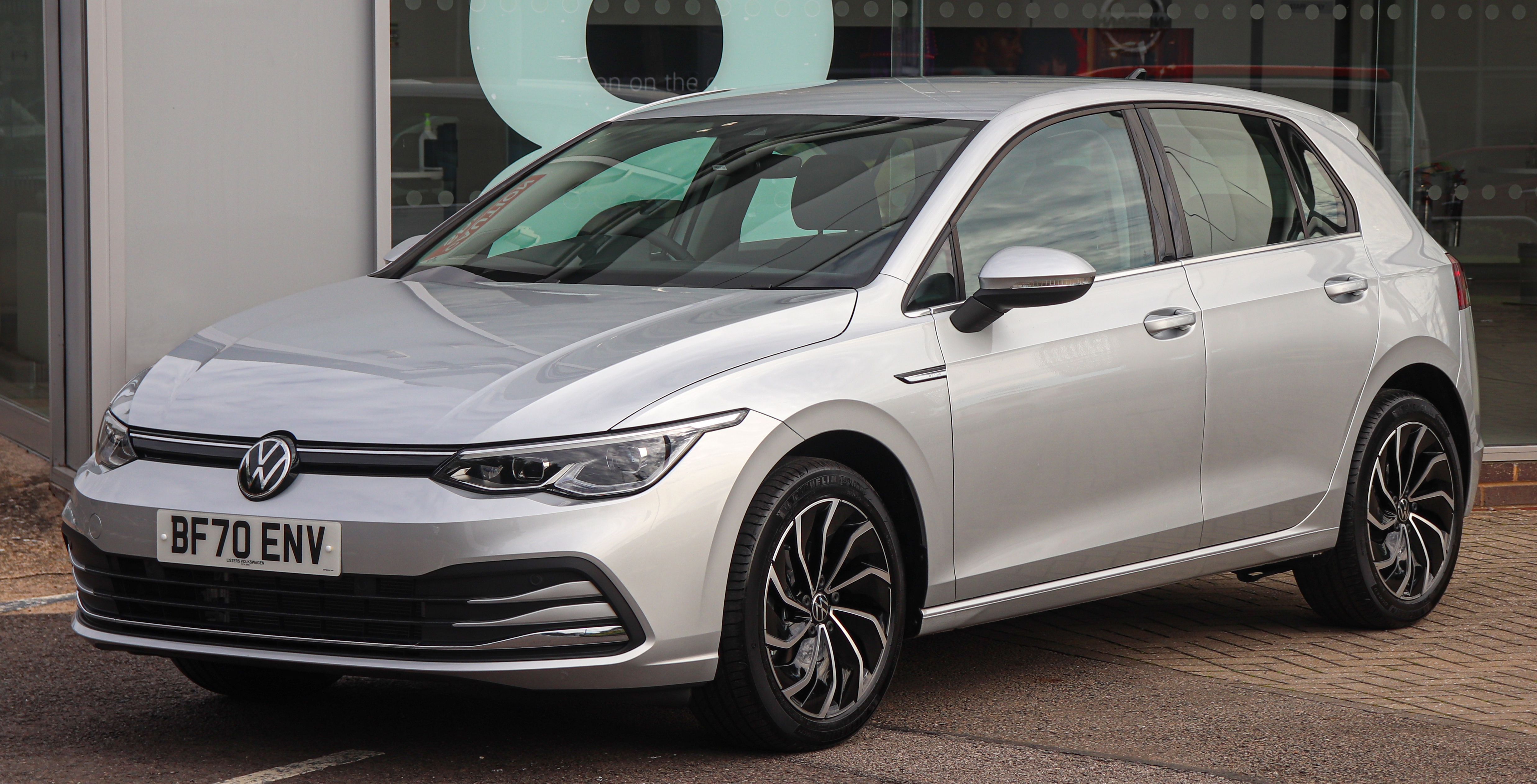
Volkswagen Jetta Gli
"...king about prior to this. And it's the Volkswagen Jetta GLI. So the GTI today is not a future classic. It's o..."
The Volkswagen Golf is a compact car used for everyday driving. The GTI is the sportier version, and the podcast says it probably won’t become a future classic. The point is that it’s too common or too current to be rare later on.
The Volkswagen Golf is a compact car, and the podcast ties it to the idea of the GTI not being a future classic. The mention is part of a comparison about which popular performance models are likely to become collectible versus those that remain too common. The Golf is referenced as part of that same “future classic” framing.

Volkswagen GTI
"So the GTI today is not a future classic. It's only available without automatic transmission. The interior, particularly the tech is so maddening that I don't think you can possibly age well."
The Volkswagen GTI is a popular “hot hatch” model. Here, the host is saying the current GTI may not age into a future classic because of how its tech and interior feel today.
The Volkswagen GTI is the brand’s iconic hot-hatch, and in this segment it’s used as a comparison point for what might (or might not) become a future classic. The host specifically notes a current GTI availability constraint tied to automatic transmission, and suggests the interior/tech may age poorly.
tech interface
"The interior, particularly the tech is so maddening that I don't think you can possibly age well... The Jetta GLI though is essentially the Mark seven GTI... The interior is a different tech interface. It drives really well."
A tech interface is how the car’s screens and controls work—like the menus and buttons you use for navigation, media, and settings. The host is saying the GLI’s setup feels better and won’t feel as dated later.
A tech interface is the way the car’s digital systems are presented and controlled—typically the infotainment screens, menus, and control layout. The host contrasts the GLI’s interface with the GTI’s “maddening” tech, arguing the GLI’s approach should age better.
torque
"It has a very analog feel to it despite being like still pretty digital. And it doesn't feel like outdated today... it's just, it's a sweet driver. You know, it's got, you get a ton of torque out of that engine."
Torque is the engine’s pulling force. More torque usually means the car feels lively and responsive when you accelerate, even without needing to rev it high.
Torque is the twisting force an engine produces, and it strongly influences how quickly a car accelerates, especially at lower speeds. The host’s “ton of torque” comment is meant to describe the Jetta GLI’s strong pull in everyday driving.
GLI
"six years ago, I probably would have said the GTI, not the GLI, but the, the modern, the current day [1496.4s] GTI, I just don't think is a future classic. [1506.9s] case for the GLI."
The GLI is the sporty version of the Volkswagen Jetta. Here, the hosts are saying it could become collectible partly because it still comes with a manual gearbox.
The Volkswagen Jetta GLI is the sporty, performance-oriented version of the Jetta, positioned as a “more interesting” alternative to the standard Jetta. In this segment, the hosts discuss it as a potential future classic, especially because it’s still offered with a manual transmission.
manual transmission
"You said this has a manual transmission? Yeah. Do you think that's part of [1512.0s] this year is the last year for it?"
A manual transmission is the kind of car where you use a clutch pedal and a gear stick to change gears yourself. Some people prefer it because it feels more connected to driving.
A manual transmission is a gearbox that requires the driver to use a clutch pedal and shift lever to change gears. In enthusiast circles, manuals are often seen as more engaging and can increase a car’s collectibility when manufacturers discontinue them.
automatic
"It was like 95% of buyers are looking [1526.9s] for an automatic and it didn't make sense on a global platform to include the, it was, it was"
An automatic transmission changes gears for you, so you don’t have to use a clutch pedal. The discussion here is about how buyer demand affects which gearbox options stay available.
An automatic transmission shifts gears for you without a clutch pedal. The hosts mention that most buyers prefer automatics, which influences whether a manufacturer keeps offering manuals.
global platform
"95% of buyers are looking [1526.9s] for an automatic and it didn't make sense on a global platform to include the, it was, it was"
A global platform is a shared vehicle architecture and production setup used across multiple countries and markets. The idea here is that it’s harder and more expensive to offer a manual gearbox everywhere if the platform is standardized for the biggest markets.

Lucid Air
"...w times where I was like, Oh, you know, Chevy Bel Air. And then I would talk to somebody about it, my h..."
The Lucid Air is an electric sedan, meaning it runs on electricity instead of gasoline. It’s designed as a more upscale, comfortable car. The podcast brings it up when talking about which car names or models people are thinking of.
The Lucid Air is an electric luxury sedan known for its modern design and electric powertrain. The podcast references it in a broader “what car are you thinking of?” style conversation, comparing it to other classic-sounding names. It’s mentioned as a specific example of a newer, higher-end electric model.
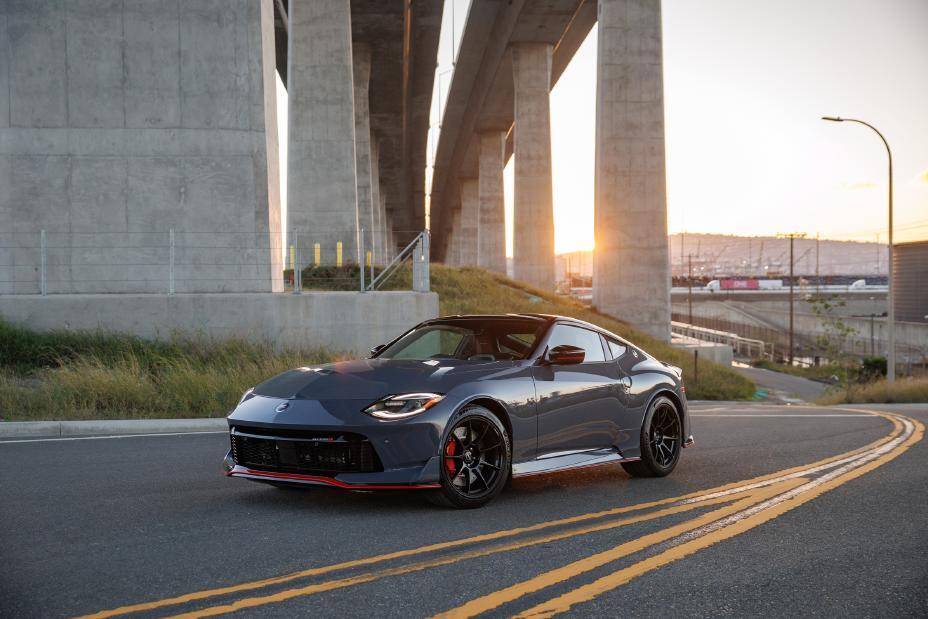
Nissan Z
"I'm going to go with the Nissan Z, the new Nissan Z with manual transmission. So I don't think that they're that good a seller."
The Nissan Z is a sports car that’s been around for decades and is meant to be fun to drive. In this episode, the host likes the newest Nissan Z, especially because it can be had with a manual gearbox.
The Nissan Z is a long-running Japanese sports-car nameplate known for a driver-focused layout and a classic “Z-car” identity. Here, the host specifically calls out the new Nissan Z with a manual transmission, emphasizing that it’s engaging to drive even if it isn’t the biggest seller.
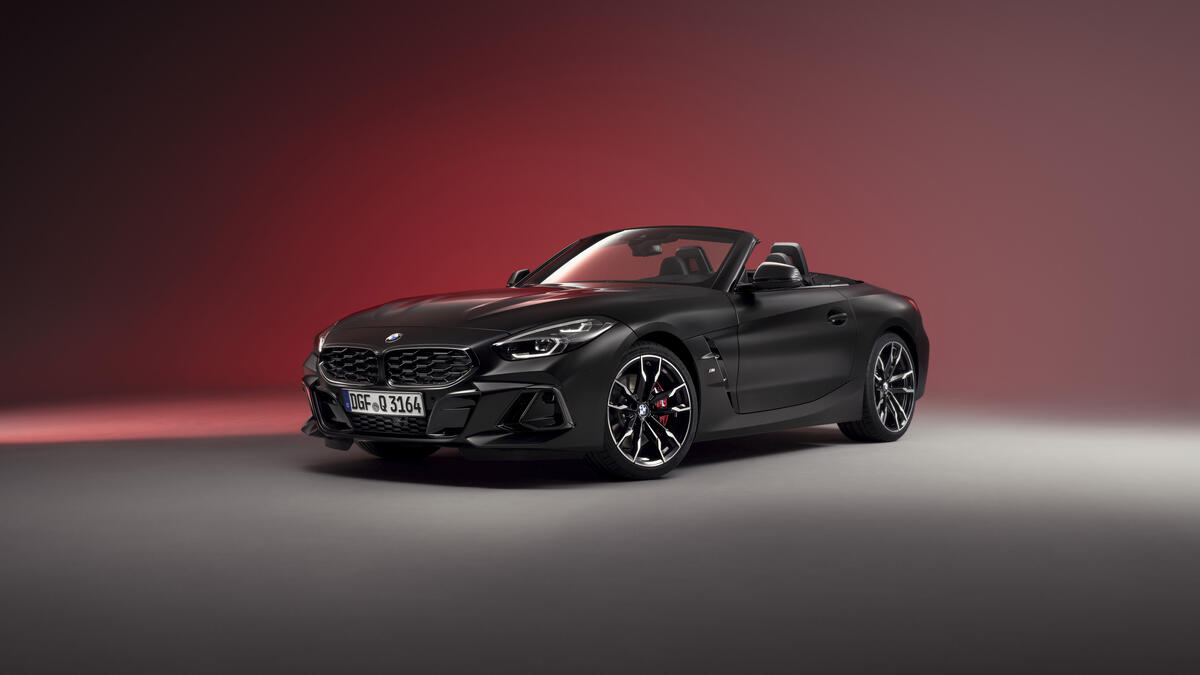
BMW Z4
"You're talking about the new Supra, like the Z4 Supra. Yeah, I had, I considered that too."
The host is talking about the BMW Z4 / Toyota Supra relationship—cars that are closely related in how they’re built. They’re saying they considered it, but it didn’t feel as exciting or personal.
“Z4 Supra” refers to the BMW Z4 and Toyota Supra pairing that share a platform and similar modern performance-car architecture. The host is saying they considered that option too, but it didn’t feel as special to them.
400 horsepower
"What thread? I like though that it has, first off, it's got a great 400 horsepower, which is just small. There's something about the number 400."
Horsepower is a way to describe how strong the engine is. More horsepower usually means the car can accelerate harder, and “400” is a popular benchmark number people talk about.
Horsepower is a measure of engine power—how much work the engine can do over time. When the host fixates on “400 horsepower,” they’re emphasizing a round-number power target that’s often used as a shorthand for how strong the car feels.
six speed
"Well, there's also the Nismo. It's more. It bumps that up even more. And six-speed manual. It feels like a race car."
A six-speed manual is a stick shift with six gears. You use a clutch and the shifter yourself, and that can make the car feel more connected and more fun to drive.
A six-speed manual transmission is a gearbox where the driver selects gears using a clutch and a shift lever, with six forward gear ratios. More gears can help keep the engine in its best power band more often, which can make the car feel more responsive and “race-like.”
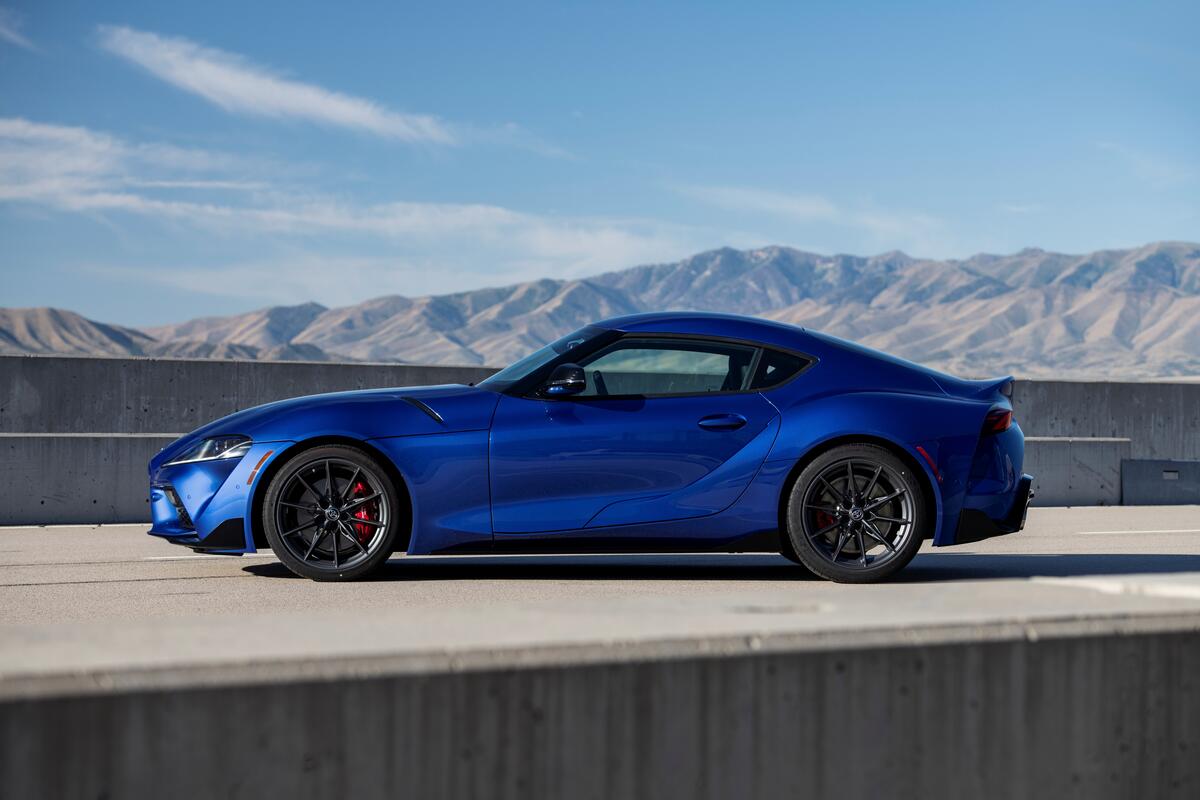
Toyota Supra
"It feels like a race car. Like it's heavier, stiffer. It doesn't feel as much like a Grand Tourer as the Supra does, even though Supra is obviously not a Grand Tourer."
The Toyota Supra is a well-known sports car that’s built to be quick and fun. Here, the host is comparing it to the Nissan Z and talking about how their driving personalities feel different.
The Toyota Supra is a modern sports coupe known for its performance-focused engineering and strong enthusiast following. In this segment, the host compares it to the Nissan Z and argues that the Z feels less like a “grand tourer” than the Supra does, even though the Supra is also a two-seat sports car.
grand tourer
"It feels like a race car. Like it's heavier, stiffer. It doesn't feel as much like a Grand Tourer as the Supra does, even though Supra is obviously not a Grand Tourer."
A grand tourer is a car meant for long drives where you want comfort and smoothness. The host is saying the Z feels more firm and race-like than a car that’s built mainly for relaxed cruising.
A “grand tourer” (often shortened to GT) is a car type designed for comfortable, high-speed long-distance driving—typically prioritizing refinement and ride comfort over outright track sharpness. The host is using the term to contrast comfort-focused touring with a more stiff, race-car-like feel.

2 Grand Tourer
"... heavier, stiffer. It doesn't feel as much like a Grand Tourer as the Supra does, even though Supra is obviously..."
The BMW 2 Series is a smaller BMW that’s meant to drive more like a performance car. In the podcast, it’s described as feeling heavier and firmer. The point is that it doesn’t feel as relaxed for long-distance driving as the Supra does.
The BMW 2 Series is a compact performance-oriented BMW model, and the podcast compares its feel to a grand touring style. It’s described as heavier and stiffer, and the speaker notes it doesn’t feel as much like a “grand tourer” as the Supra does. In that context, the 2 Series is part of a comparison about ride feel and driving character.

Nissan 350Z
"And like now is the modern one, but yeah, I mean... This is not the same car, but in high school, my best friend's brother had a 350Z."
The Nissan 350Z is an older Z model from the early 2000s. The host brings it up because it’s part of the same family of cars, and it’s what made the Z feel cool to them back then.
The Nissan 350Z is an early-2000s Z-car that helped define the modern enthusiast image of the Nissan Z line. The host mentions it to explain their personal connection to the Z “lineage,” since the 350Z was a popular sports coupe in that era.

Audi Tt
"Those are really something that I feel like looks like a moment in time. Yes. Very early 2000s. Same time as like the Audi TT. I like a TT."
The Audi TT is a small sports car that’s famous for its stylish, slightly retro look. The host is saying the Nissan Z has a similar retro-futuristic design feel.
The Audi TT is a compact sports coupe/roadster known for its distinctive, retro-inspired design and “small GT” vibe. The host compares the Nissan Z’s look to the Audi TT’s retro-futuristic styling and mentions liking the TT for that reason.
analog
"So you talked about something being too technical and you wanted something analog. Well, I've got a car for you. Sleet truck. That's not quite, it's a very different feel."
Here “analog” means the car feels more old-school and direct—less like you’re controlling everything through computers and screens. It’s about the driver feeling connected to the car.
In car talk, “analog” means the driving experience relies more on direct mechanical feel than on screens, digital tuning, or heavy electronic mediation. The host uses it to contrast the Miata’s straightforward, driver-focused character with more tech-heavy cars.
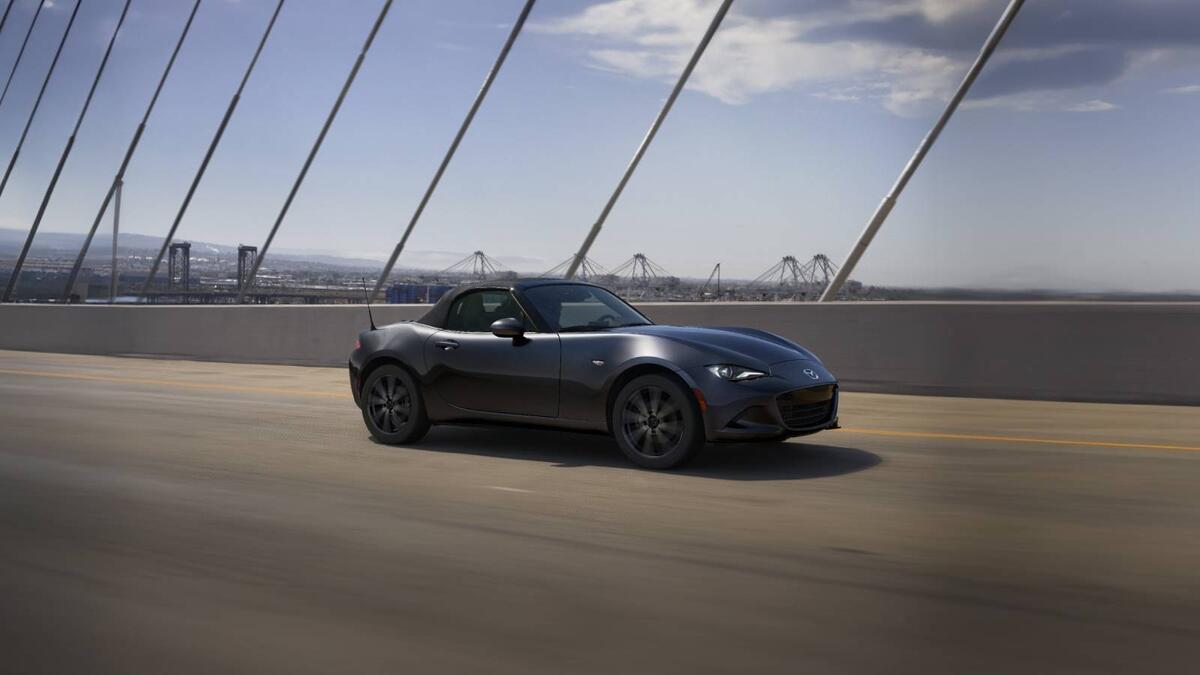
Mazda MX-5 / Miata
"...'ve talked about a lot, but I, I got to bring the Miata to the conversation. Yeah, fair. It is like the d..."
The Mazda Miata (MX-5) is a small two-seat sports car. It’s built to be light and easy to enjoy on twisty roads. The podcast includes it because it’s one of the most talked-about “fun” cars in its category.
The Mazda MX-5 Miata is a lightweight, two-seat roadster known for its simple, fun driving character. It’s frequently praised because it focuses on handling and driver engagement rather than raw power. The podcast brings it up as a key part of the conversation about great sports cars.
35th anniversary
"It's available not as a stick, but you want it as a stick. 35th anniversary is either this year or coming up. I'm not sure, but so it's been around."
A “35th anniversary” edition is a special version of a car made to celebrate a big birthday. It often has unique features or looks compared to regular models.
A “35th anniversary” edition is a special model celebrating a milestone, usually with unique styling and/or equipment. The hosts mention it as a time marker for the Miata’s longevity and continued appeal.
Roadster
"And I think it's going to stay around for a bit, but it's like really the last car that is like this. It's one of the only affordable small roadsters that you can get for around 30 grand."
A roadster is a small open-top two-seater. It’s usually built to be fun and light, not heavy or luxury-focused.
A roadster is an open-top two-seat car, typically with a simple, lightweight layout and a focus on driving feel. The hosts call the Miata one of the last “affordable small roadsters,” highlighting its category as a distinct style of car.
small car fast
"It's that like really the last car that is like this. It's one of the only affordable small roadsters that you can get for around 30 grand. I think it starts right below, yeah, it starts at 29, 530. So it starts just below 30. And like how, where can you spend that much money in a car and have that amount of fun without upgrading? ... It's that like drive a, what's the phrase? Drive a small car fast rather than a big car."
They mean the fun comes from how the car handles and how quickly it feels through turns, not from going super fast on a straight line. A small car can feel exciting even at normal road speeds.
The hosts are describing a driving philosophy: prioritizing the fun of momentum, cornering, and responsiveness in a small car over raw straight-line speed. Their “small car fast” framing suggests that you can feel “track-like” excitement at modest speeds on winding roads.
181 horsepower
"It's iconic, particularly post 2019 when it did get that bump up to 181 horsepower. It used to be like 155."
Horsepower is how much power the engine makes. They’re pointing out that the Miata got a power bump after 2019, which helps explain why those versions stand out.
Horsepower is a measure of engine output power. Here, they’re using the Miata’s post-2019 increase to 181 hp (up from about 155) as a marker of why those later cars may be more desirable.
soft top
"It's iconic, particularly post 2019 when it did get that bump up to 181 horsepower. It used to be like 155. So I think we're going to look at the ND generation as ultimately the most desirable save for perhaps the first one, the NA generation. And particularly the post 2019 NDs with a soft top"
A soft top is the fabric roof on a convertible. The hosts are saying the Miata’s soft-top versions are particularly appealing to collectors.
A soft top is a fabric convertible roof (as opposed to a hardtop). On the Miata ND, the hosts imply the soft-top configuration is part of what makes those post-2019 cars especially “pure” and desirable.
Miata ND generation
"I think we're going to look at the ND generation as ultimately the most desirable save for perhaps the first one, the NA generation. And particularly the post 2019 NDs with a soft top and like light, really just core, pure driving experience."
“ND generation” is the Miata’s newer generation. They’re saying the later ND cars—especially the soft-top versions—are the ones they’d most want to own.
The ND generation is the Miata’s modern roadster era (the fourth-generation Miata). The hosts specifically call out post-2019 ND cars with a soft top as especially desirable because they deliver a “pure driving” feel.

F-150 Raptor
"...ing to be a future classic. It is the Ford Ranger Raptor. I think I don't know how long Ford is going to b..."
The Ford F-150 is a large pickup truck meant for work and everyday use. In the podcast, it’s brought up while talking about which trucks might become collectible in the future. The conversation suggests another Ford truck is more likely to fit that role.
The Ford F-150 is a full-size pickup truck and is often discussed as a mainstream, high-volume vehicle. In the podcast, it’s mentioned in the context of what might become a future classic, with the conversation shifting toward the Ranger Raptor as the more likely candidate. The F-150 is included as the baseline for that discussion.
twin turbo V6
"It has a 405 horsepower twin turbo V 63 liter, a 10 speed automatic."
A twin-turbo V6 is a V6 engine with two turbochargers. Turbos help the engine make more power, especially when you accelerate.
A twin-turbo V6 uses two turbochargers to force more air into a V6 engine, improving power and torque. The hosts pair this with the Ranger Raptor’s high horsepower figure to emphasize its performance character.
four wheel drive
"Sorry for the manual fans, four wheel drive standard. And it's entirely designed to be the stupid fast, stupid capable mid-sized pickup truck."
Four-wheel drive means power goes to all four wheels. That usually helps the truck grip better on dirt, snow, or rough terrain.
Four-wheel drive (4WD) sends power to both the front and rear axles for better traction. The hosts mention it as standard on the Ranger Raptor to underline its off-road capability.

Ford Ranger
"I think people already think of the Ford Ranger fondly... Colorado is a great truck... it doesn't have the name brand cache that Ranger has... The Ranger is like, well, that's way more than I needed to do."
The Ford Ranger is a popular midsize pickup. In this discussion, they’re comparing the regular Ranger to the Raptor version and saying the Raptor’s extra specialness may help it hold collector value.
The Ford Ranger is a midsize pickup line that’s positioned as a practical alternative to larger trucks. Here, the host contrasts the Ranger’s “name brand cache” with the Ranger Raptor, arguing the standard Ranger is more familiar while the Raptor trim is more collectible.
BF Goodrich KO three tires
"It's got the 33 inch BF Goodritch KO three tires. I'm very curious."
BFGoodrich KO tires are a popular off-road tire model. The host is pointing out that this truck comes with that kind of tire setup, which adds to its “cool factor” for enthusiasts.
BFGoodrich KO tires refer to BFGoodrich’s all-terrain tire line (the KO/KO2 family), which is designed for off-road traction and durability. The host is noting the truck’s tire size and brand as part of what could make it appealing to future collectors.

Nissan Frontier Pro 4X
"I really want a Nissan Frontier Pro 4X, but I would not buy that thinking it's going to be a future classic."
The Nissan Frontier Pro 4X is an off-road-oriented version of the Nissan Frontier pickup. They like it for what it does, but they don’t think it’s “future classic” material.
The Nissan Frontier Pro 4X is a Frontier trim aimed at off-road capability, typically with more aggressive tires and suspension than the base models. The host says they’d want one for everyday needs, but they wouldn’t buy it expecting it to become a future classic.
Toyota Tacoma TRD Pro
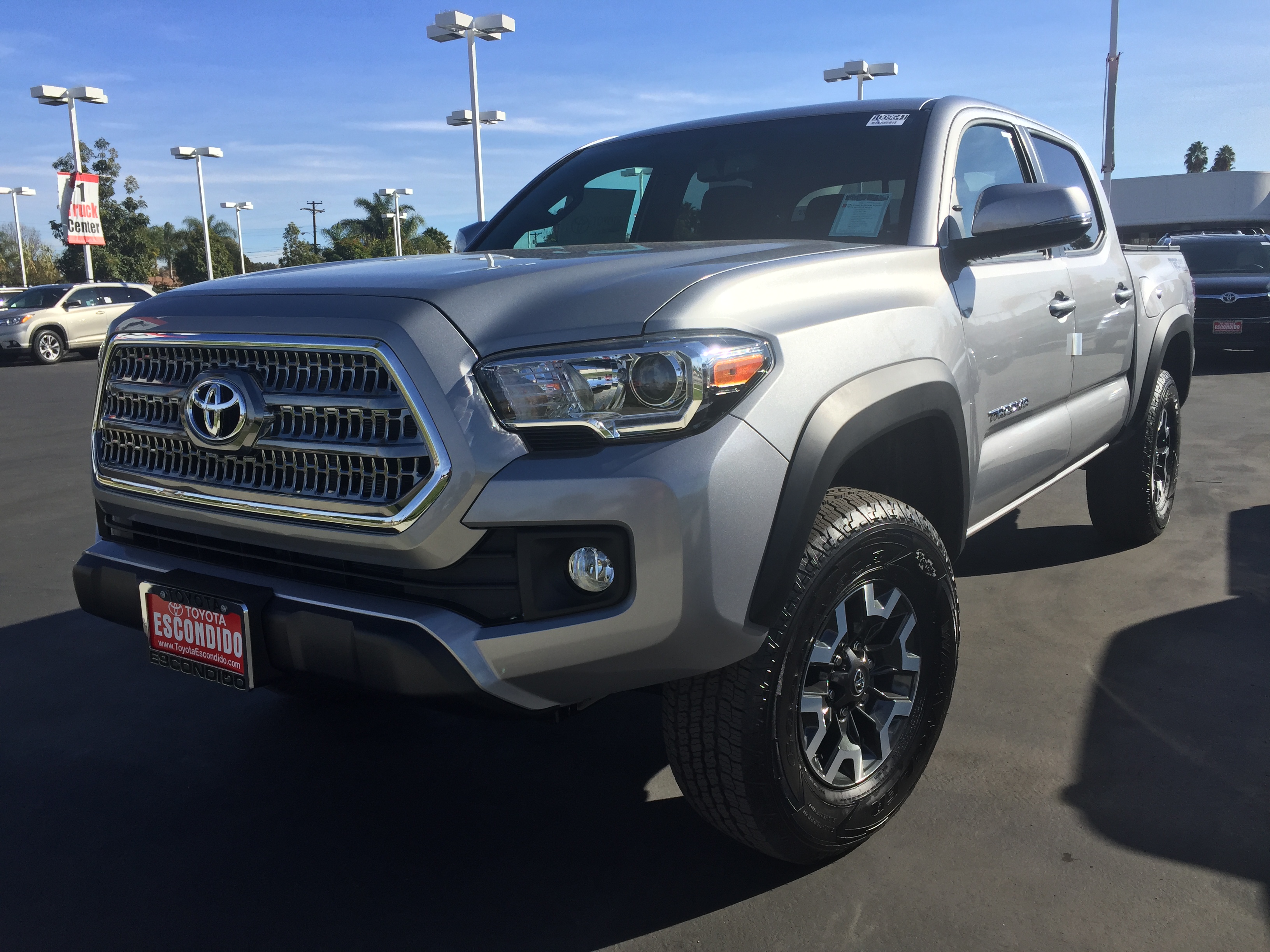
"but it doesn't, it's not like over the top like the TR, the current TR, Tacoma TRD Pro is. The Ranger is like, well, that's way more than I needed to do."
The Toyota Tacoma TRD Pro is the Tacoma’s more hardcore off-road version. They mention it to explain the difference between “just right” special and “way too much” special.
The Toyota Tacoma TRD Pro is a high-off-road trim of the Tacoma, known for being more extreme than standard trims. In this segment, it’s used as a comparison point: the host says the Ranger Raptor is “way more than I needed,” while the Tacoma TRD Pro is even more over-the-top.

Lexus RCF
"Okay. Yes. So I'm going to go with the Lexus RCF. Yep. ... Look what happened with the LFA... This is maybe the next underappreciated and underselling Lexus... the Lexus RCF."
The Lexus RCF is Lexus’s V8-powered rear-wheel-drive performance coupe. The hosts are saying it could become collectible later because fewer people bought it when it was new, and it’s now discontinued.
The Lexus RCF is a performance coupe built around a big V8 and a front-engine, rear-wheel-drive layout, which is a classic recipe for a driver-focused “GT” feel. In this segment, the hosts frame the RCF as a potential future collectible because it was discontinued and seems underbought compared with how desirable it might become.
Lexus LFA
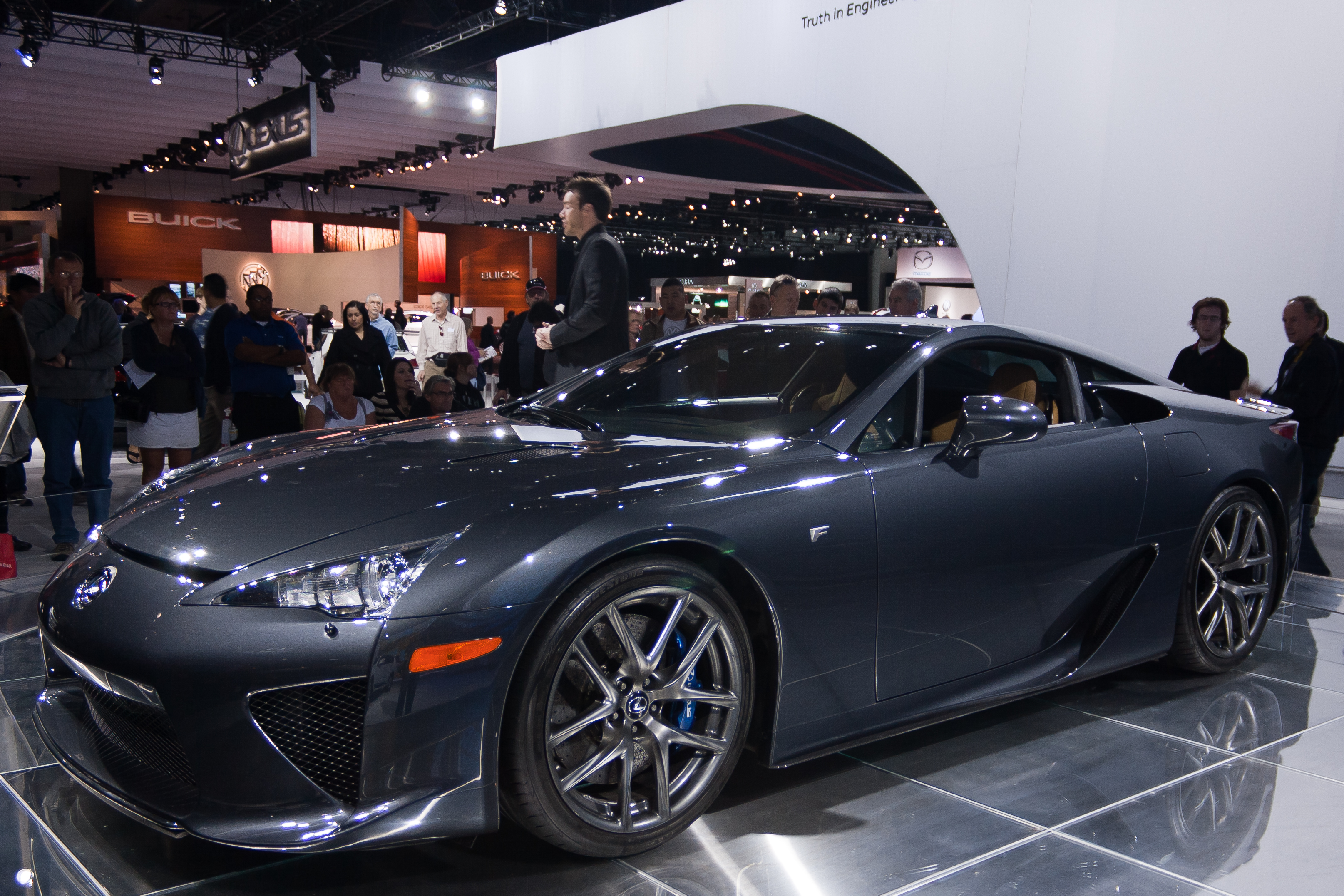
"Look what happened with the LFA. That was like underappreciated, undersold, and now they're like $900,000 if you can get one."
The Lexus LFA is a rare, high-performance supercar. The hosts are saying the LFA’s value jumped later, and they think the Lexus RCF could follow a similar path.
The Lexus LFA is a limited-production supercar known for its high-revving performance and rarity. The hosts use it as an example of how an “underappreciated and undersold” Lexus can later become extremely valuable.
big V8
"but front engine rear wheel drive, powerful, big V8, big V8, little bit of a oxymoron..."
A V8 is an engine with eight cylinders arranged in a V shape. It usually makes strong power and has a classic, recognizable sound—one reason people get excited about cars like the RCF.
A “V8” is an engine with eight cylinders arranged in a V shape, typically producing strong low- to mid-range power and a distinctive sound. The hosts emphasize the RCF’s V8 as part of why it feels like a traditional performance car.
GT cars
"little bit of a oxymoron in terms of it's the track edition of a GT car, but you see like the M3 competition and stuff like that..."
A GT car is a “grand touring” style car—made to drive fast and comfortably for longer trips. The hosts are joking that a track edition doesn’t always match the usual GT idea.
A “GT car” (grand touring) is designed for comfortable high-speed cruising while still offering performance. The hosts call the RCF Track Edition a bit of an “oxymoron” because track-focused versions are usually more stripped-down and less about long-distance comfort.
M3 competition
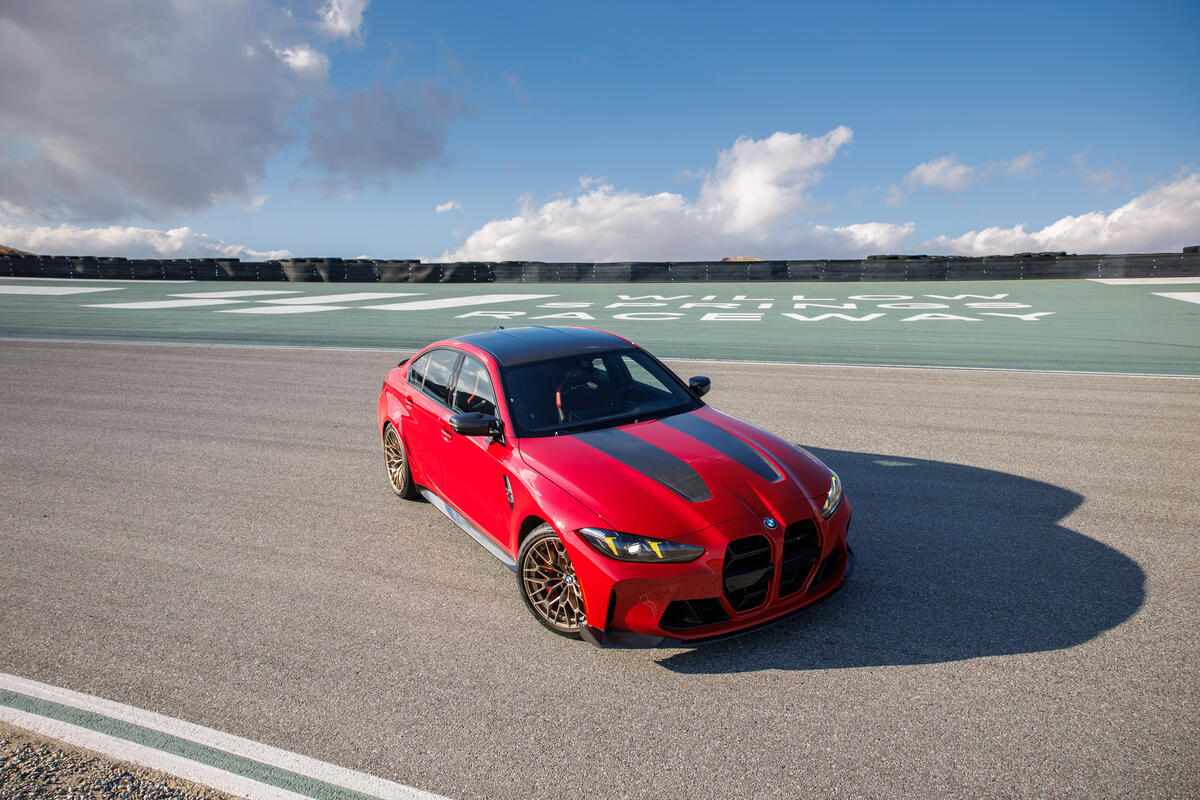
"but you see like the M3 competition and stuff like that, right?"
The BMW M3 Competition is a more aggressive, higher-performance version of the BMW M3. The hosts bring it up to compare how other cars also have sport/track-oriented versions.
The BMW M3 Competition is a higher-output, track-capable trim within the M3 lineup, typically featuring performance upgrades over a standard M3. In this segment, it’s referenced as an example of how “track-focused” variants exist within mainstream performance models.
pricing
"And the non-track edition, just the RCF is like $45,50... Because they were expensive new... already taken a hit in pricing and I think in, you know, 20 years or so."
Here “pricing” just means what the car is worth in the market right now, compared to what it used to cost. They’re debating whether the Lexus RCF will get cheaper or hold value as interest grows.
In this context, “pricing” is about market value changes over time—how much the car costs today versus what it cost new. The hosts discuss whether the RCF’s pricing will keep falling or stabilize as it becomes more collectible.

Audi S5
"Because they were expensive new. They were. They were like pretty close to like Audi S5 levels of expensive."
The Audi S5 is the sportier, higher-performance version of Audi’s A5. The hosts mention it to say the Lexus RCF was similarly expensive when it was new.
The Audi S5 is a performance-oriented version of the A5, typically positioned as a premium sport coupe/sportback with stronger engines and sport tuning than the base model. Here it’s used as a pricing comparison point for how expensive the Lexus RCF was when new.

Honda HRV
"“...my brother was just getting a new car. He ended up with an HRV.” ... “A Honda HRV. Yeah.”"
The Honda HR-V is a small crossover SUV meant for everyday use. Here it’s brought up because the brother was looking at it, but then the discussion shifts to a much sportier car choice. It’s basically the “normal option” in the story.
The Honda HR-V is a compact crossover SUV. In this segment it’s mentioned as the car the speaker’s brother considered, before the conversation pivots to the more performance-oriented Hyundai Veloster N. The HR-V functions here as a contrast point between mainstream practicality and an enthusiast-focused hatch.

Hyundai Venue
"...or him. A Honda HRV. Yeah. But he asked about the venue and I was like, don't get the venue. And he was l..."
The Hyundai Venue is a small crossover SUV meant for everyday driving. In the podcast, it’s mentioned because someone was considering it, and the speaker advised against getting it. The discussion is about choosing the right car for the person’s needs.
The Hyundai Venue is a small crossover designed for budget-friendly daily transportation. The podcast mentions it alongside the HR-V, with advice not to choose the Venue in that specific situation. It’s referenced as part of a practical buying discussion rather than a performance debate.
Hyundai's N program
"“...Hyundai's N program is really a way to give that enthusiast level performance in something that isn't necessarily enthusiast priced.”"
Hyundai’s N program is Hyundai’s way of making certain models more performance-focused. Instead of just making them look sporty, they’re engineered to drive more sharply and feel more exciting. The host is saying that’s why the Veloster N feels like an enthusiast car.
Hyundai’s N program is the automaker’s in-house performance branding and engineering effort. It’s designed to create cars with more driver-focused dynamics—things like sharper steering/braking feel and tuned power delivery—rather than just adding cosmetic upgrades. In this segment, it’s used to explain why the Veloster N is “enthusiast level” even if it isn’t priced like top-tier sports cars.

Hyundai Elantra
"...reams. It's, have you driven? Have you driven the Elantra N? Okay. Well, here's the thing. I'm curious what..."
The Hyundai Elantra is a compact car for everyday driving. The Elantra N is a sportier version made to feel more performance-oriented. The podcast mentions it because someone wants to know what it’s like to drive.
The Hyundai Elantra is a compact car, and the podcast specifically brings up the Elantra N as a performance-focused version. The discussion centers on whether the Elantra N could be a standout choice, including curiosity about how it drives. It’s mentioned as part of a “what should we pick” conversation around performance and value.
Hyundai Elantra N
"I think it's my pick, but the Elantra N makes more sense for almost everybody. So I'm hedging my bed. What are your thoughts on the Elantra N and which one,"
The Hyundai Elantra N is the sporty, performance version of the Elantra. Here, they’re saying it’s the more practical choice, even if it may be less “collectible” than a weirder model.
The Hyundai Elantra N is a performance-focused version of the Elantra, tuned for sharper steering and more aggressive driving feel than a regular Elantra. In this segment, it’s framed as the “sensible” pick versus the more unusual hatchback, which matters for how future classics are judged.

Hyundai Veloster
"I'm picking the Veloster because of its oddity. I think that makes it more collectible potentially, but admitting that the Elantra N is a more sensible vehicle, which isn't the point of a classic, but what are your thoughts?"
The Hyundai Veloster is known for its distinctive, oddball hatchback layout—most notably its asymmetrical two-door design with a separate rear door on one side. The hosts argue that this kind of “quirk” can make a car more collectible over time, especially if production ends and fewer survive.
Honda Civic Si
"Largely because I feel like it gets overshadowed by like the GTI and the Civic SI."
The Honda Civic Si is a sportier version of the Civic. They’re saying it’s more popular/visible than the Elantra N, which can affect how many remain and how collectible they become.
The Honda Civic Si is a performance trim of the Civic, typically known for being a driver-focused, affordable “everyday” sport compact. The hosts mention it alongside the GTI as a more visible alternative that can eclipse the Elantra N in popularity and survival odds.
Mini Cooper S
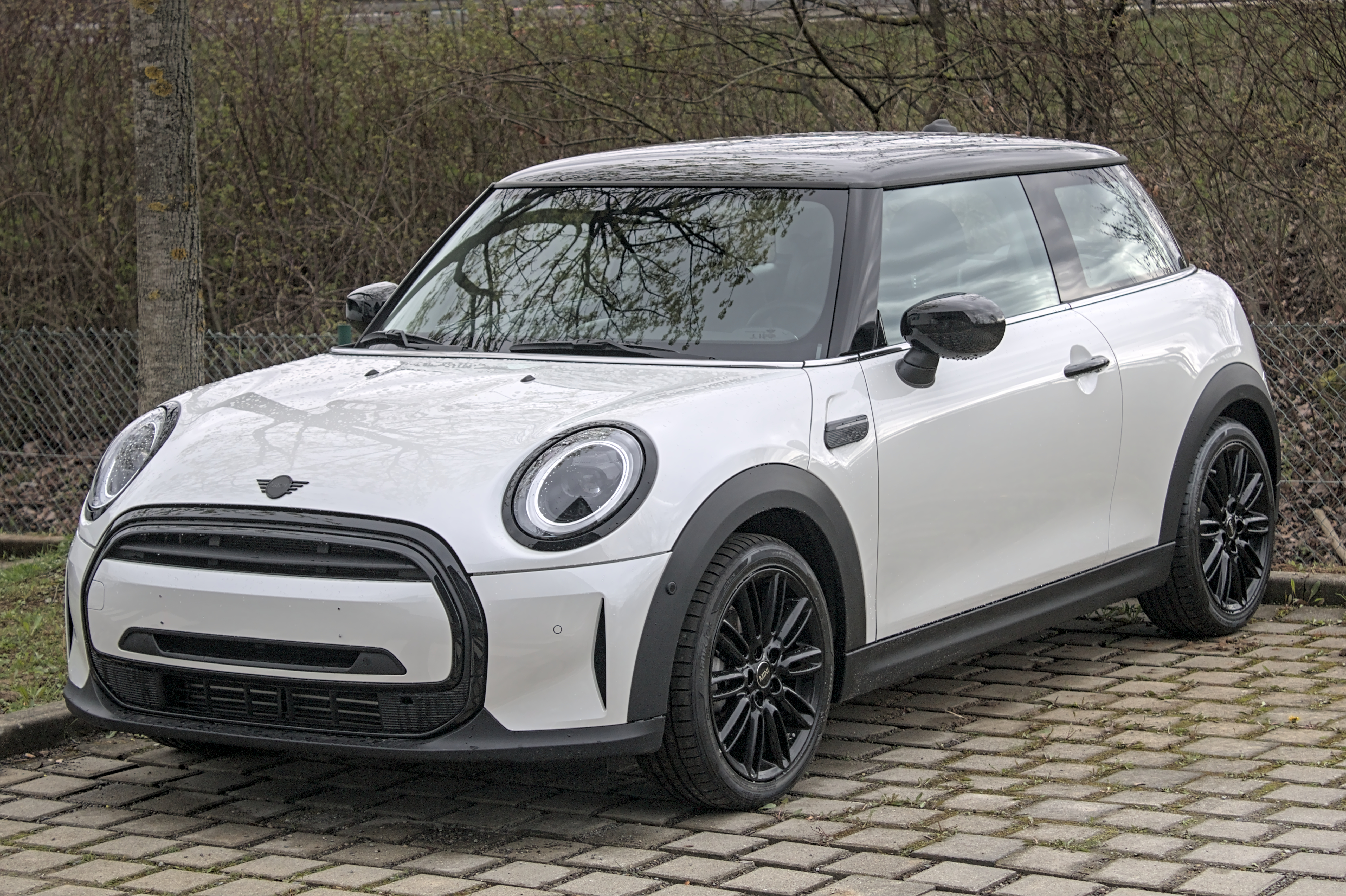
"My dad once told me never buy a used sport edition of anything. And then I bought a Mini Cooper S, but she said, you were right."
The Mini Cooper S is the sportier version of the Mini. The host brings it up to say they didn’t follow their dad’s advice about buying used sport models—and it worked out.
The Mini Cooper S is a performance-oriented trim of the Mini hatchback, typically positioned as the sportier option with more power and firmer tuning than the base model. Here it’s mentioned as an example that contradicts a rule-of-thumb about buying used “sport editions.”
three door hatchbacks
"They're going to, bold statement, 50 years from now, they're still going to make four door sedans. They're probably not going to make three door hatchbacks."
A “three door hatchback” is a car where there are three doors total, including the rear hatch. They’re saying that kind of body style is less likely to be made in the future, so fewer will exist later.
A “three door hatchback” is a hatchback body style with three doors total—typically two front doors plus one rear hatch door. The host uses it to argue that future production will favor four-door sedans over this rarer layout, which affects how many examples survive.

Porsche Boxster
"... what's yours? The just discontinued Porsche 718. Boxster. Boxster? Cayman. Yeah. Which pick one? What do y..."
The Porsche Boxster is a two-seat sports car with the engine placed closer to the middle of the car. It’s designed for sporty handling and an engaging drive. In the podcast, it’s brought up as one of the Porsche options being compared.
The Porsche Boxster is a mid-engine two-seat sports car that shares much of its engineering DNA with the Porsche 718 family. The podcast mentions it in the context of the “just discontinued Porsche 718,” treating Boxster as one of the choices. It’s discussed as part of the broader question of which Porsche model to pick.

718 Porsche 718
"...car. Natalie, what's yours? The just discontinued Porsche 718. Boxster. Boxster? Cayman. Yeah. Which pick one? ..."
“718” is Porsche’s name for a generation of mid-engine sports cars. It includes the Boxster and Cayman models. The podcast uses it while talking about which one you’d choose from that lineup.
“718” refers to Porsche’s 718 family, which includes the Boxster and Cayman models. The podcast mentions it as “just discontinued,” framing it as a specific generation of Porsche mid-engine sports cars. It’s brought up because the conversation is about choosing between the Boxster and Cayman within that 718 lineup.

Porsche Cayman
"... just discontinued Porsche 718. Boxster. Boxster? Cayman. Yeah. Which pick one? What do you like? Boxster...."
The Porsche Cayman is a two-door sports car with its engine mounted toward the middle. It’s built for sporty driving and handling. The podcast compares it directly with the Boxster and asks which one you’d pick.
The Porsche Cayman is a mid-engine two-door sports car closely related to the Boxster, sharing the same general performance layout. The podcast mentions it alongside the Boxster as part of the “Porsche 718” discussion and asks which one to choose. It’s brought up because it’s a popular alternative for people who want the same core driving feel with a different body style.
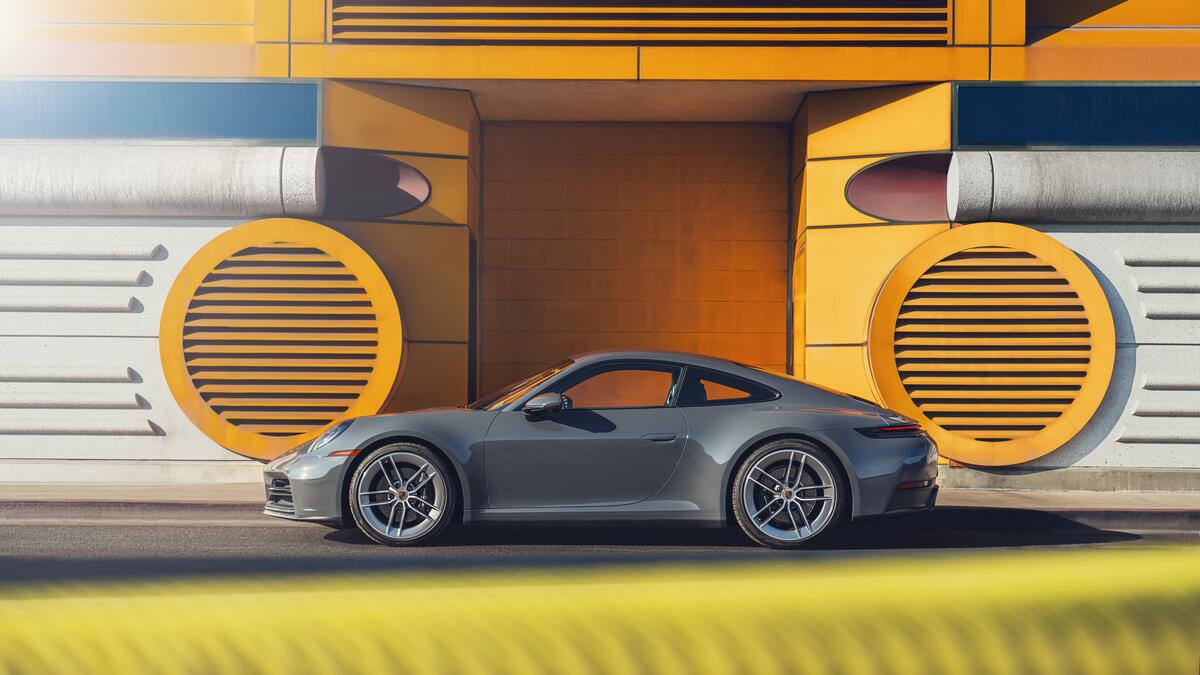
Porsche 911
"The problem is that Cayman is always going to be compared against the 9-11. And for whatever reason, the Boxster isn't, even though the 9-11 is available as a convertible."
The Porsche 911 is Porsche’s iconic rear-engine sports car, and it’s treated here as the default benchmark that other Porsches get compared against. The hosts note that the 911’s availability as a convertible changes the “conversation,” which helps explain why the Boxster/Cayman can be overlooked until they become harder to get.

Porsche 944 Turbo
"Well, there was like the 944 Turbo, which like no one was looking at and then now it's out of, yeah."
The Porsche 944 Turbo is a turbocharged Porsche from the 944 family. The point here is that some cars get ignored at first, then become collectible later.
The Porsche 944 Turbo is a turbocharged variant of the 944, a front-engine Porsche that’s often remembered as an overlooked model compared with the 911. The hosts mention it as an example of how a “sleeping” car can become a future classic once it’s no longer easy to find or afford.

Hyundai Ioniq 5N
"But my final pick, my honorable mention, again, it's a weird one and it's also another Hyundai, the Ioniq 5N. I don't know if EVs can be considered future classics."
The Hyundai Ioniq 5N is the sporty, performance version of the Ioniq 5 electric car. The hosts think it stands out enough to be remembered as a special EV later on.
The Hyundai Ioniq 5N is a performance-focused version of Hyundai’s Ioniq 5 electric crossover, with “N” branding aimed at enthusiast driving. The hosts argue it could qualify as a future classic because it’s one of the first EVs to feel truly distinctive rather than just a battery-powered version of something familiar.
718 Boxster
"Okay. So which one, which one are we picking of those three? What's our 10 spot? I would just feel cheeky voting for myself. So I will go with the 718 Boxster. But you think yours is the best choice?"
The Porsche 718 Boxster is a sporty Porsche roadster with the engine mounted behind you, which helps it handle well. The hosts are saying it could become a “future collectible,” meaning it may become harder to find and more valuable over time.
The Porsche 718 Boxster is a mid-engine roadster built around a compact, sporty chassis and (in most years) turbocharged flat-four or flat-six options. In this segment, the hosts discuss it as a likely future collectible, tying that to how Porsche models can appreciate as supply shrinks and demand rises.
Request an Explanation
Heard something you'd like explained? We'll add it to this episode.
Sign in to request explanations for terms you heard.
Want to learn more?
Browse our glossary for plain-English explanations of automotive terms, jargon, and concepts.
Help improve this episode
See something that's not quite right? Our annotations are AI-generated and can sometimes miss the mark. Click the flag icon on any annotation to suggest a correction.