
Used-car dealer Ibrar “Ibi” Mohammed joins John Ray and Volvo/Rover fan James Batchelor to cover dealer strategy, market pressures, and policy. Ibi explains why he keeps a small, mixed stock, how he avoids “problem” modern tech, and why buyer demand is shifting away from higher-mileage EV-adjacent used cars toward newer, warranty-backed options. The news roundup tackles the FCA’s full motor finance redress scheme (higher average payouts, fewer claimants), the liquidation details behind Targa Florio, G3 Auctions being bought by America’s Auto Auctions, and a government review of the UK ZEV mandate ahead of 2027 quotas.
"The car dealer podcast is sponsored by Autotrader... with more than 84 million consumer visits every month, it connects us with more engaged car buyers and delivers more deals than anyone else in the UK."
Autotrader is a website where people look for cars to buy. Dealers use it to get more customers and more sales.
Autotrader is a major UK online marketplace for buying and selling cars. In this segment it’s positioned as a lead-generation platform for dealers, using website traffic and data to help dealers find buyers for specific listings.
"And now, with the launch of buying signals, we'll have brand new insights on every deal showing how likely a customer is to buy the car they're interested in."
Buying signals are clues from a shopper’s online behavior that suggest they’re more likely to buy a car soon. Dealers can use that to focus on the most serious buyers.
“Buying signals” refers to data-driven indicators that estimate how likely a shopper is to purchase a car. For dealers, this can improve targeting and prioritization of leads based on intent rather than just clicks.
"...it's Volvo enthusiast, James Batchelor... because, of course, regular listeners and viewers will know that you normally introduce me as a"
Volvo is a car brand from Sweden. Here it’s just saying the guest is a fan of Volvos.
Volvo is the Swedish automaker being referenced via the guest’s identity as a “Volvo enthusiast.” It signals the episode’s automotive focus and the guest’s likely interest area, even though no specific Volvo model is discussed in this excerpt.
"...day, I was in the Cotswolds driving the new Volvo ES90, which is Volvo's new flagship car, along with t..."
The ES90 is Volvo’s new flagship electric car mentioned in the podcast. It’s described as having a fastback-style shape, meaning the roof slopes more like a coupe. It’s brought up as part of Volvo’s top new electric range.
The ES90 is referenced in the podcast as Volvo’s new flagship car, described as having a fastback-like shape. It’s discussed alongside the EX90, suggesting it’s part of Volvo’s top-tier electric range with a different body style than the SUV. The transcript context focuses on what it is and how it’s positioned in Volvo’s lineup.
"The ES90 is kind of like a fastback kind of saloon thing. Very nice."
A fastback is a car shape where the roof slopes down toward the back in one smooth line. It usually makes the car look more sporty than a typical sedan.
A fastback is a body style where the roofline slopes smoothly down toward the rear, often improving aerodynamics and giving a sportier look. The host uses it to describe the ES90’s “saloon” shape—more coupe-like than a standard sedan.
"...hich is Volvo's new flagship car, along with the EX90, the big SUV. The ES90 is kind of like a fastback..."
The Volvo EX90 is a large electric SUV from Volvo. It’s meant to be the brand’s main, top-level electric family car. The podcast mentions it because it’s Volvo’s new flagship EV.
The Volvo EX90 is Volvo’s flagship all-electric SUV, positioned as the brand’s top model in its electric lineup. It’s discussed because it represents Volvo’s move into larger, premium EVs with a focus on family-sized practicality. In the podcast, it’s mentioned alongside the ES90 as part of Volvo’s new flagship range.
"...een the video, you very kindly bought him a Fiat 500L 1.4 petrol in red with a red interior. And if the..."
The Fiat 500L is a small car from Fiat that’s designed to be roomier than a standard 500. In the podcast, someone mentions buying one with a 1.4 petrol engine and a red interior. It’s included as an example of a real, specific car choice.
The Fiat 500L is a larger, more spacious variant of the Fiat 500 family, built as a practical small car with extra room. In the podcast, it’s specifically mentioned as a purchased example: a 1.4 petrol in red with a red interior. That makes it relevant to discussions about real customer choices and specific spec preferences.
"..., I did bid. This was the second choice. It was a Vauxhall insignia. That was a blue one. We didn't get that. Obviou..."
The Vauxhall Insignia VXR Supersport Sedan is a sporty four-door car from Vauxhall. The podcast mentions it because it was considered during a buying decision, but it wasn’t the one that was ultimately chosen. It’s brought up as part of the selection process.
The Vauxhall Insignia VXR Supersport Sedan is a performance-focused version of the Insignia, aimed at drivers who want a sportier setup in a four-door sedan. It’s mentioned in the podcast in the context of bidding and selection—implying it was a candidate car that didn’t end up being the final choice. That makes it relevant to how buyers compare options when shopping.
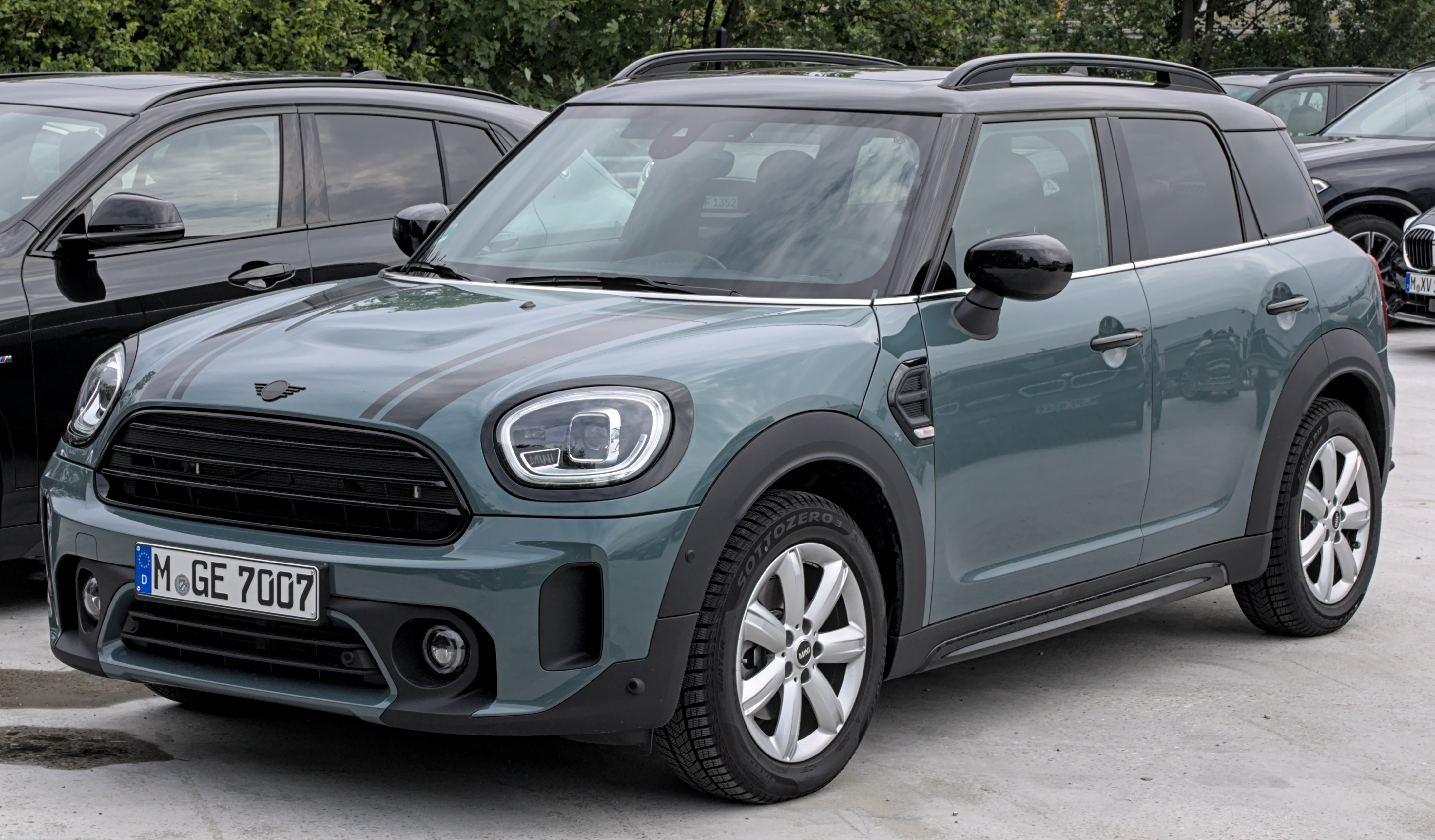
".... I think probably he's more angry about the Mini Countryman because he's had one literally explode on him. B..."
The Mini Countryman is a small SUV made by Mini. It’s designed to be a bit bigger and more practical than a regular Mini hatchback. The podcast mentions it because the speaker had a bad experience with one.
The Mini Countryman is a small crossover SUV from the Mini brand, aimed at buyers who want more space than a typical hatchback. In the podcast, it’s brought up due to a serious anecdote about the car malfunctioning (“explode”), which is why it stands out in a discussion about buyer experiences. That context makes it relevant to ownership risk and real-world reliability stories.
"Small dealership, stock up 10, 15 cars, contract most of the work out."
Dealer stock just means the cars the dealer has ready to sell. Keeping a smaller number of cars helps the business avoid tying up too much money.
“Dealer stock” refers to the cars a dealership keeps on hand to sell, often in a rotating mix based on demand and incoming auction purchases. Managing stock size (like 10–15 cars) is a way to control overhead and reduce cash tied up in inventory.
"So, we stick with them. We do introduce like other like, for example, we used to sell the Jaguar iPaces, glad we haven't got any in now from that recall."
The Jaguar I-Pace is Jaguar’s all-electric SUV. The speaker mentions they used to sell them and notes a recall situation, highlighting how EVs can still have service and compliance events that affect inventory decisions.
"We've got cheap off-peak tariff with octopus. It's come down to like four pence, a kilowatt jumping in that."
Octopus is an energy company. They offer electricity deals (like cheaper off-peak rates) that can make charging an EV cheaper.
Octopus Energy is a UK electricity supplier known for EV-friendly tariffs and time-of-use pricing. Mentioning Octopus ties the episode’s EV discussion to real-world charging economics, not just vehicle specs.
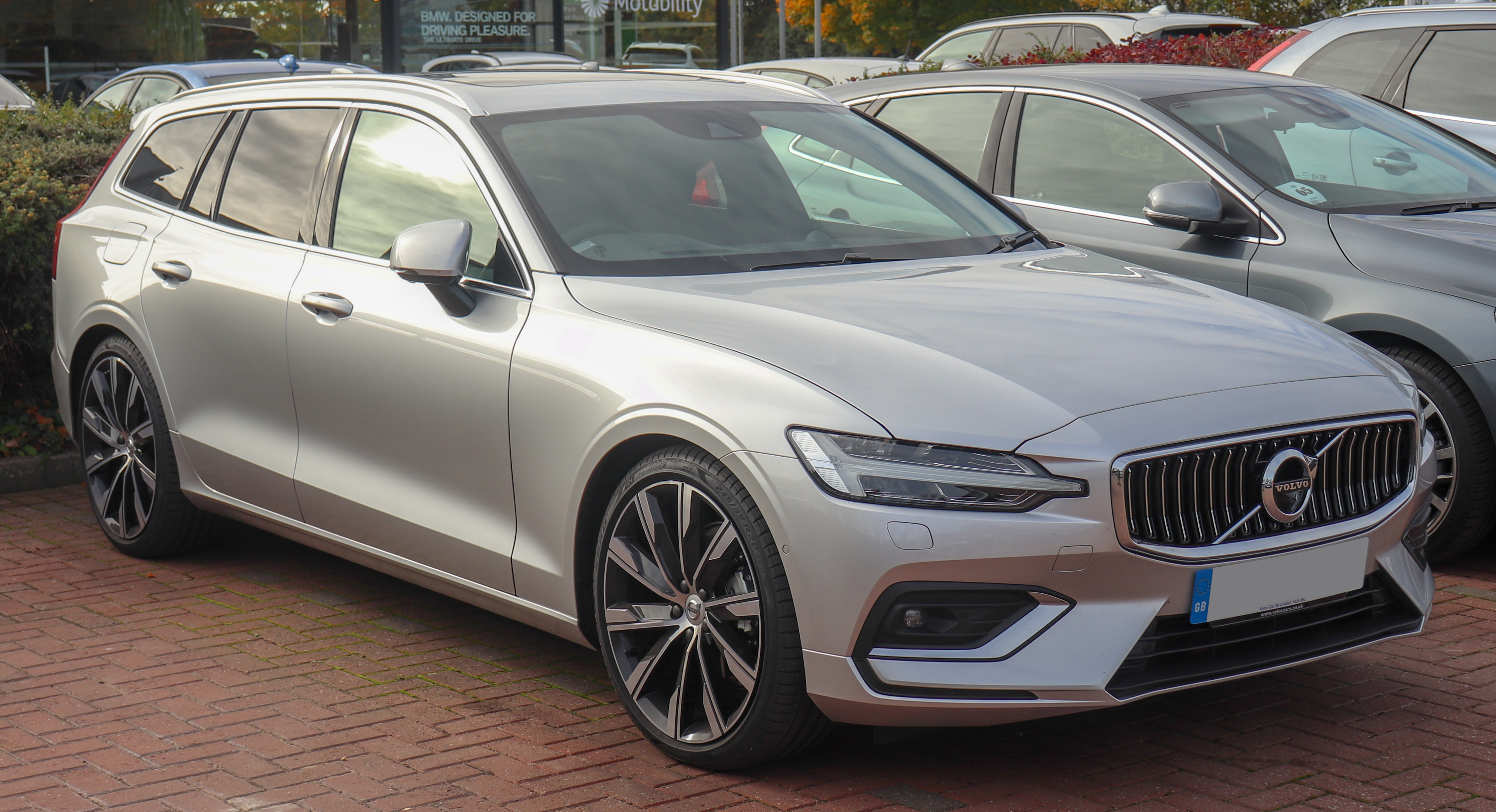
"We've got a plug-in hybrid talking about Volvo's with James. We've got a V60 Volvo coming, plug-in hybrid."
They’re talking about the Volvo V60, and in this case it’s a plug-in hybrid. It’s a practical family-style car that can be cheaper to run if you can charge it.
The Volvo V60 is a wagon (estate) model, and here it’s described as a plug-in hybrid. This matters because plug-in hybrids can offer lower running costs than pure petrol/diesel while still providing flexibility for drivers who can’t always charge.
"because these cars were affected due to the production shortages of Covid, consequently, prices of them are getting quite strong. I mean, is that something you're kind of aware of or doesn't it kind of, or doesn't it register with you?"
A chip shortage means car factories couldn’t get the computer chips they needed. If fewer cars were made, there are fewer to buy later, so prices can rise.
The chip shortage refers to global semiconductor supply constraints that limited vehicle production during and after the COVID-19 period. Fewer cars built means tighter supply, which can push used-car prices up—especially for certain model years.
"For example, on the Evox, you didn't get electric tailgate and certain stuff like that. So the spec is slightly lower."
An electric tailgate is the powered back door on some cars. It can open automatically, and during shortages some cars didn’t get that feature.
An electric tailgate is a powered liftgate that opens and closes automatically (often via a button or sensor). The speaker’s point is that during supply constraints, some cars shipped with lower-spec equipment, so buyers may find missing features like this.
"We used to put on eBay, we'll put on at the time, whatever it was..."
eBay is a website where people can buy and sell items, including cars. Some dealers use it to list cars and attract buyers.
eBay is an online auction and classifieds platform that dealers sometimes use to list vehicles, especially for broader reach or specific inventory types. In the segment, it’s mentioned as part of a multi-channel approach to marketing cars.
"They've got a lot of issues that dealers have got, they just ignore, and we're looking at them and they just kick the can down the road."
“Kick the can down the road” is an idiom meaning to delay dealing with a problem instead of fixing it. Here it’s used to criticize how the marketplace responds to dealers’ concerns—acknowledging issues but not resolving them.
"...And then you've got the EV sort of global sort of thing that's getting posted to say get electric cars."
EV means electric vehicle. It’s a car that runs on electricity instead of petrol, and it changes how repairs and costs work.
EV refers to electric vehicles, which are increasingly pushed by regulation and consumer demand. For dealers, EVs bring different service needs, battery-related economics, and repair/parts availability considerations.
"have your like your exotic cars, whether that's the Martin's Day sort of thing, so we'll pay the
15,000 pound, you know, fine or whatever it is. And yet that's exciting, a V8, a V12 in the market."
A V8 is a type of engine with eight cylinders. People often like it because it can feel powerful and sounds great.
A V8 is an engine with eight cylinders arranged in a “V” shape. It’s commonly associated with strong performance and smooth power delivery, which is why it comes up when people talk about exciting petrol cars.
"And yet that's exciting, a V8, a V12 in the market.
So there's going to be a sort of shift of two different sort of sectors of cars, you lay sort"
A V12 is a bigger, more complex engine with twelve cylinders. It’s usually found in very high-end cars and is known for a special feel and sound.
A V12 is an engine with twelve cylinders arranged in a “V” configuration. It’s typically found in higher-end performance and luxury cars and is often mentioned as a hallmark of “exotic” vehicles.
"was the FCA revealing how much compensation people are going to be getting through missold motor finance agreements... Of course, there are various stipulations on how to get the cash."
The FCA is a UK regulator. A “redress scheme” is basically a formal plan to pay back people when they were treated unfairly when buying a car using finance.
The FCA (Financial Conduct Authority) can require firms to compensate consumers when financial products were sold unfairly or with misleading terms. In this context, the “redress scheme” is the UK process for calculating who qualifies and how much they receive for mis-sold motor finance agreements.
"you've seen the figures you've seen the interest rate you've seen how much it's going to be a month you're happy with it"
The interest rate is the “extra cost” you pay for borrowing money. A higher rate usually means higher monthly payments and more total cost.
The interest rate is the cost of borrowing in a finance agreement, and it strongly influences the monthly payment and total amount paid over the term. Even when the deposit or term changes, the interest rate is one of the biggest drivers of affordability.
"I'm going to talk about um oh it's a bit doomy gloomy this podcast isn't it I'm going to talk about Targa Florio um who's collapsed earlier this year... the liquidators are currently going through um the process of liquidating Targa Florio cars"
Targa Florio is the name of a car dealership in the UK. The episode is talking about what happened when the business disappeared and the liquidators started sorting out who is owed money.
Targa Florio is described as an award-winning premium luxury independent dealer near Chichester that suddenly disappeared. The segment discusses the aftermath through liquidators, including who is owed money and how the company’s assets/liabilities are being handled.
"[3295.4s] sort of business model is a sale or return of business model again it's like it you've got to
[3301.6s] make sure it's right and it's a difficult model to to do"
“Sale or return” is when a dealer effectively sells a car but keeps the option to send it back. It can help dealers get cars without risking all their money up front, but it can get messy if the deal falls apart.
“Sale or return” is a business arrangement where a dealer sells a car but can return it if it doesn’t work out. In practice, it’s often used to manage cashflow and inventory risk, but it can create big consumer-rights and payment complications when things go wrong.
"[3327.0s] a good example was you know Thorny Motorsport they did a video on a McLaren
[3335.1s] they decided not to buy it for themselves the customer says look do a sale or return for us"
Thorny Motorsport is the example business in this story. They show how a dealer can arrange a car deal so the customer can take it, while the dealer manages the risk and timing.
Thorny Motorsport is mentioned as the party that considered buying a McLaren but chose not to buy it for themselves. The story is used to illustrate how “sale or return” can be structured around customer financing and delivery timelines.
"[3392.8s] but I think dealers should do risk management say that okay we've got this much money here this is
[3397.5s] what we can absorb if things go wrong"
Risk management here means planning for the bad outcomes. The dealer should set aside enough money so that if a customer backs out, the business doesn’t collapse.
“Risk management” in this context means planning how much money a dealer can absorb if a sale or return deal goes wrong. The speaker argues dealers should model worst-case outcomes and avoid being overly dependent on this one business structure.
"so this really is breaking current news so G3 auctions which is a firm which you know many of our listeners will be aware of has been acquired by America's auto auctions"
G3 Auctions is a company that sells cars through auctions. If it gets bought by another company, it can change how cars are sold and where dealers get their inventory.
G3 Auctions is a UK vehicle auction business. In this segment, it’s described as being acquired, which matters because auction houses influence how dealer stock is sourced and priced.
"To be fair I think I bought one Tesla a long time ago and they're strategically quite good they're not too far from me if they can get more stock more variety with this acquisition"
Tesla is a company that makes electric cars. When people talk about Tesla in a car-dealer context, they’re usually talking about how many EVs are available and how buyers respond to them.
Tesla is a major EV manufacturer known for building battery-electric vehicles and pushing charging and software-forward features. In dealer/auction discussions, Tesla often comes up because it can influence EV stock availability and demand patterns.
"...according to the times BMW, Vauxhall and JLR are among the harshest critics of the current mandate..."
BMW is a big car brand. In this discussion, the speaker says BMW is one of the companies complaining about the EV rules, which suggests the policy could be tough to meet.
BMW is a major European automaker and is discussed here as one of the harshest critics of the current EU EV/ZEV mandate. The speaker argues BMW’s EV readiness makes its criticism notable, implying the mandate may be challenging even for well-prepared brands.
"it is it's very easy you know when when you know the zevmandate and EV targets were spoken about quite a few years ago the world was in a different place"
ZEV mandate means the government is telling car companies they have to sell more zero-emission cars. It usually comes with deadlines, so companies have to plan their factories and product plans ahead of time.
A ZEV mandate is a government requirement that pushes automakers toward producing and selling a certain share of zero-emission vehicles (typically battery-electric and sometimes hydrogen). It’s usually enforced through targets and timelines that manufacturers must plan for well in advance.
Select text to request an explanation
The car dealer podcast is sponsored by Autotrader.
John, have you ever wondered why I, along with 14,000 other dealers, choose to partner
with Autotrader?
Well, actually, I didn't think so.
I'll tell you anyway, with more than 84 million consumer visits every month, it connects us
with more engaged car buyers and delivers more deals than anyone else in the UK.
And now, with the launch of buying signals, we'll have brand new insights on every deal
showing how likely a customer is to buy the car they're interested in.
Plus, as someone who set out to use AI and data as much as possible in my business,
I've found their technology, data and tools genuinely invaluable.
But when I do get stuck, which is, let's face it, most of the time, Autotrader is always
on hand and committed to supporting us to get the very best from our package.
To find out how they can help you, visit trade.autotrader.co.uk.
Welcome back to the Car Dealer Podcast, where we pick our favourite stories of the week
and ask an industry guest to choose which were the best.
I'm John Ray, and joining me this week, it's Volvo enthusiast, James Batchelor.
Hello, Batch.
Hello there. It's lovely to be on. I haven't been on for ages, and I really haven't missed it.
Well, I feel the same, to be honest, about not being on. I have missed it, obviously.
Yes. I've had weeks of work and then illness and then holiday.
Yes. So I make no excuse for my absence, but it's very nice to see you, Batch.
I think you're very much. It's very nice to see you.
I'm all right. I'm all right. Yes.
I suppose we do need a bit of an explanation of why you've introduced me as a Volvo enthusiast,
because, of course, regular listeners and viewers will know that you normally introduce me as a
Rover lover. That's because I bought an old Volvo recently. The interesting thing about the purchase
was that despite working for Car Dealer Magazine and having written so many buyer's guides on how
to buy cars from auction, I forgot every single important rule and broke all of them and ended
up with something. I wouldn't say it is a heap, but it was in worse condition than I was expecting
it to be. I see. Yes. Did you get a bit of a bargain? No.
Right. Okay. I think it's best we don't dwell on that. I think it is.
Volvo's a new swing. Yes. Yesterday, I was in the Cotswolds driving the new Volvo ES90, which is
Volvo's new flagship car, along with the EX90, the big SUV. The ES90 is kind of like a fastback
kind of saloon thing. Very nice. You just get this feeling that Volvo, they just know what
they're doing. Of all the brands, they've got this image that they uphold. They know how to
design interiors. They know how to design cars. The seats are still the best in the business.
It's a lovely thing. Then a few days earlier, I was driving some other Chinese cars, some
Leap Motors, which interestingly were range extenders, not EVs. So, yes, slightly interesting.
But yeah, there we are. Playing fast and loose with the word interesting there, Batch. But thank
you very much. I'm going to introduce our guest now because I'm bored of talking about cars from
China. So, our guest this week is founder of used car dealer MI Cars. It's Ibrahim Ahmad. Ibi,
thanks for joining us. Thank you for having me. It's lovely to have you on. I think the last
time we saw you must have been at Carwell's head office doing our Battle of the Buyers.
Yeah, that was the last time down there. It was interesting. To be fair, I really enjoyed it. It
was a good fun day out spending James Baggett's money and buying some interesting cars that were...
You say we stitched them up. We haven't actually. We know he loves red. We thought we were getting
a couple of red cars and when he's sitting on the inside, you don't really see that size. So,
I thought I'd put some red in on the interior as well for him. Yeah, if anyone who hasn't seen the
video, you very kindly bought him a Fiat 500L 1.4 petrol in red with a red interior. And if there's
one thing James loves, it's flat red cars. So, that was very kind of you. And I think Scott simply
bought him a nice flat red Audi as well. So, he's just... Oh, and there was a Mini, flat red Mini.
In my defence, I did bid. This was the second choice. It was a Vauxhall insignia. That was a blue
one. We didn't get that. Obviously, it ended up with this, but I'm not complaining.
That is true. I think probably he's more angry about the Mini Countryman because he's had one
literally explode on him. But anyway. I had no idea that a 500L had been bought because I haven't
watched the video yet. Because that is unquestionably one of the worst cars over the last 15 years.
Even with Peter K driving one, it's done no difference to how fashionable they are.
It's a horrendous pile of junk. It is full Peter K spec, I will say. But I think you're
being too harsh. I think there's a buyer for every car. There's a bum for every seat.
It is a modern multiplayer. They were absolutely disgusting as well.
So, like I said, it's a nice family car. Italian. There'll be some Italian lovers there.
Maybe a bit of a relation. Ferrari inspired Redmayer Bear.
Come on. I think you do.
I think it's in Poland as well. I don't know. Yeah, I don't know.
Anyway, carry on. Anyway, tell us a little bit about your business just for those who
haven't met you before. I've been in the trade for around 20 years. I started
part-time from Asia in 18. As soon as I passed my driving, I just loved cars,
loved their auctions. I started selling cars on the side with my university degree that I was
doing at the time in law. Then it grew from there, made it into a business. Small dealership,
stock up 10, 15 cars, contract most of the work out. I did have a showroom
seven years ago, part that went basic storage and an office, just to keep the cost down and
just change with the market. Instead of setting out certain cars, sometimes we get premium stuff
in. Sometimes we get run-of-the-mill cars. So, whatever the demand is, we just keep changing
with that. Might be a time where we get loads of Aston's, for example, and then we're selling
500. Just a steady way of growing from there, keeping it small. Obviously, in the current
situation, everything's getting tough. Builds are growing up. Bottom lines are climbing,
and the ceiling's coming down with markers and all that stuff. You just try to keep a tight
speedboat where we can maneuver. That's it, just a small car. Do you look up in Yorkshire, Shipley?
Hmm, interesting. You said there you do a mix of stuff. I mean, I can see you've got an Aston
on up for sale at the minute and a couple of Teslas, things like that. So, what's your bread
and butter, really? We like to keep a mix bag. Every day, we're looking at cars on the various
auction platform. We don't have, we avoid like eco-booms or whatever you want to call it in
parts with certain cars like that. A lot of cars now have a lot of problems. The modern cars with
the legislation, DPFs, add blues, electric stuff as well. We sort of keep Tesla because
we've been selling them since about 2016, sort of slowly got into right earlier. They established
the second hand sort of parts, aftermarket parts. The service centre is now independent. There's
plenty of support for them. So, if anything goes wrong, we can get them fixed. So, we stick with
them. We do introduce like other like, for example, we used to sell the Jaguar iPaces,
glad we haven't got any in now from that recall. You know, it's really horrendous and
electric sort of at the moment, it's like mobile phones is the way I look at it. You've got your
Teslas, you're Americans and then you've got your Koreans and you've got your Chinese. Anyone else
really, I don't know, I'm at the moment a bit hesitant because a lot of them are still holding
on to. We've got an IHX coming and it's like we've got to service it because they're used to the
service costs. Where the Tesla, there's no service schedule, what you need to get done.
So, we keep that sort of in the market for times like this now. We've got this Polestar coming
and it's gone mental. We've sold it straight away because people are saying fuel's going up.
We've got cheap off-peak tariff with octopus. It's come down to like four pence, a kilowatt
jumping in that. We've got like a plug-in hybrid talking about Volvo's with James. We've got a
V60 Volvo coming, plug-in hybrid. And the nice cars, the nice cars for volume for money,
you either buy a BMW, you pay four or five grand more or you get a better spec Volvo
for that slightly less money. So, yeah, and then we do get the old Aston Martins and you know,
Bentley's. That mark you were doing well last year and then all of a sudden it just falls off
a cliff. But that Aston's sort of James Bonding's by 2010, 2011, 12th sort of era is what we like
to get. We've had this bondage coming, just going through a clip now, low mileage sort of car,
two owners 20, like 19,000 miles on it is a bit different. So just keep stuff like that in as
well. So yeah, just to mix about, we don't wake up and say that we're buying this. We just look at
it, whatever makes the most amount of money, you know, and that's not going to cause us as much
problems. We'll go with that. That's interesting. Sorry. Sorry, I was going to ask a question.
I was going to ask a question and then I just coughed instead. Sorry. May I continue? May I
continue? You may. Sorry. Have you been affected by this stock shortage of sort of like five to
six year old cars? It's something that, you know, Auto Trader and Kazana and Cox Automotive are
talking a lot about that because these cars were affected due to the production shortages of Covid,
consequently, prices of them are getting quite strong. I mean, is that something you're kind
of aware of or doesn't it kind of, or doesn't it register with you? Not really. We are noticing
like, certain like around the 2020 cars, there are less in the market because of obviously when
Covid happened and the chip shortage and stuff, but a lot of manufacturers adapt to where they
didn't give you the extra. So you just got to be careful. For example, on the Evox, you didn't get
electric tailgate and certain stuff like that. So the spec is slightly lower. But at the moment,
like this Volvo was a 2021. Did I like, did I have to fight for it? Did I feel like it's too
expensive or not really? And this is quite important is if I were to go buy 20 cars a week
of that sort of year, I probably will struggle maybe because with a smaller business, if I've
got to buy one or two or three a week, I won't feel it as much because I'm not stuck up with so
many of them. And if there is a shortage, you'll feel it more when you're buying in bulk. So I don't
really feel that we're struggling to buy the cars. And this to be fair, Matt just gone,
he's been a really good and strong month for us. Surprisingly, opposite, you know,
January February has been very, you know, it's been crap pretty much in a nutshell. But
March has been strong for us. We've been able to buy these sort of year cars, a bit more fleet
sort of stock and they've been selling well as well. Because the problem we've got now is I feel
is that you mentioned before the Chinese, the brand new cars and the lease deal is so good.
I think car ownership is sort of changing you where if you're selling a Volvo, I won't buy
a Volvo, that's got 98k on it. And it's going to be 15 grand. But if I bought that lower mileage
and slightly newer, it's going to be 25 grand. And if I'm a buyer, I like to follow the buyer's
journey as much as possible to understand what the buyers want to do. Then I can understand
my business better because I can think one thing with the market and the buyers are dictated by
somewhere else. So at 25 grand, do I buy elite more or that's brand new with the warranty? Or do
I buy a second hand Volvo or a Mercedes or a EVO which, you know, might go wrong. So I find any
cars that are slightly lower mileage, a bit more newer, that's stepping on the toes of brand new
BYDs. That market, a couple of dealers I'm speaking to are saying they're struggling to sell them
the low mileage cars, they're two years old, they've got a warranty on them, but they're not
following the buyer's journey who's sitting there on a computer thinking that I want a new car,
I've got a 25 grand budget, do I buy one for £200 a month? That's a 75 plate, you know,
up to date with a warranty or do I buy a second hand one? What if it goes wrong?
So and I'm finding that sort of market is a bit more affected, whereas if you're keeping sort of
half the price of the new cars, it's doing all right because there's too much of a gap price
wise for them to step on each of the stores. Well, something I thought I was just going to say was
how do you, how do you choose what cars you're going to buy really? I mean, the interesting
thing about, I'm plugging this video a lot, but the interesting thing about when we did that video
is how, you know, you and Scott Sibley and Stephen Douglas and so on and Jamie Caple all had completely
different methods for choosing what you're going to buy and you ended up with completely different
stuff. I mean, you went for, if I'm right in remembering this, you went for kind of, you went
for the money rather than the days to sell. So you didn't kind of, I'm guessing you didn't go
off the metrics of this one's really popular and you didn't use the Australian retail.
No, no, I've never bought and sold a car of like auto-trader retail rating, auto-trader
trade or retail price. We have to remember all these are guides, you know, and you can look at them,
they can give you an indication, you know, in the sense where you can sort of quickly look at it,
right? The trade is five grand, retail seven grand, this is six and a half grand, I'm wasting my time
here. Normally, there's a couple of things you've got, obviously make sure it's a good car, that's
the number one priority, that's a good car. You don't mind how many cars you sell is what comes
back. So if you're just volume out and not buying great cars, not good industries and stuff,
they're going to end up coming back. That's what I don't like doing. Once we sell the car,
want it to be right and we don't want to see it again, unless we're part exchange or as
I'm becoming a big customer. And then I like to buy the opposite in the sense where if the car is
more desirable and there's more in the market, I feel like I've got more competition. So afford
Fiesta, that's 7000 for sale argument sake, but there's more customers on that. Then I'm a needle
in a haystack there, whereas for example, like that Fiat 500L, they're not great cars, there's
less buys for them cars. We agree with that, but there's 30 for sale or every person viewing
or wanting to buy a Fiat 500L will see my Fiat 500L. So then I've got 100% success rate for
search to advert views or their or their abouts, rather than me saying that, how can I make my
Fiesta stand out? For example, Tesla Model 3s are a prime example. What options have you got?
Body color, white, black, red, blue, whatever, gray, the interior is white or black, and then it's
your hardware, whether you've got full self drive or not. That's like buying an iPhone,
what's your hard drive on it? So for me, we don't buy the Model 3, whereas the Model S and X,
they've got so much more options than them. So each car can be different. And the Model 3,
why are you going to buy my Model 3? That's exactly the same as yours. You might not like the color,
but apart from that, it has to be priced has to stand out. And then when you're in a competitive
market, mine's on 10 grand, yours is on for 10 grand argument sake, and mine's black, and yours is
white. The person's going to say, well, I like a white one, I'll buy that I like a black one.
I don't want to put that scenario in my business where customers decide based on that. The reason
why you're going to buy my car, because I've got full self drive, I've got the six seat option in
my Model X is in a different color combination. He's got the ventilated seats, he's got this,
the more options there are, then it makes me say that I'm buying that car because it stands out,
he's got these features over my competitors. And then it can draw them in a genetic sort of stuff.
I don't like buying, because then I'm competing for the buyers, thousands of them out, you know,
that looking for thousands of cars. So it's a bit more opposite strategy. It might work,
might not work. Sometimes we do get done with the middle stuff. But that's my sort of thinking
behind when I buy a vehicle. Well, I find that more interesting than looking through a spreadsheet,
which is what James claims he does. He doesn't really. Where are you? Where are you actually
buying stuff from at the minute? Various sites, we look at obviously car wow, we look at motorway,
we look on sort of fleet, sort of sites, direct and auctions, very rarely auctions,
mainly these motorway and car wow, but like again, we're not mass buyers. So these platforms get
1000, 2000 cars, we can cherry pick, you know, a couple of weeks. So if you're buying that,
you know, a couple of weeks, that's about 100 cars. For a small business, you know,
if you can sell that a year, I'm happy with that, without upscaling. Because the next
stage, if you start doing more numbers, then we've got to start employing more people.
And in the current climate climate for me and my business, I think staying small and sweet.
There's always a sweet spot before you move to the next level. And sometimes you're at the sweet
spot or slightly in the top. But if you scale up to the next level, you're going to drown yourself
because you're not comfortable in that, in that next year. And that's sort of the aim,
like now, where I am at the site. I'm looking at obviously purchasing a property that's got
some workshops, like a little farmhouse, and I want to sort of bring the business
sort of not working for more, but sort of on the side, just to bring the cost further down.
If you can keep that down, try to keep the floor down and the ceiling up, that's the aim
at the moment, survival. So yeah.
I think that is the challenge. That's the challenge James is having as well. You reach a point,
as you say, where every next step, you need to go big to go to the next level, don't you?
It's always employing three more people and expanding the site and so on.
Yeah, we were discussing this when we were down in London and at the moment he's at that
max sweet spot. And to then step it up a level, it's going to be where it might just work on
the opposite, where you are up there, but you've got like setting up more people,
you know, wages going up, can you get the cars in, and can you turn them around and make that
profit to justify if you're spending a thousand pound, I'm going to say on a wage, you've got to
just about three thousand pounds sort of coming in. Otherwise, you might just stay where you are.
And I think he's at that limit as well. Exactly. Just in terms of advertising, so what's,
where do you advertise? I mean, I know what you're going to say you don't advertise,
which we'll come on to, but where are you, where are you putting your cars at the moment?
Well, again, that's been another thing, you know, 15 years ago when we were doing it,
we were advertising an auto trader used to be X amount, we had a sort of, you know,
budget for marketing, you know, there's a website, et cetera. We used to put on eBay,
we'll put on at the time, whatever it was, like Gumtree and other sort of stuff,
we were spreading our work budget. Obviously, over the years, auto trade every year,
eight, seven, six, seven, eight percent increase constantly going up. At the end, like last year,
we ended up where we could not afford to spend any money on a basic package, like 11 hundred
pound a month. And that was like double or what initially what our budget was. So we,
part of obviously what went on, it was strategy to say like, it's not that we don't want to spend
money on auto trader is we want to spread our eggs in different baskets. And we can't do that by
staying on auto trader, I might put single adverts on, I might go back on auto trader,
I don't know. But at the moment, what we're doing is you've got a motors package,
which obviously you get Kazoo and motors and eBay and stuff like that. We got car wow,
we advertise with car wow, we've done two deals last month with car wow as well.
And we started doing Google vehicle ads. So motors is not going to be the only answer.
Car wow is not going to be the only answer. GVA is not going to be the only answer.
And auto trade is not going to be the only answer. So if you go with auto,
we can't spend any money anywhere else. So we say that let's drop our cost there,
let's put our eggs in different baskets. We've got a bit of motors, they delivered a little bit,
car wow delivered a little bit, GVA delivered a little bit. The last month was the first month
that all went proper, you know, everything sort of grew and worked. Fipping out has been amazing.
We've done really, really well. We've turned pretty much like 80% stock turn on what we had.
And this was from the start of the year, we were loan stock busy with the auto trader situation.
Me and my bit, I'm not concentrating on it. So March was really much like,
let's get stuck backing. Let's get this business back on track. And from buying and
some cars previously in stock, we've turned, you know, pretty much like 80% stock turn
and it's been really, really good. You know, yesterday, every other day, we're getting quieties.
So and it's working at the moment. So no reason to go to auto trade. And the auto trade strategy
will be if I don't sell a car, let's say it's been on a month on all this platform,
I'll put a single ad for an auto trader, you know, it might cost me 70 quid, 80 quid,
but it's not costing me 1100 a pound a month to not get a deal on there. And I can't,
and I can't risk putting my eggs in that one basket. And if they don't deliver,
auto traders say they're the best in the market, but they might be the best in the market. But when
if economy sort of changes, you know, with the world, et cetera, et cetera going on,
dealers are complaining that they're not getting the lead. So if the market
dictates how good auto trade it is, then I can't put my eggs in that basket then on its own. If
it goes quiet, I can't afford to pay 1100 a pound to just one platform if they don't deliver.
Just one question if I may. I mean, what's your view of selling cars through social media or not
necessarily selling cars, but sort of advertising your business through social media, whether that's
Reels, Instagram, TikTok? I mean, what's your take?
I think it's great. And I think everyone should do it. But I don't do it because I've
put too much of the stuff going on. You've either, you know, like I said, I'm a small business. I've
got a family. I've got kids. I've got so much going on. And I wake up on them and say that I'm
doing social media. I'll do two days of bloody deals. And then that's me. That's me giving up on it.
And I wish I could like, you know, once I've sorted my stuff out and I'm probably looking at
employing somebody as well, I love to do social media. It does bring business in. It does get
your stock. But you've got to be consistent and committed. And it's organic thing that'll take
years to build. And within a week, I'm sort of like, you know, not defeated, but then I just lose
stock of it. And I agree, I think, but there's no, there's no arm it's free really, you don't spend
any money on it, very minimal unless it employs somebody for it. And I don't know how I'm building
the ombran. So I think that should be part of any business you should be doing that.
It's the time though, isn't it? Like you've said, it is the time. And, you know, if you are going
to do it, you've got to be doing it properly. You know, you might as well not do it at all,
really. So I don't blame your approach to it at all.
I just, I just want to go back to auto-trader briefly, because of course, you were instrumental
in the, the movement I'm going to call it last year that saw some dealers cancelling their
auto-trader packages. You know, you set up the Facebook group, which is now about 5,000 people
now. Yeah, about five and a half, roughly now. How did that sort of all start?
It was just that frustration, because November, you have to remember when times are good,
no really, you know, moans and stuff to just get on with it. But the bells get entire, you know,
each month going by and then that sort of, you know, August was steady, September, October,
going into November. And we pretty much, there was a small handful of dealers, you know what,
we can't afford to carry on with auto-trader, it's not delivering. And it's the fear of,
do we come off or don't we come off? And a lot of people had their own little
suffering on their own. And when few were sort of expressed, they said, oh, I feel actually
feel like this. It's not only me, it's not only you. And it sort of just grew from there. Everybody
had this thought in their mind and what they felt in the art, but no one come together. And we just
sort of say, well, let's just, if you're going to cancel, let's cancel. Instead of you doing it
on your own, I'm doing it on my own, everyone's doing it on their own. Why don't we just do it
together? And it's sort of a solidarity sort of thing. And at the same time, we got this Facebook
group, not because we were in the city and start bashing auto-traders, that's not the intention.
The intention is to help dealers voice their concerns instead of suffering on their own.
And like the emails and the messages and stuff that I get is like, it's serious stuff. This is
serious mental health stuff for people with business, because it's not just the business
suffering, it's financial suffering on top of, obviously you have kids and stuff like that,
going into Christmas as well. There's a lot of stress on business and business owners.
And if you just started like that, and then a lot of dealers that I say, no, we're in the same
boat, we're in the same boat, it's just sort of snowball from there. And it's just helping each
other. It's just a group. If there's an issue and you own an opinion from somebody who's stepped
out of that box, would you say that, okay, I've done this and this has worked for me,
this is my stop profile, and maybe try it. And it's not, and I'm not here to campaign,
and like when I say it's my group, I'm not saying I've led this, this is just,
I'm just in charge and just sort of kept people sort of in line and sort of focused on it.
Instead of giving up, let's not give up, you're spending 5,000 or 10,000 with auto-trader,
let's reevaluate it. And I will not say the deal is that I won't say something or come
off auto-trader because like I said, I've got no problem with auto-trader, I've got no issue where
is a person and they've done this to me and I want to get back. I've got none of that. And like I said,
if they change their business and it meets my business needs, I will use them. But at the moment,
they don't meet my business needs. And I won't use them like anything in life, you know,
whether you use a valet, if that bit of valet does a good job, you use them, you don't use them.
And that's the way with auto-trader. And I'll say to look, instead of cancel an auto-trader,
why do you reduce to spend an auto-trader? Let's put your eggs in a few different baskets.
Instead of spending 10 grand a month, spend 4 grand a month with auto-trader, let's not cancel and
spend 2 grand on social media and place somebody for what exactly James said there about TikToks
and stuff like that. And as they've done that, the businesses have turned around, you know,
they're getting messages, this is the best month we've ever had because not relying on one platform
and that's all it is for dealers to come and get some advice from other people that are in the same
boat. Yeah, I mean, just briefly going back to the sort of thing of back in November with the
package cancellations, I think a lot of that was to do with obviously you're talking more
broadly, auto-trader might not work for you, might not work for some other people in your group.
There was the movement was around deal builder and various other bits and pieces like that,
wasn't it? Do you think five months on, do you get the impression people are a little bit more
satisfied with the changes that have been made as a, you know... I don't think deal builder was
one piece of that. So it's, you know, when you get paper cuts, there's going to be that final
cut that's going to be one too much. And whether it's price markers, that was a problem, you know,
the price, the main, the main issue I've got that I'm seeing with auto-trader is the cost,
is the cost they charge. It's ridiculous amounts, you know, where there's no cap to it. I'm getting
dealers say we spend a million pound a year with them, you know, it's like they're not advertising
platforms should spend a million pound, you should spend a million pound with them, no matter how
big it is. That was the main gripe. Then you obviously got the deal builder was the final sort
of nailing the coffin to say, right, we've had enough now, we've caught with this. And the only way
I can explain this is, is like a car. If the car is retail ready, and it's 10,000 pounds, yep,
you want 10,000 pounds for it. But if that car's got faults with it, each fault, the value comes
down, doesn't it? But imagine if it's a faulty product, but you're asking high price for it.
That's what auto-trader is. They've got a lot of issues that dealers have got, they just ignore,
and we're looking at them and they just kick the can down the road. But then what they're charging
for it, according to their price markers, is another category above high price, what they say
to us about our cars, you know, and that's where the problem, and you've got a product that's not
fit for dealers or dealers claim is not fit for them, they're not willing to change it, but then
you're charging extortionate amounts for that product. And that's where the problems sort of
happen, like whether it's the package deals that they sell up to ultra package and dealers like,
you know, like, we don't really need that package, but it's sort of sold with the colors on the
portal, you're in red, you're in this, you know, you can get that in green, you're competitive.
Imagine me paying for the starter package, £4,000, and I get an email from what 99% of your
competitors are doing better than you. So for you to do better, let's go on ultra package and
spend £10,000. So you're basically telling me I'm spending £5,000 a month with you on a starter
package, but you're telling me it's not good. Our product at £5,000 on start is not good.
So for you to perform better, spend £10,000 with us. So why am I spending five then?
With your own words, you've told us you're under delivering because you've got a product for me,
charging me £1,000 and you're telling me it's under performing 99% of my competitors are doing
better than me. I should say, of course, the auto trader aren't here to defend themselves,
but they've previously said that they actively engage with dealers about their concerns. They've
set up the dealer advisory panels and so on. Of course, I suppose it does work for a lot of
people, including James, I should say. Yeah, it does work. It's not, again, stuff works for
dealers and some stuff doesn't work for dealers and they set the advisory groups up and I hope
they make the changes for the benefit, for better, because we'd rather have them as a good play in
the market at sensible money and we'd use them. But the advisory groups, the last one that they had,
you know, Nathan come on the dealer podcast and he says, oh, you know, ignored all the facts and
the dealers who were in that forum messaged me after that podcast saying this was absolutely
totally opposite. Just because we're running out of time and this particular half of the podcast,
I just want to ask one more question, which is the world is a difficult place at the moment,
shall we say, but I mean, what are, from where you're sitting, what do you think are the challenges
that are coming down the road for dealers? I think we've got, it's not just the challenges of what's
going on. I think the challenges are like what's happening, what happened with Nokia and Apple and
stuff. The more that the vehicles, the whole way is changing in the sense where we're going from
sort of ownership to more leasing. It's sort of happening in America, you know, 10, 15 years ago.
Is that now how many people, if you went to owned a mobile phone app, right? It's pretty much on
contract and it's part of the package after a few years. That's changing. And then you've got the EV
sort of global sort of thing that's getting posted to say get electric cars. That's coming in. Then
the Chinese have sort of come in to make these cars affordable. Sort of, if you buy a 30 grand car,
you give it back, you know, 100 grand portions worth 20 grand, a 30,000 pound Chinese cars,
probably worth 7, 8 grand, you know, by the time it comes at the end of its five years sort of lease
life. Is that going to be economical to repair or is not, you're most likely going to say like,
you know what, let's recycle that, get that back recycled, battery, etc, etc. And then we just go
again and get another car like you would with your mobile phone. And I think there's going to be two
sort of shifts when you looked at vehicles, you lay vehicles where you've bought fiestas and all that.
You don't need it only eco boom, there's more problems than it's worth. I'd rather buy a BYD
or like the new Renault Twingo that's come out, you know, get 170 mile range, 17,000 pound entry level
car, but you haven't got any ad blue, you know, particular filter issues, you know, gearbox,
power shift issues, and stuff like that. So that's going to be that market. And then you're going to
have your like your exotic cars, whether that's the Martin's Day sort of thing, so we'll pay the
15,000 pound, you know, fine or whatever it is. And yet that's exciting, a V8, a V12 in the market.
So there's going to be a sort of shift of two different sort of sectors of cars, you lay sort
of electric stuff, which you know, your Renault Clear Owners are going to have and then you're
going to have your premium sort of stuff. And I think car ownership is changing as well more to
sort of leasing. I'm getting people, family members that I'm never in their life, I've got a lease
of finance car, they've owned the car, they come to me, oh, what do you think of these Chinese cars,
200 pound a month, you know, it's cost me more, you know, owning my car. I think I should get in,
I'm thinking, hang on a minute, you know, what's going on here? So it must be somewhat going on
there, a couple hundred quid a month, 2400 pound a year, it costs more in depreciation.
Yeah, it does. This is the thing people love about him.
Now, a quick word from one of our sponsors.
John, have you ever wondered why I, along with 14,000 other dealers, choose to partner with
Well, actually, I didn't think so. I'll tell you anyway, with more than 84 million consumer visits
every month, it connects us with more engaged car buyers and delivers more deals than anyone else in
the UK. And now with the launch of buying signals, we'll have brand new insights on every deal,
showing how likely a customer is to buy the car they're interested in. Plus, as someone who set
out to use AI and data as much as possible in my business, I've found their technology,
data and tools genuinely invaluable. But when I do get stuck, which is let's face it most of the
time, AutoTrader is always on hand and committed to supporting us to get the very best from our
package to find out how they can help you visit trade.autotrader.co.uk. Now, back to the podcast.
Right, I think I better move us on. So, Batch and I are going to run through our favourite
stories of the week. And at the end, Ibi gets to decide which one of us chose the best ones and
who is the winner. I haven't been on for quite some time. So, well, James Doyle in last week,
well, I have to start with the most important story of the week, which, of course,
was the FCA revealing how much compensation people are going to be getting through
missold motor finance agreements. Now, it was announced, well, mid-afternoon on Monday afternoon.
The headline to it is the average payout is going to be around 830 pounds, which is higher than
the FCA previously stated. I think it was around 750 pounds. But even though the
payment is going to be higher, the number of consumers is going to be less. So, fewer consumers
are going to get a payout. The FCA expects 12.1 million consumers will now get cash and the total
bill for the industry is likely to be in the region of 7.5 billion pounds down from a previous
estimate of around 10 billion pounds. The FCA were pretty quick to say that if they hadn't
given this or enacted this redress scheme, the cost to the industry apparently would be
considerably larger than the 7.5 billion. Of course, there are various stipulations on how
to get the cash. You've got to get into the detail. Basically, the FCA have split into two parts.
So, the compensation scheme will cover loans taken out between April the 6th, 2007, and November
the 1st, 2024. Then the second part is later than that. Talk about it finally happening. I know this
kind of thing must take a very long time to actually thrash out and work out. Of course,
the FCA have been communicating with a lot of companies and experts to try and create a fair
system. Is this going to create more confusion? I don't really know. One interesting thing the FCA
did say is that they are trying to prevent people from using claims management firms. They want
consumers to use their compensation scheme. I'm not an expert on finance redress schemes,
funnily enough, but I think it is quite unusual. You should be by now.
I should be now, I know. But I think it is quite unusual for the FCA to step in and create a redress
scheme. I think normally, again, I don't really know too much about this, but I think normally
consumers, their only resort is through third party firms to claim the compensation back for
them. That was the big story of the week. Have you got any views on that, Johnny Ray?
No, none at all. I thought, firstly, you said there that the final number they've come to,
roughly, is 12.1 million consumers. When you think that's like one in five people in the UK,
isn't it? Hang on. No, it's not. It's million, not billion. Carry on. Completely wrong there.
Well, it's still a large number. It's a large number of people, 12.1 million. I wonder if it's,
how many of those as well, are going to be multiple claims? They're not just going to be
they've had one car in finance. Particularly the one used one. There's going to be
quite a few. I suppose what's changed since they last were talking about this was they
it's been a roller coaster, hasn't it? It started off as looking like it was going to be
in one sort of shape. Then they changed it to, oh yeah, anyone that's had
any form of finance agreement where there was only one lender and that could include
franchise dealers where there's only one lender because it's the manufacturer's bank.
That seems to have now gone out the window. I'm a little bit lost as to what the exact
criteria of this one is going to be. It seems to be relatively sensible in some ways. One of
their criteria is that the broker or the dealer set the interest rate to earn more commission,
which was this discretionary commission arrangement. Now, of course, that was at the time
perfectly, from where I'm sitting, perfectly legal and perfectly within the framework of
what the FCA have said. That's frustrating for all those dealers that set out finance agreements
like this perfectly in line with the law and what the FCA were saying. The other thing is the other
was the whole court case that started this off with the three participants. One of them had
an incredibly high amount of commission on this very complex loan and finance arrangement on a
Suzuki Swift. I don't want to say it's an insane amount of commission, but it was a lot of commission.
They're saying, the FCA are saying, at least 39% of the total cost of credit and 10% of the load,
which is quite chunky. I don't know how many people that's actually going to affect because
it seems to me those are really the niche situations where there really has been
extreme. That's the word. Thank you. There's various other bits and pieces to this. It's all
very complicated. As you say, is it any clearer for consumers and are they going to stop using
third-party claims management firms? I'm not sure people are because claims management firms are
still going to come along and say, well, you might be entitled to whatever the lender decides
you're entitled to, but actually we could probably get you a bit more. There's a huge amount. I would
imagine it's not an uncomplicated thing to do this. If I were to suddenly go, right, I'm going to
go and get my redress money from the FCA, is that actually going to be a simple streamlined
process for a consumer to do? Or are the most consumers going to need some form of help with
that? I think that's where all these claims management firms come in. That's where they
earn their money. They just type in your reg on this website and then suddenly they'll do all the
work and then you'll be handed a check-in a few months time. That's precisely what I was going
to say. Whether it's whether you've had an accident at work or you've had all these kinds of
things that we've seen over the past decades, it's the convenience factor, isn't it? You see these
claims management firms or lawyers or whatever, they tend to have very persuasive adverts on
TV in the middle of Midsomer Murders, for example. You're sitting down, you've got your feet up on
a Sunday night and then his advert comes up and it's very tempting. That's before you even remember
that particularly when this was at its height of its coverage, particularly around the court case,
social media was absolutely barraged with adverts for all of this, wasn't it? It is the convenience
factor. I think the FCA is all well and good. Yes, they are the industry watchdog, but they are
still reliant on people actually approaching them to get their compensation. I think they need to
work out a way of making that far easier for people and not necessarily easier but attractive as well.
Hibi, what do you make of this news? It's been going on for a while, isn't it? You picked up on a
point there, it was in line with the FCA, they set out the guidelines, we've dealers followed them
and now they're in this pickle and is that the most of the purpose of the FCA then?
You told us this is what we do, we've done it and now we're sitting in this situation then
it's pointless. I'm following it because we've just stuck and also obviously you've got this
management stuff, claims on it. I wonder where they're going to make the money from,
normally would they take a cut out of that compensation, so it might say that they're going
to take 25% of that, but then it's convenience, like he said, the people who are claiming can
just say that you can take 25% and you just deal with it. We don't know how they're going to get
the money or they're going to get a charge for their services separately, we don't know about that at
the moment and the truth is, I've never agreed with upselling finance. When I work with my bro
because at the moment I don't make commission for my finance, I say I don't know commission,
my job is to buy and sell a car. If I can't buy and sell a car and make profit from it and after
that I'm upselling warranties, gap insurance, it's good at a little add-on to have but if I can't
buy and sell a car for a profit, unfortunately, I mean the wrong business, if I want to sell
finance or sell warranties, I should set that business up because that's what I want to make money
on and I've never agreed with the dealers that each of them personally have never agreed with
upselling finance and I think it's just morally wrong for me where it sits. If you want to do that,
that's your right to do it within the law at the time, obviously not now and yeah, it's a big
mess isn't it? It's another thing on the trade that casts doubt and again back to 20, 30 years ago,
we're fighting every day, trying to make our reputation better, the car dealers are not them
dodgy fitters so-and-so's and then this has come along and it's put that dirt back on our name and
now it's sort of challenging against that customer. Again, it goes to consumer confidence goes down
when they're doing finance, etc. Can they trust you? Can they not trust you? So you again back
against the wall, try to prove yourself again and anything negative on towards the trade,
it's not good and unfortunately it looks like really every day it's somewhere else happening
again and again and again and that's what is because you think what's going to be the next
thing now like at the moment like now third-party finance companies they're charging admin fees
and they're just sticking them on and I think could that be the next one you know and I don't
understand from our point of view again back to what we said earlier that that's closing
and dealers are in the middle getting stuck and they try to find every opportunity where we can
get that extra revenue in to survive. Yeah you're right actually I'd forgotten maybe actually that
at the time of the court case there was a reaction wasn't there of what is the point of the FCA
then and I think and also that I mean there was you know what was the BBC ever done for us
but yeah but there was a I think there was a general feeling I remember when the court case
was being was happening and we were reporting on it I think there was a general feeling that
the claimants are never going to win you know and the motor finance industry will be victorious
all of this and then of course it you know it was the complete opposite and there was a lot of
confusion and a lot of anger from dealers and from the industry of you know the FCA is supposed
to be the watchdog it's supposed to be looking at this kind of stuff all of the time and why
has this been a surprise so so yeah interesting a bit of an interesting week hopefully hopefully
those loose ends have been tied up although I don't think they have been. Oh just just final
final word on that which is I agree with something you said there Ibi which is it's more like dirt
being thrown at the motor trade and when all this when the news of this came out the other day
I can't remember which day it was we were all on tenterhooks waiting for the announcement of how
it's going to work all I saw on BBC news was people you know like consumers saying oh they've
been you know I feel like I've been had and I feel like I've had a terrible deal and I've just been
you know and I just like I said I think a few months ago when we were talking about this for
probably the eighth time you know I just think there's got to be a bit of consumer responsibility
with these things sometimes like you know whether a card dealer has chosen the rate of interest and
whether you can argue whether that was morally right or not it was within the framework I would
argue but you know ultimately they have provided a service to that consumer which is that consumer
walked in and probably didn't have 20 grand in cash the card dealer said well you know here is a way
of financing that they were welcome that customer was welcome to go and explore other options but
they did not and I you know where does it end do I do I get annoyed at British Airways for
charging one price for a flight and if I go on Skyscanner or Expedia it's a different flight are
they you know are they responsible with under the consumer duty you know but where does it end
I because everything was set out it wasn't like it was 200 pound and then automatically you got
the car and it was 400 pound a month you've seen the figures you've seen the interest rate you've
seen how much it's going to be a month you're happy with it and we noticed it with the consumer right
starting our trade there has to be a responsibility from the consumer side as well and do you do
your own due diligence and make sure you're happy with someone when someone comes on our hook or
they can do what they want they look at the car they can just drive it they can buy it they can
go just have several other cars you know they know the home where they can look at bank loans
they've got all the option we don't force we don't force it by the cars you have to make that
calculated decision and and you have to remember when we we may sit in here we are consumers as well
like you just said there when we're buying flights we might be going buying cars and we I have to take
responsibility to make sure that I protect my interest and I'm happy with what I get into and
and everyone should take that responsibility as well on that side
exactly right I'm going to move us on now from fca which hopefully is the last way over here about
the fca and that particular address scheme on this podcast but probably won't be I'm sorry to say
but I'm going to talk about um oh it's a bit doomy gloomy this podcast isn't it I'm going to talk
about Targa Florio um who's collapsed earlier this year I want to say um left a lot of unanswered
questions but we've now got some answers to those questions because um the what's the word the
liquidators are currently going through um the process of liquidating Targa Florio cars um
and we've got a bit more information about who is owed what um so they've this is of course the
award-winning I should say um premium luxury dealer independent dealer based in near Chichester
which suddenly disappeared earlier this year um and there were reports on the BBC and indeed on our
website of them disappearing and owing customers cars money all sorts of things and just disappearing
overnight um as it turns out they where the liquidators are at is that Targa Florio
owes around £500,000 to various creditors um £126,000 of that is to next year capital
the car the finance company um £42,000 of that is to the tax man and various other
creditors are listed I mean the biggest one is to finance companies there's six finance companies
that are owed a total of £375,000 um luckily for customers it does appear that they they don't
owe customers anything so no individual customers have been left in the lurch as of right now
whether that's something that's been resolved since they collapsed or it was just how it was um
but it's I just I brought this up because it's it's just a sad situation I think you know this
these creditors aren't going to get their money majoritatively because I think I can't
remember where this is in this story but they they don't have £500,000 Targa Florio cars too
there's there's not that money in the coffers to pay these creditors back so a lot are not going
to be paid presumably um William Kirkham is the the founder I think I said he's going to file for
bankruptcy I think I've read in this story um or this is what he told the BBC anyway it's just
it's it's a sad end to this tale really of what can happen when things go wrong they can go really
wrong in the motor drive can't they yeah yeah I mean it's it's yeah yet another example of of how
it doesn't matter how um successful a business can appear to be you know we we've we even gave it
you know a couple of awards in the past you know and how professional and and successful a website
can be and the types of cars that they had in stock you know you never really know the problems
that are just you know they are just beneath the water level aren't they and um yeah and I'm sure
it's a situation which many of our listeners and viewers have been you know they're very aware of
that um you know the the the the the line between success and failure is can be very very um small
can't it so have you been following this particular saga yeah I've been following this obviously we
had that GBE situation and then obviously uh now Tiger Florio as well and it is it is a fine line
and like I said it's really sad and you know and you know there's there'd be people in the in the
trades some will be happy and some you know but generally the whole situation is a sad situation
for the business owner the creditors um again stuff like that does a knock on effect you know if
for example a finance company loses money you know obviously they've got to recoup it from somewhere
right you know the whole the whole situation is is is very bad but again it every bad situation
should be lessen for other dealers and other people in any industry you know that mainly that
sort of business model is a sale or return of business model again it's like it you've got to
make sure it's right and it's a difficult model to to do because if you haven't got the funds there
and you're buying you're getting because they're selling them it's fine but the problem we've got is
is is a consumer rights act it's tough when it goes wrong and when we're dealing with a Ford Fiesta
or you know a scorer activity that six grand is a bit different but when we're playing with money
that's 150 grand a good example was you know Thorny Motorsport they did a video on a McLaren
McLaren they were going to buy it he had loads of it he had some not loads he had some issues with it
they decided not to buy it for themselves the customer says look do a sale or return for us
they did the work did a sale or return the car was on finance that car was due to go out let's
see on Monday Friday we'll clear the finance off now that car's finance free the customers
got his money is finished now for that few days Thorny on that count until it takes the customer
takes delivery on Monday Saturday they go for a shake down a little test drive if you've been
gearbox problem that customers now that's going to buy the car decided I don't want that car it's
not for me now they're sitting with the car if they add that money the bank that's fine lines
it I will put that in into this car Monday we get paid happy days that's gone wrong but if you
times that by 10 now yeah and you haven't got the capital then it becomes where you use another
customer's money to pay for that and then it becomes that chasing your tail and then it just gets
worse and worse and worse again SOI is a good way of earning money without having stopped there
but I think dealers should do risk management say that okay we've got this much money here this is
what we can absorb if things go wrong work that into their business model and then slowly
build it up from there if they're solely reliant sale or return cars and then we've got the funds
there to then cover that gap it's a recipe for disaster and I think dealers moving forward
again should learn lessons from this and to avoid another one ending up in the same situation
but is a very sad situation it is right back to James bachelor I think you can
squeeze in maybe one or two more for me yes wow a story that went live whilst we've been on air
so this really is breaking current news so G3 auctions which is a firm which you know many of
our listeners will be aware of has been acquired by America's auto auctions unsurprising that they
are a US based firm and yeah personally I think it's a little bit of a bolt out of the blue really
I wasn't expecting this at all the acquisition includes G3's two auction house locations in
Castleford and Bedford CEO of America's auto auction Chuck Tapp what a fabulously American
name that is Chuck Tapp said entering the UK market is a defining moment for our company
and there was only one way we wanted to do it with a partner that's already setting
the standard of course Matt Dale and Amanda Holtby of course set up G3 way back in 2009
and they say that they are obviously very pleased with the deal and for them it was critical that
values culture and long-term vision aligned with their ambition for G3 as well so very
interesting story apparently the current setup is not going to be changed at all and yeah it's
I know it's not related to the big international companies and some American firms have been buying
up our you know UK dealer groups but it is it is part of the same kind of sort of thing really
isn't it that there are you know the UK motor trade does seem to be incredibly and increasingly
attractive to outside investors well I tell you what I'm thrilled that it's been purchased
by somebody that isn't BCA because I think you know I think there could be a little bit
too much homogenization going on across the auction market in the UK yeah just one man's
opinion I think its customers will be thrilled to hear that they're not going to change anything
about the current setup as you say because I think G3 they're very like you know our listeners
would have been to G3 auctions they are very clean crisp technology heavy auctions I think
you know they they get some the the access they have to stock is different to a lot of other
auctions in the UK I think they've got a good little system going on so hopefully this is
good news for them and they can use that investment and make things even better
would be what I would say maybe you're not far away from Carl Salford are you?
To be fair I think I bought one Tesla a long time ago and they're strategically quite good
they're not too far from me if they can get more stock more variety with this acquisition
can take a bit of the pie away from BCA it's always a good thing competition's good you know
we always it's there isn't it we can't you know I always like if you have more competition it brings
the monopoly what we can call in some businesses like it breaks that and it brings a level playing
field there's a bit of pie everywhere and then dealers have a choice because they're still going
to exist aren't they but you know we might not like them they're still going to exist so if we
can get someone that's going to put BCA on the toes a little bit with this American acquisition
they might get some maybe a different way of doing business maybe get some more vendors on board
take a few vendors away from maybe BCA you've got Mannheim there everyone's on the toes
competition's good dealers have more choice and it's a good thing but in that way I do agree
well I would end us on a positive but well I don't know I'm going to do another one that's
semi-positive I'm going to talk about the Zev mandate which well there's some sort of some
news on this which is the government has began began began began a review I need some coffee of
the Zev mandate which is prompting hopes that the EV sales quotas will be revised is the word
we've got here not necessarily reduced but revised so several servants are now busy ringing up all
the car manufacturers apparently and saying how many EVs are you planning to build in the next
number of months and how many plug-in hybrids and so on I think with a view that they've not
really been listening to the car industry quite as much as they could have been over the last
few years and they want to get a better idea of where things are sitting so I think this is
this is positive for the motor trade I think you know it's it's very difficult to
find a position on this because on the one hand people will say you know particularly dealer bosses
will say you can't force people to buy cars they don't want to buy I mean you sort of can to be
honest but you also on the other hand need to give manufacturers a really clear simple instruction of
this is how this bit of legislation is going to work in three or four years time and not fiddle
about with it and change it because you can't suddenly adapt your plans to this moving goal post
situation that said I'm doing very well to sum all this up that said things around the world have
changed things in the EU have changed in terms of how they mandate EVs and we are one of the
last people standing on this particular very hopeful goal of how many EVs will be selling
in the next few years the one thing I thought was in well okay we won't know anything about what
they're going to do and there is a hope of course that they're going to publish some changes to this
ahead of the 2027 mandate quota which is 38% so next year 38% need to be EV obviously forgetting
all the derogations that come with that which is you can not sell as many as long as you reduce the
CO2 output a certain amount versus the year I can't remember what it is 2021 or something
but whether that will happen or not I don't know whether we'll just it will be published within
2027 and suddenly they'll be in about U-turn halfway through the year that would be not ideal so
you know you just want clarification as soon as possible but an interesting part of this is that
according to the times BMW, Vauxhall and JLR are among the harshest critics of the current mandate
I'm not sure how they've measured that exactly but I just thought BMW and Vauxhall being oh okay
Vauxhall and Stellantis as a whole have been very vocal about all things to do with EVs and
zevmandate and vac cuts and so on but if you think BMW and Vauxhall I would put as two companies
that are really very well set up for EVs so if they are struggling to hit this particularly BMW
have quite you know they've had this very future led product lineup for quite some time if they're
struggling to find enough customers for EVs then something is wrong
yes well yeah I I mean we've known about the government has been reviewing the
zevmandate for quite some time I think they came out last october sometime like that saying that
they were it's something that they will be looking at and it is an issue which we were talking a lot
about at Cardillo Live a few weeks ago at Gaydon I mean I think it is inevitable that it will be
revised I just I think the frustration the frustration isn't that the why is the government
dragging its heels and if they are going to make some change just just tell us now I think the
overarching frustration is that the you can't keep moving the goalposts you know and and I know
it is it's very easy you know when when you know the zevmandate and EV targets were spoken about
quite a few years ago the world was in a different place and you do have to set targets
to enact change you can't just say well at some point we are going to have to all buy an EV and
not actually set dates and goals in you know in in this you know concretely but I think there has
been a failure to listen to the motor industry and and and if you're constantly moving the goalposts
you know manufacturers you know I think there's also a view that manufacturers can just check they
can switch on engine production just like that or they can suddenly start building more EVs and
build a new platform they can't you know and quite a few of the european brands are in the last
phases of building their petrol engines now some have pretty much already stopped and then to say
well actually you know you may have three years grace or we may whatever you know is it doesn't
work like that so to answer your question it is inevitable that 2027 onwards the zevmandate will
be revised and personally I think it has to do you know it's not even building the engines is it
it's planning for that next generation of engines you know like if they've decided let's take take
Volvo as an example I mean I can't I don't know if they when they're phasing them out but you know
they might have a current lineup of engines that's suitable for the current EU 6d-xyz whatever
regulations but they haven't prepped it for any future ones and therefore that requires an about
change yeah so well it's not it's not it's not just engines is it it's also just it's like
platforms you know in the next platform is is Mercedes going to make it a pure EV or is it
going to be a platform that can have a hybrid powertrain as well which you know you know you
know the government might think well that's that's that's that's that's you know that's really simple
it's not because if you want to build a pure EV the best pure EV is a EV that's based on an EV
platform not the one that's been you know that's the shared with a hybrid so yeah it's not just
engines it's the whole thing isn't it but you're absolutely right John thank you batch and Ibi do
you think this is what it needs to change it do it because if you think about it it's wrecked
manufacturers especially europeans look Porsche they were going to go EVs and there's a good point
you mentioned about BMW there because that was going to be one of my points and they now started
doing a reversal and it's playing with rectum tykins disaster it's all a disaster for them
and Porsche was an absolute beast of a brand where Toyota and BMW what they did was clever was
they didn't they didn't focus just on that let's go let they kept the current if you could go buy
three series in all the variants for example and then they dedicated the electric platforms as well
and what BMW is a good case today is buy is one option why why can't we coexist why can't we have
if you want an electric car and it meets your needs I don't electric car for for home yet it meets my
needs but if my circumstances are different if I were traveling more it won't because friends of
mine have electric cars now they're doing a lot more mileage and stuff like that into the more
like whether it is in Lake District for us or up Scotland it doesn't take the boxes so they will
get a hybrid or they might get a diesel maybe I don't know and why can't we have like the BMW
is a prime example have the options there if you want the EVs they've got dedicated platforms that
meet you know certain amount of different body types there they've got the hybrid powertrains
there hybrid is a good option like that Volvo it's got a bit of electric there a bit of hybrid you
can do the distance that's not a bad option look at Toyota they didn't follow that fully and they
very successfully right at the top BMW are doing really well but the ones that sort of
try to adapt to the mandates which are constant this is another problem again is like that obviously
we set something out like let's let's focus on that and then it changes and like you said James
and you said there is not a simple case of building Lego is it you've got big platforms you've got an
engine is is again why we see the brand suffering is because the stuff they designed in 2021
2021 was good idea then but the idea of today takes three years to come to come to the market
and three years later when the C63 Mercedes come out with the Toyota the demand was not there
because the market is moved on and now for Mercedes to change the whole system and put a
V8 or whatever it's too easy they can't be done and they need to start treating them a bit more
insisting that this is target let's go for it and then change it if you're going to stick with it
then just stick with it then that's it that is that's it then it's black and white uh because
again what happens is it's cost the manufacturers are now chopping and changing it's costing them
money what does that happen it goes to the end consumer you know an Audi RS6 is 120,000 pound
an M3 is 90 so much thousand pounds these absurd amount of money you know ix is 76,000 80,000
pound second hand is now 25 30,000 pound and this is why the chinese have come in and at the right
money and the europeans are priced out of the market and half of it i think is the is the
monday it's fault because its development is money and then they have to add it into the price
and ultimately us consumers are getting products that overpriced now that we don't want
well we may well be having a different conversation next week when petrol prices are at £1.80 a litre
but yeah we'll have to see uh so i think we've run out of time um but eb before i ask for your verdict
are there any stories you think we've missed this week that we should have talked about
well the only other one i could think about is this Jaguar thing where this
recalls happen and i've seen it on one of the groups is where the consumer that the
owner of that car wanted to go back to the dealer and reject that car based on a recall
that came after he purchased the car so it wasn't due when let's say i sold this guy wasn't due so
the recall come after now his argument is when that car was brand new he had this fault with it
so because he had this fault with it now um i want to read from because it's a faulty product
which i just think it's another thing for the today it's absolute madness we need a crystal ball
this is the um it's just a recall around battery fires yeah yeah so now the the recall is the
instead of from a hundred percent they're gonna cap it at 90 percent um so you don't get that
fine and 10 percent we'd probably generate uh uh that you know cause the heat and the fires is
what they say but yeah that's that's the sort of latest standard thing for me as a car dealer is
what they sell a recall that's due i understand that yeah it's my duty and and i should make sure
with the cars that are going out all up to date but what if a recall comes after how can a dealer
be a responsible nine months later for that yes that's tricky one um so apart from that which we
have not covered um i'm gonna have to ask you what was your favorite story of the ones we've selected
i like the this mandate this ev story is quite uh yeah i'm gonna go with that i think the fact
the fca one was quite close but i think this one is is more interesting
that was me wasn't it i'm not going mad yes it was you don't don't you know yes you know it was you
you've won move on sorry james but you know the fca was was winning it until that come out you
know i can't beat the time for it that's a sad story i've not said that's a winning story but
uh and then this ev one is it because i've discussed this like you know with a few youtube
as friends of mine and we have these discussions about these cars and all these evs and hybridization
and like that i i quite like it i like the fact that like you get an empire that can do 50 miles
an electric because it means i don't have to own an electric car all the time i've got two in one
and it makes sense you know the weight penalty am i going to race around the streets to know that
that 200 kilo is a bit too heavy am i ever going to go on track no and and i like that idea and
manufacturers i think they should keep them v8 engines make a bit hybrid put a bit of plug-in
features like the volvo uh volvo went did that sort of first with x is 90 uh you know teotos
doing that bmw have gone down that road as well and i think it's quite good it's okay yibi it's
okay you look you don't have to explain yourself why you've gone for john this is why i don't come
on the podcast because i'm not appreciated by the guest okay so you know it's fine call me really
nobody appreciates you batch but well all the stuff for me to say is thank you to ebi for
coming on today it's been great to chat to you um certainly outside the car and lovely to hear your
motor trade story as well and thank you as well too batch for coming on as usual well not as usual
coming on as unusual and fitting in for james who couldn't be bothered to be here um it's lovely
to have you on batch as usual thank you stop saying as usual god i need to end this we'll be back
next week with another episode and so make sure you're subscribed when that goes live as usual
if you want to check out the stories mentioned today take a look in the show notes below or head
to come to the magazine dot code at uk thanks for listening as usual and goodbye
Request an explanation for:
7 cars
Scroll for more
7 cars featured
Request an Explanation
Heard something you'd like explained? We'll add it to this episode.
Sign in to request explanations for terms you heard.
Want to learn more?
Browse our glossary for plain-English explanations of automotive terms, jargon, and concepts.
See something that's not quite right? Our annotations are AI-generated and can sometimes miss the mark.
Click the flag icon on any annotation to suggest a correction.