
About this episode
The conversation starts with club plate admin headaches, including a permit that was never properly paid and the reminder that VicRoads processing can be surprisingly fiddly. It then moves into Sakura picnic prep, with the hosts sorting which cars to bring and joking about unusual entries like a V6 Camry. The middle of the episode follows roadworthy repairs on a Laser and the stripping of a wrecked donor car for Sakura build parts, before the back half turns into toll-road complaints, car trivia, and a few sharp takes on old Vectra reliability and BYD's scale.
On this episode of Car Torque, Matty, Scotty, David and Chad discuss their latest updates. Matty discusses stripping his old Laser for parts and getting a RWC on the new Laser. The boys then discuss what cars they are bringing to Sakura Picnic and Then battle it out in the quiz at the end of the show!
Don't forget to subscribe, rate and review!
Please follow this show on Spotify. It really helps!
Support us and become a Patreon! https://www.patreon.com/cartorquepodcast
Check out our merch here!
https://cartorquepodcast.secure-decoration.com/
Check us out on YouTube: https://www.youtube.com/channel/UCybzrcsj4nhADsyfYKtXPzwhttps://
carloop.com.au
David and Eds Podcast Autoretro
https://open.spotify.com/show/5aOi9R8WfqOccEfnm2vslQ
#Carupdates
#CarQuiz
#2026
#Ford
#fordlasersr2
#laser
#lasersr2
#sr2
#sakurapicnic
#toyotablade
#hondanone
#carcommunity
#rwc
#carrepairs
#carshow
club plate permit
"[101.5s] Yeah, you mentioned it. [102.6s] I think you mentioned it in passing, [105.5s] Oh, okay. [106.6s] So every 12, 18 months, I'll try and get the club plate permit,"
A “club plate permit” is paperwork that allows a car club to use certain license plates or registration rules for members. The host is making sure the club’s records match what’s officially on file.
A “club plate permit” is a special authorization that lets a car club use specific license plates/registration arrangements for club members or events. The host is describing administrative work to keep the club’s permit database aligned with their records.
database
"We had one that wasn't on the database... I said, oh, it's not coming off the database and he freaked out a bit... It's on the database now... So he's unregistered."
The database is an official computer list that keeps track of which cars are registered. If the car isn’t showing up there, authorities may think it’s not registered.
Here, “database” refers to an official system that tracks vehicle registration status. If a car isn’t listed correctly, it can be treated as not registered even if the owner recently paid.
log book
"I think they sent me a copy of his log book with the stamp from paying it at a branch."
A log book is the paperwork record for a car. It often shows that the car is registered and when registration was paid.
A vehicle log book is an official record tied to a car, used to track registration and ownership-related details. In many places it’s where proof of registration payments and stamps are recorded.
regio number
"They checked into it and he just entered the regio number in and did a couple of taps on his keyboard and he said, oh, yeah, it's on the database now."
A regio number is like a car’s registration ID. If you type the right one into the system, it can correctly show that the car is registered.
A regio number is a registration identifier used by authorities or databases to match a specific vehicle to its registration status. Entering the correct number is what updates the system so the car is recognized as registered.
unregistered
"Like eight months further on... they would have, of course, defaulted to the big roads database... I would have been unregistered. So he's unregistered."
Unregistered means the car isn’t officially listed as registered. If someone checks it, they may treat it as illegal to drive until registration is properly recorded.
“Unregistered” means the vehicle is not currently recognized as legally registered in the relevant system. If a car is unregistered, it can be subject to enforcement actions if it’s checked by authorities.
registration
"and the dad decided not to renew his registration. ... he didn't come to many clubs, things, so he just didn't renew."
Registration is the official paperwork that keeps a car legally allowed to be used. If it isn’t renewed, the car can fall out of compliance, even if someone else is driving it.
“Registration” refers to the legal process of keeping a vehicle authorized to be driven/used, typically tied to renewal. In this segment, the father’s choice not to renew registration is part of why the permit/club status becomes complicated.
club box
"And yeah, so the kids driving a car with a non-member's permit in the club box basically, he notes his dad's."
The “club box” sounds like the club’s assigned parking/storage spot for cars. They’re saying the permit problem is tied to that area’s rules.
“Club box” appears to be the club’s designated storage/parking area where cars are kept and managed under club rules. The discussion uses it to explain where the permit issue is being noticed and recorded.
discrepancies
"And then one of the discrepancies was my car ... Obviously, some, some, you know, another decrode's error here. Administration or administration."
A discrepancy is when the paperwork/records don’t match what’s supposed to be correct. In this case, it sounds like the club’s admin records have an error.
“Discrepancies” here means mismatches or errors between what the club’s records say and what’s actually true (e.g., permit details tied to a specific car/owner). The hosts are treating it as an administrative records problem that needs correction.
permit signed by another CH permit officer
"Sadly, it appears it wasn't. I very methodically had my permit signed by another CH permit officer in the club,"
It sounds like the permit has to be approved and signed by an official. If it’s signed by the right person, it can help fix or validate the paperwork.
The segment mentions a permit being “signed by another CH permit officer,” implying permits require approval/signature from specific authorized officials. This suggests the club has a formal internal process for validating permits and correcting mistakes.
roadworthy
"So now seven or eight months on, I need to get another roadworthy. Oh, no. My car hasn't had a roadworthy for 30 years."
A “roadworthy” check is an inspection to make sure your car is safe to drive. If it expires, you usually have to get the car checked again before you can keep driving it legally.
“Roadworthy” refers to a legal inspection/certification that a vehicle meets safety and road-use requirements. If your car’s roadworthiness certificate expires, you typically must get it inspected again before you can legally drive it.
Red Scam
"Is this the, is this the Red Scam? It is. Oh, David."
“Red Scam” appears to be a nickname for a specific bureaucratic or administrative process (likely involving paperwork/fees) that the speaker believes caused the heartbreak. Without more context, it’s not possible to identify the exact program, but it’s clearly treated as a recurring hassle.
CH plate
"Anyway, and then I talked about the CH plate and she said, you really, you always have to check when you do pay them online..."
A “CH plate” sounds like a special license-plate category tied to a permit. The important part here is that the office has extra steps to process the payment correctly for that specific plate type.
A “CH plate” appears to be a specific type of plate/permit category tied to a registration scheme (the speaker contrasts it with other plate payment handling). The key point is that the payment process and required administrative steps differ for this plate type.
club plates
"...there are another, after the payment goes through, there are another two steps they have to do for the club plates. She said, so you always want to make sure that they've done the next two steps."
“Club plates” refers to a plate/permit program associated with a club or organization, which can require additional administrative processing beyond standard plates. The speaker notes there are extra steps after payment to get the club plates fully set up.
allocate the payment to the car
"They have to allocate the payment to the car, which she said is unique to the club plate permit. And they're looking to try and sort it out..."
This means the office has to link your payment to the correct car in their computer system. For the club plate permit, that linking step is handled differently than for other plate types.
“Allocate the payment to the car” means the payment is matched to the correct vehicle record in the system. The speaker says this allocation is unique to the club plate permit, implying the backend processing differs by plate type.
invoice
"[840.2s] What's it called? [841.0s] The, [842.2s] the invoice. [842.9s] Invoice and the pre-delivery."
An invoice is the paperwork that lists what you bought and how much each part or service cost. For a car, it can show what options were included and what the dealer charged when you bought it.
An invoice is the document that itemizes what was sold and the agreed prices—often including parts, labor, and options. In car paperwork, it helps you understand exactly what the car was built with and what you paid for it at purchase time.
pre-delivery
"[842.9s] Invoice and the pre-delivery. [844.8s] Oh, wow. [845.5s] Yeah. [845.7s] The pre-delivery. [846.6s] It's got it all in there."
Pre-delivery is the work done to get a new car ready before you pick it up. Think of it as the final checks and setup so everything is correct when the car is delivered.
Pre-delivery refers to the steps a dealer or manufacturer performs to prepare a new car before it’s handed to the customer. This can include checks, fluid top-offs, final inspections, and any required setup so the car is ready to drive on delivery.
box for your ashes
"[851.8s] I'll just, [852.4s] well, [852.9s] I'll explain the idea that, [854.0s] that it had in my car. [855.6s] It's like a box for your ashes. [857.7s] Ashes."
They’re talking about a special storage compartment meant to hold cremation ashes. It’s basically a built-in place for a keepsake, not a normal glovebox or storage bin.
A “box for your ashes” suggests the car has an integrated compartment intended to hold cremation ashes. Some vehicles (or aftermarket installations) include small storage areas for personal keepsakes, and in this case it’s being described as a niche for ashes.
six weeks out
"[917.3s] And then just all in my head. [918.3s] And I know roughly six weeks out [920.5s] is when you should get an email with big quotes [922.4s] to say, hey, it's coming up."
They’re talking about timing—about six weeks before something happens, they expect to get an email with the estimated cost. It’s more about scheduling than car mechanics.
“Six weeks out” is a planning window the speaker uses to predict when they’ll receive an email with “big quotes.” In automotive contexts, this often relates to lead times for service work, parts, or delivery scheduling.
permit book
"Yeah, yeah, it's kind of like in lieu of getting your permit book signed and the sticker inside the permit book signed,"
A “permit book” is a paper document that proves you’re allowed to do something with a vehicle (like being part of a club or having a permission). In this story, the usual sign-off is being replaced by a digital process.
A “permit book” is a physical document used to record and validate permissions for a vehicle club or registration/authorization process. The hosts describe it as something that normally needs signatures and stickers to be considered valid.
digital endorsement
"you get like a digital endorsement and that kind of replaces the signature. So that Vic Rhodes can process renewal."
A “digital endorsement” means approval happens electronically instead of with a handwritten signature. It’s being used here so the renewal can be processed without you getting a physical signature.
A “digital endorsement” is an electronic approval that replaces a handwritten signature on a permit/authorization. In the segment, it’s described as the method that allows renewal processing without requiring the physical signature in the permit book.
Vic Rhodes
"So that Vic Rhodes can process renewal. Yeah, so you don't get the signature inside."
“Vic Rhodes” sounds like the person who handles the paperwork/approval for renewals. The process described is: scan the form, send it in, pay, and then they approve.
“Vic Rhodes” appears to be the person or office responsible for processing renewals for the club permit/endorsement workflow described in the segment. The hosts mention sending scanned forms to Vic Rhodes so approvals can be granted.
transmission swap
"because after we worked on the transmission swap, yeah, after the transmission swap. And so I just got, you know, just put things in its place"
A transmission swap is when someone takes out the car’s gearbox and puts in a different one. It’s a bigger repair than most because the transmission has to be fitted correctly and connected to the rest of the drivetrain.
A transmission swap means replacing the car’s transmission with a different one—often a used unit, a rebuilt unit, or sometimes a different transmission type. It’s a major job because it typically involves removing the old transmission, matching the drivetrain components, and ensuring the car’s electronics and mounts are compatible.
rocker cover gasket
"A parking light down. That's easy. The rocker cover gasket was leaking."
This gasket is a rubber seal on top of the engine that helps keep oil from leaking out. If it’s leaking, oil can get onto hot parts and make a mess or smell.
A rocker cover gasket seals the valve cover area to prevent engine oil leaks. If it’s leaking, oil can drip onto other engine parts, which can cause mess, odor, and sometimes smoke.
belts
"All the belts need adjusting. They're a little bit old. He's like, just just put new belts on them."
They’re talking about the belts that run important engine accessories. If the belts are worn or stretched, they may not spin things properly and could fail.
“Belts” here likely refers to accessory drive belts (like the alternator/serpentine belt) that turn engine accessories. If they’re old or loose, they can slip or fail, leading to charging or cooling issues.
alternator
"So the alternator is rubbing into the timing cover. So the timing cover is going to crack in it for, you know,"
The alternator keeps the battery charged and powers the car’s electronics. If it’s rubbing into another cover, something isn’t lined up right and could cause damage.
The alternator is the engine-driven generator that charges the battery and powers the car’s electrical system. If it’s “rubbing into the timing cover,” it suggests a fitment/alignment or clearance problem that can damage both parts.
timing cover
"So the alternator is rubbing into the timing cover. So the timing cover is going to crack in it for, you know,"
The timing cover is a protective shell around the engine’s timing area. If it cracks, it can leak and leave important parts more exposed than they should be.
The timing cover is the protective housing over the timing components (like the timing belt/chain area, depending on engine design). If the alternator rubs it and it cracks, it can lead to oil leaks and expose timing components to contamination.
heat cycle
"because it was just the heat, the minute heat plastic heat cycle and they just crack and crumble. So so that was rubbing on the same thing was rubbing on mine."
A heat cycle means the part gets hot while you drive and cools down afterward. Over many cycles, some plastics and rubbers break down and can crack.
A heat cycle is the repeated process of heating up and cooling down as the engine runs and then sits. Many plastic or rubber components degrade over time due to thermal cycling, leading to cracking and crumbling.
timing belt
"Um, he's also like to me, he doesn't know when the timing belt's been done. There's no signage for it. He's like, you may as well, it's hit 200. Just just just throw one out just to be safe."
The timing belt is a rubber belt inside the engine that keeps the engine’s moving parts in sync. If it breaks, the engine can get badly damaged, so people replace it on schedule or when they’re not sure when it was last done.
A timing belt synchronizes the engine’s crankshaft and camshaft so the valves open at the correct time. If it fails, the engine can suffer serious internal damage, so it’s typically replaced at a scheduled interval or when service history is unknown.
water pump
"So it's time about water pump. I mean, that's on a water ride worthy item, but he's like, just just do it."
The water pump moves coolant through the engine so it doesn’t overheat. Since it’s hard to reach, mechanics often replace it when they’re already working on related timing-belt parts.
The water pump circulates coolant through the engine to keep temperatures under control. It’s often replaced around the same time as timing-belt service because many engines require similar disassembly, and a failing pump can cause overheating.
engine mount
"Upper driver's mount, engine mount, lower engine mount. So I just bought a, I just ordered a set of four engine mounts just because they're quite cheap."
Engine mounts hold the engine in the car and help reduce shaking and noise. If they wear out, the engine can move more than it should and you may feel extra vibration or hear clunks.
Engine mounts are brackets and rubber (or hydraulic) isolators that hold the engine in place and reduce vibration transmitted to the chassis. Worn mounts can cause excessive engine movement, clunks, and increased vibration, and they’re often replaced as a set.
front struts
"Front struts are leaking. So that's, that's okay. Because hopefully the struts on my one are still good because they're still relatively new."
Struts are part of the front suspension that combine shock absorption with structural support. When struts leak, it usually indicates the internal damping fluid has escaped, which can reduce ride quality and handling.
KYBs
"I put some good KYBs on that one. So once I take him out, I'll be able to see if they're better or anything because there's a left hand side did take a bit of a hit."
KYB makes suspension parts, usually shocks/struts. Putting in “KYBs” means you’re replacing worn suspension dampers so the car rides and handles more like it should.
KYB is an aftermarket suspension brand best known for shock absorbers and struts. When someone says they installed “KYBs,” they typically mean replacement dampers to restore ride control and handling after wear or damage.
lower control on bushes
"in due course, the lower control on bushes, that's a common laser thing. They all go and the he's like, he's like, change your brakes."
Those “bushes” are the soft mounts that let the suspension move smoothly. If they’re worn, the car can feel sloppy and the tires may wear unevenly.
Lower control arm bushings are rubber (or elastomer) mounts that connect the lower control arm to the chassis. When they wear out, the suspension can feel loose, cause uneven tire wear, and make steering/handling less precise.
brakes
"They all go and the he's like, he's like, change your brakes. He's like the front and rears have had pads slapped."
They’re talking about the car’s stopping parts. Brake pads wear down, and if you let things go too long, the metal discs (rotors) can get damaged too.
In this context, “brakes” refers to the wear items in the braking system—specifically pads and rotors. The speaker mentions pad replacement and that the rotors have developed damage (“big lips”), which is typical of heavy wear or long intervals between brake services.
pads
"He's like the front and rears have had pads slapped. They've just, they've had just, just people just had slapping it the whole time."
Brake pads are the replaceable parts that press against the brake disc to stop the car. When they wear out, you replace them so braking stays strong and smooth.
Brake pads are the friction material that clamps onto the rotor to slow the car. Replacing pads is routine maintenance, but if pads are worn unevenly or left too long, they can contribute to rotor wear and “lip” formation.
rotors
"So he's like the, the, the rotors are hammered. ... the front rotors on my laser, I quite literally replaced 200 kilometers ago."
Rotors are the metal discs the brake pads squeeze. If the rotors get worn badly, they can develop a ridge (“lip”) and braking can feel rough or less effective.
Brake rotors are the metal discs that the brake pads clamp onto. The speaker says the rotors are “hammered” with “big lips,” which usually means significant wear and an uneven rotor edge that can reduce braking smoothness and performance.
rear sway bar links
"And sway bar, rear sway bar links and debushes, and that's pretty much it. So it's not a bad list at all."
Sway bar links are the small connecting pieces that help the sway bar do its job. If they’re worn, the car can make noise and handle less predictably in turns.
Rear sway bar links connect the sway bar to the suspension. When they wear or loosen, the car can develop knocking/clunking noises and the sway bar may not transfer force properly, affecting cornering stability.
debushes
"And sway bar, rear sway bar links and debushes, and that's pretty much it. So it's not a bad list at all."
“Debushes” means replacing worn rubber mounts. When those rubbers get old, parts can move too much and you may hear clunks or feel looseness.
“Debushes” refers to replacing or refreshing bushings (rubber mounts) associated with components like the sway bar. Worn bushings can allow extra movement, leading to noise, vibration, and reduced handling precision.
rocket cover gasket
"But he said like, it's not really leaking anywhere except the rocket cover gasket, which he's like, it's good. He's like, you know, everything else is pretty good on the car."
That gasket is a rubber seal that keeps oil from leaking out around the top of the engine. If it’s leaking, you might see oil around the cover area, and it’s usually something you can fix without replacing the whole engine.
A “rocket cover gasket” is a gasket used to seal the valve/cam cover area (often called a rocker cover or valve cover). If it’s leaking, oil can seep from around the cover, sometimes causing mess or odor and potentially leading to more serious leaks if ignored.
Gates
"...with the gates kit from Basko, I got it from, I got it like half priced for like $160."
Gates is a company that makes replacement parts like belts. Using a known brand can be a way to get parts that fit well and are made for the job.
Gates is an aftermarket parts brand known for belts and related components, including timing belt kits. When someone buys a “Gates kit,” they’re choosing a specific manufacturer for the belt and associated parts rather than a generic equivalent.
Basko
"...with the gates kit from Basko, I got it from, I got it like half priced for like $160."
Basko sounds like the shop or seller he bought the parts from. It matters mostly because it affected the price he paid.
Basko is referenced as the source/vendor for the timing belt kit. In this context, it’s a market actor (where the parts were purchased), not a technical component.
D bushes
"Uh, did the D bushes and the, um, sway bar links were like, I think that the bushes were like $13 and the, the, the links were 20 bucks each."
Bushings are small rubber parts that help suspension components move smoothly. If they’re worn, the car can feel loose and may make creaks or clunks.
“Bushes” (bushings) are rubber or polyurethane components that isolate movement between suspension parts. The “D” likely refers to a specific bushing location or part designation in that vehicle’s suspension layout, affecting how the car handles and how much noise/vibration you feel.
front end
"That'll give me enough time to take the front end out of the other car out to have a look."
“Front end” just means the car’s front section. Taking it out usually means removing parts so they can reach what needs fixing or replacing.
“Front end” is shorthand for the car’s front section—typically including the bumper, headlights, radiator area, and front suspension components. When someone says they’re taking the front end out, they usually mean removing panels and/or components to access parts behind it.
road early
"he's like, look, you can just, it's pretty much ready to go off for a road early, but I'm not going to do that obviously."
They’re talking about driving the car before everything is finished. That can be risky because the car might still be missing parts or not fully set up.
“Road early” here means driving the car before the full job is completed. In repair/maintenance contexts, that usually implies the car may be partially assembled or missing final parts, so it’s not fully ready for normal use.
gutted most of the interior
"So yeah, we pretty much gutted most of the interior. So I kept the dash and the driver's seat in there."
They’re basically stripping the inside of the car. That can be for weight savings or to get to parts underneath that you can’t reach otherwise.
“Gutted” means removing most of the car’s interior components, typically to save weight or to access underlying structure for repairs or upgrades. In this context, they’re stripping the cabin down while keeping a few parts they want to reuse.
seat fabric
"And I was pulling the cover off the, um, like the actual seat fabric off the seat. ... but it's good to have that fabric. In case I get a rip running"
Seat fabric is the cloth or upholstery on the seat. They’re trying to save it because they want the correct material and don’t want it to get torn.
Seat fabric refers to the upholstery covering on the seat cushions and backrest. They’re removing it to save usable material, and they mention keeping it because it’s specific to their car’s variant and they want to avoid damaging it if a rip starts.
door cards
"Um, got, got, got some, got two or three of the, uh, well, two of the door cards and mint, one I had to break a little bit because we couldn't get the driver's side door open."
Door cards are the inside panels you see when you open the door. They’re the trim pieces that cover the door’s interior.
Door cards are the interior trim panels on the inside of a car’s doors. They often include the armrest, door handle area, and sometimes speaker grilles, and they’re commonly removed during interior stripping or restoration.
roof rail
"Um, the roof rail, I got the, the good one off. So I had to go from underneath, pull the headliner down."
A roof rail is the part on top of the car that you can mount things to, like a roof rack. They removed it, but had to pull the roof lining down to do it.
A roof rail is the raised metal/structural track along the roof used for mounting accessories (and sometimes for attaching roof racks). In bodywork/restoration, roof rails are also trim/structural pieces that can be removed only by carefully working around the headliner and roof seals.
headliner
"So I had to go from underneath, pull the headliner down. And again, that kind of bent the roof line out."
The headliner is the material on the inside of the roof. They had to pull it down to get to something above it.
The headliner is the fabric or lining on the underside of the roof inside the cabin. Removing it is often necessary to access roof-mounted components like roof rails or to remove trim without damaging wiring and mounting points.
gear knob
"[1823.5s] But that's, and he's like, the head unit. [1825.4s] Okay. [1826.1s] Don't know. [1827.0s] So it doesn't look cracked or anything, but, um, yeah, you don't know. [1830.2s] It wasn't one at the time. [1832.4s] No, but like, cause it, cause it came out and landed on the gear knob."
The gear knob is the part you grab to change gears. If something in the dash got knocked loose and fell, it might land on the gear knob and show how big the problem was.
The gear knob is the handle on top of the shifter that you grip to select gears. If a head unit or screen falls during an install or impact, it can land on the gear knob and get damaged or indicate how hard something shifted.
new speakers
"[1797.5s] Got the gear knob, um, got my, got my new speakers, which I had put in it because [1800.7s] you know, just read some of it. [1802.2s] Yeah, just read the sub in the back, it's gone."
Speakers convert the audio signal from the head unit into sound. The speaker upgrade mentioned here implies an aftermarket or replacement audio setup, and the discussion of installation suggests the mounting and wiring can affect whether other dash components stay secure.
sub
"[1800.7s] you know, just read some of it. [1802.2s] Yeah, just read the sub in the back, it's gone. [1806.1s] No, it's, it's at home. [1807.3s] It's fine."
A “sub” usually means a subwoofer, which makes the deep bass sounds. They’re talking about the back subwoofer and how it relates to the audio setup.
A “sub” typically refers to a subwoofer, which is a speaker designed to reproduce low bass frequencies. The segment suggests the subwoofer in the back was removed or not currently installed, and that the audio system changes are part of the overall dash/console work.
install
"[1808.5s] It's surprisingly, like he's like, he's like, you did a good install [1811.7s] cause it didn't move. [1813.9s] So, you know, if you want, if you're on your subs installed, come [1817.6s] send me ladies and gentlemen."
“Install” here means putting the car audio parts in and connecting them. If it’s done with the wrong fit or too much force, parts can come loose.
In car audio, “install” refers to the process of fitting components (like speakers, subwoofers, and head units) and connecting wiring so everything works reliably. A poor or overly forceful install can cause parts to loosen or pop out, even if they appear intact afterward.
head unit
"[1819.1s] And, um, so, but it, so he did that hard that the head unit popped out. [1823.5s] But that's, and he's like, the head unit. [1825.4s] Okay. [1826.1s] Don't know. [1827.0s] So it doesn't look cracked or anything, but, um, yeah, you don't know."
The head unit is the main dashboard screen/radio system. If it pops out, it can be a sign the mounting wasn’t secure or something hit hard enough to dislodge it.
The head unit is the car’s main infotainment module—typically the radio/audio controls and the screen interface. In this segment, the head unit popped out during the install/impact, which can mean mounting hardware or brackets failed and the unit may be damaged even if it doesn’t look cracked.
LCD screen
"[1832.4s] No, but like, cause it, cause it came out and landed on the gear knob. [1835.6s] Oh, and it's a screen. [1837.2s] It's kind of like LCD screen. [1839.1s] So I'm hoping out of the dash and then in the crash."
An LCD screen is the display you see in the dashboard. If it got knocked loose during an impact, it might still look okay from the outside, but it could be damaged inside.
An LCD screen is a liquid-crystal display used for the infotainment display. If the screen is hoped to be “out of the dash” after a hard hit, it suggests the display assembly may have come loose from its mounting and could be at risk of internal damage.
dash
"[1837.2s] It's kind of like LCD screen. [1839.1s] So I'm hoping out of the dash and then in the crash. [1841.7s] That's how hard it hit it."
The dash is the dashboard area in front of the driver. If something is “out of the dash,” it means it came loose from where it’s supposed to be mounted.
The dash is the dashboard area that houses controls and the infotainment screen. When the speaker/head unit is discussed as “out of the dash,” it indicates the infotainment assembly may have been dislodged from its mounting location.
ECU
"...I took most of the good things except for the, the ECU, um, the airbag controller and a few other bits and pieces is because..."
The ECU is the car’s main computer. It helps manage things like how the engine runs by using sensor data and sending commands to the engine systems.
ECU stands for Engine Control Unit. It’s the car’s main computer that controls engine and drivetrain functions by reading sensors and commanding actuators.
airbag controller
"...except for the, the ECU, um, the airbag controller and a few other bits and pieces is because..."
The airbag controller is the system that decides when airbags should deploy in a crash. It’s designed to work only when it detects a serious impact.
The airbag controller is the module that monitors crash sensors and decides when to deploy the airbags. It’s part of the vehicle’s supplemental restraint system (SRS) and is safety-critical.
block hasn't been damaged
"...to just try crank it to see if, if the block hasn't been damaged cause if it was in gear, cause if it turns over and there's no weird noises, it'll be okay."
The “block” is the main part of the engine that holds the cylinders. If the car was moved while in gear, the engine can be forced to turn in a way that might cause damage, so they’re checking for signs it’s still okay.
The “block” usually refers to the engine’s engine block, the main structural casting that houses the cylinders and internal components. If the car was moved while in gear, the engine could be forced to rotate and potentially cause internal damage, so they’re checking for that.
crank it
"...I want to try jerry the cables to just try crank it to see if, if the block hasn't been damaged cause if it was in gear, cause if it turns over and there's no weird noises, it'll be okay."
“Crank it” means trying to start the engine by using the starter. They’re doing it to see if the engine turns freely or if something is obviously wrong.
“Crank it” means turning the engine over using the starter motor without necessarily running it. In this context, they’re checking whether the engine/block was damaged by seeing if it turns over normally.
in gear
"...to see if, if the block hasn't been damaged cause if it was in gear, cause if it turns over and there's no weird noises, it'll be okay."
“In gear” means the transmission is engaged, so the wheels are connected to the engine. If you move the car like that, the engine can get forced to turn.
Being “in gear” means the transmission is engaged so the wheels and drivetrain are mechanically connected to the engine. If the car is moved while in gear, the engine can be turned by the drivetrain, which can stress or damage internal components.
left it in neutral
"So, um, so I'm just, I'm, I'm hoping that I left it in neutral that time, but 1925.9s I can't remember if I did."
Neutral is when the car isn’t connected to the engine for driving. The wheels can roll freely, but the engine isn’t pushing the car forward.
“Neutral” means the transmission is disengaged from the engine, so the wheels aren’t being driven by the drivetrain. People sometimes use it during certain parking or moving situations to reduce drivetrain load, but it depends on the vehicle and context.
damaged the block
"And I'm just, I'm just hoping that I haven't damaged, damaged the block cause 1938.1s it, you know, all the, all the new gearboxes."
The engine block is the big metal part inside the engine that the cylinders are built into. If it’s damaged, the engine can lose compression or start leaking fluids.
The “engine block” is the main structural housing for the cylinders and many internal components. Damage to the block is serious because it can affect cylinder integrity, coolant/oil passages, and overall engine sealing.
gearboxes
"...all the, all the new gearboxes. 1941.4s Yeah. 1941.8s That was a, you know, interesting time of my life."
A gearbox is the part that helps the engine deliver power to the wheels in the right way. If something goes wrong, repairs can be costly.
A “gearbox” is the transmission assembly that changes engine speed/torque to match driving conditions. Modern gearboxes can be expensive, and harsh conditions (like unexpected movement or drivetrain shock) can increase the risk of damage.
side skirt
"I got one good side skirt, not foggies that they surprising you for the 1953.9s first time survived something."
A side skirt is the panel along the bottom edge of the car’s side. It helps with airflow and can take some hits from dirt and debris.
A “side skirt” is an exterior body panel along the lower side of the car, usually near the rocker panel. It can improve airflow under the car and also protect the lower body from road debris.
foggies
"I got one good side skirt, not foggies that they surprising you for the 1953.9s first time survived something. 1955.2s Um, so we've all got a few switches."
“Foggies” likely means fog lights. They’re extra lights on the front of the car meant to help you see better in bad weather.
“Foggies” appears to be a mishearing of “fog lights,” which are auxiliary lights mounted low on the front bumper. They’re designed to improve visibility in poor weather by cutting through fog/spray, and they’re often sold as specific assemblies.
switches
"Um, so we've all got a few switches. 1958.2s Not like it's short on foggies."
Switches are the buttons/controls you use to turn car features on and off. If they stop working, the wiring or the switch itself may need fixing.
“Switches” refers to the electrical controls that operate functions like lights or accessories. In car contexts, these are often part of a dedicated switch panel or wiring harness and can be replaced if they fail.
K frame
"I'm going to just drop the whole K frame, I think. Yeah. Um, cause he's, he's also got a forklift. So he's like, we can, um, you know, take the body up and just drop the engine and, and all the suspension, the whole K frame and put on a pallet."
A K frame is like a heavy metal platform under the car that holds the front suspension and other parts. Instead of taking everything apart piece by piece, mechanics can sometimes remove that whole platform to make the job easier.
A K frame is a structural subframe that bolts to the vehicle’s body and carries major front-end components like the engine and suspension. Dropping the K frame is a common way to remove or service everything attached to that front structure as a unit.
half cut
"So essentially there's a half cut. Pretty much. Yeah. So, so I think that'll be what I'll do with that."
A “half cut” is a salvage-style approach where you remove and store a large section of the car—often the front or rear half—rather than disassembling every component individually. It’s commonly used to preserve parts and make storage or future reassembly easier.
spoiler
"I can't even open the boot because I want it to get the spoiler and you know, a few, a few of the bits and pieces, but it's, it's, it's that tweak that I just got."
A spoiler is the wing-like piece on the back of a car. It can be for looks, but it also helps shape airflow, and it’s often taken off when doing repairs.
A spoiler is an aerodynamic add-on mounted to the rear of the vehicle. Even when it’s mostly cosmetic, it can affect airflow and is often removed and replaced during bodywork or restoration.
tail lights
"Um, and I want to get one of the tail lights because one of the tail lights isn't damaged."
Tail lights are the lights at the back of the car. If one is damaged, you can replace just that one instead of changing everything.
Tail lights are the rear lamps that provide braking and visibility signals to other drivers. Replacing a damaged tail light while keeping an undamaged one is a common restoration step to avoid unnecessary parts swapping.
PDR
"They want the, just the only thing that kind of have damage and there's a bit of PDR money to do for a couple of, couple of little things. And I think the rest of the car should be pretty good because the front bar is remarkably good."
PDR means “paintless dent repair.” It’s a way to fix small dents without repainting by pushing the metal back into shape from underneath.
PDR (Paintless Dent Repair) is a method for removing dents without repainting. It works by reshaping the metal from behind the panel, typically when the paint isn’t cracked and the damage is within certain limits.
front bar
"And I think the rest of the car should be pretty good because the front bar is remarkably good. Yeah."
“Front bar” means the bumper at the front. If it’s in good shape after an accident, that usually means the front damage wasn’t as severe as other areas.
“Front bar” is the front bumper assembly (bumper cover and mounting structure). Saying it’s “remarkably good” suggests the front-end impact may have been limited, which often helps keep the car’s alignment and structural condition better than the rest of the body.
rear bar
"So I'm just going to do bonnet, bonnet, roof, spoiler, rear bar. And, um, and I might get him to do the door handles as well."
They mean the car’s rear bumper. It’s the part at the back that gets damaged in low-speed bumps.
“Rear bar” means the rear bumper bar/bumper assembly. Like the front, it’s a common area to get scuffed, dented, or loosened after impacts.
bonnet
"So I'm just going to do bonnet, bonnet, roof, spoiler, rear bar."
“Bonnet” is the hood of the car—the big panel you open to reach the engine.
A “bonnet” is the hood panel on many cars (common in Australia/UK English). It’s the hinged outer panel that covers the engine bay and can be replaced or repaired after damage.
door handles
"And, um, and I might get him to do the, the door handles as well."
They might also replace or repair the door handles. That’s the part you grab to open the doors.
“Door handles” are the exterior mechanisms used to open the doors. If they’re included in a repair list, it usually means they were damaged, misaligned, or need replacement after impacts.
number plates
"Yeah. The number plates survive. Uh, on my car. Yeah. Uh, the front one surprisingly."
They’re talking about the license plates. Even small impacts can loosen or pop them out.
“Number plates” are the license plates mounted on the front and/or rear of the car. They can survive minor hits, but they can also pop out or get bent if the mounting hardware is damaged.
self-tapped
"I self-tapped the, the, the, I was just like, cause I'm going to get a new bar anyway. Bar was stuffed."
They used a self-tapping screw, which is a screw that makes its own thread as you drive it in. They used it to hold the damaged part in place.
“Self-tapped” refers to self-tapping screws—fasteners that cut their own thread as they’re driven in. In this context, the speaker used them to reattach/secure a damaged bar.
shock
"Um, the, the cover, the cover from the shock just, just came off, but, um, yeah, it is what it is..."
A shock is a suspension part that helps smooth out bumps. If a cover on it comes loose, it can leave the shock exposed to grime and water.
A shock absorber (often just called a shock) is part of the suspension that controls how the car moves over bumps. When the cover “comes off,” it usually means a protective housing or boot around the shock has detached, which can expose the shock to dirt and moisture.
cluster
"We'll get the cluster out. And, and, um, I'm thinking about, you know, cutting some, uh, trim behind it..."
The cluster is the dashboard screen/gauges that show things like speed and mileage. Taking it out gives you access behind the dash.
The cluster is the instrument panel area that houses the gauges and display (like speed/odometer and warning lights). Removing it is a common step when you need access behind the dashboard or to rewire/restore the display.
12 volt accessory
"I'm thinking about, you know, cutting some, uh, trim behind it and having it to a 12 volt accessory so that it comes up with the, with the kilometers on it."
Cars run many electronics on a 12-volt electrical system. An “accessory” feed is a power connection that turns things on when the car is in accessory/ignition mode.
A 12-volt accessory is a power feed from the car’s 12V electrical system used to run electronics or lighting. The idea here is to wire the cluster so it powers up with the ignition/accessory circuit, instead of only when the original system is fully connected.
Ford badge
"like he actually, he took off the Ford badge for me. He's like, there you go."
A badge is the logo/emblem that shows the car’s brand. They’re talking about taking the Ford logo off as part of what they’re saving or displaying.
A badge is the brand emblem on the vehicle’s exterior or trim. Here, the speaker mentions removing a Ford badge, likely as part of a restoration or display plan for the car’s “cluster” and related items.

Ford Fiesta
"...eph to see the month and sons that evening in the fiesta. Um, she's a fan of that band."
The Ford Fiesta is a small car that’s made for everyday driving, especially in town. In the episode, it’s mentioned because the speaker is talking about someone who likes a band and they’re connected to the Fiesta. It’s basically the car being discussed in that personal story.
The Ford Fiesta is a small, city-friendly car designed for easy maneuvering and everyday commuting. In the podcast, it’s mentioned because someone is a fan of a band, and the Fiesta is simply the car they’re associated with in that moment. That kind of reference is common when hosts talk about what people drive in their daily lives.
wheels
"And now he's interested in, in upgrading his wheels on, on his, on his car. But that's, that's a, I've never seen, I've never seen a man do this"
Wheels are the metal rims the tires sit on. People upgrade them for looks, and sometimes to change how the car feels and handles.
“Wheels” refers to the vehicle’s rims that the tires mount to. Upgrading wheels can change appearance and can also affect ride comfort and grip depending on the tire and wheel size/offset used.
papercone speakers
"[2263.5s] Well, I know. [2265.1s] Why not the bloody papercone speakers and he's got, he's got some good [2268.5s] pioneers in there. [2269.3s] Thank you very much."
“Papercone speakers” are speakers that use a paper cone to move air and make sound. They’re mentioning them as a specific kind of speaker that could be used or replaced.
“Papercone speakers” describes speaker drivers that use paper cones for the diaphragm. Paper cones are often chosen for their sound characteristics, but the key point here is that the speaker type affects compatibility and upgrade choices.
pioneers
"[2265.1s] Why not the bloody papercone speakers and he's got, he's got some good [2268.5s] pioneers in there. [2269.3s] Thank you very much."
They’re talking about a speaker brand—Pioneer. The point is that the speakers they’re using are from a reputable audio company.
“Pioneers” here is almost certainly a reference to Pioneer audio products (speaker brands). The speaker is praising the quality of the installed speakers and implying they’re a known audio brand.
fenders
"[2289.1s] No bonnet, no fenders. [2290.7s] No, uh, the funny thing is though, the bars, like the lights on an, on an XR"
“Fenders” are the panels around the wheels. They’re saying the setup they’re talking about doesn’t include those panels.
“Fenders” are the outer body panels over the wheels (often called fender/wing panels depending on region). The speaker is listing which body parts are absent in the comparison or swap they’re describing.
headlights
"[2298.2s] Um, the normal ones don't, but FPVs of that generation done, they're just [2302.5s] a standard headlights. [2303.3s] So you could put like an FG, like, oh no way."
They’re talking about headlights and how their shapes differ between car versions. That matters because it can change whether parts will fit or look right when swapped.
The segment focuses on differences in headlight design between vehicle generations/variants. They mention that some headlights have cutouts/dips while others are more standard, affecting how parts swap across models.
cutouts
"So, um, whereas we're in the B series, FPVs, they all had the cutouts. So I think the cutouts look better."
Here, “cutouts” means sections that are cut out of a panel. They’re talking about both how it looks and how it’s used on the car.
In this context, “cutouts” likely refers to openings/relief sections in a body panel or bumper area (often for fitment, cooling, or styling). The hosts are discussing how the cutouts look and comparing setups between cars.
engine removal
"So, I might have to enlist you guys to help me do engine removal. Of course. Um, and okay, okay, frame, you know, dropping onto a crate."
Engine removal is when you take the engine out of the car. People do it when they need to repair or replace parts that are hard to reach while the engine is still in.
“Engine removal” means taking the engine out of the car so you can access major components or do major repairs. It’s a common step for swaps, rebuilding, or fixing hard-to-reach problems.
frame dropping onto a crate
"Of course. Um, and okay, okay, frame, you know, dropping onto a crate. I, I, I'm going to take, see if I can get a spare pallet from, from super cheap."
They’re talking about putting the car’s frame/chassis on a crate or pallet. That helps keep it stable and easier to work on while they take things apart.
“Dropping onto a crate” describes supporting the car’s frame/chassis on a pallet or crate during disassembly. It’s a practical way to keep the structure stable and at a workable height while parts are removed.
new laser
"So yeah, that is a, you know, all steam ahead for the new laser. Again, like it's still, it's still, you know, like, what was it?"
They say “new laser,” which sounds like a project name. The snippet doesn’t make it clear if it’s a specific car or just what they call the build.
“New laser” appears to be the name of a new project/vehicle or part of a build plan. It’s discussed as something they’re moving forward with, but the transcript doesn’t clarify whether it’s a car model or an internal nickname.
not going to register it
"So, um, you know, the new car is, is, I said, I'm not going to register it."
They’re saying they won’t register the new car yet. That usually means it’s not ready to be legally driven on the road.
“Not going to register it” suggests they’re delaying legal registration of the new car, likely because it’s not ready for road use yet. This often happens during builds, swaps, or while waiting on parts/inspection.
Small forward Sunday
"[2402.8s] It's, it's, it's going to be, it's going to be a cracker. [2405.3s] And, um, I'm really hoping small forward Sunday. [2408.1s] I think they usually do it in a late Jan or early for the first week of Feb."
This sounds like a car meet or event day. The speaker is trying to get their car ready in time to bring it.
“Small forward Sunday” appears to be a local event or meet-up the speaker wants to attend with their car. It’s mentioned as a target date, so it functions more like a segment topic than a technical automotive detail.
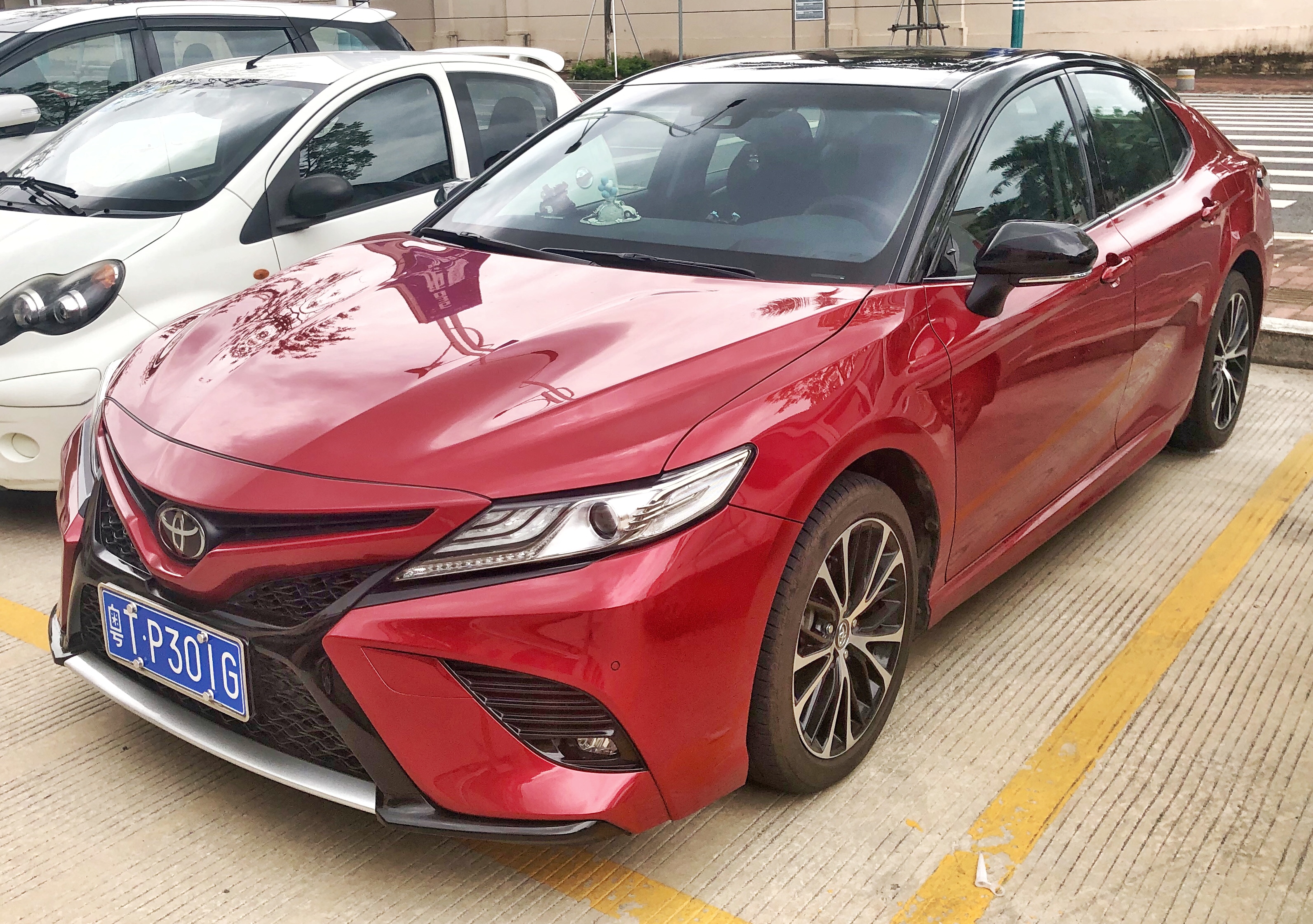
Toyota Camry
"...t's, that is, that is my car. So I'm driving the Camry. So that's, that's been going good."
The Toyota Camry is a regular passenger car (a sedan) meant for everyday driving. People talk about it because it’s usually comfortable and straightforward to own. In this episode, it’s mentioned as the speaker’s own car that’s working well.
The Toyota Camry is a mid-size sedan known for being a practical daily driver. It often comes up in conversations because it’s typically comfortable, easy to live with, and generally dependable for everyday commuting. In the podcast context, it’s mentioned as the host’s own car that’s been “going good,” which fits its reputation as a steady, low-drama choice.
classic Japan, gentlemen
"[2426.2s] But yeah, apart from that, that is, that is my car fisherman. [2430.5s] So this weekend is classic Japan, gentlemen. [2433.1s] I thought we'd talk about that before we get to the [2434.5s] quiz as to what we're taking."
They’re setting up a theme for the show—classic Japanese cars. It’s basically a “we’re talking about this kind of stuff next” moment.
“Classic Japan, gentlemen” is a theme cue for the episode segment, likely meaning they’re talking about classic Japanese cars or a Japanese-car-focused event. It’s a discussion framing rather than a specific technical term.
tyres
"It, yeah, I'll back the tyres and make it look a bit shiny and clean and stuff."
Tyres are the rubber parts of the wheels that touch the road. People often clean or treat them so they look darker and newer, which makes the whole car look better in photos and at events.
“Tyres” are the rubber tires that contact the road. When someone says they’ll “back the tyres” and make the car look shiny and clean, they’re talking about refreshing the tire appearance (often by cleaning, dressing, or restoring the sidewall finish).
cargo area floor mats
"So I've had sort of had them overlooked so that they, they actually, the cargo area floor mats are actually from a kid's play mat."
Cargo area floor mats are the removable coverings in the trunk or storage area. They help protect the floor from mud, spills, and scuffs, and they’re easy to replace or clean.
Cargo area floor mats are removable mats placed on the floor of the trunk or rear storage area to protect the carpet from dirt, spills, and wear. Using custom mats (even from something like a play mat) is a practical way to keep the interior clean and reduce damage.
five generations
"...a display of five generations of Honda Prelude with the new car is quickly evaporating after three hours, so it was a good idea at the time."
A “generation” is a major redesign of a car model. Saying “five generations” means they’re showing five different eras of the same model.
“Five generations” refers to five distinct redesign eras of the same model line. Each generation typically changes styling, interior, and sometimes engines and chassis details.

Honda Prelude
"...a display of five generations of Honda Prelude with the new car is quickly evaporating after three hours, so it was a good idea at the time."
The Honda Prelude is a Honda sports coupe that existed in several different versions over time. Here, they’re planning a display that shows multiple generations of the Prelude.
The Honda Prelude is a Japanese coupe that went through multiple generations over the years. In this segment, the hosts are talking about displaying “five generations” of the Prelude, meaning different model generations rather than different trims.
Request an Explanation
Heard something you'd like explained? We'll add it to this episode.
Sign in to request explanations for terms you heard.
Want to learn more?
Browse our glossary for plain-English explanations of automotive terms, jargon, and concepts.
Help improve this episode
See something that's not quite right? Our annotations are AI-generated and can sometimes miss the mark. Click the flag icon on any annotation to suggest a correction.