
Growing the Auto Industry Funnel: Recruiting, Training, & Inspiring the Next Gen
About this episode
Justin Allen of Hunter Engineering shares how he went from dealership sales/parts to training and content, and why technician development needs a better “funnel” into the industry. He explains how Hunter stays current with evolving alignment/ADAS tech, and points technicians to Hunter University and the Hunter Learning Channel. The bigger debate is culture: young techs get stuck “on an island” without guidance, and ridicule can drive attrition. Allen argues the real solution starts earlier—via robotics/RC programs, job shadows, and dealer-sponsored STEM access—so the right people choose the trade.
Justin Allen has been in the automotive industry since 1998—and now, as a Regional Field Trainer for Hunter Engineering Company, his passion is training the next generation of technicians. In this episode, Justin breaks down how he got his start under the hood with his dad, tips for technicians that want to sharpen their skills with training, and how the industry needs to change its attitude toward young people walking in the door.
Watch the video podcast on YouTube
About the Episode
- Host: Jay Goninen, WrenchWay, [email protected]
- Guest: Justin Allen, Hunter Engineering, Connect with Justin on LinkedIn
Links & Resources
- Get notified of new episodes --> Join our email list
Join the ASE Connects Community
ASE Connects brings shops, dealerships, and schools together in one structured network to strengthen the technician pipeline. By making it easier to connect, collaborate, and support students through job shadows, internships, and classroom engagement, ASE Connects helps schools build stronger programs and helps shops develop a more consistent, local source of future technicians. Learn more:
Connect with us on social:
funnel
"What is our funnel? What is the funnel that brings people into our industry so that the people that, eh, maybe it's not a great fit, they get separated, but the people that are coming out the bottom of that funnel, they love it, they're excited to be here."
A “funnel” is just a picture of a process: you start with lots of people, then you narrow it down step by step. Here, it means recruiting and training in a way that helps the right people stick with the industry.
A “funnel” is a way to describe how people move through stages of recruiting and selection. In this episode’s framing, it’s about bringing people into the auto industry, filtering out those who aren’t a good fit, and keeping those who make it through engaged and excited.
Wrenchway
"What is that funnel? [15.7s] Beyond the Wrench with J. Gannon from Wrenchway."
Wrenchway is mentioned as where J. Gannon is coming from. It’s part of the show’s background, and it helps set the context for why they’re talking about growing the auto industry.
Wrenchway is referenced as the host’s affiliation in the show intro (“Beyond the Wrench with J. Gannon from Wrenchway”). This likely indicates a training, recruiting, or shop-related organization connected to the podcast’s mission.
Hunter Engineering Company
"Today I'm joined by Justin Allen with Hunter Engineering Company, a company that's played a huge role in advancing technology and training across our industry."
Hunter Engineering Company makes tools that auto shops use to diagnose problems and set up things like wheel alignment. The episode mentions them because they also help support training so technicians can keep up with modern cars.
Hunter Engineering Company is an automotive equipment and technology firm best known for vehicle alignment and diagnostic tools used in repair shops. In the context of this episode, they’re referenced as a major player in advancing training and technology across the industry.
training and developing technicians
"We're going to talk about his journey, what he's seeing out in the field and dig into something that's top of mind for all of us right now, how we're training and developing technicians in a rapidly changing environment."
They’re talking about how mechanics are taught and how they keep learning as cars change. The big idea is that training has to evolve because today’s cars are more complex than older ones.
The episode segment focuses on how technicians are trained and developed, especially as vehicle technology changes quickly. This is a key industry challenge because modern cars increasingly rely on electronics, software, and advanced diagnostics.
spark plugs
"[307.9s] popping a hood and maybe trying to change out [309.5s] some spark plugs or something like that. [311.8s] Now, simply the sheer physical accessibility"
Spark plugs are what make the engine “light off” the fuel. When they’re worn out, the car can misfire or run rough, and replacing them is one of the first things people learn to do.
Spark plugs are small ignition components that create the spark needed to ignite the air-fuel mixture in a gasoline engine. They’re a common beginner-friendly maintenance item because they’re relatively accessible compared with many other engine parts.
physical accessibility of engine bay maintenance
"[311.8s] Now, simply the sheer physical accessibility [314.3s] of getting to those parts has made it so challenging [317.0s] that I don't think we can."
Some cars are easier to work on because the important parts are easier to reach. If parts are buried or hard to access, it takes more skill and time to fix things.
The speaker is pointing out that how easy it is to reach service items (like plugs, filters, or belts) affects how approachable maintenance feels. Better accessibility can reduce the time, tools, and skill needed, which matters for training new technicians and DIY owners.
Ford
"[331.7s] Fast forward to, I think I'm 23 years old in 1998 [335.3s] and I get a job at a Ford dealership. [338.0s] And because at the moment I decided I had to be an adult,"
Ford is a major automaker with large dealer networks, including separate sales and service/parts departments. The speaker’s job at a Ford dealership highlights a common career pathway into automotive work through dealer-based training and hands-on experience.
internet changing car marketing
"[353.0s] Sold cars for about three months, [354.8s] hated the micromanagement aspect of it. [358.0s] So that changed, of course that was pre 2001 [361.3s] where the internet really changed car marketing anyway,"
They’re saying that the internet started changing how people find and buy cars. Instead of relying only on ads and lots, shoppers could research online and compare options more easily.
The speaker notes that around the early 2000s, the internet began reshaping how cars were marketed and sold. Online listings, pricing transparency, and digital lead generation changed the sales process and dealer strategies.
parts department
"[361.3s] where the internet really changed car marketing anyway, [364.9s] but got a job in the parts department"
The parts department is where the dealership gets and sells replacement parts for repairs. Working there helps you learn what parts go with what cars and how to look them up.
A dealership parts department manages ordering, stocking, and selling replacement components for customers and technicians. It’s also a training ground for learning part numbers, catalogs, and how repairs are planned.
inventory and shipping
"And then wound up handling inventory and shipping and all that kind of stuff in there and ordering and whatnot. And then they took me to be a service rider in the main service drive, did that for a few years."
This is about keeping the right parts in stock and getting them where they need to go. If parts aren’t managed well, repairs can take longer.
“Inventory and shipping” refers to managing parts stock levels and getting parts to the right place on time. In dealership operations, this affects technician turnaround time and can directly impact customer satisfaction and service department revenue.
service rider
"And then they took me to be a service rider in the main service drive, did that for a few years. And then ultimately they opened a quick lane service center and I was able to manage that."
A “service rider” is a dealership role that helps the service department run smoothly. Think of it as someone who supports the technicians and keeps the service process moving.
A “service rider” typically refers to a role that supports service operations—often accompanying technicians or managing service workflow in the service drive. It’s a dealership job function that sits between customer/service intake and the technicians doing the work.
quick lane service center
"And then ultimately they opened a quick lane service center and I was able to manage that. And so then 2008 happened and 2008, the finance, you know, economy went kind of weird here in America."
A quick lane service center is a part of a dealership built for faster service. It’s usually for routine maintenance or jobs that don’t take all day, so customers get in and out quicker.
A “quick lane service center” is a dealership service setup designed for faster, simpler work—often routine maintenance and quick-turn repairs. The idea is to streamline intake, reduce wait times, and improve throughput compared with a traditional service bay workflow.
2008 happened
"And so then 2008 happened and 2008, the finance, you know, economy went kind of weird here in America. People who may not know that. And the dealership started laying people off and that I did get laid off, my whole department got laid off."
They’re talking about the big economic crash in 2008. When money got tight, car dealerships had to cut costs, including laying people off, which sometimes forced people to change jobs.
The speaker is referencing the 2008 financial crisis, which disrupted the U.S. economy and hit auto dealerships hard. In downturns, dealerships often cut staff and reduce service and parts volume, which can lead to layoffs and career pivots.
ASC Connects
"ASC Connects is a membership design specifically for shops like yours to help you build a stronger technician pipeline by connecting with schools, empowering you with tools and data to improve your recruiting, retention and performance."
ASC Connects is a program that helps auto repair shops find and keep good technicians. It connects shops with local schools and gives them information and resources to improve hiring and training.
ASC Connects is a membership program aimed at automotive shops. It focuses on building a technician pipeline by connecting shops with schools and providing tools and data to improve recruiting, retention, and performance.
technician pipeline
"to help you build a stronger technician pipeline by connecting with schools, empowering you with tools and data to improve your recruiting, retention and performance."
A technician pipeline means how a shop consistently finds and trains new mechanics. It’s not just hiring—it’s building relationships with schools and supporting training so people stay.
A technician pipeline is the ongoing process of recruiting, training, and retaining new automotive technicians. In practice, it connects education programs (like schools) with real shop opportunities so talent keeps flowing over time.
recruiting, retention and performance
"empowering you with tools and data to improve your recruiting, retention and performance. With ASC Connects, you can connect with local schools through school assist, start building relationships..."
Recruiting is hiring new people, retention is keeping them, and performance is how well they work. A shop that improves all three usually has a more stable team and better results.
Recruiting is bringing in new technicians, retention is keeping them, and performance is how effectively the shop uses that workforce. These three factors are often managed together because hiring success can be undermined by poor onboarding or lack of growth.
side of the road
"I keep the tools in my vehicle all the time when I'm driving because you never know when you or somebody else might need a hand on the side of the road."
This is about car trouble happening unexpectedly while you’re driving. The idea is to keep some basic tools in your car so you can handle small problems or help someone else right away.
“Side of the road” refers to roadside breakdowns where a driver may need quick assistance. Keeping tools in the vehicle is a practical mindset for troubleshooting and basic repairs until professional help arrives.
installs the equipment for you
"On the sales side, with the equipment that I sold, Hunter installs the equipment for you. That's part of the thing and that's not sales field, right?"
They’re saying the company doesn’t just sell the equipment—they also set it up for you. That’s important because the equipment has to be installed correctly to work right.
The speaker describes a service model where the seller also handles installation of automotive equipment. That matters because proper setup affects calibration, safety, and how well the equipment performs in a shop.
alignment machines
"and then that naturally will lead to training people on how to operate the equipment with the alignment machines."
Alignment machines are the tools shops use to check whether your wheels are pointed the right way. If they’re set wrong, tires can wear unevenly and the car can feel off when you drive.
Alignment machines are the equipment used to measure and adjust a vehicle’s wheel alignment angles (like camber, caster, and toe). Proper operation matters because small measurement or input errors can lead to incorrect adjustments and poor tire wear or handling.
geometry
"I love geometry, right? And alignment is a lot about angles and geometry related stuff."
Alignment isn’t just turning knobs—it’s about angles. Geometry helps you understand what the measurements mean and how the wheels should be positioned.
The speaker highlights that alignment work relies on geometry—angles, reference lines, and measurement relationships. Understanding the geometric “why” helps technicians diagnose issues and avoid blindly following procedures.
turning the wrenches side of it
"they’re showing me how to do better on some of the turning the wrenches side of it."
“Turning the wrenches” means doing the hands-on mechanical work in the shop. Here, they’re talking about learning from technicians even if you’re not the one wrenching every day.
“Turning the wrenches” is a common automotive phrase for hands-on mechanical work. In this context, it contrasts the speaker’s training/sales role with the technician’s practical, workshop-based work—emphasizing cross-functional respect and knowledge exchange.
Rust Belt
"Sure. One of the things that I really struggled at and you're talking about getting advice from from those boots on the ground technicians was we live in the Rust Belt up here, right? We live in Wisconsin, the place where you get a lot of a lot of salt and it's really hard on cars."
The “Rust Belt” is an area where cars rust faster because of winter salt and wet weather. That salt helps melt ice, but it also attacks metal parts on your car.
“Rust Belt” refers to regions in the U.S. (like Wisconsin) where road salt and winter weather accelerate corrosion on vehicles. It’s a big deal for ownership because it can affect everything from suspension components to body panels over time.
tie rod end
"It wasn't necessarily doing the alignment itself as much as getting that tie rod end unstuck. And like, yeah, yeah. And those those were the things that always tripped me up."
A tie rod end is part of the steering linkage that connects the steering system to the steering knuckle. When it’s rusted or “stuck,” it can be difficult to separate during alignment-related work, which is why technicians often struggle with it in salty climates.
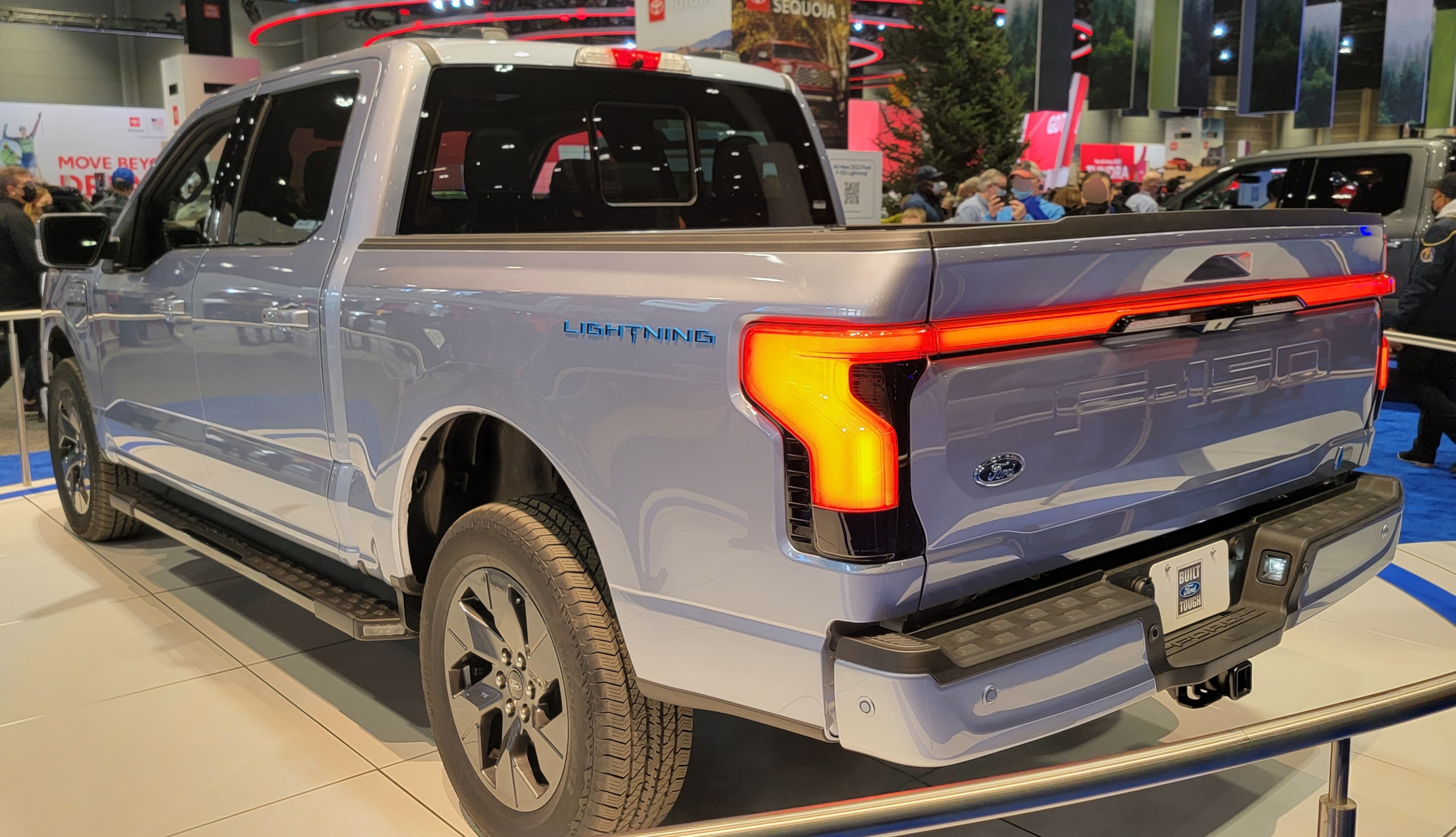
Ford F150
"And we had an F-150 on the rack, one of the technicians there just kind of donated their cartel of strain on it a little bit."
An F-150 is a Ford pickup truck. It’s a common vehicle that shops work on, so it makes a good example for training—especially when parts are rusty and harder to loosen.
The Ford F-150 is a popular full-size pickup, and it’s commonly used as a real-world training vehicle because it represents the kind of rust and wear many shops see. When the hosts mention an F-150 “on the rack,” they’re talking about a vehicle being serviced/inspected in a shop setting, likely with suspension or alignment work involved.
alignments
"Justin, what's going to be the hardest part about this job? About doing alignments specifically, right? ... But doing alignments, I said, guys, it's rusted nuts and bolts."
An alignment is when a shop adjusts how your wheels sit so the car drives straight and the tires don’t wear out too fast. If bolts are rusty, it can be the hardest part of the job because they may not come loose easily.
A wheel alignment adjusts the suspension angles so the tires track straight and wear evenly. On older or rust-belt vehicles, alignment work can be harder because fasteners and suspension components may be seized, requiring more time and careful removal to avoid damage.
rusted nuts and bolts
"But doing alignments, I said, guys, it's rusted nuts and bolts."
“Rusted nuts and bolts” is a common real-world barrier in automotive repair, especially in regions that use road salt. It affects everything from suspension and brake service to alignment because seized hardware can force technicians to use penetrating oil, heat, or replacement parts, increasing time and cost.
tie rods
"Like you're probably prone to sell a lot more tie rod ends and tie rods. And, you know, all of that kind of linkage that just simply will not move."
Tie rods are the bars that help move the wheels when you turn the steering wheel. If they rust and get stuck, steering parts may need replacement.
Tie rods are the long steering linkage pieces that transmit motion from the steering system to the steering knuckles. Like tie rod ends, they can seize due to corrosion, making suspension/steering service more frequent in areas with heavy road salt.
hands on time
"Like until you get some hands on time with it, sometimes it is harder to understand it. So that's part of going back to St. Louis this weekend is that they bring everybody in from all over the country, all the sales and service representatives come in and get some hands on time with that new equipment."
It means they let people practice with the new tools or systems in person. That way you learn faster because you can see how it works instead of just reading about it.
“Hands on time” refers to getting direct, practical experience with new automotive tools, systems, or diagnostic equipment rather than learning only from manuals or videos. In modern service work, that practical exposure helps technicians understand how technology behaves in real vehicles and real workflows.
training on new equipment
"So that's part of going back to St. Louis this weekend is that they bring everybody in from all over the country, all the sales and service representatives come in and get some hands on time with that new equipment... That's a benefit to all shops out there in general to get that kind of first hand training from people that know it really, really well."
They’re talking about how the company trains people using new tools, not just theory. The goal is to help shops learn faster and work better.
This segment focuses on how the company brings in sales and service representatives for training and practical exposure to new equipment. It highlights the value of first-hand instruction from experienced people for improving shop capability.
limited access
"But it's always limited. It's always a challenge. So for me, I'm very blessed to get to work it."
They’re saying the training equipment isn’t available to everyone all the time. Because of that, training has to be scheduled and organized so people still get the practice they need.
The speaker notes that access to new equipment is “always limited,” which is common in training programs because training resources, demo units, and specialized tools are expensive and in short supply. Limited access can slow down skill development, so shops often rely on structured training schedules and repeatable learning modules.
moving target
"But yeah, you're right, and it's a moving target. But it's the way they prepare us and or give us access to the information to be very prepared is phenomenal."
They mean the technology keeps changing. So learning can’t stop—you have to keep updating your skills as new stuff comes out.
“Moving target” describes how automotive technology changes continuously—new software, sensors, electrification components, and diagnostic methods arrive on a regular cadence. For service and sales teams, that means training can’t be a one-time event; it has to be ongoing to keep skills current.
Jasper
"This week's episode of beyond the wrenches brought to us by Jasper... If you answered yes, then Jasper engines and transmissions is your choice to give your customers vehicle new life... Check out their website at Jasper engines.com to learn more about the money saving value of Jasper."
Jasper is a company that rebuilds car parts like engines and transmissions. Instead of replacing your whole car, you can often install a rebuilt unit for less money.
Jasper is an automotive remanufacturing company best known for rebuilding major drivetrain components like engines and transmissions. In the segment, they’re positioned as a lower-cost alternative to buying a newer vehicle after a failure.
replacing a drivetrain component instead of trading the vehicle
"When considering the high cost of a new or newer used vehicle, there's a pretty good case to be made for replacing a drivetrain component that has failed or is delivering poor performance rather than trading their car, truck, van or SUV."
Instead of getting a whole new car, the idea is to fix the main problem part—like the engine or transmission. If the rest of the car is still good, this can be cheaper and keep the vehicle you already know.
The segment argues for repairing the vehicle by replacing a failed or underperforming drivetrain component rather than selling and buying a newer car. This is a cost-and-value decision: if the rest of the vehicle is still viable, a drivetrain replacement can extend useful life.
remanufactured
"Install a quality remanufactured Jasper product for less than your customer would have to invest in a new vehicle or a newer used vehicle."
Remanufactured parts are taken apart, inspected, and rebuilt so they work like new. They’re usually cheaper than buying a brand-new replacement.
A remanufactured drivetrain component is rebuilt to like-new specifications using a combination of reused parts and new components. The key idea is that it’s not just a used part—it’s restored with quality control and testing expectations.
independent side
"one of the things that you had mentioned in terms of training... the independent side maybe misses a little bit of what the dealer side gets in terms of training."
“Independent side” means shops that aren’t dealerships. They’re comparing how much training those shops get versus what dealers typically have.
“Independent side” refers to independent repair shops or service providers outside the dealership network. The host contrasts it with the dealer side, implying differences in access to structured training and programs.
dealer side
"the independent side maybe misses a little bit of what the dealer side gets in terms of training... it feels like the independent side's getting a little bit better in that regard."
“Dealer side” means the dealership network. The host is saying dealerships often have more formal training resources than independent shops.
“Dealer side” refers to training and support provided through dealership networks, which often include manufacturer programs, standardized procedures, and structured learning. The segment suggests dealers may have more training resources than independents.
Hunter website
"but I was just going through the Hunter website and the amount of training that you guys have out there both online and in person is really great and all really helpful."
They mention the Hunter website as a place with lots of training. The point is that there are helpful learning resources available online and in person.
Hunter is referenced as a source of training content, with the host highlighting the amount of online and in-person training available. In this context, it’s being used to support the idea that dealer-side training resources can be robust.
technician training
"What's a good way for them to go about this and really find whatever training might help them? ... In our industry, the kind of training that we have historically is you learn from the guy beside you..."
They’re talking about how technicians can get better training instead of just learning informally from coworkers. The goal is to help people grow their skills in a more organized way.
The segment discusses how technicians can find training to improve their skills, contrasting structured programs with the traditional “learn from the guy beside you” approach. This is about building a repeatable training pipeline for shops and service careers.
road force balancing
"...modules about everything from fundamentals of alignment and road force balancing and things like that to maybe how to sell alignment..."
Road force balancing is a more detailed way to balance tires. It checks whether a tire has a “wobble” or uneven force that can cause vibration, even if the wheel looks balanced by weight.
Road force balancing is a tire/wheel balancing method that measures how much force a tire exerts as it rotates, not just weight imbalance. It helps identify tires that may cause vibration or uneven wear even when traditional balancing looks fine.
ADAS technology
"...maybe how to sell alignment, how to communicate with your customers about ADAS technology."
ADAS technology is the set of safety features that help the driver, like keeping in the lane or braking automatically. Service teams need to explain what was done and why it matters for safety.
ADAS (Advanced Driver-Assistance Systems) are features like adaptive cruise control, lane keeping, and automatic emergency braking. The segment highlights training on how to communicate with customers about ADAS, which is important because repairs and calibrations can affect safety-critical systems.
YouTube certification for technicians
"We joke about YouTube certification for technicians all over the world, but that's a real thing. There's a lot of people seeing how to take care of that job today by somebody else on YouTube."
People can learn car repair steps by watching videos online. It’s not an official school credential, but it can still help technicians learn how to do the job correctly.
The hosts are talking about technicians learning skills through YouTube videos, which can function like informal “certification” by teaching procedures and best practices. It’s part of how training is shifting from only dealership programs to widely accessible online content.

Pontiac Firebird
"I need to, I need to do more, but that idea of I'm working on the Firebird and I'm trying to figure out what's the best way to bleed my clutch or whatever. Like I, I love that I'm going to find a video on there about how to do it."
They’re using the Pontiac Firebird as an example of a car you might work on. If you don’t know a step, you can often find a video that shows how to do it.
The Pontiac Firebird is a classic American muscle car platform, and the host uses it as an example of a specific vehicle someone might be working on while searching for repair guidance. The mention highlights how online videos can help with model-specific procedures.
bleed my clutch
"I'm working on the Firebird and I'm trying to figure out what's the best way to bleed my clutch or whatever. Like I, I love that I'm going to find a video on there about how to do it."
Bleeding the clutch is a process to get air out of the fluid lines. If there’s air in there, the clutch won’t work smoothly, so the car may feel weird when you shift.
“Bleeding the clutch” means removing air from the hydraulic clutch system so the pedal feels correct and the clutch fully disengages. Air in the lines can cause spongy pedal feel, incomplete disengagement, and hard shifting.
dealership training tracks
"But the dealerships, yeah, the dealerships have training tracks kind of, right? Like you're on this curriculum course and you're going to do these things because I was at a four dealership."
Dealerships often have a structured training program for technicians. The goal is to teach everyone the same repair methods so cars are fixed correctly.
The hosts reference dealership training tracks, which are structured learning paths tied to manufacturer procedures and diagnostic/repair standards. This kind of curriculum is meant to standardize technician skills and ensure consistent quality across shops.
training vs repeated test-taking
"He was at work early every day and I would walk in and he's on a computer taking a test and then he would fail it... he take that test 17 times in a row until he passed it. I'm not sure that was great training."
They’re criticizing a situation where someone keeps taking a test over and over until they finally pass. The concern is that passing a test doesn’t always mean you can actually do the job well.
The hosts critique a training approach where someone repeatedly fails a test and retakes it many times until passing. They argue that this doesn’t necessarily translate into competence, especially compared with hands-on learning and guided support.
dealership world isn't this perfect model
"So the dealership world isn't even, and it's not this perfect model. It's tough. It, the whole thing trying to try and figure out it's going to be tough."
They’re saying the dealership training process isn’t always as organized or effective as people assume. Sometimes it’s more about passing tests than actually learning how to do the work.
This segment is about how dealership training and onboarding don’t always work like a smooth, ideal system. The hosts highlight gaps between “testing” and real skill-building, which affects how prepared new technicians feel.
service bay
"Because you get out in that bay and, and maybe you've got training on something. Maybe you haven't, but the expectation is that you're going to repair that vehicle properly and when you can't ask questions..."
A “service bay” is the garage area where cars are worked on. The point here is that when you’re out there alone, it can be hard to get help if you don’t know what you’re doing yet.
A “service bay” is the workshop area where vehicles are brought in for diagnosis and repair. The hosts use it to describe the real-world pressure technicians face when they’re expected to fix cars correctly but lack access to training or experts.
early stage attrition with technicians
"And especially, you know, we talk a lot about early stage attrition with technicians in our industry. And I think that is a, that's the biggest factor in that is that there's that insecurity with a young person of being able to do a job..."
“Attrition” just means people quitting. “Early stage attrition” means they leave pretty soon after they start, often because they don’t feel confident or supported while learning the job.
The hosts are discussing “early stage attrition,” meaning technicians leaving the job or industry soon after starting. In this context, they connect it to insecurity and not having the right support or training when problems come up in the service bay.
critical thinking vs trial-and-error learning
"And, but there is some element of where from a critical thinking aspect, you kind of have to go through it a little bit. It just would be nice if there was a little guidance to go along with that, right?"
Instead of only learning by mistakes, critical thinking is about figuring out what’s actually going on and choosing the best next step. Good guidance helps you avoid repeating the same frustrating problems.
The segment contrasts “learning the hard way” with having guidance that supports critical thinking. In technician training, critical thinking means diagnosing the real cause and choosing the right approach, rather than just pushing through until something works.
rusty bolt
"I talked about that rusty bolt that kicks your butt and you can't get it out. And that just throws the rest of your day off."
A bolt can get rusty and basically “weld itself” to the part around it. When that happens, it’s easy to round off the bolt head or break the bolt, so the job takes longer and gets frustrating.
A rusty bolt is a fastener that has corroded, which can make it hard to remove without stripping the head or breaking the bolt. In a shop, it’s a common “stuck fastener” problem that can derail an otherwise straightforward repair.
stuck fastener / "island" problem
"I just, I do feel for young people and not only young people, all age of technician that gets stuck on that island, because that's not a fun place to be."
The speaker describes a situation where a technician gets stuck on a single difficult issue (like a corroded bolt) and can’t move forward. This is a real workflow and training challenge in automotive work, because one failure point can block the whole job and affect confidence.
repair is good enough (shop-floor mindset)
"These young technicians, there's two things that they may be trying to achieve. One is the repair is good enough. I won't even say correct, but it's good enough to get it out of the shop."
Sometimes people focus on finishing the job quickly so the car can leave the shop. The risk is that if it’s not really done right, the problem can come back and everyone loses time.
The speaker describes a technician goal of getting a repair “out of the shop” even if it’s not fully correct. This reflects a common industry tension between speed/throughput and doing the job to spec, which can impact quality, comebacks, and customer trust.
not be made fun of (workplace culture / learning pressure)
"Another thing that the objective is, and I don't know, I don't like how this reflects on us as an industry still, but it's to not be made fun of, right?"
If someone is worried about looking foolish, they might not ask questions when they need help. That can make problems worse, because the right fix often requires asking or getting guidance.
The speaker points to a social pressure where technicians may avoid asking for help because they don’t want to be mocked. That kind of culture can discourage learning and lead to shortcuts, especially when a job gets complicated.
generational expectations
"But there's, there's very different generational expectations of what is appropriate or logical for that. But being told that you're an idiot doesn't feel good."
Different generations can see the same behavior differently. What one group calls “teasing,” another group might feel as disrespect, which can make people not want to stay.
Generational expectations are differences in what different age groups consider appropriate communication and workplace behavior. When a shop’s “teasing” norms don’t match how younger workers interpret it, the result can be disengagement or quitting—raising attrition.
technicians want to be treated better
"And that is one of the things that I have really challenged our industry on in terms of the need to get better, right? And I often talk about how technicians want to be treated better."
They’re saying shops should treat mechanics with more respect. When people feel supported instead of mocked, it’s easier to keep them in the industry and get new people interested.
The hosts are talking about improving the culture around automotive technicians—more respect, professionalism, and recognition of the job as a skilled profession. This matters because workplace treatment directly affects retention and recruiting, especially for younger techs.
professionalism in the shop setting
"We've got to act more professionally. I doubt you'd see doctors... And I think they carry themselves with a level of professionalism, which is what I think we need to shift to in our industry a little bit more."
“Professionalism” here means how people communicate and behave in a workplace—especially toward trainees and coworkers. In automotive shops, professionalism can reduce conflict, improve learning, and create a safer, more effective training environment.
poking fun at young technicians instead of helping
"And you see that same thing happen in a shop setting where that young person is struggling and not being able to to do something. And instead of trying to help, we do poke fun at them and and give them a hard time."
The segment contrasts constructive coaching with negative “teasing” when someone is struggling. In training contexts, ridicule can shut down learning and confidence, while structured help accelerates skill development and reduces mistakes.
tough stretch for a technician
"And I think when that young person or any technician. Say they've gone through a tough stretch, I was just talking with a technician that was going through a really tough stretch."
The hosts reference technicians going through a “tough stretch,” which implies burnout, confidence issues, or performance challenges during stressful periods. Recognizing and supporting technicians during these times is important for retention and for maintaining quality work.
attrition problem
"And you're like, again, no wonder we have an attrition problem. Like it is one of those things that seems clear, clear and obvious."
“Attrition” just means people quit. An “attrition problem” means more people than you want are leaving the industry, so you keep losing trained workers. The episode is basically saying the industry needs to keep people from burning out or wanting to leave.
An “attrition problem” means people are leaving a job or industry at a higher rate than expected. In recruiting and training discussions, it usually points to retention issues—like workplace culture, pay, workload, or lack of growth—rather than a lack of applicants. Fixing it often requires changing how the industry supports and treats new hires.
next generation
"But because we might have been raised in the industry a certain way, that's how we're going to treat the next generation. And you're like, people, this, we can put a stop to this."
“Next generation” means the newer, younger people coming into the auto industry. The point is that how current workers and leaders treat them can affect whether they stay or quit. Better treatment and support can help keep new people in the field.
“Next generation” here refers to younger workers entering the auto industry and how they’re treated during onboarding and day-to-day work. The hosts are arguing that industry culture and management style can either discourage or encourage retention. It’s a workforce development concept tied directly to recruiting and training.
washer fluid
"I'm enjoying how easy it is to think to myself, I need some more washer fluid for my car. I guess I'll need to get in the car and drive to Walmart and buy the washer fluid."
Washer fluid is the liquid you put in the car so the windshield wipers can spray cleaner on the windshield. It’s a small routine thing that helps you drive safely. The speaker is using it as an example of how easy it can feel to handle everyday car needs.
Washer fluid is the liquid used by a car’s windshield washer system to clean the glass. It’s a simple consumable, but it’s also a good example of how daily vehicle ownership requires basic maintenance habits. The segment uses it to illustrate how easy modern life can feel, which can affect how people approach learning and work.
physically and emotionally stressful
"So bringing them into a stressful industry that is physically and emotionally stressful. They think they can do something easier. They're all going to have to do something, right?"
They’re saying the job can be hard in two ways: it’s tough on your body and it can be stressful mentally too. That matters when preparing new people for what the work is really like.
The segment highlights that automotive work can be both physically demanding (hands-on labor, awkward positions, “busted knuckles”) and emotionally stressful (deadlines, customer expectations, and problem-solving pressure). This is an important reality check for recruiting and training.
pathways that might feel easier
"But but there are definitely pathways that might feel easier. Our trick as an industry is to get the people who enjoy the technical challenge, who enjoy the problem solving, who enjoy fixing the puzzle."
They’re saying there are different ways to get started in auto work that don’t feel overwhelming right away. The goal is to start people somewhere manageable and then help them grow into the harder tasks.
This refers to different entry routes into automotive work that can feel less intimidating at first—such as roles that build skills gradually. The key idea is matching candidates to a progression that still leads to hands-on technical competence.
technical challenge
"Our trick as an industry is to get the people who enjoy the technical challenge, who enjoy the problem solving, who enjoy fixing the puzzle. That's the challenge for us and creating an environment that the culture is positive in affirming in a way that's giving them what they want out of life, right?"
They’re describing the fun part of the job for many techs: figuring out what’s broken and how to fix it. It’s like solving a real-world puzzle.
“Technical challenge” here is the appeal of diagnosing and repairing complex vehicle problems. In automotive terms, it points to the satisfaction of troubleshooting—figuring out what’s wrong and how to fix it correctly.
robotics club (middle school junior high)
"They joined a robotics club in school. They learned all about programming and mechanical engineering and all kinds of electrical things in this robotics course."
The segment highlights robotics clubs in middle school/junior high as an early recruiting pipeline. It’s relevant because robotics builds hands-on problem solving and technical fundamentals that overlap with automotive technician and engineering pathways.
programming
"They learned all about programming and mechanical engineering and all kinds of electrical things in this robotics course."
Programming means giving step-by-step instructions to a computer. In cars, it’s used in the tech that helps systems “think,” like sensors, control units, and some diagnostic tools.
Programming is the skill of writing instructions for computers to control behavior—often used in robotics. In automotive careers, it shows up in areas like vehicle diagnostics, embedded systems, and automation.
electrical things
"They learned all about programming and mechanical engineering and all kinds of electrical things in this robotics course."
“Electrical things” means learning how electricity and electronics work. Cars today use lots of sensors and computers, so basic electrical knowledge helps people understand and fix tech problems.
The hosts refer to electrical concepts as part of robotics education, which maps well to modern vehicles that rely heavily on electronics. Understanding circuits and electronics helps with diagnosing issues and working with sensors, wiring, and control modules.
mechanical engineering
"They learned all about programming and mechanical engineering and all kinds of electrical things in this robotics course."
Mechanical engineering is about how physical parts work together—like how things move and handle forces. In the auto world, it’s the kind of knowledge behind designing parts such as engines, suspension, and other mechanical systems.
Mechanical engineering focuses on designing and understanding physical systems—forces, motion, and components. Automotive roles that connect to this include designing drivetrains, suspension systems, and manufacturing processes.
education system
"A lot of times, in my opinion, it's the education system. If there are programs available, I think that's a major miss for us is that we, I think, have a lot of young people that are interested in what we do."
They’re saying schools and training programs don’t always give young people enough chances to try automotive stuff. And if kids don’t get early exposure, it’s harder to build interest later.
The hosts connect automotive recruiting to the education system, arguing that schools and programs often don’t provide enough access to automotive learning. They also imply that early exposure (clubs, classes, mentorship) matters for building interest before people reach job-ready age.
hands on stuff
"And similar to what you were talking about with complications with cars and getting your hands on stuff, it's gotten so complicated that at times you really can't even tear into maybe your family's lawnmower..."
They mean learning by doing—working on real machines instead of just reading about them. They’re saying today’s vehicles are more complicated, so it can feel too hard or scary for new people to start.
“Getting your hands on stuff” refers to hands-on, practical experience—like diagnosing and repairing equipment—rather than only learning theory. The hosts argue that modern vehicles and electronics make this more intimidating and harder for beginners, which can reduce participation.
computers on them
"...you really can't even tear into maybe your family's lawnmower because they have computers on them and it might impact the ability for that mower to run afterwards."
They’re talking about the electronics inside machines that control how they run. If you mess with the wrong part, the computer may not work correctly afterward, so it won’t run as expected.
When the hosts say “computers on them,” they’re pointing to the increasing role of onboard electronics in modern vehicles and even small engines. This matters because electronic control units (ECUs) and sensors can change how repairs are performed and what happens if components are disconnected or misconfigured.
intimidating
"Right. Very intimidating. It is."
The hosts describe the learning barrier as “intimidating,” highlighting a common recruiting problem: if beginners feel they can’t safely or confidently work on machines, they may not pursue training. This is an important concept for workforce development—reducing fear through structured mentorship and accessible practice.
automotive program in junior high/high school
"When I was in ninth grade, we didn't have an automotive program at the junior high. The high school, I don't think my high school even had an automotive program..."
They’re comparing whether middle school or high school offers car classes. That matters because it affects when students get real experience and whether they end up interested in automotive work.
This segment discusses how automotive programs are offered (or not offered) at different school levels, like junior high versus high school. It highlights how program availability can shape who enters the industry and when they get hands-on exposure.
find people earlier in life
"So what we have to do is we have to find people earlier in life that are interested in working with their hands, that are interested in fixing things..."
They’re talking about getting kids interested in the trade earlier, before they pick a different career. The idea is to introduce hands-on work and problem-solving while they’re still deciding what to do.
This is an early-career recruiting concept: targeting students before they commit to other paths so they can build hands-on skills and confidence. In automotive, that often means exposure through school programs, clubs, and mentorship before adulthood.
robotic stuff is great
"And the robotic stuff is great. But it also, like my daughter... has a killer IT job..."
They’re acknowledging that robots and automation are becoming more common. The point is that even with new tech, the industry still needs people who can troubleshoot and understand how things work.
The discussion contrasts traditional hands-on mechanical work with modern automation and robotics. For automotive careers, this matters because technicians increasingly work alongside advanced systems, not just older mechanical components.
Lowes Corporate
"...like my daughter, who's 25 now, has a killer IT job at Lowes Corporate, which is doing great. Went right out of college into that role."
They’re using a real-world example: someone who studied and then landed a strong job right after college. It’s meant to show that there are good career routes for people who match the skills they like.
“Lowes Corporate” refers to Lowe’s corporate IT work, used as an example of a successful path from college into a specialized role. While not automotive-specific, it supports the episode’s theme of career pathways and early interest.
4-H or FFA
"So a lot of them are agriculture focused and that type of thing. So like 4-H or FFA or something."
They’re pointing to youth groups that get kids involved in practical, hands-on activities. The idea is that these kinds of programs can be a natural recruiting ground for trades and technical careers.
4-H and FFA are youth development organizations that often emphasize hands-on learning, agriculture, and practical skills. The hosts mention them to illustrate where kids with “build and fix” interests can be found in real life.
Traxxas
"You've seen these Traxxas cars at like SEMA or whatever [2637.6s] that are on those, doing the flips in the air and stuff, right?"
Traxxas makes remote-control cars that lots of hobbyists race and customize. The point here is that kids can start with something fun and familiar, then learn how the parts work when they build and repair the cars. It’s like a stepping stone into real automotive skills.
Traxxas is a major brand in the RC (radio-controlled) hobby world, known for ready-to-run and kit-style cars and trucks. When hosts mention seeing Traxxas cars at events like SEMA, they’re pointing to how mainstream RC culture has become. It’s a good example of a recognizable “gateway” product for kids to get interested in mechanical tinkering.
RC cars
"And guess what happens when little kids race RC cars? [2670.6s] They get smashed to bits. [2672.1s] Well, they get smashed up, right?"
RC cars are cars you control with a remote. Because they’re small and affordable, kids can learn by building them and fixing them when they crash. That makes it a practical way to introduce automotive-style skills early.
RC cars are radio-controlled vehicles that mimic real driving and racing, but on a smaller scale. They’re often built from kits or assembled from parts, which makes them ideal for teaching mechanical basics like replacing broken components and understanding how systems fit together. In this segment, RC cars are used as a training tool for future automotive interest.
RC car club
"Think about an RC car club because again, this does exist. [2652.1s] I was very excited to see it a couple of years ago. [2654.0s] An RC car club for elementary school kids"
An RC car club is a structured hobby group where kids assemble, maintain, and race radio-controlled cars. In this segment, the hosts use it as a model for early exposure to hands-on problem-solving and mechanical learning. It also creates a feedback loop: kids break things, then learn to diagnose and repair.
hand tools
"They get to fix them. [2676.2s] They get to figure out what parts are broken [2679.2s] and they get to use hand tools to fix that stuff, right?"
Hand tools are tools you use by hand, like screwdrivers and small wrenches. The point is that kids learn how to actually work on things themselves, not just watch. That builds practical skills they can use later in real car repair.
Hand tools are basic tools used manually (like screwdrivers, wrenches, and pliers) rather than power equipment. The hosts highlight them to show that kids can learn real mechanical skills by repairing broken parts on their own. It’s an important part of the training pipeline because it builds confidence and competence with common service tasks.
kit car
"So then they get to fix them. [2676.2s] They get to figure out what parts are broken [2679.2s] and they get to use hand tools to fix that stuff, right? [2682.4s] Because it's a kit car."
A kit car is something you put together from parts instead of getting it already finished. The hosts are saying that kids learn more because they have to build it first, then they learn how to repair it when it breaks. It’s hands-on learning, not just driving.
A kit car is a vehicle (or vehicle model) that you assemble yourself from components rather than buying fully built. In this segment, the hosts emphasize that kids build the RC cars first, then learn repair skills when parts break. That “build → break → fix” cycle is the educational point.
shop class
"Then of course middle school, maybe those are gas-powered RC cars. [2689.3s] And then high school, now we're talking shop class. [2692.4s] Now those kids that had a natural propensity to it"
Shop class is a school course where students learn practical skills with tools. The hosts are saying that kids who start with RC cars can carry that interest into more serious hands-on learning later. It’s a way to build real mechanical confidence over time.
Shop class refers to school-based hands-on technical education, typically involving tools, basic fabrication/repair, and mechanical systems. In the segment, the hosts connect the progression from RC cars in earlier grades to more formal mechanical training in middle/high school. It’s presented as a pathway for turning early interest into real-world skills.
ASC Educators Conference in Minneapolis
"I don't have the name of this organization on the top of my head, but I posted video and pictures about them at the ASC Educators Conference in Minneapolis two summers ago."
This sounds like a conference where teachers who run automotive training programs meet up. They share ideas so students can learn the right skills for working on cars.
The ASC Educators Conference is a gathering for educators involved in automotive training programs. Conferences like this help instructors share curriculum ideas, teaching methods, and resources to improve how the next generation is trained.
RC car program
"We need to have an RC car program starting up in every elementary school in the country... So we need those RC car programs."
They’re suggesting using remote-control cars as a fun entry point. It helps kids learn by doing—tinkering, fixing, and figuring things out—so they’re more likely to want real automotive careers later.
An RC car program is an early, hands-on way to teach engineering-adjacent skills like basic electronics, mechanical thinking, and problem-solving. In an automotive context, it can also spark interest in motorsports, fabrication, and vehicle systems long before formal training begins.
trades
"There's so much opportunity in the trades for so many great things to be happening, but we're only funneling people into the trades at the very last second."
“Trades” means learning a skilled job through training and practice, not necessarily college. In this context, they’re talking about careers like working on cars and learning the skills directly.
“Trades” refers to skilled hands-on careers (like automotive technician work) learned through apprenticeships, vocational programs, and on-the-job training. The hosts argue that trades can be a strong path for many people who don’t want a traditional college route.
sponsor those clubs
"They're going to sponsor those clubs. [2802.1s] That car is going to cost $100 or something, [2804.3s] and they're going to pay for that"
They’re talking about dealerships paying to support youth clubs. The goal is to get kids wearing dealership-related gear and seeing the industry in a fun way, which can help attract future technicians.
The hosts discuss dealerships sponsoring youth clubs and events, including branded t-shirts and parade participation. This is a marketing-and-recruiting strategy: dealerships build brand familiarity while also supporting activities that can lead to interest in technician careers.
Wisconsin Auto Truck Dealers Association
"And in Wisconsin here, the Wisconsin Auto Truck [2829.7s] Dealers Association does something similar. [2831.7s] And it's such a good, good program."
This is a group representing car and truck dealerships in Wisconsin. They help run a program (NitroX) that introduces students to automotive careers and helps the industry find future workers.
The Wisconsin Auto Truck Dealers Association is credited with running a program similar to the Minnesota DOT’s initiative. In this segment, they’re specifically associated with the NitroX program that supports recruiting and training future automotive technicians.
NitroX
"They call it NitroX. [2836.4s] That's what it was. [2837.7s] That's what it was."
NitroX is a program that gets kids interested in working on cars. Instead of just talking about it, they bring students into school for a week so they can experience what automotive careers are like.
NitroX is described as an auto-industry program run by the Wisconsin Auto Truck Dealers Association. The idea is to bring students into schools for hands-on exposure to automotive careers, helping build the next generation of technicians.
middle school camp
"And they do a phenomenal job [2842.1s] because they bring them into the school. [2844.6s] And it's a middle school camp for a week here in Wisconsin."
They’re running a week-long camp for middle schoolers. It’s meant to spark interest in car jobs early, so students can start thinking about training and careers sooner.
The hosts describe NitroX as a middle school camp that runs for a week in Wisconsin. This is an example of early career pipeline building—introducing automotive trades before students choose high school and career paths.
collision side
"And they go through the collision side and they get to paint up their cars. They get to do all of the repairs."
“Collision side” just means the part of a shop that fixes cars after crashes. That includes repairing the damage and repainting so the car looks and drives right again.
The “collision side” refers to the collision repair side of an auto shop—work like damage assessment, structural repairs, refinishing, and getting a vehicle back to safe, pre-accident condition. It’s a major pathway for training because it combines hands-on bodywork with process and safety standards.
collision repair
"They go through the collision side and they get to paint up their cars. They get to do all of the repairs."
Collision repair is what shops do to fix a car after an accident. It usually includes fixing the body and repainting it.
Collision repair is the set of services performed after a vehicle is damaged, typically involving inspection, repair planning, bodywork, and painting. In training contexts, it’s often used to introduce students to real shop workflows and the variety of skills needed in modern repair.
paint up their cars
"And they go through the collision side and they get to paint up their cars. They get to do all of the repairs."
Painting is the part where you make the car look good again after repairs. It’s not just “spray paint”—you usually have to prep the surface first so the paint sticks and looks right.
“Paint up their cars” points to hands-on exposure to refinishing—learning surface prep, masking, and applying paint/coatings. Even at a simplified level, it helps students understand why prep and process matter for a quality finish.
job shadows
"I'm a huge advocate of job shadows and getting kids into our shops to see what it's like and really getting exposure. It's just, in general, everything you're talking about, I'm like, you are spot on."
Job shadowing means you follow someone around at their job for a short time. It’s a way for students to see what working in an auto shop is actually like, so they can decide if it’s a good fit.
A job shadow is when a student spends time observing professionals at work. In auto careers, it helps them see the real day-to-day tasks in a shop before committing to training or a job path.
Schmidt AutoCare
"Yeah, yeah. Schmidt AutoCare also in Ohio,"
Schmidt AutoCare is a company name mentioned in the episode. It sounds like they’re an auto shop or service business in Ohio, brought up as part of the conversation.
Schmidt AutoCare is mentioned as an auto-related business in Ohio. The hosts likely brought it up as an example of a company involved in the industry’s workforce development or training efforts.
tiny techs
"I think they've been doing something they call tiny techs or something like bringing in tours of young students to the shop to see a little bit more about what's going on."
“Tiny techs” sounds like a kids/teens program that brings students into a shop to see what mechanics do. The goal is to spark interest early so more people consider auto careers later.
“Tiny techs” appears to be a program or initiative name aimed at introducing young students to automotive work. The key idea is early exposure—showing what happens in a shop so students can imagine themselves in the industry.
tours of young students to the shop
"tiny techs or something like bringing in tours of young students to the shop to see a little bit more about what's going on."
They’re talking about bringing students into an actual auto shop. Seeing it in person can make the work feel real and exciting, instead of something they’ve never thought about.
This describes a recruitment strategy: taking students into real automotive environments to demystify the work. Seeing the shop firsthand can make the industry feel more accessible and help students connect training to real careers.
intentionality
"Because it's about intentionality. If we're not intentionally trying to grow this, trying to grow the pool of people that are going to want to work in our role, it's not going to just happen."
They’re saying you can’t just hope people will show up. You have to plan outreach and training so more people learn about the work and want to do it.
In this context, “intentionality” means actively designing outreach and training rather than assuming interest will appear on its own. For the auto industry, it’s about creating deliberate pathways that bring new people into the trade.
Humble Mechanic
"Have you seen Humble Mechanic, right? Are you familiar with who that is?"
They mention “Humble Mechanic” as an example of a person who really enjoys working on cars. The point is that there are lots of people who would love this kind of work, but they just don’t know it’s an option.
“Humble Mechanic” is referenced as an example of someone who clearly loves automotive work and has built an audience around it. In a recruiting context, it shows how visible passion and storytelling can inspire people who didn’t previously know they’d be interested in the trade.
3D printers
"And he had exposure to 3D printers in school and really, you know, he's an engineer now and it was so impactful for him to be able to have access to a bunch of stuff"
A 3D printer makes physical objects from a computer design. In the conversation, they’re saying that letting students use tools like this early can really influence their future path.
“3D printers” are fabrication tools that build objects layer-by-layer from digital designs, bridging creativity and engineering. The hosts highlight that early access to this kind of technology can be motivating and can help someone develop into an engineer.
Request an Explanation
Heard something you'd like explained? We'll add it to this episode.
Sign in to request explanations for terms you heard.
Want to learn more?
Browse our glossary for plain-English explanations of automotive terms, jargon, and concepts.
Help improve this episode
See something that's not quite right? Our annotations are AI-generated and can sometimes miss the mark. Click the flag icon on any annotation to suggest a correction.