Larry Webster from Hagerty joins the hosts to discuss the latest Hagerty Bull Market List, highlighting which cars are becoming collectible. The conversation dives into trends showing that cars from the 90s and 2000s are gaining interest among enthusiasts. Larry shares insights on how agents can leverage this list to better serve clients, emphasizing the importance of understanding vehicle values and the unique needs of car collectors. The episode also touches on the significance of community engagement through events like cars and coffee, making it clear that passion for cars is a powerful connector.
John Gessner and Bryant Kolle unpack Hagerty’s new Bull Market List with car culture legend Larry Webster. Learn what makes a car collectible today, why ’90s and 2000s models are heating up, and how agents can spot, protect, and win with enthusiast vehicles. Plus: why agreed value coverage is a must for serious car lovers.
Here’s what we’ll cover in this episode:
(04:12) Introducing Larry Webster
(08:40) Why authenticity matters at Hagerty
(11:35) Tracking classic car trends
(15:23) Why Mopar muscle cars are rare
(17:02) Miata, the ultimate analog sports car
(20:51) Vintage cars, interest, and maintenance
(23:20) BMW M5, an unexpected collectible
(27:04) Condition 2: what it really means
(30:30) Vehicle valuation insights for claims
(33:53) Hagerty free automotive resources
(38:32) V10 engines and flywheels explained
(40:40) Challenges of high-performance cars
(42:11) Bull market insights and patterns
(46:35) Connecting through cars
(48:30) Understanding audience connections
(51:57) Engaging clients with the Bull Market List
Links mentioned in this episode:
Connect with Larry Webster on LinkedIn: https://www.linkedin.com/in/larry-webster-53896a13/
2026 Hagerty Bull Market List: https://www.hagerty.com/media/market-trends/bull-market-2026/
5 Ways to Win More Business: https://www.hagertyagent.com/resources/hagerty-insights/collector-car-market-5-ways-to-win-more-business
The Hagerty Claims Difference: https://www.hagertyagent.com/resources/hagerty-insights/accelerating-trust-hagerty-claims-team
The Cars You Should Know: https://www.hagertyagent.com/resources/hagerty-insights/cysk-shift-into-high-gear-for-a-winning-year-ahead
Send your questions and feedback to Bryant and John at [email protected]
"...the reason I was open to coming here was I was already a customer. I already had Hagerty Insurance. And the reason I did is I knew if something happens to my baby, our cars are our babies..."
Hagerty Insurance is a company that offers insurance specifically for classic and collector cars. They know how much these cars mean to their owners and provide special coverage for them.
Hagerty Insurance specializes in classic and collector car insurance, providing coverage tailored to the unique needs of car enthusiasts. They understand the value and significance of classic cars, which often appreciate over time rather than depreciate like standard vehicles.
"...everybody says they love old cars or classic cars or collectors, right? You see them in Eddie Bauer catalogs. But somebody like me knows when somebody really gets it..."
Classic cars are older vehicles that many people find special or valuable. They often have a unique style and history that makes them interesting to collectors.
Classic cars are typically vehicles that are at least 20 years old and are often valued for their historical significance, design, and performance. They are popular among collectors and enthusiasts who appreciate their unique characteristics and craftsmanship.
"...we just published something called the bull market list. For our listeners, you know, we've been doing this for about a decade..."
The bull market list is a yearly list created by Hagerty that shows which cars are becoming more valuable. It's like a guide for car collectors to know which cars to look out for.
The bull market list is an annual publication by Hagerty that identifies cars expected to appreciate in value. It highlights vehicles that are gaining popularity among collectors and investors.
"...this year's list has a 56 to 57 continental mark two, right? Last year we had an E-Type on there..."
The Continental Mark II is a fancy car made by Lincoln in the mid-1950s. It's well-regarded for its style and luxury, and many people like to collect it today.
The Lincoln Continental Mark II is a luxury coupe produced by Lincoln from 1956 to 1957. It is known for its elegant design and high-quality craftsmanship, making it a classic among collectors.
"...last year we had an E-Type on there. Everybody said the Jaguar E-Type? Wait, what? Right. They went up,"
The Jaguar E-Type is a classic sports car from the 1960s known for its beautiful looks and fast performance. It's a favorite among car enthusiasts and collectors.
The Jaguar E-Type, launched in 1961, is a British sports car celebrated for its stunning design and performance. It has become an iconic classic car, often regarded as one of the most beautiful cars ever made.
"...My two cars, my 2014 Cayman S is not on there. My 97 trends AM is not on there..."
The Chevrolet Trans Am is a classic American muscle car that was known for its speed and sporty look. It was popular in the 1970s and 1980s and is still loved by car enthusiasts today.
The Chevrolet Trans Am is a performance car that was part of the Pontiac brand, known for its muscular design and powerful engines, popular in the late 20th century.
"...I was bummed this year. I always look, I was abated breath. My two cars, my 2014 Cayman S is not on there..."
The Porsche Cayman S is a sports car that is known for being fun to drive and has a powerful engine. It's designed for people who enjoy driving and want a sporty experience.
The Porsche Cayman S is a mid-engine sports car known for its handling and performance, part of the Cayman lineup which is praised for its driving dynamics.
"...he other one I was surprised about was the Dodge Charger because, you know, I just felt like that maybe go..."
The Dodge Charger is a big car that looks sporty and can go really fast. It's popular because it combines a lot of power with a comfortable ride, making it a favorite among car enthusiasts.
The Dodge Charger is a full-size sedan known for its muscular design and powerful engine options. It has a rich history dating back to the 1960s and has become a symbol of American muscle cars, often discussed for its performance and style.
"This is the first generation charger. This is the 60s charger, the muscle car charger, not the one that's out now."
Muscle cars are fast cars made in America, especially popular in the 1960s. They usually have big engines and a sporty look.
Muscle cars are high-performance vehicles that originated in the United States in the 1960s. They are typically characterized by powerful engines, aggressive styling, and a focus on straight-line speed.
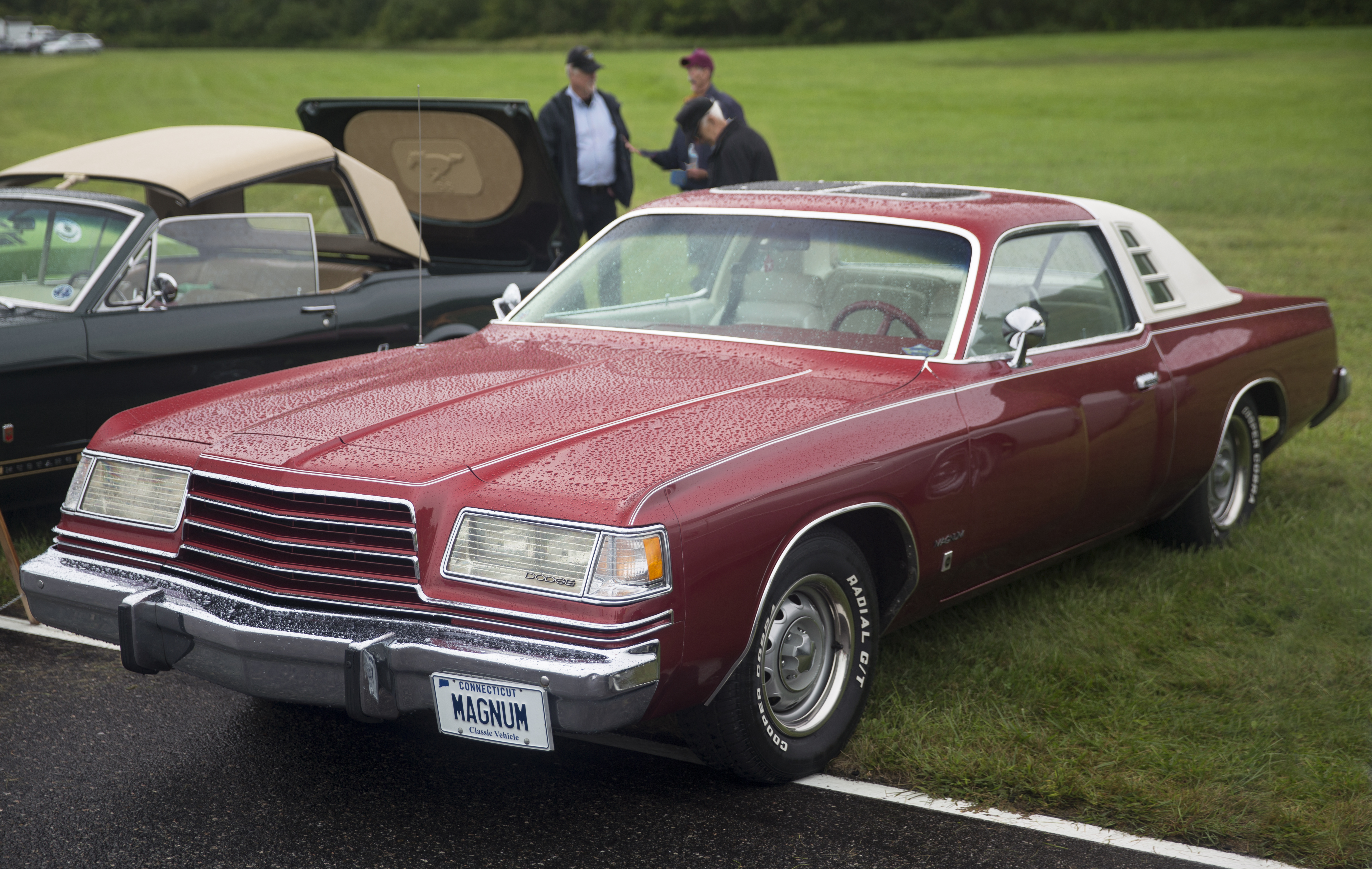
"...e charger out there, the wagon version called the Magnum, because that's cars 20 years old now. So it's n..."
The Dodge Magnum is a big car that looks like a wagon but has a powerful engine. It's good for families or people who need a lot of space but still want a fun car to drive.
The Dodge Magnum is a unique station wagon that was produced in the mid-2000s, known for its powerful engine options and spacious interior. It is often discussed for its blend of practicality and performance, appealing to those who want a versatile vehicle.
"...ar era. They were less produced than Mustangs and Camaros. So it's a little more rarity. You also remember..."
The Chevrolet Camaro is a sporty car that has been around for a long time. It's designed to be fast and fun to drive, making it a popular choice for people who love cars that look and feel powerful.
The Chevrolet Camaro is a classic American muscle car that has been in production since the late 1960s. It is known for its performance, aggressive styling, and has a strong following among car enthusiasts, often compared to the Ford Mustang.
"...the other one that like we've been talking a lot about, but you guys put the nail in the coffin is the Mazda Miata or..."
The Mazda Miata is a small sports car that is very fun to drive. It's known for being light and easy to handle, which makes it popular with people who love driving.
The Mazda Miata is a lightweight, two-seater sports car known for its agile handling and fun driving experience. It's often praised for its simplicity and connection to the road, making it a favorite among driving enthusiasts.
"the Mazda MX-5. You know, that is on the list. There's millions of these out there. And we've been talking about..."
The Mazda MX-5, or Miata, is a small sports car that has been around since 1989. It's known for being fun to drive and is one of the few cars that doesn't rely heavily on computers to control how it drives.
The Mazda MX-5, also known as the Miata, is a lightweight two-seater sports car that has been in production since 1989. It is celebrated for its engaging driving experience and is often regarded as one of the last true analog sports cars.
"...helping them understand what are the right types of vehicles to place on a Haggerty policy. We have been known so long and for so well as a classic car company..."
A Hagerty policy is a special type of car insurance for classic cars. It helps protect these older vehicles and offers benefits that regular car insurance might not provide.
A Hagerty policy refers to insurance coverage specifically designed for classic and collectible cars. This type of policy often includes features tailored to the unique needs of classic car owners, such as agreed value coverage and flexible usage options.
"...we're really thought of as like that pre 1980s type of vehicle that goes to Haggerty. But when I'm looking at the list this year..."
A pre-1980s vehicle is any car made before 1980. These cars are often seen as classic and can be very different from today's cars.
A pre-1980s vehicle refers to cars that were manufactured before the year 1980. These vehicles are often considered classic or vintage and may have unique features and designs that differ significantly from modern cars.
"...when you add in another decade, there's just four that were produced before 1990. So the big bulk of the..."
Produced before 1990 means any car that was made before the year 1990. These cars can also be seen as classic or vintage.
This phrase refers to vehicles that were manufactured prior to the year 1990. Cars from this era may be considered classic or vintage, depending on their age and historical significance.
"...a 35 year old car was 1955 Bel Air Chevy, which felt like a tractor by comparison."
The Chevrolet Bel Air is a classic American car that was made a long time ago, known for its stylish design. It's often seen as a symbol of the 1950s and 60s car culture.
The Chevrolet Bel Air is a full-size car that was produced by Chevrolet from 1950 to 1981. It is often associated with the classic American car culture and is known for its distinctive styling and performance during its production years.
"...the interest that we see is post-1980 and any of those cars are certainly eligible because..."
Post-1980 cars are cars made after the year 1980. These cars usually have newer technology and safety features compared to older cars made before that year.
Post-1980 cars refer to vehicles manufactured after 1980, which often have different regulations, technology, and design compared to older models. This period marks significant advancements in automotive technology and safety features.
"...an important thing that I think people forget is after 10 years, a car is 10 years old, a manufacturer is not obligated to produce parts for it anymore. So that's why you need the right place to cover and ensure these cars..."
Parts availability means how easy it is to find replacement parts for a car. After a car is 10 years old, the company that made it doesn't have to keep making parts, which can make fixing it harder.
Parts availability refers to the ability to obtain replacement components for vehicles. After a car is 10 years old, manufacturers are no longer required to produce parts for it, which can make repairs more challenging.
"And as you know, the off-road segments like it exploding, right? One of the ones on the bull market list was a ram charger. It's basically the Mopar version."
Mopar is a brand name that refers to cars and parts made by Chrysler and its divisions like Dodge and Jeep. It's often used when talking about performance parts and vehicles from those brands.
Mopar is a term used to refer to vehicles and parts produced by Chrysler, Dodge, Jeep, and Ram. It originated from the combination of 'Motor Parts' and has become synonymous with the brand's performance and aftermarket parts.
"And as you know, the off-road segments like it exploding, right? One of the ones on the bull market list was a ram charger. It's basically the Mopar version. And we say Mopar, I should explain it. That's basically what Dodge was, like they call them Mopars, the Ford Bronco or the Chevy Blazer."
The Ford Bronco is a type of SUV made by Ford that is designed for off-road driving. It's known for being tough and able to handle rough terrain.
The Ford Bronco is a classic American SUV known for its off-road capabilities and rugged design. Originally introduced in the 1960s, it has become an iconic vehicle among off-road enthusiasts.
"And as you know, the off-road segments like it exploding, right? One of the ones on the bull market list was a ram charger. It's basically the Mopar version. And we say Mopar, I should explain it. That's basically what Dodge was, like they call them Mopars, the Ford Bronco or the Chevy Blazer."
The Chevy Blazer is an SUV made by Chevrolet that is good for both everyday driving and off-road adventures. It has been around for many years and is popular for its ruggedness.
The Chevy Blazer is a mid-size SUV produced by Chevrolet, known for its versatility and off-road capabilities. It has a long history and has evolved through various generations since its introduction.
"...fore generally we covet them were SUVs. The Jeep Cherokee came out in 1984. It's an old car, right? We had..."
The Jeep Cherokee is a small SUV that can go off-road and is good for driving in different conditions. It's a favorite for people who like to explore and need a car that can handle rough paths.
The Jeep Cherokee is a compact SUV that has been in production since 1984, known for its off-road capability and versatility. It has evolved over the years and remains a popular choice for those looking for a vehicle that can handle both city and outdoor adventures.
"We had a 91 GMC Jimmy and gosh, I wish we still had that."
The GMC Jimmy is an SUV made by GMC that was popular in the 1990s. The 1991 model is known for being tough and good for driving on rough roads.
The GMC Jimmy is a mid-size SUV that was produced by GMC from the late 1960s until the early 2000s. The 1991 model is part of the generation known for its rugged design and off-road capabilities.
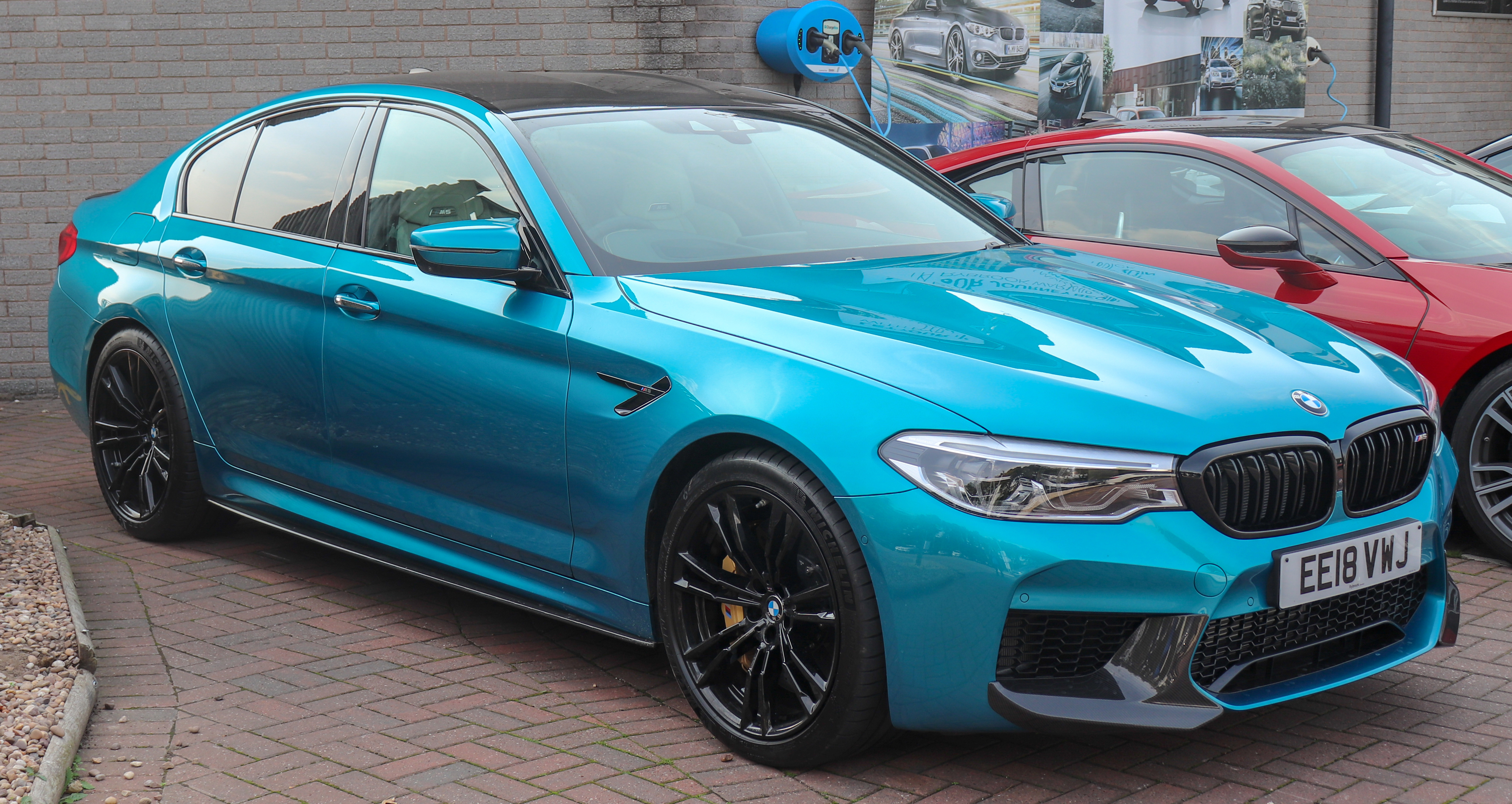
"...el otherwise. But it's like the 2006 to 2010 BMW M5. I mean, an M5 typically, right? It's a four door..."
The BMW M5 is a fancy car that can go really fast and is very comfortable inside. It's like a sports car that you can use every day, but some older models might have problems that could be expensive to fix.
The BMW M5 is a high-performance version of the BMW 5 Series, known for its luxury and powerful engine. The 2006 to 2010 models are particularly noted for their impressive speed and handling, but they can have reliability issues related to their complex engineering.
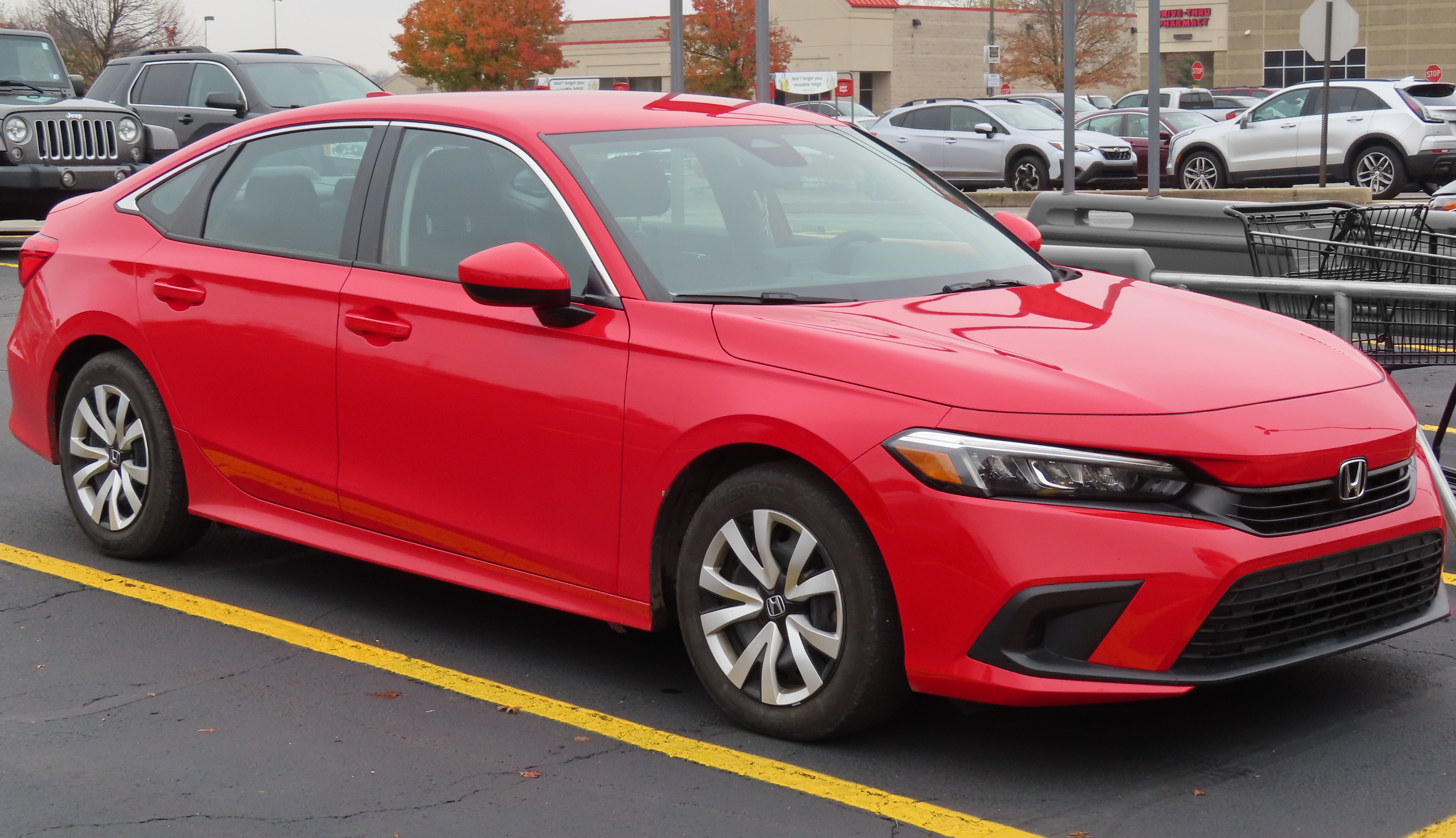
"But they make a version called the Type R that is a very special car that's not necessarily a daily driver."
The Honda Civic Type R is a sportier, faster version of the regular Honda Civic. It's made for people who want a fun driving experience rather than just a regular car for daily use.
The Honda Civic Type R is a high-performance variant of the standard Honda Civic, designed for enthusiasts who seek sporty handling and powerful performance. It features a turbocharged engine and aggressive styling.
"M stands for motor sports and they put in a V10 engine and a stick shift and they made it every bit of a sports car."
A V10 engine has ten cylinders arranged in a V shape, which helps it produce a lot of power. It's commonly found in high-performance cars.
A V10 engine is a ten-cylinder engine arranged in a V configuration, known for its smooth power delivery and high performance. It's often used in sports and supercars for its ability to produce significant horsepower.
"They've got 500-some-odd horsepower. They handle. These are extraordinarily special cars."
Horsepower is a way to measure how powerful an engine is. The more horsepower a car has, the faster it can go.
Horsepower is a unit of measurement for power, specifically in engines. It indicates how much work an engine can perform over time, with higher horsepower generally translating to better performance.
"The reason they're not worth more is they're a nightmare to keep running. So the maintenance costs are pretty high, but super cool."
Maintenance costs are the money you spend to keep a car running well, like oil changes and repairs. Some cars, especially fast ones, can be more expensive to take care of.
Maintenance costs refer to the expenses associated with keeping a vehicle in good working condition, including regular servicing, repairs, and parts replacement. High-performance cars often have higher maintenance costs due to their specialized components.
"...I was taking them to the track for lap times and zero to 60 times. And I mean, I wasn't just driving these things..."
Zero to 60 time is how long it takes a car to go from a complete stop to going 60 miles per hour. It's often used to show how fast a car can speed up.
Zero to 60 time measures how quickly a car can accelerate from a complete stop to 60 miles per hour. It's a common performance metric used to evaluate a vehicle's acceleration capabilities.
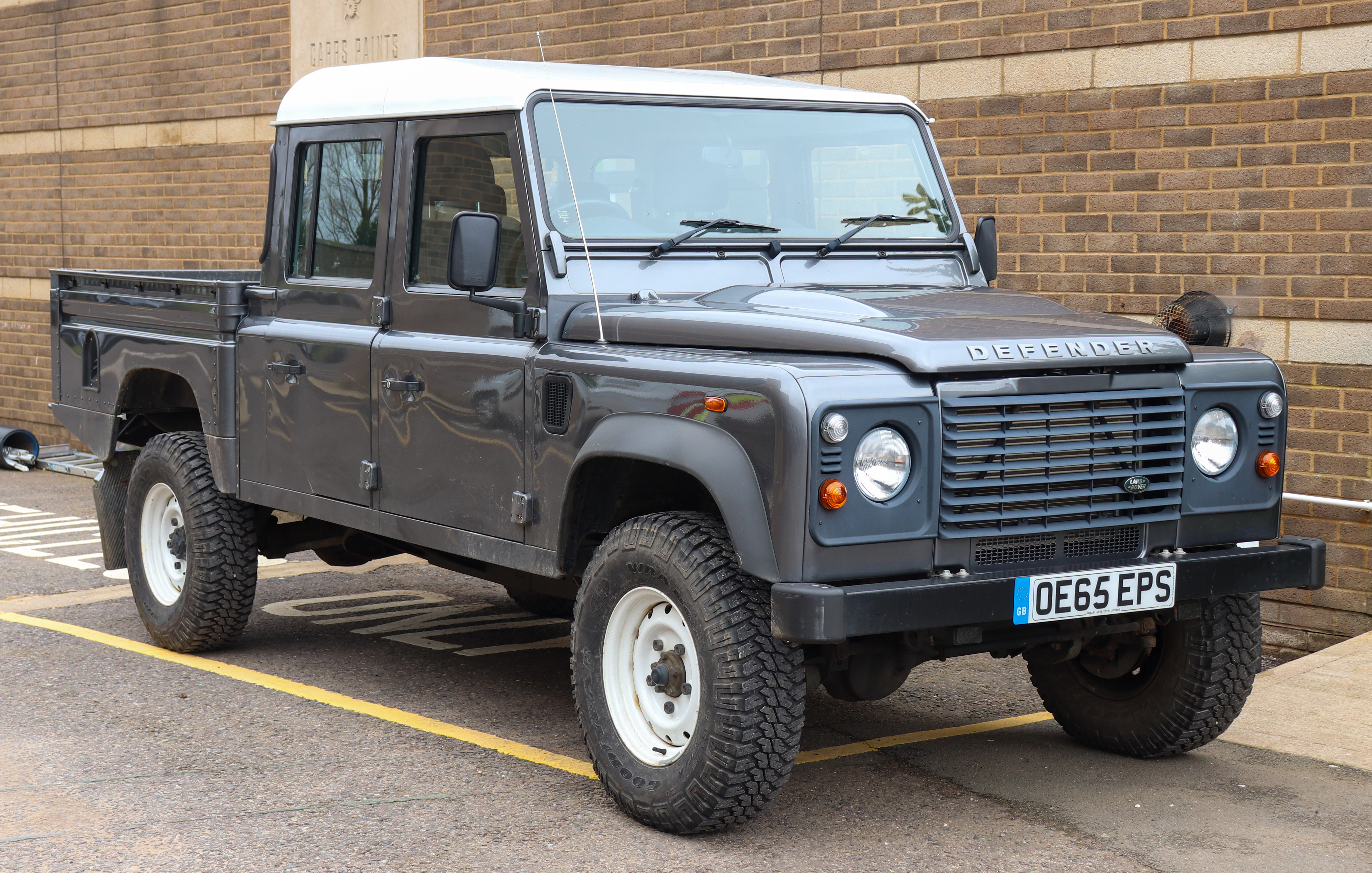
"... a small little fender bender in my truck or not defender, but our deer ran into the side of my truck, it w..."
The Land Rover Defender is a tough SUV that can handle rough roads and off-road adventures. It's popular for people who like to explore nature and need a reliable vehicle that can take a beating.
The Land Rover Defender is a rugged off-road vehicle known for its durability and capability in tough terrains. It has a cult following and is often discussed for its iconic design and versatility in both urban and rural settings.
"that's going to be a total loss. But if you have a policy with Hagerty..."
Total loss means that if your car gets damaged, it costs too much to fix it, so the insurance company decides it's better to just pay you for the car instead.
A total loss occurs when the cost to repair a vehicle exceeds its actual cash value, meaning the insurance company deems it not worth fixing. This can happen after significant damage, such as a major accident.
"...00 repair, but a small deer hit on the side of my Dodge Ram, $10,000, right? So. That's a big deal. Yeah. I ..."
The Dodge Ram is a big truck that can carry heavy loads and is great for work or outdoor activities. It's popular because it's tough and can handle a lot of different tasks.
The Dodge Ram is a full-size pickup truck known for its strong performance and capability for towing and hauling. It has a loyal following and is often discussed for its ruggedness and versatility in both work and leisure settings.
"...let's just go to my ram. If my ram had been a total, I don't want to keep it..."
Ram trucks are known for being tough and reliable vehicles used for work and heavy-duty tasks. They are popular for their strength and capability.
The Ram is a brand of trucks known for their durability and performance. Originally part of Dodge, the Ram brand became independent in 2010 and is well-regarded for its heavy-duty and light-duty trucks.
"...if that was my trans-am, I'm keeping that thing no matter what, right? Yes. Yeah, I know I got a good motor..."
The Trans-Am is a type of car made by Pontiac that is known for being fast and sporty. It was popular in the 70s and 80s and is often seen as a classic American muscle car.
The Pontiac Trans-Am is a performance version of the Pontiac Firebird, known for its sporty design and powerful engines. It gained popularity in the 1970s and 1980s, especially due to its appearances in movies and its association with American muscle car culture.
"...he other car that's on there is the big dog, the Porsche Carrera GT, $2 million car in a condition 1, 1.5, 1.6 in..."
The Porsche Carrera RS is a very special sports car that is fast and fun to drive. It's famous among car lovers and is often considered a collector's item because of its unique features and history.
The Porsche Carrera RS is a legendary sports car known for its lightweight design and exceptional performance. It is highly sought after by collectors and enthusiasts, often discussed for its racing heritage and iconic status in the automotive world.
"...ne showed up with a 1990 Honda Accord or a Toyota Camry, that's going to be a coveted car. I can guarant..."
The Toyota Camry is a very popular car known for being safe and reliable. It's a good choice for people who want a car that won't break down and is easy to drive.
The Toyota Camry is a mid-size sedan that has been a best-seller for decades due to its reliability, comfort, and fuel efficiency. It is often mentioned in discussions about practical and dependable vehicles for everyday use.
"... and it feels like an antique in 1995, where your Firebird, your Trans Am today does not feel like an antiq..."
The Pontiac Firebird is a sporty car that was really popular a long time ago. It's known for its cool looks and fast speed, making it a favorite among car fans.
The Pontiac Firebird is a classic American muscle car that gained popularity in the 1970s and 1980s. Known for its distinctive styling and performance, it has become a nostalgic symbol of the muscle car era.
Select text to request an explanation
Welcome to The Accelerator, a podcast for insurance agents and brokers who know there's
more to life than bundling home and auto.
Yeah, we're talking collector cars, better sales strategies, and ideas to grow your business
without boring you to death.
This isn't just another industry podcast.
It's the one you're actually going to want to listen to.
Welcome back to The Accelerator, season two of the podcast from Hagerty built for insurance
agents and brokers who want to win in the enthusiast and collector vehicle space.
I'm John Gessner.
And I'm Brian Colley.
And yes, we are back for season two.
I just have to thank the audience so much.
All the considerate notes, texts, LinkedIn messages, emails, all the support, the likes,
the wins, all of those things and fueled us and powered us to bring back season two.
And yes, today, John is still recovering from an improv show he did last night.
My first time seeing him, this guy is hilarious.
We might have to do a season two episode to decide improv comedy.
But today, we're going to try to keep him under control and stay on track, but no promises.
Hey, no promises on that front.
But Brian, really, it was so great to see you and your lovely wife Renee at the show.
Really appreciate you coming out.
But for today, here's what I can promise you.
This episode is a practical one for an agent's book of business.
We're talking about the brand new Hagerty bull market list.
And we're framing it in a way that the agent should.
Not as car investing, but as a signal of what's becoming collectible, what's becoming special
and what's increasingly a good fit for specialty coverage.
Exactly right.
So the bull market list, John, is that like bull like bull or like bull like stock or bull
like farm animal?
Like what's the bull market list?
And if it was bull like farm animal, we would be on the wrong podcast.
This is more bull like bull like in stocks.
Okay, perfect.
So yeah, the bull market list reflects something we talk about a lot on the show,
the hobby, where it's going and the trends.
So cars from the nineties and 2000s, vehicles that don't look quote unquote classic to the
untrained eye.
Those are absolutely enthusiast vehicles now and that's where agents can win.
If you know what to listen for and what to look for, what questions to ask,
today is all about telling you and predicting the future of what types of vehicles will be
collectible starting today.
That's right.
And because no one just wants to hear from Bryant and I for a whole hour,
we have got with us today, Larry Webster, the Larry Webster,
Hagerty, Senior Vice President of Media, and one of the most credible voices in car culture.
He's one of the people that's shaping how Hagerty shows up as authentic car people.
Larry Webster is a well-known name to car enthusiasts.
If you've ever read the Hagerty magazine or maybe actually any automotive magazine,
you've read his work.
If you've ever been on our social media or a website,
you've most likely read something that him or his team has written.
He's the ultimate car nut and dare we say a certified classic himself.
Larry, early on, traded engineering for journalism,
worked at car and driver back starting in 1995.
He led road and track and he's fueled Hagerty's automotive passion from racing himself to
restoring his own vehicles to work in his own set of classic cars, DOI, all kinds of things.
Today, we're going to get into what the bull market list is, why we make it,
and most importantly, how you as an agent can use it to spot opportunities,
protect your clients, and write the right risks the right way.
That's right, Brian. So let's jump right in.
Well, Larry, we are so excited to have you today.
Really appreciate you finding time to join Brian and I on our accelerator podcast to
really share your knowledge and wisdom and give us and our audience some insight and
perspective into the classic collector enthusiast vehicle space and community.
And just thank you for being here.
Oh, happy to be here. Thanks so much.
So Larry, you've got a very cool job, just full stop.
Especially when it comes to Hagerty and then broadly in the insurance industry,
could you just start off like, how would you describe your background and your role here at
Hagerty? Yeah, it's a crazy fun job and I'm really grateful.
But basically what I do is I create material about cars for car fans.
And that's in all the mediums, right, from video to social to websites to a printed magazine.
The idea being, I was hired about 10 years ago by Michiel Hagerty.
I was running Road and Track Magazine. I've been in automotive media for decades and always
a car nut and he's like, look, I want people to know that we're authentic car people.
And the best way to do that is to show them, not tell them.
So I want you to do what you're doing over there, but do it here.
We're going to build an audience and that's basically what we've done.
And now we have in the world, one of the largest circulation magazines.
We have almost 4 million YouTube subscribers.
We have about a million people come through our website every month.
We've got roughly, I mean, these social media numbers, who knows if they're real,
but they're 4 million. And the idea being, we're one of you.
We love these stuff as much as you are. And based on this material that we're producing,
we hope we're establishing that authenticity.
Yeah, Larry, I think it's interesting for an insurance company to have someone like you and all
the accolades and our magazine has won awards and stuff like that.
To your point, do you see any other insurance companies or any other,
even in the space, like doing the stuff we're doing?
Or is that truly like really unique of everything we do?
I'm really glad you brought that up because the reason I was open to coming here was I was already
a customer. I already had Hagerty Insurance. And the reason I did is I knew if something happens
to my baby, our cars are our babies. We love these things. We cherish them.
And it's a significant part of our income. It's a big money that we have tied in them.
And I knew that Hagerty was going to take care of the car. It was going to take care of me.
And the reason I knew that is they were like me. It wasn't. I didn't have to explain what was
important to me. I didn't have to explain how tricky it is to get this car fixed.
I didn't have to explain why it's different than a normal car and that it's appreciating,
not depreciating. I didn't have to explain. I might want to keep my parts if I total my car.
I didn't have to explain. I'm not going to the local body shop to get my car fixed.
And this is a big deal in the automotive community. It's a big deal and we know it.
And when I say we, I mean car nerds like me. And so to me, the idea to build a platform to
broadcast that was already there was like a no-brainer.
Yeah, that makes total sense. You're right, Larry. Like, you know,
McKeel talks a lot about when we've talked in this podcast, a lot of companies quote-unquote
offer, you know, collect your car insurance. But to do that deed like we do when the claim happens,
that's where the rubber beans the road, right? The details are super important to somebody like me.
I think to most people, I mean, we think based on our data, there's somewhere like 35, 40 million
cars out there that fit. That's sort of what you call collectible. And there's more every year
because, you know, time marches on. So it's a big audience. And so that was the other part of my
my motivation for coming here was I love this idea of being able to serve this community.
So all the stuff we do has that, first and foremost, it's like to create stuff that people
really resonate with and really to show we know what we're talking about. Because everybody says
they love old cars or classic cars or collectors, right? You see them in Eddie Bauer catalogs.
But somebody like me knows when somebody really gets it or don't just based on the
half a second view of this photo. I know this sounds crazy. And I can show you examples out
the window. It's true. We can detect it. We detect who's faking it and who's really living it
in a microsecond. And, you know, Haggerty, from all the stuff they did, I knew at the time, right,
they were training the people on the phone about cars by having those employee restoration programs.
There's a fleet of cars that Haggerty uses to get people behind the wheel who are talking to these
folks. They have people like me and others on staff to really try and educate and help folks
understand what's important to the audience and the community. And so they really walk the walk.
And, you know, if you think about all the other stuff that Haggerty does from the
Driver's Foundation to all the events that they do to the Driver's Clubs, and it's a company
of drivers built for drivers. That's really well said. And you just captured perfectly too. And,
you know, I've always had an appreciation for cars, but I come from a more of a marketing
background. But when I was looking for a new position and Haggerty hit my radar, it was that
authenticity that really attracted me to the company. Because if I'm going to devote my,
you know, energy and, you know, my time and my effort, and I'm going to try to sell something
and market something, I want to believe in it. And, you know, I really believe in Haggerty. I did
from day one, I still do. And it's because of decisions like this. And because we have people
like you and because we care and we are a company built by drivers for drivers. And that is really
part of our ethos. Yeah, yeah, for sure. So it's been fun. You know, you mentioned something about
the amount of vehicles that are out there, 35, 40 million with more kind of being classified as
collector or classic every year as time marches on. And, you know, this is a really a great time
to talk about this because we just published something called the bull market list. For our
listeners, you know, we've been doing this for about a decade. So there should be some familiarity
out there. But can you just introduce what the bull market is a little bit? Yeah, the bull market
is that is our ninth year for 2026. It's basically a list of cars every year that we believe are
going to appreciate slightly in value. And, you know, the one of the other things we didn't mention
is Haggerty has this valuation team. It's a team of data scientists that tracks car prices.
And McEw has this great story about why he started that was he wanted there to be safety
for people to buy and sell cars, meaning you understood what cars were worth.
Or there was an agreement about what it was worth. So we started this thing over 20 years ago.
And when I arrived 10 years ago, I was like, well, okay, this is great. We have past data.
Can you tell me? I mean, I was just sort of joking around. I was like, hey, can you guys tell me,
you know, if we think a car is going to go up in value, there's like this pause and Brian Raybold
runs it. He's very straight up, you know, kind of data guy and just goes, yeah, I think we do that.
I was like, wait, what? Holy cow. This is a big deal. And so that's how it started. And the idea
was always this is not about investing. If you think you're going to make money buying and selling
classic cars, I mean, good freaking luck. I mean, there's some professionals that do it, but that's
not why we're here. We're here for fun. We're here for enjoyment. We're here for community.
And my thought was it's a big expense to own a car. Are there certain cars that are on the
maybe going up a little bit so you could buy enjoy for a little bit and sell for about what
you had in it or maybe a little more? Holy cow. Then suddenly this activity is free
for most folks. And that's what we were trying to do is just really illustrate that this is
much more approachable hobby than I think most folks give it credit for.
Yeah, Larry, I think I've always appreciated the bull market list. I think you might have
stats on it, but it's been pretty accurate over the last nine years or so. It's been pretty good,
right? It's been really good. Right from the beginning, we do a report card every year to see
what we're doing. And this year we have all the previous eight years where we've listed like
how the car has gone up or down. And it's over 90% accurate. The other thing that's really important
that it's relatively easy to look at depreciation curves. And you could say like, okay, any car
built in 1989 is likely to be a bull market car because it's bottomed out and it might start coming
up. It's not that hard. But what we really spend a lot of time and effort doing is curating the list
to make sure there's cars from a bunch of different eras, to make sure there's cars at a
bunch of different price points, to really make sure there's something for everybody.
You know, this, for example, this year's list has a 56 to 57 continental mark two, right? Last year
we had an E-Type on there. Everybody said the Jaguar E-Type? Wait, what? Right. They went up,
they had this big spike up. And then they sort of came back down. And then they were seeing things
like, which is really interesting, is that the data folks at Hagerty, they don't just use past
sales data. They also use all the information at their fingertips, which include the number of people
calling Hagerty for quotes and the age of those people. So if they see a big spike in younger
people calling for E-Types, for example, they go, aha, the next generation is getting interested
in this car. And of course, why wouldn't you? E-Types are awesome. That's kind of how it came
around. That's one of the reasons it's really successful is it's based on that data, you know,
all the Hagerty ecosystem that we're pulling together to produce it. I wish my stocks were
90% accurate. Yeah, I had fun looking through that report card. I'm seeing a lot more up arrows
than down arrows are flat. And my son and I love looking through the bull market issues. He's nine.
And it's talking about something for everyone. He's looking for one of the most expensive cars
that you could possibly purchase. And I'm looking at, okay, what are the most realistic cars that
we might be able to purchase? So there's something for everyone and every issue for sure. Yeah,
that's what we're trying for. Yeah, I was bummed this year. I always look, I was abated breath.
My two cars, my 2014 Cayman S is not on there. My 97 trends AM is not on there. But to your
point, that's not why I own them. I own them because I want them. And maybe one year I'll be
on there, but that doesn't matter. But I want to dive right in. I have the magazine. Obviously,
Listener, if you don't have the magazine, that's because you're not a Hagerty drivers club member,
you can go to Hagerty drivers club and sign up. McKeel's been on several,
RCO, McKeel's been on several, you know, TV shows, so you can just Google Hagerty bull market,
Larry and his team and put out lots. You can find the list. Also, all the materials there for free
on Hagerty.com slash media, you just go to Hagerty.com, click media, it's all on there for free.
Also on our YouTube channel, we did a YouTube episode on the bull market for the past couple
of years. So that's all on there, all free. So it's free to everybody. We want this information
out there. Great. Thanks, Larry. Oh, you know, it's actually shocking to me and maybe it doesn't
shock to the listener, but I spend so much time spreading the gospel story of the new cars being
collectible that I was actually floored. You already brought one up. But the other one I was
surprised about was the Dodge Charger because, you know, I just felt like that maybe got lost
over the last couple of years. And now we're saying, hey, these, these cars are going to go up. And
I love what you put in that magazine. A hell yeah on four wheels. So talk to me a little bit about
you had charger. We have to be clear about this. This is the first generation charger. This is the
60s charger, the muscle car charger, not the one that's out now. A couple of years ago, we did
have the modern version of the charger out there, the wagon version called the Magnum,
because that's cars 20 years old now. So it's not necessarily a new car. You know, the Charger is
one of those great examples. This is built from 68 to 1970. It's very I'm going to use this word
iconic and I don't like using it, but you have to see it when you look at it, right? This was the
car that was in the Dukes of Hazard. This is the car that is just this really compelling shape.
This is the Mopars of the muscle car era. They were less produced than Mustangs and Camaros.
So it's a little more rarity. You also remember there was a time even in the 80s when Hemikutas
were million dollar cars. So there was a big spike up in prices and then they kind of got back down.
And so we thought these cars, which are just under about six figures, have come to a point where
they've softened enough that people are coming back and going like, oh, wow, I can get a charger
for that now again. Awesome. And we're seeing a lot of interest from younger generations in that
timeless design. And in terms of a muscle car experience, they make the right noises. They
do great burnouts. They just look fantastic. So there's a lot to recommend for this car. So we
think we don't know that this is a pretty safe place to put your money, especially if you get a
good one. No, that's cool. For the, you know, the hardcore, you know, muscle car enthusiasts,
this is good news. And you're right. I'm glad you clarified. I'm talking about the old charger
from the 16. It's not the new one, right? Totally. Yeah. But that's awesome. So the other one that
like we've been talking a lot about, but you guys put the nail in the coffin is the Mazda Miata or
the Mazda MX-5. You know, that is on the list. There's millions of these out there. And we've
been talking about, you know, insurance brokers and agents. If you see one of these on a standard
policy, it's not doing the client justice. These are going up in value. We've been talking about
this for a while. But for see that on the list, just talk about that because that's game changer
to have that actually physically on this list. Yeah. I mean, you guys are going to have to stop me.
Once I get going about Miatas, I just don't stop because I love them. You know, they came out in
1989. There's been four generations. And to your point, they're the last of the analog sports cars.
What I mean by that is in the enthusiast world, the idea that we don't have a computer-controlled
thing that's going to drive for me. It has a stick shift and good brakes and a great motor,
terrific feel through the steering wheel and the seats. There's not a lot left, especially
things that most people can afford. And the Miata is just an incredible car that gets forgotten
because it's not expensive and it's not rare. The first generation Miatas used to be like you
could buy them all day for three grand. Now they're 10. 10 minimums to get you a decent one.
So for this bull market list, what we saw is what happens a lot of times is that idea of
substitution. When a certain car gets more expensive, people look around, well, what else can I get?
And first generation Miatas get inexpensive. So now they're looking at the second generation
Miatas, which have a lot going for them. It turns a little more swoopier shape. It's a little more
modern. It has some downsides. It's not as necessarily as pure and as light as the first gen.
I actually, I have three first generation Miatas. That's how much I think of these cars. They're
fun to drive, great to work on. There's tons of parts and they are cheap. So to your point, Brian,
any Miata you see out there is an enthusiast car. Nobody owns those things unless they love driving
or love cars. So this is a great person to get to know, to find out about the car, to find out
what else they have in their garage, because a Miata is in a lot of ways a gateway drug to the hobby,
because I've done this for 40 years. And even if you're not a car person, when you get in a car
that really connects with a human as a machine, I'm going to stop there because I'm going to start
to get a little weird. But the Miata does that and people recognize it even if they're not car
people as soon as they drive 10 feet. And so I'm hoping I'm affirming your point there, Brian,
because I think you're right. Yeah, you are Larry, absolutely. John, I'm going to say my third one
because I've got a little bit of a story, a humiliation story as well. But John, I'll push
it over you. Like what cars surprised you or what cars do you want to talk about?
Yeah, I just want to put Larry at ease. It's totally okay to get weird on this podcast.
Brian and I host this thing, so it's constantly weird. There are a couple things for me. I'm
going to start with more of a macro observation. And what strikes me is because a lot of my job
is helping agents be successful, navigating the space and helping their customers get the right
protection. And with that is helping them understand what are the right types of vehicles
to place on a Haggerty policy. We have been known so long and for so well as a classic car company,
you know, we're really thought of as like that pre 1980s type of vehicle that goes to Haggerty.
But when I'm looking at the list this year, you know, I only see three cars, you know,
less than a quarter of the whole list are produced before 1980. Yeah, exactly. And then when you add
in another decade, there's just four that were produced before 1990. So the big bulk of the
list, two thirds of it are all post 90s vehicles. And I wonder if you could just talk a little bit
about that and how that kind of is a reflection of the change of in the enthusiast space.
I mean, it's that word in my view, it's that word classic. Classic denotes old and creaky.
And I think one of the struggles is that as automotive technology progressed, there was
leaps and bounds every decade, right? The 50s were incredibly better than the 40s, 60s the same,
70s the same, 80s the same, then about in the 90s it slowed down. So a lot of those cars and I don't
mean we have a lot of advances from hybrids and all that stuff. So I'm not suggesting it's stopped.
But I'm saying, if you think about a Miata, you don't think of it as an old car, but the first
Miata is 35 years old. That's an old car. Okay, if you think about in your 1990, a 35 year old car
was 1955 Bel Air Chevy, which felt like a tractor by comparison. And 1990 Miata does not feel like
a tractor compared to a brand new Miata that you can get today. So that Delta or that difference is
less. So I think that's one of the big things. But for sure, the interest that we see is post-1980
and any of those cars are certainly eligible because, John, an important thing that I think
people forget is after 10 years, a car is 10 years old, a manufacturer is not obligated to
produce parts for it anymore. So that's why you need the right place to cover and ensure these cars
because we actually have a whole team of folks that know the shops that can repair these things.
So that we're really taking care of the folks and on top of all the other stuff that we do,
because there are a ton of nuances to keeping these things on the road. And that's one of those
reasons where, like I said, I was a customer from the get go because I knew it. And so for the
agents out there to know it, it's like anybody that's got a car that maybe they're not driving every
day, that's probably a haggardy car. That's a great way to think about it. If it's that extra
vehicle that's not a daily driver, if it sounds or looks fun, it's a good indicator to maybe ask
a couple more questions. And as you know, the off-road segments like it exploding, right?
One of the ones on the bull market list was a ram charger. It's basically the Mopar version. And
we say Mopar, I should explain it. That's basically what Dodge was, like they call them Mopars,
the Ford Bronco or the Chevy Blazer. And we've had Jeeps on there. We have had all
kind of these off-road vehicles on the bull market list because vintage SUVs are growing in
popularity because some of the cars that my generation Gen X grew up with and therefore
generally we covet them were SUVs. The Jeep Cherokee came out in 1984. It's an old car, right?
We had a 91 GMC Jimi and gosh, I wish we still had that. We had that just about 10. We had it up
until about 10 or so years ago. Man, what a fun ride. The fun thing is though, as you know,
that the people that are into this space, they're passionate people and they love to talk about
it. So in terms of like connecting with your client, with your customer through their car,
there's really not a more powerful way to do it. And typically the people that can afford to own
these things, they have a lot of other toys and a lot of other things. They just have some
certain tendencies that mean you really want to know them and treat them right, I think. I mean,
it just seems like I'm always amazed that this is something we have to talk about because it just
seems like it makes so much sense to me. And definitely want to get back to some of those
points that you made, but just to hone in a little bit more on the vehicle list, because there's one
other thing that really a vehicle in particular that I found really surprising, especially if you
were to think, you know, maybe 10, 15 years ago, this vehicle would not have been considered, you
know, maybe a collector car. And maybe I'm wrong. So please tell me if you feel otherwise. But
it's like the 2006 to 2010 BMW M5. I mean, an M5 typically, right? It's a four door. It's a sedan.
It's not a car you necessarily think of as particularly special or unique or collectible.
So I just love to, if you could maybe highlight that one just a little bit. If an agent sees that
on a deck page, it might not trigger collector. That's a really good point. There are certain
special versions of everyday cars that are all day collectible. Collectible, I mean, special.
Honda makes a Civic, right? Honda Civic is like an everyday appliance car. Really good one, by
the way. Really good. But they make a version called the Type R that is a very special car that's
not necessarily a daily driver. There's all kinds of examples of similar versions of this. The BMW
M cars are special hot rod versions of everyday cars. So I see what you're saying. The 5 Series
BMW is their sort of like executive class. You know, you could see it like a CFO or SVP
driving it to work back and forth. But then what they do is they made this version called the M.
M stands for motor sports and they put in a V10 engine and a stick shift and they made it
every bit of a sports car. This is an insane car. I tested it back in the day. We drive them now.
They howl like a Formula One car. They've got 500-some-odd horsepower. They handle. These are
extraordinarily special cars. The reason they're not worth more is they're a nightmare to keep
running. So the maintenance costs are pretty high, but super cool. And yes, absolutely a
haggity kind of insurable car. I'll pause the M5 for a quick second because I want to get weird
for a sec on you. So in the magazine, it says when Larry Webster drove this M5 for car and
driver in 2006, I had to go get my 2006 car and driver. Yes, I have them all in my basement. It's
kind of weird. But my question for you as a personal one, when you were doing that for car and driver,
I'm sure maybe you did. But in your wildest dreams, would you be thinking 20 years later,
you'd be writing about that car being a collector car for a collector car magazine? I'm just curious
personally what kind of nostalgia that maybe had for you. No, I had no career plan. My career plan
was I just want to be around cars somehow, some way. And it was, as you can imagine, the competition
for those jobs was really hard. So I was only thinking a year out, what do I got to do now to
keep this job now? And so no, I was not looking down the road. Someday I'll be writing about this
in the rearview mirror, not even close. I was just focused on keeping it going and just had
immense gratitude that I was being paid to drive M5s and Carrera GTs and all those things. Because
I don't know if you know this, I was actually like the chief test driver. So I was taking them to
the track for lap times and zero to 60 times. And I mean, I wasn't just driving these things,
I was driving them at the limit. And so yes, I pinched myself all the time. It was pretty amazing.
That's really cool. And last thing on the M5, because I think it's such a range, we have the
values in here. And so a condition number one is you're going to go win a really prestigious
car show. It's 77,000. Condition number two, right? It's pretty good. You're going to win your local
city. Condition two is really freaking good. It's a little bit of a bug, I would argue,
of our nomenclature. Because you need to know what the best in the world is worth. And number
one really means the best in the world, which means there's like a handful of those around.
And then so when you get to number two, which sounds like it's second best and it is, but there's
like not that many number twos. Like they're really up there. The majority of cars are threes and fours.
Okay. So then so threes, we have 22,000 and fours is 8,000. I mean, that is another point of year.
Like, you know what, I think it's fine. I'm like, you know, an ACV policy because the insurance
company will take care of them. We're talking 8,000 to 77,000. That's such a range in values.
And yeah, if you're saying number three, number four, or most of the vehicles, but you have a
client who has a number two or number one, they dang well want that value, right, Larry? Oh my gosh,
of course. That's a really good point. I forgot about that. So tell us a little bit more about
that, meaning like how Haggerty is going to handle that because that is a huge point. Yeah.
Yeah, absolutely. Right. So the advantage of Haggerty is the guaranteed value policy. So if you
have a client with the number one, and we insure it for 77,000, that's the guaranteed amount they're
going to get in a total loss, right? If you have an actual cash value policy or even a state of
value policy on these, you open your client up for depreciation because the insurance company
could argue, well, I see one on the internet right now for, you know, $8,500 proved to me that
yours is worth. And so you have all this negotiation, all this hassle. Oh, I'd be furious. I would be
furious. It probably took me five years to find the number two car. And then if my insurance
company is telling me it's worth 10 grand, I would be spitting fire. And imagine having that
conversation if you're an agent with your customer. Oh, it would be the last conversation we're having.
Exactly. Exactly. So yeah, just another point, guys, it's like, you know, help yourself out.
Put it on agreed value with Haggerty, guaranteed value with Haggerty. And that's part of the
reason why I'm to see our claims do it. And we've had our claims team on this. That's why our claims
team, besides all the parts they do and the expertise they have, that's the other reason why
our claims are so regarded is because we don't negotiate on value. It's like, you don't have to,
you take half the negotiation away, you really set yourself up for success, right?
Well, and the other thing is, I've heard Mikhail talk about this, you guys have talked about it,
like it's worth talking about. The day you crash your special car is a horrible day. And
if it comes with more pain, it just adds to it. You're already feeling down, especially if it's
something you did. You know, I shouldn't have parked it out there. I knew it. I knew it. I did
it anyway. And now I love this thing and it's ruined. And so what I've always heard you guys talk
about is we want to come in and fix it. And the claims people, they get in there and they fix it
in a couple of weeks. It's not, and I've heard this over and over again. I was a customer before
because I knew this is how I actually operated. They acknowledge that this is awful. We're sorry
this happened to you. How can we fix it? And they fix it. And this is me. If you go on our YouTube,
Jason Kameez is the same way. We've all been customers. I'm glad you brought that up because
the value part is pretty huge. And if they're telling me my car is worth $5,000 and I know
very well it's worth a lot more, that would be very painful for sure.
That's right. And you know, another value you mentioned our automotive intelligence team,
you know, the valuation data that we have, we don't just use to publish great articles and
magazines. It's also to help protect our customers so that when they're, you know,
and or the agent is getting a policy, we can help them understand what the value of the vehicle is.
So it's set correctly right from the outset. You don't have to necessarily be an expert
in vehicle values or watch the market really closely. That's what we're here for. We're here
to help with that. And another thing I want to touch on with value, and I'm going to put Brian on
the spot is we talked about this a little bit with the claims team, but what the proper valuation on
the policy means when it comes to claims time also, not just a total loss, but the decision to make
repairs and to what degree you can make repairs based on the value of the vehicle on the policy.
Yeah. Yeah, it's to your point, John, a lot of states have laws, you know, for newer vehicles
and usually you don't depend on the state 25 years and older, there's maybe the little gray area.
But if you have a vehicle, say that's worth $10,000, the state law might say, you know what,
once the repairs get up in that 70, 75% range, it has to be a total loss for the safety of the
vehicle. And that's not hard at these days. 70. I mean, I had a small little fender bender in my
truck or not defender, but our deer ran into the side of my truck, it was $10,000. So if your
car is assured, or the company thinks it's worth, you know, $10,000, that's going to be a total
loss. But if you have a policy with Hagerty and let's say the real value is more like 30 or 40,
$10,000 is not going to be so that's a, it's a really, you know, to John's point, it's a really,
besides protecting yourself from the value, it's also protecting the car from becoming a total loss
for a small, you know, $10,000 repair, which sounds crazy saying that out of my mouth, a small
$10,000 repair, but a small deer hit on the side of my Dodge Ram, $10,000, right? So.
That's a big deal. Yeah. I hadn't thought about that. So there's a lot of like nuances that have
big ramifications. The other thing I like that I have on all my cars is this thing called
cherished salvage. It's like the best thing I've ever heard of. You know, if it gets totaled,
you get to keep the carcass and it doesn't cost that much. It's like, well, yeah, of course,
I'm going to build another one. I mean, I'm going to get another one and I want these seats.
That's one of those things that I feel is not as well known as it could be, meaning like this is
an option. I think it's like so little cost, like, of course you're going to do it, right? I mean,
I mean, like under a hundred bucks, if memory serves, I see you nodding, Brian. Is that right?
Yeah, Larry, you're dead on and you're right. I think I'm glad you brought that up because I
think maybe a lot of people might think like, wait a minute, why would someone want their car
after it's a total? And, you know, let's just go to my ram. If my ram had been a total, I don't
want to keep it, but you dang well believe if that was my trans-am, I'm keeping that thing no matter
what, right? Yes. Yeah, I know I got a good motor. I know I got to do this and you're like, well,
not everybody's swapping parts around, but be surprised. Some of these older cars,
parts are hard to get. You want it in case you need it.
Yeah. Yeah, to Larry's point, that's a huge coverage. You get the total value, you get the
vehicle, there's no depreciation. And normally in a total loss, you get the value, so that's not
being disputed. But if you want to keep the car, let's say the parts are worth like $5,000, and
if it's worth $20,000, then you only get $15,000 plus the car. In this scenario, with the coverage
we're talking about, Sheriff Selvidge, you get the full vehicle value, so the $20,000 and the
Selvidge, which would be worth $5,000. So you're really getting like $25,000, which is a pretty
good deal. Yeah, I want to think that if I could say, I hope that agents use the resource that's
free for them, is that if they have clients that like cars or into cars, a category offers all
these newsletters that are free, that deliver automotive content that people really seem to like.
I mean, I've been doing this for a long, long time, 40 years. We have a team that knows what to
doing, and we look at the data, so it's been really successful. If you can get a daily newsletter,
you can get a weekly newsletter. We now have a Haggerty Marketplace, and so you're sort of able
to provide this sort of free content, or at least point them to it, and sort of say like,
here's a benefit. You don't have to be with Haggerty to get it, but just as a community
builder sort of thing. Same thing on our YouTube channel and our social channels, all that stuff.
So I hope people use that stuff, because it's pretty powerful, I think.
Agree, Larry, and we want to be those expert partners with our agents in this space, and
we share a lot of the material that you and your team produce across the media landscape,
whether it's YouTube videos or articles, through our agent newsletters, through the website,
through our LinkedIn channel. So absolutely a great way to stay connected. Please pass that
material, that content along to your customer base, especially those that love cars.
And since there's so much horse fluffy on the internet, it's very likely if you
heard Search Haggerty and whatever car your client has that you may want to find out a little bit
more, we've probably done something on it. I'm not going to say it's perfect, but I'm going to tell
you that we're going above and beyond getting our facts right more than any other automotive
property out there. So it's another good kind of resource where you can sort of learn a little bit
more about this and get some of your facts straight that I hope people are also using.
That's right, and people that love cars love to talk about their cars.
We love to talk about our cars.
That's right.
I'll dance with you till you're asleep.
Thanks, Greg. John, can I steal a thunder back and talk about one more car? Did you want to
hit one more? Take it, BK. So I'm actually nervous to share this story because it's really
humiliating, but, and I'm curious if you're worried about it too, but the other car that's
on there is the big dog, the Porsche Carrera GT, $2 million car in a condition 1, 1.5, 1.6
in a condition 2. So the story I want to share is back in the day when I was a claims adjuster,
we had a claim on one of these. It was a very, very unique claim. The client had bought it,
delivery only miles. He parked in his garage. He would go out into his garage every month and
started up and rev it, but he never drove the car one time. Right? It's bad.
Dude, yeah. All right, keep going. It gets worse. One day he goes out to rev it up and the battery
explodes because he forgot to put water in it. Oh, you might have to maintain the car even if
you don't drive it. There's certain things like putting water in batteries or changing the battery.
Most batteries are sealed. I think I could forgive him this problem, but keep going.
So the other interesting thing was, I don't know what this gentleman did for a living,
but he thought it was a car bomb. He thought he was going to die, which is interesting. Right?
Oh, dude. I know. So long story short, he did not want the vehicle. And so it was still under
warranty from Porsche. So we gave him, at that time, I think the value in the vehicle is like
330,000, which, hey, dang appreciation. I did not need to know that today, Brian. You did not have
to tell me that these cars are worth $300,000. But yeah, sure, keep going. So long story short,
we paid him out on the claim and then Porsche fixed it. And we brought the vehicle up to
Hagerty headquarters here in Traverse City. And I still remember, I still had like delivery
miles on it, right? Like things like 37 or 47 miles. And Mickey RCO was, hey, I want to take
my daughter to school in it. Cool. That sounds like the best ride ever for his daughter. Yeah.
So he took his daughter to school. Long story short, we brought it back to Hagerty and we have
these things at Hagerty called the collector in the car, where we have these really unique cars
that if you've ever been to our headquarters, we got these unique cars out front in our lobby.
And we at that time would bring the whole employee base and we'll talk about it. So we talked about
this car, you know, it's a Carrera GT. Most people never see one in their life. And then I was going
to meet the buyer because we were selling the vehicle and I was taking it to the airport. So
he's going to pick them up at the airport. This car I never driven before was the hardest car I've
ever driven because it has a really finicky clutch. And I stole that in front of like 450,
500 people. And I stole that multiple times Larry. So that's where my humiliated story came out.
Everybody stalls these things. Don't worry about it. Yeah. So that's my story.
You want me to nerd out and explain it? I do, I do. Yeah. So this car has a V10 engine that they'd
built for, it was one of the racing programs and they repurposed it. And what you want to do with
any car to make the handling better is you want to get the weight as low as possible. They call it
the center of gravity. One of the things that's against getting the center of gravity high is
what's called the flywheel. So at the end of any engine, you have this big metal disc called the
flywheel. And that adds some weight and inertia to the thing as it spins so that you don't get
these kind of any time a cylinder fires, it sort of smooths it out a little bit. Now I'm over
simplifying like crazy. So if people out here are real engineers, please go. So that a flywheel
could be 18 inches, 20 inches in diameter. And so that means the engine has to be far enough off the
ground so that flywheel doesn't hit the ground, right? So what Porsche did for this is it made a
really tiny flywheel and they wanted to mount the engine lower. And so that meant with the flywheel,
I want to say it's like six or eight inches. Like it's really small. It's like a racing flywheel.
That meant that the surface area for the clutch, because the clutch basically frictions against
the flywheel was pretty small. So the way that they do that is they do a multiple plate clutch.
And I'm hoping if I'm getting off in the weeds, you got to tell me what that means. It's a racing
clutch, hard to engage. There's a way to do it on these things where you just don't give it any gas,
you let the clutch out and eventually catch. But there's a big learning curve. I was on this car
on the launch and we all stole them. We all wrote about it and we all said, how are you going to
get out and like, you know, you're trying to turn left and there's all these cars, you're going to
drive this thing? Heck no. I've heard drivers say they get used to it and everything's fine.
And it's one of the things that the juice is worth it because this engine sounds
insanely, I mean, it is one of the best sounding engines ever. And it revs so freely because it
has no flywheel weight. But that is the downside. So I mean, I feel a little bad for you, Brian,
but at least you got to drive one. Hey, I'm redeemed because there's still people that
remember that and they still remember. Hey, remember when you stole that car from me?
So yeah, anyway, that's my story on the Courier GT and I knew you were talking about the launch.
I've only driven one unfortunately at like highway speeds, but have you had one on the track?
Oh yeah, yeah, yeah. It was like we were, I mean, there's pictures of me sliding it sideways.
I'm driving at the limit and I think they're fantastic cars. I got a reputation for being
particularly evil. And basically a lot of these cars that are high performance cars with, they
have a inertia, which means all the weight is centralized mid-engine cars, NSX, Courier GTs,
a lot have the similar things. Once they start to rotate, meaning if they fishtail a little bit,
they tend to what they call they snap, they go quick. And so unless you're used to something
like that and you can correct the slide before it gets out of hand, it makes it really challenging.
And this is not special to the Courier GT, but the thing you have to remember is you get in
these cars that have 5,600 horsepower, which is like, it's like table stakes these days.
It's incredible how fast these cars go. And you get people that get in them and it's their first
experience to the track and the car gets ahead of them. It's like, well, duh, what did I learn
in Miata's? That's what I started racing 110 horsepower. Go-karts, Miata's. And that's what I
always tell people, but they don't want them. They're like, nope, I want the big dog. Like, okay,
good luck. I could still bite you. Yeah. Yeah. And the Courier GT doesn't have a lot of like
traction control. I believe it actually has it. You can grab me if I'm wrong on that.
Yeah, you get traction control, but you kind of want to, the early systems were so intrusive.
You feel them all the time. So you ended up shutting them off.
Yeah. So, well, I'm glad I brought it up because now I feel better and I can sleep better at night
knowing these are hard to drive. Yeah, hard to drive. Yeah. Well, that was a really fun
zoom in on a couple of those really specific models on our bull market lists. And as we're
kind of getting towards the end of our time together in today's conversation, I kind of want
to expand us back out a little bit more broadly on the list itself. And even if we were to think
the bull market list over the last couple of years, I'm curious, like, if you could think about,
you know, are there patterns that we're seeing? And I know we've talked about the younger
collectors and like the newer vehicles coming online, but just any other types of insights
or patterns that you're seeing that could help arm agents with just a good understanding.
Yeah. I mean, the seventies are a very vibrant decade, right? The seventies and eighties are
still hot decades. We're appreciation. If you're smart with your older car, it's a great place to
park money, right? I mean, they're not really, they don't really lose. It is an astonishingly
store of value. It's not like the money goes away. You're just putting it somewhere.
Okay, I get it. It's not appreciating like your 401k or whatever, but it's not like the money is
going away. Muscle cars are huge. They're huge. I mean, in all errors, if they've been around
forever, they built half a million Mustangs that first year in 1965, but still people love those
early muscle cars and beyond. So that's a very vibrant thing, which really need to keep your eye
out for our early Japanese cars. As you guys have probably said a million times, as the Gen X gets
into their era where they're really have some disposable income, their kids are out of the
house, they paid for colleges, and they started looking around at cars to buy, just natural as
humans, we covet what we grew up with. And that means almost any Japanese car from the 70s,
80s, 90s is collectible. That's a really great one, Larry. If we could hover on that one for a
minute, I was surprised too. And these are things that again, if you're an agent that is working
and seeing lots of cars every day, if you see Honda, Acura, Nissan, Toyota, these are not cars
that necessarily immediately make you think collector or special. But you mentioned that
Honda type R before, and there are some other types of vehicles within those, you know, manufacturers
or those marks that are also collectible from those 80s and 90s. And so yeah, just those,
I don't know if that's exactly what you meant by early Japanese.
And it starts with a one is probably a special car in the year, I would say a thousand percent.
Like if someone showed up with a 1990 Honda Accord or a Toyota Camry,
that's going to be a coveted car. I can guarantee it. Somebody's out there loving that thing,
even though it was just a regular family car. Same thing with like early minivans, early,
you know, family cars like Jeep Cherokees and SUVs, they're special.
I think, you know, really fast, I have to interject, Larry could not be right. Like I go
from driving my brand new car that's got heated seats, Bluetooth up to, you know what, cameras
everywhere. And my Trans Am is not that old. It's a 97. It has nothing. It has nothing. And so
you're right. If you were doing one of these cars and it's loud and it smells like gasoline,
like crazy, which I would love. That's why I love that car. But if you're driving a 90s car,
it's not because it's, you know, convenient. It's not a daily driver. Exactly. You'd like it.
And the thing is your Trans Am, it doesn't like, this is, you've really illustrated the point,
because the difference in the fuel of a car has diminished year over year. You don't consider that
a classic car. It's almost 30 years old, Brian. Exactly. And think about in 1995, a 30 year old
car was a 65 Mustang and it feels like an antique in 1995, where your Firebird, your Trans Am today
does not feel like an antique. Good point. I'm glad you brought that up. You're right. It's a very
good. I think we forget. And, you know, there's a whole bunch of those cars, you know, there's,
I'm sure you guys talk about anything in the manual transmission. It's a gimmie. Nobody's driving
that every day or probably not, you know, anything, you know, there's probably brands,
Porsche, this or that, but yeah, anything with a one in the beginning of the year.
I don't think people are driving that for fun for daily. I love that framing. It's so simple and
clear too. And you're absolutely right. It's like in almost every case, yeah, your customer's probably
not driving a car from before 2000 as a daily driver. It's probably something special, something
extra beyond those fantastic points you just made. So I'm going to kind of put you on the spot to
come up with one more and BK, if you've got more questions, throw them at it. But here's what I've
got. If you could leave agents with just one more takeaway from the bull market list, you know,
what would it be in terms of, you know, how they could think about things differently or how they
could serve their clients better? John, you and I have worked on this in a lot of different ways.
And I think for agents to connect with the community, there's no better way than to do it via
cars. And it just always felt like such a big opening to other things because they're passionate
folks. They're welcoming folks. You have the least bit of interest in it. And you have a client that
loves cars. Just tell them, Hey, what is the cars and coffee this week? Can I go and just poke around?
You know, there is an astonishingly amount of people with more than one car and a lot of other
toys and things to begin with. It shocks me day in and day out and as a way in and as exposure
to different things, I can't think of a better way than cars. Yeah, I think you nailed it, Larry.
It's, you know, the local community sponsoring the Little League, all that thing. You should put
the car, you know, enthusiasts, like the cars and coffee, the local cars. You should put that into
your marketing, sponsor the Little League team, do the local car show. You're going to be a fabric
of the community and get those clients. So I can't agree more. And it's growing these cars and coffee,
which are basically informal meetups on weekend mornings. They're supposed to be for about a
couple hours. They are so popular now that somebody starts one, they almost always get too big for
the parking lots they picked, and they have to move somewhere else. So the amount of automotive
enthusiasm and in the last 10 years has just gone off the charts. It's huge. And that's a great
point on the live events too. And I think that's a kind of in parallel with with broader trends
around live events and experiences. People are craving those. They want to step outside of
emails and automations and the digital and virtual space. And they want to connect with real people
in real life and talk about and share things that they're passionate about. And that is an
absolutely great place to insert yourself and be part of that community building.
So I've been serving this audience for 40 years, right? So, you know, you do a ton of surveys,
you do a ton of research. Now that we have digital tools and information, so we sort of
understand what people like, what people don't. One of the conclusions I've come up with is like,
this is not an audience and necessarily caused their buddies for coffee. This isn't a mechanically
minded audience that sort of connects over an object. And it just is, you call it whatever you
want. We're on the spectrum. We're on the this. I don't know. But it's just the way it is. And
that's why I think there's always that human desire for connection. And I think that's why these cars
and coffees are getting so big, because it's a low commitment way to do it that doesn't feel like
this formal thing. There's something to that that I haven't perfectly connected with. But that's,
I know in my own community, the number of people that organize things to get together,
it's like less than 5% do it, our community organizers. So I feel like this is one of those
things that sort of really helps that. Yeah, that lands with me, Larry. I couldn't agree more.
Yeah, I think you're right. There's some sort of bug. There's some sort of thing.
You've seen the same car. Why do you go to cars and coffees? You've seen the same cars,
we still go every Saturday. So yeah, you're on to something.
Larry, thank you again for being here with us today and spending all this time with us and
sharing your experience. And we are just so thrilled that you're able to join us and share
today. So just a big thank you from me and from Bryant. Oh gosh, thanks for having me. It's so
fun to chit chat cars and I hope the audience gets out there and gets to Hagerty and looks at all
the stuff and services we provide to serve this community of drivers. We love them.
All right, that was a blast. A huge thanks to Larry Webster for coming on and getting
weird with us in the best way possible. And agents, this episode was really about one thing,
using the bull market list as a tool, not trivia. Exactly. The bull market list is a window into
what's happening in the hobby and therefore what's going to be showing up in your clients' garages.
So your takeaways are simple. First, this isn't car investing. It's buy something you love,
protect it the right way and don't get caught with the wrong coverage when values and repair
realities don't match a standard policy. Yeah. Second, the hobby is expanding.
More 90s and 2000 vehicles are enthusiast cars now than ever before. And a lot of them don't
look collectible on paper. So listen for the signals. They're talking about their car, sharing a story,
has a manual transmission, onlys weekend usage is added or deleted in the shoulder months in
winter or the summer. And I've wanted this since high school energy. It's not a daily driver or a
normal car. And as Larry said, if the model year starts with a one as in 1900, it's probably a
good fit for Hagerty. That's right. And number three, the third takeaway, the claims day matters.
We know that you know this as agents and it's even more important for special vehicle and
special coverage. Guaranteed value takes a big fight off the table and provides clients peace of
mind come claim time. Plus options like chair salvage where enthusiasts can keep their cars
and their guaranteed value after a total loss. That's the kind of nuance enthusiasts care about
because they really care about the car. So here's a challenge this week. Use the bull market list.
Go to our website. Larry gave you all of it. We'll have the show notes. Look at the vehicles,
find one of find a client you have maybe two has one of those cars. It's not a sales pitch.
Just check in and say, Hey, I saw something that reminded me of your car. Have you heard the Hagerty
bull market list? Are you still enjoying that car? What else do you get in your garage? What kind of
other hobbies you into? You're going to get a conversation. That's how this community works.
Trust me, it will be worth the time. That's right. As we chatted about with Larry, car people love
talking about their cars. And if you want to plug into the community even more, go to a cars and
coffee event. It's low commitment, but high upside. It's where the conversations start. And don't
forget you can get much more bull market list insights on Hagerty.com slash media. So thanks
for listening to this episode of the accelerator, the first episode for season two. If you found
this episode helpful, please share with a colleague, a friend, or another agent who has a car, people
in their life. And we will see you next time. Never stop driving.
Request an explanation for:
24 cars
Scroll for more
24 cars featured
Request an Explanation
Heard something you'd like explained? We'll add it to this episode.
Sign in to request explanations for terms you heard.
Want to learn more?
Browse our glossary for plain-English explanations of automotive terms, jargon, and concepts.
See something that's not quite right? Our annotations are AI-generated and can sometimes miss the mark.
Click the flag icon on any annotation to suggest a correction.