Harrison Schoen shares his passion for slow, immersive overland travel, planning a two-year journey from the US to Argentina in his Unimog. He discusses the challenges and rewards of driving this massive, complex vehicle, including a costly engine rebuild and the unique mechanics of portal gears. Harrison reflects on his philosophy of 'living small,' inspired by his Navy experience, emphasizing minimalism to reduce costs and increase freedom. The conversation also touches on the diminishing frontier of exploration and the value of savoring the journey over rushing to destinations.
Harrison Schoen is a Navy veteran, content creator, and full-time vehicle dweller. He's lived in a Porsche Cayenne, built out a 1985 Mercedes Unimog, and appeared on MrBeast's Beast Games as Player 251. This is his second time on the podcast.
King of the Hammers is a big, hard race where drivers race special trucks over desert and rocky areas to see who is the best.
King of the Hammers is an annual off-road race held in Johnson Valley, California, combining desert racing and rock crawling, considered one of the toughest off-road races in the world.
"I had a, I was sponsored by auto home, one of our first lived in the Cayenne."
The Porsche Cayenne is a fancy SUV that can go off-road and is comfortable for long trips. People use it for adventures because it drives well and has space.
The Porsche Cayenne is a luxury mid-size SUV produced by Porsche, known for combining sports car performance with SUV practicality. It is often used in overland and adventure travel due to its off-road capabilities and comfort.
"And a conversation with a couple of people at SEMA where I was sitting around the table"
SEMA is a big event where people show off cool car parts and custom cars. It's important for car fans and businesses.
SEMA stands for Specialty Equipment Market Association, which hosts an annual trade show showcasing automotive aftermarket parts, custom vehicles, and industry innovations.
"So tell me about this Unimog, man. It's really, you know, the, the beast in the room is, is not Beast Games, which we can get into a little bit later, but it is that Unimog."
The Unimog is a tough and special truck made by Mercedes-Benz that can drive almost anywhere, even in really rough places like mountains or forests.
The Mercedes-Benz Unimog is a range of multi-purpose all-wheel drive medium trucks produced by Mercedes-Benz, known for their extreme off-road capabilities and versatility in harsh environments.
""...we were driving to an auto parts store because he had a leaky oil filter.""
An oil filter cleans the engine's oil. If it leaks, oil can drip out and might hurt the engine, so it needs fixing.
A leaky oil filter refers to an oil filter that is not sealing properly, causing engine oil to leak out, which can lead to engine damage if not addressed.
""...they build to about 25 pounds of boost and I'm at about 250 horsepower.""
Boost is when a device pushes extra air into the engine to make the car more powerful.
Boost refers to the increased air pressure supplied to the engine's intake by a turbocharger or supercharger, which allows more air and fuel to enter the engine, increasing power output.
""...I have to be cognizant at all times of my exhaust gas temperature, making sure that doesn't get too high...""
Exhaust gas temperature is how hot the air coming out of the engine is, and keeping it safe helps the engine last longer.
Exhaust gas temperature (EGT) is the temperature of the gases exiting the engine's exhaust system, which is important to monitor to avoid engine damage, especially in turbocharged engines.
A manual transmission means you have to use a pedal and a stick to change gears yourself when driving.
A manual transmission requires the driver to manually shift gears using a clutch pedal and gear stick. It offers more driver engagement and control compared to automatic transmissions.
"It's an eight speed manual with an overdrive, a 22% class overdrive."
Overdrive is a special gear that helps the car use less fuel and run smoother when driving fast by making the engine turn slower.
Overdrive is a gear in the transmission that allows the engine to run at lower RPMs at higher speeds, improving fuel efficiency and reducing engine wear. A 22% overdrive means the output shaft spins 22% faster than the engine speed.
"It was an OM 352 non-turbo charge because it was the German U-1300L trip carrier."
Non-turbocharged means the engine doesn't have a special part called a turbo that makes it more powerful. It works in a simpler way.
Non-turbocharged means the engine does not have a turbocharger, which is a device that forces more air into the engine to increase power. Non-turbo engines typically have simpler designs and different performance characteristics.
"It was an OM 352 non-turbo charge because it was the German U-1300L trip carrier."
The OM 352 is a type of diesel engine made by Mercedes-Benz. It's strong and lasts a long time, often used in trucks and military vehicles.
The OM 352 is a diesel engine produced by Mercedes-Benz, known for its durability and use in commercial and military vehicles. It is a naturally aspirated inline-six engine.
""but now it's intercooled, bigger turbo, bigger injectors, bigger injection pump, all the, all the go fast bits.""
An intercooler cools down the air that the turbo pushes into the engine, helping the engine run better and safer.
An intercooler is a device that cools the air compressed by the turbocharger before it enters the engine, improving performance and reducing the risk of engine knocking.
""bigger injectors, bigger injection pump, all the, all the go fast bits.""
The injection pump is a part that pushes fuel into the engine at the right time so the engine can run smoothly.
The injection pump is a component in diesel engines that pressurizes and delivers fuel to the injectors at precise timing and quantity for efficient combustion.
"Like the portal gear that I actually just changed the day before yesterday. I changed the portal gear and two bearings in the portal gearbox."
A portal gear is a special part near the wheel that helps lift the truck higher off the ground so it can go over big bumps without getting stuck.
A portal gear is part of a portal axle system that uses a gearbox at the wheel hub to provide gear reduction and increase ground clearance by lowering the wheel center relative to the axle tube.
"So it raises the differential higher, uh, but it does add some complexity and added maintenance cost, uh, having to monitor and keep fresh oil and all the differentials."
A differential is a part of a car that helps the wheels turn at different speeds, which is important when you go around corners. It makes driving smoother and safer.
A differential is a mechanical component in a vehicle that allows the wheels to rotate at different speeds, especially useful when turning. It helps distribute power from the engine to the wheels while accommodating differences in wheel rotation.
"And it lets you get a little bit further off road. Yeah, yeah, for sure."
Off road means driving a car on rough ground like dirt or rocks instead of smooth streets. Some cars are made to drive better on these rough surfaces.
Off road refers to driving a vehicle on unpaved surfaces like dirt, gravel, mud, or rocks, rather than on regular paved roads. Vehicles designed for off-road use often have special features to handle rough terrain.
""Every seat, every late night fix, rally mile, that's your car's identity.""
A rally mile is a mile driven during a special car race called a rally, where drivers race on different types of roads. It shows the car has been used in exciting and challenging races.
A rally mile refers to a mile driven during a rally event, which is a type of motorsport involving timed stages on closed roads or off-road terrain. It signifies the car's participation and experience in rally racing, contributing to its unique history and character.
""You'll hand them chaos and they hand you back a complete car history. It adds credibility. It adds value.""
Car history is like a report card for a car that shows everything that has happened to it, like repairs or accidents. This helps buyers trust the car is in good shape.
Car history refers to the documented record of a vehicle's past ownership, maintenance, accidents, and other relevant events. Having a complete car history adds credibility and value when selling or buying a car.
"It's called the Surpass AS01. And what sets it apart is it's a high performance, all-season tire."
All-season tires are special tires that work well in most weather, like rain or light snow. They help your car drive safely without needing to change tires every season.
An all-season tire is designed to provide good performance in a variety of weather conditions including dry, wet, and light winter conditions. It balances traction, handling, and durability to be usable year-round without needing seasonal tire changes.
"Not only does it come with a 55,000 mile warranty, it also offers Nokia and Tires pothole protection. If you happen to damage your tire beyond repair, Nokia will replace it for free."
Nokian Tires makes tires for cars and trucks. They offer programs that help if your tire gets damaged, like replacing it for free.
Nokian Tires is a tire manufacturer known for producing high-quality tires with features like extended warranties and pothole protection programs.
"Not only does it come with a 55,000 mile warranty, it also offers Nokia and Tires pothole protection. If you happen to damage your tire beyond repair, Nokia will replace it for free."
Pothole protection means if you hit a big hole in the road and your tire gets damaged, the company might fix or replace your tire for free.
Pothole protection is a program or feature offered by some tire manufacturers that covers the cost of tire repair or replacement if the tire is damaged by potholes.
"...'ve had a house, then you had the garage with the E36. Got a conic photo with the bed,"
The BMW 3 Series is a popular car that many people like because it drives well and looks nice. The E36 is an older model that people still enjoy because it feels fun to drive and is good for daily use.
The BMW 3 Series, particularly the E36 generation, is a compact executive car known for its balanced performance and driving dynamics. It has a strong enthusiast following due to its blend of sporty handling and everyday usability, often considered a benchmark in its class. The E36 is frequently discussed for its classic design and driving experience.
""Yeah, I jumped the car and the suspension was not prepared for the car coming down on it from a couple of feet in the air.""
Suspension is the part of a car that helps it ride smoothly over bumps by using springs and shocks. It keeps the car steady and comfortable when driving.
Suspension refers to the system of springs, shock absorbers, and linkages that connect a vehicle to its wheels and allow relative motion. It helps absorb shocks from the road or terrain, improving ride comfort and handling.
"there was a C5 Corvette right out front that somebody had driven up to the Arctic Ocean."
The C5 Corvette is a type of sports car made by Chevrolet between 1997 and 2004. It's faster and better to drive than older versions, and some people even take it on long trips like to the Arctic Ocean.
The Chevrolet C5 Corvette is the fifth generation of the Corvette sports car, produced from 1997 to 2004. It is known for its improved performance, handling, and modern design compared to previous generations.
"for the entire 1000 miles round trip of the Dalton Highway,"
The Dalton Highway is a long, tough road in Alaska that is hard to drive on because of mud and bad weather.
The Dalton Highway is a remote and rugged road in Alaska known for its challenging driving conditions, including mud, rain, and rough terrain, making it a notable route for adventure and endurance rides.
"the radiator was getting clogged several times and I'd have to stop every like 200 miles and clean out the radiator."
The radiator is a part that helps keep the engine cool so it doesn't get too hot when you ride or drive.
A radiator is a part of a vehicle's cooling system that helps dissipate heat from the engine coolant to keep the engine from overheating, especially important in demanding conditions.
"Obviously, you've got Starlink, but yeah, we're at the last, last fledgling edges of that."
Starlink is a new kind of internet that uses satellites in space to give you internet even in places where regular internet doesn't reach.
Starlink is a satellite internet constellation operated by SpaceX, designed to provide high-speed internet access globally, including remote areas where traditional internet infrastructure is unavailable.
"We want to follow the Baja 1000 race route from La Paz or from Ensenada all the way to La Paz."
The Baja 1000 is a very long and tough off-road race in Mexico where drivers race across deserts and rough land.
The Baja 1000 is an annual off-road race held on Mexico's Baja California Peninsula, known for its challenging terrain and long-distance endurance format.
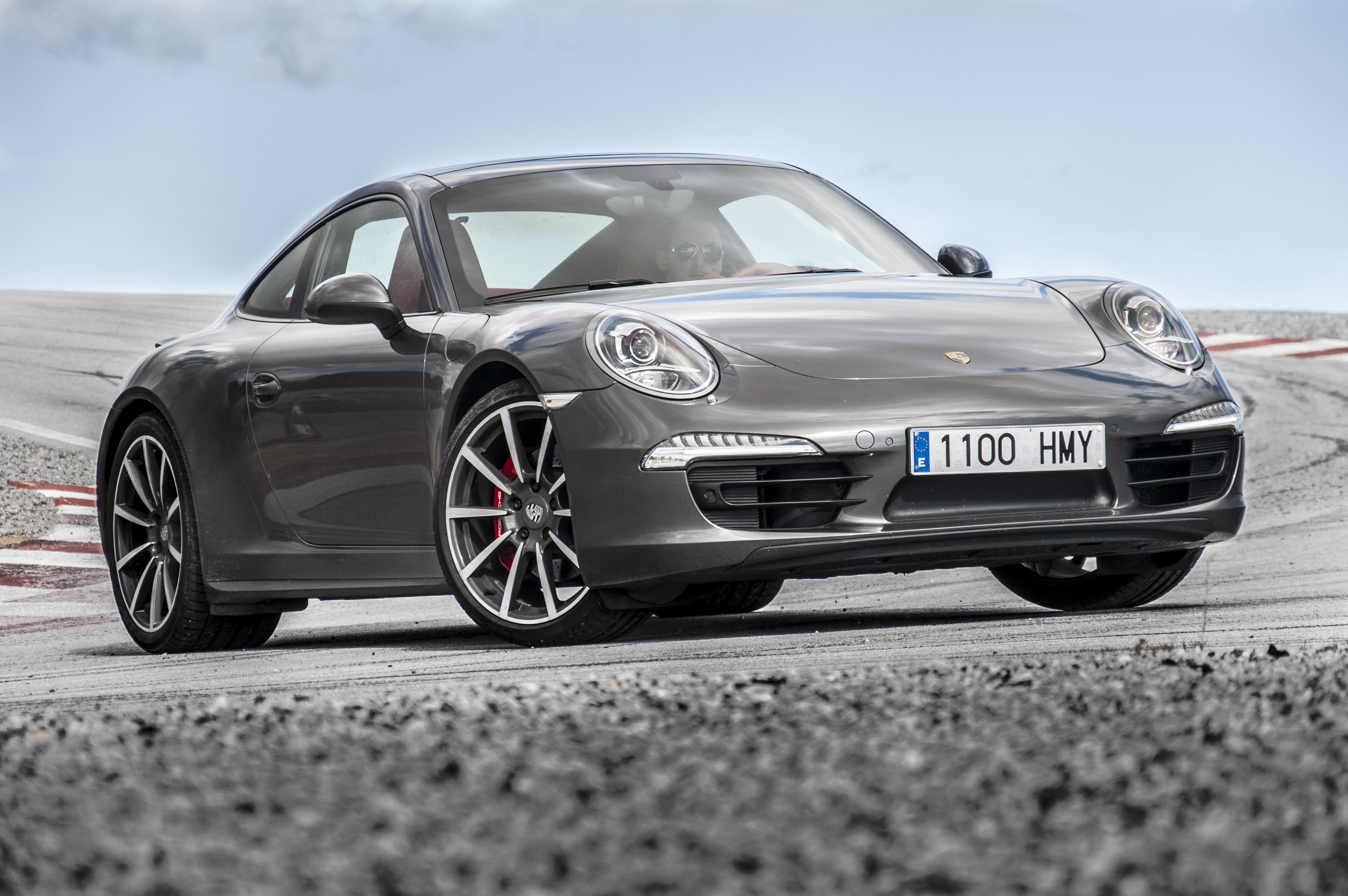
"...start to feel like my knee with the clutch in the 911 when I was driving it in North Carolina on the O..."
The Porsche 911 is a famous fast car that many people love because it looks cool and drives really well. It has a special way of putting the engine in the back, which makes it feel different when you drive it.
The Porsche 911 is an iconic sports car known for its distinctive design and rear-engine layout, delivering exceptional performance and driving engagement. It has a legendary status among car enthusiasts and is often praised for its balance of everyday usability and track capability. The mention of the clutch and knee likely refers to the physical engagement required in driving a manual 911.
"..., well, there's the guy that's driving the Dodge Challenger around the world at the moment too. Yeah, yeah, t..."
The Dodge Challenger is a big, strong car that looks like old muscle cars and has a very powerful engine. Some people like to take it on long trips because it’s comfortable and fun to drive.
The Dodge Challenger is a modern muscle car known for its powerful V8 engines and retro-inspired styling. It appeals to those who want classic American muscle car performance combined with modern technology. The mention of driving one around the world highlights its versatility and the enthusiasm some owners have for long-distance adventures in this car.
Select text to request an explanation
No, so I didn't consider hitting the button.
I mean, I would have probably pressed it if it got to the winning
amount of money that the TV show was for.
Like if the button got to $5 million, I would have pressed it.
But the million dollars.
No, I told people right before that as they were considering
who they wanted to elect as their team leader.
I said that I wouldn't take a bribe.
And like, if you look at my life now, I have enough money to do
the things that I want to do.
And I in in a speech that they let us make right before they
started escalating the money counter, I said that no amount of
money would change the course of my life.
They would just change the how fast I get there.
Harrison showing man, it is amazing to have you back
on the podcast.
It's been like four years.
How are you?
Yeah, it's great.
I'm great.
I hope you're great.
Everything's everything is great.
The upload speed looks great.
Everything seems to appears to be working.
Awesome.
You are in the Unimog right now.
Yeah.
Yeah.
Yeah.
I'm in the I'm in the Unimog somewhere on earth.
I could be anywhere.
It could be anywhere.
I'm in the middle of Johnson Valley right now.
King of the Hammer is just concluded.
And so this is the last event that I'll be in the US for.
At least that I'm planning to.
I'm headed after this toward Argentina over the next two years.
Two years.
Two years.
Geez, I plan to trip.
So I have, I love, I just plan routes, you know, dragging
a little yellow man all over the world and seeing where I could
drive and where I could go.
I feel like from my house to Tiered El Fuego is about.
I think I had the, did the math was like 45 days.
What are you doing for two years?
I want to drive like four hours a day on the days I drive at most.
And so I want to do everything super slow and see as much of it as possible.
And I don't want to like.
I've done too many trips where you're just getting through as fast as
possible because the destination is the thing you're aiming for.
But the whole trip is what I'm aiming for on this one.
And I have traveled.
Again, too many times where you're passing by really cool things.
Like say you drive as fast as possible down to Argentina, but then
only an hour or two off the route.
Like there's something really cool.
You wanted to see what it didn't make sense to because you were in a rush.
But now the added cost of it, you want it to go back to that point from
wherever you're, you're settled at is just exponentially higher.
So I'm trying to see all of it once to not really feel like I missed out on
anything in Central or South America.
What, what kind of spurn this trip on, you know, why are you, why are you doing it?
I had a, I was sponsored by auto home, one of our first lived in the Cayenne.
And a conversation with a couple of people at SEMA where I was sitting around
the table and one of them said that they had been around the earth, basically
on the line of the equator.
And then another couple of people had been on crazy stories, some people
from Overland Journal, and I was like, holy shit.
Like I had this realization in my head that if you have money and time, you
can go and drive a vehicle anywhere on earth.
So it's, it's interesting when you think of being able to go anywhere.
I was having this thought last night that it seems, it almost seems like
exploration is getting, it's getting harder, harder to find unique things.
You know, I've got a couple of books that are like guys that, you know, were
the first ones across the great American West and it's getting harder and
harder to find that risk and sacrifice.
It seems like.
Yeah.
Yeah, there's just not really like now the extreme adventurers are people
like biking around the world or people running the length of Africa where
people doing iron man's on Antarctica.
And so there's just not much adventure left to be had in the new world,
which is unfortunate and crazy.
Like think about how many times in your life you may have stepped on a piece
of land or in a spot that potentially no one in history has ever stepped on.
Probably pretty close to zero.
Maybe a couple of times out in Utah, right?
Like you get out there and like the Moki Dugway and the burr trail and stuff
like way out.
You can, I don't know, the, you start worrying about snakes at that point.
But the likelihood of you stepping on a spot where no humans ever stepped
before is like a crazy low and for most people it's, it's zero.
Yeah.
You have to pretty much be in like Siberia or the rainforest of South America
before you can claim that, I think.
Yeah, definitely.
So tell me about this Unimog, man.
It's really, you know, the, the beast in the room is, is not Beast Games,
which we can get into a little bit later, but it is that Unimog.
Walk me through what it's like to drive a 20,000 pound truck, man.
I've wanted one of those things my entire life and I want to know if the
fantasy holds up.
Justin and I were just having this conversation yesterday.
Justin lives in an LMTV and we were running.
What's an LMTV?
What is that?
Yeah, an LMTV is like the American military version.
In my opinion, it's a little less cool as far as like the features where you
get portals and it's manual and it's a little easier to tinker on.
There's a little more electronic computers inside of the LMTV and Unimog.
There's not at least the older Unimogs, but we were driving to an auto parts
store because he had a leaky oil filter.
And so just going into town, we were riding in his truck together and he's
like, do you get tired of driving your truck?
And I'm just like, no, no, like we're so privileged and fortunate to be able
to drive these massive trucks everywhere and to do all these cool things.
And the, the driving Unimog just doesn't get old.
Like it's this cool, mine sways a lot.
His is a lot stiffer, but like I'll go around turns and my vehicle will just
lean to the turn or crap ton where someone behind me will probably think
something's wrong, but it just has so much body flex and roll and it's fun
to anticipate and just the whole driving experience is crazy and like nothing
I've experienced before.
Your max is out at 2800 to 3000 RPM and the power doesn't come in until 1500
and then they build to about 25 pounds of boost and I'm at about 250 horsepower.
So I'm rolling through gears and I have to be cognizant at all times of my
exhaust gas temperature, making sure that doesn't get too high and keeping all
the temperatures of the gearboxes and stuff top of mind.
And anytime I stop, I have to monitor them with an infrared gun and it's
just, it's a lot.
It's like a chore to drive, but it's so much fun and rewarding.
Yeah.
So I, it didn't go smoothly at first, right?
Like when you first got it.
What happened?
I blew the motor an hour into owning it and that was the coolest hour of my life
at the time, getting to drive this massive insane thing down the road.
And then I just came crashing down and that night I slept in the Unimog without
any like blankets or pillows or anything because I anticipated being home at my
mom's house later that night.
So I spent the night in the middle of Illinois an hour from where I picked the
truck up at paid $700 to get it towed to the nearest truck stop.
And then from there, it spent a week at that spot before I was able to get it
towed to La Janta, Colorado to the only guy in the US that is like fair and
reasonable.
It works on these trucks.
And then two and a half months later, I had a new engine and a few other things
at the cost of $22,000.
Oh man.
It's a, it's like nine 11 prices.
Yeah.
So it's just the engine itself was 10 grand and then a throw-out bearing kit and
new clutch, all the supporting modifications.
And then it's a manual.
Yeah.
Yeah.
It's an eight speed manual with an overdrive, a 22% class overdrive.
So what, what engine is in those things?
Cause I, I, I kind of recall that some of the older ones have like diesel engines
that I would be familiar with, but I'm guessing this one being a little bit
newer.
I'm not going to know what it is.
What is, what's in there?
Uh, this one specifically factory.
It was an OM 352 non-turbo charge because it was the German U-1300L trip carrier.
Uh, but some companies supposedly turbocharged it in Germany before it was
sent to the U S sometime before 2004.
And then that engine, I assume was pretty reliable, but I blew it up because
the exhaust gas temperature got too high because I wasn't familiar with
the easels and didn't know how hard I could or could not push it.
And there was no gauge hooked up.
So it just ended up locking on the side of the highway.
Now I'm very familiar with it.
And I watch it like a hawk, but it's an OM 352 a now, which is turbo
charged from the factory, non intercooled.
Uh, but now it's intercooled, bigger turbo, bigger injectors, bigger
injection pump, all the, all the go fast bits.
What kind of spares do you have to bring with you when you consider
going to somewhere like Argentina?
Like how do you prep the truck for a trip like that?
Um, some spares are really expensive to keep.
Like the portal gear that I actually just changed the day before yesterday.
I changed the portal gear and two bearings in the portal gearbox.
The bearing was four, what is the port?
Is that like a differential of some sort?
I don't know what a portal gear is.
So a portal gearbox, imagine the tube of a straight axle.
It drops the center point of the wheel from the center of the
axle down and lower.
So it raises the differential higher, uh, but it does add some complexity
and added maintenance cost, uh, having to monitor and keep fresh oil
and all the differentials.
So there's four extra spots where you have to oil and watch for leaks.
So, but it's a, it's a cool factor.
And it lets you get a little bit further off road.
Yeah, yeah, for sure.
So you, I want to kind of rewind back and give, and we talked about
this a little bit on our other episode, but I want to get a refresher.
Um, you were in the, you were in the Navy and you said when we talked
last time that that's what taught you to live small.
You know, it lives small, right?
And, uh, I'm just wondering what living small actually means.
You know, what, when you say that, what are you, what are you talking about?
The, uh, I'd say it creeps in every few years actually now.
I think it's in a pattern.
Like every three years I want to minimize everything I'm doing back to nothing.
Uh, living small is just the more things you own, the more money it takes
to store those things, to keep those things, to have those things, paying taxes on those things.
Uh, and so reducing your costs, reducing your impact, reducing basically
everything so that you become like unfuck with a bull where nobody can try
and take your shit because you have a lot of shit or anything.
And you don't need as much money like that.
Like the, you don't need as much fucking money when you, when you're living small.
Yeah.
Yeah.
If you don't own anything and you can, like you just have to buy food or clothing
or like a roof over your head for the night, you can have fucking money for very cheap.
I think about, you know, I, I have, this is my house, my garage,
and I, and I'm really proud to have a place that I call home like this.
Do you feel like you'd miss that or need that?
Are you looking forward to doing that someday?
Or is just, it's hard for me to wrap my mind around how long, you know,
that you've been on the road.
I just, it's hard for me to reconcile.
Yeah.
Well, I've kind of not really been on the road the entire time, or I've not been without a home base
because I went about, I went about a year before I had a home base and the home base
while living in the Cayenne became my friend Jenny's shop.
So I was storing my things in a shipping container behind her house and I was basically living
behind the shop behind her house for a while.
And I was like still driving the car every day, going around, doing the errands that I needed
to do and whatever or getting work done.
And then it transitioned to I got a shop space in Orem and I was still living
or like south of Salt Lake City and I was still living in the Cayenne.
Or sometimes I would pull the bed out of the Cayenne and put it on a futon inside of the shop
office.
So I still lived in the Cayenne in a shop.
And then later on when I bought the Unimog, the shop space didn't want to renew my lease after that year.
So I found another guy who had met on the side of the highway.
He rented me space inside of his massive like 30,000 square foot warehouse.
And I worked on and lived in the Unimog there or around there when I wasn't on trips for the last
like two years.
And then now I'm totally without a home base.
Instead of a storage container or a storage unit, I bought a shipping container and I'm
keeping that behind a friend's house and I pay that friend $50 a month.
So that's my only home.
Yeah, so very, very fortunate.
But the shipping container was like $9,000 for a really nice one that I want to build into
something someday.
Yeah, you got to have one that's watertight.
I had a shipping container to store stuff in and it was really hot in there and it leaked.
So that was not a really nice one.
So are you thinking that you do at some point want like a permanent home base?
Is that in the future for you or do you not see that yet?
All right, let's take a quick break to talk about our latest sponsor, the Common Gear.
Now the story of your car matters just as much as the machine itself.
Every seat, every late night fix, rally mile, that's your car's identity.
But most of us have that history scattered everywhere.
You know, it's in your glove box.
It's on social media.
It's in a repair bill that who knows where it went.
The Common Gear fixes that.
It's a platform built by real car people for car people.
It allows you to digitize everything, maintenance receipts, build photos,
you know, records, provenance, where it's coming from, where it came from,
every mile that you log, every oil change.
And it's all organized, all searchable, all in one single place.
And if you've got decades of paperwork perhaps that you bought with a vehicle,
guess what?
They have a white glove service.
They'll digitize everything for you remotely or on site.
You'll hand them chaos and they hand you back a complete car history.
It adds credibility.
It adds value.
Think about if you're going to sell your car, everything now you can show is in one place,
has records, is ready to go.
Go to thecommongear.com, make your free account, and start building your car's digital legacy today.
Nokia and Tires has officially launched their newest tire,
and it's one we're especially excited about.
As is Taylor made for the type of driving we like to do here at Overcrest.
It's called the Surpass AS01.
And what sets it apart is it's a high performance, all-season tire.
It's made specifically for drivers who want the most out of their cars,
without sacrificing capability when the roads get slick.
We know all too well how unpredictable the roads can be, whether you're out on one of our rallies,
one of your own adventures, or just running to the grocery store.
And let's face it, a car can only perform as well as the tires it's on.
That's why the new Surpass AS01 is so great.
It offers the grip of a dedicated performance tire,
but won't it be stranded if the road or weather gets rough?
Not only does it come with a 55,000 mile warranty,
it also offers Nokia and Tires pothole protection.
If you happen to damage your tire beyond repair,
Nokia will replace it for free.
Check it out at nokiantires.com.
I need some motivation, like a family probably,
or otherwise enough money to leave a place vacant and not care.
And I don't see that happening for myself for a while,
because all of my money is currently rolled up in the Unimog,
and I don't have much spare because I've been building this for the last two and a half years.
And it's taken all my money, time, resources through that time.
So after the drive to South America,
depending on what my finances look like,
either I continue traveling around the world,
maybe I've met a woman at that time,
or I settle in Montana or something,
and sell the Unimog and roll that into real estate
and build a business from there.
So you've got to just open,
just like all options on the table kind of thing?
Yeah, I've been asked quite a few times what I'm going to do
when I get to Argentina after this two-year journey down there.
And I just say that that's two years away,
and I have no idea what my financial situation is going to look like,
but that'll dictate things, I'm sure.
Well, that just comes from curiosity, right?
Like everybody thinks of the societal norm of,
oh, I'm going to get a girlfriend and marry her and have kids and settle down and get a house
and all these things.
So when people see somebody that is doing something different,
they're obviously going to be very curious about it.
Last time we had chat, you said that you don't get lonely,
and I'm wondering if that's still true, years into living this way.
Do you still feel that way?
Yeah, no, I'm very fortunate still through social media
to be able to meet people in all of the places that I visit.
And I've got friends everywhere,
and luckily I'll be traveling with Justin.
So I have somebody that will be able to rescue each other
when we get in sticky situations, or he's a phenomenal cook.
I bring some technical knowledge to this table,
and then some extra resources, like tools and things that you may not carry.
So it'll be a great team.
You know, I think about the,
I think one thing that people also have trouble reconciling
is the difference between solitude and loneliness.
You know, being alone is not necessarily being lonely.
What is the difference do you think between solitude and loneliness?
Because you've seen both, I'm sure, a little bit.
Yeah, I think there are some people that cannot live or function
without other people around, or they're so dependent on other people.
But if you know that you are comfortable with solidarity,
it's okay that you choose not to be alone.
I think it is sometimes frowned upon for people to,
want to surround themselves with people 24 seven,
but I think that that's totally okay.
And I feel like that's where the value comes from in life,
is to surround yourself with people that you care about
and experience new things with them.
So I don't know if you, if I have the option of seeing a smile
on someone else's face or putting a smile on mine,
I'd rather see a smile on someone else's face.
So do you think that this comfort with being alone is something
that the Navy taught you, that you had to deal with there,
or what was the origin of that for you?
You know, have you thought about it?
I think I became comfortable with it when I was just different
than other people in the Navy.
So definitely around the time that I first joined
and realized that most of the sailors I was around
were interested in drinking and sports.
And when I didn't do those things,
I just didn't have much in common with them outside of work.
So I would spend my time trying to figure out different businesses
where I was making covers that go over license plates
with elastic banding around the side.
And I would heat transfer different designs that I cut out
with like a plotter.
And so I just, I tried building a business there.
And then I became a vinyl wrap vinyl wrapper.
And just I worked on getting out of the Navy,
basically since I was in it.
And just wanted to build a life for myself with people
that I thought were worthy of being around.
Did you think the Navy was going to be a career?
Is that why you got in?
Or what was the reason for jumping in the first place?
No, I just didn't have any other option.
If I didn't join the Navy right now,
I'd probably be working in a factory in Missouri somewhere.
Because that's the path my parents went.
They were just temp service job,
factory to factory until they got laid off.
And then they had to find another one.
Building no real skills or anything.
And they didn't become valuable for anyone.
So seeing your parents, that scared you?
For sure, yeah.
And especially the financial situation
we ended up in with my dad passed away
with no life for health insurance.
And our home got foreclosed.
And we had to move in with my aunt.
I lived with five people in a two bedroom house.
I slept on a twin size mattress on the living room floor
for a year before I was able to leave for the Navy.
And so I saw the Navy as a way out and a way to make money.
And I didn't have that option otherwise.
And then it really turned into like,
okay, this is a really cool path in life.
Yeah, you've described all this as kind of freedom, right?
And I think a lot of people would see it
as almost like moving down, right?
You've had a house, then you had the garage with the E36.
Got a conic photo with the bed,
and then you went into the kayak.
And you're kind of like minimizing as you go.
And I think you've kind of found a baseline right now.
When did you first realize that this was freedom?
Was it something that you knew was coming,
or was there like somewhere you were that you were like,
gosh, this is it?
Uh, I don't really think of this as freedom.
Freedom, yeah.
Freedom is like, like Reacher,
maybe if you watch that TV show,
where the guy got out of the Army
and just travels around with nothing but a toothbrush.
If he needs new clothing,
he goes into a thrift shop, buys new clothes,
he holds his old ones there.
Like that's ultimate freedom,
but that's not realistic for most cases.
This is the most, in some ways,
not the way that I'm doing it,
but living in a vehicle in most cases
is the most financially effective way to build wealth
by saving money and not paying money toward rent.
And so when I was in the Navy
and I was receiving the housing allowance
and I bought a house,
rented the house out within six months,
and then I chose to live on the boat.
So the house was being paid for,
and I was living for free
while still collecting the housing allowance.
Uh, I just, that kind of instilled in me
that I refuse to pay for housing
and have it go toward nowhere
when I can subsidize that
or have other people pay it for me.
So it seems like you're,
oh, go ahead, sorry.
I just want my living expenses to be low
so that I have more money to spend things
to spend on the things that I want to.
It seems like this mix of rejecting conventional life
with, I mean, honestly,
being a little bit broke
and being forced to improvise.
Yeah, yeah, that's where the,
that's kind of where the cayenne came from at first.
I didn't want to admit it,
but I didn't really have another option
but living in my car.
I didn't have enough income on paper,
especially three times
whatever somebody was charging for rent
to prove that I was worthy of,
of making payments to them,
even though I'm myself and trustworthy,
I have like an 800 credit score,
but I just didn't have the income on paper
to support that I would actually pay rent
wherever I was trying to rent.
So I didn't have an option
but to live in a vehicle.
So you saw the cayenne online
late at night and bought it next morning.
Do you remember the first night sleeping in that thing?
Do you remember how that felt?
Well, the first night I ever slept in the cayenne,
I had cleared out the town home that I was living in
and I just built the unit,
they're just built the cayenne in the garage
and moved everything to storage.
And my first trip was towards San Diego
and I was going to spend a couple of weeks there.
And so I slept at a truck stop off the side of the road
in Beaver, Utah.
I remember it being kind of hot.
It was May 26th of 2021.
But yeah, nothing crazy happened that night.
I woke up and then I just continued driving
towards San Diego.
So it just felt like it was meant to be,
it just felt normal.
Yeah, they just felt normal.
It's just a bed.
You go to sleep, you wake up,
you continue your life.
So I heard there was an incident in Moab
involving a jump with that thing.
What happened?
Oh, no, that was Swingarm City.
Oh, okay.
Yeah, I jumped the car and the suspension
was not prepared for the car coming down on it
from a couple of feet in the air.
Was this like, was it something that you were planning to do?
Was it an accident?
Was it, did you think it could do it,
but then it actually couldn't?
Like, what's the scoop?
I just, I thought the car was capable of jumping
and I found the limit and that's about it.
The axles popped out because the suspension
or the forks that come over the axle had buckled
and then the whole weight of the vehicle
was sitting on the axles.
So it just popped out the CVs and my coolant reservoir
or something.
I don't know, the coolant lines in the wheel well popped,
but I mean, if I didn't have such large tires,
it's possible that the jump would have gone much better.
Sure, sure.
So you said a few times that this actually is not
your first rodeo is looking through your TikTok today
and you're like, this is not my first rodeo.
For a lot of people, it is.
And you rode a motorcycle about 7,000 miles solo.
No, no, the hat says this actually is my first rodeo.
Ah, yes, it is, it is your first rodeo.
That's right.
That's the saying is it is your first rodeo.
I think that that is something that scares people a lot
is they don't have any experience going into something.
You know, it's funny.
I asked my, we were watching the Olympics last night
and the ski jumping was on.
And I said, I asked my daughter, I said, would you do that?
She goes, yeah, well, yeah, if I had some experience
and it made me think of your, of your reel like this,
this is my first rodeo, right?
So how do you get over the, I've never done this before.
I'm going to do it sentiment, like for something like
hopping on a motorcycle and riding it all the way
to the Arctic Ocean basically.
The riding the motorcycle to the Arctic Ocean
was the most cost effective way to get up there,
or so I thought.
And I had only camped off of a motorcycle,
like packing gear on it, camping on a tent,
like on the side of the motorcycle one night before that happened.
And I prepared all the gear that I knew that I needed.
I even overpacked a little bit through everything on the motorcycle
after getting the motorcycle like a week later,
a week earlier, I traded another bike for it.
And I knew that I was missing the weather window
to be able to go to the Arctic Ocean
and with the plans to drive to Argentina
over the next two years, I just had to make it happen.
And I had to convince friends to join me.
I mean, I would have done it solo if I really had to,
but it would have stunk.
And then I just, you know, it's just camping.
It's just camping, but also I've had enough people on the podcast
to know that a lot of that landscape and the bugs
and everything else can be pretty nasty, man.
It can be pretty nasty up there.
When I drove to the Arctic Ocean in 2022,
the bugs were pretty horrendous,
but we came later in the season when it started to get cold
and saw all the mosquitoes that are usually around there
and mostly died out.
Did you go up to a tuck or where did you,
where did you end up going?
What was the plan?
I went up to a tuck to a tuck the first time,
and then this time we went out to Prudhoe Bay.
Okay.
Is tell me about, you know, everybody has this
sentiment that you shouldn't drive up there.
It's going to ruin your car.
It's going to destroy your car.
The rocks are big in the road.
You're going to lose your tires, all this stuff.
What does it actually like to drive up there?
You can drive pretty much anything up there.
I think that we, yeah, as we pulled up to the Arctic Ocean
at Prudhoe Bay or like the general store
where everyone goes to buy things,
there was a C5 Corvette right out front
that somebody had driven up to the Arctic Ocean.
And so it's possible in any car,
and everything is just nuts and bolts.
So just tighten everything back down
if something comes loose on the way.
The motorcycles though,
we dealt with a lot of rain on the trip.
It rained for like 14 days straight at one time.
And then the last of the rain was when we finally
got back down to Fairbanks.
But the motorcycle, my KTM 1290 on the muddy road
for the entire 1000 miles round trip
of the Dalton Highway,
the radiator was getting clogged several times
and I'd have to stop every like 200 miles
and clean out the radiator.
And I wouldn't catch it in time
and the oil temp would get up to 50 to 60
because there's not just like water hoses
to clean off your radiator every once in a while.
And I got down to Anchorage after the trip,
got an oil change at a motorcycle shop, continued on.
And then the motorcycle blew up three hours
north of Whitehorse and left me stranded.
So that is the so I thought part of it
being the most economical way.
Yeah.
So I bought this motorcycle previously for $10,000,
owned it for a year, traded it for the 1290 straight across.
The 1290 was worth like eight thousand or so.
Put $2,600 in maintenance on top of the new tires
and stuff that I bought for it for this trip.
So I'm roughly $12,600 into this motorcycle
that is now a paperweight in my ship container
behind my friend's house.
Still there.
And so the trip should have cost $2,000 or $3,000 at most.
Now it's a $15,000 trip.
These are expensive mistakes, man.
Yeah.
Yeah, I could have chosen a much cheaper bike probably
and just instead of that maintenance, I could have just let it ride.
Why did you choose the bike that you did?
Was it just like, oh, that's kind of like the ideal bike to do this in?
Was it some like, were you glamorizing things a little bit, do you think?
Yeah.
Yeah, ideal bike to do it on for sure.
Just big, comfortable, highway cruiser.
Somewhat off-road capable.
Like it was still fun on the trails that we took.
But yeah, now I ended up being the downfall.
Looking for the best app for navigating your next adventure?
Look no further than Onyx Off-Road.
With over 750,000 miles of trails and comprehensive offline maps,
you can explore without worrying about sales service.
The app features trail ratings, detailed information,
and a discover tool to help you find trails near you.
Onyx Off-Road also includes public and private land boundaries,
so you'll always know where you can legally off-road, camp, and explore.
Want to stay connected?
The app features a cell service layer, so you can plan your route with service in mind,
which is great for emergencies or just staying in touch.
And for added peace of mind, there's a wildfire layer that helps you avoid active fires and
smoky areas, give you a safe and aware of current conditions.
With tools like Route Builder, Waypoint Marking,
Real-Time Updates, and Route Sharing, you're fully equipped for any adventure.
Try it for free for seven days and hit the trails with confidence.
Download Onyx Off-Road today.
I want to take a quick moment to shout out the Overcrest Drivers Club,
which honestly is less of a club and more of a community of like-minded folks,
dare I say, automotive degenerates.
Drivers Club is where the community lives between our events.
We have a private Discord channel.
You get early access to news, announcements, and experiences,
and a direct line to the people building all this chaos in the first place.
For as little as five bucks a month, you'll get an entire back catalog of exclusive episodes.
And as some of our longtime members can attest,
we've been known to send out some really cool surprises on occasion.
We also may be cooking up something on our rallies just for Drivers Club members,
so check it out.
Now is the time to join at overcrestproductions.com slash Drivers Club.
So was there any part of this that has to do with discomfort for you?
A lot of people clearly get joy from doing things the hard way,
but it seems like you've made a choice to buy the nice bike,
but also you drove through 14 days of rain, which had to have been terrible.
Is there a part of you that enjoys the struggle,
or is it like in hindsight that that's good stuff?
It's just so much fun to continually figure out how capable you are
and what situations you can put yourself in and what you can get yourself out of.
After the motorcycle blew up, I was just sitting there on the side of the road
knowing that I was helpless, and within three vehicles,
this older couple in their RV who had flown in from New York City
to Whitehorse to rent an RV and go to the Arctic Ocean and come back,
they stopped, they took me to the next town,
because I thought potentially the motorcycle was just low on oil or something,
maybe it ate oil or they didn't put the correct amount in at the motorcycle shop.
We went and got oil, came back to the bike,
and then I saw that the oil side glass was now full because the oil had redistributed itself,
and I was like, well, that stinks.
So I just grabbed all my stuff and that couple was willing to take me to the campground
they were staying at that night, which was an hour and a half south
and still an hour and a half from Whitehorse.
So I stayed at the campground for two nights until my friend Bryce was coming north.
He was headed to the Arctic Ocean.
He grabbed a U-Haul trailer in Whitehorse, came an hour and a half north,
got me another hour and a half, got the motorcycle, took it back to Whitehorse,
and then he continued on his way for the next week.
So he went up to the Arctic Ocean, came back down.
The morning he picked up the U-Haul trailer,
he met a woman at a coffee shop who extended an invite for him to sleep on our couch or something,
and through him, I found the woman and I slept behind her house on her porch in my tent for a
week before Bryce came back down and picked me up, and I could have flown out of Whitehorse,
but it was more expensive.
More money than I wanted to spend, already knowing how expensive the trip was.
So I rode up.
You're occupying your time with.
You're on this lady's porch for a week in middle of nowhere, really.
Walking around, going to like a rest, I'd go to like the KFC,
like the single KFC in Whitehorse and sit there for a couple hours and like
plan stuff or try and create content on the way or really anything,
but like just exploring, getting some exercise in while I literally can't do anything else with
my life.
You meet any cool people in times like this?
The lady's name was Ruth.
I came, I was there for a couple, like older women's parties.
They had a couple of nights with all of her friends, and I was there for that.
It was just the other party.
Right, a big hit.
So what do you think, you talk about pushing the envelope on what you're capable of?
I don't know what this question brings, but what do you think you are capable of?
Like where do you think the limit is for you?
Are you just trying to find it or is there something you're aiming towards?
Well, I'm not running across the length of Africa, for sure.
So there is a limit.
I don't know.
I just hope that there is no limit and I explore my capability to my creativity's end.
And so through the South America trip, that's part of it where I want to
prove how capable I am to myself before I settle down into, I guess, a more
normal or more traditional life and to have this grand story that I can tell grandchildren someday.
Yeah, you talk about content creation.
How much have you grown, do you think, in the last five years of the content you've created?
And what has changed in the landscape of that in this time?
What do you mean?
Well, just from the content that you were creating when you just started,
theoretically, learned a lot in the last five years.
Yeah, I think the most important knowledge that I've learned or gained is the ability to
continually create viral videos, or whether it's finding an idea on the internet and recreating it
in my own way. Or, for example, recently, I made a video that, I made a home tour video of Justin
Struck, his LMTV. I filmed, edited and posted that on his channel in three hours. And that video
on Instagram got like five million views, gained him 100,000 followers on Instagram
from one single video. He posted it to Facebook, YouTube, Tech Talk, and gained another 100,000
followers across those platforms as well. And so, yeah, my biggest takeaway is just marketing and
knowing what works and through all the experimentation.
Does that ever corrupt the adventure for you? Do you ever find that it gets in the way?
Uh, not really, because you can choose which adventure you want, and you can choose whether
you want to record it or not. I started off the motorcycle adventure thinking I was going to
make videos every single day. And then they just weren't doing that well, so I thought it wasn't
worth the effort. I stopped really recording as much as I was, and then I just turned it into a
like a single reel at the end of it, and then a single other carousel. And that's it. That adventure
will just live in that spot in time on my timeline. Is it, is there anything that you do that you
deliberately keep off camera? Is there anything you keep just for yourself? Or is it kind of no
holds barred everything? I'd say, yeah, over the last two and a half years while modifying the
Unimog, I chose not to put any of them on camera or like 99% of that set off camera because I don't
want to be the guy that works on a thing in a garage because valuing others and wanting to see
others smile so much, like I'm not interested in locking myself up in a garage because that's my
form of income. I want to be out adventuring and meeting people and hearing stories and
living what I feel like life is about. So it would have changed the basically changed the
algorithm for you had you started working on the truck constantly. It would have changed the
audience. It would have changed who you were speaking to. Yeah, yeah. Think about builders like,
like for example, be us for build. Like nobody watches him go use his vehicles or anything. And
I'm sure he himself has always felt locked in the garage and he only sees like two or three people,
the employees that he's been able to hire for years now. So I just, I don't want to go down that
same path. I'd rather do this in silence, get it done faster because you're not filming it and then
be able to use it on camera. Yeah, it's nice to have things just for yourself too. Some things,
if you enjoy it. Yeah, but it's mostly for the fact that I don't want to be the guy that works on
things in a garage and then filming makes things take two or three times longer. And so it could
have been a six year project. Yeah. So I want to talk a little bit about these games. And for
people who didn't see it, which if you're living under a rock, I'm not sure. You were player 251
on the Mr. B show. And the team that you were on made you a captain and Mr. B was offering
escalating bribes up to a million dollars to press a button and eliminated his entire team.
You didn't press it. Then you got eliminated the next round and went home with nothing.
Was there a number on that, you know, on that screen that your hand was twitching at all? Did
you ever consider hitting that button? No, no, so I didn't consider hitting the button. I mean,
I would have probably pressed it if it got to the winning amount of money that the TV show was for.
Like if the button got to five million dollars, I would have pressed it. But the million dollars,
no, I told people right before that as they were considering who they wanted to elect as their
team leader. I said that I wouldn't take a bribe. And like if you look at my life now, I have
enough money to do the things that I want to do. And I in in a speech that they let us make right
before they started escalating the money counter, I said that no amount of money would change the
course of my life. They would just change the how fast I get there. Like a million dollars,
I could have hired people to work on the truck for me and get it done faster. So I could have gone
on the adventure faster. But regardless, I'm still going to go on the adventure. And then I don't
regret turning down the money because I don't have a time machine and there's no sense in wasting
time worrying about it. Yeah, that's an interesting perspective too, because it's
it's got to cross your mind sometimes, you know, if there's a time where you're stranded on a side
of the road and you just shelled out your $12,000 bike, how nice it would be to have a million dollars,
right? People people say that that was most of the comments that I received online too is like,
bro's going to be broken the future and he'll really wish he had that money. But
I really don't think the money matters that much because even if I had taken the million
dollars, I would have bought a piece of property. I would have bought another unimog or something
to further my content, but like I'm going to buy those things. And yeah, even if like even if I am
wishing I had that money in the future, I still don't have a time machine. So I'm still like,
I still figured out. Right. And after you turn the money down and you can tell me if I'm wrong
here, I'm just going off of memory. The team offered you immunity in the next round. You
refused that too. You said you weren't inherently better than them and then they voted you out.
Walk me through how that felt and maybe some of the time in the hours after that.
Oh, it wasn't even that they voted me out. One, there's so there was two guys in the box with
me. And I think one of them would have honorably gotten out if he actually lost the game that we
were playing. When we got in the boxes, I wasn't actually good friends with either of them.
I knew of them. I'd had short conversations with them before, but whenever they announced that we
needed teams for that next game, they were just too physically closest to me instead of me searching
for other friends or anything. And so I said, yes, I'd be a part of their team. And then in the boxes,
yes, they offered me immunity. I said, no, it's fine. Don't worry about it. And then I wanted to
draw straws basically, because I felt that that was the most luck, luck intensive game,
instead of playing something of skill, because I myself didn't want to get out. And so I didn't
want to pick a game that I was bad at, but I really didn't want to pick a game that anyone
else was good at. So I just thought luck was the best way to play it. And so we basically drew straws
sandwiches and I lost. So I chained myself to the wall and they continued on.
I feel like when I watch that show, it's very, very dystopian in how people treat each other on
that show. It kind of scares me a little bit. There's a lot of hopeful things too. I think you
operated yourself really admirably. And I think you did what very, very, very, very few people
would do, very few. And I think the large majority of people make decisions that are very selfish.
For just from what I see on the show, and that's almost natural, what are your thoughts on
what that show and what your experience there exposes or says about humanity in general?
I had a really good viewpoint of what humanity looks like outside of social media and outside of
outside factors, of course, where everyone treated each other well and nobody talked about
politics. Nobody cared what anyone else was doing outside of the interactions they had with each
other. So it was great. Nobody had fans and everyone was incredibly friendly. Not because
they had everyone was super raw. Like nobody knew what the show was going to do, how well it was
But it just, yeah, until later in the TV show, people started to be pretty ugly toward each
other. But before that, it was great. Was there real friendships that were made?
Yeah, we spent about three weeks together total before I got out. And that's three weeks of no
phone playing through challenges and you're like trauma bonding with your friends, basically.
And that first episode that we filmed where we were standing on platforms was over the course of
four days, standing on those platforms for 12 hours a day, even though it looks like it was
maybe an hour. I was just going to say there's got to be a lot of downtime on this stuff.
Yeah. And then before the 12 hours of standing on platforms, we were on buses. They flew us in
in New York originally and then bused us to Toronto. And then on the days of filming, we'd
spend like two hours on the buses going to while they were still like finishing up things inside
of the studio or inside of the set. So lots, lots of downtime, basically every moment you're not
sleeping. How did the, how did the, how did it end up that you got on the show? What is the process
of getting on something like that? I always wonder because you see all these people that just seem
like a lot of regular people. Is there an application or a casting call or how does it work?
I think these games season one was pretty special because I don't believe a lot of people knew that
you could apply and be a part of it. I only knew because another guy that I was serving in the
Navy with on my first ship, his name was Ty or he flew out to, well, after he got out of the Navy,
he became a video editor for like sports channels, like sports gaming channels and stuff. And then
he had to try out with Mr. Beast's team where he was trying or he was going to possibly become
like an idea guy for videos. And he kind of had an in where he posted on Facebook, Hey guys,
if you're interested in beast being on beast games, like maybe I might have an in or just put
this guy's name in the application. And so I did. And I'm not sure if that really helped me out that
much because it was a very small part of the application. But I have an interesting story
where X military living a vehicle, like that's something people that are on the TV show, plus
I'm fairly well spoken, I think. And it's just like, you can't have a winner of the TV show and
them not want to talk on camera. Yeah, it's almost like when you're on watching anti's world show.
And someone says their painting is worth like $100,000. And they just go, wow. And that's it.
And you're like, what do you mean? Wow. Yeah, so they look for people that are very outspoken
and can talk for long periods of time about nothing basically.
And I'm not really that way. But I crossed into it.
Did it change your life? Did it change the trajectory of the direction of things for
you? Did it affect you at all? Or is it just another chapter?
Just another chapter. Yeah, I don't think it really affected my life at all. And it also
feels like such a small part of that TV show too. Like it was a big deal for me. But all of the other
contestants that were the team leaders, or they made it further on, like the top 50 got flown
out for other things. Like I feel like I had a large role in that moment or episode two or three.
But then I was so insignificant compared to everyone else later on that I just
I backed away and I just don't really watch or associate myself with it very much anymore
because it just feels like, just feels weird. Would you go back? Would you ever try to do
anything like that again? I would go back. Yeah, I wouldn't go on any other reality TV shows because
I think it's cringe that some other people literally just chase that. Like they have
nothing else going on throughout their life. And they seek purpose or seek popularity through
going on TV shows. But I don't have any interest in that. I would just go back for the next season
if they invited me. Just to see it through further. Yeah, I think it'd be, I think personally
think it'd be really cool to see you go back because I just think that your moment and time
there was very noble. And I remember just like, I knew that I feel like I knew that you were
going to be on the show. I don't remember. But then I was like, oh my God. And then,
you know, I didn't know anything. It was so cool to see you up there and do that.
So I want to talk about Argentina a little more just because I want to plan my trip to Argentina
too. Is there something that you're looking forward to seeing? Is it like a cultural exploration
there? Or is it, are you winging it? Are you saying I'm just going to go do this for tears?
What's the planning process here? I'd say most of it is winging it.
I have not practiced learning Spanish in order to prepare for this trip. I know I could have,
but I've put most of my preparations into the truck and making sure it's capable and comfortable
along the way. The trip is mostly about seeing like cool places and testing the capability of
myself because I know the truck's going to break down in crazy places and the crazy experiences
and stories that I'm going to come away from from this with just wild interactions with strangers
and stuff. Like that part is going to be really cool. Justin and I are going to try and do as much
of it off like internet maps as possible. So plotting coordinates and making it to these spots,
like we have a bunch of saves places in South America and Central America that we're going to
just plot on paper maps and try and make it to ourselves. And then asking locals for directions
to those places when we're in the area and we can't find it or something. Like
I feel like the true sense of adventure now in this day and age comes from distancing yourself
from the internet. Like we're kind of at the last point for that, man. This is it. You know,
I've got the little thing on my phone that in an emergency, I can satellite text, right?
Yeah. But in a few years, why isn't my phone just going to talk to Starlink anytime and
just give me data and I feel like we're right there. We're the last, well, I'm a little bit older
than you, but we're the last generation to really have places where you can go where the internet
isn't. And I feel like that's coming to a close very, very soon. Obviously, you've got Starlink,
but yeah, we're at the last, last fledgling edges of that. That's kind of sad.
Very much. Yeah, we are.
What's your content plan? Like, what are you going to try and film? Can you tell us?
Are you, is there a plan of what you want to do? Are you like documenting people or
are you just taking it as it comes?
I mean, what we actually do and what our plan is may differ in reality, but we want to do
at least through Baja. We want to follow the Baja 1000 race route from La Paz or from
Ensenada all the way to La Paz. Spend a little time in Cabo and then cross over to Mexico,
go down to Nairit and then over to Mexico City and then south into Belize, Guatemala,
and continuing. But we want to do maybe four or five episodes, depending on how large the country is
per country, maybe posting once a week. And then we want to do challenges in each video too,
like cook dinner for a family or find a family that will cook dinner for you
or donating stuff or, I don't know, some sort of like humanitarian efforts,
or it could be something like climb to the highest point that you can visibly see right now,
like find a way to that, whether it's a mountain or a building or something.
So, are you going to let viewers pick when these things happen?
Yeah, so we want to run polls on YouTube and see what people could pick as challenges or
potential challenges. And part of all of this stems from, there's a video game called Bruinscape
that is very challenging, very complex, started in the early 2000s. Nobody can beat the game,
like it's just not beatable because they're constantly coming out with new content.
And it has so many puzzles and so many like deep thinking things through it.
Somebody is doing it on YouTube where they're playing through it blind with no guides or
anything, which is near impossible. And so there's so many routes that they're taking through the game
where people are like, oh, he doesn't know this exists, he could have done that so much better
or faster, that would save so many hours of his time or life. And if we can kind of have that same
thing with the South America trip or we're doing it blind, so he edits the videos of him playing,
posts it to YouTube or he has a friend posted to YouTube. So he never sees the comments from
people and he's blissfully unaware of things that could be improving his life or making his life
better, but it's very engaging for the audience. I imagine what it would be like to play Red Dead
Redemption 2 like that, where there's no, I don't know if you've played that game at all, but it's
like the best, I think one of the best games of all time. The story is so good. And of course,
I had all kinds of people telling me, oh, the story is so good. And I had my buddy, Jeff,
who does Overcross with me. And he kept being like, tell me when you get to the point where you
know you have to tell me. And I'm like, that's almost a spoiler in itself. And of course,
there was a point in the game where I was like, oh, but experiencing something like that blind is
again, just like the no tech very, very rare experience these days.
So yeah, that's, that's what I think will be, will be in search of, of that
like rareness about it.
Yeah, you almost have to force yourself to do it almost. What about security? Like, how do you
make sure that you're safe? You know, there's some of these places are, are difficult, not everywhere.
I think, I think the vast majority of every situation you're going to be in is going to be
very safe. But there is, of course, a modicum of things that could go wrong. Like, how do you
make sure that you guys stay safe? Are you just relying on, you know, what I believe to be the
general goodness of humanity? Relying on the general goodness of humanity. I mean, we can't
take guns or anything south of the Mexican border. So I left my Glock in Utah and a friend
sold it for me. So we've got, you know, kitchen knives and you're going to have to trust your
instincts on not parking somewhere because it feels off or, you know, not putting yourself
in a situation where you could be fighting somebody and they have a weapon you don't know
about or they have friends in the area that you don't know about, or they come back and find you
because you had a disagreement with them earlier in the day. But they know where they're going,
they know where you're going to park that night. So being mindful of that stuff. And I,
I love escalating things, which will not work for me south of the border. Like, if I know I'm in
the right and someone is having a disagreement or something with me or somebody's yelling at me for
something, but I know I'm completely in the right, I'm going to escalate it. I'm going to have fun
with the situation and I'm going to publicly yell at them. I'm going to do whatever I want
because I'm large and they're not going to do anything to me. But I know that that does not
work south of the border. I'm going to have to de-escalate as much as possible and distance
myself from the situation. So I'll have to put ego aside.
Well, dude, I'm really jealous of your trip. I've always wanted to do it. I've always thought it
would be great to hop in my, hop in my 9-11 and just drive all the way to Tiradilfuego with
much harder when you have kids, but you, you really can do that if you wanted to.
Yeah, there's stuff I want to do when the, I mean, they're 10 and 12. So in 10 years,
I kind of get to do whatever I want again. There was a period of time where the kids were
really young or that they didn't exist yet. When I was able to do road trips and go wherever I
want. And now I'm like, oh, I have to ship my car home because I have to be home for this,
that or the other thing. And there was kind of this, I think this naive part of me when I was
younger, I said, well, why isn't everybody doing this? This is just the, this is just the best
thing ever. I can just take my time. I can go wherever I want. I can stop. I can meet people
and do things and gosh, do I miss it, man? But that's life, you know, that's life. At some point,
I wanted, I want to do it. Since I'm nearing 30, if I had children now, I'd have to wait until I were
50 to do these things again. Yeah, that's me, man. Too old. My knees would be in much worse
condition. Hey now. Hey now. Come on. I don't know. I don't know. I've got some pains, but
although I did start to feel like my knee with the clutch in the 911 when I was driving it in
North Carolina on the Overcrest rally, I was like, gosh, after like a full day with my knee on that
clutch. Yeah, that was, that was rough. But it's one of those things that you can kind of just
fight through. You know, I'd love to do, I'd love to do Peking to Paris still. You know, if I ever
can somehow scrounge enough money together, although I feel like it would probably be a lot
cheaper to just do it by yourself, then try to like do it with some like organization or whatever.
If you could find a way to get over there and China would let you in and you could just go,
I feel like you could do that. I follow a lot of guys that wander around Russia. You know,
they just wander around and look at stuff and hop on trains and all that thing. It's all very
romantic. It's just not in the cards for me right now. There's the, well, there's the guy that's
driving the Dodge Challenger around the world at the moment too. Yeah, yeah, the purple one.
I've DMed him a little bit. You know, it's what happens to me is like, I see some of these guys
like really early and like, let's, let's get you on the podcast, let's do it. And then they
absolutely blow up and then it becomes, it becomes unmanageable, I think for them, at least at first,
you know, you get overwhelmed with, you know, DMs, DMs dude are so hard because you could spend,
back when I would work on my car, I only have like 25,000 or 30,000 followers or whatever. And I
would work on my car and I'd be doing stories and I would talk to it, talk to people. You can sit on
your phone and have infinite conversations with people. I imagine it's, it's far more overwhelming
for you, but you could, you could go from 8am to 10pm and talk to people all day, back and forth,
all day long and have these perpetual conversations. And it's nearly impossible,
impossible to manage. So I can only imagine it gets really hard.
I think I'm, I think I'm in a fortunate spot where I receive less DMs now that I'm a larger
account than when I was a smaller account. Really? Yeah, I think there's, there's a point where people
think that you're reachable. And so they'll, they'll DM you with whatever questions they have
possibly, but then when it gets to a certain point or your account is large enough, they
start to think that you're unreachable and then they choose not to DM you. And I respect and I
totally try to answer as many as I possibly can, especially ones with thought-provoking questions.
But if it's a question that you can answer on Google in five seconds, I probably won't take
my time to answer it. Right, right. What advice do you have to people that want to do what you're
doing, create content and travel and seek freedom? The most, the easiest way to become
notable on social media is to be notable in real life and to have a life that people want to follow
along with or they're interested in what you're doing. Or like the amount of times that I'm talking
to strangers when I step out of this truck and I explain to them that I'm driving to Argentina,
they willfully, they're like, what's your Instagram? How can I follow along?
So being the kind of person that people are actually interested in seeing what you're doing
to today is most important and I hope to help you go viral or create viral videos or gain internet
attention more easily. Yeah, but everybody wants the shortcut, dude.
Yeah, it's just, I mean, fortunately, I'm not living the same life as everyone else,
so I don't have to find a way to differentiate my content with the same similar stuff.
So I would say it is much easier for me to create content.
Yeah, I mean, I get constant, I mean, I kind of gave up on that, just kind of steered my
focus towards Overcrest and the podcast and doing and building events for people and experiences for
people, but I still get inundated with these accounts that are like, here's the top 10
hooks of the week, here's all this stuff, do all these things and it's just drives, it's
not to do what you're saying, which is do something interesting in the first place,
they want the quick, they want the hook, they want the what song is trending,
they want to just hook people in that way rather than putting in the work.
Yeah, yeah, with what I'm doing, I just, I make some, I film some clips, I splice them together,
I cut off the unnecessary stuff, I maybe add an audio and then I post it,
where I look back through my archive of videos, if I'm making a collaborative thing or a video
that like inspires someone to do something, but if you're working a normal job every day and you
go to the gym, you go home, you have a significant other, like making that interesting enough
is so hard to do, where you have to differentiate yourself with an incredible skill level of
videography or editing that I just don't have to do.
Or you have to be ridiculously good looking.
Yeah, yes.
That's not me, unfortunately.
That's not most of us.
Harrison man, thanks for coming on the podcast.
I hope to check in with you as you drive down.
Maybe you can talk to me after you get across the Darien Gap or around the Darien Gap,
that thing would not be across Darien Gap, but around.
The Unimog will get you from Panama to Columbia and I have the goal of kayaking from Panama to
Columbia for like 20 something days on the open ocean.
Really?
Yeah.
So do you just stay close to the shore then?
Or how does this work?
Yeah, pass the waves or pass the break.
My friend, be more Charles on Instagram.
He's done it before, so I know it's possible.
Dang, you good swimmer?
I hopefully good enough.
Good enough.
All right, man, it's been good talking with you.
I can't wait to check in and see how you're doing soon.
Thank you.
Yeah, you as well.
Take care of yourself.
You as well.
Request an explanation for:
6 cars
6 cars featured
Request an Explanation
Heard something you'd like explained? We'll add it to this episode.
Sign in to request explanations for terms you heard.
Want to learn more?
Browse our glossary for plain-English explanations of automotive terms, jargon, and concepts.
See something that's not quite right? Our annotations are AI-generated and can sometimes miss the mark.
Click the flag icon on any annotation to suggest a correction.