Tom Kristensen, the legendary nine-time Le Mans winner, shares his remarkable journey from a small boy in Denmark to becoming a racing icon. He discusses his early influences, including his father's passion for motorsport and the challenges he faced in pursuing his dream. The conversation touches on his karting days, the struggles of breaking into professional racing, and the pivotal moments that defined his career. With insights into the competitive world of sports car racing, Kristensen's story is both inspiring and a testament to perseverance.
Andrew Frankel and Dan Prosser interview legendary sports car racing driver Tom Kristensen. How did he get started, why did he go to Japan, and what happened in his biggest ever racing accident? Of course, there’s also the small matter of Le Mans…
Use coupon code pod20 at checkout to get 20% off an annual subscription to The Intercooler's online car magazine for the first year! Listen to this podcast ad-free, and enjoy a subscriber-only midweek podcast too. With a 30-day free trial, you can try it risk-free – https://www.the-intercooler.com/subscribe/
"Tom Christensen nine times the more when the man who's won 50% more than more than anybody else... Tom you won first in 97 and then every year between 2000 and 2005 that's six in a row."
Le Mans is a famous car race that lasts for 24 hours. It's known for being very tough and is one of the biggest events in motorsport.
Le Mans is a 24-hour endurance race held annually in France, known for its challenging conditions and prestigious history. It is one of the most famous motorsport events in the world, attracting top manufacturers and drivers.
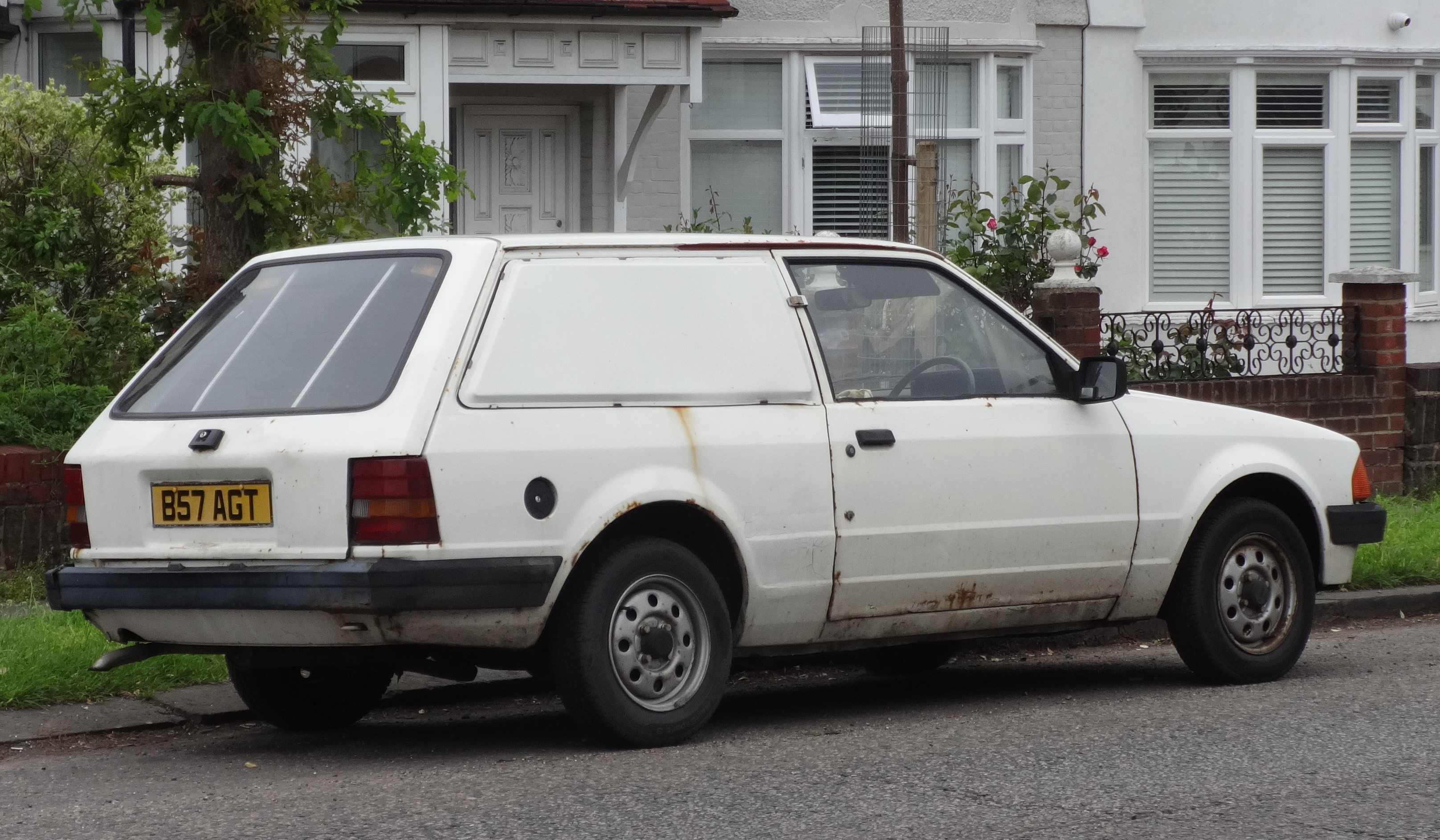
"...my dad and his friends were working on a Ford Escort some Mark 1 Escort and and things like that..."
The Ford Escort Mark 1 is an older model of a small car made by Ford. It was known for being good in races and was popular among car enthusiasts.
The Ford Escort Mark 1 is a compact car that was produced by Ford from 1968 to 1974. It became popular in motorsports, particularly in rallying, due to its lightweight design and performance capabilities.
"So this was 1991 in the German Formula three championship and you you did win the championship that year. Presumably you just mentioned Schumacher, friends and one other home."
The German Formula 3 championship is a racing series where drivers compete in fast, open-wheel cars. It's known for helping many drivers move up to more famous racing leagues, like Formula 1.
The German Formula 3 championship is a prestigious single-seater racing series that has historically been a stepping stone for many successful drivers to advance to higher levels of motorsport, including Formula 1. It features a variety of talented drivers and teams competing in high-performance open-wheel cars.
"...I spoke to Eddie Jordan at that time I spoke to some other other teams you remember they had this beautiful green car with the seven up and the one line one."
Jordan was a Formula 1 racing team that had colorful green cars. They were known for being creative and competitive in races during the 1990s and early 2000s.
Jordan Grand Prix was a Formula 1 team that competed from 1991 to 2005. Known for its distinctive green cars and innovative designs, the team had a significant impact on the sport during its time in F1.
"It was too early for me but it was too early for me but it's just to say that was the sort of my first contact for real will formula one and and then I went to Japan because I didn't have the budget for Ibarone Rampanton."
Formula 1 is a top-level car racing series where teams compete in fast cars on different tracks around the world. It's known for its exciting races and advanced car technology.
"I had been fastest during one of the free practice sessions."
Free practice sessions are times during a race weekend when drivers can practice driving their cars on the track. It helps them get ready for the race by testing how their car performs.
Free practice sessions are practice periods during a race weekend where drivers can test their cars and improve their performance without the pressure of qualifying or racing. These sessions help teams gather data and make adjustments before the actual race.
"...you raced Japanese Formula 3, Japanese Formula 3000, Japanese touring car championship, Japanese GT championship..."
The Japanese GT championship is a racing series where fast sports cars compete against each other. It's popular and features exciting races.
The Japanese GT Championship is a sports car racing series in Japan featuring grand touring cars. It showcases high-performance vehicles and is known for its competitive nature and fan engagement.
"...you raced Japanese Formula 3, Japanese Formula 3000, Japanese touring car championship, Japanese GT championship..."
The Japanese touring car championship is a racing series where regular cars are modified to go really fast. Drivers compete on tracks, and it's exciting to watch.
The Japanese Touring Car Championship is a motorsport series featuring modified production cars that compete on road courses. It emphasizes both speed and the ability to handle various track conditions.
"...you raced Japanese Formula 3, Japanese Formula 3000, Japanese touring car championship, Japanese GT championship..."
Japanese Formula 3000 was a racing series in Japan where drivers raced fast, single-seat cars. It helped drivers gain experience before moving to even bigger racing leagues.
Japanese Formula 3000 was a single-seater racing series in Japan that served as a feeder series to higher levels of motorsport, including Formula 1. It featured more powerful cars than Formula 3 and was known for its competitive field.
"...Toyota was heading towards Formula 1 at that time already and they were driving in the World Endurance Championship or World Sportscar Championship which was called the Group C."
The World Endurance Championship is a racing series where cars compete in long races, often lasting several hours. It's known for events like the 24 Hours of Le Mans.
The World Endurance Championship (WEC) is a premier endurance racing series that features long-distance races, including the famous 24 Hours of Le Mans. It showcases manufacturers and teams competing in various classes of sports cars.
"...had you thought about a career in sports car racing? Were you still focused on trying to get to Formula One?"
Formula One is a top-level car racing series where teams compete in fast cars on different tracks. It's known for its high speeds and advanced technology.
"...I was in good cars and I liked that versatility of different cars I took part in. One weekend at Toyota Supra GT car, then back in the Formula Nippon..."
Formula Nippon was a type of car racing in Japan where drivers raced in special single-seat cars. It helped many drivers move up to bigger races like Formula One.
Formula Nippon is a former single-seater racing series in Japan, serving as a stepping stone for drivers aiming for higher levels of motorsport, including Formula One.
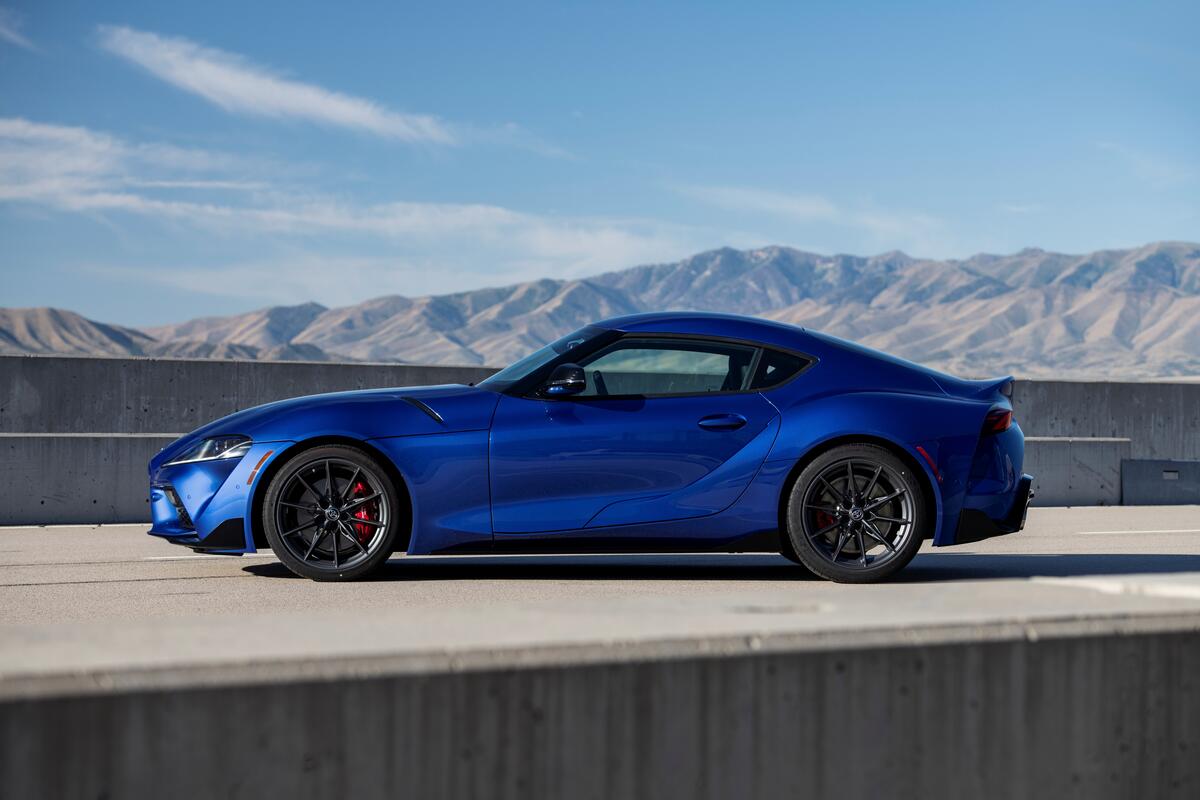
"...I was in good cars and I liked that versatility of different cars I took part in. One weekend at Toyota Supra GT car, then back in the Formula Nippon..."
The Toyota Supra is a fast sports car that many people love for its speed and ability to be customized. It's popular in racing and car shows.
The Toyota Supra is a sports car known for its performance and tuning potential. It has a strong following among car enthusiasts and is often associated with Japanese car culture.
"...before we get on to Lamont about touring cars in Japan, the big heavy Skyline GT-R."
The Nissan Skyline GT-R is a powerful sports car famous for its speed and racing success. It's a favorite among car fans and collectors.
The Nissan Skyline GT-R is a high-performance version of the Skyline, known for its advanced technology and racing pedigree, particularly in the 1990s.
"What's it like to get into a big touring car with very little downforce, I guess a lot of power, but a lot of weight as well."
Downforce helps cars stick to the ground when they go fast. It makes them safer and easier to control, especially in turns.
Downforce is the aerodynamic force that pushes a car down towards the road, increasing grip and stability at high speeds. It is crucial in racing, especially for performance and handling.
"First of all it had, I mean the right height was enormous, four-wheel drive and they were really great cars."
Four-wheel drive means that all four wheels of the car get power from the engine. This helps the car grip the road better, especially in tough conditions.
Four-wheel drive (4WD) is a drivetrain configuration that powers all four wheels of a vehicle simultaneously. This enhances traction and stability, especially in challenging driving conditions.
"...we were the only one with the Toyo Triampio tires at that time. Whereas the other cars were with the Yokohama, with Dunlop, with Bridgestone."
Toyo Tires is a company that makes tires for cars, including special tires for racing.
Toyo Tires is a Japanese tire manufacturer known for producing high-performance tires for various vehicles, including racing and off-road applications.
"...the other cars were with the Yokohama, with Dunlop, with Bridgestone."
Bridgestone is a tire company from Japan that makes tires for many vehicles, including racing cars.
Bridgestone is a Japanese multinational auto and truck parts manufacturer known for its tires, which are widely used in various vehicles, including racing cars.
"...the other cars were with the Yokohama, with Dunlop, with Bridgestone."
Yokohama is another tire company from Japan that makes tires for different types of vehicles, including racing cars.
Yokohama is a Japanese tire manufacturer that produces a variety of tires for passenger cars, trucks, and motorsports, known for their performance and quality.
"And that's the last ever group A race with this car. And I know now that the guys is somewhere in Sweden by a very passionate collector of that wonderful time."
Group A racing is a type of car racing where cars are based on regular cars you can buy. It was popular in the 1980s and 1990s and helped create many famous sports cars.
Group A racing was a category of motorsport that allowed manufacturers to compete with cars that were based on production models. This class was significant in the 1980s and 1990s, leading to the development of some iconic performance cars.
"And was Fuji your favorite circuit there or maybe Suzuki? Suzuki more. Fuji is owned by Toyota and I lived there."
Suzuki circuit is a famous racetrack in Japan known for its tricky design. Many car races take place there, and it's a favorite among drivers for its challenges.
Suzuki circuit, known as Suzuka International Racing Course, is a renowned racetrack in Japan famous for its unique figure-eight layout and challenging turns. It is a popular venue for various motorsport events, including Formula 1 and endurance racing.
"Fuji is owned by Toyota and I lived there. Gotembe is sort of the Silverstone of Japan in some ways in terms of all the teams and garages."
Fuji circuit is a well-known racetrack in Japan, famous for its beautiful views of Mount Fuji. It has hosted many car races and has changed over time to make it safer and better for racing.
Fuji circuit, also known as Fuji Speedway, is a famous racetrack in Japan located near Mount Fuji. It has hosted numerous motorsport events and has undergone several changes over the years to improve safety and performance.
"But the infrastructure and all the brands in Japan is a great racing heritage. You've beautifully teed up one of my questions that I really wanted to ask you, Tom, and get your perspective on."
Racing heritage is about the history and tradition of car racing in a place. In Japan, it means they have a long history of making cars and hosting races, which is important to their culture.
Racing heritage refers to the historical significance and tradition of motorsport within a particular region or country. In Japan, this includes a strong culture of car manufacturing and motorsport events that have shaped the automotive landscape.
"Can we just talk very briefly about another series that you did? Forgive me, I'd forgotten you'd done this. You did a year in the BTCC and you raced at places like Thruxton and Alton Park and Croft."
BTCC stands for British Touring Car Championship, which is a popular car racing series in the UK. It involves regular cars that have been modified for racing, competing on different tracks.
The BTCC, or British Touring Car Championship, is a touring car racing series in the United Kingdom. It features modified production cars racing on various circuits, showcasing both driver skill and vehicle performance.
"...you did a year in the BTCC and you raced at places like Thruxton and Alton Park and Croft."
Thruxton is a famous racetrack in England where car races take place. It's known for being fast and exciting for drivers and fans alike.
Thruxton is a motor racing circuit located in Hampshire, England, known for its fast and flowing layout. It is one of the venues used in the BTCC and other racing series.
"... experience to driving with Jass Engineering from Milano in the German Super Touring Championship. Fini i..."
The Alfa Romeo Milano is a smaller car made in the 1980s and 1990s that is known for its sporty design and good handling. It's a fun car to drive and is appreciated by fans of Alfa Romeo.
The Alfa Romeo Milano, also known as the 75 in some markets, is a compact executive car produced in the 1980s and 1990s. It is notable for its rear-wheel-drive layout and distinctive styling, as well as its performance-oriented variants. The Milano is often discussed for its unique character and place in Alfa Romeo's history.
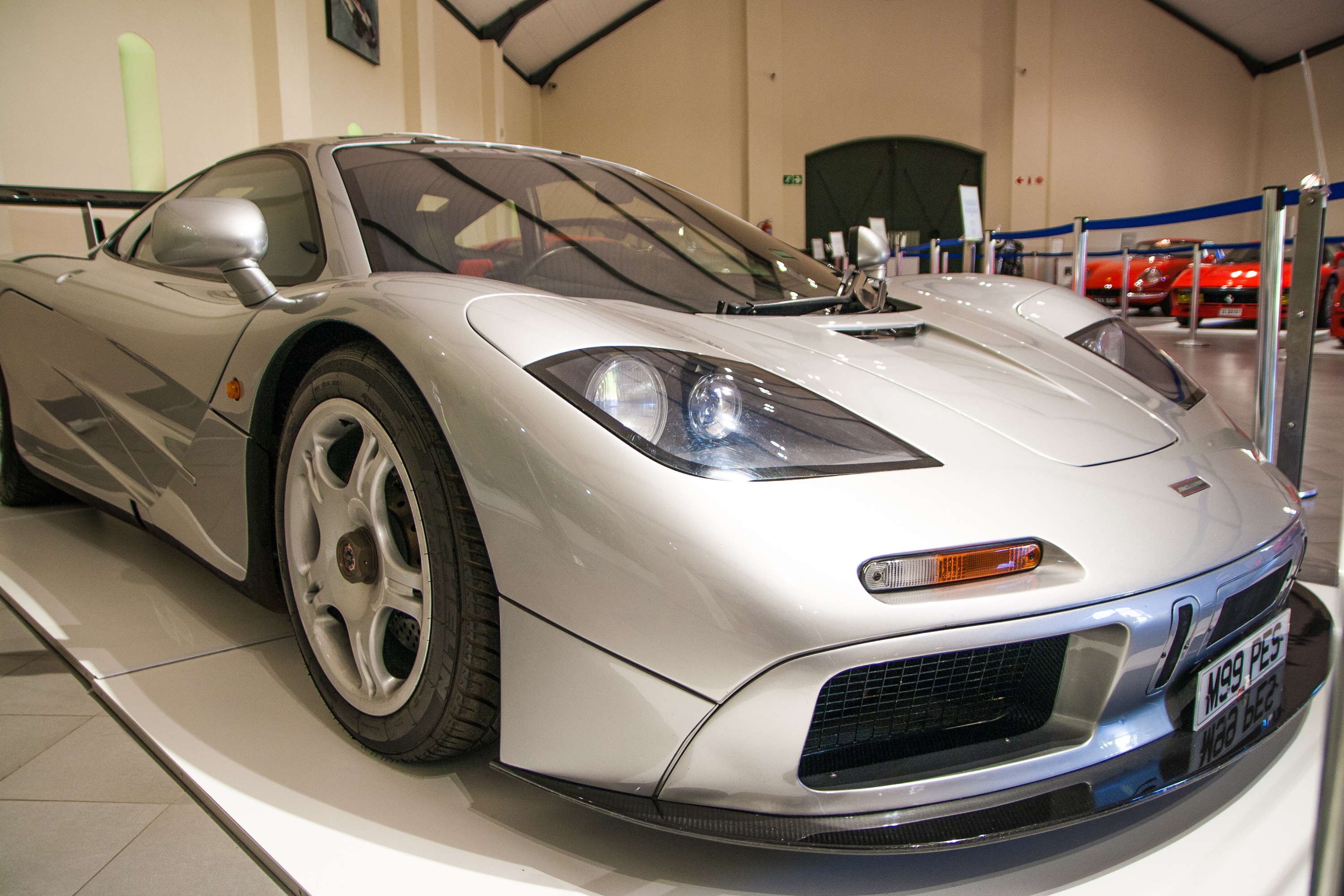
"...ich I was close to be at with Toyota. And even a McLaren F1 which was supported by a Japanese company a coupl..."
The McLaren F1 is a very famous sports car from the 1990s that was really fast and had a unique design with three seats. It was considered one of the best cars ever made, and people still talk about it because of how special it is.
The McLaren F1 is a legendary supercar produced in the 1990s, known for its innovative design and engineering. It features a unique three-seat layout and was the fastest production car for many years, making it a significant milestone in automotive history. Its combination of speed, luxury, and technology has made it a highly sought-after collector's item.
"...o that. And a few words if you don't mind on the Audi R8, because it won Le Mans many, many times that ca..."
The Audi R8 is a super cool sports car that looks amazing and goes really fast. It has won many awards and is known for being one of the best cars Audi makes.
The Audi R8 is a high-performance sports car that has garnered acclaim for its striking design and powerful engine options. Since its introduction in 2006, it has become synonymous with luxury and performance, winning numerous awards and even competing successfully in endurance racing events like Le Mans. The R8 represents Audi's engineering excellence and commitment to performance.
"to the Audi works team in the LMP one era and those extraordinary cars, the R10, the diesel, the R15 diesel, also the R18, e-tron Quattro. I mean, those cars, I remember watching them and they looked like spaceships."
The Audi e-tron is a fancy electric SUV that doesn't use gas and is better for the environment. It's designed to be comfortable and high-tech, making it a popular choice for people looking for an electric car.
The Audi e-tron is an all-electric SUV that represents Audi's commitment to sustainable mobility and advanced technology. It combines luxury features with zero-emission driving, making it a significant player in the growing electric vehicle market. The e-tron showcases Audi's engineering prowess and aims to compete with other premium electric SUVs.
"... the diesel, the R15 diesel, also the R18, e-tron Quattro. I mean, those cars, I remember watching them an..."
The Audi Quattro is a special car that was one of the first to use all-wheel drive, which helps it grip the road better in different weather. It's famous for being very good in races and has changed how many cars are made today.
The Audi Quattro is a revolutionary all-wheel-drive system introduced in the early 1980s, which transformed the way cars handle in various driving conditions. It is also the name of the iconic sports car that utilized this technology, known for its success in rally racing. The Quattro's influence on performance cars and its lasting legacy in motorsport make it a significant topic in automotive discussions.
"...the variety. I mean, probably, I mean, I draw an AC Cobra in the wet. What was it last year?"
The AC Cobra MkIII is a classic sports car from the 1960s known for being fast and stylish. It was made with a strong engine and is loved by many car fans for its racing history.
The AC Cobra MkIII is a classic sports car that gained fame in the 1960s for its powerful performance and distinctive styling. It was a collaboration between AC Cars and Ford, featuring a lightweight body and a V8 engine that made it a favorite among enthusiasts. The Cobra's racing pedigree and iconic status make it a frequent topic of discussion among car lovers.
Select text to request an explanation
Welcome back to the intercooler podcast everybody the car podcast powered by car finance specialist jbr capital.
Dan Proser and Andrew Frankel with you here with a landmark episode episode 300 300 Wow goodness me that sounds like a big old number to me now Andrew we've slightly made a road for our own backs with these.
Milestone episodes it's become tradition hasn't it that we have a big name guest on yeah when we get to a big round number it started with James May for episode 200.
Zach Brown episode 250 yeah do you want to introduce our big name guest for episode.
I don't really think there's any introduction needed.
I'll guess for our 300th podcast we are delighted to say is Mr. Tom Christensen nine times the more when the man who's won 50% more than more than anybody else yeah.
And Tom it is it is great to have you with us thank you very much for sparing the time and welcome to the intercooler podcast.
Thank you very much.
Andrew you're right nine times is a winner and the next best is Jackie Stewart Jackie excuse me on six yeah Tom you won first in 97 and then every year between 2000 and 2005 that's six in a row.
Also 2008 and 2013 that's quite remarkable Andrew just how how big an achievement is that.
Well certainly in the in the annals of sports car racing it is it is unprecedented and I don't know what Tom thinks I don't think you can really compare drivers across areas I don't think you can compare what drivers in the 50s did to compare what drivers like Tom we're doing but I think if there ever was a case.
For someone being the greatest sports car driver that has been I think he's on this podcast now.
Actually Tom I wanted to ask you I wanted to go all the way back to the beginning and try and understand why a small boy living in Denmark chose to be a racing driver it sounds like it was a lot to do with your dad.
Yeah I mean my mom and dad ran a small shell garage gas station and and I grew up there and just feeling that camaraderie in the sort of in the in the back where my my dad and and and his friends were were working on a Ford Escort some Mark 1 Escort and and things like that and he was really talented he.
He competed a lot didn't they.
Yeah he did he I've never gone to the UK but actually he came to the UK to drive hot rods.
In those days what was the name I mean.
I forgot the names but he could talk in four hours about the tours he went there he did he was a rally cross champion.
Then he's really close to him and won some European events back then he did that in group and he couldn't afford his kind of dream to run a BDA BDG for this course in internationally.
But when he did he was fast he broke down a lot of times he didn't have the sort of the latest or the newest equipment.
But that put a fire into into me not only looking for stickers with all the right brands at the time asking them in the paddock but also trying to realize I have to.
I have to find my way via car thing that was how I was seven eight years old when I I sort of started very surely very very humbly in in a Christmas go card with a McColloch chainsaw engine.
I had a McColloch chainsaw.
And so when you started cutting as a boy I mean did it come naturally was it obvious to you and the people around you that you were quite good at this.
I think my dad saw saw saw more but actually it was only the very first time he brought me to the cutting track.
And I was probably I was it was my fascination of that when you're sitting in a car first time just a few millimeters across the ground and obviously flooring it around the the circuit.
It was a very small circuit called more.
That's where I went.
And then then after he bought this car to me and the people working at the gas station the gas stations attendant.
It was back into the day where they had to run out to help anyone coming in for to to to need a bit of fuel.
So my dad sent those guys up with me in the go card.
It was at a mini it was an Austin at one stage and it bit later became a Volkswagen and a Ford a little Ford van.
Well got in the car and they drove me up and then I was kept on driving.
Then I became more had more speed more talent and then I was playing football soccer at the same time.
And and I got selected for a very good team and I kind of said to the guy up at the go cut track that I will be.
I will probably not be here so much this summer.
And he looked at me and that if I was absolutely stupid come on I will I will help you.
I will find out for you.
I'll find a couple of sets of new tires so we can progress a bit with that instead.
You should not waste your time on playing soccer for a few years.
No you can have a career in this Tom so he saw my talent.
Wow.
I had my talent from my dad.
But that guy Alan Husted we were Scandinavian Karting Association him and his family.
They saw the talent in me and they helped me those those very very you can say important years.
Alan just passed away on the 13th of January this year.
So yeah it's a sad moment for a very important very important person in my career.
Sure.
And you went on and you won you won a championship a karting championship beating a bloke called Micka Hacken and I believe.
Yeah that's yeah I did that in Scandinavian Championship we had a fantastic fight.
I think we we passed we passed each other eight times in the final.
Wow.
And I was really happy that the the checkered flag was the lap when I was losing because it was it was really good.
But a lot of respect and a great time in Karting I had you know when I went internationally the leading guy at that time was Mike Wilson who unfortunately also passed away too early.
And yeah this just the beginning of the year.
So those people have been very inspirational in my career.
And when I came out the first time fighting against these people there was an lead to the yes or no in Italy.
So that was all sort of putting a platform of you know you have some confidence that you know which way you are going.
And later on when people progressed I mean the me kept progress faster than me probably due to the kind of injection from the Malbro sponsorship was in good in the northern of Scandinavia.
There was a kind of a no support in Denmark about that because there was a naval company and I think those two companies have made a good deal we stay local you stay abroad.
I mean I was going to I was going to mention the money thing because you're not one of those guys who obviously had a talent but also was massively assisted by just being able to pick and choose what you did and go away.
I mean I was looking it up and I know that you did a lot of carting and then you did a few F3 races but you didn't really start out as a full time race car driver until I think it was 91 when you'd have been 24.
So can can you talk a little bit about to us about just how big a struggle it was and whether you ever felt that it was going to be too much of a struggle whether you'd give it up.
Because I mean I think you also trained to be a bank clerk so you can just talk to us about about the early years and how and how you finally got up ended up where you needed to be.
Yeah I mean I think we reflected on it when I made my biography and the thousand days and in these thousand days I had won these things came second in the world in the carting championship.
Winning the Scandinavian championship and then wanted to go into cars and then I had a dip here and there a touch here and there sometimes just a test sometimes a race but I had nobody backing me.
But the only one who was satisfied was my mom I mean I educated as a bank clerk and I passed the education and I got into the sort of the foreign department and I was quite.
Not satisfied at the bank but.
I enjoyed my time there I learned a lot and was told what was this because your parents were saying to you fine pursue the motor racing dream but you've got to have something to fall back on in case it doesn't happen.
A little bit like that I mean my mom has seen my dad enormously talented a dream about being a driver himself.
Not being successful due to yet due to money due to the environment which certainly was in Denmark and she didn't want to see I'm sure.
Her first born son failed as well so she supported in that environment always pushed in that environment.
But nevertheless she was also happy and proud when I did well in some of these tests and along the way I plotted the way along.
But then suddenly there came this call when I after I one morning from the foreign department I was having the breakfast in the canteen at the bank and then suddenly the chief of the of the of the personnel.
He came down asking if anyone had a grand driver license driver license which could go further for trucks and buses and I proudly I put my hand.
We need you because the bank was the old.
The old function at the banks bank boss he can't make it today sick.
So then I joined and I drove around in the bank was and that became actually I did that for some months and then I got a call and the mobile phone is sort of fixed into the back of the back of the bus and the the the assistance I had with me.
She had to run down while I was driving for phone call and that was Bertram Schäffer.
So I had to flee the bus in in the side of the road run back and and speak to Bert Schäffer and he said come down.
We like you to to to join us our team and have a full season.
The only guarantee eventually was that I had to live and stay and work with the team which I did in 1991.
That's the year after the friends in Schumacher Wendlinger and then I joined his team and won the first race in solder and since then until my retirement some years ago it was professional driver.
So this was 1991 in the German Formula three championship and you you did win the championship that year.
Presumably you just mentioned Schumacher, friends and one other home.
So the German F3 was a very well regarded series at that time.
Yes, it was there was this championship around the world and then we actually you meet also to do the Macau Fuji thing where they all collect Italian, French, German and the British championship and Japanese championship and these were the strongest.
So then we had a meet and and and and just sort of had a final at the end of the year.
What was what was fun was at the last race of that year.
It was in Hockenheim and Hagenen had came come over going back to Hagenen to beat Schumacher on his home soil in Hockenheim that time and they were going really really fast and I beat the lap record the following year actually also in Hockenheim to nail it.
And then for that Christmas my mom said well done Tom you have achieved all your dreams and she was sort of expecting me to give it up and go back to the bank.
It was just like getting eye contact with my dad and then I went to Japan.
So your mom wasn't expecting you to go to Japan to to race.
So why Japan did an opportunity just come your way?
I had to be a little bit everything has happened so fast successful during that year.
There was some interest speaking to I spoke to Eddie Jordan at that time I spoke to some other other teams you remember they had this beautiful green car with the seven up and the one line one.
We were trying and Eddie Jordan said it looked like it was the paint job on the side looked like my face and he was saying all the right things but needed money.
And obviously there was some interest in that car as we see and we know the history Schumacher another one accessories and so forth.
So the plan for you Tom was?
It was too early for me but it was too early for me but it's just to say that was the sort of my first contact for real will formula one and and then I went to Japan because I didn't have the budget for Ibarone Rampanton.
I don't know if you remember that team in 3000.
They had won the FC 1000 championship with Sanati or he came second.
I'm not sure but I tested in Mugello and made a good test by Kello Luca Badoa Bugatti.
A few other drivers were giving half a day each and it was a good test and they would giving me a good deal.
But nobody in Denmark kind of knew my potential at that time.
I just won the Formula 3 championship in Germany but it was not the time to find people who would bag a young driver.
So I went to Japan.
Toyota gave me the offer in Macau.
I had been fastest during one of the free practice sessions.
So one evening I was asked to join and meet a few people in a suite at the Mandarina Rental and it happened to be that Rickard Riedel, Jacques Villeneuve had been there as well.
So we all three together with the Japanese talent had signed and went on to drive for Thompson in Japan and I love my time in Japan.
Absolutely.
Just very briefly because I've sort of watched it and it looks a bit mad.
What's Macau like to drive as a circuit?
Yeah, it's mad, mad.
It's way faster than for example Monaco and it is those days it's also pretty bumpy.
Obviously the best way is to use your jet light when you come and then go out in a rickshaw or mini-moke or something.
Try to get on and then drive after midnight and you drove the circuit because during daytime coming up towards the race back then it was full of fruit dealers and different kinds of things which was just putting on the road.
And full of people and full of traffic.
But it's fast, it's a lot of blind corners and it's actually elevated a lot more than you see from TV.
And yeah, fast, bumpy and blind and narrow and with different grip levels always the circuit would gain in grips because it's pretty dusty at the arrival.
So it's a good challenge, a great challenge and it fits perfectly for sort of the touring cars which were there as well.
I'm not sure for motorbikes because I'm sure the challenge for there I prefer to have four wheels on but the weight to power ratio of a Formula 3 car back then it was fantastic.
I'm just going back to Japan Tom, I'm looking at your racing record here and it looks like during that period in Japan the early and mid 1990s it looks like you had a lot of fun.
You raced Japanese Formula 3, Japanese Formula 3000, Japanese touring car championship, Japanese GT championship.
So lots and lots of different cars, you won a lot of races, you won the Japanese F3 championship in 1993, runner up in the touring car championship in 1994.
I mean how important were those years in your career racing lots of different cars on the other side of the world winning lots of races.
It sounds formative.
It was really good and also probably to my mouth the only excuse was that I actually was earning money doing it at the same time.
But Tom's team and the whole thing around the structure of Japanese motorsport was fantastic because I drove for Tom's in Formula 3, then I drove for GT, I drove a Nissan Skyline, the four wheel you know.
All cars in Japan, I drove them where we were, it was a two driver car and then the super touring started and Toyota of course let me out to a team Ceremo.
And Ceremo was a team which ran actually the Eddie Irvine Formula 3000 team which I later on ended up so when Irvine went to Formula 1 I joined that team in Formula Nippon or Formula 3000.
And at the same time Toyota was heading towards Formula 1 at that time already and they were driving in the World Endurance Championship or World Sportscar Championship which was called the Group C.
And Tom's asked me and Milner to test a few occasions and I actually got to test there a little bit more sort of probably also due to the Yamaha test circuit where the wall were probably like less than a meter tall, fast track.
And I was doing the traction control test on those cars but these cars were fast, they were brutal, they were hurting your ribs a lot, they were stiff, fast and aerodynamically.
Was that like sort of a TSO10, that sort of car?
That's exactly the car and we did actually one race, Irvine, Wilner and myself on the podium, we lost third or fourth gear at the meanest circuit but we finished on the podium.
And not many people know that I had done one race.
Yeah, I didn't know that.
No, but now we are talking this is, that is 92.
Yeah.
So up until that.
97, I get the chance at Le Mans so obviously that experience to go straight in felt like a plug and play for me because the car I started at Le Mans we didn't have the same amount of power like what I have already driven in Japan.
So to be honest to me it was kind of easy to get into and of course when people haven't seen or heard that sort of helped my progress for sure.
So you did your first Le Mans in 1997 as a last minute standing for Davy Jones who had been, I think he'd been injured, was unavailable.
Before that opportunity came along, had you thought about a career in sports car racing?
Were you still focused on trying to get to Formula One?
I mean you did do quite a lot of testing for Formula One, for Terrell and for Michelin, didn't you?
Yeah, but that's again after when I, because Formula One I've always been there but I had no backing, no backing at all.
I was a driver being in Japan.
I was respected, I was happy.
I was in good cars and I liked that versatility of different cars I took part in.
One weekend at Toyota Supra GT car, then back in the Formula Nippon, all these things were good.
Formula One was always there.
I mean the first one I drove, to be honest, I won the Supercop, a Formula Three race in Suzuka.
So I can have a say in a way I drove for control because I drove him and Harry Pothelweight to the station, Shiroku station.
I've been a Terrell driver.
There you go.
I just want to talk a little bit before we get on to Lamont about touring cars in Japan, the big heavy Skyline GT-R.
I mean you've raced cars, you've been driving single-seater racing cars.
What's it like to get into a big touring car with very little downforce, I guess a lot of power, but a lot of weight as well.
Was it just completely different to you?
Yeah, I mean respect the braking points.
One weekend I was doing Formula Three, then the following weekend it was the endurance racing with the GT-R Skyline.
First of all it had, I mean the right height was enormous, four-wheel drive and they were really great cars.
A lot of power, but also some weight when you get to the braking points.
So I think the braking points was more or less double of a Formula Three car.
I was entering the corners pretty hot when I got into that car.
But when it started to gel and with the four-wheel drive the car just had to point in a direction and it would go.
It was very fascinating and I was driving in a way a works car.
It was a private Nissan team.
Suzuki-san was running the team, but we were the only one with the Toyo Triampio tires at that time.
Whereas the other cars were with the Yokohama, with Dunlop, with Bridgestone.
And we were competing all against them and Hoshino-san, he's the hero there, Hasemi Kinostya.
All the Anas Olavson was there from Sweden, Toshio Suzuki.
All these guys were running and I'm very proud of that.
The biggest race is the Fuji 500 miles, the Intertec race.
So obviously the longest race and it's the end of the season race.
And we won that with my teammate Yokohama-san.
We won that in a yellow BP Skyline in 1993.
And that's the last ever group A race with this car.
And I know now that the guys is somewhere in Sweden by a very passionate collector of that wonderful time.
And was Fuji your favorite circuit there or maybe Suzuki?
Suzuki more. Fuji is owned by Toyota and I lived there.
Gotembe is sort of the Silverstone of Japan in some ways in terms of all the teams and garages.
And you had the beautiful view at Mount Fuji.
Fuji circuit was different. It was changed to what it is now after I went back to Europe.
Fuji high speed circuit certainly back in the day, much more than it is now.
So you ran really low downforce. Suzuki was opposite.
You run a lot of downforce and you have a lot of challenging corners.
You have a figure eight and Suzuki is and will always be one of my top three favorite circuits.
So in that sense, now you speak about the most.
But you can also mention Nishi Sundae, the Sugo, Tsukuba.
There's Autopolis.
Great tracks.
There's so many circuits in Japan you wouldn't know of.
But the infrastructure and all the brands in Japan is a great racing heritage.
You've beautifully teed up one of my questions that I really wanted to ask you, Tom, and get your perspective on.
Yeah, you talk about the great circuits that they've got in Japan, the homegrown car industry, the passion that they have for racing.
So many brilliant drivers and often guys like you, Europeans will go to Japan in their early career to learn the craft.
And they don't always win because the competition there is so, so tough.
And yet Japan has never produced a Formula One race winner.
Do you have any ideas about why this might be?
Anyway, that's always the thing.
What I respect a lot and or at least what I try to figure out is when you go to abroad, when you go to a different country, if you are from Australia, you come to Europe.
If you are from Japan, you come to Europe.
You go away from your environment, you have to go and develop, you have to succeed with.
And I certainly always feel best and fastest when I'm in an environment which I feel like I'm supported.
And I guess probably when you come to Formula One or when you come to the UK in general, I mean, nowadays I just go to Goodwood.
But you know, there's a different, there's always a different vibe mentality.
Everyone is pretty, pretty hard, sarcasm is certainly a word everyone can spell to and that's good.
But to be honest, if you're a little bit further away in terms of your Asian, in terms of your language, in terms of things like that, it can maybe have an impact.
Because along the way, you need a lot of confidence.
You need to be able to perform under immense pressure in a car and certainly in an environment if you want to go to the, to the top of motorsport.
Everyone who has gone to Japan know that in a way you always a little bit on the back foot.
And generally, in generally, let's say you can say Japanese drivers are lighter than us.
So you have always to fight that a little bit to be successful in Japan.
And there you will have to deal with a lot of great Japanese drivers along the way.
And then some of them are coming to Europe and the US and they have been very successful.
But we haven't had that champion.
That champion yet has not materialized.
But I think it has a lot of the mental aspect on top of the whole thing for the person to succeed at the very, very highest level.
Probably have been a little bit of less support, maybe or maybe less felt support.
Can we just talk very briefly about another series that you did?
Forgive me, I'd forgotten you'd done this.
You did a year in the BTCC and you raced at places like Thruxton and Alton Park and Croft.
Can you just give us a little bit on your memories of that season, what it was like to race at all those very sort of local country British circuits?
Yeah, I mean, it was great.
I mean, it was great. I was driving for, I had driven the Honda the year before.
So I got experience to driving with Jass Engineering from Milano in the German Super Touring Championship.
Fini is pretty well won the last races there.
And then I progressed to the BTCC and I was put into the West Surrey team.
So Taquini stayed with Jass as a single entry and I went to West Surrey, had Jimmy Thompson as my teammate.
And just had to learn about all that.
I mean, when you were racing against, yeah, even Müller, Jason Plato, Richard Riedel, Anthony Reid, Alan Maneu, Taquini, all these guys.
You know what you're being told from him is not always what you need.
So in a way, it was a great year. I learned a lot. I regretted a lot of things.
What I did, I should have been much better.
But what was most important there is that also the night races, Silverstone, the last races, I won the last final two races of the season.
And this is certainly my highlights.
Probably my low light is to keep my throttle flat when you already have Jason Plato robbing on the inside of you and then just pulling out as I'm approaching the corner.
So the car swaps around.
This happens quite a few times with him.
Matt Neal is also one of the good guys there.
But did you enjoy that style of racing, very, very aggressive, quite a lot of contact or was it not really?
My dad loved it. My dad come and say, hey, this is what you need.
But I was probably more still Formula 1, still Le Mans and at that time I had only one Le Mans once.
So I probably had a bit more focus there in that sense.
But I also did DTM later.
That was probably a little bit less physical due to the carbon, carbon cars.
But nevertheless, it's the most physical championship I did was clearly the super touring in BCCC.
As I did it earlier in Japan already, there was a bit more mutual respect between the drivers.
But I learned to spell to Naughty and you need a K in Naughty.
Yes.
You just mentioned the German touring car championship DTM.
Six seasons.
So a lot of DTM racing.
You won several races, twice third in the championship.
Very, very credible.
I did five seasons.
And did you enjoy those years?
Yes, I did.
Really did.
It was huge and popular.
Many of the circuits were sold out.
Obviously the manufacturers bringing in a lot of their customers and friends.
Good drivers coming down from Formula 1.
Young drivers coming up from Formula 3.
It was hugely competitive.
And also with the one-make tires back in the day, I finished my last season, I believe, or did the last few races on Hancock.
But that didn't mean that the car was never, ever perfect for the entire weekend.
And that was certainly what I had to work the most with.
My engineer Franco Chiochetti, through all my years there, worked hard to support me with a great car.
And probably a few times I let them down.
But there were other occasions where we were absolutely happy and satisfied.
And the apt parties as a draw for Audi Sport Team Ups sometimes were always very fulfilling.
When you saw, I think it's Jürgen or Jochen, who always went on to dance with the plants on the stage and within the VIP cantina that's up in the evening.
Oh, blimey.
That was some wild parties there, which I look back at with very, very fond memories.
So I know Andrew's itching to get on to Le Mans.
And we will.
One more question about DTM Tom, I think in 2007 at Hockenheim, he had an accident.
And I think, and thank goodness, that was maybe the only time you really hurt yourself in a racing car.
Yeah, but there I was hurting myself more than good because I was out of, I was gone for 20 something minutes and it took me a long time to come back in racing again.
So yeah, that was a pretty close call.
I think it was, wasn't it 64, 67 Gs, the car.
Yeah, I mean, I did go and look at it because it is on YouTube.
And what seems to happen, you seem to have got tagged, which spun the car.
And then like racing drivers tend to, you get your foot in, you get your foot.
So there's a huge amount of smoke.
And then you were sort of stopped, you were across the track.
And you must have known that people couldn't see you because of all the smoke, just waiting for someone to come piling into you.
Do you have any memory of that happening at all?
Or was it, is it all a bit fuzzy?
Yeah, my memory is a bit further back.
I will tell my grandchildren, I should have won the championship the year before.
I was leading throughout the championship and I had the biggest lead ever at the Indy circuit in Brands Hatch when something failed on the front suspension.
Actually, we were struggling a bit with that.
We had been a bit too light on that.
It failed.
And then at the rest of the season, as Mercedes came a bit back on top and gained some, I just missed out on the championship.
And I was so disappointed that I never won a DTM championship because versatility means a lot.
So I knew the following year, now it's time.
The first time I was really disappointed with my qualifying.
I think I qualified fifth and I was really unhappy and I didn't sleep very well.
And actually then you saw the start.
And one of the cars I was really close to getting into corner two and corner three was my teammate, Timo Scheider.
And thinking back, it would be easy now to have a hat.
But I expected him to be a little bit kinder to me.
He shouldn't be, but it's just when it's your teammate.
He won the championship the day after the following year.
So he was a man on a mission as well.
But I underestimated that a little bit, the teammate thing.
I went over the curb and I had the spin after the contact with Timo.
And for sure, yeah.
Looking back, I can say, yeah, I was overdoing it a little bit.
But when you're in the smoke, you just want to get on with it.
And I just realized in the last moment that this is not good.
And then I got a smack.
I don't know if I remember.
I have also seen it on YouTube or wherever.
So I have no problem seeing that.
But I think Alex Primat, he couldn't avoid me due to all the smoke.
And he is 200 kilometers an hour smacking into the A pillar.
And then I woke up later and look forward to do the race where everyone was.
So did you ever doubt, did you ever question going back to racing?
After that, always just a question of seeing how fast you could recover?
Everyone else did.
And both newspapers locally, but also the people around me were good to tell me,
hey, now you have done racing for so many years.
You have a family.
Our third born Oswald was born just a month earlier than that.
So there was a lot of things for the right reasons to go into there.
But I always, and also when I meet people in racing before and also after,
certainly after that who has retired due to injury.
That's tough.
And I really feel with them.
And during my period, I was doing everything I could to get back because whenever,
when I had to stop, I will have to pull the plug myself.
So that was sort of, I used that as an energy to come back.
But my neurologist, probably it's less than three months later,
but it's probably around two months.
I forgot the date.
I think this is the end of April.
But in the first week of June, I tell him, hey, I'm doing Le Mans the next week and I'm going to test.
He was not looking very happy.
And he said, it's your decision.
There's a lot of, and telling me a lot of things in that sense.
But nevertheless, after it's good, you can only determine yourself to go forward.
You will hear a lot of from people around you.
You will hear a lot of things which will go in, why, stay calm, enjoy.
You have had a good time.
But that wasn't for you.
Well, okay, let's spool back then to 1997 when you raced at Le Mans for the first time in the BMW.
That was a Porsche.
Excuse me.
Yes, it was.
That's right.
And the extraordinary thing about that, Tom, was that it was your first time there.
You were a late substitute for Davy Jones.
And yet you won the thing.
You did more than win it.
You did a quadruple stint.
You set the fastest lap.
And you'd done, I think, 20 laps in practice, which isn't very many.
What are your memories of that race?
And also, tell us a bit about the car, because that's the car which famously, that's the Porsche that won Le Mans twice.
The second time, the time that you were in it, I don't think that Porsche were particularly keen on the car even being there because they wanted their GT1 to win.
And it's also the car that had started its life a few years earlier as a Jaguar.
So there's a lot to unpick about that car on that race.
Yeah, I mean, I can't.
I was not aware of that at that time.
I mean, David Jones is also something I hear later.
I could just cut the call.
You'd know four days before Le Mans week was starting or Wednesday, the week before I got the first call from him and out of the blue, never met the man before, but obviously heard of the year's racing.
So I was very keen and say, you interested?
Maybe.
And Friday morning, I was down at the team.
The team had already left to Le Mans, but there was Einhold Juist, the chief himself, and Alf Jürgen and his wife, Sigrun, or I didn't know, the secretary.
And then we made a deal and I flew down to Le Mans on Monday night and met the rest of the team.
And my team met Michaela Alboreto, Stefan Johansson, and good team.
It was a good team.
And I was the youngster with obviously pretty full of adrenaline going into the race.
Both Johansson, but certainly Michaela, as he knew the car best had been part of the team before, as you said.
And I just know from later on that Ralph Jutner might have been David Jones as he was driving the year before, winning the year before with the car.
And there was a thing they were looking for money from Spain, from a driver there, but also looking to take Bern Snyder.
But apparently the brand Hydro for didn't want to allow him to go into the private years team, even though he had driven for them before.
And then Ralph Jutner pushing for a young guy with probably a good eyesight during the night as it was a few years younger than Michaela and Johansson.
That was sign of the whole thing I heard later on.
But nevertheless, 12 mechanics, one car team, and then 17 time laps before the race started.
I was full of butterflies when I just checked the perfect seat.
I have said to everyone asking me about the car on the grid where I realized now it's no way back.
Now you have to deliver, you have your seat.
What did you make of the circuit the first time you saw it?
Because it must have been so different to anywhere else that you'd raced before.
Yeah, it is.
But actually when I was in Japan, I saw Le Mans and the Japanese loved the endurance and they were showing it all 24 hours plus back in the day on Fuji TV.
So I knew one day I would love to be at Le Mans, the challenge of Le Mans.
And that was also part of the things which I was close to be at with Toyota.
And even a McLaren F1 which was supported by a Japanese company a couple of years before were interested with me.
But it always fell through.
I never had anything else than my helmet, my shoes ever.
I never had any money at any time to support me.
So anyway, these things fell through.
But now I was there.
And the first laps at Le Mans in the evening with the sun downer and a few places, obviously the sun is straight in your eyes.
It's going down towards Indianapolis.
And you know when you're traveling 330, 340, 345.
Yeah.
And a few seconds you carry quite a long way with that throttle which maybe lifts a little bit as you have zero vision.
And then of course the knowledge of having all the slower cars with 60 cars on track was something which was new to me.
I got 17 time laps and the Formula 3000 test the following day in Austria as I had a contract I had to follow.
You had to go to Austria between practice and the race?
Yeah, I had.
So then I arrived back later when the practice was already started on Thursday night.
I could only see red flags to appear as a McLaren had gone into fire.
And one of the drivers there actually being John Nielsen, the Dane who in our country had made Le Mans, of course, incredibly famous due to his Jaguar days.
And I was there in a TVI US Porsche.
As you said, Jaguar with a Porsche engine.
So you won your first Le Mans, which is quite remarkable and then came two years with BMW.
But it was in 2000 that you started your relationship with Audi, which would just be so successful for everybody concerned.
Yeah, I'm not saying to cut it short, but basically what was important through my years Porsche was the night when I was in the second time.
But all the things, the energy with my teammates and Ralf Jutner and particularly Albo Retto had given me, I got more and more confidence.
And now happened to be in the car what you hear so often saying, calling happy hour when you have dawn into your third stint in the in the in the in the US Porsche.
And that was obviously a fantastic to be in there.
And instead of just hearing box and stop for sprit sometimes in your when you are in your zone and just listening to that during the night in the car.
There was suddenly Ralf saying Schnellste Runde, Schnellste Runde, meaning I had done the fastest lap of the race.
And this is something I never, never, ever will forget and certainly not three laps later when I got a clear lap, which you don't get often at Le Mans.
And when I got that he was on the radio and saying lap record, lap record, keep it steady now, keep it steady now, Tom.
So obviously German speaking to you in English, we know that that is a good sign.
But you weren't you weren't particularly trying to get that record, you were just in the zone.
No, I was in this I was I was pushing just to be respected.
I mean, you weren't really a team proud.
So when I got that it was really nice.
And at the same time, which I'm told much later, much later when we talk about the, let's say the fantastic Michaela, Ralf said, you know, Tom, what actually happened was you were doing that.
And when you did that lap record, a few laps later, we had to call you in.
So Michaela was at the pit wall and he was saying to me, oh, Ralf, the circuit seems really fast now.
And Ralf had said to him, yes, especially for our car.
That's a really good saying from engineer to a driver, which which is brilliant.
And Michaela took it that well.
He was just happy.
He was thinking about the overall performance of the car because we were trying to reel in the works Porsches and one McLaren F1.
And Michaela had then gone, maybe maybe ask him if he can do another stint.
So him and Michaela and Ralf were then asking me on the radio, can you do another stint?
And of course, full of adrenaline.
I just said, yes.
That was your fourth stint.
Yeah.
And then they just called me in for fuel and I did a fourth stint.
But I was and then I realized I was on the limit of my physical performance because I was using too much energy, physical energy in driving the car.
So I was I was really close to cramping up.
So I also realized from that and I realized so many things in my first year.
Cramps is a problem.
You have to be everything has to be perfect and you need a good camaraderie between the drivers.
All these things.
It's always a small thing which makes you didn't win.
So it was a very nice experience of joining them.
And then I enjoy two years with BMW where we unfortunately didn't win.
We could have should have won again.
I will tell my grandchildren in 99 because we had more than three and a half laps.
Oh, the throttle.
Yes.
And the throttle.
Yeah.
The throttle.
It was the dampers have broken pre breaking under JJ.
Yeah.
The role model mobile and six of the 12 cylinders dog open for him.
So it was very unfortunate.
Yes.
But it's a small thing and we always have to take care of the small things.
And then I joined Audi and then I meet yours again.
Yes.
I was involved with Audi and actually I meet Michaela again Houston in the other car and
I'm will will be land and Piro.
And that's the start of my journey will.
Yeah.
For me, the best time of my my racing career will level headed guys digging deep free
competition under the Dr. Dr. Ulrich.
All these things were were brilliant for so many years.
But that was I mean you taught you mentioned earlier the camaraderie and how important
the teammates are.
And you and Manuele Piro and Frank Bila, the three of you won three consecutive Le Mans
2000, 2001, 2002.
I don't think that's ever been done before or since.
Yeah.
I think it I think it.
Yeah, I'm not sure.
I think at least maybe not drivers.
You're right.
Exactly.
Three cars.
Yeah, but not three, not the same three drivers.
A hat trick.
Was there something very special in the relationships that the three of you had?
Did you just come together well in the car know how to look after it?
What was what do you put that extraordinary achievement down to?
I was really I was really positive of joining them.
They of course, it's been stall mates and and carrying the Audi brand for so many
years, particularly in the in the super touring time.
And they were great competitors too.
They have been competing within there.
Then they were in the same car and I joined.
I think it gave a really, really great dynamic.
Frank was still.
I mean, sometimes he quit smoking, but he was.
He was always calm and you know, he was.
Yeah, the guy's good.
Like that it was it was perfect.
He was the calmest, one of the very, very ultra calmest racing drivers I've ever been
around.
So very happy to be with him.
I mean, I'm very emotional, very, very.
I mean, had probably the biggest passion for racing of all the people I know.
So it was really a great, a great dynamic.
And we were not always agreeing on things with the engineer.
I think the engineer had quite a bit of a job sort of to develop when one was
testing or when one was in the car and things like that.
And we had great opposition, of course, from all the brands around and coming
from 99 where every, every brand in the world was taking part at the.
Yeah.
In January, Le Mans, but also within Audi because one car was kind of plug and play
from Porsche with a yellow, Mcnish or telly.
They had won Le Mans in 98 with the Porsche team.
They were in one of the R8s.
And then there was Michaela, as we talked about with Dindo Capello and Christian
up in the, in the third car from the very first time.
But we won the 12 hours of Seabring and we won Le Mans that year.
Of course, we were struggling with a little bit on terms of gearbox or in case we
will have a little impact, we could change the rear end, which was a loophole, which
could be done occasionally on, on cars in those year.
I remember 2001 when there was 19 hours out of 24 was, was in the wet.
It was very hard for the gearbox because you could hardly change on the now pedal
shift with full throttle due to the constantly wheel spin, bad visibility,
aqua planning.
But then the mechanics, they, they, they changed the gearbox with just a bit more
than four minutes, which was enough to, to keep us on the loop.
And we won that race by, I don't know, 30 seconds or something.
And that was changing the entire back end of the car, the suspension, the body,
everything.
It just came out, I can remember watching it happen.
It all just came off on a crane.
And now you speak about YouTube.
You can do that.
It's basically, they did it.
It's all behind the engine.
So it's a, it's a gearbox differential, all suspension.
It's made in a module, the rear crash, crash box, rear exhaust, the rear wing.
It's basically kind of fit, plug and play.
But that was closed after a few years as a loophole as if you have a gearbox
problem, you have to change the internals and yeah, then it's, then it's over.
Then it's good night.
Am I right in saying you actually did that as not because you had a problem with
the gearbox, but as a precautionary measure, because you had the time in your
hand and you didn't want to.
No, no, no.
Maybe that's communicated like that.
Okay.
Definitely.
I know, I know, for example, 2000, the, the, the juggies car, what, what we, we called
a yellow or tele-magnage, they had an impact after touching the barrier.
So they had a suspension problem.
So then they had, they changed instead of just the suspension.
The gearbox as well.
For sure.
In 2001, we had to, because I was in the car when I was in slicks and that was not often
due to 19 hours of rain coming out of a Nash.
And when I changed from third to fourth, I had a freewheel and I changed to fifth on
the radio saying I had a problem.
The gearbox broken, a fourth gear broken.
And they had, and that is about midday on Sunday.
And during the night, we already knew that we had very bad dog to dog going into fourth
gear.
Bila had reported that.
So we had been really trying just to be always full on the throttle when we changed into,
into, into fourth gear, but it broke.
So we had to change it.
Maybe it was not communicated back then.
I'm sure he will agree to, agree to that.
And a few words if you don't mind on the Audi R8, because it won Le Mans many, many times
that car.
It must have been a really special machine to drive.
Yeah.
It, it, it absolutely.
And, and with private teams, I mean, I drove for team go later and then for racing.
So the car had an afterlife after being there with the works team and I had to join those
team as well.
So five of the, five times that one Le Mans and every time I was one of the, the driver.
So I have a very good relationship with, with that.
It's a wonderful car, but we could also be competitive at Trois Ravier in Canada or in
Harama in Spain.
Donnington I raced it as well.
And then in Sebring, which is obviously quite a, a dimensional opposite of Le Mans.
And we always started the year there on the very, very bumpy, hot and humid.
And you won that one six times as well.
Yeah.
Yeah.
Thanks to, I mean, all these things, good teammates, good teams and a very special car.
There's, there's, there's no doubt that that was very, very fittingly.
It was never the fastest on the straights, whoever we competed with, but over consistency
on tires, which in those different, both changing temperatures.
That's your big chamber, temperature chains at Le Mans due to the night in particularly
the same you have in the same you have in Sebring as you are finishing close to midnight when
the sun is getting down at six, six PM.
There's also a big temperature difference that was sort of the cars.
I would say a little bit secret that it could cover these areas.
Yeah.
I'm pretty well.
We were able to run the car a little bit, maybe a little bit softer than, than, than others
and then still be, be very fast and consistent.
What a great car.
Do you want to talk a little bit about 2003?
Yeah.
So, so you go from an open Audi into a very different setup with a closed Bentley in
2003.
That's where I sort of got to know you because I was working for Bentley at the time and
I was the, the annoying idiot who used to try to interview you every time you got out
of the car.
I mean, for us, that was, you know, Bentley returning to the tops, the more was one of
the great experiences of my professional life to you.
Does that race stand out at all or is it just sort of just another one in a series of, of
triumphs that you had at that race?
No, no, no, no.
In general, I can separate all the years very well, but the Bentley year was a, was a very
special year.
No doubt.
I mean, first of all, it's, it is the most elegant race car I've driven.
I mean, it's probably the most elegant race car which is existing.
I mean, arguable.
Yeah.
But wonderful.
But also the thing with the, there's a lot of things that Audi would not, that was when
they were selling these cars for the afterlife.
And so it came really handy when, when Doug Dulac suggested due to a little bit was due
to my size as well, I guess would be, would be fittingly.
And he offered me to, that I could drive for Bentley because he realized that they have
been asked if a few of the drivers from the Audi program could, could kind of join there.
Sure.
And so Dindo Capello, Guy Smith and myself, we were the number seven Bentley and the three
British guys.
Sorry, David.
You draw with the, with the Union Jack, David Brackham, Mark Blondell and Johnny Herbert
in the number eight car.
So yes, great competition, great camaraderie.
But the car was initially very stiff, not very durable into on the tires.
It was fast, but the tires would drop off and you would always struggle a lot going into,
going into the third stint.
So there was a lot of development in the, in the beginning of the year.
And at Sebring, we, we were struggling also with, with, with temperature within the car,
but coming to the pre-test and coming to a qualifying, we, we, we start to feel, we
start to feel that we could really, really do something with a beautiful car.
Yeah.
It was, it was an amazing thing to see.
And the car ran faultlessly throughout.
It broke the record for the shortest period of time spent in the pit during the race.
Do you think it was in retrospect a mistake for them not to come back the following year
and try again?
Because, you know, I don't think many people remember that BMW won the more in 1999 because
they never came back and backed it up.
Whereas Audi has secured its, its legacy by coming back again and again and again and
proving it wasn't just a one-off.
And I'm guessing the Bentley, if it had come back in 2004, would have still been very competitive.
Yes.
Yes, for sure.
And also from, we learned that year, I mean, didn't we do, I mean, at one stage we did,
we did five stints, Capella and me in the morning.
And so the potential was just unlocked actually during the race from me.
We learned quite a lot going, going into that in terms, because they'd had narrow tires
than the open cars.
And the open cars had a little bit better aerodynamically due to its coupe.
And that was sort of, that sort of arrived to stay.
And that's also why Audi eventually also went to a coupe and nowadays everything is coupe.
But I love driving the open cars, but there's no doubt that coming into the closed car
and feel the efficiency on the straight, the temperature you didn't enjoy.
With the Bentley and the narrow tires, when you found sort of the very right environment
for the car to play in at high speed, it was, it was and could be quite snappy.
So you could be quite aggressive at slow speed.
But at high speed, you, you need to feel it a bit more than what we were used to.
But in generally, when it worked, we were, we were really, really fast.
And we were starting from pole, we let the entire race, our car didn't have any issue.
I think our sister car, the thing either there was a battery at one stage
or the, or the headrest or something come loose.
But that just meant that we, we, we, we, we won convincingly.
And it was one of the year which made me incredibly proud.
But also the time of the whole thing through without it, we were used to, let's say,
when, when we are there at the factory, they are working very fast.
They had two minutes to build the cars, which goes out to the normal customers.
At Bentley, you would see that a car could stand there for several days
within the same time before it got the, the right weather, the right stitching, all the thing.
And again, the press, which we were working with Andrew was not the sports journalism
or the motor journalist.
It was more the lifestyle journalists and all the big magazines around the world.
And then actually also to feel suddenly with all the heritage you have around the UK,
have around the world that you would get the calls from Vietnam, Hong Kong, Australia,
all these places which the British heritage were living on a, on a, on a very high note.
Right.
And do you remember Paris the following day going down the Champs Elysees?
Yes.
I was driving one of the old cars, not the one you were on.
I was driving the one with, with Brabs and with Mark and with Johnny on it.
Yeah.
And we had Derek in front of us in the winning car.
Yes.
Did you say that nobody asked permission to do it?
I think they just went there and just did it.
And it was.
No, no.
That was one of the things which actually with one of our bosses, a lovely lady, Sarah Paris.
She, she, she came to mention at one stage.
Yeah.
And, and me, she said, we have, we are trying to arrange something that when we win Le Mans.
Wow.
I nearly killed her because I couldn't accept that being, let's say 99 again came up to
my, you cannot expect anything.
And I was really, yeah, I had to be taken a little bit back.
So I think there has been some thought.
Okay.
Okay.
It was a great occasion though.
So we were running.
But I say that the traffic was just full of traffic.
It was the hottest day in, in France.
And by the time when we arrived at the Eiffel Tower at the Trocadero.
Yes.
The engine mechanics of, as you know, in the Bentley very much the thing which came from
Germany was, was the, was the engine.
Yes.
It was built by Audi.
It's not the same like the R8.
It has a little bit more hoop round, but that one was cooking.
I think it was 150 degrees.
Yes.
That's last time that engine as a winning engine in that configuration.
Wow.
What a way to go.
We're running out of time, Tom, but I do just want to talk quickly about going back
to the Audi works team in the LMP one era and those extraordinary cars, the R10,
the diesel, the R15 diesel, also the R18, e-tron Quattro.
I mean, those cars, I remember watching them and they looked like spaceships.
What were they like from your perspective and what was the diesel like in particular?
Did you enjoy the diesels?
Yeah, they fried me in the beginning, especially when I hear we are driving diesel.
And I thought, oh, now it's maybe time to have a look elsewhere.
I think we all had that.
But driving it the first time, speaking about Togadero, you were there when I got the pleasure
to drive it there to introduce it to the world in France, in front of Persio in a way.
We were the first to drive the car.
But testing it was Bieler first time.
It's the favorite car of Alan Magnisch.
He loves the V12 R10 TDI.
But I would say power-wise, efficiency-wise, driving-wise tough because it was understeering.
We had to put a spool.
There was a lot of weight in the back.
So you had a perfect weight balance.
The gearbox, the differentials, the drive shaft, they had to be very strong to handle
that the torque came from.
But winning against Persio 2008, the truth in 24 movie, well, Jason Statham,
you try to look that, then you will see why we love the car.
The very last season of the R10, it still won.
And that's why we became very, very happy with that car.
Not the easiest one, but the one which really could give you some grunts.
And it always demanded you to be on top of things.
Direction changed in a fast chicane.
Who wouldn't know which side you crashed every time.
And that was at times the feeling it gave you.
But as long as you could get it nailed and you would go, God, it went.
So your final win at Le Mans, 2013 in the R18 E-Tron Quattro.
Do you look back at that car now and think it's probably the most sophisticated racing car you drove?
Yeah, I do. I mean, I actually do the most aggressive of them
because I finished second the following year in R14, which became either R18 in 2014,
which became even more efficient.
But the R18 in 2013, we had the narrow cockpit.
Wheel arches were high. Everything was aggressive.
We had a bit wider wheels, especially on the front.
All the things, for all the good reasons, this was both aggressive, effective,
and a very demanding racing car, which we also, with Magnesian Duval,
very, very proudly, especially for the two older of us, because Loic is still driving.
But Alan and me were very, very happy to win the World Endurance Championship.
Yeah, of course.
But also winning, because in all those years, we won in the American Le Mans series,
or we won some of the other things, but there was in those years no World Endurance Championship,
which was then implemented, of course, with ACO, but also with Sean Todd from the FIA back then,
because he knew how important that was.
And that was really a testament, which we were very happy to win,
and obviously to win it without him, and everything was perfect.
So you do that, and then you have the 2014 race.
At that stage, you've done Le Mans 18 times.
You've won half of them.
Every Le Mans you have finished, you have finished on the podium.
If you finished the race, you were never not on the podium.
Yeah, 14 times.
Yeah, why stop?
Yeah, my wife was really, really happy.
She was not involved in the decision, but there was a thing.
I lost my parents.
Dindo stopped two years before as a teammate.
Alan stopped the year when we won the World Championship.
So in a way, you can say he stopped at the right time.
I was so aggrieved, not winning in 2014 with Loic and Lukas de Grasse.
The whole implement was trying to make a Brazilian win overall.
Nobody had won, not even Senna or PK, everyone competed.
Brazilian has never won overall, so that was the whole game.
If he won, I would have won my 10th time.
Yes.
I tried.
I tried really much, and I was so aggrieved that the turbo blew
when we were leading at midday on 2014.
And after the race, I mean, Ulrich, he could see me.
I was devastated.
But then there was summer, during summer, lovely summer in Denmark, summer house.
Or soon I have to go to Austin, Texas for the next WEC round.
Then I started to chat a bit with Dr. Ulrich, a very important man during those years.
And he was the first one I opened up for.
And I said, I know I have a contract going forward, but could we see a different,
maybe a different role, because I think it will be a good time
that also I will go in that direction.
And that materialized that after Japan, I think I pretty well knew
that Bahrain would be my last race in the World Endurance Championship.
And as a works driver.
And then very close to that, I told my wife when she came with the grocery once home.
And I think there was a few glasses in one of them I heard when she dropped them.
So that's why.
But I've never regretted it at all.
Do I miss it?
Oh, yes.
But then there is the Jugo Richmond.
Yeah, well, I will talk about that.
She sends a letter a few times, and then I go to things like that.
No, it was a pleasure, but such a long time in cars.
I found the right spot to be a bit more at home.
So, I mean, just briefly, we do need briefly to talk about Goodwood and Historix.
I mean, you clearly love it.
You clearly love just being out there and racing.
And you have raced such a variety of crazy cars at Goodwood.
Do any in particular stand out and just how much, how do you enjoy driving those cars
with no grip and no downforce compared to, you know, r18s and the stuff that you drove when you were a professional?
I absolutely love it.
I love the whole thing about Goodwood, the Jugo Richmond and all the people setting it up.
The variety of the cars, yeah, hardly any grip.
I don't go and test.
And I think normally it's just the owners who are testing, preparing the cars, and then you enter it.
And it's great fun.
It's not what you do for a living.
So in that sense, it matters that you try to do the best you can with the car, but the camaraderie there.
It just has the really right mentality of racing.
Certainly it's competitive and some of the fellow drivers are as crazy as me.
But, you know, you really don't want to touch each other.
I mean, you might small kiss, but you don't want to.
And that is very mutual from everyone.
And the first one you talk to there, what do you call it when you're there?
I mean, there's a assembly area, of course.
Probably what you say there is different to what you say when you come out and you're collected after the race.
But it's good.
And everyone who's coming from all around the world, particularly to the revival, has a passion and everyone is part of the show.
Everyone having their uniform, like in the 50s, 60s.
It's wonderful.
And now being a house captain at the members meeting, which is a little bit more modern cars,
where we'd probably take a little bit more out of you as the grip level on these tyres is a little bit better.
But of course, way behind what we were doing in the final years of our professional careers.
And what car have you most enjoyed driving at Coburg?
I don't know.
I mean, the variety.
I mean, probably, I mean, I draw an AC Cobra in the wet.
What was it last year?
The fourth Thunderbird with Fred Schappert.
Yes.
So, and then an Austin A95 as well, or the Lotus Quartina, where an Irish guy.
I draw the Clubman, the Mini Clubman.
I think last year at the members meeting.
It was good.
I know I can't drive exactly that car again, because apparently it rolled at Silverstone.
Oh, OK.
About owner told me.
But it will be back again.
I would love to be back in that car again.
So, I think there's no car I haven't driven.
If you go around in kind of...
Did you drive the Lister?
The Lister Coupe?
Yes, of course.
There, Fred Wegman.
I did that often.
And that's the one I have driven more.
I've driven that three times.
Because normally I always go...
I don't know why I didn't mention that as first.
Because that's the one I absolutely enjoy driving.
It's in the limit just looking at it.
Yeah, absolutely.
Well, Tom, it's been fascinating.
You are quite rightly known as Mr. Le Mans, because you've won it so many times,
a record by a long distance.
But actually, yours was a very varied career.
Touring cars in Japan and Europe.
The DTM racing in the American Le Mans series.
The WEC, of course, you are a world champion on top of everything else.
And now you're racing older cars for fun at Goodwood.
Actually, I think your name really should be Mr. Motor Racing.
Yeah.
And it's been fascinating hearing you talk about it.
So, thank you for taking the time, Tom.
We do appreciate it.
Yeah.
And we will see you, hopefully, at Goodwood in March.
Yeah.
I think it's the beginning of April.
Oh, okay.
I will be there in April.
Maybe you were there the test days with the owners.
I forgot now you have to look in the back.
That is what's behind me.
That is a picture of Rick Dole from America.
He was the first one to do this.
Because you cannot see the year correctly.
Correct.
That's right.
You cannot see the year.
You can't see the year because you can't.
It's not there because the cameraman is hypnotic.
He hiding it.
He did it with remote control.
I think he's somewhere up in the back.
And so, he put before the end of the race,
he put it up with tire reps, his camera,
and did it on remote.
You see a lot of pictures these days,
but he was the first one doing it.
So, that's why I put it here on my wall in my office.
Well, for anybody watching this on YouTube,
it's an amazing photograph.
Not because we happened to win the race with Seiji Aira,
Dindo Capello with the Japanese R8.
That's not why.
Well, listen, Tom, it's been fascinating.
I've loved it.
To all of you watching, all of you listening,
I hope you enjoyed that half as much as I did.
Please just follow the show.
If you're watching on YouTube, subscribe to our channel.
If you're listening via a podcast app, just follow the show.
That really, really helps us.
Tom, one last time, thank you so much.
I've really enjoyed it.
Tom, it's been great.
Thanks so much for coming on.
Thanks.
It's been a pleasure talking to you guys.
Thank you.
All the best.
Request an explanation for:
9 cars
Scroll for more
9 cars featured
Request an Explanation
Heard something you'd like explained? We'll add it to this episode.
Sign in to request explanations for terms you heard.
Want to learn more?
Browse our glossary for plain-English explanations of automotive terms, jargon, and concepts.
See something that's not quite right? Our annotations are AI-generated and can sometimes miss the mark.
Click the flag icon on any annotation to suggest a correction.