Peter Nam, founder of Guntherwerks, shares his journey from finance graduate and aspiring tennis pro to pioneering Porsche remastering. Starting with carbon fiber parts for BMWs, Peter evolved his passion into creating high-performance, beautifully crafted Porsche 993 builds that blend analog driving feel with modern technology. He discusses overcoming purist criticism by focusing on performance first and aesthetics second, his global upbringing, and the steep learning curve of building entire cars. The episode offers insight into the ethos behind Guntherwerks and Peter’s unique blend of art, engineering, and business.
This week, Joe sits down with Peter Nam, founder of Gunther Werks, to talk about how a finance graduate and former tennis hopeful built one of the most respected Porsche remastering companies in the world. Peter explains the philosophy behind transforming the Porsche 993 into a modern hyper-performance machine, how Gunther Werks builds cars by hand in California, and why performance always comes before looks. They get into carbon fiber manufacturing, an 840-hp twin-turbo 911, insane six-figure paint jobs, and what it’s really like running a boutique car company in Southern California while Porsche purists scream online.
Thanks to BlueChew for sponsoring this episode! Get 10% off your first month of BlueChew Gold with code TALKTALK.
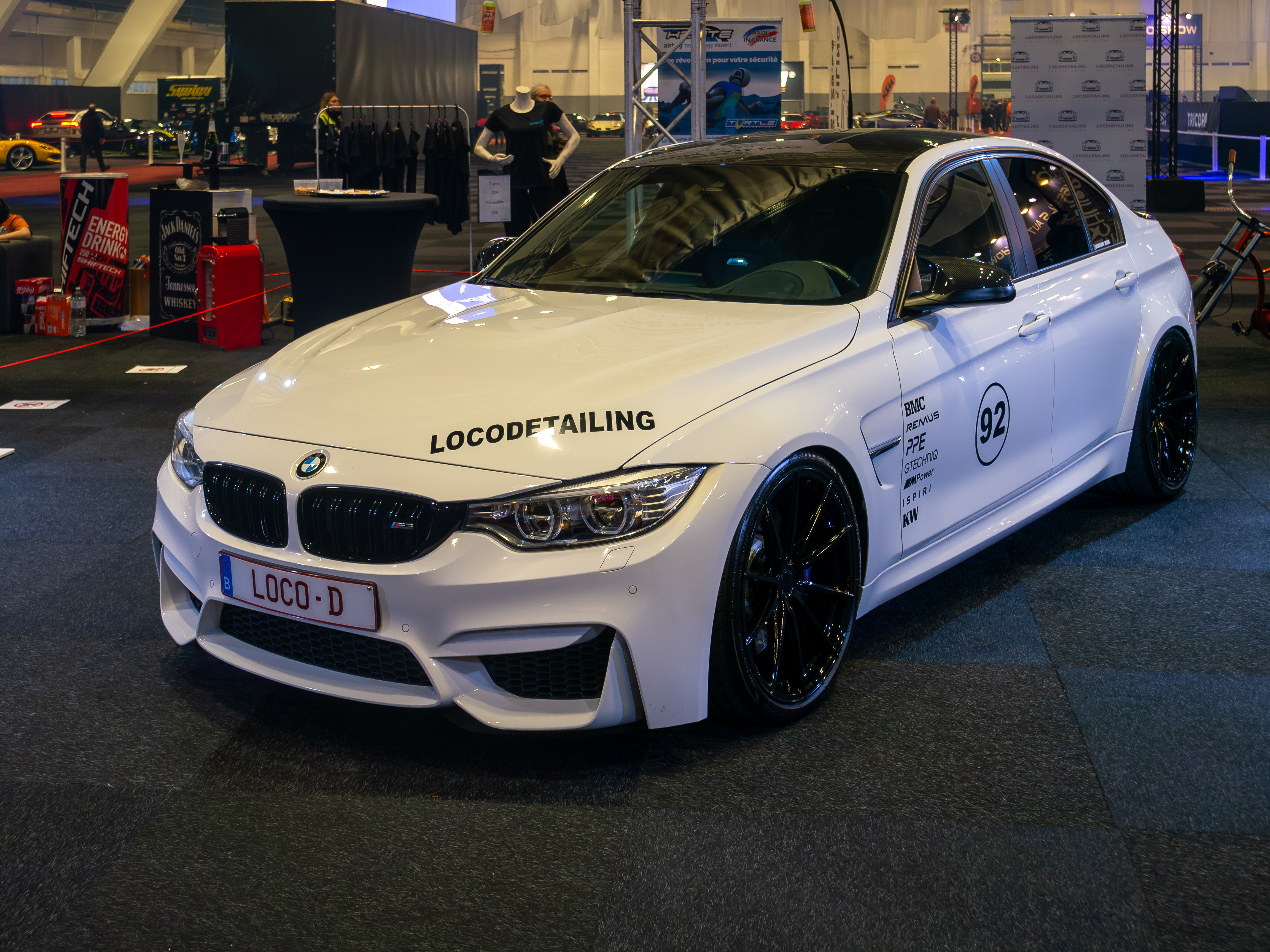
"The first part I made was a BMW hood. Oh, yeah, that was for an M3."
The BMW M3 is a sportier and faster version of the regular BMW 3 Series. People like it because it drives really well and is fun to customize.
The BMW M3 is a high-performance version of the BMW 3 Series, known for its sporty handling and powerful engines. It is a popular choice among car enthusiasts for modifications and racing.
"No, it's actually not. So it was a vented. Oh, OK. It was a vented hood. So there was a lot of vents on it. Yeah, it was actually very complex to laminate the carbon fiber and make the weave look straight and perfect."
A vented hood is a car hood that has holes or openings to let hot air out from the engine area. This helps keep the engine cooler and can make the car work better.
A vented hood is a car hood designed with openings or vents to improve airflow and cooling for the engine bay. These vents help reduce heat buildup and can improve performance, especially in racing applications.
"Yeah, it was actually very complex to laminate the carbon fiber and make the weave look straight and perfect."
Laminating means putting layers of carbon fiber fabric together with glue and then making it hard so it becomes a strong part for the car.
Laminating in carbon fiber manufacturing refers to layering sheets of carbon fiber fabric with resin and curing them to form a strong, rigid composite part. Proper lamination is critical for strength and appearance.
"Yeah, it was actually very complex to laminate the carbon fiber and make the weave look straight and perfect."
Carbon fiber is a special material that is very light but also very strong. Car makers use it to make parts that help the car go faster and use less fuel.
Carbon fiber is a lightweight and strong material often used in automotive parts to reduce weight and increase performance. It is made by weaving thin strands of carbon and bonding them with resin.
"It was a scoop. Yeah, it was a race hood. It was a vented race hood. Oh, very cool."
A race hood is a special car hood made for racing. It usually has holes or shapes that help cool the engine and make the car lighter.
A race hood is a specially designed car hood made for motorsport use. It often includes features like vents or scoops to improve cooling and reduce weight compared to standard factory hoods.
""But also have modern performance, have Bluetooth, have proper handling,""
Proper handling means the car moves and turns the way you expect it to, making it fun and safe to drive.
Proper handling refers to a car's ability to respond accurately and predictably to driver inputs, providing a balanced and enjoyable driving experience.
""But also have modern performance, have Bluetooth, have proper handling,""
Bluetooth lets your phone connect to your car without wires so you can play music or talk on the phone safely.
Bluetooth is a wireless technology standard for exchanging data over short distances, commonly used in cars for hands-free phone calls and audio streaming.
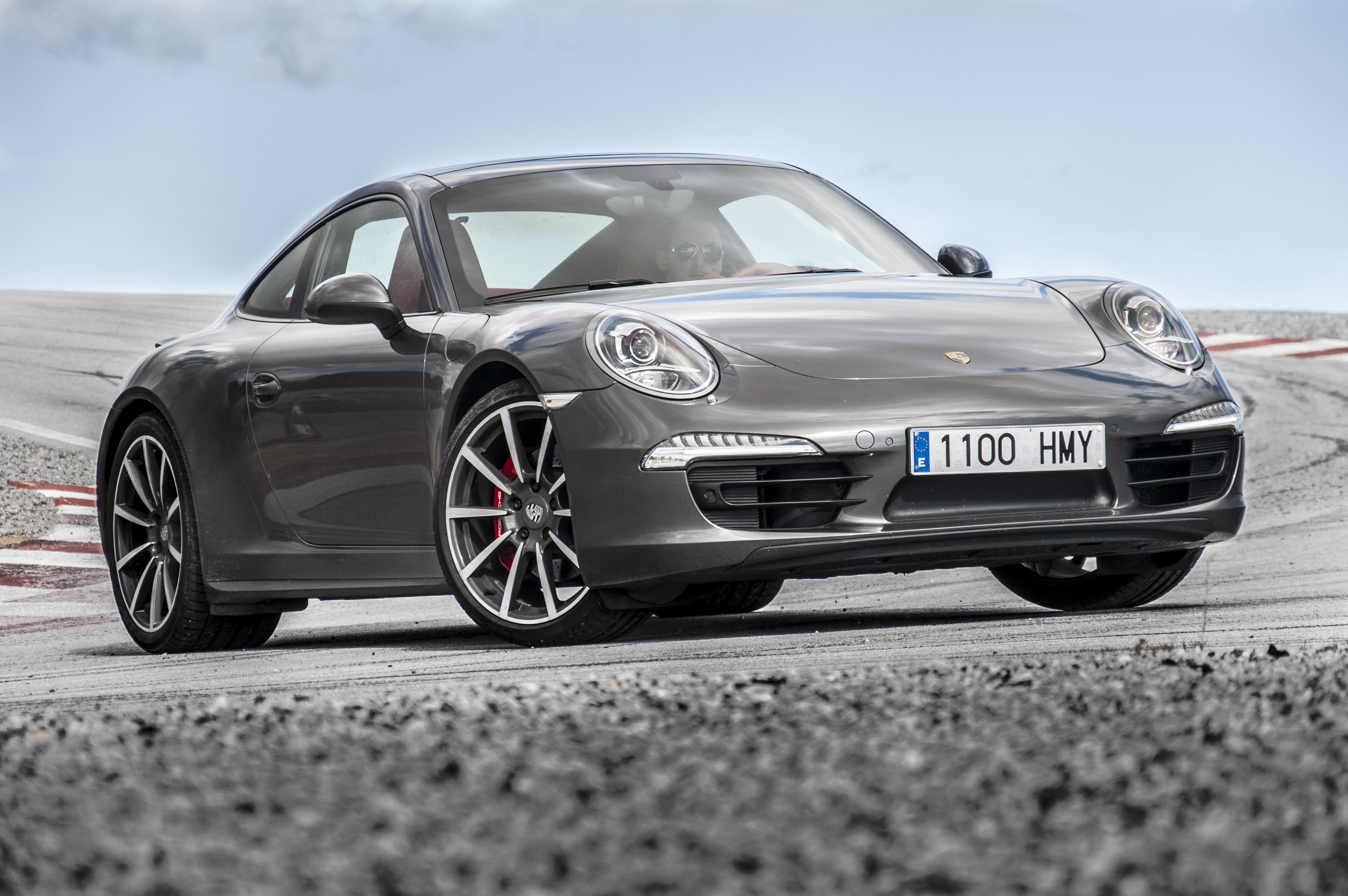
"Yeah. So we typically start with a 1995 to 1998, 9-11, 993. And either the client brings the car to us or we can assist the client in sourcing the car,"
The Porsche 911 is a famous sports car, and the 993 version made in the mid-1990s is special because it was the last model with an older type of engine cooling. Many people like it because it looks cool and drives really well.
The Porsche 911, especially the 993 generation produced from 1995 to 1998, is highly regarded as the last air-cooled 911 and is prized for its classic design and driving dynamics. It represents a significant era in Porsche's history and is often sought after by enthusiasts and collectors for its blend of vintage character and modern performance.
"So we're now moving into the turbo, which is the car we have out here in your backyard. And that is four liter twin turbo and it's roughly 840 horsepower."
The Porsche 911 Turbo is a faster version of the 911 that uses special parts called turbochargers to make more power.
The Porsche 911 Turbo is a high-performance variant of the 911 featuring turbocharged engines for significantly increased power and acceleration.
"We started off with a target of 700. And then we ended up with 840. So our clients that ordered the car got an extra 140 horsepower upgrade for free."
Horsepower tells you how strong a car's engine is and how fast it can go. More horsepower usually means a faster car.
Horsepower is a unit of measurement for engine power output, indicating how much work an engine can perform. It's a key metric for understanding a car's performance capabilities.
A turbo is like a fan that pushes extra air into the car's engine to make it stronger and faster.
A turbocharger is a device that forces more air into an engine's combustion chamber, increasing power output without significantly increasing engine size. It improves performance by boosting horsepower and torque.
"There are very specific brand guidelines that we have. OK."
Brand guidelines are rules that a company makes to keep their brand looking the same and protect it from being copied or used wrongly.
Brand guidelines are rules set by a company to control how their brand and products are represented, including design elements and usage rights. These guidelines help maintain brand integrity and legal protection.
A water cooled engine uses liquid to keep the engine from getting too hot. Newer Porsche 911s use this type of cooling.
A water cooled engine uses liquid coolant circulated through the engine to manage temperature. Porsche switched to water cooled engines in the 911 starting with the 996 generation in 1998.
An air cooled engine cools itself by blowing air over it instead of using water or liquid. This was how older Porsche 911s kept from getting too hot.
An air cooled engine uses air flowing over the engine to remove heat instead of a liquid coolant. Early Porsche 911s used air cooling, which gave them a distinctive sound and cooling characteristics.
"I'll probably get a 996 911 with the fried egg headlights."
Fried egg headlights are a nickname for the special shape of headlights on some Porsche 911 cars. They look like a fried egg because of their oval shape.
The 'fried egg headlights' refer to the distinctive headlight design on the Porsche 911 (996) generation, which combines the turn signal and headlamp into a single oval shape resembling a fried egg.
"This is kind of a test like beta version. I wouldn't say beta, but it's what we call the press car."
A press car is a car that companies let reporters and reviewers drive so they can write about it and tell people how it is.
A press car is a vehicle provided by a manufacturer or company for journalists and reviewers to test drive and evaluate, often used for media coverage and promotional purposes.
"And also the critical thing was the cooling system that we had to design to make sure that it continues to perform."
The cooling system helps keep the engine from getting too hot so it can work well and not break.
The cooling system in a car manages engine temperature to prevent overheating, especially important in high-performance engines that generate a lot of heat.
"...liquid metal silver is like a classic, was it the 918 had it? Yes."
The Porsche 918 Spyder is a very fast car that uses both gas and electric power to go really fast and save energy. It has a shiny silver color that many people think looks very cool.
The Porsche 918 Spyder is a hybrid supercar that combines a powerful V8 engine with electric motors to deliver exceptional performance and efficiency. Its unique liquid metal silver paint and advanced technology make it a standout model in Porsche's modern lineup.
"Same with that. We talked to a guy who had a Ford GT in Mr. Chrome paint a while ago. And that cost hi..."
The Ford GT is a very fast and special car that looks like a race car from the past. People talk about it because it is rare and can have cool paint jobs that make it even more special.
The Ford GT is a high-performance supercar inspired by the iconic GT40 race cars of the 1960s, known for its striking design and advanced engineering. It is often discussed due to its rarity, impressive performance, and the unique finishes like the Mr. Chrome paint that can significantly increase its value.
"That's an easy answer. Carrera GT. Carrera GT. Do you own one?"
The Porsche Carrera GT is a very fast and special car made by Porsche a long time ago. It has a powerful engine and is loved by people who really like cars because it is rare and exciting to drive.
The Porsche Carrera GT is a legendary supercar produced in the early 2000s, known for its naturally aspirated V10 engine, carbon fiber construction, and raw driving experience. It is highly coveted by collectors and enthusiasts for its performance and exclusivity.
Select text to request an explanation
I've got good news and bad news, here's the bad news.
Most protein bars are packed with sugar and unpronounceable ingredients.
The good news?
There's a better option.
I'm Will and I created iCubar Plant Protein Bars to empower doers like you with clean, delicious
low-sugar brain and body fuel.
iCubars are packed with 12 grams of protein, brain nutrients like magnesium and lion's
mane, and zero weird stuff.
And right now, you can get 20% off all iCubar products, plus free shipping.
Try our delicious iCubar Sampler Pack with 7 Plant Protein Bars, 4 Hydration Mixes, and
4 Enhanced Coffee Sticks.
Clean ingredients, amazing taste, and you'll love how you feel.
Refuel Smarter, Hydrate Harder, Caffeine Larger with iCubar.
Go to eaticubar.com and enter code BAR20 to get 20% off all iCubar products, plus
free shipping.
Then go to eaticubar.com and enter code BAR20.
Hello and welcome back to Talk Talk Nation.
I'm your host, Joe Weber.
And join with me this week is the head janitor and checkwriter of Guntherworks, the Mr. Peter
Nam.
Thank you, Peter, for joining us.
Thank you for having me.
I just want to be clear, I did not come up with that title.
He gave that to me.
Peter is the founder of Guntherworks.
Would you say you're a Porsche tuner or remasterer?
I know that term's been thrown around.
I mean, any category you want.
We just work on Porsches and we try our best to make them as performance and beautiful as
possible.
Yeah.
And they are beautiful.
If you've ever seen a Guntherworks in the wild, just know it's the brainchild of Peter.
And what I learned today, your wife Cecilia, is part of the business as well and you
guys have known each other for going on 30 years now.
Yeah, close to that.
Yeah.
Guntherworks is a family business, which I did not know before this.
I think that's very cool.
Why don't we start at the beginning?
Were you a car guy first or I know that you studied something else in college, right?
Yeah, I studied finance in Boston University.
So it's only a matter of time before you got into Porsches.
So yeah, I was always a car nut and I really started, my love of cars started with
BMWs.
Cool.
And then, you know, over the years I graduated into Porsches.
I still love BMWs.
Most of my collections are BMWs.
Oh, wow.
But, you know, just fettin' love with Porsches, working on them and, you know, we are nine
years later, right?
Oh, it's been nine years so far.
Yeah.
This is our ninth year anniversary for Guntherworks.
Wow.
You kind of started Guntherworks at a time when, like, I would say desecrating loosely.
Desecrating old Porsches was frowned upon.
You know, Rod Emery was doing his thing.
The outlaw Porsche term had been coined.
Did you have a different ethos going into building your Porsches than say, like, go
against the purists?
Did you want to cater to the purists?
Definitely not.
No.
I was getting quite a bunch of crap from the purists.
You know, you would see people online or on Facebook groups going, oh, my God.
You know, you ruined the car.
You should have left it original and kept it stock.
And I don't think we ever were catering to that market.
What we were trying to do is try to take the 993 platform, you know, and basically
have an open jackbook.
And what can we do to maximize the performance of the car?
Fundamentally, the ethos behind it is performance.
And how far can we take it?
And then after we've done the performance, we try to make the car as beautiful as possible.
So that was really our ethos is we are a very performance minded company.
And the looks are sort of a byproduct of the engineering.
That's so interesting to hear because it is such a beautiful car.
The one that's sitting in our parking lot right now.
I'd say all of your cars that you make are beautiful and just very tasteful.
And to hear that performance comes first is awesome to hear, but it's also just like
then the purists have nothing to say about it.
You know, they don't really have a leg to stand on.
Well, it's hard to argue with performance numbers, right?
So the track times that we do, you know, our turbo is like producing
lap times at Laguna Seca that are on par with modern hypercars.
Right. So you can't really argue with those kind of things.
Obviously, looks and sort of paint and all those things can be more subjective.
And some people love it. Some people hate it.
You know, we do our best to cater to the clientele that we have.
But, you know, it's it's hard to argue with performance numbers.
Yeah. So backing up a little bit.
You said you grew up in Boston.
No, I grew up all over the place.
I grew up born in Korea, lived in Kuwait, then moved to Hong Kong.
And then I went to Florida for tennis school.
Oh, cool. Yeah.
Before I went to Boston. Wow.
Yeah. What was it like living in Florida?
I actually loved it. Yeah. Yeah.
I went to a tennis academy full time because I was trying to be, you know,
a pro tennis player. Yeah.
But I quickly realized after I started, you know,
training at the academy that there were so many good people
and that my career probably would end up as the local neighborhood tennis coach.
But I was there for five years and I just loved playing tennis.
And I was there with, you know, players like Andre Agassi.
Wow. Cornet Cove, who trained with him.
Yeah, they were around us, you know,
and the the Williams sisters, Tommy Haas.
My roommate actually lost to Anna Cornet Cove in a men's tennis match.
And we made fun of him for three months that he lost to a 13 year old girl.
Oh, she was 13 at the time. Yeah. Yeah.
I mean, that's a flex, though.
Yeah. I mean, she was amazing back then.
Yeah. So yeah.
She wasn't even playing women's tennis.
She was playing men's tennis because
she was just wiping the floor clean with all the water.
She was so above. Yeah. Wow.
That's crazy. So what?
Do you still play tennis?
I don't because I had a little knee surgery twice,
so I don't play tennis as much, but.
What about pickleball?
I do play pickleball.
Pickleball is cool. Yeah.
Tennis players make fun of pickleball, saying, you know,
there's people that don't know how to play tennis or playing pickleball.
I would imagine that.
I still love pickleball.
Pickleball is fun. Yeah. Yeah.
All right. So your tennis dreams are smashed.
You you love cars, but do you feel like finance was the way to get into cars?
Or how did you make the leap to finance?
So my original dream was to become an investment banker.
You know, I love the action and I love the thrill of being in finance.
Yeah. And so that's why I studied finance in school.
And unfortunately, when I graduated, it was the year 2000 and the dot com bubble
burst and the stock market was crashing and then the following year was 9 11.
So there were not a lot of good jobs at Wall Street back then.
You know, I couldn't even get like an internship.
I was, you know, in Boston realized I couldn't really find a job in Wall
Street and finance.
So I temporarily moved out to Southern California in 2000.
And I started car parts, you know, selling car parts as a hobby.
OK. And one day.
Did you just kind of have innately like good knowledge of what you could flip
or you had you had like an eye for that sort of thing.
So I was making, you know, selling aftermarket car parts that were not full cars, right?
And I was always, you know, sort of naturally a creative person.
But I never pursued a career in art.
Yeah, I was actually recruited to go to Parsons School of Design.
Oh, wow. Early on, you know, because I was, you know,
it was very easy for me for painting and doing artistic work.
And but I wanted to go into business, you know, and finance.
So you have so many different facets.
Yeah, the tennis thing, the car thing, the finance thing.
Yeah. So yeah, I started selling car parts.
And one day I decided I want to, you know, I thought I could make the parts
better myself. And so I ended up connecting with someone that worked at Boeing.
He was making carbon fiber composite parts for Boeing.
That's pretty early for a carbon fiber.
And they had invented a new vacuum production process,
vacuum vacuum production process called vacuum infusion.
And it was very, very ahead of its time because it was used primarily in aerospace.
And so that's kind of the the genesis of the carbon fiber production
is I started with one employee and it was me and him.
It was a two man show in your garage somewhere.
We had a office space where we would make all these parts.
It was like a 1500 square foot office, not very big.
Just like breathing, you know, polyethylene and stuff.
Yeah, breathing the resin.
Yeah, that's lost a couple of brain cells during that for a few years.
What parts did you start with?
The first part I made was a BMW hood.
Oh, yeah, that was for an M3.
I would think that, you know, that's a pretty flat piece that, you know,
maybe hard to mess up.
No, it's actually not.
So it was a vented.
Oh, OK. It was a vented hood.
So there was a lot of vents on it.
Yeah, it was actually very complex to laminate the carbon fiber
and make the weave look straight and perfect.
Yeah. So it wasn't just a factory flat hood.
It was a scoop.
Yeah, it was a race hood.
It was a vented race hood. Oh, very cool.
Yeah, so we did carbon fiber that we branched out into wheels.
And we then went to other makes like, you know, Lamborghini, Porsche,
Audi, Ferrari and all kinds of different, you know, brands.
What was the moment you realized that this might hit on something
and and you got a bunch of, you know, attention over some part?
I think, you know, I financially struggled in the early years for a lot.
It was really, you know, living paycheck to paycheck.
And finally, when we could comfortably pay the rent,
I was like, OK, I got something going on here.
That's cool.
Yeah, it's cool to have just that little morsel of security.
Right. Yeah.
So how did you make the leap from making individual parts to being like,
I think I want to make a whole car.
So that kind of started like a little over 10 years ago, where.
When I was working on all these modern cars
like from BMW, Porsche, Ferrari, Lamborghini,
these cars, I would say, like 10 years ago, started becoming a little too digital
and becoming very heavy.
The cars were faster, but they became more numb and boring to drive.
And they sort of lost their soul, right?
And I felt like I wanted to take an analog car
like a 993 and give it modern technology,
but give the technology where it enhances the driving experience
and makes it even better, more and more emotionally engaging to drive.
But also have modern performance, have Bluetooth,
have proper handling, have a, you know, high performance motor.
And because I was doing manufacturing for 20 something years,
making our own carbon fiber, making our own wheels,
I had a lot of manufacturing background
that allowed me to transition into building a full car
because we were practically almost there.
Yeah, you've been doing the steps, these steps for all these years.
And finally, you get to the point where you're like,
hey, I can just do the whole thing by myself.
I don't have to worry about, you know, fitting something to a car didn't make.
You make your own car.
That was the idea.
But of course, it was a very, very steep learning curve.
Yeah, I would imagine.
It's like you look at an iceberg and you see the top of the iceberg
and you're like, oh, that's not that big.
I can climb that.
But no one told you that the iceberg is really big underneath the water.
It's like 80 percent of the size of the iceberg is underneath the water.
And the tolerances of the iceberg are like within a one millimeter.
And if you mess that up.
Right. So, yeah, I mean, I went through a lot of learning,
very, very steep learning curve.
Yeah.
Not just making parts, but being able to put the cars together,
build the cars consistently with while maintaining that quality
and creating a production system to be able to repeat these cars consistently.
What was the biggest, most frustrating mistake that you ran into during this period?
I think.
Feeling with staff was the staffing was the most challenging thing
because because we're in Southern California,
the positive benefits is we're around a lot of talented people.
The negative is it's a very competitive area to be in Southern California.
There's a lot of automotive brands around here.
And, you know, we had spent a lot of time
training people on how to build our cars.
And then one year or two years later, they would ask for like a ridiculous raise
or they would start going to these other electric car companies
that were overpaying for people because they were basically startups.
They were getting poached.
Yeah, they were poaching a lot of our staff.
And it was very frustrating to like train people.
Yeah.
And then get literally blackmail by them to like, you know, double or triple their salaries.
And then if they, if we couldn't do it,
they would leave to another brand for one dollar more.
You know, it was just very disheartening.
That sucks.
Yeah.
So those are some of the biggest challenges we had is
maintaining consistent level of staff and the amount of training that you need
when you're handbuilding a vehicle.
It's not robotically done.
You know, it's not automated.
It's it's hand done.
It's it's a craft and the training it takes a long time
for one of these people to be able to touch a client's car.
And so, you know, all that investment is gone.
If someone, you know, learns all that and leaves.
Yeah, that's just like throwing money down the drain.
Pretty much, yeah.
And that does, yeah, it does suck.
This whole time, are you kind of boots on the ground
doing all this alongside your mechanics and engineers?
Yeah.
So you're learning as they're learning to at least in the beginning.
Right.
It's very, very hands on.
Yeah, it's a very hands on business.
We have a very small team, you know, we're less than 100 people.
So it's very, very intimate, small, and we don't have a lot of politics in our
company, so we make decisions very, very quickly.
That's great.
And I'm very much involved in the day to day.
That's cool.
How many cars do you make a year?
So that's a great question.
We were trying to make two cars per month.
Unfortunately, we had some slowdowns last year,
especially because of supply chain problems that we didn't have enough
parts to be able to make that goal.
But our goal this year is to make between 24 to 30 cars.
Oh, great.
That's a decent amount.
Did you run into any problems with tariffs
and sourcing parts from abroad?
So that's one of the good things about us is we manufacture everything
in Huntington Beach, California.
That's awesome.
So there is no tariffs.
There's very few components coming from Europe, like certain engine components
or some magnesium components that we do source from Europe.
Yeah.
That had a very, very heavy tariff or there's a lot of original
Porsche classic parts that we buy from Porsche.
OK.
And that obviously affected the supply chain for Porsche themselves.
Yeah.
So we've seen a lot of delays and price increases related to the tariffs.
Can you walk me through how a client comes to you and orders a car?
What does that process look like?
So we don't really advertise.
So most of the clients come to us through our social media or a website or email.
We get contacted by the client, saying that they've heard about us.
Or there's a lot of client referrals
from like different client friends and associates that get referred over.
And typically they would bring a 993 donor car on their own.
We talked about this a little bit in the kitchen,
but you don't get bodies in white.
I think Porsche has stopped doing that in the late 2010s,
but you've never done bodies in white from the factory.
No, unfortunately, we can't there's no program available, especially 993s.
Yeah. Oh, yeah. That's a historic.
Yeah. So we typically start with a
1995 to 1998, 9-11, 993.
And either the client brings the car to us or we can assist the client in sourcing the car,
the donor car, and then we would strip the car down and start the build process.
Just from scratch. Yeah. Wow.
Yeah, we strip it all the way down to the bare chassis and then build up from there.
So it's essentially like an old, but brand new car.
You know, every component, every screw is essentially brand new.
That's amazing.
It's placed with carbon fiber and or like the chassis is refurbished on new standards.
Do you kind of use a standardized engine with it?
Or is it a client coming in and saying, I want to make 600 horsepower?
What can you do for me?
Yeah. So we've had we started with the coops and speedsters.
Those are all our four liter naturally aspirated motor,
which was making about 430 horsepower.
We are now completely sold out and finished production of those coops and speedsters.
So we're now moving into the turbo, which is the car we have out here in your backyard.
And that is four liter twin turbo and it's roughly 840 horsepower.
That's insane.
That's so much power.
We started off with a target of 700.
Yeah.
And then we ended up with 840.
So our clients that ordered the car got an extra 140 horsepower upgrade for free.
Yeah.
I guess word would spread pretty quick through the clients if you're giving them
a couple extra 100 horsepower.
Yeah. That's amazing.
I mean, I I had to go put gas in this thing right before this interview.
And I'm so excited to drive it.
It feels amazing.
Are you calling it the turbo?
Yeah.
Is there any kind of like litigation that you're worried about with Porsche suing you?
No, we have a very positive working relationship
with Porsche Germany and we try to abide by all the rules and guidelines that we are given.
So we are we are pretty good.
Is it mostly like unspoken guidelines or did they actually hand you kind of a spec sheet
to like, you know, stay within the bumpers?
There are very specific brand guidelines that we have.
OK.
That I cannot disclose because of our nondisclosure agreement.
Yeah.
But yeah, it's not just, you know, a blanket statement.
They do have very specific guidelines that they want us to follow
to make sure that we are not infringing upon the brand and, you know, hurting the brand in any way.
So I think if anything, you're just raising them up to extraordinary levels.
So it is it's not considered a Porsche after you guys are done with it.
It's considered a Guntherwerx.
Does it have a model name?
So the the name we call it, it's a Porsche 911.
Yeah.
Remastered by Guntherwerx.
OK. Yeah.
That's the way we describe it.
I like that term because it does feel like, you know, you listen to
Steely Dan remastered and you're like, whoa, it does make it so much better with modern technology.
Right.
And I feel like you guys are bringing it into a new era and it just you picked
the best, you know, generation of 911 in my view to do it.
Would you ever do water cooled Porsches?
We're definitely open to it.
Yeah. Yeah.
We have some water cooled projects coming up in the pipeline,
which I can't really mention the model name.
But yeah, we have more modern Porsches that we plan to work on.
Yeah. That's awesome.
I feel like being open minded about that is a good way to go into it.
Because at the end of the day, it's still a 911 and still an amazing car.
It's so funny to get like bogged down about how it's cooled or, you know,
it doesn't really matter.
Air cooled, water cooled.
Yeah, I'm good with both.
As long as it's a Porsche 911, I'm, you know, I love working on them.
Yeah.
And I feel like most of the people complaining about water cooled engines
are never going to own a 911 in their life.
Anyway, so why argue about it?
Right.
I do one day I'm going to own a 911.
And I made a promise when I was like a teenager that I'd own one before 40.
And it's I got a couple months left.
I still got some saving to do.
But yeah, I feel like I the Guntherworks that I drove.
We were talking about this a little bit before I drove.
Our friend, mutual friend, Sean Lee, was doing a kid's toy drive
and he owns a garage down in like El Monte or something.
So one of the Guntherworks showed up.
It was this beautiful kind of sage minty green 911 with gold wheels.
And, you know, me being kind of new to the group, I was very surprised
that they gave me the keys and said, go take it out.
And it was one of the best days of my life.
And I feel like it kind of ruined me in the way that like now when I get
like probably let's be realistic.
I'll probably get a 996 911 with the fried egg headlights.
It's going to be not as great as the Guntherworks that I drove that first time.
So I feel like I'm always going to be chasing that dragon.
But I'm going to get to drive this turbo after this interview.
And I'm never going to wash my hands again.
Do you own a couple of these cars at your house?
So, yeah, the orange turbo is mine.
And yeah, I mean, they're really mine or also part of the company.
So it's sort of the same thing.
The ones that aren't client cars, they kind of share with the company.
Right, exactly.
Yeah, this turbo is not a client car.
This is kind of a test like beta version.
I wouldn't say beta, but it's what we call the press car.
Yeah.
And, you know, we call it the village bicycle because everyone gets a ride in that car.
Every journalist and all these YouTube reviewers have already driven the car.
So we we built it specifically for, you know, demonstrations,
client test drives or journalists and whatever it is.
So that's what it's for.
Yeah.
And it still belts off a 993 chassis.
Correct.
Yeah.
Cool.
We'll be right back after these messages.
Big thanks to Bluetooth for sponsoring Talk Talk Nation.
Guys, Bluetooth just dropped something crazy.
I'm talking next level championship belt gold plated energy.
Bluetooth gold is the newest innovation from the number one Chubble ED brand.
This is the four in one beast that's setting the gold standard for performance.
We're talking two different ingredients for blood flow that keep that V8 down in your
pants, pumping mixed with apomorphine and oxytocin to turn up the arousal and
connection in your brain and body.
Bluetooth gold dissolves under your tongue and works in as little as 15 minutes.
This is peak passion and peak performance in one single tablet.
If only there was a Bluetooth emoji that you could send whenever you get
the you up text to make life easier by getting harder and discover your
options at Bluetooth.com.
And we've got a special deal for our listeners.
Get 10% off your first month of Bluetooth gold with code talk talk.
That's promo code talk talk.
Visit Bluetooth.com for more details and important safety information.
And we thank Bluetooth for sponsoring the podcast.
Now back to the show.
What can you tell me about the turbo other than the turbos
that's different from the other cars that you've made?
So historically, most, you know, Porsche turbos were either
3.6 liter or 3.8 liter twin turbos.
This this engine is a four liter turbo.
So it's very unique in that way that there's not a lot of four liter
twin turbos that you see on a 911.
And one of the reasons we did that is we wanted to originally
hit that 700 horsepower number.
But I didn't want to use bigger turbos because it creates turbo lag.
Because bigger turbos take longer time to spool up.
So it's two sequential turbos.
So it's two twin turbos, two turbos.
And the way we can make the power is we we use smaller turbos
than we normally would.
But because it has a four liter, it helps us get to that, you know,
high level power number.
Yeah.
And also the critical thing was the cooling system that we had to design
to make sure that it continues to perform.
That took us several years to develop.
Wow.
And what was the biggest challenge about this package, this drivetrain,
which now makes 840 horsepower and 600 pound feet of torque is
that we're putting like very, very high performance
almost hypercar level drivetrain into a 993,
which is actually considered in today's standard a very, very small car.
Yeah.
It's tiny.
You do kind of widen it out a bit.
Right.
And it's got fat tires.
These tires are crazy.
So those small turbos really.
They're very, very efficient.
Yeah, they're very, very efficient.
The feedback we get from a lot of people is that
they are shocked by the fact that there is no turbo lag on this car at all.
As you felt, yeah, there's no turbo lag.
It's power is instantaneous.
It is crazy.
It's almost like EV level like torque.
So the common thing that we hear a lot is that people think that it feels
like there's like a naturally aspirated V12 in the back.
Wow.
Is there any kind of crash testing that you have to do?
You know, we are always keeping in mind the safety.
That's one of the reasons why we don't modify the chassis
and we keep the chassis intact.
There are other companies that do a lot of chassis modification
and that to me can compromise the safety of the car.
So we don't touch anything that could be safety related.
And we pretty much keep the original chassis intact.
That kind of acts as a loophole for you not to do crash testing.
Well, you know, we're not technically a car manufacturer, per se.
You know, like Porsche or BMW, you know,
we're not subject to new car homologation standards.
Is that something that if you were to accept bodies in white,
that would be something that would be become part of the process?
Well, I think that would be more if you were to develop your own chassis.
OK.
And we looked into the development of our own chassis, our carbon tub.
But there comes other laws that come into play
when you're developing your own chassis and your own bit number.
You do have to do crash testing.
You have to do global homologation.
And it takes several years to do.
And, you know, millions of dollars to to develop, you know, it's way better
to just keep it boutique and do client by client.
Yeah, we're not trying to become a mass car manufacturer.
We're a very small boutique firm and we have a very niche clientele base.
We're not trying to make a car that is for everybody.
We just can't.
I wish we could make the car more affordable.
But the hand-built nature of these things, it just makes it not cost feasible.
I wish we could make these cars and sell them for a hundred thousand dollars.
But it's just completely unrealistic.
We would go financially bankrupt in a few months.
Yeah, that would make sense.
Yeah.
On the point of price, what's your price point for a normal car like this?
So our turbo program right now,
the base price is around one point four or five plus options.
So the options vary based upon the type of brakes, the type of wheels.
We have aluminum wheels or magnesium wheels.
We have unlimited amounts of paint ranges, you know, yeah, from
metallic pearl candy all the way to liquid metal paints that are very exotic.
Oh, yeah.
The liquid metal silver is like a classic, was it the 918 had it?
Yes.
If a client came in and was like, I want this color and they brought in a little
swatch of something, could you make that happen?
Absolutely.
So you're kind of mimicking what Porsche does with what is it, paint by?
Paint to sample.
Paint to sample program.
I would say it's similar.
Yeah.
We have these recommended colors that you use though.
We don't really have, we do have a library of standard colors,
but most of the clients we've met want a very, very specific paint.
Yeah.
And we have to literally develop the chemistry and develop these paints from scratch.
Wow.
Yeah.
So we have to invent a lot of different paints that don't exist.
These formulas and sometimes it takes up to six months to develop a paint
because we're just giving client multiple samples.
What's the most a client would pay for a specific type of paint
if you're developing it for six months kind of thing?
There was one paint where we did a paint diffusion.
So it was a candy paint diffusion.
So the front end of the car is a tinted brown sort of carbon fiber.
And then it diffuses into a solid paint towards the back.
Is it black on the back?
No, it's dark brown.
So it's like a whiskey brown color.
I think I might have seen this one.
Was this at the Broad Air Auction in Long Beach?
No, it's not for sale.
It's not that one.
Yeah, it was on display at our quail booth and Monterey two years ago.
OK.
And then we recently finished a candy purple paint.
That's my choice.
Which is crazy because you have to paint it in the dark
because it's so reflective.
So you have to paint it with a flashlight and the painter has to paint
the whole car in one shot.
You cannot take a break.
So if the painter left in the middle and went for a bathroom break
and then started painting the rest of the body panels, it would be a different color.
What? Yeah.
How does that work? I don't understand.
So there's a lot of prep work involved in that.
And we got to make sure that the painter has eight.
Doesn't need to go to the bathroom and has to paint the car in one shot and one go.
It's it's the same as painting essentially three cars.
That's the amount of work that is involved in it.
Holy crap. Yeah.
And how long are they painting it for?
Probably about five to six hours.
Oh, my God. Yeah.
Give them like a catheter or something.
So I don't understand why it has to be.
It's so reflective that they need to use a flashlight.
Yeah, you can't turn the paint booth on.
It's too reflective so you can't see what you're painting.
Oh, wow. Yeah.
It's like the opposite of that Vantablack.
Right. And then we spend
so many hours hand sanding the paint.
We put a lot more clear than what you typically see in a new car manufacturer.
And that's how we can then color sand the paint to a level of glass.
It's essentially completely flat.
There is zero orange peel.
It's like piano gloss.
Kind of. Yeah.
Wow. That's incredible.
Yeah. I mean, you just don't see cars being painted like that anymore.
Everything is robotically done.
There's a lot more orange peel.
And it's going back to the roots of the old craftsmanship and paint that,
you know, companies like Rolls Royce or Aston Martin used to do.
But they can't do that anymore because it's going more mass production.
Wow. That's incredible that you're kind of resurrecting that.
So how much would that purple cost?
That purple paint job is probably like between 110 to $130,000 option.
Wow. Yeah.
So you could get a 9-11 for just the price of this purple paint.
That's insane.
I mean, if you look at the liquid metal for the 9-18 Spyder,
it was around the same price.
Yeah. It was $130,000.
Same with that.
We talked to a guy who had a Ford GT in Mr. Chrome paint a while ago.
And that cost him upwards of $100,000.
Well, I mean, these are colors that people still talk about.
So I think it's worth it.
It's a labor of love because it's like I said, it's like painting three cars.
Yeah.
And also the thing is the paints are also, you know, very sensitive
and that if you have a panel that you scratch, it's very difficult to repair.
So like I typically try to talk clients out of these paints
because it makes it more nerve-wracking to drive.
And if you get a scratch or like a rock chip that goes through the clear bra,
ruins your week, it kind of is very difficult to repair.
And so especially clients that, you know, really like to drive their cars
and enjoy it without having that worry.
I usually try to talk them off the ledge of picking some of these exotic paints.
We prefer also not to do these paints because it's very time consuming for us.
What percentage of the cars that you sell, do you think actually make it to the track?
I would say probably less than 15 percent.
Wow. Yeah.
So the people buying these kind of higher end paints,
there's probably no chance they're taking it to, you know,
a big willow or a thermal or something like that.
So, yeah, the candy purple one, surprisingly,
the first place the client took it to was Spring Mountain Track.
We tracked it on the first day.
Got some rock chips or no?
No, thankfully not.
Because the whole car, we clear bra everything, every panel to protect it.
But sometimes if you do get a big enough rock that's sharp enough
at a high speed, obviously it'll penetrate the clear bra.
Yeah.
I mean, more power to that guy.
You know, he's buying an expensive car.
He might as well go use it for what it was intended for.
It's it's it's meant to be driven.
You know, these aren't supposed to be, you know, aesthetic paintings.
Yeah, that are at a museum.
You know, we it's a performance car and that's what it's intended for.
Yeah, they're supposed to be driven hard.
So what's your racing experience?
Did you have you tracked a bunch of cars?
I don't have that extensive of a track experience, you know,
but I do love going on a spirited drive on, you know,
back canyon roads and but I don't have extensive track experience.
You know, I have a lot of drivers like who are, you know,
professional drivers and motorsport drivers
that will do the development for us.
Yeah.
And do give us feedback on the performance of our car
and constantly refining it.
But we we we hire, you know, people like that
who are experts in that field.
That's cool.
Unfortunately, I'm no close to that.
That's good.
You just stay on the business side of it.
I'm better off building cars instead of driving them.
Yeah, that's a good point.
On the subject of testing, you guys were just at thermal testing
the turbo for what, four days?
Correct. Yeah.
How how did that go?
Testing went really well.
We were setting up the car for two days
for the specific track configuration at thermal
and the setup really, really varies quite a bit from track to track.
So the setup that works at thermal
may not work at Laguna Seiko or Willow Springs or Kota.
It's it's every track has their own specific setup.
So you're you're in the pits, you know, adjusting suspension and stuff like that.
Correct. What was different about thermal that you learned?
Thermal doesn't have as long
straightaways as like track like, let's say, Kota.
So it's a very tight technical track
and cornering is really important.
So we have to set up the car where, you know,
it's a little more knife edge and it
we know we also have to think about the wing attack angle
where typically on like a track like Laguna, we would get it more wing
and it needs more downforce on
certain corners and certain straightaways.
But with thermal, we we put the wing in a pretty neutral position
and we're really focused on how the the vehicle performs on the corners.
Cornering was really the key because it's not a lot of long straightaways.
You took a little bit of edge off of the wing and downforce
so that it had better handling.
Yeah, for example, and, you know, Willow, we would definitely go,
you know, more aggressive angle on the wing blade.
And typically we want to maximize the wing attack angle on a track like that.
Are you surprised with how well it's doing?
You said that it's like, you know, inching up on GT3 cars,
passing them in the straights kind of thing.
Is that something that you had planned from the beginning
or is that just like a pleasant surprise?
I think based on the weight, the power to weight, you know,
car weighing just over 2700 pounds.
That's insane. 840 horsepower.
We kind of had an expectation of what the performance of the car.
Yeah, that's like if you were to ask like a 14 year old what the perfect car is,
they'd throw that those numbers out and be like, that's impossible.
You guys are making it happen.
Right. Yeah.
I mean, it's we're not supposed to be having these types of performance
numbers with car from 1995, you know, and a 993 with license plates on.
You know, I just think about like if you were to teleport back to 1995
and show them this kind of car, you know, they would
lose their shit. No one would know what to do with it.
Yeah, that's definitely we're definitely beating, you know, the laws of physics here.
And, you know, we were, you know, right behind
yesterday afternoon on our last session, driving behind an LMP car.
And a modern one.
Yes. Oh, wow.
Modern LMP car.
And we out accelerated that car on a straight away.
What? Yeah. Wow.
So that's insane.
Yeah.
Is there does that mean there's a future Guntherworks team at Le Mans coming up?
I wouldn't say that, but we are we are working on unveiling a new car this year.
That is going to be a little more track focused.
Cool. It's going to be a sort of like a GT3 cup car.
Yeah, with one race seat, no interior.
We're going to go after, you know, losing even more weight
and try to get it close to 2400 pounds.
No way. Yeah. Oh, my gosh.
That should be interesting.
We're going to have that shown for the first time in August.
Wow, I'm excited for that.
We'll be right back after these messages.
Big thanks to our sponsor this week, Five Hour Energy.
Confetti craze, five hour energy shots taste just like birthday cake.
Vanilla and buttery flavors to let you be unapologetically extra
and unstoppably energized. All cake, no sugar.
You can have your cake and sip it to minus any sugar guilt.
Take a fire day with a quick, easy and portable, tasty caffeine boost.
The fun FETI flavor is back on fivehourenergy.com or Amazon.
Crack open Confetti craze, five hour energy shot today.
Now back to the show.
I was at the quail last year and I saw your slant nose.
It was amazing. Is that kind of a one off or are you offering that as well?
So we're doing a limited production run of those.
It's our twin turbo on steroids and it has an E85 flex fuel system.
So if you put E85 in there, the computer automatically recognizes it
and it changes the boost parameters. Wow.
So without E85 on regular pump gas,
it's making just under 900 horsepower.
But if you put the 85, you're just under 1,100.
Oh, my God.
And we're only making 26 of those.
It's a very limited production car.
Only less than half of those will actually stay in the United States.
The other half is going to be, you know, distributed globally
between Middle East, Europe and Asia.
Yeah.
But we picked the slant nose concept because
it's aerodynamically the most efficient way of especially air
that hits the front end of the car is the most important.
Yeah. Does it have pop ups?
It does not have pop ups.
So we had internal discussions on whether we wanted to do pop ups or not.
And back then, you know,
these slant nose had pop up headlights because
they didn't have modern technology was halogen based lights.
Right. Yeah.
And in order to be able to have halogen lights
light up at night to be able to see what you're driving,
you know, you needed a bigger housing to do that
because it was just not powerful enough.
And that's one of the reasons why they created pop ups.
But with modern technology today with LEDs,
we can get like a very thin headlight.
Yeah.
And bright and have it brighter than, you know, a very big pop up headlight.
And the other reason is that a pop up headlight creates drag.
So when that pop up headlight is up,
it's creating a lot of wind resistance and drag.
And it just is not aerodynamically efficient.
And for us, as I told you before,
we're really, really focused on performance performance.
First, performance first looks come second.
Yeah.
And so we don't want to go after it just because of looks or nostalgia.
Sure. You want to go after it for performance reasons.
Are you part of the design process for the Arrow and the looks department?
Yes, I am. I oversee everything. Wow. Yeah.
That's crazy to just have a hand in everything and it be so put together.
You know, normally people who try to wear too many hats
have at least one area where they're not so good at.
It feels like you're good at literally every part of making a car.
So congrats on being the most talented person in the world.
I wouldn't say that at all.
I'm, you know, just surrounded by very, very talented people.
Yeah. And that's the humble answer.
I'm just putting everything together.
Like I said, I cleaned the toilets and I signed the checks.
That's all I do.
Were you a big fan of like the 935 slant nose back in the day?
Absolutely. Yeah.
What would you say is your top favorite Porsche of all time?
That's an easy answer.
Carrera GT. Carrera GT.
Do you own one?
I unfortunately don't.
I'm, you know, hoping and planning to get one one day.
Yeah.
That is something that we're looking at as a future program for us.
Oh, wow. Yeah.
But yeah, I love the Carrera GTs and I wish like 10, 15 years ago
I had the money to buy it when it was only three hundred thousand dollars.
Oh, my God.
And now they're they're like two million and over, you know.
So yeah, they're obviously going up in price
because it's such an incredible car.
Yeah. I got to sit in Doug DeMuros and he has
I called it baseball leather.
It is like, you know, baseball mitt leather
with like the light stitching and stuff.
Yeah. And it's the best smelling leather I've ever smelled.
It's so good.
So that leather is actually called terracotta.
Terracotta. OK.
You probably have a lot of very demanding clients
that know specifically exactly what they want
and are like set in they won't take no for an answer.
Have you run into many difficult clients
that kind of have expectations beyond what you can deliver?
I'd say most of our clients are very, very easy to work with.
Most of our clients, we've had a very, very small handful of clients
where it was more, I would say more challenging
because especially when it comes to paint department
and they're like, we're trying to develop a paint
and we ended up doing like 30 different kinds of paints
and they still can't make up their mind.
Yeah, they can't make up their mind
because they don't exactly know what they want.
So those are the only challenges that we've had.
Yeah. But for the most part,
like I would say that most of our clients
are very, very easy to work with.
That's awesome.
I would imagine, you know, they're coming to you.
They already know what the product is
and they are coming to you because they want your product.
It's not like, you know,
they're not coming to you like, build me this car.
It's like, I want one of your cars, you know.
Yeah. I mean, some clients know exactly what they want,
what paint they want, what options they want.
And we just guide them.
Some clients come in going, I have no idea what I want.
And I would like your recommendation.
And that's what they pay us for
is they pay us for our advice and our knowledge.
So it's kind of a, you know, a journey
that we go through together with a client and it's fun.
That it sounds fun.
What does a typical lead time look like
for someone putting their order in to the time of delivery?
It's roughly about two years.
OK. Yeah.
So this is like a not only monetary investment,
but it's something that you're kind of talking with them
throughout the whole process for literal years.
Yeah. Until their car is done.
Yeah. Two, sometimes three years, you know,
some of the bills that have taken longer has taken up to three years.
And some some of the clients after the vehicle is delivered,
they have FOMO and they're like, OK,
I feel like I need to build another car with you
because I feel awkward not calling you every week
talking about the car with you.
I mean, that says volumes about how you conduct your business.
Right. So it's we're building a relationship with a client.
You know, it's not just about ordering a car
from a new car dealership and wait for the car to show up three months later.
It's a build journey and you develop a relationship with them.
You get to know them and it's it's really fun from both sides
on the client side and also from our side.
We're we're lucky to get to to spend this much time
with this quality level of people.
That's awesome. Yeah.
I want to go back to the career GT
because I feel like starting a program
remastering the career GT is not only going to piss a lot of people off
because they think it's the perfect car,
but like how fun is it to imagine what is possible from that V10
and like get even more performance out of
one of the most, you know, ultimate performance machines.
Can you tell anything about what you're planning for it?
Um, I can't talk too much about it, but I think that, you know,
the career GT was, you know, manufactured, you know, in 2000.
Yeah. So there's technology has come a long way since a lot.
More ceiling to explore.
Yeah, there's a lot more things accessible to us, you know,
with exotic lightweight materials and
aerodynamics and downforce and
so I would say that we're going to apply that technology and try to
enhance the career GT while keeping
the original design intact as much as possible.
And that and that's spurred alive.
We don't want to, you know, take away from, you know, the greatness of the car.
So we have to be very, very careful with that.
It's a very very finicky situation.
If someone sends you a donor car,
like they are putting a hundred percent trust in you to make it
like an already amazing car better and, you know,
you're going to have to do a little bit of surgery, which is terrifying.
Yeah. But yeah, I mean, we have, we've all seen that, like a Gimbala Mirage
that crashed in New York a while ago.
Yeah. And just, you know, the collective car community just
holding their heart like, oh, no. Yeah.
Yeah, it's unfortunate. Yeah.
Yeah. But I mean, besides Gimbala, there's also Zagato
that also did a small run of car GT, you know.
Yeah. And Zagato, you know, legacy design house, but they have, you know,
thousands of employees compared to a hundred people at Guntherworks.
Where does the name Guntherworks come from?
It's an inspiration from Gunther Wendt, who is a Sherman astronaut engineer.
Oh, that's cool. Yeah.
And so he was born in Germany.
He was a very, very talented engineer, and he moved to the United States.
And he's the last person that the astronauts see before they fly to space.
Wow. So if you look at Apollo 13, the movie that Gunther Wendt is actually
in the movie with Tom Hanks and everything. Oh, wow.
So it's kind of like sort of the same story with us, where we're taking
the Porsche 911 that's originally born in Germany. Yeah.
And it sort of comes to California and gets a new life.
And so it's a German, California sort of thing.
That's cool. It's very poetic. I like that.
You know, you never know the etymology of
names, but I feel like that's one of the better ones.
You could have easily called it Peter Werks.
I don't think that name is very appealing.
Or built Peter Werks or Nam Werks.
I don't know. It's not very inspiring.
Would you consider your four boys part of the 100 employees?
No, definitely not. They don't do anything.
My 14 year old son is right now getting into racing.
Yeah. And he's just really getting started.
But hopefully he becomes a future development driver for Gunther Werks.
That'd be cool. So I can save some money. Yeah.
You get paid in lunch. Yeah, exactly.
So the oldest one is the only one that's showing any interest in cars?
Yeah, my oldest and my third son is they're both like into
karting and yeah, they're really into racing.
So we'll see. We'll have to see from, you know, I don't try to influence them
to get into cars. This is all on their own.
Yeah, that's anything.
I tried talking my oldest son out of getting into racing
because it's very expensive.
I was like, you have to play golf or tennis.
It's a lot cheaper. Yeah.
Are they good at tennis?
My son played a little bit of tennis, but he was not that good.
So you're still top dog in your house with tennis?
Well, I'm not top dog at all.
You know, I've got knee problems, so I can't really play.
Yeah. Pickleball is where it's at now, right?
Yeah. Are you going to have a pickleball court at your house at Thermal?
So I have a pickleball court at my house in the desert.
Yeah.
I am still in the process of building the house at Thermal
because we just got the lot.
Cool.
And it'll be a couple of years before it's built.
You know, but we're trying to make a sort of a Guntherwerks delivery home.
Oh, very cool.
So when a client takes delivery, they have the option of doing the Thermal delivery.
That's amazing.
And they can take delivery at our new Guntherwerks headquarters home in Thermal.
That's such a good idea.
And they get to drive on the track.
Wow. And have a private, you know,
lunch or dinner catered by a chef at the house.
So that's amazing.
That's our plans.
Yeah. It's a nice way to take delivery, you know?
Yeah. Oh, that'd be so special if I was a client like that.
Oh, man, that sounds fun.
To just like live on, you know, a backyard race track and just go out whenever.
Is it what's the process like for submitting, you know,
claim to the land there and building a house?
The process is pretty straightforward.
You contact Thermal and you can either buy an existing spec house that's already built
or you can buy a plot of land and then build your dream home.
You know, typically those homes are three stories tall and they range
from like 8000 all the way to like, there's one house that is like 40,
50,000 square feet. What? Yeah. Wow.
Where it's like almost like a car museum.
So there's quite a wide range of homes there.
It's very interesting.
That is interesting.
It's it's interesting that someone would build such a massive house considering
it's like, you know, you're not going to live there
for more than a couple of months out of the year.
Yeah. It's like their third or fourth home.
Yeah. Yeah.
And then when you're there, like every like two minutes,
there is a private Gulfstream landing right next to the track
because the airport is right next to it.
There's a private airport there.
Wow. So between that and the race cars,
you're probably not getting a ton of sleep.
Yeah. I mean, it's just it's like building our central over there.
There's so many wealthy people there.
Yeah.
Most of them have private jets.
I'm probably the only person that, you know, rolls up there in a car.
It's been this like kind of cool, mysterious brand that I've always loved
for, you know, since you guys have started and it's really cool to hear
that you guys, you know, it wasn't all daisies the whole time.
It was like a process to get to the point where you're at right now
and kind of prove to the car world that like you're not ruining porches.
You're making them so much better.
I just really hope you continue to do more models,
you know, expand into different generations and stuff like that.
And I think I really respect what you guys do.
Yeah. Thank you. I appreciate that.
So right now we're going to take a drive in the turbo.
We're going to go get lunch.
We'll see you in a sec.
All right. Getting in the Guntherworks turbo right now.
We're going to go get lunch.
So we're headed to Mickey's Italian delicatessen and liquor down in Hermosa.
Apparently it's a pretty classic spot that Lucky Costa told me about.
The driver that dropped this car off,
you mentioned that this was still in track mode.
So you have this knob here. This is the drive mode.
You have comfort, sport and track.
So this comfort is around 500 horsepower.
Sport is 700 and then track is the full beat, 840.
Yeah. It sounds amazing.
Does the drive mode affect the exhaust note at all? Absolutely.
The track mode just has a lot more pops and burbles and it's actually very loud.
It sounds like a race car.
Do you get a lot of attention driving this?
Unfortunately, yeah, this is where the attention magnet is.
And sometimes annoying, you go to gas station or freeway.
People are taking videos and photos of you and at the end of the day,
it's just a portion I love it, but I don't know for some reason.
This is just a crowd-packed everywhere it goes.
Holy shit.
Wow.
This is a literal rocket.
I was insane.
Was it just me or did I feel the tires spin at like third gear?
Holy crap.
Guys, thank you so much for watching Talk Talk Nation this week.
Peter Nam, thank you so much for being here.
Catch us every other week on Thursdays.
We have awesome guests coming up for you and subscribe.
Like do all that whole shebang and we'll see you in two weeks.
Bye.
Request an explanation for:
5 cars
5 cars featured
Request an Explanation
Heard something you'd like explained? We'll add it to this episode.
Sign in to request explanations for terms you heard.
Want to learn more?
Browse our glossary for plain-English explanations of automotive terms, jargon, and concepts.
See something that's not quite right? Our annotations are AI-generated and can sometimes miss the mark.
Click the flag icon on any annotation to suggest a correction.