
How to have your own podcast and become famous, PLUS, how fluids control the destiny of your vehicle
About this episode
The My Car Guru Podcast blends a behind-the-scenes origin story with practical advice for building a global audience and becoming “famous” through your own show. The host ties podcast growth to a “universal car language” idea—people everywhere face similar car issues. Then the episode shifts into fluids and engine health: oil fouling spark plugs, diagnosing oil entry with compression/leak-down tests, and using smoke color to spot head gasket vs oil consumption. It closes with guidance on checking oil, choosing fluids, and using OEM filters.
Email Lennie at [email protected]

1950 MGTD
"So I've got a 1950 MGTD. This car was actually designed in the 30s. And when you look at one of these cars..."
This is a classic MG sports car—an MG TD from 1950. It’s famous for its old-school 1930s-era design look, even though this specific one is from 1950.
The MG TD is a classic British sports car, and the “TD” refers to the model line from MG (Morris Garages). A 1950 MG TD is notable because it’s a late-production example of a design that traces back to the 1930s, with styling cues like separate headlights and a vertical grille.
fouling the spark plugs
"Well, here's the problem. It keeps fouling the spark plugs. What does that mean?"
Spark plugs can get “fouled” when something coats them so they can’t ignite the fuel-air mixture properly. Here, the host says oil is getting onto the plugs (and possibly into the engine’s burning chamber).
“Fouling the spark plugs” means the plugs stop firing cleanly because their tips get contaminated. In this case, the host explains it’s likely oil coating the plugs and/or entering the combustion chamber, which can come from worn seals, rings, or valve stem issues.
combustion chamber
"There's a lot of different things that get fouled the spark plugs, but these are being coated with oil that's falling somehow or getting somehow into the combustion chamber."
The combustion chamber is the part of the engine where the fuel is burned. If oil gets in there, it can cause dirty buildup and make the spark plugs work poorly.
The combustion chamber is where the air-fuel mixture is compressed and ignited by the spark plug. If oil gets into the combustion chamber, it can burn improperly and leave deposits that foul the spark plugs.
piston rings
"It can come from below the pistons in the crank case and get somehow get past the piston rings [471.8s] and then to the combustion chamber."
These are rings on the piston that help seal the cylinder. If they don’t seal properly, oil can sneak into the area where the engine burns fuel.
Piston rings are the sealing rings on the piston that help keep combustion pressure where it belongs. If they wear or don’t seal well, oil can leak past them into the combustion chamber, causing smoke and fouling.
exhaust valve
"You have an intake valve and you have an exhaust valve. [498.7s] and then a spark ignites and causes an explosion and pushes that piston back down. [504.7s] Now you have an exhaust valve that opens up and lets the exhaust out, goes through the tailpipe."
The exhaust valve is the engine’s “outlet” valve. It opens after the burn so the used gases can leave the cylinder through the exhaust system.
The exhaust valve opens to let burned gases leave the combustion chamber. It’s part of the four-stroke cycle’s exhaust stroke, and it works alongside the exhaust system to route gases out the tailpipe.
intake valve
"You have an intake valve and you have an exhaust valve. [486.9s] The intake valve opens up, let's air into the combustion chamber."
The intake valve is the engine’s “inlet” valve. It opens to let air (and fuel) get into the cylinder so it can be burned.
The intake valve controls when fresh air (and then fuel) can enter the combustion chamber. In the four-stroke cycle, it opens during the intake stroke so the cylinder can fill.
compression test
"Well, we do something called a compression test first. [532.4s] We want to make sure that the combustion chamber when the piston is going up in the compression phase"
A compression test checks how well each cylinder seals and builds pressure. If pressure is low, it can mean worn rings or valves that aren’t sealing, which can lead to oil getting into the combustion area.
A compression test measures how much pressure a cylinder can build during the compression stroke. Low readings often point to sealing problems like worn piston rings or a leaking valve, which can also allow oil to enter where it shouldn’t.
four-stroke engine
"We want to make sure that the combustion chamber when the piston is going up in the compression phase [540.8s] of the four-stroke engine that it is holding the right amount of pressure"
A four-stroke engine completes its cycle in four piston movements: intake, compression, power (ignition), and exhaust. The compression phase is when the mixture is squeezed to the right pressure before ignition.
leak down test
"We checked that. [559.8s] We did another test called a leak down test, which is another way of verifying"
A leak down test puts air pressure into a cylinder and watches how much leaks out. Where the air escapes tells you whether the problem is rings, valves, or something like a gasket.
A leak down test pressurizes a cylinder and measures how quickly that pressure escapes. It helps pinpoint where the leak is going—commonly past piston rings, through valves, or via the head gasket—so you can diagnose the source of oil or compression loss.
valve seals
"The valves are probably fine, but there are these little things called valve seals. It's just a little plastic ring that goes around the valve stem. And it's supposed to keep oil in the top of the engine, not let it leak down past the valve into the cylinder."
Valve seals are little rubber/plastic seals that sit around the valve stems. They stop oil from sneaking into the cylinder, where it would otherwise get burned and make the engine use oil.
Valve seals are small seals on each valve stem. Their job is to keep engine oil from leaking down past the valve and into the cylinder where it can burn, causing oil consumption and smoke.
crankshaft bearings
"some of those metal shavings aren't getting cleaned out and they're working their way down into the crankcase. And those shavings are destroying the crankshaft bearings."
Crankshaft bearings are the parts that let the crankshaft spin smoothly inside the engine. If metal debris gets into the oil, it can grind up or destroy those bearings.
Crankshaft bearings are the precision bearing surfaces that support the crankshaft inside the engine block. If debris (like metal shavings) gets into the oil, it can damage these bearings and lead to serious engine wear or failure.

Hyundai Sonata
"And this could be a brand new Chevy Silverado or a Hyundai Sonata."
The Hyundai Sonata is a regular family sedan. The host is saying that even newer cars can have problems if manufacturing debris gets into the engine.
The Hyundai Sonata is a midsize sedan. Here, the host cites it alongside the Silverado as an example of a brand-new car that could suffer oil-system damage if metal shavings are left in the engine during production.

Chevy Silverado
"And this could be a brand new Chevy Silverado or a Hyundai Sonata."
The Chevrolet Silverado is a popular full-size pickup. The host mentions it as an example of a newer truck that could still have an engine problem caused by manufacturing debris.
The Chevrolet Silverado is a full-size pickup truck. In this segment, the host uses it as an example of a modern vehicle that could theoretically be affected by engine-block contamination during manufacturing.
blown head gasket
"It means that you probably have a blown head gasket, but not oil usage. Now, white smoke in the morning is really just water vapors. ...if that white smoke continues and you'll typically notice your temperature gauge going up, [705.7s] you have got coolant getting into the combustion chamber."
The head gasket is a seal inside the engine that keeps coolant and oil where they belong. If it fails, coolant can get into the cylinders, and you may see white smoke and the engine can overheat.
A blown head gasket is when the gasket between the engine block and the cylinder head fails. That failure can let coolant enter the combustion chamber, which often shows up as white smoke and overheating on the temperature gauge.
temperature gauge
"You don't have a problem, but if that white smoke continues and you'll typically notice your temperature gauge going up, [705.7s] you have got coolant getting into the combustion chamber."
The temperature gauge tells you if the engine is running too hot. If it climbs along with smoke, that’s a warning sign that something inside the engine isn’t sealing correctly.
The temperature gauge shows the engine’s coolant temperature. If it rises while you’re seeing persistent white smoke, it can indicate coolant is getting where it shouldn’t—often tied to a head gasket issue.
oil usage problem
"So white smoke or blue smoke, not good. So but if you have blue smoke, you know you have an oil usage problem. ...Maybe you are showing no oil on your dipstick. [777.6s] You have an oil usage problem."
An oil usage problem means your engine is burning or leaking oil faster than normal. You might see blue smoke, find low oil on the dipstick, or get an oil warning light.
An oil usage problem means the engine is consuming more engine oil than it should. Common signs include blue smoke and low oil level on the dipstick, and sometimes the oil light coming on.
oil light
"Another way you know you have an oil usage problem. You have an oil light come on. Now that could be caused by low oil pressure as well."
The oil light is a warning that something is wrong with the engine oil system. It can mean the oil level is low or the oil pressure isn’t right.
The oil light is a dashboard warning that indicates an oil system issue, commonly low oil level or low oil pressure. The host notes it can be caused by low oil pressure as well, not only oil consumption.
low oil pressure
"Now that could be caused by low oil pressure as well. But it could be say, hey, you need to check your oil, find your dipstick..."
Low oil pressure means the engine isn’t getting enough oil flow. If the oil warning light is on, you should check the oil level right away to avoid damage.
Low oil pressure means the engine isn’t circulating oil effectively. That can lead to inadequate lubrication and potential engine damage, so it’s important to investigate immediately if the oil light comes on.
blue smoke
"And, you know, if it's bad enough, you're going to see the blue smoke, but you just need to monitor your oil levels pretty often."
Blue smoke can be a sign that your engine is burning oil. If you see it, it usually means something inside the engine isn’t sealing or working properly.
Blue smoke from the exhaust often indicates oil is being burned in the engine. The host ties it to excessive oil consumption, which can be a sign of worn internal components or other problems that need attention.
oil levels
"And, you know, if it's bad enough, you're going to see the blue smoke, but you just need to monitor your oil levels pretty often."
Oil level tells you how much engine oil is in the engine. Checking it often helps you catch low oil early, before it can cause serious engine problems.
Engine oil level is how much lubricant is in the engine at a given time, and it affects lubrication and cooling. The host emphasizes monitoring oil levels regularly because excessive consumption can lead to low-oil conditions and potential engine damage.
oil pan
"You need to do it like first thing in the morning or in the evening after the engine has cooled down and the oil has had time to flow back down to the oil pan."
The oil pan is the part at the bottom of the engine that stores the oil. When the engine sits and cools down, the oil flows back down there, so the dipstick check is more accurate.
The oil pan is the reservoir at the bottom of the engine that holds engine oil. When the engine cools down, oil drains back into the oil pan, which is why checking the dipstick after the oil has settled gives a more accurate reading.
dipstick
"And then you raise the hood, pull the dipstick, wipe it off, stick it back in, pull it back out again, look at it."
A dipstick is a simple stick you pull out to see how much oil is in the engine. You wipe it, put it back in, pull it out again, and check whether the oil level is in the safe range.
A dipstick is the handheld gauge used to check engine oil level. The host describes the correct routine: wipe it clean, reinsert it, pull it again, and read where the oil sits relative to the marks.
overfill
"But please, now listen very carefully, do not overfill your oil, do it a little bit at a time, and then recheck it."
Overfilling means you put in more oil than the engine can safely hold. Too much oil can cause problems inside the engine, so you should add it slowly and recheck the level.
Overfilling engine oil means adding too much above the safe range on the dipstick. The host warns that excess oil can cause engine damage, because it can lead to aeration (oil foaming) and increased crankcase pressure.
Apple CarPlay
"They just want to know how to program their iPhone so they can get Apple CarPlay. [1045.0s] And, you know, how do you work this and how do you work that?"
Apple CarPlay is a way to connect your iPhone to your car. It shows compatible apps on the car’s screen so you can use navigation, calls, and music more easily.
Apple CarPlay is a smartphone-integration system that lets you use certain iPhone apps through your car’s infotainment screen. It’s typically controlled via the car’s touchscreen/knobs or voice, and it’s meant to make navigation, calls, and music easier while driving.
disc and drum brakes
"But I think it's important for them to know how to do that kind of stuff and know the difference between disc and drum brakes and how a braking system works and, [1127.4s] you know, how to tell if your brake pads are worn out."
Disc and drum brakes are two different ways cars slow down. Disc brakes use pads that clamp onto a spinning disc, while drum brakes use shoes that press outward inside a drum. The type matters because they can wear and feel a bit differently.
Disc brakes use a rotor and a caliper with brake pads that squeeze the rotor to slow the car. Drum brakes use brake shoes inside a drum that expand outward; they can feel different and wear differently than disc brakes. Knowing which type your car uses helps you understand how the braking system works and what to look for during inspection.
brake pads
"and, [1127.4s] you know, how to tell if your brake pads are worn out. [1130.4s] What are the signs that you need to listen for and feel for when you're driving a car that"
Brake pads are the parts that press against the brake rotor to help your car stop. Over time they wear out, and when they do you might hear noise or feel that braking isn’t as strong. It’s important to know the signs so you can get them replaced.
Brake pads are the friction material in a disc-brake system that clamp onto the rotor to create stopping power. As they wear down, braking performance can change and you may hear squealing/grinding or notice longer stopping distances. Checking pad wear is part of basic brake maintenance and safety.
engine oil
"If you maintain the fluids at a high quality, they don't get too dirty like your engine oil, transmission fluid, coolant, brake fluid, what other, power steering fluid."
Engine oil is the fluid that keeps your engine from grinding itself up. If it gets dirty or breaks down, the engine wears faster.
Engine oil is the lubricant inside an engine that reduces metal-to-metal wear and helps carry heat away from moving parts. Over time it can get contaminated, which is why keeping it clean and using the right type matters for long-term health.
transmission fluid
"If you maintain the fluids at a high quality, they don't get too dirty like your engine oil, transmission fluid, coolant, brake fluid, what other, power steering fluid."
Transmission fluid is the fluid that helps your transmission work smoothly. When it’s dirty or not right, the car can shift poorly and wear out faster.
Transmission fluid is the working fluid in an automatic (and many other transmissions) that lubricates internal components and helps transmit power. If it gets dirty or low, shifting and overall drivability can suffer.
brake fluid
"If you maintain the fluids at a high quality, they don't get too dirty like your engine oil, transmission fluid, coolant, brake fluid, what other, power steering fluid."
Brake fluid is what makes your brakes work when you press the pedal. If it gets old or contaminated, braking can feel worse and be less reliable.
Brake fluid is the hydraulic fluid that transfers force from your brake pedal to the brake calipers or wheel cylinders. If it absorbs moisture or degrades, braking performance can become less consistent and components can wear faster.
coolant
"If you maintain the fluids at a high quality, they don't get too dirty like your engine oil, transmission fluid, coolant, brake fluid, what other, power steering fluid."
Coolant is the fluid that keeps your engine from overheating. It also helps protect the cooling system from rust and damage.
Coolant is the liquid that absorbs heat from the engine and carries it to the radiator to be cooled. Keeping coolant in good condition helps prevent overheating and corrosion inside the cooling system.
power steering fluid
"If you maintain the fluids at a high quality, they don't get too dirty like your engine oil, transmission fluid, coolant, brake fluid, what other, power steering fluid."
Power steering fluid helps make turning the wheel easier. If it’s not in good shape, steering can feel rough or start making noise.
Power steering fluid helps transmit hydraulic pressure to assist steering effort. If it’s low or contaminated, you can get noisy steering, heavier steering, or accelerated wear in the steering system.
mobile one
"I'm going to use mobile one in a lot of my vehicles. It's a synthetic oil."
Mobil 1 is a brand of engine oil. The point here is that the host prefers a synthetic-style oil for better protection.
Mobile One (Mobil 1) is a brand of synthetic and synthetic-blend engine oils. The host mentions it as a personal choice, implying they prefer an oil type that matches manufacturer recommendations.
synthetic oil
"It's a synthetic oil. Or I'm going to use a synthetic blend, what the manufacturer recommends,"
Synthetic oil is a higher-tech type of engine oil. It’s designed to stay working better in hot and cold weather.
Synthetic oil is a manufactured engine oil designed to resist breakdown better than conventional oils, especially across temperature extremes. Many manufacturers specify it (or a specific viscosity) because it can help protect the engine longer between changes.
synthetic blend
"It's a synthetic oil. Or I'm going to use a synthetic blend, what the manufacturer recommends,"
Synthetic blend oil is part synthetic and part conventional. It’s often a middle-ground option between regular oil and full synthetic.
A synthetic blend is an engine oil mixture of synthetic base oil and conventional oil. It aims to deliver some of synthetic oil’s improved protection while typically costing less than fully synthetic oil.
OEM filters
"I'm going to use OEM filters, original equipment manufacturer filters. I am not going to buy a new Honda Accord or a Subaru Forester."
OEM filters are the “right” oil filters made for your exact car model. They’re usually designed to fit perfectly and filter the oil the way the manufacturer intended.
OEM filters are oil filters made by (or to the specifications of) the original equipment manufacturer for a specific vehicle. The idea is that fitment and filtration performance match what the car maker designed, rather than using a cheaper aftermarket option.
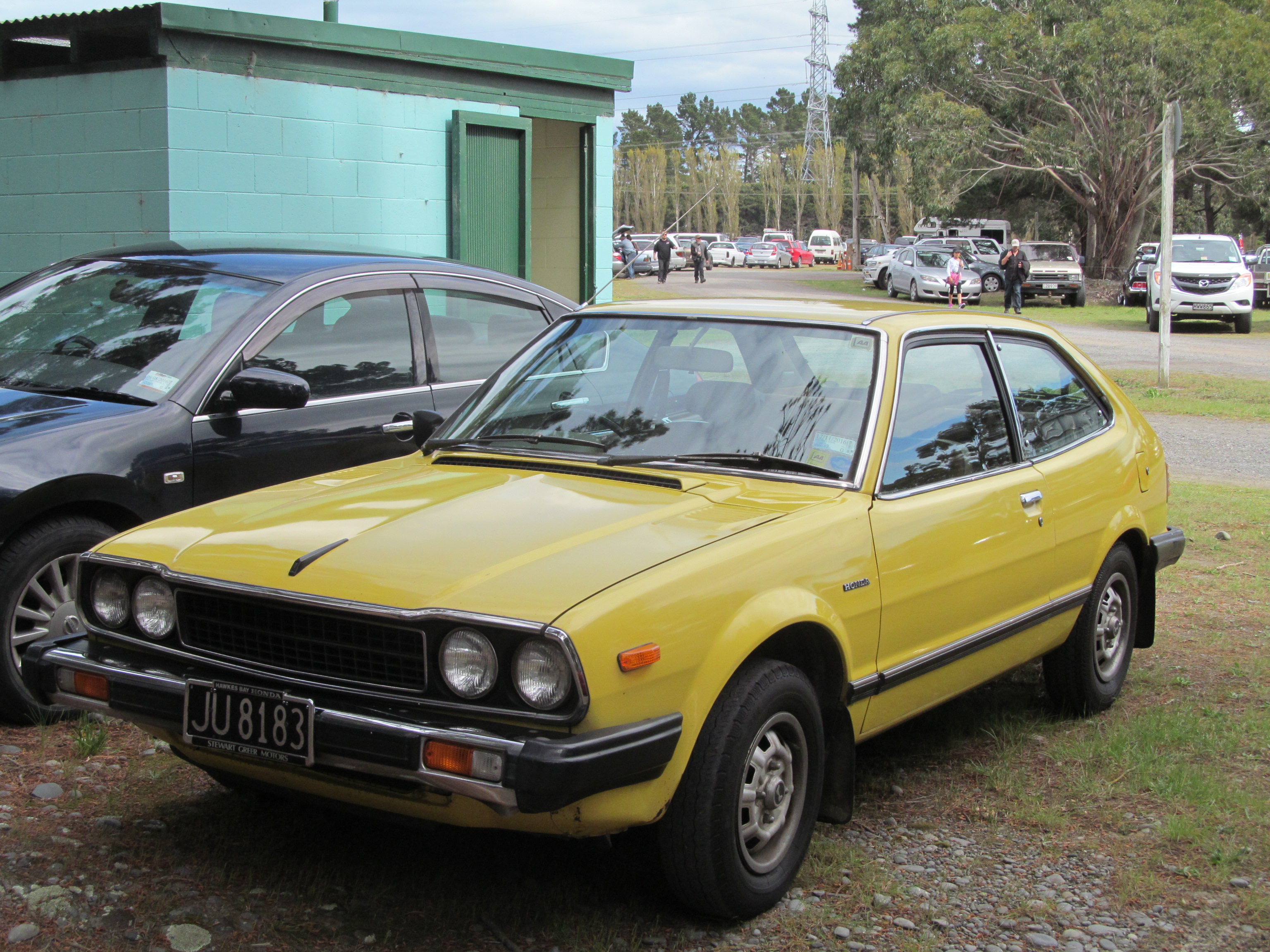
Honda Accord
"I am not going to buy a new Honda Accord or a Subaru Forester. Regardless what it is, I'm not going to buy it and then cheap out on the oil filters,"
The Honda Accord is a popular Honda family car. Here it’s just used as an example of a car the speaker wouldn’t buy if they planned to use cheaper oil filters.
The Honda Accord is a mainstream midsize sedan from Honda, commonly used as a “default” family car. In this segment, it’s mentioned as an example of a vehicle the speaker would not buy if they were planning to cut corners on oil-filter choices.

Subaru Forester
"I am not going to buy a new Honda Accord or a Subaru Forester. Regardless what it is, I'm not going to buy it and then cheap out on the oil filters,"
The Subaru Forester is a popular Subaru SUV/crossover. The host mentions it as an example of a car they wouldn’t buy if they were going to use cheap oil filters.
The Subaru Forester is a compact crossover/SUV known for standard all-wheel-drive availability and practical family use. In this segment, it’s named as another example of a vehicle the speaker wouldn’t buy if they planned to cut corners on oil-filter quality.
multi-point inspection
"I'm going to the dealer that sells that brand of vehicle and get a multi-point inspection done every single time. And another reason I do that is when my vehicle runs out of warranty"
A multi-point inspection is a checklist where a shop looks over several parts of your car. It helps find problems early and gives you documentation of what was checked.
A multi-point inspection is a standardized checklist service where a shop checks multiple systems and components (often including fluids, brakes, tires, and under-hood items) and documents the results. It’s used to catch issues early and create a paper trail of maintenance.
warranty
"And another reason I do that is when my vehicle runs out of warranty and something bad happens, if something bad happens, I'll be able to go to that dealership and say, now listen, I've had all of my service work done here."
A warranty is the manufacturer’s agreement to pay for certain repairs for a limited time. The host is saying that if you keep getting service done at the dealer, it can help if you need help paying for a repair later.
In this context, warranty refers to the manufacturer’s promise to cover certain repairs for a set period or mileage. The speaker’s point is that keeping service records at the dealership can strengthen your case if a major issue happens after the warranty period.
Request an Explanation
Heard something you'd like explained? We'll add it to this episode.
Sign in to request explanations for terms you heard.
Want to learn more?
Browse our glossary for plain-English explanations of automotive terms, jargon, and concepts.
Help improve this episode
See something that's not quite right? Our annotations are AI-generated and can sometimes miss the mark. Click the flag icon on any annotation to suggest a correction.