
Ford
They’re talking about a dealership that sells Ford cars. Ford is a big car brand, and the dealership name tells you which brand they primarily work with.
Nissan
They’re also talking about a dealership that sells Nissan cars. Nissan is another big car brand, and the dealership’s brand focus can influence what deals you’ll see.
new car dealership business office
Once you pick the car and agree on the price, you usually go to the dealership’s finance office to sign paperwork. That’s also where they try to sell extra add-ons, so it helps to be prepared.
financing schemes
When you finance a car, the dealer can sometimes structure the deal in a way that makes the monthly payment look fine but costs you more overall. That’s why you should compare the total price and loan terms, not just the payment.
extended warranty
An extended warranty is extra coverage you buy after the original warranty ends. It can be helpful, but dealers sometimes mark it up a lot, so it’s worth checking what you already have first.
gap insurance
Gap insurance helps if your car is totaled and the insurance payout doesn’t cover what you still owe on the loan. It matters most when you’re financing and owe more than the car is worth.
protection package add-ons
A protection package is a bundle of extra coverage and services the dealer tries to sell on top of the car. It can be worth it sometimes, but it’s also easy to overpay, so you should decide item-by-item.
key replacement
Key replacement coverage helps pay to replace a lost or broken key. Since modern keys can be pricey, dealers sometimes sell this as an add-on—so you should confirm what you’re already covered for.
dent and ding protection
This coverage is meant for small cosmetic damage like door dings. Before buying, check how many claims you can make and what kinds of dents are excluded.
tire and wheel protection
This is coverage for wheel and tire damage from road hazards. It can sound great, but you should read the limits and what it won’t cover before paying for it.
paint and fabric protection
This is an add-on that’s supposed to help protect your car’s paint and interior fabric from stains and wear. The details matter—ask what product they’re using and what the warranty actually covers.
extended warranties
An extended warranty is extra insurance for your car after the original warranty ends. It can help pay for certain repairs, which is why people consider it on newer, more complicated cars.
gasoline engine that's also on this vehicle is not connected to the wheels
In this setup, the gas engine doesn’t directly push the car forward. Instead, it makes electricity, and electric motors do the driving—often making the car feel smoother.
electric motors that are driving your wheels
Electric motors can turn the wheels directly, and they can do it very smoothly. That’s one reason some hybrids feel more like an electric car when you accelerate.
drive shaft and a transmission
A transmission and drive shaft are the usual parts that send power from the engine to the wheels. The host is saying the Nissan’s setup avoids that direct mechanical connection.
payment buyers
Payment buyers are people who shop mainly by what the car costs per month. Dealers can sometimes take advantage of that by changing the deal in ways that cost more overall.
good, the bad and the ugly car dealer
The host frames dealer quality as a spectrum—good dealers versus bad or “ugly” ones—implying different levels of transparency and fair dealing. It’s a structural setup for the episode’s advice on avoiding dealer markups, pressure tactics, and misleading offers.
monthly payment
The monthly payment is the number you pay each month. Dealers may include extra add-ons in that number, so you should ask what’s included—not just accept the payment amount.
prepaid maintenance
This is a plan where you pay ahead for routine services like oil changes. It might sound convenient, but you should check exactly what services are included and how much it costs.
interest rate
Your interest rate is basically the price of the loan. Even if two deals have the same monthly payment, a higher interest rate can mean you pay more overall.
term of the loan
The loan term is how many months/years you’ll be paying the car off. A longer term can make the payment look smaller, but you usually pay more money overall.
out-the-door price (OTD)
The out-the-door price is the total cost you’ll pay, including taxes. Instead of focusing only on the monthly payment, you should ask for the full total so you can tell what you’re really paying.
deferred maintenance (paperwork-driven add-ons)
The big idea here is that you can end up paying for things you don’t really need if you don’t read the paperwork. Taking a moment to review what’s included helps you avoid bad deals.
back end of that deal
The “back end” is the extra money the dealer can make after the main deal is set. That might include add-ons or finance-related charges that you may not notice right away.
finance manager
After you pick the car, a finance manager handles the paperwork and may try to sell extra coverage or plans. They can change the total price even if the salesperson’s deal sounded good.
Google ratings
One quick way to judge a dealer is to look at what people say online, like their Google reviews. If lots of customers complain, that’s a warning sign.
dealer reputation / word-of-mouth
The host is saying good dealers care about their reputation because they want repeat business. Bad dealers may focus on quick money even if it hurts customers.
salespeople leaving after unethical practices
The host is describing how some dealers create a culture where employees chase money, but then leave when they realize it’s not right. Employee turnover can be a clue about what’s going on behind the scenes.
dealer culture: "us against them"
The host is describing a dealer attitude that treats the customer like an opponent. When a place feels adversarial, it’s more likely they’ll use pressure or unclear tactics.
car buying scams / dealer rip-offs
The host is talking about how some dealers act nice during the sale but use tactics that can cost you more or mislead you. The goal is to spot warning signs before you sign anything.
four square worksheet
The host is talking about a dealership form that shows deal numbers in boxes. They’re saying some dealers use it to push you toward the monthly payment instead of showing the whole picture.
extended term
Sometimes the dealer lowers your monthly payment by making the loan last longer. That can cost you more overall because you pay interest for more time. Always compare the total cost, not just the monthly payment.
service contract
A service contract is a plan that helps pay for repairs after a certain point. It can be useful, but it’s easy to overpay if you don’t check the details. Make sure you understand exactly what it covers and what it doesn’t.
research before you buy
The advice here is to look up what these add-ons usually cost before you go to the dealership. If you know the going price, it’s harder for them to overcharge you. Bring that info with you so you can make a confident decision.
promotional mailers as a red flag
They’re saying that if a dealership is constantly pushing flashy giveaways and big promises, it can be a sign they’re trying to distract you. Often the real money is made through financing tricks or overpriced add-ons. Use the promotion to find the dealer’s reputation, not to decide the deal.
Hertz
Hertz is a big rental company. They buy lots of cars, then sell them later, which can increase how many of those cars show up for sale and push prices down.
law of supply and demand
If lots of the same cars are for sale, sellers have to compete. More supply usually means lower prices.
Avis
Avis is a rental-car company. The episode is saying rental companies sell lots of cars later, which can change used-car prices.
Enterprise
Enterprise is a rental-car company. The episode is saying rental companies sell cars later, which can change used-car prices.
National Car Rental
National Car Rental is another rental company. The idea is that rental fleets eventually sell their cars, which can affect what you pay for used cars.

Kia Sportage
The Kia Sportage is a common SUV you might see on used lots. The episode suggests checking whether it was a rental, since rental cars can have more wear and may be priced differently.

Kia K4
The Kia K4 is a car model the host says you might see in used inventory. Their point is to check whether it was likely a rental and inspect it carefully.

Hyundai Sonata
The Hyundai Sonata is a common used sedan. The episode is telling you to figure out where it came from—like whether it was a rental—because that can change how worn it might be.
rental car
A rental car is driven by lots of different people. Because of that, it may have more wear, and you should look for clues like scuffs, paint issues, or smells before buying.
car facts
“Car facts” means the real clues about the car, like mileage and visible wear. The host is saying don’t guess—use what you can observe to figure out what the car has been through.
smell test
The “smell test” is the practical habit of checking for odors (like smoke) when inspecting a used car. In the episode, it’s presented as a quick way to catch issues that may not be obvious from photos or a brief test drive.
Carvana
Carvana is a company that sells used cars online. The host is saying that even if it’s convenient, you still need to inspect the car yourself for issues like odors.
mechanic inspect it
Before you buy a used car, have a mechanic look it over. It can catch problems you can’t easily see, so you don’t end up paying for surprises later.
dealership stands behind their products
The host is saying you should buy from a dealer that will help you if problems show up after purchase. That kind of support can save you money and stress.
used car after you've driven it
Before buying used, you should drive the car. It helps you catch problems you can’t see just by looking at it.
one owner car
“One owner” sounds good, but it doesn’t always mean the car was treated gently. A rental car can be “one owner” too, but it may have been driven hard.
AutoCheck
AutoCheck is a report that shows a used car’s history. It can help you confirm details the seller tells you and spot red flags.
VIN number all 17 digits
The VIN (Vehicle Identification Number) is a unique 17-character code for a specific vehicle. Getting all 17 digits correct is crucial because a single wrong character can pull the wrong vehicle history.
platinum package
A “platinum package” means the car/truck has a higher level of features. The host wants you to note it so you don’t get the wrong expectations about what the vehicle actually has.
sunroof
A sunroof is the glass/roof opening that lets in light (and sometimes air). The host is saying to note features like this so you’re describing the exact car correctly.
F-150
The Ford F-150 is a popular pickup truck. The host is saying you should note the exact version (trim/features) because that affects what the car really is.
XL
XL is a specific trim level (a “version”) of the Ford F-150. The host wants the exact trim because it changes what features the truck should have.
XLT
XLT is a different trim level of the Ford F-150. The host is saying you should identify the exact trim so you’re looking at the right information for that specific truck.
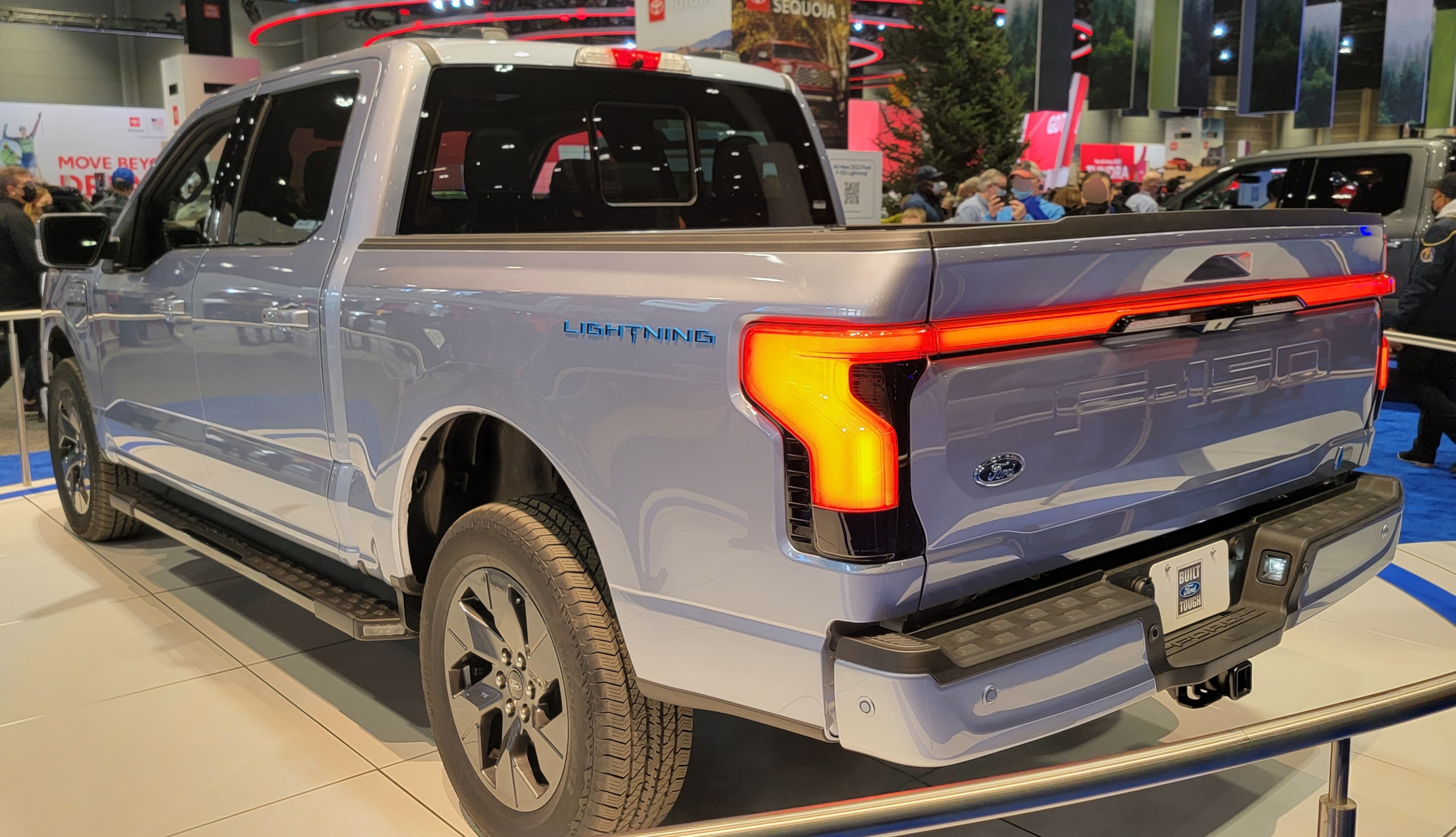
Ford F150
The Ford F-150 is a large pickup truck. Different versions (like XL or XLT) can come with different features, and options like a sunroof can change what the truck includes. That’s why people ask about the exact trim and equipment on the specific F-150 they’re looking at.