
How to identify the Good, the Bad and the Ugly car dealers before they rip you off
About this episode
Lenny Lawson breaks down how new-car dealerships really work once you’ve agreed to a payment, separating them into good, bad, and ugly operators. He explains how honest dealers disclose base payments and optional products clearly, while shady ones hide profit in extended warranties, gap insurance, and inflated financing terms. He also warns about special-event sales tactics, rental-car history on used lots, and the importance of checking Carfax/AutoCheck, smelling the car, and reading paperwork before signing.
Email Lennie at [email protected]
Ford
"Business has improved at my new car dealership, Gateway Ford and Gateway Nissan in Gremel, Tennessee."
They’re talking about a dealership that sells Ford cars. Ford is a big car brand, and the dealership name tells you which brand they primarily work with.
The host mentions Gateway Ford, which is a Ford dealership. Ford is a major U.S. automaker, and dealership branding matters because it often determines which models and manufacturer incentives you can access.
Nissan
"Business has improved at my new car dealership, Gateway Ford and Gateway Nissan in Gremel, Tennessee."
They’re also talking about a dealership that sells Nissan cars. Nissan is another big car brand, and the dealership’s brand focus can influence what deals you’ll see.
The host also mentions Gateway Nissan, another dealership in the same area. Nissan is a major automaker, and the dealership’s brand affiliation can affect what inventory, promotions, and financing options are available.
new car dealership business office
"So what happens when you agree to buy a vehicle at the typical new car dealership and you are headed to the business office? You know, there's a lot of thoughts going on behind the scenes."
Once you pick the car and agree on the price, you usually go to the dealership’s finance office to sign paperwork. That’s also where they try to sell extra add-ons, so it helps to be prepared.
After you agree on a vehicle price, most negotiations shift to the dealership’s business office (often called finance/“F&I”). This is where paperwork is finalized and add-ons are pitched, so it’s a key moment to stay alert.
financing schemes
"Let's say you're a cash buyer. You're a whole lot safer if you're a cash buyer because you're not subject to really the financing schemes that a lot of payment buyers are subject to."
When you finance a car, the dealer can sometimes structure the deal in a way that makes the monthly payment look fine but costs you more overall. That’s why you should compare the total price and loan terms, not just the payment.
“Financing schemes” refers to tactics used when a buyer finances the car—like steering you into higher-cost loans or structuring the deal so the monthly payment looks acceptable while the total cost rises. It’s a reminder that the payment number isn’t the whole story.
extended warranty
"But you can still be priced things too high like an extended warranty or well, you don't have to worry about gap insurance because you're not financing."
An extended warranty is extra coverage you buy after the original warranty ends. It can be helpful, but dealers sometimes mark it up a lot, so it’s worth checking what you already have first.
An extended warranty is an add-on that extends coverage beyond the factory warranty period. Dealers often sell it as part of a “protection package,” but it can be overpriced or redundant depending on the vehicle’s remaining coverage.
gap insurance
"you don't have to worry about gap insurance because you're not financing. But, you know, any type of protection package, key replacement, tire and wheel protection, dent and ding protection, paint and fabric protection."
Gap insurance helps if your car is totaled and the insurance payout doesn’t cover what you still owe on the loan. It matters most when you’re financing and owe more than the car is worth.
Gap insurance covers the difference (“gap”) between what you owe on the loan and what the car is worth if it’s totaled early in the loan. It’s most relevant when you’re financing, especially with a small down payment.
protection package add-ons
"But you can still be priced things too high like an extended warranty or well, you don't have to worry about gap insurance because you're not financing. But, you know, any type of protection package, key replacement, tire and wheel protection, dent and ding protection, paint and fabric protection."
A protection package is a bundle of extra coverage and services the dealer tries to sell on top of the car. It can be worth it sometimes, but it’s also easy to overpay, so you should decide item-by-item.
A “protection package” is the bundle of optional add-ons dealers sell to increase profit—often including warranty extensions and cosmetic or replacement coverages. The episode frames these as upsells designed to make buyers feel secure, so listeners should evaluate each item’s real cost and likelihood of use.
key replacement
"any type of protection package, key replacement, tire and wheel protection, dent and ding protection, paint and fabric protection."
Key replacement coverage helps pay to replace a lost or broken key. Since modern keys can be pricey, dealers sometimes sell this as an add-on—so you should confirm what you’re already covered for.
Key replacement coverage pays for replacing lost or damaged keys, which can be expensive on modern cars with transponders and key fobs. Dealers may bundle it into add-on packages, so it’s worth checking whether your insurance or existing warranty already covers it.
dent and ding protection
"any type of protection package, key replacement, tire and wheel protection, dent and ding protection, paint and fabric protection."
This coverage is meant for small cosmetic damage like door dings. Before buying, check how many claims you can make and what kinds of dents are excluded.
Dent and ding protection is usually a cosmetic-damage add-on aimed at minor impacts like door dings and small dents. It’s often sold as part of a “protection package,” but value depends on exclusions, claim limits, and whether repairs are actually covered.
tire and wheel protection
"any type of protection package, key replacement, tire and wheel protection, dent and ding protection, paint and fabric protection."
This is coverage for wheel and tire damage from road hazards. It can sound great, but you should read the limits and what it won’t cover before paying for it.
Tire and wheel protection is an add-on that typically covers damage to wheels and tires from potholes, curbs, or road hazards. The fine print matters—coverage limits, exclusions, and deductibles can make it less valuable than it sounds.
paint and fabric protection
"key replacement, tire and wheel protection, dent and ding protection, paint and fabric protection. All of these are to make you feel all warm and fuzzy with all this protection."
This is an add-on that’s supposed to help protect your car’s paint and interior fabric from stains and wear. The details matter—ask what product they’re using and what the warranty actually covers.
Paint and fabric protection is an add-on that claims to help resist stains or damage to upholstery and exterior surfaces (often via coatings or treatments). These products vary widely in quality, so it’s important to understand exactly what’s being applied and for how long it’s warranted.
extended warranties
"However, more and more are buying extended warranties and rightfully so because of the complexity of the modern automobile."
An extended warranty is extra insurance for your car after the original warranty ends. It can help pay for certain repairs, which is why people consider it on newer, more complicated cars.
An extended warranty is coverage beyond the factory warranty period, usually protecting major components for a set time or mileage. On modern cars with more electronics and complex drivetrains, dealers often push these because repairs can be expensive.
gasoline engine that's also on this vehicle is not connected to the wheels
"So will the Nissan hybrid. Why? Because the gasoline engine that's also on this vehicle is not connected to the wheels... All it does is generates electricity for the batteries constantly."
In this setup, the gas engine doesn’t directly push the car forward. Instead, it makes electricity, and electric motors do the driving—often making the car feel smoother.
This describes a series-hybrid-style layout (or at least a non-direct-drive hybrid strategy) where the engine generates electricity instead of mechanically turning the wheels. Because the wheels are driven by electric motors, the car can feel smoother and more EV-like.
electric motors that are driving your wheels
"And so you will have electric motors that are driving your wheels. That's some pretty serious technology."
Electric motors can turn the wheels directly, and they can do it very smoothly. That’s one reason some hybrids feel more like an electric car when you accelerate.
When electric motors drive the wheels, the vehicle can deliver torque smoothly and instantly, often with less driveline harshness than a traditional engine-to-transmission-to-wheels path. In hybrids, this can also reduce how often the engine needs to run in a way that feels “busy.”
drive shaft and a transmission
"But there's a drive shaft and a transmission and and it goes straight to the wheels, not with the Nissan."
A transmission and drive shaft are the usual parts that send power from the engine to the wheels. The host is saying the Nissan’s setup avoids that direct mechanical connection.
A drive shaft and transmission are part of a conventional drivetrain that transfers power from the engine to the wheels. In hybrids that don’t rely on a direct mechanical connection to the wheels, you can avoid some of the driveline “feel” that comes from that traditional path.
payment buyers
"But right now, the people that are vulnerable are the payment buyers. And so they're getting ready to walk into somewhat of a trap..."
Payment buyers are people who shop mainly by what the car costs per month. Dealers can sometimes take advantage of that by changing the deal in ways that cost more overall.
“Payment buyers” are shoppers who focus primarily on the monthly payment rather than the total price, interest rate, term length, and fees. This is a common sales tactic target because it can make it easier to steer buyers into unfavorable financing or add-ons.
good, the bad and the ugly car dealer
"...depending on whether they are at the good, the bad or the ugly car dealer. I'll be back in just"
The host frames dealer quality as a spectrum—good dealers versus bad or “ugly” ones—implying different levels of transparency and fair dealing. It’s a structural setup for the episode’s advice on avoiding dealer markups, pressure tactics, and misleading offers.
monthly payment
"“...then you've agreed to a monthly payment. And that monthly payment doesn't have anything in it, but sales tax... Then you walk into the finance office...”"
The monthly payment is the number you pay each month. Dealers may include extra add-ons in that number, so you should ask what’s included—not just accept the payment amount.
“Monthly payment” is often used as a negotiation anchor, but it can be misleading if it includes add-ons like warranties or protection packages. The episode emphasizes separating the base payment from extras so you can compare deals fairly.
prepaid maintenance
"“...offer you different products like an extended warranty service contract, gap insurance, all these protection packages, prepaid maintenance...”"
This is a plan where you pay ahead for routine services like oil changes. It might sound convenient, but you should check exactly what services are included and how much it costs.
Prepaid maintenance is a dealer-sold plan that covers routine service for a set period or mileage. It can be worthwhile for some buyers, but it’s also commonly bundled into the deal to raise profit, so the key is verifying what’s covered and the total cost.
interest rate
"“...And if they've offered you an interest rate, I would want to know what that is... What's the term of the loan?”"
Your interest rate is basically the price of the loan. Even if two deals have the same monthly payment, a higher interest rate can mean you pay more overall.
The interest rate is the cost of borrowing money on your auto loan, and it directly affects your monthly payment and total loan cost. A dealer can quote a payment number while using a higher rate or longer term to make the deal look similar.
term of the loan
"“...What's the term of the loan? But the important thing here is the good dealer tells you what your base payment is without any of that extra stuff added.”"
The loan term is how many months/years you’ll be paying the car off. A longer term can make the payment look smaller, but you usually pay more money overall.
The term of the loan is how long you have to repay it (e.g., 60 months vs. 72 months). Longer terms can lower the monthly payment but increase total interest paid, and dealers may use term length to mask add-ons.
out-the-door price (OTD)
"“...Oh, it's only $68 a month. No, what's the purchase price with tax? And then he tells you it's $5,000.”"
The out-the-door price is the total cost you’ll pay, including taxes. Instead of focusing only on the monthly payment, you should ask for the full total so you can tell what you’re really paying.
The out-the-door price is the total amount you pay to drive the car home, including taxes and dealer-added fees, and it’s the real number to compare between dealers. The transcript contrasts “$68 a month” with the actual purchase price with tax, highlighting why OTD matters.
deferred maintenance (paperwork-driven add-ons)
"“...And this is how the dealership makes additional money. That particular dealership has a culture of deception. They rely on uninformed car buyers to not scrutinize what they're doing.”"
The big idea here is that you can end up paying for things you don’t really need if you don’t read the paperwork. Taking a moment to review what’s included helps you avoid bad deals.
While the transcript doesn’t explicitly say “deferred maintenance,” the underlying concept is that buyers can be steered into paying for add-ons without understanding what they’re buying, which can lead to poor long-term value decisions. The episode’s focus is on scrutinizing paperwork to avoid paying for unnecessary coverage or services.
back end of that deal
"...worked with a finance manager to make sure that all the profits that he has put in the back, what we call the back end of that deal, has maximum profit in it."
The “back end” is the extra money the dealer can make after the main deal is set. That might include add-ons or finance-related charges that you may not notice right away.
“Back end” profit usually refers to money made after the sale is negotiated—commissions, finance products, add-ons, and other dealership-controlled items. It’s often where dealers can increase profit without changing the car’s sticker price.
finance manager
"...closed you on a monthly payment, worked with a finance manager to make sure that all the profits..."
After you pick the car, a finance manager handles the paperwork and may try to sell extra coverage or plans. They can change the total price even if the salesperson’s deal sounded good.
The finance manager (often called the F&I manager) handles financing paperwork and sells dealership products like warranties and maintenance plans. Their role can strongly affect the final out-the-door cost through add-ons and contract terms.
Google ratings
"They want good Google ratings. Their reputation matters to them. They've been in business a long time..."
One quick way to judge a dealer is to look at what people say online, like their Google reviews. If lots of customers complain, that’s a warning sign.
The host suggests checking online reputation signals like Google ratings to gauge dealer trustworthiness. High ratings can correlate with better customer experiences, while low ratings may indicate recurring complaints.
dealer reputation / word-of-mouth
"They want good Google ratings. Their reputation matters to them. They've been in business a long time..."
The host is saying good dealers care about their reputation because they want repeat business. Bad dealers may focus on quick money even if it hurts customers.
Reputation is framed as a business incentive for ethical behavior—dealers want repeat customers and referrals. The host contrasts this with dealers who chase short-term profit and then “things start to fall apart.”
salespeople leaving after unethical practices
"And so the salespeople leave the good dealership and go to the bad or the ugly dealership and they make a bunch of money for a while and then things start to fall apart..."
The host is describing how some dealers create a culture where employees chase money, but then leave when they realize it’s not right. Employee turnover can be a clue about what’s going on behind the scenes.
The host describes a pattern where sales staff move from a “good” dealership to a “bad or ugly” one for high earnings, then leave when they realize the harm being done. This is an indirect indicator of dealer culture and how incentives can drive unethical behavior.
dealer culture: "us against them"
"...they're making 150, $250,000 a year and they can live with it... because it's us against them. That's the culture..."
The host is describing a dealer attitude that treats the customer like an opponent. When a place feels adversarial, it’s more likely they’ll use pressure or unclear tactics.
The phrase “it’s us against them” describes an adversarial sales culture where the dealer’s goal is to win rather than help the customer. That mindset often leads to pressure tactics and less transparent deal-making.
car buying scams / dealer rip-offs
"But people don't realize it until after the fact. So the good, the bad, and the ugly, you can tell it if you just pay attention, slow down."
The host is talking about how some dealers act nice during the sale but use tactics that can cost you more or mislead you. The goal is to spot warning signs before you sign anything.
The episode segment is about identifying “good, bad, and ugly” dealers—specifically behaviors that can lead to overpaying or being misled. The host describes tactics like friendly sales pressure paired with unethical practices that only become obvious after the purchase.
four square worksheet
"...present you with numbers that are clear and concise, not on some kind of a four square worksheet, where all they're trying to do is get you to focus on the monthly payment."
The host is talking about a dealership form that shows deal numbers in boxes. They’re saying some dealers use it to push you toward the monthly payment instead of showing the whole picture.
A “four square worksheet” refers to a common dealership sales tool that lays out deal numbers in a grid, often to steer the customer toward a specific outcome. In this segment, the host criticizes it when it’s used to focus attention on monthly payment rather than the full deal.
extended term
"How they're going to hide that profit by extending the term beyond what you realize, by increasing the interest rate without you seeing it,"
Sometimes the dealer lowers your monthly payment by making the loan last longer. That can cost you more overall because you pay interest for more time. Always compare the total cost, not just the monthly payment.
Dealers can make a deal look cheaper by extending the loan term (stretching payments over more time). That often increases total interest paid, even if the monthly payment drops. It’s a common tactic to hide profit in the overall financing cost.
service contract
"by charging you $5,000 too much on an extended warranty or service contract."
A service contract is a plan that helps pay for repairs after a certain point. It can be useful, but it’s easy to overpay if you don’t check the details. Make sure you understand exactly what it covers and what it doesn’t.
A service contract is an agreement to pay for certain repairs or maintenance items, similar to a warranty but often structured differently. Dealers can bundle it into the purchase and inflate the price. Buyers should confirm coverage terms, exclusions, deductibles, and the real market price.
research before you buy
"All of those products, you need to do a little research, not only on the car that you're thinking about buying, but what does a warranty cost for this?"
The advice here is to look up what these add-ons usually cost before you go to the dealership. If you know the going price, it’s harder for them to overcharge you. Bring that info with you so you can make a confident decision.
The hosts emphasize doing pre-purchase research on add-ons like warranties and gap insurance. This helps you know fair pricing and coverage so you can spot inflated dealer markups. It’s a practical strategy to reduce the chance of being upsold into overpriced products.
promotional mailers as a red flag
"you get this mailer, you get this piece of mail and it says, you have either won a big screen TV... or $25,000 in cash. If you get one of those in the mail,"
They’re saying that if a dealership is constantly pushing flashy giveaways and big promises, it can be a sign they’re trying to distract you. Often the real money is made through financing tricks or overpriced add-ons. Use the promotion to find the dealer’s reputation, not to decide the deal.
The segment describes how aggressive promotions (like winning prizes or large cash offers) can be a warning sign of a “bad or ugly” dealership. The idea is that these flashy events may be used to draw in customers while the real profit is hidden in financing and add-ons. It’s a behavioral/marketing indicator rather than a technical car issue.
Hertz
"I found an email from Hertz, the rental car place and it had an attachment... full of cars that they have for sale this week... Hertz is a big organization..."
Hertz is a big rental company. They buy lots of cars, then sell them later, which can increase how many of those cars show up for sale and push prices down.
Hertz is a major rental-car company that buys large volumes of vehicles and then sells them later, often through auctions. Because rental fleets rotate cars frequently, their resale supply can affect used-car pricing for the brands they buy most.
law of supply and demand
"That's right. It dilutes the value. The more that there are in the market, the lower the price. It's the law of supply and demand."
If lots of the same cars are for sale, sellers have to compete. More supply usually means lower prices.
The episode uses supply and demand to explain why rental-fleet vehicles can depress used-car values. If many similar cars enter the market at once, buyers have more choice and prices tend to fall.
Avis
"You can't see what Hertz and Avis and National Car Rental and Enterprise are selling at the auctions but dealers can..."
Avis is a rental-car company. The episode is saying rental companies sell lots of cars later, which can change used-car prices.
Avis is another large rental-car company mentioned as part of the auction/resale pipeline. The point is that rental companies can flood the market with off-lease vehicles, which influences used-car values.
Enterprise
"...National Car Rental and Enterprise are selling at the auctions but dealers can..."
Enterprise is a rental-car company. The episode is saying rental companies sell cars later, which can change used-car prices.
Enterprise is mentioned as one of the big rental-car companies that sells vehicles through auctions. That resale supply can influence used-car pricing and availability for the brands and models they buy.
National Car Rental
"...Hertz and Avis and National Car Rental and Enterprise are selling at the auctions but dealers can..."
National Car Rental is another rental company. The idea is that rental fleets eventually sell their cars, which can affect what you pay for used cars.
National Car Rental is cited alongside other rental brands as a seller at auctions. The implication is that rental-fleet volume can increase supply and lower resale prices for certain models.

Kia Sportage
"...you shop their used car lot and you find a Kia K4 or a Sportage or Hyundai... Sonata and you know, I want to know where that thing came from."
The Kia Sportage is a common SUV you might see on used lots. The episode suggests checking whether it was a rental, since rental cars can have more wear and may be priced differently.
The Kia Sportage is named as an example of a popular model that dealers may have on their used lots. The host’s point is to identify whether a specific Sportage likely came from a rental fleet, because that can affect condition and value.

Kia K4
"...you shop their used car lot and you find a Kia K4 or a Sportage or Hyundai..."
The Kia K4 is a car model the host says you might see in used inventory. Their point is to check whether it was likely a rental and inspect it carefully.
The Kia K4 is mentioned as a model you might find on a used lot that could have come from rental-fleet supply. The host’s advice is to verify the car’s origin and condition rather than assuming it’s a normal private-sale used car.

Hyundai Sonata
"...Kia Sportage, a Hyundai, something or other, Sonata and you know, I want to know where that thing came from."
The Hyundai Sonata is a common used sedan. The episode is telling you to figure out where it came from—like whether it was a rental—because that can change how worn it might be.
The Hyundai Sonata is used as another example of a mainstream model that could be rental-derived. The host emphasizes looking for “car facts” (like mileage and wear patterns) to judge whether the car’s history matches rental use.
rental car
"...you've got to look at the car facts and see if it was a rental car. Is that bad? No, not necessarily. You just have to realize that if it's got 30,000 miles on it..."
A rental car is driven by lots of different people. Because of that, it may have more wear, and you should look for clues like scuffs, paint issues, or smells before buying.
A “rental car” is a vehicle used by many drivers, often with less careful handling than a personal car. The episode suggests rental cars can show telltale signs—like higher mileage, cosmetic wear on bumpers, and odors—so buyers should inspect accordingly.
car facts
"...you've got to look at the car facts and see if it was a rental car. Is that bad?"
“Car facts” means the real clues about the car, like mileage and visible wear. The host is saying don’t guess—use what you can observe to figure out what the car has been through.
“Car facts” in this context means the evidence you can use to infer a vehicle’s history and condition, such as mileage, wear patterns, and cosmetic damage. The host uses it as a checklist approach to determine whether a car likely came from a rental fleet.
smell test
"...you may get in and you may smell smoke. You know, I just can't believe people will buy a used car from somebody like Carvana and not give it the smell test..."
The “smell test” is the practical habit of checking for odors (like smoke) when inspecting a used car. In the episode, it’s presented as a quick way to catch issues that may not be obvious from photos or a brief test drive.
Carvana
"...people will buy a used car from somebody like Carvana and not give it the smell test."
Carvana is a company that sells used cars online. The host is saying that even if it’s convenient, you still need to inspect the car yourself for issues like odors.
Carvana is referenced as an online used-car retailer where buyers may not do a thorough in-person inspection. The host’s warning is that skipping basic checks—like smelling for smoke—can lead to unpleasant surprises.
mechanic inspect it
"You buy a used car after you've driven it, after you've smelled it, and after you've had a mechanic inspect it, unless you feel good about the dealership..."
Before you buy a used car, have a mechanic look it over. It can catch problems you can’t easily see, so you don’t end up paying for surprises later.
The host is recommending a pre-purchase inspection by a qualified mechanic before buying a used car. This helps uncover hidden issues like accident damage, worn components, or maintenance problems that aren’t obvious during a test drive.
dealership stands behind their products
"...unless you feel good about the dealership and that they stand behind their products that they sell."
The host is saying you should buy from a dealer that will help you if problems show up after purchase. That kind of support can save you money and stress.
The host emphasizes choosing a dealership that “stands behind” what it sells, implying better support after the sale (like honoring warranties, addressing issues, or providing recourse). This is a buyer-protection concept beyond just the car’s condition.
used car after you've driven it
"You buy a used car after you've driven it, after you've smelled it, and after you've had a mechanic inspect it..."
Before buying used, you should drive the car. It helps you catch problems you can’t see just by looking at it.
The host lists driving the car as part of the used-car buying process. A test drive helps reveal issues like drivability problems, noises, and transmission behavior that may not show up in paperwork.
one owner car
"...you say, yeah, I just like to buy one owner of a car. He said, well, this one's a one owner and then you pull the car facts up and you see, yeah, it was one owner. It was Hertz rental car..."
“One owner” sounds good, but it doesn’t always mean the car was treated gently. A rental car can be “one owner” too, but it may have been driven hard.
The host challenges the idea that “one owner” automatically means a better car. They argue that the source of that ownership matters—for example, a rental fleet like Hertz can still mean higher wear and different usage patterns.
AutoCheck
"So these are things that you need to do. Check the car facts or the auto check. It's an experience..."
AutoCheck is a report that shows a used car’s history. It can help you confirm details the seller tells you and spot red flags.
AutoCheck is a vehicle history report service that compiles data like ownership history, reported incidents, and other records. The point here is to verify claims made by the seller and to understand a car’s past before deciding it’s “worth considering.”
VIN number all 17 digits
"Send me the VIN number all 17 digits. Make sure you get it right. I prefer to have a picture of it..."
The VIN (Vehicle Identification Number) is a unique 17-character code for a specific vehicle. Getting all 17 digits correct is crucial because a single wrong character can pull the wrong vehicle history.
platinum package
"...tell me what equipment the vehicle has on it. Does it have a sunroof? Is it a platinum package or, you know,..."
A “platinum package” means the car/truck has a higher level of features. The host wants you to note it so you don’t get the wrong expectations about what the vehicle actually has.
A “platinum package” refers to a higher equipment/trim package that changes what features the vehicle includes. The host’s point is that you should identify the exact equipment so the vehicle history and what you’re buying line up correctly.
sunroof
"...tell me what equipment the vehicle has on it. Does it have a sunroof? Is it a platinum package..."
A sunroof is the glass/roof opening that lets in light (and sometimes air). The host is saying to note features like this so you’re describing the exact car correctly.
A sunroof is a specific equipment feature the host wants identified when gathering details about the vehicle. This is part of matching the exact car configuration to the correct history/records.
F-150
"...and if it's an F-150, an XL or an XLT or something, I need to know the particulars on the vehicle..."
The Ford F-150 is a popular pickup truck. The host is saying you should note the exact version (trim/features) because that affects what the car really is.
The Ford F-150 is referenced as an example of how trim level and equipment matter when pulling a vehicle history report. Knowing the exact configuration helps ensure the report and valuation match the car you’re actually considering.
XL
"...and if it's an F-150, an XL or an XLT or something, I need to know the particulars on the vehicle..."
XL is a specific trim level (a “version”) of the Ford F-150. The host wants the exact trim because it changes what features the truck should have.
XL is a trim level designation on the Ford F-150. Trim level affects standard equipment and sometimes pricing and maintenance expectations, so it’s important to capture the correct details when checking history and value.
XLT
"...an F-150, an XL or an XLT or something, I need to know the particulars on the vehicle..."
XLT is a different trim level of the Ford F-150. The host is saying you should identify the exact trim so you’re looking at the right information for that specific truck.
XLT is another Ford F-150 trim level mentioned alongside XL. The key takeaway is that different trims have different equipment, so you should confirm the exact trim before relying on a vehicle history report.
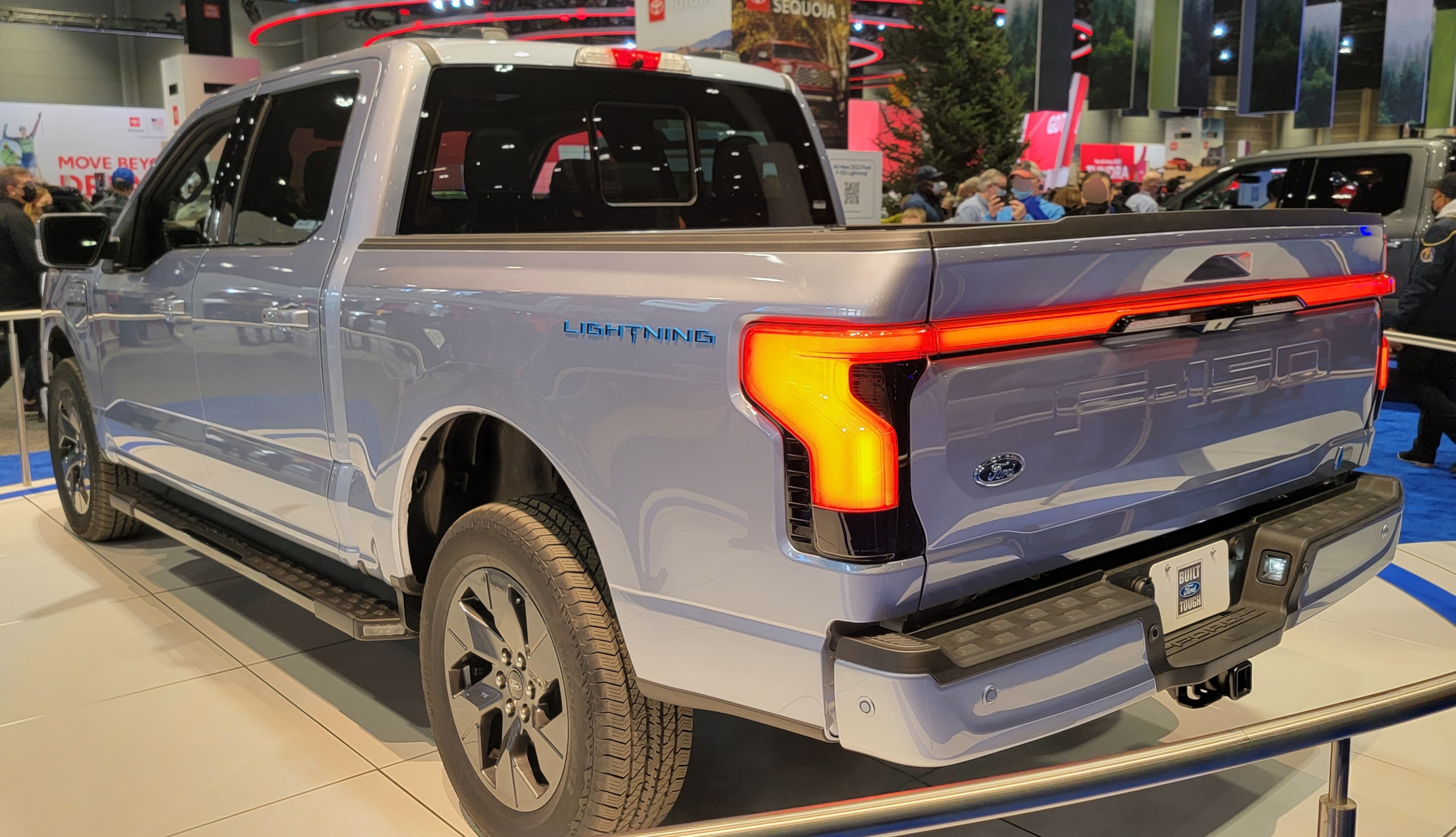
Ford F150
"equipment the vehicle has on it. Does it have a sunroof? Is it a platinum package or, you know, and if it's an F-150, an XL or an XLT or something, I need to know the particulars on the vehicle and then I can pull a car facts or an auto check and tell you the history of"
The Ford F-150 is a large pickup truck. Different versions (like XL or XLT) can come with different features, and options like a sunroof can change what the truck includes. That’s why people ask about the exact trim and equipment on the specific F-150 they’re looking at.
The Ford F-150 is a full-size pickup truck known for being offered in many trim levels and configurations. In a discussion about “what equipment the vehicle has,” the trim (like XL or XLT) and options (such as a sunroof or package upgrades) matter because they determine the interior features, comfort tech, and convenience equipment. It’s a common topic because buyers often compare specific builds rather than just the model name.
Request an Explanation
Heard something you'd like explained? We'll add it to this episode.
Sign in to request explanations for terms you heard.
Want to learn more?
Browse our glossary for plain-English explanations of automotive terms, jargon, and concepts.
Help improve this episode
See something that's not quite right? Our annotations are AI-generated and can sometimes miss the mark. Click the flag icon on any annotation to suggest a correction.