Navigating the car ordering process can be tricky, especially when dealers say you can't get the specific model or features you want. Joined by Scotty Reese from A Girl's Guide to Cars, the hosts discuss strategies for overcoming dealer objections, understanding allocation systems, and the importance of doing your homework. They emphasize the need for clear communication with dealers, exploring alternatives, and knowing your rights regarding deposits and pricing. Listeners will gain insights into how to advocate for their desired vehicle and make informed decisions in today's complex automotive market.
Part 2 of the “How to Order a New Car” crossover with A Girl’s Guide to Cars
SUMMARY
This episode picks up where Part 1 of our crossover with Scotty Reiss left off. On her show, What Drives Her from A Girl’s Guide to Cars, we busted the myth of the “factory order” and why so many buyers are told they can’t custom-order their dream car and how dealer allocations actually control what gets built.
Now, in Part 2 on The Straight Shift, LeeAnn Shattuck (The Car Chick®) takes the wheel with the tactical side of the story. We dive into how to make the system work for you — what to do when a dealer says “no,” how dealer trades really happen, how to lock in your price, and how to protect your deposit.
It’s the no-BS, real-world guide to actually getting the car you want — whether you’re ordering a Porsche, a Subaru hybrid, or just trying to avoid the dreaded “allocation shuffle.”
"...I'll give you an example. I have a client out in Utah and they wanted to get a Ford Transit van..."
The Ford Transit is a large van that many businesses use to carry things or people. It's known for being roomy and can be set up in different ways depending on what you need.
The Ford Transit is a versatile van designed for commercial use, known for its spacious interior and various configurations. It's popular among businesses for transporting goods and people.
"...they specifically can't order it because their allocation of production slots is already used up..."
Production slots are like spots in a schedule for making cars. If a dealer has filled all their spots for a certain model, they can't order more until the next round of production starts.
Production slots refer to the allocated manufacturing capacity for a specific vehicle model at a dealership. When these slots are filled, dealers cannot order more vehicles until the next production cycle.
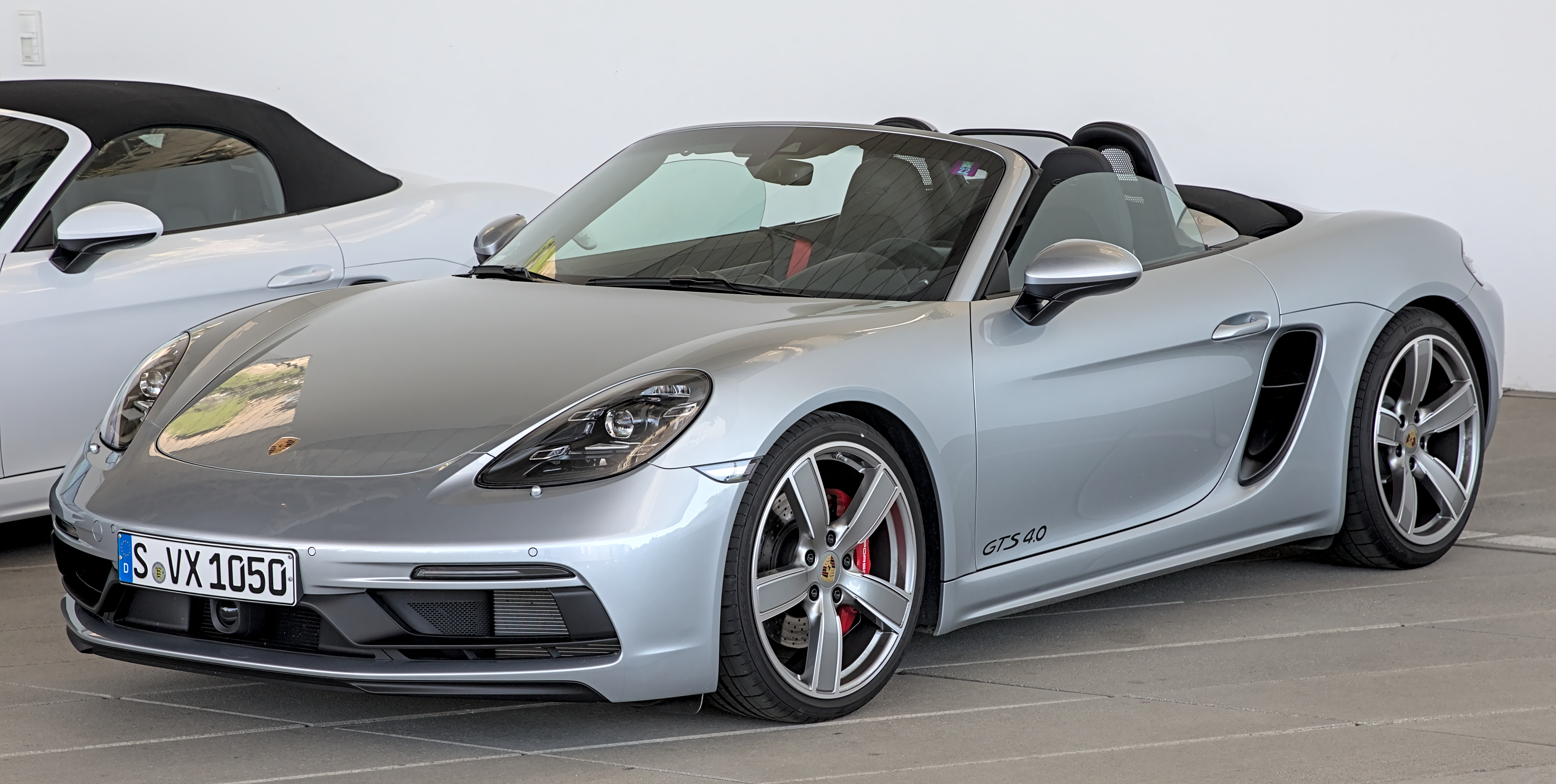
"...am car for his 50th birthday. He wanted a Porsche Boxster. And so we were just to kind of the end of the p..."
The Porsche Boxster is a sporty car that you can drive with the top down, making it fun and stylish. It's known for being easy to handle and great for driving on winding roads. People often talk about it because it's a nice mix of luxury and performance.
The Porsche Boxster is a mid-engine sports car that has been a staple in Porsche's lineup since its introduction in 1996. Known for its exceptional handling, performance, and convertible design, the Boxster represents an accessible entry point into the luxury sports car market. It is often discussed for its blend of everyday usability and thrilling driving experience.
"...they have to have that same make model and trim level to trade back. So a dealer is not going to trade a top of the line platinum model for a base model..."
Trim level is a way to describe the different versions of a car model, where some versions have more features and better options than others.
Trim level refers to the specific version of a car model that includes different features and options. Higher trim levels usually offer more luxury and technology features compared to base models.
"...a dealer is not going to trade a top of the line platinum model for a base model. That is not an even trade..."
A trade is when you give one car to a dealership and get another car in return. The dealership looks at how much your car is worth when making the deal.
In automotive terms, a trade refers to the exchange of one vehicle for another, often involving a dealership. The value of the traded vehicle is typically considered in the transaction.
Car
Honda That Honda
"...I don't have that Honda Odyssey and I'm not going to get it. But let me see if I can get it for you. Great..."
The Honda Odyssey is a type of minivan that many families use because it has a lot of space and is comfortable for long trips.
The Honda Odyssey is a minivan known for its spacious interior and family-friendly features. It's popular among families for its comfort and practicality.
"It can, because the dealers, they get more allocations, meaning they'll get a bigger supply of cars. You know, they'll get 10 next month instead of six or seven."
Allocation is how car manufacturers decide how many cars to send to each dealership. If a dealership sells a lot of cars, they might get more cars in the future.
Allocation refers to the distribution of vehicles from manufacturers to dealerships based on demand and sales performance. Dealers must demonstrate their ability to sell certain models or trim levels to receive more inventory.
"You just have to sell X number of highlanders and then we'll give you more of the nicer ones that you really want."
The Toyota Highlander is a type of SUV that is good for families because it has a lot of space and features that make it comfortable to drive.
The Toyota Highlander is a midsize SUV known for its spacious interior and family-friendly features. It is often a popular choice among buyers looking for a versatile vehicle.
"...my friend who was frustrated because she ordered a Ford Bronco and felt like that believed that the dealer was getting it in and then selling it to a higher bidder before she could get it..."
The Ford Bronco is a type of SUV known for its rugged design and off-road capabilities, making it popular among people who enjoy outdoor adventures.
The Ford Bronco is a classic SUV that has been reintroduced with modern features and capabilities, appealing to both off-road enthusiasts and everyday drivers.
"...the dealer was getting it in and then selling it to a higher bidder before she could get it. When she did finally get it, there was a little bit of a silver lining there..."
Dealer markup is when a car dealership charges more than the original price suggested by the manufacturer, usually because the car is in high demand.
Dealer markup refers to the practice where a dealership increases the price of a vehicle above the manufacturer's suggested retail price (MSRP), often due to high demand or limited supply.
"...it will depend on whether or not you know what the MSRP of the car that you're ordering is. If it's something that's in production..."
MSRP is the price that the car maker suggests dealers sell the car for. It's important to know this price so you can make sure you're not overpaying when buying a car.
MSRP stands for Manufacturer's Suggested Retail Price, which is the price that the manufacturer recommends a dealer charge for a vehicle. Knowing the MSRP helps buyers understand the fair market value of a car and negotiate better deals.
"...one dealer might be like, Hey, you know, we can order it, but you'll pay sticker and other dealers..."
The sticker price is the price you see on the window of a new car. It's usually the starting price before any discounts or negotiations.
The sticker price refers to the price displayed on the window sticker of a new car, which typically includes the MSRP and additional fees. It's the starting point for negotiations when buying a vehicle.
"...if it's the situation where you've put a deposit down on, you know, a Toyota Grand Highlander that you're waiting to come in and you're like, hey, I've got to back out..."
The Toyota Grand Highlander is a large SUV made by Toyota. It's designed for families and has a lot of space for passengers and cargo.
The Toyota Grand Highlander is a mid-size SUV that offers a spacious interior and a variety of features suitable for families. It is designed for comfort and utility, making it a popular choice among SUV buyers.
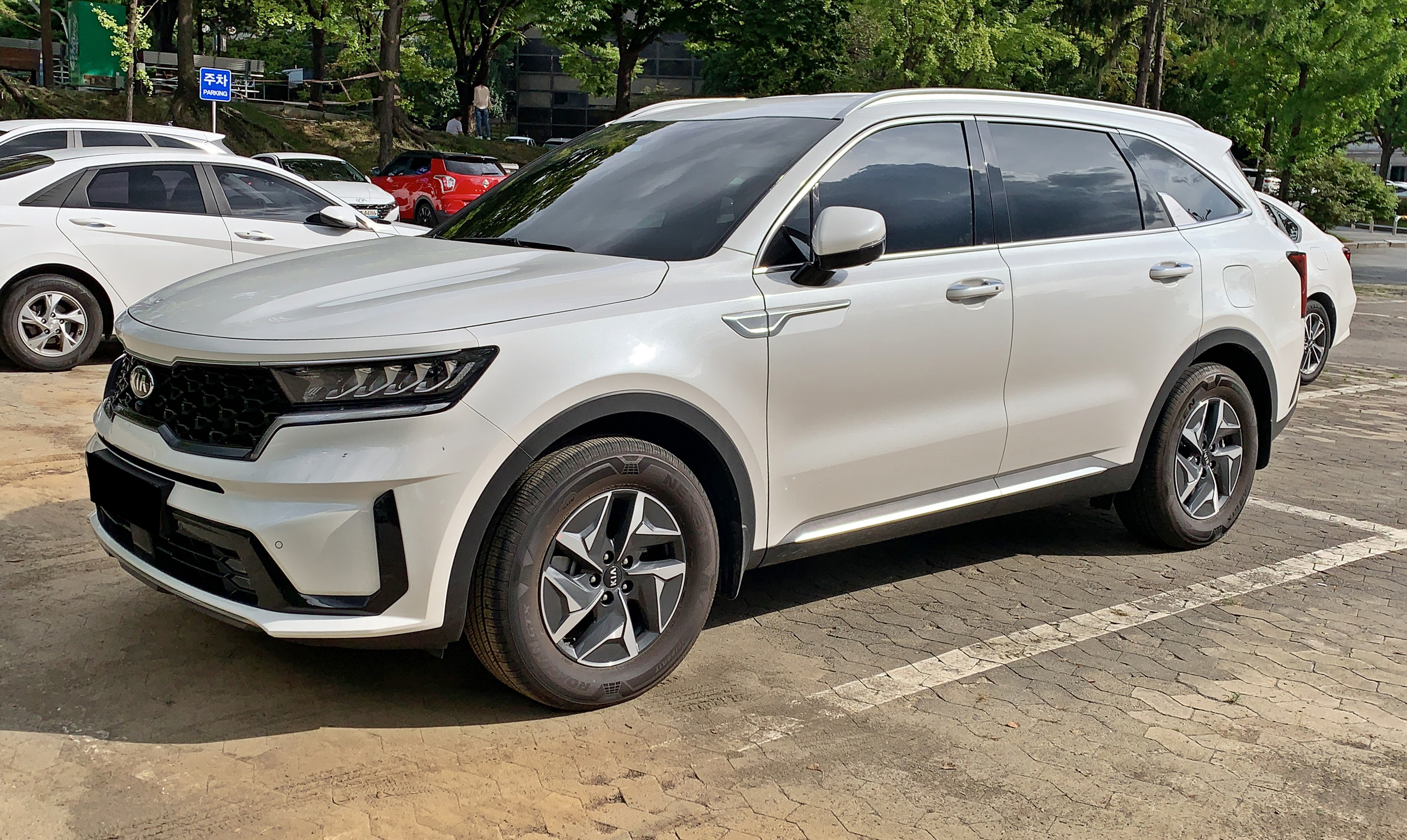
"...who bought a Kia Sorento plug-in hybrid as it turned out. She really,..."
The Kia Sorento Plug-in Hybrid is a type of SUV that can run on both gasoline and electricity. This means you can charge it and drive it using electric power, which is better for the environment.
The Kia Sorento Plug-in Hybrid is a midsize SUV that combines a gasoline engine with an electric motor, allowing for both traditional fuel and electric driving. This model is designed for those looking for an eco-friendly vehicle with the versatility of an SUV.
"...was saying, I want a Toyota Highlander hybrid. Now, for a long time, that was the only thing that fit that bill..."
A hybrid car has two types of engines: one that runs on gas and another that uses electricity. This helps the car use less fuel and be better for the environment.
A hybrid vehicle uses both an internal combustion engine and an electric motor to improve fuel efficiency and reduce emissions. This technology allows for better mileage compared to traditional gasoline-powered cars.
"...they just did the RAV4 and we're going to see more cars updated and they're all going to be hybrid or hybrid and plug-in..."
The Toyota RAV4 is a smaller SUV that's great for everyday use and has a hybrid version that helps save on fuel. It's a good option for people who want a mix of space and efficiency.
The Toyota RAV4 is a compact SUV that has gained popularity for its versatility and efficiency. The recent updates have included hybrid options, making it a competitive choice in the SUV market.
"...we're going to see more electrics coming from Toyota. They are starting to build out their manufacturing in the United States..."
An electric vehicle is a car that runs only on electricity, not gas. It doesn't produce any exhaust fumes, making it better for the environment.
An electric vehicle (EV) is powered entirely by electricity, using batteries instead of gasoline. EVs produce zero tailpipe emissions and are becoming increasingly popular due to advancements in battery technology and charging infrastructure.
"...relationship with both Mazda and Subaru, so this Crosstrek hybrid that I'm super excited about and the Forre..."
The Subaru Crosstrek is a small SUV that can handle rough roads and bad weather thanks to its special all-wheel drive. It's a great choice for people who like to go on adventures but still want a car that's easy to drive around town. The new hybrid version is even better for the planet because it uses less gas.
The Subaru Crosstrek is a compact crossover SUV known for its all-wheel-drive capability and rugged design, making it suitable for both urban and outdoor adventures. The Crosstrek has recently introduced a hybrid variant, enhancing its appeal to environmentally conscious consumers while maintaining its versatility. It is often discussed for its reliability and practicality in various driving conditions.
"the Forrester hybrid that just came out, that's Toyota's hybrid technology, just married to Subaru's drivetrain."
The Subaru Forester Hybrid is a larger SUV that also uses both gas and electric power to help save on fuel. It's roomy inside and good for families or adventures.
The Subaru Forester Hybrid is a compact SUV that offers a combination of hybrid technology and Subaru's signature all-wheel drive. It provides a spacious interior and is well-suited for outdoor activities.
"...etter than Toyota. And then now we're finding the Palisade just got redesigned and it's finally a hybrid. I..."
The Hyundai Palisade is a big family car that can fit a lot of people and their stuff. It has a lot of cool features to make driving easier and more comfortable. The new version even comes in a hybrid, which means it uses less gas and is better for the environment.
The Hyundai Palisade is a midsize SUV that has gained popularity for its spacious interior, advanced technology, and family-friendly features. Recently redesigned, it now offers a hybrid option, making it more fuel-efficient and appealing to eco-conscious buyers. Its combination of value and luxury makes it a strong competitor in the SUV market.
Select text to request an explanation
with the car check. The podcast that's all about cars. Buying, selling, fixing, and driving.
And sometimes running fast to hear the car check. Now here he is. Hey everyone and welcome
back to The Straight Shift, the podcast that cuts through all the bullshitteries so that
you can be a smarter car buyer, owner, and driver. I'm really excited for today's episode
because we're doing something a little bit different. I am joined today by my good friend
Scotty Reese of a Girls Guide to Cars and we decided to do a two part crossover podcast
episode between her podcast and mine because we just love getting together and yapping
about cars and we both share this passion for educating people. So this is part two
of the podcast on how to order a car when they tell you you can't. And if you missed part one,
I'm going to put the link in the description below so that you can go and listen to Scotty's
podcast. Welcome Scotty. Thank you Leigh Ann. It's nice to be here. Tell everybody a little bit
more about your podcast and its focus and where they can find that and subscribe to it. Sure. So
our podcast is called What Drives Her. It is the podcast from A Girl's Guide to Cars
where on every podcast platform, Spotify, you name it, we're on all of them. We started this
actually not as a podcast but as a written interview series years ago, probably more than
a decade ago, to talk to women who are changing the automotive industry from the inside. And it's
incredible to see these women who are just crushing it in this world and they are running
companies and they are presidents of automotive companies and they are engineering and designing
cars and they're thinking about cars the way women think about things that are really important to
them. We think about the space for us and our families and the places we go and the things we
do. We think about the aesthetics, what looks good in our lives and what reflects our personal
style. We think about what we need, where we're going to put our things, where we're going to put
our people, where the dog is going to sit in this car. 100%. Right? All these things that are so
important that in the, you know, back in the day kind of got lost and we had to make all these
compromises and, you know, you don't make a compromise. What is it they say you spend like
2,000 hours a year or something in your bed and you don't make compromises around that. You spend
not quite as many hours but probably, I don't know, 800 hours a year in your car. Why should you
put all of this thought and intelligence into choosing something like a mattress and linens
for your bedroom or a handbag that's going to go with you everywhere you go or a kitchen that is
going to be like the center point of your family time. We spend so much time thinking about that
and we spend so little time thinking about our cars and so by bringing those women into the
conversation, we really can connect much more deeply with our cars and make better choices
for ourselves knowing that there is a woman behind that design and a woman behind that
structure and that engineering and that marketing who understands you.
And that is so critically important and we're starting to see more of those changes with the
cars and the features that they have and how they're designed and laid out and it's just so
exciting, you know, that we're finally getting some traction in terms of making decisions
within the automotive industry. So I absolutely love that, you know, and I love that you collect
women in the automotive industry and you bring us all together so that we can continue to empower
each other and then that in turns ends up empowering the consumers. So absolutely.
It is, it is. And it's, you know, you think about it. We love the women who design the things that
we wear and the things that populate our lives and we're drawn to like the Joanna Gaines's of the
world and the Coco Chanel's of the world. Why shouldn't we be drawn to the Mary Barras of the
world and, you know, these women who are designing and changing cars to be a better fit for our
lives. We just need to know who they are. And so that's a big part of my mission.
And that's why I love having you on my podcast, by the way.
Well, we've been friends for a long time in this, you know, kind of joint mission of empowering
women from all angles within the automotive industry. So when you reached out to me asking
me about ordering cars, I'm like, Oh yeah, we can do something with this. So
well, and this is such a confounding topic because anybody who's ever sort of eyed a
particular car and said, Oh, I really want that blue color. I really want that interior finish.
I really want that panoramic sunroof. I really want the bigger engine. And then you go to the
dealer and they're like, Oh yeah, I can't have that. Right. And we saw that so much during the
pandemic. And while inventory levels are vastly improved from where we were just a few years ago,
it's not back to normal. And I don't think we're going to ever get back to the way things used
to be where you could just walk on to a dealer lot. And they had 500 cars. And you had a really
good chance of finding the one that you wanted. I think those days are over as the supply chain
and the trade relationships are just getting more and more complicated and changing with
every press conference. So you do have to do a lot more homework and legwork and digging. And
you have to be smarter in order to get what you want. Because if you're dropping 50 plus grand,
which is the average price of a new car today, don't get me started. You should not have to
compromise. You should be able to get the blue one. Well, and you know, the way things are built
and designed these days or designed and built, you know, you order something and if it's a special
build or it's a special finish, the manufacturer is very much in touch with you. And they, you know,
they tell you, I mean, I hate to kind of go back to the kitchen, but I ordered kitchen counters
and I shopped for the counters and then they came out and they measured and then they scheduled
and then they, you know, they asked some follow up questions. Do you want this? Do you want this?
Do you want this? And then they sent me samples to look at and come to our showroom if you'd like to.
So I was very involved in the process. And, you know, it wasn't cheap. It was not cheap at all.
And they were, but the process was, you know, it wasn't like a shot, you know, kind of a
dart in the dark where I just, you know, gee, I hope I get it. Which I feel like the car was like
so much more expensive. Any car so much more expensive than what I spent on kitchen counters.
And yet that process was so personalized and involved for something that costs, you know,
maybe four, five, $6,000 versus a car that's $50,000. And you're like, oh, you're going to love it.
Hang out. Right. If Ikea can do this, why can't the auto manufacturers do this?
And we talked in part one a lot about why this is and the whole ordering versus allocations.
We talked about that in part one on Scotty's podcast. And so we're going to continue the
conversation now because I know you had a bunch more questions that we had to kind of cut off
for your podcast that you wanted to ask now. So let's continue that conversation. And what else
would you like to know about how can you get the car that you want when you're told you can't order
it? Okay. So the dealer has just told me the one thing I never like to hear that makes me very
unhappy. And that is no, don't ever tell me no. What do I do? So now once they've told me no,
I don't know about you. Once somebody has told me no, like I double down. Oh, you just told me
now it is my mission. I'm going to get that. So what do I do when they've told me either I can't
order it or it's not going to be made. It's not going to come in. What do I do? What are my alternatives?
Yeah. And a lot of it depends on why they said no. So the first thing you need to do is get more
information because as we know, no means no in certain situations, but when you're car shopping,
no doesn't actually always mean no. So you need to find out why. Is it that they are limited?
Sometimes they literally can't. Sometimes no really does mean no, meaning that they can't order one.
So I'll give you an example. I have a client out in Utah and they wanted to get a Ford transit van
that they could then convert into a camper like everybody decided to do during the pandemic. And
between the popularity of people doing that for themselves and the demand for those vehicles
from Amazon and FedEx and everyone else who uses them, there was only so much production time. And
so what Ford did was it's called the order bank. And there's a window of time in which that bank
is open and the dealers can frantically get in there and place the orders that their customers
want. But then when you run out of production slots, it's closed. And so it took us a long time
because when we call like, they just closed the order bank. And it was literally only open for
two weeks before all the orders filled up for the whole year. And that was a situation where
no meant no, they just couldn't build any more that year. It was like, you know,
call me back next March. And we'll hope that we can get in there. So that's a frustrating situation.
Then you just have to decide what you're going to do. But sometimes it's the dealer doesn't want to
order it because they rather would sell you something that is on the lot. Or they specifically
can't order it because their allocation of production slots is already used up. In which case,
you need to call around and see if another dealer might have slots available to order.
So an example of that, I had a client out in Las Vegas who had gotten permission from his wife to
order himself his dream car for his 50th birthday. He wanted a Porsche Boxster. And so we were just
to kind of the end of the production year. And there were no slots left. All the dealers had
sold out of the production slots for the year. And so we kept calling around trying desperately
to find one. And finally, one of the managers at one of the Porsche stores apparently like left
the building and went to the far end of the parking lot and called me on his personal cell phone and
said, Hey, there's this little dealership in, you know, middle of nowhere in Colorado that I think
may still have one. Call them. And so he really did me a solid on that. And sure enough, we called
and they're like, Yes, we have one left. It's the last one in the entire country, you know, to be
able to order this car. And we won't be able to order anymore for a whole another year. And like,
we want it, we'll take it. At that point, I didn't even care what we had to pay for it. Although
we paid sticker, they didn't try to screw us on anything. We didn't have to pay more.
But we literally got the last production slots and he got the car in time for his birthday. It took
eight months to build it, but it came in in time for his birthday. So that worked out. So sometimes
you just have to shop around and find a dealer who will. But at the core, you've got to understand
what is the justification behind that? No, is it real? Or is it bullshit? So when a dealer so
say they they're being honest, and they're not they're not lying to you, they really can't order
the car or get they're not going to get the car that you want. Can they call another dealer and
get it? Do they trade with other dealers? What does that look like? Yeah. And that's the more
common scenario. And you will see it all the time that the dealers will play musical inventory.
And that can work in many different ways. And a lot of it really depends on supply and demand.
And during the pandemic, nobody was trading anything because nobody had anything to trade.
So they'll have their kind of favorite trading partners that they just have relationships with
and they trade inventory with each other all the time. And it makes it easy. And they'll go to
those guys first. They can go into the inventory system for the entire manufacturer and see what's
out there. Now, sometimes dealers can set little flags in the system that hides the inventory
so that it doesn't show because they don't want to get calls on it. They don't want to trade.
But it's very common for them to say, Hey, do you have this one? I need this color. I've got this
one. But they have to have that same make model and trim level to trade back. So a dealer is not
going to trade a top of the line platinum model for a base model. That is not an even trade.
So it has to have an even trade. And they will only do it within typically a certain radius.
A dealership in Florida is not going to trade with a dealership in California. It's just too
far to go. So say the dealer says, Oh, yeah, I don't I don't have that Honda Odyssey and I'm
not going to get it. But let me see if I can get it for you. Great. But maybe I'm better off looking
within say a 200 mile radius or so from where I live and see who else has that car on their lot
or a list of for sale. Yeah. And maybe I just do that. And start in your general area,
because the dealers will not trade with each other within the same competitive geography.
So for example, we've got I think seven Honda dealerships in the greater Charlotte area.
They won't trade with each other because they are direct competitors, but they'll go three hours
up to Raleigh or four hours to Atlanta or two hours down to Columbia and trade with those dealers.
Because it's close enough, but it's still outside their their competitive area. So look
in your area first, just because the dealer down the street doesn't have it, doesn't necessarily
mean that the one 30 miles up the freeway doesn't. And you can just drive up and get it from them.
So I mean, you can get a good price. So we've been talking about allocation and which is a confound,
I have to say a confounding practice. The dealers find it confounding.
Well, yeah. And I get that. So we've been talking about how to kind of work around the allocation
question. But are there times when allocation works in your favor as a buyer?
It can, because the dealers, they get more allocations, meaning they'll get a bigger supply
of cars. You know, they'll get 10 next month instead of six or seven. If they sell more of
them now, basically the manufacturers say, you have to prove to me that you can actually sell
this specific make and trim level, and then we'll send you more, but you've got to prove it to me
first. And sometimes they don't necessarily care if they sell that particular trim level.
You just have to sell X number of highlanders and then we'll give you more of the nicer ones that
you really want. So they may be willing to take a loss on a sale to you just to make those numbers
to get more of them. Part of it is learning how to speak their language and showing them that you
kind of sort of understand how it works behind the scenes. You drop the word allocations,
they're immediately going to know that you are not just the average off the street car buyer.
But no, you just told me now I have to learn to speak dealer.
Yeah, you don't have to be fluent in dealer. It's kind of like when we traveled to other
countries, when I was growing up, we traveled a lot. And my mom had this rule that we had to
at least be able to say hello, goodbye, please thank you. And where is the bathroom in that
language? And then we were fine. So going back to I want to go back to it because I have a question
about pricing. In our first part of the podcast, we talked about my friend who was frustrated
because she ordered a Ford Bronco and felt like that believed that the dealer was getting it in
and then selling it to a higher bidder before she could get it. When she did finally get it,
there was a little bit of a silver lining there. And that was the price was locked in.
So she actually got the whatever it was 2022 price on a 2023 model, which the price had gone up.
But because she had ordered that car a year before, they honored the lower price. So talk about
how to protect yourself when you're buying or ordering a car. Yeah, absolutely. And it will
depend on whether or not you know what the MSRP of the car that you're ordering is. If it's something
that's in production, and it's on the website, it's on the build configurator, then you should know
what it's going to be and you negotiate the price before you place the order. Because even if you're
ordering a car, that does not mean you don't shop around to the different dealers. Because
one dealer might be like, Hey, you know, we can order it, but you'll pay sticker and other dealers
like, Yeah, sure, you know, we'll take the order and we'll give you this discount. So you still
shop around to see who can get you the car the fastest and at the best price and then balance
that with your priorities. But if you know what the MSRP is, then negotiate that price just as
you would if it were sitting right on their lot today. And you can do the same thing if it's a
car that's in allocation, it's been allocated, it's in the production pipeline for that dealer.
And generally they will have the VIN number for it, or we'll have it shortly. Get it all in writing.
Get that buyer's order exactly the same as if it were sitting on their lot. Now, if it's a car
that you don't know the MSRP yet. So for example, we talked in part one about that new Subaru
Cross Trek hybrid 2026 model that's going to be brand new. We ordered it pre-ordered it in August.
We had no idea what MSRP would be exactly. But I still negotiated a discount off of MSRP like
whatever MSRP is, you will get it for $1,500 less than that. And I got that in writing. And so
getting anything in writing that has the dealer's signature on the bottom of it
is what is legally binding and therefore protects you. So don't rely on a handshake on anything
verbal or even just something said casually in an email. You need to have it on an official
buyer's order piece of paper that the dealer has signed. So if I've done that, I have this buyer's
order and I've signed it. The dealer signed it. We've negotiated a nice little discount and I have
my VIN number. And then I lose my job. Can I back out of this? People back out of orders all the time.
You know, if it is a high-end vehicle and it's a truly custom order like with Porsche,
MBMW, sometimes you can even get a truly custom paint color that's not advertised. Well, if you're
spending that kind of money, that's different. But if it's the situation where you've put a deposit
down on, you know, a Toyota Grand Highlander that you're waiting to come in and you're like,
hey, I've got to back out, hopefully the dealer will be cool. But before you put a deposit down
on any car, you need to ask them, is this refundable or non-refundable? And you should be signing a
paper that specifically says that and keeps a copy. Because very often when we say the word
deposit in the automotive industry, it's really a partial payment, meaning it's non-refundable.
So it can depend on what you've ordered. It can just depend on that particular dealer.
So just know before you give them that credit card number and you sign anything
if it is refundable or not. Everything should always be in writing, right?
Everything always has to be in writing. Always.
And that's one of your rules. What other rules do you operate by Leanne?
Oh gosh, how much time do we have?
What's your podcast?
Well, this is true. I always say, you know, to shop, always shop around. That's just what you've
got to do because if you're not finding the car that you want in your area, look around. Sometimes
you're in certain areas, California, everybody wants a hybrid. So those dealers get more of
the hybrids. You know, here in Charlotte, we get some and we get a lot more than we use too,
but it's not the same volume that you see in the Northeast. You see in some of your bigger cities
in DC and California. And so it may make sense to call around to another geography. And you know,
yeah, you might have to pay to have the car delivered to you or transported. But if it means
getting the car you want and getting it in a reasonably timely manner, that may be worth it to
you. Just be aware if there are a lot of production restrictions, sometimes the dealers get penalized.
I can't say they're not allowed, but they get severely penalized for selling outside their
area. And sometimes it's just a choice. You know, they don't want to sell to anyone outside their
area because they want to keep their customers happy and, you know, keep those customers coming
back for service. This is very common in places like New York where they're like, hey, you know,
we don't sell out of state. Or if we do sell out of state, it's at a much higher price point
because we really don't want to sell out of our geography. We have enough customers here,
enough demand here that we don't want to deal with the rest of you. So you might run into that.
But it's always worth a phone call to find out because there are hundreds and hundreds and
hundreds of dealers across the country and somebody wants to sell a car. 18,000 dealers.
Yeah, 18,000 dealers. Somebody wants to sell you a car. You know, that was the case with Brittany,
who we did a story on who bought a Kia Sorento plug-in hybrid as it turned out. She really,
really wanted a hybrid but ended up being a Pia versus a Toyota Highlander hybrid because she
couldn't get the Toyota story in the first podcast. And she ended up finding a dealer in
Rochester, New York, not only had it on the lot, did not have anybody lined up to buy it,
was willing to sell it to her and shipped it to her for like $1,100 or so. But the net net,
even with the shipping, it was still less expensive than the Toyota MSRP, you know,
on the Toyota versus the full price of the Kia. They did the whole transaction online.
She had been waiting for that Toyota for a year and she had her Kia Sorento in a week. So
for me, the takeaway was as she did the legwork, she went on cars.com and found this car called
the dealer and did the whole thing on the phone. So she was willing to do the legwork on that.
And I think for me, the big lesson was decide the features you want and the environment you want
in your car and then go find the car that fits it. In my opinion, the first mistake that she made
was not saying, I want a hybrid three-row SUV. Her mistake was saying, I want a Toyota Highlander
hybrid. Now, for a long time, that was the only thing that fit that bill. But it's so much more
competitive now. There are so many good options. Yeah. And in fact, we're going to start to see
more and more hybrids because Toyota is only building hybrids now in many of their models.
And each time they update a new model, so they just did the RAV4 and we're going to see more
cars updated and they're all going to be hybrid or hybrid and plug-in or hybrid and plug-in and
electric. And we're going to see more electrics coming from Toyota. They are starting to build
out their manufacturing in the United States to accommodate building EVs. There are so many
good choices out there. And with Toyota, their relationship with both Mazda and Subaru, so
this Crosstrek hybrid that I'm super excited about and the Forrester hybrid that just came out,
that's Toyota's hybrid technology, just married to Subaru's drivetrain. And it's the same with
Mazda because nobody does hybrids better than Toyota. And then now we're finding the Palisade
just got redesigned and it's finally a hybrid. I have only been waiting for that since the Palisades
came out in 2020. People tend to get blinders and they think this is the car that I want. This is
the only one. And it's why when I do the perfect car analysis for my clients, I narrow it down to two
or three. They're like, you know, hey, you know, there's some good options here. And if we can't
get this, and I'll tell them like, hey, this is ideally what I would love to get for you.
But the chances of getting one in the next six weeks are Snowballs Chance and Hell.
So, but here are some other really excellent options that maybe you haven't considered.
So let me ask you this. Because my next question is, how do you shortcut this whole process
of figuring out what you want and then actually finding it? Tell me what that looks like.
Yeah. And that's just part of my normal perfect car package. You and I, Scotty, we live and breathe
this. You know, we not only know everything that's out there now, but we know what's coming down
because we're inside the industry and we're nerds that way. This is what we love.
And I also have very strong opinions, as you well know, and anyone who's listened to me for more
than five minutes will know. But what's good and what is not good and what's reliable. And then
there's just also a piece of it that for me is very intuitive. You know, I feel that the brands
have their personalities, but sometimes I can just feel what's the right car for someone.
And that's just a matchmaking thing that is very difficult for me to quantify because it's
something I feel. 90% of what I do is analytical, but then there's that little 10% of what I just
feel. I see, I just see you in or I don't see you in. So that's hard to say, but that's part of my
part of my package is doing that so that we're we're narrowing down on what's the right car for
you. That's why you go to like a, you know, a stylist who knows the inventory at a, you know,
at a fashion level or does a lot of personal styling, hair and makeup. And they, so you get
out of that rut and you change that style, you change that and you're like a new person, right?
When you go to a really great hairstylist for the first time and they're like, oh, we're going to
do your hair like this, do your makeup like this. And then you're like, wait, is that me?
Exactly. And it helps because, you know, when you go around to the different dealerships,
obviously those people are trying to sell their brand of car. And even if they, you know, looking
at used cars, they may not know that brand well, even though they're selling it on their lot.
And so having experts who don't necessarily have a true loyalty to any brands, obviously I have my
favorites in them. I have someone like, are you really sure you want that? But I want to find
out what's right for you because what's perfect for you is going to be very different than what's
perfect for me because my lifestyle is different. My personality is different. My priorities are
different. So that's why it's truly, you know, needs to be a matchmaking process. And why it
drives me crazy that people go on to, you know, a Facebook group and be like, oh, I need a new car.
What do you guys like? Like, oh my gosh, please don't do that. I understand why you do that,
but please don't because. Yes, please don't do that. There's one group that I'm in and every time
someone asks about, and they put in very specific criteria, you know, I've got three teenagers,
they're five, 10, six feet and six, two. And then I've got a fourth child who's still in a booster
scene and then the Subaru fan people, you need a Subaru sent, you need to say like,
you cannot put a six foot tall teenager in the third row of a Subaru. And it's just so funny.
They like, I get it. They love their car. Right. That car's not right for everybody. Exactly. If
and I mean, how many people have a middle schooler who's six feet tall? Like quite a few. Right.
I have a few clients. One of them, she says, I have a family of giraffes. We need to get all
of the giraffes in my car. So, which is why I maintain a spreadsheet of all the legroom,
headroom, shoulder room of every SUV on the market in every category so that I can very quickly,
you know, know what that is. But yeah, it's just, you know, don't rely on everybody else. But
be aware if the car that you have your heart set on and the dealer says, no, you can't have this,
that may not be true for one. And it may also not be the end of the world. If you truly can't get
that one, there may be something else out there that will do what you needed to do and be the
tool that you need to be and that you may even end up liking better because it was something
that you never even considered. Because it's doing the thing for you that you really need most.
Exactly. And if it makes your socks roll up and down to drive it,
you know, that's important too. That's important too.
And if you're wondering what the answer is about getting that car when the dealer says no,
and how that, what that looks like and how you go through, figure out that process,
because you get a lot of stuff thrown at you, go to our first episode of this podcast.
The link below. The links below.
And a lot of those questions are answered there. And thank you, Leanne, for having me on your
podcast. And I loved the two part. I love sharing this podcast with you.
It's been a lot of fun. And I tell you people, you know, if you haven't checked out a girl's
guide to cars, it's a tremendous resource because it really goes into depth on car reviews and just
so many different areas, but also the lens of what women and what families want.
I personally find it a great resource for me and my research. And there's a lot of good
information out there by women for women. You just have to know where to find it. So
thanks again, Scotty. And folks, if you haven't subscribed to the Straight Shift, please do so.
If you have not subscribed to Scotty's podcast, please do so. Again, we'll put the links below.
But until next time, we're out of here.
Request an explanation for:
11 cars
Scroll for more
11 cars featured
Request an Explanation
Heard something you'd like explained? We'll add it to this episode.
Sign in to request explanations for terms you heard.
Want to learn more?
Browse our glossary for plain-English explanations of automotive terms, jargon, and concepts.
See something that's not quite right? Our annotations are AI-generated and can sometimes miss the mark.
Click the flag icon on any annotation to suggest a correction.