
Inside Porsche Special Wishes, Singer Turbos & The Return of Analog Driving
About this episode
Porsche “Special Wishes” and VIP access take center stage, from VIP allocation mechanics to how bespoke programs like CXX and Sonderbunch work—down to custom-dyed leather and paint-to-sample constraints. The hosts also connect the obsession to analog driving: why enthusiasts chase “the analog driving experience,” how heel-and-toe rev matching matters, and how NVH and throttle-by-wire can change feel. Between stories of Miata canyon runs, hauling a damaged Lotus Exige, and car-shipping theft/broker advice, the episode ties rare-car culture back to actually driving.

Jeep Wrangler
"...his. So, the Jorts are gone. I've transitioned to Wranglers. The Reeboks are being displaced by Tacovas. See ..."
A Jeep Wrangler is an SUV made for driving on rough roads and trails. It’s built to be tough and is known for having removable doors and a removable roof. People talk about it when they want a vehicle that can handle both normal driving and off-road adventures.
The Jeep Wrangler is a rugged, off-road-focused SUV known for its removable doors and roof and its ability to handle rough terrain. It often comes up in conversations about everyday practicality mixed with serious trail capability, which is why it’s a common “transition” vehicle for people who want a more outdoorsy setup. In the podcast context, it’s mentioned as a lifestyle shift from other casual footwear/gear to Wranglers.
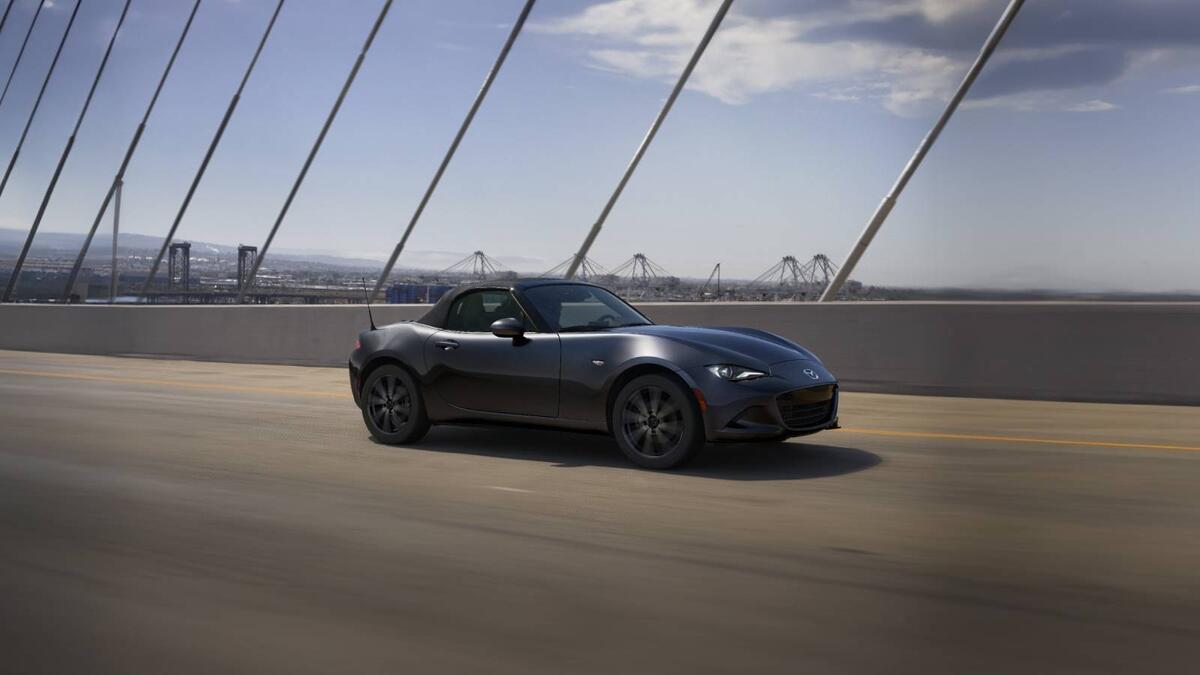
Mazda MX-5 / Miata
"...ad a good time with that. What did you drive? The Miata? I drove the Miata. Yeah, I drove the Miata and h..."
The Miata is a small two-seat sports car made for enjoyable driving. It’s known for being light and easy to handle, so it feels responsive even without being a big, powerful car. People often choose it for weekend drives and track days.
The Mazda MX-5 (Miata) is a lightweight two-seat roadster designed for fun, balanced driving. It’s often discussed because it’s relatively affordable, easy to maintain, and rewards driver input with a simple, engaging feel. In the podcast, it’s mentioned as the car someone drove during a good time.

Lotus Exige
"he trailered his crashed lotus exige down because he wanted us to repair it. I think his insurance company, a jester up there, was saying they were going to total the car."
The Lotus Exige is a small, lightweight sports car made by Lotus. Here it’s being hauled in because it was crashed and needed repairs, showing how tricky it can be to transport damaged low cars safely.
The Lotus Exige is a lightweight, track-focused sports car from Lotus, known for its sharp handling and driver-first feel. In this segment it’s specifically mentioned as a crashed car that was trailered in for repair, which makes it a concrete example of how low, sports cars can be difficult to move after damage.
salvage
"it's a car that can be salvaged. I mean, definitely has some real damage."
“Salvage” here means the car is badly damaged, but it might still be repairable. It’s the difference between “totaled and scrapped” versus “could be fixed.”
In insurance and repair talk, a “salvage” outcome means the car is considered too damaged to be economically repaired as-is, but it may still be repairable. The hosts use it to frame why the Lotus Exige could be brought in and fixed rather than scrapped.
trailer
"So, this guy, he went to his local U-Haul and picked up a trailer. And that trailer is shown in the image behind me."
A trailer is how you move a car without driving it. They’re pointing out that the wrong kind of trailer can be a problem for low sports cars, especially when the car is damaged.
A trailer is a separate towing setup used to move a vehicle without driving it. The hosts focus on the mismatch between a generic car-hauling trailer and low sports cars, which can create clearance and loading problems after damage.
U-Haul
"So, this guy, he went to his local U-Haul and picked up a trailer."
U-Haul is a company that rents moving trailers. Here, the owner used it to rent a trailer to bring the crashed car in for repairs.
U-Haul is a rental company known for providing trailers for moving vehicles and cargo. In this segment it’s used as the example of where the owner rented a trailer to transport a damaged sports car.
suspension
"And this car, the rear wheel was not quite straight because the suspension was damaged pretty badly."
Suspension is what connects the wheels to the car and helps the wheels stay aligned and ride smoothly. They’re saying the crash damaged the suspension so badly that the rear wheel wasn’t pointing straight.
Suspension is the system of links, springs, and dampers that controls how the wheels move and maintain contact with the road. Here, the speaker says the rear wheel wasn’t straight because the suspension was badly damaged, which is a key clue for how crash damage affects drivability and safe transport.
crane
"You needed a crane to just lift it. We needed a crane."
A crane is a machine used to lift heavy things safely. They’re saying they needed one because the damaged, low car couldn’t be moved off the trailer the normal way.
A crane is used for heavy lifting when a vehicle can’t be safely handled with ramps or a standard tow setup. The hosts describe needing a crane to lift the damaged, low sports car off the trailer, highlighting how crash damage and suspension alignment can make normal loading unsafe.
homage
"but it really is an homage to the nine, 30 turbo, which is obviously, you know, unlike the long hoods, which was the Porsche classic..."
An “homage” is when a new build is designed to pay tribute to an older, famous car. The host is saying this project is trying to look and feel like the classic 930 Turbo.
In car culture, an “homage” build means the designer intentionally references the styling and design language of an earlier iconic model. Here, the host says the Singer Turbo study is an homage to the Porsche 930 Turbo, using a later 964 as the base while keeping the visual theme consistent.
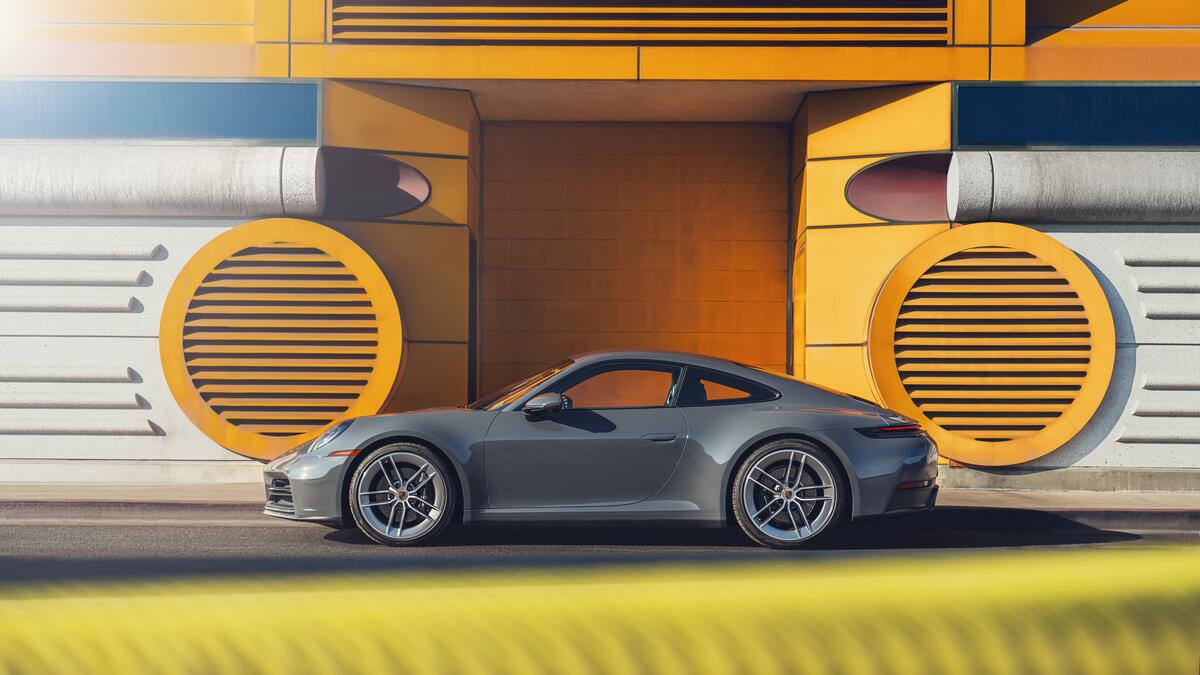
Porsche 930 Turbo
"but it really is an homage to the nine, 30 turbo, which is obviously, you know, unlike the long hoods, which was the Porsche classic, they take a nine, 64 and now make it, you know, that inspired by the nine, 30."
The Porsche 930 Turbo is an older, iconic turbo 911. The host is saying the modern Singer build is trying to capture the look and vibe of that classic 930 Turbo era.
The Porsche 930 Turbo refers to the classic turbocharged 911 generation (1970s–1980s) that’s famous for its distinctive long-hood proportions and iconic turbo styling. The host explains that the Singer Turbo study is an homage to the 930 Turbo’s design philosophy, even though it’s built on a later 964.
accordion style bumper
"As you can see in this picture, they even keep the accordion style bumper look, right, right. But I love that..."
This is a nickname for a classic bumper shape with a ribbed, segmented look. The host likes that the build keeps that original style detail instead of deleting it.
An “accordion” bumper is a visual styling feature associated with certain classic 911s, where the bumper has a ribbed, segmented look. The host highlights that the Singer Turbo study keeps this design cue, even while updating the car with a more modern interpretation.
fiberglass body panels
"But so many guys get those cars and want to put fiberglass, you know, body panels and change it all up to remove that impact bumper look."
Fiberglass body panels are replacement car body parts made from fiberglass. The host is saying some owners swap them in to change the look of the bumper area.
Fiberglass body panels are aftermarket or custom exterior parts made from fiberglass composite instead of stamped steel. In the segment, the host mentions that some people replace factory “impact bumper” styling with fiberglass panels, which changes the classic silhouette.
impact bumper look
"and change it all up to remove that impact bumper look. So it's so cool to me that they embrace that."
“Impact bumper” is a term for older bumper designs that were shaped to meet safety rules. The host is saying some owners remove that look to make the car resemble earlier designs.
The “impact bumper” look refers to the federally mandated bumper designs used on certain older cars to improve crash protection. The host contrasts that factory-era styling with the common enthusiast practice of removing it for a cleaner, more traditional front-end appearance.
rest of mod cars
"…that was the tragedy behind it. Yeah, that is probably the fate of most of these hyper expensive rest of mod cars."
A restomod is an old car that’s been updated with newer parts so it drives better. The comment here is that some super expensive restomods don’t get driven much and mostly stay as collectibles.
“Restomod” cars are classic vehicles rebuilt with modern upgrades—often improved brakes, suspension, drivability, and sometimes updated engines or electronics—while keeping the original look. The host’s point is that very expensive restomods can end up rarely driven, turning them into display pieces rather than cars you actually use.
hooned
"Yeah, they're barely being driven. They're certainly not getting hooned. You know, so yeah, that doesn't come as a surprise."
“Hooned” means driving aggressively for fun, like doing burnouts or drifting. The point here is that these cars aren’t being thrashed.
“Hooned” is slang for aggressive, playful driving—typically things like hard acceleration, drifting, or generally driving well beyond normal road manners. The speaker uses it to emphasize these cars aren’t being used that way.
Goodwood
"You know, they are the featured mark at Goodwood this summer in June, July, sorry. And so, you know, I'm kind of excited and interested to see what the heck they're going to be, you know, revealing and unveiling there"
Goodwood is a famous car event in the UK. It’s the kind of place where special builders like Singer show off new cars and big announcements.
Goodwood refers to the Goodwood Festival of Speed / Goodwood events in the UK, where automakers and special builders often debut cars. The host is pointing out that Singer will be a featured presence there and that new reveals are expected.
shipping theft
"wanted to touch on the shipping issue that you had brought an article to our attention that Hagerty had just put out that there's a growing trend of a theft shipping theft regarding cars and getting them shipped across country"
Shipping theft means someone steals a car while it’s on the way to you. It can happen during transport, not just after the car arrives.
Shipping theft refers to criminals stealing vehicles while they’re being transported—often during pickup, transit, or delivery. In the context of cross-country car shipping, it’s a risk that can involve organized targeting of high-value cars.
Hagerty
"wanted to touch on the shipping issue that you had brought an article to our attention that Hagerty had just put out that there's a growing trend of a theft shipping theft"
Hagerty is an automotive-focused media and insurance company that publishes research and reports relevant to classic and enthusiast car owners. Here, it’s cited as the source of an article about theft trends affecting car shipping.
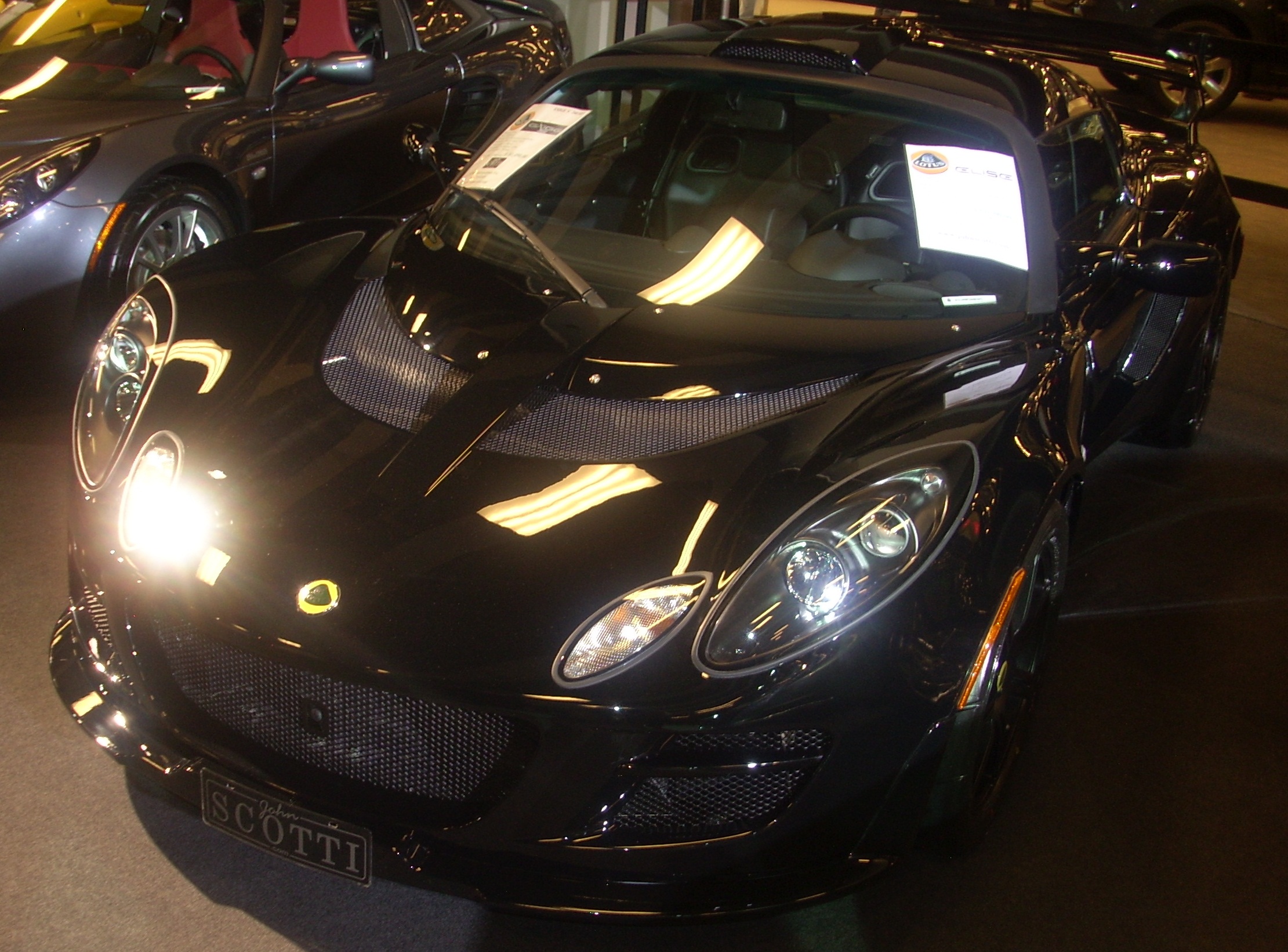
Lotus Elise
"Yeah. I wonder what he was shipping probably not a Lotus Elise. [721.4s] I can imagine."
The Lotus Elise is a small, lightweight sports car. People mention it because it’s the kind of car enthusiasts might ship to another state for events or ownership.
The Lotus Elise is a lightweight, mid-engine sports car known for its small size and sharp handling. It’s often used as a reference point in enthusiast circles because it’s relatively easy to imagine being shipped as a “fun car” rather than a heavy luxury vehicle.
cargo theft
"Exactly but they stated that cargo theft has increased over a thousand percent in the last five years costing the trucking industry roughly $18 million per day."
Cargo theft is when stolen goods are taken while they’re being shipped. If cars are included in those shipments, it directly affects people trying to move a vehicle across the country.
Cargo theft is the broader category of stealing goods in transit, including vehicles when they’re part of the shipment. When hosts cite increases in cargo theft, they’re pointing to a systemic risk for anyone using trucking or freight services.
brokers
"I did reach out to a number of brokers. They all compete. They all become extremely obnoxious."
Car shipping brokers are middlemen who help arrange transport for your vehicle. They may contact you with quotes and try to win your business, but you still need to make sure the actual carrier is legitimate.
In car shipping, brokers act as intermediaries between you and the trucking/carrier companies that actually move the vehicle. They can compete for leads, quote pricing, and coordinate pickup and delivery—so how you vet them affects your risk and cost.
Horse Powertrain
"Horse power train, yep. Yeah. Horse powertrain in a future Emira, which is slated to come in 2028"
Horse Powertrain is the company the hosts say will supply engines for future Lotus cars. They’re connecting it to planned models like the Emira and the Type 135.
Horse Powertrain (as spoken in the segment) is the engine supplier the hosts are discussing for future Lotus models. The key point here is that Lotus plans to source powertrains from this company for upcoming cars like the Emira and the Type 135/Esprit replacement.
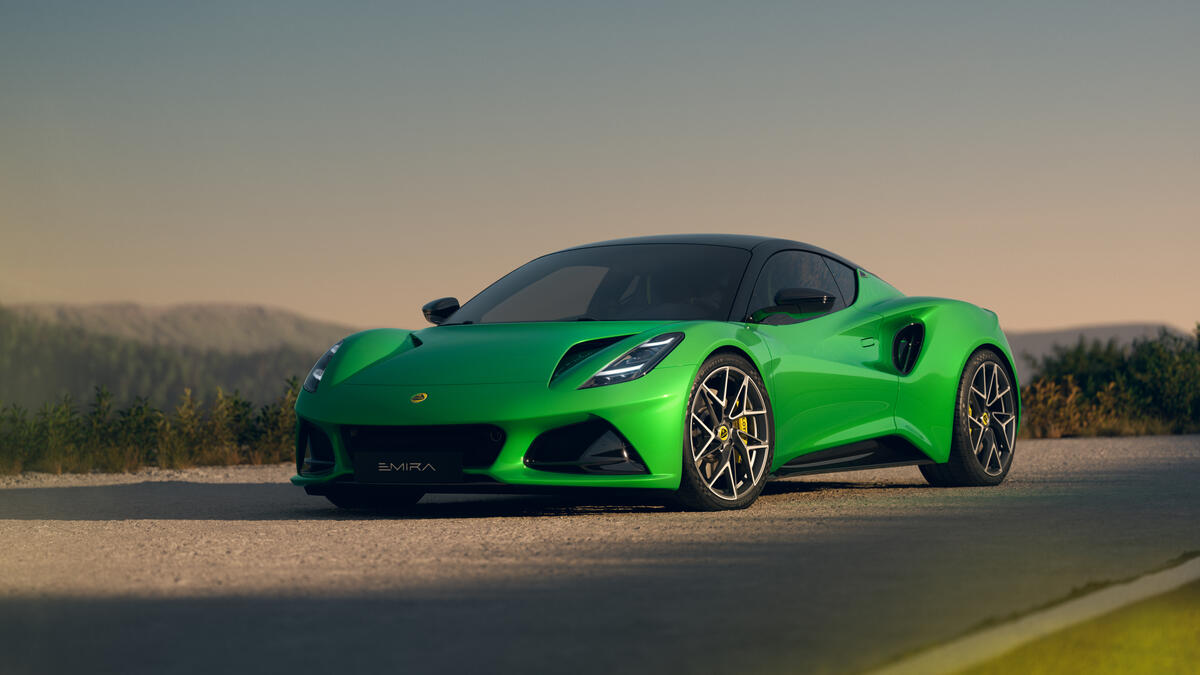
Lotus Emira
"He announced that, you know, that they're going to be using these, you know, engines from horse powertrain in a future Emira, which is slated to come in 2028"
The Lotus Emira is a sports car made by Lotus. Here, the hosts are talking about a future version that’s planned to use a new set of engines from another company.
The Lotus Emira is a modern Lotus sports car that’s positioned as a driver-focused alternative to the brand’s older, more analog lineup. In this segment, the hosts discuss a future Emira planned to use engines sourced from Horse Powertrain (as announced by Lotus CEO Fung Ching Fung).

Lotus Type 135
"as well as the Type 135, which is the Esprit replacement, okay? The Emira is supposed to use the V6 and then the Esprit is supposed to use the V8"
The Lotus Type 135 is a future Lotus car. The hosts say it’s meant to replace the Esprit and that it’s expected to get a V8 engine.
The Lotus Type 135 is a future Lotus model discussed here as the Esprit replacement. The segment claims it will use a V8 engine, continuing Lotus’s tradition of lightweight, performance-oriented sports cars—just with a newer powertrain strategy.

Lotus Esprit
"...me in 2028, as well as the Type 135, which is the Esprit replacement, okay? The Emira is supposed to use t..."
The Lotus Esprit is an older sports car made by Lotus. It’s known for being a distinctive, fun-to-drive car. The podcast brings it up because they’re talking about what Lotus plans to replace it with in the future.
The Lotus Esprit is a classic Lotus sports car known for its distinctive styling and reputation as a true driver’s car. In the podcast, it’s referenced as part of a future lineup discussion, including an “Esprit replacement” (Type 135) and how the Emira fits into Lotus’s plans. That’s why it appears in a conversation about what comes next for Lotus.
V6
"The Emira is supposed to use the V6 and then the Esprit"
A V6 is an engine with six cylinders arranged in a V shape. The hosts are saying the next Lotus Emira is expected to use a V6 engine.
A V6 is an engine with six cylinders arranged in a “V” shape. In this segment, the hosts say the future Lotus Emira is expected to use a V6, which helps define the car’s powertrain character and packaging.
V8
"and then the Esprit is supposed to use the V8, okay?"
A V8 is an engine with eight cylinders arranged in a V shape. The hosts say the Esprit replacement is expected to use a V8.
A V8 is an engine with eight cylinders arranged in a “V” configuration. Here, the hosts claim the Esprit replacement (Lotus Type 135) is expected to use a V8, which typically implies a different sound and power delivery than a V6.
Aramco
"with funding and support from Aramco from Saudi, Saudi Arabia, you know, they have"
Aramco is a big Saudi company that invests in energy projects. Here, they’re also backing an auto partnership, which can help those car plans move faster.
Aramco is a Saudi Arabian energy company providing funding/support for the Renault–Geely joint venture being discussed. In this context, it matters because energy-sector capital can accelerate new automotive programs and manufacturing plans.
modularity
"Yeah, Giannini is, you know, commenting that the modularity of their construction methods, it means that all of its engines can essentially be scaled up or down as needed."
Modularity here means the company builds engines using a common “kit” of parts. That lets them make different engine versions without starting from scratch every time.
In engine design, modularity means using shared architecture and components so the same basic platform can be adapted into different engine sizes. The CEO is describing how their engine family can be scaled up or down, enabling multiple variants like a V6 and then a V8 derived from it.
Caterham
"Interestingly enough, the four cylinder version is also going to be used in Caterham's Academy Championship race series."
Caterham is a car brand that also competes in racing. The segment says their Academy Championship will use a four-cylinder version of this new engine.
Caterham is a lightweight sports-car and motorsport brand, and the speaker says a four-cylinder version of the engine will be used in Caterham’s Academy Championship race series. That’s notable because it ties the engine technology to a specific racing ladder.
focus to 2030 strategy
"Lotus who basically I told us that they're going full on EV, they've now officially announced their focus to 2030 strategy, which is really, they're trying to target volumes, they're trying to get"
They’re talking about Lotus’s plan for the year 2030. The focus is on business goals like selling more cars and making better profit.
The segment shifts into Lotus’s stated “2030 strategy,” including targets like volume and margin. It’s a business/roadmap topic rather than a technical automotive component.
volume growth engine
"look, China is going to be our primary volume growth engine, right? So, that's where they're going to get their volume"
“Volume growth engine” just means the biggest source of future sales growth. It’s where the company expects to sell the most cars.
“Volume growth engine” is business language for the product line or region expected to drive the biggest increase in total sales. In automotive terms, it often means focusing production and marketing where demand is strongest.
manual gearbox
"was very much based upon the popularity of V6's and manual care, he just said the popularity of V6's in the Amira's in the Amira's are being chose are being selected with the V6 and the V6 and the manual gearbox"
A manual gearbox is when you shift gears yourself using a clutch and a stick. It usually lets the driver feel more connected to the car.
A manual gearbox is a transmission where the driver selects gears using a clutch pedal and a gear lever. Enthusiasts often prefer it because it gives more direct control over engine speed and gear selection.
automatic
"they're saying, well, we're going to do this horsepower train, but it comes, you know, with an automatic. So did I see a four speed automatic?"
An automatic transmission shifts gears for you. You don’t have to use a clutch pedal or a manual gear lever.
An automatic transmission shifts gears by itself using hydraulic/electronic control rather than requiring the driver to operate a clutch and gear lever. In modern cars, “automatic” can include multi-speed gearboxes and torque-converter or dual-clutch designs.
eight speed
"I think it actually is supposed to be an eight speed. I think that can't be real. Yeah, correct, correct."
“Eight speed” means the automatic transmission has eight different gear ratios. That can help the car shift in a way that feels smoother and can improve efficiency.
“Eight speed” refers to an automatic transmission with eight forward gear ratios. More gears can help the engine stay in a more efficient or responsive part of its powerband, though the exact feel depends on the transmission design.
hybrid V6
"Well, and I believe when I read that, they also called out the fact that, which I thought was unusual, but didn't they say this hybrid V6 is lighter? It's going to be a lighter motor as well, which I think, okay, they, they seem to care about that, which is also a positive sign."
A hybrid V6 is a car power system that uses a V6 engine plus an electric motor. The electric part can help the car move and can also store energy for later use.
A hybrid V6 is an engine setup where a V6 gasoline engine is paired with an electric motor and battery system. The “V6” describes the engine’s cylinder layout (six cylinders arranged in a V shape), while “hybrid” means it can use electricity to assist propulsion and/or recapture energy.
lighter motor
"but didn't they say this hybrid V6 is lighter? It's going to be a lighter motor as well, which I think, okay, they, they seem to care about that, which is also a positive sign."
“Lighter motor” refers to reducing the mass of the engine/motor assembly. Lower weight can improve vehicle responsiveness and handling because it reduces inertia and can help the car feel more agile.
more compact
"It really is. It's, it's not only lighter, but it's also more compact, according to the CEO, you know, that. And so that, that certainly helps, you know, Lotus, because they can allow that in Mira to stay, you know,"
“More compact” means the engine/electric system is physically smaller. That can help designers fit everything better in the car and sometimes improve how it drives.
“More compact” means the powertrain takes up less space in the engine bay. A smaller package can make it easier to fit other components, improve weight distribution, and potentially support better vehicle packaging and aerodynamics.
shift from EV to ICE
"here we are, what, 34 years later, and now we're getting news that they are about to launch... this new family of engines... So it's crazy how things have shifted... from EV to"
The segment describes a market and product strategy shift: companies that planned to go all-electric are now reintroducing or expanding internal combustion engine families. This is often driven by demand, cost, supply chain, and regulatory realities.
ICE engines
"Like last week, we were talking about, you know, a billion dollars that GM is investing in ice engines, right?"
ICE engines are the traditional gas/diesel engines that burn fuel to move the car. In this segment, they’re talking about a renewed investment in those engines.
ICE stands for internal combustion engine—engines that burn fuel to create power. The discussion contrasts ICE with EVs, highlighting a shift back toward selling cars with combustion powertrains.
manual transmission
"And I, for one, I love a manual transmission, but listen, these are baby steps. These are wins."
A manual transmission is the kind of car where you shift gears yourself. You use a clutch pedal to change gears, and it often feels more connected to the car.
A manual transmission is a gearbox where the driver selects gears using a clutch pedal and a gear lever. It gives more direct control over engine speed and gear choice, which many enthusiasts associate with a more engaging driving feel.
analog driving experience
"We're chasing the purest car possible, the analog driving experience. So we feel like, okay, ice, we're clawing ice back."
“Analog driving” means the car feels more like a traditional, mechanical machine. You get more direct feedback from the steering, pedals, and—often—manual shifting.
An analog driving experience refers to driving that relies more on mechanical feedback and driver inputs rather than electronic tuning and digital interfaces. In enthusiast circles, it usually means things like steering feel, pedal response, and—importantly—manual gearboxes.
return of analog driving
"We're chasing the purest car possible, the analog driving experience. So we feel like, okay, ice, we're clawing ice back."
They’re talking about a trend where enthusiasts want cars to feel more “hands-on” and traditional, not overly computerized. Manual shifting is part of that idea.
This segment frames a broader pushback against purely digital, automated, or efficiency-first driving. The hosts connect it to enthusiasts wanting more mechanical involvement—especially manual transmissions.
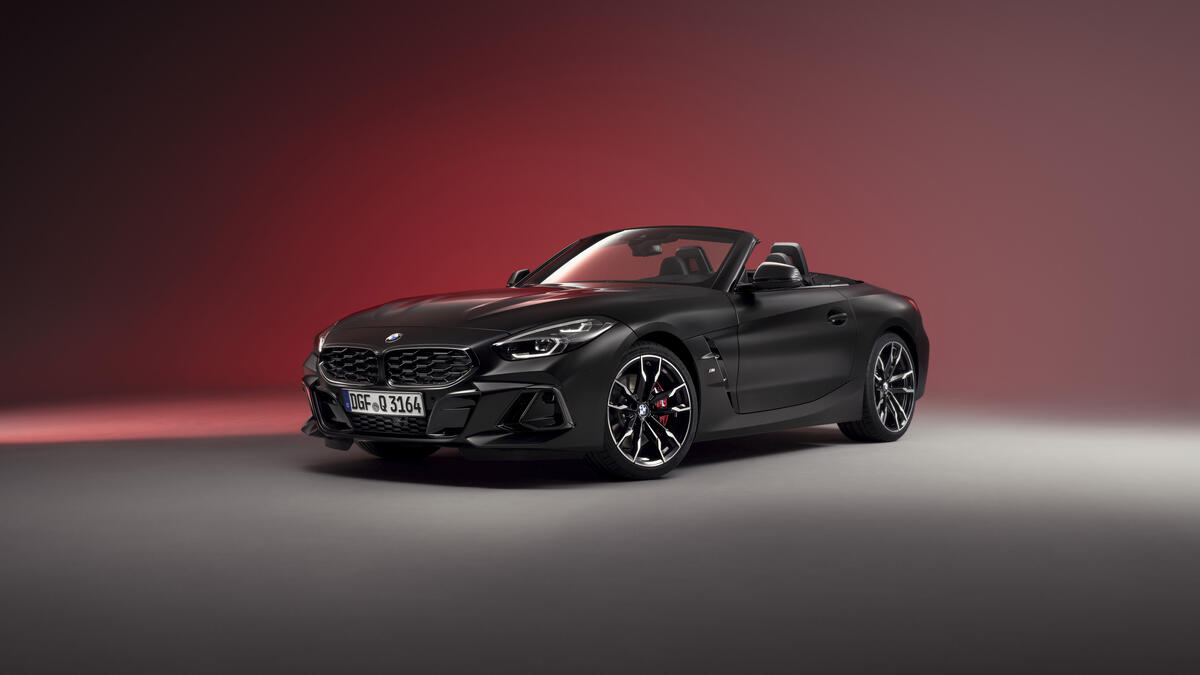
BMW Z4
"You know, BMW just can't, they built their last Z4. And so that's the last two-seater that they don't have any other two-seaters, right?"
The BMW Z4 is a two-seat sports car from BMW. The point here is that BMW has been moving away from manual transmissions, and the Z4 was one of the last places you could still get one.
The BMW Z4 is a two-seat roadster that’s known for being offered with a manual transmission in certain generations/markets. The host is using it as an example of BMW’s shrinking lineup of manual-capable two-seaters.
hot rod
"we'd look at hot rods as a kid, you know, like you do with your dad. And when I was about nine, I started talking to my dad and like, look, I really want to do a hot rod with you."
A hot rod is a car that someone has modified to be more fun and more exciting to drive. It usually means upgrades beyond stock—like making the engine and handling better.
A hot rod is a car that’s been modified for a more aggressive, driver-focused style—often involving engine upgrades, weight reduction, and suspension changes. The term also carries a culture/history angle, since hot-rodding grew out of early-enthusiast tinkering and racing.

1978 MGB
"Anyway, we buy it, we buy a 1978 MGB and like, 1800 bucks, barely ran, you know, needed everything. We bring it home, put it in the garage."
The MGB is a classic British sports car/roadster. A 1978 one is a late-model version, and it’s famous among hobbyists because it’s relatively straightforward to maintain and modify.
The MG B (MGB) is a classic British roadster from MG, known for its simple, lightweight layout and easy “work on it yourself” reputation. A 1978 example is late in the model’s run and is often remembered as a starter classic for enthusiasts who learn wrenching and restoration basics.

Ford Mustang
"And we find an old MGB. Actually, we found a fastback Mustang and I didn't know what that was. My dad, I asked my dad is like, what's that thing?"
A fastback Mustang is a Mustang with a roof that slopes smoothly toward the back. It’s a recognizable body style that many people associate with the classic Mustang era.
A “fastback” Mustang refers to a Mustang body style with a continuous, sloping roofline that flows into the rear deck. That shape became a big part of the classic Mustang look and is strongly associated with the muscle-car era’s styling.

1999 Honda Civic
"But she had a 1999 Honda Civic. We got married and it was a fine car. Actually, a very good car."
The 1999 Honda Civic is a common, practical compact car. The host is just using it as background for how they started out with a normal daily driver before moving into enthusiast cars.
The 1999 Honda Civic is a late-90s compact car known for being practical and relatively straightforward to own. The speaker mentions it as their only car at the start of marriage, setting up the contrast with later enthusiast cars.
depreciating vs appreciating car value
"I told my wife, I'm like, you know, if we sell it, it's depreciating. ... If we sell it now, we could probably get something else that's not appreciating, you know, the thing we kind of do."
They’re talking about whether a car’s value goes down or up over time. Some cars get cheaper as they age, while others become more desirable and can be worth more later.
The speaker contrasts “depreciating” (a car losing value over time) with “appreciating” (a car gaining value). This is a key enthusiast concept because some older models become desirable and can hold or increase in price.

Porsche 914
"So I found an old 914. And I thought they were the craziest, goofiest, ugliest cars. ... So anyway, I went and drove it. I'm like, oh my gosh, this is unbelievable."
The Porsche 914 is an older Porsche sports car with a quirky look. The host is saying it surprised them by driving really well, which is what started their Porsche obsession.
The Porsche 914 is a mid-engine sports car from Porsche that’s known for its unusual “picnic basket” styling and lightweight, tossable driving feel. In this segment, it’s the first Porsche the speaker buys and the car that hooks them because it drives well and feels communicative.
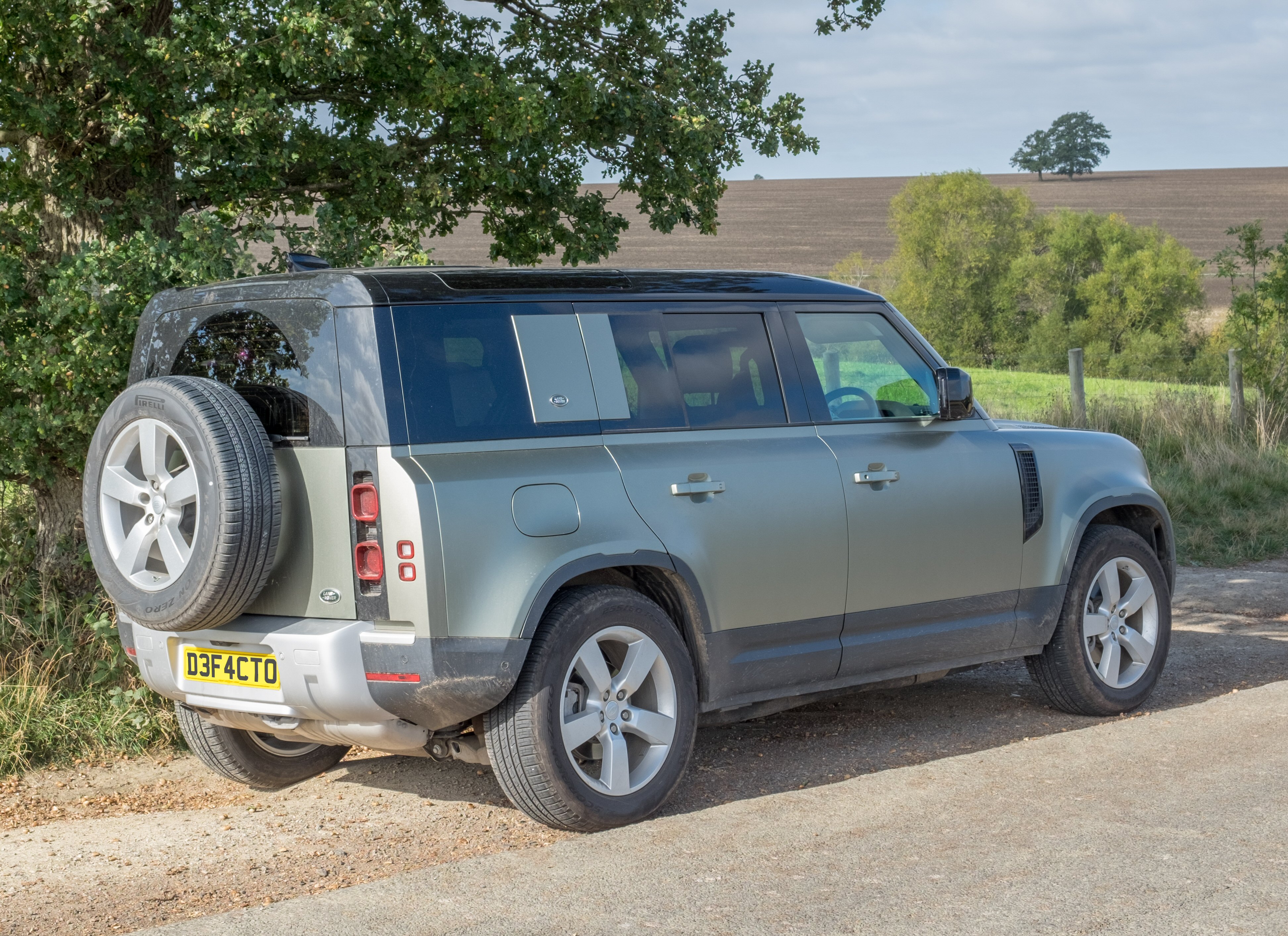
Land Rover
"Everything's great. So we get her an old Land Rover. That kind of started us down the Land Rover train."
Land Rover is a car brand known for more rugged, outdoorsy vehicles. The host is saying they bought one after the Porsche 914 and that led to more Land Rover ownership.
Land Rover is a brand best known for rugged, off-road-capable vehicles. In this segment, the speaker says they “got her an old Land Rover,” which started a separate ownership path for them.
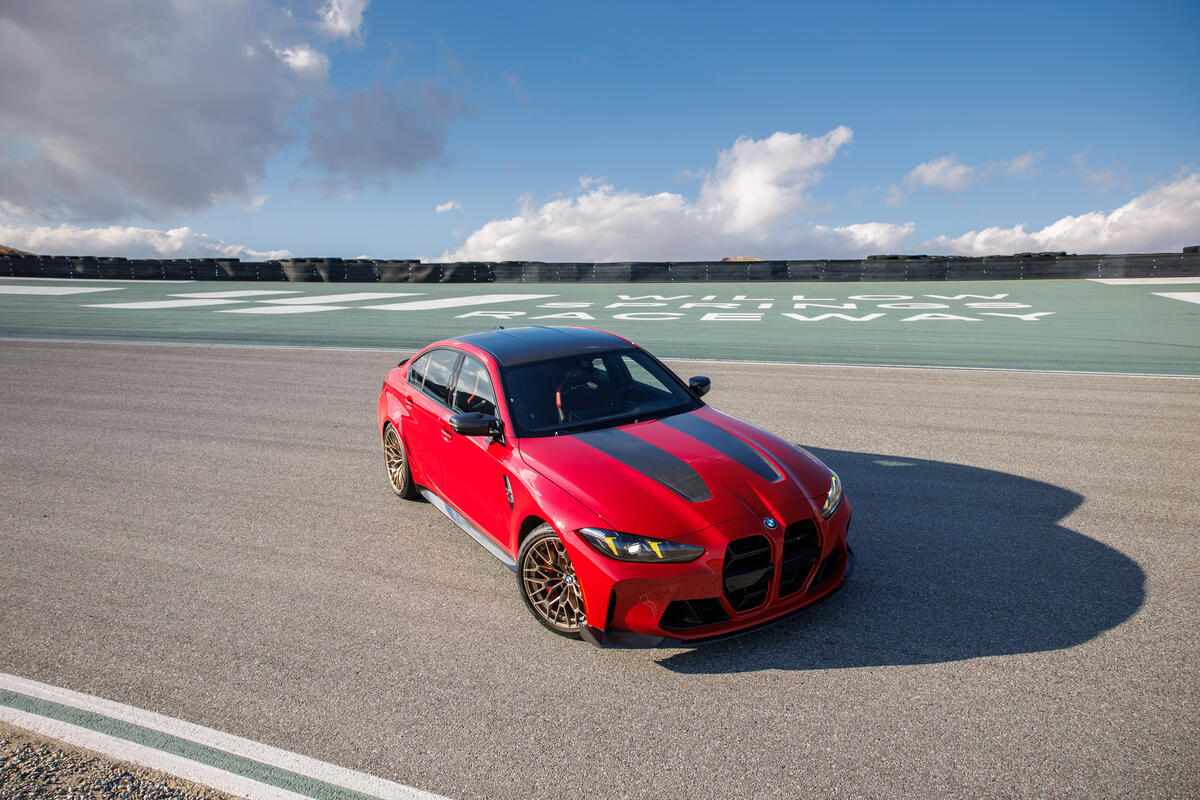
BMW E36 M3
"I ended up selling it and getting a E 36 M3, which I daily for five years. And I was looking for a sedan manual, you"
The BMW E36 M3 is an older M3 from the 1990s. The host is saying they moved from the Porsche to this BMW and drove it daily for a long time.
The BMW E36 M3 is the 3 Series-generation M3 from the 1990s, famous for being a driver-focused, analog-feeling performance car. In this segment, it’s the next step after the 914—something the speaker daily-drove for years.
Porsche 911 (964)
"And I find this 964 out in Denver... Beautiful black old career for 1990... everyone hated the 964... it leaks, it's got gasket issues, they're heavy, they're complicated, nobody wanted it."
A Porsche 911 (964) is a specific older generation of the 911, from around the early 1990s. People talk about it a lot because it’s still a classic 911, but it has more systems and complexity than the earlier ones, so some cars develop leaks and gasket problems.
The Porsche 911 (964) is the 911 generation from the early 1990s that modernized the classic 911 formula with more comfort and updated engineering. In enthusiast circles it’s often discussed as a “transitional” 911—still air-cooled, but with more complexity than earlier 911s, which is why ownership stories can focus on specific leak and gasket issues.
gasket issues
"if people are like the 964, it leaks, it's got gasket issues, they're heavy, they're complicated, nobody wanted it."
A gasket is like a seal between parts of the engine. If a gasket fails, fluids can leak out, and that can lead to bigger problems if it’s not fixed.
“Gasket issues” refers to failures or leaks at sealing surfaces between engine or drivetrain components. When gaskets harden or deform, they can allow oil or other fluids to seep out, which can range from annoying to expensive if it soaks into surrounding parts.
it leaks
"if people are like the 964, it leaks, it's got gasket issues, they're heavy, they're complicated, nobody wanted it."
“It leaks” means the car is losing oil or other fluids. On an older car, that usually points to worn seals or gaskets, and it’s worth fixing because low fluids can cause trouble.
“It leaks” is shorthand for an oil/fluid leak condition—often from seals, gaskets, or aging rubber components. On older performance cars, leaks matter because they can indicate worn sealing surfaces and can also create secondary issues (contamination, mess, and potential damage if fluid levels drop).
valve adjustments
"I did all my own maintenance, you know, valve adjustments, everything. And at that point, it was interesting because the enthusiast base was really energized,"
Valve adjustments are maintenance that keeps the engine’s valves opening and closing correctly. The host is saying they did this kind of work themselves, which is a big part of enthusiast ownership.
Valve adjustments are periodic mechanical tuning of the engine’s valve clearances to ensure correct timing and efficient operation. The host mentions doing them themselves on the Porsche 914/911-era car, which signals hands-on maintenance rather than relying on a shop.
Rennlist
"So there was, I mean, you remember she knew, but in on Rennlist and the other Pelican parts, these cars are approachable and affordable at this point, right?"
Rennlist is a Porsche-focused online community. The host is saying that places like this helped people feel comfortable working on and owning older Porsches.
Rennlist is an online Porsche enthusiast forum where owners and DIYers share advice, troubleshooting, and parts recommendations. The host references it alongside Pelican Parts to describe how the community helped make these older Porsches feel approachable.
Pelican parts
"So there was, I mean, you remember she knew, but in on Rennlist and the other Pelican parts, these cars are approachable and affordable at this point, right?"
Pelican Parts is a company that sells Porsche parts and also has a strong online community. The host is using it as an example of where enthusiasts go to learn and get parts.
Pelican Parts is a well-known Porsche-focused parts retailer and community hub, often used by owners to source components and learn how to work on their cars. Here, it’s mentioned as part of the enthusiast ecosystem that made older Porsches seem easier to own.
fried eggs
"people were still griping about 996 and fried eggs, headlights, and, you know, and so it was,"
“Fried eggs” is a nickname people used for how the Porsche 996 headlights looked. The host is mentioning that, back then, people complained about the headlight styling.
“Fried eggs” is an enthusiast nickname for the Porsche 996’s headlight design, which some people felt looked like two bright “egg” shapes. The host uses it to reference the specific kind of styling/lighting criticism that circulated around the 996 era.
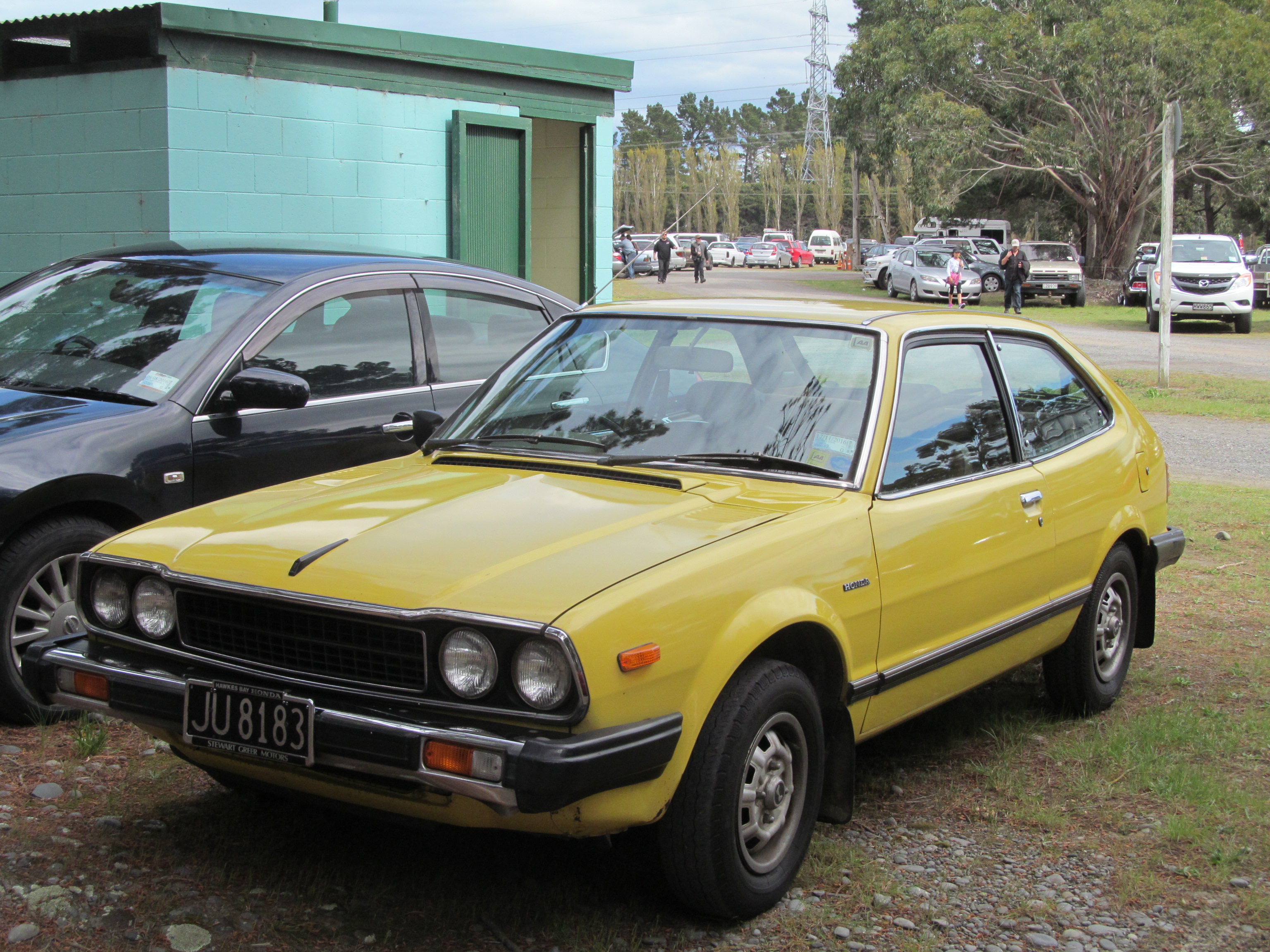
Honda Accord
"from being the 914, you know, wrench, you know, trying to [2181.7s] hedge against Honda Accord depreciation and 964 911 to being"
The Honda Accord is a very common, everyday car. In this context, it’s being used as the “normal” comparison point for how much value a car loses over time.
The Honda Accord is a mainstream midsize sedan used here as a baseline for depreciation and everyday-car economics. Mentioning it alongside a Porsche 911 (964) highlights how different the ownership experience can be between a high-volume commuter and a collectible sports car.
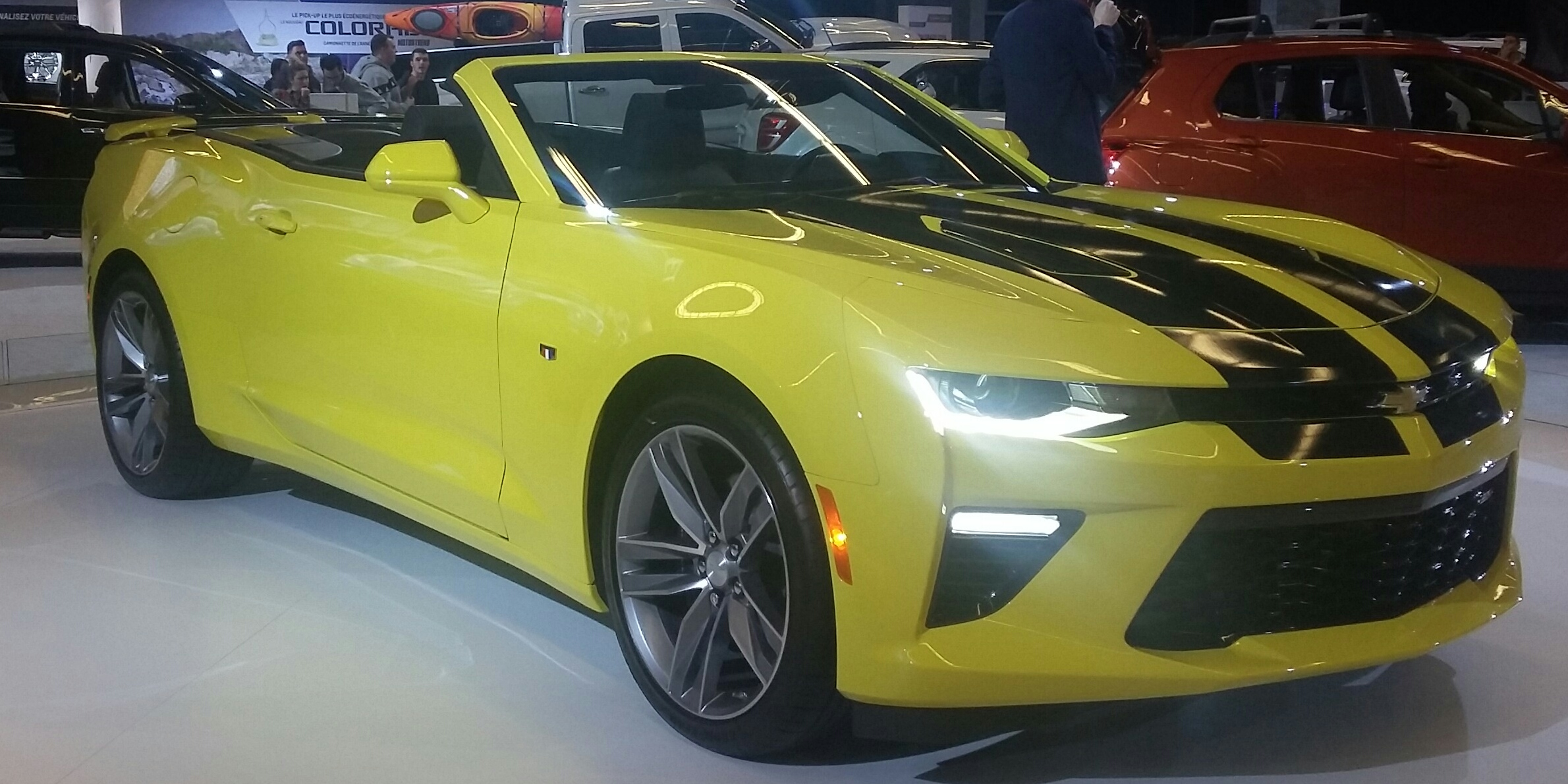
Chevrolet Camaro
"He bought it. He bought a 69 Camaro that he was commuting in every single day. I mean, it was just amazing with big block helped him with that."
The Chevrolet Camaro is a classic American muscle car. Here it’s mentioned as a car someone drove every day, not just a weekend toy.
The Chevrolet Camaro is a long-running American muscle car known for strong V8 performance and a huge aftermarket. In this story, it’s used as a daily-commuter example, showing how big-displacement cars can still be lived with.
big block
"I mean, it was just amazing with big block helped him with that."
“Big block” means a larger V8 engine. In plain terms, it’s the kind of engine that’s built for strong power and a more aggressive feel.
“Big block” refers to a family of large-displacement V8 engines (commonly in the 400–500+ cubic-inch range in classic American cars). The term usually signals higher power potential and a more muscular character than smaller “small block” V8s.

Ferrari 458
"His executive staff bought him a 458, which was super cool."
The Ferrari 458 is a famous Ferrari supercar with an engine in the middle of the car. It’s known for being exciting to drive and sounding great.
The Ferrari 458 is a mid-engine supercar known for its naturally aspirated V8 and sharp, driver-focused handling. It became a benchmark for how “analog” a modern Ferrari could feel before the industry fully shifted toward turbocharged downsizing.
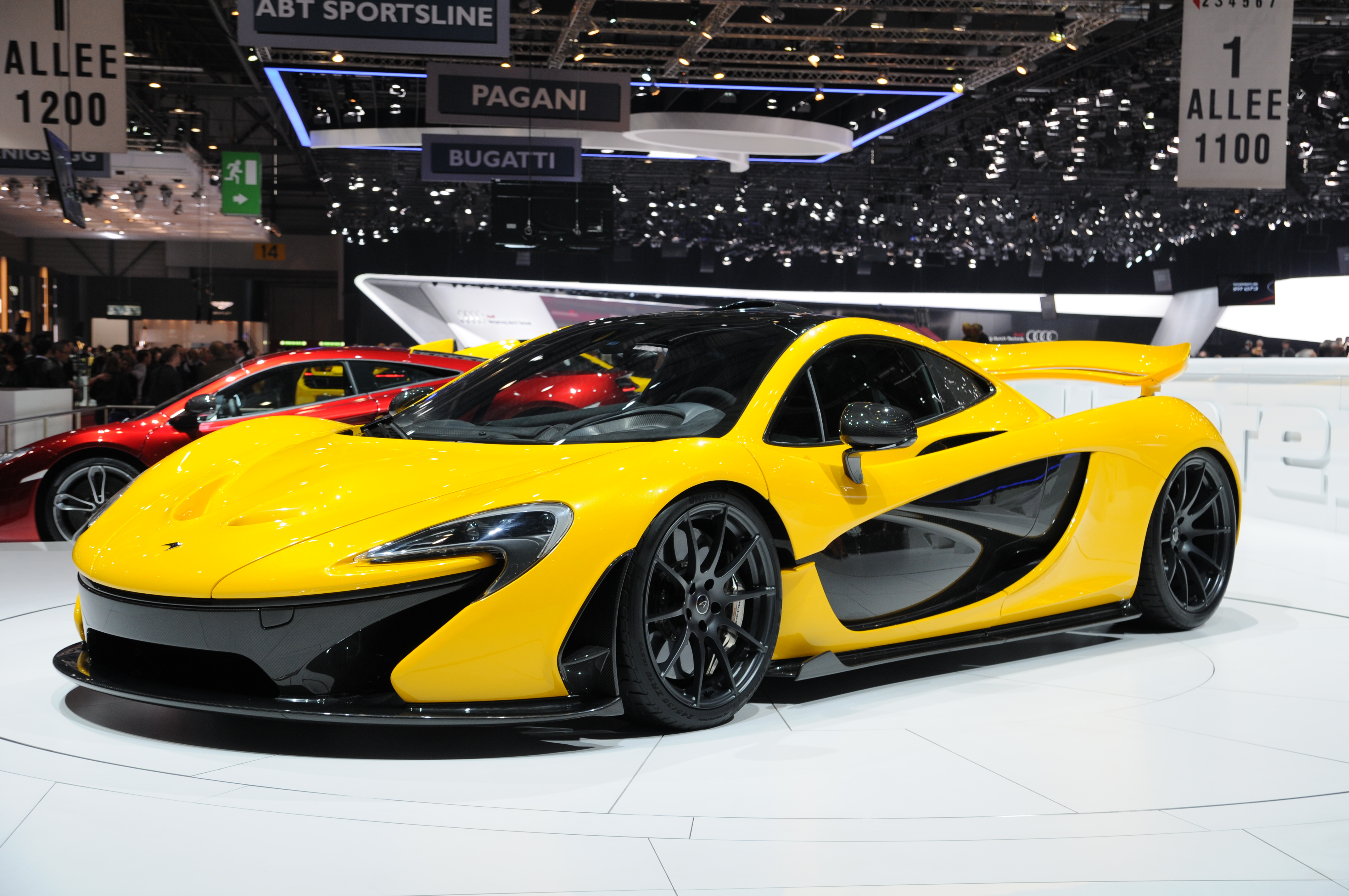
McLaren P1
"then come the trifecta, you know, the P1, the 918 and the LaFerrari"
The McLaren P1 is a very rare, very fast supercar. It’s known for being high-tech (including hybrid power) and built to feel special to drive.
The McLaren P1 is a hybrid-era supercar famous for its carbon-fiber construction and high-performance hybrid powertrain. It helped define the early 2010s “hypercar” formula: extreme speed, advanced aerodynamics, and a driver-centric feel.

Ferrari LaFerrari
"want to just look at it, get the LaFerrari. I mean, that's a very pretty car."
The Ferrari LaFerrari is a rare, very special supercar that also uses electricity. The hosts are basically saying it’s so striking you’d want to admire it.
The Ferrari LaFerrari is a limited-production hybrid supercar known for its distinctive styling and high-performance engineering. In the conversation it’s framed as something you might “just look at,” emphasizing its desirability and visual impact.

Porsche 918
"but if you want to drive it, like legit drive it, it's got to be the 918. Yeah. And he's like, look, man, I'm going to daily this thing."
The Porsche 918 is a supercar that also uses electricity along with its gas engine. People like it because it’s not just a showpiece—you can actually drive it regularly.
The Porsche 918 is a hybrid supercar built around a high-revving mid-engine layout, combining an electric motor with a gasoline engine. In enthusiast circles it’s known for being one of the most usable “supercars” because it can be driven daily while still delivering track-level performance.
VIP program
"they launched this VIP program to try to sell these cars where you had 10 years of VIP status. And during these 10 years, you get first allocation of whatever you want at any given time."
Porsche’s VIP program (as described here) was a customer allocation scheme: buyers received VIP status for a set period, which then translated into priority access to limited-production cars. The key idea is that it wasn’t just “buy a car,” it was “get first allocation” so you could secure rare models as they were released.
918
"has, and I'll tell you more about the 918 story, but it got up to 13.5 or 13.8 miles. In fact, we did a, we did a service on it in this was maybe two years ago, the 12,500 mile service, which no one's ever done."
The Porsche 918 (the 918 Spyder) is a special Porsche supercar that uses both a gas engine and an electric motor. They’re discussing a major service interval on one, which is a big deal because these cars are rare and not many people have done that exact service yet.
The Porsche 918 refers to the 918 Spyder, Porsche’s plug-in hybrid supercar known for combining an electric motor with a high-revving gasoline engine. In this segment, they’re talking about a specific maintenance milestone on a 918 and referencing its mileage/intervals, which highlights how these cars are tracked and serviced like high-end, low-volume exotics.
miles
"but it got up to 13.5 or 13.8 miles. In fact, we did a, we did a service on it in this was maybe two years ago, the 12,500 mile service"
Here, “miles” just means how far the car has been driven. They’re using it to talk about when a service is due.
In this context, “miles” is being used as an odometer-based reference to track when scheduled maintenance should occur. It’s not a technical performance term; it’s the unit used to measure the car’s usage over time.
paint to sample
"he asked them, he's like, can I do this paint to sample thing? You know, we'd heard about it. And they're like, No, can't do paint sample."
“Paint to sample” means ordering a car in a custom color by matching a specific color reference. Here, they’re trying to get Porsche to approve a custom color choice for the car.
“Paint to sample” is a custom paint program where the manufacturer matches a specific color sample (or reference) rather than offering only standard factory colors. In this context, it’s a VIP customization request tied to Porsche’s special-order process.
Vizac package
"So we did, we did liquid silver, which is a great color, Vizac package, you know, fantastic car."
The “Vizac package” sounds like a specific Porsche option bundle tied to the car’s appearance or trim. Because the transcript doesn’t provide what it includes, it’s best understood as a named factory option group rather than a general feature.
Ruby stone
"I'm like, look, the only color you can do is Ruby stone. I mean, you have to do Ruby stone. And he's like, Ruby stone, what the heck is that?"
“Ruby stone” is the name of a particular paint color. They’re talking about it like a specific, meaningful option—basically the exact color they want for the car.
“Ruby stone” is a specific paint color name being discussed as the only acceptable choice for their custom order. In Porsche customizations, named colors matter because they’re tied to factory color libraries and special-order availability.
daily
"And that was his second daily. So he's trading between these two, this Ruby stone RS."
In enthusiast slang, “daily” means a car used for everyday commuting rather than a weekend-only or track-only machine. It’s a practical category that helps explain how the owner balances multiple cars.
exclusive manufacturer program
"at this point, through exclusive manufacturing, they would allow you to do this, the bright blue interior, which is, what was it called? Whatever was called their bright blue at the time. So I told him like, Hold on real fast, Derek, exclusive manufacturer."
This sounds like Porsche’s special program for making a car more custom than normal. Instead of picking from the usual options list, you can request more unusual combinations—usually with extra approval steps.
Porsche’s “exclusive manufacturer” program refers to a bespoke customization pathway where Porsche (or its partner) allows more unusual interior/exterior combinations than standard options. It’s essentially a controlled way to order near one-off specs, often tied to special customer status or allocations.
special wishes
"because that's different than special wishes, which we'll get into, right? Correct. Yeah, exactly."
“Special Wishes” is Porsche’s way of letting customers order a more personalized car than what you’d normally choose off a standard options list. It’s a formal program to get custom details approved and built.
“Special Wishes” is Porsche’s personalization program that lets customers request custom features beyond the regular factory option catalog. The key idea is that it’s a structured, approved process for unique paint/interior combinations and other bespoke requests.
exclusive manufacturing
"So we go to exclusive manufacturing, we're like, All right, we want to do this bright blue interior with all of green."
“Exclusive manufacturing” means Porsche will build your car with more custom details than a typical order. Here, they’re using it to create a very specific color combination inside the car.
“Exclusive manufacturing” refers to Porsche’s higher-end customization process where customers can request specific build details not found in the standard ordering flow. In this segment, it’s the starting point for making the car’s interior and exterior color themes more unique.
CXX
"And then there's the CXX, which is the it's kind of like the customized version of exclusive manufacturers... but the CXX that are like these special options that you have to go apply for."
CXX is Porsche’s way of offering deeper customization than the usual options list. The idea is that you request special options and Porsche decides whether they’ll approve them.
CXX is Porsche’s special customization program for customers who want options beyond standard “exclusive” manufacturing. It’s described here as a customized tier where you apply for specific special options rather than just picking from the normal catalog.
factory paint the wheels
"or you want to have the factory paint the wheels or you want to do, you know, the 12 o'clock indicator on the steering wheel..."
“Factory paint the wheels” means the wheels are finished at the manufacturer during the build, rather than being refinished later by an aftermarket shop. This matters because factory paint is typically integrated into the production process and can be more consistent in color and finish.
Alpina
"So if you remember Alpina foreshadowing that they're getting more and more lenient with absolutely. It's gotten really, really cool. It's got very good. Well, so if you remember Alpina, you know, BMW Alpina, right? Absolutely. It was always green and blue and they always looked so amazing."
Alpina is a company that makes special versions of BMWs. The hosts are saying Alpina cars often use standout colors like green and blue, and that other brands are becoming more open to bold color choices too.
Alpina is a BMW-affiliated tuner/brand that builds performance-oriented cars with a distinct design identity. The hosts mention Alpina’s traditional color palette (green and blue), using it as a reference point for how customization rules have become more flexible.
color combinations
"Anyway, it's it was cool. You really can look to mother nature for inspiration when it comes to color combinations. It's amazing. You know, like if mother nature, you take a picture of a mountain and look at the vegetation, the rocks, everything."
“Color combinations” here is about how paint and interior/exterior hues are coordinated to create a cohesive visual theme. The host uses nature as a reference point, arguing that matching colors seen in real landscapes helps avoid mismatched or overly artificial palettes.
Maritime Blue
"I'm like look the next one I want to see in person is maritime blue which no one was doing... So we're like let's do maritime blue on this on this GT three and it shows up..."
Maritime Blue is just a particular Porsche paint color. They’re saying it was rare back then, and when they finally saw it on the car, it looked amazing compared to pictures.
Maritime Blue is a specific Porsche paint color name. The hosts emphasize that it was uncommon at the time and that seeing it in person looked dramatically better than photos.
slate gray 6601
"...the color of that was slate gray 6601 and there's multiple slate grays out there but the 6601 has green in it. The 77050 whatever the other one is is really just gray."
“Slate gray 6601” is a named/numbered paint color used on Porsche cars. They’re saying not all slate grays look the same—this one has a subtle green tint.
“Slate gray 6601” refers to a specific Porsche paint formulation/color code. The hosts note that while there are multiple slate grays, 6601 is distinctive because it includes green tones, which changes how the color appears under different lighting.
guards red
"So we did we did that one with a guards red not just red but the guards red you know that looks like bright lipstick red interior."
Guards Red is a famous Porsche red paint color. They’re describing it as a very bright, bold red—so it really stands out visually.
Guards Red is a classic Porsche paint color known for its vivid, lipstick-like red tone. In this segment, it’s paired with the slate gray 6601 reference and described as having a bright red interior look, emphasizing how strongly the color choices affect the car’s overall vibe.
paint matched wheels
"and we did paint matched wheels on that one... we did color matched wheels with the 6601 and it's like we've now sold that."
Paint-matched wheels means the wheel color matches the car’s paint. It’s a styling choice that makes the whole car look more coordinated.
Paint-matched wheels are wheels finished in the same color as the car’s body paint, creating a more cohesive, custom look. The hosts mention doing color-matched wheels on the slate gray 6601 car, implying a higher level of personalization.
Sonderbunch build
"Porsche and they're like you know what we could do a full Sonderbunch build on this thing like really really really unique. So we start we just we just start the process with Sonderbunch..."
This is Porsche’s special custom-build process. The car starts as a normal version, then a specialist shop takes it apart and rebuilds parts of it—especially the interior—so it ends up truly one-of-a-kind.
A Sonderbunch build refers to a Porsche-specialist customization process where cars are handled by a dedicated workshop rather than standard production. The key idea described here is that the car is built to a baseline spec, then disassembled and re-skinned/reworked to create a much more unique interior and presentation.
re-skin
"literally interior gets pulled out. Yeah. So like our our interior on our car I think it started as black to be honest but the first time it went through sure and then they have to pull it pulled apart and then re-skin everything."
Here, “re-skin” means changing the visible surfaces. They take the interior apart and put new materials/coverings back in so it looks different from the original.
In this context, re-skin means removing and replacing the car’s interior surfaces (and related trim) with new materials or finishes. The hosts describe the process as pulling the interior out, then redoing it so the final look matches the special build.
assembly line
"Yeah when you look at producing these very special wishes type cars you can't just run that down the assembly line. It requires so much..."
An assembly line is how factories build lots of cars in a repeatable, step-by-step way. Custom orders don’t fit as neatly into that process, so production gets slower and more complicated.
An assembly line is a mass-production setup where each car moves through a standardized sequence of steps. The hosts contrast that with bespoke builds, which require frequent deviations and additional work that disrupt the smooth flow of production.
logistics
"The base car can be produced very efficiently. It doesn't screw up their logistics. You know the factory operates very smoothly..."
Here, “logistics” means the factory’s plan for getting the right parts to the right place at the right time. Big custom changes can mess up that plan.
In a factory context, logistics means coordinating how parts, materials, and workstations are scheduled and supplied. The hosts argue that customizations can break the factory’s logistics plan, forcing extra handling and slowing production.
brake caliper
"...because this guy wants the shift knob to be you know to to to match the brake caliper or whatever the hell is being requested."
A brake caliper is part of the disc brakes that squeezes the brake pads to stop the car. If someone wants it to look a certain way, it can affect other custom choices too.
A brake caliper is the clamping component in a disc-brake system that squeezes brake pads against a rotor to slow the car. Customizing or matching caliper appearance can cascade into other trim and parts choices, increasing build complexity.
shift knob
"having worked at a car factory they will be pissed off when you have to you know change one little thing because this guy wants the shift knob to be you know to to to match the brake caliper..."
A shift knob is the handle you grab to move the shifter. The point they’re making is that even small custom details like that can force the factory to change more than you’d expect.
A shift knob is the driver-facing control on a manual or shift-based transmission that you grip to select gears. In custom builds, even small interior requests like matching a shift knob to other components can require additional sourcing and rework.
Desert Racer
"Oh wow cool. Okay so we did we did well this was obviously Desert Racer you know style car..."
“Desert Racer” is an off-road racing style meant for rough, sandy desert terrain. They’re saying the customized Porsche had that kind of theme.
“Desert Racer” describes a style of off-road racing and vehicle setup aimed at long-distance desert terrain. The hosts are using it as a theme for the special build’s look and intended vibe.
Baja
"...and my brother happened to race Baja. He raced Baja for you"
“Baja” is off-road racing in Baja California, known for long, tough desert courses. They’re connecting that racing background to the car’s desert-racer theme.
“Baja” refers to off-road racing in the Baja California region, most famously the Baja 1000. Mentioning that the brother “raced Baja” signals experience with rugged desert competition, which influences the “Desert Racer” style of the car.
Zondervoge
"Well so this is this is kind of cool thing because he really had to go to bat forest just to get us the right contacts because when you're doing something like this they've got to do renderings and leather samples and you know all of the things that you'd need to do to to build a car so we had to contact at Zondervoge that was you know we'd run ideas past her"
Zondervoge is a company they had to work with to get the right interior materials. For a custom build, you don’t just pick a color—you also review sample materials and design mockups first.
Zondervoge is referenced as the trim/leather supplier or customization partner involved in “Special Wishes” work. The hosts describe how the process requires renderings and leather samples so the interior materials and inserts can be specified before building the car.
renderings
"because when you're doing something like this they've got to do renderings and leather samples and you know all of the things that you'd need to do to to build a car"
Renderings are basically computer pictures or mockups of the car’s design. They help you see what the custom parts will look like before anything is built.
In custom-car ordering, “renderings” are visual mockups or digital previews showing how the requested design elements will look. They’re used to confirm details like trim patterns and insert shapes before production.
leather samples
"they've got to do renderings and leather samples and you know all of the things that you'd need to do to to build a car"
Leather samples are small pieces of the actual upholstery material. They let you check the exact color and feel before the interior is made.
“Leather samples” are physical material swatches used to verify color, texture, and grain for a custom interior. This reduces the risk of the final upholstery looking different from what the customer approved in the design stage.
tartan insert
"we'd run ideas past her and say okay this is what we want to do this is what we're thinking for we want to do like a tartan insert but you know what what can you pull together"
A “tartan insert” is a small decorative piece with a plaid/tartan pattern. It’s used to add a custom look to the car’s interior.
A “tartan insert” is a patterned fabric or leather panel (often in a plaid-style tartan design) used as a decorative section within the interior. In this segment, it’s mentioned as a specific customization idea they wanted to include.

Porsche 928
"...find all the the moon stone cars out there in the 928 and he travels the world I think I've seen that d..."
The Porsche 928 is a Porsche sports car designed for comfortable long drives. It’s known for having a different layout than some other Porsche models, which makes it stand out. People talk about it because it’s a classic, collectible GT car.
The Porsche 928 is a grand touring (GT) sports car produced by Porsche, best known for its front-engine layout and long-distance comfort. It’s often discussed among enthusiasts because it’s a distinctive alternative to more common Porsche sports-car designs and has a strong following for its style and character. In the podcast, it’s referenced as part of a set of interesting “moon stone”/unique cars someone has seen or traveled with.
recommissioning
"I said hey would you guys be having any interest in doing a like a recommissioning on the 918 because nothing no one was talking about that it was not time for it yet"
Recommissioning means getting a car back into a proper, usable condition—like refreshing it so it’s ready to be driven again. They’re talking about doing that for a Porsche 918 as a new kind of project.
Recommissioning is the process of bringing a car back into service or “ready-to-drive” condition after it’s been stored, neglected, or otherwise not actively used. In this segment, it’s framed as a feasibility discussion for doing that kind of work on a Porsche 918.

Porsche Carrera GT
"...nk it's I think I had just been reading about the Carrera GT and that well at this point we looked at the 918 ..."
The Carrera GT is a very high-performance Porsche supercar. It’s the kind of car people talk about because it’s rare and built for serious speed and driving performance. In the podcast, it’s brought up as one of the big-name cars someone was researching.
The Porsche Carrera GT is a high-performance Porsche supercar name that’s commonly associated with the Carrera GT model. It’s known for being an extreme, track-capable machine with advanced engineering for its era, which is why it comes up when people discuss the “supercar trifecta” of notable hypercars. In the podcast, it’s mentioned alongside other top-tier supercars as something the host had been reading about.
4 cam rebuild
"we're talking about doing you know a career of 4 cam rebuild with a guy who's you know been a mechanic for 60 years"
This means they’re rebuilding the engine’s valve timing system, using four camshafts. It’s careful, precision work because the cams control when the valves open and close.
A “4 cam rebuild” refers to rebuilding an engine with four camshafts (typically two per cylinder bank on a V-engine, or four total on certain inline layouts). Rebuilding cams and related valvetrain components is detailed work because cam timing and valve operation must be restored precisely.
Request an Explanation
Heard something you'd like explained? We'll add it to this episode.
Sign in to request explanations for terms you heard.
Want to learn more?
Browse our glossary for plain-English explanations of automotive terms, jargon, and concepts.
Help improve this episode
See something that's not quite right? Our annotations are AI-generated and can sometimes miss the mark. Click the flag icon on any annotation to suggest a correction.