
Introducing... Automotive History Live!
About this episode
Andrew Beckman, archivist at the Studebaker National Museum, traces how the Studebaker story began in 1840s South Bend as a blacksmith and wagon maker, then expanded into automobiles—starting with electric cars in 1902 and gasoline in 1904. He explains how Studebaker accelerated adoption by marketing partner-built vehicles before buying controlling shares of EMF. The conversation spotlights Studebaker’s “America’s friendliest factory” legacy, its supplier ecosystem in the region, and the museum’s new Automotive History Live conference and radio series, plus the annual Copshaw Home concourse.
The inaugural episode of Automotive History Live! introduces a new show presented by the Studebaker National Museum and sponsored by the Society of Automotive Historians, with hosts joined by Studebaker archivist Andrew Beckman. Beckman traces Studebaker’s origins from an 1840s South Bend blacksmith shop to the world’s largest wagon builder, its early electric (1902) and gasoline (1904) automobile efforts via partnerships, and its lasting civic and industrial impact on South Bend. He explains the museum’s evolution from Studebaker’s corporate collection to today’s 2005 facility, its archives access and research services, and notable holdings including presidential carriages and the screen-used 1951 “Fozzie Bear” Studebaker. The conversation highlights regional museum collaborations, details the boutique Concours d’Elegance at Copshaholm and its rotating classes, and previews the Automotive History Live conference programming and preservation mission.
===== (Oo---x---oO) ===== 00:00 Show Launch! 02:06 Studebaker Origins: From Wagons to Cars 05:34 South Bend Indiana Legacy 07:17 Supplier Ecosystem 11:02 Museum Founded (2005) 13:27 Archives Return & Preserving Records 19:47 Packard Connections 22:18 A Must See Collection 24:49 Museum Partnerships 28:48 Copshaholm Concours d'Elegance 40:20 Fun Classes and Lemons! 41:55 Automotive History Live Launch 48:01 Preserving Truthful History 49:44 Dream Museum Upgrades 52:01 Thanks and Wrap Up
====================
The Motoring Podcast Network : Years of racing, wrenching and Motorsports experience brings together a top notch collection of knowledge, stories and information. #everyonehasastory #gtmbreakfix - motoringpodcast.net
- More Information: Visit Our Website
- Become a VIP at: Patreon
- Online Magazine: Gran Touring
- Follow us on Social: Instagram
This episode is part of our AUTOMOTIVE HISTORY LIVE! SERIES and is sponsored in part by: The Studebaker National Museum and The Society of Automotive Historians (SAH) and was recorded in front of a live studio audience.
Studebaker
"So let's begin at the beginning and talk about Studebaker and its link to South Bend, Indiana. ... Studebaker actually entered the market with a line of electric automobiles in 1902 before entering the gasoline market in 1904."
Studebaker was a U.S. company that started with wagons and later made cars. In the early 1900s, they tried electric cars first, then switched to gasoline cars.
Studebaker was an American automaker that transitioned from building wagons and buggies into motor vehicles. In this segment, the hosts highlight that Studebaker entered the auto market with electric cars in 1902 and then moved into gasoline vehicles by 1904.
South Bend, Indiana
"Well, you've got to go back quite a ways for that initial linkage. ... made their way to the South Bend of the St. Joseph River ... opened up a small blacksmith shop ... downtown South Bend, Indiana."
South Bend, Indiana is the city tied to Studebaker’s origins and headquarters in this segment. The hosts connect the Studebaker family’s early blacksmith and wagon-making work there to the company’s later move into automobiles.
electric automobiles
"Studebaker actually entered the market with a line of electric automobiles in 1902 before entering the gasoline market in 1904."
Electric automobiles are cars powered by electric motors and an onboard battery (or battery pack). In the early 1900s, they were a real alternative to gasoline cars, and some manufacturers offered them before gasoline became dominant.
gasoline market
"Studebaker actually entered the market with a line of electric automobiles in 1902 before entering the gasoline market in 1904."
The gasoline market refers to the segment of the auto industry focused on internal-combustion vehicles that burn gasoline. This shift matters historically because it reflects how manufacturers moved toward the technology that ultimately dominated mass production.
Henry Ford
"Studebaker actually entered the market with a line of electric automobiles in 1902 ... What the Studebakers did was essentially they marketed automobiles produced by the upstart companies. As Studebaker had"
Henry Ford is referenced as a contrast to Studebaker’s approach to entering automobiles. The segment alludes to Ford’s famous early gasoline-car story as a common origin narrative, then says Studebaker’s path was different.
Haynes Brothers
" ... or the Haynes Brothers down in Focamo, Indiana, a similar path with probably different architectural constraints to get theirs out the door."
The Haynes Brothers are referenced as another early auto-industry origin story example. In this segment, they’re used to contrast with Studebaker’s strategy of marketing automobiles made by other companies rather than following the same “build it from scratch” narrative.
Garford Company
"So they partnered initially with the Garford Company of Illyrio, Ohio and later with the Everett Metzger Flanders Company of Detroit, Michigan."
The Garford Company is mentioned as one of the early companies Studebaker worked with. The point is that Studebaker partnered first before it had its own complete car product ready.
The Garford Company is named as an early partner in Studebaker’s path into automobiles. The segment frames it as part of how Studebaker built capabilities before having a ready-made product.
Illyrio, Ohio
"So they partnered initially with the Garford Company of Illyrio, Ohio and later with the Everett Metzger Flanders Company of Detroit, Michigan."
Illyrio, Ohio is the place the host associates with the Garford Company. It’s included to show where the early partnerships were happening.
Illyrio, Ohio is mentioned as the location tied to the Garford Company partnership. It provides historical geography for where early automotive collaboration took place.
Everett Metzger Flanders Company
"So they partnered initially with the Garford Company of Illyrio, Ohio and later with the Everett Metzger Flanders Company of Detroit, Michigan. And when Studebaker was satisfied that the automobile was here to stay, they bought a controlling share of EMF..."
This company (EMF) is mentioned as another early partner for Studebaker. The host says Studebaker eventually took control of EMF, which helped Studebaker become a real auto maker.
The Everett Metzger Flanders Company (EMF) is identified as a later partner in Studebaker’s early automotive efforts. The segment then explains that Studebaker later bought a controlling share of EMF, accelerating its entry into car manufacturing.
Detroit, Michigan
"So they partnered initially with the Garford Company of Illyrio, Ohio and later with the Everett Metzger Flanders Company of Detroit, Michigan."
Detroit, Michigan is where the host says the later partner company was based. It helps explain that Studebaker was working with established auto-industry players.
Detroit, Michigan is named as the location of the Everett Metzger Flanders Company partnership. In automotive history, Detroit is a major hub, so the mention situates Studebaker’s early moves within the broader auto-industry ecosystem.
controlling share
"they bought a controlling share of EMF and boom, Studebaker was in the automobile business."
A controlling share is when someone buys enough ownership to call the shots. In this story, Studebaker buying that kind of stake is what gave it control of EMF.
A controlling share means owning enough voting stock to effectively steer a company’s decisions. Here, Studebaker buying a controlling share of EMF is described as the step that brought Studebaker into the automobile business.

Studebaker Avanti
"you were talking about sort of the tail end of the Studebaker line in the late 60s with the Avanti, right before they closed their doors officially after more than 70 years of being in business."
Avanti is a sports car that was associated with Studebaker near the end of the company’s run. The host mentions it to explain what Studebaker was making right before it shut down.
The Avanti is a Studebaker-era sports car nameplate that became the late chapter of the Studebaker brand. In this segment, it’s used to anchor the “tail end” of Studebaker’s production before the company closed.
company town
"They were in a big sense the company town, if you will. At Studebaker's peak during the 1950s, they employed almost 25,000 workers at their South Bend plants."
A company town is a place where one big employer is the main source of work for most people. The host is saying Studebaker was that kind of dominant presence in South Bend.
A company town is a community where one employer dominates local jobs and economic life. In the segment, Studebaker is described as effectively running much of South Bend’s workforce and culture.
Mary
"Every baby born at Memorial Hospital in downtown South Bend, owes a debt of gratitude to GM Studebaker's wife, Mary, for providing the initial donation that started Memorial Hospital back in the day when it was Epworth Hospital."
Mary is mentioned as the wife of someone connected to Studebaker. The host says she helped fund the early start of a local hospital.
Mary is identified as the wife of “GM Studebaker” in the segment, and the speaker credits her with an initial donation that helped start Memorial Hospital in South Bend. The mention is mainly historical and local, not technical automotive.

Honda Civic
"...f parts of Studebaker's family was very active in civic affairs. The southern part of town, you have the ..."
The Honda Civic is a small, everyday car made by Honda. It’s popular because it’s meant to be practical for regular driving, like commuting and errands.
The Honda Civic is a compact car known for being practical and widely used, which is why it often comes up in everyday conversations and local history contexts. In a podcast, it may be mentioned as part of a broader discussion about civic life or community ties rather than as a specific performance or racing machine.
Bendix
"Think about companies like Bendix from South Bend, AM Generals from their EBS, you know, standard parts, but also some of us in the European community or even in the JDM world might be familiar with South Bend Clutches."
Bendix is a company that makes parts for cars. The speaker brings it up to show how South Bend had multiple auto-related businesses, not just one automaker.
Bendix is an automotive supplier brand/company name associated with components used across many vehicles. In this segment, it’s cited as one of the other South Bend-area companies that benefited from the region’s automotive manufacturing ecosystem.
AM Generals
"Think about companies like Bendix from South Bend, AM Generals from their EBS, you know, standard parts, but also some of us in the European community or even in the JDM world might be familiar with South Bend Clutches."
AM General is a company that builds vehicles. The host mentions it to illustrate that South Bend had more than one kind of vehicle-related business.
AM General is a vehicle manufacturer best known for producing military vehicles, and the segment uses “AM Generals” to refer to that local industrial presence. The speaker is using it as an example of South Bend-area companies tied to vehicle supply chains.
South Bend Clutches
"but also some of us in the European community or even in the JDM world might be familiar with South Bend Clutches. They come from South Bend Indian."
South Bend Clutches makes clutch parts for cars, especially for enthusiasts who want better performance. The host is saying people in Europe and Japan also know the brand.
South Bend Clutches is a parts brand known for aftermarket clutch components used in manual-transmission cars. The speaker highlights it as something enthusiasts in Europe and the JDM (Japanese domestic market) world recognize, tying South Bend’s legacy to performance parts.
JDM world
"but also some of us in the European community or even in the JDM world might be familiar with South Bend Clutches."
JDM stands for “Japanese domestic market.” It refers to cars, parts, and enthusiast culture centered on vehicles originally sold in Japan, which often have different specs than North American versions.
tool and die shops
"There were so many tool and die shops and peppered around the Studebaker"
Tool and die shops are factories that make the specialized machines and molds used to produce car parts. The host is saying South Bend had lots of these supporting the auto industry.
Tool and die shops are specialized manufacturers that build the tooling and dies used to stamp, form, and shape metal parts for production. The speaker mentions them as part of the broader industrial network that grew around Studebaker.
metal fab stamping
"because you had all the resources, metal fab stamping, everything like that. I mean, everything had been, hey, I'm going to start it there because I have everything I need."
Stamping is how factories cut and shape sheet metal into specific parts using heavy presses. The host is saying Studebaker had the equipment and know-how to make a lot of metal parts locally.
Metal fab stamping is the process of shaping sheet metal using dies and presses to create parts like brackets, panels, and structural components. The hosts mention it to explain why a large factory could attract suppliers and start other businesses nearby.
vendor engineering files
"we have, actually, we have in our archives, the actual vendor engineering files with all the drawings of every part that Studebaker use on the parts that you go to the Bendix file..."
Vendor engineering files are detailed technical documents provided by a supplier to define how a part should be built and measured. In the segment, they’re described as containing drawings for the parts Studebaker used, including brake-related components.
master cylinder
"the full door showing every master cylinder and everything else."
The master cylinder is the part that turns your brake pedal push into hydraulic pressure that makes the brakes work. It’s a key component in most car brake systems.
A master cylinder is the hydraulic component that converts the force from the brake pedal into pressurized brake fluid for the brake lines. The hosts mention it while describing the Bendix documentation for Studebaker’s brake system.
stamping plant
"their stamping plant, actually, some of the auspices, I believe was allied stamping towards the end, but they were still using the same old Studebaker presses..."
A stamping plant is where factories use big machines to press sheet metal into shaped parts. The segment is saying some of Studebaker’s stamping operations continued under other companies.
A stamping plant is a factory dedicated to producing parts by stamping sheet metal with presses and dies. Here, it’s used in the context of Studebaker’s facilities being repurposed and still using older stamping equipment.

Ford Mustang
"but they were still using the same old Studebaker presses, but stamping up vendors for or, I'm sorry, the Mustangs and other Ford, Ford Fairmont re-offenders, they were cranking"
The Ford Mustang is Ford’s iconic pony car, and the segment mentions it as another vehicle line that stamping work was producing parts for. This is part of the broader point about how industrial capacity can be reused across different brands and models.
clay modelers
"Studebaker workers, some, especially in the design department, I heard, were really sought after by the big three as they had experienced clay modelers."
Before cars are built, designers often shape a physical model to get the look and curves right. “Clay modelers” are the people who sculpt those clay prototypes so the team can refine the design.
Clay modeling is a traditional automotive design technique where designers sculpt full-size or near-full-size shapes in clay to refine body surfaces and proportions. In the segment, the hosts say Studebaker’s design staff were skilled “clay modelers,” which made them valuable to other automakers.
display in perpetuity
"the agreement was, and we have a copy of the statute that governed that gift from Studebaker Corporation to city of South Bend, Indiana, that the collection must be displayed in perpetuity..."
“Display in perpetuity” means the cars and items are supposed to be shown for the rest of time. In this case, the agreement required the collection to stay on display permanently.
“Display in perpetuity” is a legal/contractual concept meaning the collection must be shown publicly forever, not just for a limited time. Here, the hosts say the agreement required the Studebaker vehicle collection to be displayed permanently after being gifted to South Bend.
technical drawings
"But we do a big business actually supplying technical drawings, engineering drawings to people reproducing Studebaker parts."
Technical drawings are precise blueprints that show how a part should be made. When companies reproduce old car parts, they rely on these drawings so the new part matches the original.
Technical drawings are detailed engineering documents that specify dimensions, tolerances, and geometry for manufacturing parts. For reproducing discontinued automotive components, accurate drawings are often the difference between a part that fits and one that doesn’t.
engineering drawings
"But we do a big business actually supplying technical drawings, engineering drawings to people reproducing Studebaker parts."
Engineering drawings are detailed instructions for making a part. They help ensure a reproduced part matches the original design.
Engineering drawings are the formal, dimensioned documents used to define how a component is built and inspected. They typically include measurements and manufacturing notes that allow reproduction of obsolete parts.
weather strips
"In fact, weather strips of all things, guys have been reproducing these things for years."
Weather strips are the rubber seals around things like doors and windows. They help keep rain, wind, and dust out, and when you’re restoring an older car you need the right ones to fit correctly.
Weather strips are rubber or molded seals used around doors, windows, and other openings to keep out water, wind noise, and dust. In restoration and parts reproduction, getting the correct profile and material matters for fit and sealing performance.
tooling
"Well, they're finding the tooling's getting worn out. And some of it was just reverse engineered..."
Tooling is the specialized equipment used to manufacture a part. If the tooling wears out, the supplier may need to remake it to keep producing the component.
Tooling refers to the manufacturing equipment and molds/dies used to produce parts at scale. The segment notes that tooling can wear out, forcing suppliers to create new tooling to keep reproducing older components.
new old stock part
"And some of it was just reverse engineered from a new old stock part in first place back in the early 70s."
A new old stock part is an old part that was made years ago but never got used. Restorers and repro companies like it because it’s a good reference for making the part again.
A new old stock (NOS) part is an original component that was manufactured earlier but never sold or used, so it’s effectively “new” in condition. NOS parts are valuable references for reproducing discontinued automotive components.
reverse engineered
"And some of it was just reverse engineered from a new old stock part in first place back in the early 70s."
Reverse engineering means taking an existing part and figuring out how it was made so you can copy it. In this case, they used an original “new old stock” part as the reference.
Reverse engineering is the process of analyzing an existing product to understand its design so it can be replicated or improved. Here, the host says some parts were reverse engineered from a new old stock part.
photo shelter
"We have an online photo library through photo shelter. You just hunt for Studebaker archives at photo shelter."
They mention PhotoShelter as the website where the archive photos are hosted. If you want to find old pictures, that’s where you can search.
PhotoShelter is referenced as the platform hosting an online photo library for Studebaker archives. This is a practical detail for listeners trying to locate historical images.

Studebaker wagon
"A Studebaker employee told a story of a farmer wrote to the company, like right after he started in like the early 40s, and says, “Hey, I have a Studebaker wagon. I broke my wheel hub.”"
Studebaker was an old American car and truck maker. Here, the “Studebaker wagon” is the farm vehicle the owner had, and he needed a replacement part for it.
Studebaker was a major American automaker that also built trucks and farm-oriented vehicles. In this story, a “Studebaker wagon” is the specific vehicle the farmer owned and needed a replacement wheel hub for.
wheel hub
"“Hey, I have a Studebaker wagon. I broke my wheel hub. Is there any way I can get a new one?”"
The wheel hub is the part at the center of the wheel that connects the wheel to the axle. If it breaks, the wheel can’t spin or stay properly attached, so it needs a correct replacement.
A wheel hub is the central mounting point where the wheel attaches to the vehicle’s axle. It’s a safety-critical part because it supports the wheel and bearings and helps keep the wheel aligned and spinning correctly.
tool bag
"“Hey, I have a 198 Packard. Is there any chance you have the drawings for the tool bag, you know, a little canvas tool bag that goes in with the spare parts and everything?”"
A tool bag is the little kit of tools kept in the car for emergencies or simple fixes. Older cars often came with a canvas bag that also held basic spare parts.
A tool bag is the vehicle’s onboard storage for basic tools used for roadside or owner maintenance. The segment specifically mentions a canvas tool bag that comes with spare parts, which is a period-correct accessory for many older cars.
CAD
"You know, back then, no CAD, no computers, everything's hand drawn on a board, your slide, everything like that."
CAD is a computer program engineers use to draw and design parts. The host is pointing out that back then, people didn’t have that software, so they drew everything by hand.
CAD (computer-aided design) is software used to create and modify engineering drawings digitally. The host contrasts CAD with the era when designers relied on hand-drawn boards and slides, emphasizing how much of the work was done manually.
technical materials
"All that stuff came down from Detroit, you know, the surviving Packard technical materials. A lot of it just kind of sat around."
Technical materials are the original paperwork and instructions engineers and mechanics used. The host is saying that after the Studebaker and Packard merger, some of Packard’s surviving documents ended up being kept around.
Technical materials are the original documents used to build and service vehicles—things like drawings, specifications, and instructions. Here, the host is saying that surviving Packard technical materials were preserved and became available to Studebaker/Packard owners after the companies merged.
Packard Proving Ground
"So there's the Packard Proving Ground, kind of a Northwestern, Metro Detroit area. [1211.9s] You know, great folks up there. They occupy the former Packard test facility up there and with [1215.8s] little vehicle collection, they have some Packard archives as well."
A proving ground is where a car company tests cars and parts before they’re sold. Here, the Packard Proving Ground is also being used to preserve Packard cars and historical records.
The Packard Proving Ground was Packard’s former test facility, used to evaluate vehicles and engineering in real-world conditions. In this episode, it’s also described as a preservation site with a small vehicle collection and Packard archives.
Packard Museum in Warren, Ohio
"There's also a Packard Museum in Warren, Ohio. It's a national Packard Museum. And then you have [1225.2s] a citizens motor car company, America's Packard Museum in Dayton, Ohio."
This is a Packard-focused museum in Warren, Ohio. The host is explaining that Packard history is preserved across multiple museums, not just one place.
This refers to a dedicated Packard Museum located in Warren, Ohio, described as a national Packard museum. The episode frames it as one of multiple separate Packard-focused preservation locations.
America's Packard Museum in Dayton, Ohio
"And then you have [1225.2s] a citizens motor car company, America's Packard Museum in Dayton, Ohio. So I can't give you the [1231.1s] rhyme of reasons for where it is and certainly out of preservation efforts."
This is a Packard museum in Dayton, Ohio. The host explains it started from a dealership and then became a fan-focused collection over time.
America’s Packard Museum in Dayton, Ohio is described as a Packard preservation site with a different origin story than the Warren museum. The episode says it began as a Packard dealership and later evolved into a collection aimed at true Packard fans.
Packard Motor Car Company
"Warren was kind of the [1236.1s] ancestral home of the Packard Motor Car Company Company before they got their start there, before moving [1240.8s] on to Detroit."
Packard Motor Car Company is the old car company behind the Packard brand. The host is saying Warren, Ohio was where Packard started before the company moved to Detroit.
The Packard Motor Car Company is the historic automaker whose facilities and archives are being discussed. In the segment, it’s tied to Warren, Ohio as the company’s ancestral home before moving to Detroit.
horse-drawn vehicles
"usually it's like they had no idea that [1387.7s] Studebaker was in the horse-drawn vehicle business because they walk in our most of our [1390.7s] main floor is horse-drawn vehicles."
Horse-drawn vehicles are carriages and wagons pulled by horses. The host is pointing out that Studebaker made these long before they were known for cars.
Horse-drawn vehicles refers to non-motorized transport built for animal power—carriages and related equipment. The speaker uses this to explain that Studebaker’s history includes a major period before automobiles, when the company was deeply involved in carriage building.
presidential carriages
"And then once they find that and then to realize the scope of [1395.5s] Studebaker in its horse-drawn era, we have the world's largest collection of presidential carriages. [1400.2s] We have the carriage Abraham Lincoln took to Forrest Theater the night of his assassination."
Presidential carriages are special ceremonial wagons used to transport U.S. presidents. The museum claims a huge collection, including one tied to Abraham Lincoln’s final night.
Presidential carriages are ceremonial horse-drawn vehicles used to transport U.S. presidents. The speaker highlights that the museum has the world’s largest collection, including a carriage associated with Abraham Lincoln’s trip to the Ford’s Theatre area on the night of his assassination.
Abraham Lincoln
"We have the world's largest collection of presidential carriages. [1400.2s] We have the carriage Abraham Lincoln took to Forrest Theater the night of his assassination."
Abraham Lincoln was the U.S. president during the Civil War. The host is mentioning him because the museum has a carriage associated with Lincoln’s trip to the theater the night he was assassinated.
Abraham Lincoln was the 16th President of the United States. The speaker connects him to a specific presidential carriage in the Studebaker Museum collection, using it as a storytelling hook for visitors.

Studebaker Presidents
"...1824. We have Studebaker carriages that belong to Presidents Harrison and Presidents McKinley. We have another..."
Studebaker Presidents is a name used for certain Studebaker cars from the company’s past. It’s mentioned because some of these cars are connected to important historical figures, which makes them notable to collectors and museums.
The Studebaker Presidents refers to Studebaker’s line of cars associated with the “Presidents” name used in the brand’s history and marketing. In a podcast context, it’s likely mentioned because of a museum or collection connection—specifically, cars tied to U.S. presidents—making it historically significant beyond just being a vehicle.
heat shields
"One of their divisions was making the heat shields for the Mercury spacecrafts during the space race in the 1960s."
A heat shield is a protective layer that keeps a spacecraft from overheating. The episode is pointing out that Studebaker helped make parts used on the Mercury missions.
Heat shields are protective components designed to prevent extreme heat from damaging a spacecraft during high-temperature phases like atmospheric re-entry or intense aerodynamic heating. In this segment, the host uses Studebaker’s involvement in making heat shields for Mercury spacecrafts to highlight the company’s aerospace role during the 1960s space race.
space race
"One of their divisions was making the heat shields for the Mercury spacecrafts during the space race in the 1960s."
The space race was a big competition between countries to be the first to do major things in space. The host is using it to explain why companies were building spacecraft parts in the 1960s.
The space race was the Cold War-era competition between the United States and the Soviet Union to achieve major milestones in spaceflight. The host references it to frame Studebaker’s aerospace manufacturing work in the 1960s.

1951 Studebaker commanders
"We have the screen used one of the screen used 1951 Studebaker commanders from the Muppet movie. In fact, we just completed the restoration of that vehicle to its screen used appearance..."
Studebaker was an old American car brand, and the “Commander” was one of their car models. This episode is talking about a 1951 Commander that was used in a movie, so it’s a real piece of film history.
The Studebaker Commander is a mid-century Studebaker model line, and the 1951 version is notable for its distinctive “bullet nose” styling. In this segment, the hosts are describing a screen-used 1951 Studebaker Commander tied to the Muppet movie, which makes it a pop-culture artifact rather than a typical museum display.
screen used
"We have the screen used one of the screen used 1951 Studebaker commanders from the Muppet movie. In fact, we just completed the restoration of that vehicle to its screen used appearance..."
“Screen used” means the real thing that appeared in the movie, not a copy. They’re saying they restored the car so it looks like it did in the film.
“Screen used” means a prop or vehicle that was actually used during filming, rather than a replica built later. The hosts emphasize that they restored the Studebaker to match how it appeared on screen in the Muppet movie.
Automotive History Live conference
"You'll be leaning on those guys some more for the upcoming Automotive History Live conference."
They’re talking about a future event called Automotive History Live. The main point is that museum people collaborate and help each other around conferences.
The hosts discuss an upcoming Automotive History Live conference and how their museum network and board connections will matter for the event. This is a structural segment about community and event planning rather than a technical automotive topic.
Classic Era
"Each exhibit is called Five Driven Women, and it focuses on the stories behind these five female-owned and driven Classic Era cars from the teens up through the 1930s."
“Classic Era” just means a particular time period in car history. In this case, they’re talking about cars from roughly the 1910s through the 1930s.
“Classic Era” is a broad, enthusiast-used label for a historical period of automobiles—here, the teens through the 1930s. It’s not a single technical specification; it’s a way museums and collectors categorize cars by time period and design style.

1911 Simplex
"And the Singleton Collection out in Los Angeles loaned us to the 1911 Simplex for that exhibit."
The 1911 Simplex is a very old car from the early 1900s. The hosts mention it because a museum in Los Angeles loaned it out for a special exhibit, so it’s a concrete example of the kind of classic cars they’re showing.
The 1911 Simplex is an early-1900s American car associated with the Simplex brand, known for building reliable vehicles during the brass-era/early classic period. In this segment it’s specifically mentioned as the loaner car for an exhibit, which helps listeners connect the museum story to a real, named machine from that era.
ACD
"Do you do anything with ACD? And that's Auburn Cord Duesenberg. Brandon Anderson, the director at ACD, used to work at the History Museum in South Bend."
ACD is an acronym for Auburn Cord Duesenberg. It refers to the organization/brand connected to those classic American car names, and the host is talking about a director who works with them.
ACD stands for Auburn Cord Duesenberg, a company/brand identity tied to the Auburn, Cord, and Duesenberg marques. In the segment, the host discusses ACD’s director and their museum relationships, so it’s a specific named organization rather than a generic acronym.
Indianapolis Motor Speedway Museum
"but you can go see within the span of a couple days Indianapolis Motor Speedway Museum in Indianapolis."
The Indianapolis Motor Speedway Museum is a museum at the famous Indianapolis race track. The host mentions it because it’s an easy nearby place for car fans to visit.
The Indianapolis Motor Speedway Museum is the museum associated with the Indianapolis Motor Speedway in Indiana, a landmark venue in American motorsport history. The host uses it as a nearby destination for visitors, emphasizing how the region is packed with automotive history stops.
Auburn Cord Duesenberg Museum
"About 100 miles away is Auburn Cord Duesenberg Museum north of there in Auburn, Indiana."
The Auburn Cord Duesenberg Museum is a museum in Auburn, Indiana devoted to those classic car brands. The host is recommending it as a nearby destination for people who like classic cars.
The Auburn Cord Duesenberg Museum is a dedicated museum in Auburn, Indiana focused on the Auburn, Cord, and Duesenberg marques. In this segment it’s positioned as a key stop near the host’s region, reinforcing that these brands have enough history to support a standalone museum.
Gilmore Museum
"Then you can head up to Hickory Corners, take advantage of the classic art called America Museum, the Gilmore Museum, and all their in silvery brand museums they have up there."
The Gilmore Museum is a museum where you can see lots of classic cars and automotive history. The host is saying it’s one of the stops you can make when you’re in that area.
The Gilmore Museum is a major classic-car museum in the Midwest, known for large collections and rotating exhibits focused on automotive history. Here it’s mentioned as part of a cluster of museums the host recommends visiting, tying the exhibit to a real physical destination for enthusiasts.
Dearborn
"And in turn, once you're in Dearborn, you can go up and see pack-and-proofing guns. You can go see the Stahl's Auto collection."
Dearborn is a city in Michigan that’s strongly connected to car history. The host mentions it because you can go see more automotive collections there.
Dearborn, Michigan is a key automotive-history location because it’s home to major Ford-related institutions. The host uses it as a geographic anchor for additional car collections visitors can see after touring the Midwest museums.
Hershey
"ended on a trip making a loop from Hershey even around the time of the Hershey car show."
Hershey is a Pennsylvania town known for a big car show. The hosts are talking about building a road-trip loop of car-related stops starting from there.
Hershey is a town in Pennsylvania that’s closely associated with the Hershey car show, which draws a large enthusiast crowd. In this segment, it’s used as a starting point for a loop of automotive stops.

early Ford V8 Museum
"But when you're in Auburn, you've got the early Ford V8 Museum over there, the National Auto and Truck Museum over in Elkhart, Indiana, the RV Capital of the World, the RV Museum and Hall of Fame over there as well."
This museum is about early Ford V8 cars and engines. The “V8” part means the engine has eight cylinders, and it’s a big deal in classic American car history.
The “early Ford V8 Museum” is a museum focused on Ford’s early V8 engines and the cars built around them. The key idea is that it’s centered on the V8 era—an important chapter in American automotive history.
Elkhart, Indiana
"But when you're in Auburn, you've got the early Ford V8 Museum over there, the National Auto and Truck Museum over in Elkhart, Indiana, the RV Capital of the World, the RV Museum and Hall of Fame over there as well."
Elkhart, Indiana is the city where one of the museums on this route is located. The hosts are using it to explain how many different car-related attractions you can visit in the same region.
Elkhart, Indiana is referenced as the location of the National Auto and Truck Museum. In enthusiast road-trip planning, naming the city helps listeners map out where the automotive stops are clustered.
concours
"Well, let's switch gears to one of William's favorite topics. And that's car shows and concours. He goes to more of them than anybody I know. So this is his area of expertise."
A concours (short for concours d’elegance) is a formal car show where vehicles are judged for originality, condition, and presentation—often with a strong emphasis on historical correctness. It’s more than a casual meet-up; it’s typically curated and judged.
St. Joseph, Michigan
"Yeah. And this came about kind of on the heels of there was the Concours on the Bluff up in St. Joseph, Michigan. And they'd been going for a while."
St. Joseph, Michigan is a town where a concours event used to happen. The host is using it as background for how this other car-show tradition started.
St. Joseph, Michigan is referenced as the location of a prior concours event (“Concours on the Bluff”). It’s used to provide local history and context for how the later concours idea developed.
Auburn Cardusenburg Museum
"...Matt Short, who's a friend of mine, really my mentor in this business, he's been at the Auburn Cardusenburg Museum for a lot of years."
This is a classic-car museum. The person mentioned learned a lot there, which is why they’re trusted for judging and event planning.
The Auburn Cord Duesenberg Museum is a well-known automotive museum focused on early American marques and their history. Mentioning it signals the advisor’s background in classic-car curation and judging.
Arioles Transportation Museum
"He's director at the Arioles Transportation Museum, director at the Packard Museum and Dayton."
The Arioles Transportation Museum is referenced as a leadership role held by the advisor. It’s a specific museum location/entity that helps establish credibility in transportation and automotive history.

Lincoln Continental Mark II
"someone, you know, not even related to the show itself. It's like, oh, you know, well, I've got a Lincoln Continental Mark II as part of my collection."
The Lincoln Continental Mark II is a vintage luxury car from Lincoln, a Ford brand. It’s famous for its old-school, classy look and for being the kind of car people bought to cruise in comfort.
The Lincoln Continental Mark II is a classic luxury coupe from Lincoln (Ford’s luxury brand), best known for its mid-century “personal luxury” styling and big, comfortable cruiser vibe. Enthusiasts often seek it out as a period-correct example of American luxury design and engineering from the late 1950s/early 1960s era.
barn find hunter
"You can come and check out our old pal, [2220.3s] Tom Cotter, the barn find hunter. He'll be on hand as well."
A “barn find hunter” is a person who looks for old cars that have been stored away for a long time. They’re often hoping to rescue a rare car that still has value or history.
A “barn find hunter” is someone who actively searches for neglected, often long-stored vehicles—commonly in barns, garages, or other storage. The idea is that the car may be rare or historically interesting, even if it’s been sitting for years.
Tom Cotter
"You can come and check out our old pal, [2220.3s] Tom Cotter, the barn find hunter. He'll be on hand as well."
Tom Cotter is a car enthusiast who makes a name for himself by finding old cars that have been forgotten. In this episode, they’re saying he’ll be there to meet people and sign books.
Tom Cotter is a well-known automotive personality focused on finding and preserving unusual older cars. In this segment, he’s described as a “barn find hunter,” meaning he searches for long-forgotten vehicles that have been sitting for years.
autocross
"And the one word that stuck was classes and classic, because that's something I knew from [2250.9s] autocross and club racing and stuff like that is I got to put a car in its class to compete with other cars in its class."
Autocross is a timed driving event on a course made with cones. Drivers usually compete in groups (classes) so cars with similar setups are compared fairly.
Autocross is a grassroots motorsport where drivers complete timed laps on a temporary course marked out with cones. Cars are often grouped into classes so competitors can race against similar vehicles.
club racing
"And the one word that stuck was classes and classic, because that's something I knew from autocross and [2256.0s] club racing and stuff like that is I got to put a car in its class to compete with other cars in its class."
Club racing is organized racing run by local car groups. Cars are usually sorted into classes so drivers can compete with similar cars.
Club racing refers to organized amateur or semi-competitive motorsport events run by local clubs. Like autocross, it typically uses class rules so cars with similar characteristics compete against each other.
Auburn Cords
"We're featuring Auburns and Cords. Again, talk about the Auburn Cords [2300.4s] Dusenberg Museum."
Auburn and Cord are old-school car brands. In this episode, they’re saying the show will feature those brands with special attention.
Auburn and Cord are classic American car brands, especially associated with early-20th-century automotive history. The host mentions “Auburn Cords” as featured marques for the event, meaning they’ll have cars from those brands highlighted.
Dusenbergs
"Again, talk about the Auburn Cords Dusenberg Museum. They'll be on hand featuring Dusenbergs this year celebrating the Pontiac Centennial."
Duesenberg is a famous old car brand known for high-end, performance-focused cars. They’re saying the museum will highlight Duesenbergs as part of the event.
Duesenberg (often pronounced “Dooz-en-berg”) is a legendary luxury/performance car brand from the early 1900s. The host says the museum is featuring Duesenbergs, tying it to a celebratory theme for the Pontiac Centennial.
Pontiacs
"They'll be on hand featuring Dusenbergs this year celebrating the Pontiac Centennial. So we actually have a class for [2304.6s] Dusenbergs this year... So we actually have a class for Pontiacs and the class for GTOs."
“Pontiacs” means cars made by the Pontiac brand. In this context, the show is creating a class/category just for Pontiac cars.
Pontiacs refers to cars made by Pontiac, a GM brand known for a wide range of classic American models. Here it’s used as a concours class/category, meaning the event is grouping cars by marque.
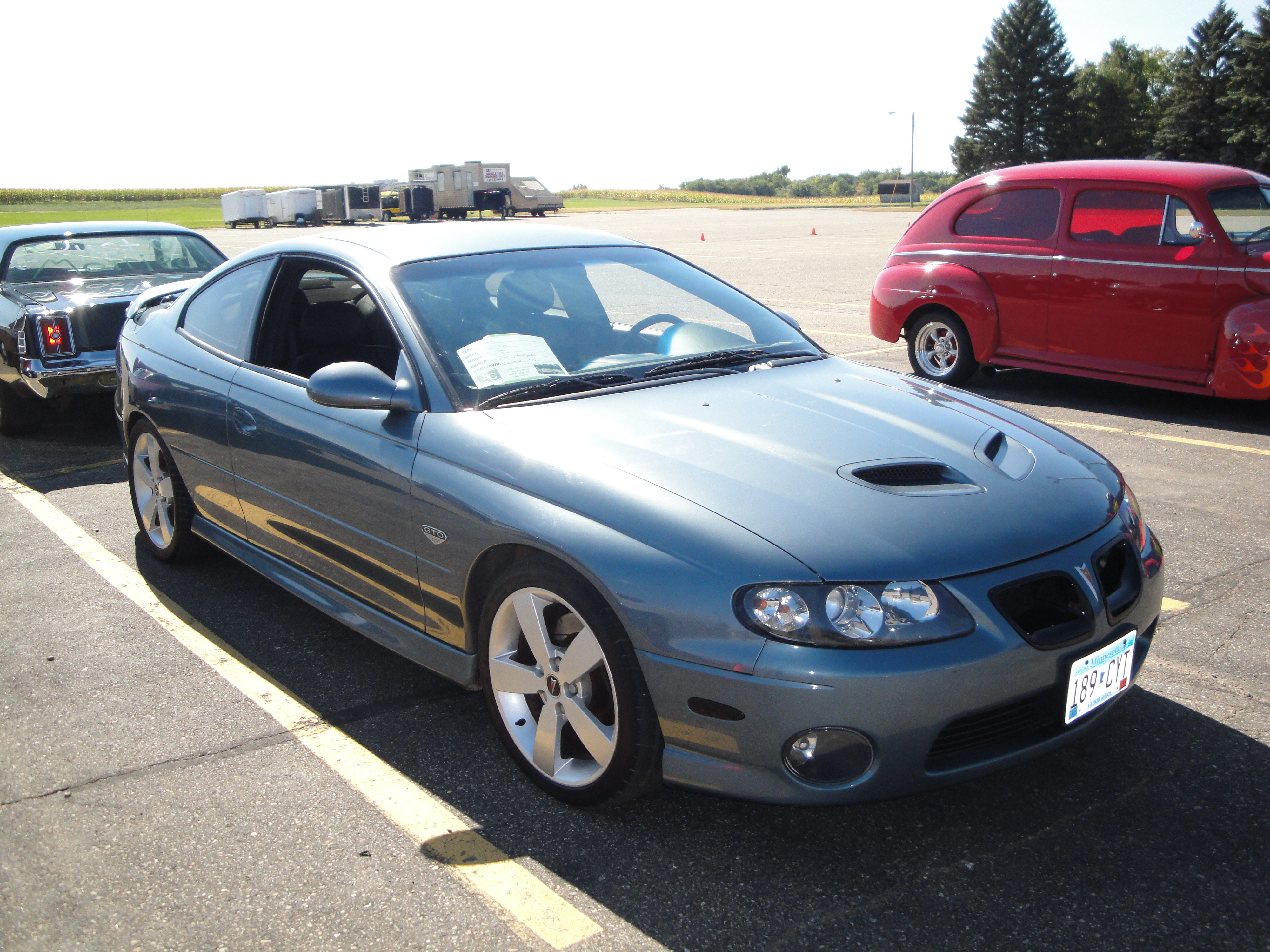
Pontiac GTO
"So we actually have a class for Pontiacs and the class for [2309.4s] GTOs. Everything shaping up pretty nicely."
The GTO is a well-known Pontiac model name. Here, they’re saying the show has a separate class just for GTO cars.
The GTO is a famous Pontiac performance model name, best known as a muscle-car icon in the classic American era. In this segment, it’s mentioned as its own concours class/category.
vintage motorcycles
"We're doing [2314.0s] class of vintage motorcycles this year. We have some wonderful bikes even going a Mead Aerothrust bike from the teens."
“Vintage motorcycles” are older bikes that are kept and shown because they’re historically interesting. They’re saying the show will include motorcycles, not just cars.
“Vintage motorcycles” refers to older, historically significant two-wheeled machines—often from specific eras—shown for their design, engineering, and preservation. The host uses it to explain the event’s plan to include motorcycles alongside cars.
Harleys
"Up to a we got late 60s triumph, a couple of [2329.7s] Harleys in India mixed in a little bit of everything."
“Harleys” means motorcycles from Harley-Davidson. They’re mentioning them as part of the mix of bikes at the show.
“Harleys” is shorthand for Harley-Davidson motorcycles, a major American brand with a strong enthusiast following. The host includes them to emphasize variety in the event’s motorcycle display.
European economy class
"We're doing a European economy class this year. So, you know, not necessarily bargain basin, but something cheaper than a Ferrari, a Lambo or a Jaguar on the field."
“European economy class” here is an event category aimed at European cars that are relatively affordable compared with luxury exotics. It’s being used as a curatorial theme to attract a younger, more budget-conscious audience.

Volvo 1800
"everything from Alfa Romeo, Julia, little sedan from 1968 to a Volvo 1800 to an Amphicar"
The Volvo 1800 is a classic Volvo sports car. Here it’s being used as an example of a European car that’s cheaper than the big-name supercars.
The Volvo 1800 is a classic Volvo sports coupe known for its long production run and strong enthusiast following. It’s often remembered as a stylish, relatively accessible alternative to higher-priced European performance cars.

Alfa Romeo Julia
"but something cheaper than a Ferrari, a Lambo or a Jaguar on the field. So we have, I think, everything from Alfa Romeo, Julia, little sedan from 1968 to a Volvo 1800 to an Amphicar to it's a little bit everything. We want everyone to have a good time first and foremost."

Amphicar
"to a Volvo 1800 to an Amphicar to it's a little bit everything."
An Amphicar is a special car that can also go in the water. It’s the kind of unusual classic that makes a show field fun to explore.
The Amphicar is a rare amphibious vehicle—designed to drive on land and also operate in water. It’s a memorable “oddball” classic that fits the segment’s theme of interesting European cars beyond just Ferraris and Lamborghinis.
Volkswagen GTIs
"I wasn't thinking Alfa, Julia's and Volvo P-1800s. I was thinking Volkswagen GTIs and Characters and stuff like that."
A GTI is a sporty Volkswagen hatchback. It’s known for being fun and affordable compared to exotic supercars, which is why the hosts bring it up for the “European economy” theme.
The Volkswagen GTI (often written as “GTI”) is a performance-oriented version of the Volkswagen Golf, famous for being a practical “hot hatch” that’s fun to drive without being a supercar. In this segment, it’s used to define the event’s European “economy” class—cars that are exciting but not Ferrari/Lambo money.

Volkswagen Gtis
"...ia's and Volvo P-1800s. I was thinking Volkswagen GTIs and Characters and stuff like that. I'm like, tha..."
The Volkswagen Golf is a compact car made by Volkswagen. It’s known for being a common, practical car that many people recognize, and it’s also popular with drivers who like cars with personality.
The Volkswagen Golf is a compact car that became a benchmark for everyday driving and enthusiast interest over many generations. In the podcast context, it’s likely mentioned as an example of a popular, recognizable model when discussing the kinds of cars people associate with “characters and stuff.”

Volvo P1800
"Well, and William, you're 100% right, because when he set that up, I wasn't thinking Alfa, Julia's and Volvo P-1800s. I was thinking Volkswagen GTIs and Characters and stuff like that. I'm like, that's a European economy car. Like, what are we talking about here?"
The Volvo P1800 is an older Volvo coupe, meaning it’s a two-door car with a sporty look. It’s remembered because it has a unique design and is considered a classic enthusiast car.
The Volvo P1800 is a classic Volvo sports coupe known for its distinctive styling and long-running popularity among enthusiasts. It’s a car that often appears in discussions about iconic, characterful designs from past decades, which is why it may be referenced alongside other well-known enthusiast models.
Amelia's playbook
"As we know, I think you guys pulled a page out of Amelia's playbook. You do a fun class every year."
This is a reference to a famous car show’s style—using fun themes and classes to keep things interesting. The host is saying their event uses a similar idea.
“Amelia’s playbook” references the approach used by Amelia Island Concours d’Elegance—using themed classes to keep the show entertaining and accessible. The speaker implies their event borrows that strategy for fun, engaging categories.
Luxo barges
"One of the most fun classes we've done in recent [2455.3s] memories was the Disco Decade Rides, where it was Luxo barges from the 1970s by and large."
“Luxo barges” is a nickname for big, luxurious cars—often the huge 1970s-style ones. It’s basically describing them as comfortable and oversized, not sporty.
“Luxo barges” is a slang term for large, luxury-oriented cars—especially the big American land yachts associated with the 1970s. The phrase emphasizes their size, comfort focus, and “floaty” feel rather than sportiness.
Index of Effulency
"I am a proud co-owner of a 24 Hours of Lemons Racing team, [2485.6s] proud winners of the Index of Effulency at Gingerman back in 2024."
The “Index of Effulency” is a points/award category used in 24 Hours of Lemons-style racing. It typically rewards how well a team embodies the spirit of the event—often tied to presentation, creativity, and “lemon” character rather than outright speed.
Gingerman
"I am a proud co-owner of a 24 Hours of Lemons Racing team, [2485.6s] proud winners of the Index of Effulency at Gingerman back in 2024."
“Gingerman” is a real race track in Michigan. It’s where racing events happen, and where teams can earn trophies or points.
“Gingerman” refers to Gingerman Raceway in Michigan, a track used for motorsports events including endurance and club racing. It’s a venue where teams can rack up results that matter for series standings and awards.
Leroy Cole
"I remember at a very early one listening to Leroy Cole of the Cole Automobile Manufacturers in Indianapolis talking about his family's company."
Leroy Cole is a person the host mentions as someone who talked about his family’s car company. The point is that his story is a firsthand window into early automotive history.
Leroy Cole is referenced as an automotive historian/figure connected to the Cole Automobile Manufacturers. The host uses his firsthand account to highlight how early automotive history research often comes from family-company stories.
Ark id Singer Motorsports symposium
"Of course, the Arkid Singer Motorsports symposium. And we were, you know, some talk about taking that on the road, possibly."
The host mentions a motorsports symposium—basically a gathering/event focused on racing and related history. It’s brought up as an example of where these kinds of automotive discussions happen.
This refers to a motorsports symposium hosted by Arkid Singer (as transcribed). The host frames it as a place where automotive history and motorsports enthusiasts gather, making it a relevant event context for the show’s theme.
Concor
"And that's like, well, you know, we'd love to do something with that in South Bend, possibly even as part of the Concor."
“Concor” sounds like a classic-car event where people show cars and talk about automotive history. The host is suggesting the program could be part of something like that.
“Concor” appears to be a shortened/transcribed reference to a concours-style event. In context, it’s mentioned as a venue/format where automotive history content could be presented alongside classic-car culture.
Revs Institute
"I mean, delighted to have Lauren Goodman from the Revs Institute talking about radiator mascots and hood armaments as kind of more of an artistic bent on there."
The Revs Institute is an organization that focuses on car history and preservation. The host is bringing in someone from there to talk about design details on cars.
The Revs Institute is an automotive museum and research organization known for preserving and studying automotive history. Here, the host highlights Lauren Goodman from the Revs Institute to discuss topics like radiator mascots and hood ornament/armament design.
radiator mascots
"I mean, delighted to have Lauren Goodman from the Revs Institute talking about radiator mascots and hood armaments as kind of more of an artistic bent on there."
Radiator mascots are decorative statues/figures attached to the front of a car near the grille. They were used to make the car look distinctive and often reflected the brand’s style.
Radiator mascots are decorative figures mounted on or near a car’s radiator grille, often used to add identity and styling flair. They’re a recognizable piece of automotive design history, especially on older cars where ornamentation was a major part of the look.
hood armaments
"I mean, delighted to have Lauren Goodman from the Revs Institute talking about radiator mascots and hood armaments as kind of more of an artistic bent on there."
“Hood armaments” means the extra pieces you can see on a car’s hood—like decorative hardware or period styling elements. The host is treating it as part of the car’s visual design history.
“Hood armaments” refers to decorative or functional-looking hardware mounted on the hood area—often used in a stylistic, show-car or period-correct way. The host frames it as an artistic angle on automotive history rather than a purely mechanical topic.
America's roadways
"We have a wonderful panel on America's roadways. I think we actually call that one Mother's Roads."
“America’s roadways” is a theme for the show about the roads and highways in the U.S. The idea is to connect car history to the places people drove and how the road network evolved.
“America’s roadways” is a show segment/topic focused on how U.S. roads and highways shaped travel, culture, and automotive history. It’s positioned as a panel theme, so listeners can expect discussion beyond just cars—more about infrastructure and routes.
Mother's Roads
"We have a wonderful panel on America's roadways. I think we actually call that one Mother's Roads."
“Mother’s Roads” is the name of a panel segment in the show. It’s about U.S. roads and the history behind them.
“Mother’s Roads” is presented as the name of a panel/segment about U.S. roadways. It’s a branded topic label for the episode’s infrastructure-focused discussion.
Route 66
"We're celebrating the 100th anniversary of Route 66. The Lincoln Highway, America's first coast to coast highway runs about 100 yards from the Studebaker National Museum..."
Route 66 is the legendary U.S. highway people associate with classic road trips. The host mentions its 100th anniversary, so it’s a big historical focus.
Route 66 is the famous U.S. highway corridor that became a cultural symbol of road trips and American automotive life. The host notes the 100th anniversary, signaling that the episode will treat it as a major historical milestone.
Lincoln Highway
"The Lincoln Highway, America's first coast to coast highway runs about 100 yards from the Studebaker National Museum where it cuts through northern Indiana."
The Lincoln Highway is an old, famous road route across the U.S. The host calls it America’s first coast-to-coast highway and ties it to a nearby museum.
The Lincoln Highway is a historic early transcontinental U.S. road route, described here as America’s first coast-to-coast highway. The host uses it to connect automotive history to real geography and the evolution of long-distance travel.
Interstate Highway System
"And of course, the Interstate Highway System, which I think all of us here will be spending a lot of time on in the next few weeks or in our various travels."
The Interstate Highway System is the big network of major highways in the U.S. It changed how people drive long distances, and it’s a key part of transportation history.
The Interstate Highway System is the U.S. network of controlled-access highways that reshaped long-distance driving and freight movement. The host flags it as a major subject they’ll cover in upcoming travels, indicating its importance to modern automotive history.
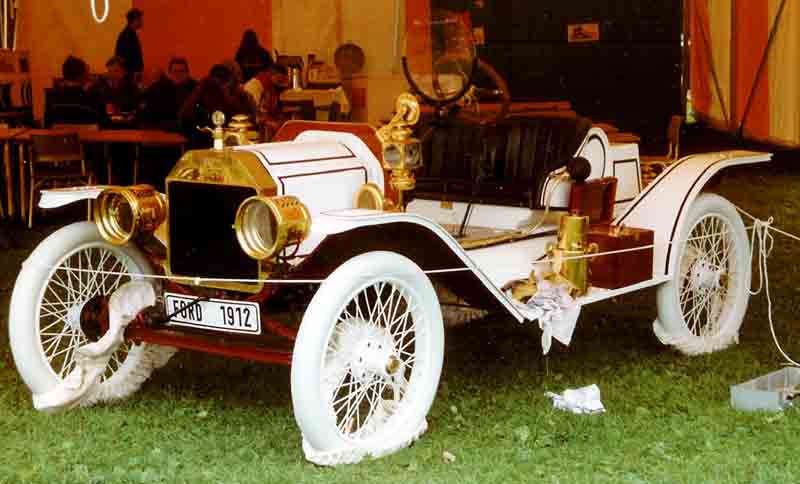
Model T
"So you'll want to catch both shows for Tom talking about his coast to coast trip in Model T. He took paralleling a lot of the Lincoln Highway's route back pre-COVA."
The Ford Model T was one of the first cars that many regular people could afford. Here, it’s mentioned because someone drove it across the country along the Lincoln Highway route.
The Ford Model T is a landmark early mass-produced car that helped popularize car ownership in the United States. In this segment, it’s referenced as the basis for a coast-to-coast trip that followed the Lincoln Highway route.
Request an Explanation
Heard something you'd like explained? We'll add it to this episode.
Sign in to request explanations for terms you heard.
Want to learn more?
Browse our glossary for plain-English explanations of automotive terms, jargon, and concepts.
Help improve this episode
See something that's not quite right? Our annotations are AI-generated and can sometimes miss the mark. Click the flag icon on any annotation to suggest a correction.