
The Enthusiast's Guide to Collector Cars - Greg Stanley
About this episode
Greg Stanley, host of the Collector Car podcast and author of The Enthusiast Guide to Collector Cars, shares how curiosity and networking turned a passion into a career in the high-stakes collector market. He explains the “car specialist” world—where relationships matter as much as knowledge—and recounts landing work with R.M. Sotheby’s after a podcast connection led to consulting and auction submissions. Greg also tells the story of his rare, unrestored Pontiac GTO (Tiger Gold with red pinstripe), including its build-sheet documentation and the wild journey from shows to TV appearances.
Break/Fix Podcast welcomes Greg Stanley, host of The Collector Car Podcast and author of The Enthusiast’s Guide to Collector Cars, to discuss his path into the collector-car world and how a passion project podcast led to consulting as a car specialist with RM/Sotheby’s, including sourcing cars such as the Ferrari 330 LM/250 GTO that sold for $51.7 million. Greg shares the story behind his rare, unrestored, family-owned Pontiac GTO in Tiger Gold and his multi-year effort to get it featured on Jay Leno’s Garage, including an on-site interview with Leno. He reflects on interview insights, shifting focus away from pure valuations toward stories and experience, and explains why he wrote an entry-level guide to help newcomers and even non-enthusiast partners understand the hobby. We also discuss generational trends, engaging kids at events, the “last analog” era, future collectibles, and Greg’s upcoming Porsche enthusiast guide and book tour schedule.
===== (Oo---x---oO) =====
00:00 Meet Greg Stanley! 01:17 Origin Story: Starting a Car Podcast and Breaking Into RM/Sothebys 05:21 Life as Car Specialist 05:55 The Tiger Gold GTO & Getting on Jay Leno 14:53 Interview Surprises 17:45 Market Trends and Values 21:00 Generational Shift in Collecting 22:47 Why Write the Guide? 25:41 Getting Kids Into Classics 29:15 The School Bus Story 31:35 Pitstop: Porsche 959 vs F40? 34:50 Writing the Enthusiast Guide and avoiding Jargon for Newbies 40:37 Inside the new Porsche Book 45:06 Future of Collecting, Top Future Collectibles? 52:06 What's Next for Greg? 52:45 Where to Buy the Book and Farewell
====================
The Motoring Podcast Network : Years of racing, wrenching and Motorsports experience brings together a top notch collection of knowledge, stories and information. #everyonehasastory #gtmbreakfix - motoringpodcast.net
- More Information: Visit Our Website
- Become a VIP at: Patreon
- Online Magazine: Gran Touring
- Follow us on Social: Instagram
Donnie Gold
"[226.3s] Just from like TV, I recognized Donnie Gold, car specialist. [230.2s] He's with Broad Arrow now. [233.2s] Been into business for 40 years."
Donnie Gold is described here as a “car specialist” associated with Broad Arrow. The host credits him with helping advance his career in the collector-car world.
Broad Arrow
"[226.3s] Just from like TV, I recognized Donnie Gold, car specialist. [230.2s] He's with Broad Arrow now."
Broad Arrow is a company that helps sell collector cars at auction. They work with owners to get cars ready and then market them to buyers.
Broad Arrow is an auction and collector-car services company that specializes in high-end vehicles. In collector-car circles, they’re known for handling consignments and sales for enthusiasts and investors.
Kenneth Thine
"[238.2s] And he pointed to the president at the time, Kenneth Thine. [240.7s] He said, go talk to that guy. [242.2s] I'm like, okay."
Kenneth Thine is the president the host was told to talk to. The host says that conversation helped set things in motion for his career.
Kenneth Thine is named as the president at the time the host was trying to get hired. The host is directed to speak with him, which becomes a turning point in the host’s career path.
submit cars to auction
"[273.3s] And you can be a car specialist consultant where you can submit cars to auction as you're"
To “submit cars to auction” means sending a car to an auction company so it can be sold to the highest bidder. The host is describing a job where he helps choose and place cars for sale.
“Submit cars to auction” refers to consigning collector vehicles to an auction house for sale. In this context, the host is describing a role where he can help get cars in front of buyers through auctions.
car specialist
"And some people ask me, what does it take to be a car specialist? I'm like, it is probably the hardest job I know of, mostly because it's built on relationships and network, your personal network."
In collector-car circles, a “car specialist” is basically a pro who knows the market and can match buyers and sellers. It’s less about cold sales and more about trust and relationships.
A “car specialist” in the collector-car world is someone who can identify, source, and place high-end vehicles—often through deep relationships rather than just advertising. The key skill is building trust with collectors and connecting the right buyer to the right car.
personal network
"I'm like, it is probably the hardest job I know of, mostly because it's built on relationships and network, your personal network. Right."
Here, “personal network” means the contacts the specialist has built over time. For rare collector cars, those connections can be what gets you access to the best opportunities.
In this context, “personal network” refers to the web of relationships a specialist has with collectors, owners, and buyers. For rare cars, those relationships can matter more than marketing because access to the right cars often comes through trust and referrals.

Pontiac Gto
"[367.3s] You have a certain fondness for a Pontiac GTO. [371.2s] Do you want to explain what that's all about? [374.7s] That was really weird."
The Pontiac GTO is a famous old American performance car. People love it because it’s a classic “muscle car” and it has a big, powerful engine feel that collectors chase.
The Pontiac GTO is a classic American muscle car from Pontiac, best known as one of the cars that helped popularize the “muscle car” era. It’s a performance-focused coupe that enthusiasts often seek out for its styling and period-correct V8 character.

2011 Ford Mustang
"[382.0s] You get those all the time. [385.2s] I just got one today and it's like a 2011 Ford Mustang, you know, with 16,000 [390.0s] miles and I'm like, all right, well, Carvana or whatever, you know, like it's a"
The 2011 Ford Mustang is a popular American sports car that a lot of people buy and sell. Because it’s common, it’s the kind of car you’ll see often when someone needs help selling a vehicle.
The 2011 Ford Mustang is a modern-era Mustang generation that’s widely used as an entry point into collector-car and enthusiast ownership. It’s a common listing because it’s mass-produced, so it often shows up in resale and selling-help scenarios.
Carvana
"[390.0s] miles and I'm like, all right, well, Carvana or whatever, you know, like it's a [393.4s] very common car. [395.2s] And this was a scenario where he's like, yeah, they want help selling their"
Carvana is a company that sells used cars online. People mention it because it can be an easy way to sell or buy a car without going through a dealership.
Carvana is an online used-car retailer that sells vehicles through a digital shopping process and delivers cars to customers. In enthusiast circles, it often comes up as a quick way to list or sell a common car without traditional dealer negotiation.
unrestored
"Well, that's really cool. Apparently it's unrestored. He got all the performance stuff on it."
An “unrestored” car hasn’t been rebuilt or repainted to look brand new. Collectors like them because they may still have more of the original parts and original look.
“Unrestored” means the car has not been taken apart and refinished or rebuilt to look new. For collector cars, unrestored examples are often valued because they can preserve original components, paint, and documentation.
special ordered
"Anyways, as these pictures came in and it's unrestored, it's special paint, it's special ordered, it's AC on a 389 Tri-Car..."
“Special ordered” means the buyer picked specific options from the factory. Collectors often care because it can make the car a one-off or very uncommon configuration.
“Special ordered” indicates the car was configured with specific factory options rather than being a standard build. In collector-car terms, these bespoke option combinations can make a car rarer and more desirable.
AC
"it's special paint, it's special ordered, it's AC on a 389 Tri-Car, four-speed car, which extremely rare..."
“AC” means air conditioning. The speaker is pointing out that this performance car also came with factory AC, which is a desirable option for many collectors.
In classic-car option lists, “AC” means factory air conditioning. Having AC on a performance-oriented muscle car is often a notable spec because it adds comfort while still keeping the car’s original character.
four-speed car
"it's AC on a 389 Tri-Car, four-speed car, which extremely rare, it kept getting better..."
A “four-speed car” means the gearbox has four forward gears. Collectors care because the transmission setup is part of what makes a particular car configuration rare.
A “four-speed car” indicates it uses a four-speed transmission, typically with a manual gear pattern on classic muscle cars. In collector circles, the exact transmission type matters because it affects how the car drives and how rare the configuration is.
Tiger Gold
"What would you describe that color as? So like a medium metallic gold, it's called Tiger Gold. So they offered five special paint colors for that year."
“Tiger Gold” is the specific paint color name for the car. Collectors like named factory colors because they can confirm the car’s original look.
“Tiger Gold” is the named factory paint color being used to describe the car’s medium metallic gold finish. Named paint codes/colors are important to collectors because they help verify originality and build-sheet accuracy.
red pinstripe
"But this owner had custom ordered or red pinstripe. [480.5s] And what's really weird is in Pontiac World, they have the Pontiac Historical Society [485.4s] or whatever it's the documentation you can order up that tells you about your car."
A pinstripe is a thin decorative stripe on the car. The red pinstripe is one of the details collectors look for because it can indicate how the car was originally ordered.
A pinstripe is a thin stripe of paint or trim—here, a red stripe—used to visually accent the body. On many classic cars, pinstripe color and placement are part of the original appearance and can be confirmed by documentation.
Pontiac Historical Society
"And what's really weird is in Pontiac World, they have the Pontiac Historical Society [485.4s] or whatever it's the documentation you can order up that tells you about your car."
The Pontiac Historical Society is mentioned as a source for paperwork about Pontiac cars. The idea is that you can request records to help confirm what your car originally was, like options and paint details.
The Pontiac Historical Society is referenced as a group that provides documentation about Pontiac vehicles. In collector-car terms, these records can help verify original specs, though the host notes this particular documentation didn’t specify the exact color.
build sheet
"But when they pulled the car out of 40 years of slumber, they pulled the gas tank [508.1s] and they found the build sheet, which is really crazy that it was still there."
A build sheet is paperwork from the factory that shows how that exact car was ordered and assembled. For old cars, it’s especially useful because it can confirm the original paint and options.
A build sheet is the factory document that lists how a specific car was built—trim, paint code, and option selections. In collector-car circles, it’s valuable because it can confirm the car’s original configuration when other records are incomplete.

Chevrolet Corvette
"...e the day we bought it. Took it to Muscle Car and Corvette Nationals. It was on the red carpet."
A Chevrolet Corvette is a sports car made in the United States. People bring them to car shows because they’re fast and well-known. In your podcast clip, it’s mentioned because it was a special car they brought to an event.
The Chevrolet Corvette is a long-running American sports car known for its performance and strong enthusiast following. It often shows up at major car events, so it’s a natural centerpiece when someone talks about buying a car and taking it to shows. In the context you shared, it’s discussed as a standout example of a “Muscle Car and Corvette” event-worthy vehicle.
Cincinnati Concord
"Invitational had on the Jay Leno show, took it to Cincinnati Concord, won the preservation award."
This sounds like a car event or location near Cincinnati where the car was recognized. The important part is that it won an award there.
“Cincinnati Concord” appears to refer to a local event or venue in the Cincinnati area tied to the car’s recognition. The key point is that the car was shown/competed there and earned an award.
preservation award
"Invitational had on the Jay Leno show, took it to Cincinnati Concord, won the preservation award."
A “preservation award” is given to cars that are kept in original or very well-maintained condition. It’s about protecting the car’s history, not customizing it.
A “preservation award” is a judging category that rewards cars for being kept in original or well-preserved condition rather than heavily modified. It typically emphasizes authenticity, condition, and historical correctness.
numbers matching
"So let's address the 900 pound gorilla in the room because other people are probably thinking I've got a numbers matching factory original GTO."
“Numbers matching” means the important parts in the car are the original ones from when it was built. Collectors like it because it helps confirm the car is authentic, not a mix of replacement parts.
“Numbers matching” means the car’s key components (like the engine and transmission) retain the original identification numbers assigned at the factory. For collectors, it’s a major authenticity and value marker because it proves the car hasn’t been heavily rebuilt with different parts.
factory original
"So let's address the 900 pound gorilla in the room because other people are probably thinking I've got a numbers matching factory original GTO."
“Factory original” means the car still has the parts and setup it left the factory with. Collectors care because it’s harder to find and usually worth more.
“Factory original” is a collector shorthand for parts and configuration that were installed by the manufacturer, not later replacements or modifications. It matters because originality affects both how the car is judged and how buyers value it.
Jay Leno's garage
"Through the car world, I figured out who a person was in Jay Leno's garage that I could email because I wanted him on my podcast. Jay Leno on my podcast, that'd be fantastic."
They’re talking about getting a car shown on Jay Leno’s Garage, a popular TV show about cars. It’s treated like a big deal in the collector world.
The discussion centers on getting a car featured on Jay Leno’s Garage, a well-known TV platform where Leno interviews owners and showcases notable vehicles. The episode uses that as a benchmark for collector-car recognition.
Ferraris
"Now, obviously the famous one is Ferraris, but he doesn't have a BMW."
Ferraris are cars made by Ferrari, a famous Italian supercar company. The host is saying those are the obvious cars people would expect Jay Leno to own.
Ferraris refers to cars made by Ferrari, the Italian supercar brand known for high-performance engines and collectible status. The host calls out Ferraris as the “famous one,” implying they’re expected in Jay Leno’s garage.
V16
"Now, obviously the famous one is Ferraris, but he doesn't have a BMW. He doesn't have a V16."
A V16 is a very large engine with 16 cylinders. It’s uncommon, so bringing it up is a way of saying the collection is missing something truly rare.
A V16 is an engine with 16 cylinders arranged in a V shape (two banks of eight). It’s a rare configuration in modern cars, so mentioning it highlights how unusual or exotic the missing-car list is.
BMW
"Now, obviously the famous one is Ferraris, but he doesn't have a BMW."
BMW is a well-known car brand from Germany. Here it’s mentioned because the host is pointing out Jay Leno’s collection doesn’t include one.
BMW is a German automaker known for performance-oriented cars and a wide range of engine configurations. In this segment, the host notes Jay Leno doesn’t have a BMW, using it as an example of cars missing from his collection.

Cadillac V16
"...ris, but he doesn't have a BMW. He doesn't have a V16. He doesn't have X and Y cars."
The Cadillac V16 is a very rare Cadillac with a 16-cylinder engine. It’s the kind of car collectors talk about because it’s unusual and represents a specific time in automotive history. The podcast mentions it when discussing what cars someone owns.
The Cadillac V16 refers to a rare Cadillac model that used a 16-cylinder engine, making it a standout piece of early luxury and engineering. It’s significant in collector conversations because it’s uncommon and represents a specific era of big, high-cylinder-count luxury cars. In your context, it’s mentioned as part of a comparison of what a collector does or doesn’t have in their lineup.
Las Vegas Concours
"And then a couple of years later, I was asked to podcast from the win at the Las Vegas Concours in the lobby. They have a podcast studio and Jay Leno was the grand marshal."
A concours is a fancy car show for collector cars. This one is in Las Vegas, and the host says Jay Leno was there as a special guest.
The Las Vegas Concours is a concours-style collector car event where cars are displayed and judged, often with notable guests. In this segment, it’s where the host gets the chance to be near Jay Leno as grand marshal.
grand marshal
"They have a podcast studio and Jay Leno was the grand marshal. And so I said, oh, this is my big chance."
A grand marshal is a special guest role at an event. It usually means the person is honored and shows up for ceremonies or introductions.
Grand marshal is an honorary role given to a prominent person at an event, typically involving ceremonial duties and public appearances. Here, Jay Leno is named grand marshal, signaling his status as the featured guest.

Ferrari 275 GTB
"And so what was interesting about that podcast, I asked him his 10 cars, it wasn't like a Ferrari [952.2s] 275 GTB. [953.5s] It was like, here's the one, here's the VIN. [956.4s] Here's why it's special."
The Ferrari 275 GTB is a famous older Ferrari from the 1960s that collectors really value. The host brings it up to show the difference between naming a model and identifying the exact individual car.
The Ferrari 275 GTB is a mid-1960s grand touring model known for its classic styling and collector status. It’s also a good example of how enthusiasts talk about specific, identifiable cars—down to the VIN and ownership history—rather than just the general make and model.
VIN
"And so what was interesting about that podcast, I asked him his 10 cars, it wasn't like a Ferrari [952.2s] 275 GTB. [952.2s] It was like, here's the one, here's the VIN. [956.4s] Here's why it's special."
A VIN is like a car’s unique ID number. Collectors use it to make sure they’re talking about the exact same car and to check its history and build information.
VIN stands for Vehicle Identification Number, a unique 17-character code assigned to a specific car. Collectors use VINs to verify exactly which car is being discussed, trace its build details, and confirm authenticity.
K-Code engine
"But his 10th car caught me off guard. [997.9s] It was a 1965 Mustang FastFac with the K-Code engine. [1002.1s] I'm like, really?"
“K-Code” is Ford’s label for a particular Mustang engine option. It matters to collectors because it usually means the car left the factory with a more performance-focused setup than the base versions.
“K-Code” is a factory engine code used by Ford to identify a specific high-performance Mustang powerplant. When enthusiasts say they’re a “K-Code fan,” they’re usually referring to the engine’s reputation and how it was configured from the factory, which strongly affects collector value and authenticity.
Milly Island car week
"And anyway, so I had a dark blue K-Code I found during a Milly Island car week under a tarp [1013.88s]"
This sounds like a car show or car-weekend event where collectors bring special cars. It’s the kind of place where you can see rare vehicles and talk about their history.
This refers to a specific car event where collectors bring out notable vehicles. Car weeks like this are common venues for enthusiasts to see rare cars in person and discuss provenance and authenticity.

Pontiac Firebird
"... has a not that rare of a car, like an 87 Pontiac Firebird. But he bought a new and then he lost it for 26 y..."
The Pontiac Firebird is a muscle car from Pontiac. Some versions are harder to find and can be collectible. In the podcast, it’s mentioned with a story about an older Firebird that was bought new and then disappeared for a long time.
The Pontiac Firebird is an American muscle car that was produced in multiple generations, including the late-1980s model years referenced in your podcast. It’s discussed because certain Firebirds are collectible, especially when they’re rare or have interesting ownership stories. Your context mentions an “87 Pontiac Firebird” and a long gap since it was “lost,” which points to the car’s personal and collector appeal.

Ferrari Daytonas
"...ff that's happening. One example I'll give is the Ferrari Daytonas. You know, they're classic front engine, V12 manu..."
The Ferrari Daytona SP3 is a modern supercar made by Ferrari. It uses a front-engine setup and a V12 engine. In the podcast, it’s mentioned as an example of how Ferrari is building new cars while keeping that classic style.
The Ferrari Daytona SP3 is a modern Ferrari supercar that’s designed around a front-engine, V12 layout, tying it to the brand’s classic Daytona heritage. It’s discussed in your context as an example of what’s happening in the market and in Ferrari’s lineup. The key point is that it’s a contemporary car that still emphasizes the classic front-engine V12 formula.
V12 manual
"One example I'll give is the Ferrari Daytonas. [1122.9s] You know, they're classic front engine, V12 manual, analog, all the stuff you want."
A “V12” is a big engine with 12 cylinders, and it usually sounds and feels special. “Manual” means you shift the gears yourself instead of relying on an automatic transmission.
A “V12” is an engine with 12 cylinders arranged in a V shape, usually delivering smooth power and a distinctive sound. “Manual” means the driver shifts gears with a clutch and gear lever, which many enthusiasts prefer for direct control.
front engine
"One example I'll give is the Ferrari Daytonas. [1122.9s] You know, they're classic front engine, V12 manual, analog, all the stuff you want."
“Front engine” just means the engine sits in the front of the car. Where the engine is placed affects how the car handles and feels when you drive it.
“Front engine” means the engine is mounted at the front of the car, typically ahead of the front axle. That layout often influences weight distribution, steering feel, and how the car behaves at the limit compared with mid-engine or rear-engine designs.
analog
"One example I'll give is the Ferrari Daytonas. [1122.9s] You know, they're classic front engine, V12 manual, analog, all the stuff you want."
“Analog” here means the car feels more old-school—more mechanical and less computer-controlled. Enthusiasts often like it because it can feel more direct and simple to drive.
In enthusiast talk, “analog” refers to cars that rely more on mechanical and traditional controls (and less on digital screens, software tuning, and electronic driver aids). It’s often associated with a more straightforward, tactile driving experience.
collector car market
"And what was interesting is it kind of mirrored at that time. [1163.0s] The collector car market as a whole was going through a little bit of a recession, right?"
The “collector car market” is the world where rare cars are bought and sold by collectors. When the economy is shaky, prices can drop and auctions may fail to sell cars at expected prices.
The “collector car market” is the niche economy where rare, desirable vehicles trade based on collector demand, condition, provenance, and broader economic conditions. When it enters a recession-like period, auction prices and “no sale” outcomes become more common.
six cylinder
"And then we have the time in which the Dino's doesn't say Ferrari [1170.8s] anywhere on it, you know, rear engine, six cylinder handles really well."
A “six cylinder” engine is an engine with six working cylinders. It’s a common setup in sports cars, and it helps shape how the car sounds and drives.
A “six cylinder” engine has six cylinders, which is a common configuration for sports cars because it can balance smoothness with compact packaging. In collector-car context, the cylinder count is often part of what defines the car’s character and how it’s perceived versus other engine layouts.
rear engine
"And then we have the time in which the Dino's doesn't say Ferrari [1170.8s] anywhere on it, you know, rear engine, six cylinder handles really well."
“Rear engine” means the engine sits in the back of the car. That affects how the car grips the road and how it feels when you turn.
“Rear engine” means the engine is mounted at the back of the car, typically behind the passenger compartment. This layout changes weight distribution and traction behavior, often making the car feel different in cornering compared with front- or mid-engine designs.

456 front engine V12 manual or automatic
"But I go 456 front engine V12 manual or automatic, very handsome car. But it's understated because it was overshadowed by the 550 Maranello and the 575 that came after that and things like that."
The Ferrari 456 is a Ferrari with a big V12 engine mounted in the front. It can be had with either a manual or an automatic, and collectors sometimes like it because it can feel like a “better deal” than the more famous Ferraris.
The Ferrari 456 is a front-engine V12 grand tourer, and it’s notable for being offered with either a manual or automatic transmission. In collector discussions, it’s often positioned as a “bargain” way to get into Ferrari’s V12 GT world compared with flashier, more expensive models.

Ferrari 550 Maranello
"But it's understated because it was overshadowed by the 550 Maranello and the 575 that came after that and things like that."
The Ferrari 550 Maranello is another famous Ferrari V12 GT from the late 1990s era. In this discussion, it’s used as the “more popular” car that made the 456 seem less flashy to buyers.
The Ferrari 550 Maranello is a front-engine V12 grand tourer that became a major reference point for Ferrari’s 1990s/early-2000s GT lineup. The host mentions it as the model that overshadowed the 456, which helps explain why the 456 can be undervalued.
GTP
"So there to me, that's like the bargain front engine V12. [1233.3s] Why spend half a million bucks on a GTP when you could buy a 456 and it's way more modern, you know what I mean?"
“GTP” is a label that usually points to a race-style prototype category. The host is basically saying you might spend less on a classic road car instead of paying for the more expensive, race-associated option.
“GTP” is a racing/series designation (commonly used for Grand Touring Prototype) that collectors may reference when comparing track-bred cars to road-going classics. In this segment, it’s used as a shorthand for a more expensive, higher-profile performance category than the Ferrari 456.
provenance
"Maybe it doesn't have the same provenance, but what about the driving experience? [1253.0s] So how do you handle those sort of maybe misconceptions about the market or, you"
“Provenance” means the car’s background—its ownership and history, backed by records. Collectors like it because it helps them feel more confident about what they’re buying.
“Provenance” in collector-car context means the documented history of the car—who owned it, where it’s been, and what records it has. Cars with stronger provenance often command higher prices because buyers trust the car’s story and condition history.
Ferrari Daytona
"I mean, I'd love to have a Daytona. Now I'm not saying I want a 456"
The Ferrari Daytona is one of Ferrari’s most famous classic models. It’s a “dream car” for a lot of enthusiasts because it’s rare and has a big reputation.
The Ferrari Daytona is a legendary grand touring/GT-era Ferrari associated with the brand’s most iconic performance image. It’s often discussed in collector circles because its styling, racing heritage, and limited availability make it a benchmark “dream car.”
natural aspirated V8
"last of the natural aspirated V8. [1314.6s] You know, there's a lot of stuff on that list I would buy."
This is a V8 engine that doesn’t use a turbo or supercharger to push air in. It usually feels more direct and sounds different than boosted V8s.
A naturally aspirated V8 is an engine with eight cylinders in a V layout that draws air in without a turbocharger or supercharger. Because it relies on engine speed to move air, it often has a different throttle feel and sound than forced-induction V8s.
3D printing route
"But when you start losing like some trim pieces or some interior knobs or whatever, [1340.4s] who wants to go down the 3D printing route right to get the car functioning? [1344.1s] Yeah, that becomes interesting."
That phrase means making replacement parts using a 3D printer. The speaker is basically saying it’s a hassle to rely on that just to keep the car looking right and working properly.
“3D printing route” refers to using additive manufacturing to fabricate replacement parts when traditional sourcing is difficult. In collector ownership, that can be a workaround for missing trim pieces or interior knobs, but it may not always match original fit, finish, or durability.

Porsche Boxer
"That becomes a challenge. I bought my wife a 05 Porsche Boxer S that's 1900 miles on it in a collection since n..."
Ferrari Luce
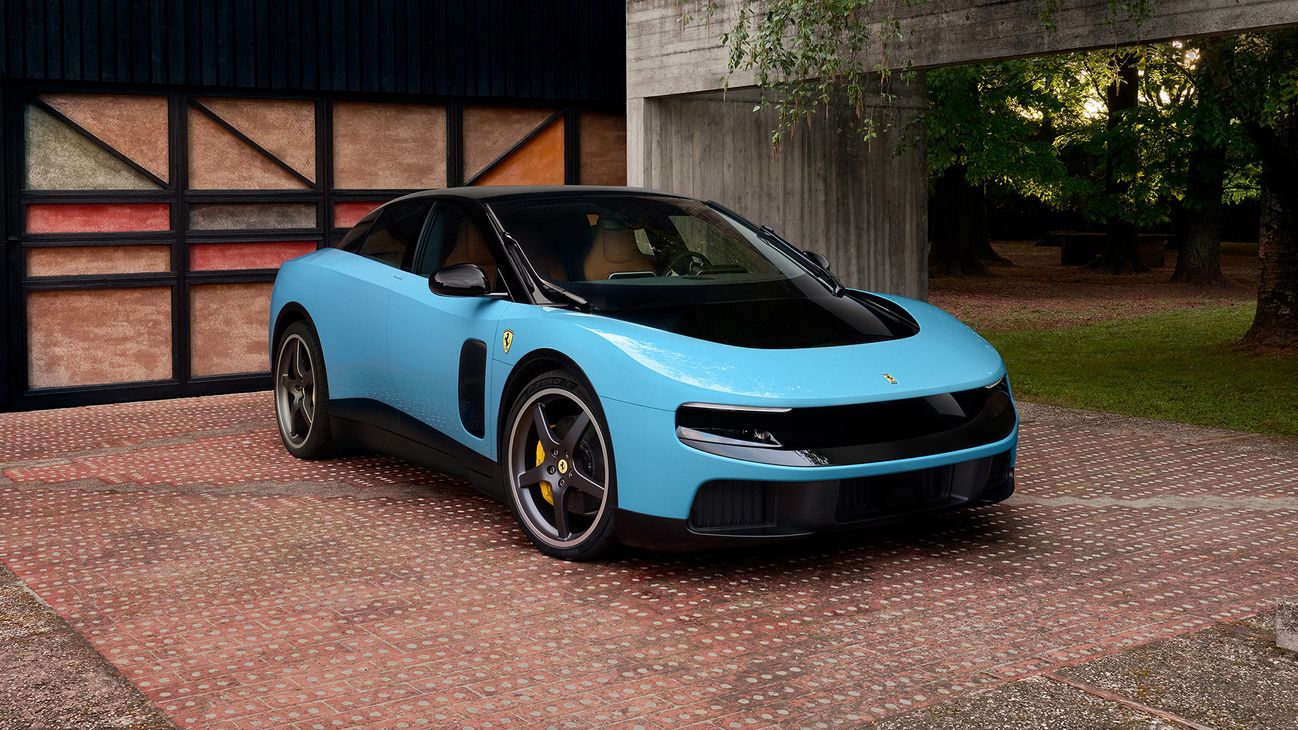
"...re things are changing, Ferrari just revealed the luce. And we're all kind of scratching our head going,..."
The Ferrari Luce is a Ferrari model that was recently revealed. The podcast mentions it because people are surprised and unsure about it. The focus is on the reaction to the new car announcement.
The Ferrari Luce is a newly revealed Ferrari model mentioned in your podcast as something that has people “scratching their head.” It’s discussed in the context of how things are changing, implying it’s part of Ferrari’s current direction and product strategy. The mention is mainly about the reaction to the reveal rather than technical details.
Sonoma Raceway
"As this post, I will have gone to Vlasi Invitational out at Sonoma Raceway."
Sonoma Raceway is a famous race track in California. It’s the kind of place where cars feel really intense because the track is twisty and hilly.
Sonoma Raceway is a major road course in Sonoma, California, used for major motorsport events and track days. It’s known for a challenging layout with elevation changes that make cars feel dramatic and “alive” on track.
Vlasi Invitational
"As this post, I will have gone to Vlasi Invitational out at Sonoma Raceway."
Vlasi Invitational is a specific car event happening at Sonoma Raceway. The host describes it as something that’s fun for families, not just hardcore racers.
Vlasi Invitational is a named enthusiast event the host is attending at Sonoma Raceway. The discussion frames it as more than just track action—also a family-oriented cultural weekend.

Ferrari 250 GTO
"You know, you got 250 GTOs, you got McLaren F1s, you got many"
The Ferrari 250 GTO is an extremely famous and valuable classic race car from the 1960s. Seeing multiple “250 GTOs” in one place is a big deal for collectors.
The Ferrari 250 GTO is a legendary 1960s grand touring race car, famous for its rarity and racing pedigree. When someone says “250 GTOs” at an event, it usually means multiple examples of one of the most collectible Ferraris ever made.

Mclaren F1S
"You know, you got 250 GTOs, you got McLaren F1s, you got many"
The McLaren F1 is a famous supercar from the 1990s. It’s known for being very special and rare, and collectors love it.
The McLaren F1 is a mid-1990s supercar known for its distinctive three-seat layout and race-derived engineering. It’s a modern classic that collectors chase, so mentioning “McLaren F1s” signals a high-end lineup.
Jeff O'Neill
"It was funny because when I interviewed the founder, Jeff O'Neill, he mentioned"
Jeff O’Neill is the person the host interviewed. He’s described as the founder of the event, and he shared a story about driving a race car.
Jeff O’Neill is identified as the founder the host interviewed. The conversation uses his story to illustrate how the event and its cars create memorable, visceral experiences.
factory Bernadalee Jones race cars
"one of the factory Bernadalee Jones race cars around the track."
“Factory” here means the car was set up by the top team, not just a regular private car. The host is saying the reporter got to experience a very serious race car.
“Factory” in this context implies the cars were prepared or supported by the team/manufacturer rather than being private entries. “Bernadalee Jones” appears to be a transcription error for a specific race-car name or driver/team, but the key idea is that the reporter got a lap in a top-level, race-prepped car.
one lap
"The media reporter only wanted to do one lap because he said, that's the most violent thing I've ever had experience in my life."
“One lap” just means driving around the track once. The point is that the reporter found it so intense he didn’t want to do more.
“One lap” is used here as a measure of how intense the experience was for the media reporter. It’s not a technical term, but it’s part of the anecdote’s measurable takeaway: the car was so intense that he only wanted a single lap.
car show
"I think we're in a good spot though, because I remember there was someone at one of the car shows, elderly gentleman has been around forever. ... I've never seen so many kids at a car show, you know, with their phones sharing it on social media than I have today."
A car show is an event where vehicles are displayed for public viewing and often judged on criteria like originality, condition, and presentation. In collector-car culture, car shows are a major place to meet owners, learn histories, and build interest in specific models.

Toyota A80
"one of the car shows, elderly gentleman has been around forever. I think it was a 80 year old Ferrari judge and he says something to the effect of, I have no concern about the future of our hobby."
The Toyota Supra is a sports car built for performance. It’s popular with car enthusiasts and often appears at car shows. The podcast mentions it in a conversation about people who judge and support the hobby.
The Toyota Supra is a performance sports car that has become a major icon in the enthusiast world. It’s frequently discussed at car shows because it represents a long-running interest in fast, driver-focused Japanese sports cars. In your context, it’s brought up through a story about a long-time judge and confidence in the future of the hobby.

Ferrari F 40
"Which do you choose? F 40. Yeah. No, no, no. Why? Well, it's funny he said that because between the two, I've never fallen in love with the 959 I mean, it's cool. Technologically, it's amazing as such an incredible story. I had the chance to drive one today's standard."
The Ferrari F 40 is a famous old-school Ferrari supercar. People love it for its loud, exciting V8 feel and for details like the pop-up headlights that make it look and sound dramatic.
The Ferrari F 40 is a 1980s supercar built around raw, analog drama: it’s known for its aggressive styling and its V8 character. Enthusiasts especially remember its pop-up headlights and the way it feels “unfiltered” compared with more technologically complex cars.

Porsche 959
"Well, it's funny he said that because between the two, I've never fallen in love with the 959 I mean, it's cool. Technologically, it's amazing as such an incredible story. I had the chance to drive one today's standard."
The Porsche 959 is a special Porsche from the late 1980s that’s known for cutting-edge tech for its time. People talk about it because it feels like an engineering experiment that became a legendary collector car.
The Porsche 959 is a late-1980s Porsche built as a technology showcase: it’s famous for advanced all-wheel-drive and turbocharging that made it feel far more sophisticated than most supercars of its era. In collector-car circles it’s often discussed as a “space-age” engineering statement, not just a fast car.
SC version
"It feels underpowered, which is why Canapa is doing his SC version with like seven horsepower or whatever, which probably feels just about right."
“SC version” sounds like a special upgraded version of the car made by a company or tuner. It’s not just a normal factory model name—it usually means a particular modification package.
“SC version” here refers to a modified or special version of the Porsche 959 built by a tuner (the speaker mentions “Canapa” doing it). In collector-car talk, “SC” often signals a specific upgrade package or variant name rather than a factory trim.
pop up headlights
"I've always loved the F 40 pop up headlights are a thing now back in the day. They, they weren't everybody hated them, but you know, that V8 so raw, so incredible, such a cool, angular car."
Pop-up headlights are headlights that hide in the car’s front until you turn them on. When activated, they pop up, which gives the car a distinctive look—especially on cars like the Ferrari F 40.
Pop-up headlights are headlamps that retract into the front bodywork and then rise when you turn them on. They were a common styling and aerodynamic trick in the 1980s, and they’re a big part of the Ferrari F 40’s visual identity.

Ferrari F 50
"[1994.4s] Since you chose the red card and not the gray card, if you take the F 40 versus [2001.2s] the F 50, which one goes in your garage? ... [2006.8s] The F 50 came out. ... [2037.3s] The F 50 is a much more enjoyable car to live with versus the F 40."
The Ferrari F 50 is another Ferrari supercar, but the host is describing it as easier and more enjoyable to live with than the F 40. They’re comparing how each one feels as an ownership experience, not just how it looks.
The Ferrari F 50 is a later Ferrari supercar that follows the F 40’s legacy but is generally positioned as more usable day-to-day. Here, the host contrasts it with the Ferrari F 40 by talking about how it “aged” and by claiming it’s “more enjoyable…to live with,” even though they haven’t personally driven either car.
Georgia 400
"[2017.0s] I did not think it was an attractive car at all. [2019.6s] I remember seeing one go down Georgia 400 south to the toll plaza. [2024.0s] And I thought, man, that thing is not that good looking."
Georgia 400 is a big highway near Atlanta. The host mentions it because they remember seeing the Ferrari F 50 driving there.
Georgia 400 is a major highway in the Atlanta, Georgia area. The host uses it as a specific real-world location to describe seeing the Ferrari F 50 in traffic, which helps ground the story in a recognizable place.
F 50
"And you look at the back of the F 50, you know, you got that great between the brake lights, basically open air V 12, you know, F 1 inspired. ... obviously F 50 much rarer, I would probably go the F 50."
The Ferrari F50 is a very rare, race-inspired supercar with a V12 engine. People compare it to the Ferrari F40 because both are famous, but the F50 is usually considered the rarer, more exclusive one.
The Ferrari F50 is a mid-engine V12 supercar known for its open, race-inspired design and “F1-inspired” vibe. In collector-car talk, it’s often compared directly with the Ferrari F40 because both are iconic, but the F50 is generally rarer and more “special occasion” than a daily driver.
open air V 12
"And you look at the back of the F 50, you know, you got that great between the brake lights, basically open air V 12, you know, F 1 inspired."
“Open air V12” means the car has a V12 engine and the engine area is more exposed to airflow. It’s often done to help cooling and to give the car a more dramatic, race-like presence.
An “open air V12” describes a V12 engine installation where the engine area is exposed to airflow rather than fully enclosed. That can help cooling and also creates the distinctive, race-car look and sound that people associate with certain supercars.
F 40
"Despite all that, even though I love the F 40, I don't know. ... the F 40 was never really supposed to be a street car. And I would never take it on the track, honestly."
The Ferrari F40 is a supercar built to feel more like a race car than a comfortable street car. In this discussion, it’s described as the one that makes more sense for track use compared with the Ferrari F50.
The Ferrari F40 is a mid-engine V8 supercar that’s famous for being a raw, track-focused “last of the old-school” Ferrari supercars. Enthusiasts often argue it’s the better track car than the F50, and the host here frames it as not really intended to be a street car.
V 8
"But if I have to go between a V 12 and a V 8, both incredible, iconic cars, obviously F 50 much rarer, I would probably go the F 50."
A V8 is a type of engine with eight cylinders in two rows. Many performance cars use V8s because they can feel powerful and sound great.
A V8 is an engine with eight cylinders arranged in a “V” configuration. In performance cars, V8s are popular because they can provide strong torque and a distinctive sound while keeping packaging and weight more manageable than larger cylinder counts.
market data
"When you're putting it all together, how do you balance the analytical side of the market data that you are constantly bombarded with with the more personal subjective side of automotive enthusiasm?"
“Market data” in collector-car context means real-world pricing and trading information—what similar cars sell for, how demand shifts, and how scarcity affects value. The host contrasts that with personal taste, which can drive what enthusiasts actually want to own or drive.
personal subjective side of automotive enthusiasm
"When you're putting it all together, how do you balance the analytical side of the market data that you are constantly bombarded with with the more personal subjective side of automotive enthusiasm?"
This is the “gut feeling” part of car enthusiasm—what you personally connect with. Even if the market data says one car is better, your taste can still lead you to a different choice.
This phrase points to the non-numeric side of car collecting—how emotion, identity, and “what feels right” influence decisions. It’s contrasted with analytical valuation, highlighting that enthusiast choices aren’t purely driven by spreadsheets.
valuation trends
"I wasn't focusing on the values. I wasn't focusing on valuation trends. Now, I still wanted a piece of that in there."
“Valuation trends” means whether collector car prices are going up or down over time. It’s basically the market’s direction for different cars.
“Valuation trends” refers to how collector-car prices move over time—whether certain eras, makes, or models are gaining or losing value. The speaker says they’re not focusing on this as much, but still include some of it.

Mercedes Benz 300 SL
"when you look at the book as an entry point, you know, people might aspire to have a Mercedes Benz 300 SL going, you know, one to $10 million car depended of his alloy or not, or rudge wheels or not."
The Mercedes-Benz 300 SL is a famous old Mercedes that collectors love. It’s especially known for the gullwing doors, and it’s one of the most expensive and sought-after cars from that period.
The Mercedes-Benz 300 SL is a legendary collector car known for its distinctive gullwing doors and its high-performance reputation for its era. In collector discussions, it’s often treated as a benchmark “blue chip” car because it’s historically significant and commands very high auction prices.
rudge wheels
"one to $10 million car depended of his alloy or not, or rudge wheels or not."
“Rudge wheels” means wheels from the Rudge brand. Collectors sometimes pay attention to wheel brand because it can affect whether the car looks and spec’s like the original version.
“Rudge wheels” points to Rudge-branded wheels (often associated with classic British-style period upgrades). In collector circles, specific wheel brands can matter because they can indicate originality, provenance, or a historically correct look.
alloy
"one to $10 million car depended of his alloy or not, or rudge wheels or not."
Here, “alloy” means metal made from a mix of metals, like alloy wheels. Collectors care because the right materials can make a car more valuable.
In this context, “alloy” refers to the use of alloy materials (commonly alloy wheels or alloy components) that can affect a car’s originality and desirability. Collector pricing often depends on whether the car has the right materials and period-correct parts.
collector's ladder
"Well, I put in a collector's ladder. So what's the entry level for that era make mark? Possibly?"
A “collector’s ladder” is the idea that you start with more affordable collector cars and work your way up to the most expensive, famous ones. It’s like leveling up in the hobby.
A “collector’s ladder” is a way of thinking about collector cars in tiers—entry-level, mid-level, and top “blue chip” cars—based on how much they typically cost and how hard they are to obtain. It frames collecting as a progression rather than an all-or-nothing purchase.
blue chip
"So what's a mid level and then what's blue chip?"
“Blue chip” here means the top-tier, most respected collector cars. They’re usually the ones people trust most to stay valuable over time.
“Blue chip” is borrowed from finance to describe the most established, liquid, and highly valued collector cars—typically with strong historical significance and consistent demand at auctions. In collecting, “blue chip” implies lower risk (relative to other cars) and a higher likelihood of holding value.
auction highlights and record sales
"I also thought it'd be fun to show at the end of each chapter, like, what are some auction highlights and record sales? Because, you know,"
The host plans to include a wrap-up section with notable auction moments and record-setting sale prices. This is meant to give listeners concrete, recent examples of what’s driving collector interest.
Pagani
"that, you know, maybe they're out there to show like the new Pagani or the new [2226.3s] choir, whatever."
Pagani is a luxury supercar brand from Italy. People talk about the newest Pagani models at car shows because they’re rare and expensive, so they draw attention.
Pagani is an Italian supercar maker known for extremely high-end, track-focused cars built with advanced materials. In collector-car conversations, “new Pagani” often signals the latest halo model people want to photograph and show off.
brass era
"So at the end of each chapter, you know, I highlight what are the top sales for [2240.1s] like brass era, which, you know, is interesting or, you know, what's a [2243.8s] Lamborghini Murrow worth, or whatever."
“Brass era” is a nickname collectors use for the very early days of cars, usually around the early 1900s. Many of those cars had lots of brass trim, and collectors group them together when talking about value and auctions.
“Brass era” is a collector term for the earliest era of automobiles, typically associated with early 1900s cars that often featured brass fittings and a more handcrafted look. It’s used as a category when discussing auction results and historical significance.
Chrysler Turbo Rotambulator transmission
"remember the old guy giving the demonstration of the Chrysler Turbo [2276.0s] Rotambulator transmission, and it's all this jargon and science and math,"
This is basically a joke about how car talk can sound super technical and confusing. The “Chrysler Turbo Rotambulator transmission” is presented as an example of made-up-sounding jargon, not something you’d find in a real car spec sheet.
This is a parody reference to an absurdly technical-sounding transmission name (“Turbo Rotambulator”) used to mock how enthusiast discussions can get bogged down in jargon. It’s not a real Chrysler transmission model, but it illustrates how newcomers can feel overwhelmed.
engineering jargon
"[2300.9s] How do you rein yourself in? [2302.4s] How do you find a way to focus and say, this is how I can communicate to [2306.0s] someone new to bring them into the fold and make them feel like they're not [2309.6s] getting overwhelmed with engineering jargon? [2312.2s] You know, I think I just try to keep it as simple as possible."
Engineering jargon is technical vocabulary that experts use. The point here is making sure beginners can follow along without feeling lost.
Engineering jargon refers to specialized technical language used to describe car systems and design details. In collector-car writing, the challenge is translating those terms so new enthusiasts can understand without getting overwhelmed.
V8
"[2325.3s] There's probably a couple of points in the book. [2326.9s] I should have put a little bit more of an exclamation like, what is a V8? [2330.9s] Part of it, you have to make the assumption that there's a certain level"
A V8 is an engine with eight cylinders. The cylinders are arranged in a V shape, and it’s often associated with powerful cars.
A V8 is an engine with eight cylinders arranged in a “V” shape. It’s a common layout in performance and muscle cars because it can make strong power and smooth torque.
manual transmission
"[2333.4s] of knowledge base to even pick the book up. [2336.7s] And so you start with like, well, I'm going to assume they know these things. [2340.5s] Like what's a manual transmission? [2342.0s] But then beyond that, I really didn't want to get into it."
A manual transmission is a car gearbox where you choose the gears yourself. You use a clutch pedal and a shifter to change gears.
A manual transmission is a gearbox that requires the driver to select gears using a clutch pedal and a gear lever. It’s often discussed in collector-car circles because it affects driving feel, parts sourcing, and originality.
restore one of these cars
"[2349.9s] we have in the cars today. [2351.0s] I may be touched on it from a factor of if you're looking to restore one of [2354.6s] these cars because of these technological advancements, it might be really hard to. [2358.4s] But I don't go into what are those, right?"
Restoring a car means fixing it up to look and work like it used to. The host is saying newer technology can make that harder because parts and know-how may be more difficult to find.
Restoring a car means bringing it back toward its original condition—often cosmetically and mechanically—using parts, repairs, and sometimes fabrication. The host is noting that modern tech can complicate restoration because it may be harder to diagnose, source, or replicate.
fine tooth comb
"This is the complimentary book that goes with it to tell you all the knitnoid things about buying one of those, restoring you know, really looking at it with a fine tooth comb when you go to make that investment."
This phrase means checking something very carefully. For a collector car, it’s like looking over every detail so you don’t miss hidden problems.
“Fine tooth comb” is a metaphor for doing an extremely detailed inspection. In collector-car buying, that usually means scrutinizing condition, documentation, and any signs of prior repairs before committing to the investment.

996
"So yeah, there's going to be a chapter on 996 or transactional cars, but it's going to say why were they built?"
“996” is an older Porsche 911 generation from the late 1990s/early 2000s. A guide would explain what makes that version different and what problems you should look for when shopping for one.
“996” refers to the Porsche 911 generation produced in the late 1990s and early 2000s. A buyer’s guide chapter on the 996 typically covers why that generation was built, what stands out about it, how it drives, and the common “watch outs” collectors should check before buying.
transactional cars
"So yeah, there's going to be a chapter on 996 or transactional cars, but it's going to say why were they built?"
“Transactional cars” is a collector-car framing for models that were often bought and sold as practical, everyday “transactions” rather than treated as long-term, enthusiast icons. In a buyer’s guide context, it usually signals that the car may have more variable ownership history, so due diligence matters.
ignition on the left
"Maybe there's more pictures or whatever, but you know, yeah, it will go into some fun facts, you know, go into Gamooned or maybe why is the ignition on the left?"
This is a “fun fact” about where the ignition switch is located in the car. Instead of being in the usual spot, it’s on the left, and that kind of detail can be part of what makes a particular Porsche generation feel unique.
“Ignition on the left” refers to a specific layout detail where the ignition switch is positioned on the left side of the dashboard/steering area. On older Porsches, these cockpit layout quirks are part of what collectors notice and what a guide might explain as “fun facts.”
930
"By era, why does it, you know, 930 called a widow maker?"
“930” refers to a Porsche 911 Turbo. People called it a “widow maker” because it could be really hard to drive fast—its power could feel abrupt, and if you got it wrong it was easy to lose control.
“930” is shorthand for the Porsche 911 Turbo (930 generation). It earned the nickname “widow maker” because the early turbo setup and high boost could make the car feel very sudden and difficult to control, especially with less grip or abrupt throttle changes.

356
"But I also think it would be fun to have a focus on a collector who is noted for 356s or whatever. [2549.7s] I have a local guy here, Dick Weiss. [2552.0s] He bought his 356 career speedster."
The Porsche 356 is an early Porsche sports car that helped define what people love about classic Porsches. Here it’s being highlighted as a collector car—someone bought a 1960 example in 1961 and still drives it.
The Porsche 356 is one of the earliest and most influential Porsche sports cars, known for its lightweight, air-cooled design and early racing heritage. In this segment, it’s also used as a collector-car example: a 1960 model that the owner bought in 1961 and still drives.

935 long tails
"I mean, have 917 K's and 935 long tails and 914 6 GT's. [2589.1s] You know, you name the list."
The Porsche 935 “long tail” is a special race version of the 935 with a longer rear shape. The long tail was made for better high-speed stability, and it’s one of the reasons the car is so recognizable.
The Porsche 935 “long tail” refers to the long-tail aerodynamic variant of the 935, a dominant Porsche customer-racing/works race car in the late 1970s. The “long tail” shape is a key identity feature because it was designed to improve high-speed stability and efficiency.
914 6 GT's
"I mean, have 917 K's and 935 long tails and 914 6 GT's. [2589.1s] You know, you name the list."
The Porsche 914/6 GT is a special 914 variant built with a six-cylinder setup for racing. The point in the conversation is that collectors also chase these race versions, not just regular street cars.
The Porsche 914/6 GT is a motorsport-focused 914 variant that uses a six-cylinder engine (hence “/6”) and is associated with racing and collector interest. Here it’s grouped with other race-bred Porsches to emphasize that collector catalogs often end up including track-derived models.
Porsche 917
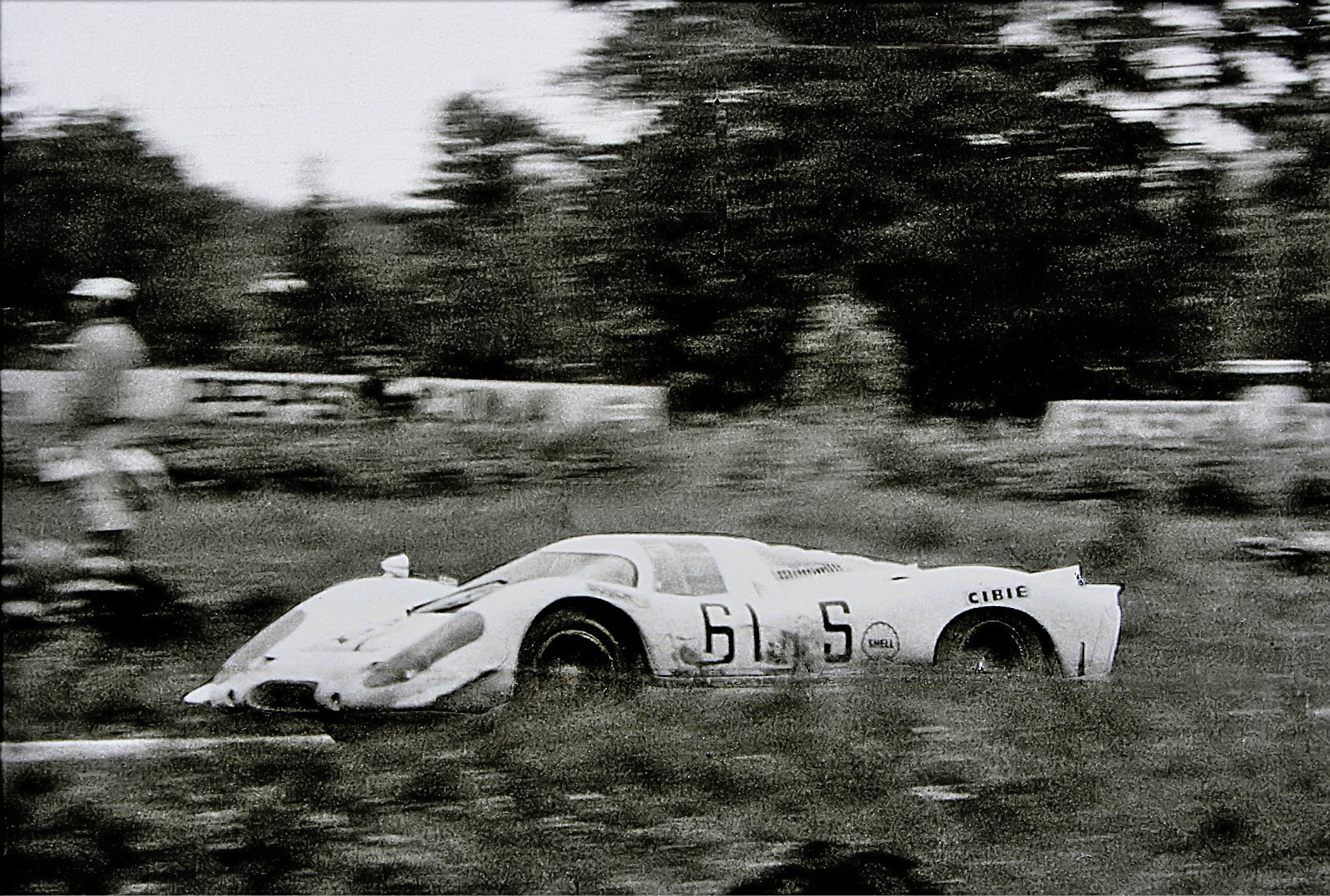
"I mean, I've got two things here on the Porsche 917, you know, like two volumes."
The Porsche 917 is a famous old race car Porsche built for long-distance endurance racing. People love it because it has a huge racing legacy, and there are different versions that were used in competition.
The Porsche 917 is Porsche’s legendary 1960s endurance-racing prototype, famous for dominating long-distance events and for its role in shaping modern sports-car racing. It’s a collector favorite because of its motorsport history and the way different 917 variants evolved for racing rules and tracks.

Porsche Cayenne
"I am struggling even with, I think I probably need to cut it off at what would be considered a future collectible, you know, like a 2014 Cayenne GTS."
The 2014 Cayenne GTS is a sportier version of the Porsche Cayenne SUV. The discussion is about whether cars like this could become desirable collector vehicles in the future.
The 2014 Cayenne GTS is a performance-oriented trim of the Porsche Cayenne SUV, combining a sportier setup with higher-output tuning than a base Cayenne. The host is treating it as an example of a “future collectible,” meaning a modern car that enthusiasts might value years later.
future collectible
"I am struggling even with, I think I probably need to cut it off at what would be considered a future collectible, you know, like a 2014 Cayenne GTS."
“Future collectible” refers to a car that may not be highly collectible today, but is expected to gain collector interest as it ages—often because of limited production, enthusiast appeal, or a strong brand/motorsport connection. In collector-car discussions, it’s a way to set a cutoff for what’s worth including in a book or guide.
collector car world
"Well, since we're talking about the future, let's talk a little bit about the future of the collector car world, whether it's technology, culture or the next generation of enthusiasts, which we've been talking about quite a bit."
It means the community and market for cars people collect—usually because they’re rare, interesting, or have history. It’s more than just owning a car; it’s about preserving and valuing it over time.
This phrase refers to the hobby and market around buying, selling, preserving, and enjoying cars primarily for their historical, cultural, or investment value rather than daily transportation. It includes everything from condition grading and provenance to how new technology affects long-term ownership.
electric motors
"So it's the last without the electric motors, without all the computer nannies, all that kind of stuff."
“Electric motors” refers to propulsion systems that use electric traction motors instead of (or alongside) internal combustion engines. In collector-car discussions, the concern is often that electrified components and control electronics may be harder to service or replace decades later.
computer nannies
"So it's the last without the electric motors, without all the computer nannies, all that kind of stuff."
“Computer nannies” means car computers that step in to control what the driver is doing—often to prevent skids or mistakes. The speaker is saying that can make the car less simple and more dependent on electronics.
“Computer nannies” is a colloquial term for driver-assist and safety-control systems that intervene to limit behavior (like traction control, stability control, and other automated interventions). The speaker’s point is that more automation can reduce the “pure” mechanical feel and add electronic complexity.
Mechanical stuff breaks
"Jay Leno said it best. Mechanical stuff breaks. Electronic stuff degrades."
The idea is that mechanical parts wear out or get damaged in ways mechanics are used to fixing. So, even when they fail, they’re often easier to diagnose and repair than electronics.
This is a shorthand for how mechanical components typically fail: wear, fatigue, and physical damage lead to breakdowns that can often be diagnosed and repaired with established methods. In collector-car terms, it implies mechanical systems may be more serviceable over time than complex electronics.
Request an Explanation
Heard something you'd like explained? We'll add it to this episode.
Sign in to request explanations for terms you heard.
Want to learn more?
Browse our glossary for plain-English explanations of automotive terms, jargon, and concepts.
Help improve this episode
See something that's not quite right? Our annotations are AI-generated and can sometimes miss the mark. Click the flag icon on any annotation to suggest a correction.