
Is a Ceramic Coating Spray Worth It If You Use a Car Wash?
About this episode
A Kia Telluride owner who relies on soft-touch commercial washes asks if ceramic spray is just money down the drain. The host says the answer isn’t “waste,” but it is about expectations: protection wears off, and repeated brush/chemical washing shortens lifespan. Ceramic sprays help with water beading, UV resistance, and easier cleaning, yet they aren’t scratch-proof or maintenance-free. For tunnel/automated washes, wipe down afterward and reapply every four to six weeks, using an easy product like Tuva/Tuffa Shell.
A customer recently asked me a great question: "Is Tough As Shell still worth using if I take my car through a soft-touch automatic car wash?"
He had just bought a brand new dark jade green Kia Telluride, parks outside, does not have a garage or carport, and uses a commercial soft-touch car wash two or three times a month.
So in this video, I'm answering that question honestly.
Does a car wash remove ceramic spray?
Is ceramic spray still worth it if you use automatic car washes?
How often should you reapply protection if your car sits outside?
And what is the best way to protect a new car when real life gets in the way?
The truth is, products like Tough As Shell are not force fields. They will not make your paint scratch-proof or maintenance-free. But they do add a real layer of protection that helps with water beading, easier cleaning, UV exposure, gloss, and keeping your paint looking better over time.
If you use a soft-touch car wash regularly, you may need to refresh your protection more often. But that does not make ceramic spray pointless. In fact, for many people, an easy-to-use ceramic spray is one of the most realistic ways to keep a daily driver protected.
PRODUCTS TALKED ABOUT:
Bundles: https://jimbosdetailing.com/collections/bundles
The Gloss Boss: https://jimbosdetailing.com/TGB
Tough As Shell Ceramic Spray: https://jimbosdetailing.com/TAS or on Amazon https://amzn.to/4r5UxYr
The Super Soaper: https://jimbosdetailing.com/TSS or on Amazon: https://amzn.to/49KEM2d
Picture Perfect Polish: https://jimbosdetailing.com/PPP or on Amazon: https://amzn.to/4sQWpWu
Microfiber towels: https://jimbosdetailing.com/products/orange-wash-microfiber or https://jimbosdetailing.com/products/everyday-microfiber
Cut & Finish Pad: https://jimbosdetailing.com/products/cut-finish-pad or on Amazon: https://amzn.to/3LsxJ69
Finishing Pad: https://jimbosdetailing.com/products/black-finishing-pad or on Amazon: https://www.amazon.com/dp/B0FJNDCPTG
SHOP ALL JIMBO'S DETAILING ON AMAZON: https://amzn.to/3LX3mVE
ceramic spray, ceramic spray coating, automatic car wash, soft touch car wash, touchless car wash, car wash scratches, car paint protection, new car paint protection, Tough As Shell, Jimbo's Detailing, ceramic spray vs car wash, best ceramic spray, how to protect car paint, car detailing tips, ceramic coating maintenance, spray ceramic coating
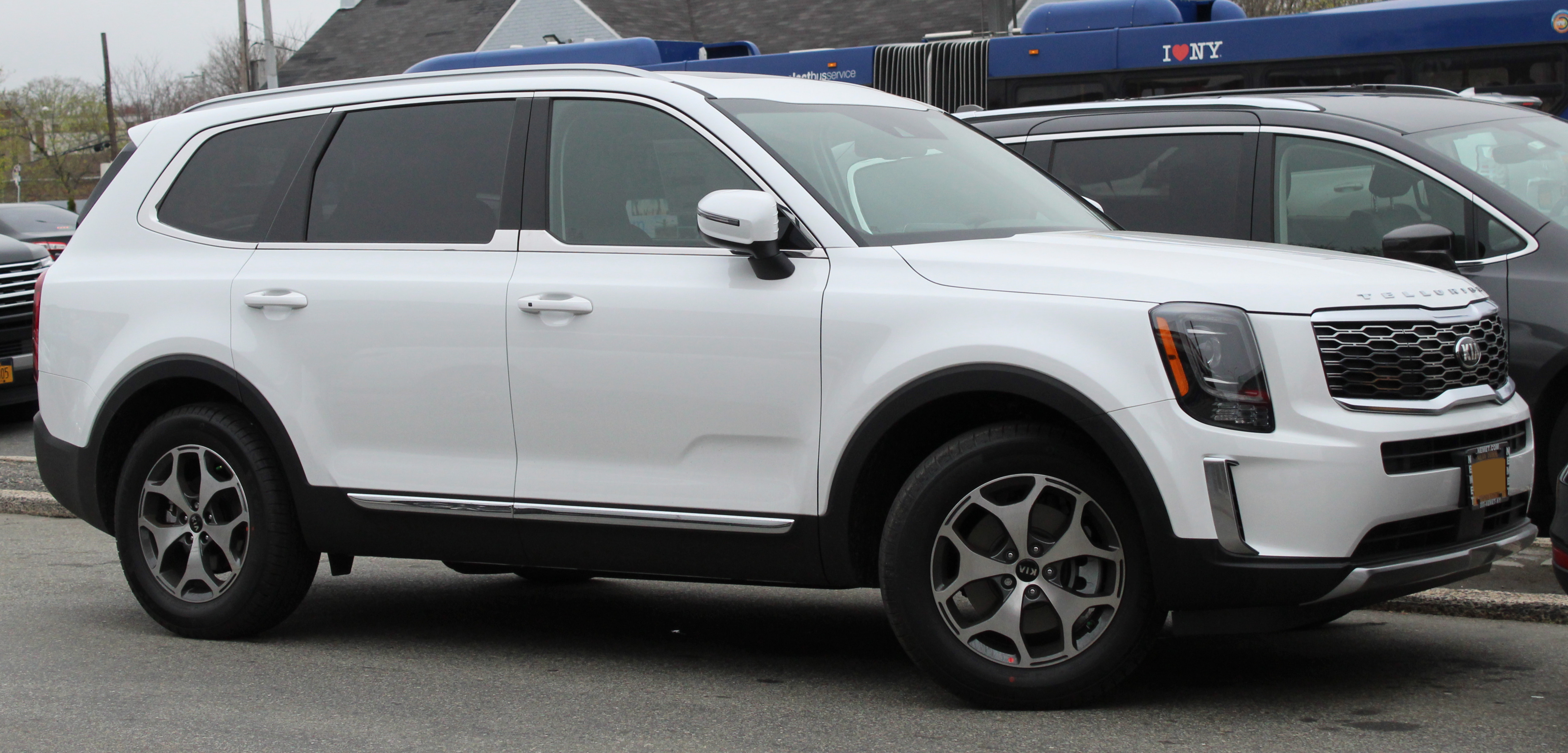
Kia Telluride
"He got a brand new Kia Telluride in a dark jade green color. He has no garage, no car port, so obviously the car is going to be sitting outside."
The Kia Telluride is a family SUV with three rows of seats. It’s a common kind of car people want to keep looking nice, but it can be harder to clean perfectly if you don’t have a garage.
The Kia Telluride is a midsize three-row SUV from Kia, known for being a practical family hauler. In detailing discussions, it’s a good example because larger SUVs are harder to wash thoroughly—especially if the owner relies on commercial car washes.
soft touch commercial car wash
"So he uses a soft touch commercial car wash a few times a month. He says two to three times a month."
A soft touch car wash is an automated wash that tries to be gentler than harsher brush-and-spray washes. The concern is whether it’s still rough enough—or uses chemicals strong enough—to wear down a ceramic coating over time.
A soft touch commercial car wash is a type of automated wash that uses brushes or cloths designed to be less aggressive than traditional high-pressure/brush setups. For ceramic coatings, the key question is whether that wash method still causes enough marring, contamination, or chemical stripping to reduce the coating’s protection.
ceramic coating
"like, am I just wasting my money spraying this ceramic spray in a car? Should I use a ceramic coating like the gloss boss or wipe on ceramic coating if I maintain my car a certain way?"
A ceramic coating is a protective layer you put on your car’s paint to help it resist grime and make it easier to clean. The big question here is whether it’s still worth it if you’re using a car wash instead of washing at home.
Ceramic coating is a protective layer (typically applied as a liquid that cures) that bonds to a car’s paint to improve chemical resistance and make dirt and water bead up more easily. The episode’s core issue is whether a ceramic coating still makes sense if you regularly wash at a commercial car wash.
gloss boss
"Should I use a ceramic coating like the gloss boss or wipe on ceramic coating if I maintain my car a certain way?"
Gloss Boss is the name of a ceramic coating product the host mentions. Different ceramic products can last different lengths of time and may react differently to car washes.
Gloss Boss is referenced as a specific ceramic coating product option. In detailing conversations, brand/product names matter because different formulas can vary in durability, ease of application, and how well they hold up to frequent washes.
deionized water
"So obviously not everyone has the ability to hand wash their car, have a deionized water tank, a foam cannon, all the niceties that I call."
Deionized water is water that’s been treated so it doesn’t contain minerals. That helps prevent water spots when you rinse or dry your car.
Deionized water (DI water) has had ions removed, so it doesn’t leave mineral spots when it dries. The host mentions it as part of the “niceties” of a more controlled wash setup, contrasting it with people who rely on local car washes.
foam cannon
"So obviously not everyone has the ability to hand wash their car, have a deionized water tank, a foam cannon, all the niceties that I call."
A foam cannon is a tool that makes lots of thick soap foam for your car. It helps loosen dirt before you start scrubbing or washing.
A foam cannon is an attachment used with a pressure washer to apply thick, clinging foam to the car’s surface. It’s commonly used to pre-soak and loosen dirt before contact washing, and the host lists it as part of the ideal setup that not everyone has.
set proper expectations
"And I think you need to just set proper expectations for how your main proper expectations for what your expectancy out of the product is based on how you're maintaining that product, right?"
This is the idea that you should expect results that match how you actually care for your car. If you wash it differently (like using an automated tunnel wash), the protection won’t behave exactly like it would with careful hand washing.
In detailing, “set proper expectations” means understanding that product performance depends heavily on how you maintain the car afterward. The host argues that ceramic protection (including sprays) isn’t a magic, maintenance-free shield—its gloss and longevity are tied to your washing routine.
protection is not a force field
"And the first thing to understand is that protection is not a force field, right? Whether that's a ceramic spray, a wax, a sealant, or even a professional wipe on coating, they do not make the paint scratch proof, they do not make it maintenance free."
The host is saying that protective products help, but they don’t make your car impossible to scratch. If something physically rubs the paint, you can still damage it.
This is the idea that paint protection products (ceramic sprays, wax, sealants, and coatings) create a protective barrier but don’t make the paint invulnerable. Physical contact—like rubbing with a dirty mitt or abrasive debris—can still scratch the clear coat.
ceramic spray
"Whether that's a ceramic spray, a wax, a sealant, or even a professional wipe on coating, they do not make the paint scratch proof, they do not make it maintenance free."
A ceramic spray is a spray-on product that adds a protective layer to your car’s paint. It helps water bead up and makes washing easier, but it won’t prevent scratches from happening if you rub the paint.
A ceramic spray is a consumer coating product that leaves behind a thin, hydrophobic (water-repelling) layer on your car’s paint. It’s meant to improve how water beads and how dirt releases, but it’s not truly “scratch proof.”
wax
"Whether that's a ceramic spray, a wax, a sealant, or even a professional wipe on coating, they do not make the paint scratch proof, they do not make it maintenance free."
Car wax is a traditional paint protection product that forms a temporary protective film over the paint. It can improve gloss and add some resistance to water and dirt, but it still requires periodic reapplication and won’t make paint scratch resistant.
sealant
"Whether that's a ceramic spray, a wax, a sealant, or even a professional wipe on coating, they do not make the paint scratch proof, they do not make it maintenance free."
A sealant is like a protective coating for your car’s paint that helps water bead and makes washing easier. It’s not permanent and it won’t prevent scratches from physical contact.
A paint sealant is a synthetic protective product that bonds to the paint surface and forms a durable film. Compared with wax, sealants are often designed to last longer and provide strong water beading and easier cleaning, but they still don’t make paint scratch proof.
clear coat
"But what they do do like tough a shell is they create a layer, a barrier layer between the exterior elements or whatever is happening happening and your car's clear coat."
Clear coat is the shiny, transparent top layer on your car’s paint. It’s the layer that helps protect the color underneath, and coating sprays are meant to add extra protection on top of it.
Clear coat is the transparent top layer on modern automotive paint that provides gloss and much of the protection from UV and weathering. Coatings and sprays are typically designed to bond to or sit on top of this layer to add extra resistance and easier cleaning.
water beating
"It helps with water beating. It makes cleaning the car easier."
Water beading means water forms little droplets on the paint instead of running as a sheet. Coatings can make that happen, which can make washing easier and help reduce grime sticking.
Water beating (often called water beading) is when water forms droplets that “bead up” on the paint surface instead of spreading out. Hydrophobic coatings and sprays encourage this behavior, which can help reduce how long water and contaminants stay in contact with the paint.
UV exposure
"It helps with UV exposure, dirt, you know, resistance kind of to an extent and helps your car look better for longer."
UV exposure is sunlight that can slowly damage your car’s paint. Protective coatings can help slow that wear, but they don’t make the paint immune forever.
UV exposure refers to ultraviolet sunlight that can degrade paint and clear coat over time by causing fading and oxidation. Coatings and sprays can help reduce the impact by adding a protective barrier, but they don’t eliminate all damage from harsh conditions.
the more you touch your car, the more chance that you have to scratch your car
"One thing I talk about all the time and one thing that I thought about a lot when I was developing a car wash soap is I found myself telling people, Hey, the more you touch your car, the more chance that you have to scratch your car, right?"
This is the basic idea that the more you rub your car’s paint, the easier it is to scratch it. Dirt on your mitt or towel can act like sandpaper.
This is a detailing principle: every time you physically contact the paint (washing, wiping, drying), you increase the risk of introducing grit or using too much friction. Even with protection, scratches can happen when contaminants or abrasive particles are dragged across the clear coat.
soft touch car wash
"So if you're running your car through a soft touch car wash, those brushes, those [315.2s] claws that that's creating abrasion. [318.1s] So that contact is going to slowly wear down the protection and also create [324.2s] scratches over time, right?"
A soft touch car wash is one where machines or brushes actually touch your car’s paint. The rubbing can slowly dull or scratch the paint and any protective coating you have.
A soft touch car wash uses brushes, cloths, foam, or similar tools that physically contact the paint. Even if it’s marketed as “soft,” that contact can still create abrasion that slowly wears down surface protection and can lead to fine scratches over time.
abrasion
"So if you're running your car through a soft touch car wash, those brushes, those [315.2s] claws that that's creating abrasion. [318.1s] So that contact is going to slowly wear down the protection and also create [324.2s] scratches over time, right?"
Abrasion just means wear from rubbing. In a car wash, it’s how brushes or cloths can slowly damage the protective layer and leave tiny scratches.
Abrasion is surface wear caused by rubbing or friction. In detailing terms, repeated abrasion from car wash contact can gradually reduce the thickness/coverage of protective layers and increase the chance of micro-scratches.
tunnel washes
"And you pair that with kind of harsh chemicals that are usually known in [343.8s] tunnel washes and you kind of have a concoction of a kind of a bad environment. [350.1s] Obviously, leaving dirt on the car, I think is actually worse."
A tunnel wash is an automated car wash where your car drives through a long tunnel and gets sprayed with cleaner. The chemicals used can be strong, so it matters what protective coating you have on the paint.
Tunnel washes are automated car wash systems where the vehicle moves through a conveyor tunnel with chemical sprays and rinse stages. They’re often associated with stronger chemical cleaning formulas, which can be effective but may be harsher on certain types of paint protection if not compatible.
touchless car wash
"there are like Jack talked about, he's going to a soft touch car wash and then [360.8s] there's touchless car washes, right? [363.6s] So a touchless car wash is using usually really aggressive chemicals to clean the car, but nothing physically touching the paint, which could be an option for [372.8s] people, especially if you have a ceramic coating"
A touchless car wash doesn’t use brushes or cloths on your paint. It cleans using chemicals and water pressure, which can be safer for the paint’s surface but may not clean as effectively as a wash that physically scrubs.
A touchless car wash cleans without physically contacting the paint, typically relying on high-chemical cleaning solutions and water pressure. It’s often gentler on paint and coatings mechanically, but the strong chemicals can still be harsh depending on what protection you have.
touchless or a brushless car wash
"So if you're like, you have a dark color car like Jack has, I would probably try to go to like a touchless or a brushless car wash instead of the soft touch because soft touch, though it's in the name, it's still pretty aggressive."
A touchless (or brushless) car wash cleans without rubbing your paint with brushes. It uses water pressure and cleaning chemicals instead, which usually helps protect waxes and coatings from being worn down as fast.
A touchless/brushless car wash cleans without using physical brushes that can contact your paint. Instead, it relies on high-pressure water and cleaning chemicals to lift dirt, which can be gentler on coatings and surface finish than brush-based systems.
ceramic protection
"Repeated washing, especially with those soft brushes or stronger car wash chemicals will shorten the lifespan of any ceramic protection or really any protection in general."
Ceramic protection is a product layer you put on your car’s paint to help it repel water and dirt. It can wear off with repeated washing, especially if the wash is rough or uses strong chemicals.
Ceramic protection is a paint coating system designed to add hydrophobic, chemical-resistant protection to the clear coat. It’s not permanent—repeated washes, especially with abrasive brushes or harsh chemicals, can reduce its durability and slickness over time.
professional coatings
"Spray wax, ceramic spray, sealants, graphing sprays, professional coatings. So the question really isn't, will the car wash remove it?"
Professional coatings are stronger, longer-lasting protective layers that are usually applied more carefully than store-bought sprays. They can still wear down, but they generally last longer if you wash the car reasonably.
Professional coatings are higher-end paint protection products typically applied with more controlled prep and application than consumer sprays. They can still be affected by wash method and frequency, but they often provide longer-lasting protection than quick spray products.
graphing sprays
"Spray wax, ceramic spray, sealants, graphing sprays, professional coatings. So the question really isn't, will the car wash remove it?"
This phrase doesn’t clearly match a standard detailing term, but it sounds like the host is listing different types of spray-on protective products. The main point is that these sprays are meant to be maintained and can wear off with washing.
“Graphing sprays” appears to be a transcription error for a specific spray product category used in detailing (the context lists multiple spray-on protections). Because the exact term is unclear, the safest takeaway is that the host is grouping spray-on maintenance products together.
toughest shell
"And so for someone who is following the whole system is using the super soap or like I show, toughest shell may last a lot longer. For someone who parks outside, has no garage, uses soft touch car wash."
“Toughest shell” sounds like a specific protective coating product the host uses. The point is that if it wears off from washing, it’s designed to be easy to put back on again.
“Toughest shell” is presented as a specific protective product the host recommends for durability and easy reapplication. The key idea is that, even if car washes remove protection over time, a product designed to be reapplied quickly can make maintenance practical.
tunnel car
"And so what I do and what I suggest is that when you're using a tunnel car"
A tunnel car wash is the kind where your car drives through an automated machine that cleans it step-by-step. Depending on the brushes used, it can be rougher on waxes and coatings than a touchless wash.
A tunnel car wash is an automated wash system where the vehicle is pulled through a series of cleaning stages. Because it’s typically brush- or contact-based (depending on the setup), it can be more abrasive than touchless methods and can accelerate wear of protective layers.
ceramic code their car
"wash, and this is the information that I tell my clients, whether I ceramic code their car or not, if you're going through a tunnel car wash, after you go through the tunnel car wash, it's inevitable that you still have drips and the car isn't dry all the way."
A ceramic coating is a protective layer you put on your car’s paint. It helps the car stay cleaner and makes water bead up, but you still may need to dry/wipe after a tunnel wash.
“Ceramic” here refers to applying a ceramic coating (a protective layer on the paint) so the surface resists water and dirt. The host is saying the same post–tunnel car wash wipe-down advice applies whether you’ve had that coating applied or not.
microfiber towels
"Have one or two microfiber towels, have a bottle of toughest shell, take three and a half minutes... and pull over after the tunnel car wash and wipe the whole entire car down with toughest shell and your microfiber towel... whip out two microfiber towels or one microfiber towel in your bottle of toughest shell."
Microfiber towels are soft cleaning cloths that grab water and grime. Using them after washing helps you dry the paint without leaving streaks or causing scratches.
Microfiber towels are cloths made from very fine fibers that trap water and dirt without scratching like rougher materials can. The host recommends using them after a tunnel wash to remove drips and reduce streaking.
door jams
"one or two sprays per panel, wipe the whole car down, open up all the doors and wipe all the door jams down. If you do that, not only will your car look significantly better all the time,"
Door jams are the areas around the door opening where the door latches. They can get wet and dirty during a wash, so wiping them helps the whole car look cleaner.
“Door jams” are the painted/trimmed areas on the body frame where the door closes (the recesses and edges). The host recommends wiping them too because they collect water and grime during washing and can affect overall cleanliness.
reapply it maybe every four to six weeks
"And just know that you should probably reapply it maybe every four to six weeks, depending upon how often you're taking your car through this car wash."
The host says you should refresh the spray coating regularly. They recommend doing it about every month to a month and a half, based on how often you use tunnel car washes.
This is a maintenance interval for the spray product’s protective/appearance benefits. The host suggests refreshing it every four to six weeks, depending on how often the car goes through tunnel washes.
durability
"[626.7s] and you're not going to expect that three to six plus months worth of [630.8s] durability on the car, right? [633.4s] Because of how it's being maintained."
In detailing, durability refers to how long a coating or protection product keeps working effectively after application. The host contrasts expecting “three to six plus months” of durability when using a more aggressive maintenance routine like a car wash. It’s essentially about product longevity under real-world washing.

Morgan Six Plus
"...ntly and you're not going to expect that three to six plus months worth of durability on the car, right?"
The Morgan Plus Six is a small, two-seat sports car made by Morgan. People talk about it a lot in terms of keeping it looking good, because the outside surfaces still need protection to stay nice over months of driving. Detailing products are often chosen based on how long they last.
The Morgan Plus Six is a modern two-seat sports car from Morgan, built for driving feel and classic styling with contemporary performance. It’s often discussed in the context of ownership and care because its paint, trim, and exposed surfaces need protection to maintain appearance over time. That durability conversation fits detailing, since coatings and sealants are judged by how long they keep the finish looking good.
Tuva Shell
"[636.1s] So I think this is where a product like Tuva Shell totally makes sense. [641.3s] It's not a complicated coating. [643.3s] It doesn't take hours to apply."
Tuva Shell is a product meant to protect your car’s paint, similar to ceramic coatings. The host likes it because it’s quick and easy to use, even if you’re using an automated car wash. The idea is to add protection without making detailing a big project.
Tuva Shell is a ceramic-coating-style product the host recommends for people who use automated car washes. They emphasize it’s not a complicated, time-consuming application and doesn’t require perfect conditions. The pitch is that it fits the “convenience first” workflow while still adding protection.
car wash tunnel
"[646.3s] You don't need to be scared of it. [647.8s] You don't need perfect conditions. [649.6s] Just run the car through the tunnel, wipe it down. [652.6s] Good to go."
A car wash tunnel is an automated conveyor-style wash system where the vehicle is driven or pulled through a controlled wash process. Because it can be more aggressive than careful hand washing, the host suggests adjusting expectations for how long a coating will last. They recommend a quick wipe-down after the tunnel.
maintenance, maintenance, maintenance
"And just like what I used to tell my clients all the time is that maintenance, maintenance, maintenance. So the best protection you can use for your car is the one that you're wanting to use consistently and often."
The host’s main point is that car protection only helps if you keep doing it. It’s better to do it regularly than to use something fancy once and then forget it.
The host emphasizes that exterior protection only works if you maintain it—meaning you reapply or keep up with the process on a schedule. In detailing terms, the “best protection” is the one you can realistically use consistently.
coinop car wash
"And, you know, I think in a perfect world, I would maybe even find a coinop car wash and don't use their brushes, maybe get a couple of pump sprays."
A coin-operated car wash is a self-serve setup where you do the cleaning yourself. The advantage here is you can skip the brush system and use sprays/pressure washing instead.
A “coinop car wash” (coin-operated wash) is a self-serve facility where you use your own time and tools, often including a pressure washer and foam/spray options. The host’s point is that you can avoid the wash’s brushes and instead use pump sprays and pressure washing you control.
pre-soak
"But again, that kind of gets into the complexity side of detailing, like using a pump sprayer to pre-soak and your whole car with the SuperSoper using"
Pre-soak means you spray cleaner on the car and let it sit for a bit. That way, the dirt softens up before you do the main wash, so you don’t have to scrub as hard.
Pre-soak is the step where you apply cleaner to the car’s surface first, letting it sit to loosen dirt and grime. It helps reduce how much scrubbing or contact is needed afterward, which is especially useful when you’re trying to minimize paint marring.
pump sprayer
"But again, that kind of gets into the complexity side of detailing, like using a pump sprayer to pre-soak and your whole car with the SuperSoper using"
A pump sprayer is a tool you fill with cleaner and pressurize by pumping. Detailing uses it to apply cleaner ahead of time so grime loosens before you rinse or wash.
A pump sprayer is a handheld or small tank sprayer you pressurize manually to apply product evenly over the car. In detailing, it’s often used for pre-soaking so dirt loosens before rinsing or pressure washing, which can reduce the need for aggressive contact.
SuperSoper
"like using a pump sprayer to pre-soak and your whole car with the SuperSoper using their pressure washer that does add a lot of time."
SuperSoper is the name of a detailing chemical the host references as part of a pre-soak/cleaning process. The context suggests it’s used with a pressure washer workflow to loosen and remove grime more efficiently.
pressure washer
"like using a pump sprayer to pre-soak and your whole car with the SuperSoper using their pressure washer that does add a lot of time."
A pressure washer is a high-pressure water tool used to rinse and blast off loosened dirt. In detailing, it’s commonly used after pre-soaking so the grime releases and is carried away with less need for physical scrubbing.
Request an Explanation
Heard something you'd like explained? We'll add it to this episode.
Sign in to request explanations for terms you heard.
Want to learn more?
Browse our glossary for plain-English explanations of automotive terms, jargon, and concepts.
Help improve this episode
See something that's not quite right? Our annotations are AI-generated and can sometimes miss the mark. Click the flag icon on any annotation to suggest a correction.