
Joe Achilles BMW M3 Factory Tour & Volvo’s made in China?! | Ep 87 | Drive Torque Podcast
About this episode
The Drive Torque crew kicks off with funny subscriber run-ins (including being recognized in Venice) and a candid chat about how YouTube milestones feel less like numbers and more like real people. From there, it shifts into practical motoring: windscreen PPF for road tours, fuel-price anxiety, and how EV charging works in places like Malaysia and China. They also compare Chinese-market EVs and sales momentum, then dive into Joe Achilles’ BMW M3 factory tour video, plus a Volvo ES90 EV drive impression and Porsche GT3 Sport Cabriolet speculation.
Don't forget to send us your questions or subject for future episodes.
Subscribe/Follow, give us a rating and give us a follow on Instagram for all the latest Podcast news - https://www.instagram.com/drivetorque...
Cheers and see you at the next one 👊
Venice car scene
"not as boring as the Venice car scene. You'd have to be a boat spotter out there, wouldn't you?"
They’re talking about a car-related moment in Venice, but it’s not really about a specific car or tech. It’s mostly setting up a funny story.
The hosts reference a “Venice car scene,” but in this excerpt it’s more of a location-based joke than a specific automotive topic. It’s used to set context for a story about being recognized while traveling.
Goodwood
"it's always nice bumping into subscribers in very, very bizarre places, like that, where you least expect to bump into someone, if you're a car event or good wood or something."
They mention “Goodwood” as a place where car fans often gather. It’s basically an example of a car event where you’d expect to run into people.
“Goodwood” is mentioned as an example of where you might bump into subscribers. In automotive culture, Goodwood typically refers to the Goodwood events in the UK, which are known for cars and motorsport.
subscriber numbers
"And sometimes I think when you see view numbers or subscriber numbers, they just become a number and you forget that there's a person behind that. And, and there's lots of people out there."
They’re saying follower counts aren’t just statistics—they’re real people who choose to watch. The point is that it’s easy to forget there are humans behind the numbers.
The hosts talk about how subscriber/follower counts can feel abstract, but they represent real people. They contrast “numbers” with the human side of building an audience.
Instagram followers
"A lot of these people that brands use, they must never get recognized. And I know we've been on a few... where we've been with people that have supposedly got millions of Instagram followers... And not one person during the three days you're with them comes up to them."
They’re talking about influencers who have millions of followers on Instagram. The hosts are basically asking: if they’re that famous online, why don’t people recognize them in real life?
The segment discusses how some brands rely on influencers with huge Instagram followings. The hosts question whether those followers translate into real-world recognition.
Michelin
"[321.2s] welcome back to the Drive Talk podcast. We've only been chatting five minutes and haven't said [324.7s] later on. Powered by Michelin. I think Pat, you need some Michelin merch in the back shop somewhere."
Michelin is a well-known tire company. They’re also involved in racing and performance, and here they’re even connected to shoe design through the sole.
Michelin is a major tire manufacturer and motorsport sponsor. In this segment, they mention Michelin-branded apparel and a shoe whose sole is designed by Michelin, tying the brand to performance and traction engineering.
Babala
"[368.9s] Look at that. How cool was that? So this is, for those of you listening, this is a Babala, [374.5s] I think actually this is a tennis shoe, but Babala and Michelin, so the sole of the shoe"
Babala is the brand of the shoes they’re talking about. They say Michelin designed the sole, so the shoe is meant to feel more performance-oriented.
Babala appears to be the shoe brand being discussed. The hosts connect it to Michelin by saying the sole design is by Michelin, implying a performance-focused collaboration at the footwear level.
PPF
"I've had PPF fitted to the windscreen in my car today... You've got PPF on your windscreen. No, but it is, it is the first thing that gets along with the front end of the car, isn't it? It gets battered on, on a road tour."
PPF is a clear film that you stick on your car to protect the paint (and sometimes glass) from road damage. It’s designed to take the hits so the surface underneath stays nicer.
PPF (paint protection film) is a clear protective film applied to vulnerable areas of a car to help prevent chips, scratches, and light abrasions. On a windshield, the goal is impact protection while keeping the view as clear as possible.
GT Tours
"Oh, lined up for your, are we allowed to talk about your road too? Yeah, yeah, yeah. I just said it. My drive tour with GT Tours. Yeah, eight, nine days going through pretty much all the way through the Pyrenees, all the way down to Marbella."
GT Tours is the company running the road trip the host mentions. The details of the tour can matter because long drives can be rough on the car.
GT Tours is referenced as the organizer of a multi-day road trip. For enthusiasts, tour operators often influence route choice, pacing, and how cars are prepared for long-distance driving.
optically clear
"So the glue and the, the actual material that normal PPF is made of isn't designed to be optically clear. So if you put normal PPF on a windscreen, it would look, it would look terrible, blurry and horrible."
Optically clear means the film doesn’t mess up your vision. On a windshield, the film has to be clear enough that it doesn’t make the road look blurry or warped.
“Optically clear” refers to how well a film transmits light without noticeable distortion. For windshield protection, the film and adhesive must be engineered to minimize blur and visual distortion, especially because the windshield is curved and viewed at an angle.
24 hours to dry properly
"Mine's still drying. It takes about 24 hours to dry properly and then it clears up even more."
After the film is put on, it needs time to set. The first day it can look slightly off, but after about a day it settles and becomes clearer.
After windshield PPF installation, the adhesive needs time to cure so the film bonds fully and the optical quality stabilizes. The host notes it takes about 24 hours to dry properly before it “clears up” further.
aero-y
"So they're all pretty spicy, aero-y, flick lots of shit out the back of the car type cars. [609.7s] So I thought I'd best get some screen protection on."
“Aero-y” means the car has a lot of aerodynamic parts that help it stay stuck to the road. That usually makes it feel more stable and grippy when you’re going fast through turns.
“Aero-y” is shorthand for cars that rely heavily on aerodynamic features—like spoilers, diffusers, and underbody shaping—to generate downforce. More downforce helps tires maintain grip in corners, which is why these cars feel especially stable on twisty routes and track sessions.
screen protection
"So I thought I'd best get some screen protection on. So yeah. [615.3s] I've got the slowest car for that way and I'm in a spider."
“Screen protection” means protecting the windshield/glass from rocks, bugs, and road debris. On fast drives, that kind of protection can help prevent annoying chips and cracks.
“Screen protection” in this context likely refers to protecting the car’s front glass/windshield or track/road-trip screens from bugs, debris, and stone chips. On high-performance tours, drivers often add protective films or covers because aero cars can throw up more debris and the speeds/road conditions increase the risk of damage.
Pyrenees road tour
"your car is peak road to a car and down a road on it on somewhere like the Pyrenees, [636.4s] I reckon there isn't necessarily anything that would be much quicker than that car"
They’re talking about driving in the Pyrenees, which are twisty mountain roads. The point is that some cars feel faster there because they handle well in corners and tight sections.
The Pyrenees are a mountain range between France and Spain, famous for twisty roads and elevation changes that make them ideal for driving events. This segment frames why certain cars feel “quicker” in real-world mountain driving even if they aren’t the fastest in a straight line.
track day
"I think, oh, I'm very, I'm very jealous. We've got a track day as well. We've got a half-day track day, so that should be good. Oh, where are you going to use for the track day?"
A track day is a scheduled event where drivers can use a circuit for timed laps or open sessions, usually with safety rules and instructor guidance. The hosts also discuss what to bring (driving shoes, helmet) and how to prepare for fuel logistics—practical details that matter for first-timers.
global fuel crisis
"Really great idea that. I don't know because the last, the last time I was on tour last year in France, fuel was horrifically expensive anyway. We were often paying more than two euros a litre. So, I don't know. I'm glad I'm not driving a diesel car because diesel's the one that's been hit badly."
A global fuel crisis means there’s less fuel available than usual, so prices can jump and stay unpredictable. That makes driving plans and car choices—like diesel vs petrol—more important.
A “global fuel crisis” refers to supply disruptions and/or geopolitical events that reduce how much fuel is available worldwide. When that happens, fuel prices can become volatile, and diesel often gets hit harder because of demand shifts and supply chain effects.
diesel car
"So, I don't know. I'm glad I'm not driving a diesel car because diesel's the one that's been hit badly. Hey, boys. Oh, no."
A diesel car runs on diesel fuel instead of petrol. During fuel shortages or price spikes, diesel can sometimes get affected differently than petrol, so the cost of driving can change.
Diesel cars use compression ignition and typically have different fuel pricing and demand dynamics than petrol cars. In this discussion, the host says diesel is “hit badly,” implying diesel supply or demand is being affected more strongly during the fuel disruption.
fuel shipments / supply chain disruption
"Just when it starts to actually run out everywhere and all of it, yeah. No more fuel shipments. That's when we'll hit the road. But it's okay because there's negotiations taking place with people who don't know what they're talking about."
Fuel has to be delivered by ships, trucks, and pipelines. If shipments stop or slow down, there’s less fuel where people live, and prices usually rise.
“No more fuel shipments” describes a logistics breakdown where fuel can’t be transported reliably to where it’s needed. The segment connects this to negotiations and decision-making, suggesting that supply routes and timing can change quickly, which then drives sustained price pressure.

Volkswagen Passat
"I'm sure. I have full faith in the system. Oh, yeah, me too. I'm just glad I've got the Passat. I could do seven and 15, maybe 800 miles on a tank. So, yeah, I'm good."
A Volkswagen Passat is a regular family car. They’re bringing it up because it can travel a long way before needing fuel, which matters when gas prices are high.
The Volkswagen Passat is a mid-size sedan/wagon that’s often used as a practical, long-distance car. In this segment, it’s mentioned specifically because it can go a long distance on one tank, which highlights real-world fuel economy and range considerations.
world oil supply via a particular waterway
"I think the way in which fuel comes from that part of the world through that particular waterway will never be the same again. And I don't think that fuel prices are ever going to have that level of consistency or confidence ever again."
Oil often travels by sea along specific shipping routes. If one of those routes changes or becomes less reliable, fuel can become harder to get and more expensive over time.
The host attributes long-term changes in fuel availability to how oil moves through a specific shipping route (“that particular waterway”). For drivers, this matters because route disruptions can permanently alter delivery reliability, which affects both availability and pricing.
diesel fuel
"And we were talking about diesel fuel, but jet fuel is the one that kind of comes out the same stable as diesel fuel, right?"
Diesel fuel is the fuel used by many diesel engines, like in some cars and most trucks. If diesel supply or pricing gets disrupted, it can ripple into lots of other things that rely on it.
Diesel fuel is a petroleum product used in many cars, trucks, and industrial equipment. The hosts connect it to broader fuel supply and stability concerns, noting that other fuels like jet fuel can behave similarly in terms of supply risk.
jet fuel
"...jet fuel is the one that kind of comes out the same stable as diesel fuel... So I think a lot of travel is going to be massively affected. So flights..."
Jet fuel is what airplanes burn. If there’s a problem with how fuels are made or delivered, it can affect jet fuel too—not just car fuels.
Jet fuel is another refined petroleum product, and the segment suggests it comes from similar refining streams as diesel. That matters because disruptions in refining, supply, or logistics can affect multiple fuel types at once, impacting flights and travel.
knock-on effects
"...the world is going to change in the next out of three to six months, I think we're going to see knock on effects. And it's we're going to have to change the way we do things."
Knock-on effects are the “aftershocks” of a problem—one disruption causes other problems elsewhere. The speaker is saying fuel and travel disruptions will spread into other parts of life.
“Knock-on effects” are secondary impacts that spread from an initial disruption to other systems. Here, the speaker connects fuel and logistics issues to broader changes in travel and everyday operations over a short time window.
red diesel
"...So you've got agriculturally, you've got diesel being a problem. As I understand it, red diesel doesn't really exist anymore. And so you have to just get it the same as everybody else."
Red diesel is diesel that’s colored so it can be tracked and used for specific purposes. If it’s no longer available or allowed for your use, you may have to buy the normal (more expensive) fuel instead.
Red diesel is dyed diesel fuel used for certain off-road or non-taxed applications, because it’s exempt from the same fuel taxes as regular road diesel. The discussion implies that changes in availability or rules can force users to switch to taxed fuel, raising costs.
net zero
"...a big joke about the whole net zero and get rid of oil and stuff. It's like, you can't just get rid of it because it's something we use basically for pretty much everything we touch..."
Net zero is the idea that we should stop adding more planet-warming gases than we can remove. The point being made here is that oil is used in a lot of everyday stuff, so switching away from it takes time and planning.
“Net zero” refers to balancing greenhouse-gas emissions with removals so overall emissions reach zero. The speaker argues that because oil-based products are embedded in everyday life (including food logistics and materials), simply “getting rid of oil” isn’t straightforward in the near term.
fuel duty
"...in the UK, what is it something like 70 or 80% of what you pay at the pump is duty. Yeah. Yeah. So so the the weather or not governments are able to... get some of the fuel duty removed."
Fuel duty is basically a government tax on every liter/gallon you buy. If they lower it, they need to make up the lost money somehow—either by cutting spending or raising taxes elsewhere.
Fuel duty is a tax added to the price of gasoline or diesel. When governments reduce or remove it, they lose that tax revenue and have to replace it with other taxes or spending cuts, which is why it’s politically and economically complicated.
fuel subsidies
"[997.4s] she she could very much use use her fuel subsidy and I think about 20% off of the price. [1005.5s] So the truck up. You can't just drop that in casually into the podcast. [1013.2s] Mr. The Malaysia of fuel subsidies. Oh, I love it."
A fuel subsidy is when the government helps pay part of the cost of gas or diesel. That can make fuel cheaper for people and businesses, especially during a fuel-price crisis.
Fuel subsidies are government programs that lower the cost of gasoline or diesel for consumers and/or businesses. The hosts discuss Malaysia’s fuel subsidies in the context of the broader fuel crisis, implying they can significantly affect pricing and affordability.
Etihad
"[1069.5s] the issues across that part of the world where that's being caused. I also had to change my [1074.4s] flights from from Etihad to China Southern as well."
Etihad is an airline. The speaker mentions it because they changed flights as part of their trip to do car-market research.
Etihad is an airline brand mentioned as the speaker’s original flight provider before changing plans. It’s not a car-related topic, but it appears in the travel context leading into the China visit and car-market research.
China Southern
"[1074.4s] flights from from Etihad to China Southern as well. So as part of my trip, I got to visit China [1080.7s] and I even got time to actually go into China away from the airport, stay overnight"
China Southern is an airline brand the speaker switched to for flights during their trip. It’s part of the travel setup for visiting China and doing car-market research, rather than a direct automotive topic.
BYDs
"[1106.4s] electric cars that do exist, they're all from China. They're all MGs or their BYDs. [1112.0s] Is that an infrastructure thing at the moment for Malaysia?"
BYD is a car company from China that makes a lot of electric vehicles. The hosts are pointing out that Malaysia’s electric-car options (at least the ones they’re seeing) are mostly Chinese brands like BYD.
BYD is a major Chinese automaker known for electric vehicles and batteries. The hosts mention BYD alongside MG to explain that the electric cars that exist in Malaysia are largely Chinese brands.
MG
"[1097.0s] as well. I will say like the market isn't just permeating the UK like they're everywhere in the world. Malaysia has lots. I mean, they're not as hot on electric yet for sure, but the [1106.4s] electric cars that do exist, they're all from China. They're all MGs or their BYDs."
MG is a car brand. The hosts are saying that when you see electric cars in Malaysia, many of them are from Chinese brands like MG.
MG is a Chinese automaker brand that sells vehicles in many markets, including the UK and Southeast Asia. In this segment, the hosts use MG as an example of the Chinese brands showing up in Malaysia’s electric-car market.
electric-car adoption being driven by infrastructure
"[1106.4s] electric cars that do exist, they're all from China. They're all MGs or their BYDs. [1112.0s] Is that an infrastructure thing at the moment for Malaysia? I think so. Yeah, but also like [1116.8s] population density thing."
The hosts are saying electric cars spread faster when there are enough charging stations and when it’s easier for people to use them (like in dense areas). Without that, fewer people buy EVs.
The segment suggests that electric-car availability and adoption depend heavily on charging infrastructure and population density. The hosts connect these factors to why Malaysia isn’t “as hot on electric yet,” even though Chinese brands dominate the electric-car presence.
oil-and-fuels dependence (Petronas)
"[1116.8s] population density thing. I think it's an infrastructure thing, but also remember one [1121.4s] of their largest companies is Petronas and they're an oil company. So much like the Middle East, [1126.0s] I think as a country, they are predisposed to oil and fuels and that way of life."
They’re saying that if a country’s big business is oil and fuel, people may be less motivated to switch to electric cars. The hosts use Petronas as an example of Malaysia’s oil-focused economy.
The hosts argue that Malaysia’s economic and cultural reliance on oil and fuel makes it less naturally inclined toward rapid EV adoption. They cite Petronas as a major company, framing it as similar to how the Middle East’s oil economy shapes transportation habits.

Proton
"Is it Proton? Isn't that a Malaysian car? [1165.9s] Yes, yes. Do they still make them? Absolutely. Perodua. Is that one of the other brands?"
Proton is a car brand from Malaysia. It makes cars mainly for Malaysia, and it has some important history involving Lotus that influenced how some Proton cars were developed.
Proton is a Malaysian automaker that produces cars for the local market. The hosts mention Proton’s history and ownership ties, including its later acquisition of Lotus, which helped shape Proton’s engineering and performance development.

Perodua
"Yes, yes. Do they still make them? Absolutely. Perodua. Is that one of the other brands? I [1173.0s] can't remember how you pronounced it, but Perodua and Proton are two Malaysian owned companies."
Perodua is another Malaysian automaker, discussed alongside Proton as a locally owned brand. The segment frames both companies as key players in Malaysia’s domestic car market, especially for smaller, more affordable vehicles.
Lotus
"Proton then famously went and bought Lotus in the late 90s. So after a lease, [1189.4s] S1 is it called? So the original lease, then at least the second generation was made under"
Lotus is a well-known British car company. In this story, Proton bought Lotus, and the hosts connect that to why some Proton cars can have “handling by Lotus.”
Lotus is a British sports-car and engineering company that Proton acquired in the late 1990s, according to the hosts. That kind of ownership link can affect platform development, tuning, and how “handling” is engineered in cars built under the parent company’s umbrella.
huge taxes on imports
"But that starts at £8,000 equivalent, so like £40,000 ringer. [1244.2s] But then an equivalent European car is more than double. So it's about £20,000 if you wanted to get a, I don't know, a Peugeot or Renault or a Mercedes or an Audi. And you go up from there, [1254.2s] you know, BMWs are hundreds of thousands of local currency because there's huge amounts of taxes."
They’re saying Malaysia charges big taxes on imported cars. That makes local cars cheaper and imported cars more expensive, so most people end up buying locally made models.
The hosts explain that Malaysia has high import taxes, which makes locally built cars much cheaper than imported European models. This affects what cars people buy, how many choices exist, and why local-market vehicles dominate the road.

Mercedes
"So it's about £20,000 if you wanted to get a, I don't know, a Peugeot or Renault or a Mercedes or an Audi. And you go up from there,"
Mercedes is a European luxury car brand. The hosts mention it to show that imported cars can cost way more than local options.
Mercedes-Benz is named as one of the European brands that becomes dramatically more expensive in Malaysia in the hosts’ comparison. The mention supports the broader point about how taxes and right/left-hand-drive constraints affect pricing and availability.

Peugeot
"So it's about £20,000 if you wanted to get a, I don't know, a Peugeot or Renault or a Mercedes or an Audi. And you go up from there,"
Peugeot is a European car brand. The hosts mention it to show how expensive European cars can be compared with local Malaysian cars.
Peugeot is one of the European brands the hosts name as an example of cars that cost significantly more in Malaysia due to taxes and import costs. Mentioning brands like Peugeot helps illustrate the price gap between local-market and imported European options.

Renault
"So it's about £20,000 if you wanted to get a, I don't know, a Peugeot or Renault or a Mercedes or an Audi. And you go up from there,"
Renault is a European car brand. They bring it up as an example of a car that gets much more expensive when imported.
Renault is another European brand cited as part of the comparison set for what imported cars cost versus local-market vehicles. It’s used to emphasize how import taxes can multiply pricing across many mainstream European makes.
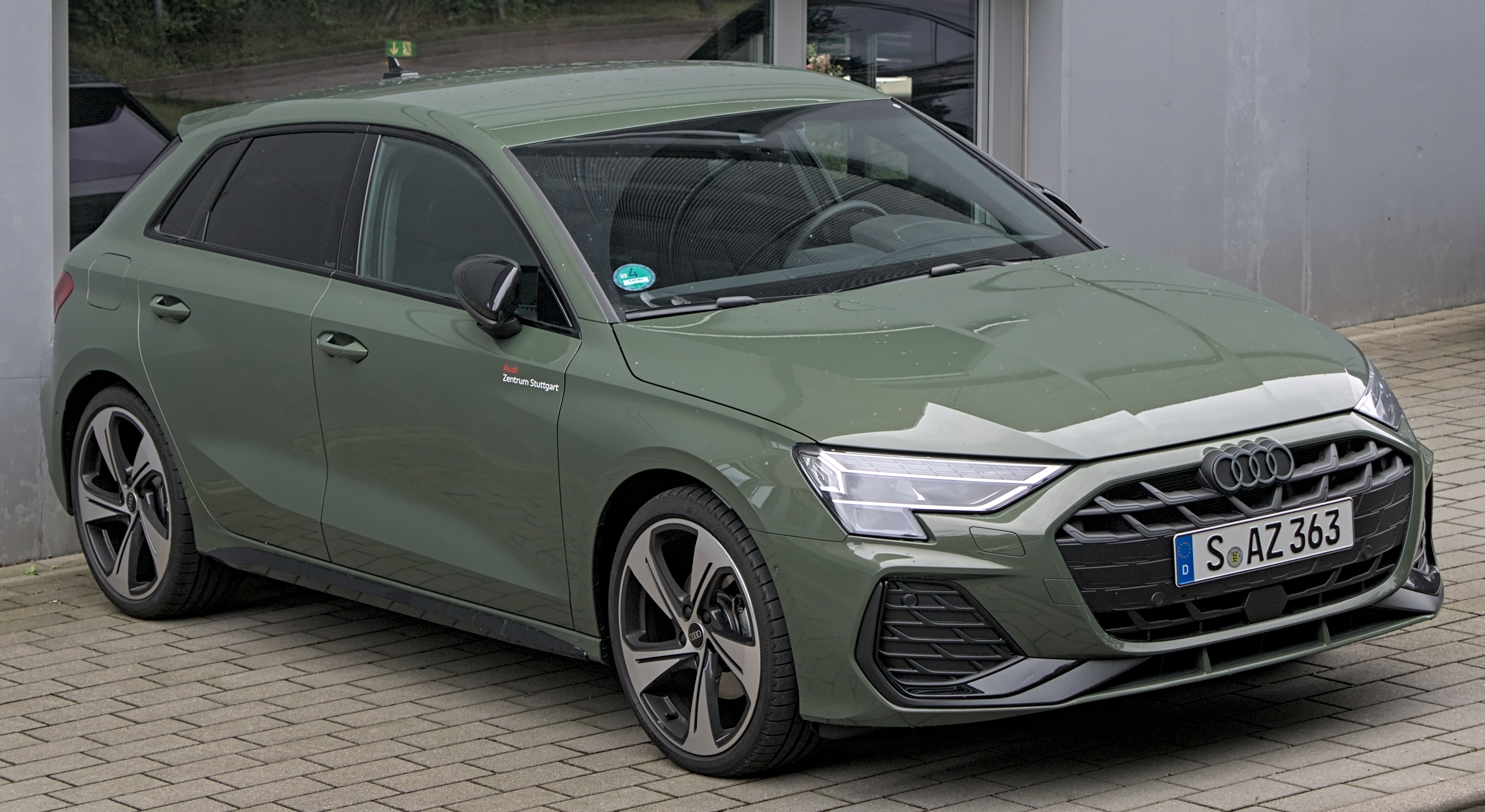
Audi
"So it's about £20,000 if you wanted to get a, I don't know, a Peugeot or Renault or a Mercedes or an Audi. And you go up from there,"
Audi is a European car brand. They mention it as another example of a car that costs a lot more when you’re buying/importing it into Malaysia.
Audi is included in the hosts’ list of European brands used to illustrate the cost difference between imported cars and local-market vehicles. It’s part of the “price ladder” they describe as taxes push up costs.
BMWs
"And you go up from there, [1254.2s] you know, BMWs are hundreds of thousands of local currency because there's huge amounts of taxes."
BMW is a luxury car brand. The hosts are saying that in Malaysia, BMWs can get extremely expensive because of import taxes.
BMW is mentioned as an example of a brand whose cars can cost “hundreds of thousands” in local currency in Malaysia due to import taxes. The point is that luxury performance brands can be especially affected by tariff-driven pricing.
right hand drive in Malaysia
"And you can't easily import cars either because they are right hand drive in Malaysia. [1265.8s] And so just like the UK, that means that you can only get cars from like Japan."
They’re saying Malaysia mostly uses right-hand-drive cars. Because of that, it’s harder to import cars from places that use left-hand-drive, so the selection is more limited.
The hosts connect Malaysia’s right-hand-drive market to import limitations, saying cars are harder to bring in because many vehicles are configured for left-hand-drive regions. This is a practical constraint that shapes the available used and new-car inventory.
left-hand drive
"“...So most of Africa for a start drive on the left hand side.” ... “...actually, it's not just us that drives on that side of the car.”"
Left-hand drive means the steering wheel is on the left side of the car. It’s the layout most people are used to in countries where you drive on the right side of the road.
“Left-hand drive” refers to cars with the steering wheel on the left side, which is typical in countries that drive on the right. The transcript connects this to how traffic rules and historical influences affect vehicle layouts across regions.
35% of the global car market is right hand drive
"“I just googled it, 35% of the global car market is right hand drive.” ... “Oh, wow. It's way more than I thought.”"
They’re saying right-hand drive cars aren’t rare—they’re a big part of the world’s car market. So if you see a steering wheel on the “wrong” side, it usually means you’re looking at a car built for a different country’s road rules.
The claim that a large share of the global car market is right-hand drive highlights how widespread steering-wheel layout differences are worldwide. It’s a useful reminder that “wrong-side steering” is often just a mismatch with local driving norms, not a defect.
filmed cars for UT
"“...the fact that I went to China and I stood on street quarters and filmed cars for UT.” ... “...there was a link in the chat.”"
They’re talking about filming cars while traveling, to show what’s actually common in that place. It’s basically “see it in the real world” content, not just talking about cars on paper.
This references filming cars for a channel/series (likely “UT” as used by the host) as part of documenting what’s being sold and built in a specific market. For listeners, it frames the episode’s approach: using real-world observations rather than specs alone.
green number plates for electric vehicles
"although in the UK, it's an option, the number plates are different between petrol cars, diesel [1411.5s] cars and electric. So in China, if your number plates green, that's electric. And if your [1417.6s] number plates blue, petrol or diesel, but the whole number plate, not just a little corner bit."
In China, the color of your license plate can tell you what kind of car it is. Green generally means it’s electric, while blue is for gas or diesel.
In China, the color of the license plate can indicate the vehicle’s powertrain. The speaker notes that green plates correspond to electric vehicles, while blue plates correspond to petrol or diesel.
electric vehicles are quieter than internal-combustion cars
"And I didn't really know, I didn't, I wasn't aware [1471.5s] that I would actually pick up on this, but it was incredibly quiet. These main roads you're [1477.1s] seeing in these clips are like three and four lane or three lane each way, so six lanes in total. [1482.7s] And when I was standing there looking at these roads... it was really like quiet... every time an actual car went [1509.3s] past with an engine in it, it was like, oh, that's really loud."
Electric cars tend to be much quieter than gas cars, especially in city traffic. That’s why the host says the roads felt almost unnaturally silent until an engine car went by.
The speaker describes how electric vehicles can make city driving feel dramatically quieter because they produce less engine noise at low speeds. They contrast the near-silence on main roads with the noticeable loudness when a car with an engine passes.
petrol or diesel engine
"when I got to some main roads where there were blue number plate of cars and, you know, like a lorry went past that was with a petrol or diesel engine, you're like, that's what traffic should sound like."
Petrol and diesel are two types of fuel used in regular gas-powered cars. Diesel cars often sound and behave a bit differently than petrol cars, and the host is using that difference to describe what traffic should sound like.
Petrol (gasoline) and diesel are two common internal-combustion fuel types. The host is contrasting the sound/traffic feel of vehicles with different powertrains, using it as a clue for what’s actually on the road.
Xiaomi
"You've got Xiaomi over there as well, which is the mobile phone manufacturer provider traditionally on technology and electronics. And they're now building cars."
Xiaomi is a company most people know for phones and electronics. The interesting part is that they’re also starting to build cars, which shows how EVs aren’t just coming from traditional automakers anymore.
Xiaomi is best known as a consumer electronics and smartphone company, but it has expanded into the automotive space. In China, multiple tech and consumer brands have been moving into EVs, which can change how quickly new models and charging ecosystems appear.
EV charging infrastructure in dense cities
"So they're not going to have their own off street parking. So there are lots of like the street level charging, or just big charging hubs. How do people charge up?"
If you live in a big apartment building, you might not have a driveway to plug in your car. In that case, charging usually happens in public places—like charging stations on the street or in shared parking areas. The host is asking how that works in China.
In dense urban areas, many residents don’t have private off-street parking, so EV charging often shifts to street-level charging, shared parking lots, or large charging hubs. This changes the real-world ownership experience compared with markets where most people can charge at home.
EV
"What about charging yourself? Because my senses, I've not been to China or Malaysia, for that matter. But I would imagine lots of people live in kind of high rise buildings and apartments and stuff... whenever you do a EV is like, oh, you know, what, that's all right. It's infrastructure on your own driveway."
EV stands for electric vehicle. It’s a car that runs on electricity from a battery, not gasoline. The question here is how people charge them if they don’t have a driveway at home.
EV means electric vehicle—cars powered primarily by an electric motor and a battery rather than a gasoline or diesel engine. The discussion is about whether EV charging is practical in places without private driveways, like dense cities.
home charging vs public charging
"So I guess you're kind of always charging your car, you go to the shops, you charge a car, you charge a car, it's always like that. I haven't seen many homes in Malaysia or China to see whether they've got home chargers and stuff... I didn't have a charger at home."
This is about whether you charge your electric car at home or out in public. Charging at home is typically easier and faster, while public charging depends on finding a charger when you’re out.
The segment contrasts relying on public charging (like chargers in malls and parking structures) versus having home charging. Home charging is usually faster and more convenient, while public charging can be slower and more dependent on where you go and when.
three pin plug
"So she works from home and charges it on the equivalents of the, well, actually, no, it is a three pin plug in Malaysia. They have three pin plugs. So she charges on a three pin plug and it takes four days."
A three-pin plug is just a normal home power outlet. Charging an electric car through it is usually slow, so it can take a long time to add meaningful range.
A three-pin plug refers to a standard household outlet connection used for charging in some regions. It typically delivers much less power than a dedicated EV charger, so charging can take many hours or even days depending on battery size and charger capability.

Audi Etron
"That reminds me the first electric press car I ever had, which was an e-tron, an Audi e-tron. And I didn't have a charger at home. I remember I used it and then I got down to like 25% battery. I'll just plug it into my wall socket, it'll be fine."
The Audi e-tron is an electric Audi SUV. The story is about charging it without a dedicated charger at home, which can take a very long time.
The Audi e-tron is an all-electric SUV from Audi. The host uses it to illustrate how slow charging can be when you rely on a basic wall outlet instead of a proper home charger.
charging time remaining
"I remember I used it and then I got down to like 25% battery. I'll just plug it into my wall socket, it'll be fine. And it came up with charging time remaining 49 hours or something."
“Charging time remaining” is the estimate shown by an EV’s charging system for how long it will take to reach the selected charge target. When charging is done on low-power outlets, this estimate can become extremely long, highlighting the difference between slow and fast charging.

Tesla Model
"...eep that as the theme. My flatmate just bought a Tesla Model 3. So he's had a driving license for 12 years or ..."
The Tesla Model Y is an electric SUV made by Tesla. Instead of using gasoline, it runs on electricity from a battery. People talk about it a lot because it’s a common choice for daily driving.
The Tesla Model Y is a compact electric SUV built by Tesla, designed for everyday driving with an all-electric powertrain. It often comes up in conversation because it’s one of Tesla’s most popular models and represents how mainstream electric vehicles have become. In a podcast, it’s a natural reference point when discussing ownership experiences and long-term practicality.

Citroen AMI
"...r actually owned a car. And he got ensured on the AMI last year. I think he finally realized that havi..."
The Citroën AMI is a tiny electric car made for short, simple trips. It’s designed mainly for city driving. The podcast mentions it in the context of someone getting it insured and using it.
The Citroën AMI is a small, low-speed electric microcar designed for short trips and easy city use. It’s often discussed because it lowers the barrier to electric mobility with a simple, practical format. In the podcast context, it’s mentioned as a car someone got insured on, suggesting it’s being used as an everyday option.

Tesla Model 3 dual motor
"It was under £20,000 for a four year old with under 50,000 miles Tesla Model 3 dual motor car. So that's like, was it the long range? But it's got like over 300 actual miles of range-ish, like depending on aircon usage, et cetera, et cetera."
A Tesla Model 3 is an electric car. “Dual motor” usually means it has two electric motors, which helps it drive more confidently and often feel quicker. The “range” you get can change a lot depending on things like how fast you drive and whether you use the air conditioning.
The Tesla Model 3 is an electric sedan, and “dual motor” means it uses two electric motors (typically one per axle) for stronger acceleration and better traction control. In many Model 3 configurations, dual-motor setups also help with all-wheel-drive behavior. Range depends heavily on driving speed, temperature, and HVAC (like air conditioning).
over 300 actual miles of range-ish
"So that's like, was it the long range? But it's got like over 300 actual miles of range-ish, like depending on aircon usage, et cetera, et cetera."
EV range is how far the car can go on one charge. The number you see online is an estimate, but your real range can be higher or lower depending on how you drive and whether you use things like heating or air conditioning.
“Actual range” refers to the real-world distance the car can travel on a charge, which can differ from advertised figures. Factors like air conditioning use, driving speed, and weather can noticeably change how many miles you get. That’s why listeners often hear “range-ish” rather than a single guaranteed number.
regulated kind of street charges that we have in London
"And so Tesla give you a bit of a discount to go to certain regulated kind of street charges that we have in London. Plus, of course, you can go to your Tesla charges as well."
London has special rules and charges for driving/parking in certain areas. For EV drivers, those rules can change how easy and affordable it is to charge or use the car. The host is saying Tesla offers some discounts that help with that.
This refers to London’s on-street charging or congestion-related charging schemes that can affect how convenient it is to drive and park. For EV owners, the practical cost and access to charging can depend on local rules and incentives. The speaker notes Tesla provides discounts tied to certain regulated charging areas.
last mile... very localized city driving
"London would benefit from a, from what Joe you've always said, you know, that last mile or that like kind of very localized city driving. If everybody's driving around in Amis, it'd be way quieter and nicer for sure."
“Last mile” just means the short trips you do around town—like commuting and errands. Electric cars can be great for that kind of driving because you’re not constantly doing long-distance travel. The hope is that more small EVs in cities means less noise and a better everyday experience.
“Last mile” and “localized city driving” describe short, frequent trips within dense urban areas rather than long highway runs. EVs often make the most sense here because stop-and-go traffic and shorter distances reduce the penalty of slower charging or limited range. The idea is that if more people switch to small electric cars for city use, streets can become quieter and more pleasant.
UK number plate system (e.g., "75 plate", "26 plate")
"when a new plate comes out, that's always a good, for me, it's a good gauge of how many cars, what a car sales like, you know, like, I think when the 75 plate came out or even 26"
In the UK, car number plates change over time. When a new plate starts showing up, it’s a sign that lots of cars are being registered and sold around that period.
In the UK, new cars receive a new registration “plate” each year, and the plate format helps you estimate the car’s registration timing. Hosts use the appearance of a new plate as a quick real-world gauge for how many cars are being sold and registered.
"loads of kit" (feature content)
"you look at what you get for your money and you get a lot. You know, they've got loads of kit on them."
“Loads of kit” refers to the amount of standard equipment and convenience/tech features included. In value-focused segments, buyers compare what features you get for the money rather than just performance or brand prestige.
Buying on finance (monthly payment vs RRP)
"as much as people may look at the RRP, it doesn't actually matter because the second you go in, you need to know how much it is a month."
They’re saying that when you buy a car with finance, you usually care more about the monthly payment than the full price. That monthly number is what fits into your budget.
The hosts emphasize that the RRP (list price) matters less than the monthly payment when buying on finance. For many buyers, the “what it costs per month” becomes the deciding factor for affordability and planning.
Chinese cars segue
"Shout out, Jack. We could do a little segue because we're talking about Chinese cars."
They’re about to switch topics and talk about Chinese cars next.
The hosts explicitly transition into a discussion about Chinese cars. This is a structural marker for the next segment rather than a specific technical term.

Volvo ES90
"...it was a Volvo. Yeah. But that's not a Volvo, but. Oh yeah... It's made in China... Well, it was that first Volvo drive... It was the ES90 rather... it's a saloon, but more of a kind of hatchbacky, fastbacky style... slightly raised ride height..."
Volvo ES90 is a Volvo car that the hosts say is made in China. They’re comparing it to big, comfortable European cars and saying it’s designed to be easy to get in and out of.
The Volvo ES90 is a Volvo-branded sedan/crossover-style model the hosts discuss as being built in China. They describe it as sitting in the same size/segment as large European executive cars, with a raised ride height and a fastback-like body shape.
built in China
"...it's built and it's made in China... Even UK market cars, Volvo, they've made in China... now knowing that it's built in China, it's like, that's a lot of money when you compare it to the Chinese equivalents..."
They’re talking about how the country of manufacture (China) changes what people expect to pay. The point is that being built in China doesn’t automatically mean the car is bad—it’s more about whether the price feels fair.
The hosts focus on the idea that a car being built in China affects how people perceive value and cost. They argue that “made in China” doesn’t automatically mean worse quality, but it changes the pricing conversation versus Chinese-brand competitors.
fastbacky style
"...It was the ES90 rather. So it's like, it's a saloon, but more of a kind of hatchbacky, fastbacky style..."
Fastback means the roof slopes down toward the back in one smooth line. It usually makes the car look more sporty than a boxy sedan.
A fastback-style roofline typically slopes smoothly toward the rear, giving the car a sportier silhouette than a traditional sedan. The hosts use it to describe the Volvo ES90’s shape, even though they call it a saloon.
raised ride height
"...But it's also a little bit crossover because it's a slightly raised ride height just to kind of make getting in and out easy..."
Raised ride height means the car sits a bit higher off the ground. That can make it easier to get in and out, like many crossover-style cars.
Raised ride height is a suspension/packaging choice that increases ground clearance and can make entry and exit easier. The hosts connect it to the ES90’s slightly crossover-like feel and comfort-focused usability.

E class
"...the size of this, is this like model three, model S, three series, five series, five series. Yeah, five series, model S, E class, that sort of, that segment."
They’re comparing the Volvo’s size to a Mercedes E-Class. It’s a way of saying the Volvo is meant to feel like a big, comfortable car in that same category.
The Mercedes-Benz E-Class is used as a reference point for the ES90’s size and “executive car” segment. The hosts are essentially saying the Volvo targets the same buyer space as large Mercedes sedans.

Tesla Model S
"...ely. The size of this, is this like model three, model S, three series, five series, five series. Yeah, fi..."
The Tesla Model S is an electric sedan from Tesla. It’s bigger and more upscale than some of Tesla’s other electric models. People bring it up when talking about the different Tesla model sizes and categories.
The Tesla Model S is Tesla’s larger, more performance-oriented electric sedan, often used to illustrate the brand’s top-end approach to EVs. It’s significant because it’s one of the models that helped define what modern electric luxury and performance could look like. The podcast mentions it in the context of comparing model sizes and names.
range in cold vs warm weather
"So solid 300's is what you're saying realistically. Yeah, 300's in cold weather, 350 in warmer weather."
EV range varies with temperature because batteries and power electronics become less efficient in cold weather, and cabin/defrost heating uses energy. That’s why the same car can show different “realistic” range numbers depending on conditions.
single motor
"So it had, so there's three different drive modes. You have a single motor, which is what we were driving, which is all they've launched at the moment."
A single-motor EV uses one electric motor to move the car. Dual-motor cars use two motors, which can make them feel quicker, but the single-motor version can be simpler and sometimes more efficient.
A single-motor EV uses one electric motor to drive the wheels, usually simplifying packaging and reducing cost. Compared with dual-motor setups, it can feel less instantly forceful and may have different traction characteristics, but it often delivers better efficiency.
WLTP
"which is what we were driving, which is all they've launched at the moment. So that was 333 horsepower and a WLTP of 411 miles. Okay. 0-62 in 6.6 seconds."
WLTP is a standardized test that automakers use to estimate how far a car can go on a charge. Your real range can be different because real driving conditions are usually harsher than the test.
WLTP (Worldwide Harmonised Light Vehicles Test Procedure) is the standardized testing method used to estimate a vehicle’s fuel economy and electric range. Real-world range is often lower because the test conditions don’t perfectly match how people drive in everyday weather and traffic.
horsepower
"So that was 333 horsepower and a WLTP of 411 miles. Okay. 0-62 in 6.6 seconds."
Horsepower is basically how strong the motor is. More horsepower usually means the car can accelerate more quickly, though weight and traction also matter.
Horsepower is a measure of engine (or motor) power output—how much work the vehicle can do over time. In EVs, horsepower is still used as a common way to communicate performance potential, even though the underlying power delivery is electric.
0-62 time
"So that was 333 horsepower and a WLTP of 411 miles. Okay. 0-62 in 6.6 seconds. So it wasn't, it was-"
“0-62” means how fast the car gets from a standstill to 62 mph. Lower numbers usually mean quicker, more urgent acceleration.
“0-62” is shorthand for how quickly a car accelerates from 0 mph (or 0 km/h) to 62 mph (100 km/h). It’s a common performance metric for comparing how responsive different cars feel, especially in the real world when you’re merging or overtaking.
Primacy 5 energies
"And mine was on Primacy 5 energies. Oh, mine wasn't."
Primacy 5 Energies are a specific type of tire designed to be efficient and comfortable. On an EV, tires can change how far you can go and how smooth the ride feels.
“Primacy 5” refers to Michelin’s Primacy 5 tire line, and “Energies” is a variant focused on efficiency and low rolling resistance. Tire choice can noticeably affect ride comfort, noise, and real-world range for EVs.

BMW 5 Series
"but as we know, the M5 is much like a five series internally. What was the, how was it, how nice was it versus a BMW equivalent kind of modern power?"
The BMW 5 Series is BMW’s mid-size luxury sedan. The M5 is the performance version of that same basic platform, so it’s a useful comparison for how different cars feel in real life.
The BMW 5 Series is the mainstream executive sedan platform that the BMW M5 is based on internally. The comparison highlights how the EV’s ride and refinement can feel “miles better” than the current 5 Series in day-to-day use.

BMW i5
"...for a five series customer, if you're buying an i5, you'd be mad not to get down the Volvo route."
The BMW i5 is BMW’s electric version of the 5 Series. It’s aimed at people who want the comfort and size of a 5 Series, but with an electric powertrain. The host is saying it’s so good that it should be on your shortlist.
The BMW i5 is BMW’s electric 5 Series. The host argues that if you’re shopping for a “5 Series customer,” the i5 is a compelling option, especially compared to alternatives like Volvo’s EVs.
22 inch wheels
"...my one was on the optional 22 inch wheels, and it was on a competitor tire that is not renowned for giving you the best ride in the world."
22-inch wheels are bigger wheels than most cars come with. They usually use shorter sidewall tires, which can make bumps feel harsher. Here, the host is surprised that the ride still felt great even with 22-inch wheels.
“22 inch wheels” refers to larger wheel diameter, which typically pairs with lower-profile tires. Larger wheels can improve appearance and steering response, but they often make ride comfort worse—so the host’s surprise that the ride was still incredible is notable.
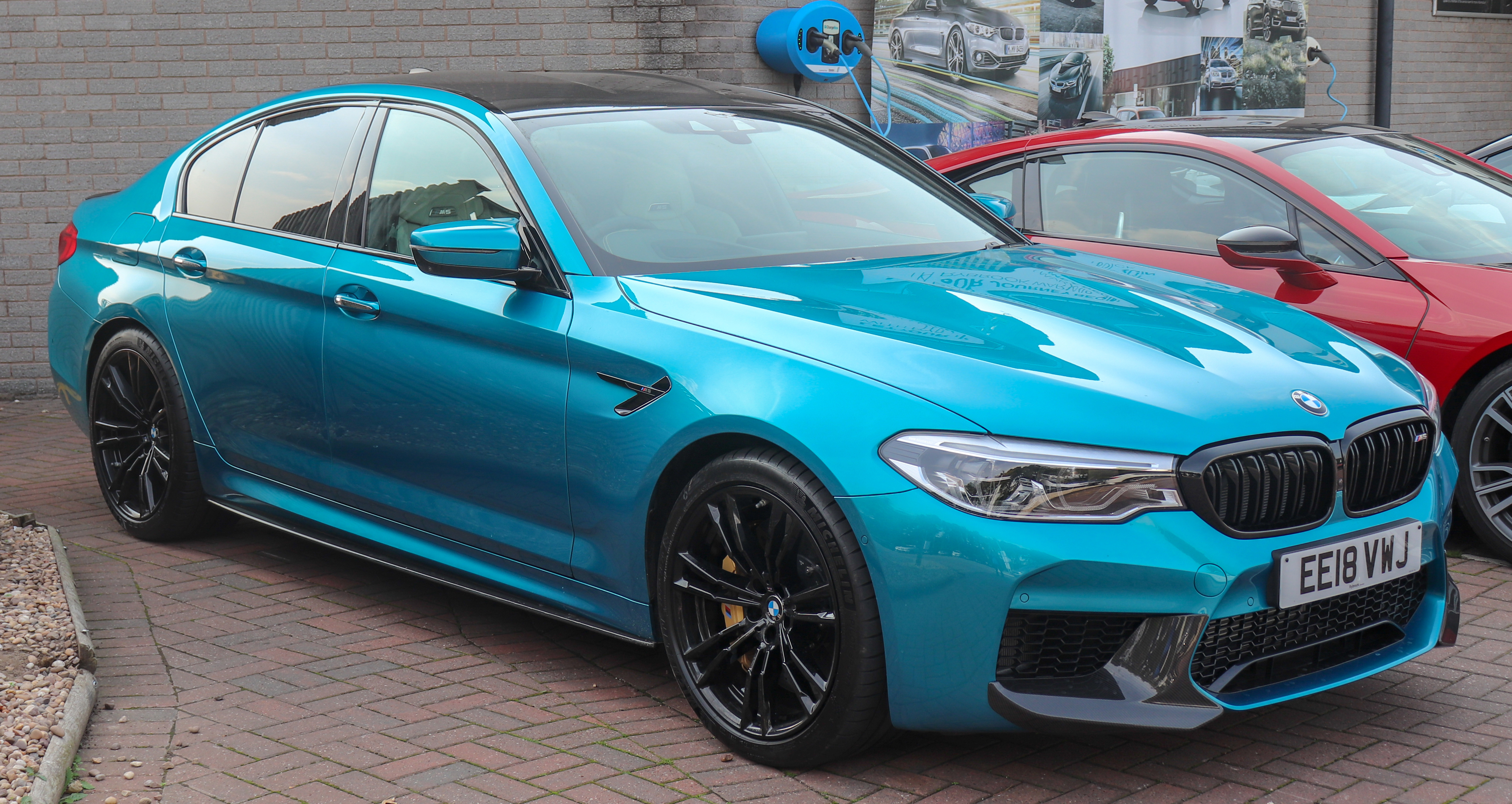
BMW M5
"...Yet the ride was incredible, which to me, after living with that M5, and in the UK, as we all do, you know, it makes a huge difference to the, to living with a car."
The BMW M5 is BMW’s performance version of the 5 Series. It’s meant to be fast, but it can also be comfortable depending on how the suspension is set up. Here, they’re basically saying the ride felt surprisingly good compared to what they’re used to in their M5.
The BMW M5 is BMW’s high-performance 5 Series sedan from the M division, known for strong acceleration and a sporty chassis. In this segment, the host compares ride quality and daily livability against an M5 they’ve lived with, which highlights how suspension tuning affects comfort.

BMW X3
"...I was jumping out of my most recent car was your X3 from BMW, very impressive, been a kit."
The BMW X3 is BMW’s compact luxury SUV, and the host mentions switching from their X3 to another EV to compare how ride quality and comfort feel. This is a real-world “what it’s like to live with” comparison rather than a spec-sheet discussion.
drive modes
"...went into the drive modes and realized that I had the suspension in firm. So I put it in soft."
Drive modes are buttons or menus that change how the car feels. They can make the car feel more sporty or more comfortable. Here, switching to a softer mode made the ride much better.
Drive modes are selectable settings that change how the car behaves—commonly throttle response, steering feel, and sometimes suspension firmness. In this segment, the host discovers the suspension is set to “firm” and switches to “soft,” which immediately improves ride quality.
suspension in firm
"...realized that I had the suspension in firm. So I put it in soft. And it was like, oh my God, it's really, really good..."
When the suspension is set to “firm,” the car feels tighter and less forgiving over bumps. It can feel more controlled, but less comfortable. The host changes it to soften things up and the ride gets noticeably better.
“Suspension in firm” means the damping and/or spring behavior is set to resist body movement more aggressively. That typically reduces roll and improves control, but it can make the ride harsher—exactly why switching to soft improved comfort for the host.
infotainment system
"...although the infotainment system was quite user friendly, and there was, you know, there was lots of things that you need someone to show you the first time."
The infotainment system is the car’s screen and controls for things like navigation and music. Even if it looks easy, some features can be hard to find at first. The host is saying you may need a quick tutorial to use everything confidently.
The infotainment system is the car’s main interface for media, navigation, settings, and vehicle functions. The host notes it’s user-friendly, but that there are still features you often need someone to show you during a short test drive.
electric steering column adjusts
"...even things like I got in there, and I didn't even know like the door mirrors, or the steering, the electric steering column adjusts."
This means the steering wheel can move up/down or in/out using a motor. It helps you set a comfortable driving position without manually adjusting it. The host is saying they didn’t realize it was adjustable at first.
An electric steering column adjusts the steering wheel position using motors, often allowing easy customization for driver comfort. The host mentions not knowing it was adjustable, which is a practical “hidden feature” point for first-time owners.
app becomes the key to your car
"...you had the app on your phone... The app becomes the key to your car. You can have a drive profile on the app... So as soon as you come near the car... all of those things have moved to your preferred position..."
Some cars can use your phone like a key. The phone can also remember your seat and mirror preferences so the car adjusts automatically when you get in.
Some modern cars use a smartphone app as a digital key. That lets you control comfort settings and even driver profiles so the car “sets itself” when you approach or unlock it.
drive profile
"...you can download an app... you can have a drive profile on the app. And that includes things like wing mirror and steering wheel and seat settings..."
A drive profile is a saved set of vehicle preferences tied to a driver. In this context it includes comfort settings like seat, steering wheel, and mirror positions, and can also pair with vehicle behavior settings.
press launches
"...we should definitely have a chat about the whole, the press launches, press launches, and are they are they actually effective? Be good..."
A press launch is when car companies invite media to try new cars. The hosts are questioning whether these trips really help people understand the cars.
Press launches are events where automakers invite journalists to drive and review new cars. The hosts debate whether these events are actually effective, using breakdown stories as examples.

Volvo
"...The best one was Brian McMorran. He was drove there in a cherry press card. It broke down three times on him. He ended up giving up, getting a borrowing of Volvo to go home..."
Volvo is a car brand from Sweden. In this story, they’re talking about using a Volvo as a replacement vehicle after another car had trouble.
Volvo is a Swedish automaker that the hosts reference in the context of a press trip. They mention borrowing a Volvo after a car (a “cherry press card”) broke down multiple times.
Osmo pocket three
"You could have done with a pocket three, mate. You could have done with an Osmo pocket three. Brilliant. I think, I think in that scenario, yes, it would have been, if I had you there, Ped, with the Osmo..."
“Osmo Pocket 3” refers to DJI’s compact handheld camera/gimbal system. It’s popular for smooth, stabilized video when you can’t bring a full camera rig, which is why the host mentions it as an upgrade to filming quality for the factory tour.
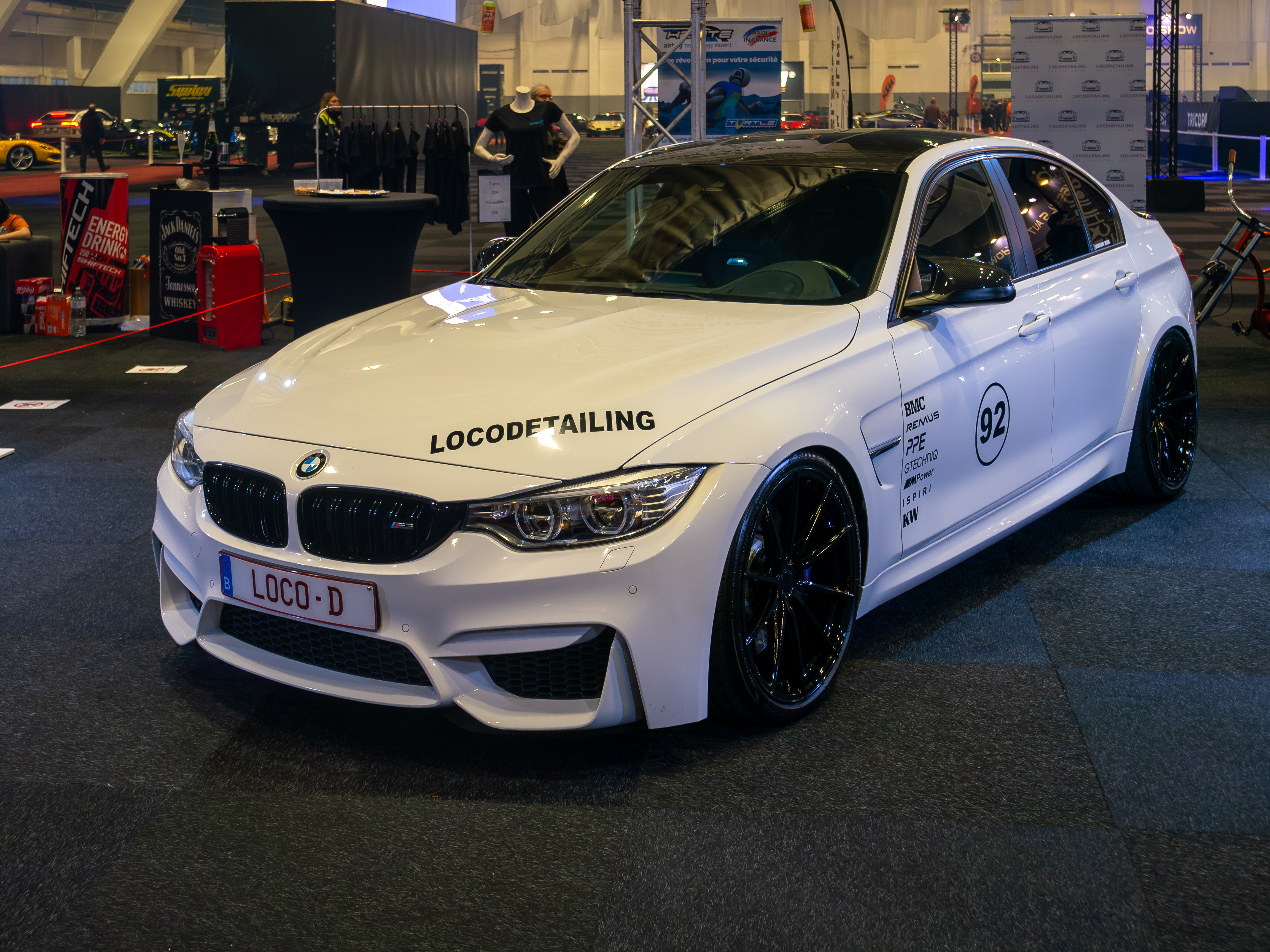
BMW M3
"...I’ve had a bit of feedback from BMW, but yeah, I just hope they're pleased with it as well... a lot of those comments are from people that either have got an M car or purchasing an M car... seeing the love and passion... what goes into it. And I think just seeing the love and passion... why it has such a big price tag on it..."
The BMW M3 is BMW’s high-performance version of the 3 Series. It’s made to be faster and more driver-focused than a regular BMW, and that extra engineering is part of why it costs more. Here, they’re saying the factory video helps people understand what goes into building it.
The BMW M3 is BMW’s performance “M” model, built with higher-output engines, sport-tuned chassis components, and motorsport-derived engineering. In this segment, the host is talking about filming a factory tour and how seeing the work that goes into an M3 helps explain why it commands a premium price.
factory tour
"...it was a little bit tricky to sort of get it off the ground... And I kind of had to push through that and really sort of understand why it was a no... And I can only imagine 10% of what goes into building it. So let's just show this to the world..."
A factory tour is when you see how a car is actually made, step by step. It helps explain why some cars cost more, because you can see the work and care that goes into building them.
A factory tour video is a “behind-the-scenes” look at how a car is built, often highlighting craftsmanship, assembly steps, and quality control. For performance cars like the BMW M3, this kind of content can help viewers connect the engineering and labor effort to the final price.
GZ3RS spa video
"I think after last year's GZ3RS spa video, for me, that's a great example, actually. Yeah, that's always, that's always, that was playing on my mind a lot throughout the whole process of this,"
They’re referencing an earlier video they made (the “spa video”) as an example of something that’s been on their mind. It’s mainly about how content performance affects motivation and expectations.
This refers to a prior episode/video the hosts mention as a “great example,” likely tied to a specific car and track context. It’s used as a reference point for how the team thinks about time, money, and expectations when producing content.

Veyron
"Not Matt Armstrong, well. Matt, some of his videos recently. The numbers are just ridiculous. He bought the Veyron, it got 8 million views in two days."
The Bugatti Veyron is a very expensive, high-performance supercar. In this conversation it’s mainly mentioned to show that certain cars can attract massive attention online.
The Bugatti Veyron is a flagship hypercar famous for extreme performance and high-end engineering. Here it’s used as an example of how a high-profile car can drive huge view counts, illustrating the “numbers” effect the hosts are talking about.
premium
"Like you are paying more, there is a premium, but it is actually reflected. It's not just a badge. It's not just a different crated engine into the front of it."
A premium is the extra cost you pay for a better version of a car. The hosts are saying that with an M car, the higher price should come with real upgrades, not just a badge.
A “premium” in car talk usually means you pay more money for a higher-trim or higher-performance version, and the expectation is that the extra cost is justified by real differences—engineering, materials, tuning, and features. In this segment, they argue the M3 premium is “reflected,” meaning it’s not just marketing.
badge
"Like you are paying more, there is a premium, but it is actually reflected. It's not just a badge. It's not just a different crated engine into the front of it."
A badge is the emblem on the car that tells you what version it is. They’re basically saying the M3 isn’t just a badge swap—there should be real differences underneath.
In automotive culture, a “badge” is the visible emblem that signals a model or performance designation. The hosts are contrasting badge value versus actual mechanical/engineering differences, implying that the M3’s identity should correspond to tangible changes.
crated engine
"It's not just a badge. It's not just a different crated engine into the front of it. And you know, it has the same time as lower models."
A “crated engine” is an engine that’s delivered as a complete packaged unit. The point here is that they don’t want you to think the M3 is just a normal car with a different engine dropped in—it’s more than that.
A “crated engine” typically refers to an engine supplied as a packaged unit (often shipped and installed as a complete assembly) rather than built from scratch for that specific car. The speaker is pushing back on the idea that an M3 is merely a standard car with a different packaged engine—suggesting broader engineering changes instead.
keep it on the road
"cars with petrol engines as well, like to keep them on the road, to keep them going... whether seeing it built for the first time or taking a part and trying to keep it on the road, trying to keep it going."
“Keeping it on the road” refers to maintenance, repairs, and sometimes restoration to extend a car’s usable life. The hosts frame this as a core part of enthusiast culture—especially when people are worried about a fully electric future.
petrol engines
"cars with petrol engines as well, like to keep them on the road, to keep them going."
Petrol engines (gasoline engines) are internal combustion engines that burn fuel to make power. The hosts mention them to emphasize that enthusiasts still care about maintaining and enjoying non-electric cars.
Request an Explanation
Heard something you'd like explained? We'll add it to this episode.
Sign in to request explanations for terms you heard.
Want to learn more?
Browse our glossary for plain-English explanations of automotive terms, jargon, and concepts.
Help improve this episode
See something that's not quite right? Our annotations are AI-generated and can sometimes miss the mark. Click the flag icon on any annotation to suggest a correction.