
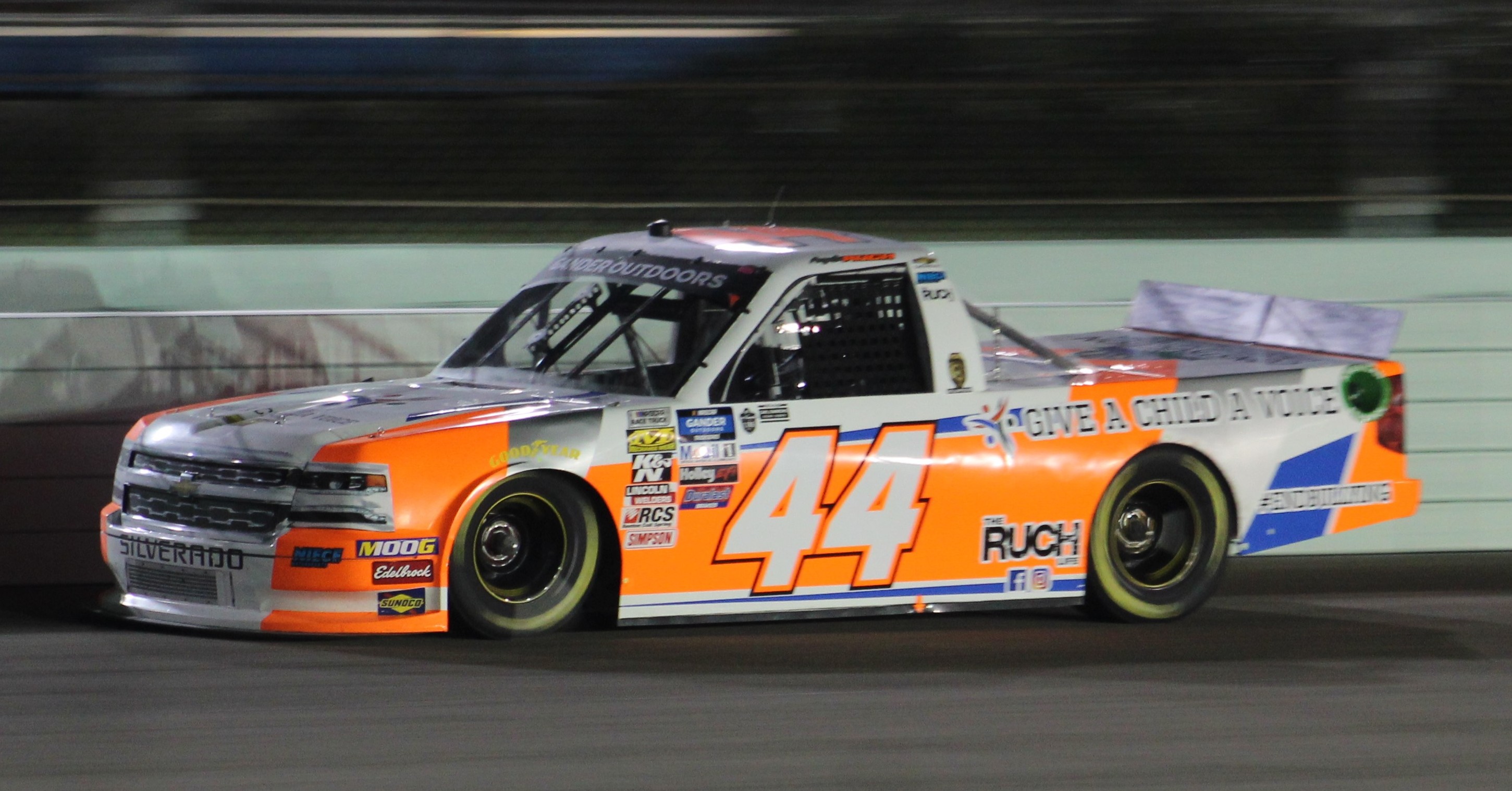
Chevrolet Silverado 1500
The Chevrolet Silverado 1500 is a popular full-size truck in the U.S. The hosts say it’s being redesigned with updated engines and other powertrain options, which is important because lots of people buy this model.
V8 engine
A V8 engine is a type of engine with eight cylinders arranged in a V shape. It’s often used in bigger vehicles because it can provide strong pulling power.
EV
Electric vehicles are cars that run on electricity stored in batteries. Instead of using gasoline, they use an electric motor to move the car.
tariff expenses
Tariff expenses are extra costs caused by taxes on imported products. If car parts come from overseas, tariffs can make them more expensive to buy.
TurboMax engine
TurboMax is a name for a turbocharged engine. A turbo helps the engine make more power without needing a bigger engine size.
Duramax 3.0 liter turbo diesel
Duramax is GM’s diesel engine line. This one is a 3.0-liter diesel with a turbo, which typically helps it pull well and can be efficient for a truck.
10-speed transmission
A 10-speed transmission is an automatic gear system with ten different gear ratios. More gears can help the car feel smoother and use fuel more efficiently.

Volvo
Volvo is the brand being discussed. The hosts say Volvo moved toward all-electric crossovers in the U.S., but it may bring back other types of cars like an electric sedan and a station wagon.
station wagon
A station wagon is a body style with an extended roofline and a rear cargo area that’s open to the passenger compartment. It’s often chosen for practicality—more usable space than a sedan—while still using a car-like driving feel.
homologation
Homologation is the paperwork-and-testing process a car has to pass to be allowed to be sold in a particular country. It ensures the car meets that place’s rules for things like safety and emissions.
all-electric lineup
An all-electric lineup is when a brand plans to sell only electric cars. If they change course, it usually means they’re adding other types of electrified cars, like hybrids, instead of going fully electric right away.
extended range hybrid (ERA)
Extended range hybrids are hybrid vehicles designed to run on the electric motor for longer than a typical mild hybrid, often using a larger battery and/or an engine that can generate electricity when the battery is depleted. They sit between full EVs and conventional hybrids, aiming to reduce fuel use while keeping longer real-world range.
Hogan Samuelson
Hogan Samuelson is the CEO of Volvo. In this segment, he’s saying Volvo believes the world will keep shifting toward electric vehicles.
driver monitoring camera
Driver monitoring cameras are cameras inside the car that watch whether the driver is paying attention. If they notice distraction or signs the driver isn’t alert, they can help trigger warnings or safety responses.
zero fatalities by 2040
“Zero fatalities by 2040” is a long-term safety goal that frames future vehicle design around preventing deaths. In this episode, it’s tied to driver monitoring cameras and broader safety systems intended to reduce both crash risk and harm to vulnerable road users.
adaptive cruise control
Adaptive cruise control is cruise control that can slow down or speed up to keep a safe distance from the car in front. It helps reduce the need for constant pedal work in traffic.
lane centering technology
Lane centering technology helps the car stay in the middle of the lane. It uses sensors to “guide” steering so you’re less likely to drift.
advanced driver assistance systems
Advanced driver assistance systems are features that help the driver avoid problems. They use sensors to “see” what’s around the car and can assist with things like staying in the lane or slowing down.
air bags
Airbags are safety cushions that deploy quickly in a crash. They help protect you by reducing how hard your body hits inside the car.
occupant protection
Occupant protection is how well the car keeps people inside safer in a crash. It includes things like crash structure and airbags, and sometimes systems that help prevent the crash.
radars
Radars are sensors that use signals to detect objects and how fast they’re moving. They help driver-assist systems track cars and obstacles.
sensors
In driver-assist cars, sensors are the “eyes and ears” that collect information. They help the car understand what’s around it so safety features can react.
cameras
Cameras are sensors that “see” the road. They help the car recognize lanes, other vehicles, and pedestrians so safety features can respond.
SAE level two technology
SAE Level 2 is a category for semi-automated driving. The car can help with steering and speed, but the driver still has to watch the road and be ready to take over.
hazard lights
Hazard lights are the blinking emergency lights you turn on when there’s danger or you’re stopped unexpectedly.
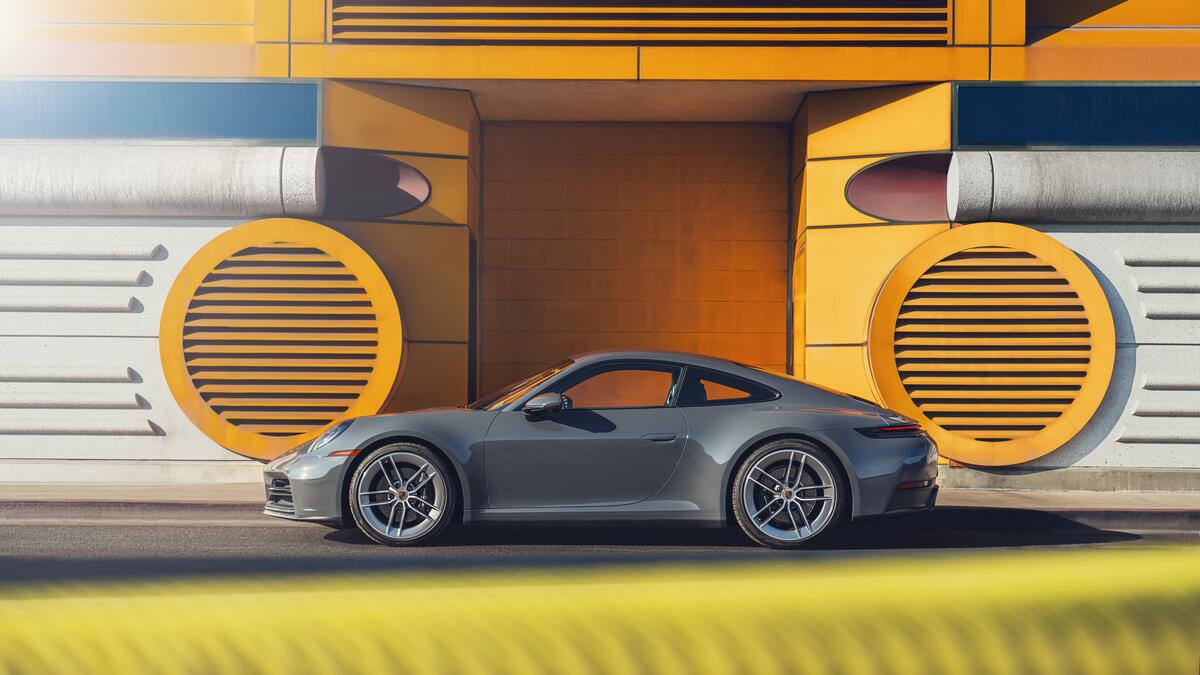
Porsche 911
The Porsche 911 is a sports car made by Porsche. Newer versions can include safety features that help in emergencies. The podcast is talking about functions like turning on hazard lights and contacting emergency services.
hot car aspect
The “hot car” issue is when kids are accidentally left in a parked car and the inside gets dangerously hot. Cameras can help catch the situation earlier.
driver impairment
Driver impairment means the driver isn’t able to drive safely—like being too tired, distracted, or affected by alcohol or drugs. Mazda is working on camera algorithms to help detect that.

All New CX-5
The Mazda CX-5 is a popular crossover. In this episode, Mazda says the “All New CX-5” uses a camera that watches the driver to help with safety, like spotting when someone isn’t paying attention or may be impaired.
Smart Eye
Smart Eye is a company that makes technology used to monitor drivers with cameras. Mazda says it’s using Smart Eye software in the new CX-5’s driver-monitoring system.
pedestrian protection protocol
A pedestrian protection protocol is the part of safety testing that checks how a car’s front end behaves if it hits a person. Mazda says it designs the front to be more forgiving in those tests.
NCAP
NCAP is a safety testing program that rates how well cars protect people in crashes. Mazda says it designs parts of the car to do well in the pedestrian safety tests.
automatic emergency braking
Automatic emergency braking is a safety feature that can brake by itself if it thinks a crash is about to happen. It’s meant to help avoid the collision or lessen how hard it is.
centralised electrical architecture
An electrical architecture is the car’s main electronic system that connects computers and sensors. Mazda says the new CX-5 has an updated one so it can support newer safety technology.
independent crash test
An independent crash test is done by a group that isn’t the car company. It’s meant to be a more objective way to see how safe a car is in a crash.
safety cage
The safety cage is the part of the car that’s meant to keep the passenger area protected in a crash. It’s designed to stay strong while the rest of the car crumples to absorb impact.
ultra high tensile steel structure
Ultra high tensile steel (UHSS) is a type of very strong steel used in a vehicle’s body structure. The speaker claims it’s lighter yet can bend and deform more in a crash, which helps manage forces and protect occupants.
vision for zero fatalities
“Zero fatalities” is a big safety goal: preventing deaths in crashes. It usually involves both better car design and better understanding of how crashes happen.
risky driving behaviors
Risky driving behaviors are things drivers do that make crashes more likely or more dangerous—like speeding, looking away from the road, or driving while impaired.
driver behavior
Driver behavior means how people drive—things like speeding or drinking and driving. The host says it plays a bigger role in some places than others.
ESC
ESC is a stability system that helps the car not slide out of control. If the car starts to skid, it can brake individual wheels and reduce power to help you regain control.
ABS
ABS is a safety feature that helps your brakes not lock up. When wheels lock, you lose steering—ABS helps you brake hard while still being able to steer.
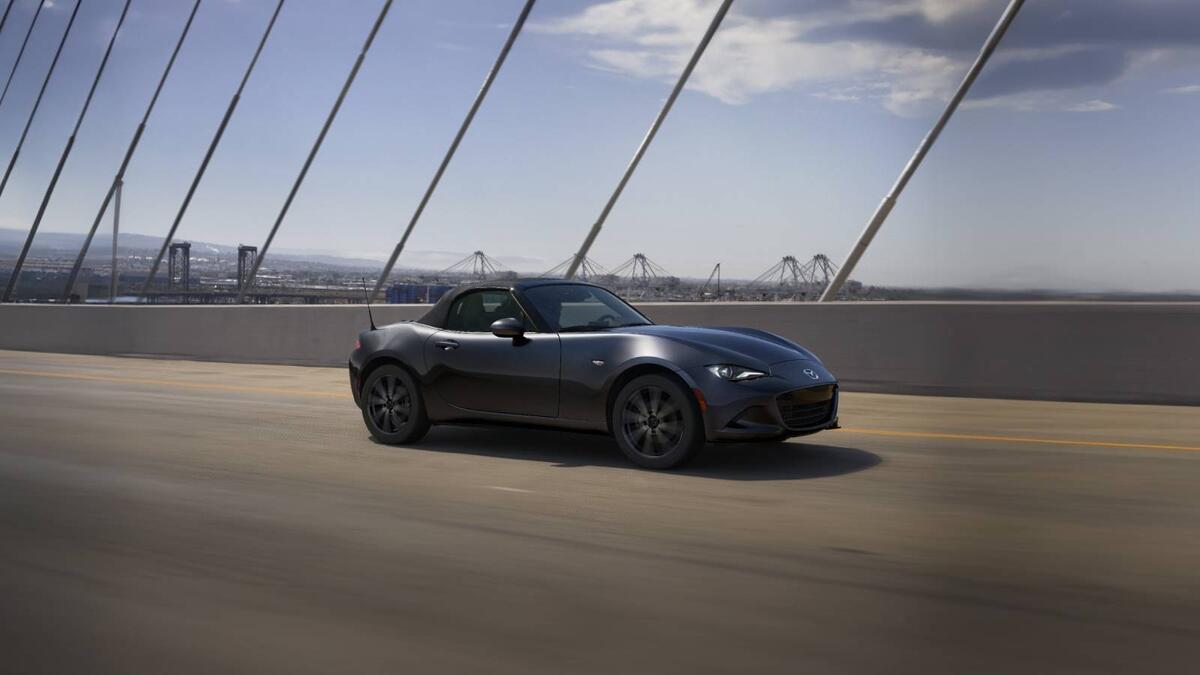
Mazda MX-5 / Miata
The Mazda MX-5 Miata is a small two-seat sports car. It’s designed to be fun to drive and easy to maneuver. The podcast is noting that it can include automatic emergency braking, which helps reduce the chance of a collision.
blind spot monitoring
Blind spot monitoring watches for cars you can’t see in your mirrors. It warns you when it’s not safe to change lanes.