
June 19th, 2026 | Top 100 dealerships by F&I preview; what’s next for FTC’s dealership ad crackdown?
About this episode
GM’s Oshawa output is slipping, while Waymo issues a second robotaxi recall after vehicles drove past ramp closure signs into active freeway construction zones. The show then pivots to dealership F&I, where training and standardized processes are replacing the old “superstar” approach as groups consolidate and competition rises. The big legal thread: the FTC’s March warning letters to 97 dealerships over alleged UDAP violations in price advertising, including inconsistent fee disclosure across channels like Facebook and Instagram—and what dealers should change next.
Reporter Paige Hodder previews Automotive News’ upcoming list of the top 100 U.S. dealership groups ranked by F&I revenue. Attorneys Brooke Conkle and Chris Capurso of Troutman Pepper Locke break down the Federal Trade Commission’s warning letters to 97 dealerships and what comes next. Plus, General Motors’ Oshawa plant is set to lose the light-duty Silverado.
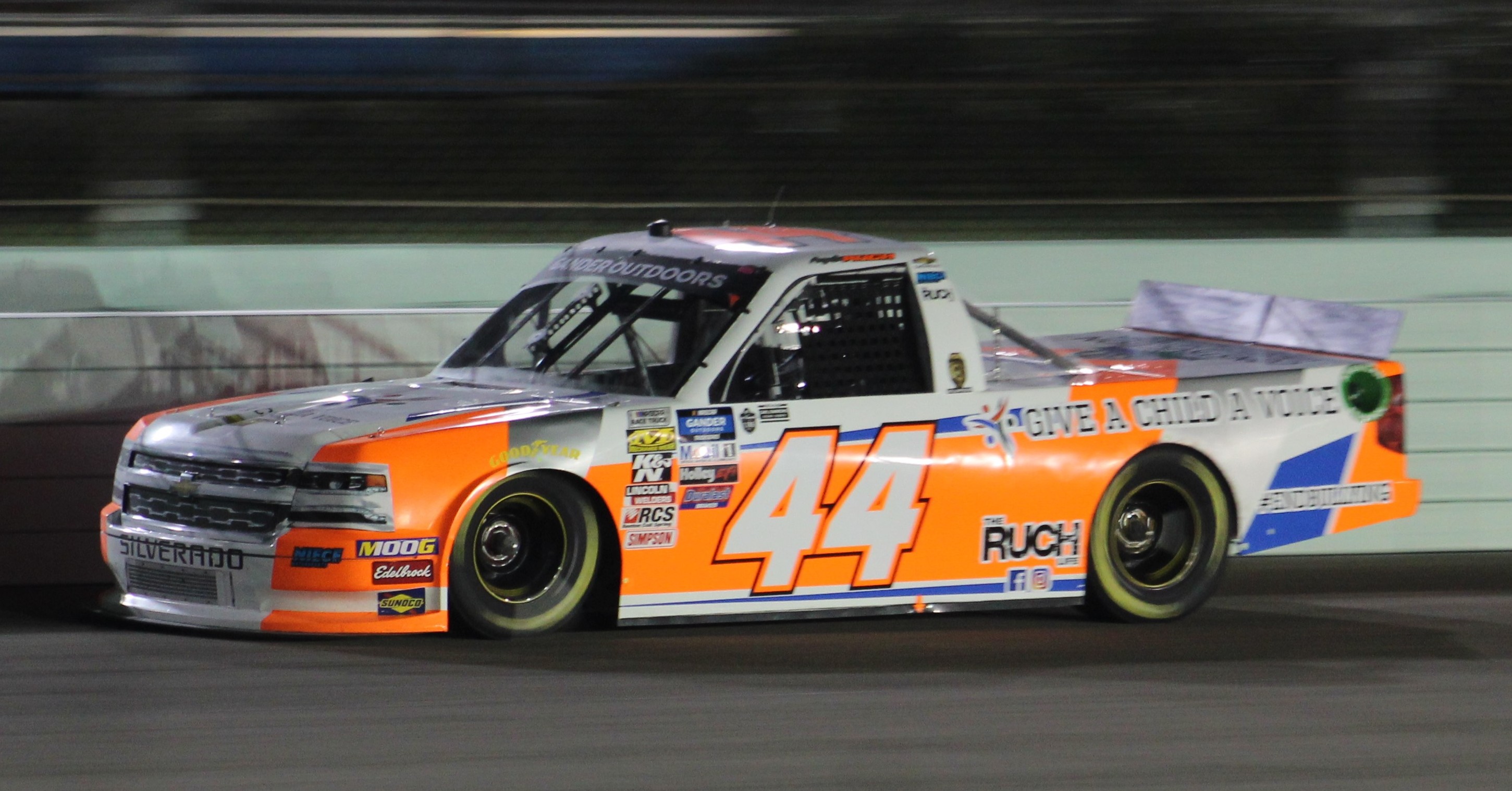
Chevrolet Silverado
"Industry analysts at Auto Forkast Solutions say GM is set to drop the light duty Silverado 1500 from the plant before year's end, leaving only the heavy duty variant."
The Silverado 1500 is a Chevrolet pickup truck. “Light duty” just means the version meant for more everyday use, not the heaviest-duty work. The point here is that GM may stop building the Silverado 1500 at that plant.
The Chevrolet Silverado 1500 is a full-size pickup, and “light duty” refers to the lighter-duty version aimed at everyday hauling and towing. In this segment, GM’s Oshawa plant is said to be dropping the Silverado 1500 (light-duty) while keeping only the heavier-duty variant.
robotaxies
"Waymo is recalling nearly 3,900 robotaxies after the vehicles were found driving past ramp closure signs and into active freeway construction zones."
Robotaxies are self-driving cars that act like a taxi or rideshare. The recall is because the cars were seen ignoring road-closure signs and entering construction areas on highways.
“Robotaxies” are autonomous vehicles operating as ride-hailing services without a human driver performing the driving task. In this segment, Waymo is issuing a recall after robotaxis were observed driving past ramp closure signs into active freeway construction zones.
ramp closure signs
"Waymo is recalling nearly 3,900 robotaxies after the vehicles were found driving past ramp closure signs and into active freeway construction zones."
Ramp closure signs are roadside signals that tell drivers a highway on-ramp or off-ramp is closed, typically due to construction or safety hazards. The recall described here is tied to robotaxies failing to respect those signs and entering active freeway construction zones.
recall
"Waymo has since updated its software and says the problem is fixed, but this is the company's second recall in just over a month. Last time, the vehicles were driving into flooded roads."
A recall is when a company says, “We found a problem,” and fixes it for the vehicles that are affected. It’s usually done to keep people safe. Here, Waymo says the issue has been fixed, but it’s still a second recall soon after the first.
A recall is when a manufacturer (or regulator) identifies a safety or compliance problem and asks affected vehicles to be repaired or updated. In this segment, Waymo is describing a software issue that led to its second recall in a little over a month.
NHTSA
"Separately, NHTSA is investigating after a Waymo vehicle struck a child near a Santa Monica school back in January, causing minor injuries."
NHTSA is a U.S. government agency that looks into vehicle safety problems and crashes. If they investigate something serious, it can lead to fixes or recalls to protect drivers and pedestrians.
NHTSA is the U.S. National Highway Traffic Safety Administration, the federal agency that oversees vehicle safety and investigates crashes and safety-related defects. When NHTSA investigates, it can lead to formal probes, recalls, and enforcement actions.
training
"So the biggest trend that came out in my coverage, both of last year's list and this year's list, was training. And last year, I was getting hints of stores are really starting to invest"
“Training” here means teaching dealership staff how to do their jobs better—especially the steps they follow when working with customers. The reporter says more dealerships are investing in that kind of training.
In dealership or retail operations, “training” refers to structured instruction for staff—often focused on sales process, compliance, and how to handle customer interactions. Here, the host says training is the biggest trend showing up across the Top 100 F&I lists.
enforcement action
"And I think that, you know, that's really what the industry is looking for, potentially without an enforcement action, but really kind of drawing those lines of this is how the price was advertised, this is why it doesn't match up."
An “enforcement action” is when a government agency formally steps in to punish or force a business to stop a problem. In this case, it’s about whether dealership ads match the real deal.
An “enforcement action” is an official step by a regulator to compel compliance or penalize a violation. Here, it’s contrasted with the idea that the industry might avoid formal action if dealerships correctly “draw the lines” between what was advertised and what the buyer is actually charged.
web advertising
"What should, I guess dealerships be thinking about going forward? That, you know, how are they going to fix their, you know, advertising, their web advertising, their social media advertising?"
They’re talking about the dealership’s online ads. The concern is that the price shown on the website has to match what customers are actually charged.
This segment focuses on “web advertising” as a compliance risk area for dealerships. The hosts connect it to how advertised pricing must be accurate and consistent online, not just in the showroom.
social media advertising
"What should, I guess dealerships be thinking about going forward? That, you know, how are they going to fix their, you know, advertising, their web advertising, their social media advertising?"
They’re talking about ads on social platforms. The concern is that the price you see on one app can’t be different from the price you see on another.
The hosts treat “social media advertising” as another channel where dealerships must keep pricing consistent. The underlying issue is that a price shown on one platform (e.g., Facebook) can’t conflict with the price shown on another (e.g., Instagram).
DAC fees
"What is included in the price? Are you including all required fees? Are DAC fees in there? Is the consumer going to be able to walk into your dealership and purchase a vehicle essentially for the price that was advertised plus taxes?"
“DAC fees” are extra charges a car dealer adds to the deal. The key issue is whether those fees are included in the price the dealer advertises, or if the customer only finds out later.
“DAC fees” refers to dealer-added charges that are commonly bundled into the advertised “out-the-door” price. In practice, they’re fees the dealer adds on top of the vehicle price, and regulators care whether those charges are included (or clearly disclosed) when a dealership advertises a price.
out-the-door price
"Is the consumer going to be able to walk into your dealership and purchase a vehicle essentially for the price that was advertised plus taxes? Is that what they're going to be able to do when they go into your dealership?"
The “out-the-door price” is the total you’d pay to actually buy the car—basically the final number at checkout. The point here is whether the dealer’s ad price really matches that final total.
The “out-the-door price” is the total amount a buyer pays to complete the purchase, typically including the vehicle price plus taxes and required fees. This term matters in dealership advertising because regulators expect the advertised price to match what consumers can actually pay at the dealership.
FTC
"What does this mean going forward down the road a year? You know, are we going to hear from the FTC? Is this going to be, are we going to see 97 letters again in the next six months?"
“FTC” stands for the Federal Trade Commission. It’s a government agency that can step in when businesses advertise in a way that might be misleading—like car dealers advertising a price that doesn’t match what you actually pay.
“FTC” is the Federal Trade Commission, the U.S. regulator that can issue enforcement actions and warning letters related to deceptive or unfair business practices. In this segment, the FTC is discussed in the context of dealership advertising rules—especially whether advertised pricing is accurate and consistent across channels.
Request an Explanation
Heard something you'd like explained? We'll add it to this episode.
Sign in to request explanations for terms you heard.
Want to learn more?
Browse our glossary for plain-English explanations of automotive terms, jargon, and concepts.
Help improve this episode
See something that's not quite right? Our annotations are AI-generated and can sometimes miss the mark. Click the flag icon on any annotation to suggest a correction.