
June 1st, 2026 | New UAW strike threatens GM truck production; who owns vehicle data?
About this episode
A UAW strike at an axle supplier is framed as a direct threat to GM pickup production, while policy talk turns to proposed USMCA regional-content rules and Toyota’s cancellation of the Lexus LFZC. BMW then previews its iX3 and refreshed X5/X7 lineup, alongside a plan to spin off Alpina. The conversation pivots to a legislative fight over vehicle-generated data—who owns it today, how subscriptions and fleet deals work, and what the Driver Act versus the Repair Act would change.
The UAW has walked off the job at a key supplier, threatening production of General Motors’ best-selling pickups. New USMCA content rules could sideline Canada entirely. Plus, Richard Ward of the American Vehicle Owners Alliance talks about legislation that would change the rules around who owns personal vehicle data.
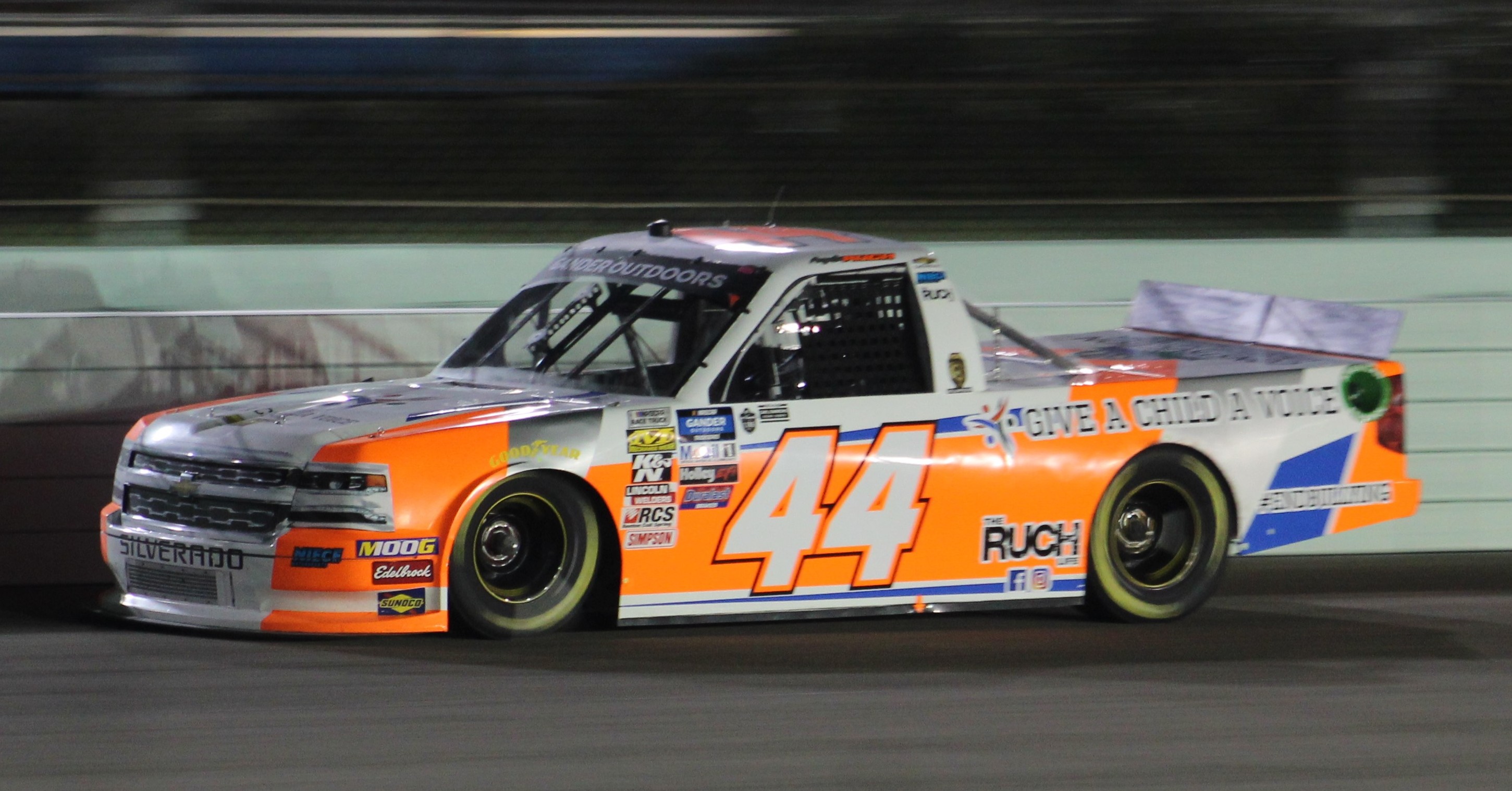
Chevrolet Silverado
"...Rivers, Michigan plant, which makes axles for the Silverado and Sierra. UAW President Sean Fain announced the..."
The Chevrolet Silverado is a large pickup truck used for towing and carrying things. The podcast mentions a Michigan plant that makes parts (axles) for the Silverado, which helps explain how the truck gets built. When factory production changes, it can affect how many trucks are available.
The Chevrolet Silverado is a full-size pickup truck built for heavy-duty work and everyday hauling. In the podcast context, it’s tied to manufacturing activity at the Rivers, Michigan plant that produces axles used on Silverado (and Sierra), which is why it comes up in labor and production discussions. It’s a major volume model, so changes in parts supply and factory output can have a noticeable impact.

Tesla's Model Y
"The lineup includes the IX3 EV arriving in September to take on Tesla's Model Y, plus bold redesigns for the X5 and X7."
The Tesla Model Y is an electric SUV from Tesla. The point here is that BMW’s new electric IX3 is being positioned to compete directly with it.
The Tesla Model Y is Tesla’s compact electric crossover and a major benchmark in the EV crossover market. In this segment, it’s used as the target competitor for the BMW IX3, signaling BMW’s intent to go after the same buyer.
Rolls Royce
"It's coming to BMW, Mini and Rolls Royce showrooms over the next 24 to 36 months."
Rolls-Royce is BMW Group’s top luxury brand. It’s mentioned because BMW Group is rolling out new products across several brands over the next few years.
Rolls-Royce is BMW Group’s ultra-luxury brand, and it’s included here to show the breadth of BMW’s upcoming model rollout. The mention supports the idea of a multi-brand product cadence rather than a single-model story.
Mini
"It's coming to BMW, Mini and Rolls Royce showrooms over the next 24 to 36 months."
Mini is BMW Group’s smaller, city-focused car brand. The host mentions it because BMW Group is planning new products across multiple brands.
Mini is BMW Group’s small-car brand, and in this segment it’s mentioned as part of the set of showrooms getting new products. That matters because it indicates BMW Group’s broader product cadence beyond just BMW-branded models.

BMW X7
"Meanwhile, the X7 in its redesign is becoming more wagon-like, as one dealer said... And that's going to create a separation between the large crossover, the X7 and the mid-size X5."
The BMW X7 is BMW’s big luxury SUV. BMW is redesigning it to look more like a wagon and more different from the typical boxy big-SUV shape, so it stands apart from the X5.
The BMW X7 is BMW’s large luxury crossover, and this segment highlights its redesign. The host says it will take on a more wagon-like shape and look more distinct from the “boxy” styling common on many large SUVs, helping visually separate it from the smaller X5.

BMW X5
"The key vehicles that were of interest to retailers, because again, these are volume models, was the X5 and the X7. Both of those crossovers are getting redesigned. Interestingly... the X5 will ditch its popular split gate tailgate and it'll just be one unit."
The BMW X5 is a popular luxury SUV. Here, the big news is a redesign, including changing the rear tailgate from a split design to one single piece, plus a more compact look.
The BMW X5 is BMW’s mid-to-large luxury crossover, and this segment focuses on a major redesign. A key detail is that the X5 will move away from its split gate tailgate to a single-piece tailgate, and it’s also expected to look more compact.
split gate tailgate
"the X5 will ditch its popular split gate tailgate and it'll just be one unit."
A split gate tailgate is a rear hatch that’s split into two parts. Instead of opening as one whole door, it opens in sections—BMW says the X5 will switch to a single-piece tailgate.
A split gate tailgate is a rear door design where the tailgate is divided into two sections that open separately (often like a clamshell or two-part hatch). In this segment, BMW is changing the X5 to a single-piece tailgate, which affects how the rear opening is used day to day.
Alpina
"BMW Group this year announced that they were going to spin off Alpina as its standalone brand."
Alpina is a brand that makes special BMW-based cars with more performance and luxury. Here, BMW says it wants to separate Alpina so it becomes its own standalone brand.
Alpina is a BMW-affiliated tuner brand known for factory-built performance and luxury upgrades. The segment says BMW Group plans to spin off Alpina into a standalone brand, which would change how the Alpina identity is marketed and sold.
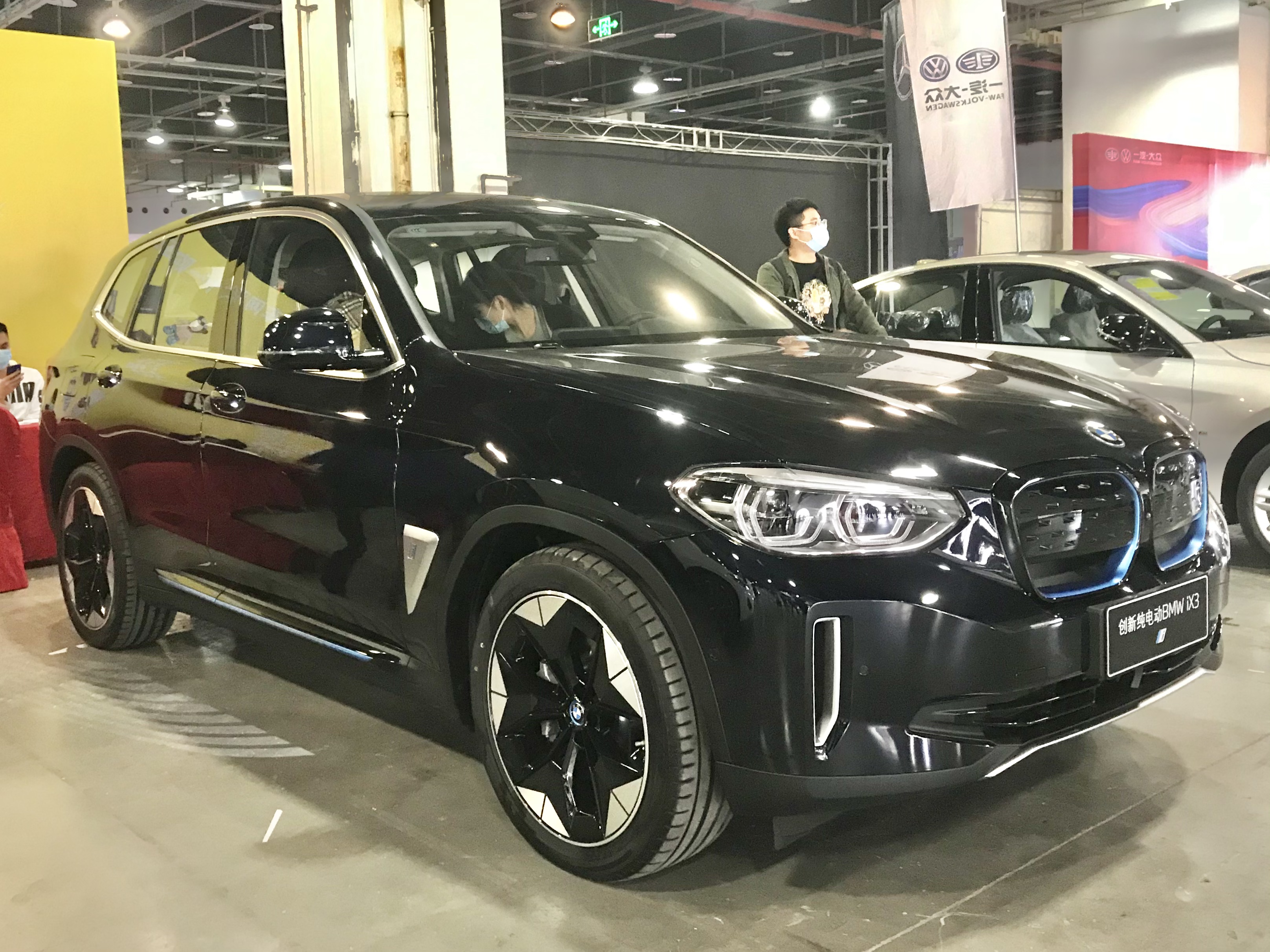
iX3 (G08)
"...s going with Alpina. Wow. Now, you write that the IX3 addresses BMW's EV shortfalls. What's the hope fo..."
The BMW iX3 is an electric SUV built on the X3 platform. It’s meant to offer an EV option in the same general size and style of SUV. The podcast is discussing it as part of BMW’s effort to improve its electric lineup.
The BMW iX3 (G08) is an electric version of BMW’s X3-based SUV, designed to bring EV power to a familiar compact-to-mid-size crossover format. In the podcast context, it’s discussed in relation to BMW’s EV progress and what an EV model like this is expected to improve. That’s why it comes up when evaluating how BMW addresses its electric-vehicle “shortfalls.”
Noia Classa
"The IX3 will also debut BMW's new Noia Classa platform, which essentially is not EV only, it's more EV first that Noia Classa designs and technology will also spread to the hybrids of the lineup."
This “Noia Classa” sounds like BMW’s next vehicle design platform. The idea is to build cars in a way that works especially well for electric power, and then reuse that design for hybrid versions too.
“Noia Classa” appears to refer to BMW’s next-generation vehicle platform architecture for EVs. The segment says it’s “more EV first” (not EV-only), and that the same platform approach will also be used for hybrids, with cost- and energy-efficiency improvements plus stronger electric motors.
energy efficient batteries
"…have much more cost efficient and energy efficient batteries, more powerful motors. So, the IX3 will be a key test for BMW's all new platform."
Energy-efficient batteries help the car use electricity more effectively. That usually means better range and less energy wasted, especially important for EVs and hybrids.
Energy-efficient batteries store and deliver electrical energy with less waste, improving real-world range and efficiency. In this segment, the hosts connect the new platform strategy to using batteries that are more cost-efficient and energy-efficient, alongside more powerful motors.
OEMs own and control the vehicle data
"Currently, the data with respect to the status quo is completely owned and controlled by the OEMs, the car manufacturers. And when you purchase a vehicle, if you're an individual consumer, they maybe offer you a subscription for certain features."
They’re saying the carmaker controls the information the car creates. Even if you buy the car, you might have to pay a subscription or negotiate to access certain data or features.
The segment describes a “data ownership” model where the OEM (original equipment manufacturer) controls the vehicle’s generated data. In this setup, consumers or fleet buyers may only access certain features through subscriptions, while raw data access can be negotiated and priced separately.
fleet operator
"If you're like a fleet operator or a rental car company and you're buying large quantity of cars, you're actually negotiating with the OEM for the data and are being charged for it."
A “fleet operator” is a company that runs lots of vehicles. Because they have many cars, they may have to negotiate with the carmaker to get access to the data those cars generate.
A “fleet operator” is a business that manages many vehicles at once (for example, a rental company, delivery service, or service fleet). The segment notes that fleet operators may negotiate with OEMs for data access and may be charged for it.
connected vehicles
"But that raw generated data, given how connected vehicles have become and where they're going, that data has really become the lifeline for how they operate."
A “connected vehicle” is a car that can communicate over the internet. Because of that, it can share information about how it’s being used and what it needs, which companies can then sell as services.
“Connected vehicles” are cars that use built-in cellular/Wi‑Fi and onboard systems to send and receive data. That connectivity turns vehicle activity (location, diagnostics, usage patterns, etc.) into data that can be used for services, subscriptions, and fleet operations.
gatekeeping of that data
"And so they're very worried about sort of over the horizon issues around potential gatekeeping of that data."
“Gatekeeping” means one company can block or control who gets the car’s information. If the carmaker controls access, other businesses may not be able to compete fairly.
“Gatekeeping” here means the OEM could restrict who can access vehicle data and under what terms. The concern is that if access is controlled by the OEM, it can limit competition in downstream services like insurance, repairs, or rental-related offerings.
ownership becomes a condition for the data
"If you control all the data, if ownership becomes a condition for the data, then you do truly own the vehicle."
They’re saying owning the car doesn’t necessarily mean you own the information the car creates. The carmaker may require permission or payment to access that data.
The speaker argues that if access to vehicle data is tied to OEM-controlled terms, then “ownership” of the physical car doesn’t automatically include ownership of the data it generates. That framing is central to the policy debate about whether vehicle data should be treated as the customer’s property.
Driver Act
"The issue around what we're working on with respect to the Driver Act, we have a full backing of our coalition and that really talks about access to 100% of the vehicle-generated data."
The Driver Act is a proposed law about who should be able to access the information a car collects. Here, it’s described as aiming to let the vehicle owner access essentially all of it.
The Driver Act is a proposed U.S. policy framework focused on giving drivers/owners access to vehicle-generated data. In this segment, it’s described as seeking access to 100% of that data.
vehicle-generated data
"The issue around what we're working on with respect to the Driver Act, we have a full backing of our coalition and that really talks about access to 100% of the vehicle-generated data."
Cars collect lots of information while they drive. This term means that data the car makes itself, and the debate is about who gets to see it and share it.
Vehicle-generated data is information created by a car’s onboard systems—like sensors, diagnostics, and driving/usage logs. In policy debates, it’s the key question of who is allowed to access, share, and monetize that data.
Repair Act
"The other area is what I would call the Repair Act, which is looking at a small subset of vehicle-generated data and the ability to be able to share that data with independent repair shops..."
The Repair Act is a proposed law about letting independent mechanics access some of the car’s information. The idea is to make it easier for shops outside the dealership to repair today’s cars.
The Repair Act is a proposed policy aimed at enabling sharing of a limited subset of vehicle-generated data with independent repair shops. The goal is to help non-dealer shops diagnose and fix modern cars that rely heavily on software and electronics.
independent repair shops
"...because they are struggling to fix these cars that are now basically computers on wheels and the dealers have a much greater advantage."
Independent repair shops are regular mechanic businesses that aren’t the car’s dealership. The segment is saying they can struggle when they don’t have the same access to car data as dealers.
Independent repair shops are non-dealership businesses that service and repair vehicles. In the context of modern cars, they often need access to diagnostic and data systems to compete with dealer networks.
computers on wheels
"...because they are struggling to fix these cars that are now basically computers on wheels and the dealers have a much greater advantage."
This phrase means today’s cars are run by computers, not just mechanical parts. Because of that, fixing them often depends on software and data access.
“Computers on wheels” describes modern vehicles as heavily software- and electronics-driven platforms. That matters for data ownership and repair access because many functions and diagnostics depend on digital systems and proprietary information.
Request an Explanation
Heard something you'd like explained? We'll add it to this episode.
Sign in to request explanations for terms you heard.
Want to learn more?
Browse our glossary for plain-English explanations of automotive terms, jargon, and concepts.
Help improve this episode
See something that's not quite right? Our annotations are AI-generated and can sometimes miss the mark. Click the flag icon on any annotation to suggest a correction.