Cox Automotive’s midyear outlook with Jeremy Robb sets the tone: redesigns are slowing, average vehicle age is trending higher, and Cox projects a June selling rate of 16.1 million vehicles. The discussion connects affordability pressures—insurance, repair economics, and interest rates—with a market that’s still resilient on the surface. Then the show pivots to retailers: Polestar dealers scramble after a Trump administration decision bans Polestar from the U.S., leaving dealers to negotiate exit plans and question why Volvo received an exemption.
Cox Automotive Chief Economist Jeremy Robb joins Daily Drive to break down the state of the auto market at the halfway point of 2026. A new report says the industry’s redesign rate has fallen to roughly half its normal pace, and the window to grab market share is now. Plus, Automotive News’ Urvaksh Karkaria talks about what Polestar dealers are saying now that the brand is blocked from the U.S. market.
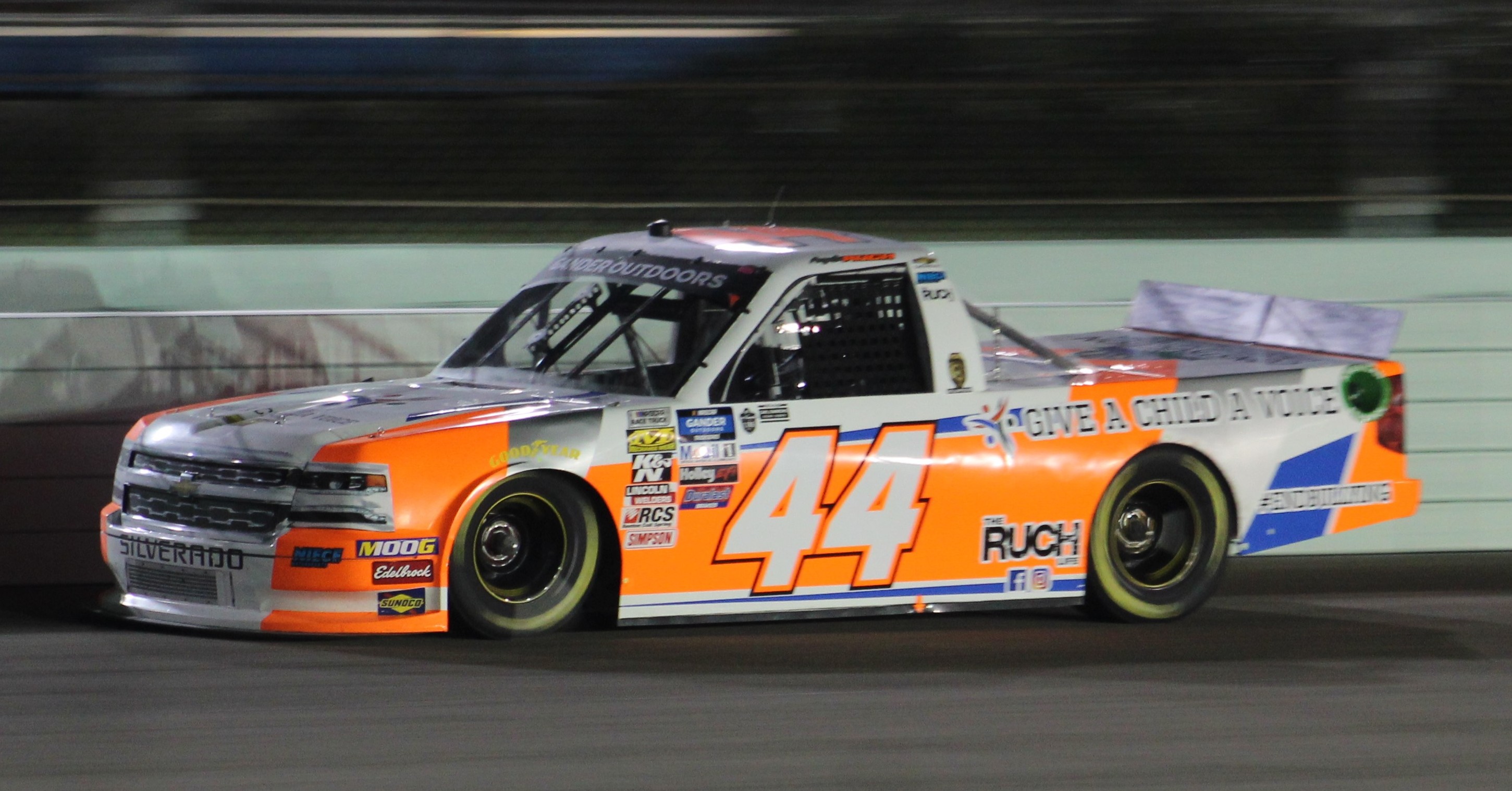
"... reason model year 27 ticks back up is you have a Silverado and Sierra in it. The reality is the rest of the ..."
The Chevrolet Silverado is a large pickup truck made for work and everyday use. People buy it to tow trailers, carry cargo, and handle tough tasks. The podcast mentions it because it can affect how certain model years are doing in sales or pricing.
The Chevrolet Silverado is a full-size pickup truck built for towing, hauling, and everyday driving. It’s frequently discussed in automotive news because changes in model-year pricing, sales mix, and competition in the truck segment can move quickly. In this podcast context, it sounds like the Silverado is being used as an example of how certain model years or trims are influencing what’s happening in the market.
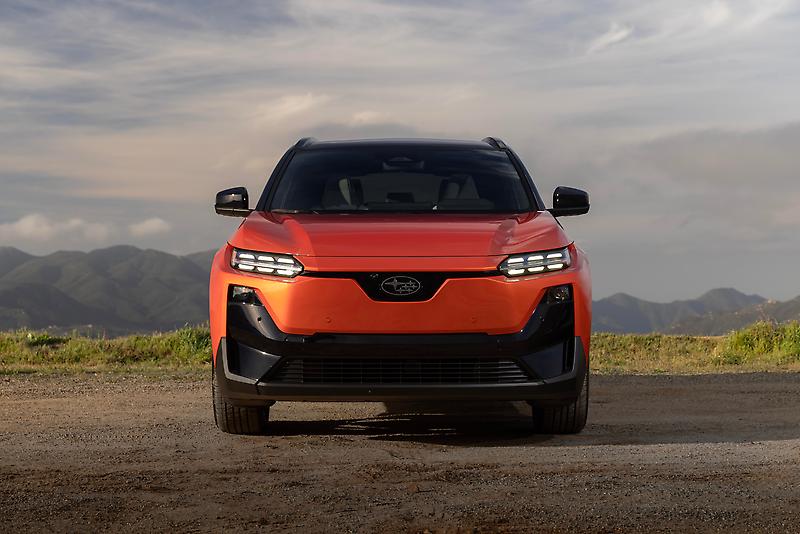
"...rger space. Well, Irv, it seems like this is some uncharted waters that we're waiting in right here. So it's ..."
The Subaru Uncharted is a Subaru vehicle name mentioned in the podcast. The hosts use the phrase “uncharted waters,” which usually means they’re talking about something new or not fully known yet. The discussion likely focuses on what to expect from this Uncharted model or direction.
The Subaru Uncharted appears to be a Subaru-branded vehicle or concept referenced in the episode, described as being in “uncharted waters.” That phrasing suggests the discussion is about something new or uncertain—such as a fresh product direction, a new feature set, or an upcoming situation Subaru is navigating. It’s brought up because it represents a point where expectations may not be fully established yet.
"A bright spot you talked about is credit availability. And how does that impact vehicle sales for a dealer out there? Our credit availability index, we put out every month."
It’s a monthly score that shows how willing banks are to lend money for car purchases. If that score is higher, more people can get approved for loans, which helps dealers sell cars.
A credit availability index is a metric that tracks how easy it is for consumers to get auto loans. In practice, it reflects things like lenders’ willingness to approve loans and the terms they offer, which can directly affect dealer sales.
"It's at about a three-year high right now. It's up pretty substantially year over year. We've seen more lenders willing to finance negative equity."
Negative equity is when your current car is worth less than what you still owe on it. If lenders will still finance that, it can make it easier to upgrade to a newer car.
Negative equity means you owe more on your current vehicle than it’s worth (often after depreciation). When lenders are willing to finance negative equity, it makes it easier for buyers to trade in or roll old debt into a new loan.
"We've seen more lenders willing to finance negative equity. We've seen those longer terms continue to grow out there too."
Loan “terms” are how long you have to pay the car off. Longer terms can make the monthly payment smaller, but you may pay more interest overall.
In auto lending, “terms” refers to the length of the loan (how many months/years you repay). Longer loan terms can lower monthly payments, but they often increase total interest paid over time.
"And one of the things we've been seeing more recently too is a narrowing of the yield spread, which means the cost of borrowing for a lender and then what they're going to charge the consumer."
Yield spread is basically the interest-rate gap between what lenders pay to get money and what they charge you for a loan. If that gap gets smaller, loans can get cheaper for the buyer.
Yield spread is the difference between what a lender earns on its funding and what it charges borrowers (the interest rate “gap”). A narrowing yield spread usually means lenders’ costs and consumer rates are moving closer together, which can reduce the overall cost of borrowing.
"a narrowing of the yield spread, which means the cost of borrowing for a lender and then what they're going to charge the consumer."
It’s what it costs the lender to get the money they then lend to you. When that cost changes, the interest rate you’re offered can change too.
Cost of borrowing is the effective interest expense lenders face to obtain money (their funding cost). If lenders’ cost of borrowing falls relative to what they charge, it can change loan pricing and affect what consumers end up paying.
"And that's good when you see that because that means the overall cost is the compression is a little bit more."
Here, “compression” means the difference between what lenders pay and what they charge is getting smaller. That can make car loans cheaper for buyers.
In this context, “compression” means the gap between lender costs and consumer loan pricing is shrinking. That can reduce the overall cost of financing for buyers, which can support vehicle sales.
"Now we've been seeing more normal rates of wholesale depreciation, which they can model in a little bit better."
It’s how quickly car prices are falling in the market dealers use to trade cars. If price drops are more predictable, lenders feel safer about the value of the car they’re financing.
Wholesale depreciation is how much vehicle values drop in the wholesale market (where dealers and auctions buy/sell cars). If depreciation is more predictable, lenders can better estimate future collateral values and may be more willing to offer loans.
"What are you looking at in the second half of 2026? The USMCA is it again the Middle East and how that all worked itself out. More tariffs."
USMCA is a trade agreement between the U.S., Mexico, and Canada. If it changes—like with tariffs—it can affect car parts and vehicle costs, which can trickle down to dealers.
USMCA is the United States–Mexico–Canada Agreement, a trade deal that affects tariffs and cross-border rules for vehicles and parts. Changes in trade policy can influence vehicle pricing and supply chains, which can impact dealer inventory and sales.
See something that's not quite right? Our annotations are AI-generated and can sometimes miss the mark.
Click the flag icon on any annotation to suggest a correction.