Market talk swings between steady overall sales and big midyear share shifts, with Cox Automotive pointing to “about a 16.1 SAR for June.” Hosts connect the churn to a thinning product pipeline, slower new-vehicle introductions, and Ford’s quality rebound—backed by JD Power IQS. The discussion then pivots to Polestar’s U.S. sales ban, where dealers are “devastated,” and the hosts debate whether the government is “picking favorites.”
"...e of the, as Mike can talk about, the loss of the escape largely. Stalantis picked up market share for the..."
The Ford Escape is a smaller SUV designed for everyday driving. The podcast is talking about how well it’s been selling compared to other SUVs. When one model loses sales and another gains them, it changes the overall market share.
The Ford Escape is a compact SUV aimed at drivers who want a smaller, more efficient vehicle than a full-size SUV. The podcast references the Escape’s market position and notes that another automaker gained share, which is the kind of sales and competition topic often tied to model demand and production. It’s discussed here as part of broader market movement rather than a single mechanical issue.
"The production ramp up of this redesigned RAV4 is going to take out, we talked about this last week, going to take out probably 55 or 60,000 vehicles off its sales total this year, just on RAV, which is remarkable in itself, right?"
The Toyota RAV4 is a popular compact SUV. A “redesign” usually means Toyota updated the model, and that affects how quickly they can build and sell it. During the ramp-up, sales numbers can swing a lot compared to the previous year.
The Toyota RAV4 is Toyota’s compact SUV, and the “redesigned RAV4” refers to a generation refresh that changes production timing and output. When Toyota ramps up production of a redesigned model, it can temporarily shift how many units are counted in sales totals versus the prior year.
"The production ramp up of this redesigned RAV4 is going to take out, we talked about this last week, going to take out probably 55 or 60,000 vehicles off its sales total this year, just on RAV, which is remarkable in itself, right?"
“Production ramp up” means a factory is gradually building more cars over time. Early on, there may not be enough cars to meet demand yet, which can make sales numbers look different than usual.
A “production ramp up” is the period when a factory increases output from early builds toward steady, full-volume production. In auto sales reporting, that ramp can cause short-term dips or spikes in a model’s counted sales as supply catches up.
"for months on the show, and that's the F-150 novella situation. That plant just got going again within the past month,"
The Ford F-150 is a large pickup truck made for hauling and everyday driving. The podcast mentions that a factory that builds it recently started running again. When a factory restarts, it can change how many trucks are available to buy.
The Ford F-150 is a full-size pickup truck and one of the most widely sold vehicles in the U.S., so production changes can have big ripple effects. In the podcast context, it’s discussed because a specific manufacturing plant recently resumed operations, which can influence supply and availability. That kind of “plant restart” news is often covered when it affects how quickly trucks can reach dealers.
"it's a lot of hybrids.
We're sort of still dealing with the EV reckoning
at this point, and we've seen how a lot of companies,"
A hybrid uses two power sources—an engine and an electric motor. It’s a middle step between regular gas cars and fully electric cars.
Hybrids are vehicles that use both an internal-combustion engine and an electric motor/battery system. They’re often used as a bridge technology when full battery-electric vehicle adoption is slower than expected.
"We're sort of still dealing with the EV reckoning
at this point, and we've seen how a lot of companies,"
“EV reckoning” refers to the moment when automakers have to confront real-world results for electric vehicles—like demand, charging readiness, pricing, and production costs. The host frames it as something companies are still working through, which is why hybrids are getting more attention.
"He also called out their dealer relationship
and said part of not falling for that EV head fake
was that they listened to their dealers,"
A “dealer relationship” is how the car company and local dealerships work together. The host’s point is that Toyota listened to dealers, which helped it choose the right products for customers.
A “dealer relationship” refers to how automakers work with their franchised dealers to sell cars—through incentives, training, inventory planning, and feedback loops. The host argues Toyota’s strong dealer relationship helped it avoid the “EV head fake” by responding to what dealers were seeing.
"part of not falling for that EV head fake
was that they listened to their dealers,
and he compared them to companies like Ford,"
“EV head fake” means “a misleading bet on electric cars.” The idea is that some companies sold EVs as the answer, but the market didn’t move as fast as they expected, so they ended up shifting toward hybrids.
“EV head fake” is a slang way to describe a strategy where automakers push electric vehicles as the main solution, but the market reality forces them to pivot toward hybrids instead. In this segment, the host contrasts Toyota’s approach with other companies that bet heavily on EVs and then had to adjust.
"and he compared them to companies like Ford,
who maybe did not and tried to push through EV mandates
without the blessing of that network."
“EV mandates” are government rules that require car companies to sell more electric cars. The host is saying some companies tried to follow those rules without getting dealers fully behind the plan.
“EV mandates” are regulatory requirements that push automakers toward selling more electric vehicles (or meeting emissions/zero-emission targets). The host frames EV mandates as something some companies tried to comply with without dealer support, which can affect how smoothly the transition plays out.
"And he said, you have franchises
that are very profitable right now
that have higher throughput than anybody else,"
Here, “franchises” means local dealerships that sell a specific brand under the automaker’s agreement. The host says those dealerships are doing well and selling lots of cars.
In the U.S. auto context, “franchises” are dealer businesses operating under an automaker’s brand agreement. The host claims Toyota’s dealer franchises are “very profitable” and have high sales throughput, which supports the company’s overall strategy.
"that are very profitable right now
that have higher throughput than anybody else,
and that's a testament to that relationship."
“Throughput” is basically “how much gets done.” In this case, it means how many cars dealers can sell or move through their operation.
“Throughput” means how much product moves through a system—here, how many vehicles a dealer network sells or processes over time. The host uses it to argue Toyota’s dealer setup is more efficient and productive than competitors.
"Wait, are you calling Toyota bold? It's the phantom automakers, it's who decides to be bold, right?"
The Rolls-Royce Phantom is a very expensive luxury car, built mainly for comfort and prestige. It’s the top model in the brand’s lineup. The podcast brings it up to talk about which automakers take bigger, more noticeable approaches.
The Rolls-Royce Phantom is a flagship luxury sedan known for high-end comfort, quiet ride quality, and a very premium ownership experience. The podcast uses it as an example in a discussion about “bold” automakers—highlighting how some brands choose to stand out with distinctive, high-status designs. It’s often mentioned when talking about luxury branding and what it means to push boundaries in the automotive world.
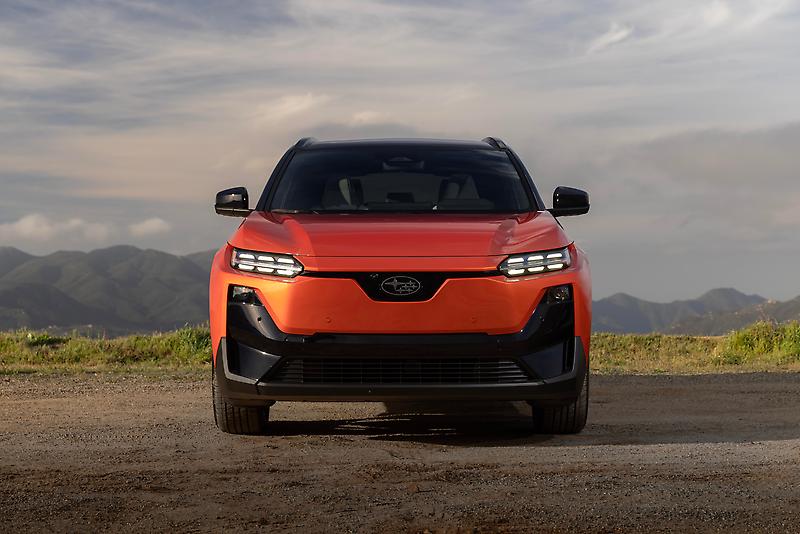
"you can't sell this anymore. This is uncharted territory as far as I can remember, whether these..."
The Subaru Uncharted is a specific Subaru vehicle model. The podcast says you can’t sell it anymore, which is unusual and not something they’ve seen often. That matters because it changes what people can purchase.
The Subaru Uncharted is a model name that the podcast frames as no longer being sellable, calling it “uncharted territory.” That suggests the situation is unusual for Subaru’s lineup—potentially tied to regulatory, availability, or product-cycle changes. It’s discussed because it affects what customers can buy and how the brand manages that specific vehicle’s status.
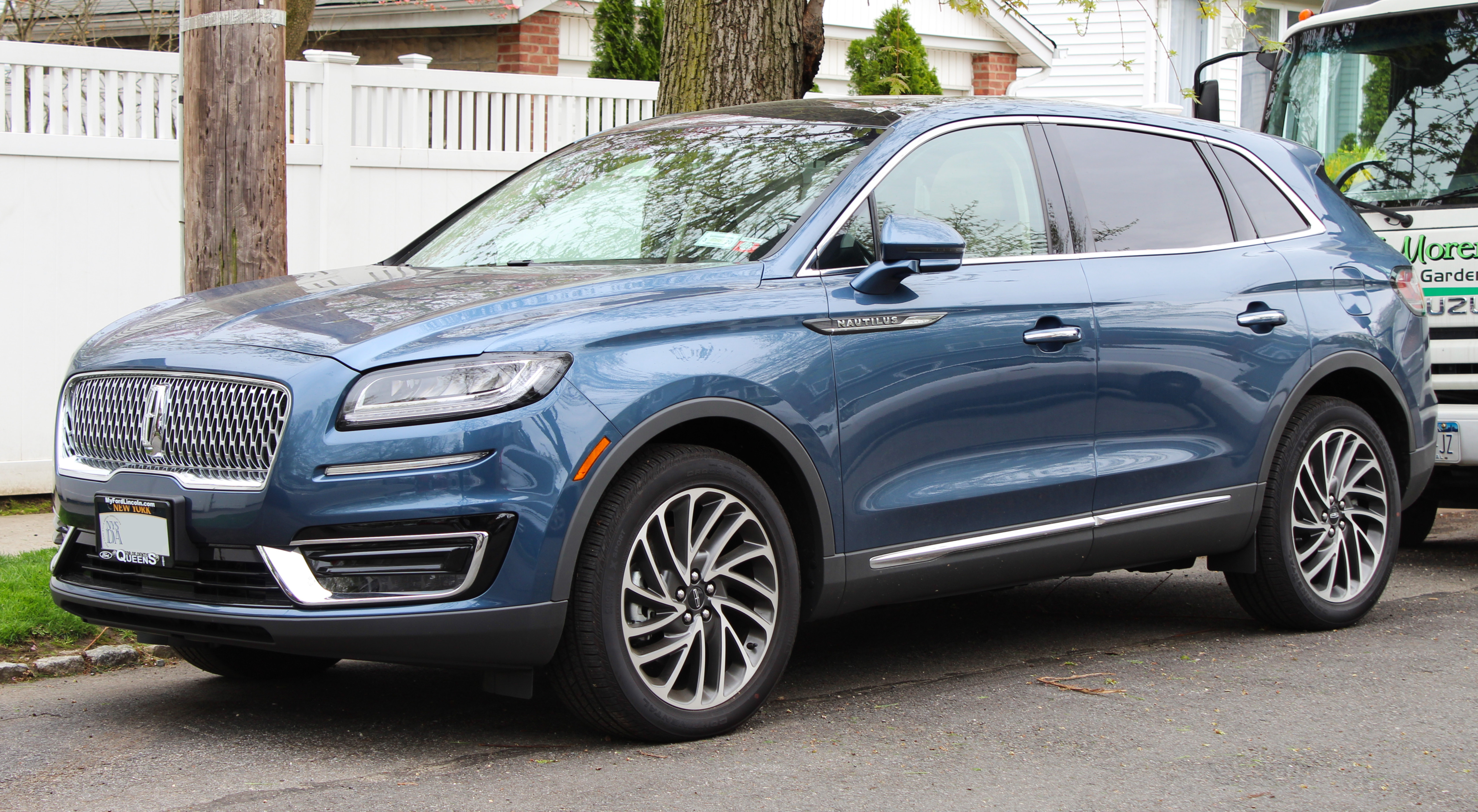
"... to apply for one of these authorizations for the Nautilus. As you remember, they now import that from China..."
The Lincoln Nautilus is a mid-size luxury SUV. The podcast says it’s now imported from China and mentions authorization paperwork related to it. That can affect how the vehicle is brought into the market and how available it is.
The Lincoln Nautilus is a mid-size luxury SUV, and the podcast mentions it in the context of import and authorization processes. Specifically, it notes that the vehicle is now imported from China, which can be relevant to how quickly parts and vehicles arrive and how compliance paperwork is handled. That kind of logistics detail is often discussed when it impacts availability and dealership supply.
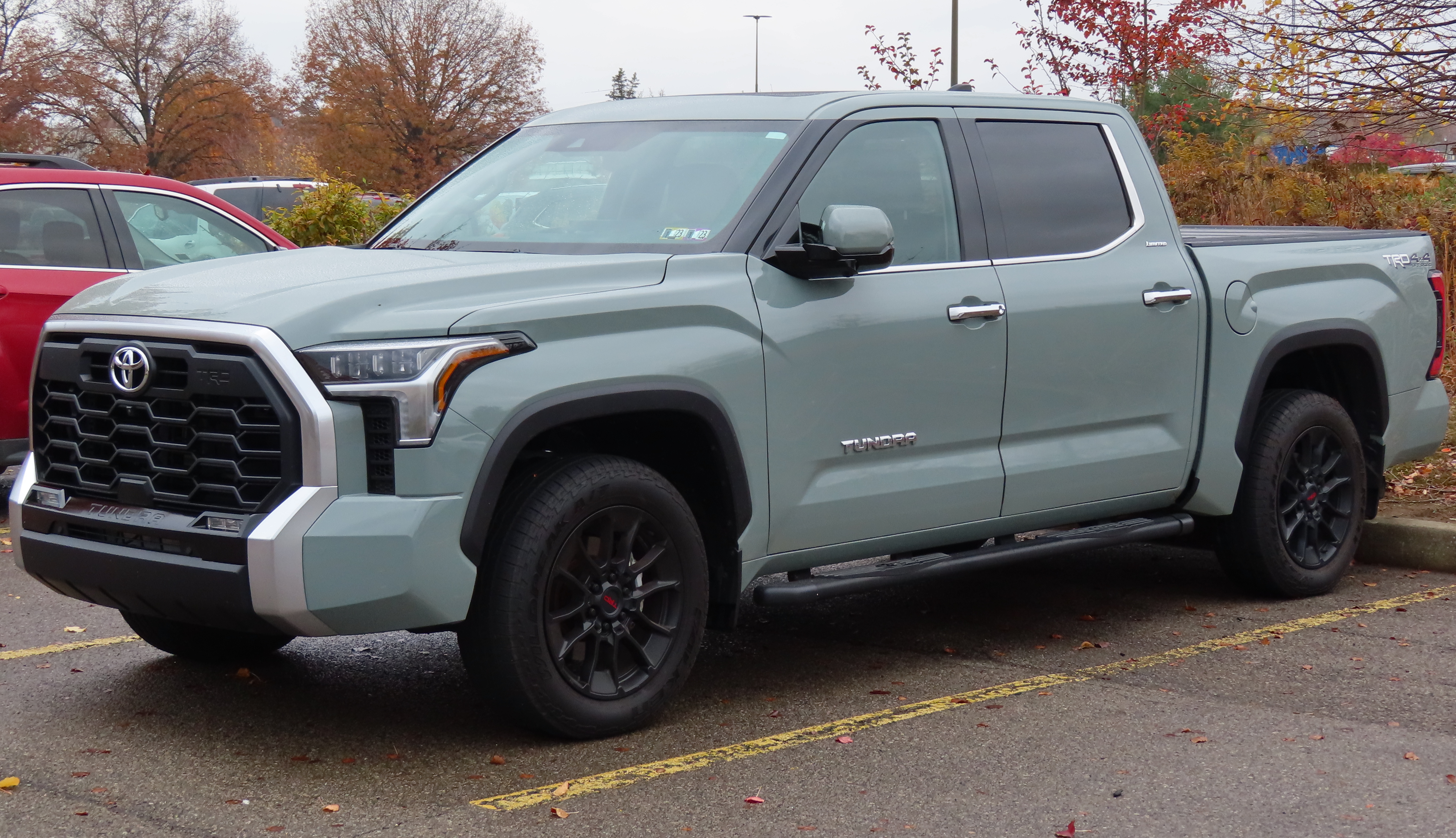
"And you know, they're still trying to figure out what the heck's going on with the, with the Tundra and the Lexus GX engine."
The Toyota Tundra is a big pickup truck. The host is saying people are still trying to understand why quality problems are happening with it.
The Toyota Tundra is a full-size pickup truck, and the host is pointing out that there are ongoing issues being investigated. In this segment, the concern is framed as part of broader quality problems that can show up after major production disruptions.
"what the heck's going on with the, with the Tundra and the Lexus GX engine. They've got some serious quality issues like everybody else, many of these things."
The Lexus GX is a luxury SUV. The host is saying there are quality problems connected to the GX’s engine that people are trying to figure out.
The Lexus GX is a midsize luxury SUV known for its off-road capability and traditional body-on-frame layout. Here, the host specifically calls out quality issues tied to the GX engine, suggesting there are unresolved problems engineers are still working to understand.
"They've got some serious quality issues like everybody else, many of these things. And, and I know we've, we've talked about this before."
“Quality issues” means the car doesn’t meet expectations—either it’s built with problems or it doesn’t work as reliably as it should. The host suggests the pandemic changed how teams worked, which can lead to mistakes or delays.
“Quality issues” refers to problems that affect how well a vehicle is built or how reliably it performs after it’s sold. In this segment, the host links these issues to disruptions in how vehicles were designed and coordinated during the pandemic.
"The pandemic continues to weigh how we designed vehicles during the pandemic, whatever, when everybody was staying home from work, that work went on remotely."
The host is saying the pandemic changed how car teams worked. Because people couldn’t collaborate in person, some parts of the design process were harder, and that can cause problems later.
The host is describing how pandemic-era constraints affected vehicle development—specifically, how teams designed cars while working remotely. The idea is that less hands-on collaboration and split-up work can create downstream consequences that show up as quality problems later.
See something that's not quite right? Our annotations are AI-generated and can sometimes miss the mark.
Click the flag icon on any annotation to suggest a correction.