They found rust/corrosion in the back suspension area of certain Hondas. If that metal gets weak enough, the suspension parts can fail or not hold alignment correctly, which can be dangerous.
The Honda Ridgeline is a truck-like Honda. Some 2017–2023 models are recalled because corrosion in the rear suspension area can weaken key mounting points and create safety risk.
The Honda Pilot is a family SUV with three rows. Some 2016–2022 Pilots are being recalled because rust in the back suspension area can make parts less secure and raise safety risk.
The Acura MDX is a more upscale family SUV. Some 2014–2020 MDXs are recalled because a coating issue can let rust form at important rear suspension attachment points, which can become unsafe.
The Honda Passport is a family SUV. Some 2019–2023 Passports are recalled because rust in the back suspension area can weaken the mounting points that hold the rear suspension in place.
Rear subframe mounting points are the metal locations where the rear subframe attaches to the vehicle’s body. If those points corrode, they can fail to hold the subframe securely, affecting suspension stability and safety.
A reinforcement kit is extra hardware the dealer installs to make the affected area stronger. It’s meant to prevent the problem from getting worse or coming back.
This is a survey-based ranking from JD Power that looks at how many problems owners report. They use a “problems per 100 vehicles” number to compare brands.
USMCA is the trade deal between the U.S., Mexico, and Canada. If it changes, it can affect how easily car parts and cars can be shipped, which can impact what’s available to buy.
These are mechanics who have special training for electric cars. Electric cars have high-voltage parts, so certification means they’re qualified to work on them safely.
Ryan Knight is the guest who works in operations for Night Automotive Group. He’s explaining how their new Ford Pro Elite service facility is getting up to speed.
Ford Pro Elite is Ford’s branded setup for servicing commercial customers. The guest is talking about how well their new Ford Pro Elite service location is getting customers and becoming profitable.
In a dealership/service-facility context, “absorption” refers to how much of the facility’s capacity and fixed costs are covered by actual work (often tied to service volume). The guest is tracking how quickly the new Ford Pro Elite facility is generating enough business to justify its startup and ongoing expenses.
Company
Ford financial statement
They’re talking about how Ford tracks the business numbers for the facility. It’s basically the financial reporting side of how the new shop is doing.
A recall is when a car company says, “We found a problem—bring the car in so we can fix it.” It’s usually for safety or legal reasons, and it creates extra work for service departments.
The Ford Expedition is a large SUV designed to carry more people and handle bigger trips. The podcast mentions that when a new version was introduced, there were some quality problems early on. That’s important because the first model years of a redesign can sometimes have more issues than later ones.
Fleet business means servicing cars used for work by companies. Instead of one customer’s car, you may have many vehicles, so scheduling and keeping them running becomes a bigger challenge.
An RO (repair order) is the work ticket that tells the shop what to fix. “Mobile” ROs mean the service is done at the customer’s location instead of you bringing the car into the dealership.
Pickup and delivery is when the dealership comes to get your car for service and brings it back after. It’s one way to make service easier when you don’t want to visit the shop.
Fixed ops directors run the dealership’s service and parts business. They track numbers that show how efficiently the shop is operating and whether it’s covering its overhead.
Dealers have ongoing service work that costs money in two ways: some costs go up and down with how busy the shop is, and some costs stay the same no matter what. This phrase is basically talking about improving how the dealership manages both types of costs in the service business.
Volvo is the car brand the dealer is trying to grow more strongly. They say Volvo is a quieter, lower-volume brand, and they’re about to talk about why people still like it—especially around reliability.
A “sleeper brand” is a brand that doesn’t get a lot of hype or attention, but still has fans. The speaker is saying Volvo fits that idea because people don’t hear about it as much.
Mazda is used here as a comparison. The speaker means Volvo is a brand people don’t talk about as much, similar to how Mazda can be less in the spotlight than the biggest brands.
Here, “reliability” means how dependable the cars are—whether they tend to break down or need unexpected repairs. The speaker is saying that’s a big part of why people like Volvo.
The Volvo XC90 is a larger SUV made for families and people who want more comfort and features. The podcast mentions it in the context of selling it in certain areas, which usually reflects customer interest and inventory planning. It’s the kind of vehicle that dealerships track because it tends to have a specific buyer profile.
Car
Ford
Ford is being discussed as one of the brands competing for customers through lease deals. The speaker is comparing Ford’s lease offers to other brands like Lincoln and Volvo.
Lease offers are the specific discounts or deal terms that make leasing cheaper. The speaker is saying customers may not know how leasing works, so the dealership has to explain it clearly.
A “lease market” just means an area where lots of people lease cars instead of buying them with a loan. If leasing is common, dealers expect more customers to come back after the lease ends.
“84 month” means the loan is stretched out to 7 years. That can make the monthly payment look smaller, but it can cost more overall and can trap you owing money longer if the car loses value.
Negative equity means the car is worth less than what you still owe on it. If you trade it in, you may have to pay the difference or roll it into your next loan.
“Extended terms” means the loan is longer than usual. Longer loans can make payments easier to afford now, but they can also increase the chance you owe more than the car is worth later.
“Finance pay plans” are how a dealership pays its finance managers. If the pay plan rewards certain loan lengths, it can influence what terms customers end up with.
In dealership talk, “retention” means keeping customers coming back after the sale—especially for service work. It’s tied to fixed operations (service, parts, and maintenance) and the dealership’s long-term revenue beyond the initial transaction.
“Leasing” is like renting a car for a few years with set terms. After the lease ends, you usually return the car (or sometimes buy it), and it can change how often you switch vehicles.
“Multiple security deposits” means paying extra money up front on a lease. The goal is usually to lower the monthly payment, but it depends on the lease terms and program.
“72 months” means the loan is paid off over 6 years. Longer terms can lower the monthly payment, but they can also change the overall cost and how the dealership profits.
Front end speed is how fast a dealership responds to shoppers and turns them into appointments or sales. The hosts say dealers focus on this so much that they may ignore service issues after the sale.
Cox Automotive is a company that studies the car industry and publishes reports dealerships use. Here, their report is being used to show that service customers are leaving dealers.
Here, defection means customers stop using the dealership for service and go elsewhere, like independent shops. The hosts say this is happening in a big way.
CDK is mentioned as the source of a claim about customers being put on hold. The takeaway is that dealership systems/processes may be causing delays when customers try to reach service.
A DMS is the dealership’s computer system for tracking customers and service history. “DMS records” are the entries in that system that the dealership can use to contact customers.
BDC reps are the dealership staff who handle lead follow-ups—usually by phone and email. They help make sure people who reach out actually get connected to the right department.
This is the gap between what the dealership knows it should do and what it can realistically do day-to-day. Because of that, customers who need service often don’t get contacted in time.
Jiffy Lube is a well-known quick-service brand that competes with dealerships for routine maintenance like oil changes. The host uses it as an example of an independent option customers choose when dealership booking and response are slow.
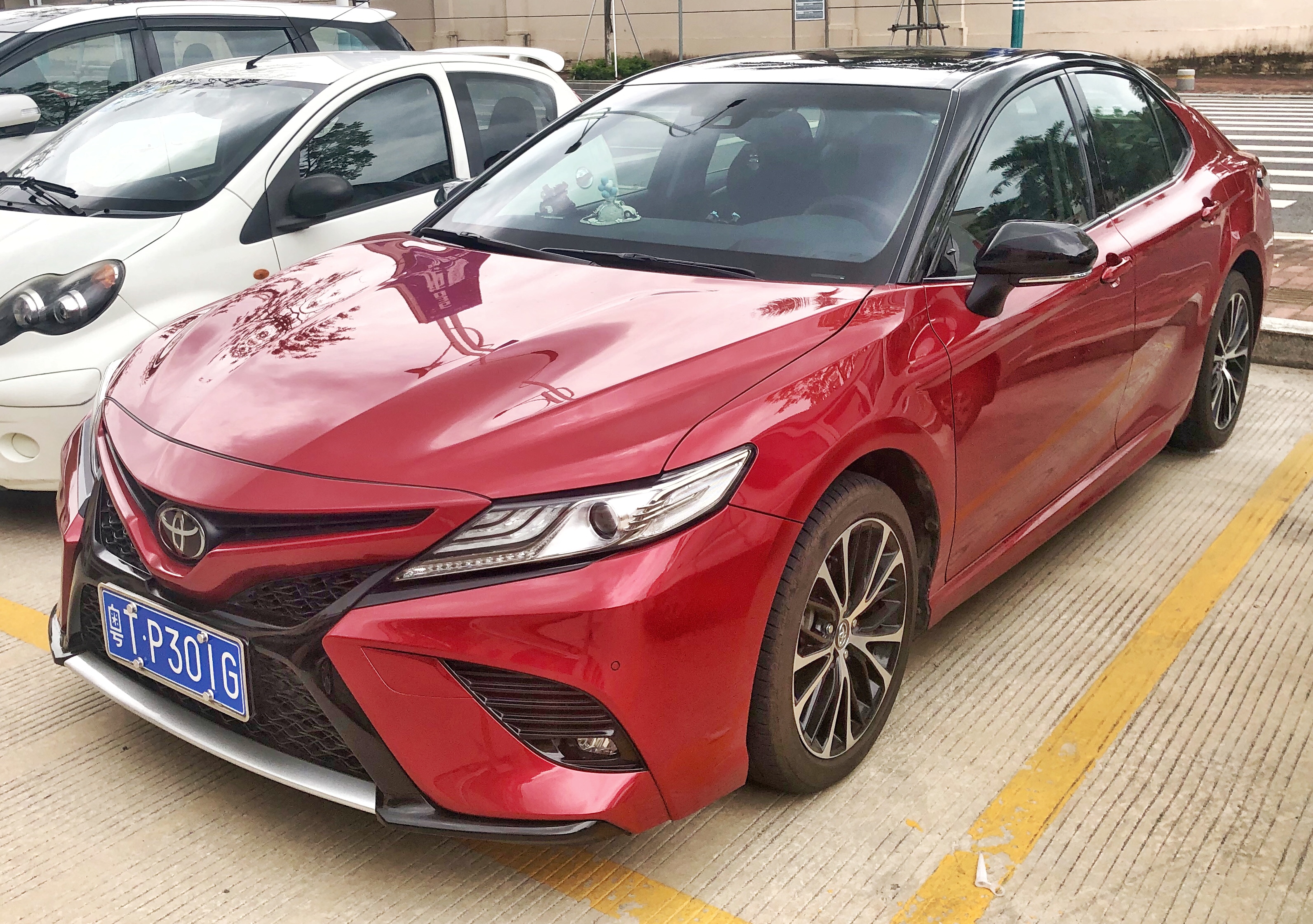
The Toyota Camry is a regular family car (a sedan) meant for everyday driving. The podcast mentions a 2022 Camry that’s getting close to its 30,000-mile service, which is when the car needs scheduled maintenance like inspections and fluid-related work. This helps keep the car reliable as it gets used more.
It means the dealership reaches out to customers first, instead of waiting for them to come in. For service, that can be reminders or messages that encourage people to book appointments.
They’re talking about computer software that uses AI to help the dealership contact customers more efficiently. Instead of doing everything manually, it can help send the right messages to the right people.
It’s the problem where a business buys lots of separate software tools that don’t work well together. That can make it harder for staff to help customers because information isn’t shared.
MPI (multi-point inspection) is a structured checklist used to assess a vehicle’s condition at multiple locations. “Digital MPI” means the inspection is captured and managed in software, typically to document findings and support recommendations during the service visit.
“Complexity tax” means the extra hassle and wasted time that happens when different computer systems at a dealership don’t talk to each other. That can make employees work slower and customers feel like nobody is keeping track of them.
Context switching is when someone keeps changing what they’re working on or what screen they’re on. At a dealership, that can waste time and make it harder to give customers a smooth, consistent experience.
Term
marketing team
Here, “marketing team” means the people sending emails, texts, and promotions to customers. If their messages don’t match what sales or service is doing, customers can feel confused or ignored.
CRM is the system dealerships use to keep track of customers and their messages. If it doesn’t sync with the service system, customers may get confusing or repeated updates.
This means the dealership systems exchange information both directions. So sales and service can both see the same customer details, instead of working from incomplete or outdated info.
“Claude” is an AI assistant product. The host is using it as an example of how quickly AI tools are improving and how that could help dealerships connect their information better.
An AI platform here means computer software that helps the dealership contact customers. Instead of relying only on people to do everything, it can automate and improve who gets contacted and when. The host implies it helps outreach perform better.
“AI quarterback” is a metaphor for someone (or something) that directs the whole outreach effort. Like a quarterback calls plays, this role coordinates how AI is used across departments. The host says having clear ownership is a best practice.
An Internet Director is the person at a dealership who runs the online lead process. They help make sure people who contact the dealership online get good, timely answers and are guided toward buying.
Kia is the car brand. The guest works at a dealership that sells Kia vehicles, so the discussion is about how they handle online leads for Kia shoppers.
Agentec AI is a computer tool dealerships use to help answer customer questions faster. Here, they’re saying it helps the internet/BDC team respond with better, more relevant info instead of just sending basic replies.
The AMC Matador is a car model from the past. In this podcast snippet, “Matador” is being used as part of a name for something called “Matador AI,” so it’s not necessarily about the car itself. The conversation is more about that tool or service than about driving or maintaining the Matador.
LIVE
Hey everybody, welcome back to another episode of the Daily Dealer Live!
I'm your host Sam Dark and thanks for choosing to be here with us on this Monday, June the 15th.
As always, we're streaming live across all CDG social media platforms.
Post your comments into the chat. We'll bring them into today's show.
It makes it elite. Happy World Cup, everybody! USA team over the weekend had a big win.
I think it was a 4-1, just a dominant performance by Team USA and the New York
Mix went to Texas and came home with a trophy.
We're not in sports, but sports relates back to automotive.
So let's talk about today's show. Today we're getting tactical on the stuff that actually
moves a store. An auto dealership here, June of 26th. Ryan Knight from Knight Automotive Group
joins us on mobile service at scale. That's 335 ROs in May and they're chasing 600 in June.
That's quite the boost. And the fixed absorption game.
Then Britt DeJohn from Impel on the service drive crisis, nobody wants to talk about.
Dealers have quietly lost the back door and the data, well, it's brutal.
Plus Nicholas Vales from Valley Kia of Fontana on restructuring sales and mining the database
you already own. These are three operators. One theme, the money you're leaving on the table.
Well, it's closer than you think. So again, thanks for joining.
But first today, let's dive into today's automotive headlines.
Kicking off today's auto news with an acquisition announcement by Auto Nation,
turning to our CDG Bicell Tracker. Auto Nation acquired Toyota of Noonan from Tamron.
We love our Bicell Tracker from Tamron Automotive Group in a deal that closed June 8th.
The store, which is about 30 miles south of Atlanta, does around 200 million in annual revenue
and retails roughly 4,900 new and used vehicles a year. Auto Nation renamed to Auto Nation Toyota
Noonan and now counts 21 Toyota stores in its portfolio, making Auto Nation the largest Toyota
dealer in the U.S. by new vehicle sales volume. Kerrigan advisors represented the sellers
and noted this was the 40th Toyota franchise they've sold since 2015, all in a fast-growing
Atlanta market. The store drew premium blue sky pricing. For more information on this and other
Bicell activity, go to our Bicell Tracker at cdgbicell.com. Up next today in the news,
Honda is recalling more than 800,000 vehicles over a rear suspension corrosion issue
that could increase crash risk. The recall covers certain 2016-22 pilots, 2017-23 ridgelines,
2019-2023 passports, and 2014-2020 Acura MDX models sold in specific markets. The Honda estimates
only about 1% of affected vehicles actually have the defect. The issue involves an improper coating
that can allow rear subframe mounting points to corrode and potentially fail. However, no injuries
or deaths have been reported. The fix involves a reinforcement kit or subframe repair with owner
letters going out on July 7th. Worth noting in context, Honda ranked 16th in JD Power's
2026 dependability study at 211 problems per 100 vehicles that's slightly above the 204 industry
average. This is the third notable recall for the brand in recent months. For Honda and Acura
dealers, expect inbound calls as the news circulates and be ready to accommodate, communicate the
remedy timeline clearly. Now for a quick trade update, let's go to Mexico who produced 1.64
million vehicles in the first five months of the year. With exports up 4% and domestic sales up
5% year over year, a resilient performance given the trade policy uncertainty hanging over USMCA.
For context, the US still accounts for 75.4% of Mexico's vehicle exports, though that share
has slipped 3.2% from a year ago as exports to Canada, Germany, Brazil and Colombia all grew
significantly. GM led both production and exports out of Mexico in May, followed by Stellantis,
Ford, Nissan and Volkswagen. That said, the USMCA review is the key variable here. Mexico remains
the backbone of the North American production network and any major disruption to the agreement
would hit vehicle availability across multiple brands simultaneously. Closing out the news today
with a neat stat on EV insurance and Sure-Fi studied 235 million insurance quotes and found
EV owners, they pay an average of $3,159 per year for coverage. Guess how much more that is over gas?
It's $941. That means those driving EVs pay 42% higher insurance premiums on average
more than gas vehicles. The gap traces directly to higher vehicle prices, more expensive parts,
batteries alone as an example run 9,000 to 21,000 bucks and a similar pool of certified EV mechanics
keep keeping repair costs elevated. The insurance cost difference is real, but it's narrowing. For
2024 and newer models specifically, the gap closes to 18% or about 501 bucks. And there's meaningful
state level variants. Massachusetts EV owners pay 54% more than ICE, New Yorkers 45% more while
Montana, West Virginia, Nebraska EV drivers actually pay less. Ensure if I advise for
dealers, don't hide the insurance cost, raise it early in the sales conversation as part of the full
ownership picture. And that is a wrap on today's auto industry headlines.
Fascinating conversation. We go to the chat, launch live now comes into it, says,
let's go. We appreciate that launch live now is the production company behind this show. They
bring it to you live three times a week, 1pm Eastern. And we appreciate you, our audience,
for staying tuned every single episode. Those who are able to be here for the live. So let's jump
into our first guest today, a repeat return from night automotive group director of operations,
Ryan Knight. Welcome to the show, Ryan. Hello, thanks for having me. Ryan, we're excited to have
you back. Thanks for being back. Last time you were on the show, you talked about your Ford Pro
Elite facility. You've been a few months in it now. What does the absorption look like at this
new Ford Pro Elite facility? What is it? And how's it doing now that it's up and running?
Yeah, so it is part of the Ford financial statement, Bill Knight Ford and Tulsa.
So we've seen the fixed absorption somewhere between 75 and 82% the last couple of months.
Certainly not where we want it to be, but a lot of start up expense, a lot of expenses that we've
incurred at the new facility. So now just continuing to drive awareness and drive business to the
new facility. What's your goal on the absorption side with that? Always 100. Yeah, 100%. Yeah.
All right. Talk to us. Tell us how busy is this June of 2026? It's interesting. I would say,
you know, on the sales side, Ford obviously has employee pricing going on now. They've had that
for, you know, about a month, a month and a half now. And, you know, we had the same thing last
year started in April of 25. I would say last year, probably a hotter start with employee pricing
than this year. Somewhat inventory related at the beginning of May. And now rolling into the summer
with, you know, a lot of economic uncertainty and everything else. I mean, we're, we're still
tracking to have a good month in June and a good year this year, but business on the sales side
definitely tougher. Yeah. You know, it's interesting, Ford came out a week or so ago, we reported it
here and basically said, Hey, you remember those recall problems we had? We dubbed them the most
recalled OEM last year. They said, Hey, all that's behind us. Those are on older vehicles. Give us
your take on that. Are you seeing that in reality or was that a little bit of spin challenge? You
know, it, it certainly, you know, comes in waves. And, you know, I think certainly when you see the
recalls now, they seem to be on some of the older vehicles, which, you know, two and three years
old, when we knew we had some quality issues, the launch of the expedition, the new body style
expedition, which was last year was fantastic. Really no quality issues to speak of at scale.
So that's been, you know, that's been good, but the, the software recalls and things continued.
So continue to come and it just is a challenge. You know, we have a big fleet business and it
puts a, you know, puts a strain on the, on the inventory we have there trying to get the recalls
done and same on the, on the retail side. Yeah. Yeah. So talking about this Ford Elite
Pro facility and you're in a place to respond to recalls and service requests and fleets,
fleet service, unlike anybody else in your marketplace, you did 335 mobile ROs in May
and we reported at the top, you've got a goal of 600 in June. That's nearly doubling in a month.
What, what led to that kind of jump? And what have you had to do to get that doubling your RO
account in 30 days? Yeah, well, we, once we opened Ford Pro Elite, we moved all of the
mobile service units to the Ford Pro Elite facility, mostly out of a space necessity
way, the space there to park them and store them and then, and then dispatch them on the road every
morning. You know, so that was, that was part of it. You know, and then I think having, you know,
manager at Ford Pro Elite that says, this is what we're going to do with mobile. And then,
you know, obviously you need a staff with, with the, with the mobile service technicians that we
have, you know, we've been fortunate. We have a few guys there that have kind of led the charge
since, since we got in the game probably 55 years ago. So, you know, so now it's,
now it's just the scale and leveraging the BDC and the tools we have to drive appointments and
drive our RO count, which I think, you know, 335 last month was with one of the units being down
due to a repair. We have all of them out on the road now for June and then, and then hopefully
a big month in July. Yeah. So 35% of your experiences at Bill Knight Ford were remote in May. For
dealers watching who hasn't touched mobile service yet, walk us through what it actually takes to
stand up that first unit, the people, the cost, the logistics to get to 35% being remote. That's,
that's a pretty cool benchmark. Yeah. So the 35% remote is pick up and delivery and mobile.
Okay. We have a company that we partner with on the driver side to help us with pick up and
delivery. You know, we're doing, you know, 300, 350 pick up and deliveries a month. That's where,
you know, we'll come to your house, pick up your card, take it for service, anything that we can't
do on the mobile unit and then, and then deliver it back to the customer. So we do that. And then
we also obviously have the four, the four mobile units. And, you know, I mean, it's taken us,
you know, we've been at it for four, going on five years and what takes effort and control and,
and, you know, you just have to continue to be consistent and have a, and really have a process
that's nailed down to keep it going. Yeah. So increasing. So you've talked about fixed absorptions.
You quoted your percent at the top of the show here. Your, your target is 100% plus.
There are some people that say don't focus on fixed absorption because you can't control expenses
that set up the store. What are, what are fixed ops directors that say don't focus on fixed
absorption? What are they missing about that as a metric? And, and how are you working to drive that
in your organization? Yeah. I mean, you know, I think it's two things. One, it's making sure
that the service departments, service and parts department are running at 100% efficiency all the
time. I think there's nothing more important than, you know, and we see that from, we have some more
rural stores that are lower volume, low, smaller, you know, smaller service departments all the way
to the, to the Ford service department in Tulsa. And, and there's nothing more important to me than
the efficiency of the technician and the, the efficiency of the shop. You know, so I, so we
focus there, you know, how many hours every day by technician, you know, that's a, that's something
that we focus on. And then, you know, on the expense side, do you have control over all of the
expenses? Maybe not, but you certainly have control over the majority of them, you know,
whether that comes from overtime on an hourly employee to lack of efficiency in the shop,
to no controls over shop supplies or anything else. I think those are all things that,
that we really focus on to limit expenses where we're in control. Yeah. Yeah. Yeah. You've got
Lincoln and you've got Volvo. You do. Both. Compare Ford, Lincoln, Volvo of the three OEMs who
are supporting you best in your variable and fixed ops journey right now. I gotta be careful here.
I got, I'm sure I got a few people watching. You know, I think, you know, we, our ties run deep
with Ford. My dad obviously is Bill and in the dealer, he, you know, he's worked for Ford for
15 years before he got in retail. So our, our ties run deep with Ford and, and our support is
certainly good. I would, I would say same with Lincoln. And then with Volvo, you know, I moved
here in 2019 and I would, I always said we were a Lincoln dealer that happened also sell Volvos.
Yeah. Yeah. What we've really done is focused with the help of Volvo support, you know, on,
on the OEM side to really turn this into a place that is dedicated to selling Volvos just like it
is, just like it is with Lincoln. And we've really seen that we've really had, you know, over the
last two years, our volume has increased, our customer satisfaction has increased. And, and I
think we're really on a good track. What do most people miss about Volvo as a brand? So we had
the former CEO of Volvo American Canada on the show last week. He's now head of Subaru's finance
program at Chase. Volvo is kind of one of those sleeper brands, like almost like maybe a Mazda.
You don't hear as much about it. I know it's smaller volume, but what do people most miss
about Volvo? Well, I, you know, I think one thing is the reliability, right? They went through a,
they went through a little blip of quality issues probably, you know, two or three years ago,
but overall, you know, the reliability of a Volvo is, is kind of a calling card along with,
along with safety, you know, and, and I would say the XE, you know, the XE60, XC90 here,
where we're selling, you know, the majority of the stuff we sell, it's SUV, you know, that,
that XC90 stacks up against anything that we sell in terms of comfort, ride, technology,
you know, and, and so I think that is, that's something that not everyone knows.
And, you know, when we have people come, friends of mine, people we know, I always encourage them
to, if they're going to look at a Lincoln, let's look at a Volvo, right? Because I think people
are surprised when they do that. Yeah. So last week on the show, we had Brian Ben-Stock on. We
talked about one of the biggest challenges in automotive today is affordability, right? For
that consumer walking through the door to purchase a vehicle. He talked about how a solution to that
is great OEM leases that helps to reduce that trade cycle. So the customer's coming back in,
in more and more. When you think about Lincoln, Ford, Volvo, who's winning that lease cycle?
Good 23 year leases where you can get that customer back at a reasonable payment.
Who's winning at that among your OEMs? Yeah, you know,
last year, Ford came out with and Lincoln followed suit with a, with an affordable lease payment,
which in Oklahoma, not a huge lease market, we historically have never had
an attractive lease offer or lease payment. That has changed. Volvo has always been in the lease
game to a certain extent. And then I tell anyone that works for us or otherwise that that will
listen, we should pencil a lease on every single deal. Right? I think you've got in, in Oklahoma,
you've got a little bit of an awareness issue where people are uncomfortable or have never leased
or, you know, what happens when I do this? And so you have to, you know, your staff has to be
trained and the customer needs to be educated. But there is, especially now with the lease offers,
the way they are, that's a, that's, that's something that the customer needs to leave
to your understanding. So in our footprint, we've got four stores that are for states in Ziggler,
Michigan, Illinois, Indiana, Wisconsin. I hear that sometime. Hey, this area is not a high lease area.
For whatever reason, in the Chicago, there used to be a weird tax in Cook County that made leasing
disadvantageous because you basically got double taxed. That's gone away with you gave us some
tips, the difference between a leasing market and not a leasing market. What makes Tulsa as an
example less of a leasing market? Is it just a word? Yeah. We have, we're self-proclaimed,
not a lease market. And that probably stems back 10, 15, 20 years when leasing was kind of this,
you know, odd, odd ball out. And, and now, you know, the OEMs are on a more national level
offering leases, whether that's on their affordable vehicles or, or even some of the more expensive
stuff when, you know, people are in a two and three year trade cycle. Yeah. So Ryan, as a dealer with
multiple stores, you want as many as you possibly can customers coming back and buying in that
shorter trade cycle. Is there anything else adding on to that brianbenz.com vote from last, last week
that you could think of that would help shorten that cycle? Leasing is one trigger. What are some
other things the industry could do and move towards to help that bring that consumer back in more
often brianbenz.com pointed to iPhones as an example, a much less expensive option. But what
else could we do in the industry? Yeah, well, one thing we need to stop doing the 84 month
yes, yes, is not a recipe for success. And, and I think that's something that, you know, and
we're as guilty as anyone, once you run into a payment issue where you quote a 60 month payment,
72 month payment, payments too high, what's the next thing that everyone does? Oh, we go 84.
And in the reality is that person's going to have 10 to 15 to $20,000 with the negative equity for
two to three years. Yeah. And that's, so I think that's the, that's the one and we challenge
our team a lot to say that there are certainly instances when that's the only option, but it
should not be, you know, a tool that we pull out all the time. So I agree with you. And last week
on the show, it came up that he prohibited it 84 months, you can't do it. And in fact, he has
written into his finance pay plans, 72 months, 66 months, I think they get half compensation
finance managers do because he says that's typically who's driving extended terms. Is
that too drastic a measure? Or do you think that's a good idea and automotive? I mean, I like the
idea, you know, I think there is that's really detrimental to our business. That 84 month,
that 84 month loan is really detrimental. And I think it's, you know, it's a little bit
short-sighted or long-sighted in terms of, you know, yes, maybe it's the most profitable deal
today to do it that way. Certainly that's profitable for the F and I person. But when you
talked about retention and service and trade cycle and everything that comes along with that,
there are, you know, a lot more reasons why not to do it than there are to do it.
Yeah. All right, Ryan, we're going to have you back at the very end as part of the roundtable.
We appreciate you being on, sharing your perspectives on all things, fixed ops,
variable ops, OEMs. I think we covered the gamma today. Ryan Knight, Director of Operations at
Knight Automotive Group. Thanks again for being on the show. We'll have you back at the end.
Thanks, Ann.
And a lot of comments in the chat today as our conversation gets heated up,
the automotive retired guy says, in today's market, people just need to lease their vehicles
as most individuals, individuals want other vehicles at 27 to 36 months, just lease people.
But I think to the automotive retired guy, Ryan makes a great point. In some market places,
leasing is better explained. It's better part of the culture and others it's not. And I think one
of the great separators is geography. Oklahoma, you've got more wide open spaces. There's more
miles. So most people look at the leases first clients and say, hey, I drive too many miles to
qualify for that. But I think in today's world, you could definitely kind of limit the mileage a
little bit and find a solution in leasing. Lauren Klein comes into the tech, says,
sounds like in Tulsa, they need education in leasing. And S3SNM says the best game plan should
be also presenting a lease option and get familiar with multiple security deposits. This would allow
you to offer additional savings to your client. But following up on the Brian Bend stock, would
you cut your comp for finance people at 72 months? Would you restrict all out 84 months? It's a great
conversation as we continue that. S3SNM says lease and retail figures in every pencil, no matter
what. Let's talk open lane. Today's episode is brought to you by open lane. Today's show is
sponsored by open lane who are gearing up for dealer fest 2026 this July with more energy,
more prizes, and more ways than ever to win. Learn how you can earn up to $2,500 in buy and
sell fee credits right now at openlane.com forward slash cdg,
cdg. I'll be following that link because who doesn't need some credits on buy and sell activity?
Open lane, we appreciate you supporting today's content, including that great conversation with
Ryan on all things absorption rate, fixed ops, and then we descended into that OEM related
conversation and then the affordability convo. So we appreciate Ryan being on and open lane.
Thanks for sponsoring and supporting today's content. All right, eager K comes in says one
pay lease is people have got cash to pay. So that's a fair point. If you ask more for security
deposits, you're probably in a more likely position to be able to just pay cash for a vehicle.
Affordability becomes less of a concern. We transition directly into our next guest,
Senior Vice President of Business Operations at Impel. Britt Dijon, welcome to the show.
Hi, Sam. I am very happy to be here and I'm wearing my CDJ yellow to represent.
I love it. That's fantastic. And by the way, you've got a great mic too. So very, very well.
I'm on Zoom meetings all the time. Yes. Yes. Such is such is our world. Well,
Britt, tell us who you are, what you do there at Impel. Yeah, absolutely. So I grew up in
automotive. My dad was the F and I director at a local Chevy dealership for the better part of 30
years. So I'm very used to being around, you know, automotive. And then for the last 10 years,
I've actually been working on the vendor side at Impel AI. And I spent the last five or so years
leading with my teams, the product organization. And then now, pretty recently, I've been running
operations. I am an operator at heart. Yeah, very good. Very good. Well, how is biz at Impel?
When you think about your goal, which is to bring AI infused technology solutions into dealerships,
DMS, CRMs, service departments, how's biz this June of 2026, Britt? I mean, it's truly amazing.
We like to say it's a rocket ship, especially with the advent of more AI technology and
agentic AI, which I know we'll talk about later. Dealers are really curious in trying to find
more ways and more accessible ways to make their lives and operations flow more efficiently.
Britt, can I ask you a question you may not know the answer to, but something that was an
annoyance over the weekend, I was working on a large project, I was putting together power
points and doing all the things. Claude has become my go to AI tool for big projects creation.
And I go into Claude and it says that the newest version just flat out isn't available. And I went
down the rabbit hole, why it's not available. It looks like the government turned it off. What the
heck? How can you do that, Britt? Do you know anything about this? I know it's just your personal
opinion, but yeah, and obviously, I'm sure we've all been reading about the, you know, the mythos
in the fable that got deactivated. But I think it also shows that when you're working with vendors
and trying to use AIs of choice, you have to be cognizant that there's a redundancy plan in place.
Right? So if one of your models goes down, your foundational models, and this is a good question
for dealers to ask their vendors, what is the backup plan? And if your, if your vendor doesn't
know the answer to that question, then they're probably not protecting you enough. So I think
that that, that was very timely just yesterday, but that's something to think through as you're
working with vendors and partners. So, so is that a business risk to dealerships today if they're
based on some of the newer models that it could be peeled back or limited or even feature changes
could happen? That's not even something I would have thought to ask. Yeah, I think that it is always
a risk, especially with how new all of this technology is and how quickly regulations are
changing. So again, it's more about the redundancy plan. There are many models out there, whether
it's Claude or Chat, GPT or Gemini. It's what happens if there is a restriction like what happened
yesterday. And if that is the foundational model that you're using, what happens if that model
goes down all of a sudden? Yeah, it's crazy because I was doing a PowerPoint. It was an awesome
PowerPoint. It was doing all the great things. And then it just died. My momentum killed. And
we become so reliant on AI now to your point. You have it. You're that many more times more
efficient with it. Then it gets peeled back to an older version and you're not as efficient. So,
Britt, I appreciate you being a champ and taking that impromptu question, but something has been
bothering me since yesterday. All right, let's talk something that you work with at Impel.
Dealerships have spent years obsessing over front end speed. Speed to lead, internet response time.
We talk a lot about it on the show. But you, Britt, make the case that the real money is leaking
somewhere else entirely. Where are you pointing dealers that most of them aren't looking, Britt,
in June of 26? Yeah, I mean, plainly, Sam, the service drive is what is still broken and it's
not getting enough attention. And like you said, dealers have spent, let's say, the last five years
obsessing over the front door, speed to lead, conquest advertising, their vehicle merchandising
imagery and all of that stuff is absolutely important and it deserves their focus and attention,
but not at the risk of leaving the back door wide open. And I wanted to share with you the data that
makes the problem statement, honestly, impossible to ignore. So you may have seen this Cox Automotive,
they just put out another study and Cox dubbed this a crisis in dealer service retention.
And that language might sound a little bit hyperbolic or maybe a little bit pearl clutchy,
but when you look at the data they published, it's really not. It's actually quite alarming.
It's a defection, a massive defection from franchise dealers to independence, Britt, right?
That's right. So they, the Cox study showed that dealership service market share has dropped to 29
percent and that's down about 12 points since 2018. And I think the standout when I was reading
the study, the standout of the study for me and the part that I think is especially alarming
is that they said among owners of cars less than two years old, dealer service share went from 72
percent to 54 percent in just the last two years. And that's your newest customers. Those are the
ones that just bought from you and they're gone before you've even had the chance to try to retain
them. Yeah. So what's the problem? What's causing this defection? I mean, I could point to one issue.
I know CDK says, hey, 25 percent of customers get put on hold. And of that 25 percent that are put
on hold in service, nine minutes is the average hold time, which is astonishing, astounding,
and frustrating for any consumer trying to get an answer. Is that part of it or is that the
whole problem? What's the problem, Britt? That's definitely part of it. I think the problem is
more structural. So I think it comes down to it's actually an architecture problem. And let's just
try to run the math. If you're, if you're a store that has 10,000 DMS records and you have four
BDC reps, and those BDC reps are also managing sales leads and sales opportunities, you're going to
end up having, let's say roughly 80, 90 percent of your service opportunities die in what I call the
unmind gap. And the unmind gap is the space between what your team could act on and what they actually
have the bandwidth to act on. So the problem is nobody's proactively reaching out. It's almost
exclusively reactionary and driven by the customer. And I love that you mentioned the nine minute
hold time. So let's put ourselves in the customer shoes. Even when the customer is motivated to
reach out, they call into the dealership and what happens? Just like you said, they hit a nine minute
hold time on average, or they leave a voicemail and they don't get a call back until three days
later if they do, or they go onto the website and they try to schedule service and they realize,
my goodness, you know, you need a master's degree to figure out how to complete booking in the 17
step process. So we're not making it easy for the customers that want to book. They're hitting
obstacle after obstacle after obstacle. So for them, you know, it's, it makes sense that they
would choose to drive down the street to the Jiffy Lube or whatever independent because it's
convenient. Yeah, yeah. So how do we, you know, that we had the fixed ops director at Longo
Tood on the industry spotlight a year or so ago, and he actually said the moment a customer has to
reach out to us, we've failed them, right? We need to be in a position in automotive where
we get to the customer before the need ever arises so that, so that their, their action,
their effort is met with a response before they even know it. So, so how do we solve this? What's
the solution, Britt? You know, the dealers that are going to win this next era in automotive are
going to be the ones just like you said, who stop waiting for customers to raise their hand and they
start playing offense proactively working every customer across the entire ownership life cycle.
And something that's exciting for me and I think is hopeful is that I think the status 48% of customers
leave dealership service or defect from dealership service, not because of price. It's because of
convenience. You know, the average spend at an independent is actually higher than at a dealership
on average. So it's not that customers aren't chasing cheaper. They're fleeing the friction.
And so I think when you look at what dealers are doing when they get this right and the
dealers that have the best service retention, they didn't necessarily hire more BDCs. They didn't
necessarily launch more generic marketing campaigns. They just stop playing defense and they stop
sitting back and hoping customers would remember to call in. And so, you know, what does that look
like in practice? What does playing offense actually translate to as an operator? So it looks
something like if I sent you a message, Sam, and I said, hey, Sam, your 2022 Camry is coming up on
its 30,000 mile service, that's going to be your oil change, your tire rotation and your
multi-point inspection. And the price of all of that is going to be blank. And we have availability
this Thursday or Friday afternoon. Do you want me to book you a spot? Just let me know. And that's
it. It's not a generic blast. It's a specific message to a specific person about a specific
vehicle and exactly the right time in his or her ownership life cycle. And I think that's the kind
of thing a great service advisor would do, would be doing if they had the time to reach out to
every single customer in their DMS personally. Yeah. Yeah, you know what? It's interesting.
Let'sGrowRevOps comes into the chat and says there is a lack of hospitality and automotive. And to
your point, Brit, part of it is structural. Part of it is just we've got teams that are so overwhelmed
that they just don't have the time. Lauren Klein comes in and says 90% of your customers
calling in or calling to set an appointment. The ones not calling in are the ones that you
need to worry about. Those are the ones that are a challenge. So you're calling for more
proactive outreach within automotive. Now, that assumes you know where the vehicle is. You have
the correct phone number, the way to outreach and that you've got a process or a way of doing that.
How do we do that? Yeah, so let me tell you about a study that we ran. So we obviously have and you
can do this a number of ways. Some dealerships have actually hired someone with a focused
role on proactive outreach. A lot of dealerships are using AI tooling and AI software to help
accomplish this, especially at scale, right? It's hard to do that manually across 10,000 records.
What you see and what we've seen when you do that type of personalized outreach consistently,
the numbers do move pretty quickly. So at Impel, we ran a study across 50-something dealerships.
There's over 100,000 customers, 120,000 repair orders, and the only variable was whether the
dealers had AI proactively working and doing outreach to the customer or if they were kind
of leaving them up to their own devices to remember on their own. And after AI deployment,
the dealers ended up seeing a 27% lift in completed ROs per dealer per month, 27% lift,
which is basically like 95 incremental or additional ROs a store every month.
Wow. And you can tie that back to actual dollars. I mean, and probably retention,
which then would cascade into used car trade-ins, which would cascade into customers owned and
retained long-term. When was that study done, this 50-plus store study?
I think we did it just a year ago. It's pretty recent.
Yeah. Yeah. That's strong. That's strong. So speaking of the graveyard of point solutions,
every dealer knows what you're describing. What's the actual cost of that fragmentation,
not just the waste, but what the customer feels when they're on the other end of it, Britt?
Yeah. I think this isn't a universal statement, so not universally, but by and large,
the vendor community has trained dealers to buy point solutions. And if you walk into any service
department across America today and count how many disconnected tools and systems that they have up at
any given time, it's crazy. You have your scheduling over here, reputation management over there,
digital MPI over here, it goes on and on. And none of those systems are talking to each other,
and none of them are sharing context. And typically in the vendor community,
vendors are optimizing for their box. But the problem is customers don't live in boxes.
Customers move across sales and service and back again, umpteen times over years of ownership.
And I think to address your question about what's the implication of that,
we call that the complexity task tax. And the complexity tax is the invisible cost
of running a dozen disjointed systems that don't work together and don't share information back
and forth. And that shows up in two ways. It shows up operationally at your dealership.
Your staff is drowning in tabs and manual handoffs. They're spending more time
context switching than actually building relationships with customers. And, you know,
most importantly, the complexity tax degrades the customer experience as well.
You know, the advisor doesn't know what the marketing team sent. Sales doesn't know what
service flag the customer is getting lambasted with a bunch of duplicate messages that have no
awareness of each other. And the customer feels that and it feels disjointed. It feels impersonal
and it feels like the dealership doesn't know them at all. And so what are they going to do?
They end up quietly defecting. They end up quietly leaving. Interesting, interesting.
The disjointed systems are a huge problem with automotive. And it is a problem because to your
point, we spend so much time trying to bring them together to fix them, to manage them. AI will
end up being a solution for that long term. Fair, Britt. Like AI solutions. I had a guest on the
show last week and I asked, Hey, will there be a day where some of these AI solutions actually
outpunt or outtake DMS CRM? Like there won't be these divisions. Is that kind of a future state
vision, Britt? I think absolutely. And that's what AI really excels at is, you know, context,
synthesizing large amounts of data. And I think what's important is that vendors in this space are
like the bi-directional data sharing is important because you can't see what's happening over here
unless what's happening over there is documented and accessible in a way that the whole ecosystem
can see and understand. Yeah, yeah. So speaking of that, Impel obviously has solutions that are AI
infused that work in different areas of the dealership. What do you all work like as fast
as AI is developing? I think dealers are fascinated. You see Claude come out with that new version,
pull it back. What are you working on or ideating right now? What's kind of that next generation
solution that you're working on, Impel, that's kind of tip of the spear right now, Britt?
Yeah, I think agentic AI is top of everyone's minds and lips, right? So agentic AI is a shift
that's coming faster than I think most dealers realize. And what that means is it's the shift from
AI that responds to AI that acts. So right now, most dealers think about AI as something that
answers a question or sends a follow-up. And that's very helpful, but it's reactive. And what's
entering the market quickly is agentic AI. And that's systems that don't wait to be prompted.
They have a goal, they pursue that goal, they make decisions, and they coordinate across tools,
across skills, without someone having to program or define every single step. And that's not a
concept. That is shipping now. It's reality. And is that used into the tool or the solution that you
have, where it brings across platforms? It absolutely is. It makes proactive decisions.
Yep, it absolutely is. We have an Impel AI operating system, and we have these agentic agents
that are standing up and they're pursuing goals, like scheduling a sales appointment or scheduling
a service appointment and understanding, again, personalized messaging to each of these customers.
So the way I communicate to Sam is going to be different than the way I communicate to Mary,
because you're two different people. So Britt, you have an action item for our dealer listening
audience right now. You say there's a seven-day action item, and it is to pull one number,
customers due for service in 90 days versus how many got proactive outreach. So customers
due for service in 90 days versus how many got proactive outreach. Britt, why is that gap so
revealing? And what do you typically see when dealers run that? Yeah, I love this exercise. And
I would say anyone in the listening audience, go to your service manager or BDC manager and do this.
This is a very practical activity. Just like Sam said, ask your BDC manager or service manager
to identify how many customers are due for service in the next 90 days and how many of those
customers have you proactively reached out to. Now, typically what we find is that some dealers
will be able to answer the first part of the question. They'll be able to see how many customers
are coming due. But more dealers won't be able to answer the second part of the question. And that
gap that you're talking about, again, what we call the unmind gap, is a substantial dollar figure
that's just sitting right in your DMS. And what I think most dealers will find when they do that
analysis and they have that number is that 90% of their service opportunity has gone and is going
completely unworked. And once you see that number and you look at it so starkly, honestly, the next
move gets pretty obvious on its own. And maybe it's a process change, maybe it's an AI platform or
tool, maybe it's reorganizing in your dealership staff who owns proactive outreach entirely. The
answer is ultimately going to be a little bit different for each store. But you can't fix what
you haven't measured. And almost nobody's measuring this. So I love that as a seven day takeaway. Go
get that number and look at the number and really understand the health of your outreach.
So I'm going to give you, I'm going to give our audience here just a little tip and don't tell
of our Racine Hyundai store. They plugged in a lot of this into that store. And we've got
just an absolute assassin in the BDC. His name is Javian. He studies the numbers.
He's kind of the architect of all this stuff. So John, Javian able together,
they've stood up three solutions, service, sales, BDC. And it is fascinating to me the
effectiveness of that proactive outreach in the marketplace. They went from 90 units a month to
160, 170. And obviously we don't want to spike the box. We don't want anybody else to know it.
But it is interesting when you find a tool that can think independently and do that outreach very
pointed. It's pretty lethal in the marketplace. You set that goal of having someone
accountable, responsible. Is that a best practice from your mind, Brit, as we wrap up today,
having one person in the dealership, kind of owning that, understanding it, advocating for it,
and helping plug into different departments in the store? It absolutely is. And what we're
actually seeing a lot of, you know, very innovative dealers do is that they're starting to create a
new role or new roles in the dealership. And some of them I've heard referred to this role as the
AI quarterback, you know, bringing it back to sports analogies, AI quarterback. But I love
this role. And the way I've heard dealers define it is, if you think about how you onboard a great
employee, you train them on your policies, you train them on your brand and voice, how to handle
exceptions, someone still has to do that for AI too. AI is an extension of your staff. And so
this new role AI quarterback is monitoring in real time, they're catching conversations and
they're, they're helping. Yeah, AI quarterback. So that's something that we're seeing some dealers
start to stand up. And I think in the next year or so, we're going to probably hear a lot more
about new roles in the dealership specifically around AI. So Brett, what, what is, as we wrap up
that AI quarterback role, what does that look like in terms of responsibility, pay,
and, and how do you quantify the impact of that role within a dealership? That's a great,
that's a great idea. I mean, oh goodness, I wouldn't be able to speak on pay. I think that's
dependent on each dealership. But I do think that the responsibility is really just like it sounds,
being responsible for monitoring training and coaching the AI again, thinking about your AI
agents as actual human staff and making sure that someone is ultimately connecting it to the
right systems, you know, paying attention to structured data and accessible connected data,
because agent take AI is only as good as the systems that has access to. So I think that
becomes a core part of the role to cleaning the data, structuring data and making sure that AI
can hook up where it needs to hook up to be successful. Because cleaning is an important
part too. If you're reaching out with pointed messages to somebody on bad data, that, that,
that causes a challenge with trust. Paul Salisman comes into the chat says,
agreeing with you, Brett, feels like with new tools, a reorg of the traditional dealer
setup may be warranted. And I think that that makes a heck of a lot of sense. Well, Brett,
Brett Dijon, senior VP of business operations at Impel. Thank you so much for being on the
show and sharing your perspectives on all things AI and Impel. Thank you, Brett. Thanks, Sam.
Fascinating convo. A lot is changing in automotive and a lot is changing quickly. And it is
interesting. You know, I said this at a SoduCon, I quoted, I borrowed from another speaker who said,
you know, the quality of our conversations determines the quality of our relationships.
I also think it determines our ability to change quickly. I think in this marketplace,
our ability to challenge each other, an AI quarterback, like we don't have that in a
lot of organizations, is that something that's needed? And could we see an outsized return
from that right now? Dan C says, the AI QB is a critical role due to garbage and equals garbage
out. And I think that's right. Igor Kay says, good interview. Thank you, Igor. And welcome back
from Monaco. We transition on to Nicholas Velez, Internet Director at Valley Kia of Fontana. Nicholas,
welcome to the show. How you doing? Nicholas, before we get into it, tell us who you are,
what you do, and how long you've done it. And how long did it take you to grow the beard, dude?
Because that is awesome. I love your stash. Well, the beard's been since 2019. That's the last time
I shaved it, bad things happen. I've been doing this roughly about 15 plus years. I washed cars
in college, did parts, did service, and then at the dealership level last 15, mostly internet.
So between then and now, things have changed, and it's all been for the better lately.
Yeah. Wait, so you shaved in 2019, then COVID happened. Don't shave again. If you shave again,
they'll bring it all down, right? So it was a really bad time. All right. So you do internet at
a Kia store in Fontana, California. We just had this conversation about Agentec AI with
Britt from Impel. What's your take on Agentec AI and how it's changing the role of Internet
Director or BDC at any store right now? How are you utilizing, if at all? So currently, we are
using it. A big thing is that we have now is that everyone is going to be a little bit of a higher
level employee. So they're going to use more of their thoughts and knowledge to respond to people
instead of just rooting out. So the biggest thing that I've seen is that I'm not
now just reaching out in regards to phone calls, texts, email, but we're giving answers. All day,
every day, we're constantly busy. Because as we were kind of told ahead of time,
is that the Agentec AI is going to bring relevant information, the right vehicle, the right questions,
whether we're waiting for credit apps, stuff of that sort. So we're getting a lot more responses.
So now all we're doing, like they said, was AI quarterback, but we're just AI managers. But
it's like our assistant now. Is there a particular tool you're using for this in that role?
Yeah, I've been with Matador AI for like the last five years. We tried up, down, sideways,
and, you know, I have two really good reps, MJ and Brandon, I call them. No, they're amazing,
whenever you need anything. Most of the time, the tools that we have have a lot more to them
than just what's front facing. So I've found probably about five or six, maybe even eight
tools that I'm using with it. And it's just between parts, service, sales, just everything's been
easier. And Nicholas, to be fair, like it is evolving so quickly, what you know this month
will totally will at least evolve somewhat next month and the month after after.
And I, Britt's comment about needing to know what platform your AI, Agentec AI tools are
based on is important. What's the backup? Did you notice this clawed peel back in the under the
veil of government security? They peeled back the latest version of Claude. You can't even access it
now. So that PowerPoint I was working on into Friday, I couldn't complete with the newest version,
which was an annoyance, but it wasn't a business problem. It could be a business problem. Do you
think about backup to that tech if it goes down? I do, however, with our vendor partners,
like she was saying, choir, that they had everything built in house, everything has a
safeguard. It's not going to have a plan. If it was great, we have a backup plan to it, then we
just start going back to automations for a week. And I have that all set up. So there's a plan to
the plan. But at the end of the day is that I've used it since its infancy. So whatever it's doing,
I know how to use it in pretty much the three tier levels, whether it's fully on,
whether it's not at all, because at the end of the day, it's just doing outreach.
You know, any conversation is better than no conversation, because
half the time we don't do enough outreach. So with this in our back pocket, we can get a hold
of 30, 50,000 people in a month versus, you know, maybe 1000. So you do service and you do sales,
you do the entire organization, right? On the internet? Focus mostly when it comes to our sales,
I do help out on service. We have a great program through them, using our service AI with them as
well. But it's really kind of just at this place where I'm at, we help everyone. So if you want
to follow my question, a big thing that I was going to bring up since being a member of CDG
circles, I am so confident in everything that gets brought up as a problem. Like I have five
solutions to almost everything. So then we take a, you know, what does CDG circles have to do
with that, Nicholas? You've got to tell us this. Connect that dot.
Funny enough, sometimes I contribute, sometimes I don't. But what I do is I do listen. So just
acknowledging what issues are currently in the marketplace, what other pain points, what I like
to do is put the shoe on, if it fits, it fits. If it doesn't fit, then guess what? Thank you. I'm
aware of it in case it were to happen. And on to the next thing. So I probably picked up five or
six big things in the last year. I started roughly in January, and we just had record
growth, record success. Employees are happy concept and also what? All right, give me one thing,
one specific takeaway, because I actually love this. I'm kind of like with you. I'm in a group
with a ton of great dealers. And sometimes I'll watch just to get a sense of what some of the
big issues are. We bring them into the show here. Sometimes I'll act. And I think you got to give
back in order to receive. But what's one big solution you implemented, Nicholas? And then
we'll go back into the internet job. Well, the big thing when I originally started was to audit
your vendors, right? Auditing the vendors is great. It's wonderful. What did you find? I found out that
not necessarily that they're not performing. But when I'm in conversations and like, I show the
acknowledgement, this is where we're having troubles. And I'm not finding a solution from there.
Then it just shows that maybe it's just a problem. Did you cut me one, Nicholas?
Pretty much got it. Majority of them, right? And I was always told to take every interview,
take every, you know, just every pitch. So I've talked to so many different brands and until
it actually provides some sort of solution for us. But yeah, we got rid of a few just because
they weren't promising is leveraged on the wrong side. And ever since then, we got leaner, meaner,
and, you know, the dealerships are running better. Yeah. Yeah. That's interesting. Thanks for the
feedback on circles. It is an interesting tool for a lot of people in automotive. I think you can
get as much at the dealer seat as you can internet managers. So let's talk about something you recently
did. Maybe you got this from circles or not. You restructured sales as the internet director
and gave your team more ownership over how they engage customers. What was broken in the old
structure in June of 26 that made you say, Hey, I got to restructure how this works.
So it started roughly around 67 months ago. The big thing is, is leverage with the
dealership, right? I need my internet department, my DC, my service to match well with my sales
department. So instead of them being against each other, there's internet department, and there's
a sales side. Well, pretty much now we just have a DC that helps and supports our sales side. So
desk managers at the best GM, everyone just here, we kind of, we work together now. So instead of
having it where it's like, if it's an internet deal, maybe it's not going to be, you know,
as much credit, whatever it is. So everything's the same. Everyone wants to work with the internet
now, considering, you know, you're not losing anything. And just really up end of the day,
I started putting people in positions to do well. So if they're really good at showing vehicles,
they're going to show vehicles, if they're good at follow up, they're going to follow up with
vehicle or follow up with guests. And then if they're doing anything else, that's what they're
going to focus on. So instead of having one person do everything, it makes it very difficult.
And what was the need that you saw? Was it getting that final sales consultant in front
of the customer sooner or leaning into individual strengths and weaknesses?
Well, it's strengths and weaknesses, but also just really when it comes to the map, right? So
if you have an internet manager that's going to have to get up, go work with a guest,
34 hours, come back, sit down, have to decompress for minutes, right? How much work
are they really getting done? So if someone that's there, they're dedicated, they're always logged
in and that they have their internet on, they have every pop up, they can answer everything
directly, instead of just one person trying to do it all because it gets hectic, right? And then
once you're in a groove and it's a busy day at the dealership, what we kind of see is always
just kind of like this curve. So what we have now, we have more consistency and we have better
follow up. And also, again, no one's pinning each other against each other anymore. So now
I've just total just happiness through the dealership. And I think that has pushed us
to our record last month. And then this month is always tough, but we're doing extremely well
So Nicholas, as we wrap up today, just one final question, BDC.
There are some groups that would say, hey, BDCs are less important in 2026 than they were in the
past. Do you think the BDC position and the internet sales position will continue to grow?
Or given some of this agente AI, do you think there'll be greater opportunities
for salespeople to engage direct and maybe not even have that? And
do the structural changes you made, does it reflect some of that a little bit, maybe?
It does. So really, at the end of the day, AI is not going to take anyone's jobs.
Those things, it's the higher end of the scale that we have to start answering questions to.
So low level stuff, that's completely fine, what time are you open, everything else.
But there's a lot of cadence when it comes to people asking questions.
What are they really asking? What's the sales kind of cycle that I need them at?
Is the vehicle actually here? It's just one of those things that you still need someone to have
as we're speaking prior oversight. So as long as we can make our life easier, but now we have room
for more complex tasks. So that's what it's always been about. So we're going to make everything
that's mundane, super simple, super easy. And then now we're going to move on to the next issue.
So what's the next issue in our industry? That's what we're going to start tackling.
It's not going to be follow-up anymore. It's not going to be this. We're going to end up
really kind of making it better. Because now we have time to do everything that we want to do,
work on the business, instead of working for the business.
Fascinating. Well, Nicholas Vales, thank you so much for being on Daily Deal Alive and for
giving your feedback. Next time you come on, I'd love to talk more about the survey data
we heard from Impel today. And maybe we can follow up on that conversation at that point.
But by the way, one request, don't shave the beard. Keep the beard. We don't need any of that
2019-2020 COVID nonsense back up again. So Nicholas Vales, thanks for being on Daily Deal Alive and
sharing your perspectives today. And hey, to our loyal listening audience, typically we do the
roundtable at the very end, but I have a little bit of tech issues. So I grab my iPhone, you're
seeing a little bit of a different style here. So thanks for bearing with us through the challenge
today. Props to all of our guests today, Ryan Knight, Nicholas Vales, and also Impel for providing
their perspectives on all things quarterback AI. I need to go think about that and how that
reflects and plays out in our own organization. To you, our Daily Deal Alive listening audience,
thanks for watching Daily Deal Alive, where we report on all things automotive. Don't forget to
join us Monday, Wednesday, Friday, 1pm Eastern, which means we're back this Wednesday, 1pm Eastern.
Thanks for joining everybody. We'll see you next episode.
About this episode
Ryan Knight joins to break down how mobile service scaled “at scale,” with metrics like “335 mobile ROs in May” and a goal of “600 in June,” plus remote pickup/delivery and fixed absorption targets. Britt DeJohn frames a “crisis in dealer service retention,” citing Cox data showing dealer service share down to 29% and new-car owners defecting. The sales side pivots to restructuring internet/dealer workflows and using OEM leases to shorten the trade cycle—while warning against “84 month” loans. AI is positioned as proactive outreach and “backup plan” redundancy for vendors.
Today's show features:
- Ryan Knight, Director of Operations at Knight Automotive Group
- Britt DeJohn, Sr. VP of Business Operations at Impel
- Nicholas Velez, Internet Director at Valley Kia of Fontana
This episode is brought to you by:
OPENLANE – OPENLANE is getting ready for DealerFest 2026, its biggest customer event of the year. For the entire month of July, earn points for every transaction you make on OPENLANE, and redeem them for incredible prizes! Make sure you’re ready for the rockin’ sales event of the summer. If you’ve never used OPENLANE before, you’re eligible to earn up to $2,500 in buy or sale fee credits. Learn more at https://www.openlane.com/cdg.
Impel – Impel is the automotive industry's only end-to-end agentic AI Operating System, unifying sales, service, marketing, and merchandising into one intelligent platform purpose-built for dealers. From Sales AI that works every lead to Service AI that keeps customers coming back, Impel helps 8,000+ retailers and OEMs turn every customer touchpoint into measurable growth. Visit https://impel.ai/ to see what an AI Operating System can do for your dealership.
Check out Car Dealership Guy’s stuff:
CDG Circles ➤ https://cdgcircles.com/
CDG News ➤ https://news.dealershipguy.com/
CDG Jobs ➤ https://jobs.dealershipguy.com/
CDG Recruiting ➤ https://www.cdgrecruiting.com/
My Socials:
X ➤ https://www.twitter.com/GuyDealership
Instagram ➤ https://www.instagram.com/cardealershipguy/
TikTok ➤ https://www.tiktok.com/@guydealership
LinkedIn ➤ https://www.linkedin.com/company/cardealershipguy/
Threads ➤ https://www.threads.net/@cardealershipguy
Facebook ➤ https://www.facebook.com/profile.php?id=100077402857683
Everything else ➤ dealershipguy.com