
Cal Method, a legendary figure in the drag racing community, joins the podcast with his family to share insights on his racing career and recent achievements. The hosts discuss their holiday experiences and recap the Hangover Nationals event in Tucson, highlighting impressive performances and a strong turnout. The episode features engaging banter, personal stories, and a look at the importance of family in racing, making it a heartfelt conversation that blends nostalgia with current racing culture.
"We had junior dragsters there. It's always good to see. I like to see the junior dragster kids at these big money races because..."
Junior dragsters are tiny race cars for kids. They help young racers learn how to drive and compete in drag racing before they move up to bigger cars.
Junior dragsters are small, scaled-down versions of drag racing cars designed for young drivers, typically aged 8 to 17. They provide a safe and controlled environment for kids to learn the basics of drag racing and develop their skills before moving on to larger, more powerful vehicles.
"...dominates Arizona. The whole downing crew between Firebird and Tucson, you're going to see one of them boys ..."
The Pontiac Firebird is a sporty car that was made from the late 1960s until the early 2000s. It’s famous for its cool looks and strong engines, making it a favorite among car lovers. When people talk about it, they often mention how it performs well in races.
The Pontiac Firebird is a classic American muscle car that was produced from 1967 to 2002. It is known for its distinctive styling and performance, often associated with the Pontiac brand's racing heritage. The Firebird is frequently mentioned in discussions about muscle cars due to its iconic status and the passionate following it has among enthusiasts.
The NHRA is a group that organizes drag racing events, which are races where cars go as fast as they can in a straight line. It's a big deal in the racing world.
The NHRA, or National Hot Rod Association, is a major organization that sanctions drag racing events in the United States. It plays a significant role in the motorsport community.
"...ng up loved the most? I was always fond of the 66 Caprice. Yeah."
The Holden Caprice is a big, comfortable car that was made mainly for Australia. It’s known for having a lot of space inside and a smooth ride, making it great for long trips. People talk about it because it’s often used by police and government officials.
The Holden Caprice is a full-size luxury sedan that was produced by Holden from 1990 to 2017, primarily for the Australian market. Known for its spacious interior and smooth ride, it has been used as a police and government vehicle in Australia. The Caprice is often discussed for its unique position in the market and its blend of luxury and practicality.
"I was always fond of the 66 Caprice. Yeah. That's a Q automatic one."
The Chevrolet Caprice is a large car that was made in the 1960s. The 1966 version is especially liked for its roomy interior and stylish look.
The Chevrolet Caprice was a full-size car produced by Chevrolet, primarily in the United States. The 1966 model is known for its spacious interior and classic design, making it a popular choice among families and car enthusiasts alike.
"I think it was a, yeah, it was a bracket race because the guy we ran in the final had a Nova with nitrous on it and stuff."
A bracket race is a racing event where cars are paired up based on how fast they are supposed to go. Each driver tries to finish as close to their target time as possible.
A bracket race is a type of drag racing where competitors are matched based on their vehicle's performance capabilities. Each racer is given a time (or 'dial-in') that they must try to match or beat without going faster than that time.
"the guy we ran in the final had a Nova with nitrous on it and stuff."
Nitrous is a gas that can help cars go faster by giving them extra power when they need it. It's often used in racing to improve performance.
Nitrous oxide (N2O) is used in automotive applications to increase engine power by allowing more fuel to be burned. It provides a significant boost in horsepower when injected into the engine.
"Well, John and them figured out that if you had a bigger tire, you got more rollout. And, uh, there was also a time if you, uh, if you staged closer to the outside of the track with,..."
Rollout is how far a car moves when its tires make one complete turn. Bigger tires can help the car go farther with each turn, which can make it faster.
In automotive terms, 'rollout' refers to the distance a vehicle travels when the tires rotate a full revolution. A larger tire can increase rollout, potentially improving acceleration and performance.
"And, uh, there was also a time if you, uh, if you staged closer to the outside of the track with,..."
Staging is when a driver lines up their car at the starting line before a race. They need to get their tires in the right spot to start the race properly.
Staging refers to the process of positioning a vehicle at the starting line of a drag race. It involves aligning the car's front tires with the staging lights to prepare for the race.
"because those lights on the starting line, they had a three inch beam on them. So you could get a hell of an advantage."
Starting line lights are the lights that tell drivers when to start racing. They light up in a certain order to show when it's time to go.
Starting line lights are used in drag racing to signal the beginning of a race. They typically consist of a series of lights that illuminate in sequence to indicate when drivers should launch their vehicles.
"I was at my first drag race in the summer of 1983."
A drag race is a race where cars go really fast in a straight line to see who can get to the finish line first. It's usually a short distance, like a quarter of a mile.
A drag race is a type of motor racing in which cars compete to be the first to cross a finish line over a short distance, typically a quarter-mile. It emphasizes acceleration and speed over a straight track.
"My first trip down the quarter miles, 1958 at Deer Park with a 52 Ford."
The quarter mile is a distance used in racing to see how fast a car can go. It's like a short race to test how quickly a car can speed up.
The quarter mile is a standard drag racing distance of 1,320 feet (402 meters) used to measure a car's acceleration and performance. It's a popular benchmark for performance cars and racing enthusiasts.
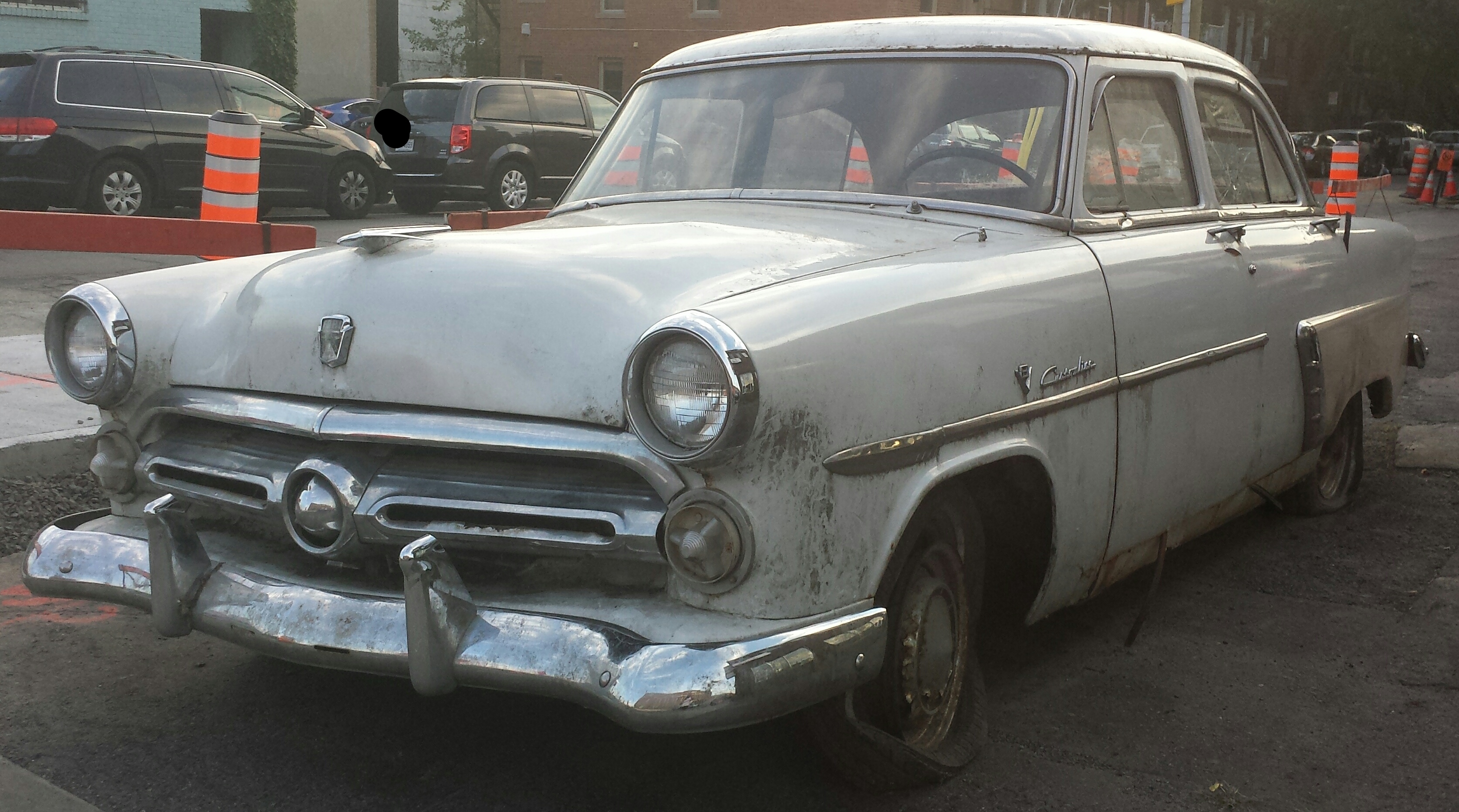
"My first trip down the quarter miles, 1958 at Deer Park with a 52 Ford. That's about all I remember about it."
The 1952 Ford is an old car that many people find interesting because of its unique look and history. It was made during a time when cars were becoming more popular in the U.S.
The 1952 Ford is a classic car from the early 1950s, known for its distinctive styling and solid build. It's part of the post-war automotive boom in America, which saw significant innovations in design and performance.
"...I came down here to Cadillac to get into the sheet metal trade..."
Cadillac is a brand that makes luxury cars. They are known for their stylish designs and high-quality features.
Cadillac is a luxury vehicle division of the American automobile manufacturer General Motors (GM). Known for its high-end cars, Cadillac has a long history of innovation and style in the automotive industry.
"...I was talking about buying a Corvair of all things. And then the salesman got a hold of me..."
The Chevrolet Corvair is a small car made by Chevrolet in the 1960s. It had a different engine setup than most cars, which made it stand out.
The Chevrolet Corvair was a compact car produced by Chevrolet from 1960 to 1969. It is notable for its unique design, featuring a rear-engine layout and an air-cooled engine, which was quite different from most cars of its time.
"...he says, I got this 57 Chevy station wagon that I want to sell..."
The 1957 Chevrolet Station Wagon is a classic family car from the late 1950s. It was known for its roomy interior and stylish design, making it popular among families.
The 1957 Chevrolet Station Wagon is part of the iconic 1957 Chevrolet lineup, known for its classic styling and popularity. It features a spacious interior and was available with various engine options, making it a versatile family vehicle.
"And it was a 283 power pack. And then through the revelation of blowing the power..."
The Chevrolet 283 is a type of engine that was used in many cars. It's known for being powerful and lightweight, which makes it good for fast cars.
The Chevrolet 283 is a small-block V8 engine that was produced from 1955 to 1967. It is known for its lightweight design and high power output, making it a popular choice for performance builds.
"And then through the revelation of blowing the power glide up and putting a stick in it..."
Powerglide is a type of automatic transmission that helps cars change gears without the driver needing to do it manually. It's known for being simple and dependable.
Powerglide is a two-speed automatic transmission developed by General Motors, commonly used in Chevrolet vehicles. It is known for its simplicity and reliability.
The Chevrolet Impala is a large car that was very popular in the 1960s. The 1961 model had a unique look and was known for its powerful engines.
The Chevrolet Impala is a full-size car that was first introduced in 1958. The 1961 model is known for its distinctive styling and was popular during the muscle car era.
"I was blowing that thing up every other week because of the valve train and if you overwhelmed it,"
The valve train is the part of the engine that helps the valves open and close. It includes several pieces that work together to let air and fuel in and exhaust out.
The valve train is a system in an engine that controls the opening and closing of the engine's valves. It includes components like push rods, rocker arms, and camshafts.
"...he was a Ford sponsored guy out of Spokane. He told me after I won..."
Ford is a well-known car company that makes many types of vehicles, including popular trucks and cars. They have a long history in racing and performance cars.
Ford is an American automotive manufacturer known for producing a wide range of vehicles, including cars, trucks, and SUVs. The brand has a rich history in motorsports and is often associated with performance vehicles.
"He said, well, he gave us $1,000 trade in on it."
A trade-in is when you give your old car to a dealership to help pay for a new car. They look at how much your old car is worth and take that off the price of the new one.
A trade-in refers to the process of giving a used vehicle to a dealer as part of the payment for a new or used vehicle. The dealer assesses the value of the trade-in and deducts that amount from the purchase price of the new vehicle.
"...they were really big cheater cams, but you still had to, you couldn't,..."
Cheater cams are special parts in engines that help them perform better than the rules usually allow. They're like secret upgrades that can make a car faster without being noticed by officials.
Cheater cams refer to camshaft profiles that are designed to exceed the legal limits set by racing organizations, allowing for increased performance without detection. They often provide more power than what is typically allowed in a specific racing class.
"...my car because it was a show car race car. A friend of mine, Neil Kenworthy,..."
A show car is a car that looks really nice and is often shown off at events. It's usually not driven much and is made to impress people with its appearance.
A show car is a vehicle that is modified or restored to a high standard for display purposes, often at car shows or exhibitions. These cars typically emphasize aesthetics and presentation over performance or practicality.
"...my car because it was a show car race car. A friend of mine, Neil Kenworthy,..."
A race car is a car built for racing. It's made to go really fast and handle well on the track, often looking different from regular cars.
A race car is a vehicle specifically designed or modified for competitive racing. These cars often have enhanced performance features, such as improved aerodynamics, weight reduction, and specialized tires, to optimize speed and handling.
"Well, there was the stock eliminator and at that time modified super stock and stock."
Stock eliminator is a type of drag racing where cars are mostly kept in their original condition but can have some upgrades. It's all about racing cars that are similar to what you would find in a dealership.
Stock eliminator is a category in drag racing where cars compete based on their factory specifications, with modifications allowed only to a limited extent. This class emphasizes the performance of vehicles that are close to their original factory condition.
Modified super stock is a drag racing class where cars can be modified more than in stock eliminator. This means they can have more upgrades to make them faster while still looking like regular cars.
Modified super stock is a drag racing class that allows for more extensive modifications compared to stock eliminator. Cars in this category can have significant performance enhancements while still resembling their production counterparts.
"350 in it, she runs mainly C. And then the Camaro, Todd's Camaro, it runs B and C with a big block."
The Chevrolet Camaro is a sporty car that many people love for its speed and cool looks. It has been around for a long time and is often used in racing, making it a popular choice for car enthusiasts. When people talk about it, they usually mention how powerful the engine is.
The Chevrolet Camaro is a classic American muscle car that has been in production since 1966. Known for its powerful engines and sporty design, it has become a symbol of performance and style, often competing with the Ford Mustang. The Camaro is frequently discussed in automotive circles for its racing capabilities and modifications, such as the big block engine mentioned.
"...you're at now? Well, we had the big blocks in the Novas for so long. And then like A, B and C,"
The Chevrolet Nova is a small car that was made in the 1960s and 70s. It’s known for being affordable and easy to fix, which made it popular among many drivers. People often talk about it because some versions have really strong engines that make them fun to drive.
The Chevrolet Nova is a compact car that was produced from 1962 to 1979, known for its simple design and affordability. It gained popularity in the muscle car era, particularly for its performance versions that featured powerful engines. The Nova is often discussed for its role in American automotive history and its appeal to car enthusiasts looking for a classic muscle car.
Car
Chevrolet 57-9 passenger wagon
"And then when I, of course, when I got the 57-9 passenger wagon, that just sold me on Chevrolet's."
The Chevrolet 57-9 passenger wagon is a car from the 1950s that was known for being roomy and practical, making it a good choice for families.
The Chevrolet 57-9 passenger wagon refers to a model from Chevrolet's lineup in the late 1950s, known for its classic design and spacious interior, making it popular among families.
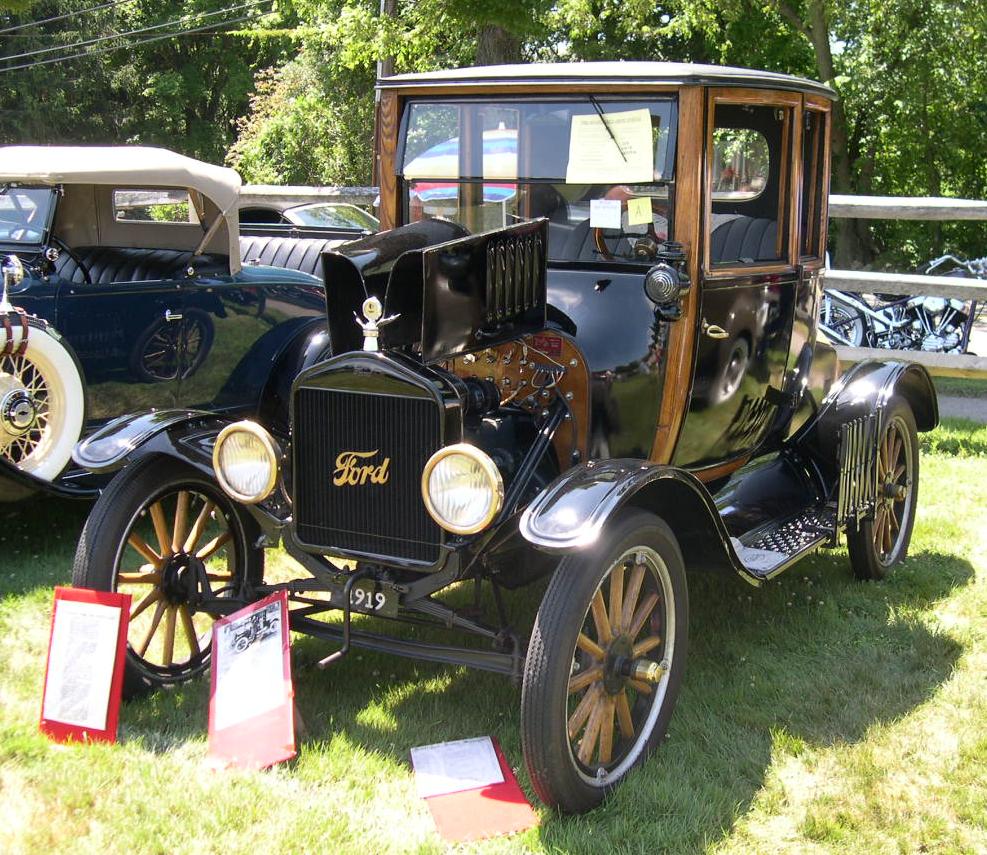
"I've got an old Ford pickup truck, my grandpa's old 75 Highboy. It's just got a bone stock, basic crate motor."
The Ford Highboy is a type of pickup truck that sits higher off the ground than regular trucks. The 1975 model is part of a series of trucks made by Ford that are popular for their strength and ability to go off-road.
The Ford Highboy refers to a specific version of the Ford F-Series trucks, particularly known for their higher ride height and off-road capabilities. The 1975 model year is part of the sixth generation of the F-Series, which was produced from 1973 to 1979.
"...nd. If she ran the guy with the A automatic black barracuda out of Colorado."
The Plymouth Barracuda is a sporty car that was made in the 1960s and early 70s. It has a special shape that makes it stand out, and it’s known for being fast and powerful. Many people like to talk about it because it was one of the first cars in its class.
The Plymouth Barracuda is a classic muscle car that was produced from 1964 to 1974, recognized for its unique fastback design and performance options. It was one of the first pony cars to hit the market, competing with the Ford Mustang and Chevrolet Camaro. The Barracuda is often discussed for its historical significance and the powerful engines that were available, making it a sought-after vehicle among collectors.
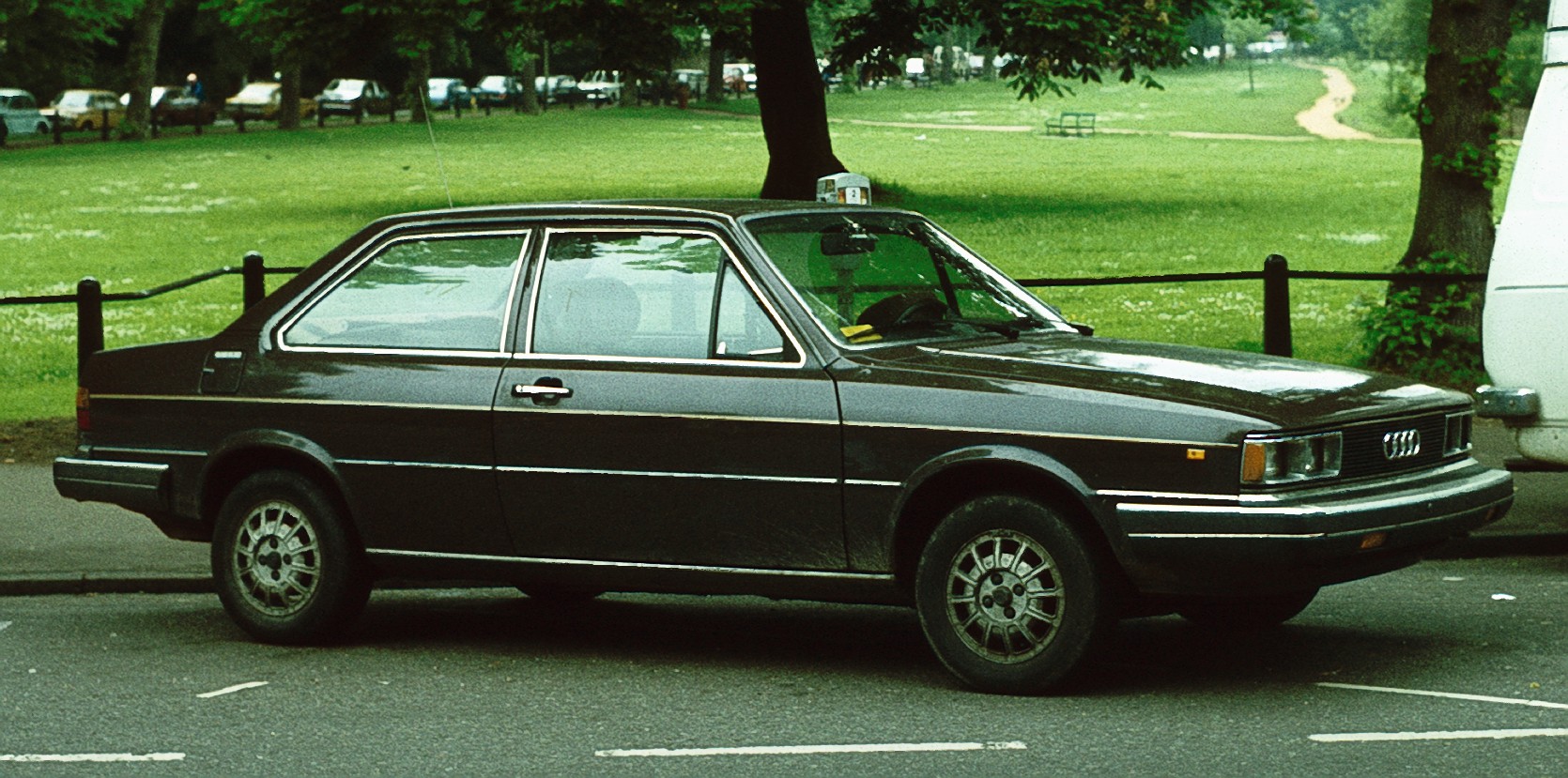
"and put 1106 on it. And she red-lighted by 4,000s and she went 1106-0. And that would have been three years in a row"
The Audi 4000 is a small luxury car that was made in the 1980s. It’s known for being comfortable and having good performance, which makes it nice to drive. People talk about it because it helped Audi become a well-known brand for quality cars.
The Audi 4000 is a compact executive car that was produced from 1980 to 1987, known for its blend of performance and luxury. It features Audi's Quattro all-wheel-drive system in some variants, enhancing its appeal in various driving conditions. The Audi 4000 is often discussed for its role in establishing Audi's reputation for quality and performance in the automotive market.
"...Dave Rand and Ron Mancini, they had 264 Plymouths with 426 hammies in them."
The Plymouth 264 is a car model from the Plymouth brand, known for its sporty performance. It was part of the muscle car era, which featured cars with powerful engines.
The Plymouth 264 is a model that was part of Plymouth's lineup, known for its performance-oriented variants. It was popular in the muscle car era, particularly for its powerful engine options.
"They had just allowed that 64 hammy into Superstock and they were factory cars. Chrysler was into it big time then."
The Chrysler 300 is a big car that looks stylish and has strong engines. It's popular in car racing and has a long history in the automotive world.
The Chrysler 300 is a full-size luxury sedan known for its powerful engines and distinctive styling. It has a rich history in American automotive culture, especially in performance and racing contexts.
"...I left the starting line and I, okay, I'm packing 200s. I know I'm packing 200s."
The Chrysler 200 is a family car that was made from 2010 to 2017. It’s designed to be comfortable and easy to drive, making it a good choice for everyday use. People often talk about it because it has nice features and is a good value for the price.
The Chrysler 200 is a mid-size sedan that was produced from 2010 to 2017, designed to compete in the competitive family car market. It is known for its comfortable ride and modern features, appealing to a wide range of buyers. Discussions about the Chrysler 200 often focus on its value and the changes made during its production run to improve performance and reliability.
"...rom one to 32, it was, I don't know, four tenths. 356 to 362. Yeah, unbelievable, right?"
The Porsche 356 is one of the first cars made by Porsche, and it’s known for being very stylish and fun to drive. It was made a long time ago, but many people still love it today because of its classic design and great performance. When people talk about it, they often mention how fast it can go.
The Porsche 356 is a historic sports car that was produced by Porsche from 1948 to 1965. It is significant as the first production car by the company and is highly regarded for its design and performance, laying the groundwork for future Porsche models. Discussions about the 356 often highlight its impact on automotive history and its enduring popularity among collectors.
Select text to request an explanation
We are live.
Look at that.
We don't need no fancy intro music today.
Couldn't find it.
Oh, come on.
You know, I give you a pass.
A little rusty.
We've been on that extended holiday break for a few weeks, taking some time off with our family.
So I'll give you a pass on this one, but we're bringing back the West Coast Jam next week.
I didn't think the Henry Robertson intro music was quite up Cal methods or quite his
cup of tea.
So we'll have to find some Cal method jams.
Look at you going straight to the age already, buddy.
We ain't even got them on here yet.
Well, we'll get to Cal in a bit.
You guys, if they can hear us backstage, y'all remember who's your favorite?
Parker already taking low blows at the knees.
Well, did you have a good holiday?
I did.
I know Christmas is your favorite.
It has always been a big part of my family's life.
And we've carried on that tradition in my family.
We had one for the ages.
We finally made it up to Leavenworth, Washington during the Christmas light session.
We went the week, the weekend before Christmas and got back on the 23rd.
And right after all those big floods, but they were a pretty resilient community
and welcomed us tourists with open arms and ice skating and sleigh rides and lots
and lots of pretzels and all kinds of good stuff up there.
So we had a great time, man.
Kids had a great, great holiday.
And I just finally took down the Christmas lights this weekend.
I normally would have left them up, but we'd be getting so much rain.
And we had like a five day forecast of sun.
And it was like, I'm not going to get another one of those.
So went ahead and took her down and we've moved on.
But hey, 11 more months and we'll be back at the Christmas is back.
Are you the type of guy who starts celebrating Christmas before Thanksgiving?
Oh, buddy, like Halloween, like it's fun, but for me, Halloween is like,
I like Halloween because it marks the beginning of Christmas season.
So yeah, I mean, we're back in Christmas season in like nine months, man.
We're just right around the corner.
Perfect.
Yeah, how about you?
Yeah, it was kind of a chill laid back a holiday for us.
We didn't do much.
We hung out, played games, spent a lot of time with family,
ate a lot of food, a lot more than I should have.
But when Grandma Carrie and Grandma Melissa make some good food,
you eat it because you just can't pass up any of that.
I put on 17 pounds over the holiday break.
I'm already back down nine of them,
but your boy was not the most handsome podcaster for a couple of weeks there.
It was all going to my face.
My pants weren't fitting, but you know, we're back,
we're back making good decisions and, you know,
heading back down to our fighting weight.
We got to get our stock eliminated or weight back into the car
instead of pulling weight out of it.
Oh yeah, I was like, I don't even need a license anymore.
You know, too slow.
You got well over the 10 second mark, you're fine.
Yeah, I'm too fat and too slow now, buddy.
I don't need no license.
I don't barely need a fire suit.
You still rock the open face though.
Yeah.
No, no, I got, you know, I look like a fighter pilot in there.
I got the blue shield and the whole, you know, the custom helmet.
I mean, a guy like me that races three, four times a year,
you got to have all that custom stuff, you know,
you got to let him know you mean business when you show up.
Absolutely.
Well, we've got some really good guests waiting for us,
but we wanted to get in, get in a little bit of recap on the,
the hangover nationals, which I know you were at.
Yeah.
So why don't we get right into that and recap that real quick?
How to go down there in Tucson?
Dude, it was awesome.
The Tucson crew, Bill Kidd, the whole gang threw on quite an event.
We did have some weather on Thursday,
which there wasn't a race planned necessarily.
It was a test in tune and then they had to shoot out,
but unfortunately got rained out,
but we kicked things off early Friday,
drive the track.
They had over 350 entries down there.
And that's impressive for that event.
It's, it's a lot of cars.
The days are short.
So it's, it's hard to get all the racing in the first night.
I think they finished at 330 in the morning,
but luckily when you're in Arizona,
the track held the heat.
The crew kept, kept the track in great condition.
Even with the do setting in,
it's weird to say that do in, in Arizona,
but it was happening.
But every car I watched went right down the track.
Didn't have very many issues,
but it was just, it was just good to see a big event
in not so popular time of year to race.
Yeah, man.
It looked good.
You know, you mentioned the weather.
I mean, I've seen pictures from the words camp
with snow all over that roadster.
So I know it can get a little wild and,
and I followed along a little bit.
It seemed like every time I turned on the stream,
the walls I could see was Tony Marconi.
Man.
And it's funny you say that because he had quite a weekend.
He dominated the pro class.
He won Friday, Saturday,
and unfortunately for him,
Joe Kidd had quite a day on Sunday,
but he ran rough shot on Friday and Saturday,
bringing home the pro win.
And then Joe Kidd, man,
he ran himself in the final on day number last.
And you think he split it?
I don't know.
He probably chopped it up in the final.
But the whole kid gang,
Joe and his boy,
they, they had a really good weekend in pro as well.
I'm going to bump it back to like Junior Street.
We had a lot of double up winners down in Tucson.
I'm going to butcher this kid's name.
He, he did great.
Nathan Rainstra is, is how I think you say it.
He also won Friday and Saturday.
And Sunday, Allison bull wrap rounded out the last day in Junior Street.
That's like the Junior Street and in high school category in motorcycle,
which I'm not too familiar with,
but Tom Patterson ran rough shot over motorcycle.
He won Saturday and Sunday on Friday.
It got pretty late and the motorcycles didn't want to run on the,
the Dewey track, so to speak.
So they combined Friday and Saturday's purses amongst themselves and,
and just ran that on Saturday.
Junior dragsters.
We had junior dragsters there.
It's always good to see.
I like to see the junior dragster kids at these big money races because
it's like a stepping stone to the big cars, right?
And at least in division seven,
we don't get juniors with the visionals.
So I like when they're,
when they're together and it kind of segues them into wanting to
race a big car and seeing the things they can do if they want to move up, right?
No, I think that's cool.
And one of the things, you know,
we talked to Bill about was just how inclusive that race is.
And that's one of the things that, that makes it so cool is that everybody
gets a shot on the big stage.
And look at that.
Jordan split race for the flyer, baby.
I love it.
I love it.
So no, that's cool, man.
Yep.
But Brian Price on Friday and Sunday brought home the big check in the junior category.
And that's a fresh setup for him.
He just graduated out of the 890 category and, and, and's going into 790.
So pretty cool to see him get it done and moving up.
Jason Reynolds was your winner on Saturday.
Sportsman Zach Morris brought him the win on Friday.
Dave Moeller won the Saturday race and the Saturday race was for Wally.
And Dave also a familiar face on the NHRA side in stock eliminator.
And then RME Slade brought home the win on Sunday.
We already covered the pro get pro category, Tony Marconi,
Friday, Saturday, Joe kid runner up and win on Sunday.
And then super pro Austin downing dominates Arizona.
The whole downing crew between Firebird and Tucson,
you're going to see one of them boys in a winner circle.
So cool to see the one of them win Jacob Collins fresh out of the junior
into a big car going four fifties in Tucson.
Tucson's an elevation track.
So that thing scoots if it's down and sea level conditions.
And then Kiyoki Desa, one of those, he builds a junior engine.
So he's helping kids graduate from juniors and into big cars.
So cool to see Kiyoki finally get a win in his new dragster.
And that pretty much rounds out the results from Tucson.
Congratulations to all the winners.
Congratulations to Tucson.
I know you guys did well and I like to see track succeed.
And it's good that we could have the support from other divisions too.
We had people from Texas there.
So just awesome to see.
I love it, man. I love it.
So yeah, shout out to the Tucson crew.
Shout out to Bill for putting on what sounds like an awesome event.
Congrats on the car count.
I mean, that's a, you know, that's Southwest showdown type numbers.
You know, so great job, man.
Sounds like a good time.
If this is any prelude to the Southwest showdown with the spring plane
coming after it, that's going to be a huge event.
I'm excited for Chris and see what he can put together,
but everything points to a good year for him.
Now that back to back looks pretty awesome.
And the Southwest is going to be where it's at come this spring.
And I keep feeling like we got a lot of off season left, man.
It's there's racing happening soon and I'm way behind.
So looking forward though to seeing some, some people light it up
and go down the track and they kick this thing off.
So that'll be great.
Well, without further ado, without further ado,
let's bring on the heart and soul of this show.
And D six legend.
Cal method.
Cal, we got Cal joined by his children.
We got Todd and Kathy in the house to really appreciate
all three of you making some time to chat with us today.
We'll take up as much time as y'all let us,
but we'll try not to keep you too long.
It's at the same time.
So just really appreciate you guys taking some time to chat
with us today and welcome.
Thank you.
Thank you.
Hi.
Hi, Kathy.
Hi.
Hi, Todd.
Hi.
How you guys doing?
Good.
Great.
You guys got cabin fever yet?
Little bit.
Yeah, a little bit, huh?
We just came back from the division six band quite last
weekend where dad got an award and a couple of words.
And it was really fun.
Finally picked up a Wally.
We got to see the new that the ones who are next year though.
Oh yeah.
How are those in person?
Yeah, cool.
They look pretty flashy.
Hopefully we get to see them up close in person.
Yeah.
Get the whole one.
Take it home.
Well, again, really appreciate you guys coming on.
You know, I,
I got to know Kathy some years ago through this is
bracket racing elite.
And we've been able to keep in touch over the years and helped
facilitate this tonight.
So appreciate that.
You know, Cal,
you're a guy that that I've watched from afar from a long time
and finally got to kind of be up close and personal this past
year in Seattle at the Northwest nationals.
And I didn't get to call your final round,
but I got to call a couple of the other ones and and what a
what a new year.
It was for me as a as a fan, not just of racing,
but of yours to to be able to be a small part of that weekend and
get to talk to the family,
talk to Kathy a few different times.
And, you know,
I knew then that that someday I wanted to be able to dig in with
you more.
We weren't doing this podcast at that time,
but I'm glad we found a found a moment and and we get to do
it here.
So we're pretty excited to have you on one of the things that I
did.
I was digging up some research and I seen that you had over 200
national records.
Is this true?
Oh, yeah.
I'm glad we found a found a moment and and we get to do it
here.
So.
We're,
we're pretty excited to have you on one of the things that I
did.
I was digging up some research and I seen that you had over
200.
Yeah.
Back when national records really meant something.
Cause there's a lot of years in the 70s.
You got 200.
Well, at one time you got 200 points for an ET record and 200
points for a mile hour record.
That's how I was able to win the division.
So many years there in the 70s.
Cause I had every,
every division race I set both ends of the record.
Yeah.
Yeah.
Yeah.
Yeah.
I was going to ask is that what you're doing?
You would just kept beating your own records just over and
over and reset in the bar every, every time.
Yeah.
We would.
I would.
I had the two 83 combinations then.
And you could switch bodies.
You know,
I could switch bodies because the cars weren't near
sophisticated as they are today.
And I could just grab another body.
And I was ready to go to the next race and set the record with
it.
And,
and that,
that's why back then you,
it was,
it wasn't easy,
but you could outwork somebody.
And that's kind of what I did all through the 70s.
And,
but it was,
that was pretty neat time really.
They,
there was a time when each end of the record was worth 200
points.
And when it was worth a hundred points and then they,
like I say,
at most of the races,
you'd set both ends of the record.
And then if you won the event,
boy,
you'd come away with all the,
a full counter of races.
And a lot of times that's kind of what it took to win the division.
What were the season ending point totals back in those days?
I mean,
it had to be just huge numbers.
Back then,
they had the points were different.
They are now they,
you went above a thousand.
Like now,
if you get, you know,
600,
you know,
you're in the running back then,
I think it was,
if I remember right,
it was up in the like 12,000 category,
I think,
but it was just a numbers game,
you know,
no,
not that much different than today,
except you don't have the high numbers,
but it was definitely different.
So,
yeah,
go ahead Parker.
Carrying on with points back then and versus now,
how has yours perspective changed coming from the,
the 60s where you won your first divisional in 1967.
Is that,
has that perspective changed to,
to now in today's modern racing?
Yeah,
it's definitely harder because back then you ran off national records and,
you know,
versus today,
everybody in the eliminator is able to run,
you know,
their number basically.
Whereas back then,
well,
all through probably,
I would say through 79,
there was probably,
I could tell you the last five guys for sure,
that would be there.
And most time was the last four.
And,
like now you can't even come close to that because it's a lot more competitive now as far as the driving end of it.
Back then the performance was a lot more important than it is now.
Because of the running the national record.
I mean,
there was,
there was a time where if you ran three,
three tenths off the national record,
you were pretty damn hard to beat.
Because of your national record,
you could,
you know,
you could be very real competitive this week.
And in two weeks,
you'd get your national dragster and some guy in the Suffolk,
West Virginia or Cecil County and division one,
they put you out of business.
They got a fast,
you know,
got a fast day and a fast time.
Your record could get hammered by two to three tenths.
And that's another reason I was switching bodies so much is because they could put you out of business overnight.
And it sounds like you've had quite a few cars in your camp.
Is there,
is there a number that you have memorized on how many cars you've owned?
Or is there a favorite car that you've owned?
I don't know on the number really.
I don't know.
I would guess maybe 2535 something like that.
But one, one car that really stands out was the Q automatic,
which was a 66 four door hardtop and Q automatic.
And Mary Ann drove that most of the time.
And no, that was a 57 sedan delivery.
That's what I got runner up with at the winter 69 winter nationals.
And then in 1970, my NHRA outlawed that car.
Look at the crowd.
That's kind of cool how many people are in the stands.
Wild.
Well, and I want to ask you, Kathy and Todd.
I mean, in your mind, as you grew up, like you tell us,
what was the coolest car that y'all had in the camp?
Like what's the one that you as kids growing up loved the most?
I was always fond of the 66 Caprice.
Yeah.
That's a Q automatic one.
Yeah.
That's a big car.
Yeah.
That was cool car.
Yeah.
It was low to the ground and I could get underneath the hood
pretty easy being a little kid.
Yeah.
And that's the car.
Mary Ann won the division, her first division championship
in 1981.
That's when division six and seven were combined.
And she won the points championship in the division that
year with that car.
Yeah.
And that was also somewhere in that timeframe.
Why Jim Livingston put on a $5,000.
I think it was a, yeah, it was a bracket race because the guy
we ran in the final had a Nova with nitrous on it and
stuff.
And that car was going 1332 1331 with a nine every pass.
I mean, just every pass.
Yeah.
Yeah.
And that's when Mary Ann wound up winning that.
And I remember the guy in the final, he had a nine second Nova
and he, he broke out like by five tents in the final.
Cause he said, he said, I knew I was really late when I left.
So I hit the override.
I had the asses of what the hell's the override.
He says, well, that's what, you know,
normally I'll have it throttle stop back or whatever.
Don't use the nitrous.
Nitrous and broke out by a mile.
A different time, you know, things have changed so much.
And you've been able to be a part of that evolution.
You raced at a time that a lot of people now, you know,
referred to as the good old days.
I'm somebody who thinks the good old days are, are every day,
you know, the time that we're in now.
Cause that's what you have, right?
Right.
But, but what's that been like, what,
watching it evolve and having to stay current and stay up on,
on that it's changed so much from where you started.
Well, some of it is okay.
I guess you'd say, and some of it I really don't like at all.
Uh, uh, kind of technology has really been the thing that
has changed stuff.
And, uh, that in a way is like I hated it when they went to,
you know, we used to get an ET in a mile an hour.
That was it.
And nothing else.
And I really didn't like it very much when they went to the
information age where you get everything,
but the color of your underwear on the ticket.
It did make it a lot easier for people that work
competitive to figure out why they weren't competitive.
Whereas there was a time like when they first brought out the
Christmas tree, that's why in the seventies we were more dominant
because John McLaughlin, one of my partners,
him and his, a friend of his figured out the rollout on the
starting line.
Well, back then everybody ran small tires or whatever tire on
the front of your car.
Well, John and them figured out that if you had a bigger tire,
you got more rollout.
And, uh, there was also a time if you, uh, if you staged
closer to the outside of the track with,
because those lights on the starting line,
they had a three inch beam on them.
So you could get a hell of an advantage.
And there were just a whole lot of people that didn't
understand rollout back in those days.
That's why you'd see a lot of people back then.
You know, leave on the green.
And, uh, we figured that out right away that,
you know, you could leave early.
And, uh, that, uh, that part of it, you know,
all of that, all of those, that kind of stuff is what's
really changed today.
I mean, everything is just, everybody knows pretty much
all there is to know, uh, you know, about driving
and all kinds of stuff.
I guys driving the finish line, great and stuff like that.
Uh, it's, uh, that, that part of it is just really,
really changed the sport.
You guys are playing a different game these days.
Um, Todd and Kathy, you know, you guys are both racers yourself
and, and whether it's as racers or growing up,
uh, watching, watching your mom and dad,
you've seen this through a different lens.
Um, you know, then, then they were seeing that.
Maybe tell us a little bit about, you know,
that experience growing up, uh, watching them race.
What, what was all that like for you and how has that journey
been, you know, for you guys?
What?
Oh, I don't know.
It was just always fun.
I always loved going to the races since, you know,
we were going since we were babies and it was just always fun.
It was just always part of our life.
That's what we thought was normal pretty much.
Um, and then I left, I got married and left and my husband
is, uh, retired military.
So we were kind of living all over the world.
And then when I came back, he retired and we came back here.
Um, it was, it was fun.
I was going to the races watching and then I had a,
uh, Nova that I drove on the street and Todd's like,
well, what do you think?
Should we, you know, you want to, you want to do this?
And I said, and that was not too long before I met you,
Troy, at that, um, at Woodburn, you know, at the bracket elite
thing.
And, uh, I was, I was like, sure, let's, let's do it.
And I was now, I was like, Oh, you got me into this.
You can't get out now.
It's like,
I didn't realize you were just kind of picking it up and
getting into it.
Todd, how long have you been wheeling a car?
Uh,
like 10 years,
probably 10, 10 to 12 years.
Yeah.
So obviously relative to cow new, new racers, um, but,
but been rolling now for a little while was,
was this something that was just in your blood and you
loved from the start?
Cause you grew up with it or did you guys have to kind
of learn to love this stuff?
Or, you know, what was that like?
Did you have a dread going to hanging out at the track?
I loved it.
I always loved it.
I love, you know, just being there and just having fun
and hanging out with people and watching a lot of fun
when we were kids.
Yeah.
Yeah.
For sure.
And Cal, um, you know, I know no matter what I'm doing,
whether it's racing, something I love to do or something
the kids love to do, you know, spending time with my kids.
Uh, it's all I care about.
It's the thing that means the most to me.
Uh, what a neat experience to be able to have your family
close to you.
Well, it's really great, you know, they're to have just
for so lucky to just have them here in the same town,
let alone being able to go racing with them.
That's pretty awesome.
Yeah.
That's a classic, that's a classic photo right there.
Yeah.
That was 1970, 71.
It might not look like I was having fun,
but I think I was torturing her.
So yeah, I was about two years old.
And she's, she's in hard.
So, you know, she is having a good time.
Speaking of my kids, I got to shut this door real quicker.
We're going to get,
we're going to get this show crashed in a hurry by my four year
old.
Take it for a minute, Parker.
I got a handle business here.
Okay.
I got it.
Okay.
So now that you guys are in the sport,
is there,
is there potential for a third generation of,
of Cal methods,
grandchildren in the driver's seat?
I don't know.
My great,
my great,
his great grandbaby, my grandbaby, she loves it.
She went to some races last year.
And yeah, she,
we were at Seattle and she was sitting there and she goes,
grandma, isn't this just, this is awesome.
Yeah.
So,
you know,
I'm going to be around Holly's race cars.
She'd get in the car when I warm up and she loves it. Yeah.
That's awesome to hear.
And she's got good teachers if,
if she so desires to, to dip her toes in this.
But yeah.
Yeah.
Hey,
they only got two more years till they can be in.
Yeah.
She's got her little electric car that,
that she drives around the driveways.
That's awesome.
We're talking about being at the track when we were kids.
I was at my first drag race in the summer of 1983.
I was about six months old and I was at the AHA world finals
in Spokane.
We used to go up there all the time and,
and right around that same time.
Cal,
you were winning the world finals of the NHRA at OCR.
Yep.
The last NHRA race I ever contested there.
How much did that moment mean to you then?
And how do you look back on that today?
It's got to still be one of the top moments of your career.
Oh yeah.
Yeah, that was,
that was really winning the last race in Orange County.
It was just about as much as winning the world finals.
And the only bummer is that was the first year they went to
the year long point system.
Before that,
if I'd have won the world finals,
I'd have been the world champion.
Well, you're our world champ, man.
We're going to,
we're going to give it to you.
Yes, you got to earn that one.
That's pretty cool.
So,
sorry,
kind of bouncing back to getting kids in the sport and,
and that train of thought.
Was there anybody who was kind of your mentor or influenced you
heavily,
getting into the sport or teaching you how to make things go fast
or.
Oh, absolutely.
I was raised on a farm up in San Point, Idaho.
I was driving tractor and pick up stuff around the farm.
And in Idaho,
you could get a driver's license at 14.
And when I got a car, it was just all about, you know,
I don't know.
I just wanted to make it go fast.
And I didn't know nothing.
And,
and anyhow,
I never did really do much.
My first trip down the quarter miles,
1958 at Deer Park with a 52 Ford.
That's about all I remember about it.
I don't remember nothing else other than back then it was
a flag man.
I do remember that.
But then I graduated 1961.
I came down here to Cadillac to get into the sheet metal trade
because I had an uncle that was in,
in the trade down here.
And it was kind of hard to get in.
It took me a year and a half to get in.
And then I worked in gas stations in the meantime.
Well, then I got into one of the dealership salesman's
at the Chevrolet dealership.
I think it was 1960.
Must have been 62 probably.
I went down and I thought, okay,
I'm going to buy a new car.
And I was talking about buying a Corvair of all things.
And then the salesman got a hold of me and he said,
you can't afford a new car kid.
And I said, oh, he says, I got this 57 Chevy station wagon
that I want to sell.
I'll give it to you for the right price.
And anyhow, long story short, I bought that.
And it was a 283 power pack.
And then through the revelation of blowing the power
glide up and putting a stick in it and then blowing the motor up.
A friend of my roommate at that time worked at an auto supply
in Pasco.
They redid the motor and put a Duntoff cam and stuff in it.
And it was pretty damn fast for the street,
mainly because didn't really do anything that I mean,
like I say, I didn't know much back then at all.
And but I had a low gear three speed and a fairly lower end in it.
And on the street, it was, you know, being the station wagon.
I didn't particularly know it, but that's why it would hook up
better than like a hard top or something.
And anyhow, I got into that and then kind of got myself
into some financial trouble back in the 60,
probably 62 and three kind of spent more like a dumb kid spent
more and I was earning and on cars.
And so I kind of backed away from it.
And then in, I guess it'd be 1964,
well, I had a 61 Impala 348 Tri-Power car.
Well, I was blowing that thing up every other week because of the
valve train and if you overwhelmed it,
the push rods would fly off and everything.
And anyhow,
He's racing a truck motor.
Yeah, long, long, very short.
I blew that one up and I finally said that's it.
And I bought a 283 two barrel out of a wrecking yard
in Lawners Ferry, Idaho and put in that car.
And that was probably 63 early 64.
Well, then I went to Deer Park.
I think probably June or May or June of that year.
And back then all I had was class races, you know,
a liminator and modified liminator.
That was about it other than the alters and stuff like that.
And I got up there and a guy with a 55 Chevy and a 265,
he blew my doors off.
And there was a bunch of us from down in the Tri-Cities,
went to Deer Park every week they had a race.
So we kept going back and I kept coming home and doing
something to the car.
And the Bob Coyle was the guy's name with a 55 Chevy.
And he was in the Air Force out at the base there and Spokane.
And about towards the end of that year,
I started got good enough I could beat him per class.
And I started beating him and I beat him every year
until the end of the year.
And he finally quit racing those cars.
And then in 65,
I think I was running probably close to a half second
off the national record.
But somehow I wound up winning the Eliminator,
which I didn't really know much about then.
And I remember Leonard Roff, he was a Ford sponsored guy
out of Spokane.
He told me after I won, he said,
well, you want to be sure and go get your money.
And I said, I didn't even know you won money back.
I said money.
And he says, yeah, you get $65.
And he said, don't let Mo screw you out of it.
Because he said he's notorious for running off
and you got to chase him down.
And I think I wanted about 12, 30 Saturday night.
And it was about three o'clock Sunday morning
when I finally got my money out of it.
And that was the first time that I knew they had money.
But the guy that really leading up to that was in 66.
And back then, I got to tell you, there was nobody out there
period that would tell you anything about how
to run a class car.
I mean, nothing.
If they did tell you something, they were lying to you.
And in 60, middle of 66, I found out that I always knew.
I mean, I had studied it and there was 23 stock classes
at that time.
And there was, if you held a national record,
you were somebody.
And there was eight national record holders
out of Yakima, Washington.
And I'm thinking, well, what the hell?
You know, Hawaii, how can there be that many there?
There's something.
Well, Sanderson brothers had a nine passenger 57 wagon.
And I found out it was for sale.
And I called Jim Sanderson and he said, God,
we just traded it to this realtor guy for some land.
And I said, well, you traded it to him.
He said, well, he gave us $1,000 trade in on it.
And I said, well, is there any chance you'd get the car back?
And, you know, I'll give you $1,000.
And Jim said, I'll call you next week.
And he called me and he said, yeah, the guy said fine.
He'd rather have the money anyway.
So that next weekend I went down there and he sent me
on the couch and talked to me for two hours.
And he told me, you know, what was going on.
And he took me light years into the future.
I mean, I would have never, it had took me years and years
and years to ever get that.
But when I bought that car, I mean,
I instantly became one of the guys to beat.
And he told me that their dad had went to school,
high school with Dave and Dave Crowe and his brother.
Well, back then NHRI didn't know how to check camshafts.
And somehow they knew it.
And so they ground cams that were pretty,
they were really big cheater cams,
but you still had to, you couldn't,
back then you couldn't put notches in the pistons or anything.
So it had, you could only put in so big enough,
but it was enough where the cams helped like that last 10th or so.
And then there was a guy, Gene, Gene Glazier,
he was building all the motors in Yakima.
And anyhow, when I got that car,
I became instantly competitive.
And that's, I won the, I think 66,
I won the Montana state championship with it.
And then 67, I won Edmonton,
the first points made it up there that I ever won with that car.
And, but, but in 66,
I was racing at Deer Park in 64 and 65.
Well, in 1966, I was working sheet metal
and my mom and my ex-wife,
we decided to take a vacation to go to California
and go to the Winter Nationals.
Well, when we got to the Winter Nationals,
I mean, you talk about, I was hooked before,
but I mean, I was really hooked after that.
I mean, there was, you know,
you had to wade through people to get up to the fence to watch
and there was no room in the grandstands.
And I mean, it was, it was unbelievable.
I mean, and that really is what hooked me.
Is that in this photo?
That was in 1973 because of Superstalk R.
Parker, we don't get to that episode,
that picture for like six or seven more episodes.
So to you guys at home, this is part one of 37.
We're at 1966.
We got a ways to go.
Cal, I want to, I want to jump in here
because you're bringing up the Winter Nationals.
And I think there's, there's probably a big contingent of folks
who are east of the Rockies who, who maybe, I mean,
they know it's big and they've been there and they felt it,
but as a West Coast kid growing up,
I had no connection to Indy or any of that stuff.
The Winter Nationals, I remember growing up.
I mean, that was, that was it.
I mean, that was the biggest thing in the business.
It's still my favorite race.
Talk a little bit about the importance of the,
the Winter Nationals and what that meant then
and even still now out here on the West Coast.
The reason it was a big deal then,
there was only four national events, you know, for a year.
And so like when I got runner up at the 69 Winter Nationals,
that was the first time I ever won class
and you had to win class to get in the Eliminator.
So there was only 23 cars if you had full class count.
Most of the time there was maybe only 20 cars in the Eliminator.
And then you were running off the national record.
So some of them won class.
They weren't really competitive in the Eliminator.
And, but it, yeah, if you won a national event back in the 60s
and early 70s, you know, you were really,
you were somebody then.
I mean, yeah, that was, you only got four chances a year
and that was all, and people didn't travel,
you know, from one to the other back then,
because however, like all over the country and, you know,
people just didn't travel that much.
I did go to Indy in 1969.
That was my first time going there.
But there, there was, there wasn't the amount of people
that go like they do today.
Yeah, Indy's become such a big thing.
And I know, you know, 99 out of 100 people,
if they can only win one, that's the one they want to win.
I'm the guy that, if I could win one,
I want to win the Winter Nationals, man.
That to me is still, that's still the pinnacle.
I've got old videos, Diamond P Sport stuff, you know,
from back in the day of the Winter Nationals.
And to me, that's the granddaddy of them all as a West Coaster.
So, so pretty cool.
Yeah, it really disappointed me when they flip flopped,
you know, the Gator Nationals and the Winter Nationals.
It's like, how can you call it the Winter Nationals now?
When it's not even in the winter.
Because, I mean, out here, you know,
that's what you look forward to all year long
to get out of the snow and ice and shit
to go down there and race in February
or even January at one time.
And, but it, but yeah.
Yeah, Indy unfortunately is really, to me, has really lost
its luster, you know, they still,
they still try to make it up as the race and all that,
but it's really not.
In 69 when I was there, there was,
sedan deliveries were the car to have back in those 68, 69
and all the magazines were,
you were in all the magazines with one.
And there had to be over 150 sedan deliveries back there.
And I remember I was so disappointed
because I seen all the cars that were in all the magazines.
I mean, mine was in there too.
But I got back there and I got to tell you, I mean,
I don't know how practically everybody there
come up and commented on my car
because it was a show car race car.
And a friend of mine, Neil Kenworthy,
was a body and paint guy at that time.
He was just starting his apprenticeship
and he kind of experimented on my car.
And it was, it was so much nicer
than most of the East Coast cars that it was really funny.
But, but they,
but a lot of the East Coast cars were pretty fast
because I found out later on
that that's when guys like Bob Duffy,
Stahl and Moroso,
they were just kind of rising up Bill Jenkins.
They were just kind of rising up then.
Well, there was a few of those East Coast junior stalkers
that had help from those guys.
They were way ahead of us.
Imagine that Parker,
Stays and Lanes just full of panel wagons.
Well, there was the
the stock eliminator
and at that time
modified super stock and stock.
There was 964 of them there
in 1969 at Indy.
That's why, you know, nowadays they get maybe,
they only let in maybe 300
and back then.
But, you know, the thing that's really evolved is back then
they only had like three or four categories.
You know, they had stock and super stock
and modified.
And then it went to, you know, the alcohol
and nitro.
But
you were probably, you were probably responsible for something.
You got a guy at Cal Method out here
sitting 200 national records.
They got to make another class for everybody else
to be competitive, you know.
They give the other people a chance.
That's what I say.
I was willing to work harder.
W stock automatic doesn't exist without Cal Method.
You have the whole alphabet.
Back in the 70s,
74, I think it was,
I think it was 74.
There was
probably about a three inch section
of the record page that was,
it was all us.
Because we had like Q and R
and I can't remember all the classes,
but we held both ends of all the classes
we fit in at that time.
And that was a big deal.
We've talked a little bit about the different people
you've raised.
You talked about, you know,
beating the brakes off a few people here and there,
but you guys have all raised each other.
You know, the intro picture
was of you and Kathy racing.
Who's got the, who's the all time winner here?
Who's got the heads in the family?
Who's got the edge?
Mary Ann's not even on the screen.
How Mary Ann might have the record.
She's got the edge.
For sure.
But on head to head within the family,
is Mary Ann the one in the, in the lead?
Yeah.
Yeah.
Yeah.
She, and we did.
Well, did you ever race mom?
No.
Like I never,
when I started racing mom was already stopped racing,
but me and dad,
and I think the first time I raced and I beat him,
which everyone was shocked.
I remember I had to race.
It was a Boise.
I think, and I had to race dad and mom said,
well, sorry, Kathy.
And I was like, whoa.
And I beat him and I think everyone was pretty surprised.
That's pretty awesome.
Some motivation there.
We're going to have to set up a match race to break the tie
here.
Maybe have to double divisional at Woodburn.
We got to set up a little match race and settle this thing.
If I meet me and then dad,
I don't think Todd's ever beat dad.
I beat myself every time.
I can interject here.
My last round in stock eliminator,
I got whooped.
Straight whooped.
Gave me nothing to play with.
Let's go there for a second.
When I saw the draw,
you know, obviously Parker and I are buddies and Cal.
I'm a fan of yours.
And when I saw a blind squirrel between you two to start that
event, it was like, I mean, it don't get any better.
And that to talk a little bit about that race.
It was such a kind of a crazy event.
And you guys are going in blind.
Like I kind of want to just do that at every race.
That was a lot of fun.
Well, when they, when they told us,
that's what they were going to do.
I thought it was going to be like what I've done when I've
been back in Bowling Green, Kentucky,
and other races back there.
They line you up.
They call up stock.
They line you up six across and then they just pick
like this lane, this lane, whatever.
Well, we got up there and I pulled up in the normal
lane and the, and I asked the gallon.
She's now we're just lining them up whoever comes up.
Well, five or six cars come up.
They pull up all behind me and then Parker pulls up.
I thought, oh great.
I got to raise him first round.
But I had a pretty good record.
I was pretty confident of my number.
In my defense, I didn't know.
I couldn't see who was out there.
So I was just, that's what I was going to ask.
If you knew who you were pulling up on her,
or you didn't know until you got up there.
If I would have known Cal was the first pair,
do you think I would have pulled up there?
No, I'm smarter than you.
I don't know.
You whipped the hell out of me at Bakersfield.
He didn't leave me any window.
Well, you owed me and you definitely spanked me.
So.
Well, you guys laid down the heck of a lap, man.
It was, it was fun to watch.
Truthfully, that's the kind of rounds that I don't mind losing.
Good, good races.
We both threw down.
And if you do exactly what you set out to do,
which I felt like I performed well and just got beat.
And can't hang your head on those rounds.
Yeah, yeah.
Well, you did a hell of a job at the end.
I mean,
it was a good job because I couldn't have told you which car was a
head.
All right, go ahead.
Go ahead.
Sorry, I'm changing topics.
If you want to stay on this topic, go for it.
We're bouncing around.
We're just having a good time.
Go where you want to go.
So in a little bit of my research,
I found what I think should be a good story.
I've heard that your ramp truck broke down.
And you just so happened to have a spare stocker engine.
So you threw it in to get home.
Yeah, I used to always pack a spare motor.
And yeah,
we were going to Fremont raceway for a points meet.
And we got down in the middle of by redding there and we dropped
a valve in the motor in the ramp truck.
But I can't remember.
I think it broke just before an exit.
And I coasted off the exit and we coasted right into like a
caterpillar dealer lot or something there.
And I don't remember.
I'd say it was probably 10, 11 at night, something like that.
And of course we didn't have the lights and stuff that we got
packed with us nowadays.
We did that shit.
And I unloaded the trailer and unloaded both cars.
And got the engine picker hoist out and started changing motors.
And then I had to think I,
there was a few things that I had to adapt because the,
I think the,
I can't remember.
I think the,
we had a 427 in the truck and I think it had a quarter jet on
it. And I had to,
I don't remember what I did to get the carburetor to fit on it,
but anyhow,
we got it going.
I think I quit working about four o'clock and then I got up about
seven and,
and kind of finished it up and we took off and thank God that
truck at that time had a four speed in it.
Cause I would have worked with an automatic.
Cause I had the idle set on about 2,000, 2,500.
We, we got going, not knowing how it'd work.
And taking off was a little tricky, but boy, I'll tell you,
once you got up to high, you know, freeway speed, man,
that thing was awesome.
Yeah.
We got three month there and,
and we raised and then Steve Vaughn worked at Redding
brothers at that time.
And I talked to Steve and he said, bring the 427 over.
We'll fix it for you.
So we, we went to his place and went over there and Steve
and them, they put a sleeve in it and fixed it up and then
we switched it back.
But I got home and I took that motor apart to see what it
looked like.
You couldn't even tell we'd even there.
It was perfect.
But we had a lot of stories like that.
I mean,
one year we was coming home from Indy with a ramp truck
and trailer, both cars.
And we got, we were out in the middle of Nebraska or someplace
out there.
I don't remember where the hell was at.
We blew another tire on the trailer.
Of course, back then you just had regular old tires on your,
it was an open trailer.
And we're going, what the hell we do now?
Cause we're out of spares.
And we look over, here's this pile of cars sitting out in
the middle of this field.
Well, at that time, when you build a trailer,
we found out that Ramler,
they bolted their front spindles on.
So you could go get those and build a trailer and put that
onto your, your square tubing or your rectangular tubing.
And, and that would, you know,
you could have a spindle, build your own spindle.
So we had those.
Well, we went over that wrecking yard and a hubby dammed.
If there wasn't,
there was a Ramler over there that had two good tires on it.
Put them on and went down the road.
But we got a lot of stories like that.
There was one year going to Andy.
And we had the Q automatic car.
And it was on the trailer on behind.
And my wagon was on the ramp truck.
And it was,
and it had the nine passenger.
Well,
that sticks down about six inches below your bumper or something.
Well, we're going.
Through somewhere.
I don't know where it was at.
I was in the Midwest.
And we're going through.
And Mary Ann's driving.
And I'm in the sleep or sleep.
And all of a sudden I'm just bouncing.
And I'm going, what in the hell.
I get up and I says, God,
pull this thing over.
We're just,
it's just bouncing like crazy.
And the road was that bad.
And I was in the middle of the road.
I was in the middle of the road.
The road was that bad.
And so I took over driving.
And I didn't go a quarter of a mile.
And all of a sudden I could feel.
Something went limp back there behind the truck truck.
I told her. I says, man,
I think your car is gone.
And I let off the, the, the gas a little bit.
Well, about that time I seen the car.
and it had went that way and jerked
and it was coming back across.
And I said, boy, I don't know.
And I just eased off the gas and that thing,
it went the nose down and went under the back of the truck
and the nose of her car slid underneath
that nine passenger well and it pinned it right there.
And I was able to slow it down.
And the only thing it hurt was a chrome strip
that went on her hood.
Oh my God.
And then we're sitting there,
we're going on, what the hell are we gonna do?
Cause the ball had broke the shank
on the ball on the trailer hitch.
And so we're sitting there and this state cop pulls up
and wanted to know what was going on.
And I told him, and he says, hop in.
And so he takes me to the next little town.
And he said, there's a Ford dealership there.
And he said, I'm the used car lot.
He said, I'm sure you'll find a ball the right size.
He says, go out there.
And when you find it, just put a $10 bill in the hole
and I'll be damned, I go out there and I find one.
And I did it, went back to him.
He gave me a ride back to put the ball on and off we went.
I couldn't believe it.
Man, everything was better back in the day, man.
Yeah, yeah.
Wow.
Nowadays, they won't hardly stop if you're, no matter what.
There's nothing I fear worse than,
I always talk about my car.
I could afford to build it once,
but I can't afford to build it twice.
And the one thing I fear the most
is that trailer coming off the hitch or something.
I got an old, it was an old hay trailer
that I kind of fixed up.
It's an old open trailer and it's all right,
but it could be better.
And sometimes the latch ain't a little loose
and my chains aren't very good.
And man, every time I go anywhere,
I just, I play that scenario in my head,
that trailer passing me up or the chain breaks
and rolls off of that thing.
And my biggest fear, man.
And I wouldn't get that lucky.
Mine would have lined up in the other lane,
parking some family of fives, front end.
Yeah, yeah, that's,
I remember when we bought our first motor home
and we had got,
when we got our first stacker trailer,
Mike Henderson and Mike Furter,
they had stackers and the big motor homes
that they had had them for a few years.
And I remember them telling me how
they had both lost their trailers
and then went down in the ditch.
And thank God they didn't overturn
or hit anybody else and kill them.
And I remember I come home right after talking to them,
I doubled the receivers on there
and we use double receivers now
because that really, that's scary.
Cause you think like, if you go over,
then it could just easily go over
and hit somebody head on and kill them.
Yeah, man, scary stuff.
Will, maybe I'll take another left turn here.
You brought up a lot of the different classes,
the cars that you've run.
I wanna know the classes.
I don't have them all memorized of each three
of your cars now.
And then I have a follow up question to that.
Well, my car right now is a G and H car.
It's a 327, 275 horse.
Then the one,
Kathy's drives now has the LT 350 horse.
350 in it, she runs mainly C.
And then the Camaro, Todd's Camaro,
it runs B and C with a big block.
So you talked about switching bodies before
something that's always intrigued me.
You'll hear Hal and Joe talk about
the different combinations they went back and forth
and up and down.
They've settled pretty good on this 350 combination.
But what goes into your decision,
what drives you to pick a certain class
and stay there or not and move around?
What goes into that for you
and why have you landed where you're at now?
Well, we had the big blocks in the Novas for so long.
And then like A, B and C,
that's, you know, there was a time there.
It's bad now, but there was a time
when that was just war, you know,
and we were able to sometimes be on top of the whole group
and sometimes then we start sliding.
And then I decided to go to the 327 in my car,
just mainly because it was a lot more economical
than the other,
but I had one of the 402s left over
and so like Todd's car,
it went from a street car to a bracket car.
And then we put the 402 made it a class car
and that's how his evolved.
And hers car did the same thing,
only it's not as sophisticated as our other cars
because like nowadays with the, you know,
$2,000 shock absorbers and all the springs
and stuff you got to have.
Why, you know, it's only so much money to go around,
but usually it was economics that drove most of the classes.
And I'm team big block with you, Todd.
I'm team big block baby forever.
My pops always just tell me, you say,
if you want to go fast, you get a small block.
I want to go fast.
That's all I want to do.
Well, that's my dad.
He said, if you want to go fast, get a small block.
If you want to go real fast,
you got to put a big block in there.
Go big or go home.
I love it.
Yeah.
You're muted, Park.
My bad.
I got a follow-up question on this topic.
So you started out your first trip down the racetrack
was with a Ford.
Yeah.
Was that your last trip down the racetrack
with a Ford or?
Yeah, it was.
Why did you choose Chevrolet?
Part of that story was when I got that 57 Chevy
station wagon from that salesman.
When we broke the motor
through a series of finding the parts,
why I found out you could get the Duntoff cam
and the subtle lifters and a can of UOS from GM
for $16 back then.
And a buddy of mine happened to have a small block Ford
at that time.
And he just got a cam lifters
and it was like $69.
And the same with all the other parts.
And the Chevrolet was just a way lot cheaper car
to make go fast than a Chrysler or a Ford.
They were just always more money.
And then when I, of course, when I got the 57-9
passenger wagon, that just sold me on Chevrolet's.
Now I ran 283s forever because they were cheap.
I could build them.
I mean, lots of times I had five motors out in the garage
and we always had a spare with us.
And it was just a different time then.
And yeah.
Well, that part stayed true.
You still can't afford to build a Ford that goes fast,
man.
I've got an old Ford pickup truck,
my grandpa's old 75 Highboy.
It's just got a bone stock, basic crate motor.
And I keep thinking I want to hop it up a little bit,
but it's more expensive to build that thing
than it was my race motor.
Yeah.
Yeah, yeah, it's real.
That's just like one of the most humbling experiences
for me was I did my own motors all the years
up until I would say probably somewhere 2010,
give or take, something like that.
Then it got to where the age of cheating
and covering it up came in.
And I finally was sliding and not being as competitive
as I wanted to be.
And so I, Bob Gullet and I are good friends.
And I knew of his Tilburg connection.
And so finally I told Miranne, I says,
I got to order a motor.
And before I did it, I added up the parts,
what it would cost me to do it
and the machine work and put it together,
not including a trip to the dyno.
And then I called Brian and said,
you know, what it was for him.
It was only like $2,500 more for him to do the whole thing
and plus throw in going to the dyno and back.
So that-
So you can say, look, babe,
it's making a smarter financial decision here.
And you can still get me for a couple hours.
Yeah, yeah, maybe she wanted you to do the engine though.
I got another question for you.
So you've raced predominantly stock
and super stock your entire career.
Is there any other class that you ever raced
or considered racing?
I ran a friend of mine had Hank Thompson's
or Hank Johnson's old top fuel car back in the 80s.
And there was a class and spoke in the top 16,
they called it.
And it was the fastest 16 cars, they would run each other
and they had, you ran on a three-tenths pro light
and you qualified in your time trial
and you carried that over.
And then if you went 500s under the first round,
you lost that 500s.
And he was running that and I decided
I had a motor, a stock eliminator,
a stock motor that I had built.
And I told him, I just put this in, go up, see how it runs.
And he put it in and he went up
and he ran like eight sixties with it.
And we anyhow, through that,
why I started going up and helping him
when I wasn't running at a point meter or something.
And then he finally said, well, you drive this weekend.
So I would drive one weekend
and then I wouldn't be able to go with him and stuff.
And after I drove with the first weekend
why the starter and Don Jewel out of Spokane,
they were high school buddies.
Well, the starter had, you had to stop five feet back
and the starter would wavy in.
He couldn't go in until he waved in.
Well, he made sure Don got in before you did
and on a three-tenths tree, you were screwed.
And that's back when trans breaks in the power glide,
they were, when you clicked them,
you might roll two inches or you might roll 12 inches
and you didn't know.
And so you had to kind of, in the only way
you could make it consistent was to get it up
about 2,000 RPMs and jolt the shit out of it
when you set it.
And so we, I went a couple of times I went and I said,
you know, I says, I know how we can win here
but you gotta make some changes in this car.
I says, drum brakes hold my 4,000 pound station wagon
on starting line and those damn disc brakes
won't hold that dragster.
And so I said, you go out and let's put drum brakes
on the back of the dragster.
And then I said, we're gonna stack 200 pounds of lead
right on the back end of it.
I said, we lose 500, it's the first round.
We take 50 pounds off and then we're right back
where we started.
And so he, we set that all up that way
and then it was his turn to drive.
So we're going up and he said, well, you can't come,
you know, the next time.
He said, why don't you drive tonight?
And I said, well, okay.
And we got up there and I made the first two time trials
and I mean, the other guy sitting there and I was gone.
I mean, I was out of car length on a dragster length
before they got going.
Cause I could, you could push on the brake
and floorboard that thing and it wouldn't wiggle.
And on the three chance pro tree, why that was a real ticket.
And so we qualified and then I ran the first round.
And I think I lost eight or nine hundreds and I come back
and I said, okay, take off some weight.
We took off the weight and went up
and then the second round, I think it was
while I was racing this guy and, you know, I think,
hey, we're going to, no problem.
We're going to beat him.
And I get down there in high gear
and I looked back as far as I could in the dragster
and I couldn't see him.
And I thought, okay, I'll step on the brake
cause I'm sure he can't catch me.
And I stepped on the brake and then I let off the brake
and I'm going, wait a minute, you know,
something's wrong here.
Cars kind of just turned to the right
and it wouldn't come back.
And I was going, what the hell?
And I finally figured out the right brake was locked
and I kept pushing, you know, bringing the pedal
up my foot, but that wouldn't help.
Then I looked down there at about,
I don't know, 150 feet or so.
I can see right where I'm going to go off the track
and there was a bulldozer had raided his blade
and there was about a six inch berm there.
And I thought, oh, this is not good.
And I hit that.
And then all I remember is tumbling.
And then at one point I remember being up in the air
and I was back on the track
and it was straight up and down with the front end down
and I'm up here and I'm thinking,
boy, I hope these traps hold cause when it hits,
you know, if they don't hold,
I'm going to be like a tomato scorched on it.
And anyhow, it hit and rolled and everything
to finally come to a stop.
And I got out.
Finally, the first thing I did as I was going down,
I'm not hurt cause when I was tumbling,
I was thinking, boy, what if a rod breaks
or something and sticks through here?
I'm going to get punctured.
And anyhow, I got out and I was sitting there,
well, the car was absolutely beautiful
because they're made back in those days.
They broke right behind the driver.
That section broke and went away.
And then the rear end broke at the rear end
and it broke behind the driver.
Those two parts were supposed to go away from each other.
And then you had the front end that you were in
that basically stayed intact.
Well, when I was tumbling,
I knew there were things tumbling all around me.
Well, he had used Marine cable
to mount the master cylinder on the rear end,
bolted to the rear end.
And then he used Marine cable for the throttle linkage
and the shift linkage.
Well, everything broke and separated
just like it was supposed to,
but it wouldn't go away because of them cables.
So it was just a jumble of parts going
and thank God I didn't get hurt that bad.
I was just the next day I was solid black and blue
from the shoulder harnesses and everything.
But that was very lucky to survive that.
We were watching it from the starting line
and then I thought he was dead for sure.
I was gonna ask if you guys were there for that.
He's down the track.
We get down there and he's beating out the flames
with his fire go.
Yeah, the car was on fire and I'm just pissed
because I wrecked the guy's car.
The follow-up of that is Sunday night,
I'm out in the garage working and he walks in
and he's got this brake drum
and it was a drake drum off an Osmobile.
It was those that have the big fins on them.
Well, he had cut the fins off with a cutting torch.
So that heated the drum up and it crystallized
and the shoe, it split and the shoe stuck in there.
And I still got that drum hanging on the garage wall
as he come in and said, well,
you don't have to feel too bad about wrecking my car.
It was my fault and it was...
Those coolant fins are there for a reason.
Yeah, you don't cut them off with a cutting torch.
Those guys might've known what they were doing
when they designed those things.
I love the ingenuity you brought.
I mean, that sounds like a stock eliminator driver, right?
Let's swap in some parts, throw some weight on the back,
we'll move some weight when we need to.
Todd and Kathy, did you guys ever get into the wrenching
or you guys into the wrenching and that side of it
or you just like to go fast?
I get into it as much as I can
but work kind of limits me from being here
as much as I would like to be, to be honest.
Yeah, I'm pretty limited.
I try to help as much as I can.
I'll go get this and then I'll bring you back something
and dad's like, what is that?
I'm trying to teach her what wrenches are.
Never 396 eighths and a three quarter.
We were down in Las Vegas and the motor blew in the car
and so we were headed to Pomona
and we were at Phil Mandela's shop.
He said, we had Larry Merck brought a motor down to us
and anyway, Mandela said,
oh, you guys could use the shop, whatever.
We had the trailer parked out on the street
kind of with all the tools and everything
and the car was in the shop and dad would say,
hey, they were working on the car
and he'd tell me to go get this or that.
She'd bring half the drawer back.
All right, get to the trailer
and I'd have to look up on Google like, wait,
I don't even know what I'm trying to get.
Yeah, about 400 yards out to the trailer.
So it was quite a bit.
So I was running back and forth but half the time
I was like, I don't know what that looks like
and I Google it, wait, okay, is this it?
That is classic.
I think my dad started making up tools
that I had to go look for.
I could never find them, but.
Yeah, I used to do construction
and you're new on the construction site
and someone tells you to go get the board stretcher.
Yeah, yeah, yeah.
You look forever.
I think that trailer forever.
Look, I never found that thing.
But I'm pretty good.
I can set the tires and I can fuel the cars.
That's my main job when we're at the track.
That's half the battle right there.
That's how it's done.
And I can put the runs in, you know,
on the computer.
Yeah, she can do the computer,
which I don't like to do.
That's where me and you are the same Cal.
I don't know how to use a computer.
I can't, we're lucky that I got this thing going,
but I don't know.
I don't know how to enter that data
into Crew Chief, Pro or anything.
That's how he could dial right on the number
at Pomona with no time runs.
We looked back and we were looking through all the.
Yeah, but we were looking in the log.
Yeah, in a log.
A lot on the computer.
And there was like identical weather, you know,
conditions that we had from a few years before.
So that kind of helped us a lot.
We were pretty confident.
Dad was pretty confident.
And one year we were at Phoenix and I got no,
I got no time runs because I didn't check my seatbelts
and they had expired and they came in.
That was the one time they actually came and checked.
Yeah.
And I was like, wait, wait, dad, I know we changed these.
No, we changed them in.
It was a different car.
It's my car.
Yeah.
So we got, I went and ran about the seatbelts.
Well, I didn't get any qualifiers
and dad had me dialed right on the number
that first round.
If she ran the guy with the A automatic black barracuda
out of Colorado.
Yeah.
Can I say your name?
Yeah.
The car.
Yeah.
Langdon?
No.
No.
And I can't think of his name right now either,
but I know who, yeah, yeah.
But yeah, he had me dialed right on the number.
Yeah.
She ran right on almost with a zero and he's fun.
And he was really pissed.
And I can't remember.
Exactly.
I told him, I said, I'm not being a smart ass.
But I said, you weren't going to win that round.
She found, she found the tree and she ran right on
with a, I was at one or a zero.
Nice.
Yeah.
Everyone gave me like zero chance to even win first round.
I think I made it to like third round or something,
but everyone had said they had given me zero chances.
Yeah.
Yeah.
We weren't overly confident.
No.
Dwayne Shaitlin.
That's who it is.
Dwayne, yeah, Dwayne Shaitlin, yeah.
I don't think he was that happy.
No, he wasn't real happy.
Oh yeah, there we go.
We got people in the chat.
Yeah.
That's funny.
Yeah.
You know, we haven't got into,
you had a lot of this journey, right?
You and Mary Ann racing with each other
and her turning on her share of wind lights,
lots of them.
But what's that been like over the years
to be able to share something like that?
My wife supports, and when I say supports,
I mean, she lets me go do my thing,
but racing's not her thing, you know?
A unique thing for you.
What was that like sharing something like this
with your partner in that kind of way,
supporting each other like that?
That's pretty neat, man.
Oh, it's been the best journey you could ever imagine.
I mean, in the early 70s there,
we always ran two cars,
and a guy named Bob Lane was always driving the second car
and he was kind of hit and miss
on coming out and helping me.
And the fall, why we get back from the World Finals
and I'm tearing everything apart and doing motors.
Well, I had everything ready to go
to the 76th Winter Nationals
and hadn't heard from Bob at all.
And he didn't show up, so I told Marianne,
I said, I guess we're going to Irwindale
and well, you know, you're gonna drive.
Well, I didn't know she'd been wanting to drive
really bad before that.
We'd never really talked about it.
And we got down there and you could rent Irwindale
back in those days for like, I don't remember $20
and you could run from seven in the morning
until nine at night.
And you could make as many runs as you wanted to make.
And we had one of the station wagons with the automatic
and because I was still running a four speed then.
And I took her up to the starting line
after two or three times trying to do a burnout.
Actually back then you didn't do a burnout.
You just done dry kind of dry hops, they called them.
Just to clean the tires off.
Well, I got her to do that,
but she couldn't ever stop before the starting line.
And I said, how about the fourth or fifth time?
I says, you gotta stop before that line
or they'll kick you out.
And the next time she just about put me
through the windshield and okay, you're ready to go.
So she went up and she made a run
and then I don't know, we made quite a few runs that day,
but she got onto it real quick.
And we went to Pomona and we were on the same side
of the ladder and we're going rounds
and she's going rounds.
And we got down to the quarter finals
and she's racing John Dusenberry.
And I don't remember who I was racing,
but if she had beat John, then we'd have met
and one of us had been in the final.
And anyhow, she red-lighted against John Dusenberry
and then I think I broke out against him the next round.
But that was her first time driving
and then the next race we went to
was Boise Points Meet.
And there I set both ends of the record
and we met in the final.
And I told her, I says, you got a red light
because I got points for setting the record
and I didn't set the record with your car.
So, you know, I told her, you know,
from the get go, we always said it's a team.
Whatever's best for the team wins.
And anyhow, that happened a few times that year.
And then from that point on,
I mean, she just drove good from the beginning.
And then when we got that Caprice, the Q-Stock automatic,
that car for some reason or other was easier to drive
than the other cars, the starting line.
It was, I don't know, it just reacted different
and then in 81,
why Gary Rouse and I had went back to the,
went to Denver and then the spring nationals in Ohio
and then Bowling Green for the sports nationals.
And we were flying back and forth.
And then we went to Denver.
And in Denver, I won the national event,
first one I'd ever won.
And so we got anyhow, I won it, we tore down
and I got kicked out cause the camshaft was,
had a divot in it that they back then they checked duration.
And on number one lobe, we had touched it.
I had let Gary Rouse have the cam
and I guess the cam grinder that he was copying it
while he had touched it.
And it opened 3000 duration and then it took 56 degrees
before it actually opened the valve.
And Jim Dale and I had had our differences
and he was bound determined I was kicked out.
And so I got kicked out.
Well, I got in, I was so devastated.
I got in the sleeper and Gary drove home
and 24 hours I never got out of the sleeper.
And so I was kind of devastated that whole year
and Mary Ann was doing good, I guess in the points.
I don't remember too much about the points meets and stuff
that year, all I remember is getting that kicked out then.
And I, by our trophies, I can see we went to Indy
which I don't remember.
Anyhow, we went to Indy in 81, but long story short
she went to, no, that's the two door hard top, I think.
No, no.
I see a door handle back there.
Yeah, yeah, that must be with a stick in it running Q stick.
That was before Mary Ann got it.
And there is a picture somewhere of her with it.
And anyhow, she had a chance to win the division
by going to Bakersfield
but she had to be in the final.
Yeah, I think it was between her and Pete Cost.
And she was down there, her and Gary's wife, Pat at the time.
They went by themselves, and I stayed home, worked
and they went down there and anyhow,
she got to the semis and she spun
but the person red lighted against her
which got back to the truck, Val Hedworth,
come over and he was looking at the tires
and he said, Mary Ann, you got chord showing
all the way around.
So those guys jumped in and she had a spare set of tires
so they changed that and then she lost the final
to Dave Flatt, but she won the division
when she won the semis.
And that was really, she's had a couple of things like that
that really, I mean, she liked that car
so she got to get it driving it
but then when I built the Nova in 93,
I really built it for a B-stick car
and at that time, you had to run the stock seats.
Well, after I got it built, I got in it
and I couldn't even, with my helmet on,
I couldn't even sit up straight
and so I thought about it and I said,
ah, shit, that's your car.
And I still had the 69 Camaro
because that was the other thing
when I won the 83 Worlds Finals,
this is, you guys will be able to,
you know enough to appreciate this.
When I won the 1983 World Finals,
I won enough money that I bought a first-class
A-Stock Automatic 69 Camaro with that winning.
Yeah, how much would the winnings now
get you towards an A-Stock Automatic Camaro?
You might get a postcard of it.
That wouldn't even buy the tires.
Yeah, man.
You know, I hear you talking about,
you're talking about what Mary Ann did
and it makes me wanna go to Kathy and Todd, you know,
not all of us, but us that were fortunate,
I suppose a majority of folks have looked up
at their parents at some time or another
and their mom or dad or both are heroes to them
for one reason or another.
Well, I mean, what was that like
as kids watching your parents do this
at such a high level?
I mean, they had to just been absolute heroes to you.
Yeah, for sure.
Yeah.
I think it was kind of normal back then
we were doing so much winning
that I think they thought it was probably
a lot easier than it is.
Yeah.
They know now it's not that easy.
Yeah, and it was always fun.
I mean, it was just fun watching them
and like when they would race each other,
it was always fun that, you know,
the crowd would get into it.
It was just normal though.
Yeah, we just felt like this was what, you know,
I think-
The way it was supposed to be.
Yeah.
Yeah.
It was a lot of fun though.
Yeah, a lot of good memories.
Oh yeah.
That's amazing.
Yeah, that's like back to the team deal.
When was it?
I can't remember what year it was.
It could have been the late 90s.
Mary Ann was doing,
well, we were both doing really good in the points
and we were both in the top 10,
but she was ahead of me by I think 200 points.
And in Seattle, I think it was in the semis,
we had to race each other.
And I told her, I says, you know,
I'm going to leave on the first ball
because you need to win
because you got the most points.
And so I did.
And I'll never forget,
Mike Walder told a friend of mine,
he was talking to him and he said,
I can't believe Cal would do that.
And I thought, come on, Mike,
for a while him and his wife, they were a team, you know,
and you got to do what's best for the team.
But yeah, it was pretty good,
but that's like, we went to Brainerd
from the early 80s on,
and that place just kicked our butt all the time.
And then...
Did the track kick your butt or did the zoo kick your butt?
No, not the zoo.
I was all about racing, not about partying.
But then in 94, Mary Ann won it
and then we come back in 95,
not really expecting much and she won it again.
And then in 96,
we had to race Lance Lyne heads up in the semis.
And that's when my friend, Johnny Deacon,
we had just really met at that time
and him and his dad were helping us.
And we wound up beating Lance
and then we had to come back
and race Scotty Riffith Richardson in the final
and come up with a dial in.
And so I told her, well, I don't know,
we're not doing this, we're doing this,
we're leaving that alone.
And so I says, I'll put a number on.
I said, I don't know.
I said, I guess it's close.
And so we went up, I put 1106 on.
I think we'd went 1096 in one of your beat Lance
and put 1106 on it.
And she red-lighted by 4,000s and she went 1106-0.
And that would have been three years in a row
where she'd have won Brainerd.
She's red and dead on, man.
That's the way it's always been, it sounds like.
It was good guess.
So how many nationals does Mary Ann have under her?
She's won three.
Awesome, awesome.
And what, like double digit national finals though, right?
No, she's, I don't know how many runner up she's had.
Not near as many as I have,
because I've had a bunch before I lost in the final.
But the all-time king of that is Dave Rand.
He had like 19 finals and never won a national.
He had the, he had the, he had Indy won in about 90,
or no, about 70, something, 75, 76, somewhere around there.
Dave Rand and Ron Mancini,
they had 264 Plymouths with 426 hammies in them.
They had just allowed that 64 hammy into Superstock
and they were factory cars.
Chrysler was into it big time then.
And Dave, he got there and he beat Ron Mancini for class
and he got in the eliminator and he's ready.
He was gonna run Roddy Sox in the final
and Sox didn't have a prayer.
It was flat out, there was no breakout.
And Dave I think had over two tents on him
and Dave goes up there and that's back
when we done dry hops, not burn outs.
And Dave does this dry hop, does big wheel stand,
comes down and then he backs up and does one more.
And then he pulls up and he leaves
and blows the drive shaft right out on the ground.
Oh no.
And Roddy Sox wins and of course Chrysler was happier in hell
because their golden boy won, but Dave had that one won.
And I felt so sorry for him because that, like I said,
he was in, I think pretty sure, 19 finals and never won one.
Man, good on him for keeping with it though.
That gets it, obviously he was chasing that,
trying to get that and he never got there.
I wonder for Kathy and Todd, for you guys,
is there, I guess just out there having fun with family
enjoying your time hanging out with mom and dad,
is there something that you guys have on your list
that you wanna accomplish that you're chasing before?
It's all over or just out there enjoying the weekend?
Well, I wanna get like at least one division win.
I just wanna stock, super stock race and,
oh, and then a sports and race, but yeah,
I mean, I wanna get some wins and yeah, for sure.
Todd, is there something you're after in particular?
That's a little bit.
He won, he won a super stock at Seattle and Divisional
and then Wood, Bernie won in stock.
And then that takes me to you now, Cal.
I mean, we've went all the way from the 50s to now,
you've accomplished so much over the years.
And I know now it's just second nature to you,
racing's what you do.
And I know you're gonna do it until you can't,
but is there something from an accomplishment level
that you're still chasing after
or are you just enjoying your time?
Like, what's that for you now?
What keeps you coming back and what are you trying to,
what are you trying to grab?
You know, I'm a realist, I realize that probably
the world championships, you know, I don't ever,
I don't ever plan my racing year out very much
and I don't feel like I'm in the top so many.
I'm an okay driver, but I'm not a great driver
because I, you know, you can't string the lights together
like you need to be.
Like I always preach to the kids, it's all about groupings.
You know, and if you're, if you go up there
and if you can go from 005 to 35, you're pretty good.
You know, you're in the better half of the field
but 005 to like 60, you know,
those are gonna get you by some rounds
but they're not gonna get you by others.
But then you take, there's a group of guys that are,
you know, 00 to 25, you can count on it
every time they pull up there.
And, you know, and then there,
my biggest downfall is the finish line
because I cannot judge it.
Somewhere in the eye to bring coordination went away.
And I mean, I, when I had the R wagon,
I mean, it was just second nature.
I'd go down there and I'd take two looks at them
and slam on the brakes and no, I was there.
Of course, like I say, it was easier than you,
you could beat them by a half a car
or not break out or whatever then.
But like now, I don't know how many times
with Jody Lang, I went through swear
and I was two feet ahead of him
and I was two feet behind him.
Jody knows how to make those looks, man.
But, you know, we started the show
talking a little bit about it.
You just recently took out the reigning defending champ
and I wanna go back to Seattle last year.
I joked with you at the golf cart,
you know, 27 years, a long time to hold a grudge
and, you know, so many people made such a big deal
out of the age thing.
And yeah, I think it's worth noting,
but somebody asked me that, can you believe that?
And I'm like, well, yeah, I can believe
I've been doing it 60 years.
He's a master of his craft.
You know, this isn't football.
He drove really good that day, too.
Yeah, well, and I, you know, it's,
what was that like for you and Joe
who had a few battles?
You're on the home national,
the reigning world champ right there.
Yeah, anymore.
I somewhere, like I tell the kids somewhere
and I don't remember how long back,
quite a while back, I don't get nervous.
I don't get excited.
It's just, yeah, I just tell myself,
go up there and do your job.
And I don't have adrenaline.
It went away.
He just don't have it anymore.
And in a lot of ways, that makes it easier.
But it, like that day, when I've raced Jody Lang,
I mean, it was just, that whole weekend
was just lucky guesses.
I mean, I raced Jody first round,
didn't know where my dial-in was
because I can't remember why, but we were lost.
I don't remember if we didn't get our third run
or whatever we did, but I was lost on my number.
And I think I dialed like 11, 19 or something like that.
And I got down there and I caught him pretty darn early.
And I thought, I must be breaking out
or I know he didn't get that late a light.
And we get down there and I thought,
well, I gotta hit the brakes.
So I just picked a spot and hammered the brakes
and I go through, I get to the time ticket
and the gal over at Seattle there, she's great.
She was laughing.
And I said, I said, what, you ran dead on with a zero.
I says, holy cow, now you talk about luck.
And then, and then.
Well, you had to race Justin too, right?
You had Justin Lamb that day, I think that's it.
First round Sunday there.
Yeah.
Yeah, I had to race three world champions.
My lucky round, that whole race was when Brad Burton,
their night, you couldn't tell the way their scoreboards
were and the poles, they had lights on them.
And you couldn't really tell what was win light
and what wasn't.
And Brad, when he raced.
Brian Seberg.
He went down there and thought Brian red-lighted
and he legged it and he broke out.
Well, that would have been tough to beat Brad
in the dark in that round.
I got to call that round
and it's one that will stick with me forever.
Yeah, we don't forget that.
Oh, it was the wildest thing I ever seen.
Whatever happened to Brian's car
and obviously we know what level a racer, Brad, is.
And I remember watching you like, he's not.
Yeah.
I mean, he's not gonna, and he kept going.
And it's like, he, no, he ain't gonna.
And they just ran around on out there
and it was just like.
Brian was set in the middle of the track.
Parked.
He was parked for five seconds.
Yeah.
And then when I ran him, the next round
why I shifted high gear and I'm, I can,
you know, it's darker in hell,
but I can see him out there.
I ain't gonna catch him.
And we get down there and he beat me,
probably a good car and a half.
And then my windlight come on and I knew he broke out.
But I thought, he went from, you know,
I asked him what was wrong with his car
and he never did say.
I don't know.
I mean, it looked like his foot slipped off the pedal
or something.
I mean, I think just parked, you know,
and yeah, the whole weekend went that way.
But that's like when I ran Justin Lam in the semis,
I had never beaten Justin.
And we, there again, we got down there,
but I didn't know exactly what my number was on that run.
I mean, I had known those last runs.
And I left the starting line and I,
okay, I'm packing 200s.
I know I'm packing 200s.
I have to get rid of something down there.
I'm looking back and I know from racing even before,
at Seattle, you look back and you can't tell where the,
you know, they're gonna, they're coming on you
and they're gonna pass you or you can't tell.
And so I looked at him and I thought,
well, I got a lot of room
but I know he's gonna close fast.
And finally I thought, I gotta get rid of 200s.
So I slammed on the brakes
and I was looking over at the guardrail to see my light
and it come on.
And I thought, wow, I finally got him.
We got later on, I was talking to him and he said, yeah.
I said, I was, that's, he said that's the first time
I've ever had the Camaro sideways.
And he said, I have a breaks, I was sideways.
But yeah, that was, well, like,
and then race and Joe in the final.
I mean, that was just pure luck
that I didn't give it back to it
because I hit the brakes
and I think I took it by like 16,000s or 10,000s basically.
It was way closer and I should've had
and neither one of us were gonna run our number.
Yeah, it was a perfect way to finish it out
and getting to see the family, you know,
Todd, Kathy, that was a special moment, right?
For you guys all to share.
I remember just the energy you guys had
and the smiles that the golf cart
waiting for to do the interview.
I was just blown away with the crowd over there,
you know, how they were for me.
I was just, I couldn't believe it.
Then there was probably, I don't know how many
of the NHRA guys that were,
I would say middle age to the older guys
that come up and congratulated me and stuff.
I was really surprised at how many.
And of course with all the phone calls I got and stuff,
I mean, it was, it was unbelievable.
Todd shows you, you know, you've been racing
a long time to have that many friends
and all of them so happy for you.
Even Jack Beckman and his wife come up
and got me in the winter circle, congratulated me.
Cal, it's guys like you.
I mean, a lot of the guys like you aren't racing anymore.
So it's a unique thing to be able to see and race with
and hang out with one of the guys
that we've all looked up to for so many years
and you're still out there turning laps, you know,
and you're one of the guys like, like my car,
that's my car in the background and stickers everywhere
and names on it.
It's that way because I grew up watching guys like you
and looking at your cars.
And when it was time for me to build a car,
I mean, people don't do that as much these days anymore,
you know, but it was like to me,
that's what race cars are supposed to look like.
And I got that idea that stuck in my head
from watching guys like you with the name
and the lettering and the whole thing.
And, you know, just you're a legend, man.
And we love you out here and we appreciate you.
And it's an honor to be able to still watch you race
for the people that get to race alongside you.
It's an honor to be able to do so.
And I hope you know that we all feel that way about you.
Yeah, yeah, I do after, especially after Seattle,
like I say, I mean, I was just blown away
at the people that called and everything.
And one thing I'm so proud of though
is bringing younger guys into, you know,
stock and super stock, you know, like Joe and Hal.
I mean, I knew them when they were bracket racers
at Woodburn and, you know, they wanted to,
and one of their mentors, Robin Whitcomb,
he was one guy looked up to in the early seventies.
He was just one of the,
I thought he was a lot older than me,
but I think he's only maybe six years older or something.
But, you know, those guys and then Chris Hall,
you know, bringing Chris on, which is great.
And there's been a lot of others
that we've helped along the way
and got them into stock and super stock.
It's been a fun journey.
I mean, I can't believe the amount of people
that, you know, and like, you know,
you're just a family of racers
all across the whole United States.
And it's pretty amazing.
Todd and Kathy, do you guys plan on,
I mean, are you gonna race forever and ever too?
I mean, is it so in your blood now
that you'll carry that on, do you think, or?
Some sort, for sure.
Hopefully, yeah.
Yeah, like I said, it's like the mafia.
Once you're in, you can't get out.
Yeah, good.
Well, please do.
Please do.
Yeah, but you were saying that Joe Kidd
or the kid down there, he ran himself in the final.
I've always looked at those bracket racers
and I, how does that work?
I mean, you buy two entries.
You double enter and get on both sides of the ladder.
But how is the ladder made up?
You don't know that you're gonna be on opposite sides,
do you?
Nope.
At this race, there wasn't a ladder.
So going into the next round,
whoever has the best winning reaction time
is the potential buy.
Okay.
So if there's an automatic cars, that guy gets the buy run.
But he was just pulling into the lanes
and he would be the first one up,
so he wouldn't have to run himself.
And then he would loop back around
and be the last one up and race the next guy.
So kind of crazy, but if you're gonna be
double entered late,
you gotta be prepared to be the first one up
and be the last one up, so.
Yeah, because I remember when I first started watching
that Lank Luke Bogaki double ran himself
with one of the spring flings.
And I asked him, I said, how?
How the hell do you do that?
And like he said, you gotta be incredibly lucky,
plus you also have to know how the game's played.
Boy, you go to one of that big dollar bracket races.
I figure I've looked at them and thought
it's gonna take you two to three years
to learn the ropes of how to, you know,
even have a chance of winning almost.
Cause there's so many things like that
that come into play.
It's a whole nother game.
I'm trying to learn it.
I'm not very good at it yet.
I've had a couple of days where it seemed
like I might know what I'm doing,
but for the most part I don't.
And, you know, you watch, I love watching that stuff.
And you'll see a lot of times they'll run themselves
at six or eight cars,
cause they're on the wrong side of the ladder,
but every once in a while you get it just right.
And if it's your day, you know,
that's I think for bracket racers,
that's one of the ultimate things, right?
Run yourself in a final.
Yeah, yeah, that's, yeah.
Did you run a dragster down at Tucson?
I, so we actually picked up Glen and Earl Snow's
super stalker, the Trans Am.
And we bought it as a roller,
so no engine and no transmission.
And we put together a little bracket car,
Tanner and I,
and we've been trying to sort out some bugs on that.
It's still not quite where we want it yet.
I did manage to wheel it down
to the semifinals of pro on Saturday.
Oh, we won't quit until it's right or we're out of money.
No, he won a four grander in it already.
Thanksgiving.
So don't let him fool you too much.
He's already, he's already sandbagging.
You're telling me it ain't no good.
Yep, yep.
Parker, what else you got, man?
We've taken up the time.
Like, I didn't even notice what was happening to the clock.
Well, we don't mind talking.
I don't have much, but if, if we had all nine,
I could, I could sit here and listen to you guys for,
for hours and we may have to get you back on here,
here soon so we can hear some more of those stories.
We only got to the seventies.
So yeah.
We only got to the seventies.
Really two thousand.
We got lots of years.
Yeah.
And yeah, there's a, there's so much one guy,
the two guys in division seven tech guys,
I can't remember their name.
Lonnie and Ben.
Yeah, Lonnie and Ben.
There, I think it's Ben is on me all of these.
You guys got to write a book about all your stories
and travels and everything.
You know what?
I'm not kidding.
Record an audio book.
If you don't want to write it, just record it or something
for us cause this is, this is what it's all about, man.
And so what about, you know, even closing here,
we're coming into 2026, the season's right around the
corner, full divisional schedule for everybody or,
or what's the plan this year?
Well, I'll probably run at least eight and six,
like I normally do for the points and see how they fall.
And Todd does what he can with work,
which is a little hard to do sometimes.
And,
Todd, me and you in the same boat, man.
I mean, we got the big blocks.
And, you know, if I can make it to five races a year,
I feel like I had to be a big season.
So.
They should do more, but they started getting a little,
yeah, not liking it so much.
Yeah, it's a lot, man.
Hey, Kathy, what about you?
What's your plan this year?
I'm hoping to get, get to go to almost all of them.
Yeah.
Awesome.
We got to keep her car together.
Most of the time she's out of hell of a time.
You know, damn motor.
She's broke for some reason.
I think we've had bad luck with her,
but I got confidence we run all year
without breaking a motor and give her a chance anyway.
Yeah.
I'm looking forward to the,
the Woodburn double divisional.
I was talking to Sherry today.
I've raced it a couple of years
cause they let us run pro and super pro
at the divisionals out here, of course,
which I think is such a cool thing.
I've taken such a liking to the booth,
though that I'm going to announce again this year.
I think Reinhardt will be back again and share the,
share the mic with him.
And so I'll be looking for you guys
and looking forward to the Woodburn double divisional
later this year.
Yeah.
Yeah.
Yeah, that's good.
I don't know if sure.
I'll probably,
I might start at the Pomona division
and then go to Arizona.
I think Johnny Deacon might come out
and run the Camaro at Arizona national.
Then the kids will probably start at the winter national
and run Las Vegas and then come home
and get ready for Boise.
Nice.
I grew up in Emmett.
I was born and raised in Emmett.
So Firebird,
like my second home, man,
for a long, long time.
I remember when it was called the Night Fire 500
before it was called the Night Fire Nationals
and, you know, watching Roland Leong
and Twig Ziegler and the whole gang
and the Hemi under glass, you know, at that place.
Oh yeah.
That holds a special place in my heart.
I got to race there in Halloween classic
a couple of years ago
and I don't know if I'll ever get a chance to go back.
It's a long haul, but what a cool track.
So hope to get out there and at least watch this year
if nothing else.
And I had one, maybe one final question, Cal,
just because you've spanned all these different times.
There's so much, if you look for it,
you don't have to look too hard, unfortunately.
There's a lot of negativity
out there about drag racing right now.
As someone who was racing in the glory days
to someone who's still racing now,
what does drag racing feel like to you now?
Does it still feel like it's vibrant
and strong to you?
Do you look back and say it ain't what it was
or how does it feel now to you having been there?
It's changed so much because, like I said, in the 70s
there was three classes and then it went to four classes.
Now you know what a divisional,
you're looking at 13 to 15 classes.
That's how it's changed.
And that's part of why the money has gotten so bad
because they're spreading it over
that many different laminators,
which looking from NHRA's perspective, it's great.
But from the racer standpoint, it's not so good.
Because I mean, we used to go to the divisionals
and in the 70s, you could make as many runs
as you wanted to make on your car in a day.
And we could come back, change cam timing
and pull the front cover, change cam timing, go make runs.
I mean, all kinds of things.
Whereas nowadays getting two qualifying runs
and then happen to go into a laminator,
it's kind of discouraging from our perspective.
We're getting a lot less for our money
and you're not winning near as much.
But it doesn't feel like drag racing's dying to you, does it?
All you gotta do is look at the pits and stuff.
There's no way it's dying.
Yeah, I say that a lot.
I think drag racing, I think is stronger,
maybe at least as strong as ever.
It's more fragmented now.
Like I said, there's a million classes,
all these no prep and small tire
and big tire and medium tire and this and that.
You know, there's so many different classes.
If you put all the cars together,
I think it's gotta be better than ever, you know?
Did you see down at, I think it was Orlando,
they had a pro mod,
they got a four race pro mod circuit
and other classes.
They had 77 pro mods qualifying for 32 spots.
I didn't even know there was 77 pro mods in the country.
I know, I think, you know, at the winner series this year,
I think the race you're talking about,
I think from one to 32, it was, I don't know, four tenths.
356 to 362.
Yeah, unbelievable, right?
Not even two tenths.
Not even a tenth, not even a tenth.
600, six of 32 cars
and those kind of cars, of course.
Eight mile is, you know, it's easier to run your number
but those cars, I mean, that's just incredible
that they have that many.
And then the other classes, you know, they were paying,
I know a couple of them, they were paying 20,000
and then they were going 10,000.
They had about four other classes of some sort
and they had lots of participation from Ohio
and all the way down and I thought, wow, people are,
you know, they're just spending the winter
and the summer racing.
Yeah, you don't have to stop anymore.
You know, you got Florida and, I mean,
the guys in Gulfport racing on Christmas day,
you're racing Tucson on New Year's Day.
And I mean, if you want to drive,
you can race 12 months out of the year nowadays.
It's something else, man.
And the big money scene, you know,
on the bracket racing side, millions
and millions of dollars getting paid out
at these big money bracket races.
In 66, you never would have,
if someone would have told you in 66
that someday you'd be racing,
you could race for a million bucks, you know.
Out in the garage, I've got a flyer from somewhere.
I can't remember the exact word.
Might've been, it was 79 to 83,
somewhere in that timeframe.
In Cuyuga, Canada, the guy put on,
he was gonna put on a million dollar race
and we did not have much money back then.
And you had to, I think you had to be 12.99 or quicker,
which I didn't have a car even
that would run that at that time.
But back then I thought I could whip anybody
on that given day and we sent $2,400 entry fee into that.
And everybody was saying,
oh, he's gonna keep your money and all this.
And he had like, I don't remember exactly
how many cars he had to have,
but he had to get so many cars to cover the million dollars
and whatever else.
And I think it was about two months
before he was gonna have it,
he didn't get enough cars, they didn't send in their money.
And he sent my money back to me.
But I thought at that time, a million bucks was,
I mean, how to make your life if you want a million bucks.
And that was really, and that was,
he was paying a million, not splitting it up,
like string playing races.
I don't think anybody's ever won a million actually at them,
but we're on a million and 79,
that's gotta be six, seven nil to get today's money.
Yeah, yeah.
That's a lottery money.
And I have a feeling that was a big sell to my mom
to send that $2,500 in.
It's a good thing she was a drag race
because most wives said, you're gonna do what?
Yeah, but that's no doubt.
That'll be a good thing, they didn't have it
because I don't know how I'd have had to put something together
and try to run 12, 99.
Well, and you put all your eggs in that basket
and you come home without the million
and without your 2,400, yeah.
Yeah, yeah, yeah.
That's a rough weekend in Canada.
Yeah, yeah.
Yeah.
Well guys, we absolutely just appreciate the time
to hear the perspectives.
Kathy, Todd, appreciate you guys sitting in,
joining us too, it's been a pleasure.
And this is something that I won't soon forget
and really appreciate the stories and the perspective
and just taking your time to share with us
and to anybody else who's been watching along
and who will watch this episode
because it's gonna live on forever.
So I'm glad that we put it on the internet
and it'll never go anywhere from here on out.
So thank you guys so much.
Yeah, well, we enjoyed it.
It was fun, yeah.
Yeah.
Well, like I said, we gotta get them on
from the 72 to 77 episode.
We'll line something up and see if we can't get there.
It takes a lot of time.
I look forward to seeing you guys at a race here soon
and I'm definitely gonna swing by
and try and catch a few more of these stories.
It excites me to go racing again when you talk about it.
So I look forward to see you guys here
shortly in a couple of months and we'll talk to you then.
Okay, thanks.
Okay, bye.
Thank you guys.
See you later.
Bye-bye.
See ya.
What a show.
Man, that's why we wanted to do this show, right?
We wanna talk about races and share results
but we wanna share the stories.
We wanna give a platform for the people out here
on the West Coast to share the stories.
And we've talked a lot about best versus greatest
and I don't know if Cal Method's one of the best
but I know for damn sure that he's one of the greatest
and what an honor to have him on this show.
No doubt.
And not to bring up age again
but he's still sharp as a tack.
I'm sure you could ask him any question
and obviously he can bring stuff up from the 50s
and the 60s and he doesn't miss a detail.
So it's just-
You must protect this man.
Yeah, absolutely.
At all costs.
But a great show.
Glad to have him Cal, Kathy and Todd on.
Looking forward to next week's show.
Sounds like we're gonna have Cooper Chun on,
the million dollar man.
Cooper Chun, baby.
And discussed the upcoming season
he's got planned his crew chiefing duties.
Maybe a little bit of-
We've got Chris Forsyth somewhere in the mix
coming up soon too.
We'll get Chris on here.
So a lot of great new episodes planned
and bringing on some cool guests man.
I can't wait to be kicking this thing off with you Parker
and what a great way to do it tonight man.
Oh yeah.
Well, we'll see you all next week.
Request an explanation for:
12 cars
Scroll for more
12 cars featured
Request an Explanation
Heard something you'd like explained? We'll add it to this episode.
Sign in to request explanations for terms you heard.
Want to learn more?
Browse our glossary for plain-English explanations of automotive terms, jargon, and concepts.
See something that's not quite right? Our annotations are AI-generated and can sometimes miss the mark.
Click the flag icon on any annotation to suggest a correction.