
electric car is dangerous
People sometimes say electric cars are “dangerous,” usually meaning battery fires or how hard they are to handle after a crash. The real answer depends on how the car is built and how often incidents happen compared with gas cars. It’s not just the fuel type—it’s the safety engineering.
V8, V12
V8 and V12 are types of engines. The “V” means the cylinders are arranged in a V shape, and the number tells you how many cylinders there are. More cylinders usually means a different feel and sound.
manufacturers copy us / sue us
The speaker describes a tension between automakers and tuners: some manufacturers allegedly “copy” their ideas, while others consider legal action (“sue us”). This is a real-world concept in the modification industry involving intellectual property, design language, and brand protection. Explaining it helps listeners understand why aftermarket companies operate carefully around styling and branding.
Ferrari
Ferrari is a famous Italian supercar brand. The hosts mention it because some companies like Ferrari may not like certain modifications and can take legal action to protect their brand and designs.
Lamborghini
Lamborghini is another famous Italian supercar brand. In this conversation, it’s mentioned because Lamborghini—like other luxury brands—can have strong opinions about who modifies its cars and how.
copying vs suing over modifications
The hosts are talking about what happens when a company modifies supercars and other brands respond. Some brands may like it, but others may feel it’s too similar to their own work and take legal action to protect their designs and reputation.
aftermarket modification impact on brand/customer demand
They’re arguing that modifying supercars can actually bring in more customers. Even if the original brand doesn’t love it, some people want a more customized or wilder version, so the modified cars can increase demand.
kits
A “kit” is a set of aftermarket parts made to fit a particular car. Here, it’s about whether Mansory offers parts for certain Ferrari models.

Ferrari F80
Ferrari F80 is a specific Ferrari supercar model. The hosts are talking about whether Mansory makes aftermarket parts or a kit for that exact car.
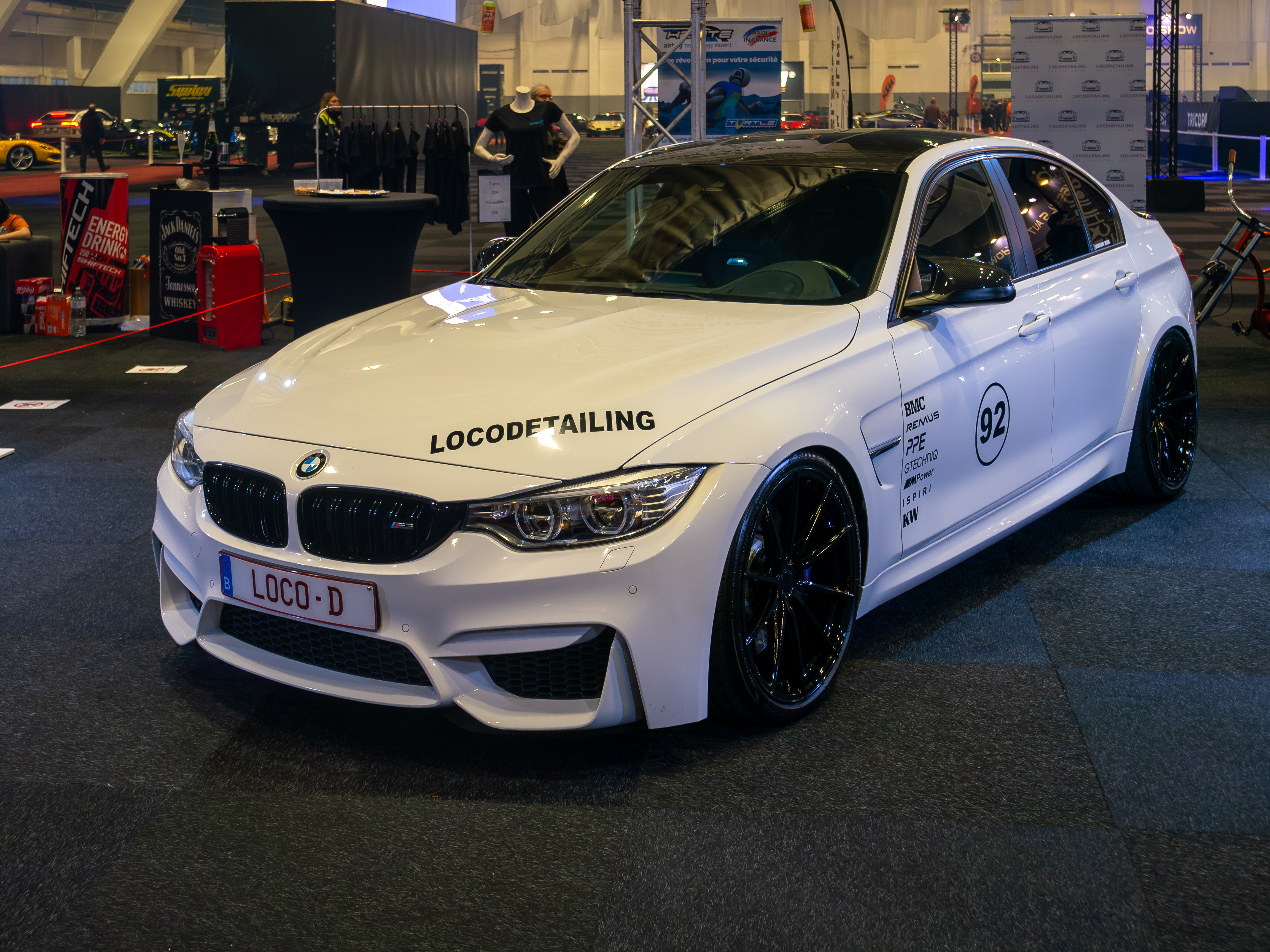
BMW M3
The BMW M3 is a sporty BMW made for fast driving. “F80” refers to a specific generation of the M3. People talk about it because it’s known for strong performance compared with a regular BMW 3 Series.
Mansory
Mansory is a company that modifies supercars. They’re known for making big, noticeable changes—so the hosts are talking about a Ferrari being customized by them.
Ferrari F82
Ferrari F82 is the specific Ferrari car being mentioned for sale. The conversation is about that car coming in for Mansory modifications.
aftermarket customization (full conversion)
“Full” customization usually means the tuner is doing a lot more than small add-ons. It can change how the car looks (and sometimes how it drives), which can affect what the car is worth later.
mold
A mold is like a custom form used to make parts the same way every time. If you’re building body panels or aero pieces, the mold helps ensure they fit correctly.
milling the model
Milling the model means using a computer-controlled machine to carve the exact shape. That carved shape is used to make the tools (like molds) that produce the final parts.
wind tunnels for aerodynamics
A wind tunnel is a controlled airflow test where engineers can see how air moves around the car. It helps them make the car faster and more stable by shaping it to push air the right way.
wings
“Wings” here means aerodynamic parts like spoilers. They’re meant to push the car down onto the road so it can grip better, especially at speed.
function over form in aero mods
They’re talking about whether car aero parts actually do something or are just for looks. The idea is that a scoop or wing should help the car—like improving cooling or grip—rather than just changing the appearance.
scoop
A scoop is an opening or raised shape on the car that helps move air. The discussion is about whether it actually helps performance (like cooling) or if it’s just there to look sporty.

McLaren 675 LT
The McLaren 675 LT is a special McLaren supercar. In this discussion, they’re saying some factory-looking parts (like a roof scoop) may be there for appearance more than real cooling or performance.
show car
A “show car” is a car made to be seen—like at car shows or in photos/videos. The point is to attract attention and create buzz, which can help sales or brand value.

MC20
The MC20 is a Maserati supercar. A “donor car” means someone starts with a real, existing car and then changes it—often heavily—to create a custom version.
donor car
A “donor car” is an existing vehicle used as the foundation for a custom build. Builders choose a donor because it provides the underlying chassis, drivetrain, and fitment points, which can then be replaced or reworked to achieve the desired look and performance.
fully carbon cars
“Fully carbon” means a lot of the car is made from carbon fiber. Carbon fiber is lighter and stronger than many traditional materials, and it also looks very exotic.
SVJ
SVJ is Lamborghini’s performance badge used on the Aventador SVJ. It signals a more track-oriented, higher-output specification than the standard Aventador, which is why the conversation frames modifications on an SVJ as a different proposition than doing the same thing to a base car.

Lamborghini Aventador
The Lamborghini Aventador is a high-performance supercar from Lamborghini. The “SVJ” is a more extreme version of the Aventador, aimed at stronger track performance. People may talk about it because the different versions can feel very different in how they’re built and used.
customer image vs. functional value in customization
This is about why people modify cars. Sometimes it’s not because the upgrade is needed—it’s because the owner wants the car to say something about them (status, identity, exclusivity).
black badge
A “black badge” is basically a styling/branding option—often darker logos or trim—that makes the car look more special or more aggressive. People who buy luxury cars sometimes choose it because it matches the look they want.
customer customization / ordering preferences
This is basically about how buyers’ tastes affect what cars get made. If a lot of customers want the same look (like the black badge style), the brand and shops plan around that demand.
Rolls Royce
Rolls-Royce is a luxury car brand that lets buyers customize a lot of the car’s look and details. Here, they’re talking about customers choosing a darker “badge” style when ordering.
limited
“Limited” here sounds like a special, very high-end version of the car or conversion. It’s the kind of option that pushes the price way up compared to the more normal upgrades.
complete fully carbon
“Fully carbon” means a lot of the car’s parts are made from carbon fiber. It’s lighter and can look amazing, but it costs a lot because it’s harder to make and install.
backside is in one piece
If the rear is made as one big piece, then a small crash can force you to replace more than just the broken part. That usually means more labor and higher repair costs.
bespoke customization
They’re describing their work as custom-made for that specific car and customer. That’s why the results (and the price) can be very different from normal aftermarket mods.

Bugatti Chiron
The Bugatti Chiron is one of the most expensive, high-performance supercars in the world. They’re saying their priciest customization work involved a Chiron.
refund
A refund here means getting money back because your car payment deal may have been wrong. It’s usually based on a review of how the finance was set up.
car finance agreement
It’s the paperwork that lets you pay for a car in installments instead of all at once. Sometimes, people later find out they were charged unfairly or incorrectly and may be owed money back.
Mansourie
This sounds like the name of the company the episode is about—likely connected to supercar tuning/modification. They’re asking when the business started and how it got going.
Munich
They say they went to Munich to buy the car first. That matters because tuners often start with a specific base vehicle from a dealer or market, then modify it. Munich is a major automotive hub in Germany, so it fits the “buy in Europe, build in-house” approach.
tuning
In this context, “tuning” refers to Mansory’s modification work on a Bentley GT—turning a stock luxury grand tourer into a more aggressive, bespoke machine. Tuning can include bodywork, interior changes, and performance calibration, depending on the project. The speaker is using it to describe the step-by-step process from acquiring the base car to delivering a finished product.
Auto Mechanica
Auto Mechanica is mentioned as part of the car’s launch/visibility strategy (“we put in Auto Mechanica”). For listeners, this reads like a dealer, event, or showroom channel that helped generate attention and inquiries. It highlights how high-end modifiers rely on distribution and exposure, not just the build itself.
Royce Royce dealer
The transcript mentions a dealer that is also a “Royce Royce dealer,” which almost certainly refers to Rolls-Royce. This is relevant because it suggests the modified Bentley’s market reach and the kind of luxury retail network Mansory was tapping. It also underscores how brand-adjacent dealers can accelerate inquiries for bespoke builds.
Bentley
Bentley is a luxury car brand from the UK. Here, they’re mainly discussing a disagreement about using their name publicly, not how the cars are built.
Aston
Aston Martin is a well-known British luxury sports-car brand. In this segment, it’s just one more brand in the list of cars Mansory modifies.
Porsche
Porsche is a famous German sports-car brand. In this part of the conversation, they’re talking about Porsche-related branding and how Mansory handled the business side of modifying cars.
Mercedes
Mercedes-Benz is a big luxury car brand from Germany. They’re mentioning it as part of the order or strategy for which brands Mansory worked on.
Rind Speed
“Rinspeed” is a company associated with automotive design and concept work. Here, it’s mentioned because the speaker is describing partnerships and how Mansory approached branding and builds.
custom customer and the part
They’re talking about making cars to order. That usually means choosing specific parts and tailoring the build to what the customer wants.

Tesla Cybertruck
The Tesla Cybertruck is Tesla’s electric pickup truck with a very unusual, boxy design. The host is basically saying it’s a different kind of vehicle than the supercars Mansory usually modifies.
electric car sound system
Electric cars can be so quiet that people don’t realize one is coming. So some manufacturers add a fake sound that plays outside the car to help others hear it.

Spectre
The Rolls-Royce Spectre is an electric Rolls-Royce. The host is basically saying they’d rather have the classic Rolls-Royce V12 than the electric version.
emissions
The segment discusses how emissions are reduced at the tailpipe as engine technology improves, but also argues that other parts of the lifecycle (like battery production) can be worse. This is essentially a debate about “where” environmental harm happens: during driving versus during manufacturing.
battery production lifecycle impact
They’re arguing that making electric-car batteries can be very harmful to the environment. The idea is to compare the total impact of building and using the car, not just what comes out of the tailpipe.
tailor-made
“Tailor-made” means the car can be customized to match what the buyer wants, like choosing a specific color. Instead of only picking from a small menu, the brand can build a more unique spec.
Royce Royce Bespoke
“Bespoke” is Rolls-Royce’s way of offering very customized cars. It’s basically the brand helping you create a car that’s tailored to your tastes.
car collection
A car collection is just owning more than one car. People do it for fun, variety, or because they like different styles of cars.
collection car
A collection car is usually kept more like a collectible than a daily vehicle. Some owners don’t want to “baby” the car and would rather drive it whenever they can.
traffic jam
A traffic jam is heavy, slow-moving traffic that can make driving stressful and time-consuming. In the context of supercars and modifying, it’s often used to argue that real-world conditions limit how much you can enjoy performance driving.
valet
Valet parking is when a staff member parks your car for you, typically in busy areas or during events. In supercar ownership discussions, it often comes up because owners worry about how their car will be handled and where it’s parked.
Uber
Uber is an app-based service where you request a ride. Here it’s mentioned as an easier option than driving yourself.
alcohol percent which we have to allow
They’re talking about the legal alcohol limit for driving. If you drink too much, your driving skills get worse, so the law sets a maximum amount you’re allowed.
bumper
The bumper is the part at the front or back meant to take small impacts. On low cars, it’s easy to scrape when parking close to curbs or walls.
pay their insurance
Insurance is the system that helps pay for repairs after an accident or damage. If valet damages the car, the insurance may cover the repair bill depending on the policy.
Mansoury
They’re talking about a company that modifies high-end supercars. The conversation is less about the stock car and more about the aftermarket business around it.
wheels
They’re saying the people parking the cars can scrape or hit the wheels. On expensive cars, wheel damage is pricey to fix.
aftermarket parts delivery
They’re talking about how quickly replacement or upgrade parts can be shipped. If parts arrive fast, the car is back on the road sooner.
Mansouris
Mansory is a company that customizes expensive supercars with flashy bodywork. The discussion is about people copying their designs and selling fake “kits,” which can look cheap compared to the real thing.
copying luxury brands (counterfeits)
They’re saying that luxury brands get copied a lot because people want the same look. In their view, copying can be a compliment to the original—unless the copy is so bad it looks wrong.

Lamborghini Uruses
The Lamborghini Urus is a Lamborghini SUV that’s very popular with tuners. Here, the point is that some owners put on cheap, fake body kits instead of proper, well-fitting upgrades.
certificate of authenticity
It’s basically paperwork that says, “This car/part is real and came from the right place.” Buyers use it to feel more confident—especially when a car has been modified.
original or not original
People care whether a car is still “factory correct” or if it’s been changed. That can change what buyers are willing to pay and how confident they feel about the car’s history.

Mercedes-Benz G-Wagon
The Mercedes-Benz G-Wagon is a rugged luxury SUV. The hosts are talking about whether warranty coverage still applies when the car has been modified.

G-Class Gwagon
The G-Class is a luxury SUV made by Mercedes-Benz. It’s known for being tough and capable off-road, while still feeling upscale inside. The podcast mentions a newer G-Wagon, meaning the model has been updated over time.
warranty
A warranty is a guarantee that if something goes wrong within a certain time, the repair cost may be covered. Here they’re discussing whether the warranty still applies after modifications.

Ferrari SF90
The Ferrari SF90 is a very expensive, high-performance Ferrari. The hosts are using it to explain how some brands may not honor warranty coverage if you add aftermarket modifications.
lift truck bring the half of the body to join the body
They’re describing how the shop physically moves big sections of the car body into position to put them together. This is common when the body is being cut and reshaped. The hard part is making sure the panels line up correctly afterward.
cut and shot
They mean the car’s body gets physically cut apart and then rebuilt into a new shape. That’s a serious modification, not just adding parts. It can affect how well everything lines up and how solid the body feels.
homologation
Homologation is basically “getting permission to sell and drive.” Different countries have different rules for safety and emissions, so a car that’s legal in Europe might need extra approval or changes to be legal in America.
VIN (shashi number)
They’re talking about the car’s unique ID number (VIN). If the paperwork or identification rules don’t line up for the U.S., the car can’t be sold there as-is.
import/compliance workflow ("the car must come to us, made it and send them")
They’re saying the car has to be processed in a specific way for the destination country. They bring it in, do the required work so it’s legal, and then send it to customers.
aftermarket supercar modification investment risk ("balls to invest a lot of money... you don't know yourself")
They’re talking about how risky it is to spend a lot of money on a custom car when you’re not sure the buyer will still want it. Even if the work is ready, the customer might change their mind.

Bugatti Veyron
The Bugatti Veyron is a famous, very expensive supercar. Here it’s mentioned as an example of a car someone might buy first, then customize. It helps set the context for the kinds of “world-class” cars Mansory is talking about.
buy the car
The speaker describes a workflow where a client buys a supercar “for stock” and then has it modified. This is a common supercar-tuning model: start with a known base vehicle, then tailor appearance and performance to the buyer’s preferences. It also highlights that the modifier is thinking about the customer’s end goal before the build.

golf buggy
A golf buggy is basically a small vehicle used to get around a golf course. In this conversation, they’re talking about one that’s been customized and is electric.
Under Armour
Under Armour is a sports clothing brand. They’re saying Mansory is teaming up with them for a collaboration—more about fashion/lifestyle than car mechanics.
Brand merchandise (car brands making watches)
The hosts are talking about car companies selling branded stuff like watches. Their point is that if people can’t get the exciting car they want, it feels weird to spend money on a watch instead.
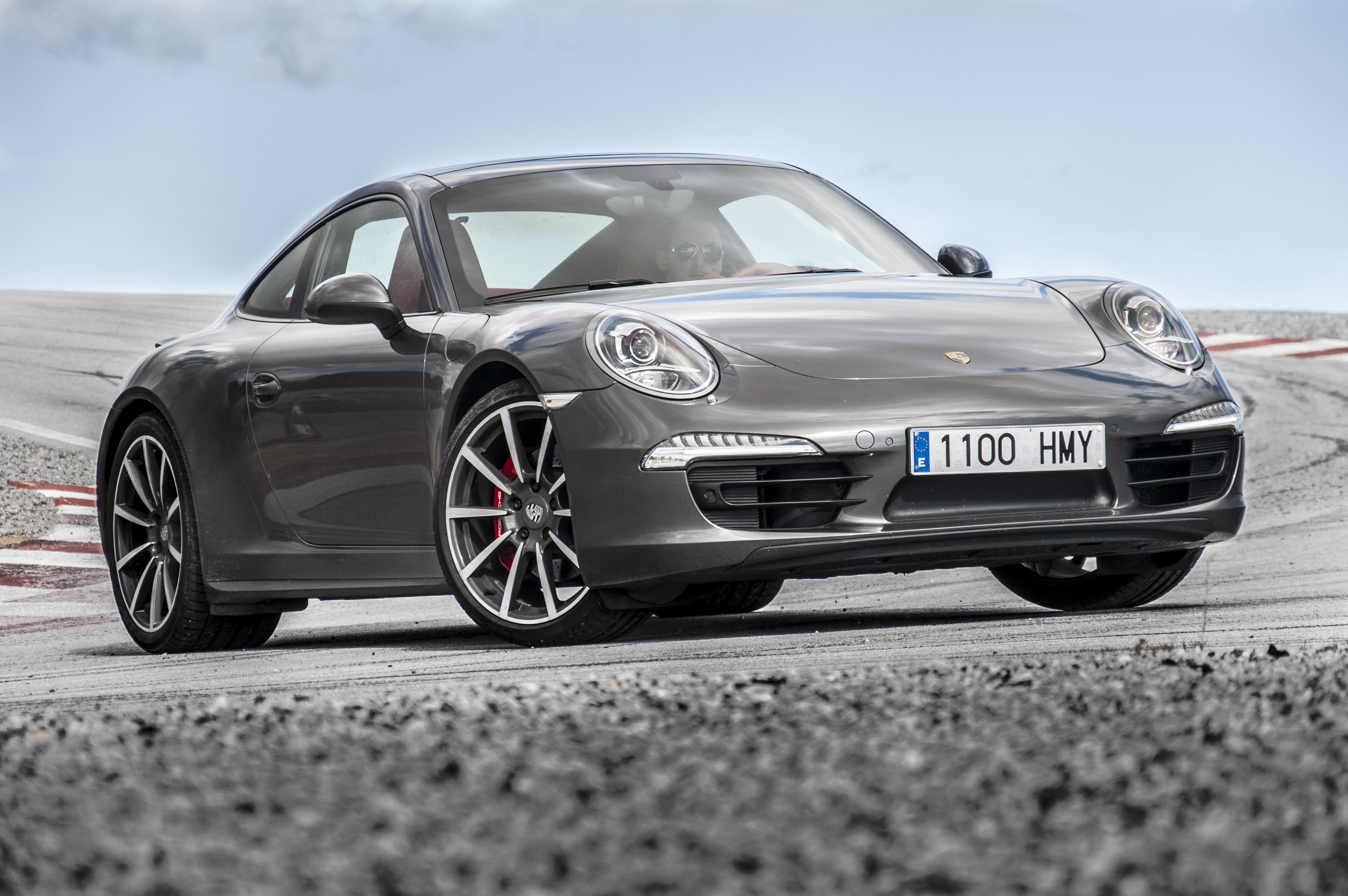
Porsche 911 GT3 RS
The Porsche 911 GT3 RS is a special, performance-heavy 911 made for serious driving. The hosts are basically saying people would rather buy the actual car than a Porsche-branded watch.
Rolex
Rolex is a luxury watch brand often associated with status and wealth. In this segment, it’s mentioned as part of the idea that supercar buyers may also wear high-end watches, reinforcing the “money/status” angle the hosts are discussing.
Patek Richelmille
Patek Philippe is a very expensive, high-status watch brand. They’re using it as an example of the kind of luxury items people might have alongside supercars.
bribe you to give you more money
They’re basically saying the brand might pressure you to buy extra luxury items so you can get the limited car sooner. It’s a criticism of how scarcity can be used to get people to spend more.
front of the queue
“Front of the queue” refers to priority allocation—how some luxury brands manage limited production by deciding who gets access first. The hosts are describing a strategy where buying other branded products (like watches or bikes) can improve your chances of getting a scarce car.
armrests
Armrests are the padded supports you rest your arms on inside the car. They’re being mentioned as part of the kinds of custom interior pieces Mansory makes.
carbon wallets
Carbon fiber is a strong, lightweight material. They’re mentioning carbon wallets as a luxury accessory made with the same material people associate with performance cars.
leather
Leather is a high-end material used for seats and interior trim. They’re mentioning it because the customization includes luxury interior finishes, not just performance parts.
G-Wagon
“G-Wagon” is what people call the Mercedes-Benz G-Class SUV. The hosts are saying that if you have one, special luggage designed to fit it would actually be useful.
suitcases
They’re talking about special luggage made to match the car. The idea is that if it fits your vehicle well, it feels like a real upgrade—not just a gimmick.
Patek Philippe
Patek Philippe is a famous luxury watch company. They’re being used as an example that some brands focus on watches, not cars, and may collaborate with car experts instead.
Hypercar customization
A hypercar is an extremely high-performance, very expensive supercar. The host is saying they’ll customize those cars if the customer wants it.
One-off / "one of one" custom build
A “one of one” build means a bespoke modification program where the customer gets a unique, non-production car. This is common in high-end tuning and coachbuilding because it allows extreme personalization without being constrained by mass-market engineering.

Mini Cooper
Mini Cooper is a small, popular car model. The point here is that Mansory will do custom, one-off builds for customers even on smaller cars like a Mini Cooper.