
Midweek Motorsport s21 e16
About this episode
The panel starts with Miami Grand Prix build-up, weighing thunderstorms, heat, and the extra practice time against teams’ preparation plans. From there it moves into a lively mix of motorsport news and gossip: Juan Pablo Montoya’s comments on driver bans, Audi’s Formula One staffing, Jean Todt’s Red Bull recollections, and NASCAR’s leadership reshuffle. The conversation then teases Turkey’s return to Formula 1, recalling the slippery COVID-era races and the circuit’s awkward access.
Formula One
"Formula One, sports car and endurance racing, rallying, touring cars and bikes. If it has wheels and an engine and they keep score, it's on Midweek Motorsport."
Formula One is the highest level of racing with open-wheel cars. Teams race on tracks around the world and compete for championships.
Formula One (F1) is the top tier of open-wheel racing, run by the FIA. It’s known for highly engineered single-seat cars and a global race calendar.
rally report
"We have all the usual features including rally report with Peter Mackay. Everybody will be happy for that."
A rally report is a recap of what happened in a rally race. Rally events are broken into timed sections on different road surfaces.
A rally report is a segment covering results and key moments from rallying events. Rallying typically involves timed stages on roads that can be gravel, tarmac, or mixed surfaces.
Nürburgring 24 hours
"We'll be looking ahead to the Nürburgring 24 hours. We've got a brand new game show."
The Nürburgring 24 hours is a long race at a famous German track. Cars and drivers have to last the whole day, not just go fast for a few laps.
The Nürburgring 24 hours is an endurance race held at Germany’s Nürburgring circuit. Teams run for a full day, managing tire wear, fuel, driver stints, and reliability.
GT World Challenge Europe
"Hello to Rafi. Tuned in tonight. Having a six hour nap ahead of this long weekend with Imza and GT World Challenge Europe in Asia."
GT World Challenge Europe is a racing series for sports cars. The hosts are saying they’re watching it as part of a busy weekend.
GT World Challenge Europe is a sports-car racing series for GT-class cars, often featuring endurance-style events. The segment mentions it as part of the upcoming schedule the listener is following.
Silverstone 500
"Hello to Jamie and E-Racing. No EFAs. Listening in. Buzzing from a great Silverstone 500 with the British GTs at the week."
Silverstone 500 is a racing event held at Silverstone. The hosts are talking about watching it and the kind of cars that were there.
The Silverstone 500 refers to a race event at Silverstone, typically featuring British GT-style competition. In the episode, it’s used as a reference point for what the host attended.
timing belt
"He's listening in live from the workshop. Slow day at work. So I'm replacing the timing belt on my own Subaru WRX STI."
The timing belt is a belt inside the engine that keeps the moving parts in sync. If it breaks, the engine can get badly damaged, so replacing it on schedule is important.
A timing belt synchronizes the engine’s crankshaft and camshaft(s) so the valves open at the correct time. If it fails, the engine can suffer serious internal damage, which is why replacement intervals matter.
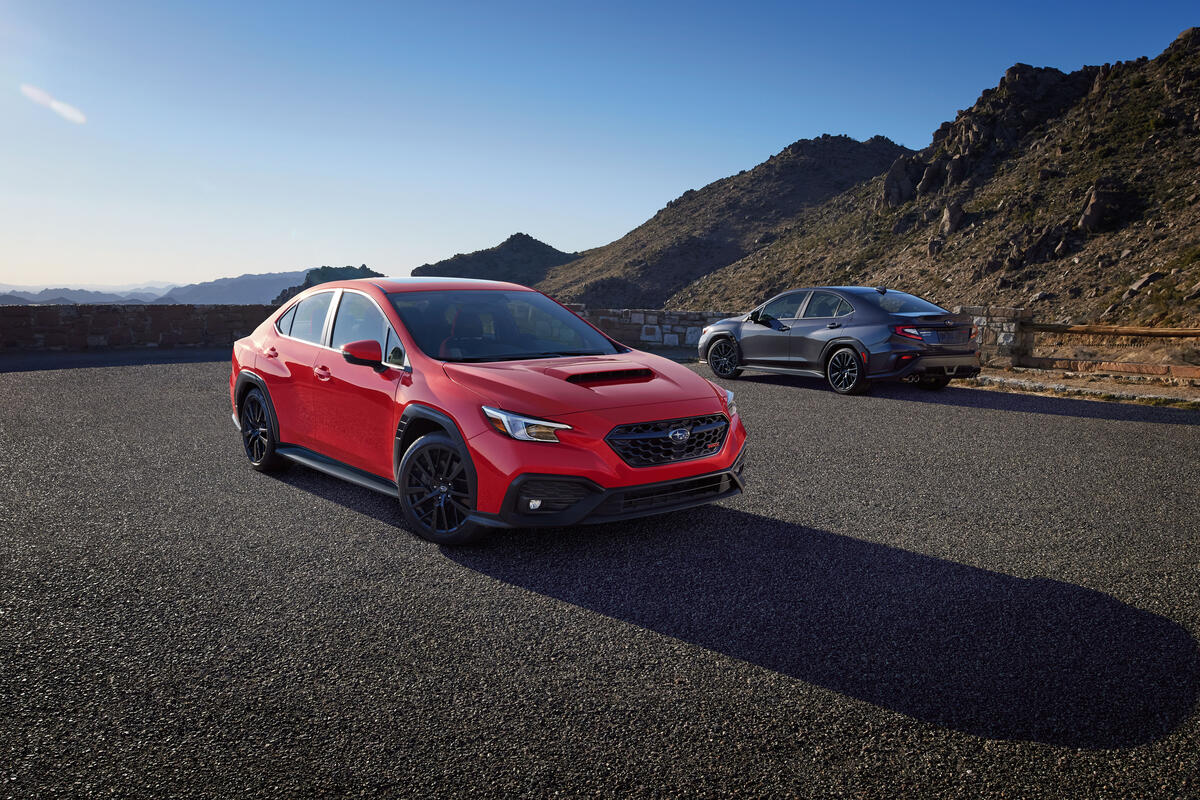
Subaru Wrx
"He's listening in live from the workshop. Slow day at work. So I'm replacing the timing belt on my own Subaru WRX STI."
The Subaru WRX STI is a sporty Subaru built for fast driving and rally-style traction. Here, it’s the car the speaker is working on while doing maintenance.
The Subaru WRX STI is a performance version of Subaru’s WRX, known for rally-style all-wheel drive and turbocharged power. In this segment, it’s mentioned because the speaker is working on one in a workshop.
F1 race
"Looking forward to Imza and the F1 race this weekend. And still there's more. Kevin Payne listening live again tonight."
F1 is the highest level of open-wheel racing. They’re talking about being excited for the Formula 1 race this weekend.
“F1” refers to Formula 1, the top tier of open-wheel racing. The hosts are looking forward to an upcoming Formula 1 weekend in this segment.
Principality
"Said it was my first time watching racing at the Principality. Thoroughly enjoyed it. Saturday was Casino Square."
“The Principality” is a nickname people use for Monaco. The speaker is saying it was their first time watching racing in Monaco.
In motorsport context, “the Principality” commonly refers to Monaco, known for its street circuit and high-profile racing events. The speaker says it was their first time watching racing there.
Miami Grand Prix
"[500.0s] Very good. Very good indeed. What's the top story, Tim? Shuffle those papers and play the jingle. [515.9s] It's the Miami Grand Prix this weekend. So let's bring in our Formula One correspondent, Nick Damon. [522.1s] Oh, no. He's far too loud. He's absolutely far too loud. Go on. Do a..."
The Miami Grand Prix is a big Formula 1 race in Miami, Florida. When people talk about it on a motorsport show, they usually mean the weekend’s F1 action and headlines.
The Miami Grand Prix is a Formula One race held in Miami, Florida. It’s a major stop on the F1 calendar, so it often drives the episode’s main motorsport news and discussion.
overtaking boost mode
"There's no overtaking boost mode in the wet anymore. That's gone. Really? Well, they tried against that this week."
It’s a button/setting that gives the car extra power for a short time to help you pass. When the track is wet, race teams often turn it off because the tires can’t grip as well.
“Overtaking boost mode” refers to a temporary power increase feature used to help cars accelerate for passing. In wet conditions, teams may disable it because extra power can make traction harder to manage and increase the chance of wheelspin or loss of control.
practice
"There's half an hour more. There's half an hour more practice. There's half an hour... There's more practice, yes. It's 90 minutes of practice rather than an hour."
On an F1 weekend, “practice” is the time teams use to dial in the car and try things out before the important sessions. It helps them figure out what works on that track.
The hosts discuss Formula 1 weekend session structure, specifically “practice” time. Practice sessions are used to test car setup, learn tire behavior, and evaluate changes before qualifying and the race.
sprint, qualify, and then the race
"You've got the sprint, qualify, and then the race. That's 90 minutes. Probably won't do them any good because it's going to be dry and sunny."
This refers to the typical F1 weekend progression: sprint (a shorter race that sets grid position), qualifying (which determines starting order), and then the main race. The order and format can affect strategy, especially when weather changes.
new electrical output
"Yeah, I think it's a chance to test the various new software things they've had to do for the new electrical output. Or they can also test whether or not their air upgrades have worked."
“Electrical output” points to changes in the car’s hybrid/electrical energy system, which can affect how much power is delivered and when. Teams use sessions to validate software and hardware behavior so the car performs consistently under different track and weather conditions.
air upgrades
"Or they can also test whether or not their air upgrades have worked. Yeah, it's very exciting."
“Air upgrades” are aerodynamic changes—like revised wings, floors, or bodywork—that alter airflow to improve downforce and efficiency. Teams test them to confirm the expected grip and balance, especially when conditions (like wet vs dry) change.
wet Miami
"We've never seen a very wet Miami, so rain might change it. Hang on. If it gets really, really wet..."
They’re talking about the race track in Miami when it’s raining. Rain makes the road slippery, so cars don’t grip as well and drivers have to brake earlier and be more careful with steering.
“Wet Miami” refers to the Miami circuit being run in rain, which changes grip and tire behavior. In wet conditions, braking distances increase and drivers often need different lines to avoid losing traction.
Honda F1
"Those are the words of Shintaro Aihara of Honda F1. Yeah, Honda are really leaning into the under promise."
Honda F1 is Honda’s racing team in Formula 1. They’re the group making the cars and making technical decisions, and the quote is about how they’re managing expectations and progress.
Honda F1 refers to Honda’s Formula 1 program and engineering efforts. Here, the speaker attributes specific performance/expectation comments to Shintaro Aihara of Honda’s F1 operation.
chassis
"But yeah, you don't know what they would have done chassis-wise. They can obviously work on the chassis."
The chassis is the car’s main frame. It’s what holds the important parts together, and changing it can change how the car drives and feels.
The chassis is the car’s main structural foundation that everything else mounts to—suspension, drivetrain, and aerodynamics. Changes to the chassis can alter how the car handles and how loads travel through the vehicle.
engine
"So they can actually test it, the engine in a car on the dinos, and see where these road vibrations were coming from... buzzing, RSI engine."
They’re talking about the engine in the race car. The team is trying to figure out whether the weird buzzing/vibration is coming from the engine or from something around it.
In this context, “engine” refers to the power unit in the race car that can produce vibrations or buzzing. Teams may test the engine installed in a car to diagnose whether the noise originates from the engine itself or from how it’s mounted.
road vibrations
"So they can actually test it, the engine in a car on the dinos, and see where these road vibrations were coming from."
“Road vibrations” are the shaking you feel when the track surface isn’t perfectly smooth. Racing teams look for the source because it can make the car feel bad and can sometimes point to a mechanical problem.
“Road vibrations” are unwanted oscillations transmitted through the car’s structure and suspension from the track surface. Teams investigate them because they can affect engine smoothness, driver comfort, and even component reliability.
steering car
"[798.1s] Alpine have got a hot... Why? Why are they riding high? [800.6s] Have they had a steering car? [803.1s] Apparently, they went to Buenos Aires for a show-car test,"
“Steering car” is used here as slang for a driver’s test or demonstration run in a specific car. In motorsport context, it usually means the car a driver is actually behind the wheel of during a session.
show-car test
"[803.1s] Apparently, they went to Buenos Aires for a show-car test, [808.5s] which was not even an Alpine."
A “show-car test” is a demonstration event where a car is showcased (often for publicity) and may be driven briefly to generate attention. The hosts suggest the event was marketed as an Alpine but involved a different car.
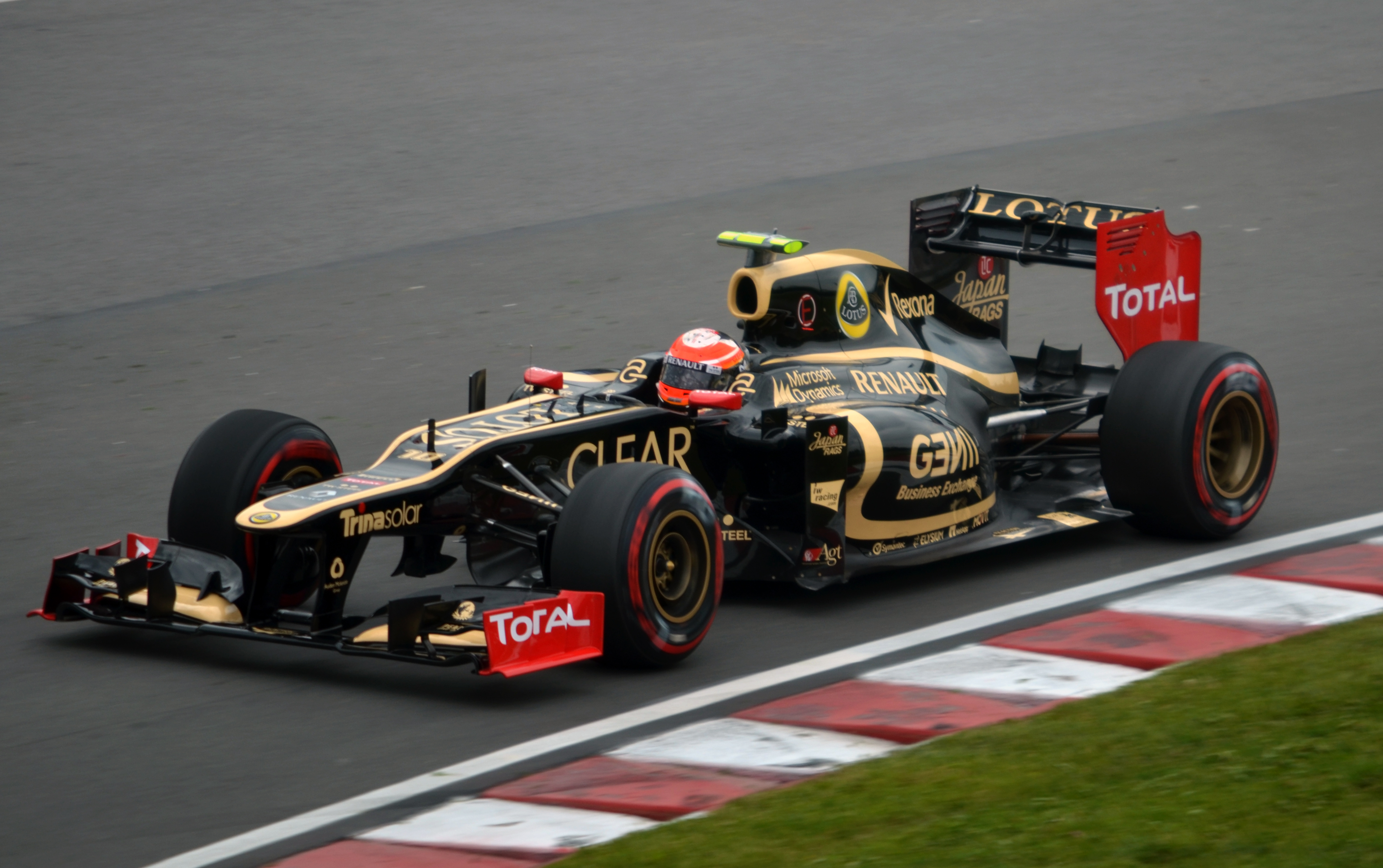
Lotus E20
"[818.2s] And they say it was 600,000 Argentinians there. [821.9s] Yeah, it was the 12th, Lotus E20 that he drove, so just 14 years old."
The Lotus E20 is a particular Formula 1 race car from around 2012. The hosts are saying the car shown as an Alpine was actually a Lotus E20.
The Lotus E20 is a specific Formula 1 car model from Lotus’s 2012 era. The hosts say the “Alpine” show-car test in Buenos Aires was actually this Lotus E20, highlighting how the branding/identity was different from the underlying car.

W196
"[854.4s] He drove one Manuel Fangio's Mercedes, was it? [859.0s] Did he? W196? [861.3s] He didn't, because obviously that would be far too difficult."
The W196 is a famous Mercedes-Benz Formula 1 car from the 1950s, associated with legendary driver Juan Manuel Fangio. The hosts mention it as a hypothetical older Mercedes that would have been “far too difficult,” implying it’s a different era and much harder to drive.
replica
"He drove a replica of Manuel Fangio's Mercedes W196. Did it have the pedals? Did it have the pedals in the real ones?"
A replica is a copy of a historic race car. It may look right, but the inside details—like how the pedals are arranged—can be different from the original.
In motorsport, a replica is a reproduction of a historic race car intended to look and sometimes drive like the original. Replica builds often involve compromises—especially around cockpit layout, controls, and safety—so details like pedal placement can differ from the period car.
Argentinian Grand Prix
"So do we think that 600,000 fans in Buenos Aires might mean the return of the Argentinian Grand Prix?"
The Argentinian Grand Prix is a Formula 1 race in Argentina. The conversation is about whether it might return, depending on money and logistics.
The Argentinian Grand Prix is a Formula 1 race held in Argentina, historically at venues like Buenos Aires. In this segment, the hosts discuss whether fan interest could help bring the event back and what financial or political factors might affect it.
Liberty
"Well, that depends on how much money they give to Liberty and whether they can actually find a financing situation..."
Liberty is the company that runs Formula 1’s business side. The hosts are saying the race returning depends on whether Liberty will back it with the right money.
Liberty refers to Liberty Media, the company that owns and operates Formula 1’s commercial rights. The hosts suggest the return of the Argentinian Grand Prix depends on what Liberty is willing to fund or support financially.
financing situation
"...and whether they can actually find a financing situation that doesn't collapse after six months or on the next change in government..."
A financing situation is how the money is arranged to pay for something. They’re saying the race might not come back if the funding plan can’t hold up.
A financing situation is the plan for how a project is funded over time—often involving sponsorship, government support, and payment schedules. Here, the hosts imply that unstable funding could cause the event’s return to fail after a short period.
Espantuero year
"Yes, that was the Espantuero year, where they had their own personal camera crew."
“Espantuero year” appears to reference a specific historical incident or nickname tied to the 1998 Argentinian Grand Prix. Without more context in the excerpt, it’s unclear what the term refers to, but it’s being used as a memorable marker for that season.
Ralph Schumacher
"[982.6s] It is... [984.6s] It was an ex-driver. [987.6s] Yes. [990.0s] Ralph Schumacher."
Ralf Schumacher is a real race car driver from Formula 1. He’s part of the famous Schumacher family, and people mention him when they’re talking about drivers who have raced at the top level.
Ralf Schumacher is a former Formula 1 driver and the older brother of Michael Schumacher. In motorsport discussions, his name often comes up when talking about driver backgrounds and public figures tied to racing series.
Roman Grosjean
"[994.7s] More recently, associated with the Indy car, [999.2s] I think... [1000.1s] Roman Grosjean? [1002.5s] Was it..."
This sounds like it’s referring to Romain Grosjean, a famous former Formula 1 driver. If you hear his name in a debate about racing, it’s usually because he’s a recognizable driver from top-level open-wheel racing.
Roman Grosjean appears to be a mishearing of Romain Grosjean, a well-known former Formula 1 driver. He’s most associated with F1, but his name can also come up in broader open-wheel racing conversations.
Marcus Ericsson
"[1002.5s] Was it... [1003.5s] Marcus Ericsson? [1005.1s] I read that. You're gonna have to tell me."
Marcus Ericsson is a pro race driver. He’s raced in IndyCar and has also been in Formula 1, so he’s a common name when people talk about drivers across open-wheel racing.
Marcus Ericsson is a professional race driver who has competed in IndyCar and also has Formula 1 experience. His name is relevant in discussions that mix different open-wheel series and driver reputations.
seven-car incident
"...of the aftermath of that horrible seven-car incident [1110.2s] that cost Juhar Mattinen his life."
That phrase means a crash where lots of cars got involved—here, seven. When that happens, it’s usually chaotic and can be very dangerous.
A “seven-car incident” means a crash or collision that involves seven cars at once, usually with multiple impacts and debris. In motorsport, these multi-car pileups often trigger safety-car periods and can lead to serious injuries or fatalities.
big shunt
"[1172.0s] He had a big shunt, a very, very big shunt. [1175.3s] He's very, very fortunate to get out of that"
A “shunt” just means a crash, usually a pretty serious one. “Big shunt” means it was a hard hit and could have been much worse.
A “shunt” is a heavy collision—often a sudden impact that can throw cars around or cause significant damage. When someone says it was a “big shunt,” they’re emphasizing the severity and the fact that safety systems and driver survival were key.
rally de Walloni
"[1179.5s] It was in the rally de Walloni, wasn't it? [1183.3s] Yes."
This is the name of a rally race they’re talking about. Rally events are off-road style stages, and crashes can be tough because the roads and grip change a lot.
“Rally de Walloni” appears to refer to a rally event in Wallonia (the French-speaking region of Belgium). Rally stages are run on closed public roads or special stage routes, and crashes can be especially dangerous due to limited run-off and variable surfaces.
McLaren
"I think there might be some kind of agreement between McLaren and them if they were to let him go, or that McLaren would pick him up and pay him his wages."
McLaren is a famous racing team and car brand from the UK. Here, they’re talking about whether McLaren would take a driver on and cover his pay.
McLaren is a British motorsport and performance-car brand best known for its Formula 1 team. In this segment, the hosts are discussing McLaren’s involvement in driver employment and team decisions.
F1 circus
"Why didn't anyone currently or formerly collected the F1 circus, including JPM, get on the blow about F1 drivers being banned from rallying because of Robert Kubits' rally crash?"
“F1 circus” is just a colorful way of saying “the whole Formula 1 scene.” It means the big, attention-grabbing world around F1.
“F1 circus” is a slang way to refer to the Formula 1 world—its teams, drivers, media attention, and constant headlines. It’s not a technical term, but it frames the discussion as a whole ecosystem rather than one specific race or rule.
rallying
"Why didn't anyone currently or formerly collected the F1 circus, including JPM, get on the blow about F1 drivers being banned from rallying because of Robert Kubits' rally crash?"
Rallying is a type of racing where cars drive through timed sections on roads set up for the event. Here, they’re talking about whether F1 drivers are allowed to do rally events.
Rallying is a motorsport discipline where cars compete on closed public roads or special stages, often with changing surfaces and weather. The segment discusses a rule or ban affecting Formula 1 drivers participating in rally events.
Imsa Radio
"And I'm putting together a thing for Imsa Radio and all of that. Would you mind if I have a word with you?"
This sounds like a radio show or media channel connected to IMSA racing. The host is saying they’re working on a segment for that outlet.
“IMSA Radio” appears to be a radio/media outlet tied to IMSA, the sports-car racing organization. The host mentions putting together something for it, suggesting a motorsport broadcast or interview context.
Porsche
"well, didn't you sort of, weren't you involved in the original Porsche? He said, yes, I suppose, played a little part in that."
Porsche is a famous German car company that makes sports cars. The speaker is saying the person they’re talking to was involved with Porsche early on.
Porsche is a German sports-car brand known for models like the 911 and for a long history in motorsport. In this segment, the host is referring to someone’s involvement with Porsche’s original efforts, likely in racing or early brand development.
Turkish Grand Prix
"I think about the Turkish Grand Prix it's actually got a really really good track. It's inaccessible to put it mildly so you're going to hear non-stop moaning..."
The Turkish Grand Prix is a Formula 1 race in Turkey. In this episode, they’re talking about the track and why it can be a bit of a hassle to get to, but also why it’s still a good circuit.
The Turkish Grand Prix is a Formula 1 race held in Turkey, typically at Istanbul Park. It’s discussed here as a track with a reputation for being challenging and sometimes difficult to access for fans and teams.
non-stop moaning
"so you're going to hear non-stop moaning by anybody who's there about how long it doesn't get there but apart from that it's a very good circuit."
They’re joking about people complaining nonstop about how hard or slow it is to get there. It’s more about event logistics than car or track engineering.
This phrase refers to continuous complaints about logistics—specifically how long it takes to get to the venue. It’s not a technical racing term, but it frames the discussion around accessibility and fan experience.
no grip
"They cleaned the track after the first one had no grip because of all the detritus on it. And then it rained."
“No grip” means the tires couldn’t stick to the track. When that happens, cars feel slippery and drivers have to slow down to avoid losing control.
“No grip” means the tires couldn’t generate enough traction, usually due to track surface issues like debris or contamination. In racing, that can dramatically reduce lap times and increase the likelihood of sliding or slower cornering.
detritus
"They cleaned the track after the first one had no grip because of all the detritus on it. And then it rained."
They mean leftover junk or debris on the racing surface. That kind of mess can make the track slippery and reduce how well the tires can grip.
“Detritus” here means leftover debris on the track surface, such as material from previous sessions or incidents. Even small amounts can affect tire contact and reduce grip, especially in wet or transitional conditions.
resurface it
"And then it rained. And they didn't resurface it"
To “resurface” a track means they redo the top driving surface. If the surface is causing problems like low grip, resurfacing can help it behave more normally for racing.
“Resurface it” means replacing or redoing the top layer of asphalt on the track. After a poor-grip event, resurfacing is sometimes used to restore consistent tire grip and improve overall racing conditions.
pole position
"[2067.3s] It's only pole position. [2069.0s] It's only pole position. [2070.6s] He was absolutely outstanding that weekend."
Pole position means the driver starts the race from the very front. It’s earned by being fastest in qualifying, and it usually helps because you get to lead at the start.
Pole position is the starting spot at the front of the grid for a race, awarded to the driver who qualifies fastest. Starting from pole often gives a big advantage because you’re first into the first corner and can control the early pace.
Formula 1 calendar
"[2091.4s] No. He said, I regard Turkey's return [2092.9s] to the Formula 1 calendar as a clear reflection [2094.8s] of the strong confidence placed in our country"
The Formula 1 calendar is the list of races F1 plans to hold in a season. Saying a country is returning to it means F1 is coming back there to race.
The Formula 1 calendar is the official schedule of races and events for the season. When someone says a country’s return to the Formula 1 calendar, it means that location is hosting an F1 race again.
Grand Canaria
"Rally. Grand Canaria. Rally. Grand Canaria. Rally. Grand Canaria."
Grand Canaria is an island location that the hosts keep mentioning in the rally context. It’s basically where the rally coverage is happening.
Grand Canaria is being referenced as a rally location, implying the episode is discussing rally events held on the island. For listeners, this points to regional motorsport coverage rather than a specific car or technical topic.
Request an Explanation
Heard something you'd like explained? We'll add it to this episode.
Sign in to request explanations for terms you heard.
Want to learn more?
Browse our glossary for plain-English explanations of automotive terms, jargon, and concepts.
Help improve this episode
See something that's not quite right? Our annotations are AI-generated and can sometimes miss the mark. Click the flag icon on any annotation to suggest a correction.