
Midweek Motorsport series 21 episode 23
About this episode
Back in the UK studio after Le Mans, the hosts set the midweek motorsport season in motion and tee up a team-by-team review of the Grand Prix of Barcelona, Catalonia. Along the way they cover vehicle previews like the Master 16 and Mazda CX-5, plus Formula E’s calendar, fan reach, and why modern street racing gets harder. The show also dives into endurance and GT3/GT4 parity, weather strategy, and a packed run of race dates and venue logistics.

Mazda Cx5
"Plus we've got the CX-5, the new CX-5 coming as well. We took that to Le Mans."
They mention the Mazda CX-5, which is a popular compact SUV. In this episode, they say they brought the new one to Le Mans.
The Mazda CX-5 is a compact crossover SUV known for balancing everyday usability with engaging driving dynamics for its class. Here, the hosts say they took the “new CX-5” to Le Mans, implying they were evaluating it in a high-profile, performance-adjacent setting.
Le Mans
"Plus we've got the CX-5, the new CX-5 coming as well. We took that to Le Mans."
Le Mans is a famous race in France. It’s known for long endurance races, and car companies often use it as a big event to showcase new vehicles.
Le Mans refers to the famous French endurance-racing event and circuit, best known for long-duration races where reliability and efficiency matter as much as outright speed. Automakers often use Le Mans as a backdrop for launches and media drives because it signals motorsport credibility.
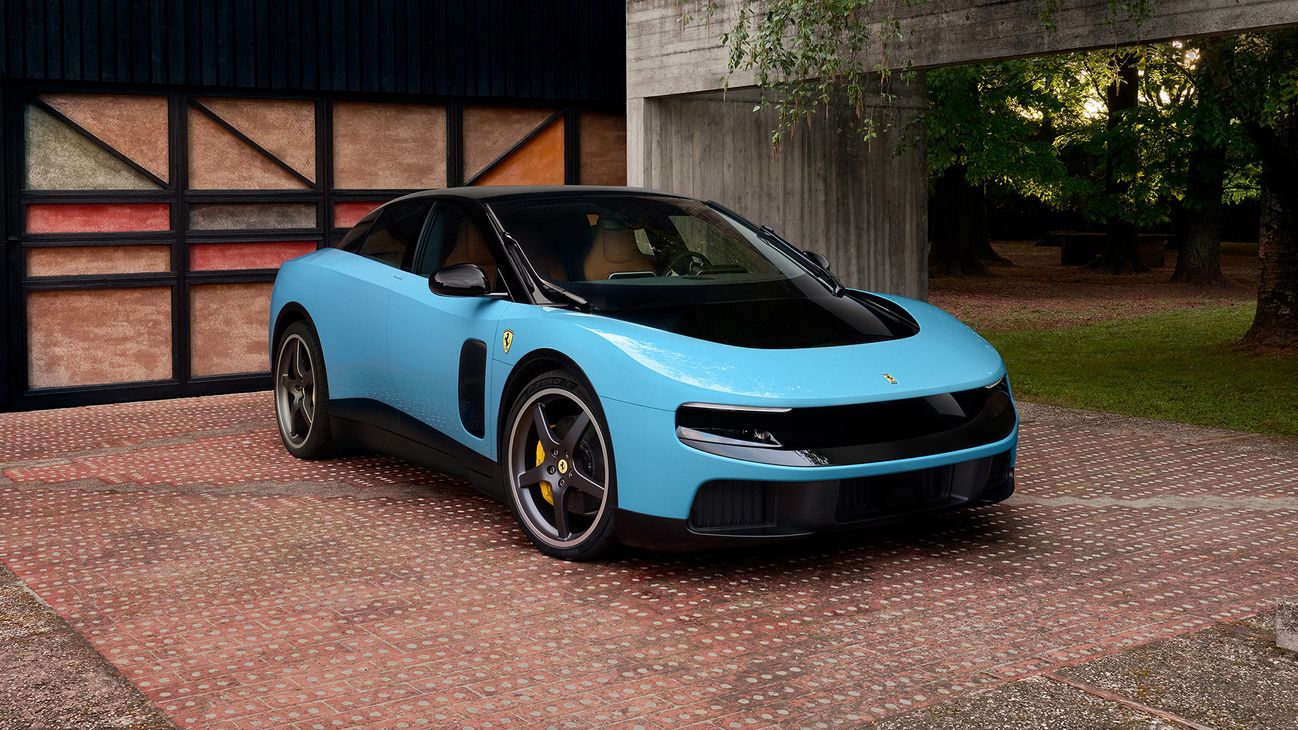
Ferrari Luce
"... following the firing of the incumbents after the Luce E.V. debut. There was a master Luce as well actua..."
The Ferrari Luce is a Ferrari model that’s being discussed as an electric vehicle. The podcast mention suggests it’s connected to a new debut and changes in who is competing or leading. It’s being brought up because it represents a shift in the lineup.
The Ferrari Luce is referenced in the context of an EV debut and the firing of incumbents, which suggests it’s part of a new competitive or product cycle. In a podcast, that kind of mention usually ties to how a new model changes expectations in racing or brand strategy. The “Luce E.V.” wording indicates the car is being discussed specifically as an electric vehicle.

Ford Mustang
"...m trying to listen at work. Tom, hope you and the Mustang, you and your Mustang, are in particularly fine f..."
The Ford Mustang is a sporty car made by Ford, usually offered as a coupe or convertible. It’s known for having strong acceleration and a performance-focused design. People talk about it a lot because it’s a well-known car for driving fast and for racing setups.
The Ford Mustang is a long-running American sports coupe/convertible known for its powerful engines and strong performance heritage. It often comes up in motorsport and enthusiast conversations because it’s a popular platform for racing and tuning. In a podcast, it’s likely mentioned as a recognizable performance car that represents that tradition.
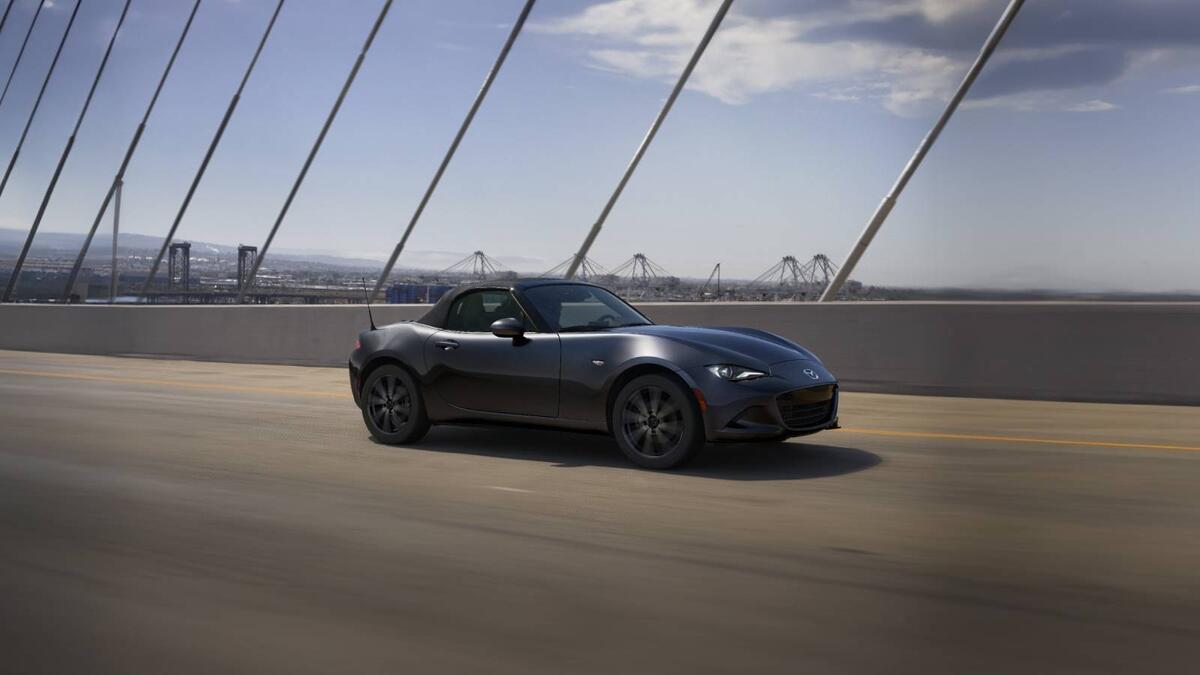
Mazda Mx5
"...ohannes from his sweltering Vienna to the guys at Mazda MX5 Cup to RTL. Welcome back."
The Mazda MX-5 (Miata) is a small two-seat sports car designed to be fun and easy to drive. It’s known for good handling rather than just raw power. The podcast references an MX-5 Cup, which is a racing series for this model.
The Mazda MX-5, also known as the Miata, is a lightweight two-seat roadster famous for its balanced handling and driver-focused feel. It’s significant in racing because it’s widely used in spec and one-make series, making it a common platform for competition. The podcast mention of an MX-5 Cup suggests it’s being discussed in that organized racing context.
street racing
"it doesn't matter what the mode of power unit [792.1s] is, street racing is expensive to set up and doing one race over a weekend where you've [798.4s] got closed city streets for three weeks around the event just isn't going to work."
Street racing means racing on normal city streets instead of a track. It’s hard to organize because you have to close roads for safety, and the streets can be too tight to pass easily.
Street racing refers to running races on public roads rather than purpose-built tracks. It’s logistically difficult because roads must be closed, safety barriers and marshaling have to be installed, and overtaking can be limited by tight street layouts.
power unit
"So expensive, as we said right at the start, it doesn't matter what the mode of power unit [792.1s] is, street racing is expensive to set up and doing one race over a weekend where you've"
A “power unit” is the part of a race car that makes it move—its main engine or electric system. It’s the thing that provides the car’s driving power.
In racing, a “power unit” is the car’s main energy system—what generates and delivers power to move the vehicle. Depending on the series, that could be an internal-combustion engine or an electric drivetrain.
Formula E
"Hello, Nick. [815.1s] Nick Damon's with us tonight. [816.1s] Nick Damon, our Formula E sports car."
Formula E is a racing series where the cars are fully electric. The races are often held in city areas, so the track layout and safety rules are a big deal.
Formula E is an all-electric single-seater racing series. It’s designed around city-center circuits, which is why street layout, safety, and overtaking opportunities matter a lot to how races are run.
Formula 1
"Sports car racing and Formula 1. [840.9s] Netflix and Formula 1. [842.9s] That's where all the new motorsport fans have come."
Formula 1 is the biggest, most famous kind of open-wheel racing. The cars are very advanced and the races happen all over the world.
Formula 1 (F1) is the top tier of open-wheel, single-seater motorsport, run under the FIA. It’s known for highly engineered cars, strict technical rules, and global race calendars.
700 horsepower
"They're now going to have pushing 700 horsepower next year with the new cars. [861.5s] The cars are bigger and therefore they have a huge momentum."
Horsepower is a way to describe how much power a car’s motor can produce. “700 horsepower” means the car is extremely powerful, which matters for speed and safety in racing.
Horsepower is a measure of engine (or motor) power output, and “700 horsepower” indicates a very high-performance power level. In racing context, higher power typically increases acceleration and the energy involved in crashes, which can drive safety and track changes.
gravel traps
"The cars are bigger and therefore they have a huge momentum. [866.9s] Therefore they need to be going into gravel traps and catch fencing. [869.1s] Not catch fencing, do you know what I mean?"
Gravel traps are safety zones next to the track. If a car goes off course, the loose gravel helps slow it down before it hits something harder.
Gravel traps are runoff areas filled with loose gravel designed to slow a car safely if it leaves the track. They work by increasing rolling resistance and disrupting the vehicle’s momentum before it reaches barriers.
catch fencing
"Therefore they need to be going into gravel traps and catch fencing. [869.1s] Not catch fencing, do you know what I mean? [870.8s] Rather than into..."
Catch fencing is safety fencing placed around a race track. If a car crashes or breaks apart, the fencing helps keep debris from flying into dangerous areas.
Catch fencing is trackside safety netting or barriers positioned to stop or deflect debris and cars that leave the circuit. It’s especially important when cars are faster or have higher energy impacts, because it reduces the chance of parts reaching spectators or officials.
safety-wise, they've completely outgrown a lot of the tracks
"But for safety-wise, they've completely outgrown a lot of the tracks. [881.1s] That's why... [882.1s] I'm sure we'll come to that."
The idea is that newer, faster cars can be too much for older tracks’ safety setups. If the track can’t safely handle the higher speeds, they may change venues or upgrade safety areas.
This refers to how modern race cars can become too large or too fast for older circuits’ safety layouts. When cars generate more speed and impact energy, track runoff, barriers, and fencing may need redesign or the event may need to move to a different venue.
Mexico City
"Mexico City is the second one. That's sort of a race track. Is that on the short track still?"
Mexico City is where a Formula 1 race is held. The hosts are talking about a shorter version of the track layout, which changes the route the cars take during the race.
Mexico City is the location of the Formula 1 race held at Autódromo Hermanos Rodríguez. In this segment, the hosts discuss how the event uses a shorter “short track” layout rather than the full circuit, which changes where cars run and how the course flows through the city streets and back sections.
short track
"Is that on the short track still? ... It does not say. That actually works really well."
A “short track” is when the race doesn’t use the entire track. They run a shorter route, which can change how the cars drive and how the race plays out.
A “short track” layout means the race uses only part of the full circuit, typically by cutting out sections and running a shorter route. That can change lap times, braking points, and how often cars can build speed and attempt overtakes.
Formula One circuit
"It's on the Formula One circuit. Yes, but it's on the short track."
A “Formula One circuit” is the main track used for Formula 1 races. They’re saying the race uses the Formula 1 track, but only part of it (a shorter layout).
A “Formula One circuit” is the track layout used for Formula 1 events. In this segment, the host notes that Mexico’s event is on the Formula One circuit but run as a shorter “short track,” meaning only part of the full circuit is used.
FE
"Look, people think I'm against FE. I'm not at all. I was against the way they marketed it in the first place..."
FE here refers to Formula E, the all-electric single-seater racing series. The host argues that Formula E’s continued growth is tied to manufacturers needing it as a marketing and technology platform to help justify the huge investment in electric cars.
electric cars
"manufacturers need to do FE to justify the billions of dollars that they have spent on electric cars"
Electric cars are vehicles powered by electricity instead of gasoline. The host is saying companies spend a lot on them, and racing helps them justify that spending.
The host is discussing electric cars as the broader industry investment that manufacturers are trying to justify. In the context of FE, racing is framed as a way to support and validate the technology and spending behind electric vehicle development.
Austin
"Where are they going after Mexico? They're off to Austin for their first racing quota. Is that on the short track as well or is that in the long track?"
Austin is where another major racing event is held in Texas. They’re checking whether it will use a shorter track layout or the full track.
Austin refers to the Formula 1 venue in Texas, commonly associated with Circuit of the Americas. The hosts are asking whether the next event uses a short-track layout or the full circuit, which affects lap length, corner sequence, and overtaking opportunities.
NASCAR configuration
"[1165.3s] It's the NASCAR configuration. [1167.3s] Yes, I like that. [1168.3s] That's another good track."
A “NASCAR configuration” is a different way of laying out the same venue for NASCAR-style races. It usually changes which parts of the track get used, so the driving feels different.
A “NASCAR configuration” means a circuit layout adapted to NASCAR-style racing, typically emphasizing different track segments, pit placement, and safety/visibility considerations. In practice, it changes the course length and corner sequence compared with the road-course layout.
track limits
"No, it won't. [1171.3s] It'll be a track limit will be a disaster. [1173.3s] No, it won't. [1175.3s] It won't. [1176.3s] It'll be a crash-faced, but it won't be a disaster. [1180.3s] But that's okay. [1181.3s] That'll work well until... [1182.3s] Every single driver will get a penalty for track limits."
Track limits are the rules about where tires are allowed to go on the track. If a driver goes past the allowed edge, officials can penalize them, even if they didn’t crash.
“Track limits” are the boundaries (paint, curbs, or runoff rules) that define where a car is allowed to drive on a circuit. If a driver crosses them, race control can penalize lap times or issue penalties, which can strongly affect strategy and results.
London Grand Prix
"A-1-G-P had the London Grand Prix. Oh, no, that's right. Yes, that was at Brands Hatch."
The London Grand Prix is the name of a racing event they’re talking about. They quickly correct that it wasn’t at London—it was held at Brands Hatch.
The London Grand Prix is a named racing event referenced in the discussion, tied to where it was held. The hosts correct themselves that it was actually at Brands Hatch, highlighting how event naming can differ from the actual venue.
Brands Hatch
"Oh, no, that's right. Yes, that was at Brands Hatch. That was tedious as well. That was an absolute snooze fest."
Brands Hatch is a well-known race track in the UK. Different racing series have used it, and the track layout is the kind that can make races and strategy interesting.
Brands Hatch is a famous motorsport circuit in the UK, known for hosting a wide range of series including IndyCar and Formula E. It’s particularly notable for its tight, flowing layouts that make overtaking and race strategy feel very “driver-dependent.”
fuel mileage race
"And that was a snooze fest. Yes. Because it was a... it was a fuel mileage race."
A “fuel mileage race” is a race where saving fuel matters a lot. Instead of going flat-out the whole time, drivers and teams have to manage power and timing so they don’t run out of fuel.
A “fuel mileage race” is a race format where fuel economy (how far you can go on a set amount of fuel) is a major factor, not just outright speed. This typically forces teams to manage throttle, engine output, and pit strategy to stretch fuel, which can make races feel slower or more process-driven.
Amsterdam Grand Prix
"Whereafter Brands? For Formula E? Another double header. The Amsterdam Grand Prix."
The Amsterdam Grand Prix is a race event in Amsterdam. The hosts are talking about it as part of a schedule where there may be two races in the same weekend.
The Amsterdam Grand Prix is a named motorsport event held in Amsterdam as part of a racing calendar. In this segment, it’s discussed as a “double header,” implying a weekend with two races at the same venue.
double headers
"The always should be double headers. Let's just make this clear. They all should be double headers."
A “double header” means there are two races during the same event weekend. Teams may have to plan for both races, not just one.
A “double header” is when two races are held at the same event weekend (often on the same track, sometimes on consecutive days). It’s a scheduling format used to maximize on-track action and TV/attendance value, but it can also change how teams plan strategy and car setup across the weekend.
World Endurance Championship
"The World Endurance Championship. [1677.3s] Yes. [1678.3s] The FIA World Endurance Championship."
The World Endurance Championship is long-distance racing where teams drive for hours, not just minutes. The FIA runs it, and the episode is talking about whether its race dates overlap with other series.
The FIA World Endurance Championship (WEC) is a top-level endurance racing series focused on long-duration events, typically with teams sharing driving duties. It’s governed by the FIA, and the hosts are discussing how its race dates can conflict with other FIA series like Formula E.
Ben Soleim
"This is actually unacceptable from the president of the FIA, Ben Soleim, [1702.3s] and the rest of the calendar committee, [1705.3s] because there's enough weekends in the year to keep things apart."
Ben Soleim is mentioned as a top FIA official. The hosts are saying he (and the FIA’s calendar group) thinks the race dates shouldn’t overlap.
Ben Soleim is described here as the president of the FIA, and the hosts say he and the FIA calendar committee consider the scheduling clashes unacceptable. This matters because it frames the discussion as an official governance and calendar-planning issue rather than a team-level complaint.
Sportacar calendars
"It's the same with the Sportacar calendars. [1728.3s] So is it two, Tim?"
This is about the schedules for sports-car racing events. The point is that different racing series can end up trying to use the same weekends, which causes conflicts.
“Sportacar” here is being used as a shorthand for sports car racing calendars, i.e., schedules for endurance/sports-car events. The hosts are grouping it with Formula E and WEC to discuss how multiple series can end up competing for the same weekends.
IMSA CTMP
"[1815.3s] World Endurance Championship Sao Paulo. [1817.3s] Which already clashes with IMSA CTMP. [1822.3s] Canadian Time, also clashes with Formula E Shanghai, does it?"
IMSA is a major North American racing organizer. “CTMP” is a track in Canada, and the hosts are saying the dates can overlap with other endurance races.
IMSA runs endurance events in North America, and “CTMP” refers to the Canadian Tire Motorsport Park circuit. The point here is scheduling overlap—endurance series calendars can conflict with each other.
prologue
"[1863.3s] So the FIA World Endurance Championship will start with a prologue on the [1869.3s] 21st and 22nd of March, which it's suggested will be at the Zyli International Circuit in Cata."
A prologue is an opening event before the main part of the season. Think of it as the series’ warm-up or kickoff race weekend.
A prologue in motorsport is a preliminary event that starts a series or season before the main races. It’s often used to kick off the calendar with a smaller or transitional race format.
Zyli International Circuit
"[1869.3s] 21st and 22nd of March, which it's suggested will be at the [1874.3s] Zyli International Circuit in Cata. [1876.3s] Right, if that is right, that is the Sunday and the Monday after Sabring."
This is the race track where they’re suggesting the opening “prologue” event will happen. A prologue is basically the series’ kickoff race weekend before the main races.
Zyli International Circuit is the venue the hosts suggest for the World Endurance Championship prologue dates. In endurance racing, a prologue is an opening event that can set the stage for the main race schedule.
WEC
"So, when do you think the WEC have to tell the teams and everybody else that they're going to be in Southern Europe instead of that?"
WEC is a major endurance racing series run by the FIA. Cars race for many hours, so teams have to manage strategy and reliability, not just go fast.
WEC stands for the FIA World Endurance Championship, a global endurance racing series. Teams race in long-format events (often 6+ hours) where strategy, reliability, and driver stints matter as much as outright speed.
Southern Europe
"So, when do you think the WEC have to tell the teams and everybody else that they're going to be in Southern Europe instead of that? [2418.3s] My guess is they already know."
They’re talking about moving upcoming races to Southern Europe. That affects travel and logistics for teams getting cars and equipment ready.
The hosts are discussing a geographic shift for upcoming endurance events, moving from one set of locations to races in Southern Europe. For teams, this can change logistics, travel time, and how quickly cars and equipment can be prepared between rounds.
one and a half points races
"which will be one and a half points races, whether it's a 10 and an 8 or two 8, I haven't had any intel on,"
In endurance championships, races can carry different points weights. “One and a half points” means the event awards 1.5× the usual championship points, which can significantly affect the season standings when only a few races remain.
two races of more than six hours
"but it will be two races of more than six hours to ensure the one and a half points awarded,"
Endurance races are measured by how long they last. If it’s more than six hours, teams usually need multiple drivers and careful pit strategy to manage the whole race.
Endurance races are often categorized by duration, and 6+ hour events are long enough to require multi-driver stints and complex pit-stop strategy. The hosts are saying the remaining events will be long-format to justify the points structure across the season.
Nurburgring
"I did go to a rearranged race at the Nurburgring in November once, that was an experience."
The Nürburgring is a famous race track in Germany. Car people use it to compare how fast and how well cars handle because it’s long, twisty, and has big changes in elevation.
The Nürburgring is Germany’s most famous motorsport venue, centered around the Nordschleife (the “North Loop”) and the shorter Grand Prix circuit. It’s widely used as a benchmark for lap times and car development because it combines long straights with lots of elevation change and corner variety.
simcast
"Can I tell you about tomorrow's simcast, John? ... That's the simcast for all your sim racing news."
A simcast is basically a live show about sim racing. It’s like a broadcast for people who race in racing video games, with updates and guest talks.
A simcast is a live or scheduled broadcast focused on sim racing—racing in video-game simulators—often with hosts and guests discussing setups, preparation, and upcoming virtual events. In this segment, it’s used to promote a show on RS1 about sim racing news and prep.
spa 24 hours
"will be talking about their prep for the spa 24 hours, ... Let's look forward and have a bit of an update on the CrowdStrike 24 hours of spa."
The Spa 24 Hours is a long endurance race in Belgium where cars run for a full day. It’s not just about being fast—teams also have to manage tires, fuel, driver changes, and avoid problems.
The Spa 24 Hours is a 24-hour endurance race held at Spa-Francorchamps in Belgium, featuring teams running sports cars and GT cars in long stints. Because it’s an endurance event, strategy, reliability, driver consistency, and pit timing matter as much as outright speed.
RS1
"at 8pm on RS1 tomorrow, Matt and Steven will be talking about their prep for the spa 24 hours"
RS1 is the channel/platform where the show is going to be streamed. They’re saying you can watch it there at 8pm.
RS1 appears to be the channel or platform the hosts are using to air the simcast. It’s mentioned as the place where the live discussion will happen (at 8pm).
Jonathan Ogden
"will be joined by two special guests, Jonathan Ogden of Phoenix Racing and Kenny Hobbs of Luna Rose Racing."
Jonathan Ogden is mentioned as a guest associated with Phoenix Racing. In the context of prep for the Spa 24 Hours, he’s likely contributing team or driver-perspective insight into endurance-race preparation.
Kenny Hobbs
"will be joined by two special guests, Jonathan Ogden of Phoenix Racing and Kenny Hobbs of Luna Rose Racing."
Kenny Hobbs is another guest. He’s connected with Luna Rose Racing and is joining to discuss prep for the Spa 24 Hours.
Kenny Hobbs is mentioned as a guest associated with Luna Rose Racing. In the context of the simcast and Spa 24 Hours prep, he’s positioned to share preparation details and racing insights relevant to endurance events.
CrowdStrike
"Let's look forward and have a bit of an update on the CrowdStrike 24 hours of spa. This week we're looking at it in a slightly different way in our CrowdStrike report..."
CrowdStrike is a company that sponsors the race, so the event is called the “CrowdStrike 24 Hours of Spa.” Sponsors often get their name attached to big events.
CrowdStrike is the company whose name is used for the event’s title sponsorship: the “CrowdStrike 24 Hours of Spa.” In motorsport coverage, this kind of naming typically indicates the sponsor tied to the broadcast and event branding.
Andrew Cotton
"Because we've got the man who is the editor of race car engineering with us to talk about it, Andrew Cotton joining us this Wednesday evening."
Andrew Cotton is the editor of a motorsport magazine called Racecar Engineering. In this episode, he’s joining to give expert commentary on the race.
Andrew Cotton is identified here as the editor of Racecar Engineering, a motorsport publication. As an editor, he’s positioned as a knowledgeable source for technical and event-focused discussion about endurance racing.
grid
"A cracking grid for the CrowdStrike 24 hours of spa. It's in rude health at the moment."
The grid is the lineup of cars at the start of a race. Saying it’s “in rude health” means the starting field looks strong and healthy.
In racing, the grid is the starting arrangement of cars for the race, typically organized by qualifying results. When the hosts say the grid is “in rude health,” they mean the field looks strong and well-populated.
Pirelli rubber
"And in terms of the technology side of things, they're all on Pirelli rubber. There's not that much choice."
Pirelli makes the tires the teams run. Tires are a huge deal in racing—what they’re made of and how they’re used can change how much grip the car has, especially in heat or rain.
Pirelli is a tire brand used by many top racing series. In hot or wet conditions, the specific tire compound and how it’s managed can strongly affect grip and lap times.
traction control
"So the track temperatures are going to be very high. And then thunderstorms over the weekend. So when they hit, how heavy the teams deal with it is going to be interesting. ... Who's got the best traction control?"
Traction control is a computer system that helps prevent the wheels from spinning when the road is slippery. It can make the car easier to control when grip suddenly changes, like when rain hits.
Traction control is an electronic system that reduces wheel spin by adjusting engine power and/or braking when the tires lose grip. In a race with sudden rain, it can help keep the car stable and moving efficiently.
air conditioning
"Well, who's got the best traction control? ... Who's got air conditioning? And who gets lucky?"
Air conditioning keeps the driver cooler. In very hot races, staying comfortable can help the driver stay focused and consistent, especially when conditions change.
In racing, air conditioning can matter because it affects cabin temperature and, indirectly, how systems like cooling and power management are handled. In extreme heat, comfort and thermal management can influence driver performance and consistency.
WRT
"We know that in the past, WRT have struggled with the weather when that hit. Obviously, they've got their spies out in the fields all around and as the local team."
WRT is a racing team. The host is saying they’ve had trouble in the past when weather changes suddenly, because strategy and tire timing become harder.
WRT is a racing team/organization referenced here as having struggled with weather in the past. The context suggests their performance depends heavily on how well they anticipate rain and manage tire strategy.
wet tires
"And they got the weather report that it was going to rain a couple of years ago when the Ferrari one. And they got Dries van Thorien and they put the wet tires on, then did a rain dance."
Wet tires are made to grip on a rainy track. Their tread helps push water out from under the tire so the car can still slow down and turn safely.
Wet tires (often called rain tires) are designed with tread patterns that channel water away to maintain grip. They’re used when the track is wet enough that normal tires can’t handle the water buildup.
Dries van Thorien
"And they got the weather report that it was going to rain a couple of years ago when the Ferrari one. And they got Dries van Thorien and they put the wet tires on, then did a rain dance."
Dries van Thorien is a race driver. In this story, he’s the driver the team put into the car when they switched to rain tires.
Dries van Thorien is a racing driver mentioned here in connection with a past weather-related strategy. The point is that the team made a driver/strategy call when switching to wet tires.
lap of the gods
"So the Ferrari that stopped a little bit later was able to drive around the outside of Blanchermonde. So it is in the lap of the gods."
“Lap of the gods” is a saying for when racing feels like it’s decided by luck. When weather and timing go wrong or right, it can completely change who wins.
“Lap of the gods” is a motorsport phrase meaning a race moment where outcomes feel like they’re decided by luck or fate rather than pure engineering. It’s often used when weather or strategy swings can dominate.
balance of performance
"So it is in the lap of the gods. Once you get changeable weather conditions, balance of performance is usually pretty good."
Balance of performance is how racing organizers try to make different cars compete more fairly. They adjust rules so one car doesn’t automatically become much faster than the others.
Balance of performance (BoP) is a rule set used in multi-class racing to keep different cars from being too far apart in speed. It typically adjusts things like weight, engine power, or restrictors so cars can compete more evenly.
GT3
"70-ish GT3 cars, they're all in the same category. We expect Stefan Matel to announce next year's calendar on Friday, do we?"
GT3 is a type of race car class. It’s designed so different brands can race against each other using similar rules, so the competition is more about driving and team setup than having a totally unique car.
GT3 is a class of race cars built to a common rule set so teams can compete with different makes while keeping performance broadly comparable. Cars in GT3 racing are typically customer-based entries (not one-off factory prototypes) and are used in series like GT Masters and endurance-style events.
Stefan Matel
"We expect Stefan Matel to announce next year's calendar on Friday, do we? Yeah, he usually does. He does a presentation of his championships."
Stefan Matel is the organizer/figure the host expects to announce the next racing schedule. The host also says he’s good at keeping teams and drivers involved.
Stefan Matel is referenced as the person who typically announces the next year’s racing calendar and presents his championships. The host credits him with supporting teams and maintaining strong relationships across drivers and manufacturers.
entry list
"And I think with such a big entry list, I think it has put a few people off. Once he got 70 cars, I think last year he started 72 because he was expecting some dropouts."
An entry list is the list of who’s officially entered to race. If it’s big, there are more cars on track, and that can make things more complicated—especially if the weather changes.
An entry list is the official roster of teams and cars that are accepted to compete in a race or series event. When the entry list is large, it can affect logistics, track time, and how organizers manage driver categories—especially when weather changes.
driver categories
"And on a seven-kilometer track with all the different driver categories that you have and now with the weather conditions changing, you need to be a bit careful."
Driver categories are different groups of drivers in the same event. They help organize who competes where, and they can make racing more tricky when there are lots of cars and changing conditions.
Driver categories are groupings within a racing event (often by experience level, ranking, or driver rating) that determine how drivers are classified and sometimes how they share track time. On a track with multiple categories, traffic management becomes more important when conditions shift.
Porsche
"And they're running the Porsche rather than the Ferrari. I thought that was interesting anyway, but anyway, not happening."
They’re talking about which race-car brand the team is using. Switching from Ferrari to Porsche changes the car platform the team has to work with.
Porsche is referenced here as the manufacturer the team is running instead of Ferrari. In GT3 paddocks, manufacturer choice can influence car availability, setup direction, and which drivers/teams align with a given brand’s program.
Luke Donk-Volker
"I had an interview on Thursday, maybe on Wednesday with Luke Donk-Volker that actually we had to hold back. We kind of knew it was coming, but he went on to give me quite a bit more detail than I think he should have."
Luke Donk-Volker is the person the host interviewed. The important part here is that the interview information was delayed so it wouldn’t break an embargo before the official announcement.
Luke Donk-Volker is referenced as the person the host interviewed ahead of a scheduled announcement. The segment emphasizes that the interview details were held back to respect an embargo.
embargo
"But that was great. But we respected the embargo. So on Friday, they announced a car."
An embargo is a “don’t publish yet” agreement. It’s used so everyone releases the news at the same time instead of one person spoiling it early.
An embargo is an agreement that restricts when information can be published. In motorsport and automotive announcements, embargoes are commonly used so media can prepare coverage, but the details go out at the same official time.
Genesis
"In kind of building street car, road car and race car derivatives and doing the homologation simultaneously, these are big steps for Genesis. Well, they are. And this car, particularly the way that Genesis is planning to attack this program is a worry."
Genesis is a luxury car brand. In this segment, they’re talking about Genesis trying to compete in racing and then make a road version that’s allowed on public streets.
Genesis is Hyundai Motor Group’s luxury brand, and here it’s being discussed as it tries to enter top-level GT racing. The hosts focus on Genesis building a car that follows race-car rules first, then turning it into a road-legal model.
homologation
"In kind of building street car, road car and race car derivatives and doing the homologation simultaneously, these are big steps for Genesis. ...So I think it's 300 cars that they have to sell before they can be homologated."
Homologation is the approval process that lets a race car compete. It typically requires the manufacturer to build and sell a minimum number of road cars so the race version is based on something real.
Homologation is the process of getting a race car approved for competition by meeting governing-body rules. In practice, it usually requires building and selling a minimum number of road-legal cars that are closely related to the race car.
FIA
"What the manufacturers did was they went to the FIA and they demanded a stable set of technical regulations that they could all read... ...And so now they've got this set of technical regulations."
The FIA is the organization that writes the rules for international auto racing. In this segment, it’s described as the body manufacturers go to when they want consistent technical rules.
The FIA (Fédération Internationale de l’Automobile) is the international motorsport governing body that sets and enforces technical and sporting regulations. Here, the discussion is about manufacturers pushing the FIA for stable technical rules so they can plan development without constant changes.
technical regulations
"What the manufacturers did was they went to the FIA and they demanded a stable set of technical regulations that they could all read... ...They would take away this anomaly, this doubt."
Technical regulations are the detailed rules that define what a race car is allowed to do and how it must be built (for example, limits on components, dimensions, and performance-related systems). The hosts argue that stable technical regulations reduce uncertainty for manufacturers.
GT cars
"You know that you can develop your car so a Ferrari can have as many freedoms as a Bentley or Nissan or something like that. And so you finish up with these extreme GT cars..."
GT cars are grand touring-style race cars based on production models, typically competing in GT championships. In this segment, the hosts connect the evolution of regulations to “extreme GT cars” and then to Genesis’s plan to build toward GT3 rules.
customer racing
"Is it customer racing or is it manufacturer racing? It's not. It's not."
Customer racing means a company sells race cars to teams that aren’t the manufacturer’s own team. Those teams buy the cars and race them themselves.
Customer racing is when manufacturers sell race cars (or race-ready packages) to private teams that run them in competition. The business case often depends on how many cars can be sold and supported, not just on factory results.
manufacturer racing
"Is it customer racing or is it manufacturer racing? It's not. It's not."
Manufacturer racing is when the car company itself runs the race team. Instead of selling cars to others, the factory team competes directly.
Manufacturer racing is when the automaker’s own works team competes using cars developed and run under the manufacturer’s direct control. The focus is usually on brand, engineering development, and factory team performance rather than selling cars to customers.
GT4s
"In fact, GT4s aren't even that anymore."
GT4 is another class of race car, usually simpler and cheaper than GT3. The point here is that even GT4 cars have evolved into more specialized racing machines.
GT4 is a racing class positioned below GT3, typically with less technical complexity and lower costs. The speaker contrasts GT4 with GT3 to emphasize how even “lower” classes have become more specialized than they used to be.
onboard system
"But the onboard system, starting with the guys from Bosch at Le Mans, the onboard systems, the tune ability, if that's a word, from circuit to circuit."
An onboard system is the car’s in-race electronics that control and monitor how the car runs. Teams can adjust settings for different tracks, which changes performance even if the car is the same model.
In modern racing, an onboard system is the car’s electronics and control hardware/software that manages functions like engine behavior, traction-related strategies, and data logging. The speaker mentions that these systems can be tuned differently from circuit to circuit, affecting how cars perform under BoP.
Bosch
"But the onboard system, starting with the guys from Bosch at Le Mans, the onboard systems, the tune ability, if that's a word, from circuit to circuit."
Bosch is a big technology company that makes automotive parts and electronics. In racing, they help provide the kinds of onboard systems teams use to control and monitor the car.
Bosch is a major automotive supplier known for electronics and control systems used in racing. Here, the speaker credits Bosch with early onboard system development referenced in the context of Le Mans.
backward engineered into a road car
"And surely if you get more and more specialized and towards effectively a bespoke racing car, a prototype racing car that has some road going characteristics [...] and then is backward engineered into a road car"
“Backward engineered into a road car” describes taking technology developed for racing and translating it into production vehicles. In practice, teams and manufacturers adapt materials, aerodynamics, electronics, and control strategies so the performance ideas can be used on street-legal cars.
prototype racing car
"And surely if you get more and more specialized and towards effectively a bespoke racing car, a prototype racing car that has some road going characteristics"
A prototype race car is built mainly for racing, not for selling as a normal street car. The idea is that lessons from these cars can later influence real road cars.
A prototype racing car is a purpose-built race vehicle that isn’t required to be a direct derivative of a production model. The speaker frames prototypes as having some road-car characteristics, then being “backward engineered” into road cars—highlighting how specialized racing tech can influence consumer vehicles.
BOP
"they're going to have bigger effect and potentially lead to bigger performance differential, which you can't BOP that out. You can only BOP the car out at a single setup."
BOP is a set of race rules meant to keep different cars fairly matched. Instead of letting one car be faster just because of its design, the rules add limits so teams are closer in speed.
BOP (Balance of Performance) is a rule used in series racing to make different cars perform more similarly. It does this by applying constraints like weight, engine power, and aerodynamic/ride-height limits so no single car dominates purely due to design advantages.
setup
"You can only BOP the car out at a single setup. You can't BOP the car right through a..."
A “setup” is how a race team tunes the car for a specific track. Small adjustments can change how the tires grip and how the car handles.
In racing, a “setup” is the specific configuration of adjustable vehicle settings used for a track and conditions. Changes like ride height, camber, and other alignment/aero-related parameters can shift tire grip and balance, which is why BOP can be limited to a particular baseline setup.
right height at the back
"Oh, if you're going to raise the right height at the back, if you're going to put two degrees more camber in it, you're going to have to carry another 10 kilos."
“Ride height” (here described as the right height at the back) is the distance between the car and the ground. In GT racing, changing ride height affects aerodynamics and suspension geometry, which can materially change downforce and handling—so it can create performance gaps that BOP can’t fully eliminate across all setups.
camber
"if you're going to put two degrees more camber in it, you're going to have to carry another 10 kilos."
Camber is the angle of the tire when viewed from the front or rear. Changing it helps the tire stay more evenly loaded in turns, improving grip.
Camber is the tilt angle of a wheel relative to vertical. Adding more camber (like “two degrees more”) changes how the tire contacts the road during cornering, affecting grip and wear; it’s an adjustable alignment setting teams use to tune handling balance.
sweet spot
"That car is the most comfortable of the lot because that's running in its sweet spot. Everyone else has to run outside of their sweet spot to run with that car."
A “sweet spot” is the range where the car works best—where it feels most balanced and grips well. If another car has to be pushed away from that range to match, it may handle worse or be harder to drive fast.
A “sweet spot” is the operating region where a car’s setup and design characteristics produce the best balance of grip, traction, and efficiency. If one base car is tuned to its sweet spot, other cars may have to run outside theirs to match pace, which can make the racing feel less consistent.
DTM
"And I think in the GT3 championship, if you balanced it with all pro drivers as you do in DTM, you can get to a very tight BOP."
DTM is a well-known racing series in Germany. Here it’s mentioned to say that when you have mostly top-level pro drivers, it’s easier to balance car performance fairly.
DTM is a German touring-car racing series. In this context, it’s used as a comparison for how driver skill levels (all pro drivers) can make performance balancing (BOP) more predictable and “tighter.”
Bronze
"If you do it where you've got customer drivers, Silver, Bronze or whatever, then you're looking at something completely different."
Bronze is a driver skill/experience level label used in some racing rules. When you mix Bronze drivers with faster ones, it affects how evenly the cars’ performance shows up in results.
“Bronze” is a driver rating category used in GT/endurance racing to group drivers by experience level. In mixed-driver lineups, the performance impact of BOP can be harder to interpret because slower-rated drivers may not extract the same pace as top-rated pros.
Silver
"If you do it where you've got customer drivers, Silver, Bronze or whatever, then you're looking at something completely different."
Silver is a label for a driver’s skill/experience level used in some racing series. If races include drivers with different ratings, it can make car-balancing rules behave differently on track.
“Silver” is a driver rating used in many GT/endurance series to categorize driver experience and skill. When a championship includes a mix of driver ratings (like Silver and Bronze), it changes how performance balancing translates into race results, because driver ability differences can mask or amplify car differences.
Platinum
"whether he's a Platinum or a Silver or Bronze, you have to say sorry mate, you didn't cut the mustard this weekend."
Platinum is a label for the highest driver skill category in some racing series. The idea here is that even top drivers can have a bad weekend, and rules can’t fix that completely.
“Platinum” is a driver rating category indicating a top-tier professional level in some GT/endurance series. The host’s point is that even with a highly rated driver, the team still has to accept that results can vary—so driver performance can’t be fully “BOP’d” away.
Nobergring
"the Spa 24 hours Le Mans and Nobergring, because they're on successive weekends."
This is a famous race track in Germany—Nürburgring. It’s known for being tough on cars, so teams have to be smart about setup and strategy.
This is almost certainly a reference to the Nürburgring, a famous German circuit used for endurance and touring-car events. Its Nordschleife (the long, twisty “North Loop”) is especially known for punishing cars and testing strategy.
strategic battle
"So it's going to be a fascinating strategic battle, I think. And not because of the regulations."
In endurance racing, a “strategic battle” means teams are trying to win by making the right decisions at the right times—like when to pit and how to handle weather. Sometimes the best plan beats the fastest car.
A strategic battle in endurance racing usually means teams are fighting for position through pit stops, tire choices, driver stints, and reacting to changing conditions like weather. It’s often as important as outright speed because races can swing on timing and execution.
proper old school endurance race
"And not because of the regulations. I think it's going to be a proper old school endurance race."
They mean the race will feel like the classic kind of endurance racing—long, unpredictable, and decided by planning and adapting. It’s not just about one-off speed.
“Old school endurance race” is a way of describing endurance events that feel less like modern, marketing-driven spectacles and more like classic long-distance racing. The emphasis is usually on multi-hour pacing, driver rotation, and weather/traffic unpredictability.
touring car race
"I just can't help think of this bar 24 as anything else other than a touring car race rather than a GT3 race."
A touring car race uses cars that are closer to what you’d see on the road. The host is saying this event feels more like that style of racing than like GT3 racing.
A touring car race is a motorsport category where cars are based on production models and typically run in a more “stock-like” format than specialized GT racing. The speaker is contrasting that feel with GT3, implying the event’s character resembles touring-car competition more than pure GT3 racing.
mid-Ohio sports car course
"And the annual, what seems to be annual visit to mid-Ohio sports car course, it was worth the wait to cracking races."
Mid-Ohio is a race track in the U.S. where sports cars compete. It has a variety of turns, so it’s a good place to see how well a car is set up and how skilled the drivers are.
Mid-Ohio Sports Car Course is a road-racing circuit in the U.S. that hosts sports car and touring-car style events. It’s known for a mix of fast sweepers and technical corners, which makes it a good test of both speed and car setup.
momentum
"I think just kind of carried over a lot of momentum from St. Petersburg. We know we know we've got a really fast car, so it's a lot of confidence going forward."
In racing, “momentum” means you’re coming off a good weekend and you’re likely to be strong again. Teams try to keep the same good habits and information so they don’t lose their edge during the gap between races.
In racing, “momentum” usually means carrying forward good form—confidence, setup direction, and performance trends—from one event to the next. Even with a long break, teams try to keep the same development focus so the car arrives at the next round ready to be fast quickly.
offseason
"It's kind of like another offseason pretty much. There's about the same gap from Atlanta to Daytona."
The offseason is the break between racing seasons. Drivers and teams use that time to train and get ready for the next set of races.
In motorsport, the offseason is the period between racing seasons when teams and drivers have fewer or no races. Drivers often use it to stay sharp, train, and prepare for the next season’s cars and race schedule.
Daytona
"There's about the same gap from Atlanta to Daytona. But it's pretty much all about staying active with the sport and whether that's coaching..."
Daytona is another race location on the schedule. They’re comparing how long the break is between Atlanta and Daytona.
Daytona refers to the Daytona race venue, a major motorsport stop known for high-speed racing and frequent series visits. Here it’s used as the second point in a comparison of the calendar gap.
Atlanta
"There's about the same gap from Atlanta to Daytona. But it's pretty much all about staying active with the sport..."
Atlanta is a race location on the calendar. The speaker is using it to say there’s a similar time gap between two events.
Atlanta refers to the Atlanta motor racing venue used for a round of the series. It’s mentioned here to compare the timing gap between two race weekends.
rookies
"An inordinately large amount of rookies this year, half the field pretty much. And we had another four debutants over the mid-Ohio weekend."
Rookies are drivers who are new to the series or to racing at that level. The speaker is saying it can be harder for them because they don’t have as many relationships and experience yet.
In racing, “rookies” are first-year drivers (or first-time entrants at that level/series). The speaker is discussing how rookies often struggle socially and strategically—finding fewer allies and needing to learn racecraft quickly.
debutants
"And we had another four debutants over the mid-Ohio weekend. How easy or difficult is it to work with that?"
Debutants are newcomers making their first start. The speaker is saying new drivers can find it tough because they don’t have the same familiarity with the rest of the grid.
“Debutants” are drivers making their first appearance in the series or at that event. The speaker connects debutants to the challenge of working in a field where you may not know other drivers well.
Ethan Jacobs
"So I was very impressed with how Ethan Jacobs ran all weekend, really. He ran up front really well and managed his pace and his gaps really well in the race."
Ethan Jacobs is another racer the host is talking about. They’re praising how well he performed and how he managed his speed and spacing during the races.
Ethan Jacobs is a driver the speaker highlights for strong weekend performance—running up front, managing pace, and handling “gaps” effectively. The speaker also notes prior racing against him in other series.
gaps
"He ran up front really well and managed his pace and his gaps really well in the race. So I was really impressed with that."
“Gaps” means how much time separates one car from another. Drivers manage those gaps to stay in control of position and avoid getting stuck behind slower cars.
In racing, “gaps” are the time differences between cars—how far ahead or behind you are relative to nearby competitors. Managing gaps is crucial for controlling track position, avoiding traffic, and timing attacks or defenses.

BMW X5
"...han for a long time now. We've raced in Speck and X5. We actually battled for the championship in Spec..."
The BMW X5 is a larger family SUV that focuses on comfort and a premium feel. It’s designed to drive well on normal roads, and it can also be prepared for racing events. In the podcast, it sounds like it was used in competition rather than just daily driving.
The BMW X5 is a midsize luxury SUV that’s built for everyday comfort while still offering strong performance options. It’s significant in motorsport contexts because it can be used in racing series and endurance-style competition. Hearing it alongside championship talk suggests it was part of a competitive class or event.
Speck and X5
"We've raced in Speck and X5. We actually battled for the championship in Speck and X5 back in 2024."
Speck and X5 sound like other racing series or categories the speaker has raced in before. It’s mentioned to explain why they know Ethan Jacobs well.
Speck and X5 appear to be series or racing categories the speaker previously competed in with Ethan Jacobs. This is relevant mainly as background for their shared racing history rather than a technical explanation.
peek to the inside
"And I saw him peek to the inside. [4062.3s] And I thought back to that move I made on Jared that could save Peter Spurikin."
In racing, “peeking” to the inside means briefly moving toward the inside line to test whether the other driver will leave space. It’s often used to set up a later move without committing fully to the pass.
lifted out of it
"So I actually lifted out of it way more than I should have. [4071.3s] I think looking back at the video, I probably could have sailed around the outside"
“Lifting out of it” means you back off the gas to slow down a bit. Racers do it when a move isn’t going to work so they can stay in control and not make the situation worse.
“Lifting out of it” means easing off the throttle to reduce speed or stabilize the car mid-corner. Drivers do this when the timing or gap for a pass doesn’t work out, to avoid over-committing and losing control or position.
sailed around the outside
"I think looking back at the video, I probably could have sailed around the outside [4074.3s] and held it there, but I tried to cross him back over and get a run down"
“Sailing around the outside” means trying to pass by going around the outside line of a corner. You’re banking on staying fast enough that you can get alongside or ahead without losing control.
“Sailing around the outside” describes an outside-line pass attempt where the driver carries speed around the outside of the corner. It usually relies on having momentum and a good exit so the car can stay alongside or ahead through the next section.
run down
"and held it there, but I tried to cross him back over and get a run down [4078.3s] and turned five on the outside because I've made that move a few times in the race."
A “run” is the burst of speed you set up after a corner. If you get a good run, you’re faster going into the next area where passing is possible.
A “run” (as in “get a run down”) is the speed and momentum you build exiting one corner to use for the next straight or braking zone. In racecraft, getting a run is what creates the opportunity to attempt a pass.
Request an Explanation
Heard something you'd like explained? We'll add it to this episode.
Sign in to request explanations for terms you heard.
Want to learn more?
Browse our glossary for plain-English explanations of automotive terms, jargon, and concepts.
Help improve this episode
See something that's not quite right? Our annotations are AI-generated and can sometimes miss the mark. Click the flag icon on any annotation to suggest a correction.