
MP 1691: The Week In Sports Cars April 22 2026
About this episode
Marshall Pruett and Stephen Kilby break down a busy sports-car week, led by Acura pausing its factory IMSA GTP ARX-06 program after 2026—confirmed as a true “pause,” not a team swap, with speculation about future international runs and possible 2030 rule continuity. They discuss Long Beach: Myers-Shank’s GTP win, GTD storylines, and standout drives/liveries. They then preview WEC Imola/season opener results, Toyota vs Ferrari, and the controversial new approach to BOP secrecy. Finally, they cover Imola LMGT3, highlighting new talent, strategy changes, and a dramatic alternator failure for Garage 59.
It's The Week In Sports Cars show featuring DailySportsCar.com's Stephen Kilbey and Marshall Pruett on Acura's upcoming exit from GTP, the Long Beach IMSA race, and the WEC opener at Imola.
Every episode is graciously supported by the Justice Brothers and TorontoMotorsports.com.
NEW show stickers and memorabilia: ThePruettStore.com
If you'd like to join the PrueDay podcast listener group, send an email to [email protected] and you'll be invited to participate in the Discord chat that takes place every day and meet up with your new family at events.
Play on Podbean.com: https://marshallpruett.podbean.com/
Subscribe: https://marshallpruettpodcast.com/subscribe
Join our Facebook Group: https://www.facebook.com/MarshallPruettPodcast
[WSC]
IMSA GTP program
"Accurate says they are pausing their factory IMSA GTP program. That will happen at the end of the season. Motul Petit Le Mans final factory race for Myers shank racing Acura Myers shank racing the two car ARX 06 GTP program."
IMSA is a big sports-car racing series in North America. “GTP” is the top class for prototype race cars, and a “factory program” is when a manufacturer supports a team with cars and engineering help. Pausing it usually means the manufacturer is stepping back for a while.
IMSA’s GTP class is the top prototype category in the IMSA WeatherTech SportsCar Championship. When a team “pauses” its factory GTP program, it typically means the manufacturer-backed effort is being paused or scaled back, affecting factory support, development, and race entries.
Motul Petit Le Mans
"Motul Petit Le Mans final factory race for Myers shank racing Acura Myers shank racing the two car ARX 06 GTP program. Been hearing about this for a little while my guy and I want to get some reaction from you and thoughts about this and I can add in some context not everything not a liberty to share everything but I've been hearing the drivers might have been notified about something in or around the Rolex 24 right."
Petit Le Mans is a long-distance sports-car race in the IMSA series. It’s a big deal in the racing calendar, and mentioning it as the “final factory race” means it’s the last big race for that team’s manufacturer-backed effort.
Motul Petit Le Mans is a major IMSA endurance race held at Road Atlanta. It’s often used as a key late-season event, so calling it the “final factory race” signals a meaningful end point for a manufacturer’s racing involvement.
Myers shank racing
"Motul Petit Le Mans final factory race for Myers shank racing Acura Myers shank racing the two car ARX 06 GTP program."
Meyer Shank Racing is a well-known racing team that competes in IMSA. In this context, they’re the team running Acura’s prototype cars, so changes to the factory program directly impact their race plans.
Meyer Shank Racing (often abbreviated MSR) is a prominent IMSA endurance team known for running Acura prototypes in the GTP class. When the transcript ties MSR to the “final factory race,” it highlights the team’s role in Acura’s factory-backed effort.
Rolex 24
"...not everything not a liberty to share everything but I've been hearing the drivers might have been notified about something in or around the Rolex 24 right."
The Rolex 24 is a famous 24-hour race at Daytona. It’s a major event in sports-car racing, so bringing it up hints that something important may have been communicated around that time.
The Rolex 24 is the marquee 24-hour endurance race at Daytona International Speedway, part of the IMSA schedule. Mentioning it in connection with driver notifications suggests the timing of the program pause or related developments.
Long Beach
"We started hearing by now middle of the week after Long Beach I guess the timing would be roughly two and a half maybe as much as three weeks ago."
Long Beach is a big racing event in California. The hosts are using it like a calendar reference for when they first heard the rumors.
Long Beach refers to the Long Beach Grand Prix weekend, a major North American motorsports event that often includes sports car racing series. In this context, it’s being used as a timeline marker for when news about racing programs started circulating.
Acura
"This isn't a case of Acura saying well we're done with Meyer shank racing we're returning with name another team. This is Acura deciding single-handedly to hit the pause button on their factory program."
Acura is Honda’s performance brand. In this segment, they’re talking about Acura deciding to stop its factory racing effort for now, instead of continuing with another team.
Acura is Honda’s performance brand, and here it’s discussed in the context of its factory sports car racing program. The hosts are saying Acura is pausing its factory effort rather than simply swapping to a different team for 2027.
Meyer shank racing
"This isn't a case of Acura saying well we're done with Meyer shank racing we're returning with name another team."
Meyer Shank Racing (MSR) is a well-known U.S. sports car racing team that has competed in IMSA. The hosts mention it to clarify that Acura isn’t just changing teams—it’s pausing its factory program entirely.
factory program
"This is Acura deciding single-handedly to hit the pause button on their factory program. It is not returning in 2027 with any other team that we're aware of."
A factory program is when the car company itself is actively involved in racing. Pausing it usually means the company isn’t putting as much money and engineering support into the effort.
A factory program is when an automaker backs a racing effort with direct involvement—typically funding, engineering support, and access to development resources. When the hosts say Acura is hitting the pause button on its factory program, they mean the manufacturer is stepping away from that direct support role.
Asian Le Mans series
"could we see some Acura's competing elsewhere in the world. Not necessarily WEK but maybe Asian Le Mans series... because at the moment we don't have a calendar for Asian Le Mans because we don't"
The Asian Le Mans series is endurance racing in Asia, similar in spirit to the famous Le Mans races. The hosts are wondering if Acura might race there instead, depending on schedules and conditions.
The Asian Le Mans series is a regional endurance racing championship inspired by the 24 Hours of Le Mans format. The hosts discuss whether Acura could compete there internationally, especially since the series’ calendar and scheduling uncertainty affects team planning.
geopolitically
"It's genuinely really hard to gauge because of what's going on in the world at the moment geopolitically because if you'd have asked me this question on like a normal year..."
“Geopolitically” means world politics and international events. The hosts are saying those kinds of disruptions make it harder to plan racing schedules and commitments.
“Geopolitically” refers to how international politics and global events affect travel, logistics, and business decisions. Here, it’s used to explain why it’s hard to predict team interest in running cars in Asian Le Mans during an unstable period.
WEC calendar
"LMEM up to the variables in future regulations the WEC calendar trying to get us for eight races this year it's not an immediate priority for them to get an Asian Le Mans calendar together"
WEC is a big endurance racing series, and the calendar is basically the list of races and where/when they happen. If the schedule isn’t set yet, teams can’t plan their money and logistics.
WEC (World Endurance Championship) uses a calendar of races that teams plan around for travel, budgets, and car development. When the calendar is uncertain—like potential Middle East races or an Asian Le Mans plan—teams can’t lock in spending or staffing timelines.
DPI
"we have a Acura program factory dating back to the DPI right Acura team Penske been involved in IMSA eight nine years now"
DPI was the earlier set of rules for IMSA’s prototype race cars. When someone says “since DPI,” it means they’ve been racing in the top prototype class for a long time, even as the rules evolved.
DPI refers to Daytona Prototype international, the IMSA prototype rule set used before the current GTP era. Mentioning DPI highlights how long Acura and Team Penske have been involved in IMSA’s top prototype competition across rule changes.
Myers shank team
"moving right into GTP you have the Myers shank team which we know will not be running this program once the season has concluded"
Myers Shank Racing is a team in sports-car racing. The host is saying they may stop running that specific program after the season, which can change what drivers and teams do next.
The Myers Shank Racing team (often referred to as Meyer Shank) is an IMSA competitor, and the speaker says it will not be running the program after the season concludes. That kind of team/program pause can affect driver options and the competitive landscape for the next year.
hypercar / GTP single vehicle regulation
"no confirmation as to what the future hypercar slash GTP single vehicle regulation would be right now we currently have the hypercar and LMDH and"
This is about possibly making one set of rules so the same kind of race car could compete in both WEC and IMSA. If it’s not confirmed, teams can’t be sure what cars to build or how long they’ll be competitive.
The “hypercar / GTP single vehicle” idea refers to a potential future attempt to unify regulations across WEC Hypercar and IMSA GTP so teams could run one car under both rule sets. The speaker emphasizes there’s no confirmation yet, which matters because teams need stability to plan budgets and car programs.
hypercar / LMDH
"no confirmation as to what the future hypercar slash GTP single vehicle regulation would be right now we currently have the hypercar and LMDH and"
Hypercar and LMDH are two different rule systems for the top endurance race cars in WEC. The big point here is that the series may change again, possibly combining everything into one set of rules.
In WEC, Hypercar and LMDH are two major prototype rule families that determine how cars are built and homologated. The speaker is discussing uncertainty about a future single regulation that would replace today’s Hypercar and LMDH structures with one “single vehicle” rule set.
LMEM FIA WEC
"it's two different formulas trying to intermingle we know that LMEM FIA WEC ACO IMSA are all talking about how do we come up with a single formula"
They’re referencing the big endurance racing series and rule systems that revolve around Le Mans and the FIA’s WEC. The point here is that different groups are trying to coordinate their rules.
This refers to the major endurance racing ecosystem around the FIA World Endurance Championship (WEC) and the broader Le Mans–centered prototype rules. The segment is about how different organizations are trying to align regulations for top prototype racing.
single formula
"ACO IMSA are all talking about how do we come up with a single formula that everybody plays from in the top prototype class there's a hope that rule that regulation that everyone agrees upon"
They’re talking about trying to make one common rulebook for top prototype endurance racing. If everyone uses the same rules, teams can build cars that fit more than one series instead of starting over for each rule set.
The hosts are discussing efforts to unify rules across multiple endurance racing governing bodies. A “single formula” would mean one set of technical and sporting regulations that different series can share, reducing complexity for teams and manufacturers.
clean sheet of paper
"air X07 clean sheet of paper for what we're hearing there could be a pretty significant cost savings compared to start from scratch"
“Clean sheet” means starting over with a totally new design. It can be expensive and slow, but it may fit the new rules better than trying to modify an older car.
A “clean sheet of paper” means designing a race car from scratch rather than evolving an existing platform. In prototype racing, this usually increases cost and schedule risk, but it can maximize compliance and performance under new rules.
cost savings compared to start from scratch
"that might be a pretty significant cost savings compared to start from scratch"
They’re saying reusing an existing race car design can save money. Building something completely new usually costs more, especially when rules might keep changing.
The segment highlights that reusing an existing prototype basis can significantly reduce development and tooling costs. This is especially relevant when regulations are uncertain or expected to change again in the near term.
continued use of an air X06 even if it goes quiet for a few years
"there could be a possibility of continued use of an air X06 even if it goes quiet for a few years to come back in slightly modified form"
They’re talking about possibly stopping a project for a while, then bringing it back later with updates. That can help teams avoid wasting all the work they already paid for.
The hosts discuss the idea of keeping a program “alive” by pausing and later restarting it with updates. Strategically, this can preserve engineering investment and amortize development costs while still adapting to future regulation changes.
rule regulation compromise
"there's going to have to be a compromise and it's a compromise that let's not forget has to involve manufacturing but also some of these suppliers"
They’re saying the rules can’t be changed in a vacuum. Racing organizers, car companies, and parts suppliers all have to agree, because everyone has different costs and constraints.
The hosts describe regulation changes as a compromise among manufacturers and suppliers, not just a decision by racing organizers. In practice, compromises balance performance, cost, and feasibility for both car makers and the companies that provide key components.
spine
"...carrying on with the customers they've got and just supplying spines and helping manufacturers develop LMDH cars..."
A “spine” is basically the main structural backbone of the race car. The big question is whether teams can design their own backbone or must use one provided by an approved supplier.
In prototype racing, a “spine” is a structural platform/chassis backbone concept that can be supplied by a designated manufacturer or partner. The debate in the segment is whether teams should be allowed to develop their own chassis versus being required to use an approved spine to control costs and standardize key structural elements.
LMH
"...getting some of the LMH manufacturers on board would be cost effective for them..."
LMH is another top class of endurance race cars. It’s the “Hypercar” rules, and it’s separate from LMDH even though they’re both meant for the same kind of big endurance racing.
LMH refers to Le Mans Hypercar, another premier endurance prototype rule set. In the current ecosystem, LMH and LMDH are related but distinct approaches, and the discussion here centers on how manufacturers might align their programs across the two categories.
2030 rule set
"...for the 2030 rule set and I think there might be an element of some of these manufacturers will get the opportunity to almost grandfather their cars..."
The “2030 rule set” is the next big set of rules for endurance race cars. The hosts are saying the details—especially how the car’s structure is built—aren’t finalized yet.
The “2030 rule set” refers to the next major overhaul of endurance prototype regulations that will determine what’s allowed in areas like chassis construction and hybrid integration. This segment highlights that the chassis/spine rules are a major sticking point before a full regulation package is finalized.
grandfather their cars
"...there might be an element of some of these manufacturers will get the opportunity to almost grandfather their cars into the start of the rules..."
“Grandfathering” means rules might let existing race cars keep racing when new rules arrive. It’s like a transition period so teams aren’t forced to change everything overnight.
“Grandfathering” in motorsport rules means allowing existing cars/programs to remain eligible under new regulations for an initial period. The segment suggests some manufacturers might get a transitional advantage so their current prototypes can carry over into the start of the new era.
Le Mans in June
"...we're going to hear something at LeMond I believe in June and my sense right now is that it could just be you know three or four lines..."
They’re saying there will be an update at Le Mans in June. It sounds like it may be a short, early outline of what’s coming, not the full detailed rulebook yet.
The segment mentions an announcement at Le Mans in June, implying a near-term release of preliminary guidance on future regulations. The key takeaway is that listeners should expect only high-level direction first, with more detailed requirements to follow later.
GTP class
"I mean generally sadness because it's such a cool program and it's been so you know it's been such a key pillar of IMSA GTP to have accurate in there... I don't see this as all of a sudden there won't be a GTP class in two years"
GTP is one of the main racing categories in IMSA prototype racing. If a manufacturer steps out of GTP, it means they’re not racing in that category anymore. That can change how many cars show up and how competitive the races feel.
GTP is a top-level prototype racing class in IMSA (International Motor Sports Association). When a manufacturer says it’s “stepping out of GTP,” it means they’re withdrawing their factory or program from that specific class, which can affect grid size and competition. Listeners may want context on why manufacturer participation matters to the health of the class.
manufacturer stepping out
"accurate leaving this is the first manufacturer to say we're stepping out of GTP... it's easy to forget that we could lose two or three and still have incredible grids everywhere"
When a racing manufacturer steps out, it means they’re not bringing cars to that series anymore. That can reduce the number of cars on track and change the competition. The hosts are basically saying it’s something to watch because it can affect the health of the racing.
When a manufacturer steps out of a racing category, it can reduce the number of entries and change the competitive landscape. The hosts connect this to the risk of losing multiple brands while still expecting strong grids overall. This is a key concept in modern sports car racing: manufacturer commitment is closely tied to class stability and fan interest.
Lamborghini
"what I mean by that is yes you can look at accurate going yes you can look at we've lost Lamborghini we're losing our pain at the end of the season"
Lamborghini is one of the car brands mentioned as potentially leaving or being lost from the racing picture. When a big brand like that pulls back, it can affect how many cars show up and how competitive the series feels. The hosts are using it as an example of why the situation is worth paying attention to.
Lamborghini is referenced as a manufacturer that has “walked away” or is being lost from the series context discussed by the hosts. In IMSA prototype and sports car racing, manufacturer departures can influence class participation and the overall grid. The mention is part of a broader discussion about how stable the top categories remain.
Porsche
"and there are question marks over you know we've had Porsche walk away from WC and well they weren't they ever come back"
Porsche is brought up as another major brand that has stepped back from the series at some point. Big-name teams like Porsche can strongly influence how many cars race and how strong the competition is. The hosts are basically saying these changes can happen, so it’s worth staying alert.
Porsche is mentioned in the context of having “walked away” from WC (likely WeatherTech Championship) and the hosts note that it “wasn’t” coming back in the way people might assume. Manufacturer participation from Porsche matters because it can strongly affect prototype/sports car grids and the competitive balance. This is used as part of the argument about how quickly the landscape can change.
Chinese marketplace
"McLaren and Ford coming in the Chinese marketplace has not been activated yet and I keep being told by really key sources that we should take it somewhat seriously"
The hosts talk about the Chinese market as a place where racing involvement hasn’t really kicked off yet. They expect it to become more important later in the decade. That matters because it can bring new teams and help keep racing grids strong.
The “Chinese marketplace” is discussed as a region where manufacturer involvement hasn’t fully activated yet, but is expected to matter later. In motorsport, regional market activation can influence when and how manufacturers commit to racing programs. The hosts are essentially forecasting that Asia will play a larger role toward the end of the decade.
Ford
"with the likes of McLaren and Ford coming in the Chinese marketplace has not been activated yet"
Ford is mentioned as a brand that’s getting involved in the Chinese market. When a major company like Ford expands into a region, it can help grow the sport and bring more resources. The hosts see it as part of why things may improve over time.
Ford is mentioned alongside McLaren as a manufacturer “coming in” to the Chinese marketplace. Manufacturer expansion into new regions can affect global fan interest, sponsorship, and the talent/engineering pipeline. In this segment, Ford is used to reinforce the idea that the series’ long-term manufacturer base may broaden.
McLaren
"there's so much positivity moving forward with the likes of McLaren and Ford coming in the Chinese marketplace"
McLaren is mentioned as a brand that’s helping keep things moving in a positive direction. When new big teams join, it can mean more cars on track and more competition. The hosts are using McLaren to support the idea that the future still looks promising.
McLaren is cited as one of the “likes of” manufacturers coming in, suggesting positive momentum for the series. In sports car racing, new manufacturer involvement can help stabilize grids and bring fresh engineering approaches. Here it’s part of the hosts’ argument that the overall outlook isn’t as bleak as it might sound.
WC
"there's a few things worrying me principally about the way the series are being managed like things like BOP and WC and we can come onto that in a bit"
“WC” here likely refers to the WeatherTech Championship, which is the main IMSA sports car racing series. The hosts are talking about how the series is run and how rules are set. That matters because it affects what teams can plan for and how fair the racing feels.
“WC” in this context appears to refer to IMSA’s WeatherTech Championship (the series branding used for top sports car racing). The hosts mention BOP and “WC” together while discussing how the series is managed, implying governance and rule-setting concerns. Because “WC” can be ambiguous outside IMSA, the surrounding IMSA/GTP references make this the most likely meaning.
rule set for 2030
"and making sure that we get this rule set for 2030 nailed in and early enough for everyone to be comfortable that's my that's not a worry but something that I'm keeping an eye on"
The “rule set for 2030” means the big set of racing rules that will govern cars years from now. Teams need time to design and build cars that fit those rules. If the rules aren’t decided early, it can make planning and spending a lot harder.
A “rule set for 2030” refers to long-range technical and sporting regulations that teams and manufacturers must plan around years in advance. In prototype racing, rule timing affects budgets, engineering direction, homologation, and the willingness of manufacturers to commit. The hosts’ concern is that the 2030 rules need to be finalized early enough for everyone to be comfortable.
LMP2
"and then come in to LMP2 in the America Le Mans series level up to LMP1"
LMP2 is one level of prototype race car category in endurance racing. Teams sometimes choose it because it fits their budget better than the very top class.
LMP2 is a prototype racing class used in endurance series, including the American Le Mans series era and the broader Le Mans ecosystem. It sits below the top LMP1 tier historically, and teams often move between classes as budgets and goals change.
LMP1
"level up to LMP1 that program shutter stayed in what was the LMP class that it was called and then depart"
LMP1 was the highest class of prototype racing in the Le Mans-style endurance world. It usually required the biggest budgets, so teams’ participation could change over time.
LMP1 was the top prototype class in the Le Mans-style endurance hierarchy (historically the most technologically ambitious and expensive). The transcript frames Acura’s program as moving up to LMP1, then later leaving and returning, reflecting how costly top-tier participation can be.
electrification programs that have been shuttered
"some electrification programs that have been shuttered huge write downs because of those"
The host is saying some companies stopped their electric racing or electric tech efforts, and that cost them money. When that happens, racing budgets can get cut or programs can end.
The transcript points to electrification programs being canceled (“shuttered”) and associated write-downs, implying financial strain from shifting technology strategies. In motorsport, these kinds of corporate decisions can directly affect whether manufacturer teams can keep funding racing.
Honda
"even coming here right about now on the American open wheel side with deeper and further engagement with Honda same racing company that facilitates the Acura program"
Honda is the parent company behind Acura. The discussion suggests Honda’s involvement affects how long and how deeply the racing program can continue.
Honda is referenced as part of the broader engagement behind the Acura racing program, since Acura is Honda’s brand. The transcript ties Honda’s involvement to deeper commitments in racing and the same racing company that facilitates the Acura program.
lack of an unlimited budget
"you take the balance of the two lack of an unlimited budget and decisions have to be made that's at least the story that I've been told"
Even big companies can’t spend forever on racing. The host’s point is that limited money forces teams to make tough choices about where to compete.
This highlights a core motorsport reality: even major manufacturers have finite budgets, so they must prioritize certain programs and series. The transcript frames the decisions around Honda/Acura engagement and racing commitments as constrained by cost.
Maya Shank Racing
"the only thing I think that that's worth pointing out is that since you know the time recorded since that announcement came out that the program has been paused that Maya Shank Racing have also put a statement out of their own which specifically says they're looking at continuing in IMSA"
Maya Shank Racing is a team that races in IMSA. They’re saying they may keep racing in IMSA, but it likely won’t be the same manufacturer program—so the cars and support structure could change.
Maya Shank Racing (MSR) is a racing team that competes in IMSA sports car racing. In this segment, they’re discussing whether they can continue in IMSA after a program pause and what that implies about who will run the cars and under what manufacturer support.
OEM partners
"exploring opportunities with other OEM partners and I guess that's significant because we've already seen the question asked loads of times is there any chance we could just see Maya Shank Racing run these cars completely privately"
An OEM partner is basically the car company itself (not just a sponsor). Racing teams often need the manufacturer’s help—like engineering support and parts—to compete at the top level.
OEM partners are original equipment manufacturers—car makers—that provide factory-level support, parts, engineering, and funding for racing programs. In this context, the discussion is about whether MSR could run the cars privately versus needing a different manufacturer to supply the necessary technical and financial backing.
budget split (team vs manufacturer)
"what if we went and found our own sponsorship to cover the annual operating cost of competing in GTP that is half of the necessary budget because in order for these cars to compete HRC US must be fully activated"
They’re explaining that racing money isn’t just one pot. There’s what the team needs to run the races, and there’s also what the car manufacturer spends to engineer and develop the car—both are required to compete.
The hosts describe how racing costs are split between the team’s operating expenses (like travel and track costs) and the manufacturer’s factory-level spending (engineering, simulation, and development). They argue that even if a team finds sponsorship for operating costs, the manufacturer’s “activation” and development work is still a major part of the total program.
HRC US
"because in order for these cars to compete HRC US must be fully activated looking after building developing those motors the whole chassis simulation side and development"
HRC US is Honda’s racing organization in the United States. In this discussion, they’re saying Honda’s racing arm has to be actively involved for the program to work—especially for engine and development support.
HRC US refers to Honda Racing Corporation’s U.S. racing operation, which supports Honda’s racing efforts. Here, it’s described as needing to be “fully activated” to build and develop the motors and support the broader chassis and simulation development work.
chassis simulation
"the whole chassis simulation side and development there I realize these are homologated cars but that doesn't mean that every single factory isn't pouring a fortune into learning about these cars"
Chassis simulation means using computers to model how the car will behave. It helps engineers figure out what to change to make the car faster and more stable without guessing.
Chassis simulation is computer modeling used to predict vehicle behavior and help engineers optimize setup and development before and during testing. The segment frames it as part of the manufacturer’s factory program work that goes beyond just building the car and includes ongoing engineering improvements.
homologated cars
"there I realize these are homologated cars but that doesn't mean that every single factory isn't pouring a fortune into learning about these cars improving the areas of optimization"
Homologated means the race car is allowed because it’s based on an approved design. But even if it’s approved, teams still tune and improve it a lot to be competitive.
Homologated cars are race cars that have been approved under the series’ rules based on a production-derived platform. Even with homologation, manufacturers still spend heavily on development and optimization—especially in areas like electronics—because the rules don’t eliminate the need for continuous engineering.
electronic side
"improving the areas of optimization a lot of it frankly is on the electronic side but there's a huge factory component that makes these factory programs happen"
The electronic side is the computer-controlled stuff in the race car. Even if the car is approved under the rules, teams still spend a lot of time improving the software and electronics to get the best performance.
The “electronic side” refers to the software and electronics that control and manage modern race cars—such as engine management, data acquisition, and vehicle control systems. The hosts emphasize that a lot of optimization effort is electronic, even when the cars are homologated.
one pit stop
"[1268.9s] IMSA Long Beach Grand Prix Steven hundred minutes it's basically [1268.9s] one pit stop that's become the norm got a nail that the timing of it and the expediency of it"
They’re saying the race usually comes down to just one scheduled stop in the pits. That makes the strategy simpler, so it’s easier to see who’s faster and who manages traffic well.
The hosts highlight that the Long Beach Grand Prix is effectively a “one pit stop” race, meaning the strategy is relatively straightforward compared with longer events. Fewer stops typically reduce variables like tire strategy and fuel windows, making the race outcome more about pace and traffic management.
tight circuit
"[1302.9s] it's like a really nice palette cleanser for the rest of the season to see these cars pushed for a [1308.6s] like a you know a really short race on a tight circuit that makes them look just ludicrously fast"
A tight circuit means the track is narrow and crowded. That makes passing harder, traffic more chaotic, and the racing feel more intense.
A “tight circuit” refers to a track layout with limited space between corners and walls, which increases the likelihood of traffic, braking events, and contact. On street circuits like Long Beach, this tends to amplify drama and make cars feel “ludicrously fast” because speeds are high relative to the available room.
BMW
"[1326.6s] race I saw the second half of it because it kind of played out as we were finishing up work and [1332.0s] getting back to our hotels on the qualifying day at Imola a couple of things stood out to me one is [1341.0s] how did BMW not get on the podium"
They’re talking about BMW not doing as well as expected at Imola. In racing, that kind of result can point to issues with pace, strategy, or reliability rather than just driver skill.
BMW is referenced as a manufacturer that, in this discussion, failed to reach the podium at Imola. In IMSA/European prototype contexts, manufacturer performance and team execution are often closely tracked because they reflect both car development and race-day reliability.
Imola
"[1332.0s] getting back to our hotels on the qualifying day at Imola a couple of things stood out to me one is [1341.0s] how did BMW not get on the podium"
Imola (Autodromo Enzo e Dino Ferrari) is referenced as the qualifying-day location. Track characteristics and race-weekend conditions at Imola often influence tire behavior, braking zones, and traffic patterns—factors that can swing results even for top teams.
GT class
"and it's never like that second half of this race particularly in GT class when you get a very different set you know set of drivers in for the second half of the race it always plays out interestingly"
“GT class” refers to racing entries based on production sports cars, competing in their own category within a multi-class event. In IMSA-style racing, GT classes often have different driver lineups and race dynamics than the prototypes, which can make the second half of the race play out differently.
safety car
"plays out interestingly and if there's a safety car that falls at the wrong time but but even at the end when you had the action"
A safety car is when race officials slow everyone down for safety. In long races, when it shows up can completely change strategy and who ends up in the best position.
A safety car is deployed when conditions on track require the field to slow down for safety (for example, debris or an incident). In endurance racing, the timing of a safety car can drastically reshuffle strategy, pit windows, and track position.
hairpin
"there was a moment where I thought if this comes to blows at the hairpin Porsche are gonna get a one to it"
A hairpin is a super tight corner. It’s where braking and traction matter a lot, so it’s a common place for cars to try to pass.
A hairpin is a very tight, slow corner (often a near-180-degree turn) that heavily tests braking stability and traction. In racing, hairpins are frequent “make-or-break” spots for overtakes, especially when cars are close and tires are managing grip.
ballast
"then they're gonna be carrying a thousand pounds of ballast for Laguna if they were able to still win oh boy"
Ballast is extra weight added to a race car. It can make the car slower and harder to drive, so it’s a big deal in endurance racing.
Ballast is added weight placed in a race car to balance performance (often as part of a handicap or success-balancing system). Carrying extra ballast can reduce acceleration and tire/handling performance, so teams try to manage it through strategy and driving.
IndyCar
"Benjamin Peterson right his kids got real talent he got beaten up pretty good in IndyCar that didn't exactly go the way that he had hoped I just love the little grace notes like the Steven where you go okay Jimmy"
IndyCar is the top open-wheel racing series in the United States, and the host references it to explain a driver’s career path. The mention highlights how motorsport talent can move between disciplines like IndyCar and endurance sports car racing.
GTD
"...it's the only it's the only GTD car that actually has like a handicap parking placard in it..."
GTD is one of the race categories in IMSA. It’s for cars that are based on real production models, and the rules are designed so different cars can compete fairly.
GTD is a class in IMSA endurance racing for production-based sports cars. Cars in GTD compete on a level playing field using balance-of-performance rules, so teams focus on setup, reliability, and driver execution.
handicap parking placard
"...it's the only GTD car that actually has like a handicap parking placard in it because you know that car I believe is 65 years old..."
They’re joking about the car being so old that it feels like it should have a special parking permit. It’s a fun way to say the car has been around forever.
The “handicap parking placard” is a humorous way to describe a race car’s age or legacy—here, the hosts imply the car is so old it feels like it should have a special parking permit. It’s not a technical racing feature; it’s a joke that signals the car’s long history in the series.
Wackity Wax season opener
"...but I know we want to get to uh Wackity Wax season opener and then let you go get some rest"
They’re about to talk about the next big season-opening event. The exact name is unclear in the transcript, but it’s the next thing on their agenda.
“Wackity Wax” is likely a mis-transcription of a racing series name or event sponsor/segment title. It’s presented as the next scheduled season opener the hosts want to discuss, so it functions more like a show topic marker than a technical term.
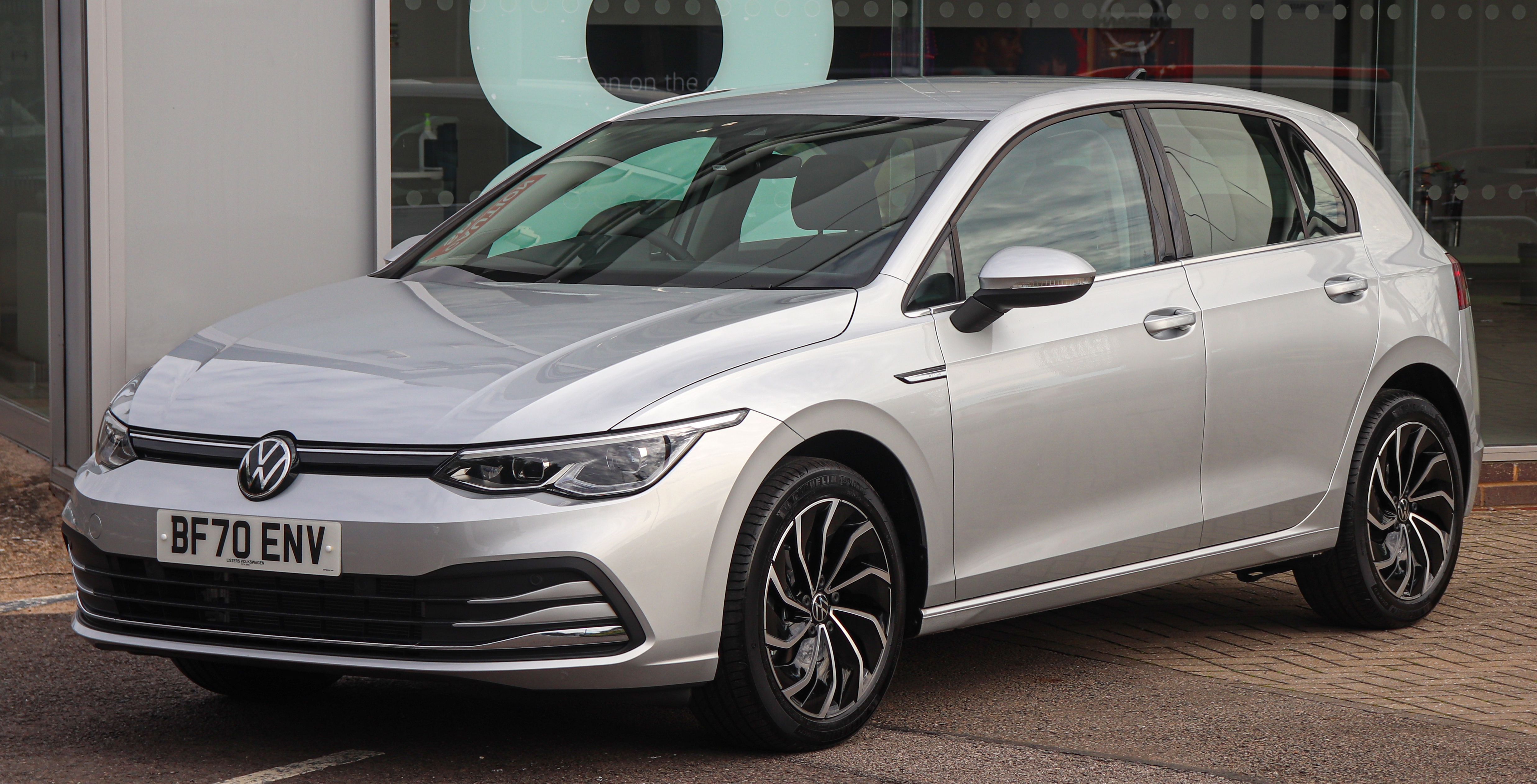
Golf Gtd
"...the cusp of becoming one of those key players in GTD that's always there and again it just didn't didn..."
The Golf is a compact car model made by Volkswagen. It’s also used in racing, so when the podcast mentions it in a GTD context, they’re talking about how well the race version is doing. The point sounds like it may be close to becoming a top competitor.
The Golf refers to the Volkswagen Golf, a compact car that has been a frequent participant in motorsport and performance racing categories. In the context you provided—talking about the “cusp of becoming one of those key players in GTD”—the Golf is being discussed as a contender that might be close to breaking through competitively. That’s why it comes up: it’s not just a road car, but also a platform people track in racing results.
IMSA paddock
"...fun weekend spend a lot of time over in the IMSA paddock and yeah the vibes were high..."
The paddock is the backstage area at an IMSA race. It’s where teams work on the cars and where you can see what’s going on behind the scenes.
The “IMSA paddock” refers to the team area at an IMSA race where crews, engineers, and drivers interact between sessions. It’s a key part of endurance racing culture—where you see cars being prepared, talk strategy, and get a feel for team momentum.
Dragon Speed
"...didn't Dragon Speed change their car as well..."
Dragon Speed is a racing team. The hosts are saying the team changed their car for the event, and the new look was really striking.
Dragon Speed is an IMSA racing team name mentioned here in connection with changing their car’s look/livery. In endurance racing, teams often update liveries and aero packages between events to improve performance and refresh branding.
liveries
"...I just love seeing some of the liveries that definitely called back to sporty car times..."
A livery is the car’s design—its colors and decals. The hosts are saying they liked seeing different, nostalgic-looking paint schemes.
A “livery” is the car’s paint scheme and graphics package—colors, logos, and styling cues. In racing, liveries can be tied to sponsors, team branding, and even a car’s identity across a season.
hypercar level
"at least let's start off on the hypercar level round one yeah I mean it's very strange because [1771.1s] the narrative going into the season was kind of all over the place one because it was so heavily"
“Hypercar level” means the top class of race cars in this series. These cars are purpose-built for endurance racing and are usually the most technologically advanced.
“Hypercar level” refers to the top prototype class in modern endurance racing (the highest-performance category). It’s where manufacturers run highly developed, aerodynamically optimized race cars and compete using complex performance balancing rules.
round one
"at least let's start off on the hypercar level round one yeah I mean it's very strange because [1771.1s] the narrative going into the season was kind of all over the place"
They’re talking about the first race of the season—what happened and why it matters. Think of it as the episode’s opening race recap.
This segment is specifically about “round one” of the season, covering how the race unfolded and what it means for the championship narrative. It’s a structural discussion marker for the episode’s early-season recap.
world's longest off season
"one because it was so heavily [1780.6s] delayed and it was a bit like oh finally we're underway after the world's longest off season"
They’re saying there was an unusually long break before racing started again. That kind of delay can affect how teams prepare and bring updates to the track.
The host calls the delay “the world's longest off season,” emphasizing how schedule disruptions can affect team development cycles and preseason momentum. Long gaps can change how teams plan testing, upgrades, and driver preparation.
aerodynamically very very different
"it's got a new car that is aerodynamically very very different and looks looks the part but they [1796.5s] keep telling us oh no no it's just aesthetics it really isn't making a big deal for the performance"
They’re saying Toyota’s new race car was redesigned to change how air flows over it. That matters because it can make the car stick better at speed and go faster.
The host highlights that Toyota’s new car is “aerodynamically very very different,” meaning the bodywork, wings, and airflow management have been redesigned. In racing, aero changes can strongly affect downforce, drag, tire wear, and overall lap time.
tire strategy
"very strategic lots of tire strategy going on lots of everyone waiting to see whatever [1848.0s] weather would do would do um some people thought it was very very boring"
Tire strategy is about deciding when to switch tires during the race. Teams do this because tires wear out and grip changes, and the timing can make a big difference in who wins.
“Tire strategy” is the planning around when to change tires and what compounds to use to maximize performance over a stint. Weather, track evolution, and traffic all influence how teams manage grip and degradation.
defensive driving
"so much good defensive driving it's such a tough track to pass on and it just for me [1864.1s] made for a really intriguing start to the season"
Defensive driving is how a driver tries to keep their spot when someone is trying to pass. On tracks where passing is difficult, this kind of driving can decide the race.
“Defensive driving” describes how drivers protect their position—holding a line, managing braking points, and forcing opponents into less favorable overtaking attempts. On tracks that are hard to pass, it often becomes a major part of the race narrative.
qualifying day
"there was really no one else in with a shout for the win even though qualifying [1886.0s] day kind of suggested Cadillac might play a part Peugeot might play a part Alpine looked strong"
Qualifying is the session that sets the starting order for the race. If a team looks fast in qualifying, it often means they’ll be in a good position to fight for the front.
“Qualifying day” is treated as predictive—suggesting which teams had the speed to contend. In endurance racing, qualifying affects starting position, which can be crucial on tracks that are hard to pass.
Cadillac
"even though qualifying [1886.0s] day kind of suggested Cadillac might play a part Peugeot might play a part Alpine looked strong"
Cadillac is brought up as a team that looked like it might be competitive based on qualifying. But the host is saying the race outcome ended up being dominated by Toyota and Ferrari.
Cadillac is mentioned as a potential factor based on qualifying, implying the team showed early speed even if it didn’t translate into a win. In hypercar racing, qualifying pace can signal setup direction, but race execution and strategy still decide outcomes.
Alpine
"even though qualifying [1886.0s] day kind of suggested Cadillac might play a part Peugeot might play a part Alpine looked strong"
Alpine is included in the list of teams that looked strong in qualifying, indicating competitive potential. In hypercar racing, that can mean strong pace, but the race still depends on reliability, strategy, and tire management.
Peugeot
"even though qualifying [1886.0s] day kind of suggested Cadillac might play a part Peugeot might play a part Alpine looked strong"
Peugeot is mentioned as another brand that seemed potentially fast in qualifying. Even if they weren’t in the final fight for the win, qualifying performance can still be a good sign.
Peugeot is referenced as another manufacturer that “might play a part” based on qualifying. That suggests the team had promising one-lap performance, which often matters for track position in endurance racing.
Toyota
"Toyota have now won three of the last four races in Italy there seemed to quite like beating Ferrari in Italy"
Toyota is the manufacturer/team the hosts say has been winning a lot lately. They’re using it to highlight how competitive the field is right now.
Toyota is being discussed as the team that has won multiple recent races in Italy. The hosts are framing it as a strong run of results and a competitive advantage on that track.
Ferrari
"beating Ferrari in Italy which you know that's that's not a bad place to be is it when you're able to do that um but Ferrari were very good as well"
Ferrari is mentioned as a key rival that Toyota has been beating in Italy. The discussion implies Ferrari still performed strongly, even if they were frustrated by penalties and race outcomes.
pole
"got pole could have won the race on another day had the strategy played out"
Pole position is when a car starts from the very front of the grid. It’s a big advantage, and the hosts are saying the team earned it but still needed everything to go right to win.
Pole position means starting first on the grid, usually awarded based on qualifying speed. The hosts say the returning champions got pole and were strong all weekend, but strategy and race events determined the final result.
tyres
"had the strategy played out with the tyres and had the safety car not fall"
In racing, tyres wear out and lose grip over time. How teams manage tyre life can decide whether they win or lose.
Tyres are a central performance variable in endurance racing because grip and degradation affect lap times and pit windows. The hosts connect tyre behavior and strategy to how the race outcome could have differed.
spar
"going into spar but I think what we can't not talk about is that we've got spar coming up"
The hosts are talking about the next race coming up (“Spar”) and how unpredictable it feels. They’re saying the usual information that helps predict performance isn’t available this year.
“Spar” is referenced as the next upcoming race, and the hosts are discussing how hard it is to predict its outcome. In context, it’s treated as a specific event on the racing calendar rather than a general concept.
BOP
"they've changed the rules in the paddock where not only is no one allowed to talk about BOP no one's allowed to see it either so the other thing is it's been the whole week just not having a baseline"
BOP is a rule system that tries to make different cars perform more similarly. In this episode, the hosts say they couldn’t see or talk about the BOP numbers, so it was harder to predict who would be fastest.
BOP (Balance of Performance) is a motorsport regulation used to equalize different cars’ speed. The hosts say the paddock rules changed so teams/media couldn’t discuss or even view BOP, removing a “baseline” for predicting performance from race to race.
prologue test
"then what rumor as we got through the prologue test there were rumors that we were going to go the whole season no one's going to tell us anything"
A prologue test is an early test session before the season really gets going. It helps teams figure out how their cars are behaving, and the hosts are saying even that period had uncertainty about what would be revealed.
A prologue test is an early-season track session used to evaluate cars, setups, and baseline performance. The hosts mention rumors about how much information would be shared during the season, using the prologue as a reference point for what teams learned.
ACO and FIA
"before practice which essentially was the ACO and FIA telling all of the key media there this is how we're going to set the BOP this year"
The ACO and FIA are the organizations that write and enforce racing rules. In this segment, they’re said to be explaining how the performance-balancing rules (BOP) will work.
The ACO (Automobile Club de l’Ouest) and FIA (Fédération Internationale de l’Automobile) are motorsport governing bodies that set and enforce rules for major series. Here, they’re described as briefing media on how BOP will be set for the year.
NDAs
"...they have to sign NDAs to say that nobody else is going to see it so very very secretive..."
An NDA is a legal promise not to share private information. Here, it’s used so only a very small number of people can see the BOP details and keep them from leaking to others.
NDAs (non-disclosure agreements) are legal contracts that prevent people from sharing confidential information. In this context, the transcript says only a couple team members are allowed to see the BOP table and must sign NDAs so the details don’t leak. That’s meant to reduce the advantage teams might get from knowing adjustments ahead of time.
trap speeds
"...run to the alchamel data and look for trap speeds top speed right we're trying to parse everything we can to correlate what the little BOP table says to what the numbers from the on track..."
Trap speed is basically how fast a car is going at a specific point on the track. People use it to understand how strong the car is in a straight line. The segment says they compare those numbers to the rules changes to see if they match reality.
Trap speed is the measured speed of a car as it passes a timing point, often used in racing to infer straight-line performance. In the transcript, the host describes using trap speeds and top speed data to correlate what the BOP table says with what cars are actually doing on track. That helps teams and analysts validate whether performance changes are working as intended.
top speed
"...look for trap speeds top speed right we're trying to parse everything we can to correlate what the little BOP table says to what the numbers from the on track..."
Top speed is the fastest the car gets. It depends on how much power it has and how efficiently it moves through the air. The hosts say they use top speed data to see how BOP changes show up in real driving.
Top speed is the maximum speed a car reaches during a run, typically influenced by power, gearing, aerodynamics, and restrictions. The transcript mentions using top speed alongside trap speeds to compare real-world performance against the expectations created by BOP adjustments. It’s one of the measurable outputs teams watch to judge whether the balance changes are effective.

Tesla Model X
"...idea of just not knowing now if we do indeed see model x is on poll and winning and we go so next race and..."
The Tesla Model X is an electric SUV made by Tesla. It’s designed to carry more people and equipment than smaller cars, while still being powered by electricity. The podcast mention suggests they’re talking about how it might perform in a race based on what happened before and how the rules adjust performance.
The Tesla Model X is an all-electric SUV built for higher capacity and a more premium, family-oriented layout than smaller electric models. In the podcast context, it appears the speaker is using race results and performance balancing (BOP) logic to predict how the Model X might do in the next event. That makes it relevant to discussions about competitiveness and expectations across similar electric platforms.

Tesla Model Y
"...and we go so next race and moth same model x not model y or z is doing we can assume BOP is probably in th..."
The Tesla Model Y is an electric SUV, meaning it runs on electricity instead of gasoline. It’s popular and widely used, so it often shows up in comparisons and racing discussions. The podcast is likely talking about how its performance might be affected by rules that try to keep cars competitive.
The Tesla Model Y is an all-electric compact SUV that’s commonly discussed because it’s a high-volume model and shows up frequently in racing and performance comparisons. In the context you provided, it sounds like the conversation is about how performance balancing (BOP) might be applied and how one model’s results can be used to infer expectations for others. That’s why the Model Y is mentioned alongside other Tesla models.
Balance of Performance
"BOP that's the deep deep end of the rule book it's certainly important to governing how our sports car endurance races happen to go but there is a big part of me Stephen that loves the hey just watch the damn race... blame it on BOP..."
Balance of Performance is race officials’ way of leveling the playing field. They tweak cars so one model doesn’t automatically run away with the race. In practice, it can affect how fast cars are and how teams plan their strategy.
Balance of Performance (BOP) is a governing approach used in sports car endurance racing to equalize performance across different car models. Organizers adjust parameters such as weight and power so that no single design dominates. The segment frames BOP as both important for competitive racing and something fans sometimes blame when a favorite car loses.
WEC press room / race control lobbying
"...WEC press room and defended it... makes us be more creative... not just spending our time running around asking people about how the BOP is going to play out... lobby the stewards essentially to lobby race control and the rule makers..."
They’re talking about how a rule like BOP changes what people focus on during a race weekend. Instead of everyone constantly asking officials about performance-balancing, it pushes conversations toward other parts of racing. The host also mentions the usual process of teams trying to influence officials.
The segment discusses how the BOP rule changes the “dynamic” of a weekend—specifically, how teams and media interact with race officials. The host contrasts spending time asking about BOP versus talking about other aspects of the sport, and mentions lobbying stewards/race control/rule makers. This is a structural discussion about governance and communication in endurance racing.
homologation parameters
"...there's two parts to the BOP system there's the role in BOP which is the tables that we previously published before every race and there's the homologation parameters that are set where the cars were homologated..."
Homologation parameters are the official, approved settings that determine what the race car is allowed to be. Think of them as the “certified rules” for the car. The episode also suggests some of the BOP adjustments connected to those settings aren’t fully disclosed, so teams can’t always tell exactly what’s changing.
Homologation parameters are the approved specifications used to define what a race car is allowed to be, based on how it’s certified for competition. In this segment, the host explains that some BOP-related values tie back to those homologation settings, and that certain details are intentionally not shared publicly. That secrecy limits teams’ ability to fully interpret or predict the “rolling” BOP changes.
LeMond
"...if we get to somewhere like LeMond and the BOP is off or one team blows everyone away at LeMond..."
LeMond is being used here as an example race weekend. The speaker is saying that if the rules meant to balance cars don’t work as expected at a particular track, fans may get even angrier. It’s about how outcomes affect the online debate.
LeMond is referenced as a venue where BOP could be “off” and one team could dominate, triggering more backlash. In this context, it’s being used as an example of how performance balancing can influence fan sentiment at specific race weekends. The key idea is that if the expected parity doesn’t show up, controversy can intensify.
weight
"...based on my interpretation of the adjustment for weight inlet size whatever it might be..."
In racing rules, “weight” usually means adding ballast to slow a car down a bit. If a car is expected to be too fast, officials may add weight so it’s closer to the others. It’s one of the most straightforward ways to balance performance.
In BOP, “weight” usually refers to adding or removing ballast to change a car’s performance potential. More weight generally reduces acceleration and can affect tire wear and braking, so it’s a common lever for equalization. How much weight is added is often part of the published BOP table.
inlet size
"...based on my interpretation of the adjustment for weight inlet size whatever it might be..."
“Inlet size” is about the opening that lets air into the engine. If officials make that opening smaller, the engine usually can’t breathe as well, which can reduce power. It’s another way to slow down a car that’s expected to be too strong.
“Inlet size” refers to intake-related restrictions or allowances that affect how much air the engine can draw. In BOP contexts, changing intake size can influence power output and throttle response without changing the entire engine. It’s one of the technical parameters used to tune performance across different cars.
numbers that help me to quantify what I saw
"...at least again I have numbers that help me to quantify what I saw whether my interpretation was right or wrong before the race after the race clearly I can see aha these numbers have this effect..."
They’re talking about using hard data instead of just opinions. In racing, teams often rely on measurements to understand what really happened. If the data isn’t shared, people can only guess and will argue more.
The hosts are contrasting subjective impressions (“I was right/I was wrong”) with quantified data used to evaluate race performance. In motorsport, this kind of measurement is often tied to telemetry, timing, and performance metrics that can confirm or refute a driver/team’s interpretation. The segment implies that withholding data affects how confidently outsiders can judge decisions.
little red laser scope dots
"...only two people per team know they're under NDA they'll have the little red laser scope dots on them you know from sharp shooters if they're seen speaking about it..."
This appears to describe a visual identification method used during trackside observation—likely for targeting or logging specific cars/areas—rather than a standard, widely defined racing term. The hosts connect it to “sharp shooters” and the idea that some people are monitoring what’s happening while staying under NDA. Because the phrase is informal and unclear, it’s best treated as a descriptive reference rather than a specific technology.
Daytona
"...if Le Mans this happens at Daytona each year in IMSA hey everything's been air quote balanced and one manufacturer runs away..."
Daytona is another major endurance racing venue. The point being made is that sometimes one team or brand can get too far ahead, and that’s a big deal for fans and for how rules are managed. They’re using Daytona as an example of that risk.
Daytona is referenced as a recurring example of how competitive balance can shift when one manufacturer or team gets an advantage. In endurance racing discussions, Daytona often serves as a comparison point for how series rules and performance balancing play out over time. Here it’s used to set up the idea that “runaway” performance can happen when BOP or similar systems don’t work.
LMGT3
"Let's close on LMGT3 at Imela we done spoke about the mention obviously Toyota getting you know two in a row... but tell me about LMGT3 that looked like a good old party it was it was fantastic actually a really really good race"
LMGT3 is the GT3 category in IMSA endurance racing—basically the class for race-prepped sports cars. The hosts are saying the LMGT3 race felt especially exciting, with lots of real passing and action. They’re comparing that vibe to the top hypercar class.
LMGT3 is a class in IMSA endurance racing for GT3-spec cars. The segment frames LMGT3 as delivering more on-track action than the hypercar class, emphasizing race quality and competitiveness. It also ties into manufacturer performance trends (notably Toyota) within the broader endurance landscape.
LMG GT3
"...there was a lot of anxiety ... from the teams in LMGT3 because the tyre rules have changed and how that would impact the formula as a whole..."
This is a racing class for GT3 cars. The hosts are saying the teams were worried because the tire rules changed, and that can completely change how you plan your race.
LMG GT3 refers to the GT3 class within the LMGTE/LMG ecosystem (sports-car racing categories that use GT3-spec cars). In this segment, the key point is that teams were anxious because the tire rules changed, which affects how drivers and teams plan stints, pit stops, and pace.
tyre rules
"...the tyre rules have changed and how that would impact the formula as a whole so for those who hadn't kept up with it closely that now the allocation of good gear tyres everyone has to use during all these races has been increased..."
They’re talking about the race rules for tires—how many good tires you get and when you’re allowed to use them. Because the rules changed, teams can swap tires more often instead of stretching them too long.
“Tyre rules” here means regulations that control how tires are allocated and used during a race. The hosts explain that the allocation of good gear tires increased so teams can change all four tires at every pit stop, reducing the need for extreme strategies like double-stinting.
SRO GT1 Challenge Europe style GT3 race
"...there was a worry that we might just see this turn into kind of an SRO GT1 Challenge Europe style GT3 race where everyone runs to the fuel gauge comes into the pits changes four tyres..."
This compares the expected outcome of the new tire rules to the SRO GT1 Challenge Europe approach, where racing can become more “controlled” and predictable. The hosts argue the opposite happened: despite the tire constraints, the race still had real strategic variety rather than everyone simply running to a fuel/tyre plan.
hard tyre
"...there's no hard tyre this year it's just the medium because of these allocation rules..."
A “hard tyre” is a tougher tire compound that usually lasts longer. The hosts are saying this year’s rules removed it, and that changes which cars/teams have an advantage.
A “hard tyre” is a tire compound designed to last longer and resist wear, often enabling longer stints. The hosts say there’s no hard tyre this year due to allocation rules, which matters because some brands and drivers were especially strong when hard tires were available.
Request an Explanation
Heard something you'd like explained? We'll add it to this episode.
Sign in to request explanations for terms you heard.
Want to learn more?
Browse our glossary for plain-English explanations of automotive terms, jargon, and concepts.
Help improve this episode
See something that's not quite right? Our annotations are AI-generated and can sometimes miss the mark. Click the flag icon on any annotation to suggest a correction.