Chris Rainville shares his experiences as a mechanic, discussing the challenges of sourcing parts for European vehicles and the importance of proper maintenance. He reflects on the changing dynamics in the automotive industry, including the impact of COVID-19 on the workforce. The conversation also touches on workplace culture, the value of mentorship, and the humorous side of shop life, including pranks and interactions with parts staff. Rainville's insights provide a candid look into the realities of working in a dealership environment.
Wanna go to Tekmetric's first ever industry training event Tektonic? Register HERE
On this engaging episode, Jeff Compton welcomes Chris Rainville to the show. Chris recounts his struggles with acquiring the right automotive parts and the interpersonal challenges presented by difficult parts staff. He even shares a light-hearted but competitive parking space rivalry at work. Meanwhile, they both reflect on their experiences with various car brands and the crucial nature of regular vehicle maintenance. This is part one of their conversation - make sure you listen to part two next week!
Follow/Subscribe to the show on social media! TikTok - https://www.tiktok.com/@jeffcompton7 YouTube - https://www.youtube.com/@TheJadedMechanic Facebook - https://www.facebook.com/profile.php?id=100091347564232
"...ad one, the one time I was doing a brake job on a grand Cherokee one night, and he sent me two sets of rotors for ..."
Select text to request an explanation
What's kind of strange and bothers me about a lot of the manufacturers is they promote these long service intervals and say, you know, they act like you don't need to change your oil. You can go, you know, six 7000. You know, you can't, because these new engines, you know, with the variable valve timing, dirty oil, low oil, the engines don't like it.
You know, and if anything, I think on these newer vehicles, you could have changed oil a little bit more often. I don't care if it's synthetic or not.
Give us the rundown where you're from, where you work, where you live.
Okay. I'm from Coburg, New Hampshire.
Nice.
And I live in Canaan, Vermont.
Okay.
So I'm like 15 minutes from the New Hampshire border.
Mm hmm.
And I'm maybe ten minutes to the canadian border.
Okay.
So if I look out my front window here across the lake, I can see Canada.
Yeah.
So I'm like, in a great spot.
Yeah. Yeah.
You know.
If we decide to invade, you'll see us coming.
Oh, yeah, that's right. I send fireworks that way every 4 July.
Good for you.
Right on.
But, no, it's. It's a. It's a really interesting place. It's. It's Lake Wallace, and one third of the lake is in United States and two thirds in Canada.
Yeah.
But there's an agreement between the Canadians and the Americans that we can use the whole lake and the Canadians can use the whole lake. So it's actually international waters.
Uh huh.
You know, how's the fishing?
I get asked that a lot, I guess it's good. I don't fish. And I know people ask me, you know, you have a boat and you don't fish. No, I don't. We. We boost crews here, me and the neighbors, and. But anybody wants to go fishing, I'm more than willing to take them out.
Yeah. Yeah.
Well, you know me. I like that's. I can't understand how people have a boat and don't own a fishing rod. I kind of think that they. When they sell a boat, they should sell a fishing rod with it, because to any other reason to be out there, it never really made sense to me. It's like, I look at guys with a pontoon boat, and I'm like, okay, I fished off of them, but it kind of sucks. Like, why would you go buy that boat? And then they're like, oh, but, you know, we had a. We had a grill, there's a table, and we're playing cards and drinking and I'm like, yeah, you're scaring all the fish away.
So.
Yeah, it's kind of like an unsaid rule here. See, the. A lot of the Canadians, a lot of fishermen will be out here early in the mornings.
Mm hmm.
And they know us. Booze, cruises. We're not gonna hit the lake until about 2230. Yeah, the lake is all theirs in the morning.
Yeah.
And then they're done fishing by two, and we're out there, you know, cruising, you know, water skiing or whatever, you know.
Yeah.
So it works out pretty good.
Right on. Um, so, uh, give us a rundown. Where do you work?
Yes. Two reasons. Number one is to. I'm sure my service manager will watch his podcast, and he hates euro cars, so I'm gonna wear this so he has to look at it. The whole podcast.
Right.
And number two, it hides my thin.
Hair, so I feel that.
Yeah. Yeah.
But I. I'm into. I'm a Mercedes fanboy, GM mechanic, if that makes any sense.
I mean, I guess if you. If you've worked on enough cadillacs, I think you could probably go work on Mercedes and not think that it's all that difficult, because, I mean, you know.
I found them easier to work on than GM.
Really?
Yeah. But of course, I get two older mercedes.
Yeah.
I'm sure that's not the case with the newer ones, but if you're talking Mercedes Benz, the older you go back, the better built they are.
Yeah. Yeah.
I've heard more than one person say that.
Yeah.
And your boss doesn't like them.
As far as my service manager.
Yeah.
No, he's got a really bad taste in his mouth. We've had a couple bad episodes with a couple of them, but if I could get him to listen to me, it'd be a little bit easier on him. For example, you know, we had a Mercedes come in, and the customer wanted a full tune up. What people don't understand about Mercedes, or even any. Most euros, is even if you do something as simple as a tune up.
Yeah.
You're not gonna go get your parts down to Napa or advance. You have to either get them from Mercedes or BMW or somebody that specializes in european parts, because if you don't get them from someone that specializes in them, they're not gonna fit.
Yeah.
And perfect example. Less than a month ago, I was working on one, and customer wanted the plugs changed. And they ordered plugs from Napa.
Mm hmm.
Well, Napa had plugs that would work with it, but the hexes on the plugs were too big to fit into the cylinder heads, you know? Yeah. And of course, my service manager, he's mad. Well, these pieces of crap. This is why I hate him. And I said, look, I said, you can't get parts for a Mercedes from Napa.
Mm hmm.
You know, there's an aftermarket company I get parts for, for my two mercedes, and I've never had a problem.
Right.
You know, because all they know is that Napa, they look at, you know, a listings. Yeah, we got something to fit, but it won't necessarily work.
Right.
You know, but this is your service.
Manager at a dealer, and he's not understanding the fact that, like, he should be trying to source oe parts.
He hates these cars. He hates them with a passion.
He keeps booking them in, though.
Well, not by choice, you know, but, you know, but, you know, and so this car, you know, I had, you know, I tried to do plugs on it. Even the air filter did not fit. And then once he got, you know, Mercedes air filter, Mercedes plug, guess what? No problem.
Yeah.
Car runs fine. So how does, like, how does a. You're at a GM's dealership.
Yeah.
How do you guys do, like, is it in your area, kind of known as the shop to kind of, even though it's a dealership that you guys can fix multiple makes and multiple brands.
Yeah. Since this new owner took over, he buys everything. We're doing a lot of jeeps and Chrysler now.
Okay. And.
But he will buy anything if he gets a deal on it. So we've actually even sold a couple mercedes and bmws.
Right.
You know, so he sells everything. So. So we kind of have to work. We, we try to work on everything we sell.
Mm hmm.
You know, and so that's why, you know, I ended up working on some of the mercedes, because, you know, the owner, well, my service manager knows that I own a couple, so he's, you know, this, you know, I know what he's thinking. He's thinking, well, this idiot wants to own them, he's gonna work on them.
Too, you know, but how big a dealership is it?
It's not a big dealership, but we sell vehicles now. We sell more vehicles than anybody else around here. Like a 70 miles radius.
That's good.
But five techs, two parts guys, one service manager, two service writers. Pretty small dealership.
Yeah.
Kind of a mom and pop style. It's kind of the old school dealer, method rate. Family owned, probably.
It was family owned, uh, by two families before. And, uh, the new, the new, uh, new owner, Don Noyes. Uh, he, uh, he had a dealership, uh, a little bit further down the state, and, uh, you know, his. I think it's his brother in law that he's partners with.
Okay.
Decided, you know, they wanted to build a new dealership. And so we were working in the old building before they tore it down, and his business partner basically looked in the old dealership and said, you can't put lipstick on a pig. So that's when they decided to build a whole new building and a whole new dealership. And this was before COVID 2019. So I think the plan was to spend, like, I think it was. And I could be wrong on the figures, I'm just guessing, but I think they plan on spending 1.8 million on the new dealership.
Right.
And by the time they were done, I think it was closer to 3 million.
Yeah.
It's a lot of money to lay.
Yeah.
Like, and you and I were talking with that about COVID just before we started recording, because you didn't get laid off. Like, everything kind of, you know, you guys got to stay working.
Yeah.
And. But, you know, there was a lot of guys that weren't so lucky. I remember back right at the inception when I was still on the Facebook group, and I can remember one dealership technician, they had been on a guarantee, and as soon as COVID hit the dealer owner, the lady pulled that from everybody, and a lot of guys immediately quit. Um, and he made a fuss because, like, he posted literally, like, the. The contract that they had signed, then the reneging, the. Essentially, the email that she sent out that reneged back on that, and she posted to one of the technician groups, and it went viral. Like, it was all over Reddit, it was all over LinkedIn. I can't remember the lady's name now, but she, like, it was literally, you could log in and see familiar names from this technician group going, I can't believe that you would do this to your staff.
And because this is the thing, like, you know, we talk all the time in the industry, but sometimes. But a lot of the people don't really know what it is, our reality.
Right.
Day in and day out, what it's like to a do the job, but sometimes the way some people conduct themselves within this business and how they then treat the people, and I think that was a real eye opener for some people, you know, when COVID happened exactly how they showed, and it's. It's a massive. We had a massive fallout in the industry of people leaving the industry. I know lots of text that as soon as COVID hit, they were done. They went into a different skilled trade altogether. So I'm glad you survived it.
That's good.
Well, we didn't have it as bad as you guys said in Canada, but it was a shit show, you know? I don't know any way to explain it. They did lay off a couple guys, a couple of the younger guys, because they expected it to get really slow. And we never. We slowed down a little bit, but it wasn't slow before long that they had the guys, they called them right back. Yeah, we were. We were busy as hell.
Yeah.
You know. You know, I guess we were essential. They consider us essential. And we were plenty busy, you know, and I remember getting sick, but I didn't miss one day of work. I took it as a challenge.
Yeah.
But there was a period where they wanted us to wipe everything down when we were done working on the car, you know, and so, you know, it's like, okay, I'll do everything I can, you know, I'd wipe down the doors, wipe down the steering wheel when we were done.
Yeah, but.
But the customers would bring the cars in, and they would have, like, 20 masks hanging around the car. They weren't doing anything to try to, you know, you know, help us, but we were supposed to wipe every steering wheel down. And I said. I said, nah, you know, enough with that. It's ridiculous. You know, I still.
It still trips me up now, like, you and I were talking, we still see sometimes the people driving around by themselves in the car with the mask on.
Yeah.
You know, like I've said my piece on that. I mean, you know, if you want to live there in your life, that's cool.
You do.
You. You know, it. I'm not going to argue with people anymore about how crazy that is and how unhealthy it is for you. It's whatever you believe. But it makes me laugh when I still get into a car now and I reach down to grab the gear shifter, and there's like, three, like you said, three masks all over the gear shifter. And it's like, oh, first of all, if we could get it that way. You just infected me, thank you very much. And second of all, it's like you're not treating it as any kind of real serious thing at this point.
If you're, like, just handling your mask that way. Right. It's just at this point, it's now a symbol is what it is. It's just a symbol. It's not a medical. To say it's a medical tool. That's horseshit. It's a symbol at this point of something way worse than COVID.
That's all I want to say on that because I'll. I'll upset people if I go any further. But, I mean, they've all heard my friends and people that have known me for a while have all heard my rants and seen my rants and, you know, it's cost me some friends. We talked a little bit about, you know, right before we got on, I lost a friend to suicide very recently.
Sorry. Yeah.
Thank you. I believe that some of the fallout did come from COVID We talked kind of how a lot of marriages during COVID really went through some struggling times because they talked about it here. One of the biggest follows of COVID was the fact that a lot of people that maybe were in a not good relationship, non healthy, maybe abuse of some kind, all of a sudden, those people are spending way more time together and, you know, wasn't always home, wasn't always a safe place, was. I saw somebody stated as I believe, that a lot of it was, it was a breaking point in a lot of people's relationships when all of a sudden that happened because people didn't really know how to. How to deal with it. I mean, I saw families that were like. I saw families split up because one person gets really, really scared and the other person gets really, really angry. And my friend, I don't know the whole story on what happened with their marriage, but during that time recently, it had ended.
And I want to think that probably that was a casualty of it. I don't. You know, I'm at the point right now where I'm still very angry because he has two young children. I say young, they're teenagers. But it's at a very impressionable age.
Right.
So there's a lot of anger to handle. But, I mean, the. This podcast has been wonderful for me. I had so many people reach out to me and then look like, you know, it gives me something to focus on and something to. Talking is very therapeutic.
Right?
I think so, yeah. I think so.
Yeah.
So anyway, enough of that negative stuff.
Yeah.
So the dealership for you is going well?
Yes?
Yeah, yeah. Right on.
How did you get to there? Like, what's kind of your backstory?
It's. It's pretty simple. I grew up on a dairy farm and, you know, back when, you know, I was younger, I was into, you know, dirt bikes and so snowmobiling didn't really have the money to take them to the dealer to get fixed. So I had to figure out, you know, how to repair them on my own. You know, I remember, for example, I remember having a dirt bike, you know, when the chain of sprockets get worn, you're supposed to replace the chain sprockets. You don't have any more chain adjustment left. Yeah, I didn't really have the money to replace them, so I just took the chain off, took a link out, you know, and it's almost like I had a new chain again, you know, ran the dirt bike, and, you know, worked seven days a week with my dad and my brother. And it taught me a good work ethic, you know, because no matter what was going on in life, you know, twice a day you had to milk the cows.
And on top of having a dairy farm, you know, we raised and sold potatoes.
Okay.
So, you know, if it wasn't hay season in the fall, we were, you know, pulling potatoes out of the ground. So it was always something to do.
I've done that. That's hard work.
So, yeah, you know, then after that, I worked at a couple factories before I decided to go to school. I went to a technical school in Berlin, New Hampshire. And instead of taking the math and English, I just took technical, technical classes, automotive, and got a certificate. And I got hired right on, right away at the dealership. Just doing back then, I don't feel. Remember, this is like 1994. GM had a thing that they called the quick lube. We could get an oil change done for like, 999, I think it was.
Yeah.
And, and that's what I got hired to do. Did that for a few months before they, I became their, they taught me how to do alignments and front end work, which, for me, I think I got into the industry at the perfect time. And the reason I say that, 94, that's when they were just starting to go to OBD two. And computer systems were pretty simple back then.
Yeah.
You know, then a lot more than they are now. And so that's just when computers are just starting to, like, find their way into cars. And I had a good background to doing tires because when I was going to school, I worked part time at a tire shop. So I learned how to use the tire machines before I got to the dealership.
Yeah.
And then when I got to the dealership, you know, I went from oil changes to alignment machine, doing computerized alignments and front end work. Specialized in that. Then as they saw I progressed on that, then I got to start doing everything. I started doing diagnosing right. And electrical and everything.
Yeah.
So. But for me, I think it was a perfect time because, you know, the schooling helped. But, you know, it's funny, you get out of school and you think you know it all. You don't know a damn thing. I was so green. Yeah. The only way you really learn. I learned more working probably six months at the dealership than I did my whole two semesters at school.
Yeah.
You know, because it's hands on.
Yeah, it's crazy. And it's, you know, it's not just about, like, you. You know, as much as you go to school, it's on the job that you learn the process.
Right.
Like how, whether it's your own processor, they don't. And I get it at school, maybe they don't want to teach that to you because, you know, we want people to be developing their own way of doing things right. That's still within the reliable, safe, you know, efficient manner. But, you know, no two people learn exactly the same. Right? So that's. But I. Yeah, I'm the same when I got to the dealer, and all of a sudden, I learned the process about, like, how to inspect a car, how to road test a car, what to listen for on a car. Like, all of that became just a routine.
You know, you walk around the same. You walk in a direction around the car the same time, and you're putting tires on every time the same way, you know, the way you run your lug nuts on, the way you put your spark plugs in, all that kind of stuff. The way I keep my tool cart. I learned all that my process at the dealer. Like, you just. It teaches it to you. Whereas I'd worked at an independent shop and he had a process, but it changed depending on what kind of car was there.
Right.
Whereas when I was a dealer, you kind of knew your process could be the same. Right. Because you're looking.
You're.
You're listening for the pattern failure. You're looking for the pattern failure.
Right. You're.
You know, your process got you there. You might as well stick with it, so.
Right.
I mean, at school, you know, the best. I think the best thing that I learned at school was that to use an acetylene torch, because being in the northeast, that's something you have to have. You end up almost using one every day.
Yeah.
And I learned how to use an acetylene torch. That's probably the best skill I picked up at the school because to me, school, you know, we had. It was more about engine construction. In theory. And, of course, we had shop in the afternoon, and, you know, that was helpful. But, you know, four or five months working a dealership just was eye opening. And what it was eye opening for me is I realized how much I didn't know.
Yeah.
And how much I needed to learn.
Yeah.
You know, and, you know, I started in 94 at the dealership, and, you know, and I'm sure you run into this, there were three older guys there that, you know, really didn't want to help me. And, and I still work with a co worker now, still works there. He was there a year before me. He went to the same school, and we're good friends, and he was really talented, and he helped me along the whole time. If I ran into something, always willing to help me. Three older guys, not so much. They, they wanted really nothing to do with me, you know?
And I was gonna ask you about that, about mentorship, because that's the one thing we sometimes see. I've seen both sides. I've seen dealerships where they have. They're really good. Like, there's a really good mentor at a dealer. I ended up being a mentor for a couple people that are still good friends of mine became excellent techs. I kind of mentored them. I had them when they were younger.
But then sometimes I've seen dealers, and I've been that guy, too, where it's like, the young person stay a heck away from me. I don't want to teach you everything I know, right? I don't want to show you all the tricks that I have because I had to sweat and bleed and sacrifice to, to learn, you know?
Oh, yeah.
You know, I get that, too. And I think, you know, I I didn't take it too personally, because now, you know, I'm the old guy. I look back at and you think, okay, they hired a new guy. How long is he gonna last? Because, you know, you've been in situation. They hire these guys. I've seen guys work one day and they're gone, you know, so it's like, okay, who's this guy? Okay, how long is he gonna last? Yeah, so I get it, you know, it's like. But, you know, I was there. I mean, I think about it now.
The three older guys who are there, I've worked the dealer longer than they did.
Mm hmm.
You know, so, you know, but I do understand where they're coming from.
Yeah. It's.
Time goes so fast, right? Like, I, before I knew it, like, at the dealer, I was my longest tenure before I knew it. It was there. I was there eight years.
Wow.
And I was like, holy smack. Like, how did. It just seemed like. It's funny. It just seemed like it was starting to get tolerable, right? That I could see, like, okay, maybe I can see myself, you know, staying here like that. I didn't always be looking for another opportunity or another job, but it. But it was like, before you knew it, it was six years was gone by, and then seven years, and then eight years, and then, of course, you know, management changes happen. You know, I left my dealer, and then shortly after I left my dealer in 2008, nine, somewhere around there.
I don't remember the exact month. Now, they got sold, and a new owner came along. And now the funny thing is, that owner that bought that dealership has since sold it again, and it's been bought by. It's been bought by a group, which is so far, I guess, from being under the group and being bought, they immediately all got a bump and pay, quite a substantial pay raise, which I was. I was telling them because the friends that I knew that were still there, I'm like, dude, you're way underpaid. Like, you're too good, too smart, too many. You've got 17 years experience now, right? Had this one dealer on this one. You're worth way more than that.
Don't settle. And the new owners came along and gave them a pretty good pay bump, and it's been good. Now, I've always said the same thing with the dealer. You can pay a tech $100 an hour. If there's no work, it's no money.
Right, right.
Like, there's gotta be work. So.
And, yeah, and I went through that, too. I actually worked at a Chevrolet dealership in Louisiana for a while. Opposite end of the country.
Yeah.
Wow.
What. What a contrast.
You know, less rust.
Less rust. But you know what? They're scared to death of settling torches down there. Nobody has one.
Yeah.
You know?
Yeah.
So that was a eye opening, you know? But, you know, you've been in a dealership for a while. When you've gone through three owners and built a new building, that's. You know, things have changed a lot since when I first started, you know, so that's.
Is that the only brand you've ever done a tenure. Tenure with?
Chevrolet. Well, when I first started with Chevrolet, Geo. So I can say it was Geo. But you know, it. In the course of working with GM, you see all the brands, you know, Pontiac, Oldsmobile, GMC. I mean, they're. I mean, of course being GM, they're pretty much all the same. The only difference is the grill, you know, but for me, the last few years, you know, I'm trying to learn Europeans just because I own a couple and, and most everybody else work with them, hates them, that wants nothing to do with them.
But for me, learning them, it interests me because I feel like it makes me a better technician.
Right.
Because I, you know, it was kind of like eye opening for me. When I went to Louisiana, I left. I was down there for a short period of time. I left the dealer, worked at a couple independents, so I had to work on some jeeps and I was out of my element.
Yeah.
You know, you work just on GM. It, it, it throws you for a loop when you see some of these other brands. But it's kind of come full circle for me now because of the new ownership. We sell so many different brands other than GM. I have the opportunity to work on other brands, and I feel like it's like night and day, you know, since I started. Because of the different brands, it makes you better because you learn more systems. You know, in theory, they all operate the same, but still they name the parts differently. You know, the parts layouts a little bit different and even the electrical, you know, where they use a Lynn bus and where they use, you know, just, you know, pure power and ground is a little bit different.
Yeah.
I grew up in a straight Chevy family, and even until I got a job at my first dealership, I was a Chevy guy. I thought they were the greatest thing in the world. I thought they. And I thank goodness now that I never worked in a dealer because when I think back then that, like, you had Oldsmobile, Pontiac, all these different brands within the brand, right?
Yeah.
That you had to, could get exposed to. I'm so thankful Buick is another one. Right. Just stuff like that. And like you said.
Yeah.
So they changed the grill, but they also had little nuances, like in the electrical side of them, within them, too, that would make them sometimes different. Never talk to guys. I'm so glad that when I came to Chrysler, Chrysler was just like, okay, we got the neon and we got the caravan and we got the ram, and then we have a couple, like, you know, we got an old, like, long car, like a Concorde or an Ls, you know, intrepid. And then that was about it. Like they didn't carry a bunch. And then jeep.
Right.
And that was it. And I was so thankful because there was a lot less to learn. I mean, there's still a lot to learn. But when I always looked at GM, I'm like, how do those guys remember all that stuff? You know what I mean? Like, it's just. It was. It was impressive to me.
Right?
Yeah.
And then once I started driving Dodge, I realized that, like, I just fell in love with the brand. I fell in love with jeep. I fell in love with rams. Caravans, I loved because they made such good money. They're always broken, you know, it was just like, I just love them, you know?
Yeah.
Same as though guys, like, loved. You know, I remember the old Montana vans. Like, you know, they loved them because they were always broken up landers.
Yeah, yeah, yeah.
Like, it was, you know, venture vans. Like, I can remember all of that stuff. Like, you know, it was just crazy. I mean, and now to this day, my mom still drives an equinox. So, I mean, you know, she's always been one in the family, so, yeah, they're good.
We got equinox we love.
Yeah.
Yeah, it's a great car. I mean, it's, you know, like, does GM build the best engine out there? No. Does anybody really build a good engine? You know?
Well, you know, through my years in GM, I can tell you this is. For years, I always thought that Toyota built the best engine. But what I've learned through the years is a lot of the GM motors that I've worked on through the years, if they were properly maintained.
Yeah.
I put them up against any Toyota any day of the week, because not only if you took care of them, they'd run forever, but they had more power than the Toyota engines.
Yeah.
You know, for example, like the 4.3 v six. Okay. That engines underpowered in a one ton Silverado.
Yeah.
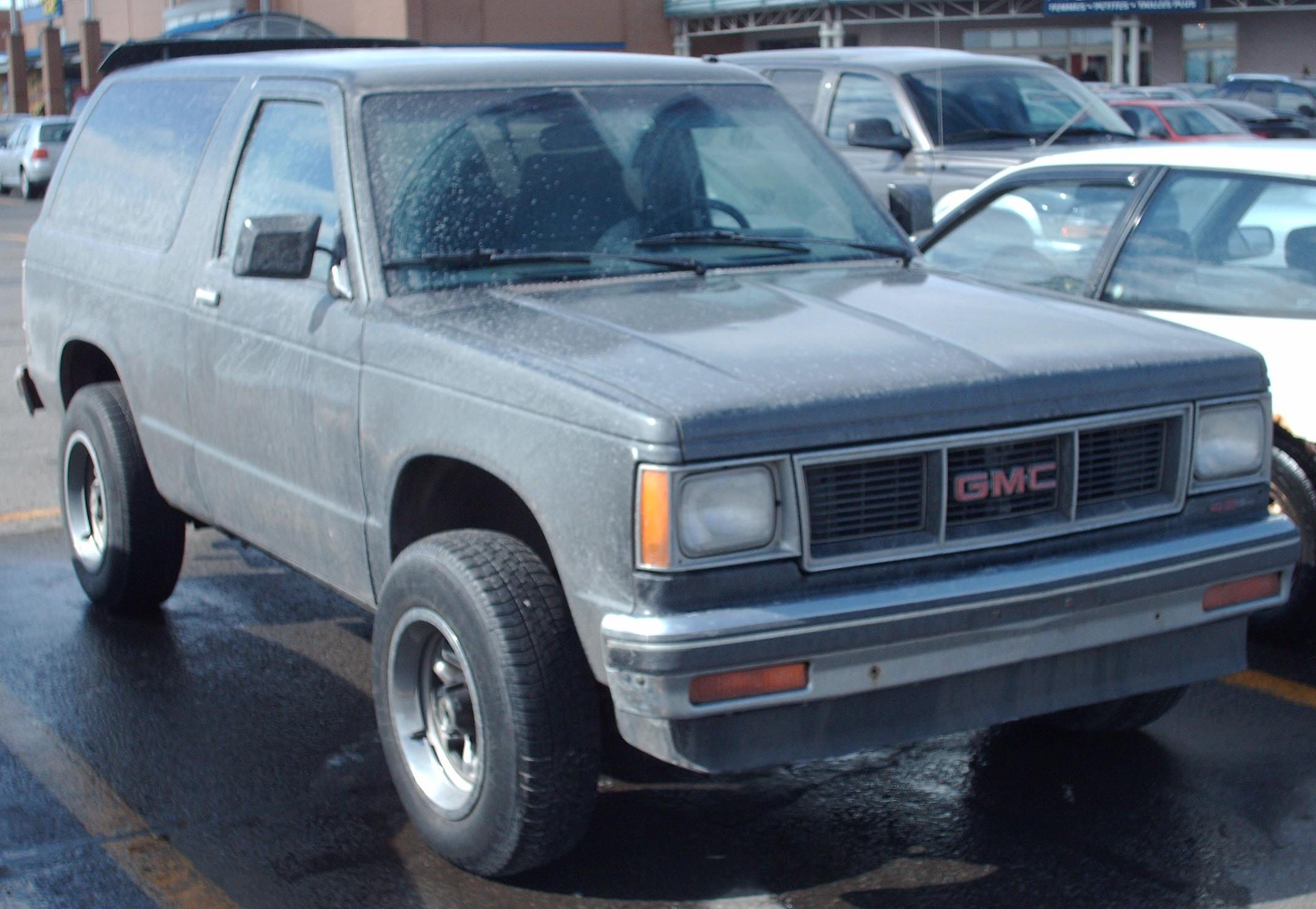
But you put that engine in a GMC Jimmy or a Chevy blazer, you had more than enough power. And. And I don't care how cold it was in the winter, that engine is going to start, you know, really reliable engine.
Yeah.
And I would say the same thing about the 3800 that they put out. Yeah. You change oil on them and don't overheat them.
Yeah.
I'll put them against any Toyota engine any day of the week because. Because they're really good engines.
Yeah.
I just find that, like, everybody seemed to always, you know, and I say this, I think everybody that always had the love back then for the asian market cars, you know, Toyota and Honda, if you looked at their dealer culture, it was way better at retaining the customer and teaching the customer about maintenance. Like, Chevrolet was always like, you're just buying dad Chevrolet. You know, you can run it at oil. You can never change the transmission fluid. Like, how many guys do you know that? Like an old, you know, not a power glide, but like a three turbo 350 or turbo 400. And the thing went 200,000 miles and never changed the fluid in the transmission. The other time the fluid got changed is if the line blew off.
You know what I mean?
Like, you never service them, guys. They're like, they go to the record with your original filter in the pan, still shifting fine.
Yeah.
You know, and everybody's like, well, why? You know, why. Why did we get away from that? Well, we have to. But like, Honda was always about, okay, this is, you know, this is a service interval of this. And you gotta. I never knew anybody ever service brakes until somebody that I knew drove a Honda was like, oh, yeah, we get that done every year. Yeah, I'm like, you service the brakes. What do they charge you for that? Oh, like $100. I'm like, you can buy brakes for like $200.
You know, like, that's what I'm thinking back then, you know, but that was, that was the way they approached the. The business was way better. So when they would say, oh, yeah, Hondas are built so much better. Yeah, there's some things about them. They're probably bulletproof. But I mean, the other thing is there they got the customer on board with the idea of, like, looking after this. It's an investment, not just an appliance, you know?
Right.
Yeah.
I mean, you know, and I just like, what's kind of strange bothers me about a lot of the manufacturers is they promote these long service intervals and say, you know, they act like you don't need to change your oil. You can go, you know, six 7000, you know, you can't. Because these new engines, you know, with a variable valve timing, dirty oil, low oil, the engines don't like it.
Yeah.
You know, and if anything, I think on these newer vehicles, you get to change oil a little bit more often. I don't care if it's synthetic or not.
Yeah.
I think it's being diluted with the direct injection. I think the low friction oil rings.
Yeah.
Is contributing to a wash down effect. So, yeah, the idea, like, my, I have a 2015 Wrangler three six Penn star. So, I mean, like, the service interval is like eight or 9000 for oil change. Right. I change it at five because everything I've ever driven, I always change it at five. And I know how they're prone for some lifter issues, some, you know, camshafts and all that kind of stuff. I don't want to go down that road if I don't have to. But I mean, everybody's like, when they say, oh, you're going to have a tech.
No, man, I got 120,000 on it. It's whisper quiet. It's never been opened up because I run, I run the, the Oe spec oil is Pennzoil platinum ultra, you know, five w 20. That's what I run in it. And I don't, you know, I don't go past 5000 km without changing it. I live really close to work now, so it's a short trip. So I know they say you shouldn't. It idles for probably five minutes before I get in and drive it down the street because I'm only five minutes from work.
So I mean, it's like. And then I take it out on the highway every weekend and go run it around and because I don't want that oil getting all washed down and acidic and, you know, and then wondering, gee, why is my, why are my lifters noisy? Like people are being duped, like you said, with this extended interval thing, and it's been duped because we, you know, I don't know who to blame first, whether it's the Europeans. And they say, oh, you know, like you can go 16,000 between oil changes. Somebody was talking about that on tick tock today, going, you can go 16,000. Not if you want to keep that engine for ten years, you can't.
Right.
You know, if you want to trade it in three, go ahead.
Like whatever Europeans got burned on that.
Yeah.
And they changed the ways. Like, I remember a few years back, I had bought a Porsche Boxster and had the, had the, the boxster engine of the opposed cylinders. And people were like, you know, there was a big thing on the Internet about the, oh, there's a bearing, center bearing that would go out and take out the timing chain and wipe out the engine. Well, a lot of these were garage queens. And of course, Porsche back then would tell people you didn't have to change oil for 10,000 miles.
Yeah.
Or a lot of these people own these cars. They might put, you know, they'd be lucky to put a thousand miles in a year then, you know, be a garage queen.
Yeah.
So their thinking was, you know, well, I only put a thousand miles, I won't change oil this year. And finally, Porsche wisened up to that and changed it down to 5000.
Yeah.
But you know, the big thing I've learned about the Europeans, they kind of get a bad rap sometimes and well deserved in some situations. But what I've learned about the european cars, whether it's a Mercedes, BMW, is they require more maintenance. And if you don't do the maintenance, you're gonna be in trouble.
Yeah.
And a lot of people will buy these used cars, you know, 100, 200,000 that haven't been well maintained. And you have horror stories.
Yeah.
You know, on these engines, if they're maintained properly, that I'll. As far as being reliable, you know, being reliable, I'll put them up against anything. And if they're well maintained, excluding a BMW V eight, the BMW made some terrible v eight, so they perform like anything but very unreliable, you know? But they made a reliable in line six.
Yeah, they did.
Yeah, sure.
Yeah.
Ignition coil issues.
Right.
But I mean, who doesn't have that now?
He.
They had it way back ten years ago. Right. Like, it wasn't, you know. Of course.
Yeah.
It's an expensive coil. Heat, like you said, was a big factor. You know, I can remember working on a few of them for misfire faults and that be like, here's a snap on scanner, go look at a BMW. And I'm like, oh. Because, like, you know, back then, snap on has gotten a lot better. We put a snap on on a Volkswagen the other day, and we were amazed at what it would do to it.
Right.
So, you know, I just was, back then, I. And I have a general distaste for them just because I don't like the wiring diagram. I'm used to what I'm used to.
Right.
So if I. If I look at a redrawn, it's not bad, but the redrawn oftentimes is not accurate. So then you're like, well, what am I looking at here, really? And then I'm not. It's like you said, a lot of times you get that customer, the bought it used that didn't really know what they're buying, and then they kind of come with that expectation of, well, I'm a BMW driver. Yeah, but really, last year you were like a Chevy truck driver. You know what I mean? Like, you just. You went and got something completely different. Your budget's the same, but you bought something that now requires a whole lot more, you know, upkeep, maintenance, everything costs more.
And, you know, it tends to leave a lot of people that real sour taste about the whole brand. And I fall in that category. I'm good with it. You know, my boss kind of jokes and I'm like, you know, I'm good for maybe one a month. Just if you load me up on them any more than that, I'm probably going to look for another place to work, because I just don't like them.
Yeah.
I mean, you know, for example, like when I said earlier, you know, I found, like, some of the mercedes were easy to work on. The GM, I have a 2006 SLK 280. It's a high top convertible.
Nice.
And it had a misfire. And then through a check engine light, and it said something about mission coil number three. It actually told me which coil was bad.
Yeah, yeah.
You know, I plopped new coil on it. Good to go fight. And it was, you know, 510 minutes job change coil. You know, so they're not all that bad. You know, you just, you've. You've got to understand that they. You've got to do the maintenance and. And I do all the maintenance.
And, you know, of course, for me, being a tech is cheaper for me than you're, you know, your normal person.
Right.
Our owner allows us to work on our personal vehicles after hours at the shop, you know, which is a plus, you know, and not everybody can do that to buy these cars. But you see, two people will buy these cars that have, you know, 150 that haven't been properly maintained. And they, like you said, they still can't afford to properly maintain them. Yeah, you know.
What?
Go ahead.
Sorry.
Go ahead.
But like, with any vehicle, if you don't properly, you know, maintain it, it doesn't matter what the brand is, what the manufacturer is, you know, you're going to run into issues.
Yeah. Your dealers open. We were talking just like you said. Your dealers open Saturdays?
Yes. They basically. They're open Saturday because the sales department's open till three and. Well, I think they're open till. Yeah, three in the afternoon. They want a tech on hand to do inspections if they sell a car.
Yeah.
And it was for a while. We had to work, like every other weekend. Now, for us, I think I have to work once a month.
Mm hmm.
And I kind of, you know, I pulled it down. I only work until noon.
Okay.
It used to be 01:00, and I just. I have to go to the dump before they close. So I just told I got to be out there at noon. If you have an inspection, text me, I'll come back.
Right.
You know, and that's the way I'll leave it. And they're happy with that, you know, and I really, this point, you know, at my age, I hate working Saturdays. I'm I don't, if I'm getting too old, I don't even want to work that one Saturday a month anymore. I don't, you know, uh, I, I feel like I've put my time in. Monday through Friday's enough of the stress, you know, I need two days to recover now.
Oh, I, you know, I brag all the time. The best, one of the best features of my new job is the four day work week. Yeah, I really think that that's such a. The day is long, like I said, we're entire season right now, and it is a long day. Like, you start, I started at seven. I get done at six most nights, sometimes a little 637 o'clock, you know, so they're long days, but I'll, man, I'll trade that for three day weekends all summer long. Any day. When you go in on a Saturday, then, Chris, do they have, like, are you on a guarantee or is there work? Kind of, can you grab a used car and kind of putter away at it, work at it to make some hours? Or do you kind of, how do they work that for you on Saturday?
Okay, well, during the busy season, they'll usually have work lined up for us.
Okay.
And if they don't have enough customer work, they'll give us some used inspections to do what, whatever. The last month, it had slowed down, you know, because you, we usually slow down just before tire season because everybody down here is. Holds back and waits and does everything when they do the tires right, you know, and then you get flooded. Get more work than you can handle.
Yeah.
So what I've done on the slow Saturdays, I just, I'm there if I don't have any jobs. A lot of times, my brother, he knows, you know, we're not open Saturdays, but he likes to come up on Saturdays because he's not working. So my brother has, like, you know, four vehicles. He always has something to do. So I'll either do something for him.
Yeah.
And if you don't have anything, I need some training. I'll do some training, and they'll pay me for that.
That's good.
Yeah.
So I can always make enough money to make it worthwhile, you know? Like last Saturday, I had to work last Saturday, and I really had nothing to do after 1130. So I left 1130. And I, you know, I go tell the salesman, hey, I'm leaving. If you need inspection, just text me. And I said, you know, after 03:00 in the afternoon on Saturday, I'm not driving. You're gonna have to send a driver.
Yeah, I'll come back and look at it, but, yeah, yeah, yeah. You know, how are you? Are you guys getting hit with? Like, how do I word that? Do you find a lot of. Is it hard to get young people to come and work for you guys?
We've been very lucky. We got three younger guys now working for us. They've been hired, I think, within the last two, two and a half years. That one young guy that's coming along really fast, picking up really quick. I got a couple other guys that do one, you know, they're doing more basic mechanical work, tires, brakes. But they have a great attitude. You know, usually you see young fellows at that age, they're kind of, like, cocky.
Yeah.
These three guys were really lucky. There's none of that, any of them. And they're willing to learn, willing to listen. We're really lucky. So we got three young guys that are really doing well and picking it up really quick.
Yeah.
And we even, our new pots guy, he's even got a great attitude, and he's picked it up quick, so. And I even told the owner, I said, you lucked out hiring him because he's got a great attitude. Because the parts guy we had before him, I was in war with it for years.
Yeah.
So it's nice to have a parts guy that just will go out on a limb for you and easy to work with because years I didn't have that.
It's a funny dynamic. A every time I go into a dealer and I see it and I can't understand it just because it's like, there is, I don't know, parts guys that are in middle ground. Like, they either are absolute superstar rock stars. They get it right. Like, they're, you know, the more that they can serve the mechanic, and I know that's maybe not a popular thing to say, the better that they serve the mechanic, the more money everybody makes.
Right?
And then I see the other parts guys, and it's like, well, I'm underpaid. Those guys are paid way too much. They're prima donna's. They're, you know, they all whine and complain and everything like that. I've never seen in the middle ground, you know what I mean? Like, have he seen superstars or, or absolute. Like, you wanted to reach across the counter and drag them over it and haul them out into the shop and throw them in a dumpster, you know, like, it was. There was no middle ground for me. It was, you know, I had more than one where it was like, I had to leave the counter because otherwise I was coming over the counter, and I was either going to get the part I needed.
Cause I needed it then, or I was going to, like, turn your pockets inside out. Cause you were starting to waste my time. And, you know, and it's. Because it's. They don't appreciate, you know, the. Somebody just posted, becky posted that, you know, you can calculate out to the minute what your technician costs. And it's a, it's a big number. It's a lot higher than people think.
So when you're standing there and they're, you know, I had a parts guy. The last one I really wanted, he had a fidget spinner. And I would look at that, and I'm just like, you're not working fast enough. If you can sit there and twirl that stupid thing as you look up a filter that you should already have memorized, or you probably know where it is, go get it off the shelf. But no, you're going to look at, you're just, you're just, you know, and I understand it. I'm not saying that the parts don't need to be paid for, and they, you know, they have to be building. I get it. But, like, when I worked at the last dealer, I worked at Nissan dealer, we didn't have to go and get an air for, like, an oil filter.
We didn't have to go and get half our air filters. They just had a cabinet above everybody's bench. And, like, your oil drum was right there, and you just got the filter. It was just build out front, you know, and it saved so much time. So much time. There's little things that you people can do that. And I think sometimes it's. We look at it like, oh, I got to track every little part.
Yeah, you do. It has to be caught at the front. But if you got a tech that is waiting for a little stupid thing to get the job done, you have. Your process has got a hole in it right there.
Oh, yeah.
I learned from flat rate for years ago that it's like, I didn't want to go to the parts counter room multiple times. I wanted to go once, get all my stuff, come back. It was almost always like, that's the beauty of dealership parts. You don't. Too many times that they don't fit. I went through a thing of struts on a Hyundai yesterday, and it was the third set. Finally, that was the right part number. And this is not an old Hyundai.
This is like a 20. I mean, old is relative. It was like a 2012, right? So it's like, okay, so it's 14 years old, but I mean, there's still a lot of, you know, 2010, 2012. Hyundai's running around. You know, they're on their third engine by now, but they're still running around. Like, you know, that's a big part of our client base. So when Napa can't even get the right part, I'm just, like, shaking my head, whereas I, like, I wish I was a dealer because it would be.
The right part, but, well, in, in, I don't have to tell you, you know, how stressful it can get in the shop sometimes. And the last thing you want to deal with is a guy that goes out of his way to make your day even harder.
Yeah.
You know, and I had no tolerance for it in back then. You know, I tell you what's even more frustrating is when you have a good parts guy that knows what he's doing, then goes out of his way to make you miserable.
Yeah.
And I mean, to me, you know, looking back years ago, it got so bad, I got hauled in the office one day because, you know, I was screaming at the guy, I want to strangle him.
Yeah.
You know, been there. Just stupid, stupid crap that makes no sense. And then you get, like, sucked into it that you become, you know, just as immature as they are. Yes. You know?
Yeah, he's playing with you. Like, that's what they're doing, right. And they got, let's be real, they got way more time to think about, how can I mess with this dude?
Yeah, right.
How can I really screw with him? And I remember I had one, the one time I was doing a brake job on a grand Cherokee one night, and he sent me two sets of rotors for a Durango. And I didn't have the part numbers memorized, and they weren't, listen, this is way back then. They weren't putting on oe rotors. It was so. There was like, it was an aftermarket box. So I took like, twice, and I went back and I cursed him a blue streak at the, at the counter. It was on a night shift to where he was like, you know, he had his fist balled up and he's ready to take a swing at me. And I'm sitting there going, please do it.
I would love nothing more than like. And the next day, we both got hauled into the office and we both got sent home for the day.
Yeah.
And then after that, though, he never gave me the wrong parts again. And he was nothing but polite.
Yeah.
You know, and it was. That was the so. And it was literally like he had his parts manager, and I had my service manager, and we sat down, and it was agreed upon that that's. That was the punishment. You sent them home for the day. I thought that was. In hindsight, it should have not got to where it got. And I didn't necessarily as.
Conduct myself as professionally as I should have, but at the time, I was like, I've got the customer and the service provider going, how come this isn't done yet? It's just a frigging brick job. What are you doing? What is the take?
I can't.
And I said, I can't get the job done if I can't get the right effing parts. And I said something along the lines of other. Not as flatter if we would hire somebody that he, of course, heard that, and that's why he got offended. And I understand, but, yeah, I mean, they can. They can mess with you. I've had more problems with advisors than I've ever had with. With parts people.
Yeah, I guess I. You know, I've had some run ins, but, you know, I can pretty much. I've got along with pretty much everybody. I worked with this guy here, it got beyond stupid. I mean, I got sucked into it that, you know, I'm really embarrassed at some of the unprofessional behavior I did, but it makes for a good story.
Right.
You know?
Right.
I'll give you an example how stupid it got. Okay. This guy here, like I said, he was a good parts guy. He was very knowledgeable, you know, he was a mechanic, and he went into parts because he couldn't deal with the stress of mechanics. And I understand that. I don't fault anybody for that, you know? But what. What. You know, what would happen is you'd be getting along with a guy, but you go to the count, ask for something, and you always.
Some stupid remark, you know, some. You know, something to put you down, you know?
Yeah.
Like, he would go as far. He would wait until you leave your bay to go to the bathroom or talk to a customer. He bring your parts out and make sure you didn't see him. Then when you went to the counter, he'd say, what are you talking about? I brought him out already, you know, knowing that you didn't see him, you know, and I. And I just. I'm the type of guy, you know, I'm the nicest guy in the world, but if I think you're screwing with me.
Yeah.
And you screw with me, I won't get you back right away. I'll go home and.
Yes.
And think about it for a couple days and try to think logically. What's the best way I can get him back?
Yeah.
Being too obvious. So it got to the point where I was doing, I had to rewire something, run a new harness or something for some truck, so I had to use different gauge wire. So, you know, instead of, like, counting up how many inches of wire, I used every gauge of wire. I converted it to millimeters. So when he had to look to see how much wire I used, he had to convert how many inches because I brought everything in millimeters, you know? And of course, I knew it was gonna piss him off, so he cried to the service manager about it and see what I have to deal with, you know, but I knew it would irk him, you know? And for another reason. He. He decided that of every. Everybody that worked there, he had his own parking space.
Yeah.
So, you know, he would park in the same spot, and he didn't want anybody parking there, you know?
Yeah.
Even though there was no designated parking spots.
Right.
So I don't remember what he did, but he pissed me off one day, so I got there ten minutes early before him parked my car there. And of course, he's all pissed off, right? So to get me back, he takes his truck and parks in front of my car so I can't get out. So instead of getting mad, I call my girlfriend, say, come pick me. You're gonna pick me up after work. And I had her pick me up four days in a row so I didn't have to move my car, so that's how stupid it got, you know?
That's.
I would do the same thing. Yeah, why not? You know? I like that spot. Hey, I'm gonna leave my car. I'm having car. Listen, I'm a mechanic. I'm not that bright as you have reminded me. My car's broke down. I don't know what's wrong.
It's stuck in that spot.
Oh, yeah.
Yeah.
It drove him crazy, and I knew it. Driving crazy. And that just. It made me feel better the next day, and it relieved the stress, you know? You know, and it's.
It's sometimes like a dysfunctional family, right? Like, we almost like the way we sometimes interact with our. With our co workers.
Yeah.
You spend more time with them than you do your. Your wife or your spouse.
Yeah.
And sometimes the way to break the monotony of it and break the stress is just play jokes on each other.
That does it for this episode of.
The Jada Mechanic podcast with Chris Rainville, part one. Listen next week for the rest of their conversation.
Hey, if you could do me a favor real quick and, like, comment on and share this episode, I'd really appreciate it. And please, most importantly, set the podcast to automatically download every Tuesday morning. As always, I'd like to thank our amazing guests for their perspectives and expertise, and I hope that you'll please join us again next week on this journey of change. Thank you to my partners in the ASA group and to the changing the industry podcast. Remember what I always say, in this industry, you get what you pay for. Here's hoping everyone finds their missing ten millimeter, and we'll see you all again next time. I appreciate you. We'll have you on again.
Yeah, that'd be great. All right, man, I got more stories next time.
Request an explanation for:
7 cars
Scroll for more
7 cars featured
Request an Explanation
Heard something you'd like explained? We'll add it to this episode.
Sign in to request explanations for terms you heard.
Want to learn more?
Browse our glossary for plain-English explanations of automotive terms, jargon, and concepts.
See something that's not quite right? Our annotations are AI-generated and can sometimes miss the mark.
Click the flag icon on any annotation to suggest a correction.