New Renault Megane, New BMW i7,
About this episode
Renault and BMW take center stage as the hosts break down the new Renault Megane EV facelift—covering trims, wheel sizes, infotainment with Open R-Link and embedded Google Maps, plus battery and charging claims like a 67 kWh pack and 15–80% in 25 minutes. They also discuss driver personalization, onboarding via the app, and charging/range psychology. BMW’s refreshed 7 Series and the BMW i7 arrive with Dublin Airport launch details and Irish pricing, while Dacia Spring and other EV updates round out the news.
Welcome back to the Nevo EV News Podcast. If it's Tuesday it must be Nevo EV News Day. My name is Derek Reilly and on this podcast we chat all about EV. Nevo is Ireland's home of electric motoring and we'll be covering where we were this week, what we've been driving and what we've been doing between podcasts. If you haven't already subscribed or followed us wherever you are listening please do so and if you enjoyed the episode, please leave a rating and comment, it really helps us out and it doesn't cost you anything. Let's get stuck in.
New Renault Megane and interview with Sylvaine Marionneau-Perrève and Benjamin Kotlowski
https://youtu.be/XPPwZiSGa0A
BMW i3 Price Announced
https://youtu.be/KAXYLhDATjs
New Dacia Spring Announced
https://media.dacia.com/new-dacia-spring-a-name-that-continues-a-legacy/?lang=eng
Porsche Taycan to Get Simulated Gears E-Shift
https://newsroom.porsche.com/en_US/2026/products/model-year-2027-porsche-taycan-updates-e-shift-with-virtual-gears.html
CUPRA Raval Irish Price Announced
https://youtu.be/6AekHb7il_c
BMW New 7 Series Irish Launch
Hosted on Acast. See acast.com/privacy for more information.

Dacia Spring
"... i3 price announced. We've also seen that the new Dacia Spring has been announced."
The Dacia Spring Electric Cargo is an electric small vehicle set up to carry items for work. It’s meant for practical, everyday short trips rather than long-distance travel. The podcast brought it up because it’s a new electric cargo-focused version of the Spring.
The Dacia Spring Electric Cargo is an electric version of the Spring platform configured for light commercial or cargo use. It’s significant because it targets practical, lower-cost EV needs—like short-distance deliveries—rather than personal luxury. The podcast likely mentioned it as part of broader EV product expansion and new body/usage variants.
WLTP range
"It's going to have a bigger battery, 67 kilowatt hour battery with a 500 kilometer WLTP range."
WLTP range is the official test number for how far an EV should go on one charge. It’s measured in a standardized way, but your real range can be higher or lower depending on how you drive and the weather.
WLTP (Worldwide Harmonised Light Vehicles Test Procedure) is a standardized test method used to estimate how far a car can drive on a full charge. The “WLTP range” number is a lab-based estimate that can differ from real-world driving depending on speed, temperature, and route.
steering ratio
"So it'll be interesting to see if the drive is the same, because the McGahn drove very well. Steering ratio was nice."
Steering ratio is how much you have to turn the steering wheel to get the wheels to turn. If it feels “nice,” it usually means the car responds quickly and doesn’t feel vague when you steer.
Steering ratio describes how much the steering wheel turns compared to how much the wheels turn. A “nice” steering ratio usually means the car feels responsive and predictable—less effort and less delay between steering input and the car’s direction change.

Renault ZOE
"... the first of the new electric Renault. We've had Zoe for a number of years, and then the new McGahn ca..."
The Renault ZOE is a compact electric car from Renault. It’s been sold for several years, so it’s a well-known EV model. The podcast mentioned it because they were talking about Renault’s newer electric plans alongside the ZOE.
The Renault ZOE is a long-running compact electric car that helped establish Renault’s presence in the EV market. It’s often discussed because it has been around for years, and updates or “new electric Renault” references can indicate ongoing evolution in features and model refreshes. In your excerpt, the podcast contrasts the familiar ZOE with newer Renault EV directions.

Renault 4
"... McGahn came along, then followed by Scenic, then Renault 4, Renault 5. And now we're back to get this faceli..."
The Renault 4 CV is an older Renault car from the past, not a current EV model. It’s mentioned when someone is talking about Renault’s history and how the lineup has changed over the years. In your excerpt, it seems to be part of a timeline of different Renault models.
The Renault 4 CV is a classic, historically important Renault model from the early post-war era, often brought up in discussions about the brand’s past lineup. In the context you provided, it sounds like the podcast was tracing a timeline of Renault models, moving from older names like Scenic and Renault 4 to a more recent “facelift” topic. That kind of historical reference helps explain how Renault’s model strategy evolved over time.

5 Renault 5
"...e along, then followed by Scenic, then Renault 4, Renault 5. And now we're back to get this facelift version."
The 5 E-Tech Electric is Renault’s small electric car. It’s built for normal daily driving and is meant to be easy to live with. The podcast mentioned it because there’s a facelift (an update) to the newer version.
The 5 E-Tech Electric is Renault’s electric version of the modernized “5” nameplate, positioned as a small, everyday EV. It’s discussed in EV news because it represents Renault’s push to electrify popular, mainstream model lines with updated tech and a refreshed design. The mention of a “facelift version” suggests the episode was covering changes to the latest iteration.
Open R-Link Multimedia System
"And I am in charge of launching operations for Open R-Link Multimedia System and connected services for the Renault brand."
Open R-Link is Renault’s main dashboard screen system. It controls things like music, navigation, and other connected features in the car.
Open R-Link Multimedia System is Renault’s in-car infotainment platform, centered on the touchscreen user interface for media, navigation, and vehicle-connected features. The hosts emphasize that it’s been well received by both customers and the automotive industry since its 2022 rollout.
connected services
"for Open R-Link Multimedia System and connected services for the Renault brand."
Connected services are online features that use the car’s internet connection to deliver functions beyond the basic infotainment system. Examples typically include real-time traffic, remote app features, and over-the-air updates, depending on the manufacturer’s setup.

Renault R5
"And even with the R5, when it was launched, the SBD Automotive Institute said that it was the first multimedia system among all competitors."
The Renault R5 is a small Renault model. Here it’s mentioned because its dashboard screen layout is simpler—just a horizontal screen—compared with the newer setup being discussed.
The Renault R5 is a compact car model where the infotainment layout is discussed as having a horizontal screen. In this segment, it’s used as a comparison point to explain how a newer system differs in screen orientation and overall dashboard design.
horizontal screen
"Because McGahn has the horizontal screen and the vertical screen, R5 is just the horizontal screen, so it's a slightly different layout."
A horizontal screen is the infotainment display placed like a TV in landscape mode. They mention it to explain how one car’s screen layout differs from another’s.
A horizontal screen in an automotive infotainment context is a display mounted in landscape orientation, typically spanning left-to-right across the dashboard. The hosts use it to contrast with a different multi-screen layout that includes a vertical display.
vertical screen
"Because McGahn has the horizontal screen and the vertical screen, R5 is just the horizontal screen, so it's a slightly different layout."
A vertical screen is a dashboard display mounted tall (like a phone). They’re using it to explain that the newer system uses both a tall screen and a wide screen.
A vertical screen in automotive design refers to an infotainment display mounted in portrait orientation, often used to show navigation, media, or vehicle status in a tall panel. In this segment, it’s part of a two-screen layout used to differentiate the newer system from the Renault R5’s single horizontal display.
Google built-in
"And built on the pillar of Google, Google built-in. Yes, with Google built-in, but with also Renault knowledge"
“Google built-in” means the car has Google features built into its screen and software. Instead of relying only on your phone, the car can use Google services like maps and directions directly.
“Google built-in” refers to Google’s services and software being integrated directly into the car’s infotainment system, rather than only running through a phone connection. In practice, it’s how features like maps, routing, and voice/assistant experiences can be delivered inside the vehicle.
infotainment system
"of how to make a car and how to make an infotainment system. So Google is built-in, it bears the right name,"
An infotainment system is the car’s main screen and software for things like music, navigation, and apps. It’s what you use to control a lot of the car’s tech from the dashboard.
An infotainment system is the car’s combined interface for entertainment and information—typically the touchscreen, apps, navigation, and media controls. It’s the software “hub” that connects services like maps and voice assistants to the vehicle’s display.
phone mirroring
"Sabine, were asking, is Apple still available? And phone mirroring is different to what's the architecture behind it."
Phone mirroring is when your phone’s screen gets shown on the car’s display. The car is basically “sharing” what your phone is doing, instead of running everything itself.
Phone mirroring is when your phone’s interface is projected onto the car’s screen, usually via a wired or wireless connection. It’s different from a fully embedded in-car system because the phone is still doing much of the processing and app running.
Android Auto
"of course, we still have a phone mirroring within the car with Android Auto and Apple CarPlay."
Android Auto lets you connect an Android phone to your car so you can use apps and navigation on the car’s screen. It’s meant to be easier and safer to use while driving.
Android Auto is Google’s platform for connecting an Android phone to the car’s infotainment system. It enables compatible apps and navigation to appear in the vehicle, typically using a simplified, driver-focused interface.
Apple CarPlay
"of course, we still have a phone mirroring within the car with Android Auto and Apple CarPlay."
Apple CarPlay connects your iPhone to the car’s screen. It brings up key features like maps and messaging in a simpler layout made for driving.
Apple CarPlay is Apple’s system for connecting an iPhone to the car’s infotainment screen. Like Android Auto, it provides a streamlined interface for navigation, calls, messages, and supported apps.
Google Maps embedded
"but we really recommend our users to use Google Maps embedded because this is the way they will have the best experience"
“Google Maps embedded” means the car has Google Maps built in. That way, navigation can work directly through the car’s system instead of relying only on your phone.
“Google Maps embedded” means the navigation software is built into the car’s infotainment system, rather than being used only through phone mirroring. Embedded navigation can offer smoother integration for routing, voice guidance, and app experiences.
vocal assistant
"with the routing and also navigation, vocal assistant and also with all the apps that we provide."
A voice assistant lets you talk to the car and get it to do things. For example, you can ask for directions or control certain apps using your voice.
A “vocal assistant” is a voice-controlled assistant in the car that responds to spoken commands. It’s part of the infotainment/connected-services stack and is commonly used for navigation, media, and controlling apps.
daytime running lights
"Can you explain some of the elements like the new daytime running lights? Sure. Before going to that, you are not the only one on McGahn"
Daytime running lights (DRLs) are lights that automatically turn on during daylight to improve a vehicle’s visibility to other road users. They’re typically designed for daytime conspicuity and may use specific LED signatures for styling.
front lighting signature
"we have updated the front lighting signature with a completely new bumper as well at the front."
A “lighting signature” is the unique look of a car’s headlights and lights. Changing it is basically a styling update so the car has a recognizable face, especially after dark.
A “lighting signature” is the distinctive shape/pattern of a car’s lights that helps identify the vehicle at a glance. Updating the front lighting signature is a design change meant to make the new model look more recognizable and modern, especially at night.
3D effect in the rear lighting
"some 3D effect in the rear lighting that is very nice in the dark."
They’re describing a taillight design that looks more “three-dimensional,” not flat. It’s meant to look especially cool at night because the layers and shapes catch the light.
A “3D effect” in rear lighting usually means the taillight design uses layered optics, depth, or sculpted elements so the light looks more dimensional. The host notes it’s especially noticeable in the dark, which is when these optical effects stand out.
electric mobility
"customers in this transition to electric mobility, which is new. In fact, it is new in the experience, in the global experience, the way we charge the vehicle."
“Electric mobility” just means using electric cars instead of gas cars. Here, they’re talking about helping people get comfortable with charging and the EV routine.
“Electric mobility” refers to the broader shift from internal-combustion cars to electric vehicles, including how people live with EVs day to day. In this segment, it’s specifically about helping customers adapt to EV charging and the overall ownership experience.
one battery, one engine, one electric motor
"So we have a very lean lineup, one battery, one engine, one electric motor and two versions, 112"
They’re saying the car is offered with a simplified setup—basically one main battery and one motor configuration. That makes it easier for people to choose, especially if they’re new to electric cars.
This is a product-planning strategy for an EV lineup: offering a single battery/motor/engine configuration rather than many variants. The goal is to reduce complexity for buyers—fewer choices, simpler comparisons, and a clearer path for customers new to EVs.
techno version
"people are choosing from the techno version, the car and attractive offer to the SPL pin, which is the all equipped version."
“Techno version” is just the name of one equipment level (trim) for the car. It means you get a certain set of features, and they’re saying it’s still pretty well loaded.
“Techno version” is a trim level designation for the EV, indicating a specific equipment package. In this segment, the host says it’s still “very well equipped,” meaning it includes a meaningful set of features even if it’s not the top trim.
SPL pin
"the car and attractive offer to the SPL pin, which is the all equipped version. And the techno version is still very well equipped."
“SPL pin” sounds like the name of the highest equipment version of the car. The speaker’s point is that this version is the most fully loaded.
“SPL pin” appears to be a trim name for the fully equipped version (the host calls it “the all equipped version”). Because the transcript is unclear, it may be a mishearing of the actual Renault trim label, but the intent is clearly a top-spec variant.
LFP
"So we have the new, the new battery, 67 LFP kilowatt hour battery with 11 kilowatt bi-directional charger"
LFP is a type of EV battery. It uses a chemistry called lithium iron phosphate, which is generally considered safer and long-lasting. It’s one of the common battery types automakers use in EVs.
LFP stands for lithium iron phosphate, a lithium-ion battery chemistry. It’s known for being relatively safer and long-lived compared with some other chemistries, though it can have different energy density characteristics. In EVs, it’s often chosen for durability and cost stability.
bi-directional charger
"67 LFP kilowatt hour battery with 11 kilowatt bi-directional charger and a significant improvement in terms of charging capacity."
A bi-directional charger can do two-way charging. It can charge the car, but it can also send power from the car back out to your home or the grid. That can be useful for backup power or energy programs.
A bi-directional charger can send electricity both into the car (charging) and back out to the grid or a home. That enables features like using the EV as an energy backup or participating in energy management. It’s more than a normal charger because it supports power flow in both directions.
15 to 80 percent in just 25 minutes
"So we have now a 15 or 15 to 80 percent in just 25 minutes."
They’re quoting how long it takes to charge from 15% to 80%. Charging isn’t equally fast at every battery level—near the top it slows down. Using a percentage range makes it easier to compare EV charging speeds.
This is a charging-time claim expressed as a state-of-charge window: from 15% to 80%. EV charging is usually fastest in the middle of the battery’s range and slows as you approach full. So quoting a specific percentage window helps compare charging performance more meaningfully than a single “charge time” number.
10 to 80
"10 to 80 is 26 and the better peak in terms of 165, 165."
“10 to 80” means they’re measuring charging time from 10% up to 80%. That’s a common way to compare EVs because charging tends to slow down near 100%. 80% is also a practical level for quick trips.
“10 to 80” is another charging-performance metric, again using a specific state-of-charge window. Using the same window (like 10% to 80%) lets reviewers compare how quickly different EVs add usable energy without the slower top-end charging dominating the result. It’s commonly used because 80% is often treated as a practical “enough for now” target.
peak in terms of 165, 165
"10 to 80 is 26 and the better peak in terms of 165, 165."
That “peak” number is about the fastest charging power the car can take. Higher peak power can help you add energy quickly at the start of a fast-charge session. But charging usually slows down as the battery gets fuller.
The “peak” figure refers to the maximum charging power the car can accept during fast charging, typically measured in kilowatts. A higher peak can mean faster charging early in the session, though the actual time depends on how quickly the car tapers as the battery fills. The repeated “165, 165” suggests a peak power rating and/or a pair of related peak values.
app store connectivity via Google
"And with that app store connectivity via Google, it was around 50 apps at that stage, but now it's over 100."
They’re talking about the car being able to download apps like a phone. Instead of only using built-in menus, you can add things such as streaming services through Google’s app ecosystem.
This refers to in-car software that connects to an app marketplace ecosystem provided by Google. It lets the car run downloadable apps (like streaming or navigation) similarly to a smartphone, but through the vehicle’s infotainment system.
video streaming apps
"For a recent time, we have been putting inside the catalogue some video streaming apps so that, you know, while waiting for your children or maybe while charging, you can have some watch your best and Netflix video or prime video or this YouTube channel for Nevo as well."
These are apps that let you watch video in the car using an internet connection. The hosts mention using them while waiting or charging, when you’re not driving.
Video streaming apps are internet-based services that play video content inside the car. In practice, they’re typically used via the car’s connected infotainment system, often while parked, waiting, or charging.
67 kilowatt hour battery
"Yeah, you can do back to back to Benjamin. Sounds like you may not need to stop and charge as often because with the 67 kilowatt hour battery, you've crossed a couple of key milestones..."
That “67 kilowatt-hour” number is how big the EV’s battery is. A bigger battery usually means you can drive farther before needing to recharge.
A 67 kWh battery is the size of the high-voltage energy storage pack in the EV. Larger kWh generally means more usable energy for driving, which helps support longer range targets.
300 miles
"…you've crossed a couple of key milestones with regards to in people's heads, whether it's 300 miles or 500 kilometers, that seemed to be a barrier that people felt."
They’re talking about a range number—about 300 miles—that people often see as “enough” for real-life driving. The point is whether the car can actually hit that kind of distance in everyday use.
“300 miles” is a commonly cited EV range threshold that many buyers perceive as the point where daily use feels practical. The host contrasts it with “real world” driving expectations rather than idealized test figures.
500 kilometers
"…whether it's 300 miles or 500 kilometers, that seemed to be a barrier that people felt."
This is the same idea as “300 miles,” just in kilometers. It’s a benchmark people use to judge whether an EV can go far enough without frequent charging.
“500 kilometers” is the metric equivalent of a major EV range milestone. Like the “300 miles” figure, it’s used to describe a psychological and practical threshold for whether charging stops feel necessary.
real world
"…that seemed to be a barrier that people felt. We need that range in real world."
They mean the EV’s range in normal daily driving, not in a lab test. Real-world range can be lower because conditions like speed and weather change how efficiently the car uses energy.
“Real world” range refers to how far an EV can drive under everyday conditions (weather, speed, traffic, elevation, and driving style). It’s contrasted with standardized test-cycle range numbers that can overestimate what you’ll see on typical trips.

Renault Megane
"Because in fact, what we see on Kent Megan is that our customers are driving 44 kilometers per day on average... You still have that 400 and forty liter boot."
The Renault Megane is a popular compact car. In this segment they’re talking about the electric version and how it fits everyday life—how far it can go on a charge and how much space it has for people and luggage.
The Renault Megane is a compact car line that’s being discussed here in its electric form, with emphasis on real-world daily use and long-trip range. The host highlights practicality details like trunk space and rear passenger room, framing it as an “all-rounder” rather than a niche EV.
complete charge
"So a complete charge is is sufficient for the whole week. So the full range is more interesting, let's say for long trips."
A complete charge means charging the EV battery from a lower state up to (near) full capacity. The segment uses it to argue that, for typical commuting, one full charge can cover a whole week of driving.
full range
"So the full range is more interesting, let's say for long trips."
Full range is the distance the EV says it can drive when the battery is fully charged. They’re saying it matters most when you’re planning longer trips.
Full range is the estimated distance an EV can travel on a fully charged battery under specified test conditions. The host contrasts it with everyday needs, saying full range becomes more important for long trips.
charging speed
"But for those of you who has already experienced electric mobility, the key factor is the charging speed."
Charging speed is how fast the car can recharge its battery. If it charges quickly, you spend less time plugged in—especially when you’re driving farther than usual.
Charging speed is how quickly an EV can add energy to its battery while plugged in. It matters because even if an EV has enough range for your daily driving, faster charging reduces downtime for longer trips or when you need to top up frequently.
battery sample management
"And with the battery sample management, we are optimizing the charging time."
Battery sample management is the car’s way of checking the battery’s condition and readings while charging. The idea here is that better monitoring helps the car charge faster and more efficiently.
Battery sample management refers to how the EV monitors and manages battery data (cell/pack measurements) to control charging behavior. In this segment, it’s described as optimizing charging time, implying smarter battery monitoring and charge control.
boot
"You still have that 400 and forty liter boot. It's a great size, the rear legroom..."
A “boot” is the trunk area where you put luggage. They’re mentioning its size to show the car is practical for everyday use.
In European usage, a “boot” is the trunk/storage compartment at the back of the car. The host cites a “400 and forty liter boot” to emphasize cargo practicality alongside EV range and charging.
premium sound system
"And it's interesting that we're now in that second generation of that new wave. Everything is being refined. And with that target audience, it's even interesting to see that the likes of the sound system, it's now a premium sound system versus the original one."
A premium sound system means the car has a nicer stereo than the basic one. It usually sounds clearer and more powerful, and it’s meant for people who care about audio quality.
A “premium sound system” is an upgraded audio setup compared with the base stereo, typically using better speakers, amplification, and tuning. The hosts are using it as an example of how the newer Renault Megane targets buyers who spend more time in the car and want higher-end comfort features.
active driver assist 360 camera
"So the premium sound, all the ADAS with active driver assist 360 camera. So everything which is for the customer experience and as well for the safety,"
A 360 camera shows you a view around the whole car, which helps with parking and avoiding obstacles. “Active driver assist” means it’s not only a camera picture—it also helps you with safety guidance.
An “active driver assist 360 camera” uses multiple cameras around the car to create a bird’s-eye or stitched view, helping the driver judge space around the vehicle. “Active driver assist” implies the system doesn’t just display images—it also supports safety maneuvers or warnings as you drive or park.
ADAS
"So the premium sound, all the ADAS with active driver assist 360 camera. So everything which is for the customer experience and as well for the safety,"
ADAS is the car’s “driver help” technology. It can assist with things like avoiding crashes and helping you stay in your lane, making everyday driving safer.
ADAS stands for Advanced Driver-Assistance Systems, which are technologies that help the driver with tasks like collision avoidance, lane assistance, and other safety functions. In this segment, ADAS is mentioned alongside a 360 camera as part of the higher-equipped version’s safety and customer-experience focus.
AI
"Moving back to the interior and the connectivity, we're starting to see a lot more AI being utilized across some of the brands."
In cars, “AI” usually means smarter software that can understand what you say and help the car respond more naturally. It’s often used for voice assistants and other “smart” features.
In automotive context, “AI” refers to software that can interpret inputs (like voice, navigation, or sensor data) and respond in more human-like ways. Here, the hosts say they’re starting to see more AI used across brands, specifically pointing toward more conversational voice experiences.
Gemini
"we're starting to see a lot more AI being utilized across some of the brands. And again, today we talked about at some stage, we will be starting to see Gemini, more conversational."
Gemini is the name of an AI assistant the hosts mention as coming to cars. The idea is that your voice assistant will be able to talk more naturally, like a conversation, not just follow single commands.
Gemini is referenced as a conversational AI system that the hosts expect to appear in future car voice experiences. The point here is that the infotainment/voice assistant is evolving toward more natural, back-and-forth conversation rather than simple command-and-response.

Renault Megane E-Tech
"...allenge in the connectivity team with the Renault Megane. And the follow up question will be your favorite..."
The Renault Megane E-Tech is an electric version of the Megane model line. It’s designed for everyday driving and includes modern tech features. The podcast brought it up because they were talking about connectivity—things like how the car connects to apps or services.
The Renault Megane E-Tech is an electric compact car in Renault’s Megane family, aimed at drivers who want a mainstream EV with modern connectivity and everyday practicality. It’s relevant to EV news because the podcast specifically references connectivity features, which are a major part of how newer EVs are differentiated. The “follow up question” context suggests they were discussing what buyers value most in the Megane E-Tech’s tech and experience.
connectivity offer
"I think the connectivity offer is one of the best... because surprising... the connectivity offer is going really to make things more fluid for the customer because... you want to enter your car, just drive and not think of anything else."
“Connectivity” here means the car’s built-in internet and online features. The idea is that it should work smoothly so you can get in and drive without having to constantly manage settings.
“Connectivity offer” refers to the car’s built-in connected services—typically including internet access, cloud features, and smartphone/app integration. In this segment, it’s framed as making the user experience “more fluid” so the car can respond quickly to the driver’s needs.
facial recognition
"One area that I didn't focus on before... was the five individual driver presets with the facial recognition. This is something interesting that you're also bringing to the case"
Facial recognition means the car uses a camera to recognize who’s sitting in the driver’s seat. Then it can automatically set things like your preferred driving position so you don’t have to adjust them every time.
Facial recognition is a biometric system that identifies a driver by analyzing their face using cameras. Here it’s tied to “driver presets,” meaning the car can automatically load the right seat/steering/mirror and related settings for the recognized person.
driver presets
"One area that I didn't focus on before... was the five individual driver presets with the facial recognition."
Driver presets are saved “profiles” for different drivers. The car can remember your preferred settings, and switch to them automatically when it knows who you are.
Driver presets are saved profiles that store personalized vehicle settings for different people. In this segment, they’re described as five individual profiles that can be selected automatically using facial recognition.
driver recognition system
"So this is the driver recognition system. So it's simple. The person, the driver is just sitting in its megan and then the vehicle recognize the person and then adapt up to nine parameters automatically."
A driver recognition system figures out who’s driving by using sensors (like a camera). Then it can automatically set the car to match that person’s saved preferences, so you don’t have to adjust everything every time.
A driver recognition system uses cameras and/or sensors to identify who is sitting in the driver’s seat. Once it recognizes the person, it can automatically adjust vehicle settings—like mirror positions, lighting ambiance, and infotainment preferences—often using saved profiles.
up to nine parameters
"recognize the person and then adapt up to nine parameters automatically. So it can be the sitting position of the mirrors, as well as its favorite lighting ambience, let's say, and the Google account with all the apps associated."
In this context, “parameters” means specific adjustable settings the car can change for the recognized driver. The hosts list examples like mirror sitting position and lighting ambiance, implying the system personalizes multiple comfort/visibility and cabin settings at once.
Google account
"as well as its favorite lighting ambience, let's say, and the Google account with all the apps associated. So it's it's it's and we can set up five profiles per vehicle."
A “Google account” connection means the car can use your Google login to bring in your apps and preferences. Here, they’re saying the car can connect the recognized driver to the right Google account.
Linking a vehicle to a Google account typically means the infotainment system can use your Google identity to access apps, settings, and personalization. In this segment, the hosts imply the driver recognition system can associate the recognized driver with a specific Google account and its apps.
five profiles per vehicle
"So it's it's it's and we can set up five profiles per vehicle. [1514.9s] So this is this is very interesting."
A “profile” is a saved set of preferences for a specific driver. If the car supports five profiles, it can store settings for up to five people and switch to the right one automatically.
“Profiles” are saved driver profiles that store preferences for personalization features. If the car supports “five profiles per vehicle,” it can remember up to five different drivers’ settings and switch between them when driver recognition identifies who’s in the seat.
steering direction
"So we have so our engineering team have applied very subtle changes on the steering direction"
“Steering direction” is basically how the car steers and how it feels when you turn the wheel. They’re saying they made small tuning changes so the steering feel stays consistent with the Megane’s identity.
“Steering direction” here refers to the steering system’s feel and how the car responds to turning input. The hosts say the engineering team applied subtle changes to steering direction, suggesting tuning aimed at preserving the car’s driving character.
new battery
"And with better electric performances, [1588.3s] the new battery, better range, better chargeability. [1593.0s] And on top of that, improved technology, of course, with what we have seen."
They’re saying the EV gets an updated battery. That’s important because it can help the car drive farther and also charge more easily/faster than before.
A “new battery” means the car’s high-voltage battery pack has been updated from the previous version. In EV terms, that typically targets higher usable energy (better range) and improved charging behavior (better chargeability).
better chargeability
"the new battery, better range, better chargeability. [1593.0s] And on top of that, improved technology, of course, with what we have seen."
“Chargeability” is basically how well the battery takes a charge. If it’s “better,” the car should charge more efficiently and/or faster than the previous version.
“Chargeability” is how effectively and quickly the EV can accept charge from a charger. When the host says “better chargeability,” they’re implying improved charging performance—often tied to battery chemistry, thermal management, and charging control software.
electric catchback market
"to be and to stay the reference on the electric [1611.4s] catchback market. Very good."
They mean the market for electric hatchbacks—EVs with a rear hatch and a practical, compact shape. They’re saying the new Megane is meant to be a top benchmark in that category.
“Electric hatchback market” refers to the segment of fully electric cars with a hatchback body style. The host is positioning the Renault Megane as a reference point within that specific EV body-style category.
Reno Ireland
"We didn't see much of the original Megan in Ireland [1633.5s] because it was it fell between two stools, really. [1637.0s] Reno Ireland got taken over by Cedar Motors as a new importer."
Reno Ireland is mentioned as the earlier organization handling the car in Ireland. The host suggests that the original Megane didn’t get much traction there partly because of how the importer setup changed.
Reno Ireland is referenced as the previous importer/organizer for the Megane in Ireland, before being taken over. The host notes limited visibility of the original Megane in Ireland, attributing it to the importer situation.
Cedar Motors
"Reno Ireland got taken over by Cedar Motors as a new importer. [1640.8s] And as it was being let go by Reno Ireland,"
Cedar Motors is mentioned as the new company handling the car’s importing in Ireland. That can change how the cars get sold and supported in that country.
Cedar Motors is described as the company that took over the Renault Megane’s importer role in Ireland after Reno Ireland. That kind of importer change can affect how cars are marketed, serviced, and delivered locally.
on the road pricing
"priced from 66,685 euros on the road pricing. ... and that will be priced at 72,855 euros on the road pricing as well."
“On the road” price means the full amount you’d expect to pay to have the car registered and ready to drive. It’s usually more than the sticker price because it includes fees and taxes.
“On the road” (OTR) pricing is the total amount you pay to get the car ready to drive, typically including the base price plus taxes, registration, and delivery/fees. It’s different from a headline “starting price” that might exclude those add-ons.
Jochim Guller
"906 kilometers, depending on what spec and battery go for. Jochim Guller, member of the board of management of BMW Group AG"
The speaker names Jochim Guller as a BMW executive. It’s basically saying this announcement is coming from BMW leadership, not just a marketing spokesperson.
Jochim Guller is identified as a member of the board of management of BMW Group AG in the segment’s closing line. That signals the remarks are tied to BMW’s corporate leadership and the official product announcement messaging.

BMW i3
"for customer brands, sales said the new BMW i3 is groundbreaking care for us. [1747.6s] It's a fully electric model and will be competing in the high volume segment."
The BMW i3 is BMW’s all-electric small car made for city driving. This part of the podcast talks about a new version you can order first, and it mentions how fast it charges and how far it can go on a charge.
The BMW i3 is BMW’s fully electric city car, known for its purpose-built EV design and lightweight construction approach. In this segment, the hosts focus on the new BMW i3 “first edition” and its ordering/launch timing, plus charging and range details.
M Sport
"The first edition adds further standard fit equipment based on the M Sport model [1776.5s] and includes M Sport exterior and interior design elements"
M Sport is BMW’s option package that makes the car look and feel more sporty. In this case, the “first edition” version uses the M Sport styling both outside and inside.
M Sport is BMW’s trim/appearance package that typically adds sportier styling and interior/exterior design elements. Here, the “first edition” is described as being based on the M Sport model, including M Sport exterior and interior design elements.

Bmw 3
"...ongside features such as the BMW iconic glow, the BMW 3 3D head up display and the AC charging profession..."
The BMW 3 Series is a mid-size car made by BMW that’s meant to be comfortable for daily driving. It’s commonly talked about when BMW adds new features like better screens and charging-related improvements. The podcast likely mentioned it because of those updates.
The BMW 3 Series is BMW’s compact executive sedan (and wagon in some markets), known for balancing everyday usability with sporty driving feel. It’s often discussed when new tech or comfort features are announced, such as advanced displays and charging-related updates for electrified versions. That makes it a frequent topic in EV-focused news when feature packages or charging options are highlighted.
head up display
"alongside features such as the BMW iconic glow, the BMW 3 3D head up display [1784.8s] and the AC charging professional, which increases the AC charging rate"
A head-up display shows important info on the windshield, like speed or navigation cues. That way you don’t have to take your eyes off the road to check the dashboard.
A head-up display (HUD) projects key driving information onto the windshield so you can see it without looking down at the instrument cluster. This segment mentions a “3D head up display” as part of the BMW i3 first edition equipment.
AC charging professional
"alongside features such as the BMW iconic glow, the BMW 3 3D head up display [1784.8s] and the AC charging professional, which increases the AC charging rate [1788.8s] from 11 kilowatts to 22 kilowatts."
This is a charging feature/option for the car that helps it charge faster when you’re using AC power. Here, they say it doubles the AC charging speed from 11 kW to 22 kW if your charger supports it.
“AC charging professional” refers to an EV charging capability/option that improves how the car handles alternating-current (AC) charging. In this segment, it’s specifically said to raise the AC charging rate from 11 kW to 22 kW, which can significantly reduce charging time on compatible AC chargers.
Dacia Spring
"Spring has already won over nearly 210,000 customers across Europe. [1856.3s] Confirming the relevance of some simple, accessible, no-nonsense electric mobility. [1860.9s] True to the Dacia spurt, the new spring will keep the essentials."
The Dacia Spring is an affordable electric car. The point is that it’s meant to be practical for everyday use—enough seats and a real trunk—without costing a fortune.
The Dacia Spring is a small, budget-focused electric car from Dacia, built to make EVs feel simple and affordable. In this segment, the hosts emphasize it keeping the “essentials” (four seats and a usable boot) while targeting mass-market buyers in Europe.

Renault Twingo
"It's going to be based on the Twingo platform, [1899.6s] whether we're going to see Twingo in Ireland, whether we're going to see this spring in Ireland. [1926.5s] It's going to be a totally ground up, same platform as Twingo,"
They’re saying the Dacia Spring will use the same basic “underbody design” as the Renault Twingo. That can help keep the car cheaper to build and can affect how much space it has.
The segment says the new Dacia Spring will be based on the Twingo platform, meaning it will share the underlying vehicle architecture. Platforms typically cover the basic layout and hard points (like mounting locations and structural design), which can strongly influence cost and packaging.
MG4 Urban
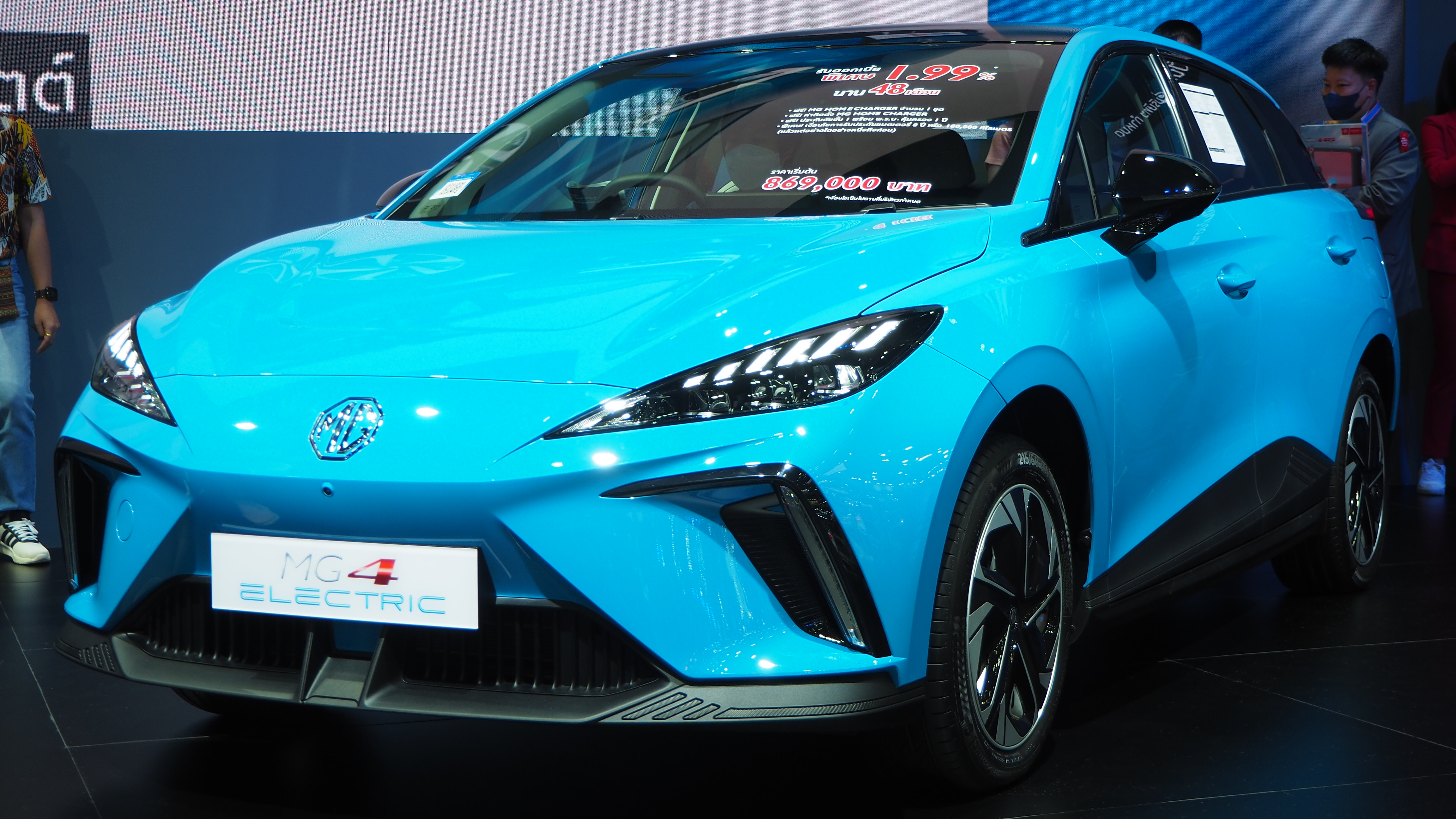
"once will pay a little bit extra in the monthlies to get something a bit more [1912.9s] range, a bit more comfort, [1917.0s] bits and bobs inside in it, like the Insta, like the MG4 Urban."
The MG4 Urban is another affordable electric car. The hosts mention it as an example of one that feels a bit more complete inside, so some buyers might pay a little more for that.
The MG4 Urban is referenced as an example of a budget EV that offers more than the cheapest option—specifically “bits and bobs inside” and a better overall package. It’s used to support the idea that some buyers will pay extra for higher-spec comfort and features.
Mg4 Urban
"...s and bobs inside in it, like the Insta, like the MG4 Urban. So yeah, we'll see it at the Paris Motor Show."
The MG4 is an electric hatchback made by MG. The podcast mentioned the MG4 Urban and said it would be shown at the Paris Motor Show, which usually means new versions or features are being revealed. It’s likely being discussed as an affordable, practical EV option.
The MG4 is a compact electric hatchback from MG, typically discussed as a value-focused EV option. In your excerpt, the podcast mentions the MG4 Urban and that it will be seen at the Paris Motor Show, which points to new trims or updates being showcased. That kind of event coverage is common in EV news when manufacturers reveal feature changes and market positioning.
Paris Motor Show
"So yeah, we'll see it at the Paris Motor Show. [1923.1s] So we'll have a look around it. [1924.7s] It's not going to be a rebadged Twingo."
The Paris Motor Show is a big car event in Paris where new cars are shown to the public and press. The hosts are saying they’ll check out the new model there.
The Paris Motor Show is a major international auto event where manufacturers reveal and showcase new vehicles. The hosts say they’ll go look at the car there, framing it as the next chance to see the new Spring in person.
e-shift with virtual gears
"[1945.0s] The Model Year 2027 updates the e-shift with virtual gears. [1950.6s] Porsche is intensifying the driving experience of the all 2027 [1954.6s] Taycan variants courtesy of the new e-shift system with virtual gear changes."
Electric cars don’t use a normal gearbox, so they can’t shift gears the usual way. “Virtual gears” are software-made shift sensations that mimic what you’d feel in a gas car.
e-shift with virtual gears is an electronic feature on some EVs that simulates gear changes using software. Because electric motors don’t shift like a traditional transmission, the system creates a more familiar “gear” feel and can also coordinate sound and throttle response.

Hyundai IONIQ 5
"[1959.4s] We would have seen this obviously in the Hyundai IONIQ 5 or IONIQ 6. [1962.7s] And it's a more emotive electronic sport sounds."
The Hyundai IONIQ 5 is an electric Hyundai crossover. The host brings it up because it already uses similar ideas to make the car feel more like it’s shifting gears.
The Hyundai IONIQ 5 is a battery-electric crossover known for its modern EV tech and usability. Here it’s mentioned as an example where “virtual gear” behavior and EV driving feel have already been seen.

Hyundai Ioniq 6
"[1959.4s] We would have seen this obviously in the Hyundai IONIQ 5 or IONIQ 6. [1962.7s] And it's a more emotive electronic sport sounds."
The Hyundai IONIQ 6 is an electric car. The host mentions it as another example of EV software that can mimic gear changes to make driving feel more engaging.
The Hyundai IONIQ 6 is a battery-electric sedan/coupe-style EV built around efficiency and modern infotainment. In this segment, it’s referenced as another car that already demonstrates the “virtual gear”/driving-feel concept.
emotive electronic sport sounds
"[1962.7s] And it's a more emotive electronic sport sounds. [1966.1s] The new new generation of infotainment featuring a modern operating concept"
This is the car playing designed sounds through the speakers. It’s meant to make the driving feel more exciting, even though the car doesn’t have a traditional engine.
“Emotive electronic sport sounds” refers to synthesized audio cues an EV generates to make acceleration and driving modes feel more dramatic. It’s not mechanical engine sound—it's intentionally designed sound feedback tied to throttle and driving behavior.
105 kilowatt hour battery
"[1976.2s] So the performance battery plus the 105 kilowatt hour battery [1980.3s] now comes standard across all variants."
That “105 kilowatt hour” number is how big the car’s battery is. A bigger battery usually means you can store more energy for driving farther, depending on how efficiently the car uses it.
A 105 kilowatt hour battery refers to the EV’s battery capacity, measured in kilowatt-hours (kWh). Higher capacity generally supports more total energy for driving range, though real-world range also depends on efficiency and conditions.
DC fast charging port
"[1982.4s] The passenger side DC fast charging port now has NACS native. [1987.3s] If you're in the North America market listening to here,"
This is the charging plug on the car used for quick charging. The host says the Taycan’s fast-charging port is being updated to use the NACS plug style.
A DC fast charging port is the connector used to charge an EV with direct current at high power. The host notes a change to the Taycan’s passenger-side port to support a specific plug standard (NACS native).
NACS native
"[1982.4s] The passenger side DC fast charging port now has NACS native. [1987.3s] If you're in the North America market listening to here,"
“NACS native” means the car is set up to use the NACS fast-charging plug directly. That usually makes charging simpler because you may not need an adapter.
NACS native means the car’s charging inlet is designed to accept the NACS plug standard directly, without needing an adapter. This matters because plug compatibility can determine whether you can use certain fast-charging stations easily.
virtual gear changes
"[2026.9s] Version virtual gear changes with perceptible [2030.8s] perceptible shift motion and reinterprets Porsche's electric [2034.8s] sonic sound sport sound and new virtual rev counter combines"
Because electric cars don’t shift like gas cars, some add “virtual” shifting. It’s a simulated feel—through the car’s behavior and sounds—so it feels more like a multi-gear performance car.
Virtual gear changes are an EV feature that simulates the sensation of shifting gears. Instead of real gear ratios changing like a traditional transmission, the car uses motor control and feedback (motion, sound, and UI) to mimic a multi-gear driving feel.
virtual rev counter
"[2034.8s] sonic sound sport sound and new virtual rev counter combines [2038.8s] to create a multi sensory driving experience."
A virtual rev counter is a screen gauge that looks like the RPM meter in a gas car. In an electric car, it’s simulated so you still get a familiar “engine speed” style indicator.
A virtual rev counter is a digital gauge that imitates an engine’s RPM display. On an EV, it’s not measuring engine speed (since there’s no traditional engine revving), but it provides familiar feedback by translating motor behavior into an RPM-like readout.
Paddles
"[2041.9s] Paddles on the GT sports steering wheel can be used to switch between eight [2045.1s] simulated gears."
Paddles are the little levers behind the steering wheel. Here, they’re used to manually choose between the car’s simulated “gears.”
Paddles are steering-wheel-mounted controls used to manually command gear selection or driving modes. In this EV context, they’re used to switch between simulated gears, giving the driver more direct control over the virtual shifting behavior.

Porsche Taycan
"or change or strengthening the Taycan and all relevant areas. [2055.7s] The latest models offers more emotive driving experience and more intuitive [2058.9s] and customizable operations says Kevin Geek, head of the Taycan model lineup."
The Porsche Taycan is Porsche’s electric car. It’s designed to feel exciting to drive, and this part of the podcast talks about new features that change how it sounds, shifts virtually, and how the screen helps with navigation and charging.
The Porsche Taycan is Porsche’s all-electric performance sedan, known for its multi-sensory driving feel and fast, responsive power delivery. In this segment, they’re talking about Taycan-specific updates like virtual gear changes, sound design, and a new infotainment/charging-planning experience.
AI supported voice pilot
"[2073.6s] in actual color of the customer vehicle, freely configurable widgets, [2077.7s] improved voice control with AI supported voice pilot."
AI-supported voice pilot means the car can understand voice commands using AI. Instead of only following a few fixed phrases, it’s meant to handle requests more naturally.
AI-supported voice pilot refers to an in-car voice assistant that uses artificial intelligence to understand and respond to spoken commands. The point is more natural control of functions like navigation, media, and vehicle settings compared with basic voice commands.
optimized charging planner
"[2085.3s] the new standards with precise online route calculation, [2088.7s] 3D building displays and optimized charging planner."
An optimized charging planner helps you plan EV charging stops on a trip. It tries to pick the best chargers and timing so you spend less time figuring it out.
An optimized charging planner is an EV navigation feature that helps you plan charging stops efficiently. It typically considers route, charger availability, and charging time to recommend where and when to charge so the trip is less stressful.
over the update
"[2091.8s] Possibility of over the update of the infotainment system is now [2094.5s] plus a smartphone tray with magnetic ring mount, which we're starting to see"
This is about updating the car’s software remotely. Instead of going to a shop, the car can get improvements over the internet.
Over-the-update (likely referring to over-the-air updates) means the car can receive software updates without visiting a dealer. For EVs, this can improve infotainment, navigation, and sometimes vehicle behavior after purchase.

Raval Cooper Raval
"So we got to drive the Cooper Raval VZ and the link is going to be in the description. It's up on the Neville Review YouTube channel."
The Cooper Raval VZ is an electric car that’s meant to be the more affordable option. They talk about how big the battery is and how far it should go on a charge, and they also mention the expected price after government rebates.
The Cooper Raval VZ is an electric car positioned as an entry-level model in Cooper Ireland’s lineup. In this segment, they’re discussing its battery size and claimed driving range, plus a higher-output “VZ” variant that’s expected to cost around €35,000 after incentives.
SEI grants
"That's going to be the entry level price. And that's after the SEI grants and the VRT rebate."
SEI grants are money-off incentives that help lower the price of an electric car. Here, they’re saying the price they quoted already assumes you get that help.
SEI grants are government or agency incentives that reduce the effective purchase cost of an electric vehicle. In this context, the host says the “entry level price” is after applying these grants.
VRT rebate
"That's going to be the entry level price. And that's after the SEI grants and the VRT rebate."
A VRT rebate is a tax break related to registering a car. They’re saying the price they’re quoting is after you benefit from that rebate.
A VRT rebate refers to a reduction or refund of Vehicle Registration Tax (VRT) when buying a vehicle. The host ties it directly to the final “entry level price” for the Cooper Raval VZ.
driver display wireless
"That 23 and a half 23495 price will come with a 2012 point nine inch touchscreen Google Android software based and also ten point 25 inch driver display wireless Apple on Android Auto and Apple CarPlay."
“Wireless” means you may be able to connect your phone or use the car’s screens without plugging in a cable. The host is pairing this with Android Auto and Apple CarPlay support.
“Wireless” here indicates the driver’s display and/or phone integration is not limited to a physical cable connection. The host is describing the infotainment setup as wireless while also mentioning Android Auto and Apple CarPlay.
keyless start
"Keyless start rear parking sensors, climate control, LED headlights, 3D rear edge to edge light with the Cooper logo, rain sensors, light sensors,"
Keyless start means you can start the car by pressing a button instead of putting a key in. You usually keep the key fob in your pocket or bag.
Keyless start is a feature that allows you to start the car without inserting a physical key, typically by using a key fob with a push-button. The host lists it as part of the Raval VZ’s standard equipment.
rear parking sensors
"Keyless start rear parking sensors, climate control, LED headlights, 3D rear edge to edge light with the Cooper logo, rain sensors, light sensors,"
Rear parking sensors help you avoid hitting things when you back up. They detect how close you are to obstacles and alert you to the risk.
Rear parking sensors are distance-measuring sensors that warn you when you’re close to objects while reversing. They’re listed here as part of the Raval VZ’s convenience and usability features.
light sensors
"3D rear edge to edge light with the Cooper logo, rain sensors, light sensors, high beam control, flush door handles,"
Light sensors detect how bright or dark it is outside. They can automatically turn the headlights on or off so you don’t have to manage it yourself.
Light sensors measure ambient brightness and can automatically control exterior lighting such as headlights. In this segment, they’re mentioned alongside rain sensors as part of the car’s automatic convenience features.
rain sensors
"3D rear edge to edge light with the Cooper logo, rain sensors, light sensors, high beam control, flush door handles,"
Rain sensors detect when it’s raining and can automatically control the windshield wipers. That way you don’t have to manually adjust them every time the weather changes.
Rain sensors detect moisture on the windshield and can automatically adjust wiper operation. The host includes them among the Raval VZ’s listed driver-assist and comfort features.
high beam control
"rain sensors, light sensors, high beam control, flush door handles, so you're getting a lot."
High beam control helps manage the bright headlights automatically. It can switch between bright and dim settings to avoid blinding other drivers.
High beam control refers to automatic management of the car’s high-beam headlights, typically switching between high and low beams based on traffic and lighting conditions. The host lists it as part of the Raval VZ’s feature set.
flush door handles
"rain sensors, light sensors, high beam control, flush door handles, so you're getting a lot."
Flush door handles are door grips that sit smoothly with the car’s body instead of sticking out. They can look cleaner and may help the car cut through the air more easily.
Flush door handles are door pulls that sit nearly even with the bodywork, often to reduce aerodynamic drag and improve styling. The host includes them as part of the Raval VZ’s design and equipment.

BMW seven series
"Last but by no means least today, this morning, we were at Dublin Airport for the launch of the all new BMW seven series. Now it is a midlife refresh, but it is there's so many updates on it."
The BMW 7 Series is BMW’s top luxury car. It’s meant to feel very comfortable and upscale, especially for rear passengers. Here they’re talking about a refreshed version that’s been updated a lot—almost like a new car.
The BMW 7 Series is BMW’s flagship luxury sedan, built to feel like a high-end executive lounge. In this segment, the hosts discuss an all-new-feeling midlife refresh with major exterior and tech updates, positioning it as a major generational-style change rather than a minor facelift.
kidney grill
"So you're going to new face design with a re profiled kidney grill, much more boxy."
The “kidney grille” is BMW’s recognizable front grille design. When they say it’s re-profiled, they mean the shape has been redesigned, which changes the look of the car’s front end.
BMW’s “kidney grille” is the brand’s signature front grille shape, named for its kidney-like outline. In this refresh, the host says it’s “re profiled,” meaning the grille’s shape and contours are redesigned to change the car’s face and airflow characteristics.
individual crystal headlights
"You're going to be a full dynamic light carpet when you're opening the door, individual crystal headlights, new two tone color combinations up to five different variations."
This is BMW’s description of the headlight design—styled so the light units look like separate “crystal” pieces. It’s mainly about how the car looks, and it usually goes along with more advanced lighting behavior.
“Individual crystal headlights” refers to a BMW lighting design language where the headlamp elements are styled to look like separate crystal-like modules. The point is visual signature plus modern lighting tech packaging, often tied to adaptive lighting features in the same generation.
Request an Explanation
Heard something you'd like explained? We'll add it to this episode.
Sign in to request explanations for terms you heard.
Want to learn more?
Browse our glossary for plain-English explanations of automotive terms, jargon, and concepts.
Help improve this episode
See something that's not quite right? Our annotations are AI-generated and can sometimes miss the mark. Click the flag icon on any annotation to suggest a correction.